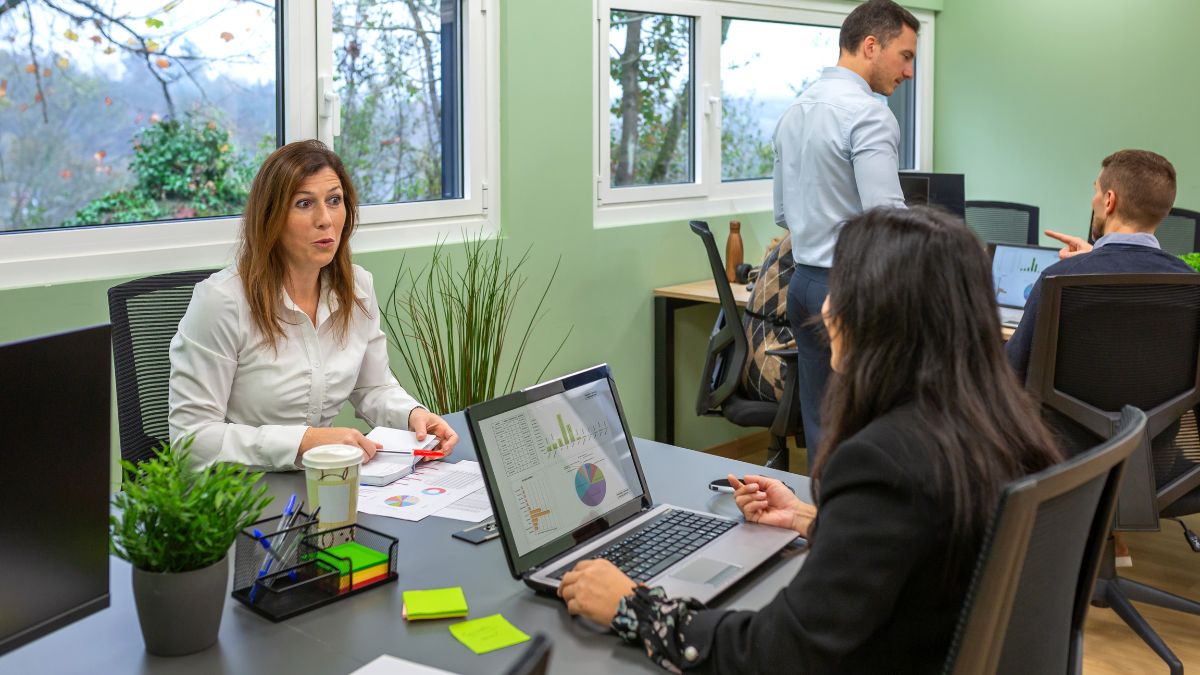
Many people unknowingly jeopardize their eye health through routine behaviors that seem harmless on the surface. Our eyes are incredibly delicate organs that require consistent care and protection from environmental stressors. Cumulative damage often goes unnoticed until significant vision loss or chronic discomfort sets in. Identifying and altering these daily patterns serves as the first line of defense against long-term ocular decline. Understanding these risks empowers you to make smarter choices for a lifetime of clear sight.
Rubbing Your Eyes
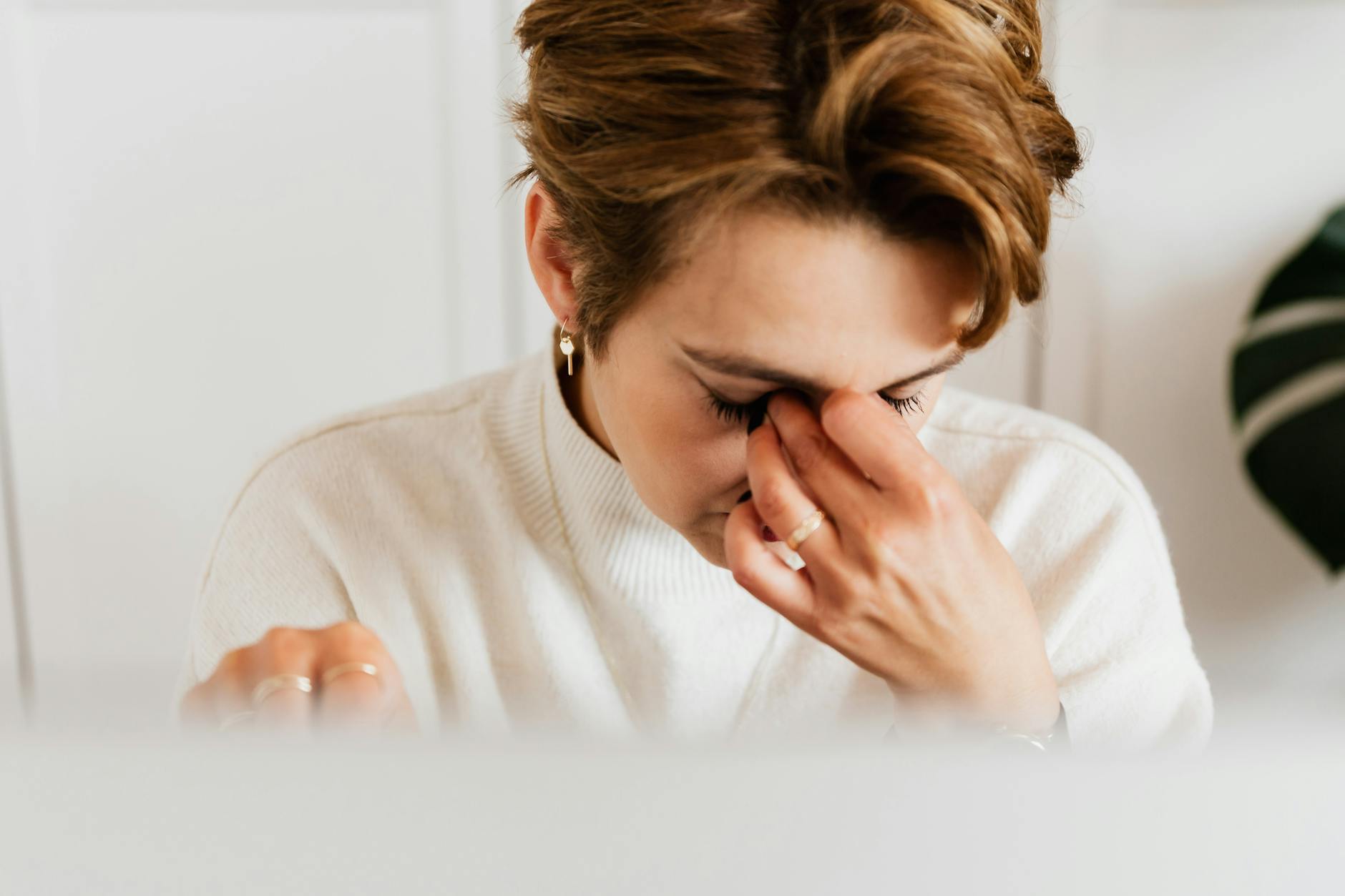
Vigorously rubbing your eyes might provide temporary relief from an itch but it causes significant trauma to the cornea. This physical pressure often distorts the shape of the eye and contributes to a condition called keratoconus. The friction breaks tiny blood vessels beneath the surface and results in unsightly redness or dark circles. Bacteria from your hands easily transfer to the mucous membranes and increase the risk of infections like pink eye. Keeping your hands away from your face protects the structural integrity of your vision.
Sleeping in Contact Lenses
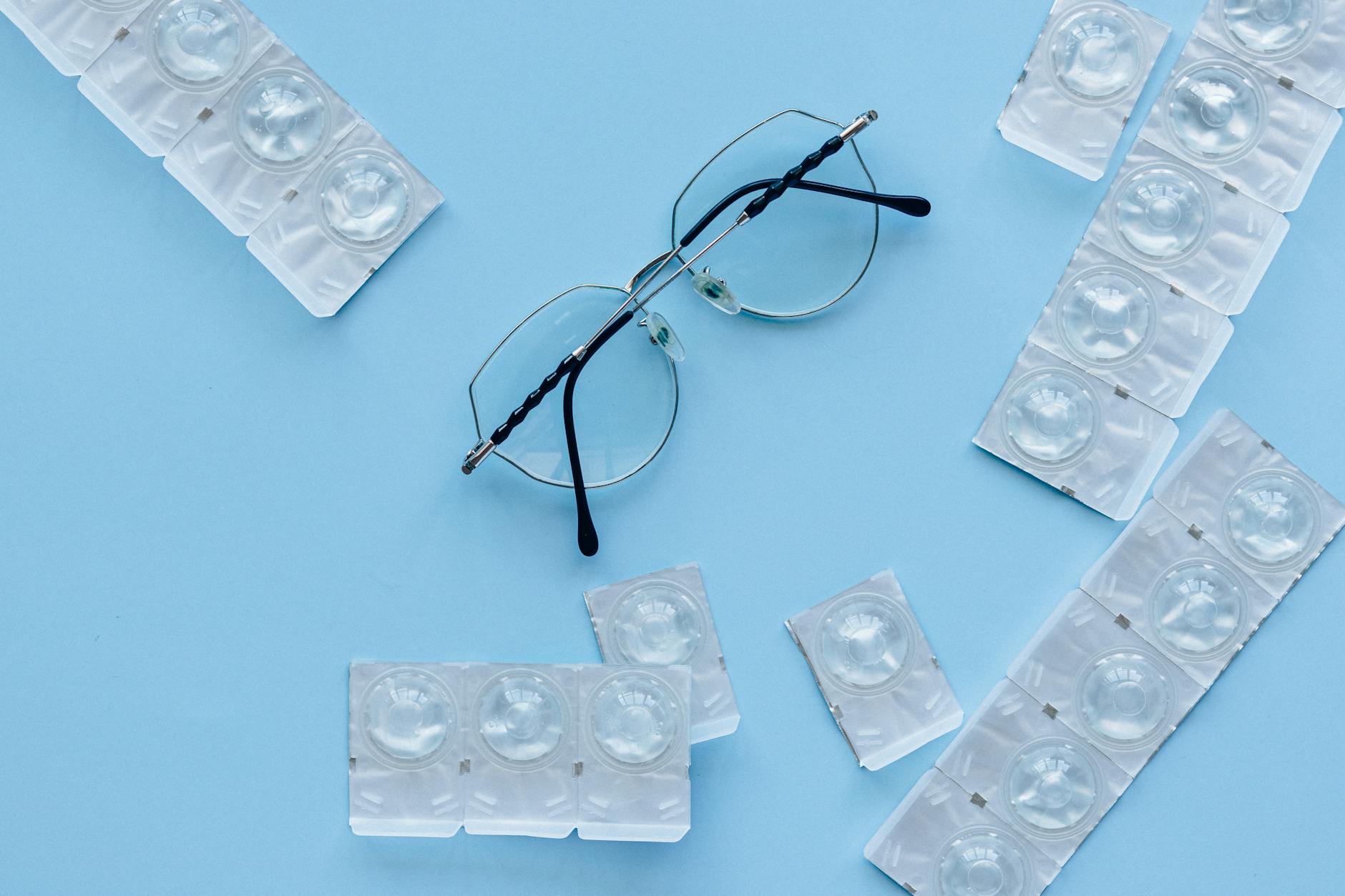
Leaving contact lenses in overnight cuts off the essential supply of oxygen to the cornea. This oxygen-deprived environment creates a breeding ground for bacteria and increases the risk of corneal ulcers. Even lenses approved for extended wear pose a higher threat of infection compared to daily removal. Your eyes require time to breathe and rehydrate naturally while you sleep to maintain optimal health. taking a few minutes to remove lenses before bed prevents painful complications.
Forgetting Sunglasses
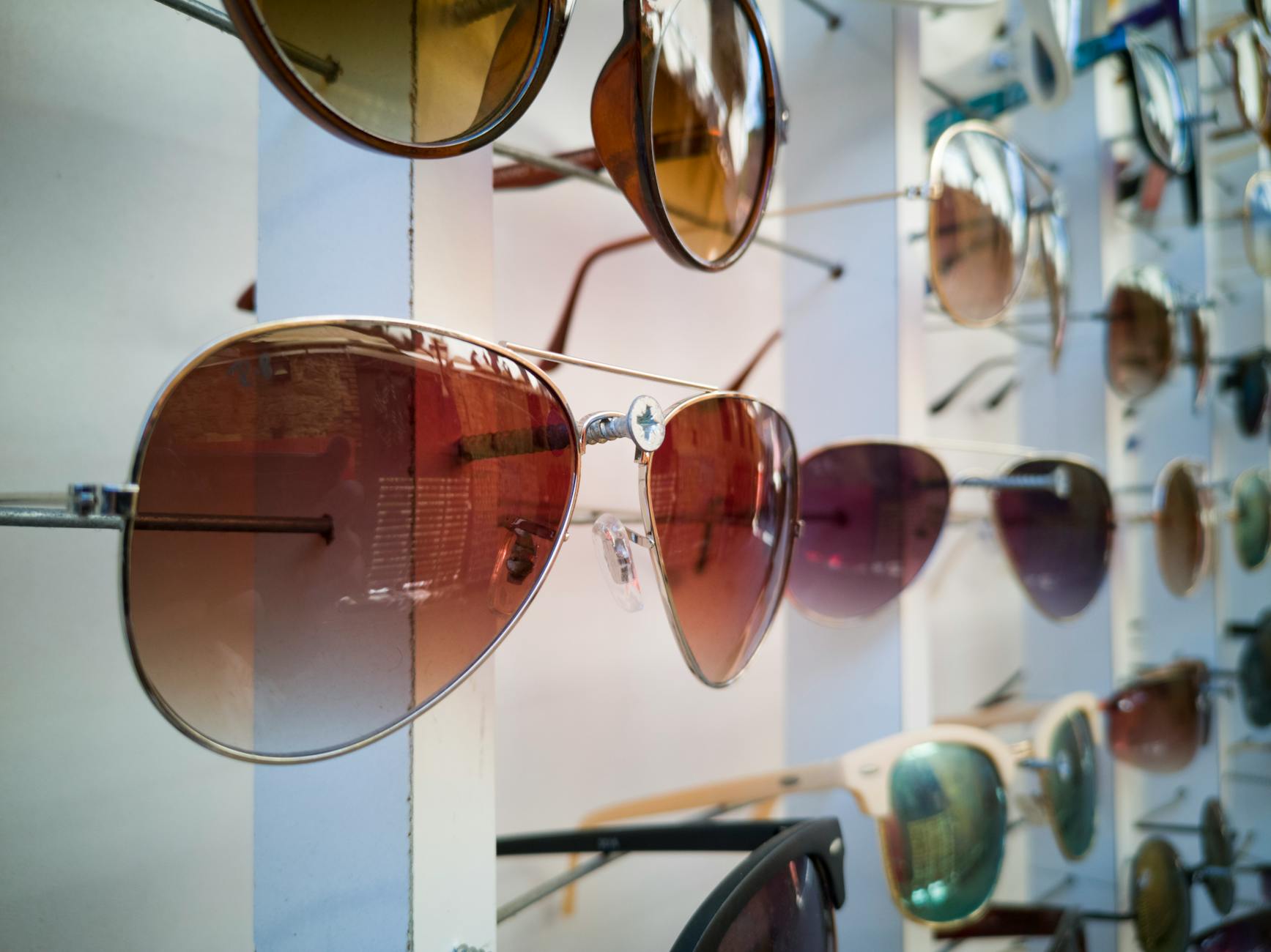
Ultraviolet rays from the sun cause cumulative damage to the eyes even on overcast days. Exposure to UV radiation accelerates the formation of cataracts and raises the risk of macular degeneration. Many individuals forget that surfaces like water and snow reflect light and intensify the danger. Quality eyewear blocks both UVA and UVB rays to provide a necessary shield against environmental harm. Wearing sunglasses year-round is a simple preventive measure that safeguards long-term visual health.
Staring at Screens Without Breaks
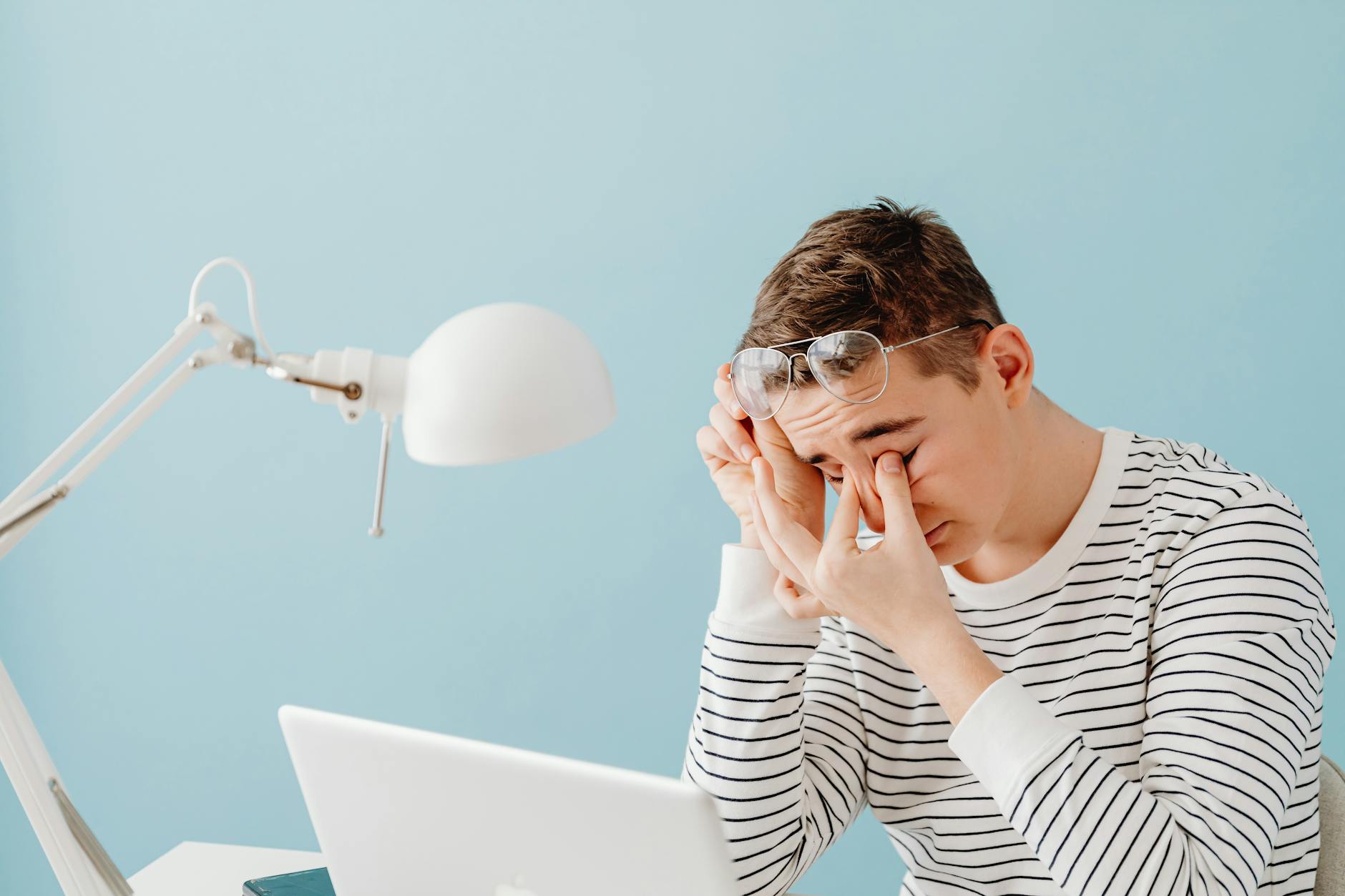
Prolonged focus on digital devices significantly reduces your blink rate and leads to digital eye strain. The resulting dryness causes irritation and blurred vision after long work sessions. Blue light emitted from screens disrupts sleep patterns and may damage retinal cells over time. Following the 20-20-20 rule helps reset your focus and relaxes the eye muscles. Taking frequent breaks ensures your eyes remain lubricated and less fatigued by the end of the day.
Smoking Cigarettes
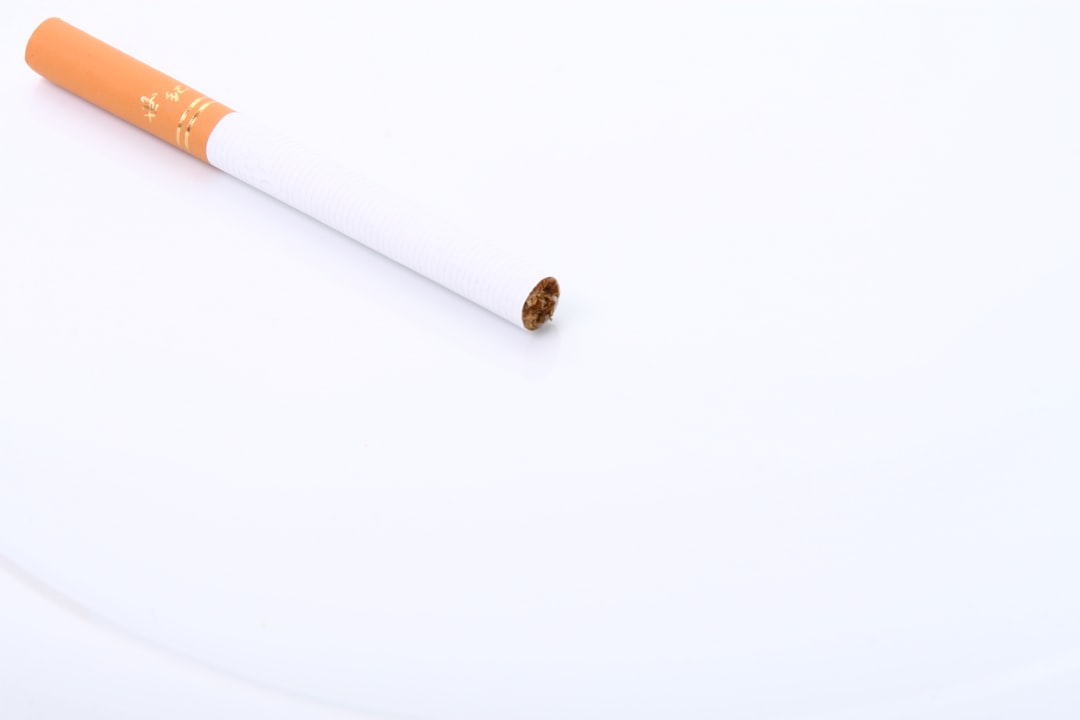
toxins found in cigarette smoke enter the bloodstream and inflict damage on the optic nerve. Smokers face a much higher probability of developing age-related macular degeneration compared to non-smokers. These chemicals accelerate the clouding of the natural lens and lead to the early onset of cataracts. Reduced blood flow restricts the nutrients reaching the retina and compromises its function. Quitting this habit halts ongoing damage and allows the body to begin repairing itself.
Using Expired Makeup
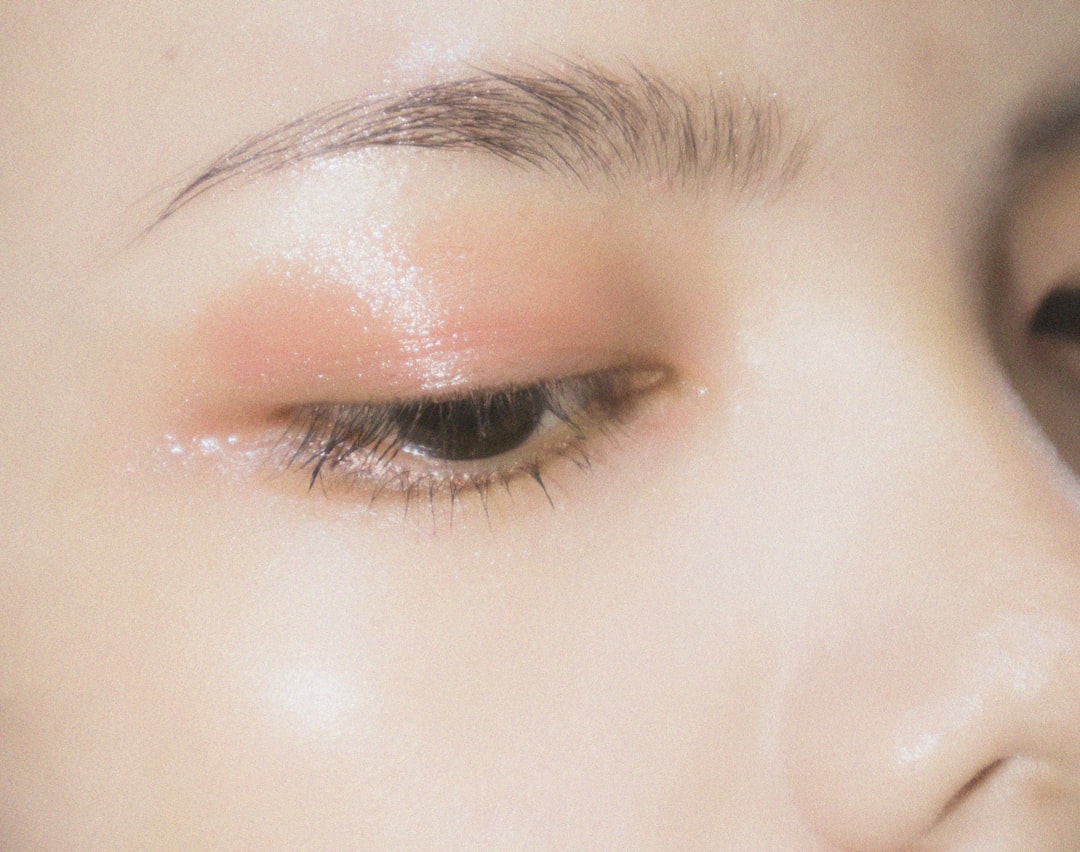
Old mascara and eyeliner act as breeding grounds for dangerous bacteria and fungi. Applying contaminated products near the lash line introduces pathogens directly into the eye surface. Preservatives in cosmetics break down over time and lose their ability to fight off infection effectively. Replacing liquid eye makeup every three months ensures it remains safe for daily application. Keeping a strict rotation of beauty products prevents painful styes and conjunctivitis.
Dehydration

Staying hydrated is essential for producing enough tears to keep eyes lubricated and comfortable. A lack of water leads to dry eyes and creates a gritty sensation that impairs focus. Without adequate moisture the eyes cannot flush out debris or dust effectively. Chronic dehydration prevents the body from maintaining the fluid balance necessary for overall ocular health. Drinking enough water throughout the day ensures your tear film remains stable.
Reading in Low Light
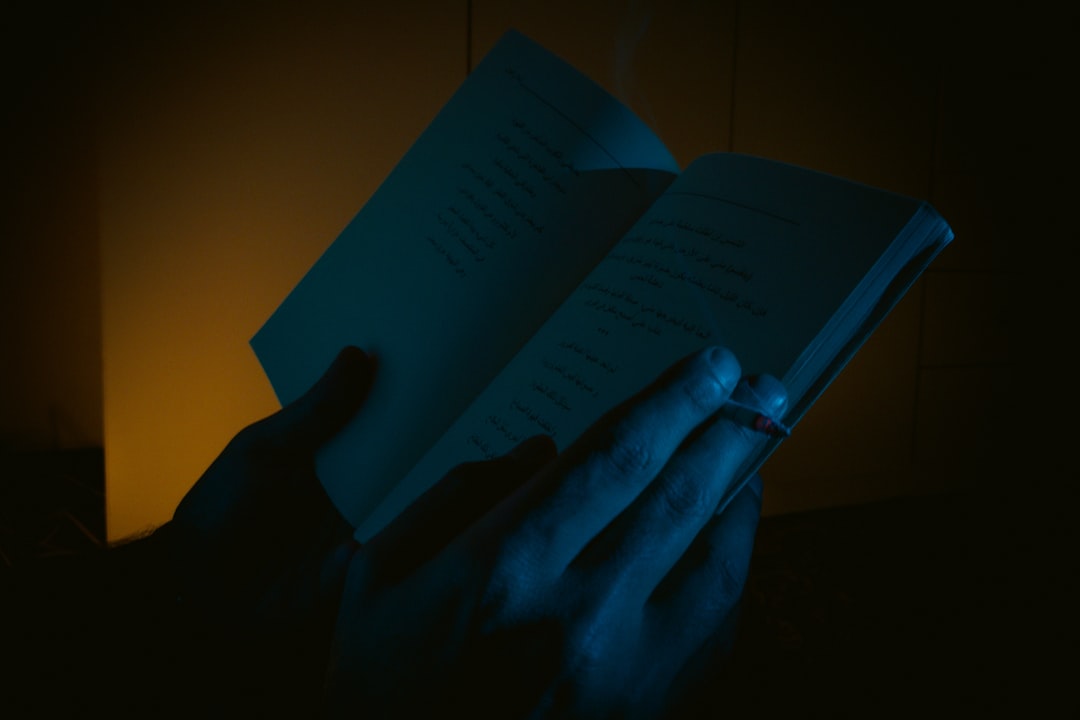
Straining to read in dim environments causes the eyes to work much harder than necessary. This extra effort leads to rapid fatigue and headaches as the pupils dilate to capture more light. While it may not cause permanent damage it creates unnecessary discomfort and temporary vision blurring. Proper lighting reduces the workload on your eye muscles and makes reading more enjoyable. Always position a direct light source behind you or to the side for optimal illumination.
Overusing Redness Relief Drops
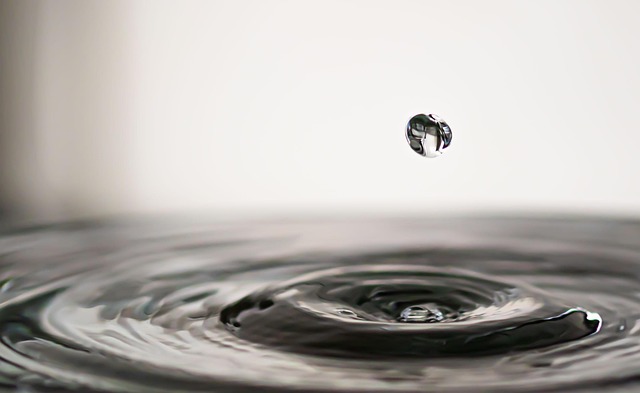
Eye drops designed to remove redness work by shrinking the blood vessels on the surface of the eye. Relying on them too frequently causes a rebound effect where redness returns worse than before. These drops mask underlying issues rather than treating the root cause of the irritation. Chronic use can lead to dependence and actually dry out the eyes further over time. Consult an eye doctor for persistent redness instead of reaching for quick cosmetic fixes.
Skipping Eye Exams
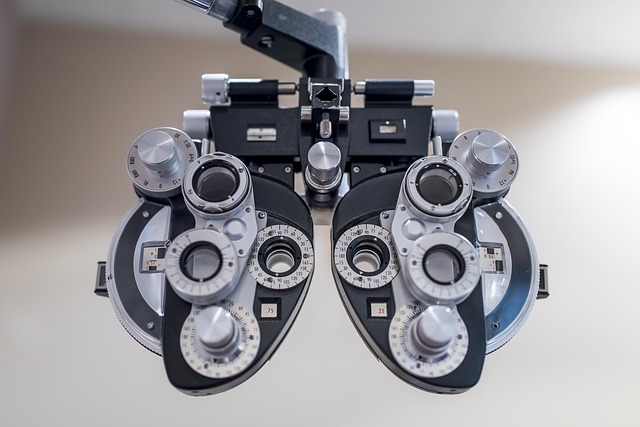
Many dangerous eye diseases present no early warning signs or pain until vision is permanently lost. skipping annual exams means conditions like glaucoma can progress undetected for years. An optometrist checks the overall health of the eye and detects systemic issues like diabetes or high blood pressure. Regular checkups ensure that prescriptions are current and reduce strain from correcting vision manually. Early detection remains the most effective tool for preserving sight.
Swimming Without Goggles
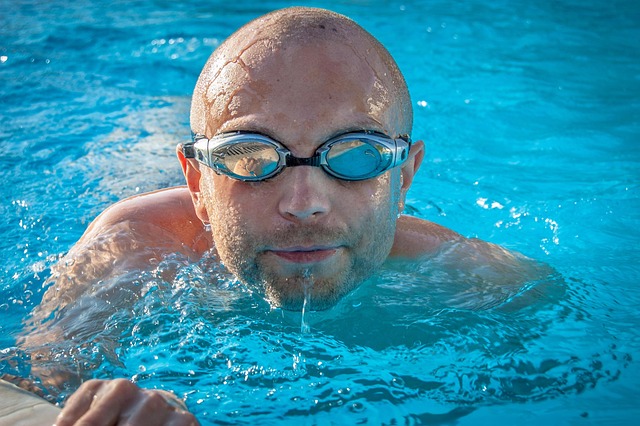
Chlorine in swimming pools and bacteria in natural bodies of water irritate the corneal surface. Opening your eyes underwater exposes them to chemicals that wash away the protective tear film. This exposure leaves eyes red and sensitive to light long after you leave the water. Goggles provide an airtight barrier that keeps potential pathogens and irritants at bay. Wearing protection is vital for maintaining comfort and health during aquatic activities.
Looking at Your Phone in Bed
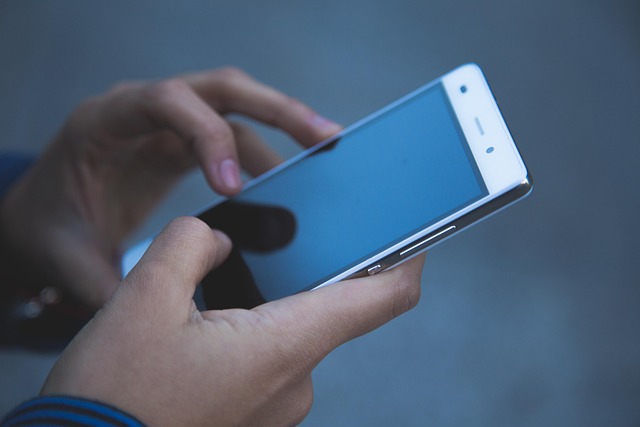
Using a smartphone in the dark exposes your eyes to concentrated blue light and causes intense strain. This habit disrupts circadian rhythms and makes falling asleep significantly more difficult. The high contrast between a bright screen and a dark room fatigues the eyes rapidly. Holding the phone too close to the face forces the eyes to converge and focus excessively. Putting devices away an hour before sleep protects both your vision and your rest.
Ignoring a Poor Diet

Nutrients like omega-3 fatty acids and lutein are critical for maintaining the health of the macula. A diet lacking in leafy greens and colorful vegetables starves the eyes of necessary antioxidants. High sugar intake damages the delicate blood vessels in the retina over time. Consuming processed foods contributes to inflammation that negatively impacts visual acuity. Eating a balanced diet fortifies your eyes against age-related decline.
Misusing Heating and AC Vents
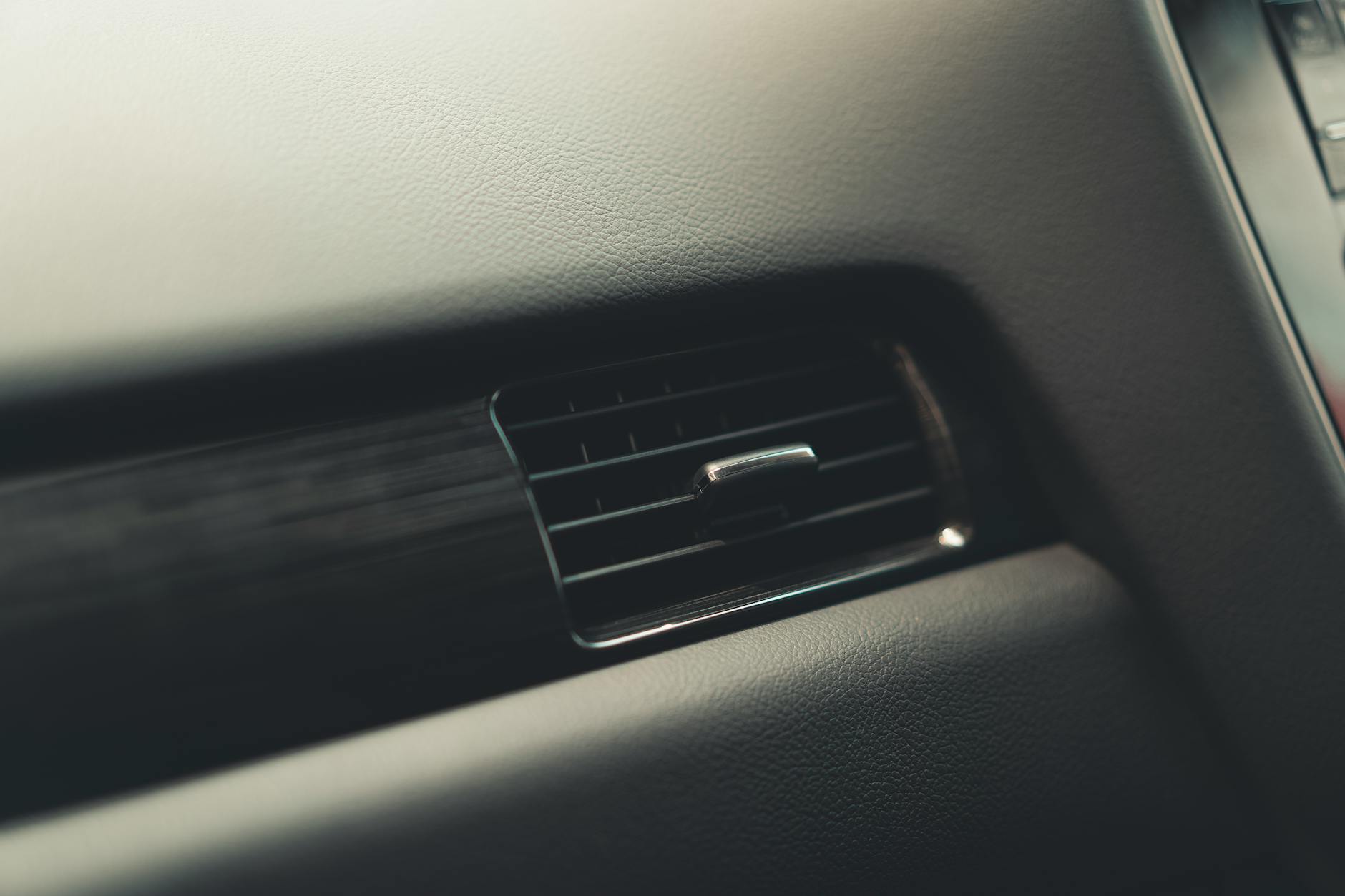
Directing air flow from car vents or fans specifically at your face dries out the eyes rapidly. The constant stream of air accelerates tear evaporation and leaves the surface vulnerable to irritation. This leads to a reflex tearing response where the eyes water excessively to compensate. Positioning vents away from the face helps maintain a stable moisture level. Adjusting your environment prevents the discomfort associated with chronic dry eye.
Wearing the Wrong Prescription
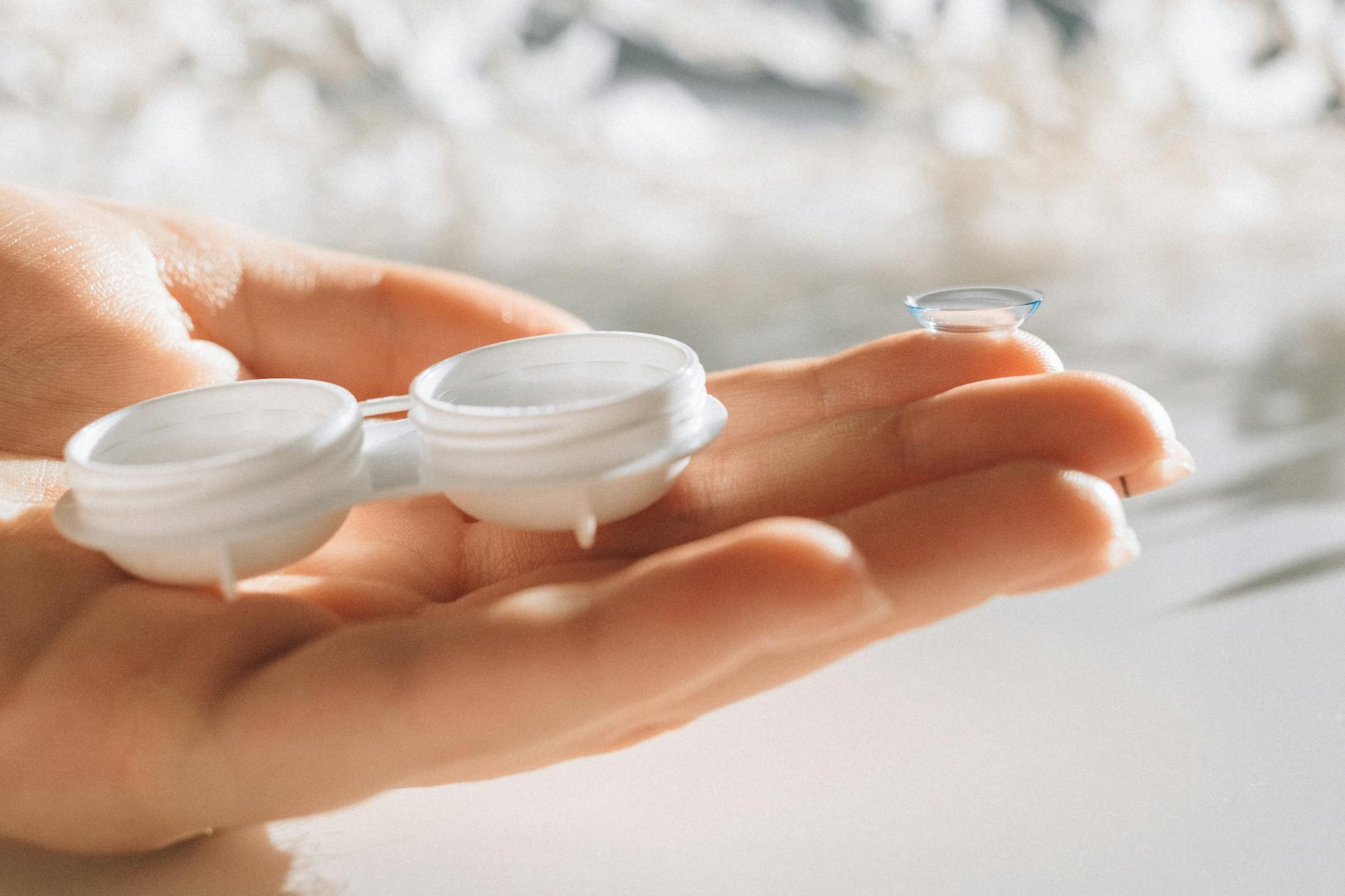
Wearing glasses or contacts with an outdated prescription forces the eyes to squint and strain to focus. This constant effort leads to tension headaches and fatigue around the brow area. The brain receives blurred signals that make processing visual information more difficult. Children are particularly susceptible to developmental issues if their vision is not corrected properly. ensuring your prescription is current provides relaxed and clear vision.
Ignoring Safety Goggles
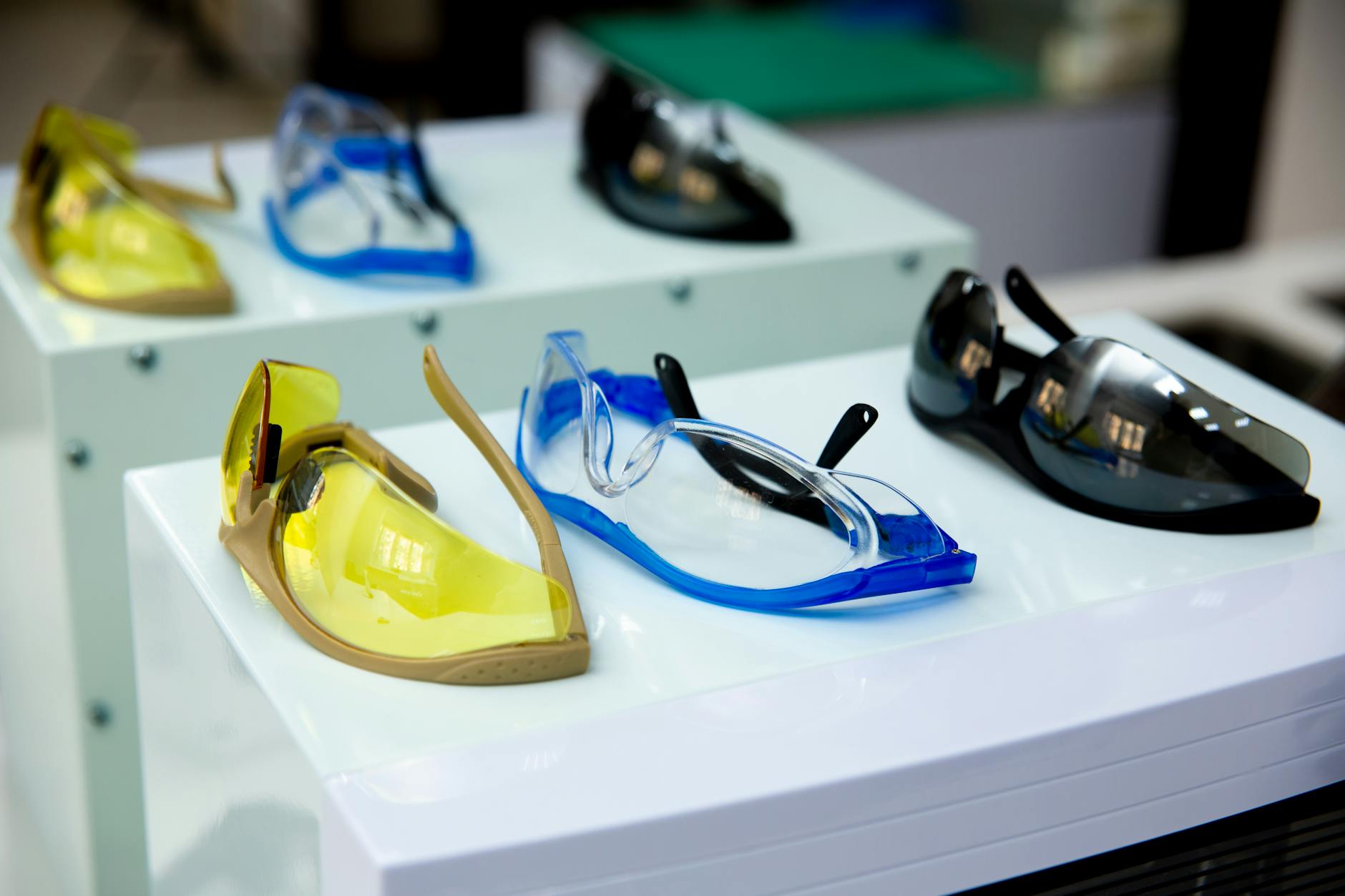
Engaging in home improvement projects or gardening without protection leaves eyes vulnerable to flying debris. A small wood chip or metal shard can cause catastrophic damage to the cornea in an instant. Many severe eye injuries occur during routine household tasks that seem low risk. Safety glasses are an inexpensive and effective barrier against high-velocity particles and chemicals. Taking a moment to put them on prevents emergency room visits and potential blindness.
Touching Eyes with Dirty Hands
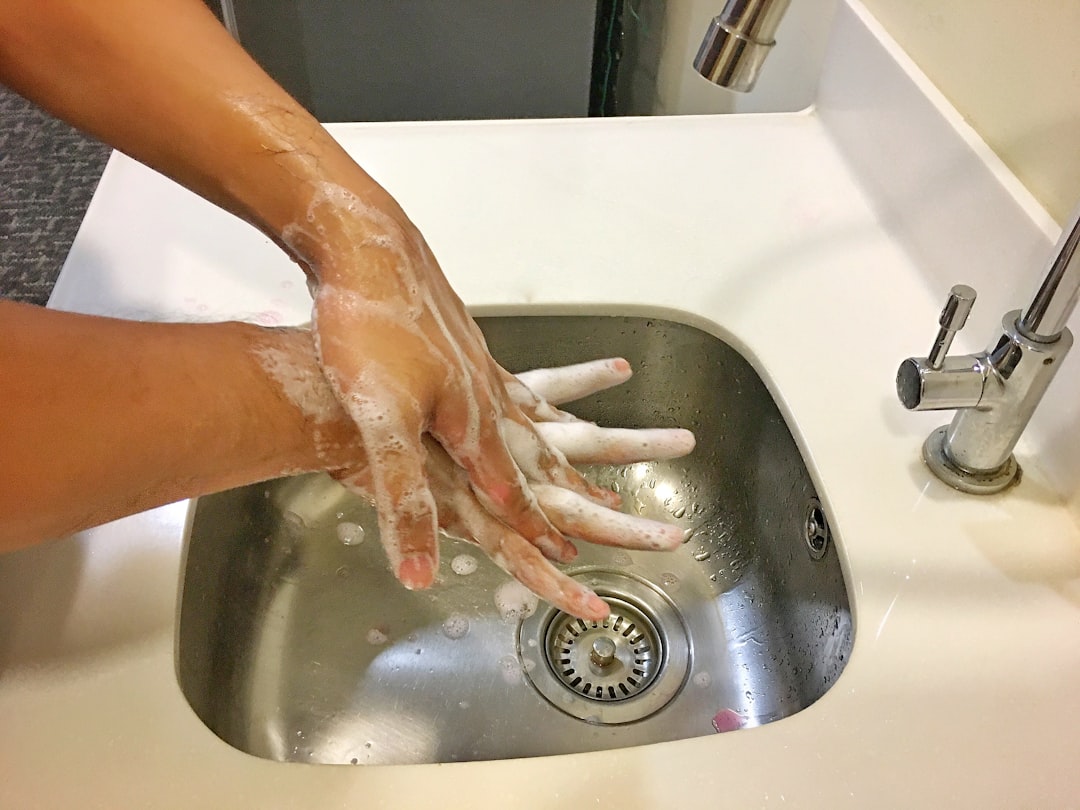
Our hands come into contact with countless surfaces and germs throughout the course of a day. Touching your eyes introduces bacteria and viruses directly to the mucous membranes. This habit is a primary mode of transmission for colds and contagious eye infections. Washing hands thoroughly before applying makeup or handling contacts is non-negotiable. Conscious effort to keep hands away from the face significantly reduces infection risk.
Sleeping with Makeup On

Falling asleep without washing your face leaves mascara and eyeliner to flake into the eyes. These particles can scratch the cornea and cause significant irritation by morning. Makeup clogs the oil glands along the eyelid and leads to painful styes or chalazia. The skin around the eyes also suffers from the prolonged exposure to cosmetic chemicals. a consistent nightly cleansing routine protects the eyes and the delicate skin surrounding them.
Ignoring Eye Symptoms
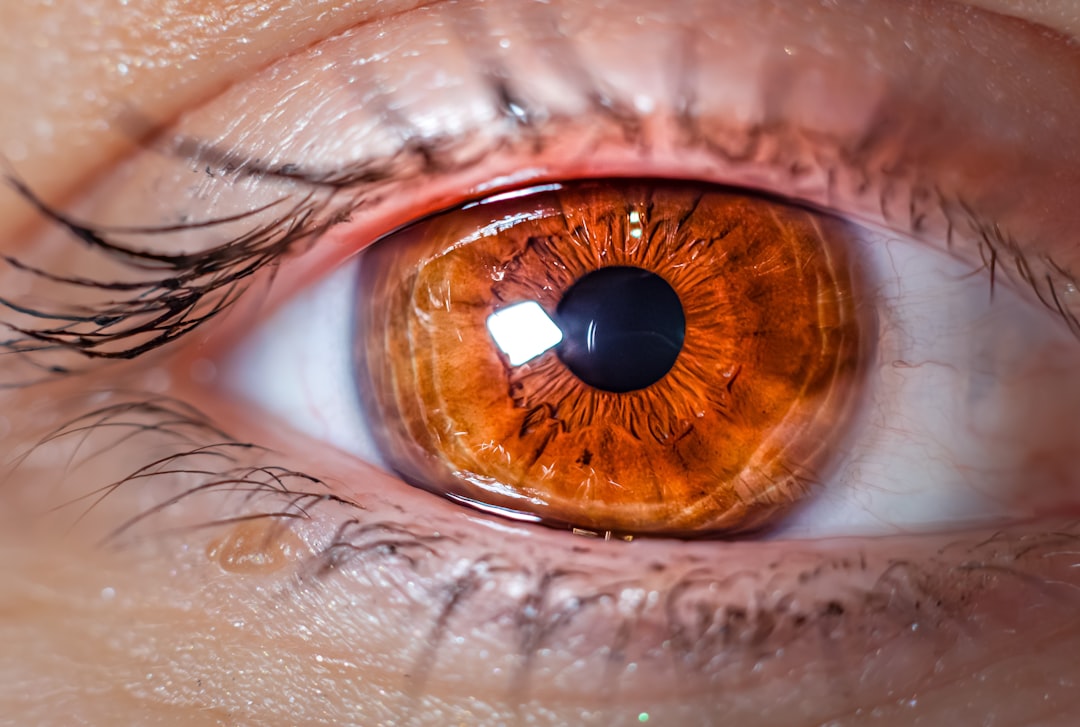
Dismissing flashes of light or sudden floaters as minor annoyances can be a dangerous mistake. These symptoms often signal a retinal detachment which requires immediate medical intervention. Chronic redness or pain should never be considered normal or ignored for days. Early treatment of sudden changes prevents permanent vision loss in many cases. Seeking professional advice promptly is crucial when your vision changes unexpectedly.
Looking Directly at the Sun
Staring at the sun for even a few seconds causes thermal damage to the retinal cells. Solar retinopathy creates a blind spot in your central vision that is often permanent. This damage occurs painlessly and people often do not realize it until later. Eclipses are particularly dangerous times when people feel tempted to look up without proper protection. Never look directly at the sun without certified safety equipment.
Excessive Screen Brightness
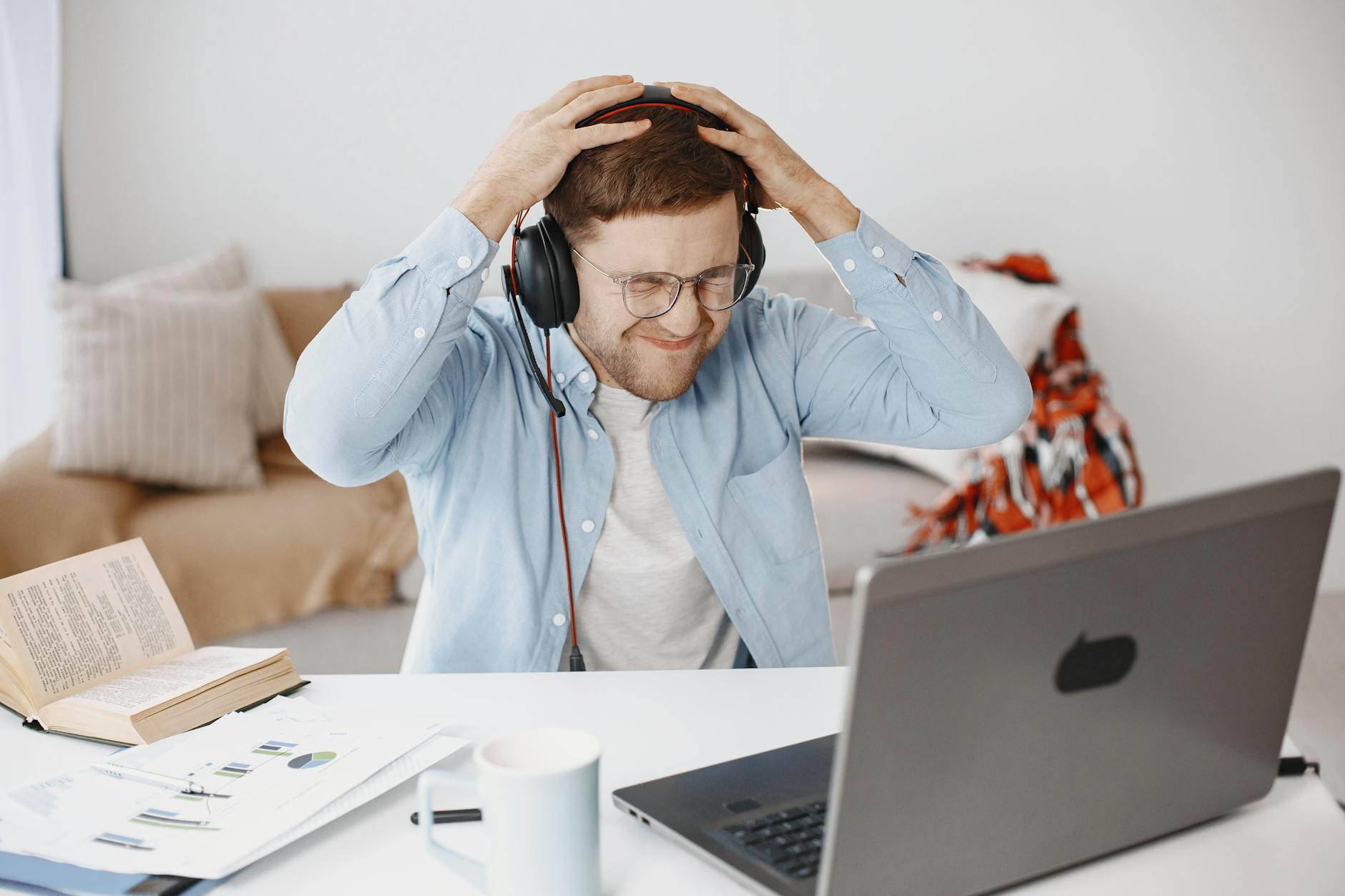
Setting your monitor or phone brightness too high creates a harsh glare that strains the eyes. The screen should match the ambient lighting of the room rather than acting as a light source. High contrast in a dim room causes the pupils to fluctuate constantly and leads to fatigue. Adjusting settings to a warmer tone in the evening reduces the impact of blue light. proper calibration of your display enhances comfort during long periods of use.
Holding Devices Too Close
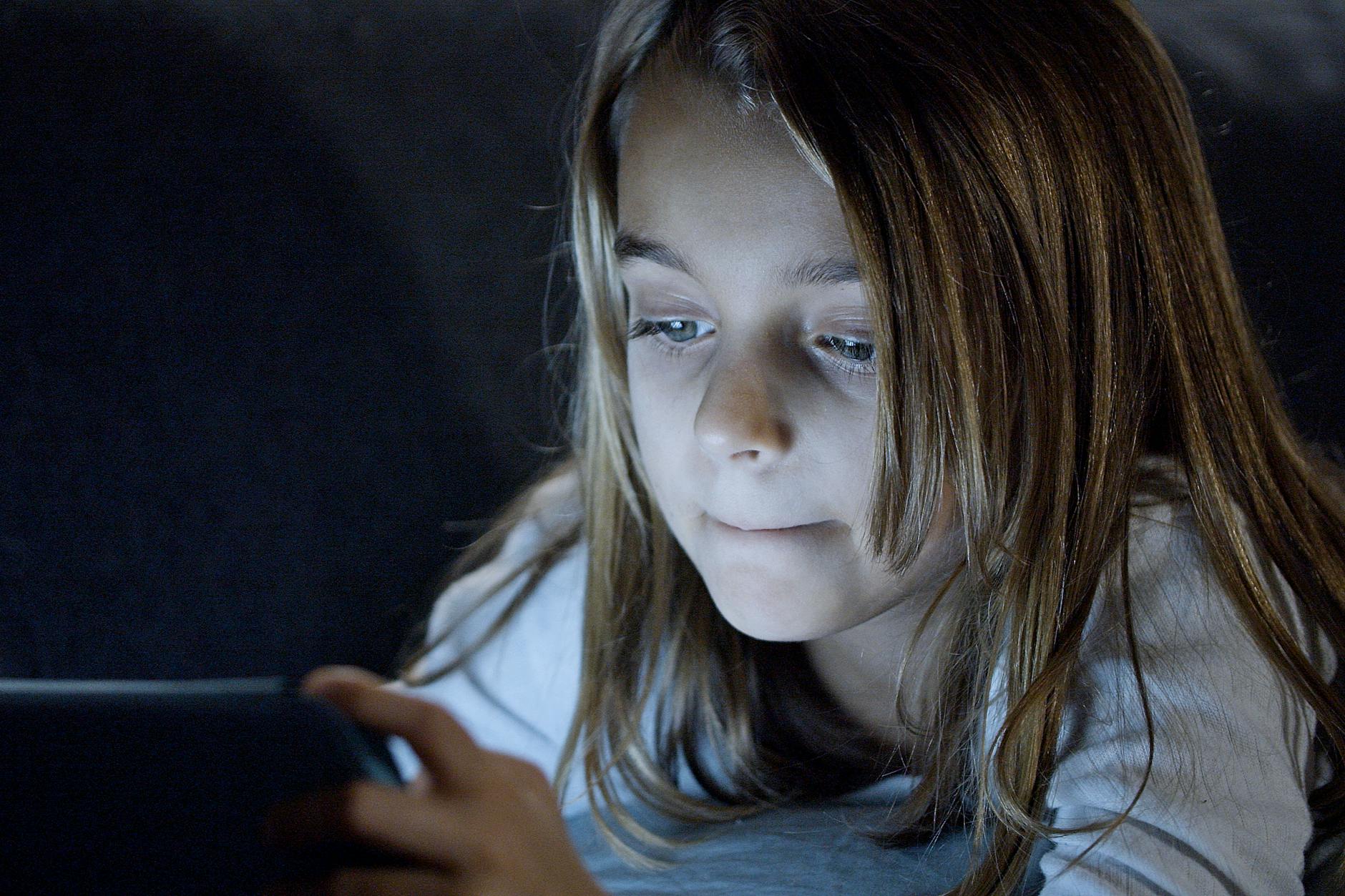
Holding books or screens closer than arm’s length forces the eye muscles to work overtime. This habit is particularly common in children and contributes to the progression of myopia. Keeping a safe distance allows the eyes to relax and focus more naturally. Increased distance reduces the convergence demand on the ocular system. maintaining proper posture helps ensure devices stay at a healthy viewing distance.
Poor Sleep Habits
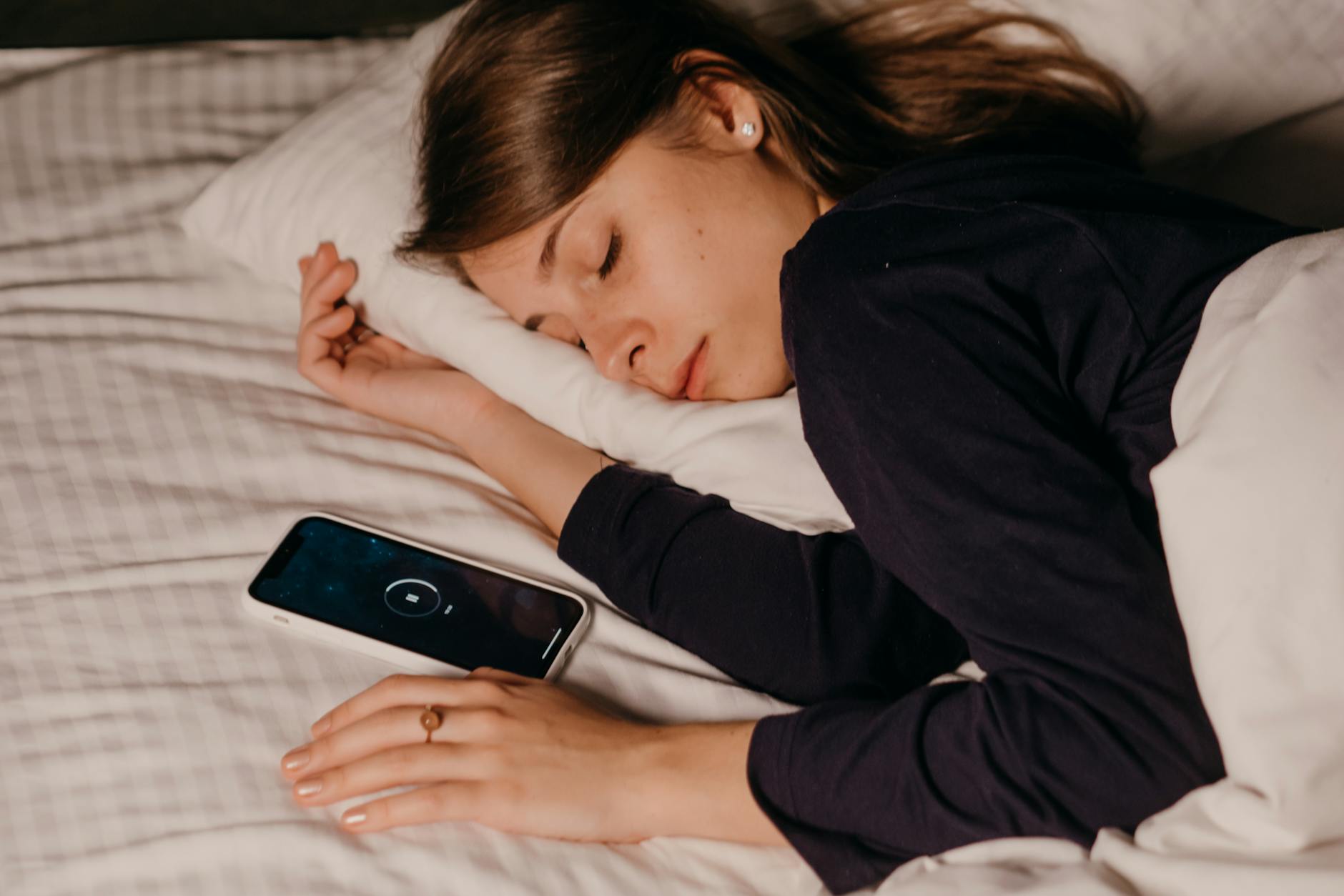
Sleep deprivation prevents the eyes from replenishing the tear layer and healing from daily strain. A lack of rest often results in eye twitches and dry or bloodshot eyes the following day. During sleep the eyes clear out irritants and hydrate the surface for the next day. Consistent high-quality sleep is foundational for neurological and ocular health. prioritizing rest ensures your visual system functions at its peak performance.
Working in Dry Air
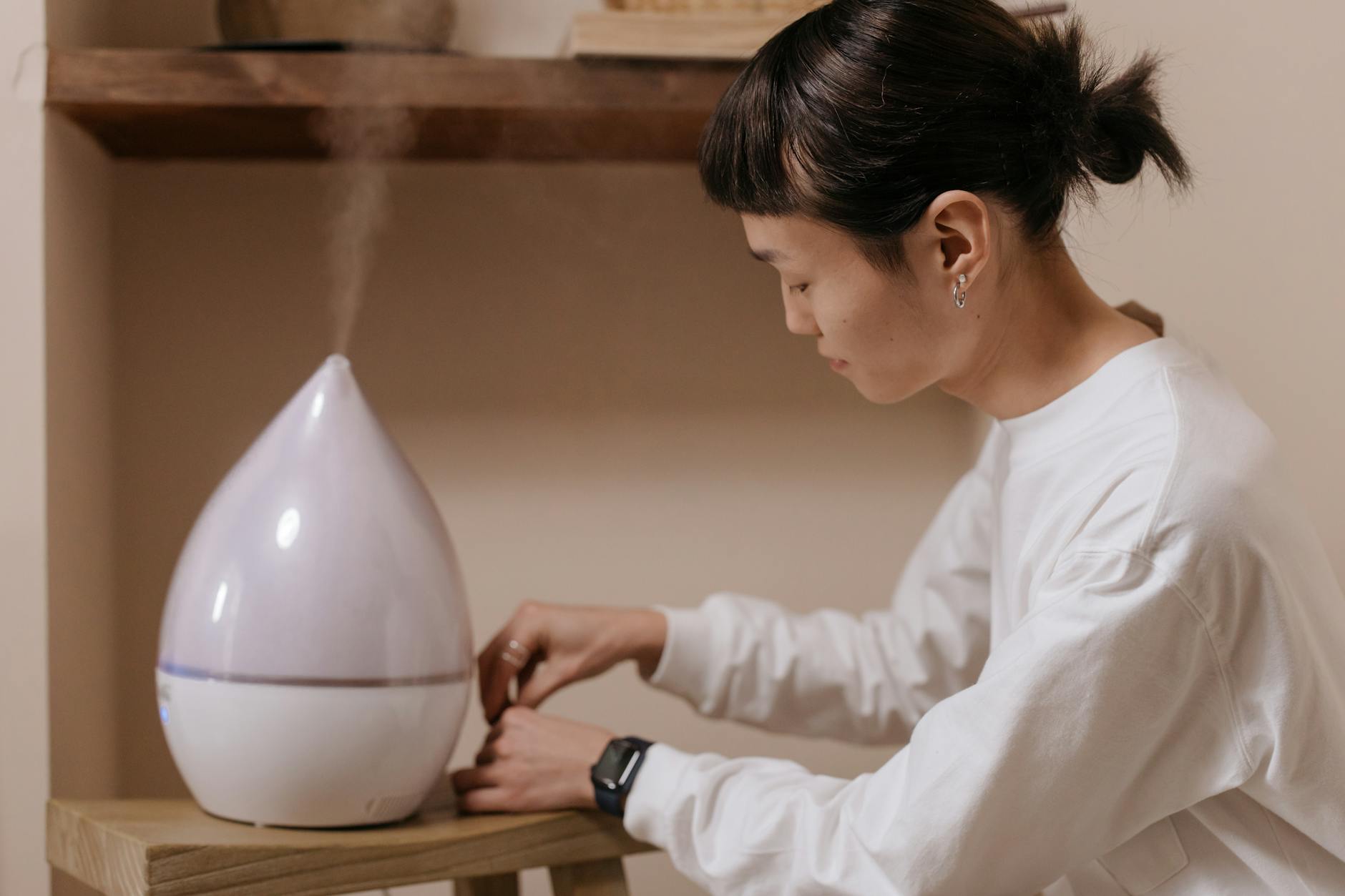
Low humidity environments in offices or airplanes evaporate tear film at an accelerated rate. This lack of moisture leaves eyes feeling scratchy and sensitive to light. Using a humidifier adds necessary water vapor to the air and improves comfort. Blinking more consciously helps redistribute moisture across the surface of the eye. Controlling the humidity in your workspace protects the external health of the eye.
High Blood Pressure Neglect
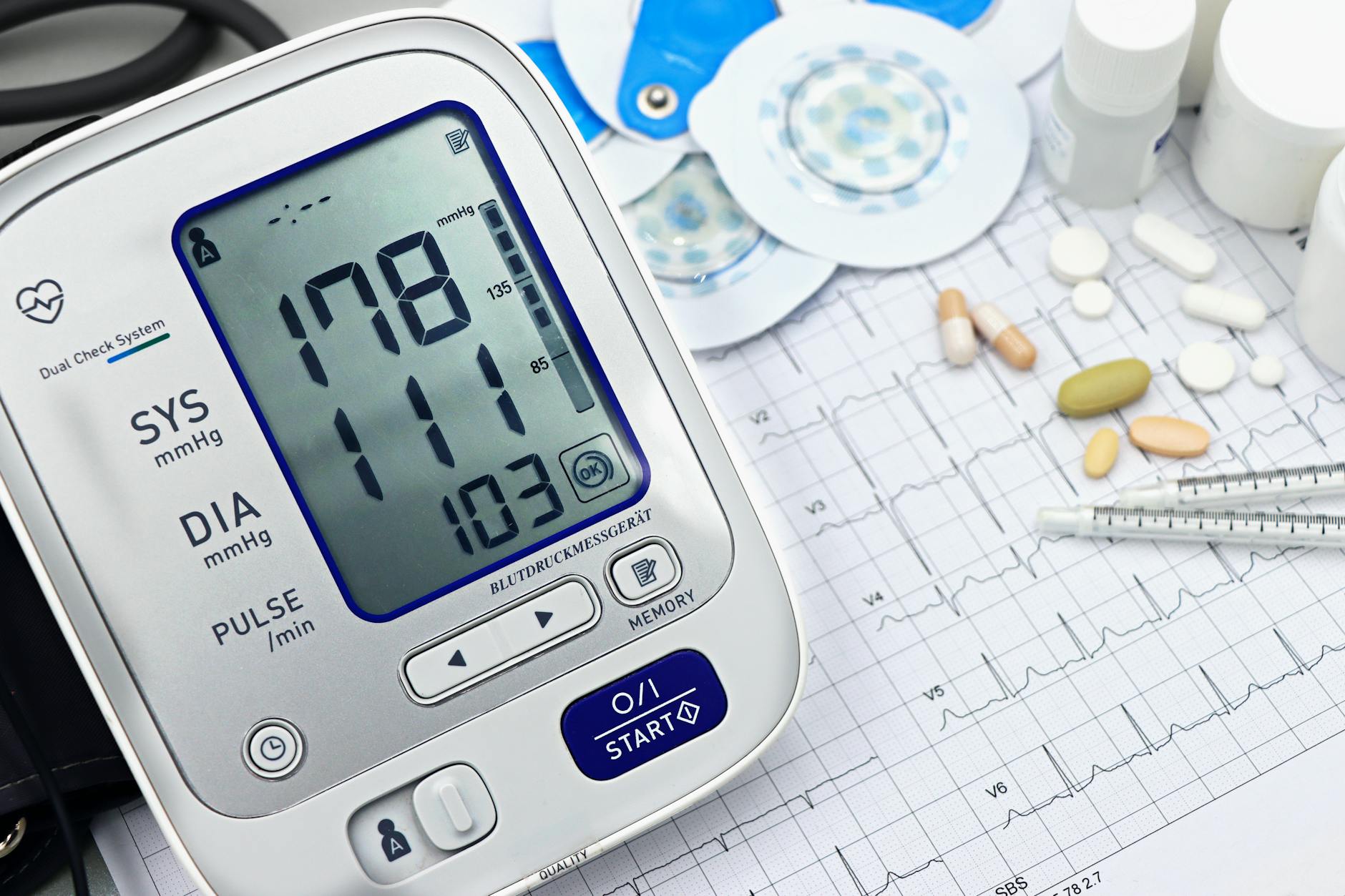
Unmanaged hypertension damages the tiny blood vessels in the retina causing hypertensive retinopathy. This condition restricts blood flow and can lead to swelling or bleeding within the eye. High blood pressure is a systemic issue that has direct consequences for visual clarity. Treating the underlying cardiovascular issue is the only way to stop the ocular damage. Regular medical checkups protect your heart and your sight simultaneously.
Tell us in the comments which of these common habits you are planning to change today.