
Your kidneys filter over 200 liters of blood each day, quietly removing waste and maintaining the body’s delicate chemical balance. Most people never think about kidney health until something goes wrong, yet daily habits can wear these vital organs down over years without obvious symptoms. Chronic kidney disease affects hundreds of millions of people worldwide, and many cases are linked to preventable lifestyle choices. Understanding which everyday behaviors put the most strain on kidney function is the first step toward protecting long-term health. Small changes made consistently can make a significant difference in how well your kidneys function for decades to come.
Painkiller Overuse

Nonsteroidal anti-inflammatory drugs such as ibuprofen and naproxen are among the most commonly taken medications in the world. Regular or high-dose use of these drugs reduces blood flow to the kidneys and can lead to lasting tissue damage over time. Many people take them without medical guidance for months or even years to manage chronic pain conditions. The kidneys struggle to process these compounds repeatedly, and their filtering capacity can decline significantly as a result. Acetaminophen taken within recommended limits is generally considered a safer alternative for occasional pain relief.
Not Drinking Water

Chronic low fluid intake is one of the most widespread and underestimated threats to kidney health across all age groups. When the body is consistently under-hydrated the kidneys cannot dilute waste products efficiently, allowing toxins and mineral concentrations to build up. This environment encourages the formation of kidney stones, which can cause lasting structural damage to the renal system. Most adults require between 1.5 and 2.5 liters of fluid daily, with needs increasing during physical activity or hot weather. Plain water remains the most effective and kidney-friendly source of daily hydration.
High Sodium Diet

Excess sodium in the diet raises blood pressure, which places sustained mechanical stress on the delicate blood vessels inside the kidneys. Processed foods, cured meats, canned soups and fast food are the primary sources of hidden sodium in modern diets. Over time this elevated pressure damages the nephrons responsible for filtering blood, progressively reducing kidney function. Research consistently links high sodium intake with increased risk of proteinuria, a condition where protein leaks into the urine indicating kidney stress. Reducing sodium to under 2,000 milligrams per day is widely recommended by nephrologists as a protective measure.
Excessive Protein

Diets extremely high in animal protein generate large amounts of metabolic waste that the kidneys must filter and excrete continuously. This elevated workload accelerates the decline of kidney function, particularly in individuals who already have reduced renal capacity. Red meat is especially demanding on the kidneys compared to plant-based protein sources such as legumes and tofu. Studies have found associations between very high protein intake and an increased risk of developing chronic kidney disease over the long term. Moderate protein consumption appropriate to body weight and activity level is considered the most kidney-supportive dietary approach.
Alcohol Consumption

Alcohol acts as a diuretic, causing the kidneys to excrete more fluid than the body takes in and disrupting the organ’s ability to regulate hydration. Heavy or frequent drinking raises blood pressure and increases levels of uric acid in the blood, both of which are damaging to kidney tissue. The liver and kidneys work in close biological coordination, so alcohol-related liver stress inevitably places additional burden on the kidneys as well. Long-term heavy drinkers show measurably higher rates of chronic kidney disease compared to moderate or non-drinkers in population studies. Health authorities generally define safe alcohol consumption as no more than one standard drink per day for women and two for men.
Poor Sleep

The kidneys follow a circadian rhythm, regulating fluid and electrolyte excretion differently during sleep than during waking hours. Consistently short or disrupted sleep interferes with this cycle, reducing the organ’s ability to recover and repair overnight. Sleep disorders such as obstructive sleep apnea have been directly linked to an increased risk of chronic kidney disease in multiple large-scale studies. Poor sleep also raises blood pressure and promotes systemic inflammation, both of which contribute to cumulative kidney damage over time. Adults who regularly achieve seven to nine hours of quality sleep per night show better overall kidney function markers than those who do not.
Smoking

Cigarette smoking restricts blood flow throughout the body by causing the narrowing and hardening of blood vessels including those that supply the kidneys. Reduced renal blood flow means the kidneys receive less oxygen and are less able to filter waste from the bloodstream effectively. Smoking also significantly worsens high blood pressure and diabetes, two conditions that are already among the leading causes of kidney failure worldwide. Research shows that smokers are twice as likely to develop chronic kidney disease as non-smokers when other risk factors are accounted for. Quitting smoking at any age produces measurable improvements in vascular health and slows the progression of existing kidney damage.
High Sugar Intake

Consistently elevated blood sugar levels damage the small blood vessels and filtering units within the kidneys over time. This process is well documented in people with diabetes but also occurs in individuals with chronically high sugar intake who have not yet received a clinical diagnosis. Fructose in particular has been identified in research as a compound that elevates uric acid levels and contributes to kidney stone formation. Processed foods, sugary beverages and sweetened snacks are the dominant sources of excess sugar in contemporary diets. Maintaining stable blood glucose through a balanced diet protects the structural integrity of the kidneys over the long term.
Sedentary Lifestyle

Physical inactivity is associated with higher rates of obesity, high blood pressure and type 2 diabetes, which together form the leading cluster of risk factors for chronic kidney disease. Regular movement improves cardiovascular efficiency, which directly supports healthy blood flow through the kidneys. Studies show that adults who engage in at least 150 minutes of moderate exercise per week have significantly better kidney function outcomes than sedentary peers. Even light activity such as daily walking has been shown to reduce kidney disease progression in people already diagnosed with early-stage renal impairment. Incorporating consistent movement into daily routines is one of the most accessible protective strategies available for kidney health.
Ignoring Infections

Urinary tract infections that are left untreated or inadequately treated can spread upward from the bladder into the kidneys, causing a serious condition known as pyelonephritis. Repeated kidney infections scar renal tissue permanently, reducing overall filtering capacity with each episode. Many people delay seeking treatment for UTIs due to mild initial symptoms, allowing bacteria to migrate further into the urinary system. Prompt medical attention and completion of full antibiotic courses are essential to prevent infection from reaching and damaging the kidneys. Staying well hydrated and practicing good hygiene significantly reduces the frequency of urinary tract infections in susceptible individuals.
Overusing Supplements
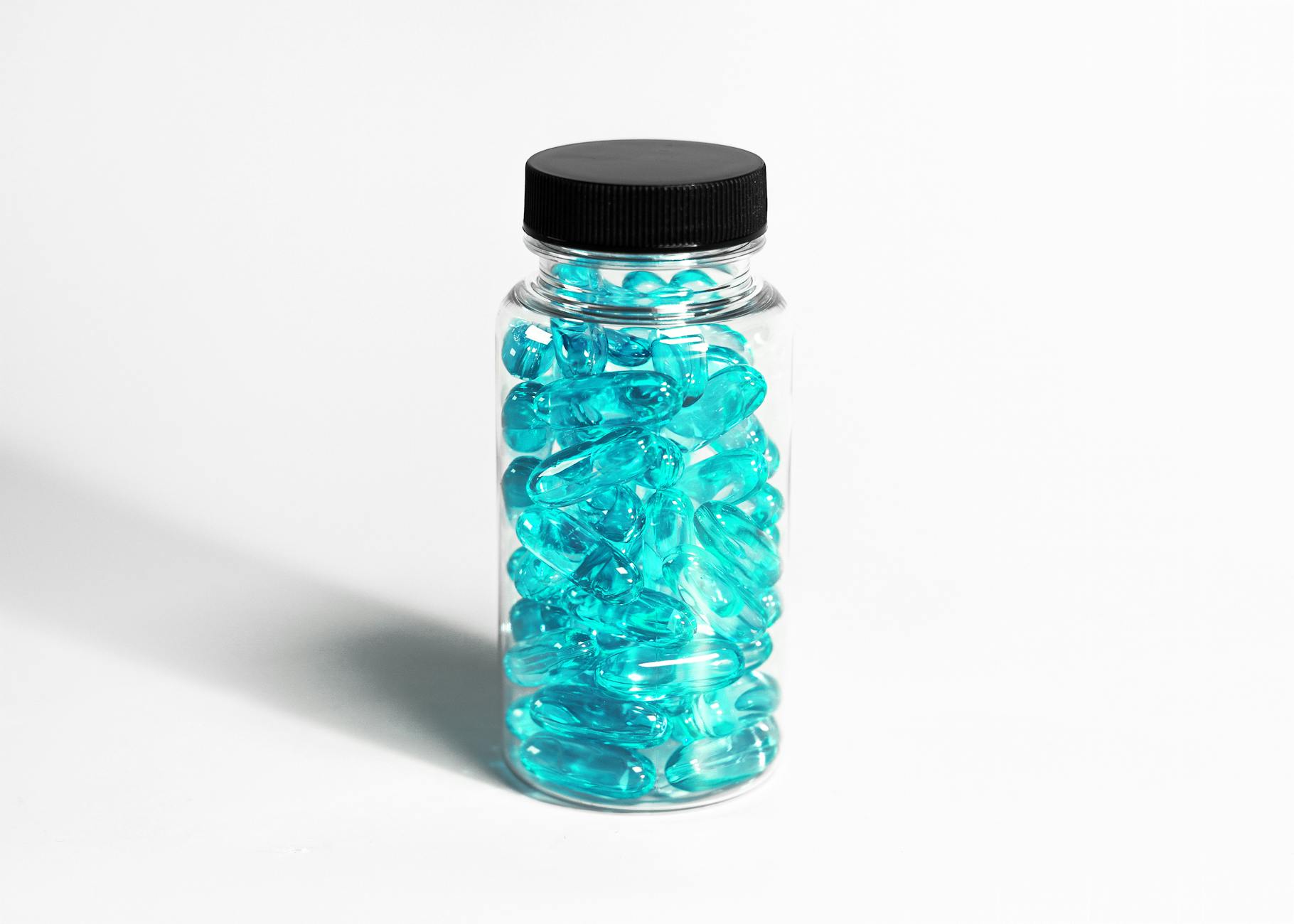
Many dietary supplements including high-dose vitamin C, creatine and certain herbal compounds place significant metabolic demands on the kidneys during excretion. Supplements marketed for weight loss, muscle building or detoxification frequently contain compounds that have been linked to acute kidney injury in clinical case reports. Unlike pharmaceutical medications, supplements are not subject to the same rigorous pre-market safety testing, making their renal effects difficult to predict. People with existing kidney conditions are especially vulnerable to supplement-related harm, as their reduced function limits the organ’s ability to handle additional chemical loads. Consulting a physician before beginning any supplement regimen is particularly important for maintaining kidney health.
Holding Urine

Regularly delaying urination for extended periods stretches the bladder and can create pressure that pushes back toward the kidneys over time. This habit also allows bacteria to remain in the urinary tract for longer periods, increasing the likelihood of infections that can ascend to the kidneys. Occupational settings where bathroom access is limited are frequently associated with higher rates of urinary tract and kidney complications. The bladder’s signaling system can become less accurate with chronic over-stretching, making it harder to recognize and respond to normal urination cues. Responding to the body’s urge to urinate within a reasonable timeframe is a straightforward and effective habit for protecting the entire urinary system.
Contrast Dye Exposure

Iodinated contrast dye used in certain medical imaging procedures such as CT scans and angiography can trigger a condition called contrast-induced nephropathy in vulnerable patients. People with pre-existing kidney impairment, diabetes or dehydration face the highest risk of acute kidney injury following contrast dye exposure. The dye causes oxidative stress and constricts blood vessels within the kidney, temporarily reducing function that may not fully recover in compromised individuals. Patients scheduled for contrast imaging are typically advised to stay well hydrated beforehand and may be given protective medications when risk is elevated. Discussing kidney health history with a physician before any contrast-based imaging procedure is an important protective step.
Processed Foods

Ultra-processed foods are typically high in sodium, phosphorus additives and artificial preservatives, all of which increase the filtration burden placed on the kidneys at every meal. Phosphorus in particular is added to processed meats, packaged snacks and carbonated drinks in forms that are absorbed by the body far more readily than naturally occurring phosphorus in whole foods. Elevated phosphate levels in the blood force the kidneys to work harder to maintain mineral balance, accelerating renal decline in people with existing vulnerability. Regular consumption of ultra-processed foods is also strongly associated with obesity and metabolic syndrome, which are themselves major risk factors for kidney disease. Replacing packaged and convenience foods with whole food alternatives reduces the cumulative chemical load the kidneys must manage each day.
Share your thoughts on which of these habits surprised you most or which changes you plan to make for your kidney health in the comments.