Your dog’s hopeful eyes at the dinner table might not always need to be met with disappointment. Many common household foods are not only safe for dogs but can offer genuine nutritional benefits when given in appropriate portions. Understanding which foods cross the species barrier safely can make treat time both rewarding and wholesome. Always introduce any new food gradually and in small amounts to observe how your dog reacts. A quick conversation with your vet is always a smart step before making any new food a regular part of your dog’s diet.
Blueberries
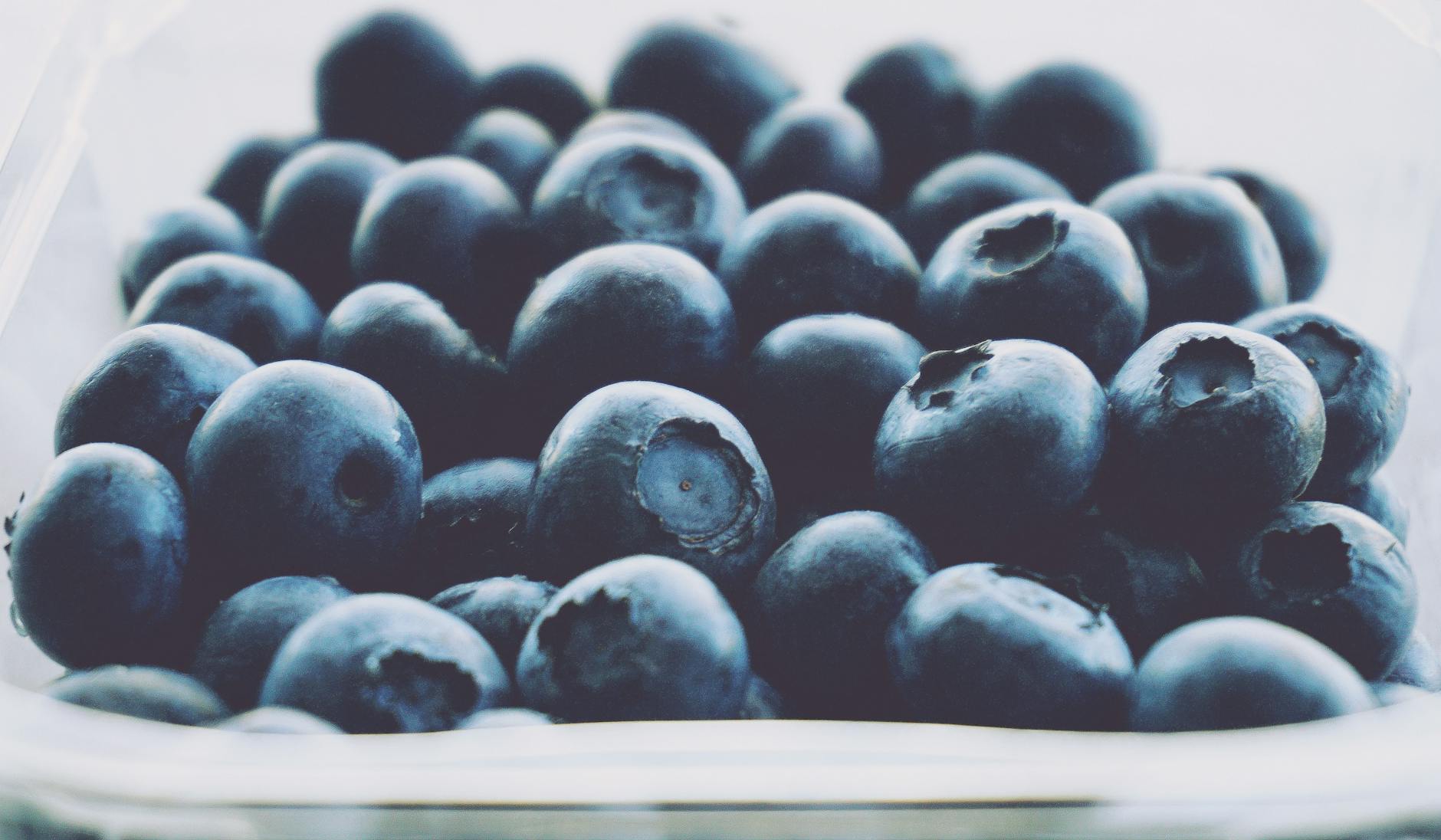
Blueberries are packed with antioxidants that support cellular health in dogs just as they do in humans. These small berries contain vitamins C and K along with fiber that supports healthy digestion. Their low calorie count makes them an ideal treat for dogs watching their weight. Many dogs enjoy them fresh or frozen as a cool reward during warmer months. They are widely recommended by veterinarians as one of the safest fruit options for canine snacking.
Carrots
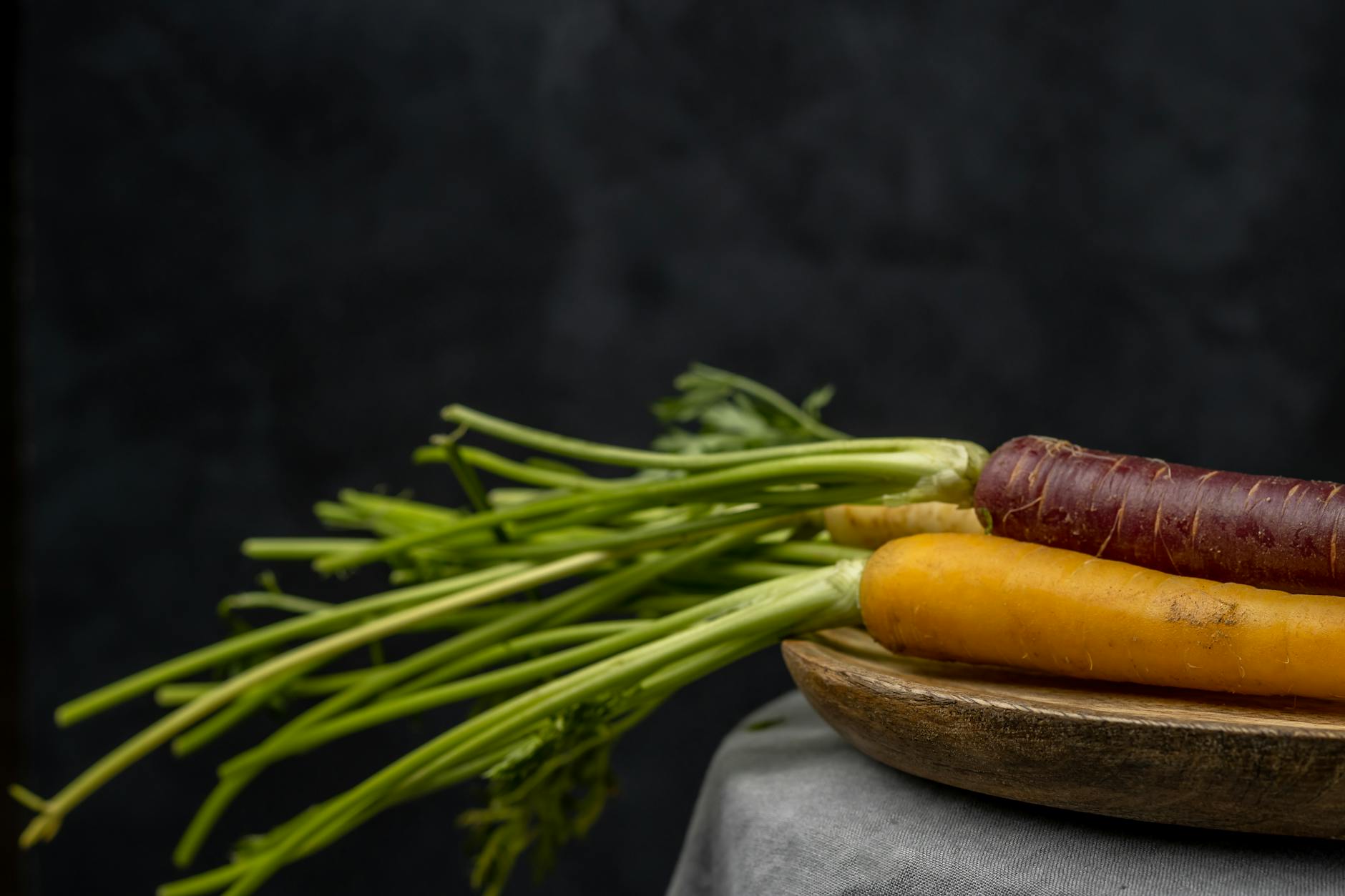
Carrots are one of the most dog-friendly vegetables available in any kitchen. They are rich in beta-carotene which converts to vitamin A and supports eye health and immune function. The firm texture of a raw carrot also acts as a natural teeth cleaner helping to reduce plaque buildup. They are very low in calories making them suitable for dogs of all sizes and dietary needs. Both raw and cooked versions are safe though raw carrots offer the added dental benefit.
Pumpkin

Plain cooked pumpkin is a well-established remedy for digestive irregularities in dogs. Its high soluble fiber content helps regulate both loose stools and constipation effectively. Pumpkin also contains potassium zinc and iron which contribute to overall canine health. It is gentle enough for puppies and senior dogs with sensitive stomachs. Canned plain pumpkin without added spices or sweeteners is the most convenient and consistently safe form to use.
Watermelon
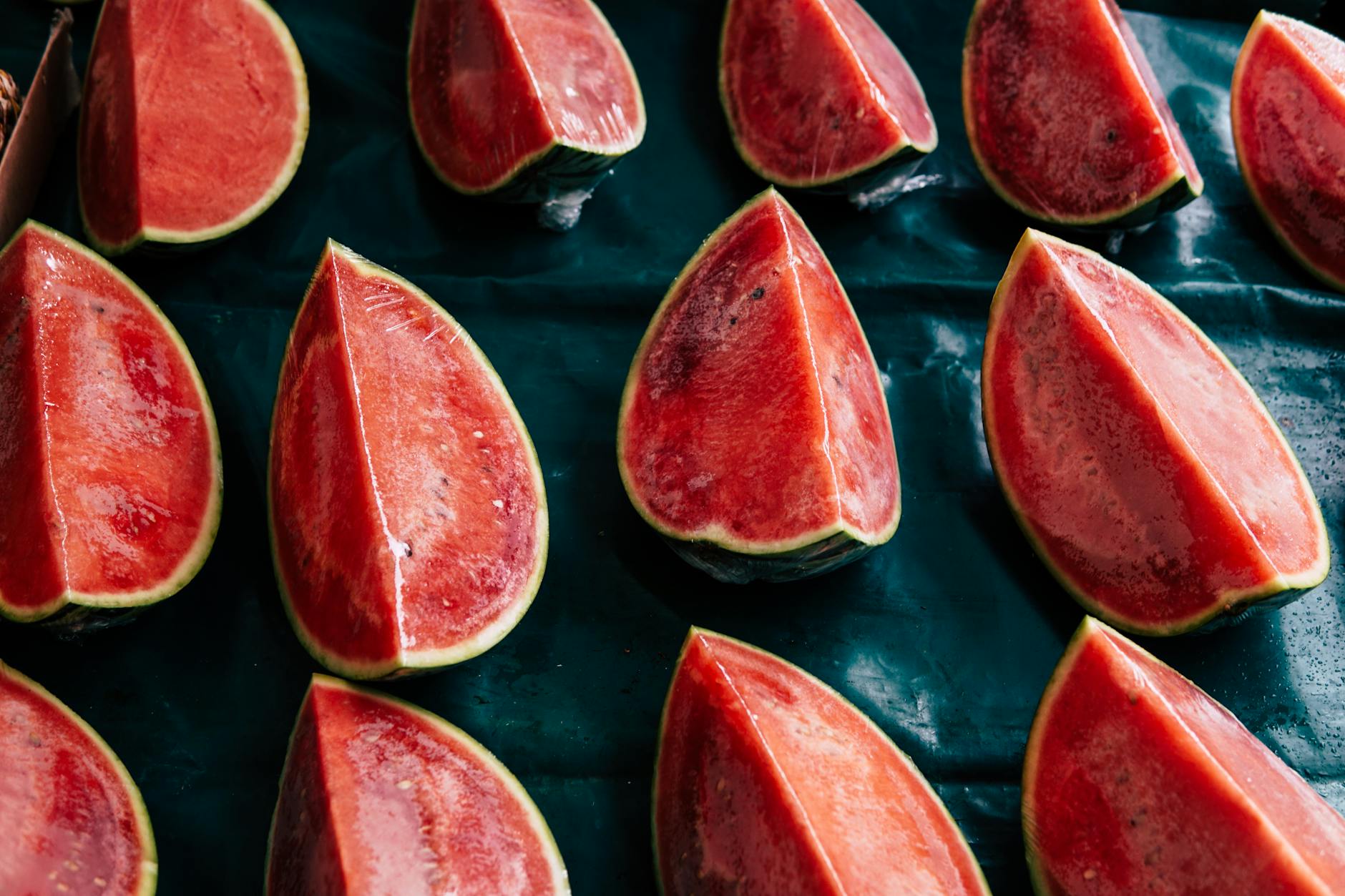
Watermelon is a hydrating treat that works especially well for dogs during hot weather. It consists of over 90 percent water making it excellent for maintaining fluid intake. The fruit provides vitamins A B6 and C as well as lycopene which supports heart health. Seeds and rind must always be removed before serving as they can cause digestive blockages. Serving it in small seedless chunks keeps treat time safe and refreshing.
Salmon
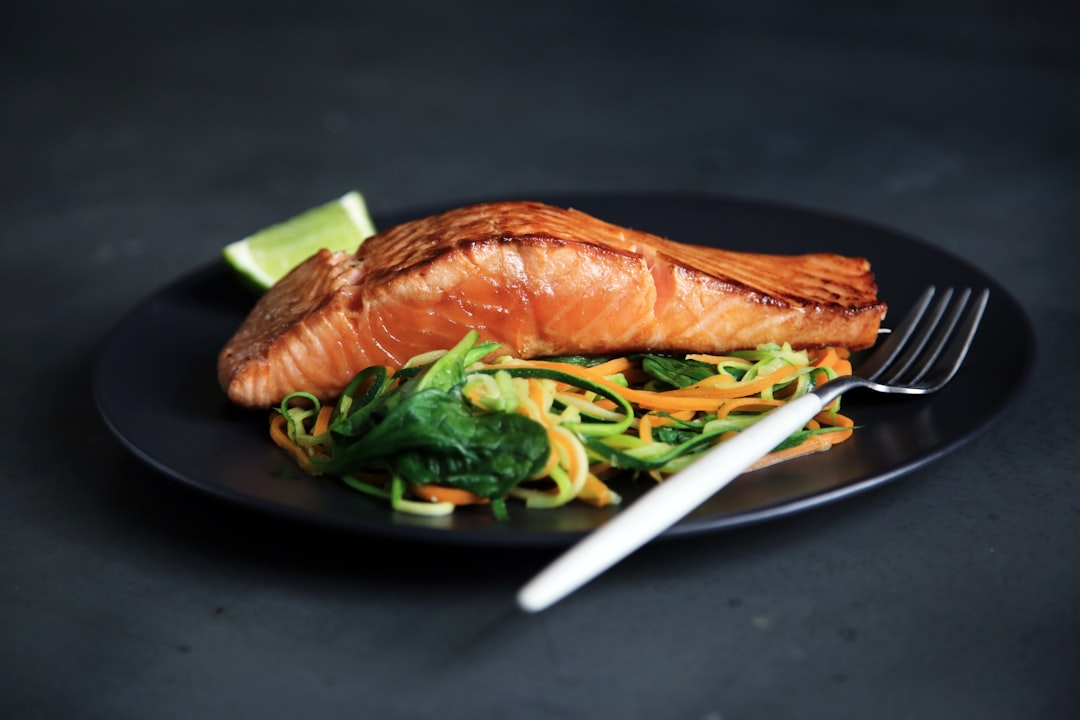
Cooked salmon is a highly nutritious protein source that offers significant benefits for dogs. It is rich in omega-3 fatty acids which promote a healthy coat shiny skin and reduced inflammation. Regular inclusion of cooked salmon in a dog’s diet has been linked to improved joint health particularly in older dogs. It must always be fully cooked as raw salmon can carry a parasite dangerous to dogs. Boneless fillets are the safest preparation method to avoid any choking hazards.
Eggs

Fully cooked eggs are an excellent source of digestible protein for dogs. They contain essential amino acids along with vitamins B12 and D and riboflavin. Scrambled or hard-boiled eggs without salt butter or seasoning are the safest preparation methods. Some veterinarians recommend eggs as a supplement for dogs recovering from illness due to their easy digestibility. They should be offered in moderation as part of a balanced diet rather than as a daily staple.
Peanut Butter
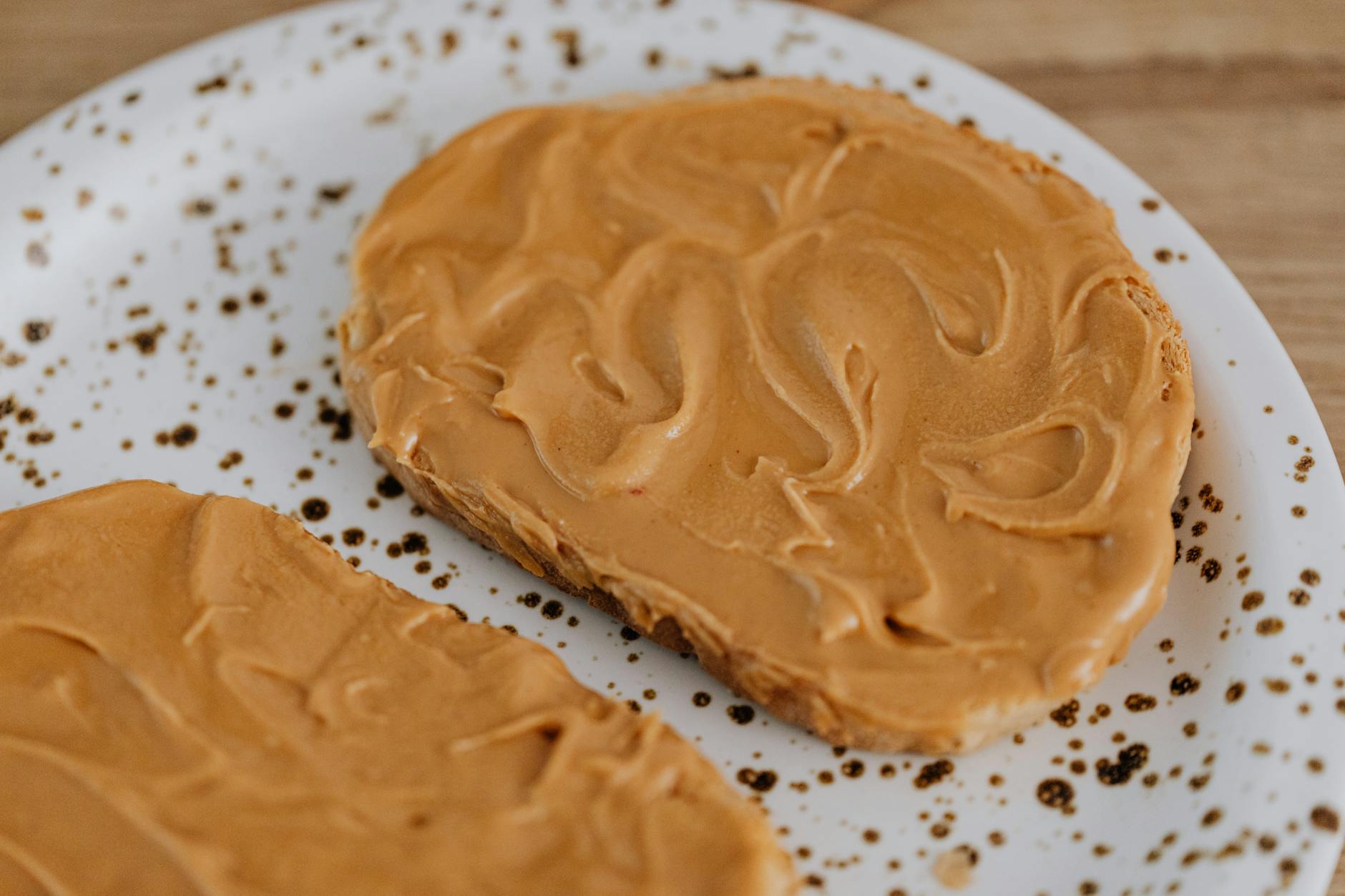
Plain unsalted peanut butter is one of the most popular dog-friendly treats used by owners worldwide. It is a strong source of healthy fats protein and vitamins B and E. Many dog owners use it to fill enrichment toys or to help administer medication. The most important safety rule is to confirm the product contains no xylitol which is a sweetener highly toxic to dogs. Smooth varieties with minimal added ingredients are always the safest choice for regular use.
Oatmeal
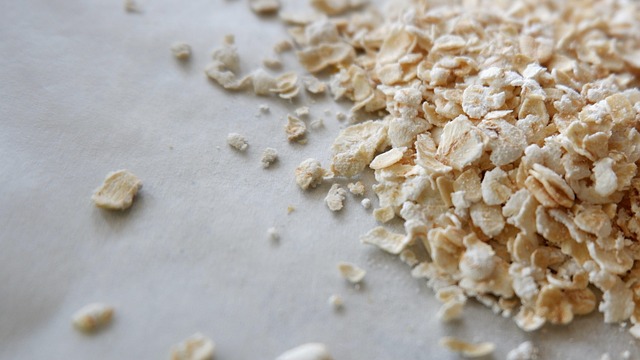
Plain cooked oatmeal is a gentle and nourishing grain option well suited to dogs with wheat sensitivities. It provides a good source of soluble fiber which supports healthy gut function and steady energy levels. Oatmeal also contains vitamins B5 and B9 along with linoleic acid which helps maintain skin health. It should always be served plain with no added sugar milk flavoring or salt. A small portion served warm makes it a comforting and easily digestible addition to a dog’s meal.
Apples
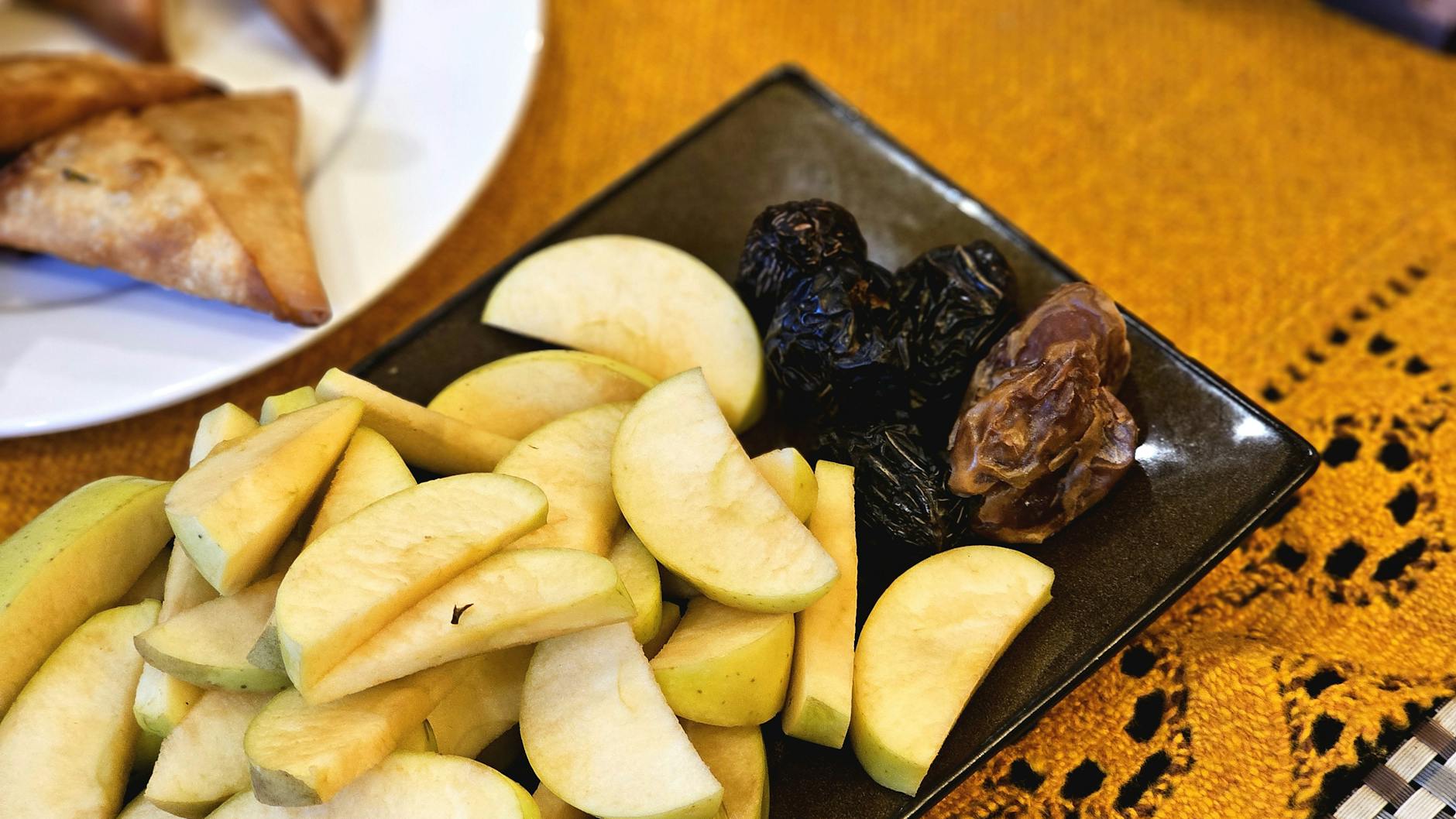
Apples provide dogs with a crunchy and satisfying snack alongside meaningful nutritional value. They contain vitamins A and C as well as dietary fiber that supports digestive health. The natural sweetness appeals to most dogs making them a useful training treat or food topper. Core and seeds must always be removed before serving as apple seeds contain small amounts of cyanide. Thin sliced wedges are the safest and most manageable portion for dogs of any size.
Chicken
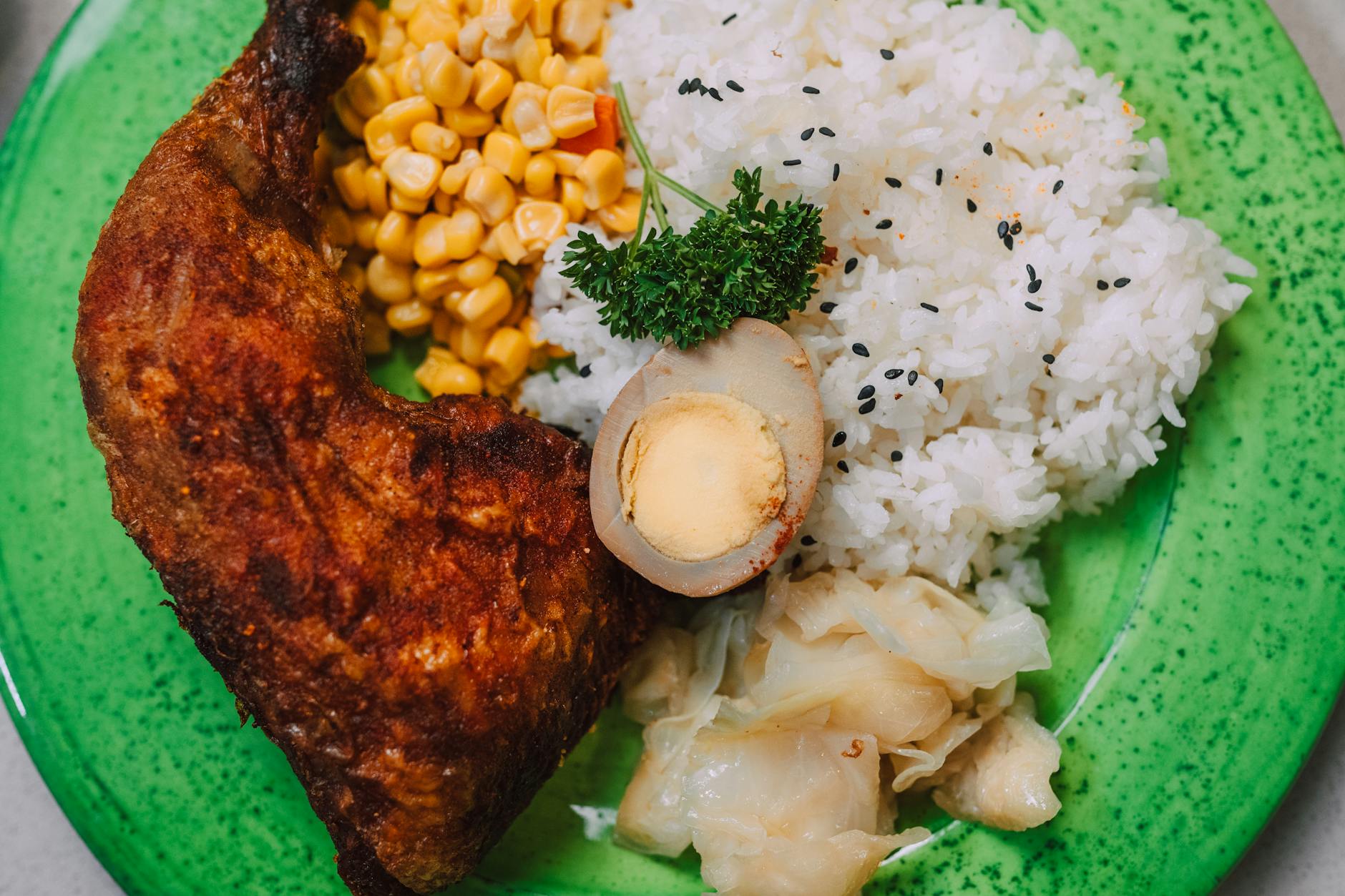
Plain cooked chicken is one of the most universally recommended protein sources for domestic dogs. It is lean easily digestible and rich in essential amino acids that support muscle development and repair. Veterinarians frequently suggest boiled chicken as a first food for dogs recovering from stomach upsets. It should always be served boneless as cooked poultry bones become brittle and can splinter dangerously. Unseasoned breast meat offers the cleanest and most nutritionally straightforward option.
Bananas
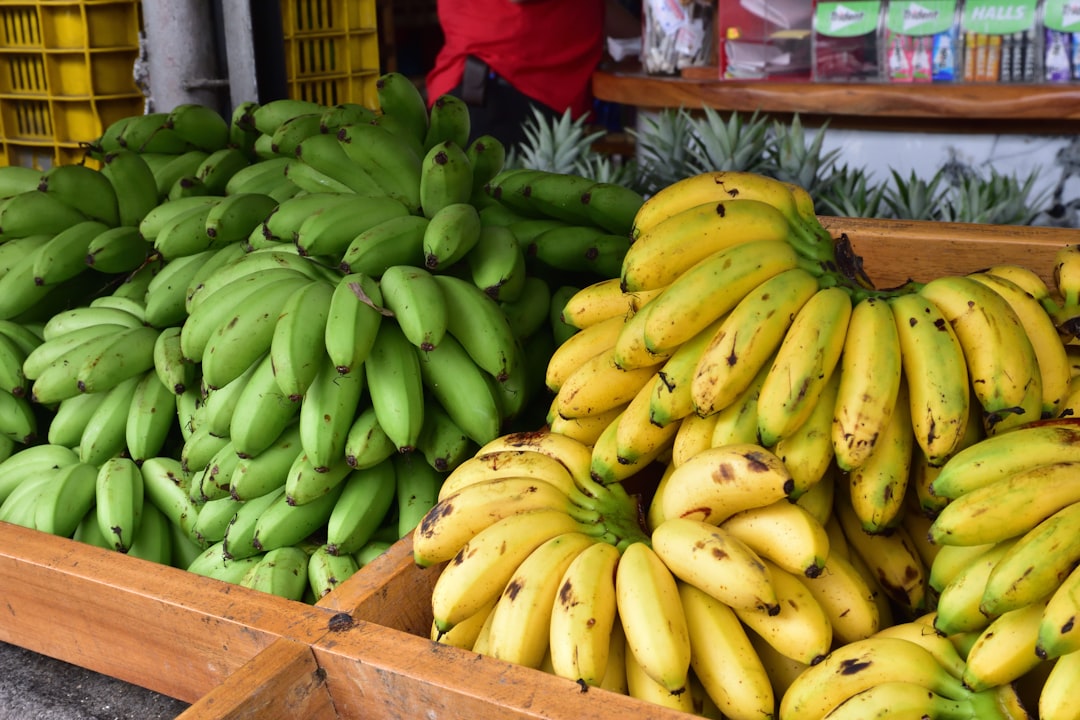
Bananas are a naturally sweet treat that most dogs find highly appealing. They offer a useful supply of potassium magnesium and vitamins B6 and C. Their soft texture makes them particularly suitable for older dogs or those with dental sensitivities. Because of their higher natural sugar content they are best served in small portions rather than as a daily treat. Mashed banana can also be stirred into plain dog-safe recipes as a natural sweetener.
Cucumber
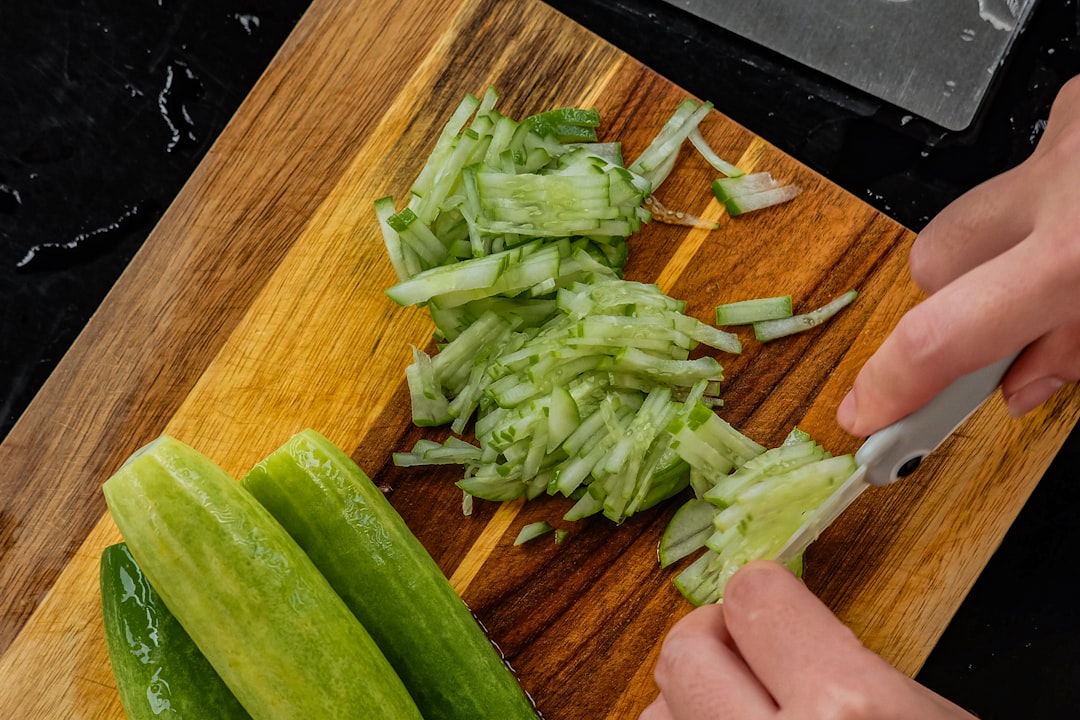
Cucumber is a low-calorie hydrating snack that works well for overweight dogs needing a guilt-free reward. It contains vitamins K C and B1 along with potassium copper and magnesium. Its high water content supports hydration particularly during warmer seasons. Cucumbers have no fat or oils making them one of the lightest treat options available. Sliced into rounds or small sticks they present no choking risk for most dogs when sized appropriately.
Sweet Potato

Cooked sweet potato is one of the most nutrient-dense vegetables a dog can safely consume. It is an outstanding source of dietary fiber beta-carotene and vitamins A C and B6. Many commercial dog foods already incorporate sweet potato as a primary ingredient due to its digestibility. It supports healthy bowel movements and provides long-lasting energy from its complex carbohydrate content. Plain boiled or baked sweet potato served without butter or seasoning delivers the full benefit safely.
Quinoa
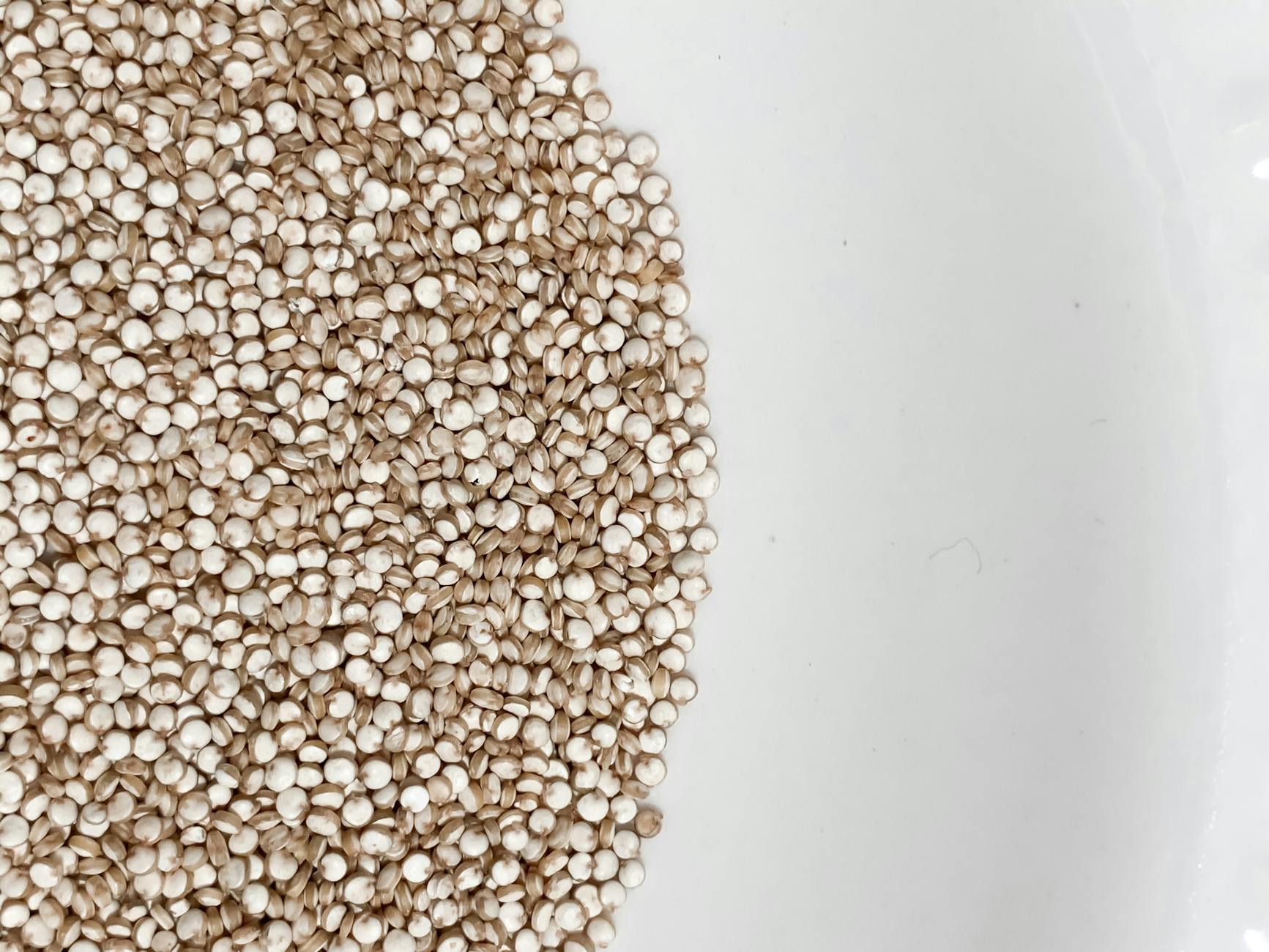
Quinoa is an increasingly recognized grain alternative that appears in a growing number of premium dog food formulas. It provides a complete protein profile containing all nine essential amino acids which is uncommon among plant-based foods. Its edible seed composition makes it easier on sensitive digestive systems compared to some traditional grains. Cooked and unseasoned quinoa can be mixed into a dog’s regular meal as a wholesome supplement. It is particularly valued for dogs with sensitivities to corn wheat or soy.
Cottage Cheese
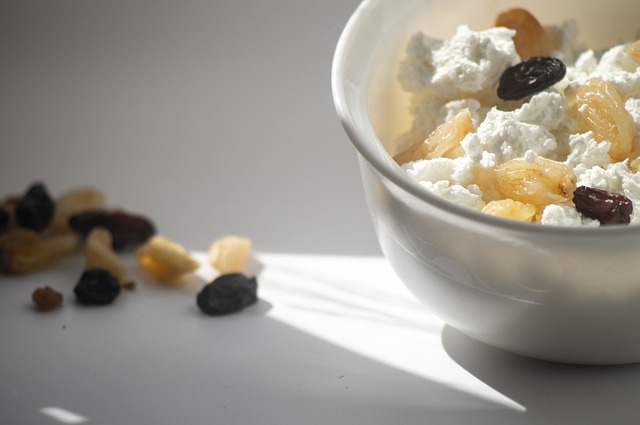
Plain low-fat cottage cheese is a mild dairy option that many dogs tolerate comfortably. It delivers a useful dose of calcium protein and phosphorus in a soft and palatable form. Unlike other dairy products it tends to cause fewer digestive upsets due to its lower lactose content. It is often recommended as a bland addition during dietary transitions or recovery periods. A small spoonful stirred into regular food can also encourage appetite in picky eaters.
Turkey
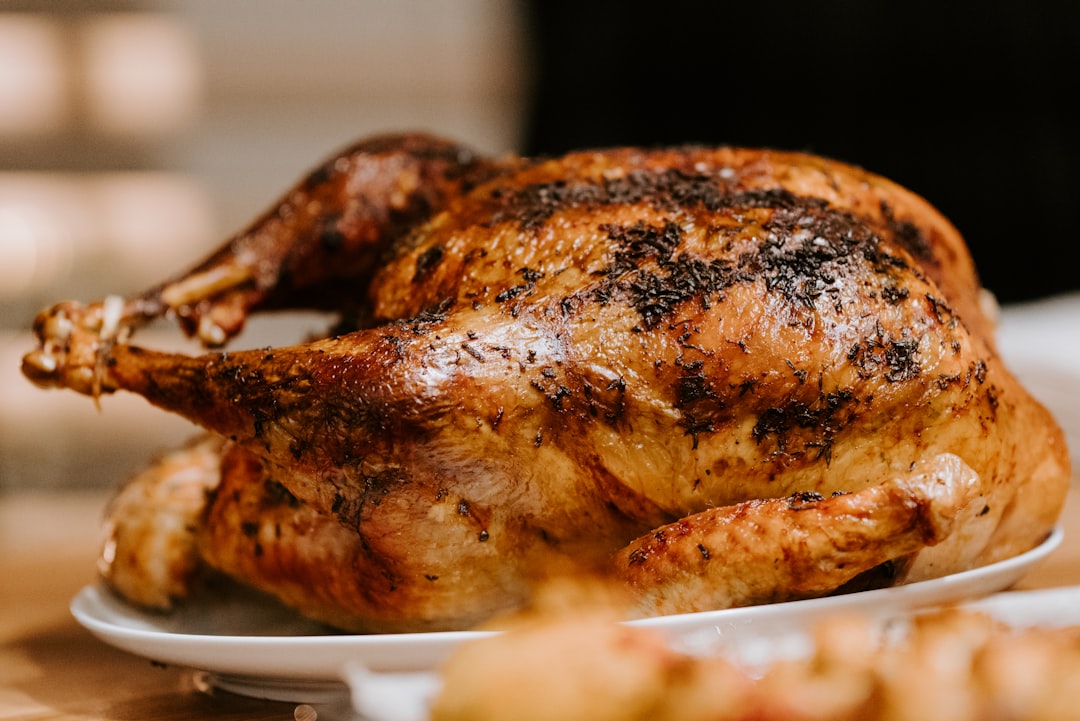
Plain cooked turkey is a lean protein that most dogs digest easily and enjoy enthusiastically. It is commonly found as a primary ingredient in commercial dog foods due to its nutritional profile. Turkey provides riboflavin phosphorus and tryptophan alongside a strong supply of high-quality protein. Skin fat and seasonings must be completely removed before serving as these can cause digestive distress or worse. Sliced boneless white meat offers the most straightforward and dependable preparation for safe feeding.
Mango
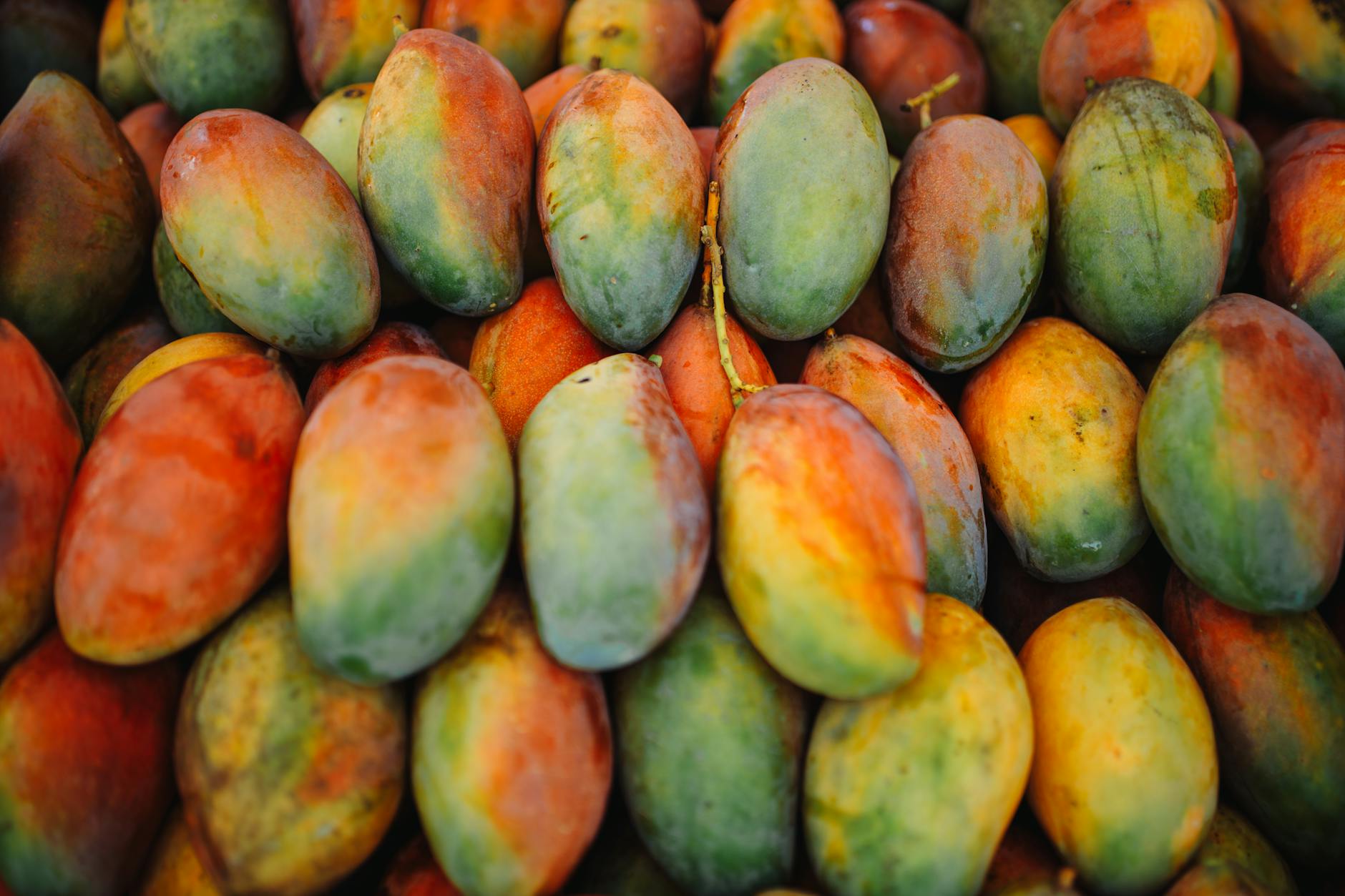
Ripe mango is a vitamin-rich tropical fruit that dogs can enjoy in moderation. It contains vitamins A B6 C and E making it one of the more nutritionally varied fruit options available. The flesh is soft and sweet which tends to appeal strongly to most dogs. The pit must always be removed as it poses a choking hazard and contains trace amounts of cyanide. Small peeled cubes served occasionally make for a vibrant and genuinely beneficial treat.
Spinach
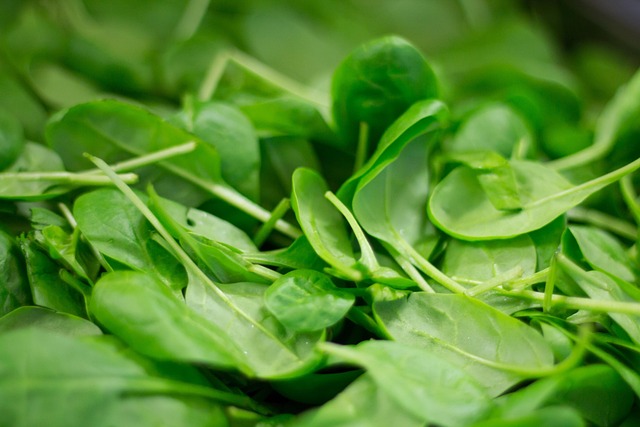
Spinach offers a wide spectrum of nutrients including iron magnesium and vitamins A C and K. Small amounts fed occasionally can support immune function and provide an anti-inflammatory benefit. Its dark leafy composition makes it one of the more mineral-rich vegetables accessible from the average kitchen. Because of its oxalic acid content which can affect kidney function over time it should be treated as an occasional supplement rather than a regular feature. Lightly steamed and unseasoned spinach is easier for dogs to digest than raw leaves.
Popcorn

Plain air-popped popcorn without salt butter or flavorings is a surprisingly acceptable occasional snack for dogs. It contains riboflavin thiamine and small amounts of iron and magnesium which offer minor nutritional value. The light texture and crunch make it appealing to many dogs as an interactive treat during calm moments. Unpopped or partially popped kernels should always be removed before sharing as they present a choking risk. Portion size should remain small to prevent excess carbohydrate intake in the overall diet.
Peas
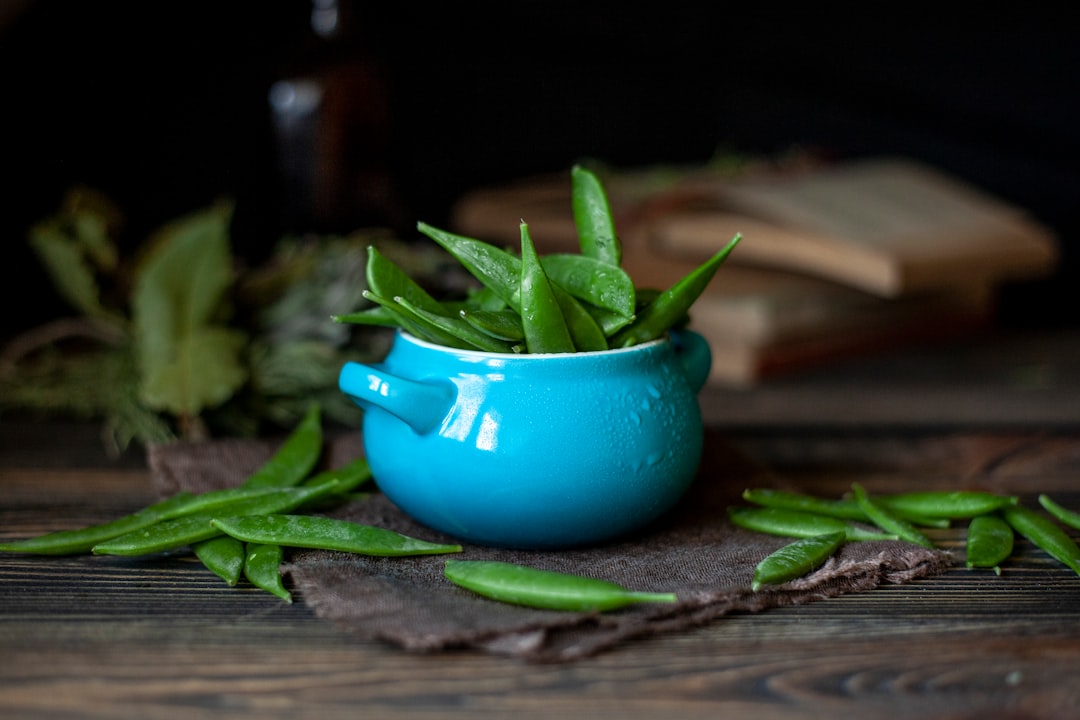
Fresh or frozen peas are a gentle and nutritious addition to a dog’s regular diet. They supply vitamins A K and B along with protein fiber and several beneficial minerals. Their small size and soft texture make them easy for dogs of all breeds and ages to consume safely. Many established dog food brands already use peas as a standard ingredient in their formulas. They can be served plain as a standalone treat or mixed directly into a bowl of kibble for added variety.
Share your dog’s favorite human food treats in the comments!