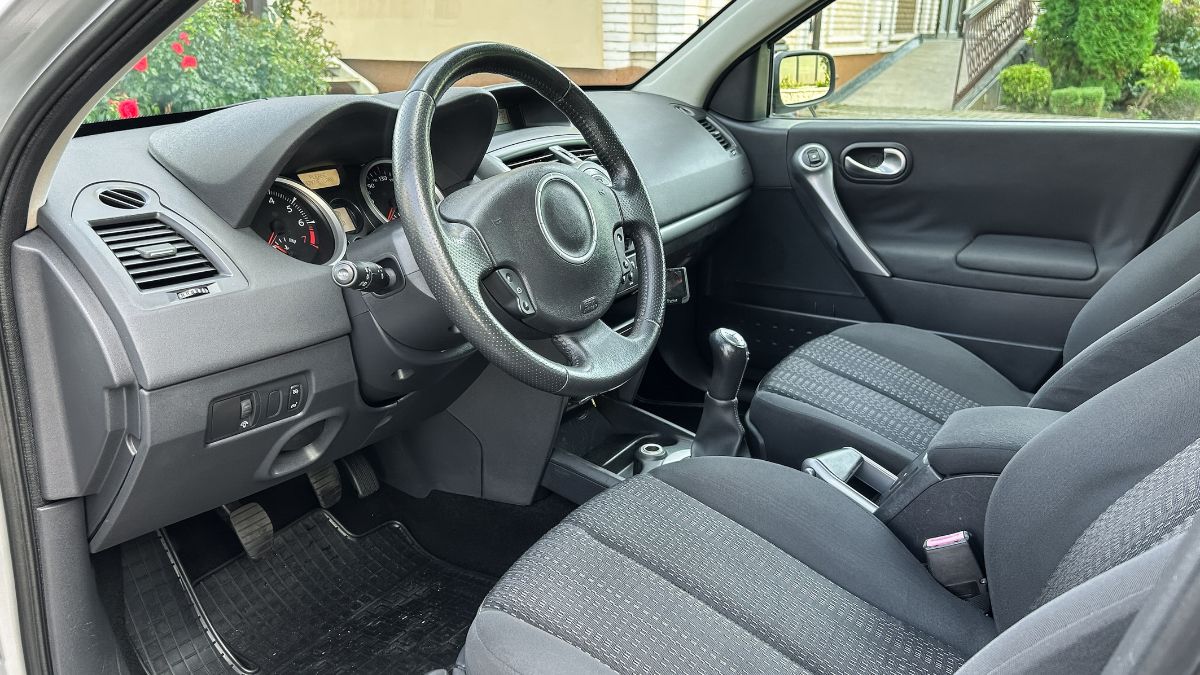
Most drivers assume their auto insurance policy is a reliable safety net that activates automatically whenever something goes wrong on the road. What many do not realize is that certain everyday items stored inside a vehicle can give insurers legitimate grounds to deny a claim or cancel coverage entirely. These are the 30 most common in-car items that could be quietly working against your policy without you ever knowing.
Dash Cam
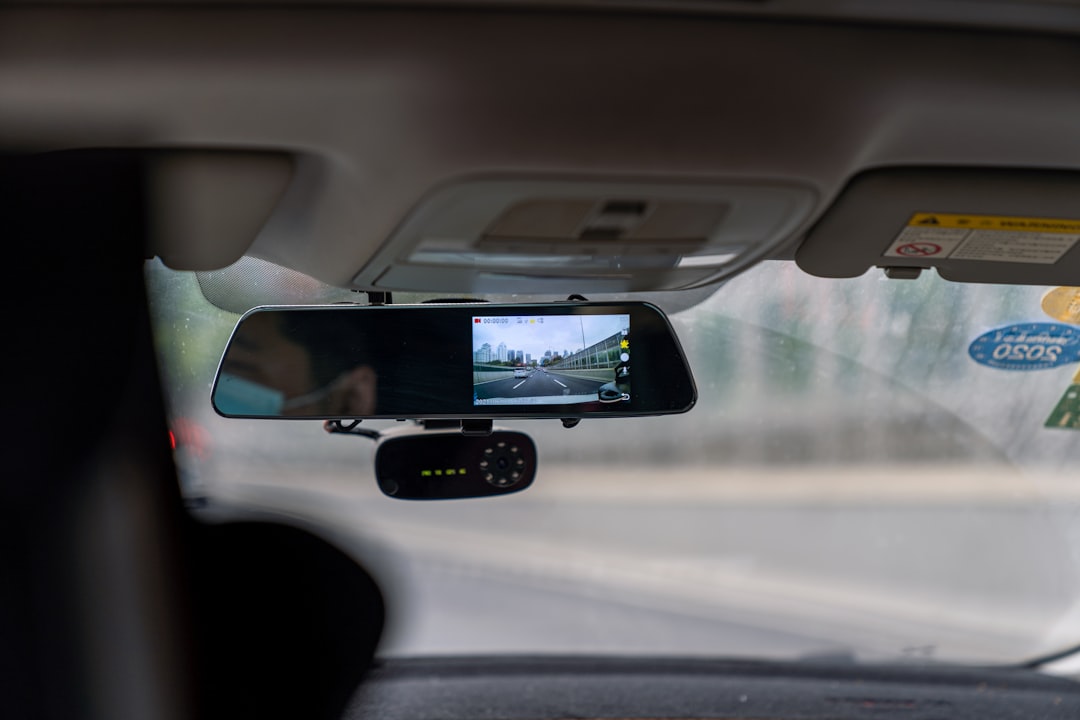
A dashboard camera sounds like the kind of responsible addition that insurers would universally applaud, but the reality is more complicated. Some policies contain clauses requiring drivers to disclose any modifications or additions to the vehicle’s electrical system, and a hardwired dash cam can technically qualify. If a dash cam footage contradicts the account given in a claim, insurers may use the discrepancy to deny the payout rather than simply adjust the settlement. Poorly installed dash cams that cause electrical faults can also trigger modification clauses that void coverage for related damage. Always inform your insurer before installing a hardwired camera system to ensure full compliance with policy terms.
Radar Detector

Radar detectors occupy a legal gray area that varies significantly by jurisdiction, and their presence in a vehicle can have direct insurance consequences in certain regions. In areas where radar detectors are prohibited, having one in the car constitutes evidence of an intention to exceed posted speed limits. Insurers in some jurisdictions treat the presence of a radar detector as a material fact that should have been disclosed at the time of policy purchase. A claim arising from an accident where a radar detector was present can be scrutinized for evidence of speeding behavior leading up to the incident. The device itself does not need to be in use at the time of the accident to become a complicating factor in the claims process.
Aftermarket Stereo

Replacing a factory-fitted stereo system with an aftermarket unit is one of the most common undisclosed vehicle modifications that quietly creates insurance complications. Most standard auto policies require drivers to declare any modification that alters the vehicle from its manufacturer specifications at the time of policy issue. An undisclosed stereo upgrade can affect the declared value of the vehicle, creating a discrepancy that emerges during a theft or damage claim. Aftermarket audio installations also frequently involve modifications to wiring and dashboard panels that can be classified as structural alterations under strict policy language. The gap between what the car is worth with the upgrade and what the insurer believes it is worth can result in significant partial or complete claim denial.
Tinted Windows
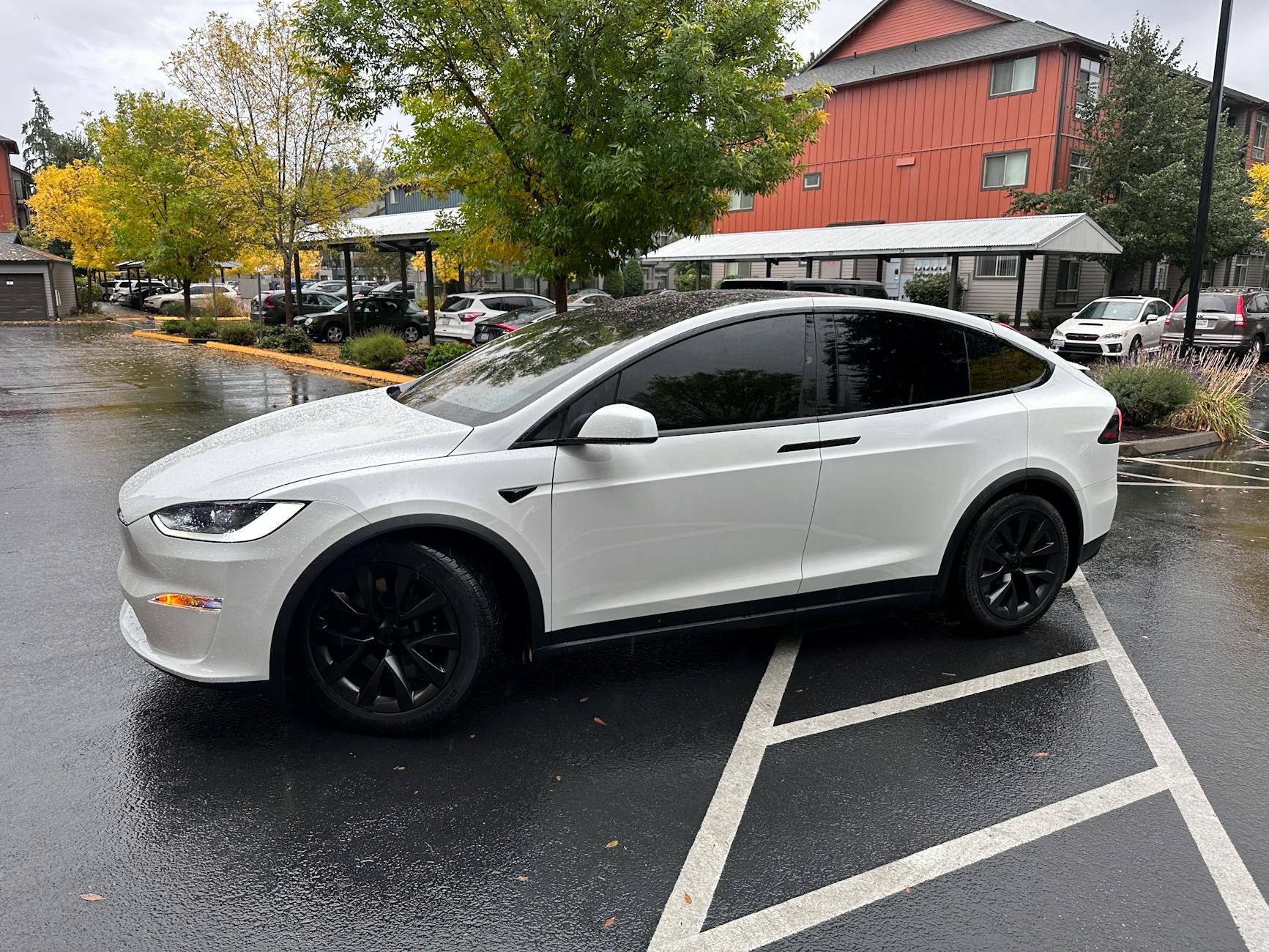
Window tinting beyond the legal limit in a given jurisdiction represents a vehicle modification that the majority of drivers never think to report to their insurer. Illegal tinting is a statutory vehicle offense in most regions, and driving with an offense-level modification can constitute a breach of the policy’s legal compliance requirements. Even tinting within legal limits must be disclosed in many policies if it was applied after the original policy was written. An accident in which visibility impairment is cited as a contributing factor becomes significantly more complicated when illegal or undisclosed tinting is present on the windshield or front windows. Many drivers inherit tinted windows when purchasing used vehicles and are unaware that the modification exists on their policy record at all.
Child Car Seat
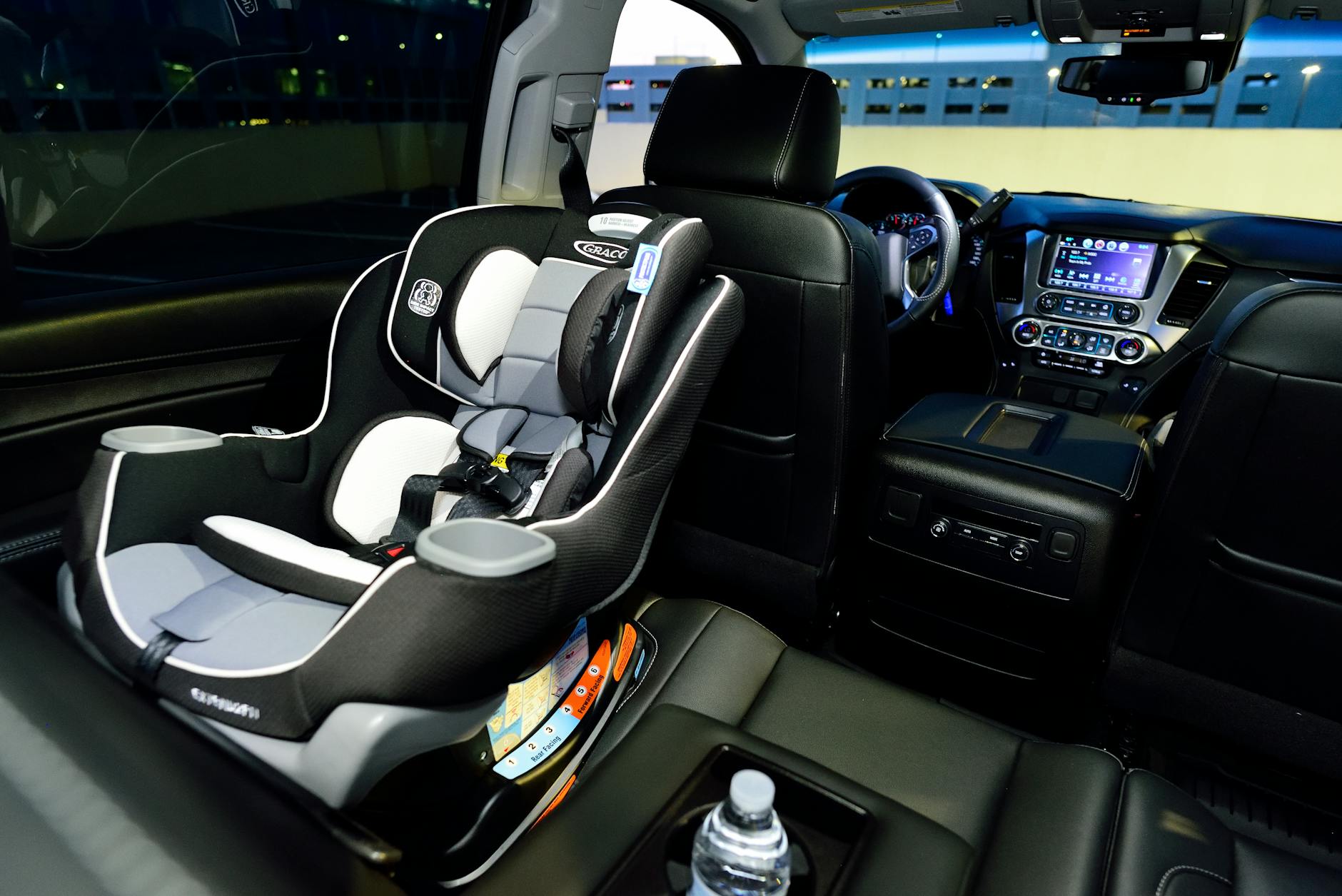
An improperly installed or expired child car seat is an item that can create serious insurance complications following an accident involving a minor passenger. Insurers may investigate whether a child restraint system met the legal requirements in force at the time of the accident when processing injury claims related to child passengers. An expired car seat that fails during an accident can shift liability in ways that affect both personal injury coverage and third-party claims. Some policies include specific clauses about the proper restraint of minor passengers as a condition of personal injury coverage. The legal and financial exposure created by a non-compliant child seat far exceeds the inconvenience of verifying its certification status before every journey.
Loose Pet

An unrestrained pet traveling freely inside a vehicle is a frequently overlooked insurance risk that sits in a legally ambiguous position in most jurisdictions. Many regions classify an unrestrained animal as a driving distraction equivalent to using a handheld phone, which constitutes a traffic offense under distracted driving laws. A claim filed after an accident where an unrestrained pet is identified as a contributing distraction factor can be partially or fully denied on the grounds of driver negligence. Some insurers specifically exclude claims arising from accidents where the driver was in breach of distracted driving statutes at the time of the incident. Pet travel harnesses and secured carriers exist precisely to address both the safety and the legal compliance dimensions of traveling with animals.
Alcohol Containers

Open or recently emptied alcohol containers discovered in a vehicle following an accident create an immediate presumption of impaired driving that can void insurance coverage entirely. Most auto insurance policies contain explicit exclusions for incidents occurring while the driver was under the influence of alcohol or controlled substances. Even sealed bottles of alcohol that have shifted during an accident can complicate a claims investigation if they are present in the passenger cabin rather than secured in the trunk. Commercial drivers and those operating under fleet policies face particularly strict scrutiny regarding alcohol container presence in vehicles. The presence of alcohol containers does not need to prove intoxication to affect a claim as it can independently trigger investigation clauses within many policies.
Prescription Medication

Prescription medications stored in a vehicle present insurance complications when the drug in question carries impairment warnings relevant to safe vehicle operation. An accident investigation that reveals the driver was taking a medication known to cause drowsiness, dizziness or reduced reaction time can prompt insurers to raise a negligence defense against paying out a claim. Medications left in hot vehicles also degrade in ways that can create dosage unpredictability, a factor that medical investigators may raise in personal injury proceedings. Drivers are generally required to ensure they are fit to operate a vehicle under the terms of their policy, and known impairment from medication can be treated as a breach of this condition. Storing medication in the glovebox is extremely common and entirely understandable, but drivers should be aware of the implications if impairment becomes a question during a claims investigation.
Aftermarket Wheels

Custom or aftermarket wheels are one of the most visually obvious vehicle modifications and one of the most consistently undisclosed items in insurance documentation. Wheel and tire upgrades that differ from manufacturer specifications alter the vehicle’s handling profile, braking distances and overall performance characteristics. An insurer discovering undisclosed aftermarket wheels during a post-accident investigation has grounds to argue that the vehicle’s risk profile was materially different from what was declared at policy inception. Larger or wider wheels that affect the vehicle’s speedometer calibration can also introduce complications related to alleged speeding at the time of an incident. The modification declaration requirements in most standard policies are broad enough to encompass wheel changes that most drivers would consider purely cosmetic.
GPS Device
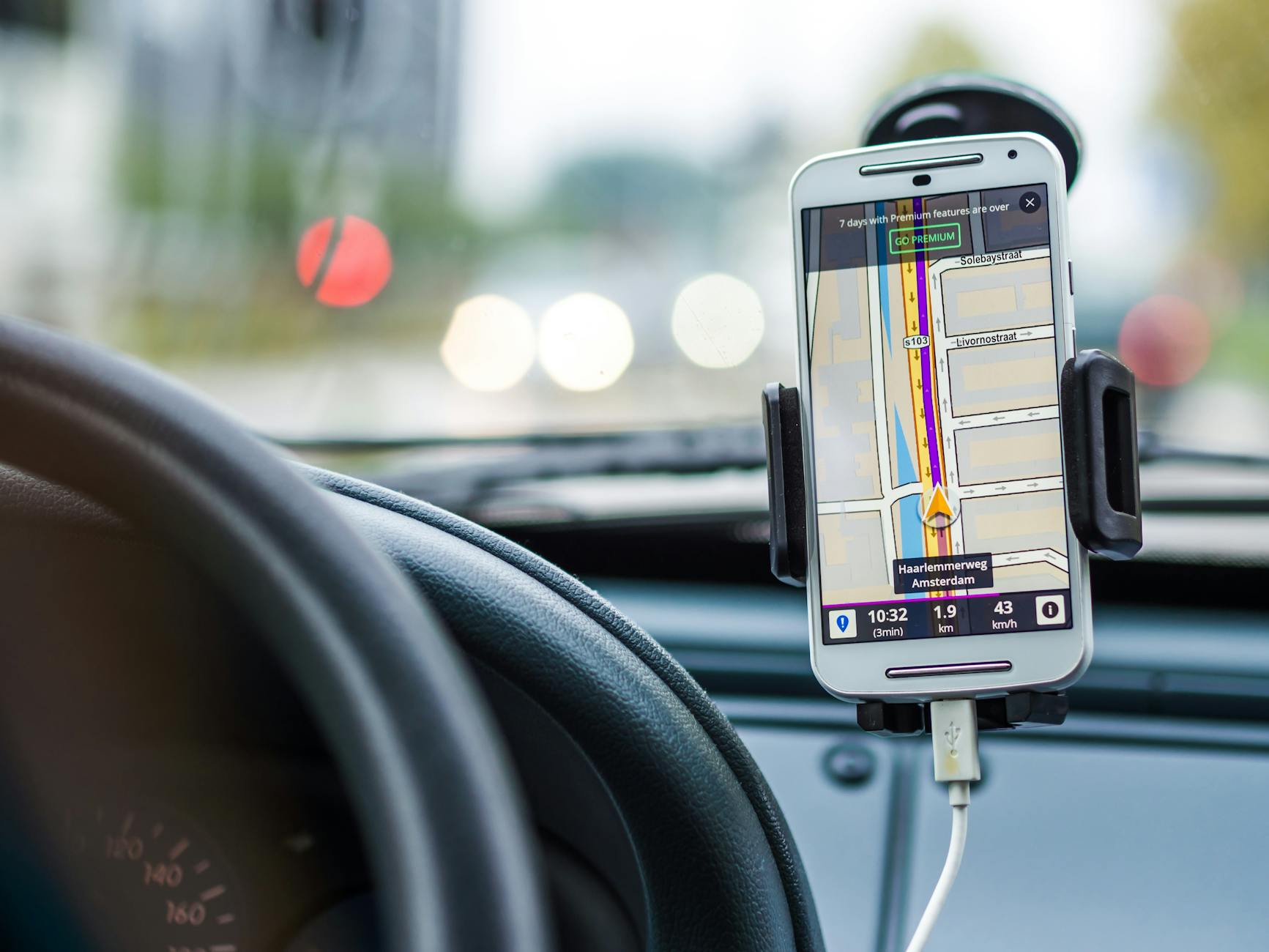
A permanently mounted GPS device that has been hardwired into the vehicle’s electrical system falls into the same modification disclosure category as dashboard cameras and aftermarket stereos. Suction-mounted portable GPS units leave circular marks on windshields that some insurers and investigators treat as evidence of a device that may have obstructed the driver’s line of sight. In jurisdictions where GPS device placement is regulated by law, a non-compliant mounting position can constitute a legal offense that affects the validity of coverage. Outdated GPS software that directs drivers onto inappropriate roads has been raised as a contributing factor in accident investigations with increasing frequency. Drivers who rely exclusively on GPS navigation should ensure their device placement complies with local regulations and does not create a windshield obstruction claim.
Vaping Device

Electronic cigarettes and vaping devices left in cars during warm weather present fire risks that most standard auto insurance policies do not cover under normal use conditions. Lithium battery failures in vaping devices have caused documented vehicle fires in circumstances that insurers have successfully classified as avoidable personal negligence. A fire investigation that identifies a vaping device as the ignition source can prompt insurers to apply exclusion clauses related to improper storage of flammable or heat-sensitive battery-powered equipment. Some policies specifically address lithium battery storage in vehicle cabins as a disclosed risk category following the rise in battery fire incidents across consumer electronics. Leaving any lithium battery device in a hot enclosed vehicle represents a risk that most drivers underestimate significantly.
Roof Rack

An aftermarket roof rack installed without disclosure to an insurer alters the vehicle’s aerodynamic profile, weight distribution and height clearance, all of which are factors relevant to accident risk assessment. Claims involving roof rack cargo that detaches and causes damage to other vehicles or property create significant liability complications when the rack itself was not declared as a vehicle modification. Some insurers also apply exclusion clauses to damage caused by overhead clearance collisions in vehicles whose height was altered by an undisclosed roof rack installation. The load capacity ratings of aftermarket racks vary considerably, and carrying weight beyond the manufacturer’s stated limit introduces a negligence element into any incident involving the loaded vehicle. Roof rack installations that penetrate the vehicle’s roof surface can also affect structural integrity assessments following rollover or collision claims.
Sports Equipment

Improperly secured sports equipment stored inside a vehicle constitutes a projectile hazard in the event of sudden braking or a collision, creating a driver negligence dimension to any resulting injury claim. A surfboard, golf bag, ski equipment or bicycle frame that strikes a passenger during an accident has been the basis for denied personal injury claims where improper storage was established. Some insurers explicitly require that large cargo items be secured according to specific standards as a condition of passenger injury coverage. Sports equipment stored on roof carriers or rear-mounted racks must comply with the loading and securing regulations applicable in the driver’s jurisdiction. The casual approach most drivers take to loading sports gear into or onto a vehicle is rarely consistent with the precise securing requirements buried in standard policy terms.
Tow Bar

A tow bar fitted to a vehicle without disclosure to the insurer is a structural modification that affects the vehicle’s rear impact absorption profile and towing liability exposure. Damage caused while towing an undisclosed trailer or caravan may be entirely excluded from coverage if the towing capability was never declared as part of the policy. Some insurers require a separate towing endorsement that covers both the towing vehicle and the attached trailer for liability purposes during transit. An undisclosed tow bar that causes damage to another vehicle during a reversing incident creates a liability scenario where the insurer may dispute their obligation to pay. The tow bar is one of the most structurally significant vehicle modifications that drivers routinely install without considering the insurance disclosure implications.
Food and Drink

Hot beverages and open food containers in a vehicle are classified as driver distraction items under the distracted driving legislation of an increasing number of jurisdictions. An accident investigation that documents evidence of eating or drinking at the wheel can support an insurer’s negligence defense against paying out a claim. Spilled liquids that cause electrical short circuits or floor mat displacement leading to pedal interference have been documented as contributing accident factors in insurance investigations. Some commercial vehicle policies contain explicit clauses prohibiting eating and drinking while operating the vehicle as a condition of coverage. The normalisation of in-car eating and coffee consumption obscures the fact that both activities meet the legal definition of distracted driving in many regions.
Aftermarket Suspension
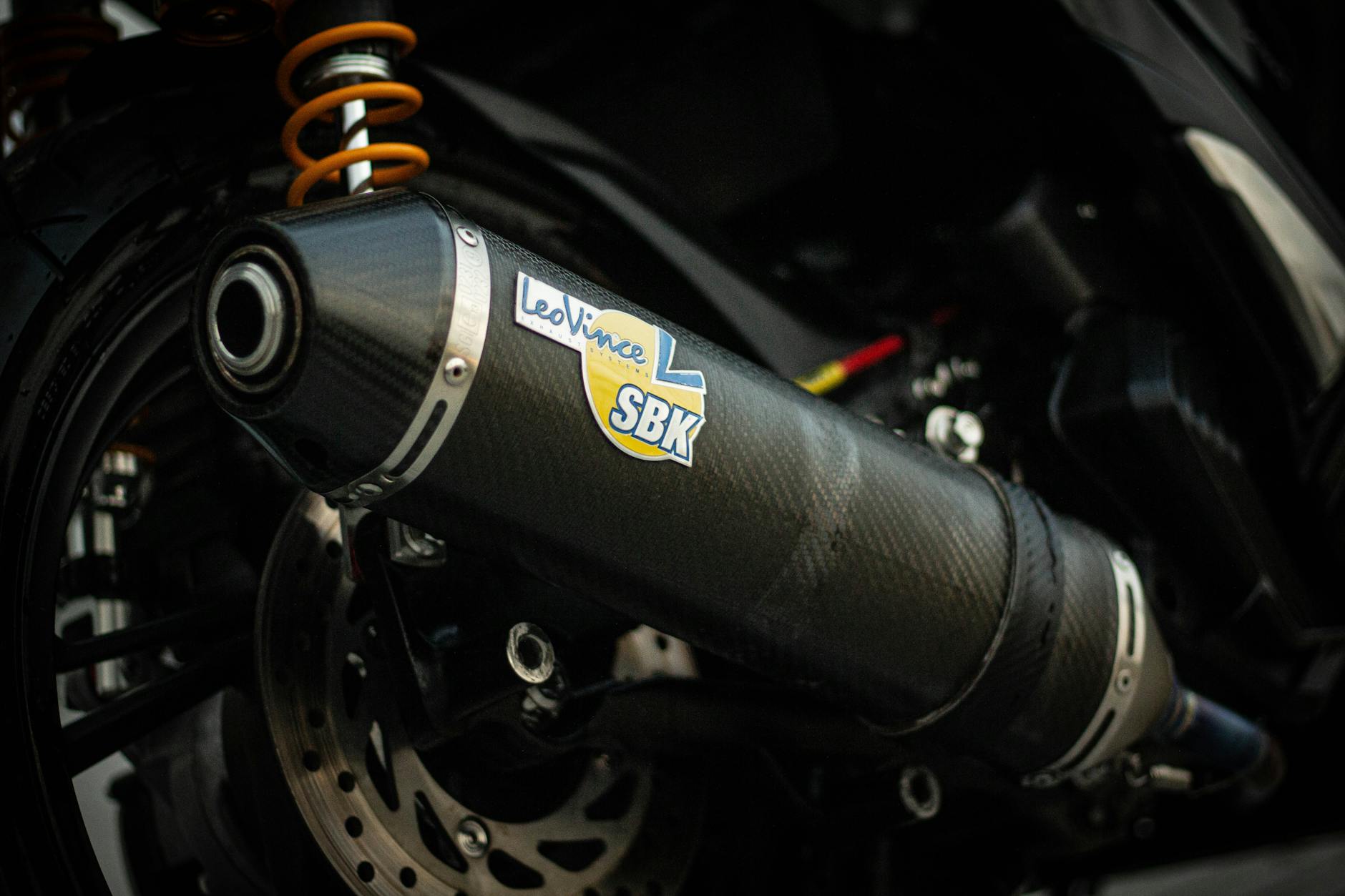
Suspension modifications that lower or raise a vehicle beyond manufacturer specifications represent one of the most significant undisclosed alterations in terms of their effect on handling and accident risk. Lowered suspension changes a vehicle’s center of gravity, braking behavior and ground clearance in ways that fundamentally alter the risk profile the insurer agreed to cover. An accident investigation that reveals modified suspension can prompt insurers to argue that the vehicle’s performance characteristics at the time of the incident were materially different from what the policy covered. Lifted suspension on trucks and SUVs creates elevated rollover risk and altered braking geometry that is directly relevant to accident causation analysis. The performance and aesthetic appeal of suspension modifications attracts many vehicle owners who have no awareness of the insurance disclosure obligations they simultaneously create.
Jump Starter Pack
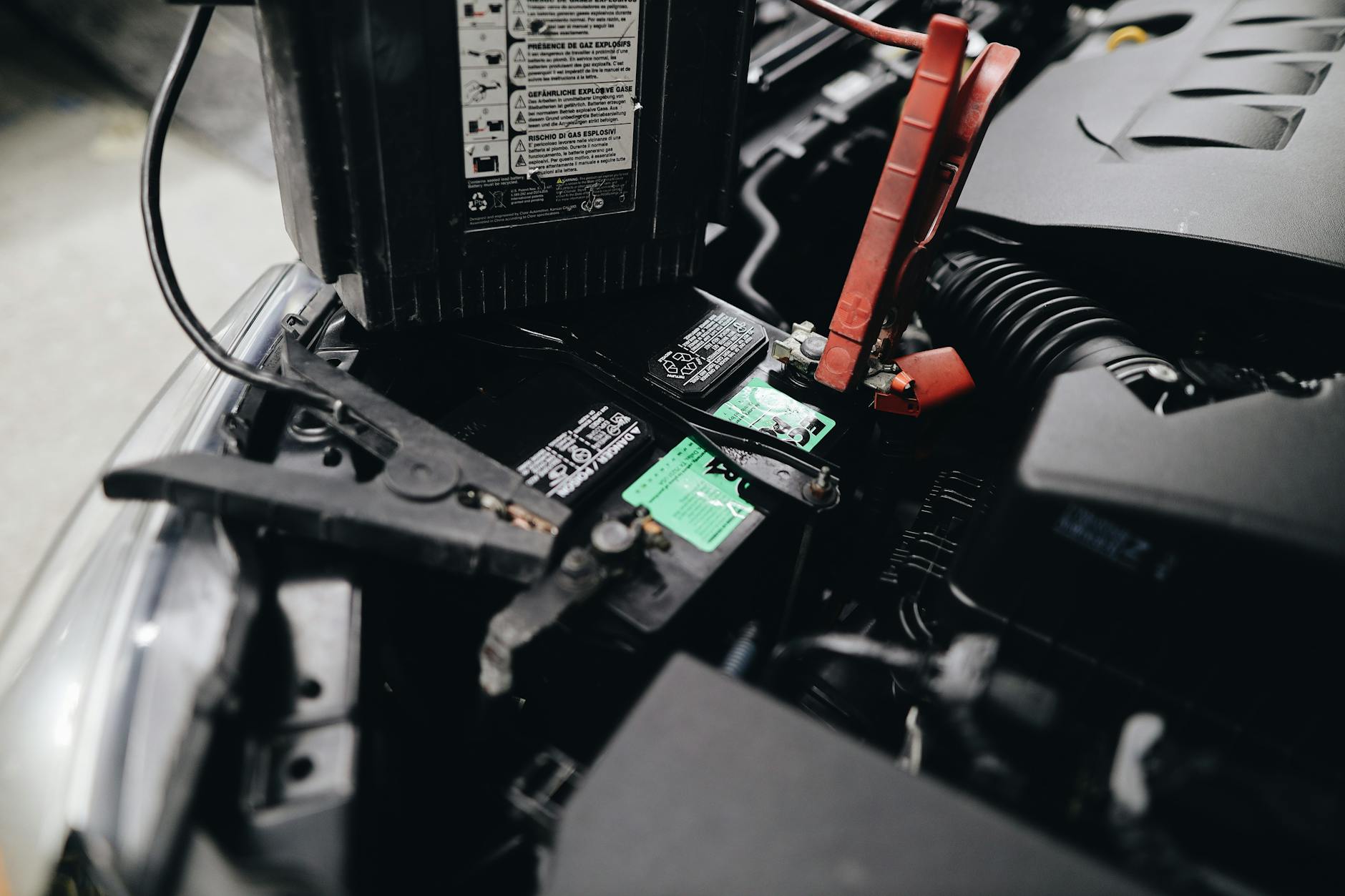
A lithium-ion portable jump starter stored in a vehicle cabin represents the same fire risk category as vaping devices and other high-capacity battery equipment. These units contain large lithium battery cells that are susceptible to thermal runaway in high ambient temperatures, a condition routinely created inside parked vehicles during summer months. A vehicle fire originating from a portable jump starter stored improperly in the passenger cabin has potential to trigger an insurer’s negligence exclusion clause. The jump starter is a genuinely useful piece of emergency equipment whose storage location is critical to both safety and insurance compliance. Manufacturers recommend storing lithium jump starters in cool, stable temperature environments rather than in vehicle cabins exposed to extreme heat cycles.
Illegal Modifications
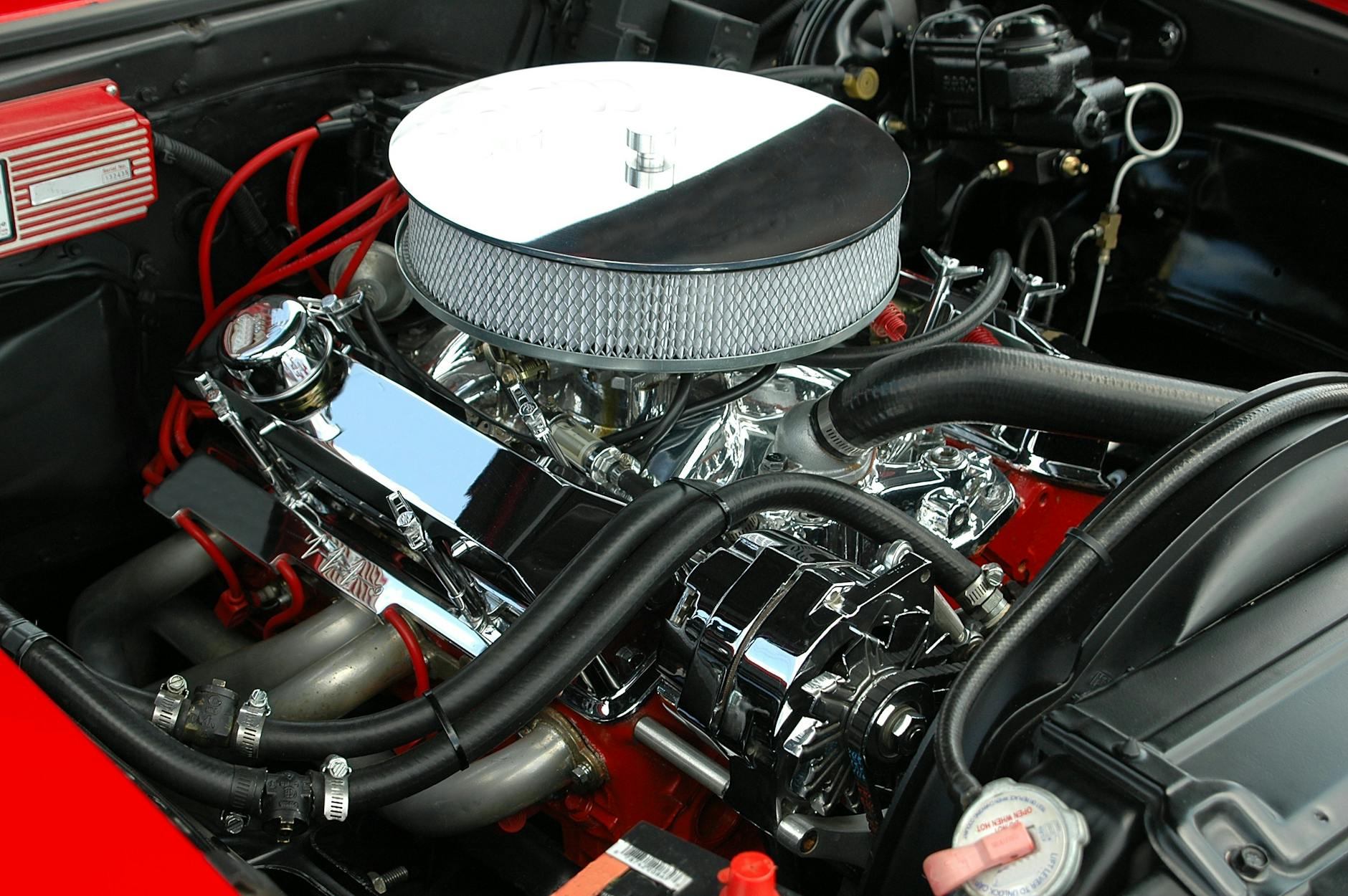
Cosmetic and performance modifications that fall outside legal vehicle standards in a given jurisdiction represent a broad category of coverage-voiding items that extends well beyond any single component. Illegal modifications range from excessively loud exhaust systems and non-standard lighting to engine tuning that removes emissions compliance, each of which constitutes a statutory offense. Operating a vehicle with illegal modifications breaches the legal compliance requirement present in virtually every standard auto insurance policy currently in circulation. An insurer that discovers illegal modifications during a post-accident vehicle inspection has a well-established legal basis for denying the associated claim regardless of fault. The modifications most commonly involved in this category are ones the vehicle owner considers minor improvements rather than legal infractions.
Spare Fuel Container
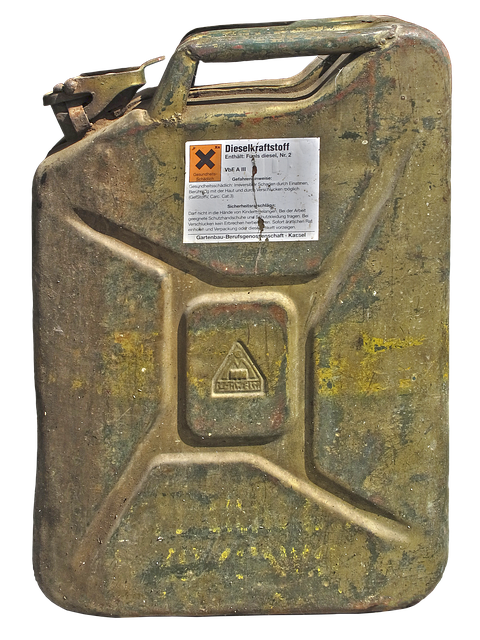
A fuel canister stored inside the passenger cabin of a vehicle is a fire hazard that most insurers classify as a breach of safe vehicle operation standards. Petrol and diesel vapors from even tightly sealed containers permeate enclosed spaces and create flammable atmospheric conditions that dramatically elevate fire risk in a collision. An accident investigation that discovers a fuel container inside the cabin has a clear pathway to applying a negligence exclusion that relieves the insurer of paying out fire-related damage claims. Regulatory standards in most jurisdictions require fuel to be transported in approved containers secured in the trunk or cargo area and never in the passenger compartment. The convenience of keeping emergency fuel within easy reach is significantly outweighed by the legal, safety and insurance consequences of improper storage.
Aftermarket Lighting
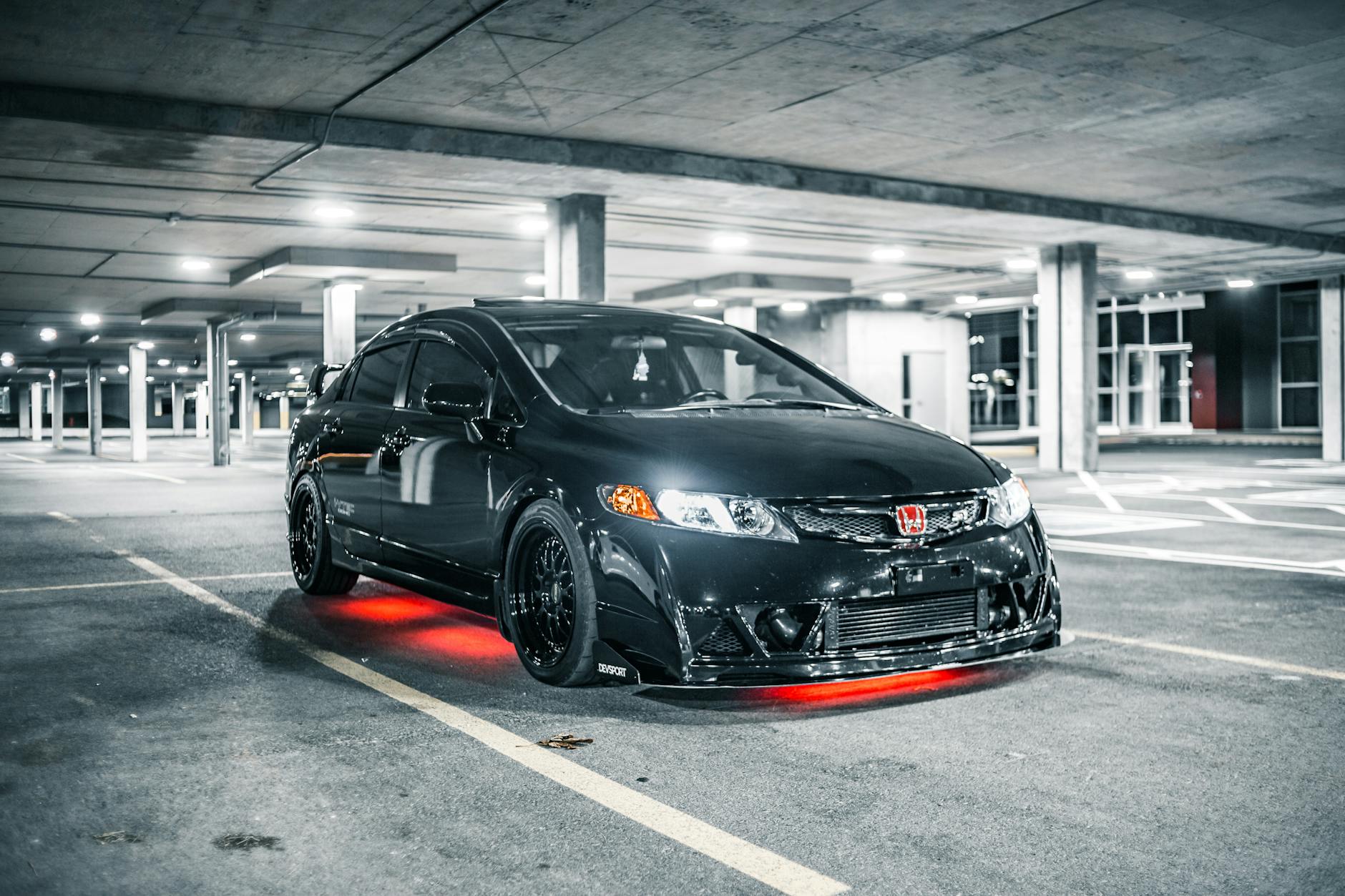
Underglow lighting, non-standard headlight colors and additional light bars installed without disclosure represent a modification category with both legal and insurance compliance dimensions. Colored lighting systems are illegal for road use in the majority of jurisdictions and their presence on a vehicle constitutes a statutory offense at the moment the vehicle is driven on a public road. Non-standard headlight colors that reduce the visibility of the vehicle to other drivers have been cited as contributing factors in accident investigations leading to coverage disputes. Light bars that create glare for oncoming traffic introduce a third-party liability dimension to any collision occurring in conditions where the lights were in use. The aesthetic popularity of aftermarket lighting among younger drivers is matched by the frequency with which the modification appears in denied insurance claims.
Power Inverter
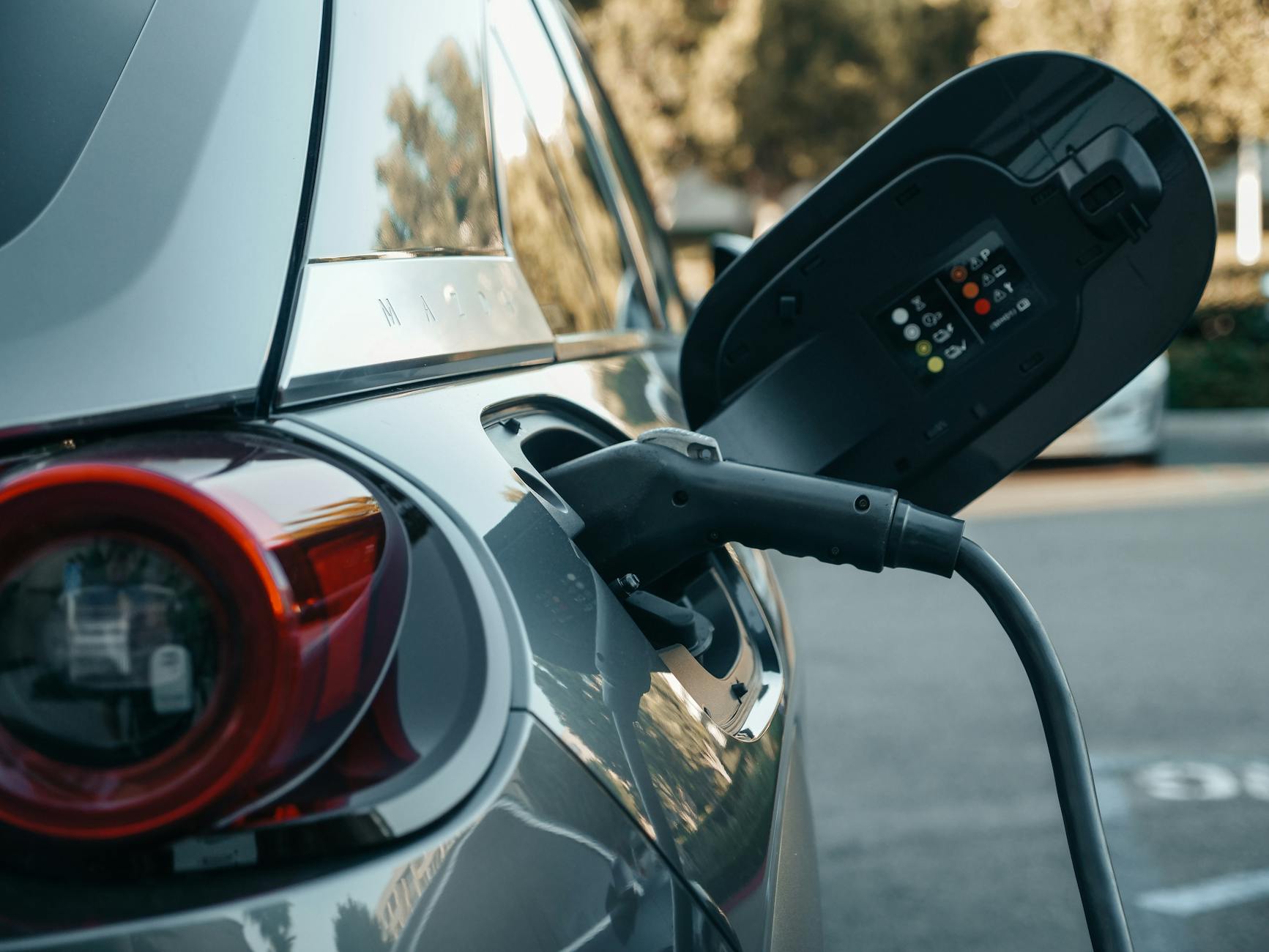
A high-wattage power inverter connected to a vehicle’s electrical system to run household appliances draws current loads the standard automotive electrical system was not designed to sustain continuously. Electrical fires caused by overloaded vehicle circuits are documented and have been the subject of insurance disputes where the inverter installation was identified as the root cause. An inverter hardwired directly to the battery without appropriate fusing and load management creates a fire risk that most insurers would classify as an undisclosed vehicle modification with negligence implications. Portable inverters that plug into a cigarette lighter socket and draw within safe current limits represent a significantly lower risk profile. The powerful inverter installations favored by van lifers and overlanders are particularly relevant to this category when paired with standard rather than upgraded vehicle electrical systems.
Toll Transponder
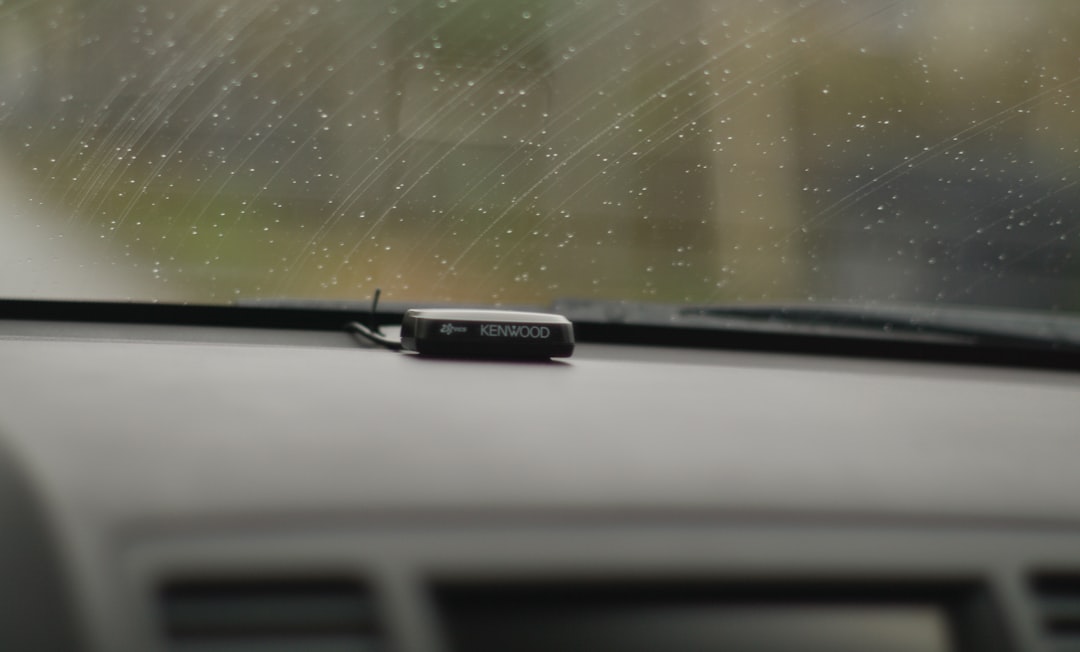
An electronic toll transponder mounted on a windshield in a position that obstructs the driver’s forward sightline constitutes a legal compliance issue in many jurisdictions with consequences for insurance coverage validity. Windshield obstruction regulations specify precise zones where devices may and may not be mounted, and toll transponders are frequently placed outside the compliant area by uninformed drivers. An accident in which forward visibility obstruction is raised as a contributing factor becomes more complicated when a device is found mounted in a non-compliant windshield position. Some insurers also treat improperly mounted windshield devices as evidence of a vehicle modification that was not disclosed at policy inception. The routine nature of toll transponder installation means most drivers never consider the placement compliance dimension of the device at all.
Air Freshener
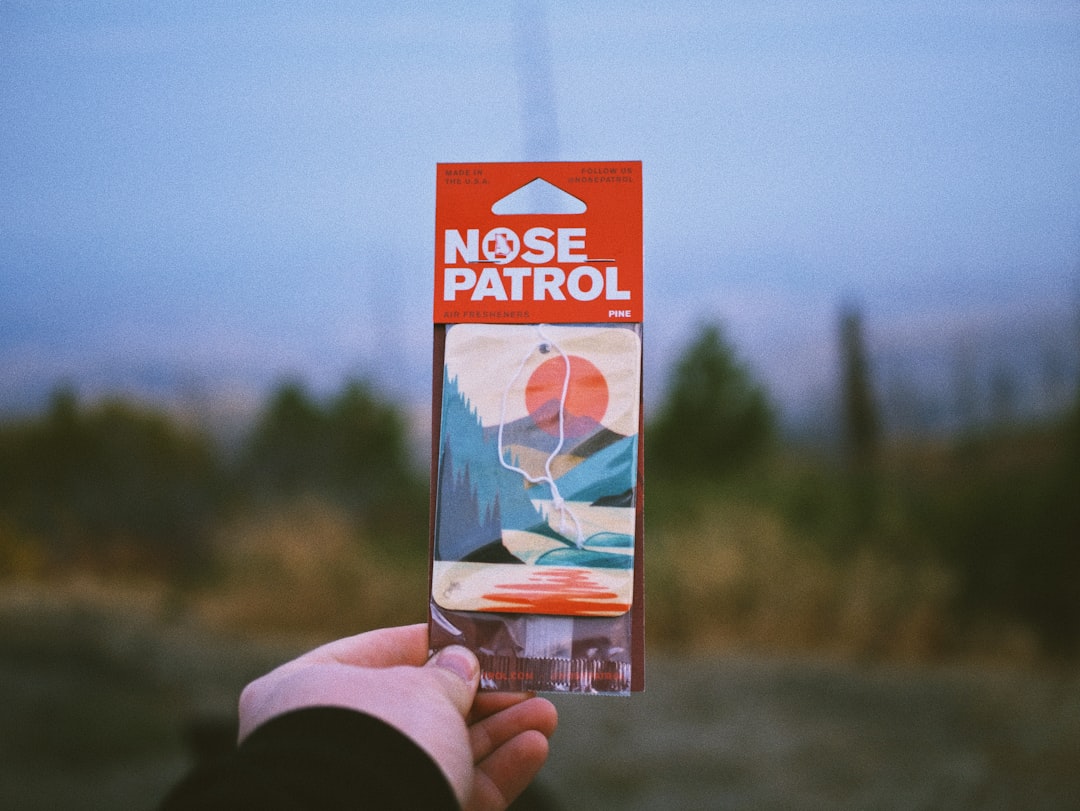
Hanging air fresheners and large dashboard fragrance units mounted on the windshield or rearview mirror are subject to the same windshield obstruction regulations that apply to GPS devices and toll transponders. Several jurisdictions explicitly list hanging ornaments including air fresheners as prohibited windshield obstructions under traffic law, making their presence a statutory offense. An insurer presented with accident circumstances where forward visibility was a factor has legitimate grounds to raise a windshield obstruction argument if a mirror-hung freshener was present. The cultural normalization of the hanging tree-shaped freshener obscures the fact that in many places it is technically illegal to operate a vehicle with one displayed on the mirror. Insurance investigators do photograph and document the interior of vehicles following accidents, and mirror-mounted items are routinely captured in that documentation.
Modified Exhaust
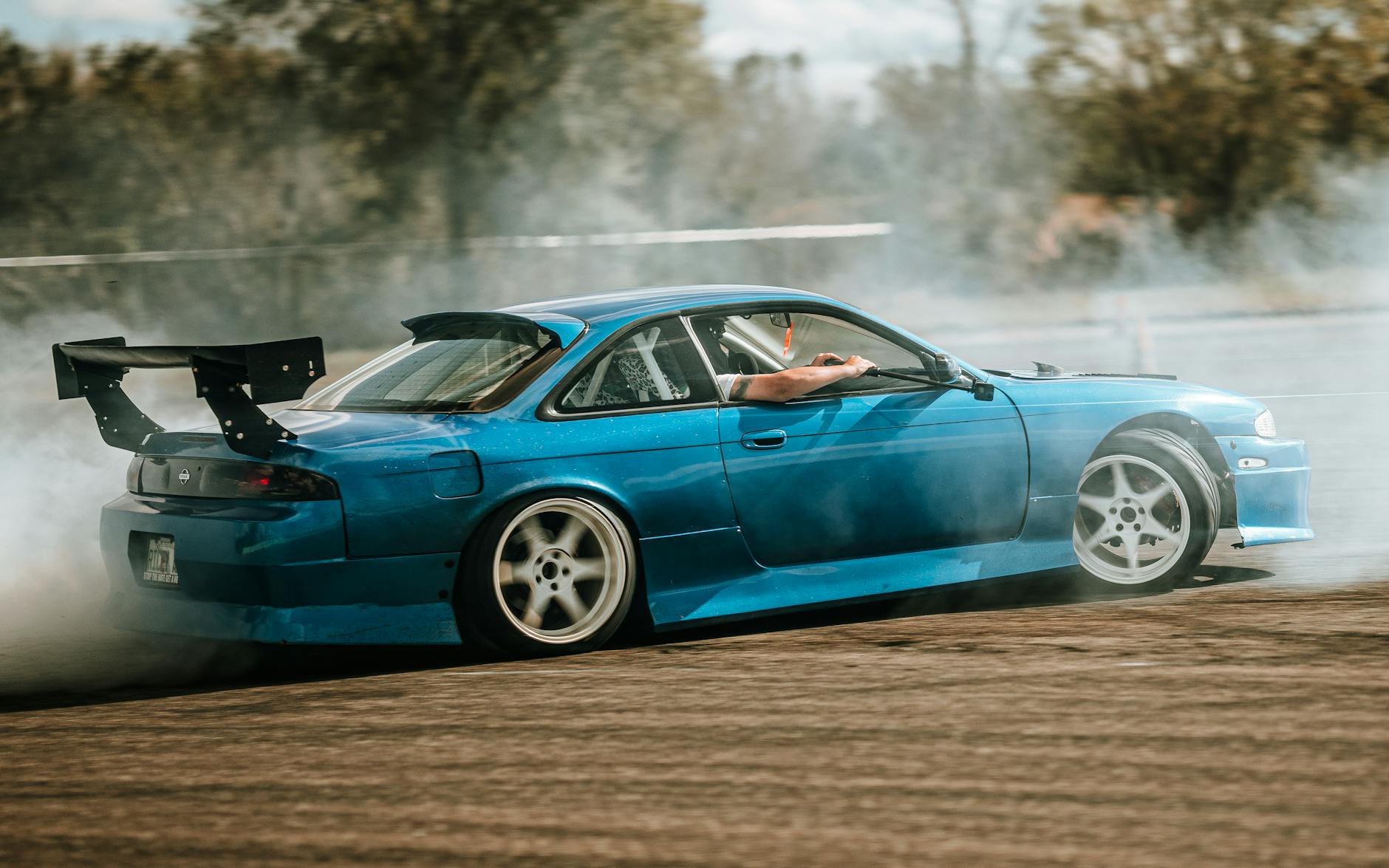
Aftermarket exhaust systems that alter the vehicle’s noise output or emissions compliance represent a dual legal and insurance compliance issue encountered by investigators with considerable frequency. Noise pollution legislation in most jurisdictions sets maximum decibel limits for vehicle exhaust output, and aftermarket systems frequently exceed these limits by design. An emissions-deleting exhaust modification removes legally mandated pollution controls, constituting a statutory offense that breaches the legal compliance condition of any standard auto insurance policy. Even exhaust modifications that remain within noise limits may alter back-pressure dynamics that affect engine performance in ways relevant to accident causation analysis. The performance and sound enhancement appeal of exhaust modifications is well understood by insurers who have developed specific investigative protocols for identifying them in post-accident vehicle assessments.
Roof Box
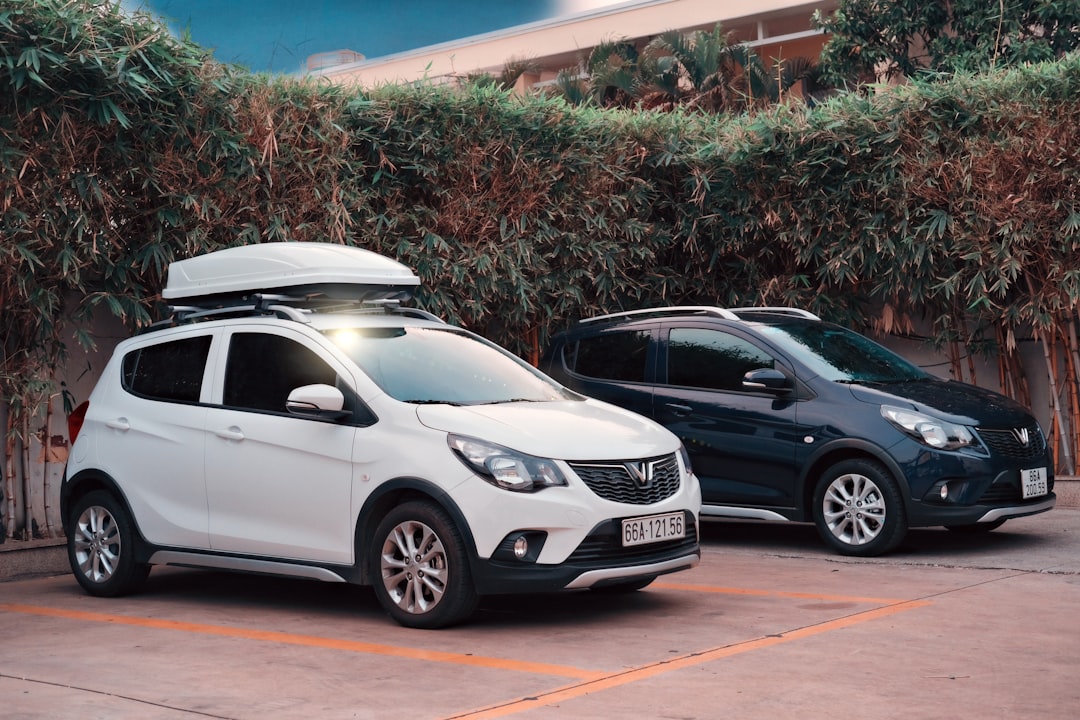
A roof-mounted storage box that was added to a vehicle after the original policy was written constitutes a modification that alters the vehicle’s height, weight, aerodynamic behavior and center of gravity. An accident involving a roof box whose contents shift during cornering or emergency braking introduces a cargo management dimension to the investigation that can support a negligence finding. Roof boxes that exceed the vehicle’s manufacturer-rated roof load capacity create a measurable and documentable breach of operational safety standards. High-profile roof boxes significantly affect fuel consumption and handling stability in crosswind conditions, both of which are factors relevant to accident risk analysis. The seasonal nature of roof box use encourages many drivers to consider it a temporary accessory rather than a declarable vehicle modification, which is a misclassification under most policy terms.
Dashcam With Cloud Upload
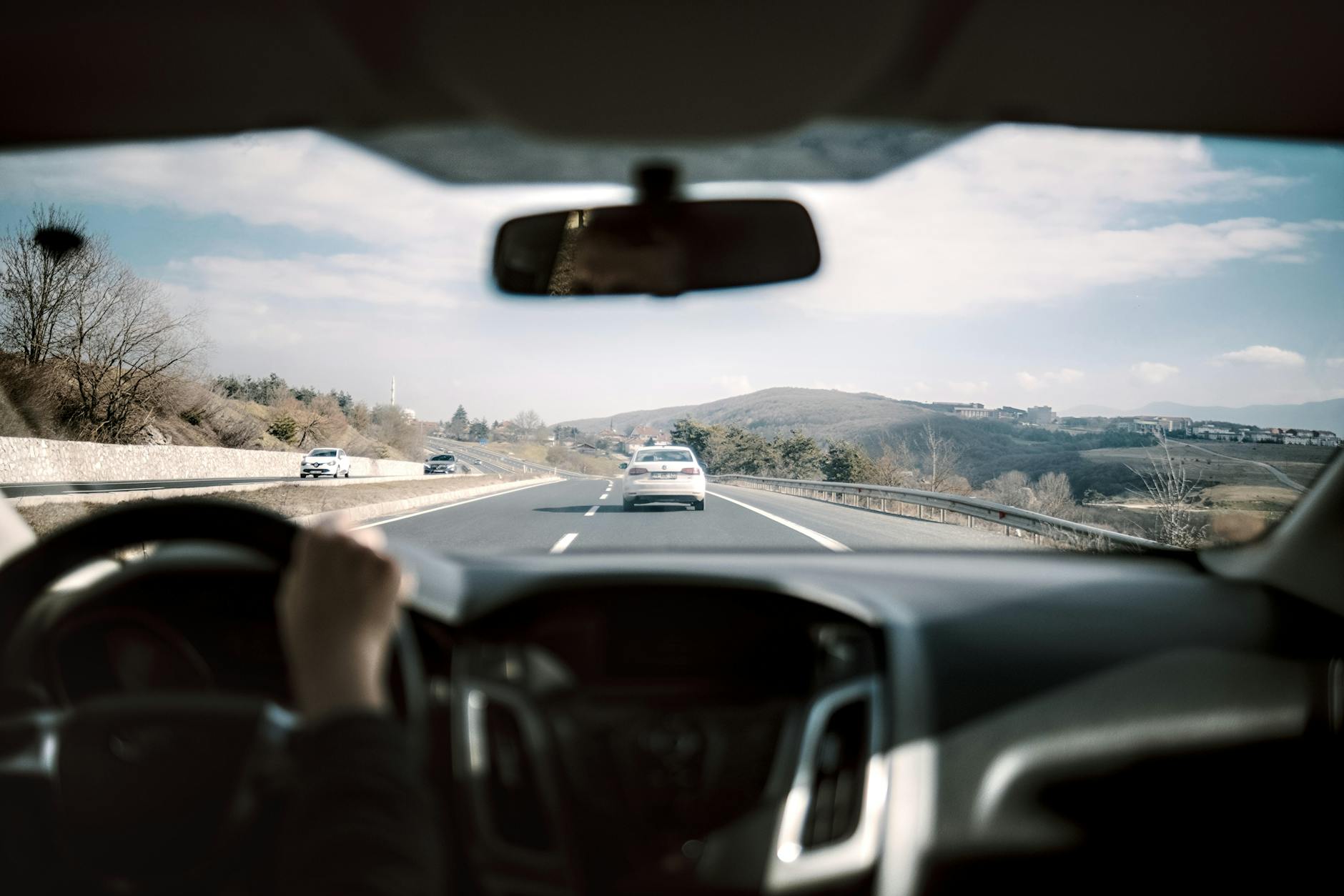
Smart dashcams that continuously upload footage to cloud platforms create a documented record of driving behavior that extends far beyond any single incident and can be accessed by insurers during claim investigations. A driver who has accumulated cloud footage showing habitual speeding, tailgating or distracted driving behavior creates an evidentiary record that insurers may use to challenge claims from entirely separate incidents. The terms of service of many cloud dash cam platforms include data sharing provisions with insurance partners that drivers do not read carefully at the time of device activation. Footage that captures the moments before an accident and reveals driver behavior inconsistent with the account given in a claim is grounds for both claim denial and policy cancellation. The peace of mind associated with constant recording can function as evidence against the very driver whose vehicle the camera is installed in.
Tinted Headlight Covers
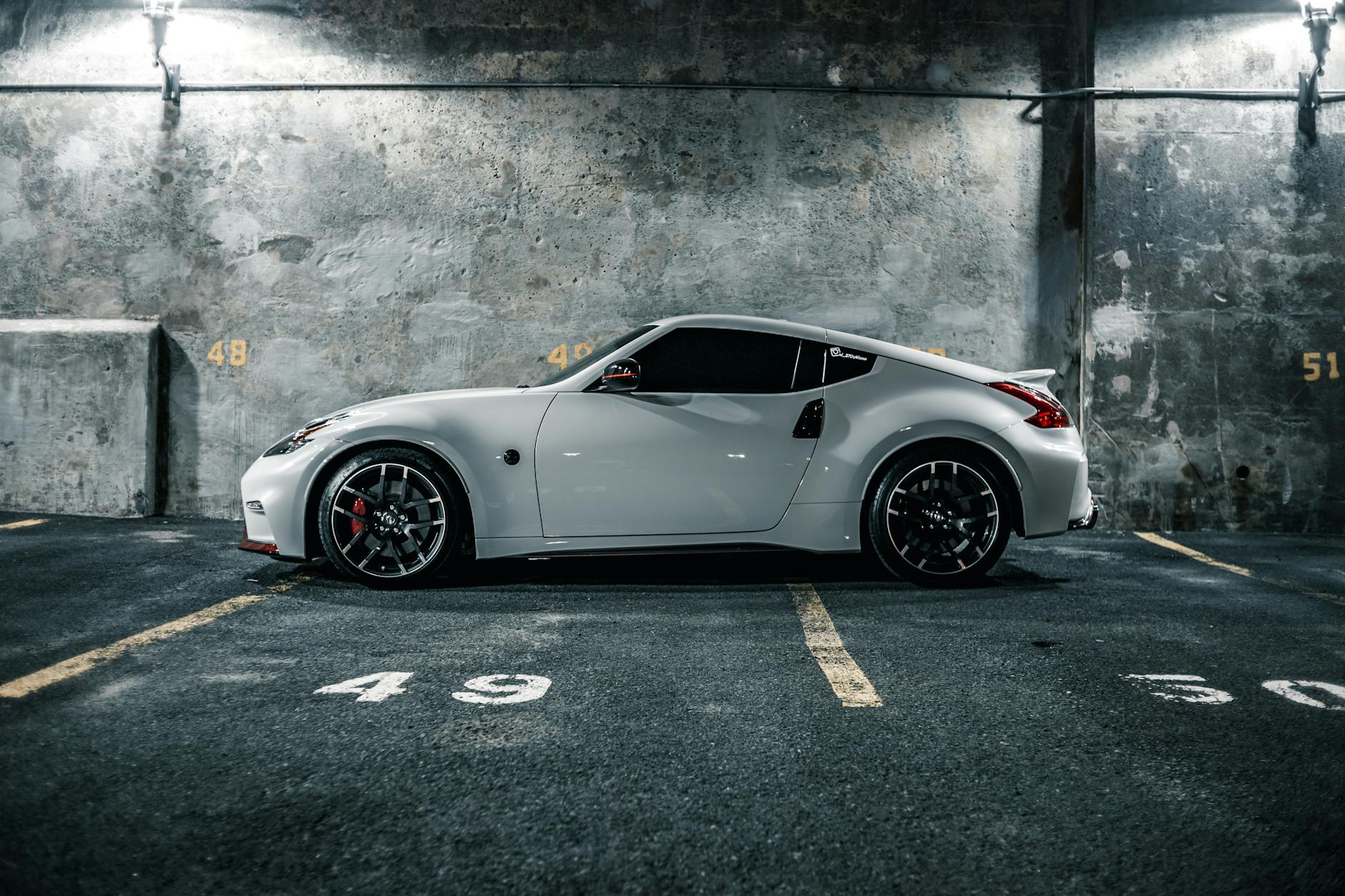
Smoked or tinted headlight covers that reduce the luminosity output of a vehicle’s forward lighting system are illegal for road use in the majority of jurisdictions and constitute a direct safety modification with insurance consequences. Reduced headlight output that contributes to a collision during low-light or nighttime driving conditions creates a compelling negligence case for an insurer seeking to deny a payout. Headlight tinting is categorized as a vehicle modification in most policy frameworks and requires disclosure regardless of its legality in the driver’s specific location. An accident investigation that measures headlight output and finds it below legal minimums due to aftermarket tinting has a clear pathway to a coverage exclusion finding. The aesthetic popularity of blacked-out lighting modifications among enthusiast drivers is matched by their frequency of appearance in denied nighttime accident claims.
Loose Heavy Objects

Unsecured heavy items stored in the passenger cabin or cargo area represent one of the most straightforward negligence-based insurance complications available to investigators following a collision. Objects weighing more than a few kilograms become high-velocity projectiles during sudden deceleration events, creating injury dynamics that complicate personal injury claims for all vehicle occupants. Many jurisdictions have specific cargo securing legislation that applies to private passenger vehicles, not just commercial trucks, making loose heavy objects a potential statutory offense. An insurer who can demonstrate that an injury was caused or worsened by an improperly secured in-vehicle object has grounds to reduce or deny the associated personal injury payout. The everyday normalcy of storing tools, sports bags and shopping in an unsecured car boot obscures a genuine legal and insurance compliance obligation that most drivers are entirely unaware of.
Recreational Drugs

Controlled substances discovered in a vehicle following an accident trigger immediate and comprehensive insurance exclusion proceedings regardless of whether impairment was a direct factor in the incident. Possession of illegal drugs in a vehicle constitutes a criminal offense that voids the legal compliance requirement present in every standard auto insurance policy. An insurer that becomes aware of a criminal investigation arising from a traffic incident involving drug possession has both the legal right and commercial motivation to deny all associated claims. Even prescription medications classed as controlled substances that are found without appropriate documentation create a legal ambiguity that insurers routinely exploit during claims investigations. The financial consequences of a drug-related claim denial can extend to the complete cancellation of coverage and difficulty obtaining any future insurance at standard market rates.
Phone Mount
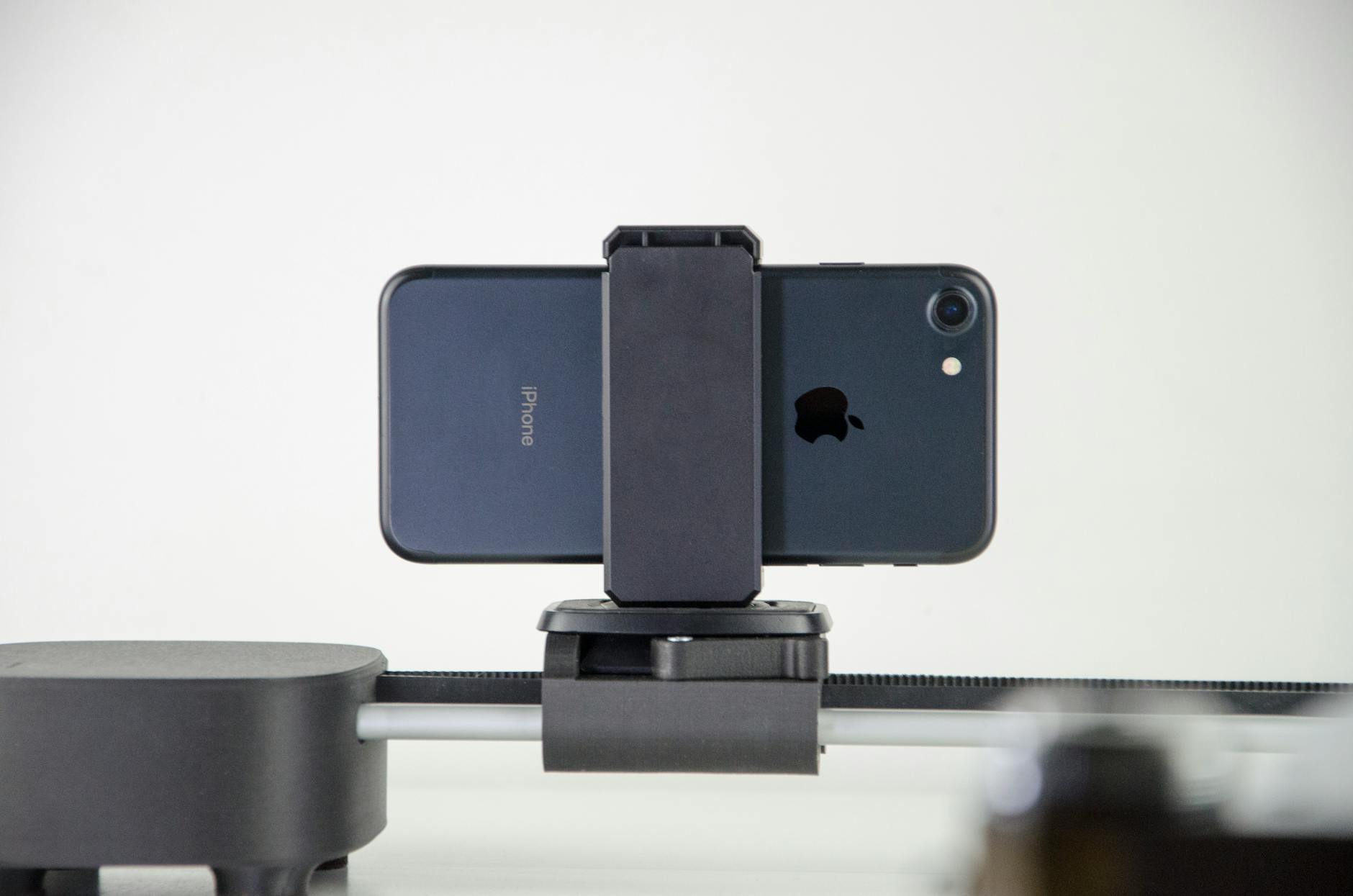
A phone mount positioned on the windshield or in a location that partially obstructs the driver’s sightline is subject to the same legal compliance analysis that applies to GPS devices, transponders and air fresheners. Jurisdictions that regulate mobile phone use while driving frequently include provisions about device mounting positions that go beyond simply prohibiting handheld use. An accident investigation that identifies a windshield-mounted phone as a potential visibility obstruction introduces a compliance dimension that insurers can use to complicate or deny an associated claim. Mounts that obscure any portion of the critical forward sightline zone defined by local road traffic legislation constitute a statutory offense regardless of whether the driver was actively using the phone at the time. The widespread use of phone mounts as a responsible alternative to handheld phone use has created a false sense of full legal compliance that many drivers carry into their insurance discussions.
Fire Extinguisher
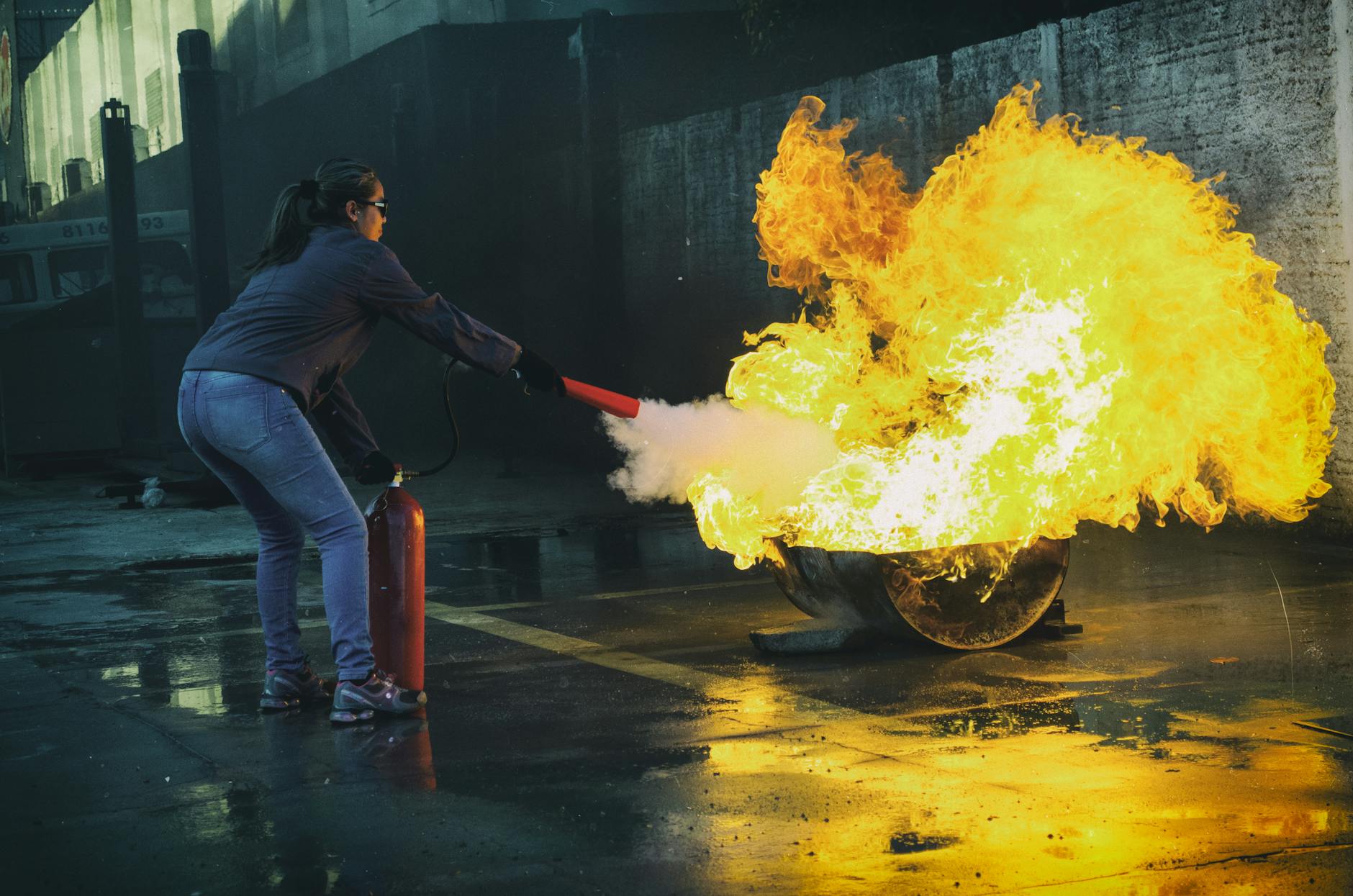
A fire extinguisher stored improperly in the passenger cabin can become a dangerous projectile during a collision, creating injury complications that affect personal injury claims in ways most drivers would find deeply counterintuitive. An extinguisher that was not bracket-mounted in compliance with manufacturer instructions is classified as an unsecured heavy object under the same cargo security framework that applies to tools and sports equipment. Some insurers also raise questions about unauthorized vehicle modifications when a fire extinguisher has been bracket-mounted to interior panels in ways that involved drilling or structural alteration. The well-intentioned safety motivation behind carrying a fire extinguisher does not protect against the insurance complications created by improper installation or storage. Correct bracket mounting in the boot or cargo area using an approved vehicle-specific mount is the only storage method that satisfies both safety and policy compliance requirements simultaneously.
Do any of these surprise you or have you had a claim complicated by something unexpected in your car? Share your experience in the comments.