Travelers are often surprised to discover that common household products tucked into their suitcases can land them in serious legal trouble abroad. What is perfectly ordinary in one country can be strictly prohibited or even criminally punishable in another. Border agents worldwide are trained to identify these items and confiscation or fines are common consequences for unknowing visitors. Understanding these restrictions before departure can save travelers from stressful and costly encounters at customs.
Codeine Medication
Codeine is a widely available over-the-counter painkiller in many Western countries and is found in common cold and pain relief products. In Japan and several Middle Eastern nations including the UAE and Saudi Arabia codeine is classified as a controlled narcotic requiring special permits or is banned outright. Travelers carrying even small quantities without documentation face potential arrest and detention. Many pharmacies in countries like Australia also sell codeine-based products freely making the danger of accidental smuggling particularly high. Travelers should consult destination country embassy websites well before their departure date.
Vicks VapoRub
This iconic mentholated chest rub is a household staple found in medicine cabinets across North America and Europe. Japan restricts the importation of Vicks VapoRub because it contains methamphetamine precursors under Japanese pharmaceutical law. Customs officers at Japanese airports and ports regularly identify and confiscate this product from unsuspecting tourists. The active ingredient pseudoephedrine is the primary concern for Japanese authorities who enforce strict narcotics regulations. Travelers heading to Japan should research approved alternatives available locally before arrival.
Chewing Gum
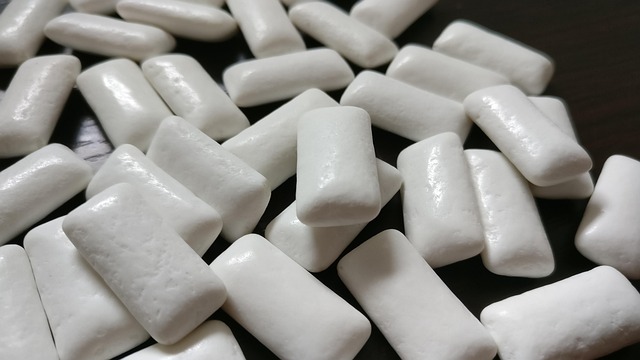
Singapore famously enacted one of the world’s most recognized bans on chewing gum following concerns about public cleanliness and infrastructure damage. The sale and import of non-therapeutic gum has been restricted since 1992 under the country’s Environmental Public Health Act. Tourists found importing gum for personal use face fines and customs officers are authorized to confiscate any quantities found during inspection. Medical or dental chewing gums prescribed by a licensed professional are the only exceptions permitted under the law. Singapore continues to enforce this regulation as part of its broader commitment to urban cleanliness.
Kinder Surprise Eggs
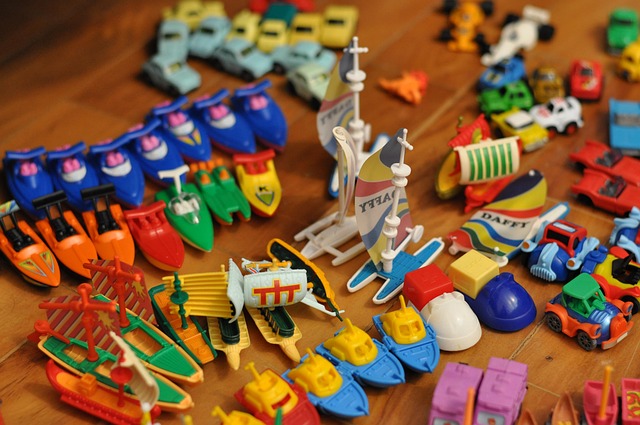
These beloved chocolate treats containing small toy capsules inside are banned in the United States under a longstanding federal law prohibiting non-nutritive objects embedded inside food products. The Food and Drug Administration classifies the embedded toy as a choking hazard making importation illegal regardless of the quantity carried. Customs agents at US borders regularly confiscate Kinder Eggs from travelers arriving from Europe and Canada where the product is sold freely. Fines of several hundred dollars per egg have been issued to tourists unaware of the restriction. A modified US-compliant version called Kinder Joy is legally sold as the toy and chocolate components are separate.
Pork Products
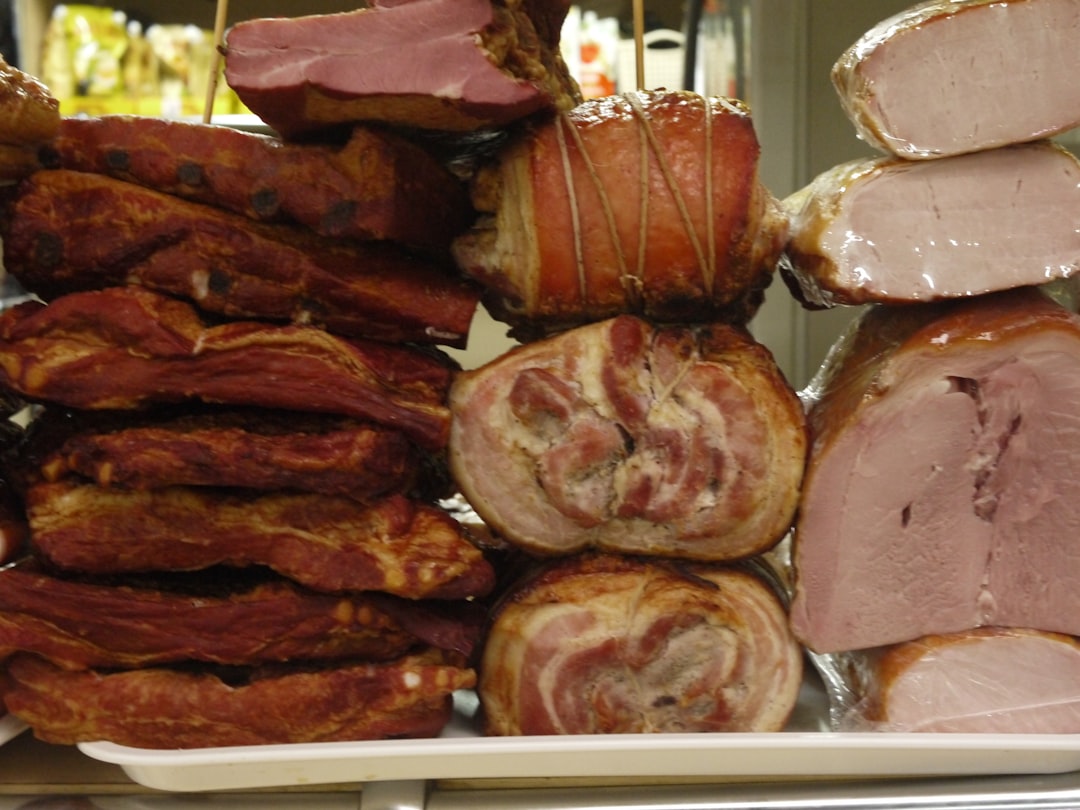
Strict Islamic laws governing halal food consumption mean that many Muslim-majority countries including Indonesia Malaysia and the Maldives heavily restrict or ban the import of pork products. Even small quantities of pork-based food items such as salami pepperoni or lard-containing biscuits can be confiscated at customs checkpoints. Travelers arriving in these countries are required to declare all food items and failure to do so compounds the legal consequences. Beyond religious considerations many nations enforce pork restrictions as an agricultural biosecurity measure to prevent disease transmission. Checking specific food import rules for each destination remains an essential pre-travel step.
Pepper Spray

Personal defence sprays including pepper spray and mace are legal self-protection tools in many parts of the United States Canada and Europe. However countries such as the United Kingdom Hong Kong and Belgium classify pepper spray as an offensive weapon making possession by civilians illegal. Importing it across borders is treated as smuggling a prohibited weapon even when travelers carry it purely for personal safety. Penalties range from confiscation and fines to potential criminal prosecution depending on local enforcement policies. Travelers seeking personal safety tools abroad should research legal alternatives specific to their destination.
Certain E-Cigarettes
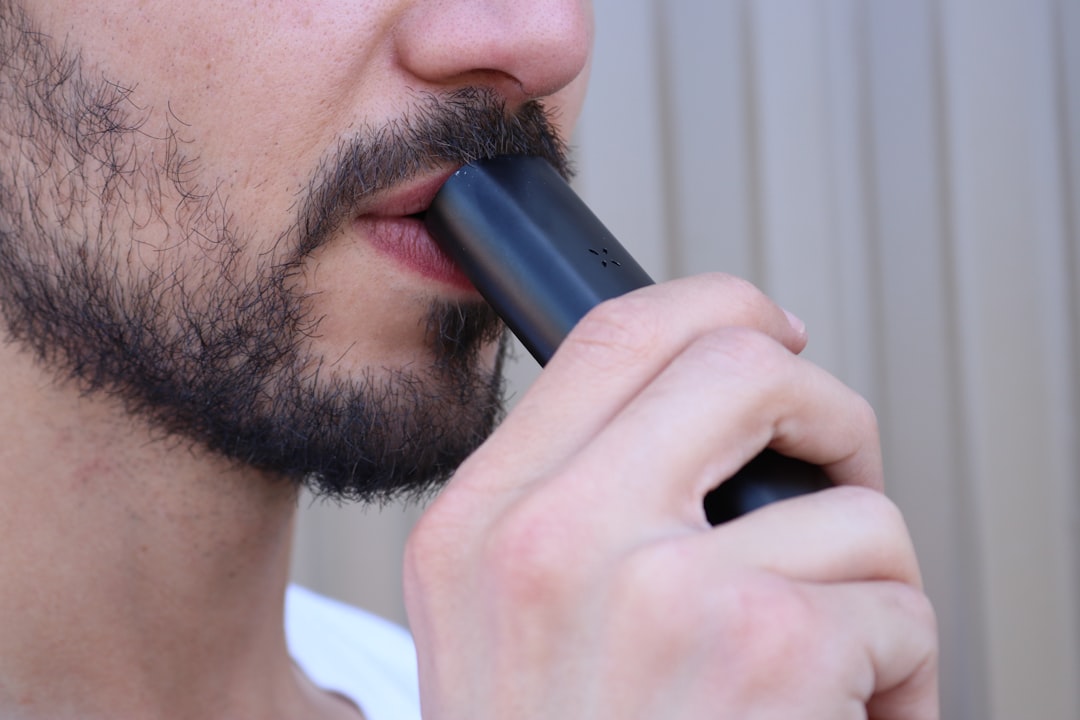
Electronic cigarettes and vaping devices face dramatically different legal treatment depending on the country of entry. Thailand and Singapore have outright banned the import and use of e-cigarettes with fines in Thailand reaching the equivalent of thousands of US dollars. Brazilian customs authorities have similarly prohibited the import of vaping products under national health regulations. Travelers who rely on e-cigarettes as smoking alternatives may find their devices confiscated at arrival terminals without compensation. Awareness of vaping laws before travel is particularly important given how rapidly these regulations continue to evolve globally.
Poppy Seeds
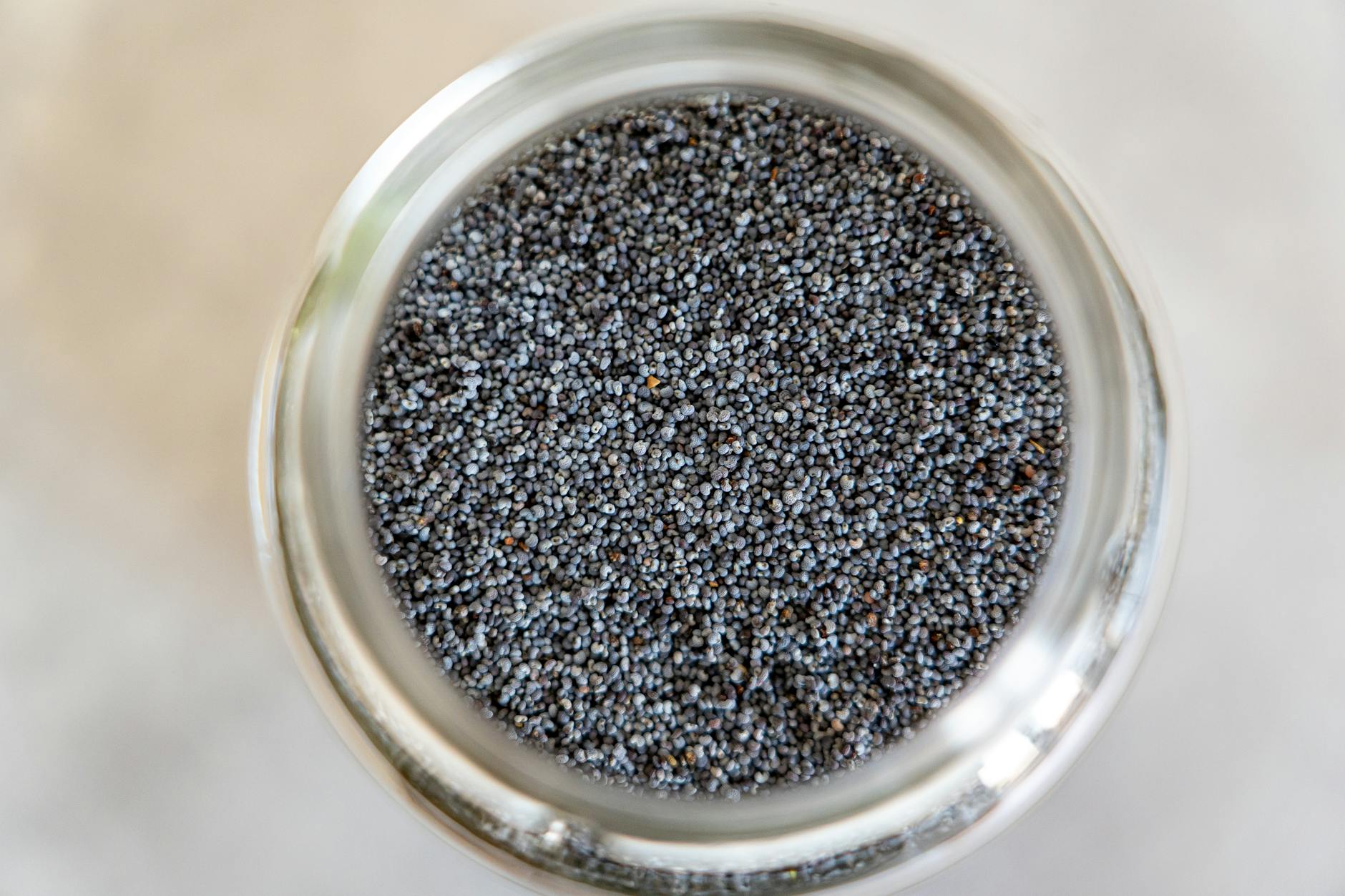
Commonly used in baking and cooking across Europe and North America poppy seeds are a normal supermarket ingredient in most Western nations. The United Arab Emirates and Singapore classify poppy seeds and products containing them as controlled substances due to their botanical relationship with opium. Even trace quantities found in baked goods or spice blends can trigger positive drug screenings at border control. Travelers have been detained after carrying store-bought items such as poppy seed bread rolls or spice mixes across these borders. Travelers should remove all poppy seed products from luggage before entering jurisdictions with these restrictions.
Prescription Stimulants
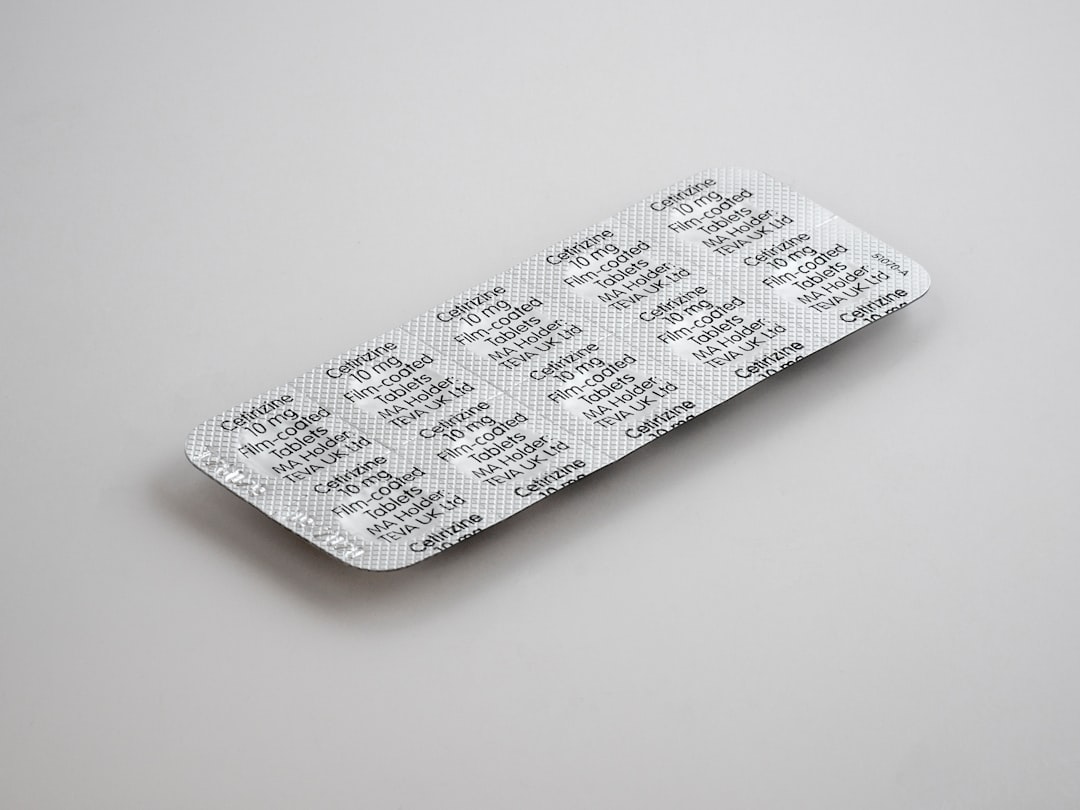
Medications such as Adderall and Ritalin prescribed for attention deficit disorders are controlled substances in many countries that have no equivalent domestic prescription system. Japan South Korea and many Gulf states either ban these medications entirely or require advance authorization from health ministries before importation is permitted. Carrying a valid home-country prescription is insufficient documentation in these jurisdictions and does not protect travelers from confiscation or prosecution. Travelers dependent on stimulant medications must apply for import certificates weeks or even months ahead of their travel date. Consulting the destination country’s embassy or consulate is the most reliable way to navigate these pharmaceutical regulations.
Camouflage Clothing

Military-style camouflage patterns are reserved exclusively for armed forces personnel in several Caribbean and African nations including Barbados Jamaica Trinidad and Tobago and Zimbabwe. Civilians found wearing or importing camouflage clothing can face immediate confiscation of garments and potential detention by local authorities. The restriction exists to maintain clear visual distinctions between military personnel and civilians in public spaces. Tourists who pack camouflage-patterned items including swimwear shorts and bags risk running into trouble at both customs and on the streets. Packing solid-coloured alternatives remains the safest approach when visiting any country with these uniform regulations.
Satellite Phones
Satellite phones are practical communication tools for travelers venturing into remote regions without cellular coverage. Countries including India Russia and China impose strict regulations on the importation and use of satellite communication devices by foreign nationals. In India foreigners must obtain a special permit from the Department of Telecommunications before legally operating a satellite phone on Indian territory. Russian authorities classify unauthorized satellite communication devices as potential intelligence-gathering tools and confiscation is routine at entry points. Travelers planning expeditions to remote areas in these regions should seek official permits well in advance of travel.
Drones
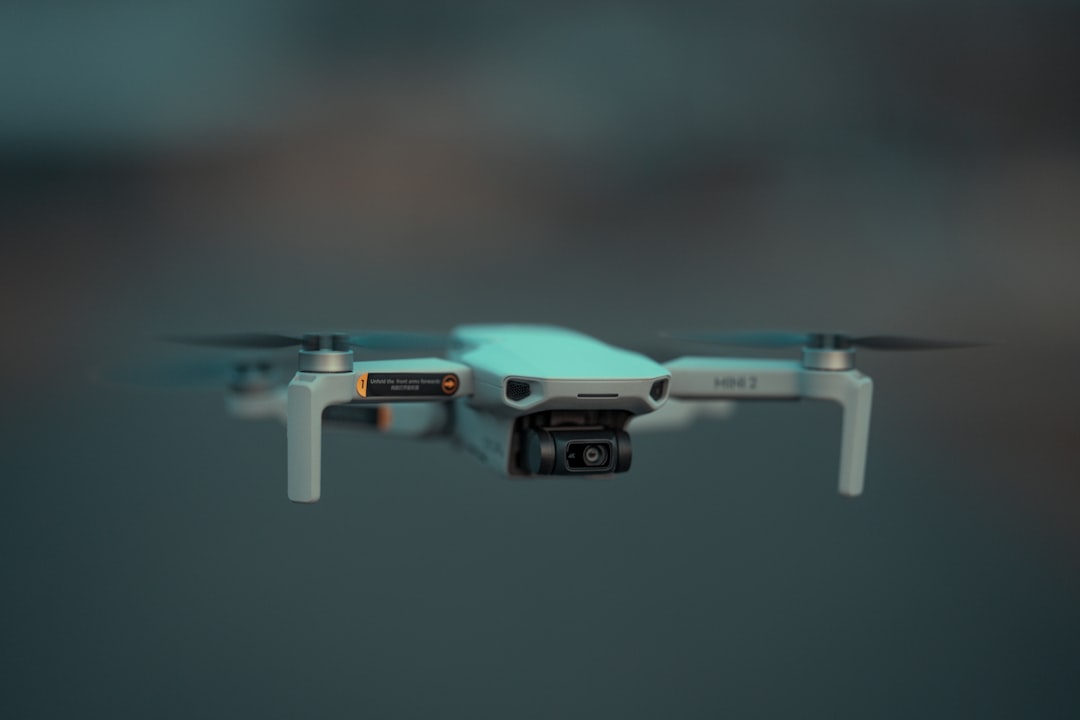
Consumer drones have become popular travel accessories for capturing aerial photography and video in scenic destinations. Morocco Barbados Cuba and India are among the many countries that either ban drone importation outright or require advance registration and permits before entry. Drones confiscated at customs are rarely returned and travelers may additionally face fines for attempting to import unregistered aerial devices. Some nations require permits to be secured through government aviation authorities months ahead of the planned visit. Researching destination-specific drone regulations through official civil aviation authority websites is essential preparation for any traveler carrying this equipment.
Certain Painkillers
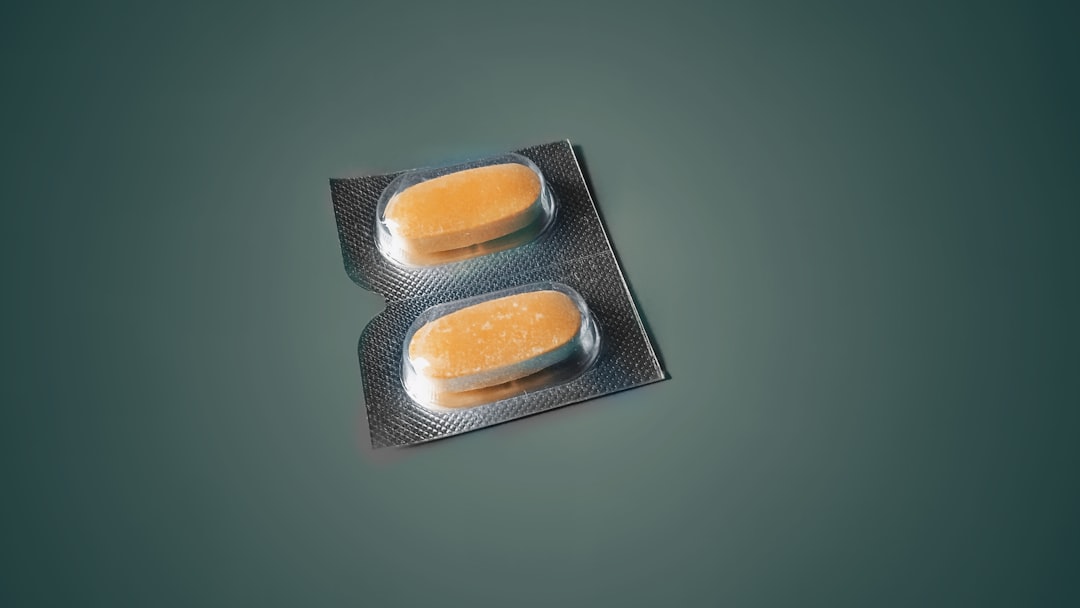
Common over-the-counter painkillers containing tramadol or strong opioid compounds are freely dispensed in pharmacies across Europe and North America. In Japan and across much of the Middle East these substances fall under strict narcotics classifications that make importation without prior government authorization a criminal offense. Japan’s pharmaceutical laws are particularly stringent and even single-dose quantities can result in arrest and detention at border checkpoints. Travelers managing chronic pain conditions must obtain import certificates from the relevant health ministry before traveling with these medications. Generic drug names and exact ingredient lists should always be verified against destination country pharmaceutical regulations before packing.
GPS Trackers
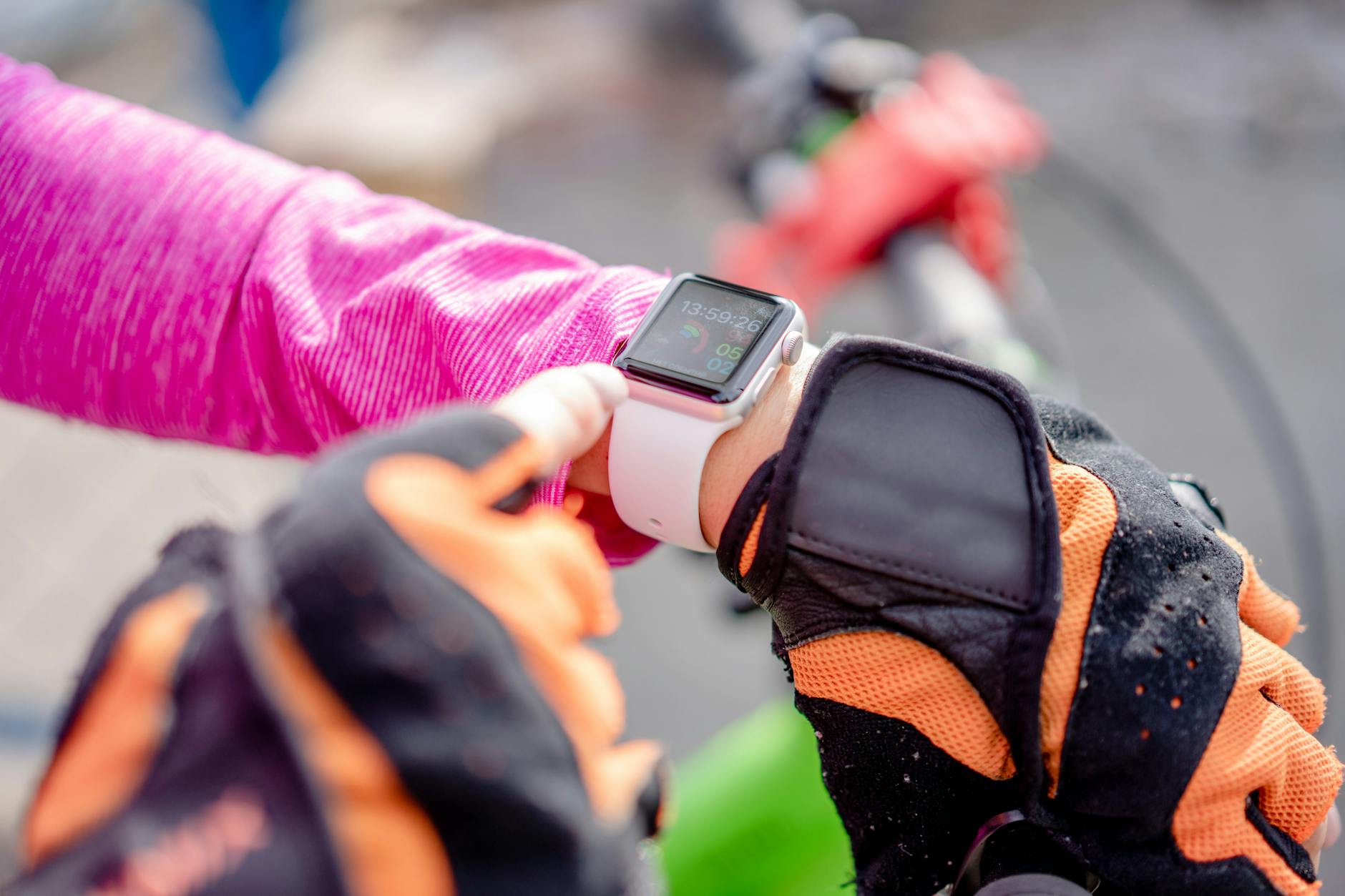
Personal GPS tracking devices are commonly used by travelers to monitor luggage protect vehicles and track hiking routes in unfamiliar terrain. Russia and several Central Asian nations classify personal GPS devices as restricted electronic equipment requiring customs declaration and sometimes advance government approval. North Korea maintains an outright ban on foreign communication and tracking technology including GPS units brought in by tourists. Even undeclared GPS-enabled smartwatches and fitness trackers have been confiscated at border crossings in some of these jurisdictions. Travelers should declare all electronic devices capable of location tracking when crossing into countries with technology import restrictions.
Certain Cheeses
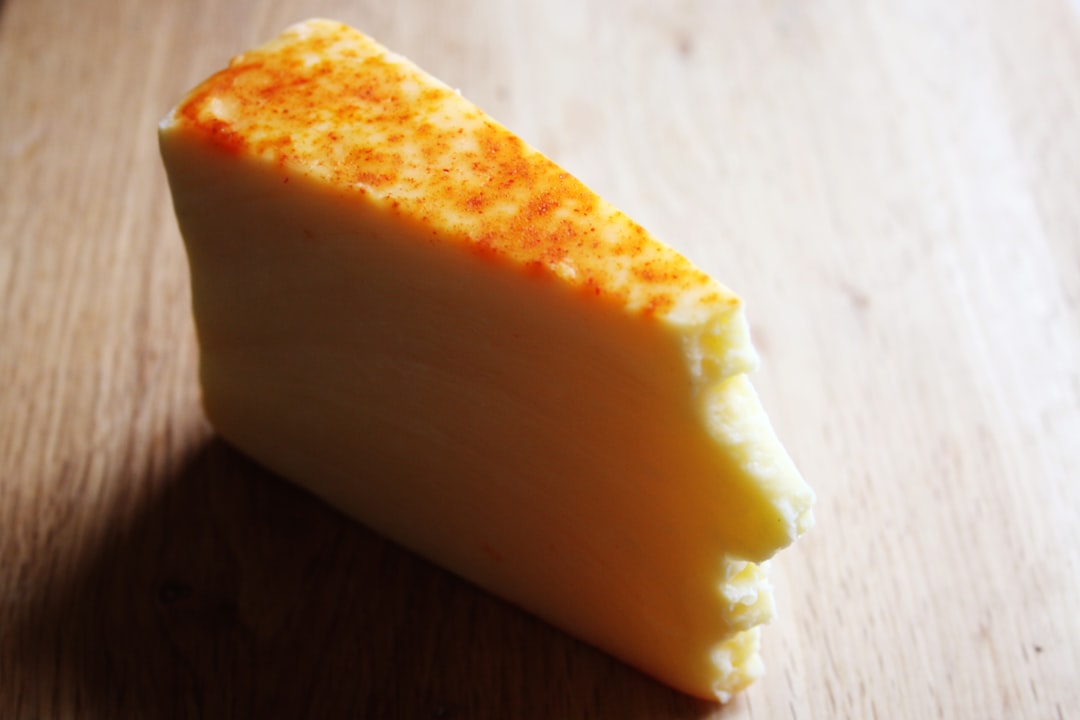
Artisan and raw milk cheeses are celebrated culinary products across Europe and widely exported as gourmet gifts and travel provisions. Australia and New Zealand enforce some of the world’s strictest biosecurity laws targeting dairy products made from unpasteurized milk. Even vacuum-sealed raw milk cheeses can be classified as prohibited agricultural imports due to the risk of introducing foot-and-mouth disease or other livestock pathogens. Border control dogs trained to detect organic material including dairy products routinely identify undeclared cheeses in passenger luggage. Failure to declare these items results in fines that can exceed several hundred Australian dollars per offense.
Marmite
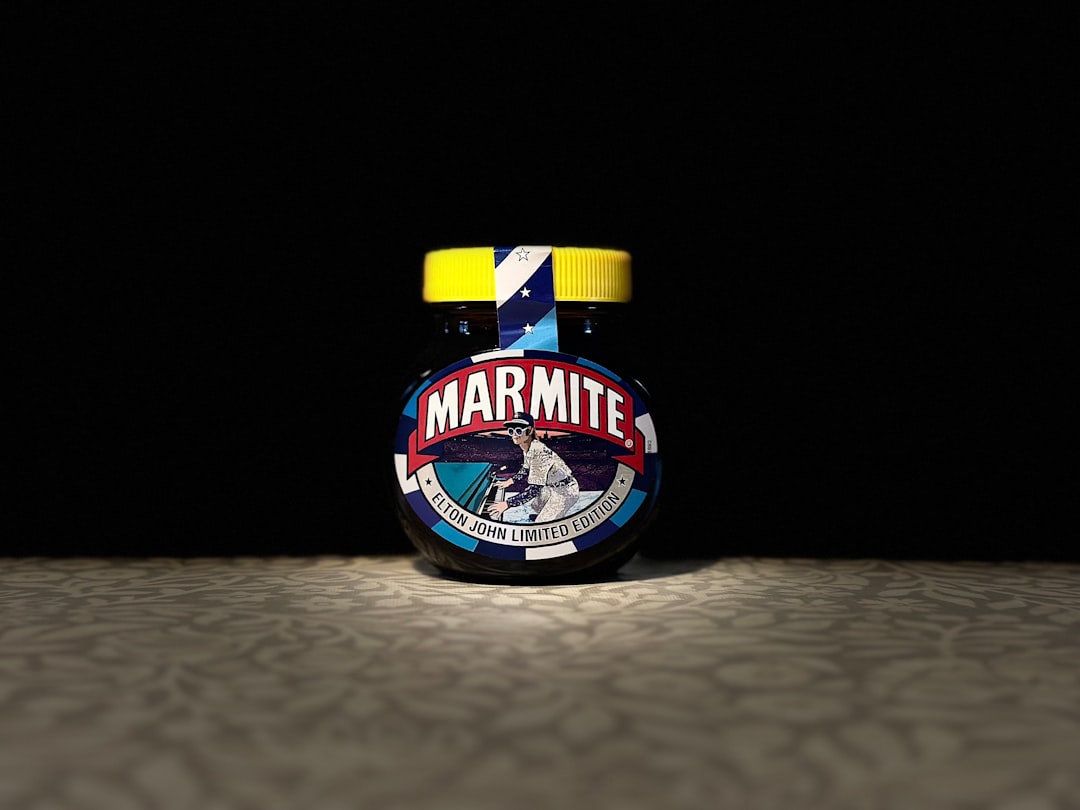
This distinctively flavored yeast extract spread is a British pantry staple with a devoted following across Commonwealth nations and beyond. Denmark banned Marmite in 2011 under national food regulations that prohibit the sale of products fortified with added vitamins and minerals beyond permitted levels. The ban applies to the retail sale and importation of the product making it technically illegal to bring into the country even for personal use. Similar fortified food product restrictions exist in parts of Canada and the European Union depending on specific additive concentrations. Travelers with strong attachment to this spread should verify current national food standards rules before packing it.
Playing Cards
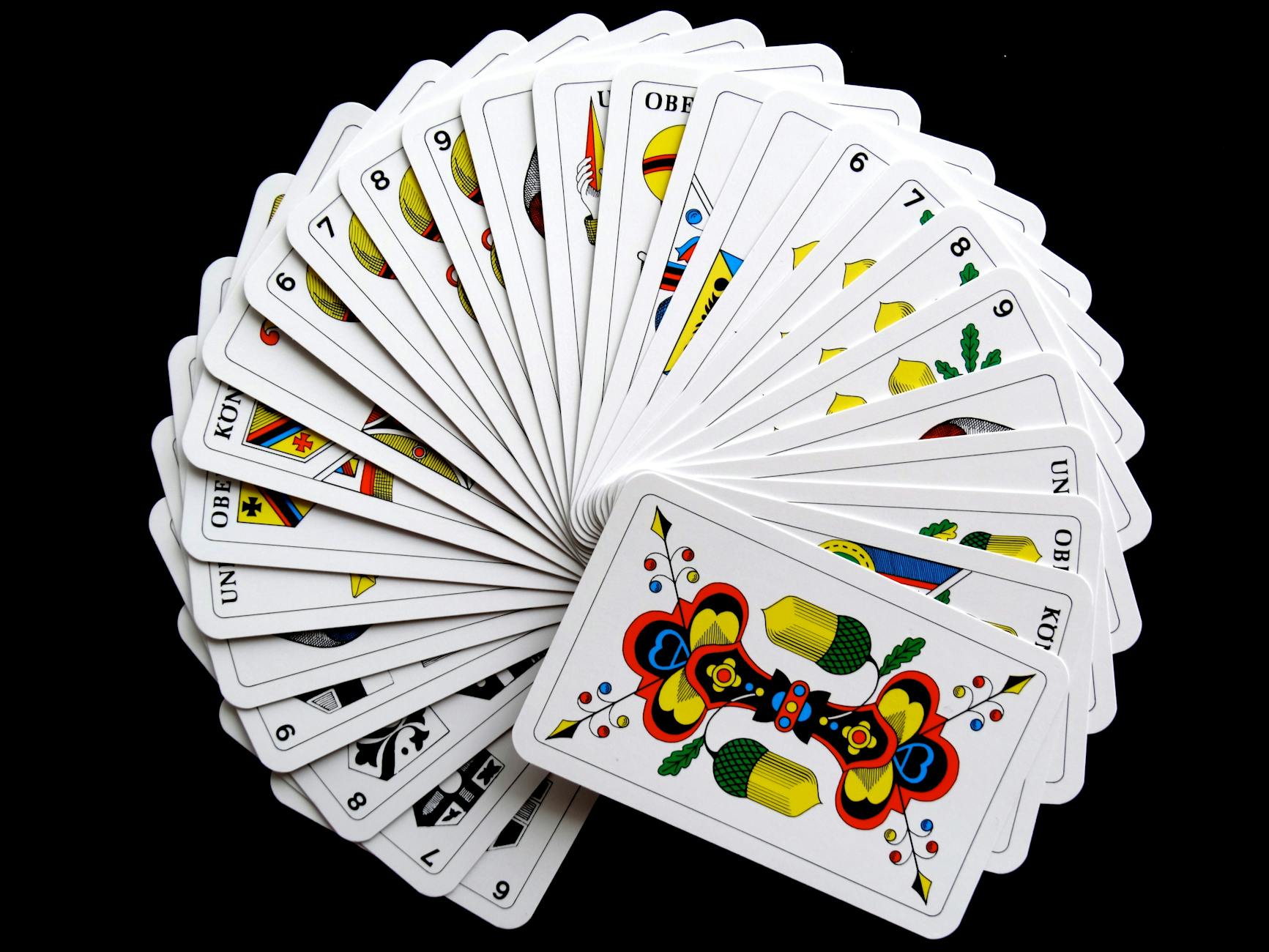
A standard deck of playing cards is a universally recognized travel companion used for entertainment during long journeys and gatherings. In parts of the Middle East including Saudi Arabia playing cards are associated with gambling which is prohibited under Islamic law making importation legally questionable. Turkish authorities have historically been known to question travelers carrying large quantities of playing cards potentially interpreting them as gambling paraphernalia. Cuba restricts the importation of certain games and entertainment materials under its broader controls on foreign goods. Travelers should research local attitudes toward card games before packing this seemingly harmless item in their luggage.
Certain Magazines
Adult-oriented publications and magazines featuring explicit content face severe importation restrictions in countries with conservative censorship frameworks. The UAE Singapore and Saudi Arabia maintain strict controls on imported print media and customs officers are empowered to inspect and confiscate publications deemed obscene or politically objectionable. Even mainstream Western magazines featuring content considered culturally inappropriate by local standards have been seized at these border checkpoints. Travelers carrying digital reading devices with downloaded content may also face scrutiny if border agents request to inspect stored materials. Awareness of local censorship laws for printed and digital media is an increasingly relevant aspect of international travel planning.
Soil and Plants

Small handfuls of soil or casual plant cuttings carried as garden souvenirs or scientific samples are treated as serious biosecurity threats by many countries. Australia New Zealand and the United States maintain some of the world’s most comprehensive agricultural quarantine programs targeting organic material including soil seeds and fresh plant matter. Undeclared soil found on shoes boots hiking gear or in luggage can result in substantial fines and immediate disinfection of all affected items at the traveler’s expense. The concern centers on the potential introduction of invasive species foreign pathogens and agricultural pests that could devastate native ecosystems. All plant material and soil must be declared at customs regardless of how small or incidental the quantity appears.
Laser Pointers

High-powered laser pointers sold freely as presentation tools or novelty items in many countries are classified as dangerous devices in several jurisdictions. Australia restricts the importation of laser pointers exceeding one milliwatt of output power classifying higher-powered units as prohibited weapons under customs legislation. Japan and the United Kingdom also impose restrictions on civilian possession of high-powered laser devices due to their potential use in blinding individuals or interfering with aircraft. Travelers carrying laser pointers for legitimate professional presentations should verify the specific power rating of their device against the legal threshold of their destination. Even seemingly low-powered novelty lasers can fall into restricted categories depending on precise technical specifications.
Tasers and Stun Guns

Personal electric shock devices including tasers and stun guns are legal self-defense tools in several American states and some European countries. The United Kingdom Australia New Zealand Canada and Hong Kong prohibit civilian possession and importation of these devices regardless of the purpose for which they are carried. UK customs officers classify stun guns as prohibited weapons under the Firearms Act meaning importation carries the same legal weight as bringing in an illegal firearm. Travelers who carry these devices for personal protection at home often discover only upon arrival that their safety tool is considered a serious contraband item. Checking the specific legal classification of personal defense devices in every destination country is essential before departure.
Melatonin Supplements
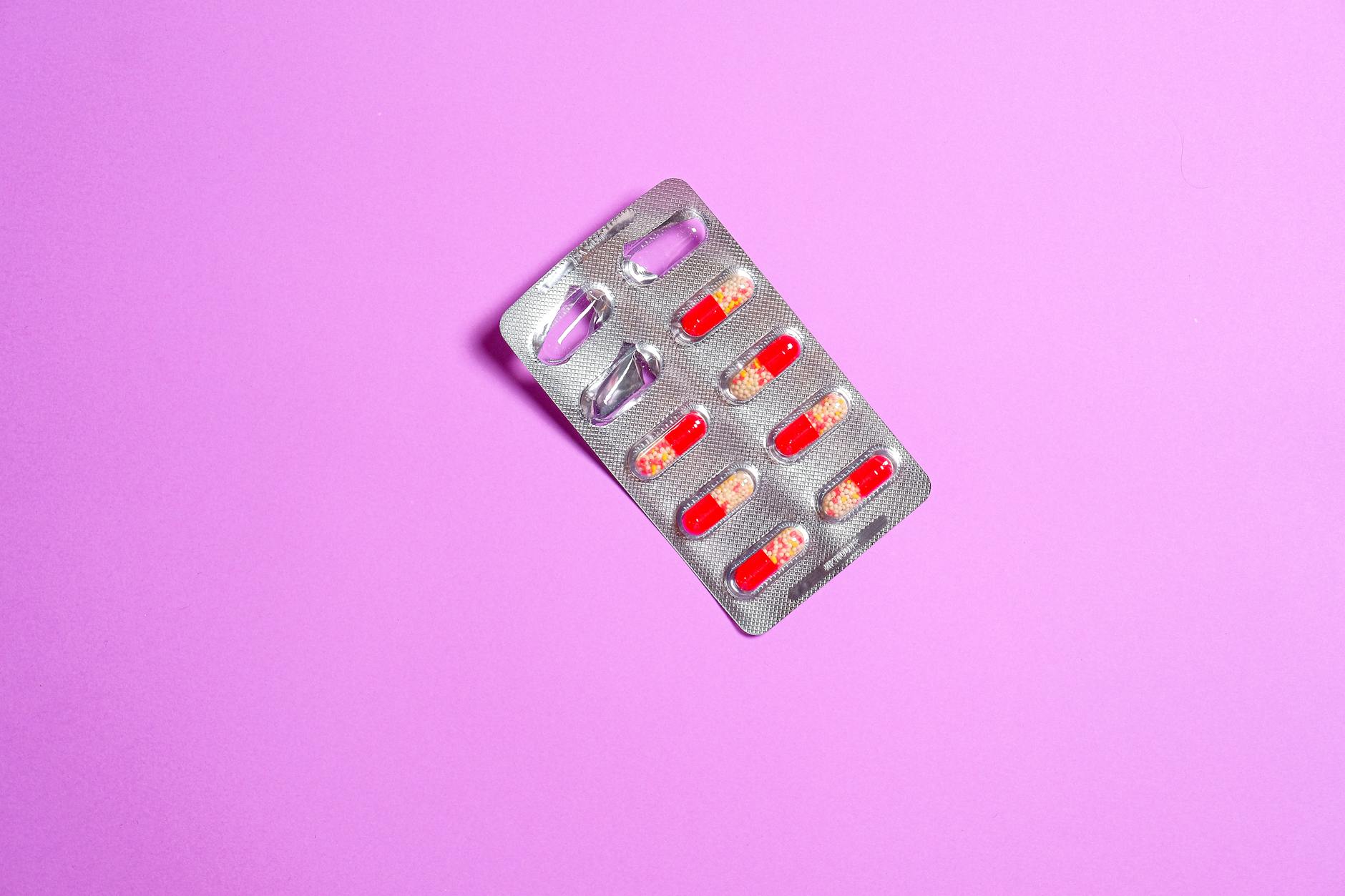
Melatonin sleep supplements sold freely over the counter in the United States and Canada are classified as prescription-only medications in many European countries and the United Kingdom. Germany France Ireland and several other EU member states require a valid prescription for melatonin products above specific dosage thresholds. Travelers carrying large quantities of melatonin supplements for personal use may face confiscation at European customs if the amount exceeds what is considered a short personal supply. The European Medicines Agency classifies high-dose melatonin products as medicinal substances subject to the same importation rules as prescription drugs. Travelers reliant on melatonin for managing jet lag should research permitted quantities and prescription requirements at each European destination.
Certain Energy Drinks
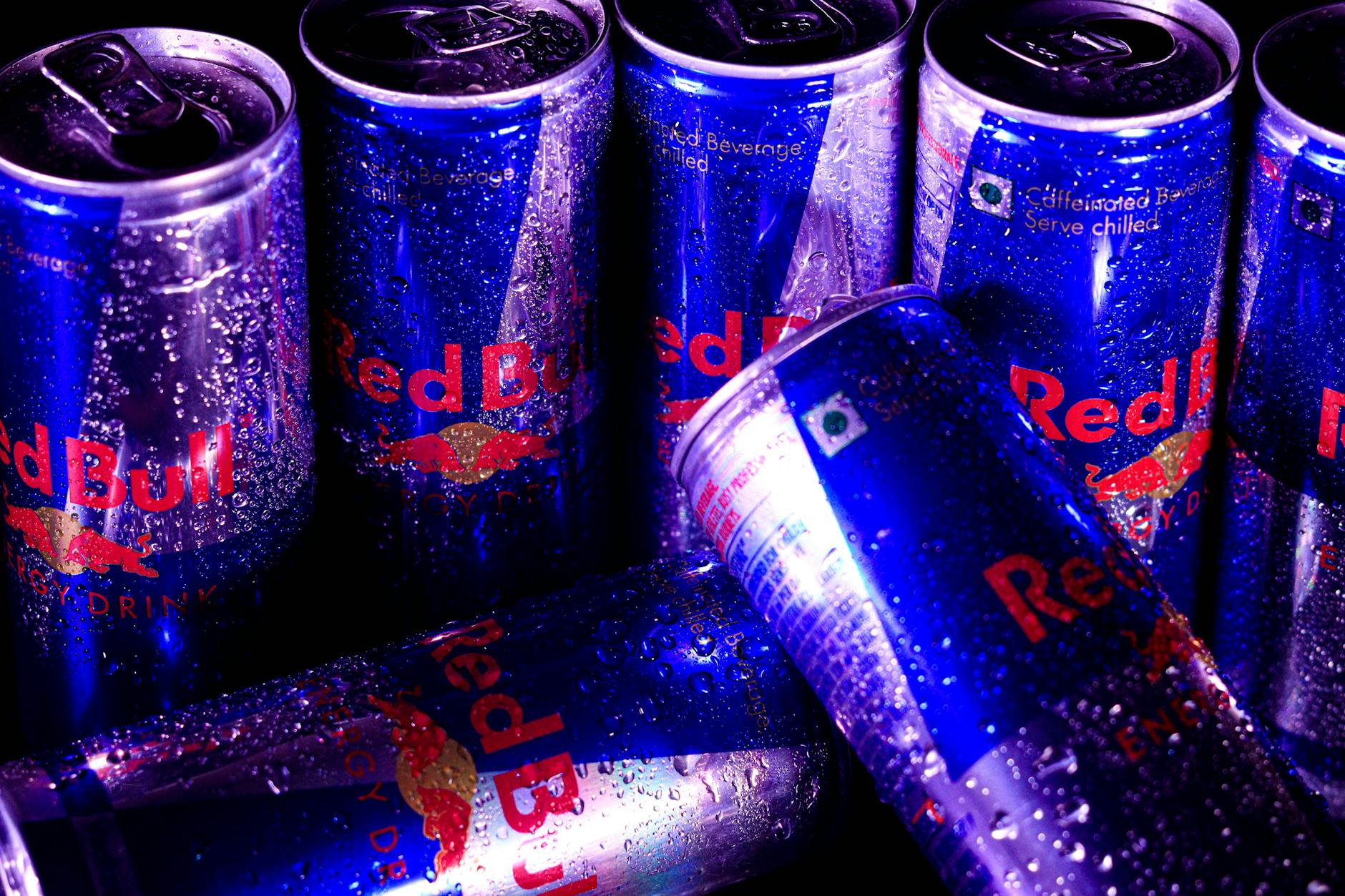
Popular energy drink brands widely consumed across North America and Asia contain stimulant compounds that are subject to strict food additive regulations in several countries. France banned Red Bull for over a decade due to concerns about its taurine content and several other European nations impose caffeine concentration limits that some international formulations exceed. Norway Iceland and Denmark regulate energy drinks under pharmaceutical rather than food legislation restricting their sale and importation. Travelers who rely on specific energy drink brands for daily consumption may find their preferred products classified as unapproved food substances upon arrival. Checking the specific ingredient regulations of destination countries is advisable for frequent energy drink consumers planning international travel.
Alcohol
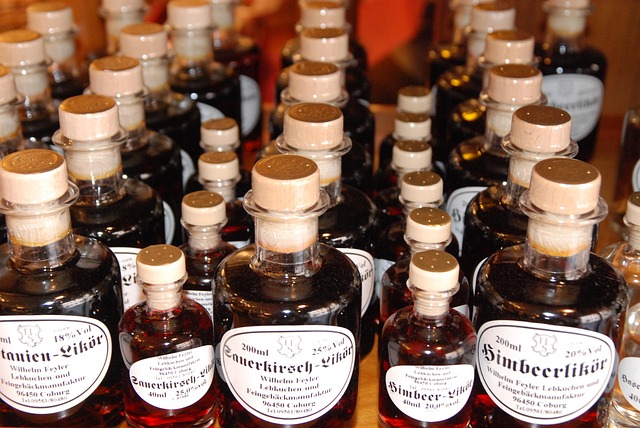
Alcoholic beverages are globally produced and consumed yet face some of the world’s most strictly enforced importation bans in certain nations. Saudi Arabia Iran Kuwait and the Maldives prohibit the importation of alcohol by all travelers regardless of religion or nationality. Customs authorities in these countries conduct thorough inspections specifically targeting alcoholic products and confiscation is automatic with potential prosecution in more serious cases. Even alcohol concealed inside food products such as spirit-infused chocolates or rum-soaked fruitcakes can be detected and treated as a violation. Understanding alcohol importation laws is among the most critical pre-departure checks for travelers visiting Muslim-majority nations with strict prohibition policies.
Lip Balm with Certain Ingredients
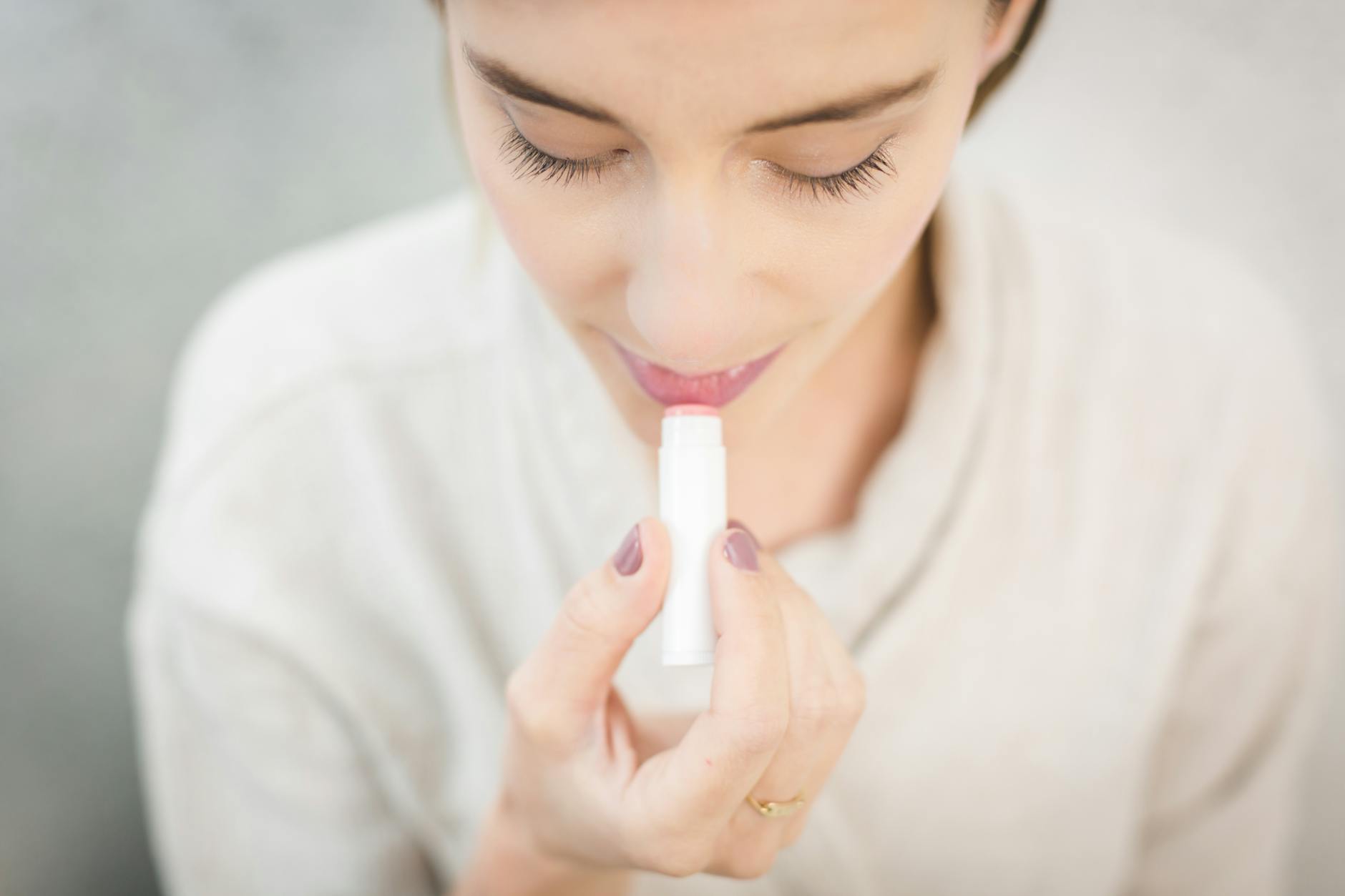
Medicated or flavored lip balms are compact personal care staples carried by travelers across all age groups and climates. Lip balms containing kava extract kratom compounds or certain herbal ingredients face importation bans in countries like Australia and several Pacific Island nations due to controlled substance classifications. Products marketed freely as wellness or natural remedy items in the United States may contain herbal compounds that are scheduled substances in other jurisdictions. Even cosmetically positioned products can trigger customs scrutiny if ingredient labels reveal controlled compounds upon inspection at the border. Reading the full ingredient list of every personal care product against destination country controlled substance schedules is a prudent pre-travel habit.
Have any of these surprises ever caught you off guard while traveling? Share your experiences and tips in the comments.