
Warehouse clubs promise massive savings through oversized packaging and members-only pricing, but the reality is that some purchases end up costing more in the long run. Perishables expire before a single household can use them, cleaning products degrade over time, and certain goods simply lose quality sitting in storage for months. Smart shoppers know that the appeal of a lower unit price can mask the true cost of waste and spoilage. Understanding which items to skip at the bulk aisle helps stretch grocery budgets further and keeps pantry shelves organized. These are the everyday products that bulk buying almost always works against you on.
Cooking Oil

Most households take many months to work through a large container of cooking oil, and oil begins to oxidize and turn rancid long before the bottle is empty. Heat and light accelerate this process, meaning that even properly stored bulk oil loses its fresh flavor and nutritional value relatively quickly. Consuming oxidized oil has been linked to digestive discomfort and reduced health benefits compared to fresh oil. Smaller bottles from a regular grocery store often represent better value when the cost of wasted product is factored in.
Ground Spices
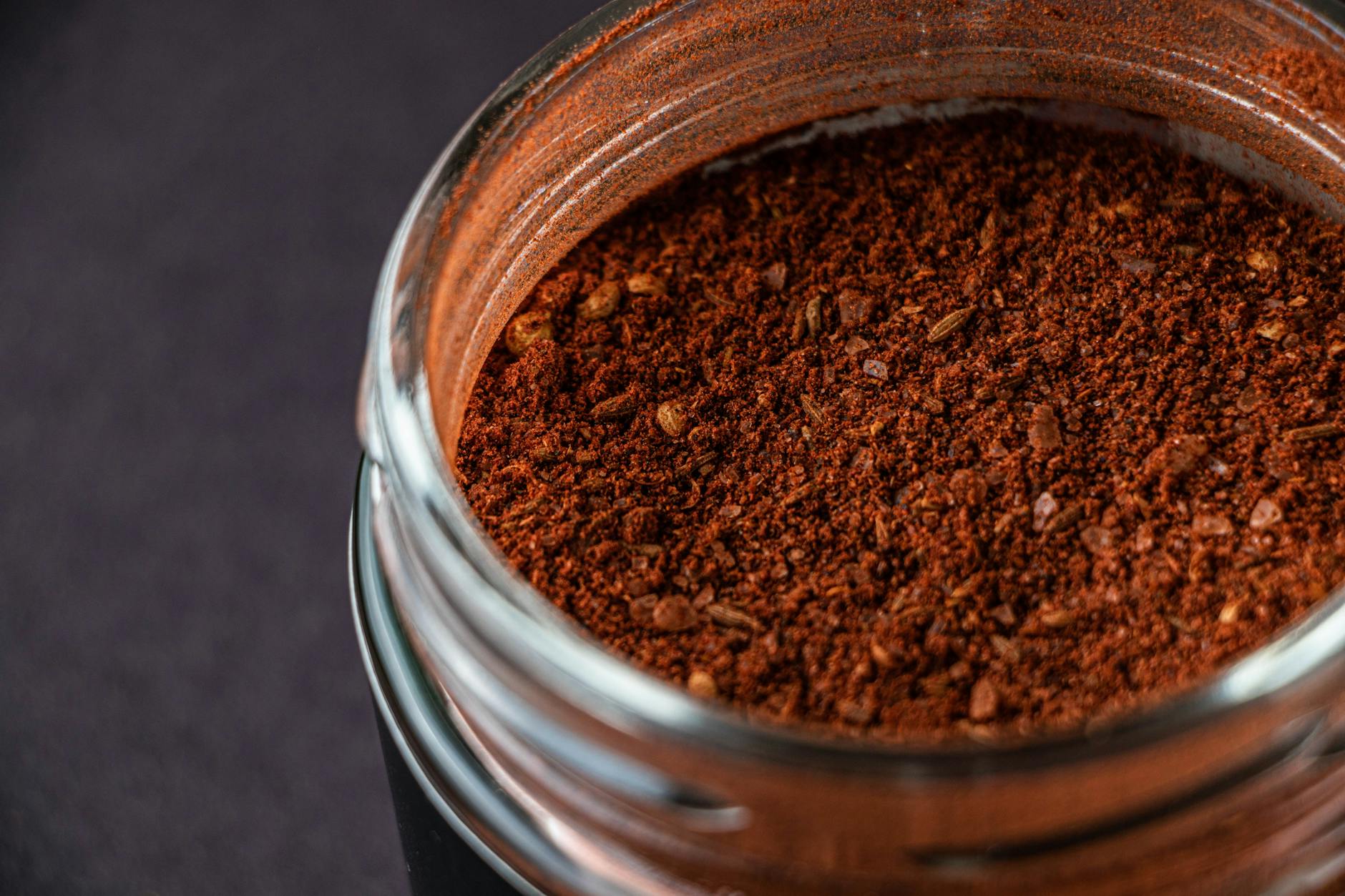
Ground spices lose their potency within six to twelve months of opening, and bulk quantities almost guarantee they will go stale before being used up. The volatile oils responsible for flavor and aroma evaporate steadily once a container is opened and exposed to air repeatedly. A large jar of paprika or cumin sitting in a cabinet for two years will contribute almost nothing meaningful to a finished dish. Buying smaller amounts more frequently ensures that spices actually do the job they are purchased for.
Sunscreen

Sunscreen has a defined shelf life and begins to break down chemically after a certain period, reducing its SPF effectiveness even if the expiration date has not yet passed. Most households apply sunscreen seasonally rather than year-round, making a warehouse-sized supply difficult to exhaust before it degrades. Using ineffective sunscreen while believing adequate protection is in place creates a genuine health risk. Purchasing standard sizes seasonally is a safer and more practical approach for the average family.
Whole Grain Flour
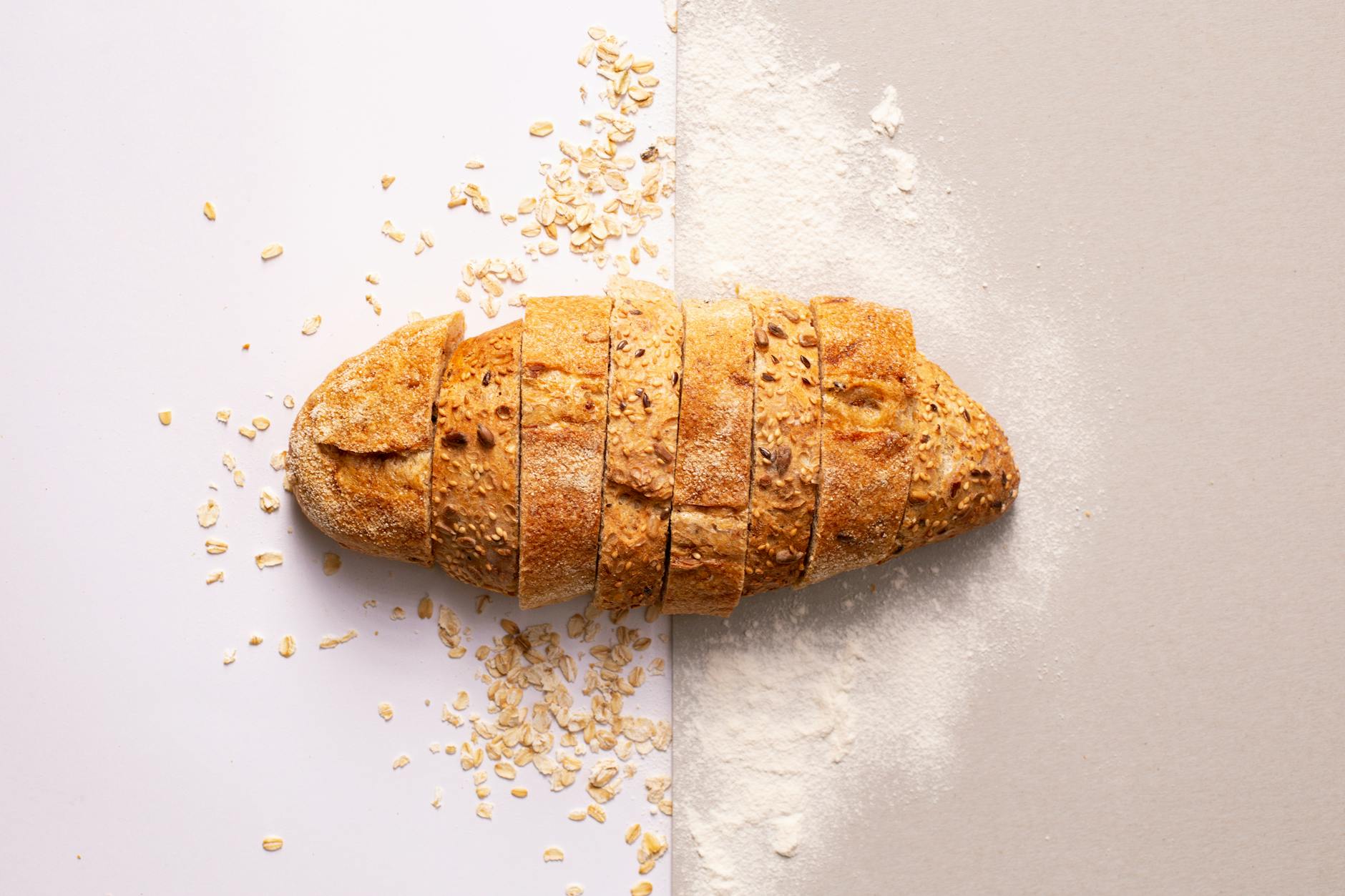
Whole grain flours including whole wheat and almond flour contain natural oils from the bran and germ that cause them to spoil far faster than refined white flour. A bulk bag can go rancid within weeks at room temperature due to those same oils oxidizing in storage. Rancid flour imparts a noticeably bitter and unpleasant flavor to baked goods and loses its nutritional profile significantly. Home bakers who do not go through flour rapidly are better served by smaller bags purchased as needed.
Brown Rice
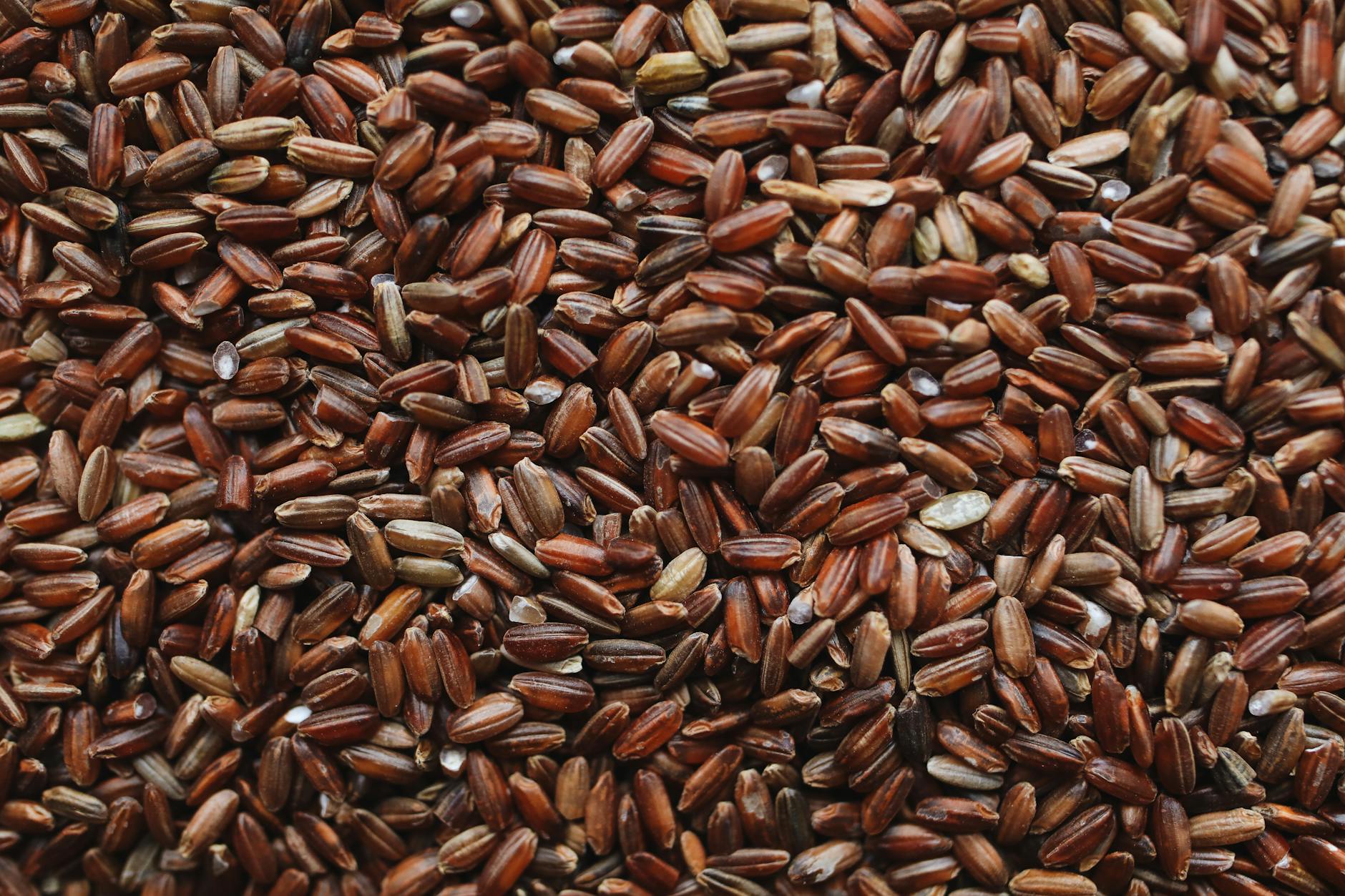
Unlike white rice which stores almost indefinitely under proper conditions, brown rice retains its bran layer and associated natural oils that spoil within six months under typical pantry conditions. The bulk savings evaporate quickly once large portions of the bag must be discarded due to rancidity or off flavors developing. Many households overestimate how frequently they cook brown rice relative to how fast a warehouse quantity would need to be consumed. Buying in moderate amounts keeps this nutritious staple fresh and genuinely enjoyable to eat.
Fresh Bread

Bulk fresh bread from warehouse club bakeries comes in large loaves or multipacks that a small household simply cannot finish before mold sets in. Even storing bread in the refrigerator or freezer requires significant space and often compromises texture and taste over time. The savings on a per-loaf basis rarely offset the portions that end up thrown away before they can be enjoyed. A standard bakery or grocery store loaf purchased more frequently guarantees fresher results with less food waste.
Bottled Water

While individual bottles of water from warehouse clubs are cheaper per unit, the sheer volume of plastic packaging creates environmental and storage challenges that outweigh the financial benefit for most buyers. Cases often sit in garages or closets for extended periods where heat and light can cause plastic compounds to leach into the water over time. The convenience of having water readily accessible at home is better served by a filtered pitcher or countertop dispenser. Single cases from regular stores meet most households’ needs without the excess.
Mayonnaise

A jumbo jar of mayonnaise must be consumed within two to three months of opening to remain safe and palatable, a timeline that most families cannot meet. As the jar empties slowly in the refrigerator the remaining product is repeatedly exposed to temperature fluctuations and potential contamination from utensils. The texture and flavor of mayonnaise also deteriorate noticeably toward the end of a large container’s life. Standard grocery store sizes align far better with typical consumption habits and food safety guidelines.
Sourdough Starter Products
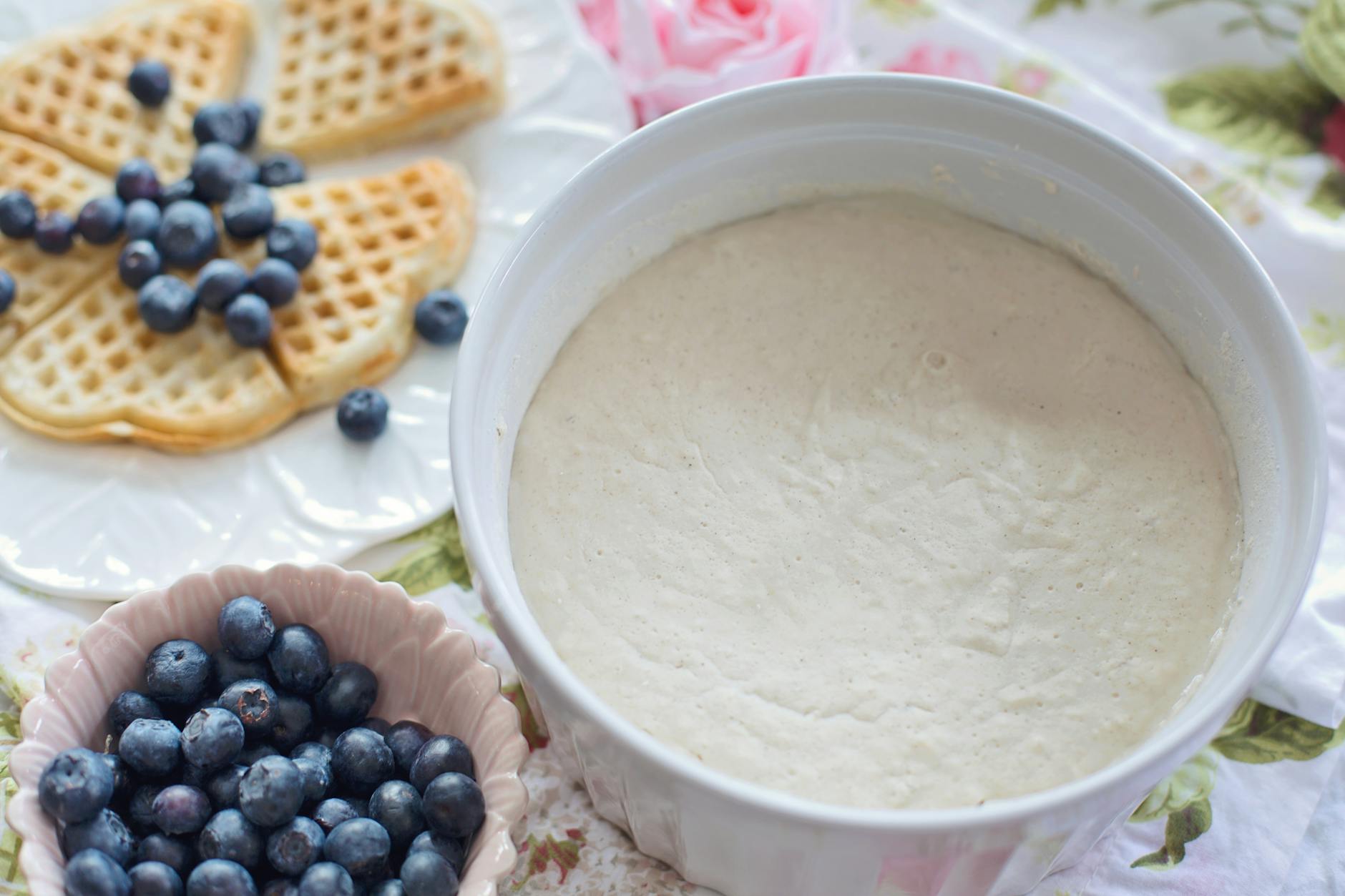
Specialty bread mixes and fermented dough starter kits sold in bulk deteriorate quickly once packaging is opened because the live or semi-active cultures they contain are highly sensitive to moisture and temperature exposure. Most households do not bake artisan bread frequently enough to exhaust a bulk supply before quality declines. The rising performance of these products weakens over time even in sealed conditions, leading to disappointing baking results. Purchasing small or single-use kits produces consistently better outcomes for occasional home bakers.
Bleach
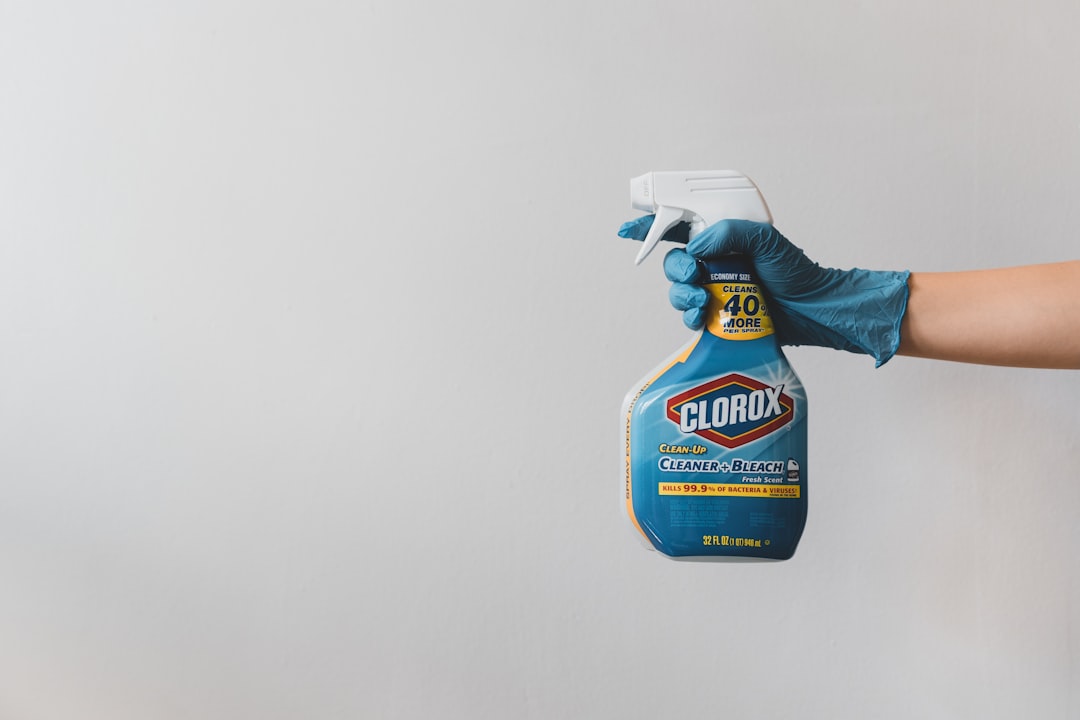
Bleach begins losing its disinfecting potency within three to six months of manufacture regardless of whether the bottle has been opened, and a warehouse-sized supply frequently outlasts its effective window for most households. Using degraded bleach while assuming full sanitation is occurring undermines the entire purpose of the product in kitchens and bathrooms. The chemical breakdown also increases the likelihood of surface damage when higher concentrations are used to compensate for weakened cleaning power. Smaller bottles purchased more frequently ensure full disinfecting strength every time.
Dishwasher Pods
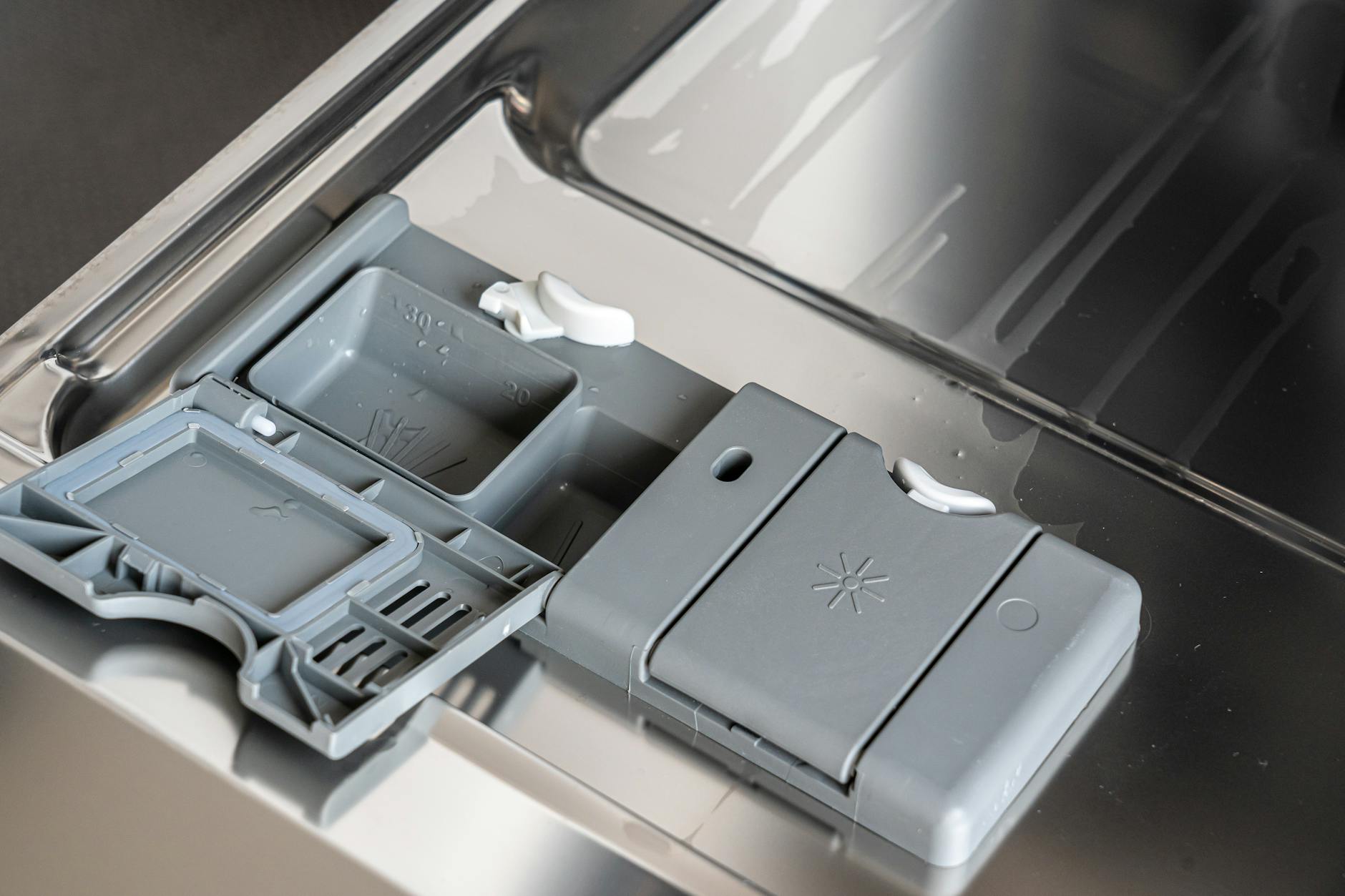
Dishwasher pods are highly sensitive to humidity and begin to dissolve partially or clump together well before a bulk supply is exhausted in an average household. Once the outer film of a pod is compromised it either fails to dissolve correctly in the wash cycle or releases detergent unevenly across the load. The result is dishes that emerge with residue or spots that require rewashing and waste water and electricity. A smaller box that gets used within a couple of months maintains consistent pod integrity and cleaning performance.
Laundry Detergent
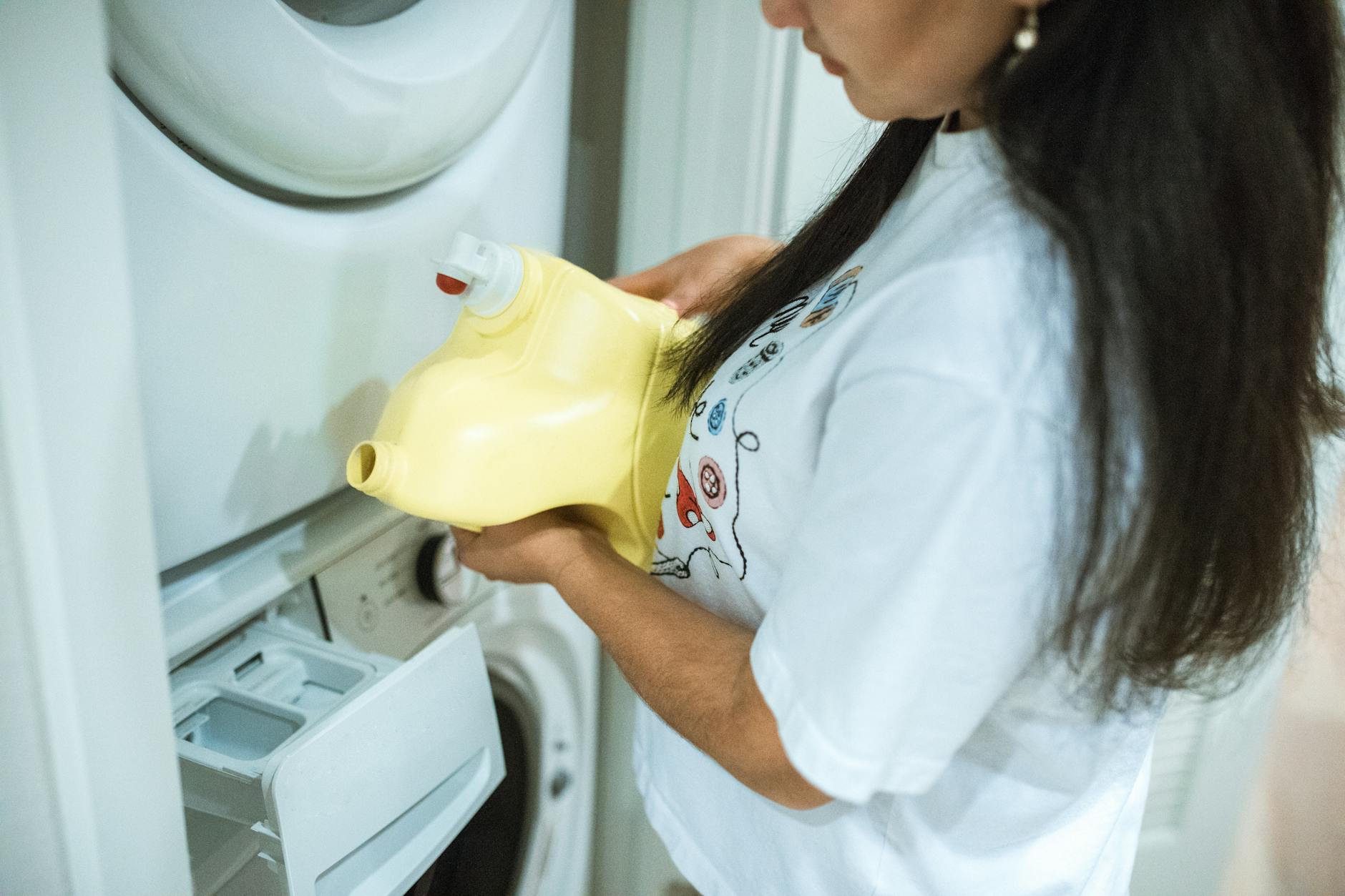
Liquid laundry detergent separates and loses its cleaning enzyme activity over time, and a warehouse quantity can take a year or more for smaller households to finish. Powder detergent absorbs moisture from the air and clumps into unusable masses that no longer dissolve properly in the wash. Both forms underperform significantly when used past their peak effectiveness window, leaving clothes less clean than expected. Moderately sized containers purchased every few months strike a much better balance between cost savings and product performance.
Vitamins

Fat-soluble vitamins including A, D, E and K degrade noticeably when stored for extended periods even in sealed bottles, and a large supply purchased at once is unlikely to be consumed before potency diminishes. The effectiveness of many B vitamins and vitamin C also declines with prolonged exposure to warmth and light in typical home storage conditions. Taking vitamins that have lost a significant portion of their active content provides little meaningful health benefit while still costing the same per capsule. Purchasing a three-month supply at most ensures each dose delivers the nutritional support it is labeled to provide.
Nut Butters
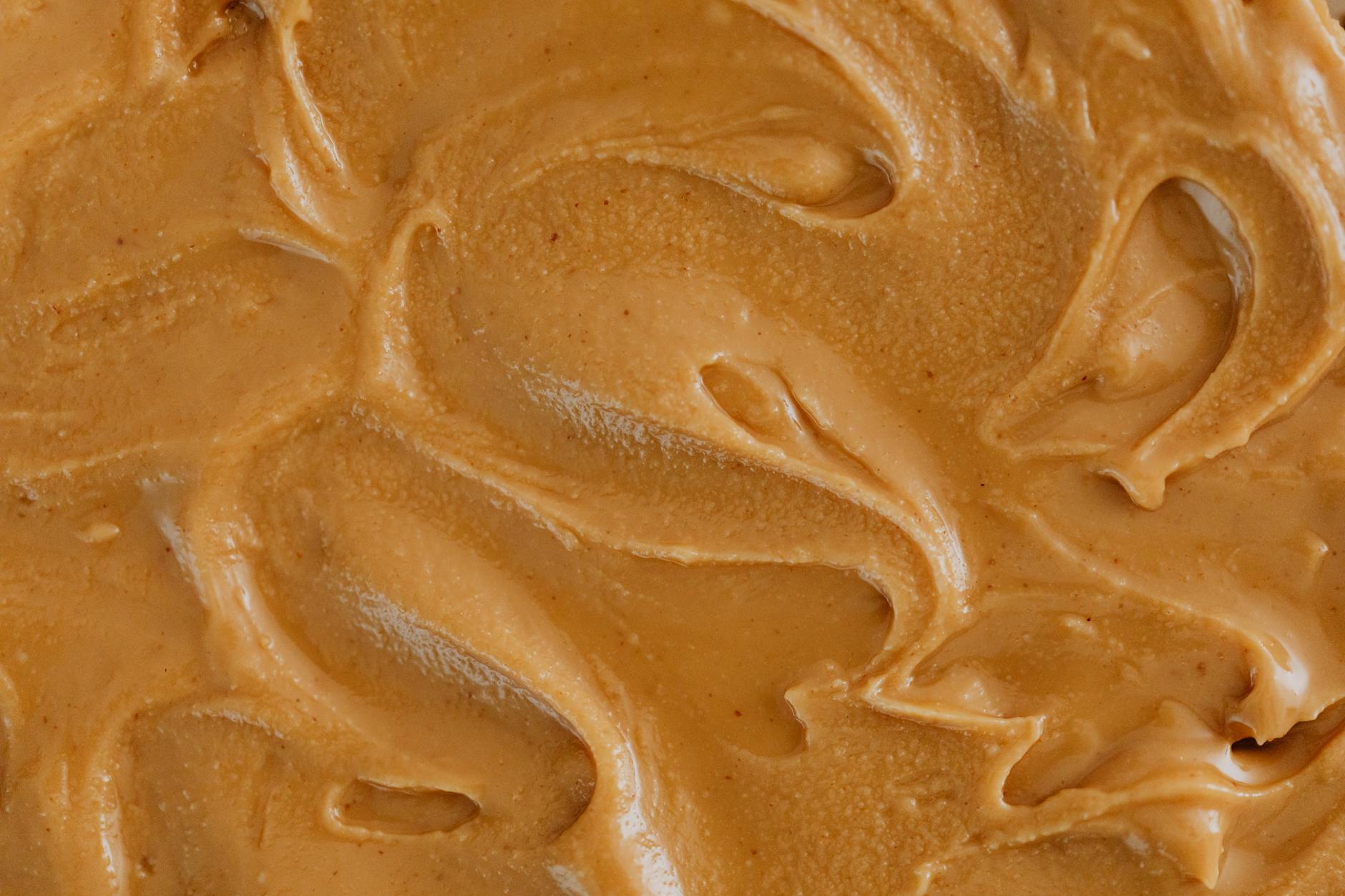
Natural nut butters contain no stabilizers and the natural oils separate and oxidize relatively quickly after opening, leading to rancidity within a few months. Even conventional peanut butter with added stabilizers has a limited window of peak quality once a large jar is in regular use. The sheer size of a warehouse club nut butter container means most households are eating noticeably degraded product long before the jar is empty. Smaller jars from standard retailers offer better flavor consistency and reduce the risk of consuming food that has quietly gone off.
Cooking Wine

Opened cooking wine begins to oxidize immediately and loses its flavor complexity within days without proper preservation, making a bulk purchase impractical even for frequent cooks. The quality of a dish prepared with stale oxidized cooking wine differs meaningfully from one made with a fresh bottle, particularly in sauces and braises where wine flavor is central. Warehouse bottles are often sold in sizes that would require near-daily cooking to exhaust before the wine turns. Standard bottles purchased as needed and used within a short window produce reliably better culinary results.
Shampoo

Hair care products including shampoo and conditioner have a shelf life of twelve to eighteen months after opening, and their conditioning agents and fragrance compounds break down with prolonged storage. A household working through an extra-large bulk supply may find the product performs differently toward the end of the container compared to when it was first opened. Hair products that have degraded can also become less effective at moisturizing or managing the scalp as their active ingredients weaken. Standard retail sizes are more likely to be finished within the recommended usage window.
Maple Syrup
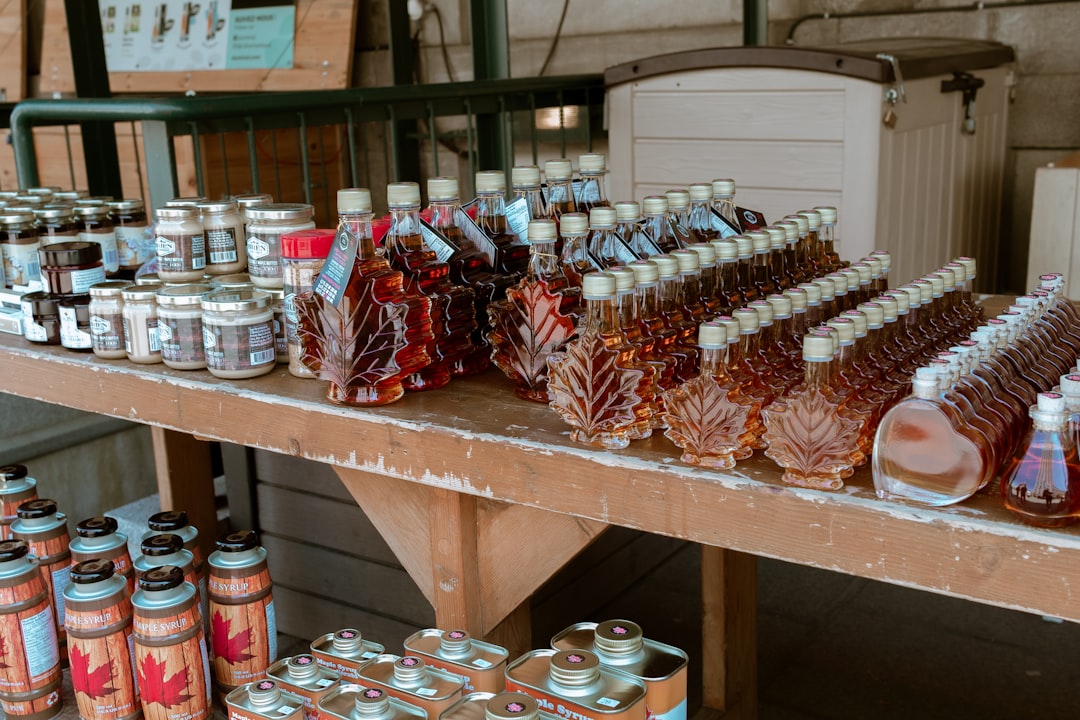
Pure maple syrup is prone to mold growth once opened and must be refrigerated continuously, occupying significant refrigerator real estate that most kitchens cannot spare for months at a time. A large bulk container purchased for the price advantage often develops surface mold long before it is empty if not monitored carefully. Mold in maple syrup can penetrate below the surface and render the entire container unusable depending on the variety present. Smaller bottles purchased regularly are easier to finish safely and take up far less storage space.
Baby Formula
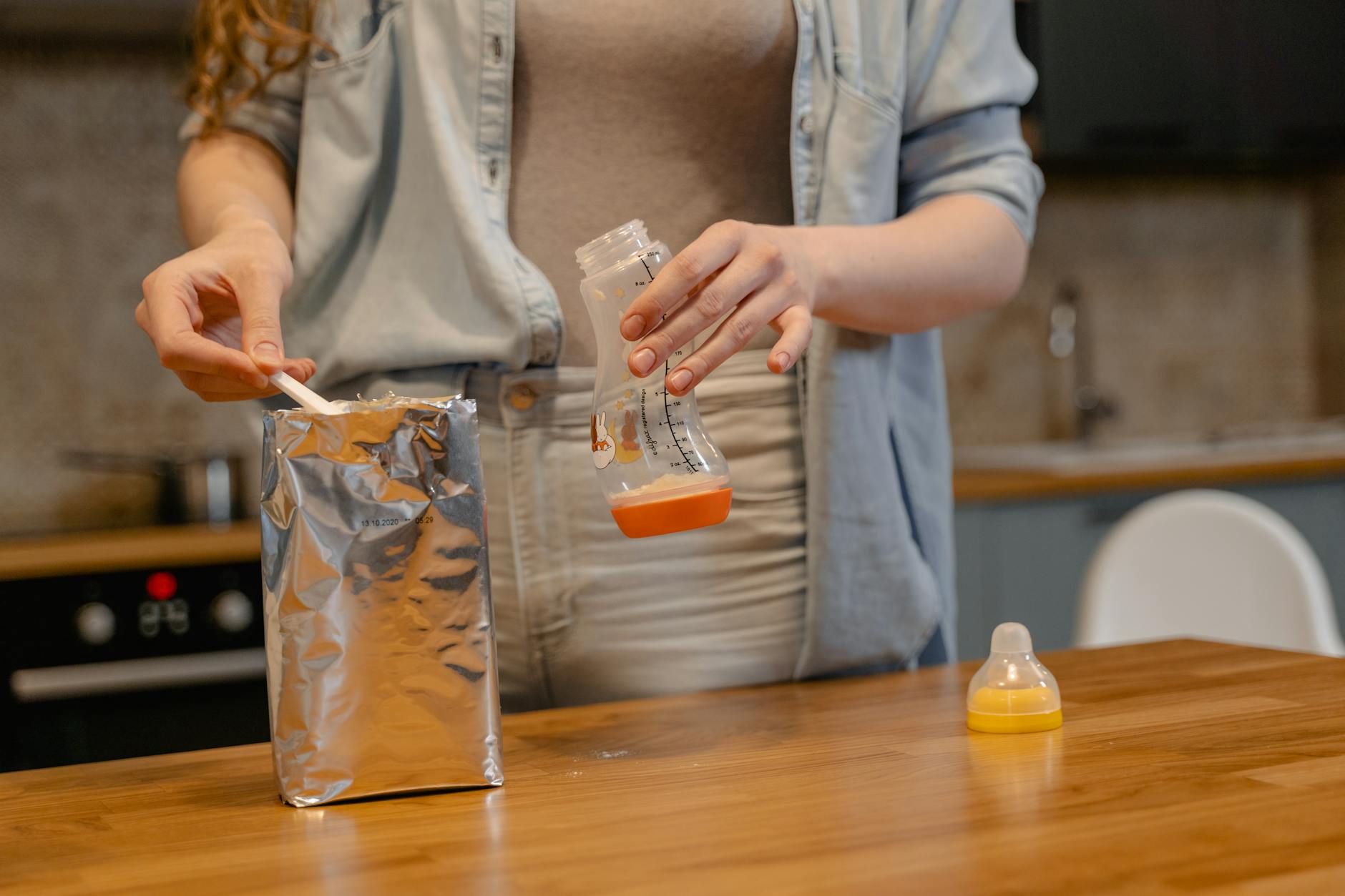
Infant formula has a strict expiration date that manufacturers set based on the degradation of essential vitamins and fatty acids critical for early development, and buying in excess of what can be used before that date is both wasteful and potentially harmful. Formula that has passed its expiration or been stored improperly may no longer meet the nutritional specifications printed on its label. Pediatric guidelines consistently recommend using formula within a specific window after opening to prevent bacterial contamination. Purchasing quantities aligned closely with an infant’s weekly needs ensures the safest and most nutritionally complete feeding possible.
Cream Cheese

Cream cheese and other fresh soft cheeses have a short refrigerator life after opening and bulk quantities create unavoidable waste for households that do not use large amounts regularly. The texture of cream cheese deteriorates as it sits, becoming watery and less spreadable within days of being exposed to air. Unlike hard aged cheeses that hold up for weeks in the refrigerator, fresh soft cheeses demand near-immediate consumption after opening. Standard retail sizes bought in sync with actual usage prevent food waste and guarantee a consistently pleasant product every time.
Batteries
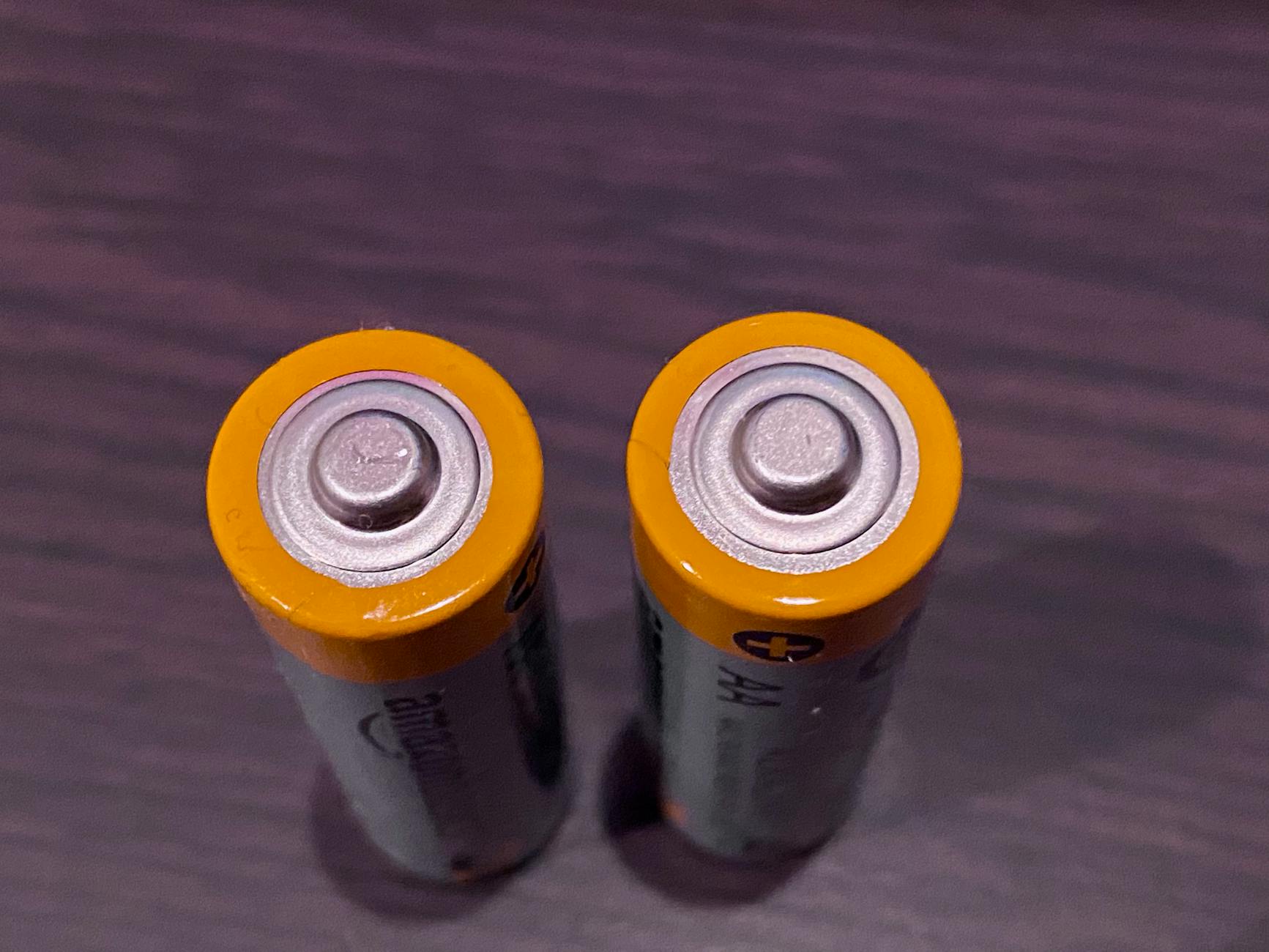
Consumer batteries sold in extremely large bulk packs take years for most households to exhaust, and batteries stored for long periods slowly self-discharge even when sitting unused in their original packaging. The practical capacity of a battery that has been sitting in a warehouse and then a home storage drawer for two or more years is measurably lower than that of a freshly manufactured cell. Devices requiring consistent power output such as remote controls and smoke detectors perform less reliably on partially discharged batteries. A moderate pack of high-quality batteries purchased when supplies run low delivers better performance and represents truer value.
Coffee Beans

Roasted coffee begins staling immediately after roasting as carbon dioxide escapes and oxygen reacts with the aromatic compounds responsible for complex flavor. A bulk bag of whole beans purchased at a warehouse club may already be weeks or months past its roast date, and a large quantity ensures the household is drinking progressively staler coffee for an extended period. Coffee roasted and packaged for warehouse distribution is rarely as fresh as beans sourced from a local roaster or specialty retailer. Buying smaller quantities more frequently and checking roast dates is the most reliable path to a genuinely flavorful cup.
Yogurt

Yogurt purchased in large bulk containers must be consumed within a relatively short window after opening, and the live cultures it contains continue to acidify the product as time passes making it increasingly sour and less palatable. Multi-serving bulk yogurt containers require repeated dipping with spoons that introduce bacteria and accelerate spoilage beyond the printed date. Individual or family-sized containers from a regular grocery store are sized appropriately for typical weekly consumption patterns. Buying yogurt in quantities that align with weekly meal planning keeps the product at peak flavor and probiotic activity.
Salad Dressing

Bottled salad dressings contain emulsifiers and preservatives but still separate and degrade in flavor once opened and stored for extended periods in the refrigerator. A bulk bottle of ranch or vinaigrette can take many months for a household to finish, by which time the dressing has lost the freshness and balanced flavor it had when first opened. Oils in dressings oxidize even in the refrigerator over time contributing off-flavors that subtly diminish the quality of every salad they touch. Standard grocery store sizes consumed within a reasonable window deliver consistently better taste and texture.
Toilet Paper
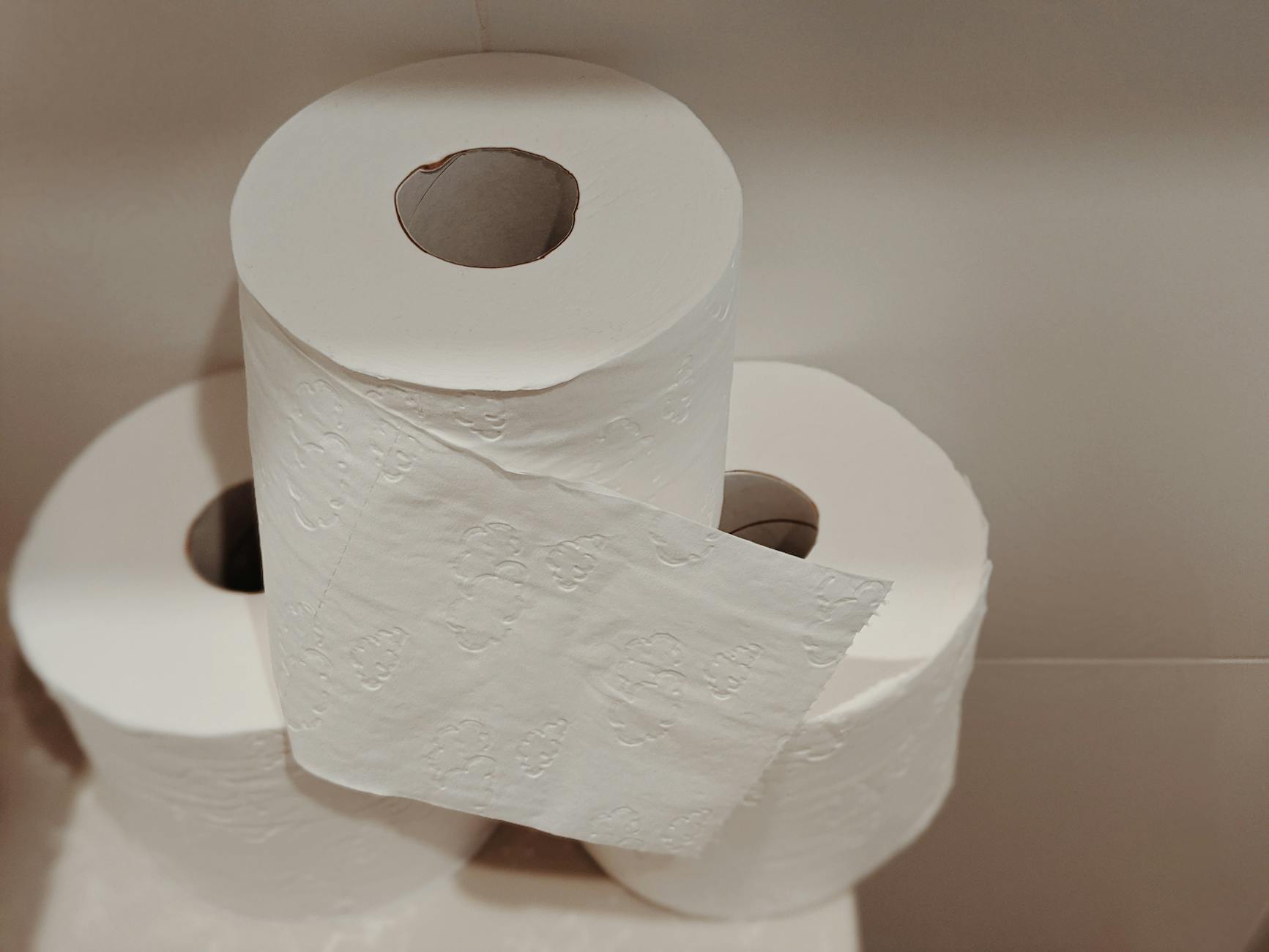
While toilet paper does not technically expire, buying in extreme bulk requires substantial storage space that many homes and apartments simply do not have available. Storing large quantities in damp areas like bathrooms or garages can cause moisture absorption that leaves rolls weakened and unpleasant to use. The cost savings on toilet paper at warehouse clubs are relatively modest compared to categories where unit prices differ dramatically from retail. Purchasing a reasonably sized multipack from a grocery store as needed provides the same product without straining limited home storage.
Eggs
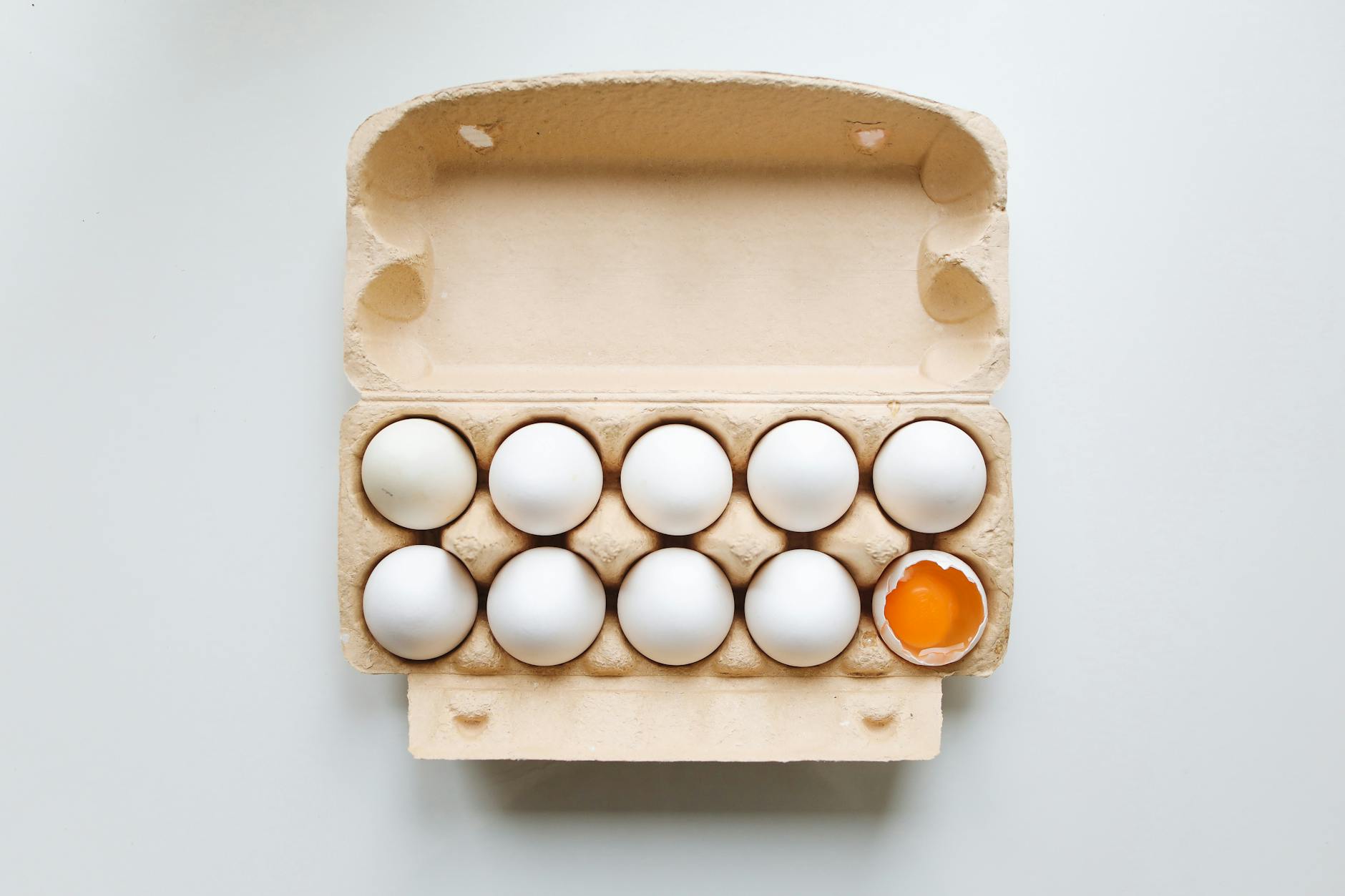
Eggs are among the most perishable items available at warehouse clubs and large flats of three or four dozen far exceed what most households can consume before quality declines. The freshness of an egg affects its performance in both cooking and baking in ways that are clearly noticeable particularly in dishes where eggs are a central ingredient. Large bulk purchases also create logistical challenges in standard refrigerator egg storage compartments not designed for commercial-sized flats. Buying a single dozen or two at a time from a regular grocer ensures eggs are always at their freshest and most functional for every use in the kitchen.
What everyday items have you stopped buying in bulk after a bad experience? Share your thoughts in the comments.