
The modern workplace has evolved faster than many employees realize, and certain habits that once seemed perfectly normal now send the wrong message to colleagues and managers alike. Social dynamics in professional settings shift constantly, shaped by generational change, remote work culture, and new expectations around communication and awareness. Holding onto outdated behaviors can quietly signal that someone is disconnected from the current professional landscape. Being mindful of how everyday actions land with others is one of the most underrated career skills available.
Reply All
Hitting reply all on a company-wide email remains one of the fastest ways to frustrate an entire organization in under thirty seconds. Most recipients have no need for individual responses to mass announcements and find the inbox clutter genuinely disruptive to their workflow. The habit suggests a lack of awareness around digital communication etiquette that has been widely understood for well over a decade. Teams that rely on thoughtful communication tools expect colleagues to use them with equal thoughtfulness. A simple direct reply to the sender is almost always the appropriate and appreciated choice.
Speakerphone

Taking calls on speakerphone in open or shared office spaces pulls every nearby colleague into a conversation they have no part in. It creates an unavoidable distraction that interrupts concentration and signals indifference to the surrounding work environment. Many professionals associate the habit with a carelessness about shared space that feels increasingly out of step with modern office norms. Headphones and earbuds are universally accessible and solve the problem entirely without any inconvenience. Respecting acoustic boundaries in a shared setting is now considered a basic professional courtesy.
Printing Everything
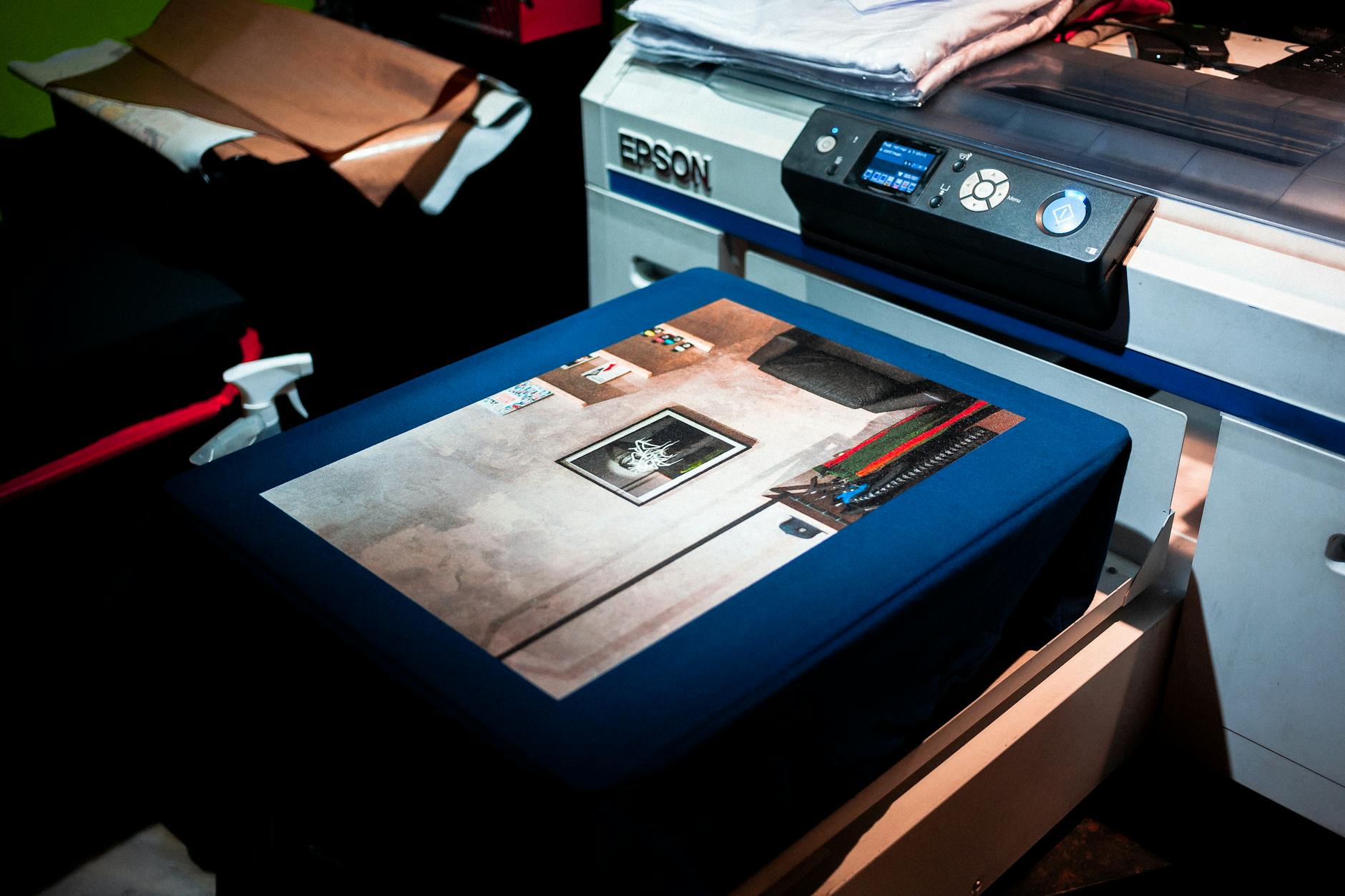
Printing emails, meeting notes, agendas, and reports that exist perfectly well in digital form adds unnecessary clutter and signals resistance to tools the rest of the team relies on daily. Most modern workflows are built around shared digital documents that allow for real-time collaboration, editing, and storage without physical waste. Arriving at a meeting with a stack of printed papers while everyone else works from a screen can create an unspoken but noticeable disconnect. The environmental implications of excessive printing are also increasingly recognized as a reflection of professional values. Embracing paperless habits demonstrates adaptability and awareness of how contemporary workplaces function.
CC Overload
Copying every possible stakeholder on every email thread is a habit that overwhelms inboxes and quietly signals poor judgment about relevance and communication hierarchy. It often stems from a desire to appear transparent or to cover one’s tracks but tends to produce the opposite impression among recipients. Senior colleagues and managers in particular notice when someone lacks the confidence to communicate directly and selectively. Thoughtful communication means identifying exactly who needs the information and reaching out to them specifically. Keeping email lists tight and intentional is a mark of professional maturity that others notice and respect.
Meeting Monologues

Dominating a meeting with extended personal commentary, lengthy backstory, or repetitive points is a habit that visibly tests the patience of every other person in the room. Effective meetings depend on balanced participation and the expectation that each person respects the time and attention of their colleagues. The tendency to speak at length without inviting input or reading the room often signals unawareness of group dynamics rather than confidence or expertise. Most professionals are trained to value concise and purposeful contributions over volume and duration. Listening as actively as one speaks is a skill that consistently elevates how a person is perceived in collaborative settings.
Unnecessary Meetings

Scheduling a meeting to communicate information that could be handled in a single short email is a habit that increasingly frustrates time-conscious professionals. Workplace research has consistently shown that excessive meetings are among the top complaints in modern office environments across industries. Calling people together without a clear agenda or defined outcome signals poor planning and a lack of respect for how others manage their time. Digital communication tools make it easier than ever to share updates, gather feedback, and align on decisions without requiring a scheduled block on multiple calendars. Defaulting to a meeting as the first solution rather than the last one is a habit worth reconsidering carefully.
Loud Eating

Eating pungent or particularly noisy foods at a shared desk during working hours remains a surprisingly common source of tension in open-plan offices around the world. The combination of strong aromas and disruptive sounds creates a sensory experience that colleagues within range have no choice but to endure. Most workplaces provide a kitchen or break room specifically designed as the appropriate setting for meals and snacks throughout the day. Choosing to eat at the desk out of convenience without considering the impact on others reads as a lack of situational awareness. Relocating meals to designated spaces is a small adjustment that significantly improves the experience of everyone nearby.
Microwave Fish
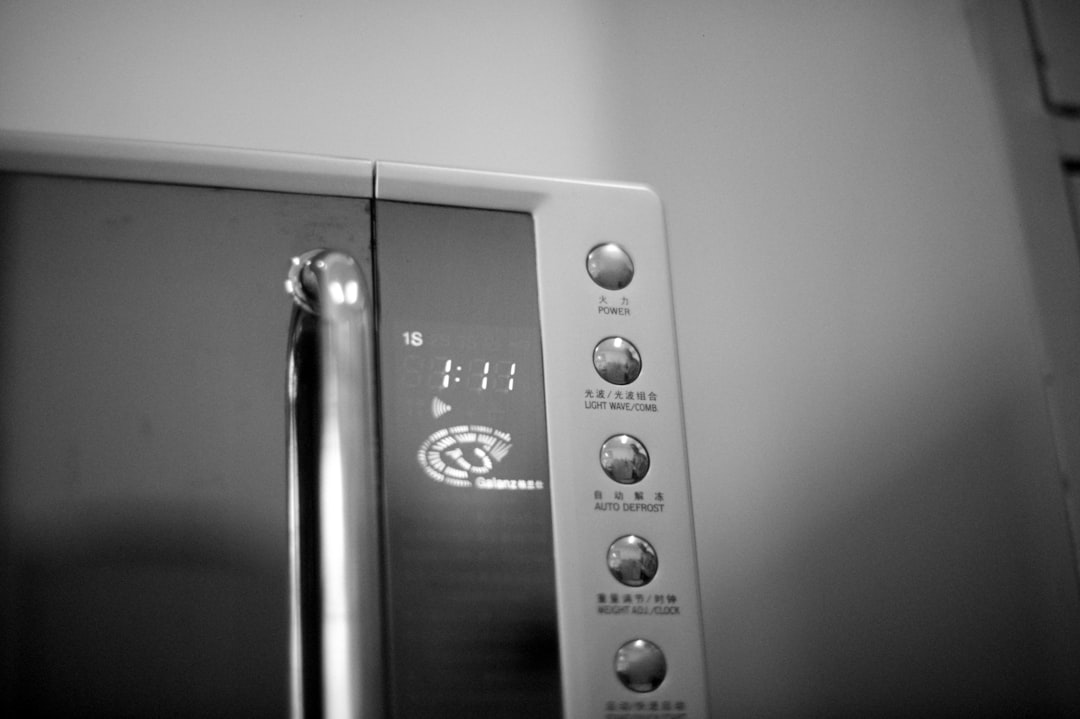
Heating fish or other strongly aromatic foods in a shared office microwave is one of the most universally acknowledged workplace faux pas across cultures and industries. The smell travels quickly and lingers far longer than the meal itself takes to eat, affecting colleagues well beyond the immediate kitchen area. The habit has become such a recognized professional misstep that it appears regularly in workplace etiquette guides and office policy discussions. Many companies have introduced informal or formal guidelines discouraging the practice in response to repeated complaints from staff. Saving aromatic meals for home or choosing neutral alternatives for the office is a straightforward way to maintain goodwill with the people around you.
Emoji Overload
Loading professional emails and workplace messages with excessive emoji use can undermine the tone of communication in environments that expect a degree of formality. While casual internal chats between familiar colleagues may invite a lighter register, the habit becomes problematic when it crosses into client communication or formal documentation. The overuse of emoji in professional writing is often read as a signal that the sender lacks confidence in expressing themselves clearly through language alone. Context awareness is essential and knowing when visual additions enhance versus distract from a message is a skill that distinguishes effective communicators. Keeping emoji use sparing and situationally appropriate reflects a stronger command of professional tone.
Name Forgetting

Regularly forgetting the names of colleagues, clients, or collaborators you have met multiple times signals a lack of attentiveness that people notice and quietly remember. In professional relationships, being remembered by name carries a warmth and respect that builds trust and strengthens working dynamics over time. The habit of not making the effort to retain names is often interpreted as a sign that the person does not consider others particularly important or worth the mental investment. Simple techniques such as repeating a name when first introduced or writing it down immediately afterward make retention significantly easier. Making this small but meaningful effort consistently leaves a lasting positive impression on everyone in a professional environment.
Inbox Zero Bragging

Treating inbox management as a competitive achievement and volunteering this information to colleagues is a habit that tends to generate mild irritation rather than the admiration it seeks. Professional productivity is measured by outcomes, contributions, and results rather than by the organizational state of a personal email account. The habit of announcing digital tidiness implies a subtle judgment of those who manage their workload differently or operate under heavier communication demands. Different roles and responsibilities create vastly different communication volumes that make inbox comparisons largely meaningless as a performance metric. Letting workflow choices speak through results rather than announcements is a far more respected approach in most modern workplaces.
Desk Clutter
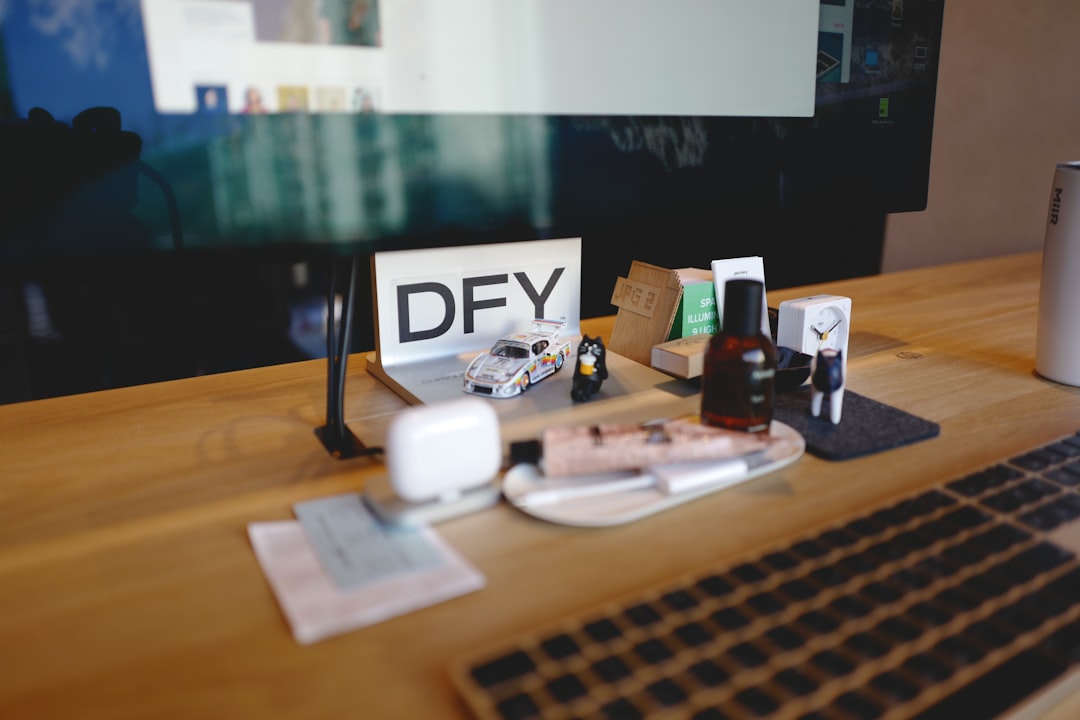
Maintaining a visibly chaotic desk covered in old papers, forgotten snacks, tangled cables, and miscellaneous objects sends a subtle but consistent message about how someone manages their responsibilities. Workspace presentation is part of the broader professional impression a person makes on colleagues, visiting clients, and managers who move through shared environments daily. Research has repeatedly linked cluttered physical environments to reduced concentration, increased stress, and a general sense of disorganization that can affect performance over time. The habit is particularly noticeable in open-plan offices where individual spaces are visible to many people throughout the working day. A reasonably tidy workspace signals self-awareness and a basic respect for shared professional surroundings.
Ghosting Threads

Dropping out of an ongoing email or messaging thread without acknowledgment or response leaves collaborators uncertain about whether their input was received, considered, or simply ignored. In project environments where communication chains track decisions and accountability the habit can create genuine confusion and delay. Colleagues who consistently go silent mid-conversation develop a quiet reputation for being unreliable or disengaged from team communication. A brief acknowledgment or status update requires minimal time and prevents the kind of ambiguity that slows collaborative work down. Closing communication loops clearly and consistently is a small habit with a significant positive impact on professional credibility.
Password Sharing
Casually sharing login credentials with colleagues for convenience is a habit that many professionals still practice without recognizing the security and accountability risks it creates. Most organizations now operate under data protection frameworks that assign individual responsibility to each account holder for activity conducted under their credentials. The habit signals unawareness of digital security culture that has become foundational to professional competence in virtually every industry. IT departments and management teams increasingly view careless credential sharing as a compliance issue rather than a harmless shortcut. Requesting appropriate access through proper channels is the correct and professionally responsible course of action.
Chronic Lateness

Arriving consistently late to meetings, calls, or scheduled commitments is one of the most quietly damaging professional habits in any workplace culture. It signals to colleagues and managers that the person either does not manage their time effectively or does not place sufficient value on the time of others. The impact accumulates over time and shapes how someone is perceived in terms of reliability, respect, and professional consideration. Even a pattern of arriving just a few minutes late to most engagements is noticeable and builds a reputation that is difficult to reverse. Punctuality remains one of the most universally respected professional qualities across every industry, seniority level, and workplace culture.
Hovering

Standing over a seated colleague’s desk and waiting in silence for their attention is a habit that creates immediate discomfort and is widely recognized as an intrusive way to initiate communication. The physical dynamic of the interaction places the seated person in an inherently pressured position that makes it difficult to finish a thought or complete a task naturally. Most professionals prefer a brief message, email, or polite verbal greeting from a neutral standing position to signal that a conversation is being requested. The hovering habit often develops from impatience or an unawareness of how physical presence affects others in a shared workspace. Learning to initiate interactions in less intrusive ways reflects a stronger social and professional intelligence.
Forwarding Chains
Forwarding lengthy email chains to colleagues without any context, summary, or explanation of what action is expected is a habit that transfers cognitive load rather than facilitating communication. The recipient is left to scroll through a thread of unknown length to determine why it has been sent to them and what they are expected to do with it. The habit signals either a lack of communication skill or a lack of respect for the time it takes another person to orient themselves within someone else’s correspondence. A two-sentence summary explaining the reason for the forward and any required action transforms an unhelpful habit into an effective communication practice. Clear and considerate forwarding behavior is a mark of someone who values efficiency and respects collaborative time.
Loud Keyboard
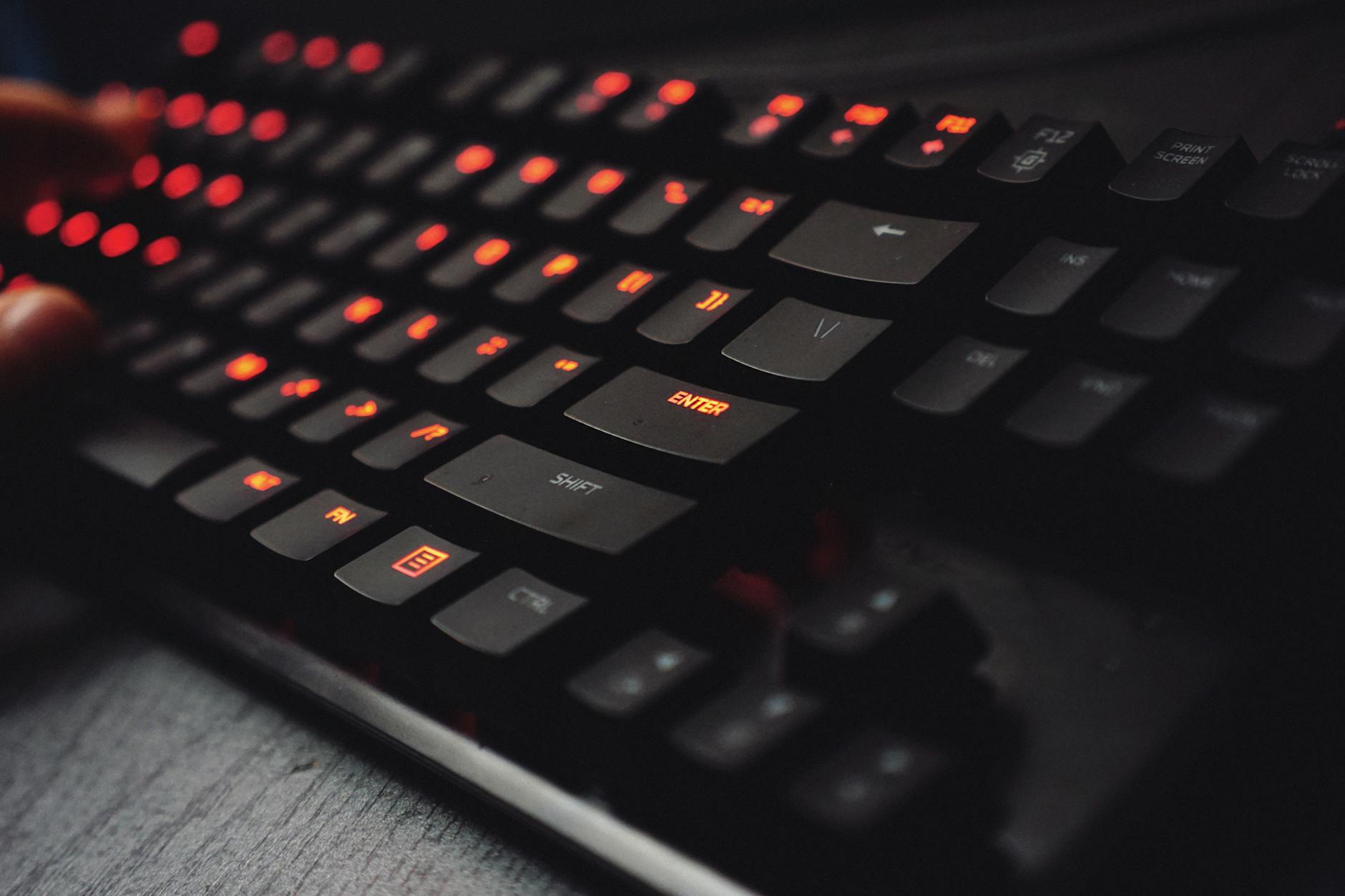
Typing aggressively on a loud mechanical keyboard in a quiet or shared office environment is a habit that creates consistent background noise affecting the concentration of everyone nearby. Open-plan offices amplify individual sounds in ways that make repetitive noise particularly disruptive over the course of a full working day. While mechanical keyboards have genuine enthusiast appeal and ergonomic advantages the professional responsibility to consider acoustic impact on colleagues remains relevant. Many offices now include quiet zones or focus areas where noise expectations are more strictly observed and the habit becomes especially conspicuous in those settings. Choosing quieter input devices or being mindful of typing intensity in shared spaces reflects an awareness of collective working conditions.
Status Padding

Volunteering an exaggerated or embellished account of workload and busyness in conversations with colleagues or managers is a habit that experienced professionals tend to recognize and discount quickly. Performative busyness has become a well-documented workplace behavior that is widely understood as a substitute for demonstrating actual output and value. Teams that operate with genuine transparency and results-oriented accountability leave little room for the habit to build the credibility it seeks. Over time the pattern can erode trust and make a person seem more concerned with perception than with contribution. Letting consistent and visible results represent professional value is a far more durable and respected approach in any workplace.
Unsolicited Advice

Offering unrequested opinions on how colleagues should manage their tasks, organize their time, or approach their responsibilities is a habit that consistently registers as overstepping in modern professional environments. Even when the intention is genuinely helpful the behavior can come across as presumptuous, condescending, or dismissive of the other person’s experience and judgment. Most professionals prefer to seek guidance when they need it from someone they trust and respect rather than receive it without invitation from a peer. The habit is particularly noticeable when advice is offered publicly in meetings or shared spaces where it places the recipient in an uncomfortable position. Reserving input for situations where it has been specifically requested is a straightforward way to build stronger and more respectful professional relationships.
Share your thoughts on these habits and which ones you find most frustrating in the workplace in the comments.