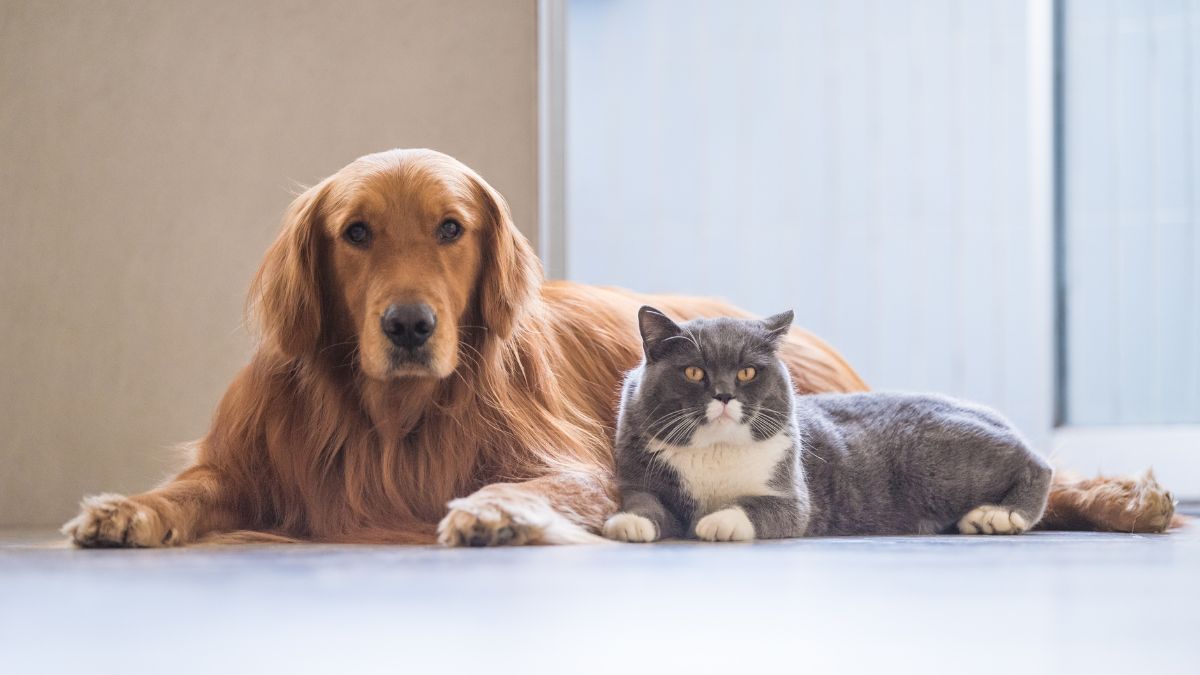
Our beloved companions may curl up on sofas and beg for treats, but beneath their domestic charm lies a lineage of survival, predation, and raw natural instinct. Thousands of years of selective breeding have softened their edges, yet the wildness was never fully bred out. From the family dog dreaming on the rug to the rabbit twitching in its hutch, the animal kingdom’s ancient programming runs deeper than most owners realize. These are the pets sharing our homes whose wild instincts continue to surface in ways that are genuinely surprising.
Domestic Cat
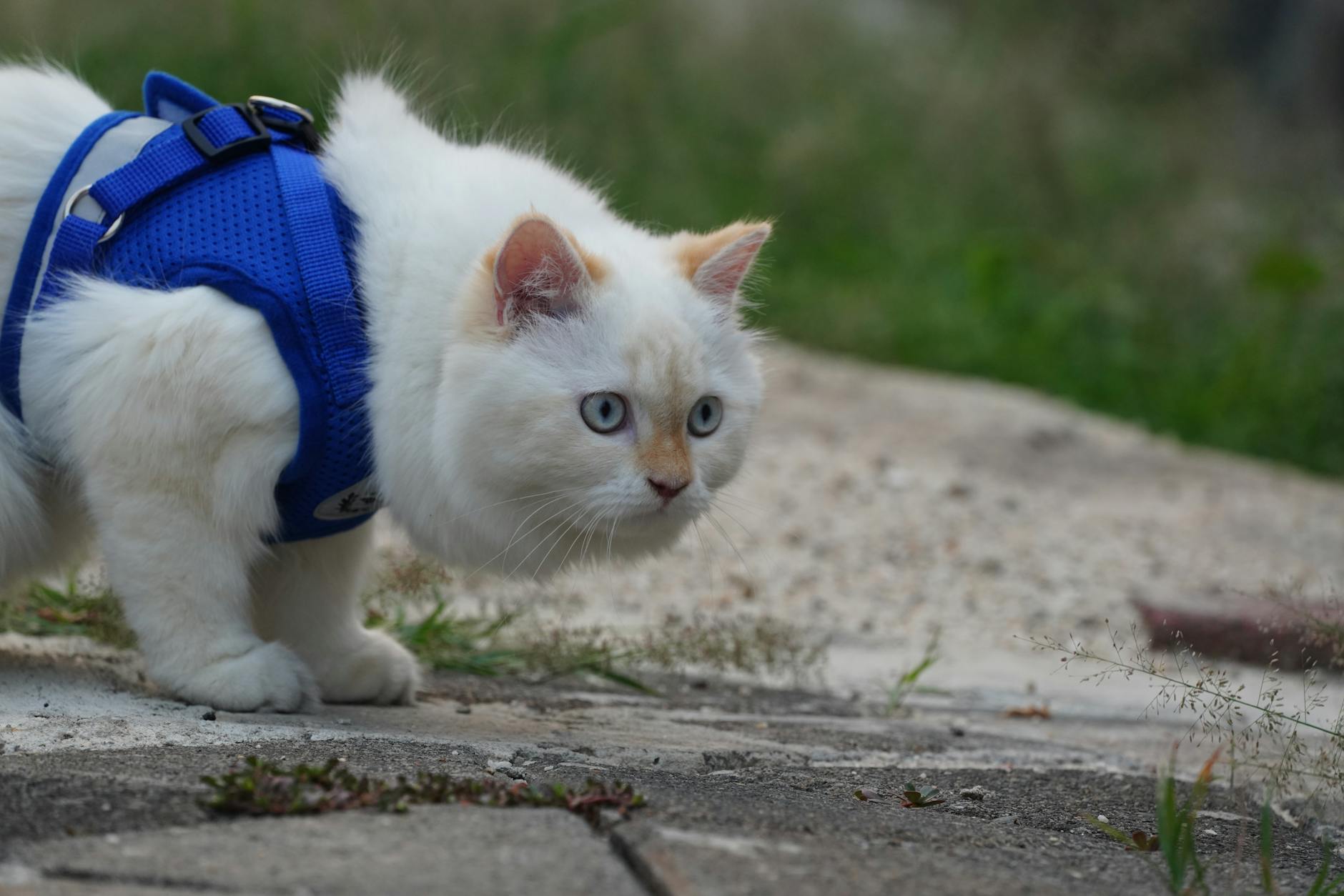
Cats are obligate carnivores whose predatory drive remains fully intact despite generations of domestication. Even a well-fed indoor cat will stalk, pounce, and kill small prey purely out of instinct rather than hunger. Their crepuscular activity patterns mirror those of wild felids, making dawn and dusk their peak hunting hours. The slow blink and tail-tip twitch visible during playtime are direct remnants of stalking behavior observed in lions and leopards. Studies confirm that free-roaming domestic cats are among the most prolific small-animal hunters in any ecosystem they inhabit.
Golden Retriever
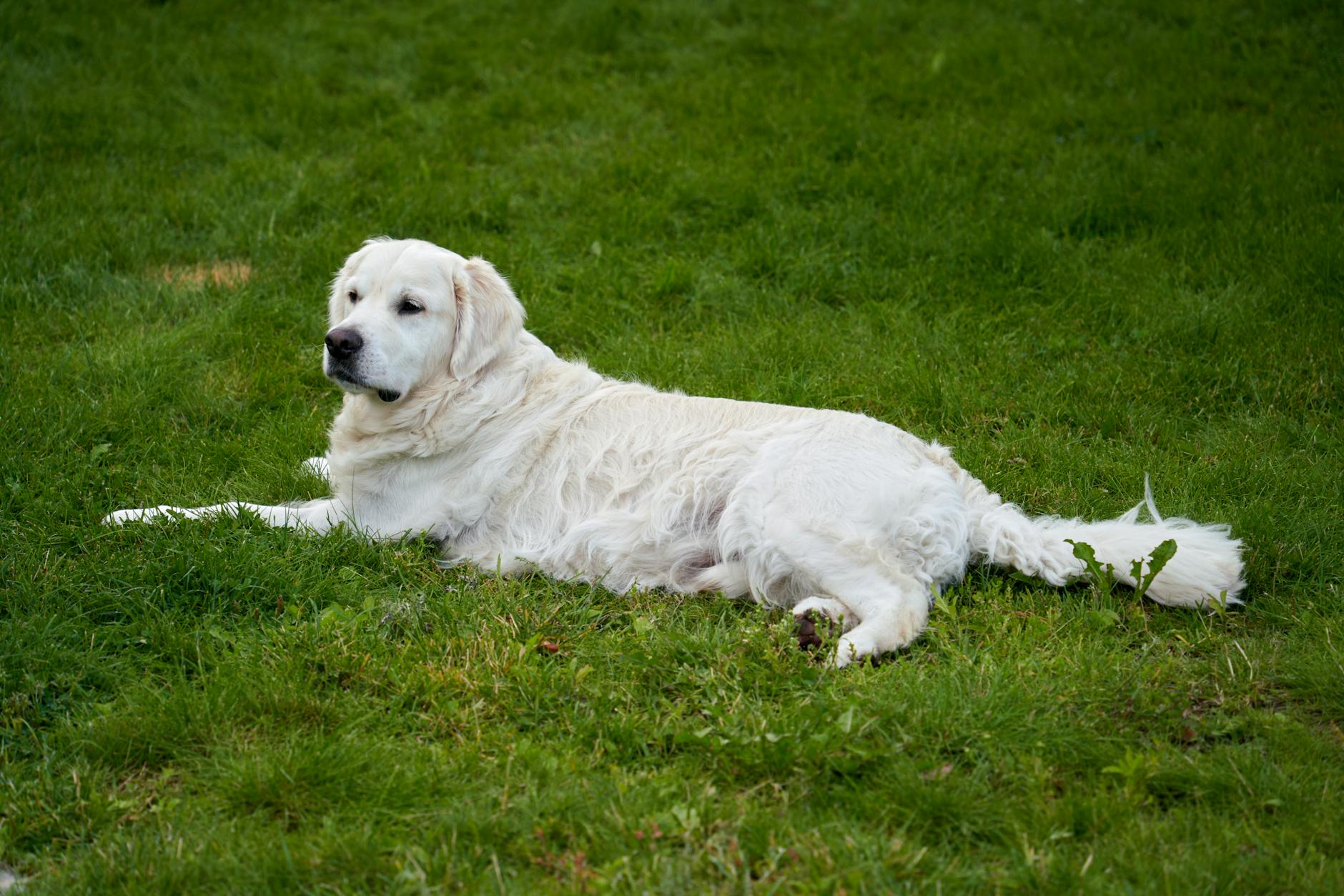
Golden Retrievers were selectively bred to retrieve waterfowl for hunters, and that retrieving compulsion remains hardwired into their behavior today. The instinct to carry objects in their mouths is not simply playfulness but a deeply embedded behavioral response tied to their working heritage. They possess a remarkably soft bite known as a “soft mouth,” originally developed to carry birds without damaging them. Their high pain tolerance and endurance in water reflect physiological adaptations built for long days in cold marshland conditions. Many Retrievers will instinctively head toward water sources and begin swimming with zero prior training or encouragement.
Rabbit

Rabbits are prey animals whose entire nervous system is calibrated for threat detection and rapid escape. Their eyes are positioned on the sides of their heads to provide nearly 360-degree vision, a direct adaptation for surviving open-field predation. When a rabbit thumps its hind legs, it is performing the same warning signal wild rabbits use to alert entire colonies to incoming danger. They are crepuscular like cats, most active at dawn and dusk when predators are less active in the wild. Even domesticated rabbits can enter a state of tonic immobility when frightened, a freeze response that mimics death to confuse attackers.
Hamster
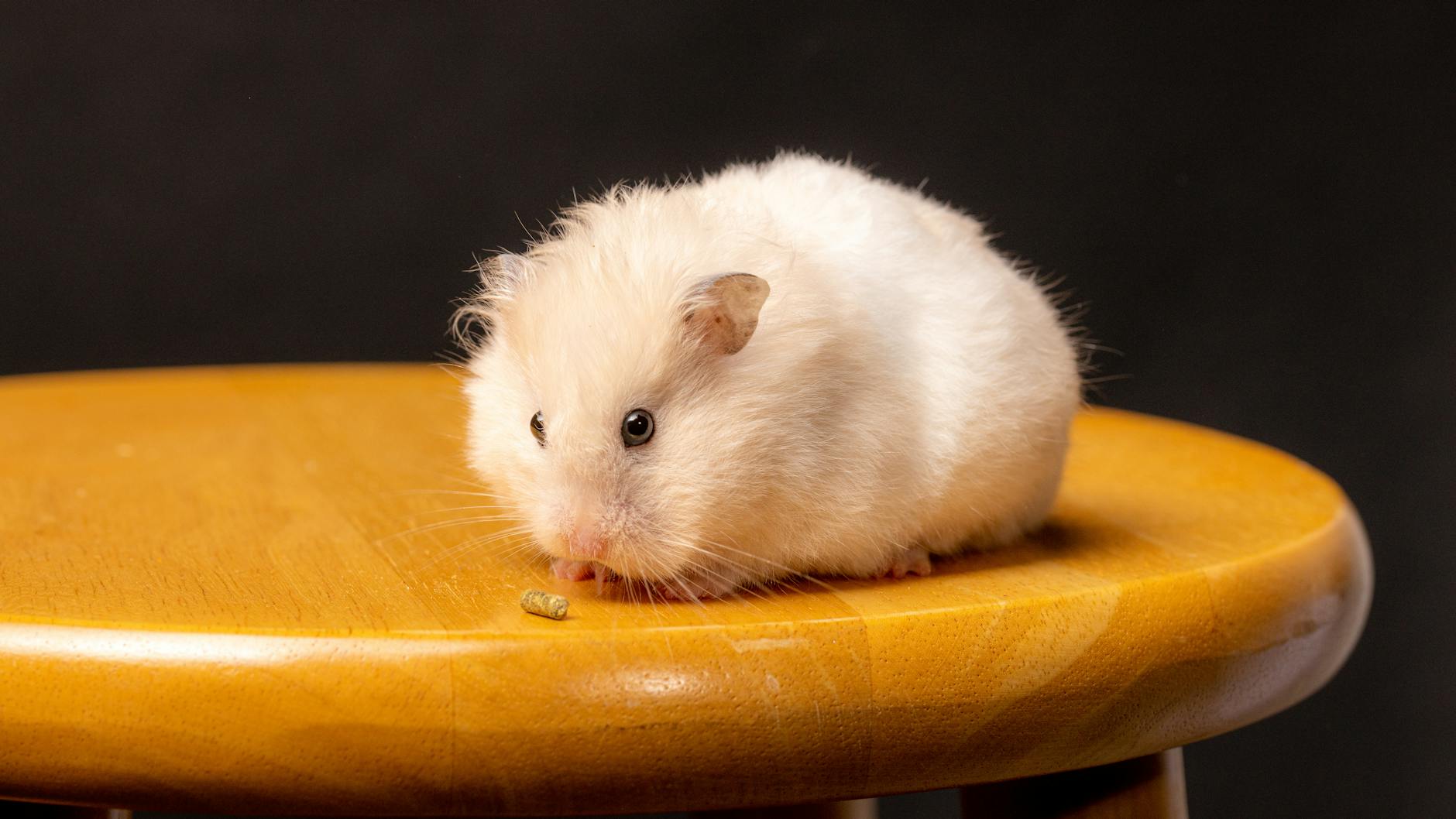
Hamsters are descended from Syrian desert rodents whose survival depended on hoarding food against scarcity and unpredictable conditions. Their expandable cheek pouches can hold up to half their body weight in food, allowing rapid collection and transport back to a hidden cache. Domestic hamsters still construct elaborate underground-style tunnel systems in their bedding even when food is abundantly available. They are solitary and highly territorial by nature, a trait that can escalate into serious aggression when two adults are housed together. Their nocturnal behavior patterns reflect a desert survival strategy of avoiding the intense daytime heat and open-air predators.
Parrot
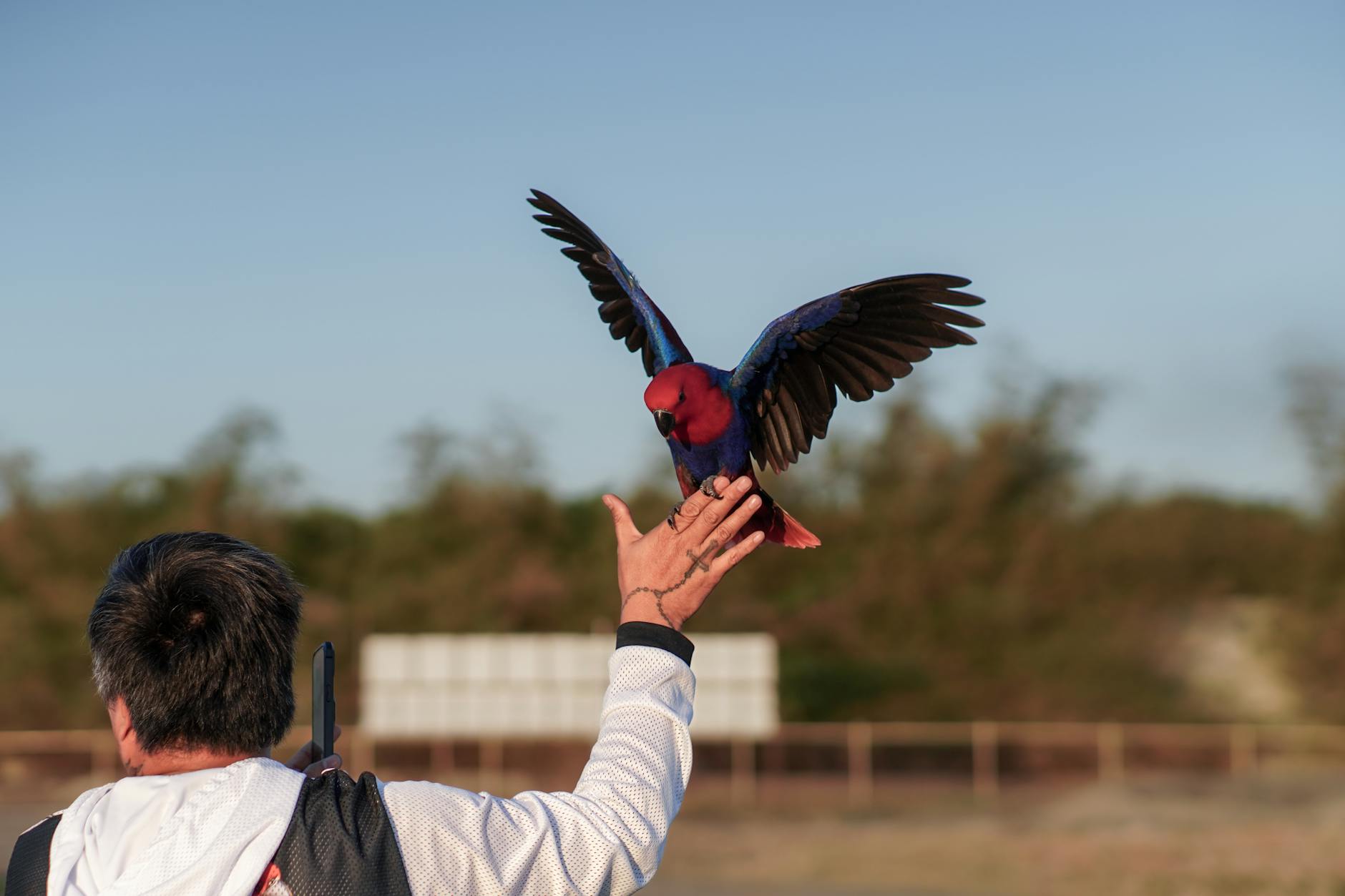
Parrots in the wild live in large, loud flocks where constant vocal communication is essential for flock cohesion and predator alerts. The mimicry behavior so entertaining in domestic parrots originally evolved as a mechanism for learning flock-specific calls to signal belonging and safety. Their strong beaks are designed to crack open the hardest tropical nuts and seeds, making them capable of applying significant force when stressed or threatened. Parrots form intense pair bonds in the wild and will transfer that bonding drive entirely onto a single human caretaker in captivity. Feather-destructive behavior seen in captive parrots is now understood to be linked to the psychological stress of isolation from a natural flock environment.
Ferret
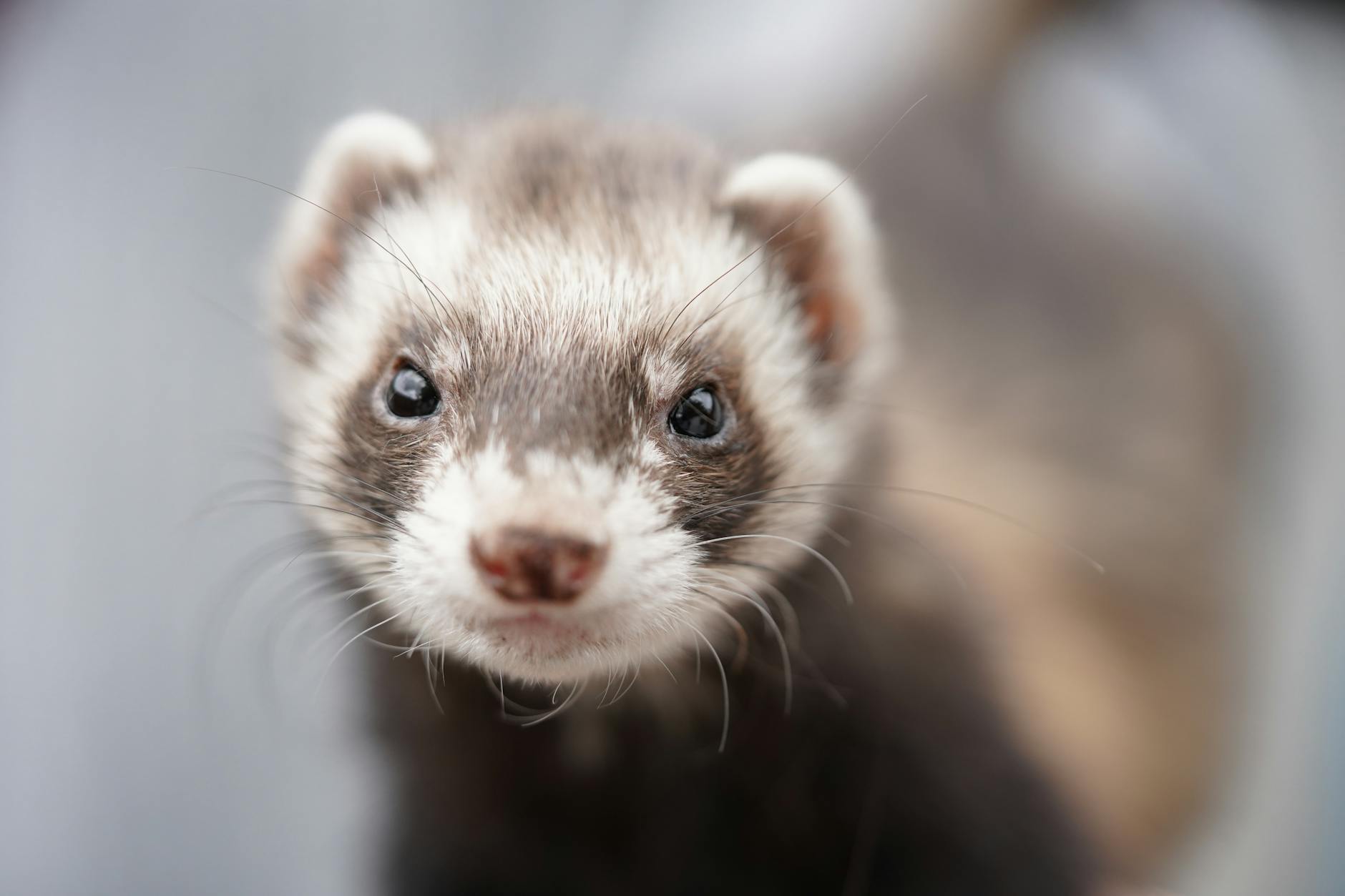
Ferrets are domesticated descendants of the European polecat, a fierce and agile predator of rabbits and rodents. Their elongated, flexible bodies are purpose-built for pursuing prey through underground burrows, a shape that gives them extraordinary maneuverability in tight spaces. The behavior known as the “war dance” involves frenzied leaping and spinning that directly mimics the disorientation tactic polecats use to confuse prey before striking. Ferrets have a strong instinct to cache food and objects in hidden corners of a home, replicating the food-storing habits of their wild ancestors. Their musky scent glands are a direct carryover from polecat territory-marking and predator-deterrence systems.
Beagle

Beagles were developed as scent hounds, and their olfactory system contains roughly 220 million scent receptors compared to approximately 5 million in humans. Once a Beagle locks onto an interesting scent trail, the tracking instinct overrides virtually all other behavioral responses including recall commands. Their characteristic howl is a bay designed to carry across long distances in open countryside, originally used to alert hunters to the location of prey. Beagles instinctively work in packs and can become distressed and vocal when left alone for extended periods due to their pack-dependent social wiring. Their tendency to follow their nose into traffic or unfenced areas is widely recognized as one of the most persistent unmodified wild instincts in any common breed.
Cockatiel
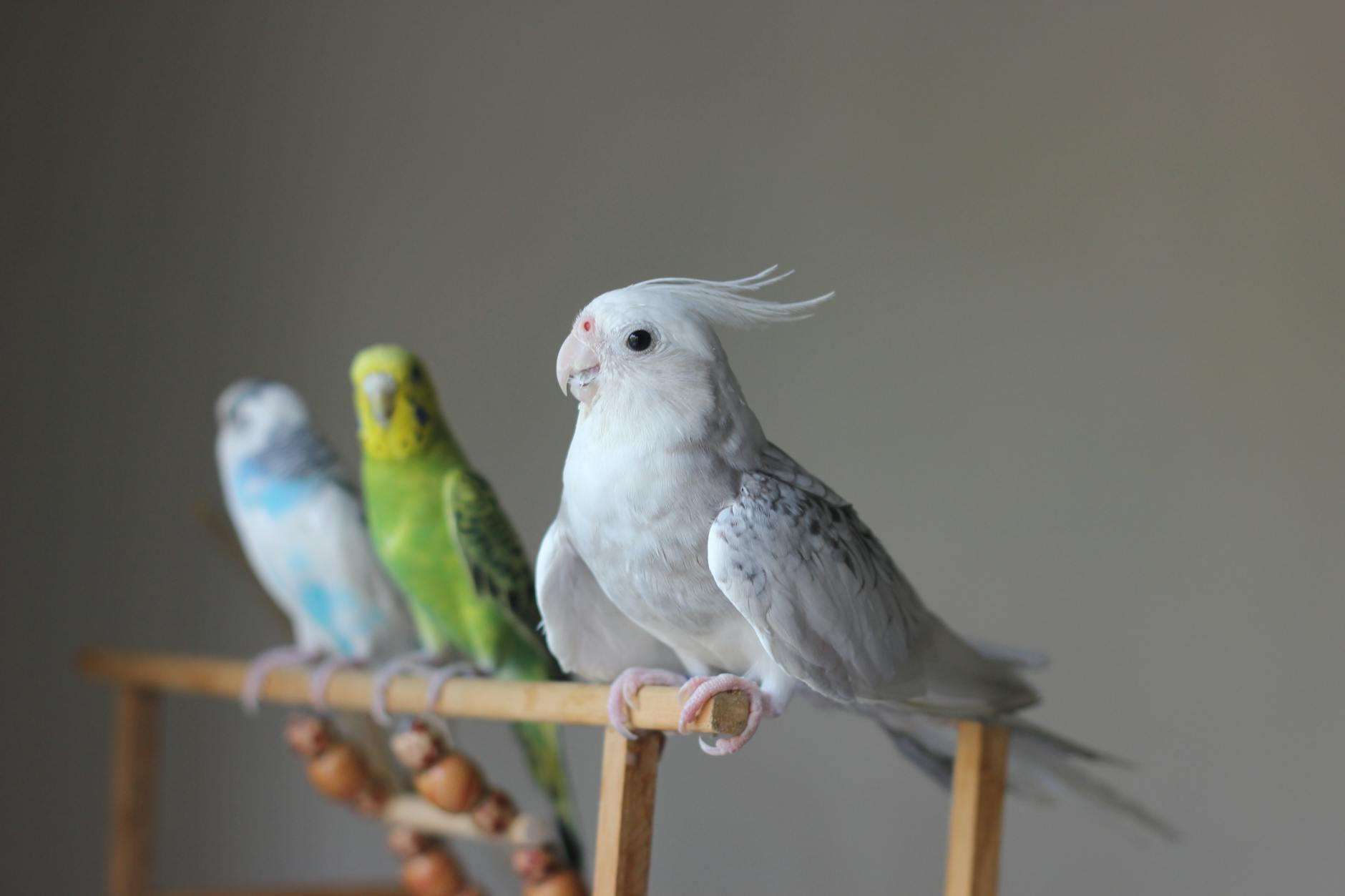
Cockatiels originate from the arid interior of Australia, where survival depends on constant vigilance and rapid flock movement across vast open terrain. Their crest feathers function as a real-time emotional barometer, rising sharply when alarmed in the same way wild birds signal incoming threats to the flock. Cockatiels perform a behavior called “flock calling” at sunrise and sunset, vocalizing loudly to make contact with their group in the wild and replicating this daily in captivity regardless of environment. They are highly attuned to changes in barometric pressure and ambient light, behaviors linked to their need to predict weather patterns in unpredictable desert climates. Male cockatiels perform elaborate courtship dances and songs that are entirely instinctive and will be directed toward mirrors, toys, or human hands in the absence of a mate.
Guinea Pig
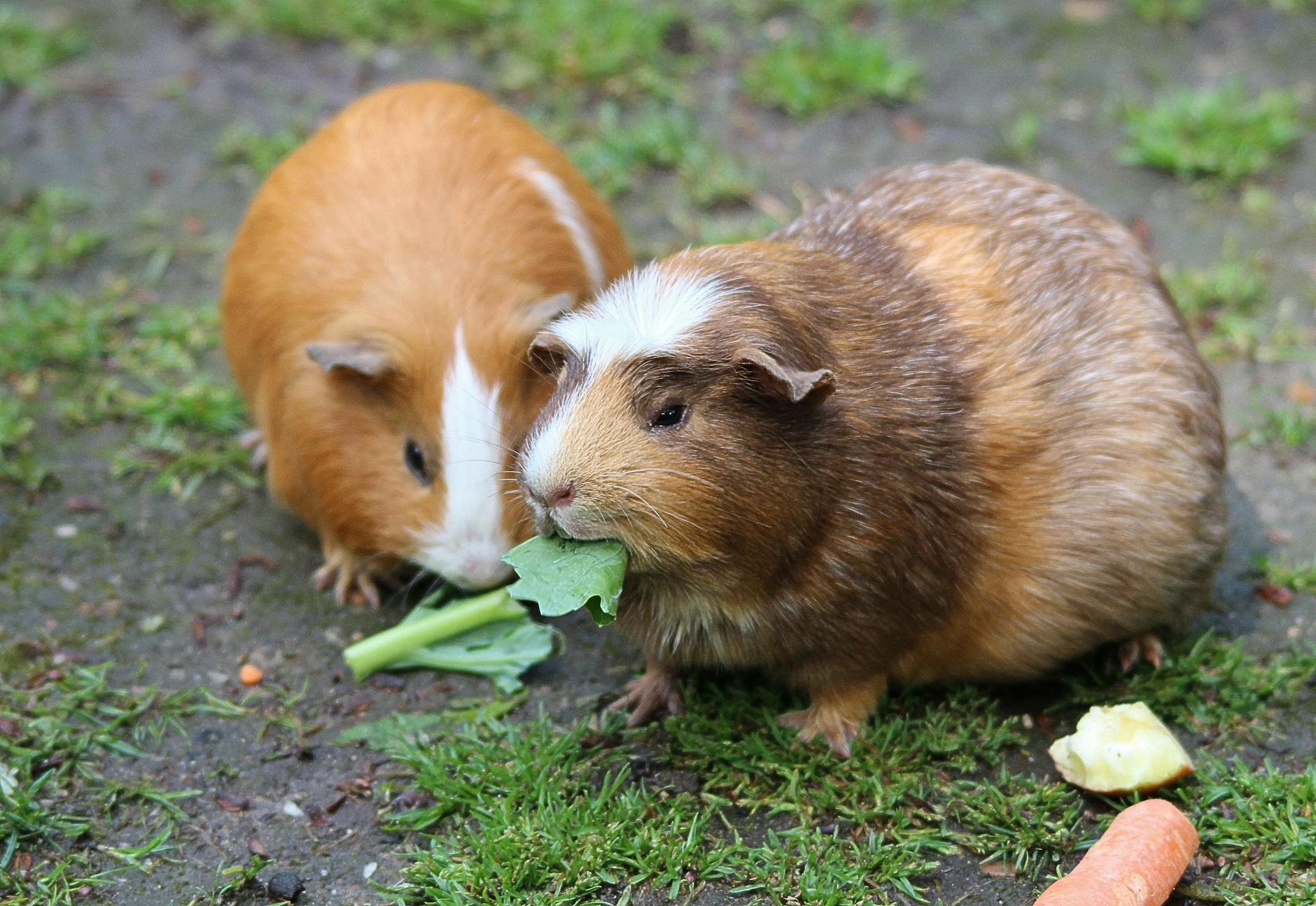
Guinea pigs are social herd animals from the Andes mountains whose survival strategy is built entirely around group living and collective alertness. Their famous “popcorning” behavior, where they leap and twist spontaneously into the air, is a joy display that also functions as an unpredictable evasion movement in the wild. Guinea pigs have no ability to vomit, an adaptation that made them highly selective foragers in environments where toxic plants were common. They communicate through a complex vocabulary of purrs, wheeks, and chutts that directly correspond to specific social and threat-related messages used in wild herds. Their tendency to freeze completely when startled is a predator-evasion technique called cryptic behavior, designed to make them invisible to aerial hunters like hawks.
Budgerigar
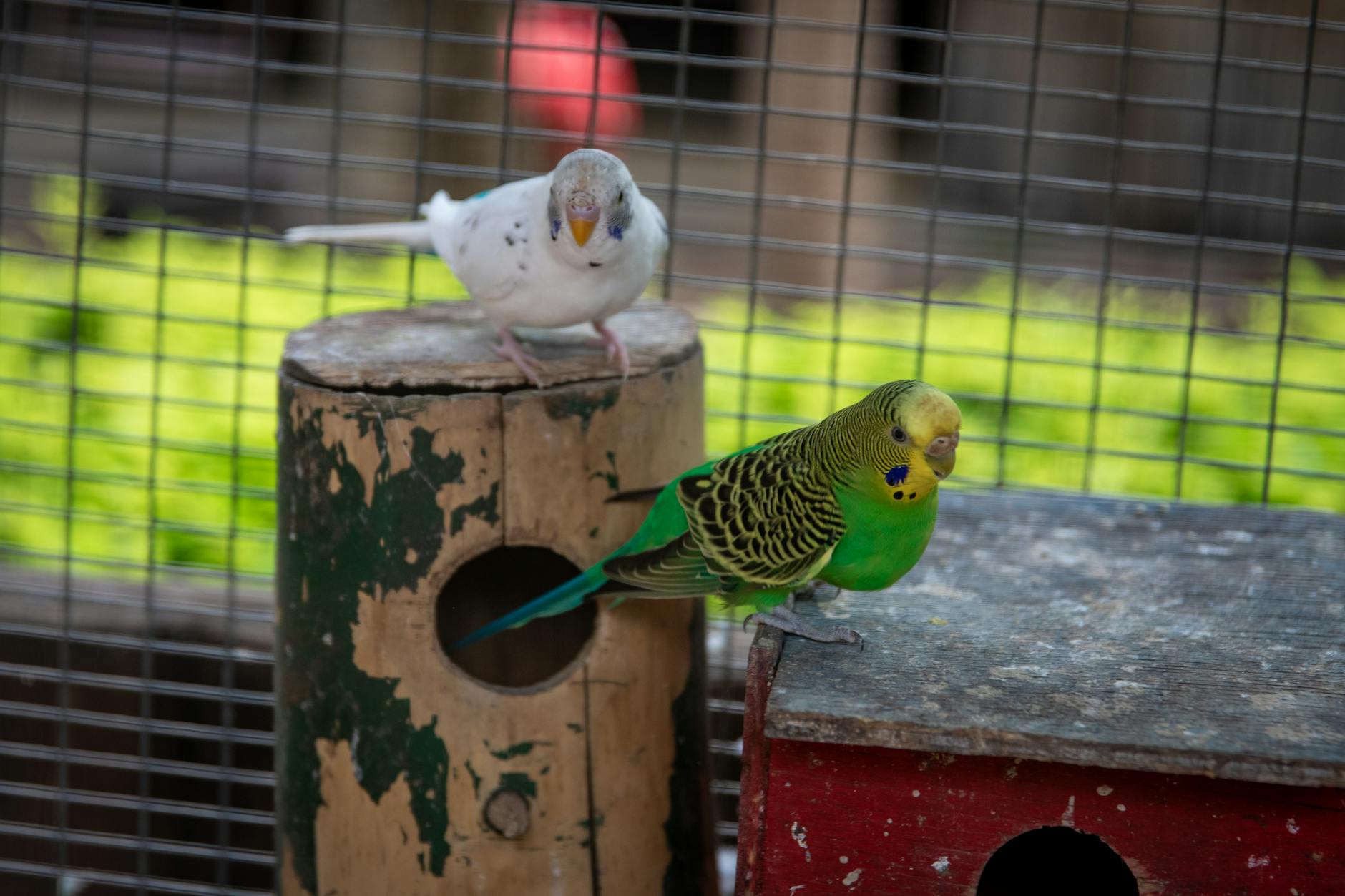
Budgerigars are nomadic flock birds from the Australian outback, capable of traveling hundreds of miles in search of water following unpredictable rainfall. Their extreme sociability and need for constant companionship reflects the survival logic of a species that would be instantly vulnerable if separated from the flock. Wild budgerigars use complex contact calls to remain connected to their group during flight, and domestic budgies replicate this by chattering persistently throughout the day. Their feathers contain UV-reflective patterns invisible to the human eye but highly visible to other budgies, used for mate selection and flock identification in the wild. Budgies still exhibit migratory restlessness at certain times of year, becoming noticeably more active and directionally oriented even inside a domestic cage.
Goldfish
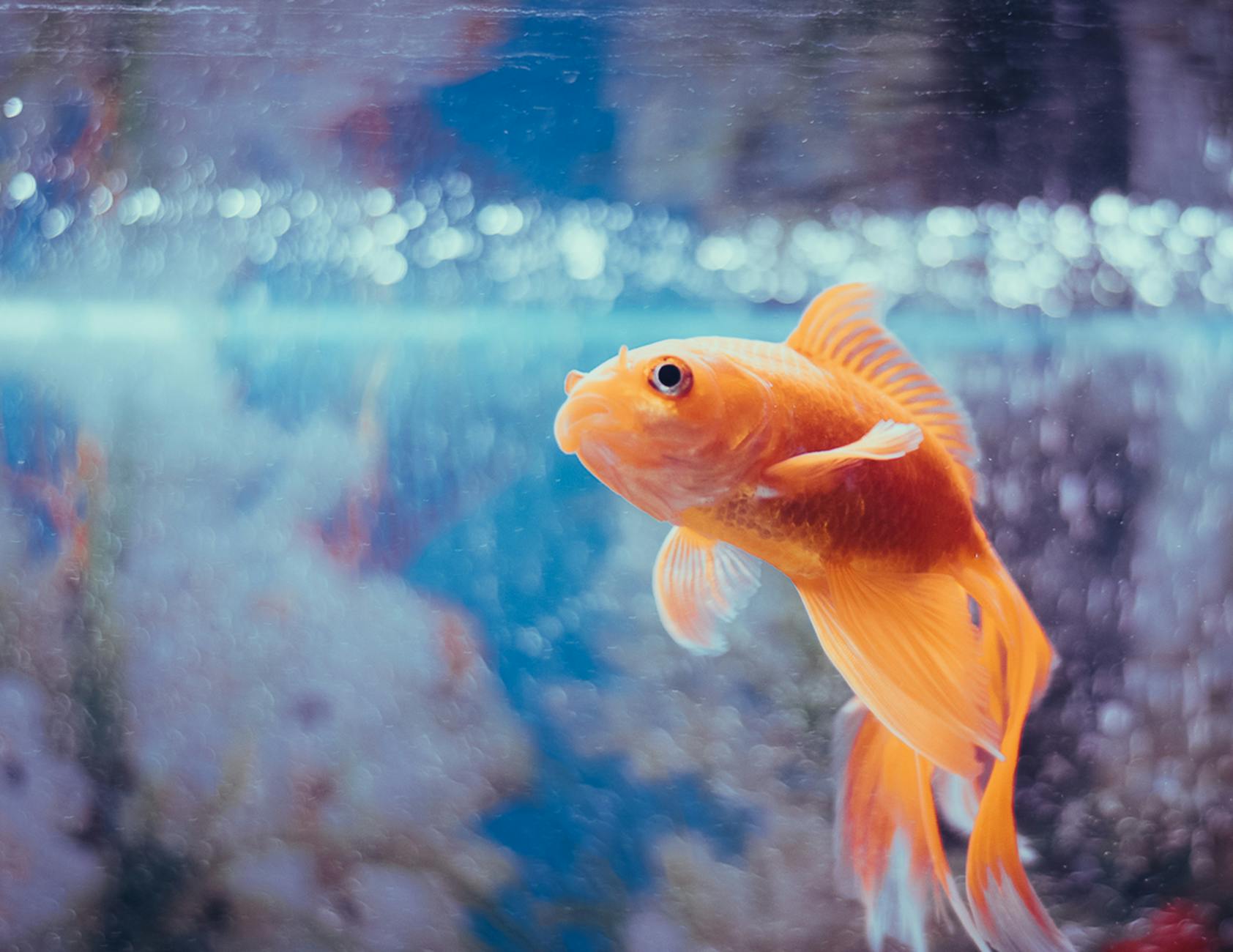
Goldfish are descended from wild carp native to East Asia, where they inhabited murky rivers and ponds with constantly changing water conditions. Their memory, long dismissed as lasting only seconds, has been scientifically demonstrated to extend to months, allowing them to learn feeding patterns and recognize their owners. Wild carp are omnivorous opportunists that will consume almost anything organic, and domestic goldfish retain this indiscriminate appetite regardless of how well they are fed. They have a highly developed lateral line system that detects vibrations and pressure changes in surrounding water, a predator-detection tool that remains fully functional in tank environments. Goldfish exposed to enriched environments with obstacles and varied stimuli demonstrate measurably more complex behavior than those kept in barren tanks, reflecting their adaptive intelligence from variable wild habitats.
Domestic Dog
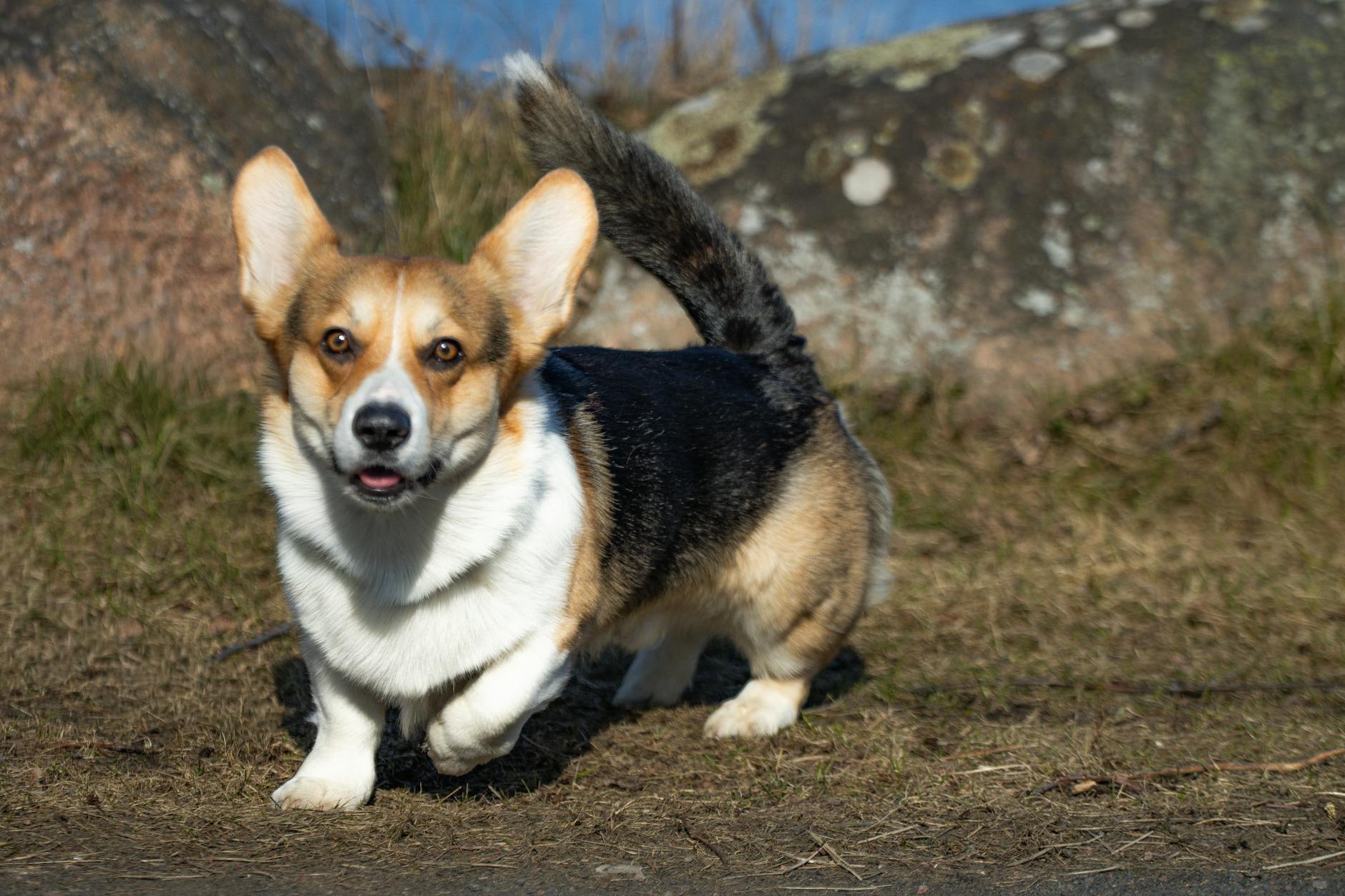
The domestic dog retains a prey drive inherited directly from its wolf ancestors, observable in behaviors like chasing cars, squirrels, and bicycles. Dogs are pack animals whose social hierarchies, body language vocabulary, and conflict resolution behaviors map almost exactly onto those observed in wild wolf packs. Urine-marking behavior in dogs is a sophisticated territorial communication system identical in function to scent-marking strategies used by wolves across wide geographic ranges. Resource guarding over food, toys, or resting spots is a direct survival behavior rooted in competition within wild pack feeding scenarios. Dogs still circle before lying down, a ritual that originally flattened grass or cleared ground in wild sleeping sites to check for snakes or insects.
Domestic Pigeon
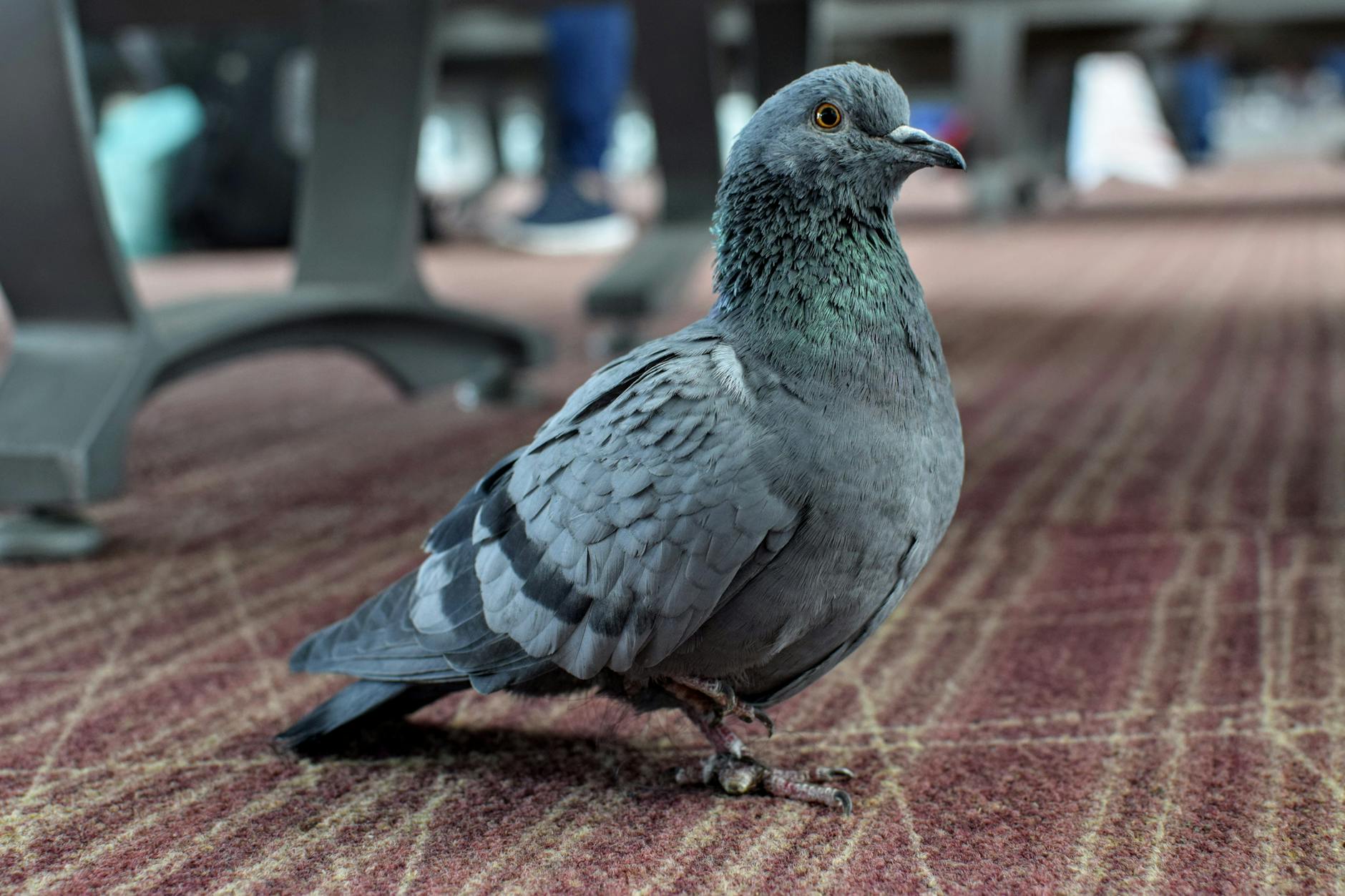
Domestic pigeons are descended from the rock dove, a cliff-dwelling bird with extraordinary navigational abilities tied to the Earth’s magnetic field. Homing pigeons can return to their loft from distances exceeding 1000 miles, using a multi-sensory navigation system that includes magnetite crystals in their beaks. Their courtship behavior involves elaborate bowing, fanning tail displays, and persistent pursuit sequences identical to those observed in wild rock dove populations. Pigeons have a crop milk system where both parents produce a protein-rich secretion to feed chicks, a trait shared with very few other bird species globally. Urban pigeons that appear entirely comfortable around humans are still exhibiting cliff-nesting instincts, treating building ledges as direct behavioral substitutes for coastal rock faces.
Axolotl
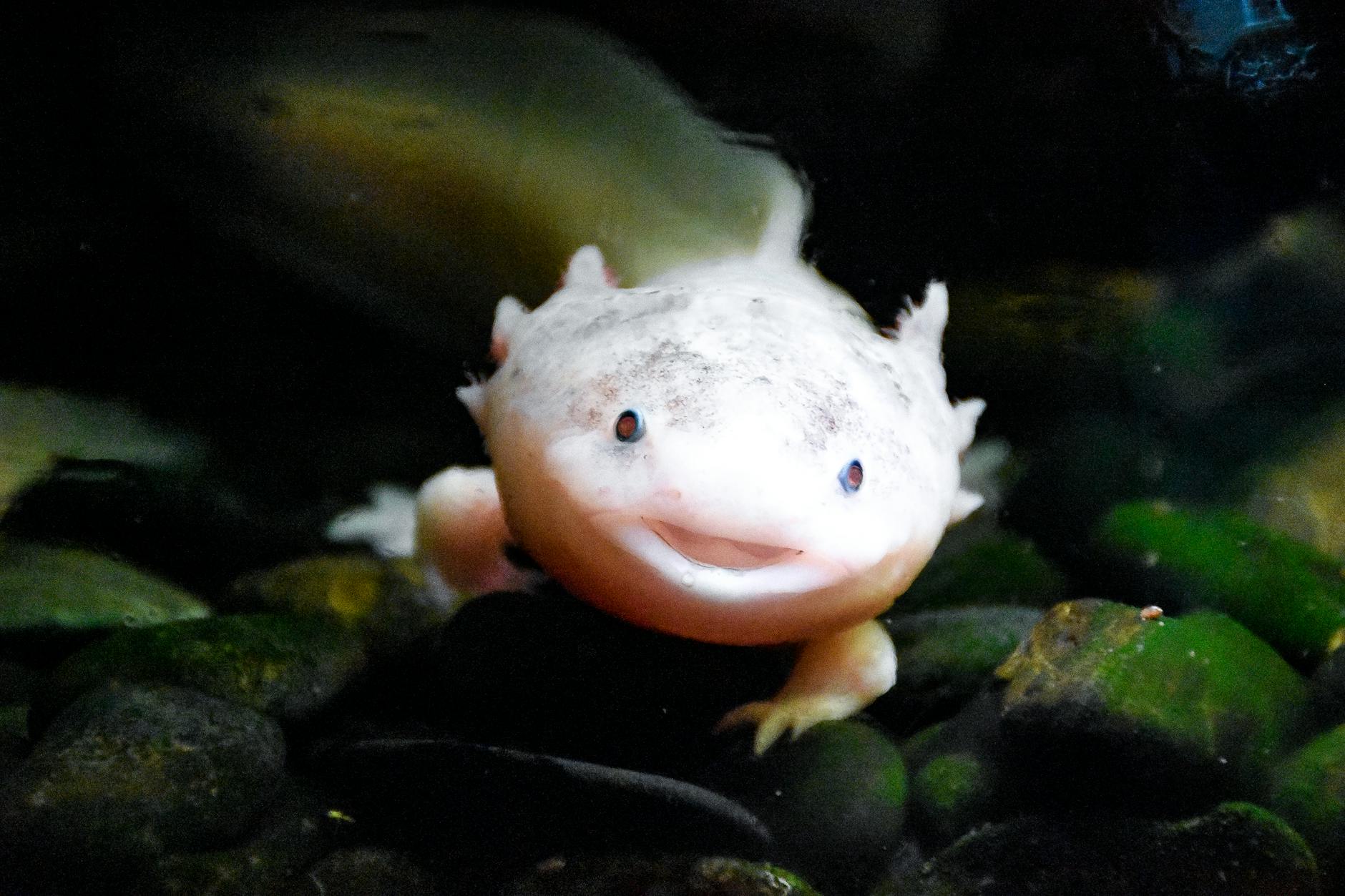
Axolotls are neotenic salamanders from a single ancient lake system in Mexico, and their entire biology is built around permanent aquatic larval existence. They retain the ability to regenerate not only limbs but also parts of their heart, spine, and brain, a survival adaptation with no equivalent among domestic animals. Their external gill structures that fan dramatically in the water are functional breathing organs that wild axolotls rely upon for oxygen extraction in low-oxygen lake environments. Axolotls are ambush predators that use suction feeding, rapidly opening their mouths to create a vacuum that pulls small prey directly in. Wild axolotl populations are critically endangered, making domestic axolotls genetically significant representatives of a species on the edge of natural extinction.
Corn Snake
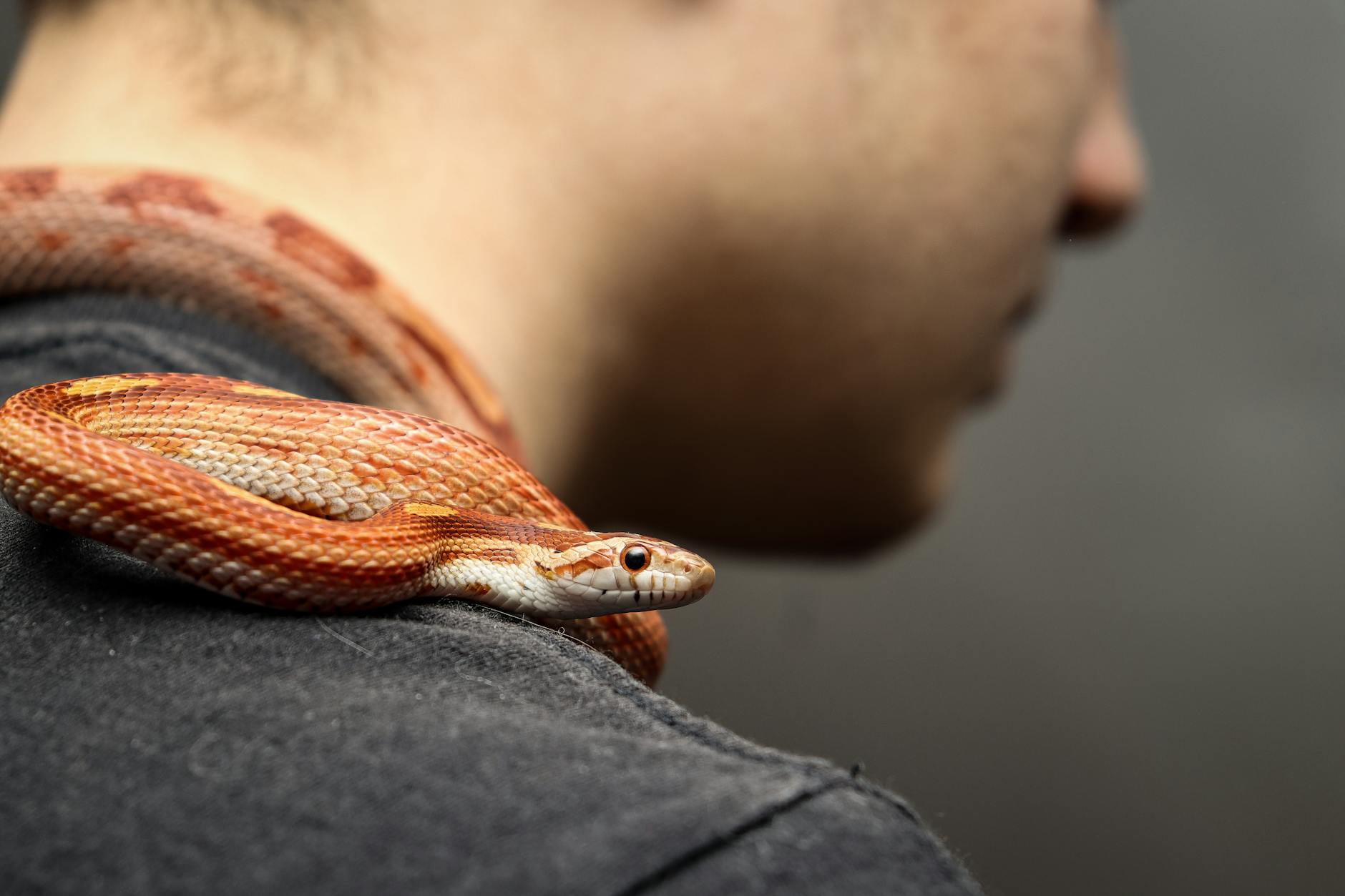
Corn snakes are constrictors whose hunting technique involves tracking prey through heat signatures and chemical scent trails left on surfaces. Their forked tongue is a highly specialized chemosensory organ that collects scent molecules and delivers them to the Jacobson’s organ in the roof of the mouth. Even captive-bred corn snakes that have never encountered wild prey will immediately perform hunting behavior including tongue-flicking and slow stalking when exposed to prey scent. Corn snakes are escape specialists in the wild, capable of squeezing through extraordinarily narrow gaps while moving between underground refuges and hunting grounds. Their tendency to burrow under substrate in a vivarium directly replicates the behavior of seeking cool, hidden retreats beneath logs and leaf litter in their native southeastern United States habitat.
Chinchilla
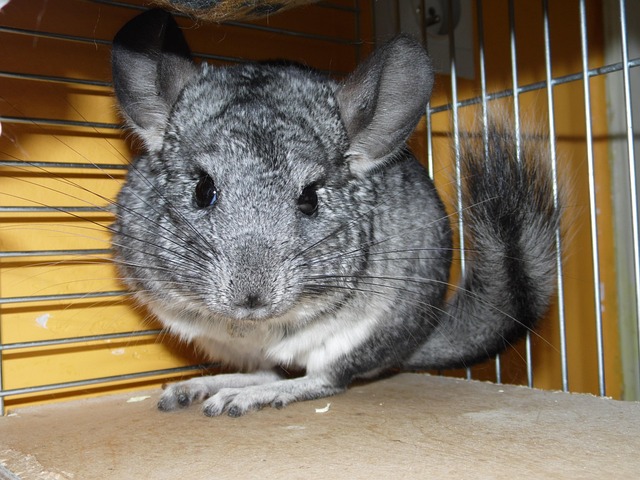
Chinchillas come from the high-altitude Andes mountain range, where the sparse environment demands extraordinary agility and an ability to thrive in cold, low-oxygen conditions. Their famously dense fur, with up to 60 hairs growing from a single follicle, evolved as thermal insulation against freezing mountain nights rather than for human admiration. When threatened, chinchillas perform a defense behavior called fur slip, releasing a patch of fur to escape the grip of a predator in the same way a lizard sheds its tail. Domestic chinchillas still take dust baths compulsively because their dense coats absorb moisture rather than repelling it, making volcanic dust the only effective cleaning mechanism available in their native arid habitat. Their powerful hind legs allow them to leap up to six feet vertically, a direct adaptation for bounding between rocky outcroppings in steep Andean terrain.
Betta Fish
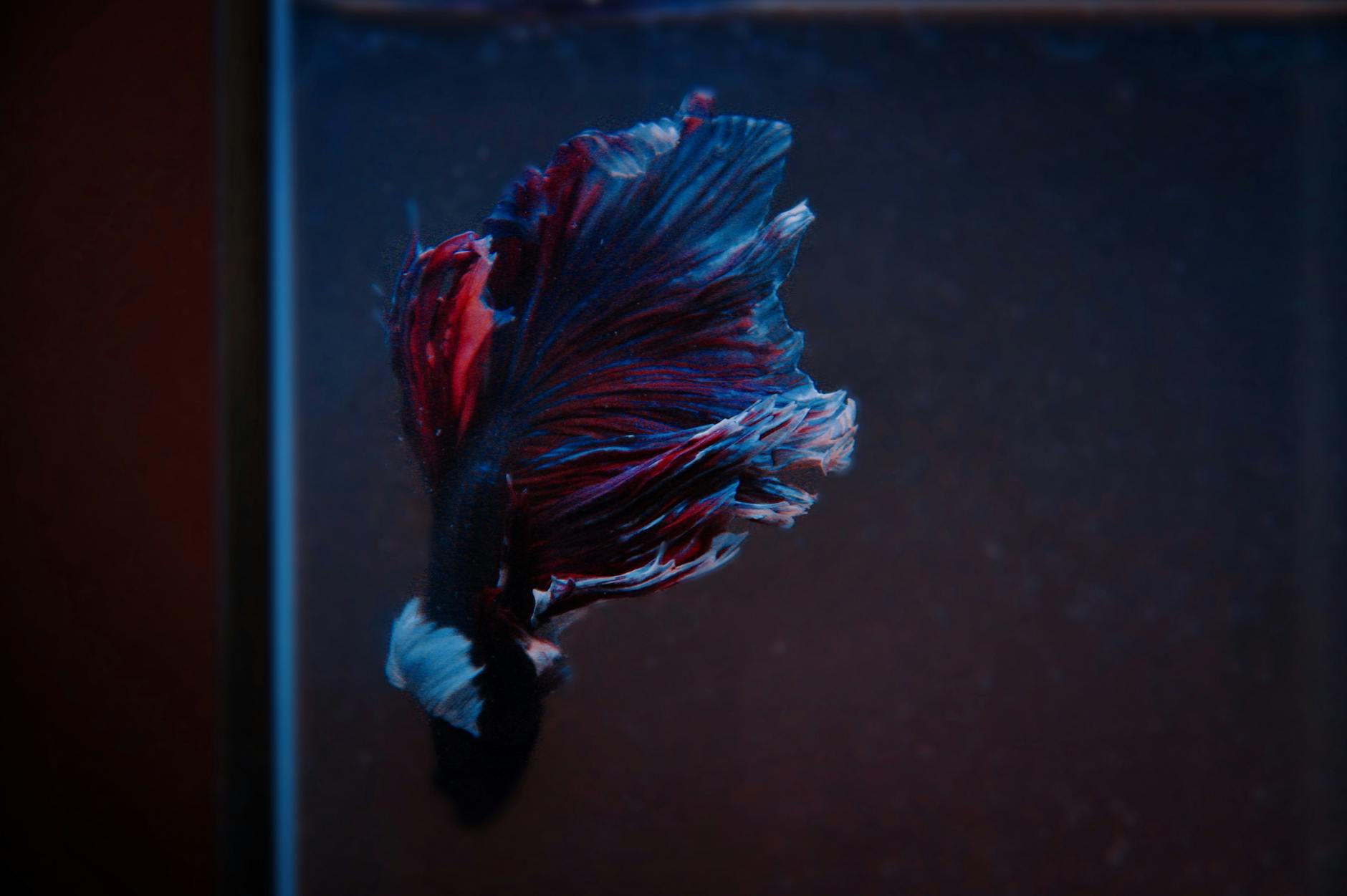
Betta fish originate from the shallow rice paddies and floodplains of Southeast Asia, where low-oxygen stagnant water required a specialized adaptation. They possess a labyrinth organ that allows them to breathe atmospheric oxygen directly from the water’s surface, enabling survival in conditions that would suffocate most fish. Male bettas are intensely territorial and will display and fight with rivals to the point of serious injury, a behavior driven by competition for limited breeding sites in shallow wild habitats. Their vivid coloration in males evolved as both a dominance signal to competitors and an attractiveness indicator to females during elaborate flaring displays. Bettas in the wild are solitary ambush predators that hunt insects and larvae, explaining the intense reactivity and predatory focus they show toward any moving object near their tank.
Tortoise
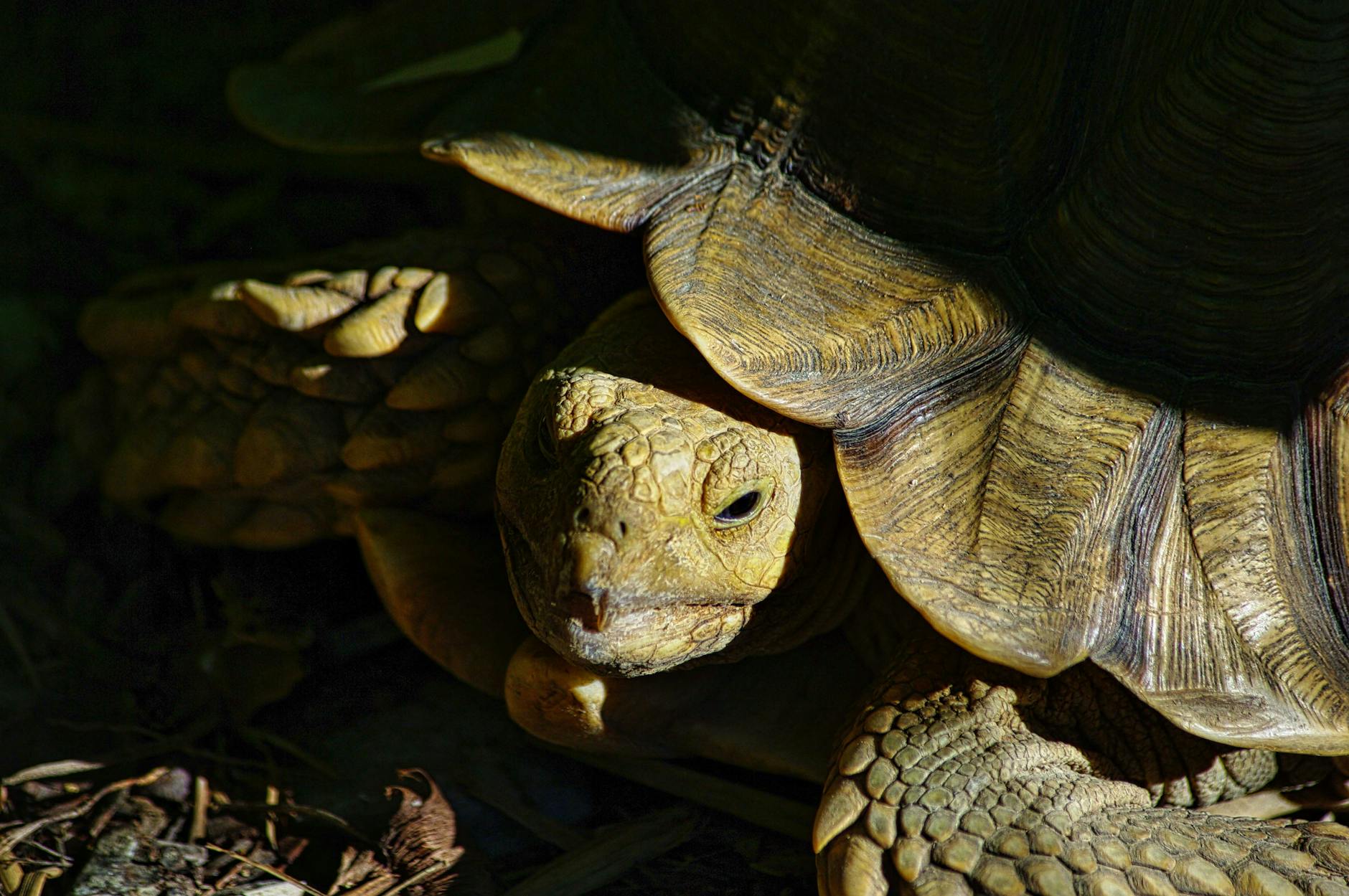
Tortoises are among the oldest reptile lineages on Earth, with behavioral programming refined across more than 200 million years of evolutionary history. Their instinct to withdraw entirely into their shell is a threat response so deeply embedded that it triggers even in tortoises that have never encountered a predator. Wild tortoises travel surprisingly large distances across seasonal ranges to find specific food plants and reach established mating grounds. Domestic tortoises still attempt hibernation as seasonal light and temperature shift, a physiological response linked to brumation cycles in their native Mediterranean and arid-zone habitats. Their shell is not a separate structure but a fused extension of the tortoise’s spine and ribcage, making it a living organ system rather than an external armor layer.
Lovebird
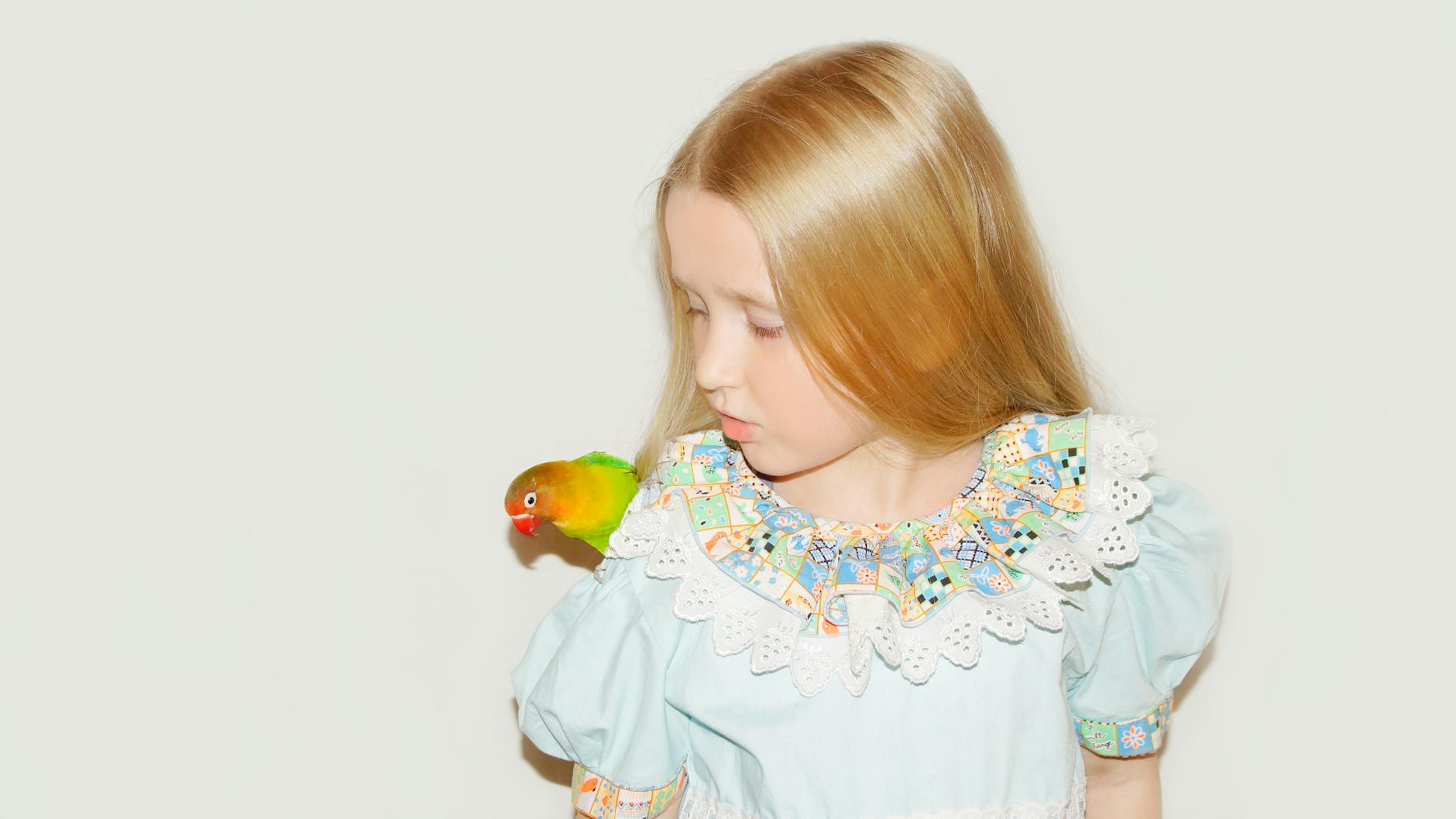
Lovebirds are small parrots from sub-Saharan Africa whose pair-bonding behavior is among the most intense of any companion bird species. In the wild they form monogamous pairs that remain together year-round, sharing roosting spots, preening each other constantly, and becoming highly distressed when separated. Female lovebirds carry nesting material tucked into their rump feathers, an instinctive behavior that persists in captivity even when no nesting box or breeding opportunity is present. Their aggressive territorial behavior toward other birds and occasionally humans reflects the fierce nest defense tactics required in competitive African woodland habitats. Lovebirds use contact calls continuously throughout the day to maintain awareness of their partner’s location, a behavior that becomes directed toward a human companion in single-bird households.
Gerbil
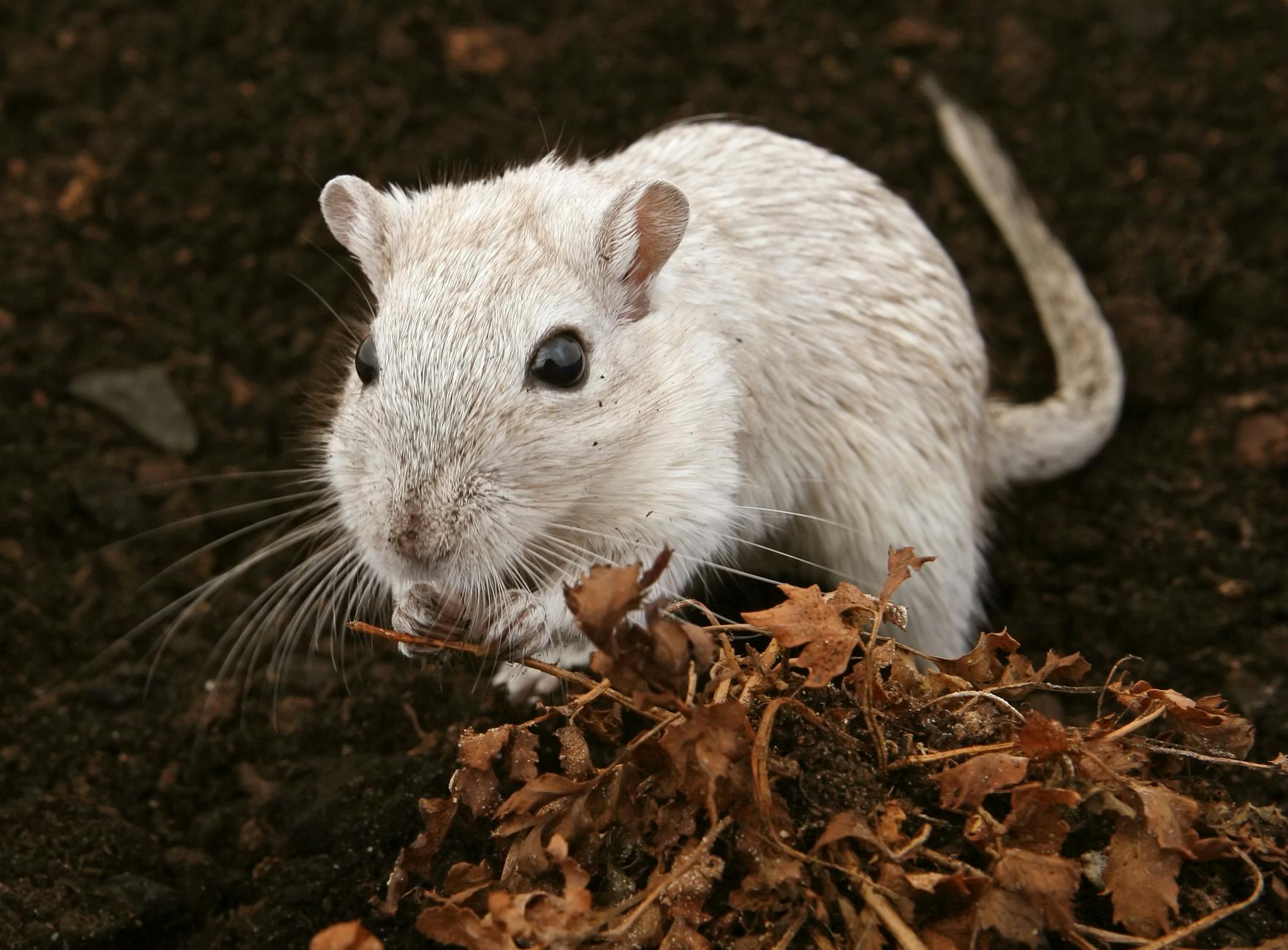
Gerbils originate from the arid deserts and grasslands of Mongolia and northern China, environments defined by extreme temperature swings and unpredictable food availability. Their kidneys are so efficient at conserving water that they produce only a minimal amount of urine, a direct physiological adaptation to desert life that persists in domestic populations. Wild gerbils construct elaborate multi-chambered burrow systems where they store food, raise young, and escape predators during the hottest hours of the day. Domestic gerbils still engage in compulsive digging and tunnel-building behavior in their enclosures regardless of whether any functional purpose is served. Their habit of standing upright on hind legs and scanning their surroundings is a sentinel behavior used in wild colonies to detect approaching predators across open terrain.
Canary
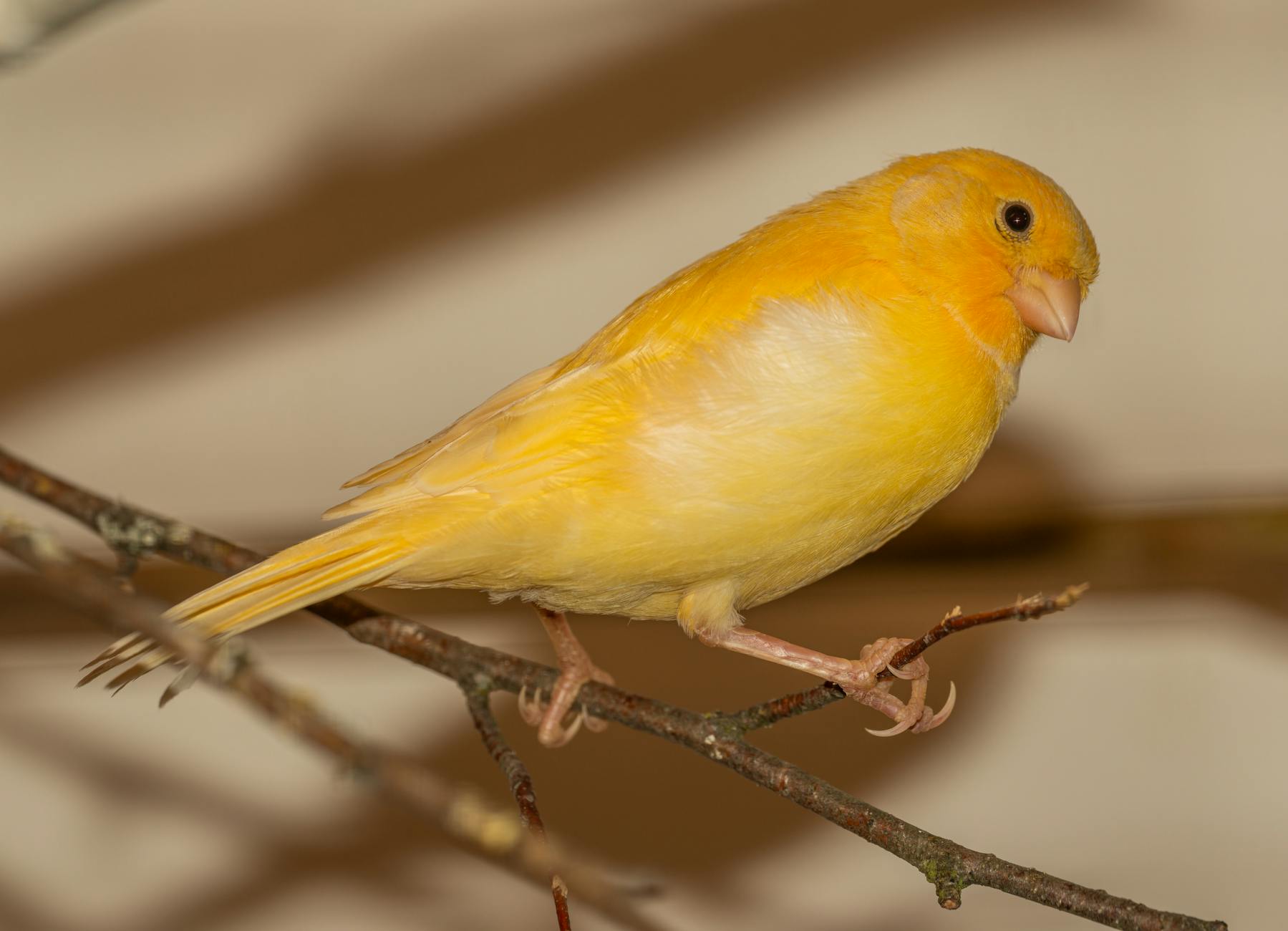
Canaries were originally wild finches from the Canary Islands, Madeira, and the Azores, where complex song served critical roles in territory defense and mate attraction. Male canaries possess one of the most neurologically sophisticated vocal learning systems in the animal kingdom, capable of learning new songs throughout their adult lives. Their song output increases dramatically in response to longer daylight hours, a biological response tied to breeding season timing in their native subtropical island habitats. Wild canaries are highly cryptic in behavior, staying close to dense vegetation to avoid aerial predators, and domestic canaries retain this preference for covered and sheltered cage positions. The remarkable sensitivity to airborne toxins that made canaries historically valuable in coal mines is a direct extension of their finely tuned respiratory physiology adapted to clean Atlantic island air.
Share your own experiences with your pet’s surprising wild side in the comments.