Most people spend money on the same everyday items without ever questioning whether those purchases are actually worth it. Financial advisors consistently flag certain spending habits as quietly draining wealth over time without delivering meaningful value in return. Many of these purchases feel small and harmless in the moment but compound into significant losses across months and years. Understanding where money quietly disappears is one of the most practical steps toward building long-term financial stability. These are the purchases that financial professionals most frequently point to when helping clients reclaim control of their budgets.
Bottled Water

Tap water in most developed countries is rigorously tested and safe to drink, making bottled water an unnecessary expense for the vast majority of households. A reusable filtered water bottle or an under-sink filtration system delivers the same or better quality at a fraction of the ongoing cost. The global bottled water industry relies heavily on perception and marketing rather than any meaningful quality advantage. Households that switch away from bottled water commonly save hundreds of dollars annually without any noticeable lifestyle change.
ATM Fees
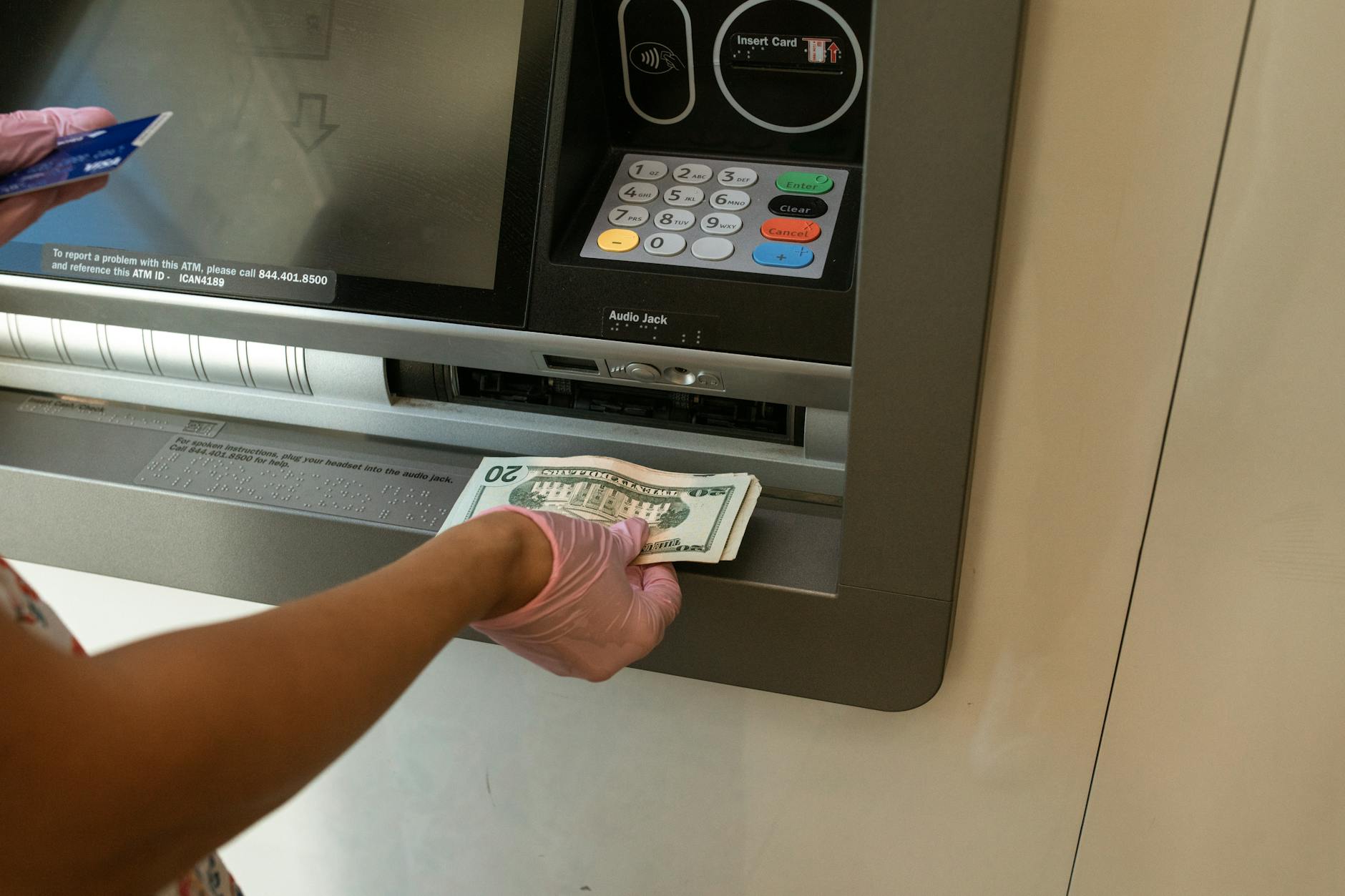
Withdrawing cash from out-of-network machines generates fees that typically range from two to five dollars per transaction and add up faster than most people realize. Many banks and credit unions now offer fee reimbursement programs or extensive ATM networks that make these charges entirely avoidable. Planning cash needs in advance and using in-network machines eliminates this spending category completely. Financial advisors consistently describe ATM fees as one of the purest examples of paying for convenience that requires almost no effort to avoid.
Daily Coffee Shops

Purchasing a specialty coffee drink every weekday morning can cost a household over a thousand dollars annually when calculated across a full year. Home brewing equipment and quality beans reproduce cafe-style results at roughly ten to twenty percent of the per-cup cost. The ritual and comfort of a morning coffee routine can be fully preserved without the recurring premium attached to branded cafe visits. Financial advisors note that this purchase category is rarely about the coffee itself and more about convenience and habit.
Gym Memberships

A significant percentage of gym memberships are paid monthly by people who visit fewer than twice per week on average, making the per-visit cost far higher than most members recognize. Free workout applications, public parks, and body-weight training programs deliver comparable fitness outcomes without ongoing subscription costs. Many employers and health insurance providers offer wellness reimbursements that can offset or fully cover gym access when it is genuinely used. Advisors recommend auditing actual usage over a two-month period before renewing any fitness membership.
Brand Name Medications

Generic medications contain identical active ingredients to their brand-name counterparts and are held to the same regulatory standards by health authorities. The price difference between branded and generic versions of common medications frequently exceeds fifty percent at the pharmacy counter. Pharmacists are a reliable and underused resource for identifying generic alternatives that perform identically for the patient. Switching to generics on regularly purchased medications is one of the fastest ways to reduce a household’s recurring health expenses.
Meal Kit Services
Meal kit subscriptions are priced at a significant premium over purchasing equivalent ingredients directly from a grocery store. Studies comparing per-serving costs consistently show that meal kits can run two to three times more expensive than self-sourced equivalents. The convenience factor is real but financial advisors note that basic meal planning skills eliminate most of the time-saving argument within a few weeks of practice. Pause and cancellation features on these services are deliberately made easy to miss, making passive renewal a common source of budget leakage.
Lottery Tickets
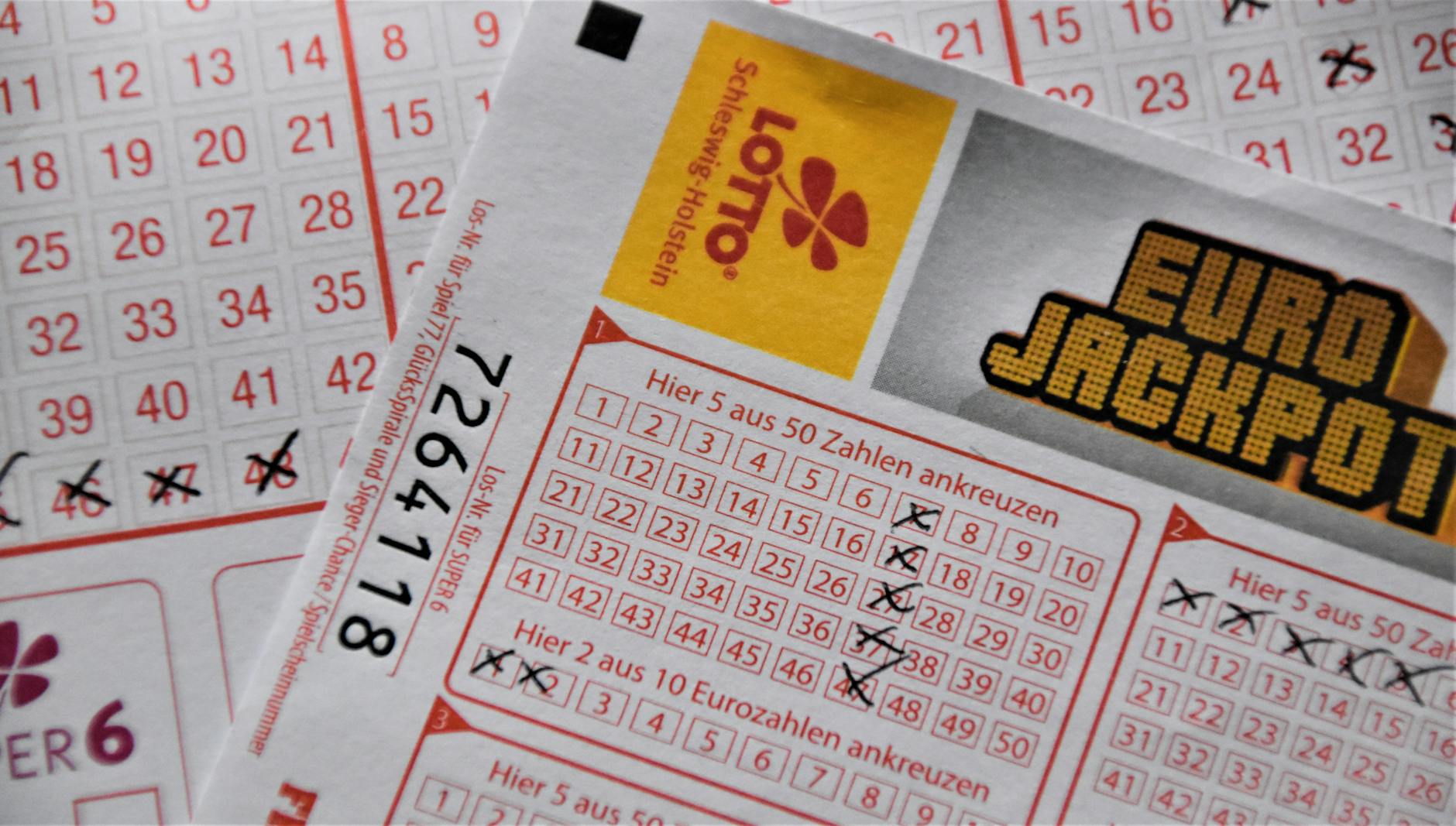
The average return on lottery ticket purchases is well below fifty cents for every dollar spent, making them one of the poorest performing financial decisions available to consumers. Regular ticket buyers rarely account for the cumulative annual cost of what feels like a small and infrequent indulgence. Redirecting even a modest weekly lottery budget into a basic index fund produces measurable and compounding returns over a decade. Financial advisors describe lottery participation as a tax that disproportionately affects lower-income households who can least afford the loss.
Dryer Sheets
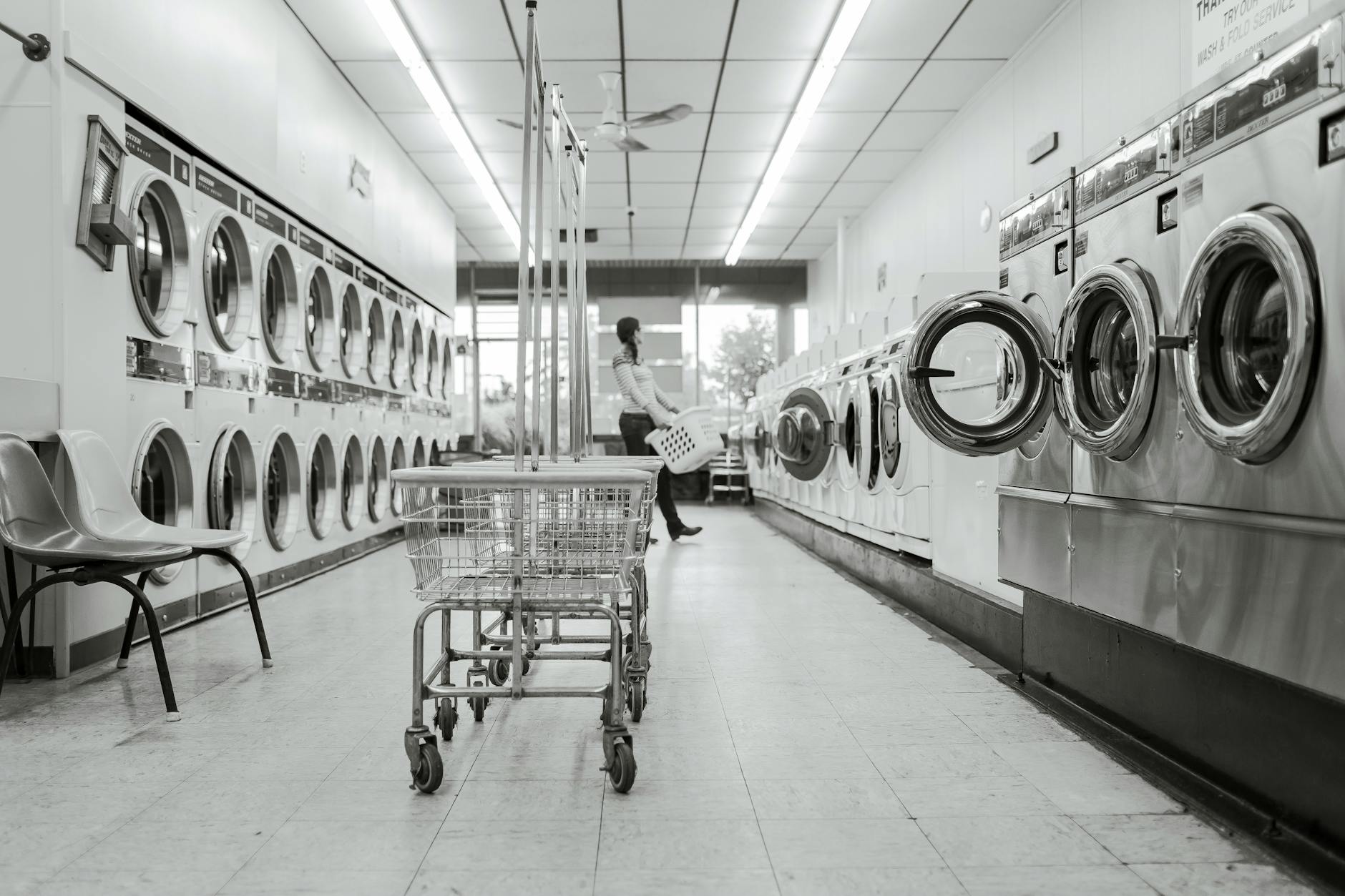
Dryer sheets are a consumable product that most laundry experts and financial advisors agree delivers marginal benefit over cheaper alternatives already present in most homes. Wool dryer balls last for hundreds of cycles and replicate the static-reduction and softening functions of disposable sheets at a one-time cost. The fragrance and freshness associated with dryer sheets can be replicated with a few drops of essential oil applied to a wool ball. This purchase is frequently cited as a textbook example of paying repeatedly for something a durable alternative handles permanently.
Infomercial Products
Products sold through television and digital infomercial formats are systematically priced to generate high margins through impulse purchasing rather than competitive value. The urgency tactics and limited-time framing used in infomercial marketing are specifically designed to bypass deliberate spending decisions. Most items in this category address problems that existing household products already solve adequately. Financial advisors recommend a mandatory forty-eight-hour waiting period before purchasing any product encountered through promotional media.
Single-Use Cleaning Products

Specialized cleaning sprays marketed for single surfaces such as glass, granite, stainless steel and wood can be replaced in most cases by one or two multipurpose alternatives. The cleaning product industry introduces new single-use formats regularly as a strategy to expand shelf space and increase household spending per cleaning session. Concentrated multipurpose cleaners diluted at home deliver comparable results at a dramatically lower cost per use. Households that consolidate their cleaning product range typically cut that spending category by more than half without any decline in cleanliness outcomes.
Vending Machines
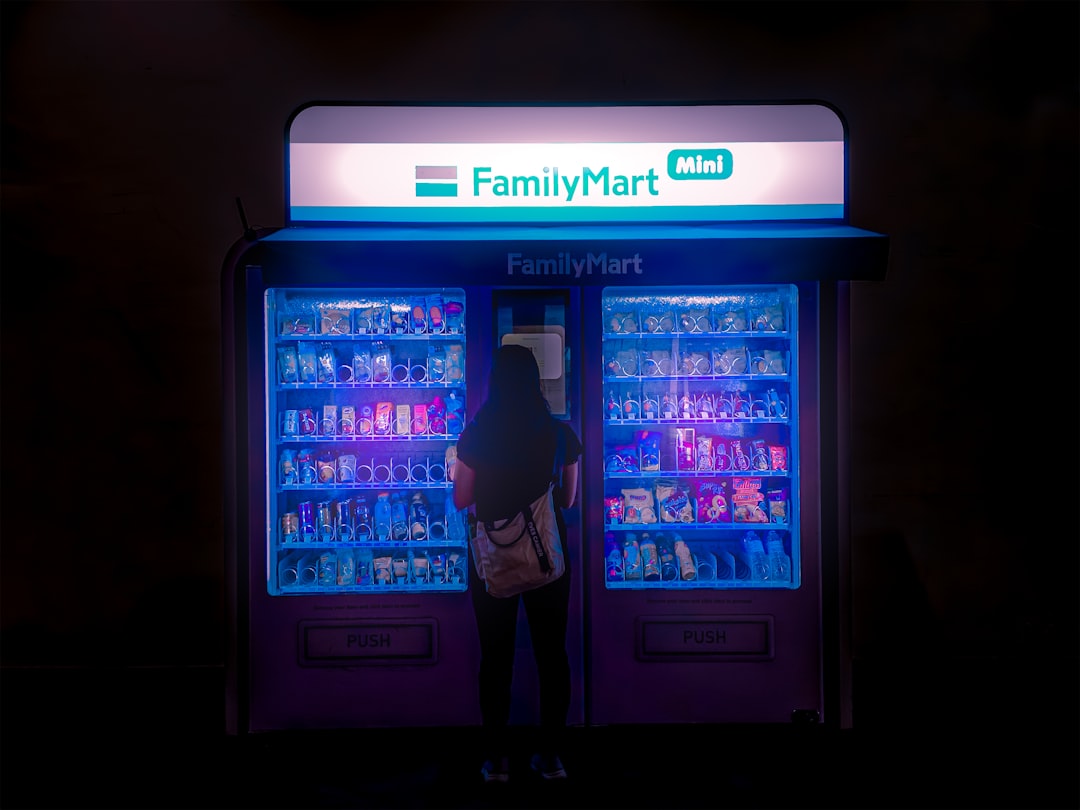
Vending machine pricing reflects a convenience premium that typically runs fifty to one hundred percent above the retail price of the same product. The accessibility and immediacy of vending machine purchases makes them a habitual spending category rather than a considered one. Keeping a small supply of equivalent snacks or beverages in a bag or desk drawer eliminates the situational need that vending machines exploit. Financial advisors note that vending machine spending is rarely tracked by consumers and therefore rarely identified as a budget problem until it is totaled up deliberately.
Paper Towels

Paper towels are among the most frequently purchased single-use household products and represent a steady ongoing cost with a well-established reusable alternative. Cotton cloth rags cut from old t-shirts or purchased in bulk perform the same function and can be laundered and reused hundreds of times. Households that transition fully or partially to reusable cloths report saving between fifty and one hundred dollars annually on paper products alone. The environmental cost of paper towel production and disposal adds an additional dimension to what financial advisors already consider an unnecessary recurring expense.
Cable Television
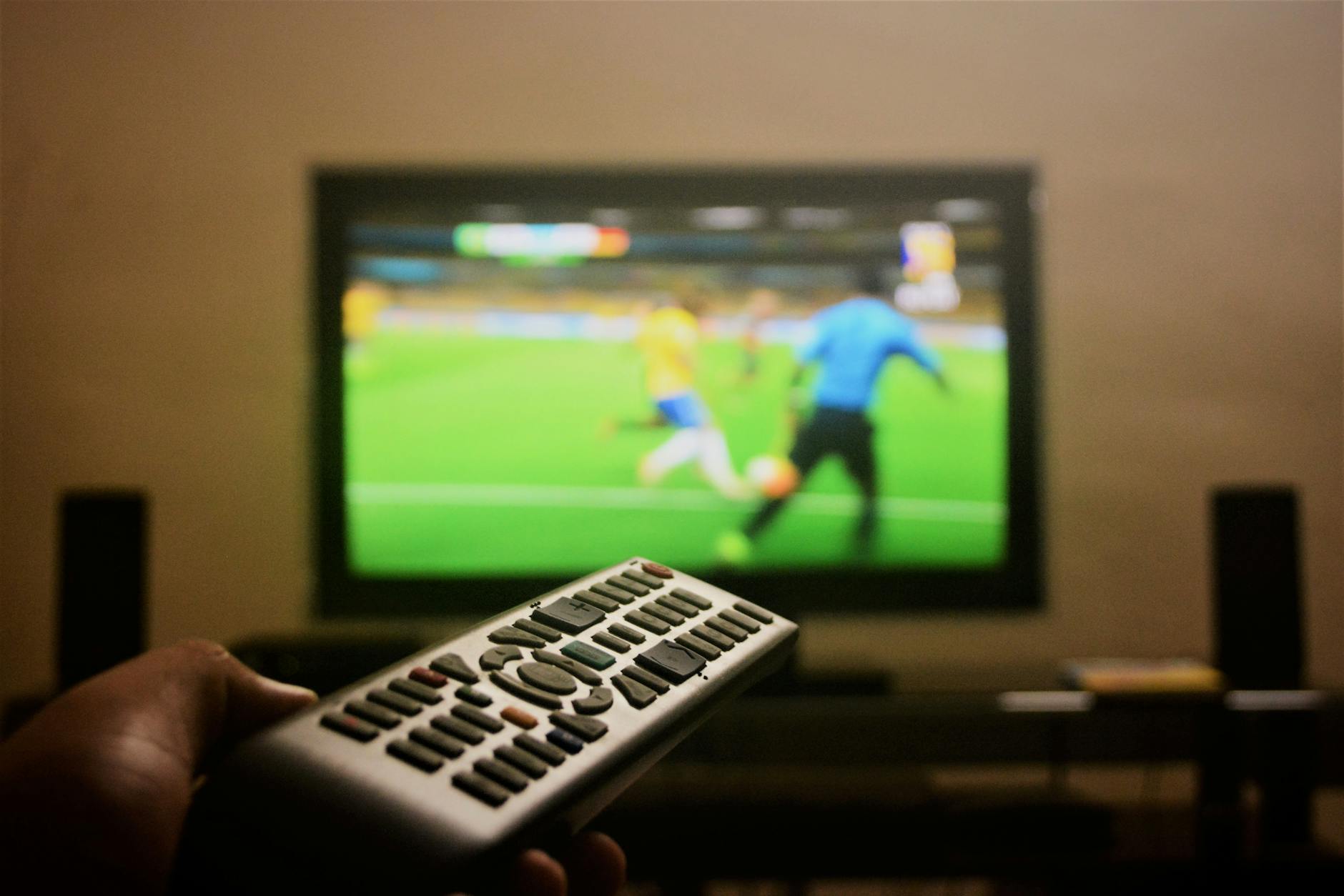
Legacy cable packages frequently bundle hundreds of channels that the subscribing household never watches alongside a small number of channels it actually uses. The average monthly cable bill in major markets now exceeds the combined cost of three or four streaming platforms that can be selected and cancelled with flexibility. Streaming alternatives offer on-demand access without long-term contracts, installation fees or mandatory equipment rentals. Financial advisors frequently use cable subscriptions as a case study in paying for perceived completeness rather than actual consumption.
Impulse Checkout Items
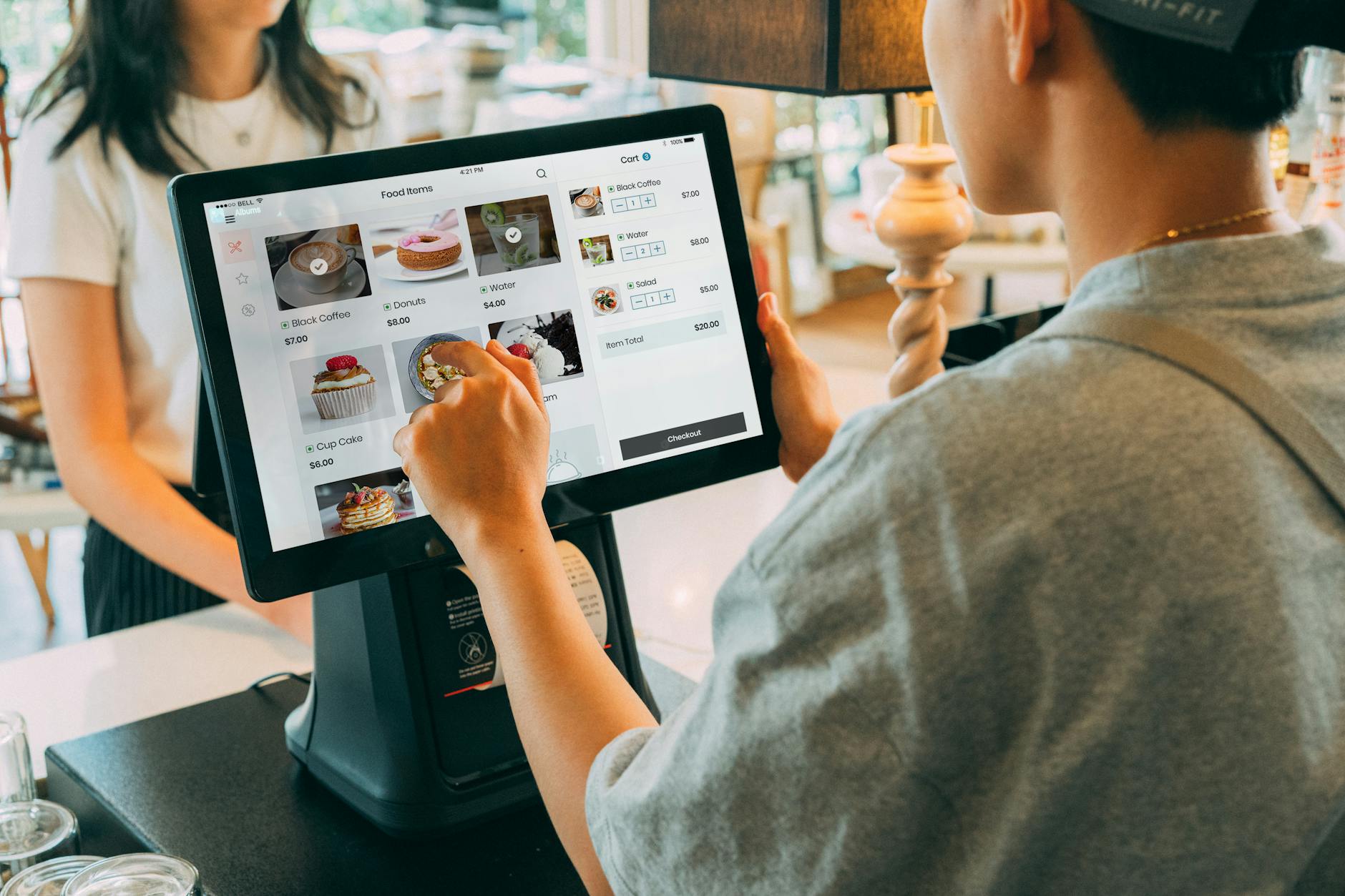
Products placed at retail checkout counters are positioned there specifically because the end of a shopping trip is a psychologically vulnerable moment for unplanned spending. These items are almost universally available elsewhere in the store at the same price or in larger quantities at a better value. The average consumer adds between five and fifteen dollars in unplanned checkout purchases per grocery visit, which accumulates significantly over a year. Keeping a focused list and committing to it before entering any retail environment is the primary strategy advisors recommend for eliminating this spending pattern.
Fancy Water Enhancers

Flavored water drops, tablets and enhancement powders are marketed as premium hydration products but typically consist of flavoring, coloring and minimal nutritional content at a steep cost per serving. Plain water with a slice of citrus or a few fresh mint leaves delivers comparable sensory variety without the ongoing product cost. The hydration benefit attributed to these products is identical to that of plain water since the enhancement components contribute negligibly to fluid absorption. Financial advisors categorize these products alongside other wellness-adjacent purchases that generate high margins by attaching health language to ordinary consumption habits.
Greeting Cards

Commercial greeting cards are among the highest margin physical retail products available and are priced well above the paper and printing costs they represent. Digital alternatives that are free or low-cost can deliver the same emotional function and are increasingly accepted across all age groups and occasions. For those who prefer a physical card, printing a custom design at home or purchasing cards in multi-packs reduces the per-card cost substantially. Financial advisors point to greeting cards as a clear example of social expectation driving spending that delivers no material value to either party.
Airport Food

Food and beverage pricing inside airport terminals operates within a captive-market model that removes the competitive pressure that would otherwise control costs. A meal purchased airside commonly costs two to three times the equivalent outside the terminal and the quality differential is rarely positive. Packing snacks or a meal from home before arriving at the airport is a straightforward strategy that frequent travelers use to eliminate this category of spending entirely. Financial advisors who work with business travelers consistently identify airport food as one of the fastest and easiest travel expenses to reduce without any impact on comfort or experience.
Smartphone Insurance Plans

Carrier-offered smartphone insurance plans carry monthly premiums that frequently exceed the actuarial value of the coverage they provide given typical device lifespans and claim approval rates. Deductibles on these plans are often high enough that minor damage repairs become out-of-pocket expenses regardless of coverage status. Many premium credit cards include device protection as a benefit when the phone was purchased using that card, making carrier insurance genuinely redundant. Financial advisors recommend calculating the total two-year cost of a carrier insurance plan against the current resale or replacement value of the device before renewing coverage.
If any of these purchases are quietly draining your budget, share which ones surprised you most in the comments.