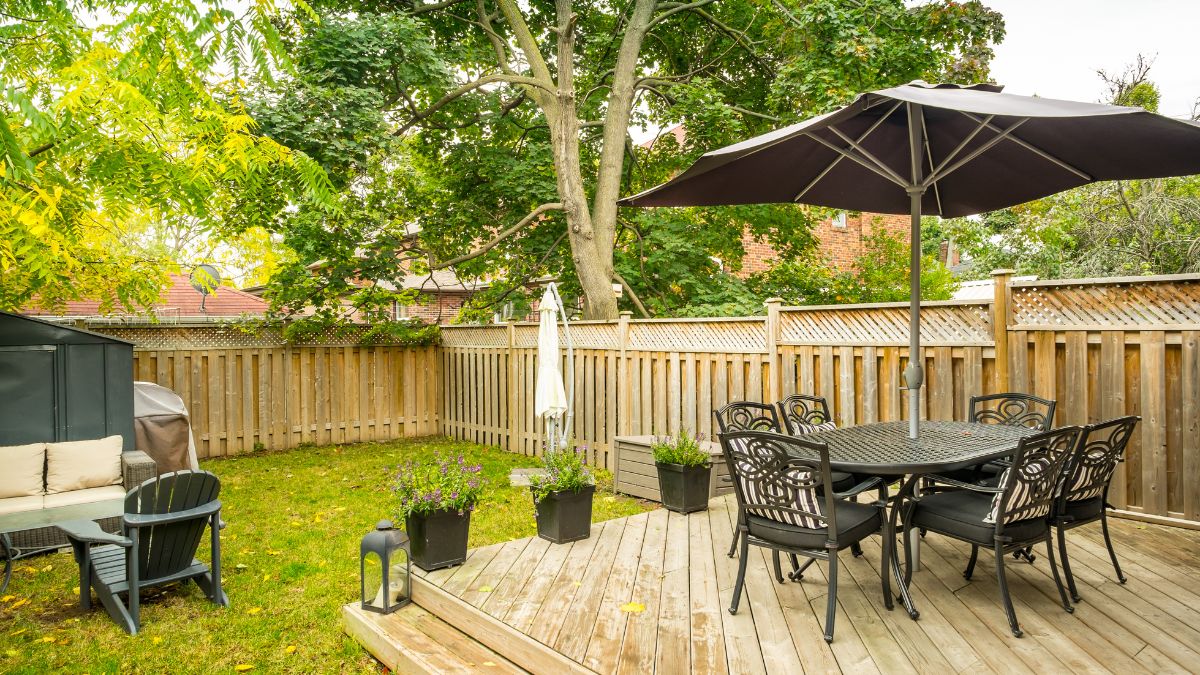
Your yard may feel like a safe and familiar space, but certain common features can quietly draw in wildlife that poses real risks to people and pets. Understanding what attracts dangerous animals is the first step toward making your outdoor space safer for everyone. Small adjustments to everyday habits and yard maintenance can significantly reduce unwanted wildlife encounters. The following guide covers of the most common yard features and items that may be inviting hazardous visitors without your knowledge.
Bird Feeders
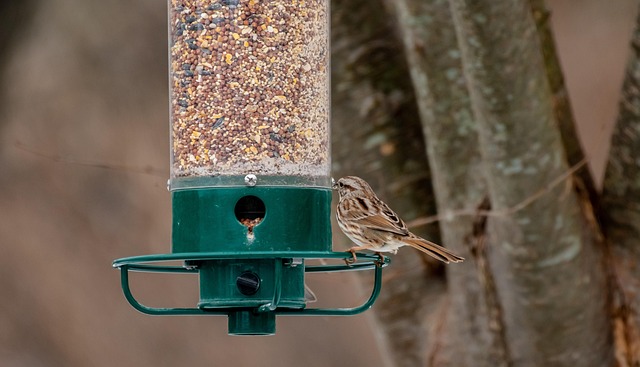
Bird feeders are among the most common attractants for bears, raccoons and rodents in residential areas. Sunflower seeds and suet cakes carry strong scents that travel far beyond the yard and draw in animals well outside the target audience of songbirds. Bears in particular are powerful enough to destroy feeders and structures in their pursuit of high-calorie food sources. Raccoons attracted to feeders often carry rabies and leptospirosis, making close encounters potentially serious. Bringing feeders indoors at night or switching to squirrel-proof designs mounted high off the ground can help reduce the risk.
Pet Food

Leaving pet food outdoors is one of the fastest ways to establish a regular wildlife feeding routine in your yard. The scent of kibble and wet food attracts raccoons, opossums, coyotes and even mountain lions in areas where those species are present. Once a wild animal associates a location with a reliable food source it will return repeatedly and with increasing boldness. This conditioning can lead to animals losing their natural fear of humans, which significantly raises the danger level of any encounter. Feeding pets indoors or removing bowls immediately after meals eliminates one of the most preventable attractants.
Compost Piles
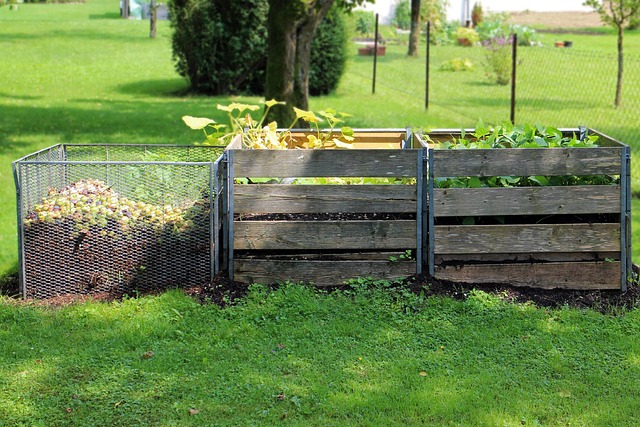
Open compost piles release a continuous stream of organic scent that draws in a wide range of opportunistic wildlife. Rats and mice are typically the first to arrive, and their presence in turn attracts snakes and larger predators such as foxes and coyotes. Food scraps including fruit peels, eggshells and cooked leftovers are especially potent attractants that accelerate this chain reaction. Bears in rural and semi-rural areas have been documented traveling significant distances to raid unenclosed compost heaps. Using a sealed compost bin with a locking lid and avoiding adding meat or cooked food dramatically reduces the appeal of this yard feature.
Fruit Trees
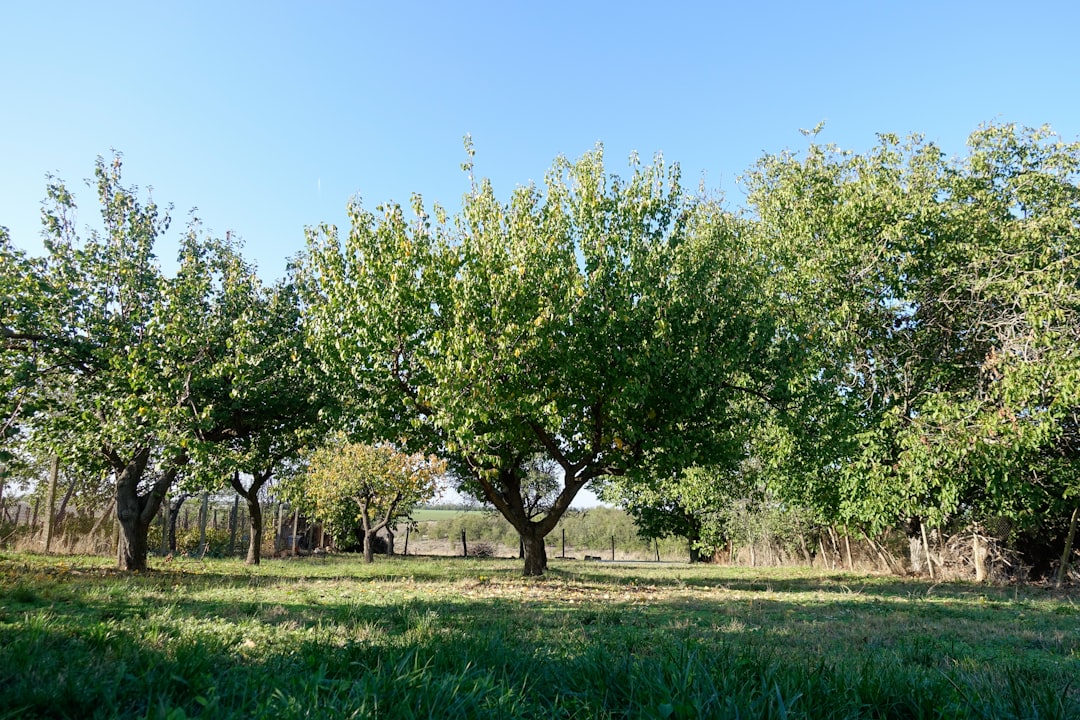
Fallen fruit fermenting on the ground creates an irresistible scent that attracts bears, deer, raccoons and ground-dwelling insects including yellow jackets. Yellow jackets feeding on overripe fruit become highly aggressive in late summer and early autumn, posing a sting risk to anyone nearby. Bears that discover fruit trees will return to the same yard repeatedly throughout a season, becoming increasingly comfortable around human structures. Deer drawn in by fruit can carry ticks that transmit Lyme disease and other illnesses. Collecting fallen fruit daily and harvesting ripe fruit promptly are the most effective ways to manage this risk.
Standing Water
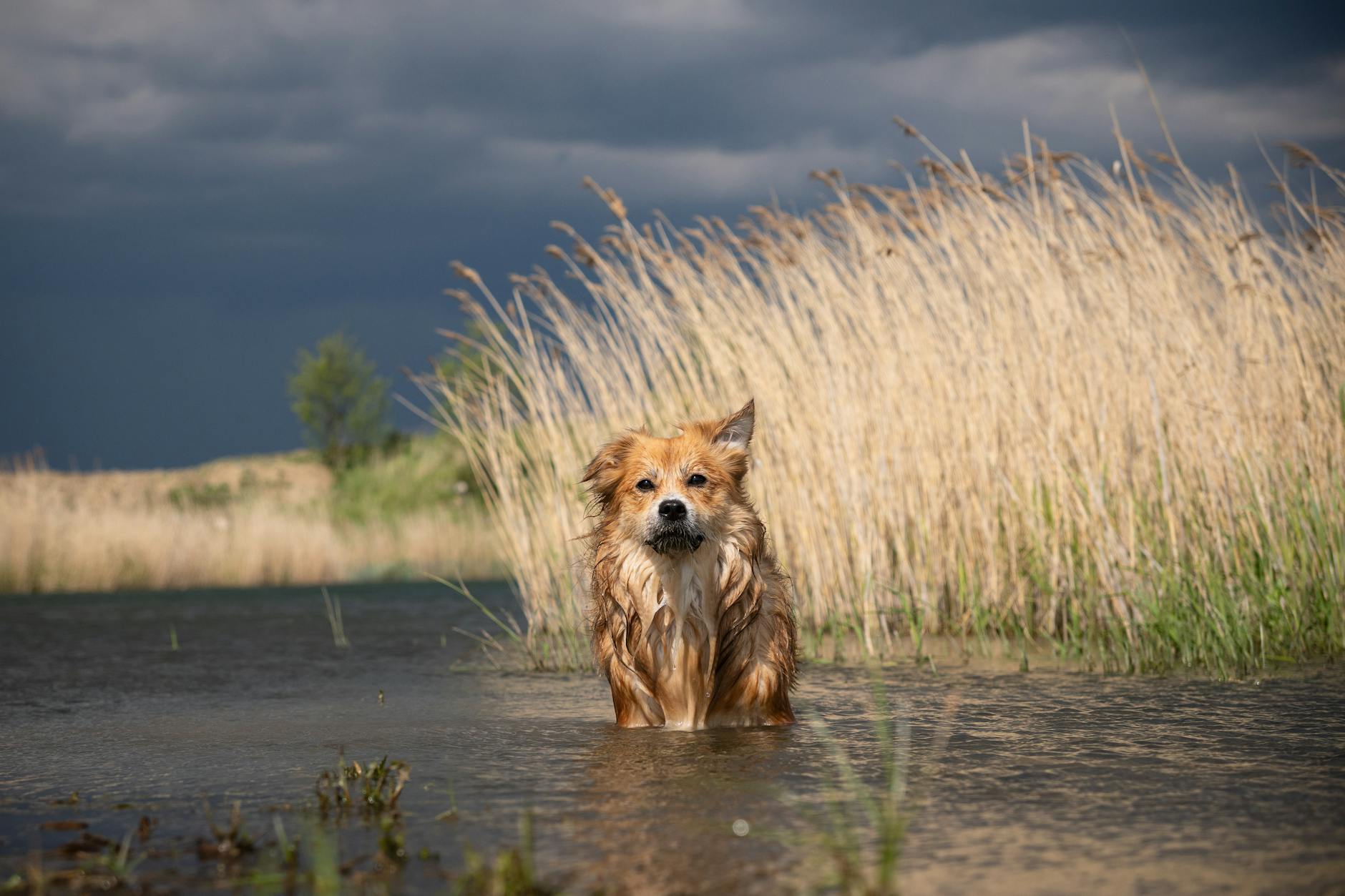
Any container or yard feature that holds standing water creates a breeding ground for mosquitoes within as little as 48 hours. Beyond mosquitoes, standing water sources attract raccoons, opossums and snakes that seek reliable hydration especially during dry months. Larger water features such as ponds or ornamental pools may draw in alligators in southern states or coyotes and bobcats in western regions. Stagnant water also develops algae and bacteria that attract rodents and amphibians, which then pull predatory snakes into the yard. Emptying containers after rain, installing misters or moving water features and treating ponds with larvicide keeps this risk manageable.
Wood Piles
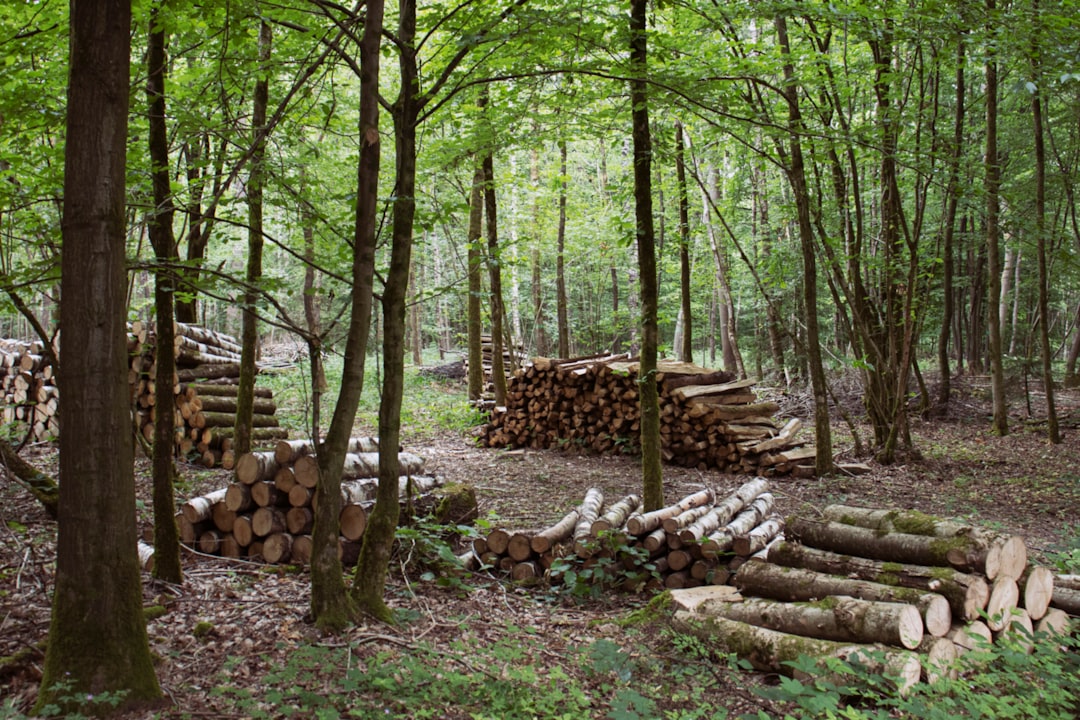
Stacked firewood creates exactly the kind of cool, sheltered and rodent-rich environment that snakes actively seek out. Timber rattlesnakes, copperheads and cottonmouths have all been documented nesting in woodpiles located close to homes across the United States. Rodents move into the gaps between logs to nest, and their presence attracts not only snakes but also foxes, raccoons and birds of prey. People reaching into woodpiles without checking are among the most common victims of accidental snake bites in residential settings. Storing wood on an elevated rack away from the home and wearing gloves when handling logs significantly reduces the chance of an unpleasant encounter.
Garbage Cans

Unsecured garbage cans are a primary food source for urban and suburban wildlife including bears, coyotes, raccoons and rats. The mixture of food waste, packaging odors and organic material creates a scent profile that is detectable by wildlife from a considerable distance. Bears that access garbage cans regularly become food-conditioned and may eventually need to be euthanized by wildlife authorities for public safety reasons. Raccoons that frequent garbage areas can contaminate surfaces with roundworm eggs and other pathogens dangerous to humans and pets. Locking lids, storing bins in a garage or shed and using ammonia-soaked rags near lids are all proven deterrents.
Dense Shrubs
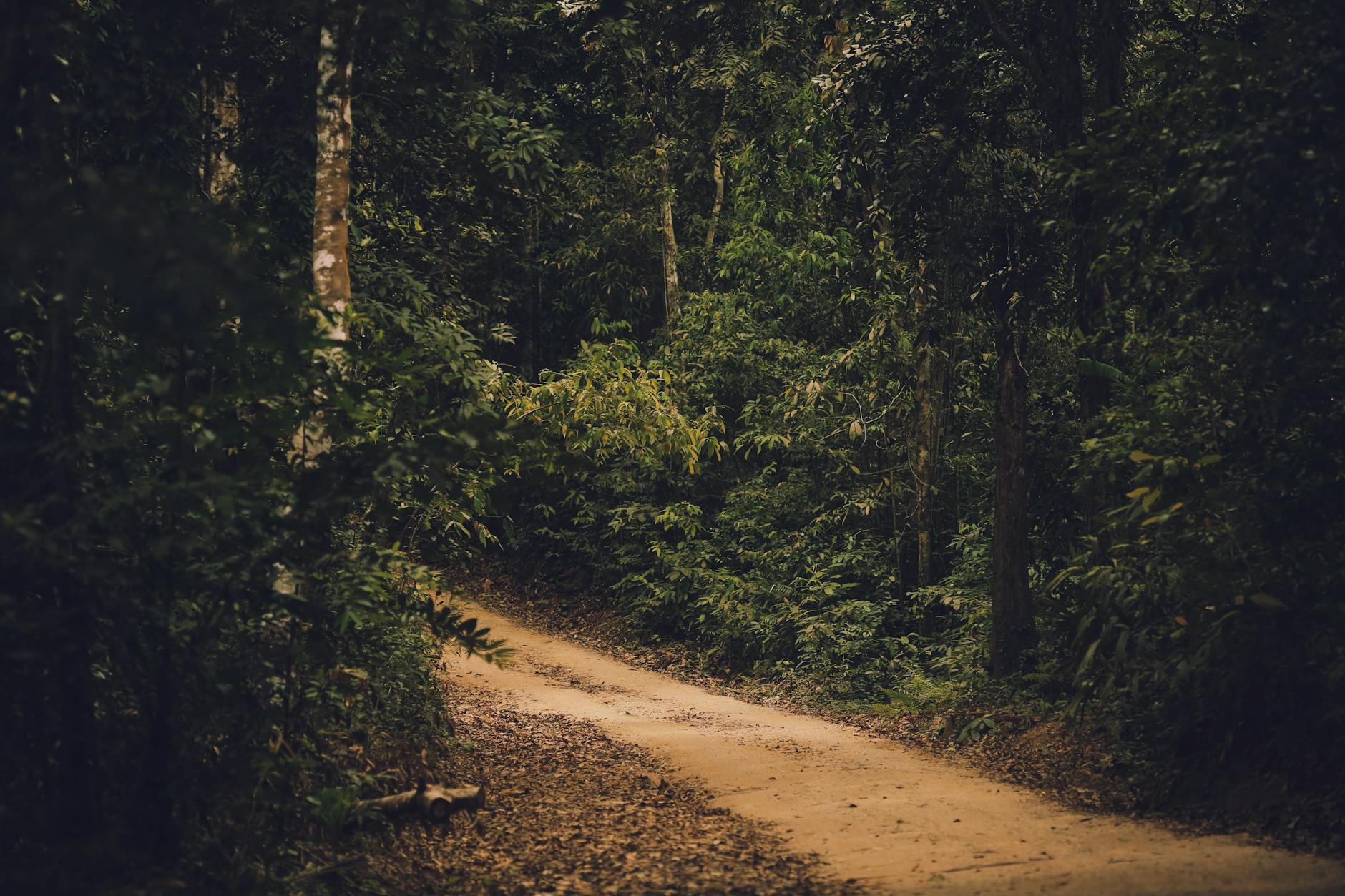
Thick low-growing shrubs and overgrown hedgerows provide excellent cover for a range of animals that prefer to stay hidden close to human activity. Coyotes and foxes use dense plantings as daytime resting spots before becoming active at dusk. Venomous snakes including rattlesnakes and copperheads shelter in the cool shade of dense vegetation during hot weather and can be difficult to spot before a person or pet gets too close. Rats and mice nest in the base of thick shrubs and use the foliage as protected travel corridors around the yard. Trimming shrubs so they are elevated off the ground and creating clear sight lines through garden beds removes much of their appeal as wildlife shelter.
Chicken Coops
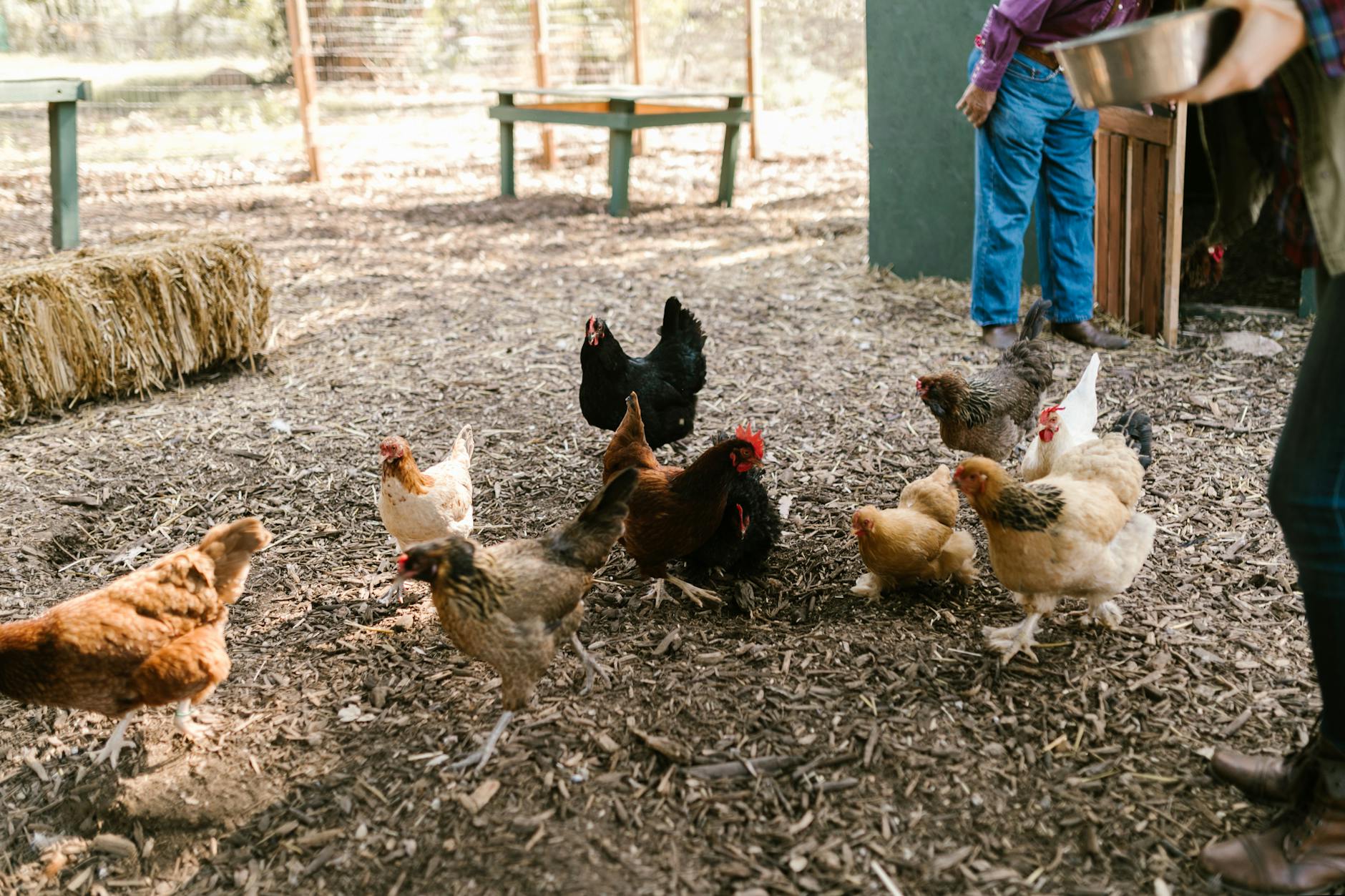
Backyard chicken coops attract a long list of dangerous predators including foxes, coyotes, raccoons, weasels and in some regions bobcats and mountain lions. The combination of live prey, eggs and grain feed creates a multi-layered attractant that draws wildlife from far beyond the immediate neighborhood. Predators that successfully raid a coop once will return with persistence, and some will attempt to breach fencing or dig under enclosures. Foxes in particular have been observed waiting near coops at dawn and dusk when chickens are most active. Hardware cloth buried at least 12 inches underground around the perimeter and a fully enclosed roof significantly strengthens the security of a backyard coop.
Koi Ponds
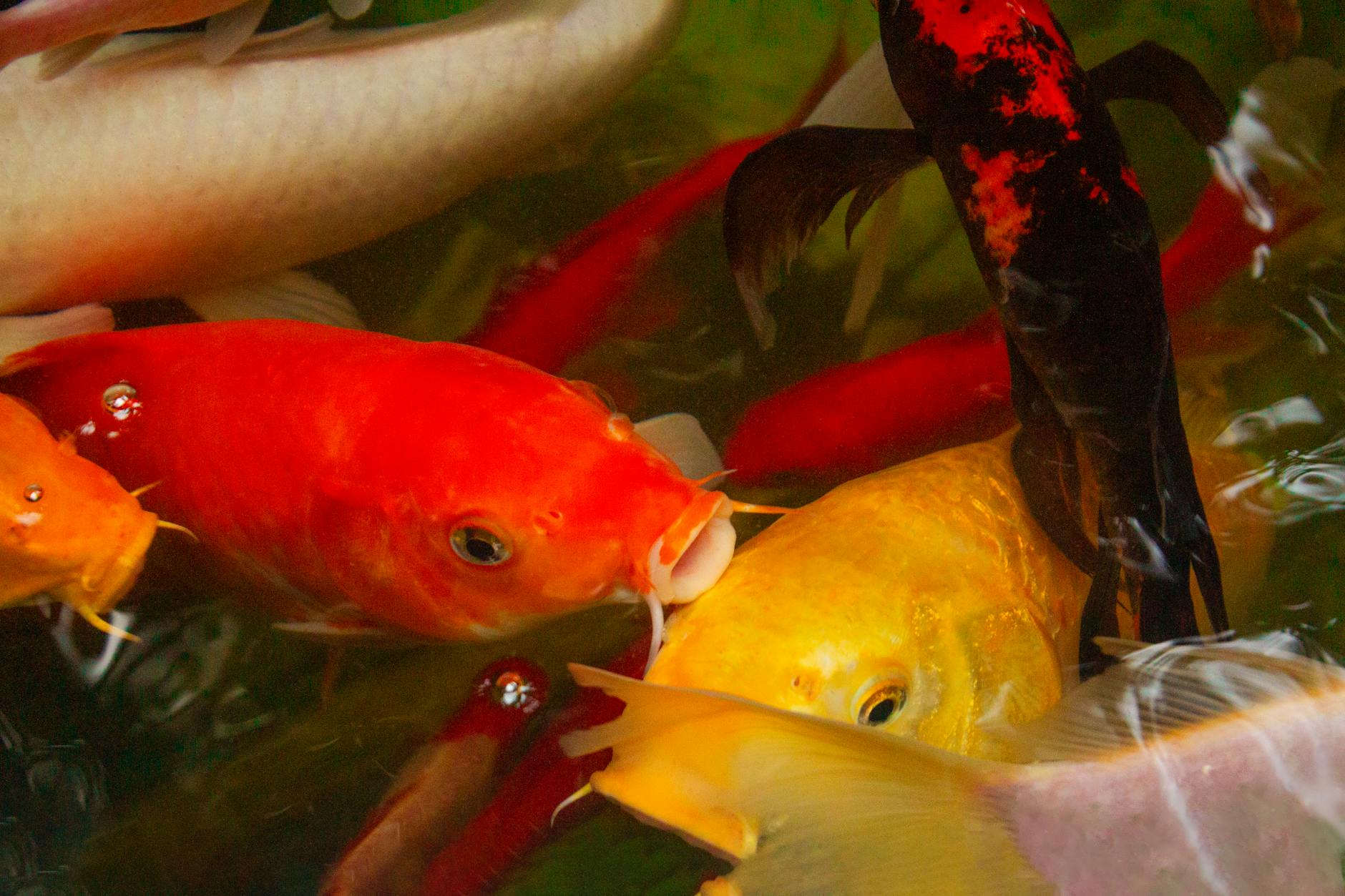
Koi ponds and ornamental fish features are highly visible food sources that attract herons, raccoons, mink, otters and even alligators in warmer climates. The reflective water surface and movement of fish are detectable from the air, making koi ponds a reliable target for great blue herons that can empty a pond in a single visit. Raccoons wade into shallow water to catch fish with their dexterous front paws, and their presence near standing water increases the risk of raccoon roundworm and giardia contamination. In states like Florida, Texas and Louisiana, alligators have been found in residential koi ponds, presenting a severe danger to anyone who approaches. Netting, motion-activated lights and pond depth of at least three feet offer some protection against the most common predators.
Vegetable Gardens
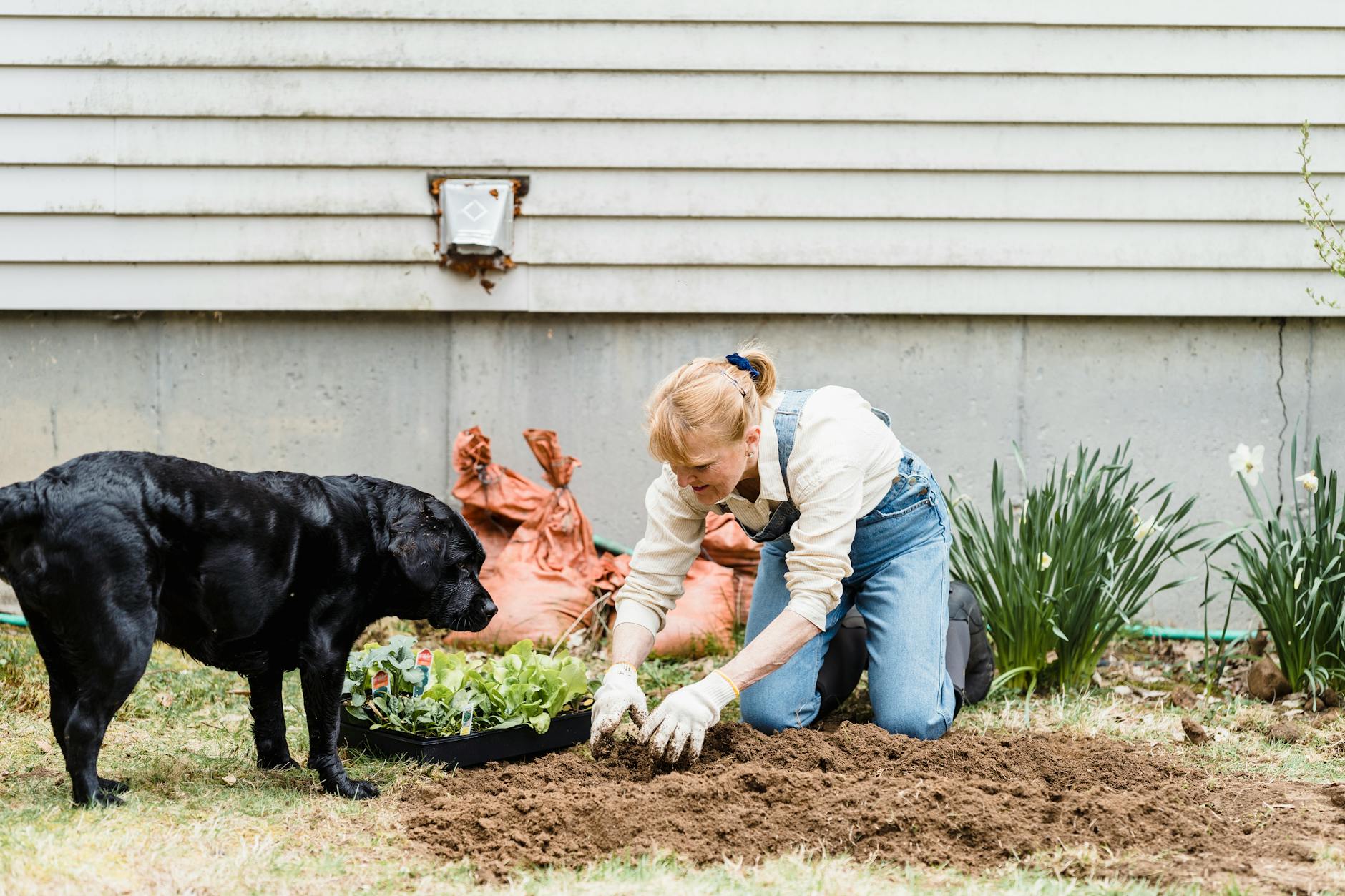
Vegetable gardens generate consistent organic scents throughout the growing season that attract a broad range of wildlife including deer, groundhogs, rabbits and bears. Deer drawn into yards for garden access are frequent carriers of ticks carrying Lyme disease, anaplasmosis and babesiosis. Groundhogs digging into garden beds can destabilize nearby structures and their burrows create trip and fall hazards. Bears will tear apart raised beds, fencing and cold frames to access ripening vegetables and fruit, particularly in late summer when they are building fat reserves. A properly installed electric fence around the garden perimeter is currently the most effective deterrent against the largest and most destructive visitors.
Beehives
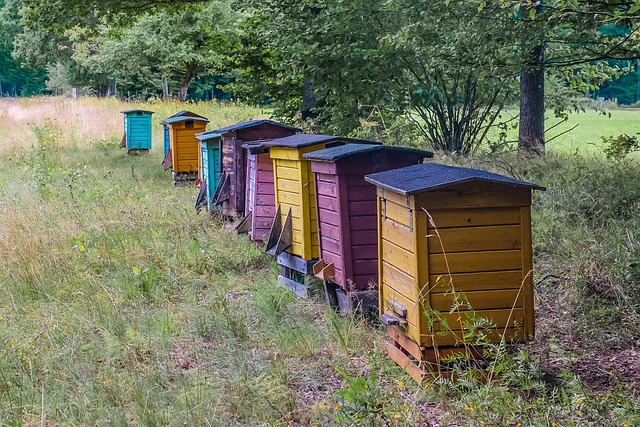
Backyard beehives are increasingly popular but they introduce a significant stinging risk for neighbors, pets and passersby who are unfamiliar with their location. Hives that are not properly managed or that become overcrowded can swarm, with large masses of bees traveling in search of a new nesting site in walls, attics or tree cavities. Africanized honey bees have expanded their range across the southwestern United States and are known to respond to disturbances with far greater aggression than European honey bee populations. A single swarm incident can result in dozens or hundreds of stings to a person caught in the wrong place. Registering hives with local beekeeping associations and placing them away from foot traffic areas reduces the likelihood of dangerous encounters.
Rabbit Warrens
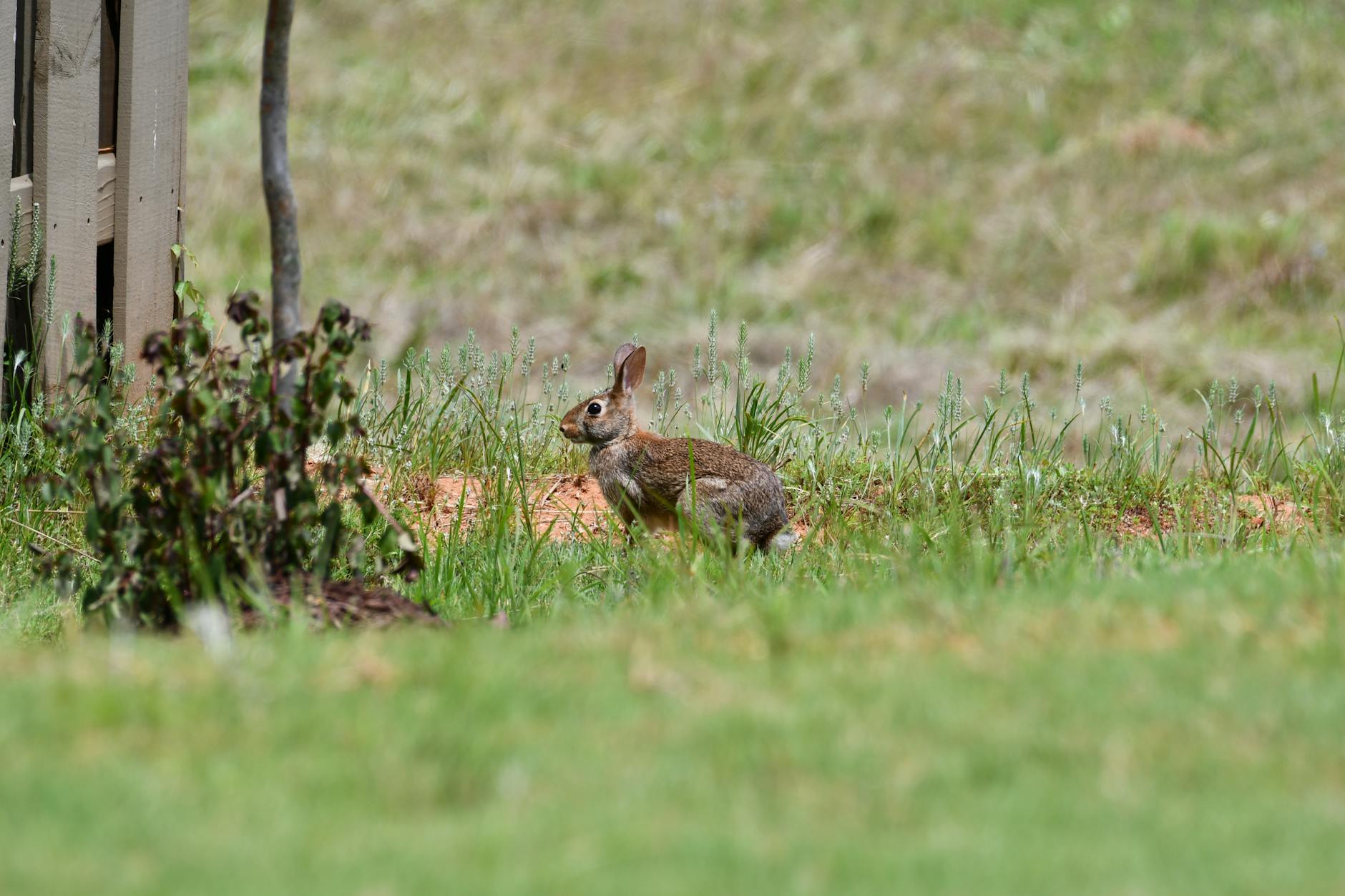
Wild rabbit populations thriving in or near a yard create a prey base that draws in a consistent rotation of predatory animals. Foxes, coyotes, hawks and owls all follow rabbit activity, and their increased presence near a home raises the risk of confrontations with pets or small children. Snakes also follow rabbits into burrow areas in search of kits during nesting season. Domestic pets that encounter coyotes or red-tailed hawks in pursuit of prey have been injured or killed during those interactions. Discouraging rabbits from establishing warrens by removing brush piles, filling holes and installing wire barriers reduces the secondary predator pressure they bring into the yard.
Tall Grass
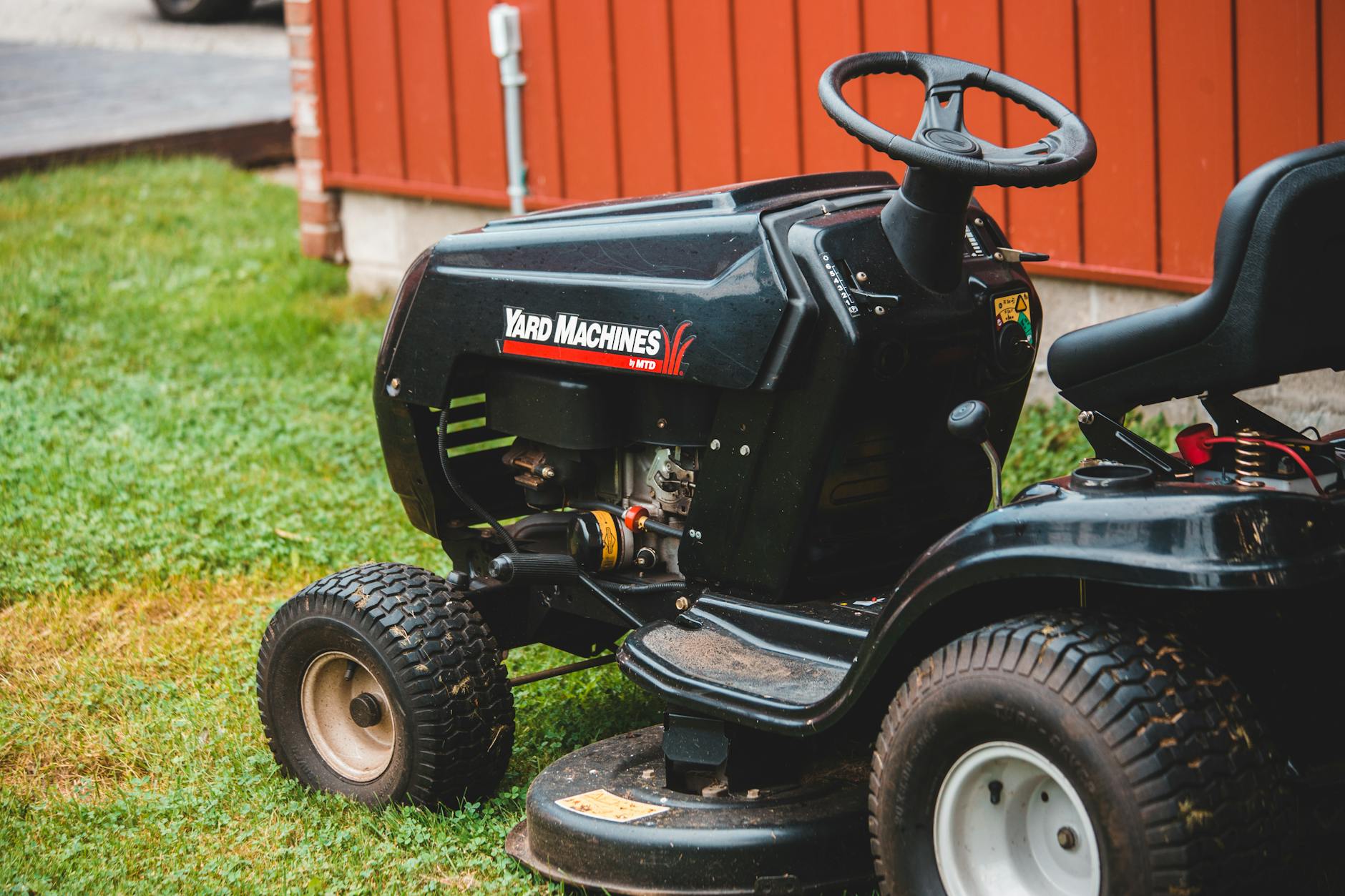
Unmowed or neglected areas of tall grass create a habitat corridor that supports rodent populations, snakes and biting insects including ticks and mosquitoes. Deer ticks commonly rest in tall grass at the height where they can transfer to passing animals or humans, and this is one of the primary transmission routes for Lyme disease. Rats and mice use tall grass as protected runways between nesting sites and food sources, remaining largely invisible to both people and natural predators. Snakes including the venomous species found across North America use tall grass as hunting ground and resting cover through the warmer months. Maintaining a regularly mowed lawn and creating a short-grass buffer around the home’s perimeter significantly reduces tick exposure and the number of animals using the yard as a habitat.
Tree Cavities
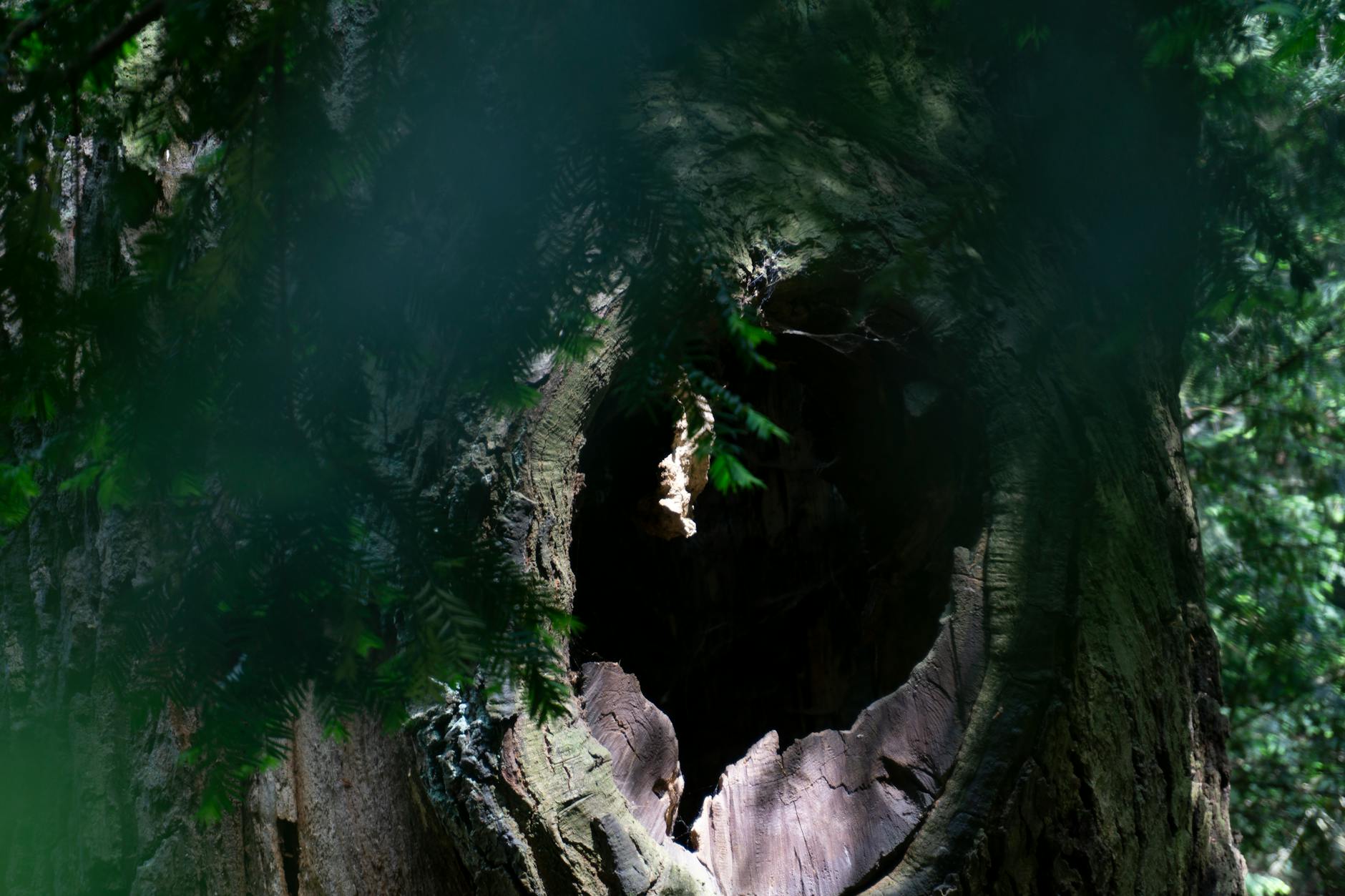
Old trees with hollow sections or significant cavities offer nesting opportunities for raccoons, opossums, squirrels and bats. Raccoon families nesting in tree cavities close to a home regularly descend to forage at night and can become defensive if a den with young is disturbed. Bats roosting in tree cavities are the primary wildlife reservoir for rabies in North America and can occasionally find entry points into adjacent structures if trees are close to the home. Opossums nesting in cavities carry fleas, ticks and mites that can transfer to pets or humans who come into close contact. Having a licensed arborist assess old trees near the home and seal or remove cavities where appropriate is one of the more overlooked steps in wildlife-proofing a property.
Outdoor Grills

Outdoor grills retain food odors for extended periods after use, with grease traps and grates being particularly strong attractants for bears, raccoons and rodents. Bears have been documented forcing open grill lids and storage compartments to access residual grease and food debris. The combination of meat smells, fat and charcoal residue creates one of the most potent food-signal combinations in a suburban backyard. Rodents attracted to grill areas can nest in the warming components and wiring of gas grills, causing fire hazards and mechanical damage. Cleaning the grill thoroughly after each use, emptying the grease trap and storing it covered in a garage or shed reduces its attractant profile significantly.
Ivy and Ground Cover
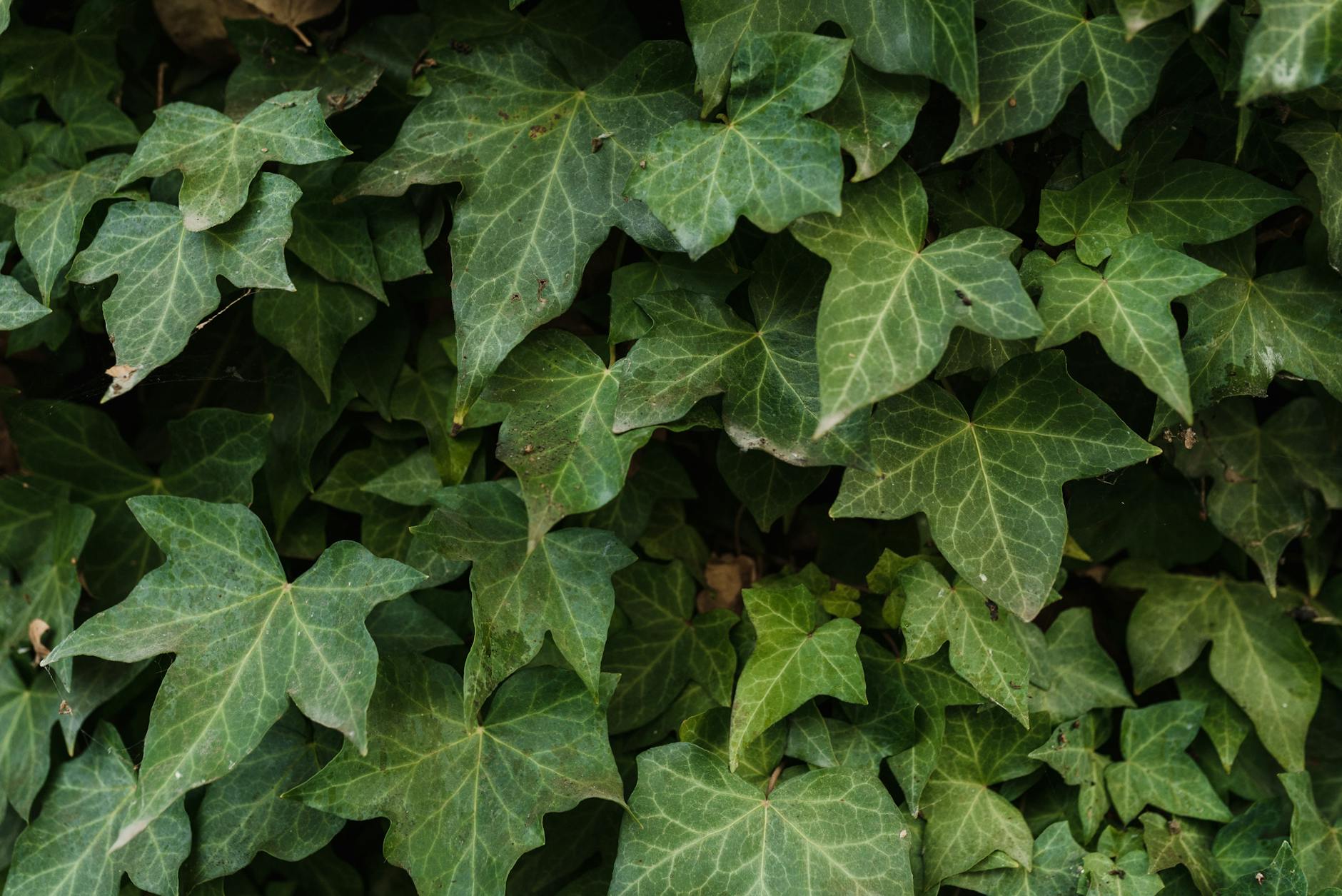
Dense ground-cover plants such as English ivy, vinca and pachysandra create a low-profile habitat layer that is heavily used by rodents and snakes. Rats and mice use thick ground cover as nesting material and as a concealed movement corridor across the yard and toward the home’s foundation. Snakes follow the rodent activity into these areas and can be present in very high densities in yards where ground cover is extensive and undisturbed. Tick populations are also significantly higher in shaded ground-cover areas where humidity remains elevated, which supports their survival between host contacts. Replacing invasive dense ground covers with native low-growing plants and keeping those plantings well-maintained reduces both the pest and predator load in the yard.
Outbuildings

Garden sheds, storage buildings and detached garages offer shelter, warmth and often an accessible food source through stored seed, fertilizer or tools contaminated with organic material. Rats are capable of gnawing through rotted wood and thin metal and will establish nesting sites inside poorly sealed outbuildings within a matter of weeks. Skunks and opossums frequently shelter under elevated shed structures and become defensive when surprised, with skunks posing a spray risk and opossums occasionally biting when cornered. Snakes follow rodent populations into sheds and can be difficult to detect when coiled among stored items. Sealing gaps at the foundation, installing hardware cloth skirting and keeping the interior organized and clutter-free removes many of the conditions that make outbuildings attractive to wildlife.
Outdoor Water Features

Decorative fountains, birdbaths and water walls attract wildlife beyond birds, including raccoons, rats, skunks and snakes seeking a consistent water source during dry periods. Raccoons are particularly drawn to moving water features and will use them to wash food items and manipulate objects, frequently returning to the same source every night. In regions where venomous snakes are present, water features close to the home create regular foot traffic by those species at dawn and dusk. Rodents using water features as a drinking stop increase the overall wildlife activity near the home, pulling in secondary predators. Running water features only during daylight hours and positioning them well away from entry points reduces the risk they introduce.
Rock Gardens

Rock gardens and dry-stacked stone walls create an almost ideal microhabitat for venomous snakes, which use the thermal mass of stone to regulate their body temperature. Copperheads, rattlesnakes and cottonmouths are frequently found in rock garden settings in the eastern and southeastern United States. Scorpions in the southwestern states use rock piles and stone features as shelter and can deliver painful and occasionally dangerous stings to people gardening or children playing nearby. Rodents nest in the gaps between larger rocks, and their presence compounds the snake activity in those areas. Using solid mortared stone work rather than dry-stacked configurations and placing rock features well away from seating areas and foot paths significantly reduces the risk profile of this popular landscape feature.
Outdoor Lighting

Standard white outdoor lighting attracts moths and other flying insects in large numbers, and that insect activity reliably draws in bats, raccoons and snakes that feed on the gathered prey. Porch lights and path lights left on throughout the night create an insect concentration point directly adjacent to the home, effectively delivering a food source to wildlife at the front and back door. Some spider species construct webs near outdoor lights to exploit the insect activity, and brown recluse and black widow spiders have been found in light fixture housings in many parts of the country. Switching to amber or red-spectrum LED bulbs reduces insect attraction by a significant margin compared to white or blue-toned lights. Positioning lights so they illuminate the area rather than acting as a beacon, using motion-activated fixtures and turning off non-essential lights before midnight all reduce the wildlife traffic they generate.
Nut-Bearing Trees
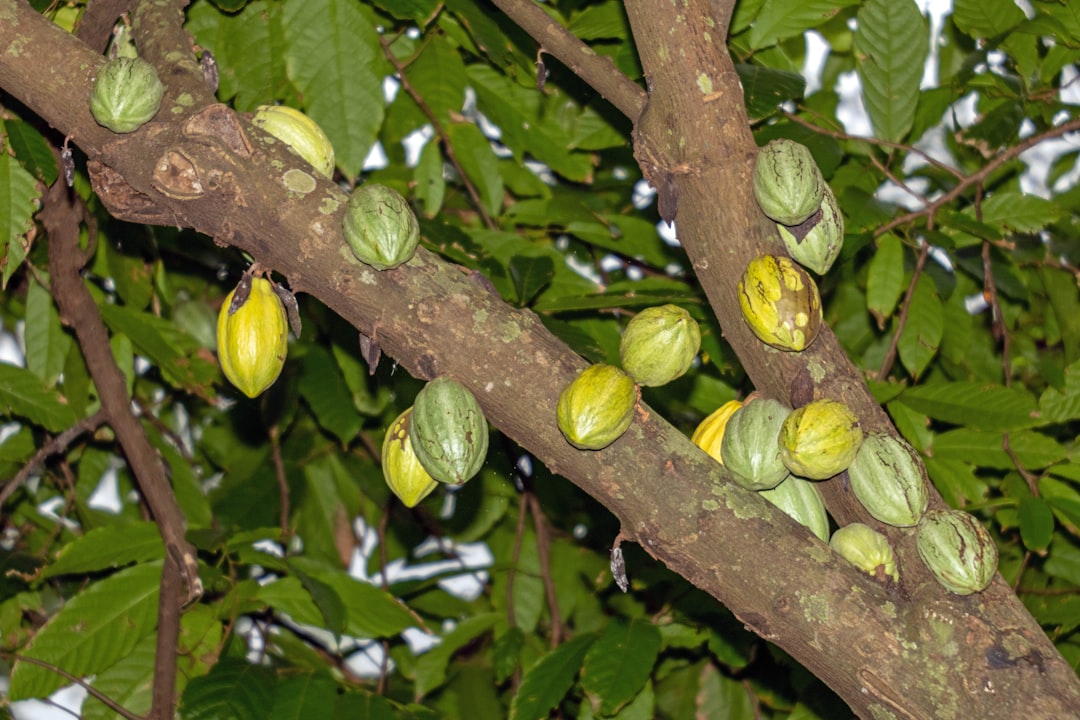
Walnut, oak, pecan and chestnut trees drop large quantities of high-calorie food throughout autumn that attract squirrels, deer, turkeys and bears in areas where those populations exist. Bears in particular become focused on hard mast crops in late summer and autumn as part of their hyperphagia preparation for winter, and they will investigate any yard with a reliable nut supply. Squirrel populations inflated by abundant mast attract hawks and owls in elevated numbers, and those raptors have been known to injure small pets and children during hunting attempts in close proximity to humans. Deer gathering under nut trees throughout autumn dramatically increase tick pressure in the surrounding area during the peak season for Lyme disease transmission. Raking fallen nuts promptly and in the case of bear country installing electric fencing around the drip line during mast season are effective mitigation steps.
Unsecured Sheds
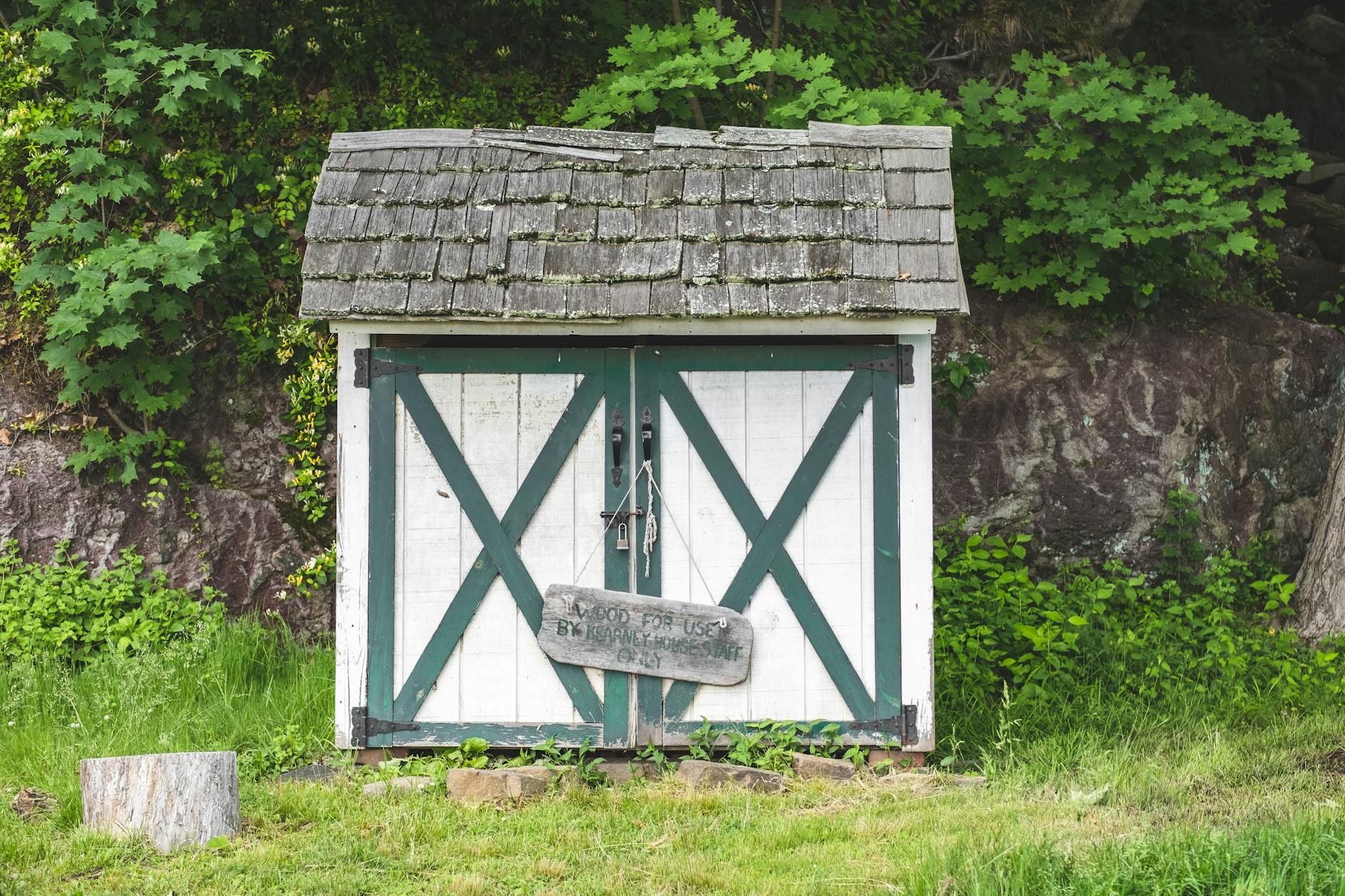
Sheds without proper foundation sealing are among the most common wildlife denning sites in residential neighborhoods across North America. Groundhogs, skunks, opossums and foxes regularly excavate dens beneath shed floors, with groundhog burrows capable of undermining the structural integrity of the building’s base over time. Skunks denning under sheds are a year-round spray risk for pets and present a particular danger in late winter when females are nursing young and are highly defensive. Foxes that establish dens under sheds with kits will defend those dens aggressively and can pose a bite risk to pets and children. Installing a hardware cloth apron that extends outward 12 inches at ground level and buries 6 inches into the soil prevents digging access and removes the denning option entirely.
Outdoor Furniture
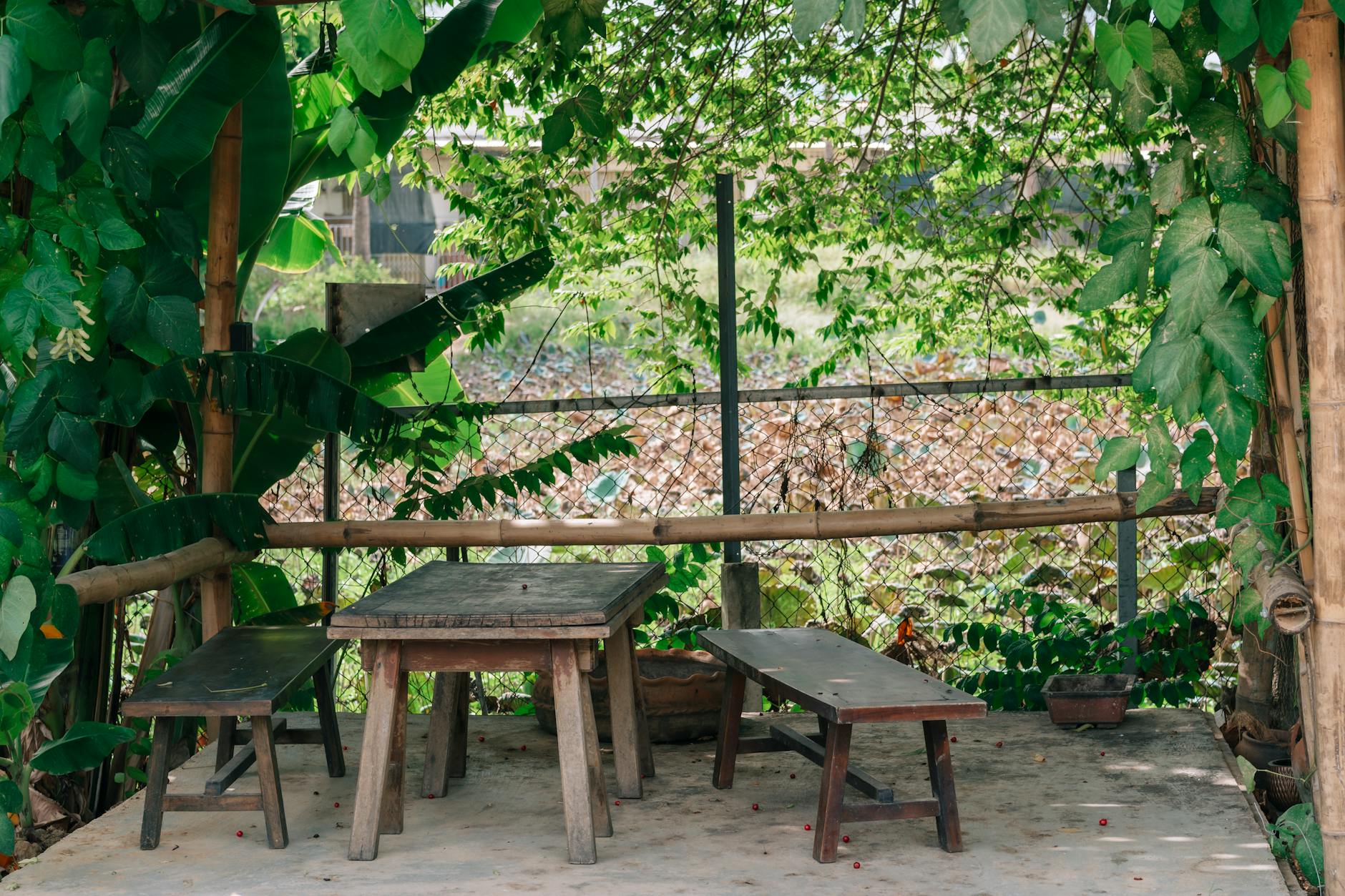
Cushioned outdoor furniture, particularly when left uncovered through the seasons, provides nesting material and shelter opportunities for mice, wasps and black widow spiders. Yellow jacket and paper wasp colonies are frequently found inside the hollow frames and under the seat pads of patio furniture left stationary for extended periods. Black widow spiders preferentially nest in dark enclosed spaces and have been found under chair seats and inside furniture frames across the southern and western United States. Mice attracted to cushion stuffing as nesting material can introduce ticks and fleas into the immediate area of the home’s exterior. Using furniture covers during periods of low use, checking for nests before sitting and storing cushions indoors when not in regular use are simple precautions that reduce this risk considerably.
Lawn Irrigation
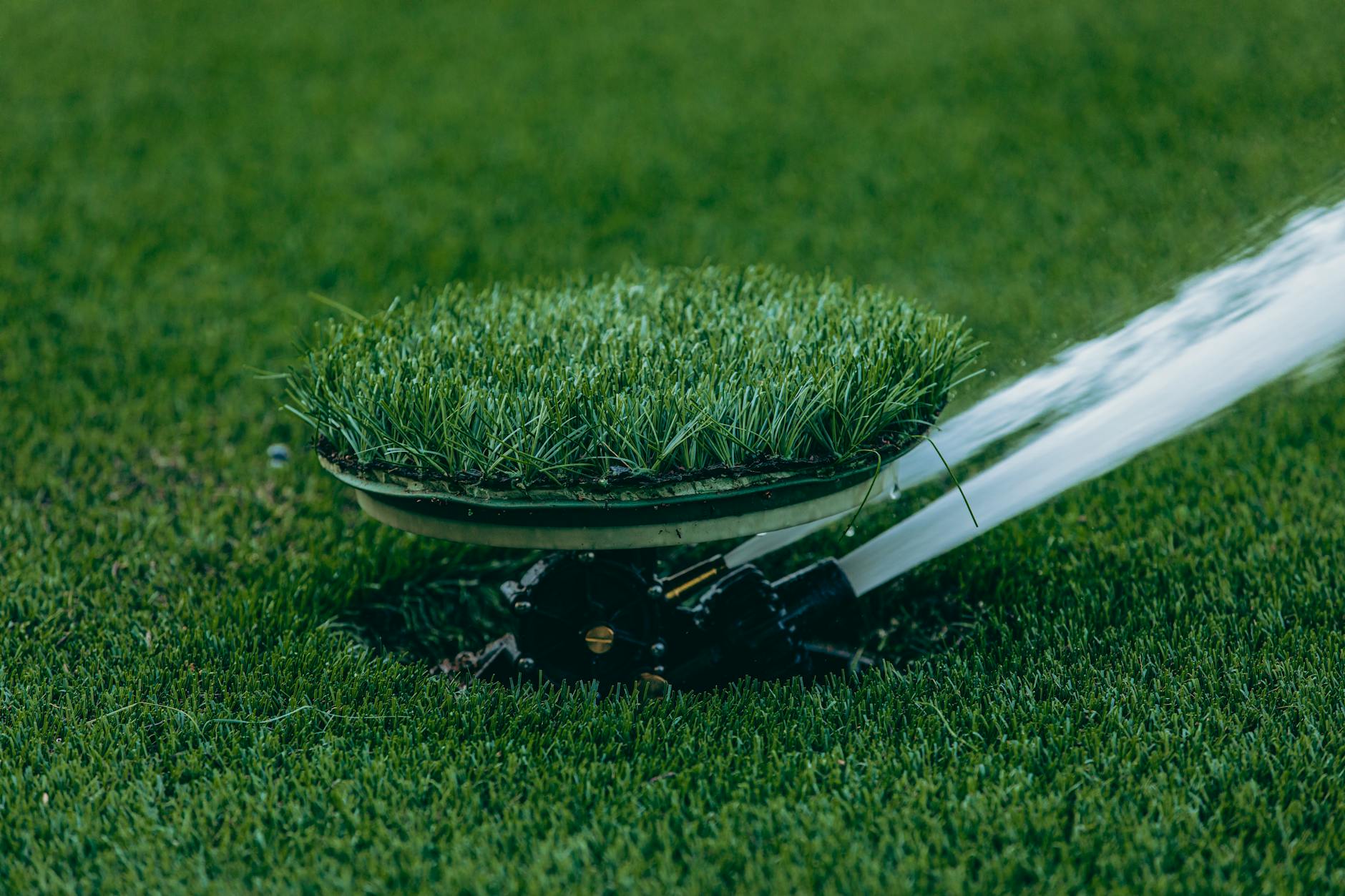
Automatic sprinkler systems and drip irrigation maintain soil moisture levels that support earthworm populations, and those worm concentrations in turn attract skunks, raccoons and armadillos that dig into turf to forage. Skunk and raccoon digging leaves distinctive cone-shaped holes and torn turf patches and brings those animals into close contact with pets and residents. Armadillos, present across the southern states, carry leprosy and their excavation activity can be extensive and structurally damaging to lawns and garden beds. Consistently moist soil also supports slug and grub populations that attract ground-foraging snakes. Adjusting irrigation schedules to early morning so the soil surface dries out by evening reduces the overnight foraging activity these conditions support.
If you share your yard with any of these wildlife attractants, consider which changes would make the biggest difference in your situation and share your thoughts and experiences in the comments.