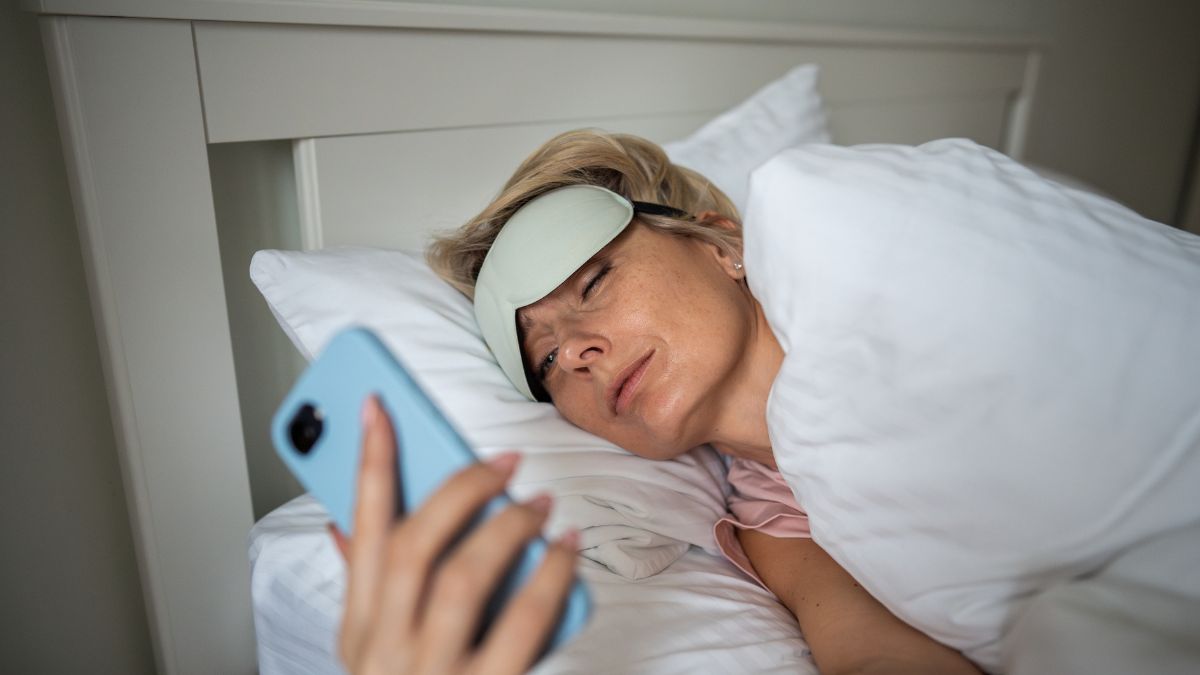
The most significant threats to your physical health are rarely the dramatic ones. They tend to be the small, ordinary habits and environments that blend seamlessly into daily life, going unnoticed until the damage has quietly accumulated. From the way you sit at your desk to the products you use before bed, countless routine behaviors are working against your body without sending obvious warning signals. Understanding these hidden hazards is the first step toward making changes that genuinely protect your long-term wellbeing.
Mouth Breathing
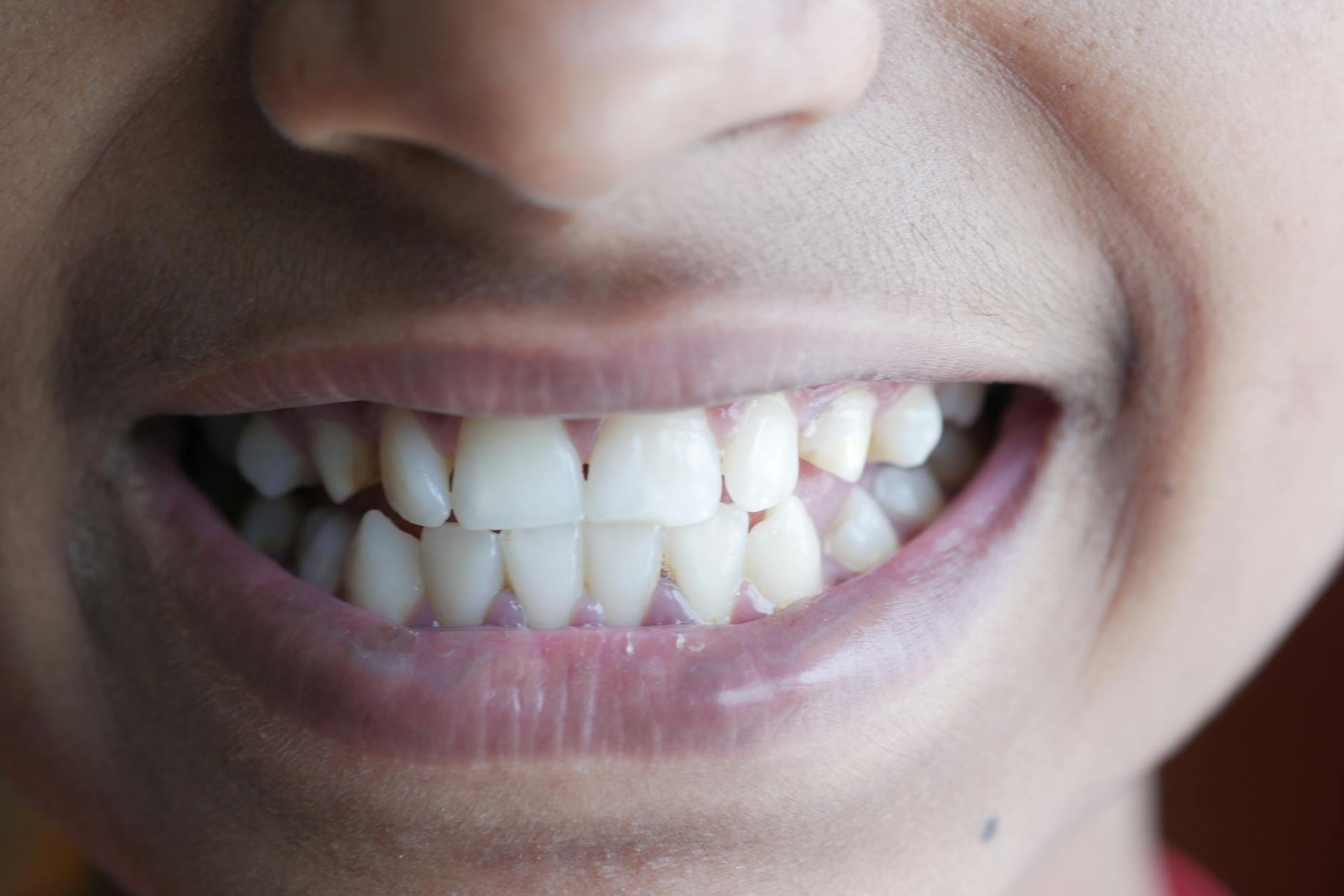
Breathing through the mouth rather than the nose bypasses the nasal passages that filter, warm, and humidify incoming air. Over time this pattern alters the structure of the jaw and airway, contributing to sleep disruption and reduced oxygen efficiency. It is associated with dry mouth, which accelerates tooth decay and gum disease. Many people breathe this way habitually without ever realizing it, particularly during sleep.
Forward Head Posture

For every inch the head shifts forward from its neutral position over the spine, the effective weight it places on the neck roughly doubles. This misalignment strains the cervical vertebrae, compresses spinal discs, and tightens the muscles of the upper back and shoulders. Over years it can lead to chronic pain, reduced range of motion, and nerve compression. The habit often develops gradually through prolonged phone and computer use.
Processed Seed Oils

Refined oils derived from seeds such as canola, sunflower, and soybean are found in an enormous range of packaged and restaurant foods. These oils are high in omega-6 fatty acids, and when consumed in excess they can promote systemic inflammation throughout the body. The refining process exposes them to high heat and chemical solvents, which degrades their molecular stability. Regular consumption has been linked in research to cardiovascular and metabolic disruption.
Indoor Air Quality
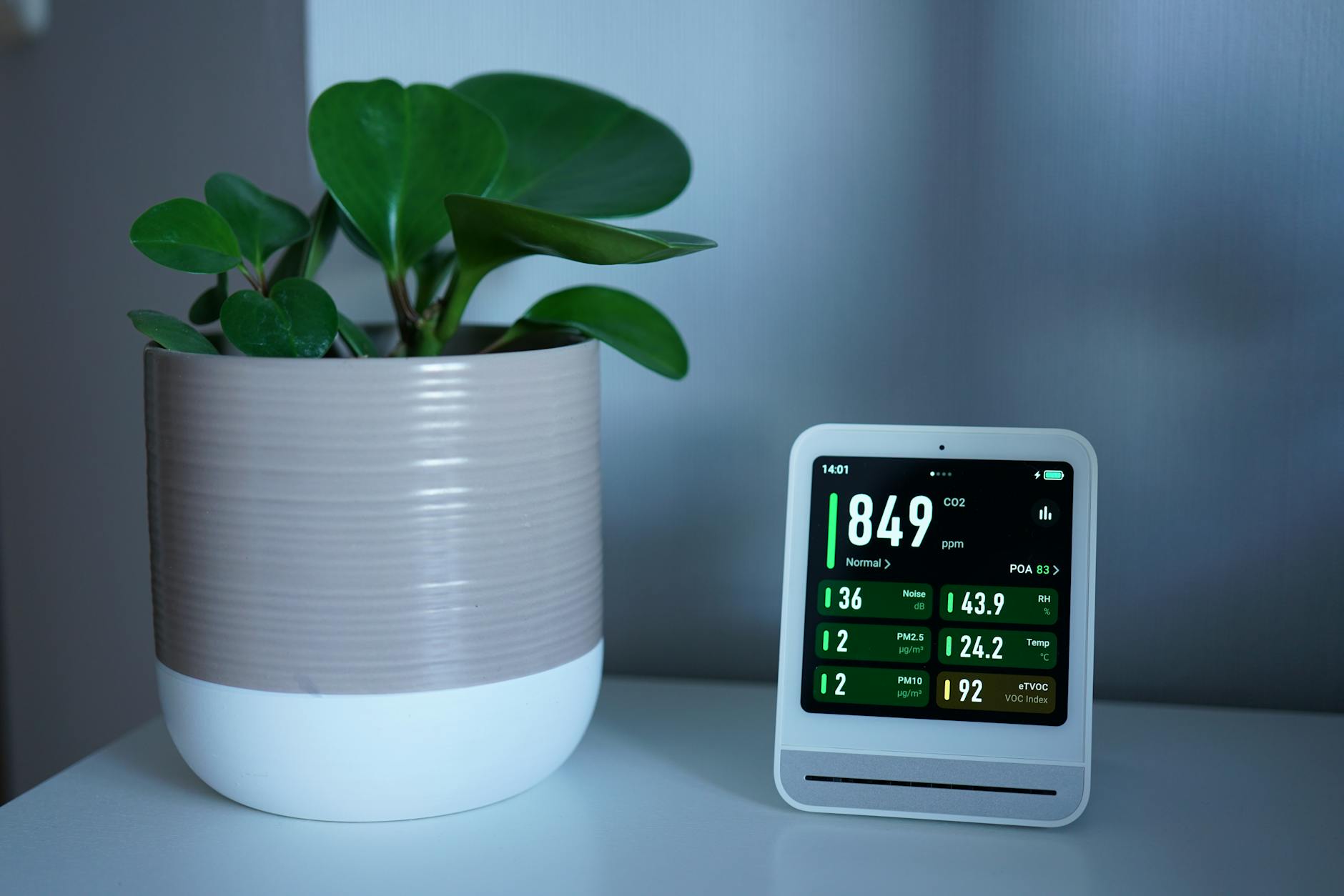
The air inside most homes and offices is often more polluted than outdoor air, a fact that surprises most people. Volatile organic compounds are released continuously from paint, flooring, furniture, and cleaning products. Dust mites, mold spores, and pet dander accumulate in fabrics and ventilation systems and are inhaled with every breath. Poor indoor air quality is connected to respiratory inflammation, hormonal disruption, and long-term lung function decline.
Blue Light Exposure

Electronic screens emit short-wavelength blue light that interferes directly with the brain’s production of melatonin, the hormone that regulates sleep onset. Evening exposure delays the circadian signal that prepares the body for rest, reducing total sleep duration and depth. Beyond sleep, prolonged screen exposure is associated with digital eye strain, headaches, and chronic fatigue. The cumulative nightly disruption to the sleep cycle has measurable downstream effects on immune function and metabolic health.
Sitting Position

Sitting with the hips lower than the knees or with the lower back unsupported removes the natural lumbar curve and places uneven pressure on the intervertebral discs. Prolonged static sitting reduces circulation to the legs and pelvis while the hip flexors shorten and tighten. Over time this contributes to lower back pain, poor pelvic alignment, and reduced core stability. Even people who exercise regularly are affected if they spend the majority of their waking hours seated poorly.
Chronic Dehydration

Most people operate in a state of mild chronic dehydration without experiencing the obvious sensation of thirst, which is itself a late indicator of fluid deficit. Insufficient water intake thickens the blood, impairs kidney filtration, and reduces the brain’s ability to concentrate and regulate mood. Joints lose lubrication, digestion slows, and skin integrity declines over time. The condition is frequently mistaken for hunger, fatigue, or headache without the root cause being identified.
Artificial Sweeteners

Synthetic sweeteners found in diet beverages, protein bars, and sugar-free products are now consumed by a large proportion of the population as a perceived healthier alternative to sugar. Research indicates that these compounds can alter the gut microbiome in ways that paradoxically impair glucose metabolism. Some studies suggest they may stimulate appetite and cravings by triggering a reward response that the absence of real calories fails to satisfy. Their long-term effects on metabolic and neurological health are still being actively studied.
Tight Waistbands

Clothing with restrictive waistbands worn throughout the day compresses the abdominal region and places consistent pressure on digestive organs. This can slow gastric emptying, contribute to acid reflux, and impair the natural function of the diaphragm. Nerve compression in the groin area caused by tight waistbands has been documented as a distinct condition affecting sensation in the thighs. The effect is largely invisible because the discomfort is normalized as ordinary clothing sensation.
Late Meal Timing

Eating large meals close to bedtime forces the digestive system to remain active during what should be the body’s rest and repair phase. Elevated blood glucose and insulin levels during sleep hours interfere with overnight metabolic processes and fat regulation. The stomach’s contents are more likely to reflux into the esophagus when the body is horizontal shortly after eating. Consistent late eating patterns are associated with weight gain, poor sleep quality, and increased cardiovascular risk.
Phone Scrolling

The habitual act of checking and scrolling a smartphone places the neck in a sharply flexed position that strains the cervical spine and surrounding musculature. The unpredictable reward structure of social media feeds triggers repeated dopamine responses that dysregulate the brain’s baseline motivation and attention systems. Eye muscles are kept in a fixed, close-focus state for extended periods, contributing to visual fatigue and myopia progression in younger adults. The behavior also displaces physical activity and face-to-face interaction that are essential for physical and neurological health.
Shallow Breathing
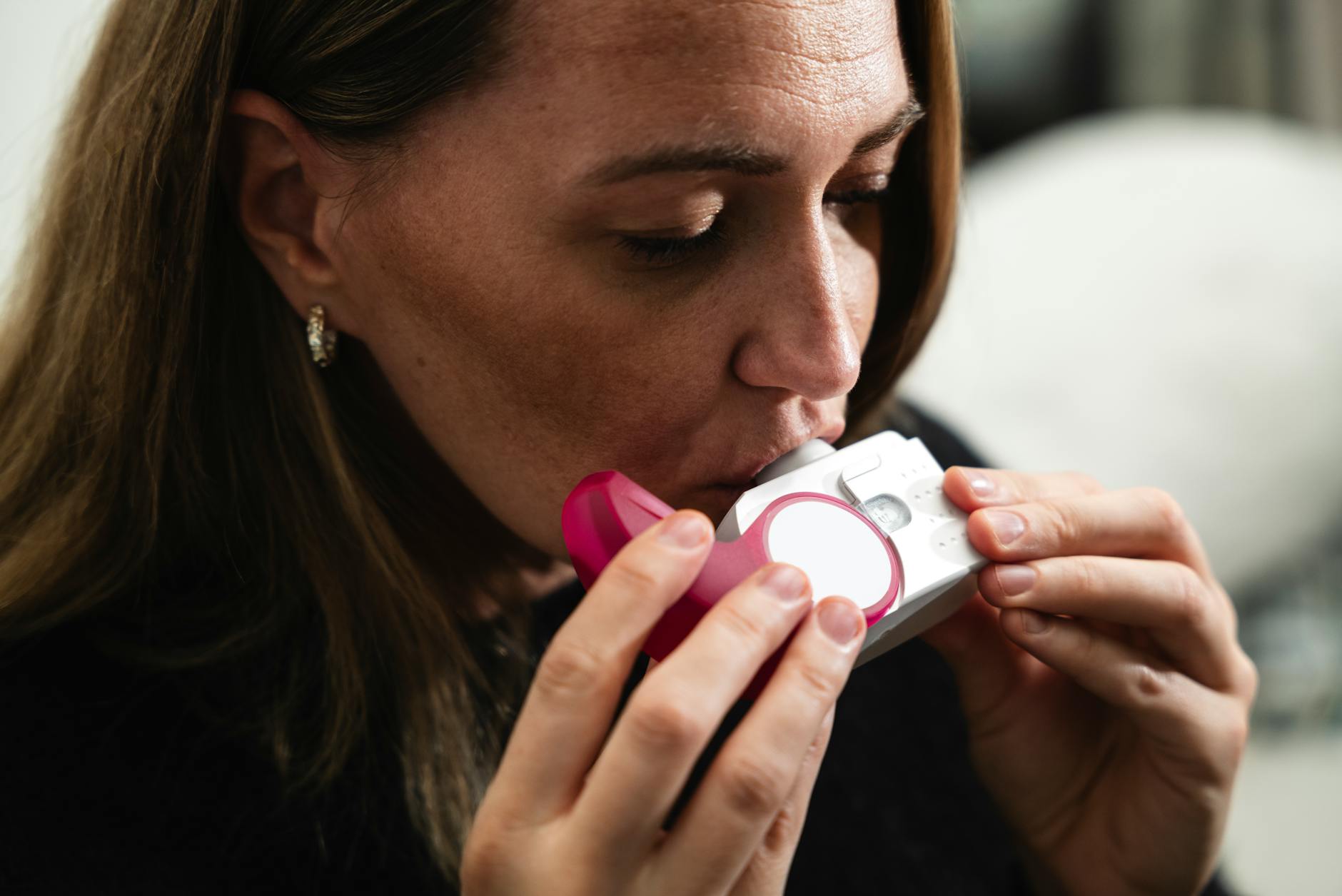
The majority of adults breathe using only the upper portion of their lungs, a pattern reinforced by stress, sedentary posture, and tight clothing. Shallow thoracic breathing activates the sympathetic nervous system and keeps the body in a mild but constant state of physiological alertness. It reduces oxygen exchange efficiency, elevates resting heart rate, and contributes to tension in the neck and shoulders. Deep diaphragmatic breathing is a physiological necessity that modern lifestyle patterns consistently suppress.
Synthetic Fragrances

Synthetic fragrances used in perfumes, candles, air fresheners, fabric softeners, and personal care products contain dozens of undisclosed chemical compounds. Many of these are classified as endocrine disruptors, meaning they interfere with hormonal signaling even at very low exposure levels. They are absorbed through both the skin and the respiratory tract and have been detected in human bloodstreams and breast milk. Regular daily exposure accumulates over time and has been associated with allergic sensitization and reproductive health effects.
Noise Pollution
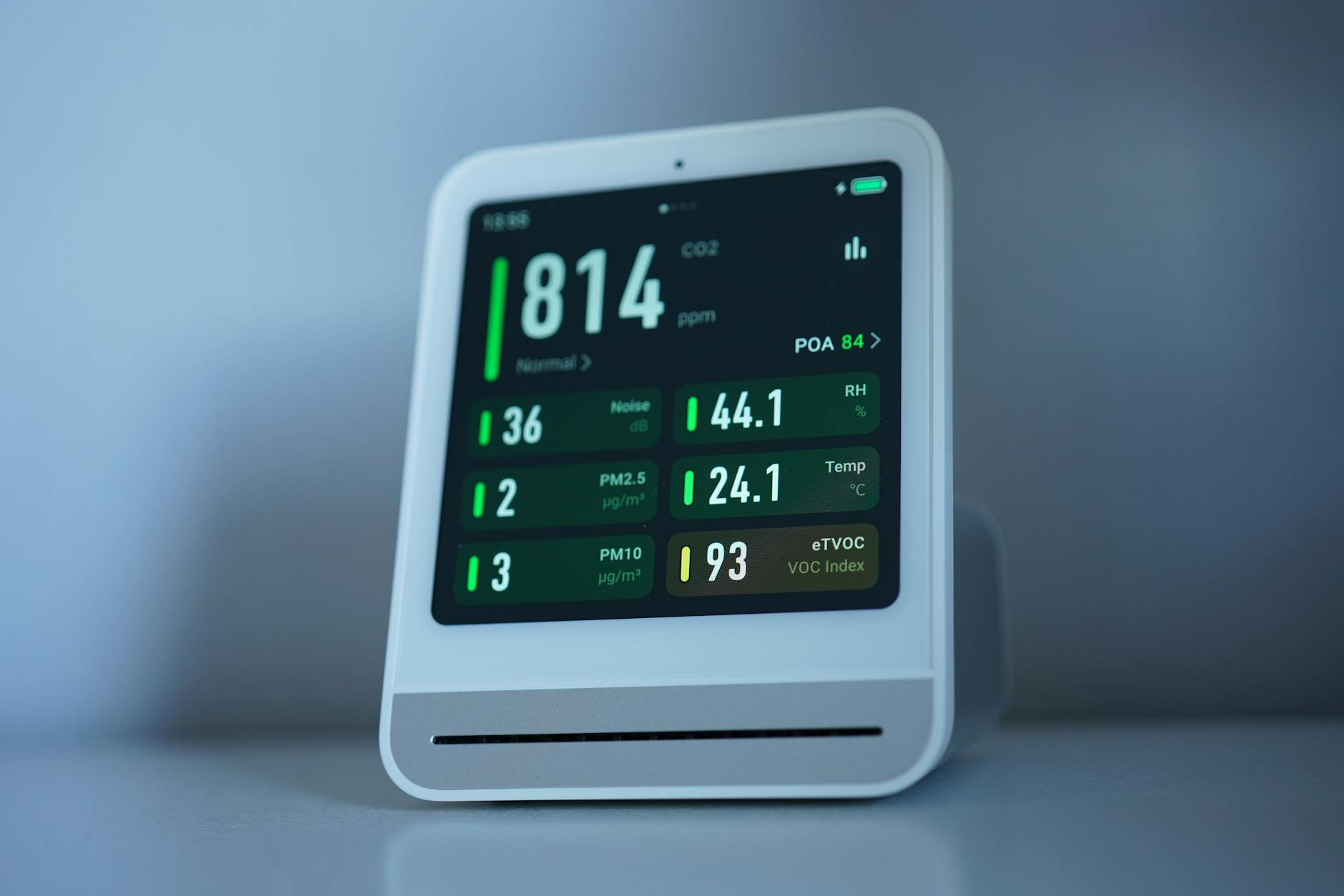
Persistent background noise from traffic, appliances, and urban environments elevates cortisol levels and keeps the nervous system in a low-grade state of arousal. The auditory system cannot be switched off during sleep, meaning nighttime noise continues to trigger stress responses even when a person appears to be resting. Long-term noise exposure is independently associated with cardiovascular disease, hypertension, and cognitive decline. Most people adapt behaviorally to noisy environments while the physiological stress response continues unchanged beneath the surface.
Prolonged Standing

Standing for extended periods without movement is often promoted as a solution to the harms of sitting, but it carries its own set of physical consequences. It places significant compressive load on the joints of the feet, knees, hips, and lower back and restricts venous return from the lower limbs. Varicose veins and chronic leg discomfort are common outcomes in people whose work requires prolonged static standing. The key factor missing from both prolonged sitting and standing is regular movement and postural variation throughout the day.
Skipping Breakfast

Consistently forgoing breakfast after an overnight fast extends the period of metabolic stress on the body and can impair blood glucose regulation throughout the morning. The liver continues glycogen depletion overnight and relies on a morning meal to reset metabolic signaling and begin stable energy production for the day. Skipping the first meal is associated with elevated cortisol in the morning hours, increased hunger later in the day, and poorer dietary choices by evening. Over time the pattern can contribute to insulin resistance and disrupted circadian metabolic rhythms.
Over-Cleaning

Antibacterial soaps, hand sanitizers, and aggressive skin cleansers strip the skin’s protective acid mantle and disrupt its resident microbiome. The skin’s surface is populated by beneficial bacteria that defend against pathogens and regulate immune responses in the underlying tissue. Excessive cleansing removes these communities and creates an environment where opportunistic organisms and inflammatory conditions more easily take hold. The overuse of antibacterial products also contributes to broader antimicrobial resistance, a concern that extends well beyond individual health.
Caffeine Timing

Consuming caffeine within the first ninety minutes after waking overrides the natural cortisol awakening response that the body is designed to use for early alertness. This creates a dependency on external stimulation for morning function and disrupts the adenosine cycle that governs sleep pressure and recovery. Caffeine consumed too close to the afternoon or evening hours delays sleep onset and suppresses deep sleep architecture regardless of whether the person feels it affecting them subjectively. The long-term result is accumulated sleep debt that compounds across weeks and months.
Improper Footwear
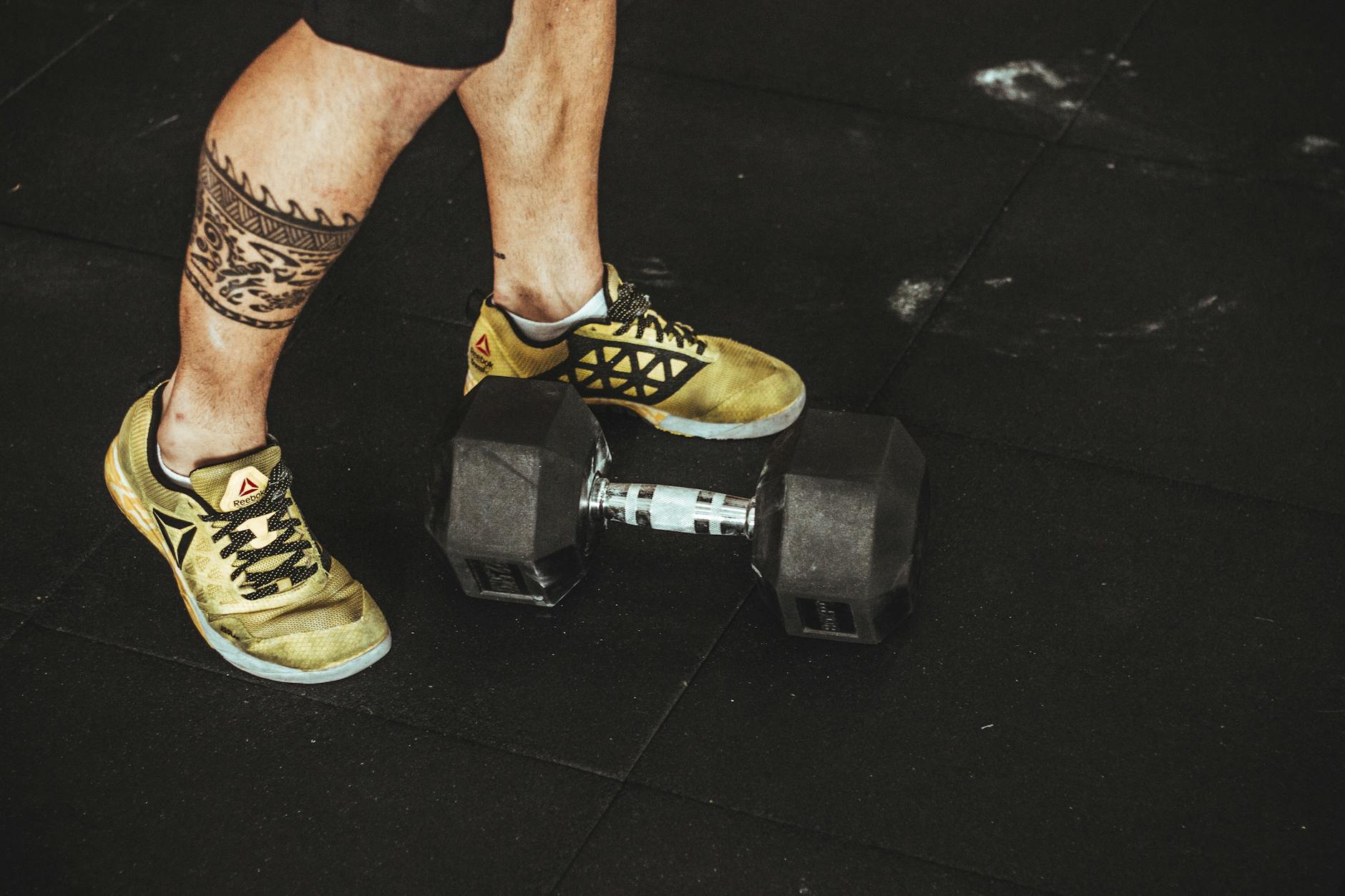
Shoes with elevated heels shift the body’s center of gravity forward and force a compensatory curve through the lower back and pelvis. Pointed toe boxes compress the smaller joints of the foot and contribute to bunions, hammer toes, and plantar fascia strain. Overly cushioned soles reduce proprioceptive feedback from the ground, weakening the intrinsic muscles of the foot over time. Footwear-related postural distortions travel upward through the kinetic chain and are a frequently overlooked contributor to knee, hip, and back pain.
Psychological Stress

Chronic psychological stress activates the hypothalamic-pituitary-adrenal axis and sustains elevated cortisol and adrenaline levels that were designed for short-term emergencies. This sustained hormonal state suppresses immune function, impairs digestion, disrupts sleep architecture, and promotes systemic inflammation throughout the body. Elevated cortisol over time directly affects bone density, muscle mass, cardiovascular health, and the brain’s hippocampal volume. The body does not distinguish between financial worry, relationship tension, or physical threat when mounting its stress response, making modern psychological stressors as physically damaging as acute physical ones.
Which of these everyday habits surprised you most? Share your thoughts in the comments.