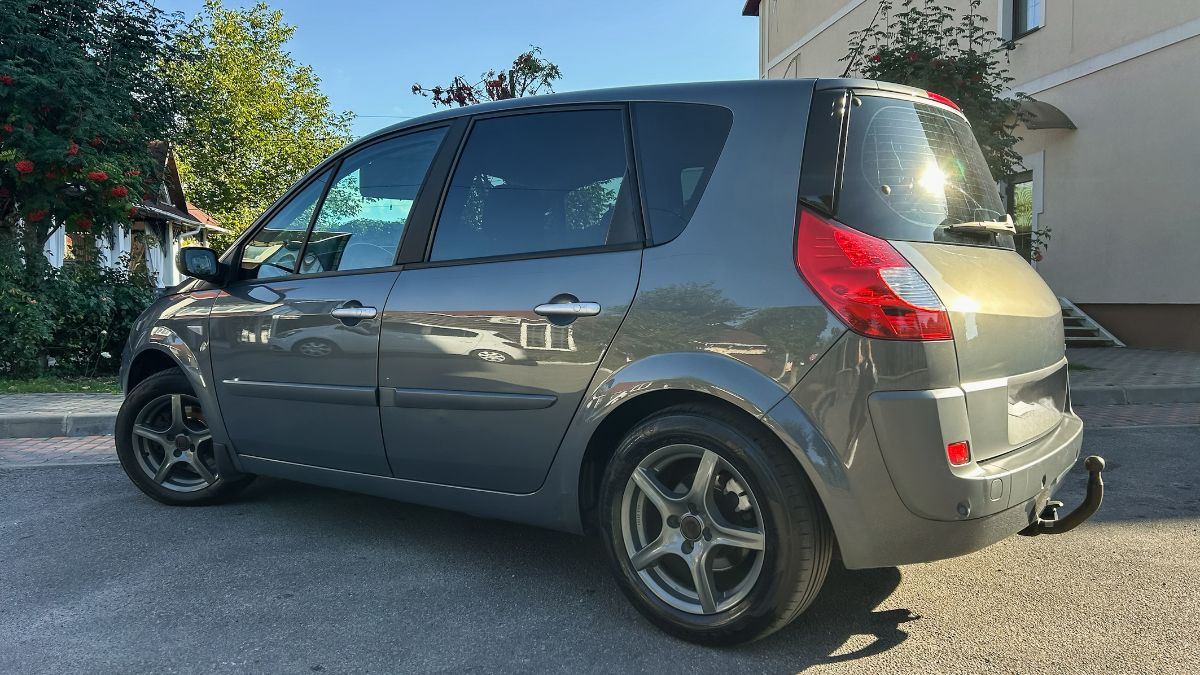
Your car’s transmission is one of the most complex and expensive systems to repair or replace, yet most drivers unknowingly abuse it every single day. Small habits and overlooked maintenance details quietly accelerate wear, turning a reliable vehicle into a costly problem. Understanding what harms this critical system is the first step toward protecting your investment and extending the life of your car significantly. Whether you drive an automatic or a manual, the following culprits are worth knowing.
Towing Overload

Every vehicle has a manufacturer-specified towing capacity that exists for a precise engineering reason. Regularly exceeding this limit forces the transmission to generate excessive heat while managing loads it was never designed to handle. The additional strain degrades the transmission fluid far faster than normal driving conditions would allow. Over time, the internal clutch packs and bands begin to slip and wear unevenly. This damage accumulates silently until a costly repair becomes unavoidable.
Dirty Fluid
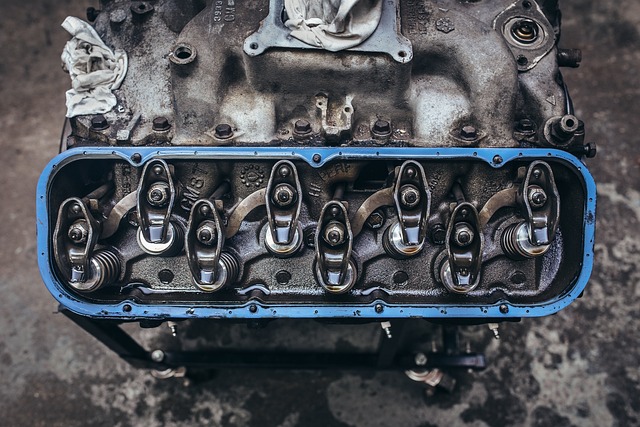
Transmission fluid serves as both a lubricant and a hydraulic medium for the entire gear-shifting system. As it ages and becomes contaminated with metal particles and debris, its ability to protect internal components diminishes rapidly. Heat breaks down the fluid’s chemical structure, leaving behind sludge that clogs narrow passages and valve bodies. Most manufacturers recommend a fluid change far more frequently than the average driver follows through on. Neglecting this simple service is one of the leading causes of premature transmission failure worldwide.
Cold Starts
Driving aggressively immediately after a cold start deprives the transmission of properly warmed and circulated fluid. In low temperatures the fluid thickens considerably reducing its ability to flow freely through internal channels and protect moving parts. Engaging in hard acceleration before the system reaches operating temperature accelerates wear on seals and friction materials. Allowing the vehicle to idle for even one or two minutes before driving makes a measurable difference. This brief pause gives the fluid time to thin out and coat all critical surfaces properly.
Hill Holding
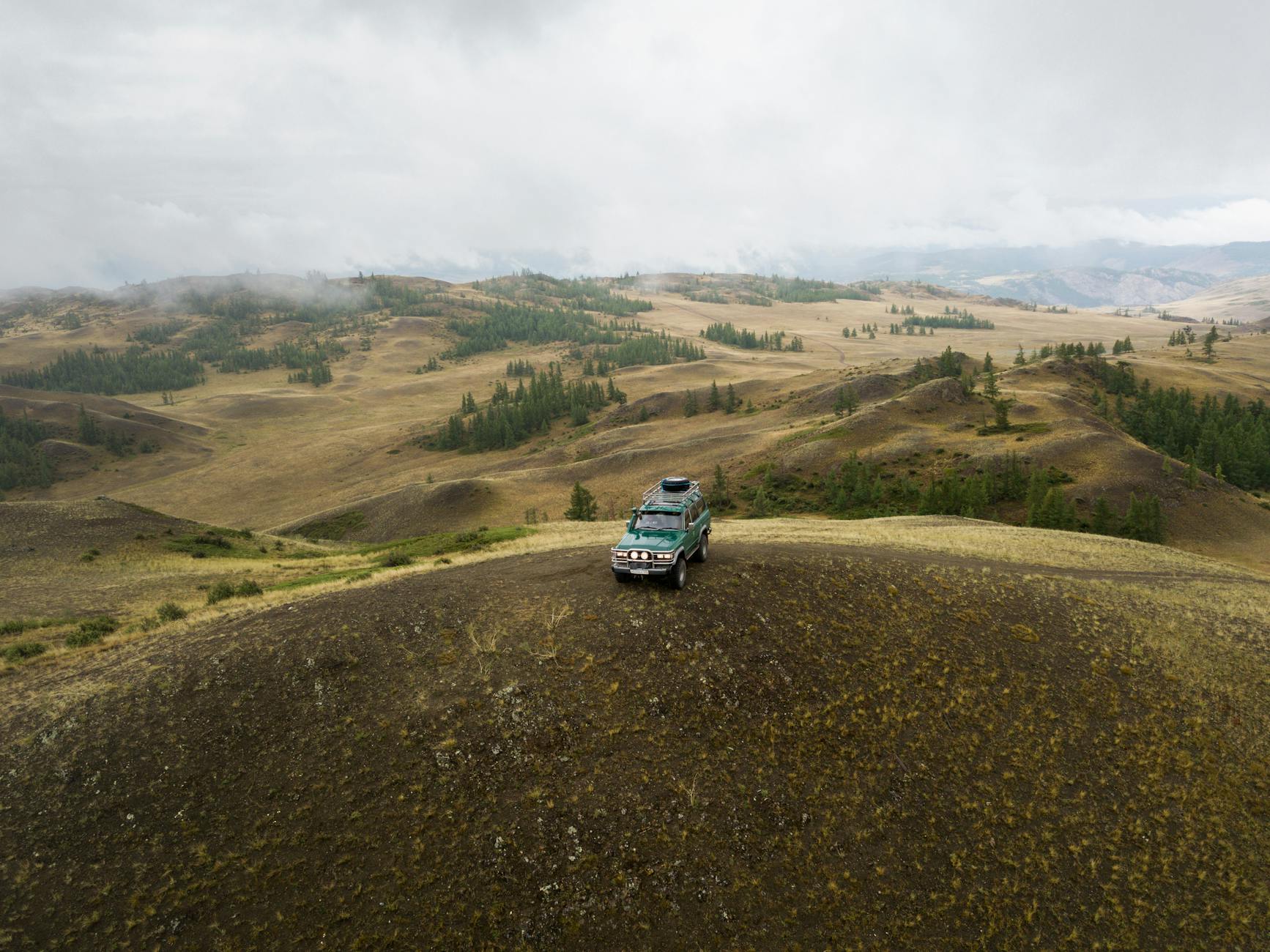
Using the gas pedal to hold a vehicle stationary on an incline rather than applying the brake creates a condition called torque converter slip. This places the transmission in a constant state of partial engagement generating significant heat in a very short period. The friction materials inside the torque converter wear down at an accelerated rate under these repeated conditions. Automatic transmissions are particularly vulnerable to this habit on steep or prolonged inclines. Engaging the brake fully while stationary on a hill is the correct and far less damaging technique.
Low Fluid Level
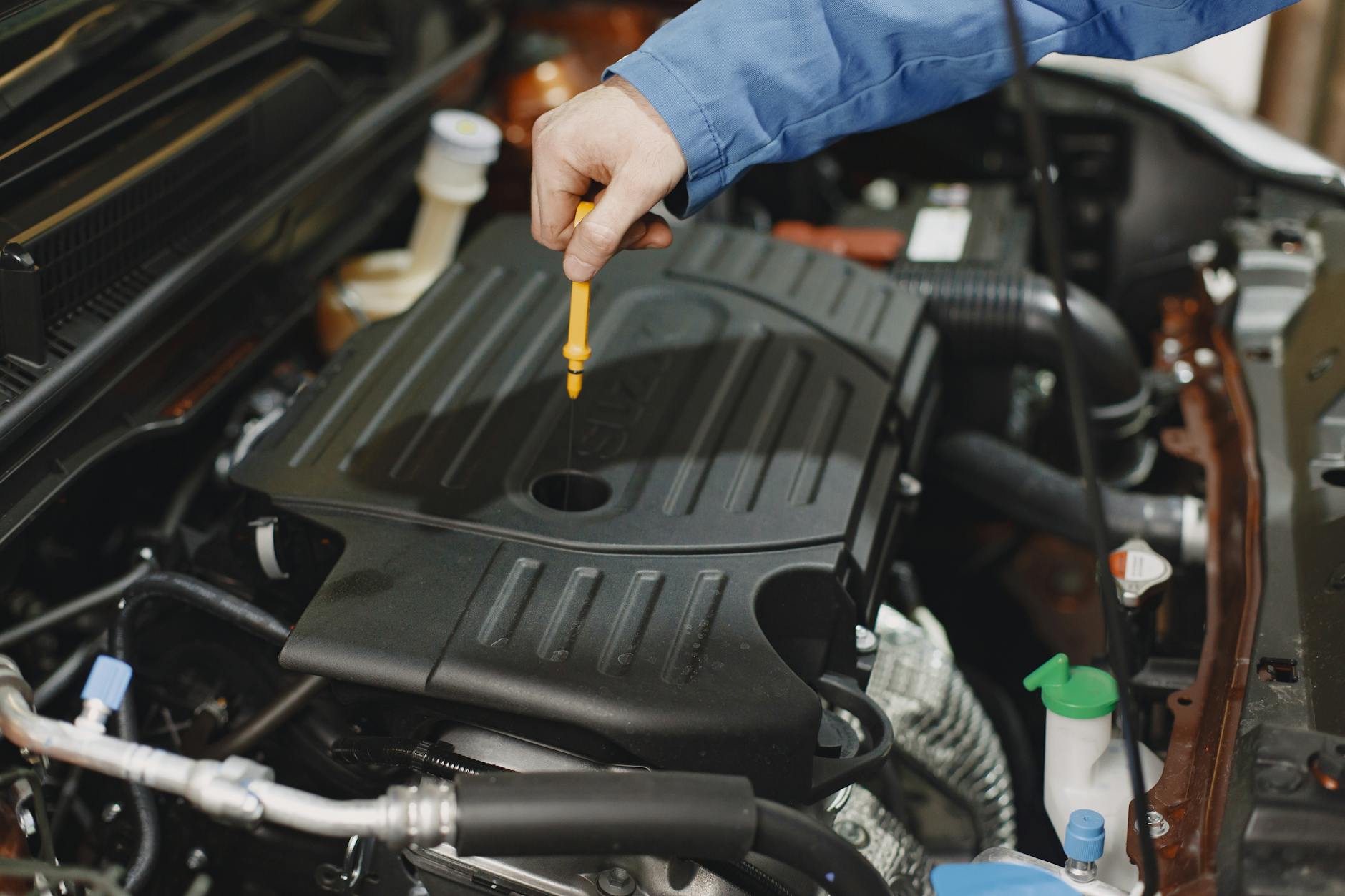
A transmission operating below its recommended fluid level cannot build adequate hydraulic pressure to shift gears cleanly and consistently. The pump works harder than intended pulling in air along with diminished fluid which creates aeration and erratic pressure spikes. Clutch packs and planetary gears begin operating without sufficient lubrication causing microscopic but cumulative surface damage. Unlike engine oil a transmission does not burn fluid meaning any significant loss points to a leak that needs immediate attention. Driving even short distances with low fluid can cause damage that far exceeds the cost of a simple seal repair.
Aggressive Shifting
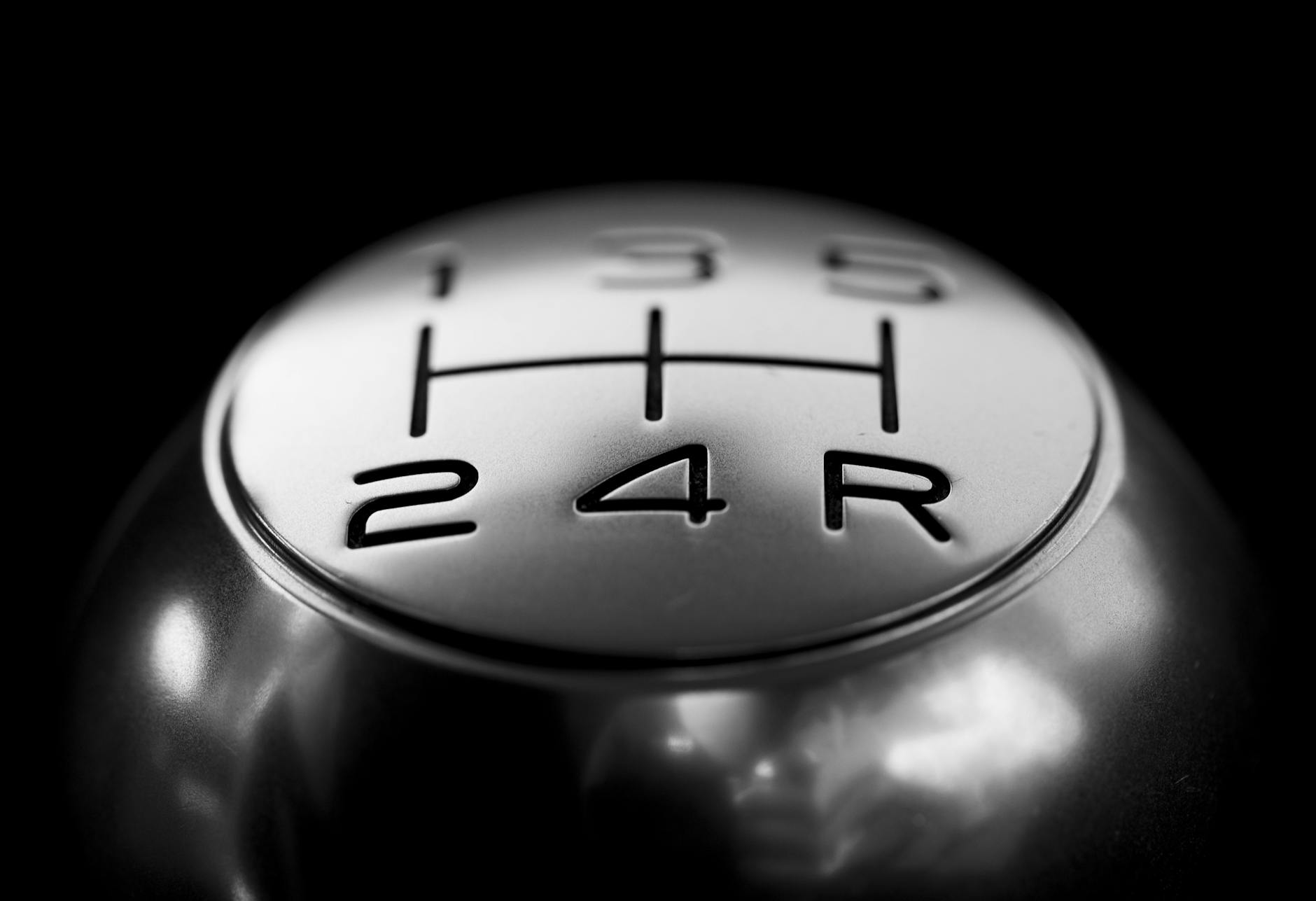
Forcing a manual transmission into gear before fully depressing the clutch pedal creates grinding contact between the synchronizer rings and gear faces. Drivers who rush through gear changes under hard acceleration compound this damage with each repeated incident. In automatic vehicles aggressive driving patterns that trigger harsh downshifts at high speeds stress the internal clutch packs beyond their normal operating parameters. The transmission control module can only compensate so much for driving behavior that exceeds intended mechanical limits. Smooth deliberate shifting is one of the most effective habits for extending transmission lifespan.
Neutral Coasting
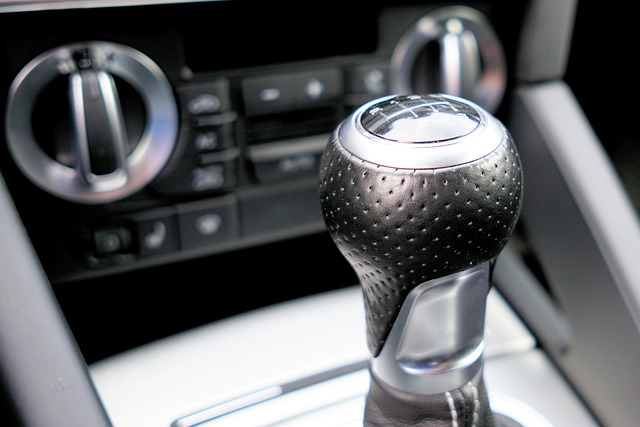
Shifting into neutral while the vehicle is moving downhill or approaching a stop is a habit some drivers believe saves fuel. Modern fuel-injected vehicles actually cut fuel delivery entirely during engine braking making this practice unnecessary and counterproductive. Coasting in neutral removes the engine’s ability to assist in slowing the vehicle which increases brake wear as a secondary consequence. More importantly it disrupts the normal lubrication cycle within the transmission during the coast phase. Keeping the vehicle in the appropriate drive gear while decelerating is safer and less mechanically stressful.
Overheating Engine
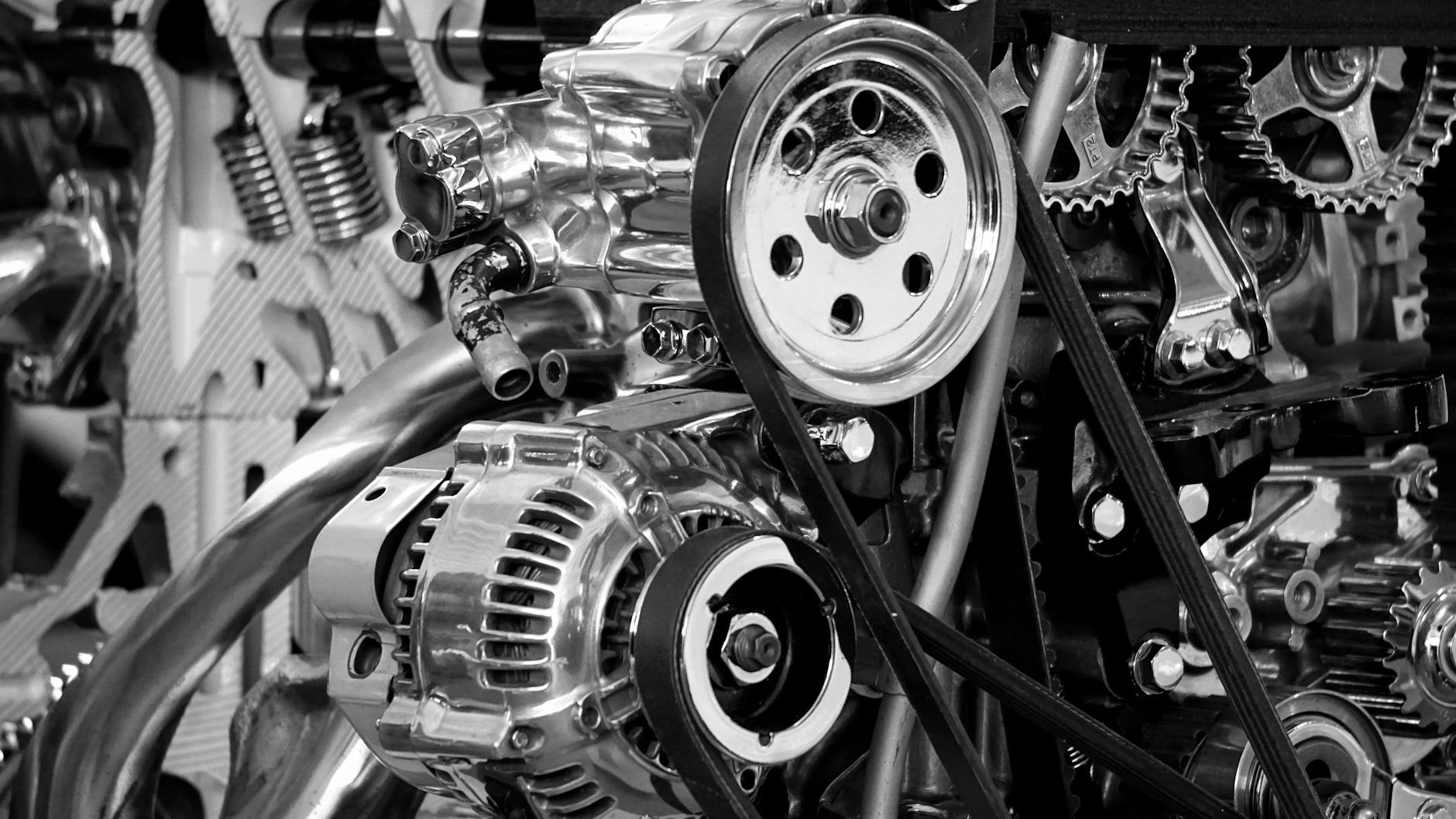
A chronically overheating engine transfers excess heat directly into the transmission through shared cooling infrastructure in many vehicle designs. The transmission cooler in most cars runs through the same radiator used to manage engine temperature making these two systems thermally connected. When the engine runs hot for extended periods the transmission fluid temperature rises alongside it accelerating fluid degradation significantly. Gaskets and seals within the transmission soften and lose their integrity at elevated temperatures far sooner than under normal conditions. Keeping the cooling system in excellent repair is therefore as important for the transmission as it is for the engine itself.
Worn Motor Mounts
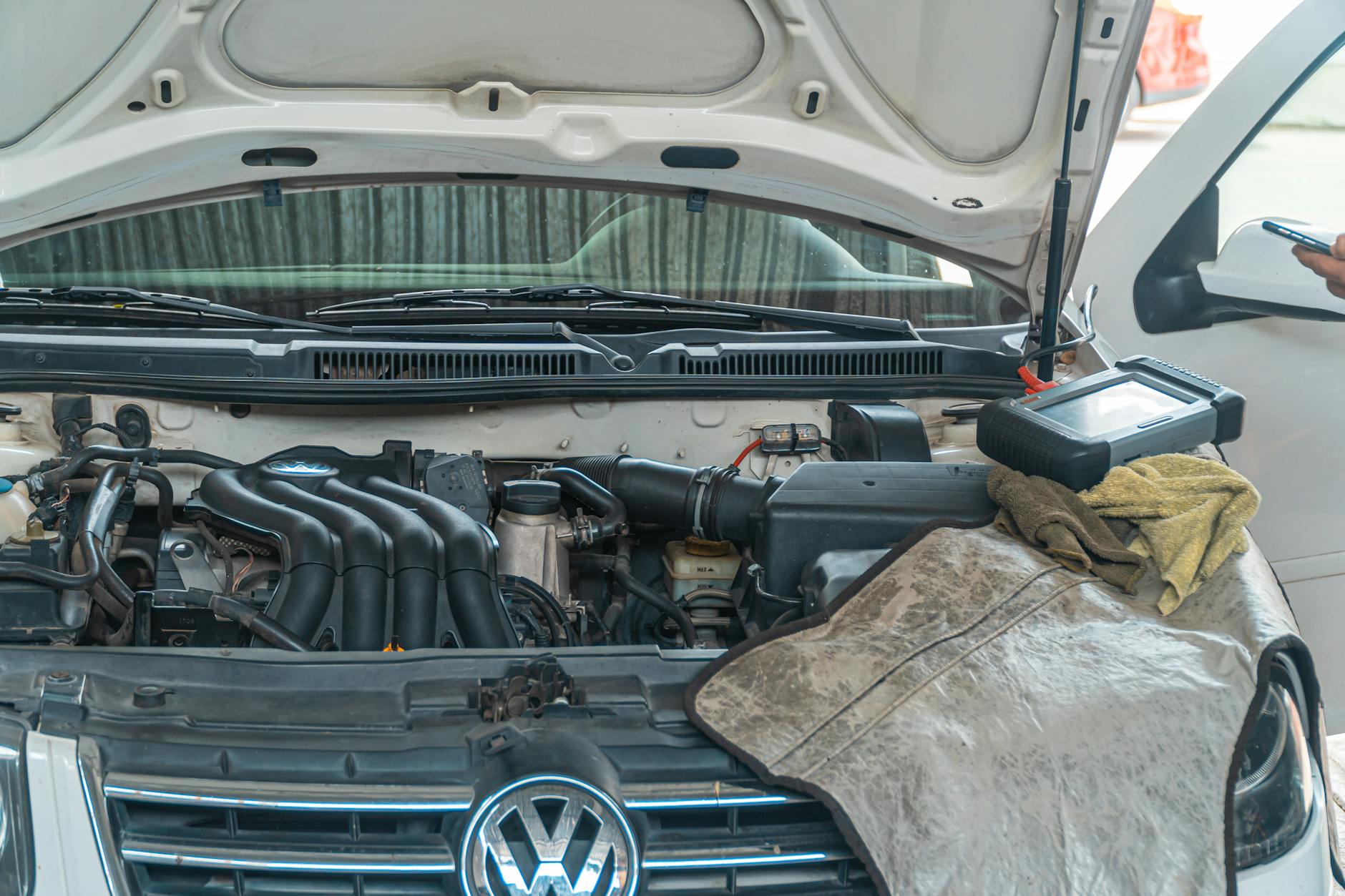
Engine and transmission mounts secure the powertrain to the chassis and absorb the vibration and torque generated during normal operation. When these mounts crack or deteriorate the entire powertrain shifts and flexes under load in ways it was never engineered to accommodate. This movement stresses the driveshafts transmission case and internal components with irregular forces during acceleration and braking. A worn mount often produces a noticeable thud or clunk when engaging drive or reverse which many drivers dismiss as a minor annoyance. Replacing degraded mounts promptly is an inexpensive way to prevent far more serious powertrain damage down the line.
Brake-Throttle Overlap
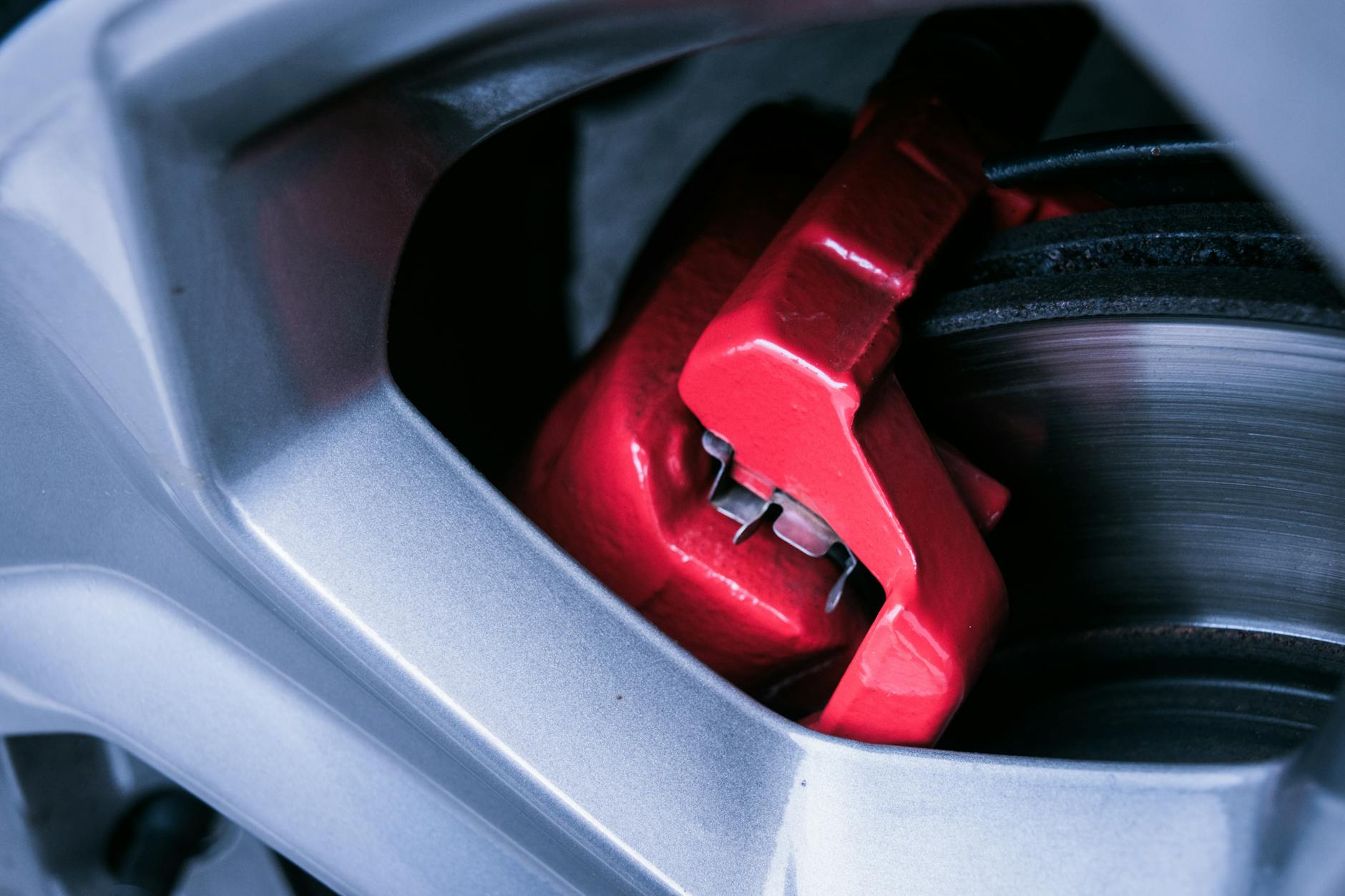
Simultaneously applying the brake and accelerator pedal is a habit that places the transmission in a condition of direct mechanical conflict. The drivetrain receives a signal to move the vehicle forward while the braking system actively resists that motion creating significant heat and stress within the torque converter. This overlap is common during nervous or uncertain driving in stop-and-go traffic and on steep uphill starts. Automatic transmissions absorb the brunt of this conflict internally as the torque converter attempts to manage the opposing forces. Developing clean and separate use of each pedal eliminates this source of hidden but consistent damage.
Late Fluid Changes
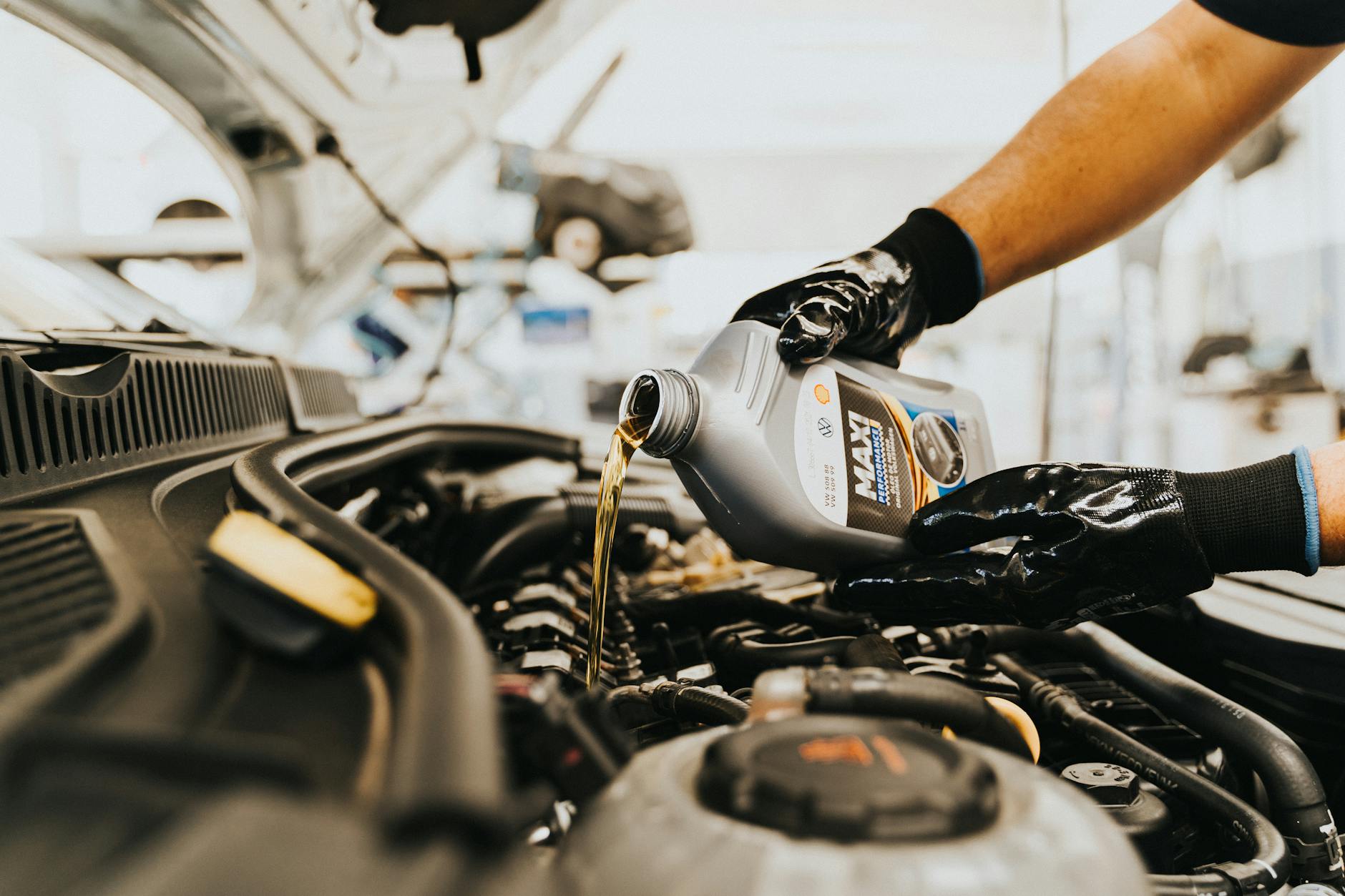
Many drivers follow outdated service intervals printed in older owner’s manuals that recommended transmission fluid changes far less frequently than modern driving conditions warrant. Stop-and-go urban traffic towing frequent short trips and extreme temperatures all degrade fluid at a much faster rate than ideal highway driving. The phrase “lifetime fluid” used by some manufacturers refers to the life of the fluid under perfect conditions which rarely reflects real-world use. By the time fluid visibly darkens or develops a burnt smell the internal damage to friction surfaces is often already progressing. Proactive fluid replacement based on actual driving conditions rather than mileage alone is the more protective approach.
Wrong Fluid Type
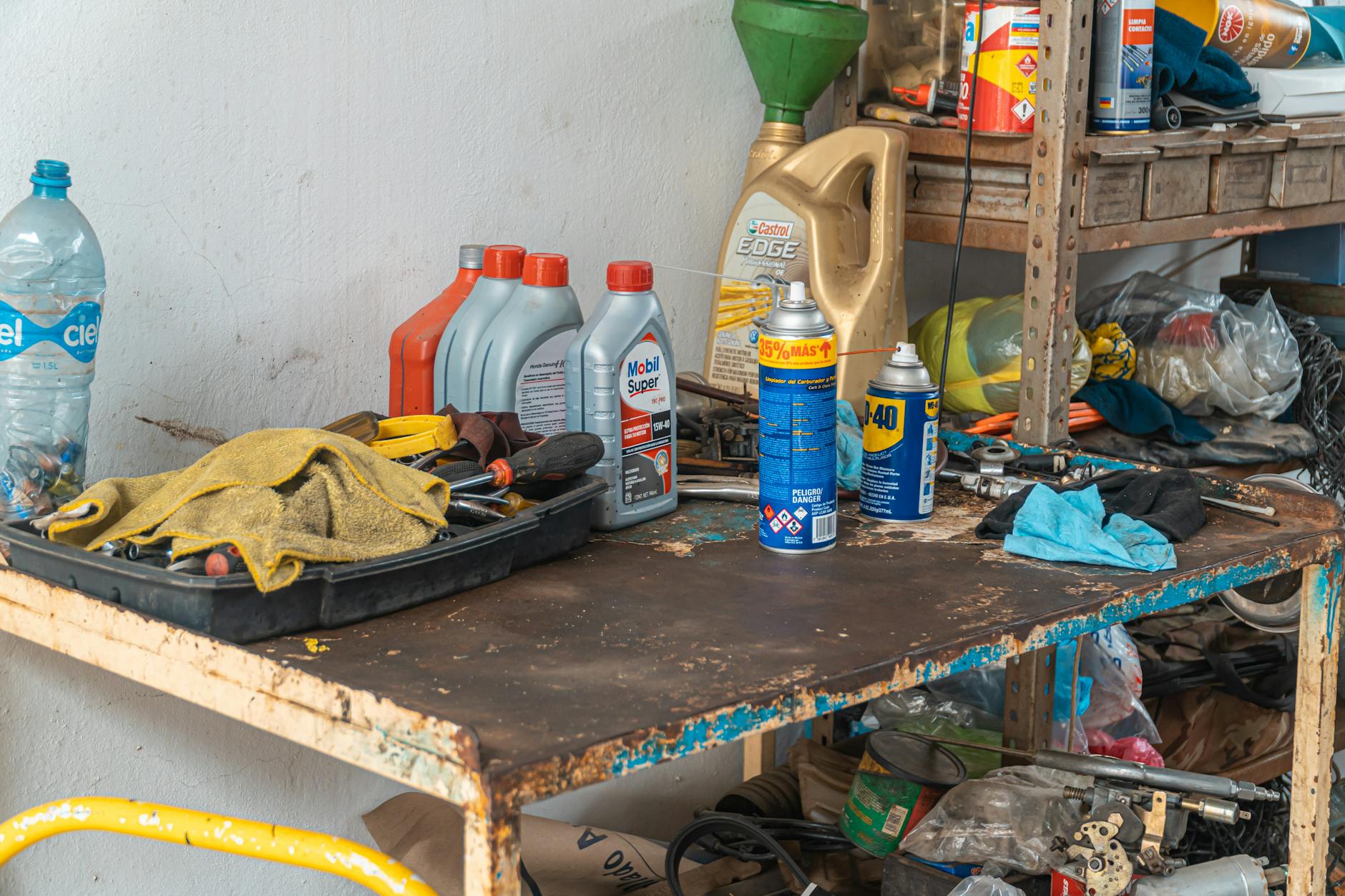
Using a transmission fluid that does not meet the manufacturer’s specifications for your specific vehicle introduces incompatible friction and viscosity characteristics into the system. Different automatic transmissions are engineered to function within precise hydraulic pressure ranges that only the correct fluid formulation can maintain. Mixing fluid types or substituting a generic product for a proprietary specification can cause erratic shifting hard engagement and accelerated wear of internal seals. This mistake is particularly common after a quick service at an unfamiliar shop where staff may substitute an available product rather than the specified one. Always verifying the fluid specification in the owner’s manual before any transmission service protects against this entirely preventable error.
Short Trips

Vehicles used exclusively for very short trips never allow the transmission fluid to fully reach its optimal operating temperature. Moisture and contaminants that would normally be burned off during a longer drive remain suspended in the fluid degrading its protective properties faster than typical use. The transmission cycles through partial engagement sequences repeatedly during urban short-trip driving without the sustained operation that distributes fluid evenly across all components. This pattern is particularly hard on automatic transmissions that rely on consistent fluid temperature to maintain proper hydraulic pressure. Occasional longer drives help the entire drivetrain reach full operating temperature and perform its own form of self-maintenance.
Brake Dragging
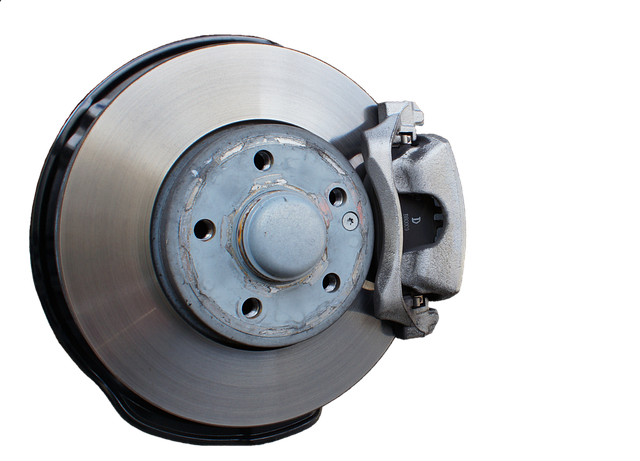
A brake caliper that fails to release fully after the pedal is lifted creates a constant resistance against which the transmission must continuously work. This condition is often imperceptible to the driver until fuel consumption rises noticeably or a burnt smell appears near the wheels. The transmission compensates by working harder than normal to maintain vehicle speed generating excess heat in the process. Over extended periods this added thermal load degrades fluid and accelerates wear on internal friction components. Having the braking system inspected if the vehicle feels sluggish or pulls to one side can prevent compounding damage to multiple systems simultaneously.
Tire Mismatches
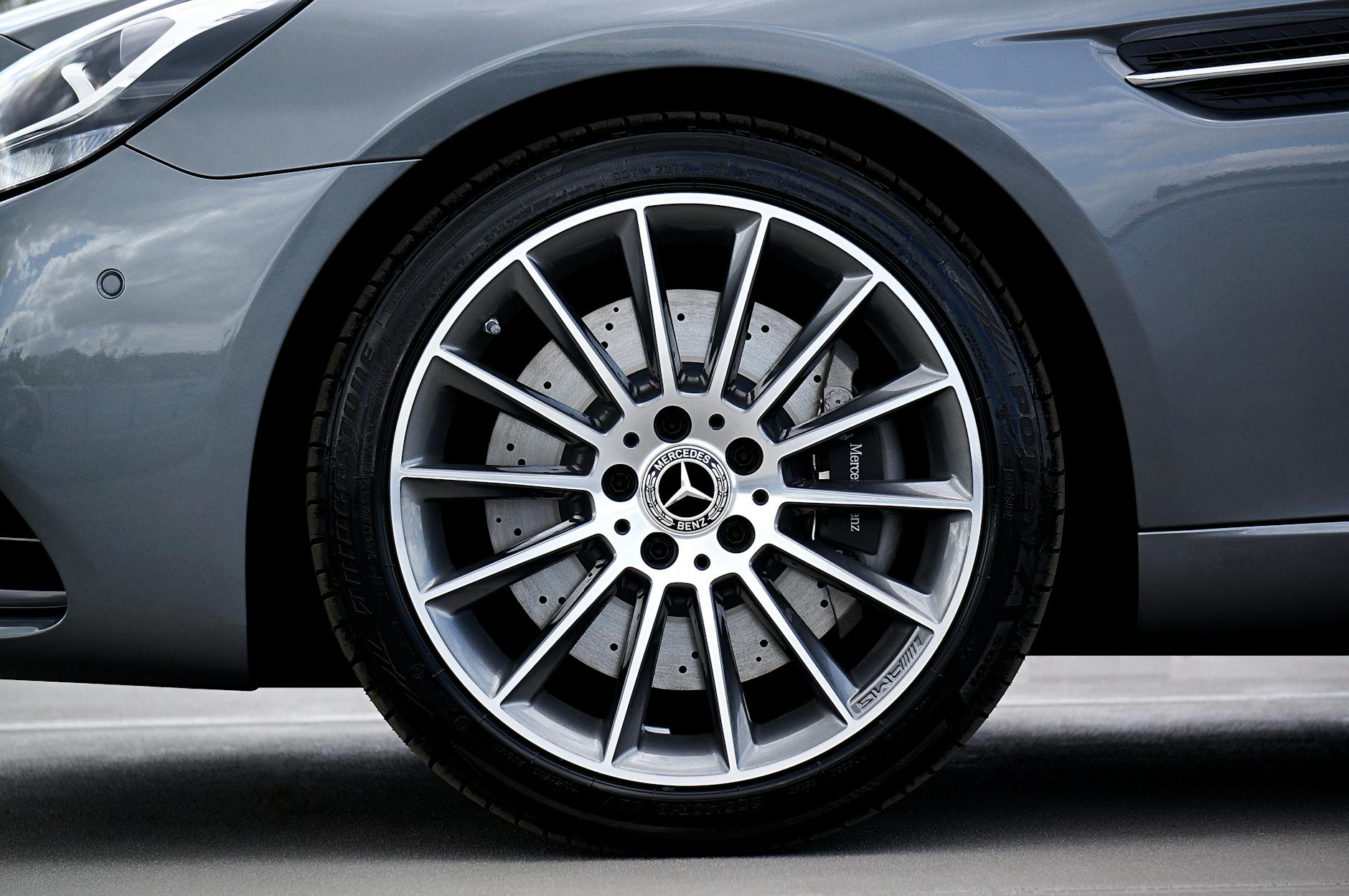
Running tires of significantly different sizes or circumferences on the same axle creates a continuous speed discrepancy that the differential and transmission must constantly compensate for. All-wheel-drive and four-wheel-drive systems are especially sensitive to this condition as they expect identical rolling circumferences from all four wheels. Even a small difference in tire diameter causes the transfer case and transmission to work against internal binding forces during every driven mile. This condition often manifests first as a whining noise or unusual resistance during turns before the internal damage becomes critical. Matching tires precisely to the manufacturer’s specifications and replacing them in full sets protects the entire drivetrain from this often-overlooked stressor.
Gear Hunting

Gear hunting occurs when an automatic transmission repeatedly shifts between two gears unable to settle on the correct ratio for the current speed and load conditions. This typically happens when driving at a speed that sits directly between two gear thresholds requiring the transmission to constantly re-evaluate and re-engage. Each unnecessary shift cycle generates heat and wear on the clutch packs and bands responsible for engaging each gear. Lightly accelerating or decelerating to move clearly into one gear’s operating range resolves the condition immediately. Using a manual mode or paddle shifters in appropriate vehicles allows the driver to lock in a gear and eliminate hunting entirely in these situations.
Parking Without Brake

Relying solely on the parking pawl inside the transmission to hold a vehicle stationary rather than engaging the parking brake is a common but damaging habit. The parking pawl is a small metal pin designed to prevent accidental rollaway and is not engineered to bear the full static weight of a vehicle on a slope indefinitely. When the vehicle rolls slightly before the pawl engages it does so with a jarring mechanical shock that stresses both the pawl and the transmission case. Over years of repeated impacts the pawl and its related components can crack or deform leading to a failure that prevents the vehicle from being safely parked. Engaging the parking brake before selecting park eliminates this load from the transmission entirely.
Ignoring Warning Lights
The transmission warning light and the check engine light both serve as early indicators of developing problems within the drivetrain. Drivers who dismiss these alerts often do so because the vehicle appears to drive normally in the early stages of a fault condition. Modern transmission control modules store fault codes that can identify issues with solenoids sensors fluid temperature and shift quality before symptoms become obvious. Allowing a fault to persist while continuing normal driving accelerates damage as the system attempts to compensate for the underlying problem. A diagnostic scan at the first appearance of any warning light costs far less than the repairs that follow from ignoring it.
Towing in Drive
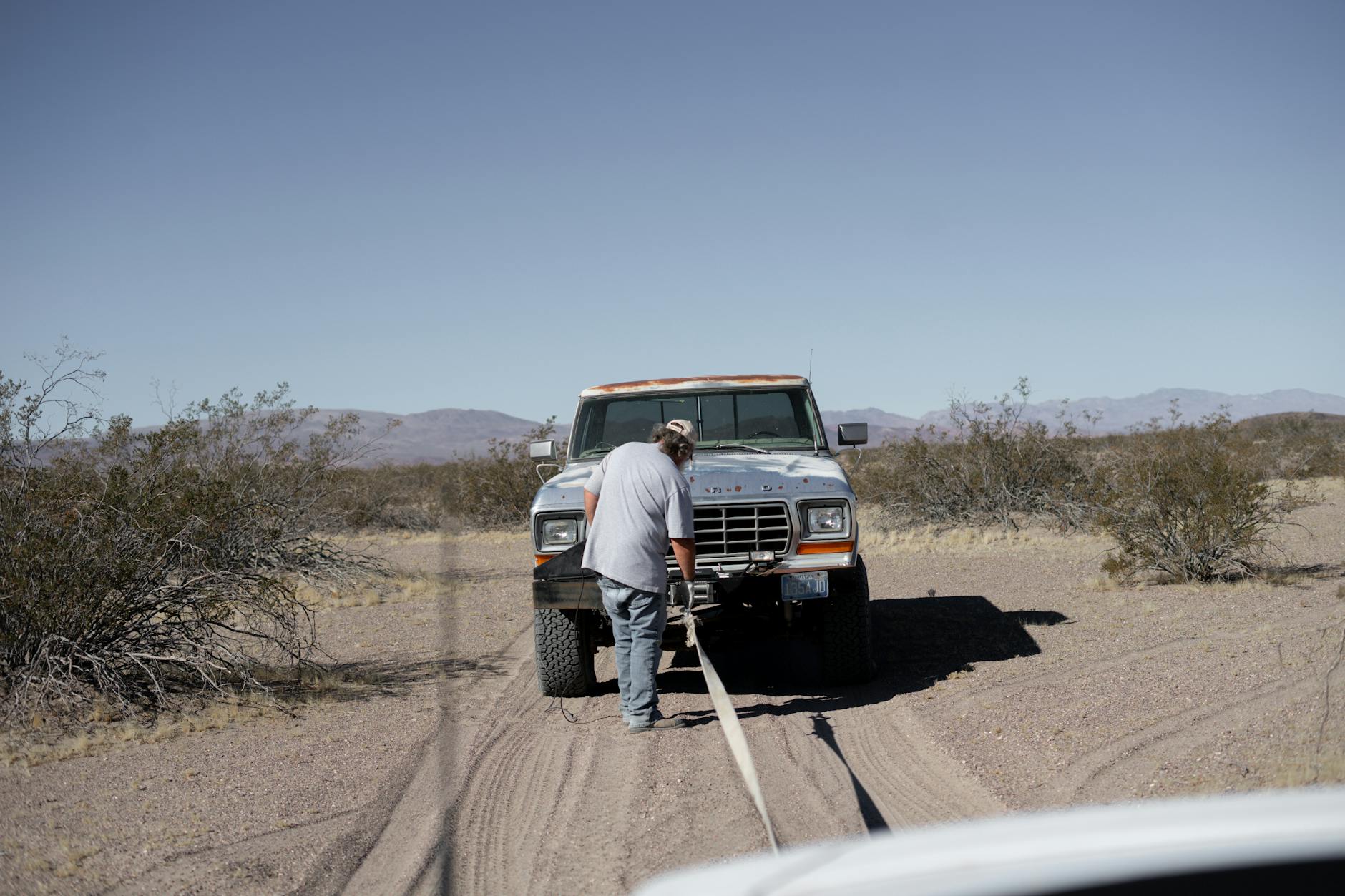
Flat-towing a vehicle with its drive wheels on the ground while the engine is off starves the transmission of the fluid pressure it needs for lubrication during movement. The transmission pump only operates when the engine runs meaning all internal components spin without adequate fluid circulation during a flat tow. Even a short distance towed in this manner can cause significant wear to bushings bearings and seal surfaces that would otherwise be protected. Manufacturers that permit flat towing specify strict procedures including mileage and speed limits that must be followed precisely. Using a dolly or trailer to lift the drive wheels is the safest method for vehicles not explicitly approved for flat towing.
Jackrabbit Starts
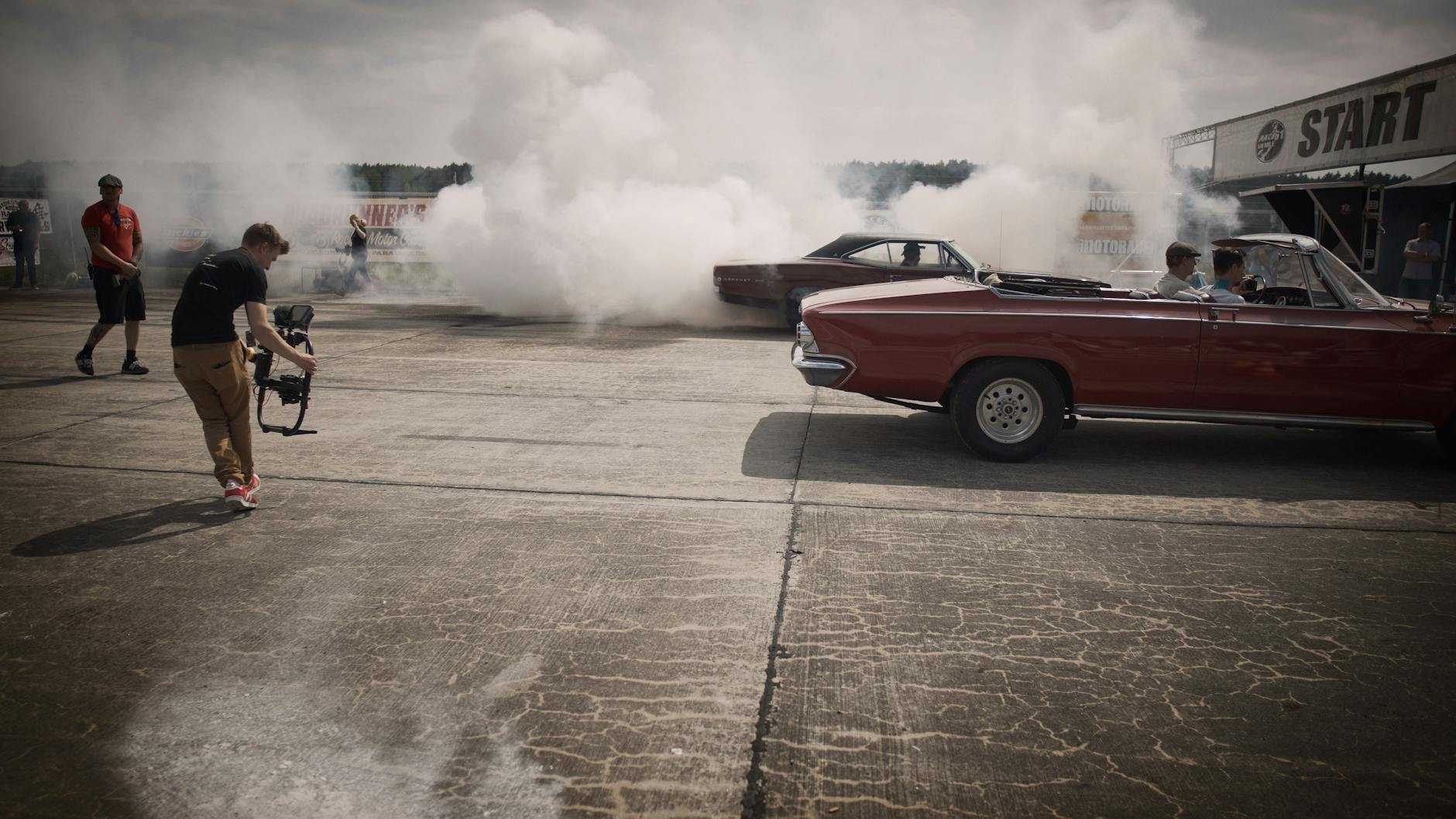
Rapid full-throttle acceleration from a standstill demands an immediate and violent response from the transmission before fluid pressure has fully built across all circuits. The clutch packs engage under extreme load and the torque converter experiences high slip rates generating concentrated heat within a brief window. Repeated jackrabbit starts compress a disproportionate amount of wear into a small number of high-stress events rather than distributing it over normal gradual use. Automatic transmissions in performance-oriented vehicles are built to handle occasional hard launches but not as a routine driving pattern. Smooth progressive acceleration achieves comparable travel times in real-world conditions while preserving transmission components over the long term.
Skipping Service
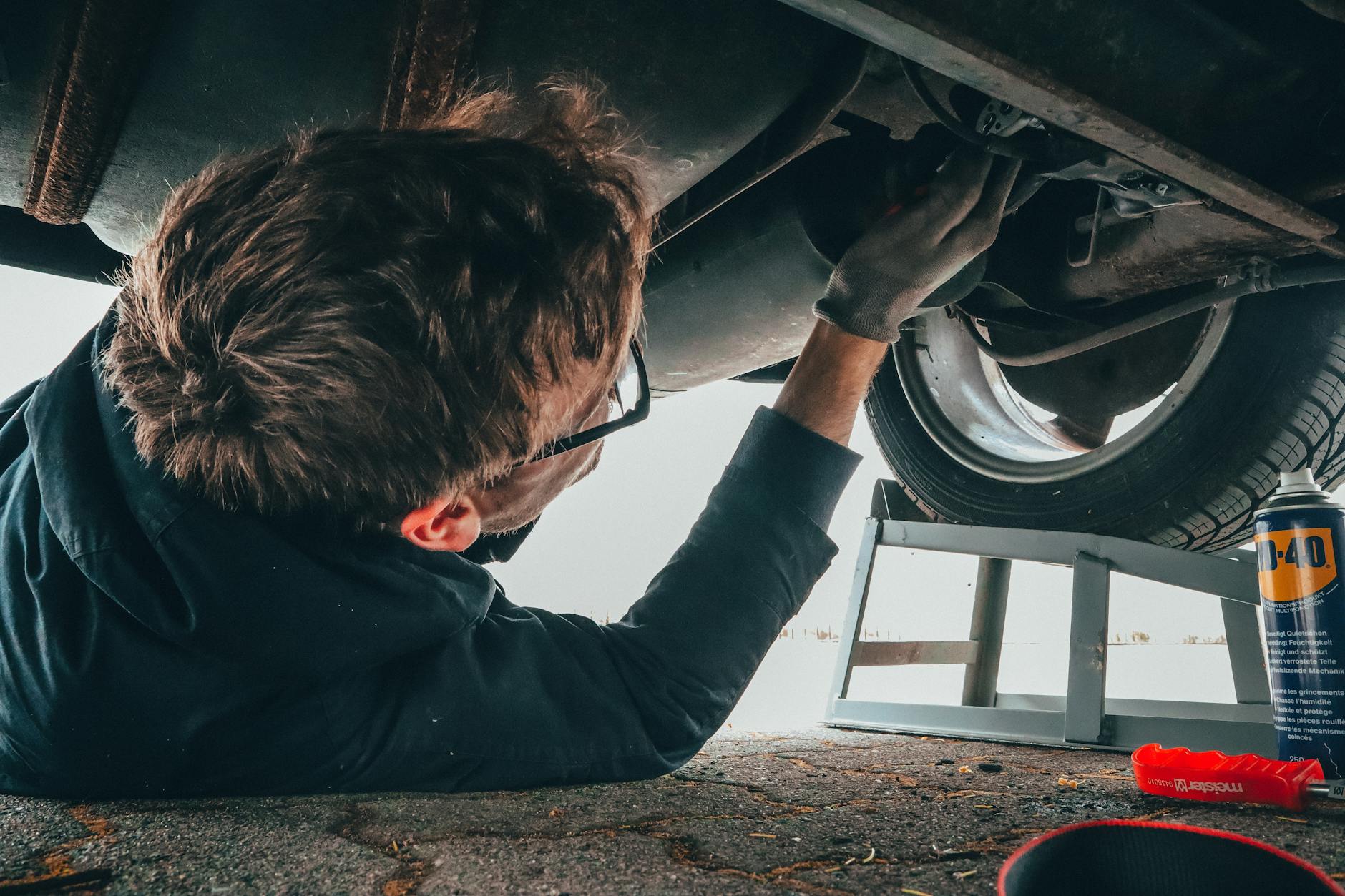
A transmission service involves more than a fluid change and often includes inspection of the filter pan gasket and internal passages for signs of wear or contamination. Skipping this service at the recommended interval allows the filter to become restricted reducing fluid flow and hydraulic pressure throughout the system. Metal filings and friction material debris that accumulate in the pan contaminate fresh fluid quickly if the pan and filter are not cleaned during a service. Many transmission failures that appear sudden are actually the end result of years of deferred maintenance that went unaddressed. Treating the transmission service as a non-negotiable part of the vehicle maintenance schedule significantly reduces the likelihood of an unplanned and expensive failure.
Overloading Vehicle
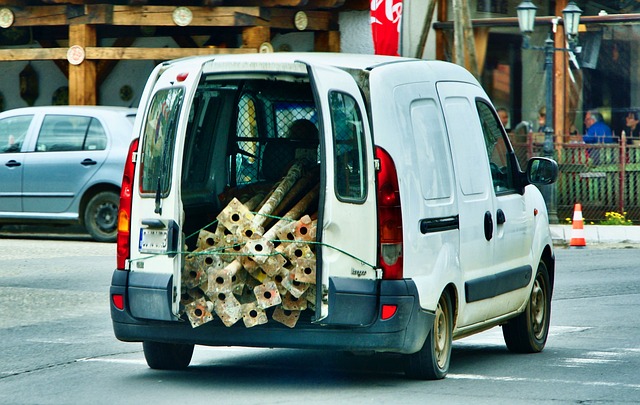
Regularly carrying loads that approach or exceed a vehicle’s gross vehicle weight rating places constant stress on the transmission during every acceleration and grade change. The transmission must work at the upper limit of its design parameters to manage the additional weight generating more heat with each gear change. Payload limits exist because every component in the drivetrain from the clutches to the output shaft is engineered to precise tolerance ranges. Exceeding those ranges regularly compresses the useful lifespan of the transmission from decades into years. Distributing heavy loads across multiple trips or using a vehicle with a higher payload rating protects the drivetrain from this gradual but serious form of abuse.
Sport Mode Overuse
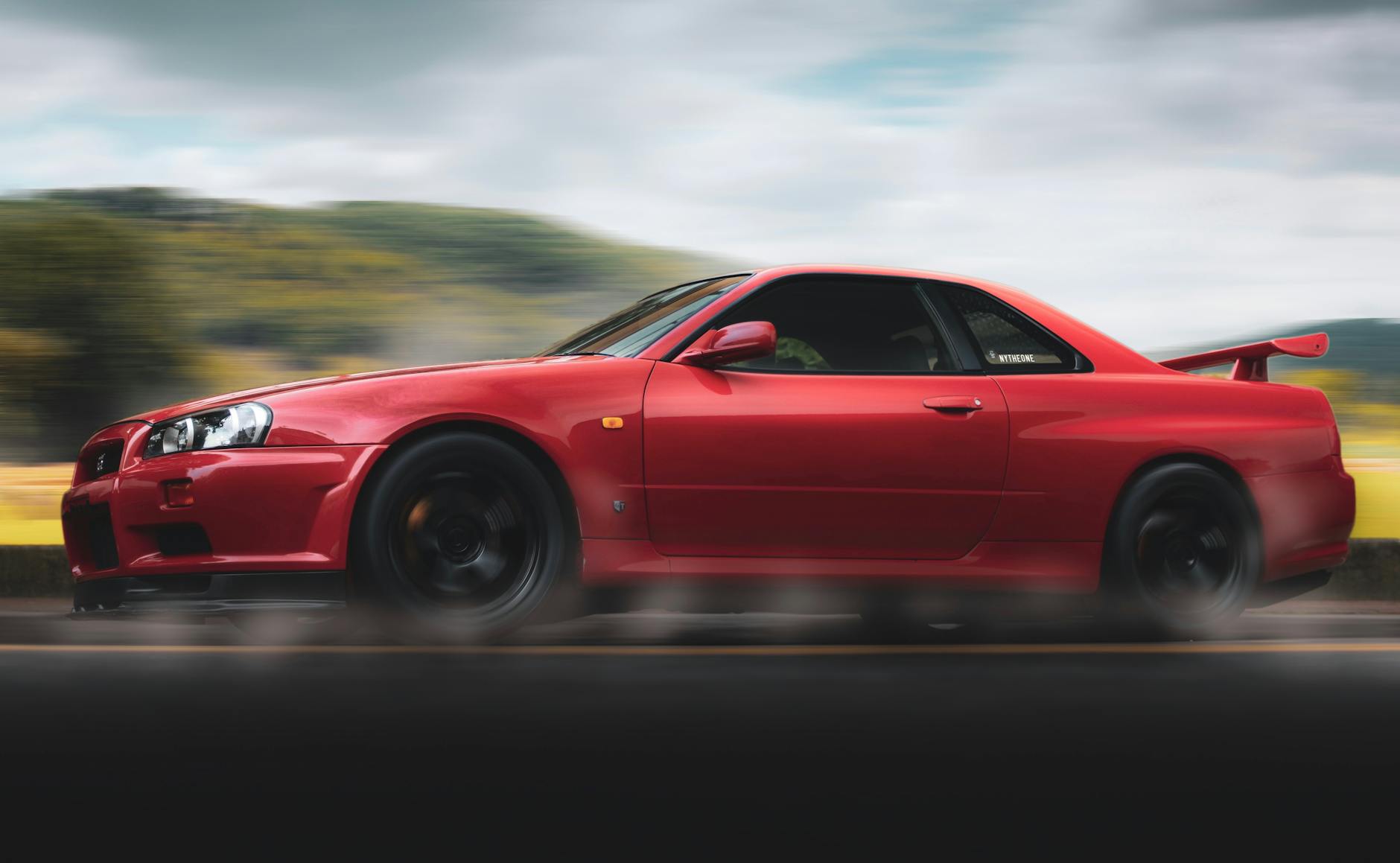
Sport mode alters shift timing and throttle response to hold gears longer and deliver more aggressive performance characteristics on demand. Used occasionally on appropriate roads sport mode functions as intended and falls within the transmission’s designed operating range. Leaving sport mode permanently engaged during routine daily commuting including stop-and-go traffic and low-speed urban driving generates unnecessary heat and accelerated clutch wear. The higher engine speeds maintained by sport mode in normal traffic conditions contribute nothing to performance while adding consistent thermal stress to the fluid and friction components. Reserving sport mode for genuinely spirited driving conditions allows the driver to enjoy the feature without paying for it in premature wear.
Shift Lock Bypass
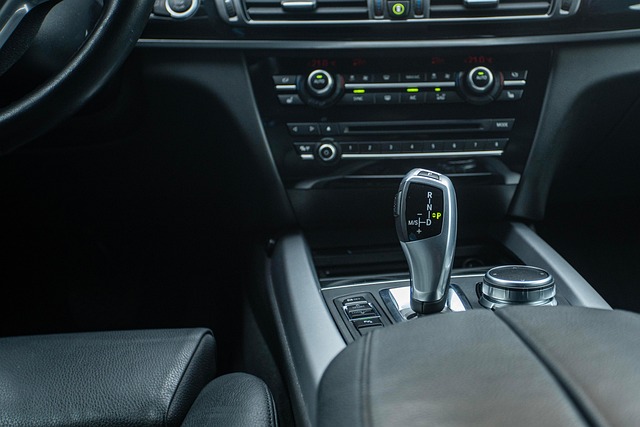
Most automatic vehicles include a shift lock mechanism that prevents the gear selector from leaving park unless the brake pedal is fully depressed. This interlock exists to protect the transmission from being engaged while the vehicle is in an unexpected state. Drivers who regularly use the manual shift lock release button to bypass this interlock without applying the brake remove an important protective layer from the engagement sequence. Repeated unsupported engagement from park into drive or reverse without full brake application creates abrupt torque events within the transmission. Consistently using the brake pedal as designed before every gear change is a straightforward habit that costs nothing and protects the transmission with each use.
Ignoring Vibrations
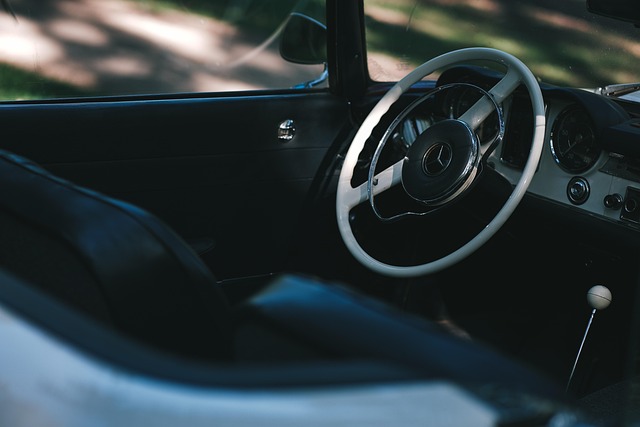
Unusual vibrations felt through the vehicle during acceleration or at highway speeds are frequently symptoms of driveshaft imbalance worn universal joints or failing constant velocity joints. These upstream drivetrain problems transmit irregular forces directly into the transmission with every rotation of the driveshaft. The transmission was designed to receive smooth rotational input and process it through precise mechanical sequences rather than absorb the shock of an imbalanced or deteriorating drivetrain component. Vibration-related transmission wear is insidious because it is caused by a separate component yet the transmission bears much of the resulting mechanical stress. Diagnosing and correcting vibration sources early protects the transmission from damage that originates entirely outside of it.
If you’ve noticed any of these habits in your own driving routine share your experience and what changes you made in the comments.