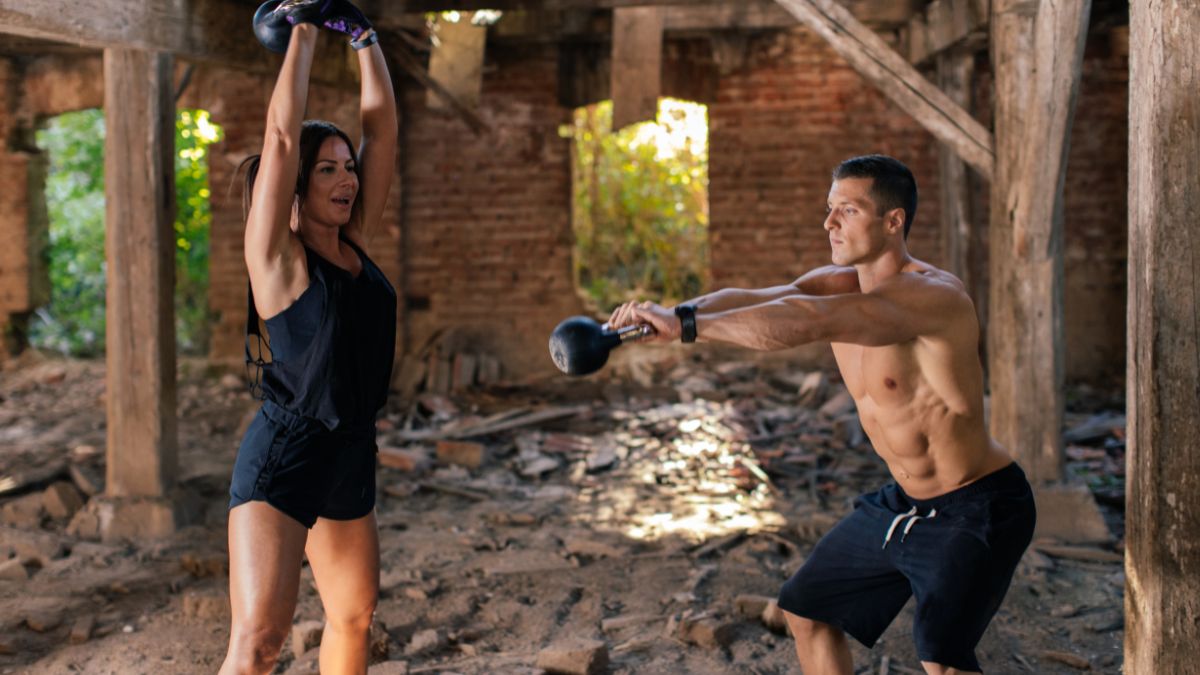
Your knees are among the most complex and vulnerable joints in the human body, absorbing forces several times your body weight with every step, squat, and landing. Many common exercise habits place excessive and repeated stress on the knee joint without people realizing the long-term damage accumulating beneath the surface. Poor form, skipped recovery, and misguided training choices contribute significantly to conditions such as patellar tendinitis, cartilage wear, and chronic joint pain. Understanding which habits are harmful is the first step toward building a training routine that supports joint health over a lifetime.
Deep Squats
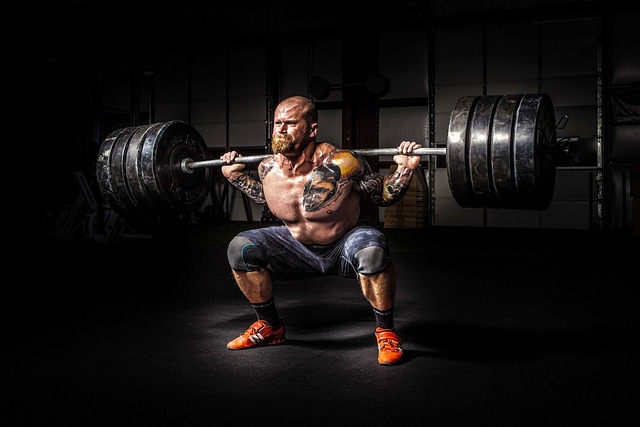
Performing squats well beyond parallel places the knee joint under extreme compressive load, particularly when paired with heavy weight. The cartilage beneath the kneecap is not designed to withstand repeated pressure at such acute angles during loaded movement. Many gym-goers push depth in pursuit of aesthetics without the mobility or joint structure to support it safely. Consistently training in this range without proper preparation accelerates cartilage breakdown over time. Controlled depth adjusted to individual anatomy is a far more sustainable approach.
Running Downhill
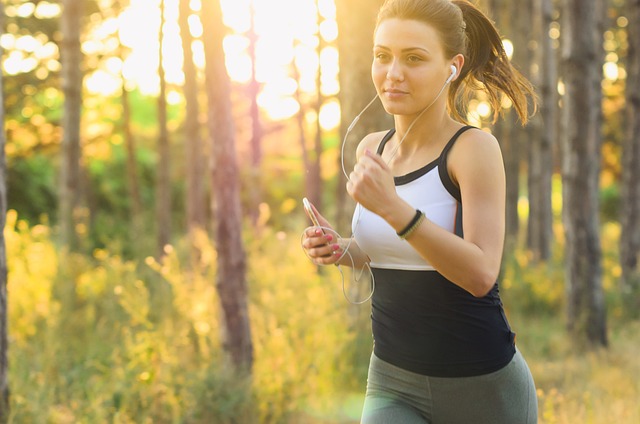
Descending steep grades forces the quadriceps to perform intense eccentric contractions while the knee absorbs repeated braking forces with every stride. The patellofemoral joint experiences significantly higher stress going downhill than on flat terrain or even uphill surfaces. Runners who frequently train on hilly routes without building adequate quad and glute strength put their knees at considerable risk. The repetitive nature of distance running compounds this stress into structural damage over months and years. Proper strength training and controlled descent technique are essential for trail and road runners alike.
Leg Extensions
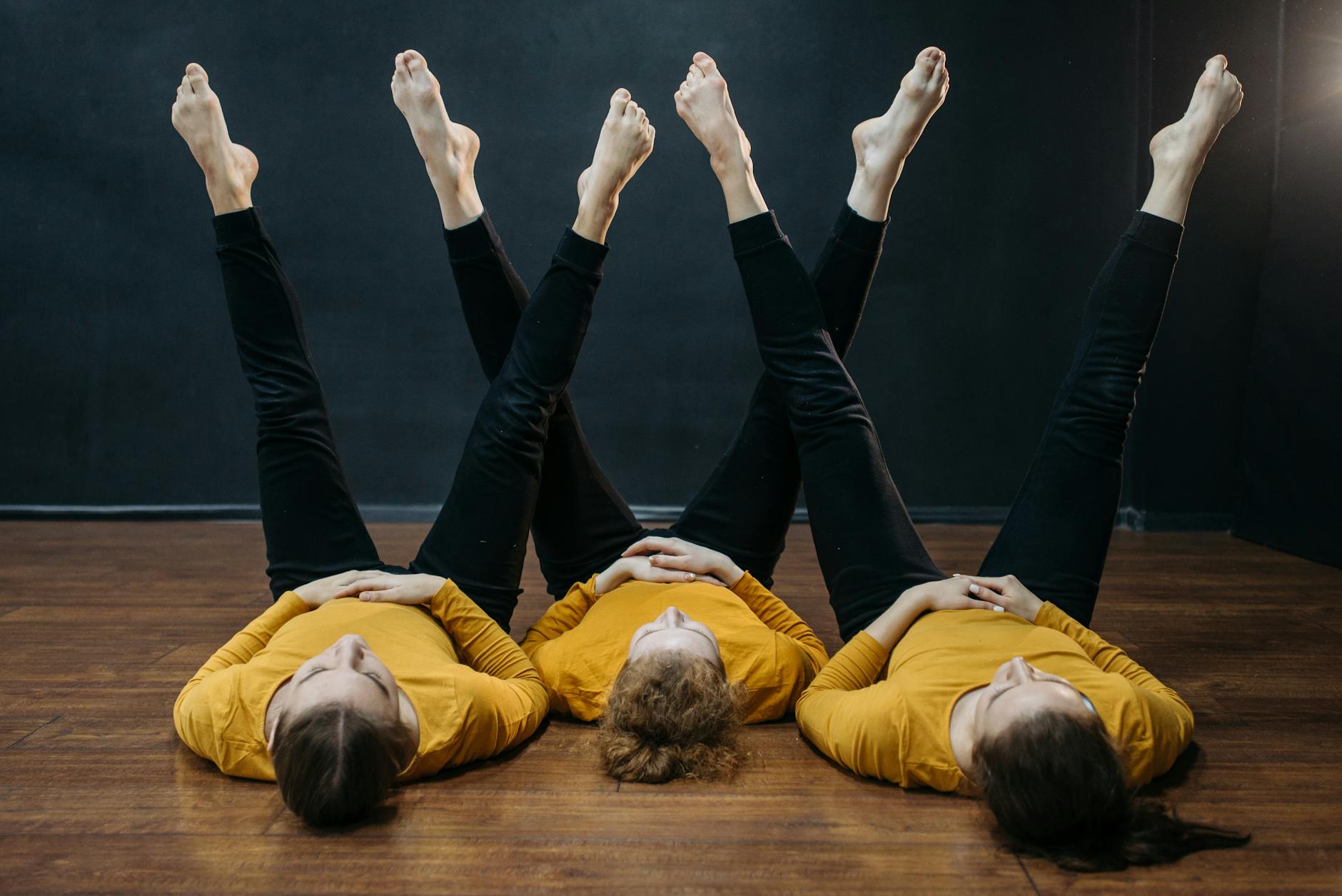
The seated leg extension machine isolates the quadriceps while placing shear force directly across the knee joint in a way that natural movement patterns rarely replicate. This shear force stresses the anterior cruciate ligament and the cartilage surfaces of the tibiofemoral joint with each repetition. Physical therapists have long raised concerns about this exercise particularly for individuals with existing knee issues or ACL history. The fixed range of motion on most machines does not accommodate individual limb proportions, further increasing joint stress. Closed-chain exercises such as lunges and step-ups are considered safer and more functional alternatives.
Locked Knees
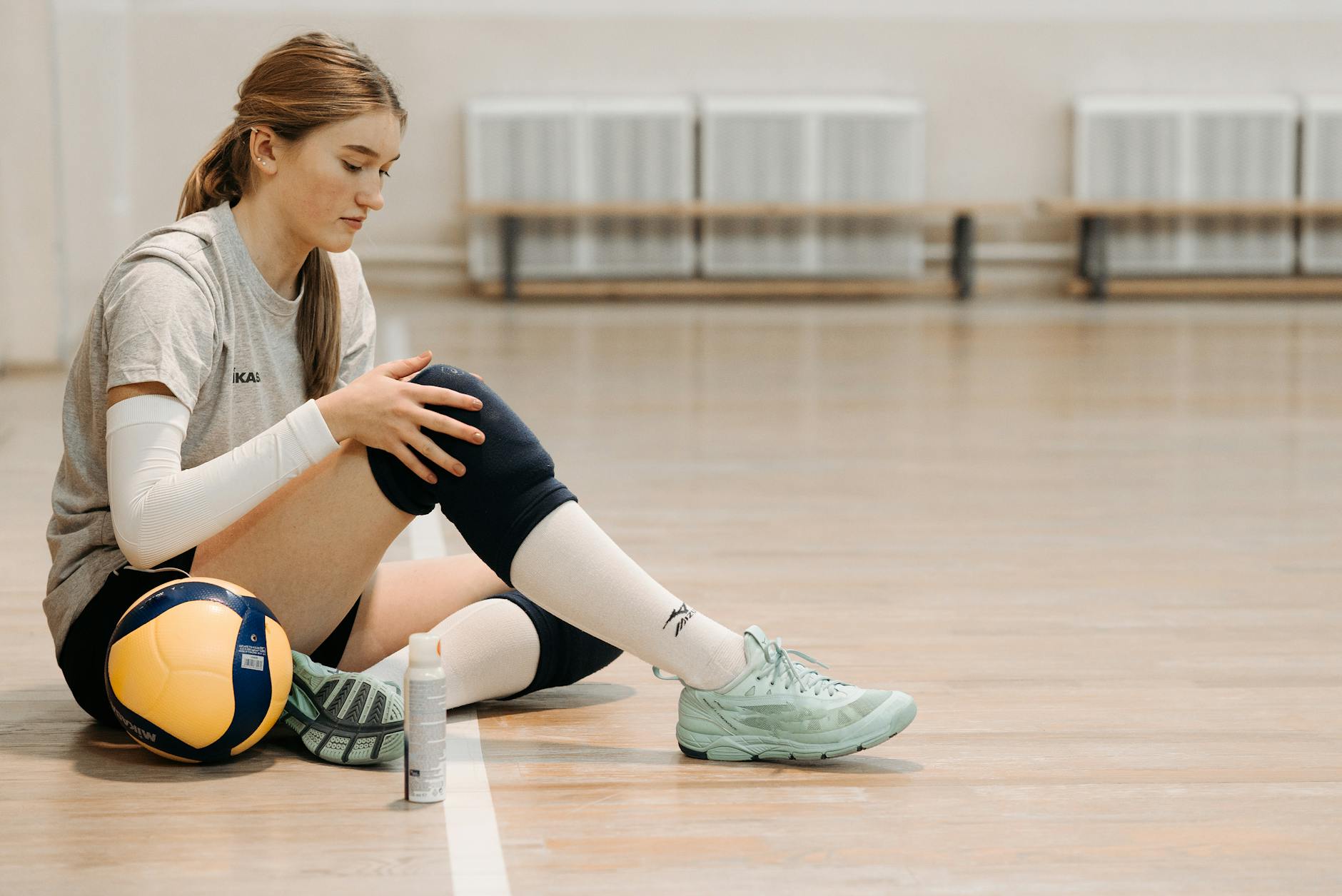
Standing or exercising with the knees in full hyperextension removes the natural muscular support system that protects the joint during load-bearing activities. When the knee is locked back, the bony structures and passive ligaments bear the load rather than the surrounding muscles. This habit is common during weightlifting, yoga poses, and prolonged standing, and it places excessive strain on the posterior joint structures over time. Repeated hyperextension weakens the ligaments and can cause gradual misalignment of the joint surfaces. A soft, slightly engaged knee position distributes forces far more effectively during both static and dynamic activities.
Skipping Warm-Up
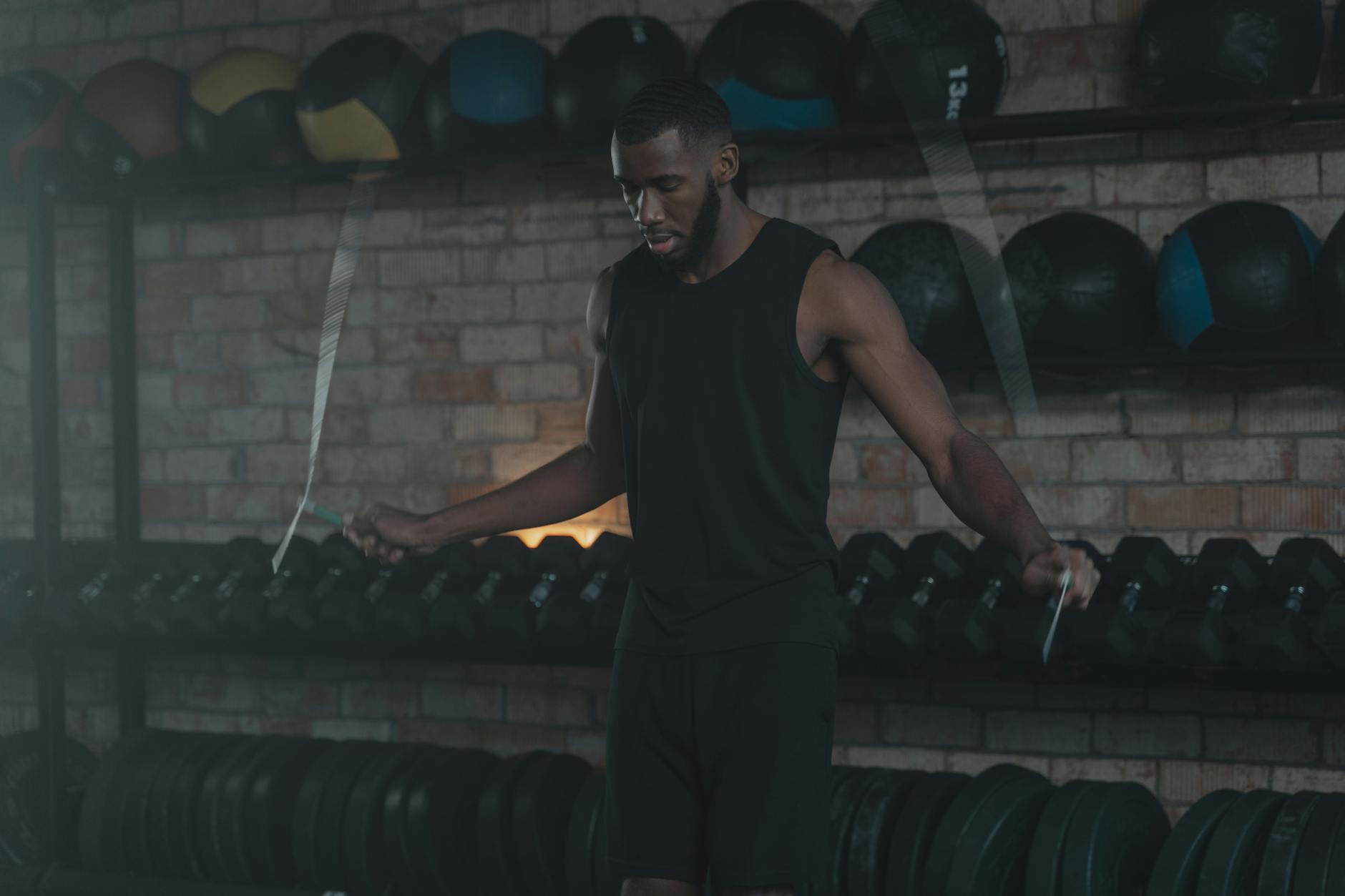
Beginning intense exercise with cold muscles and stiff connective tissue dramatically increases the mechanical stress placed on the knee joint. Synovial fluid, which lubricates the joint, requires movement and warmth to distribute effectively across cartilage surfaces. Without adequate warm-up, the cartilage absorbs impact in a less protected state, accelerating micro-damage with each session. Tendons and ligaments around the knee are also less pliable when cold, raising the risk of small tears and inflammatory responses. A progressive warm-up of ten to fifteen minutes prepares the joint for the demands of training.
High Heel Workouts
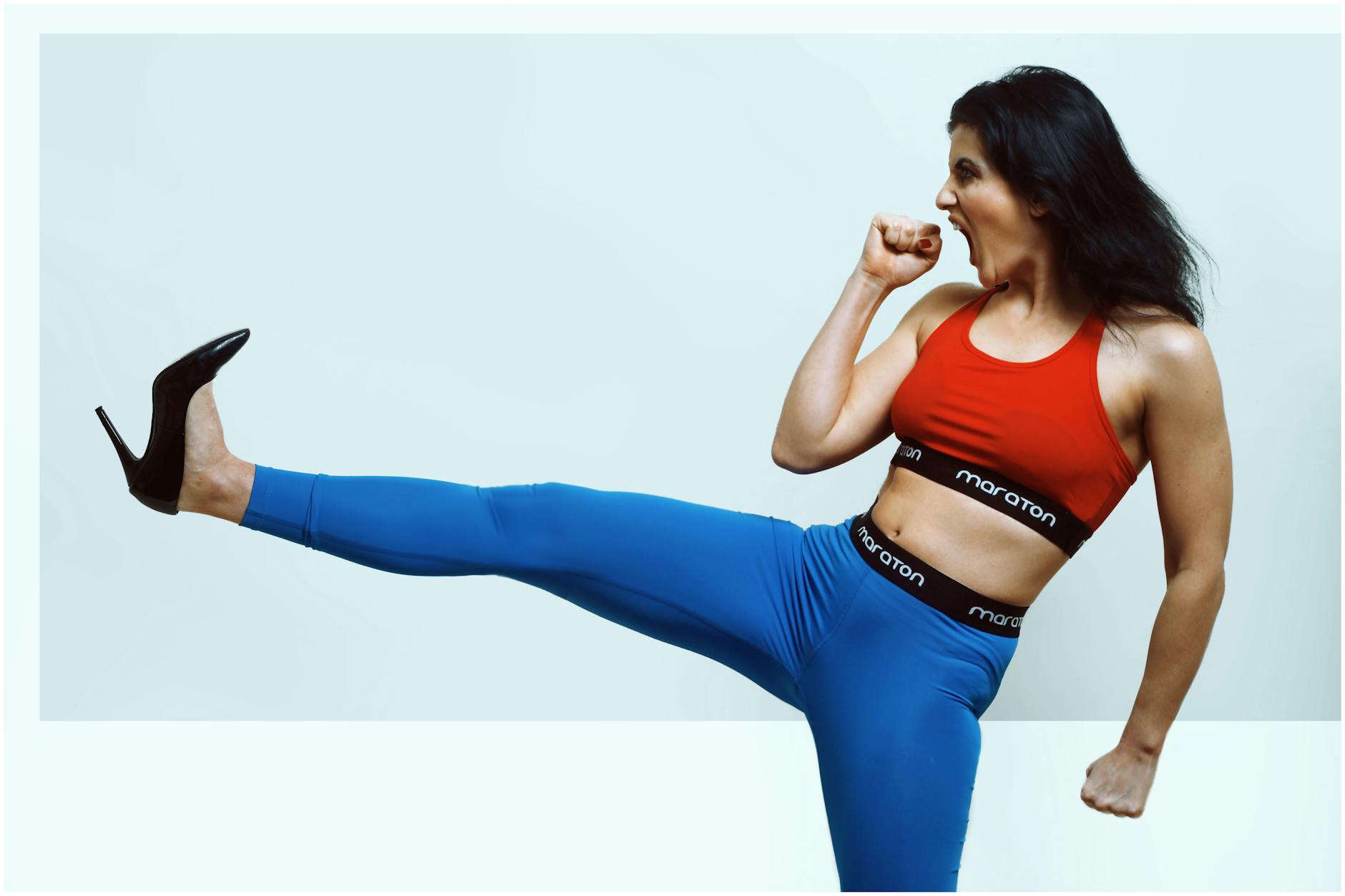
Exercising in shoes with an elevated heel shifts body weight forward, altering the natural alignment of the ankle, knee, and hip during movement. This forward shift increases compressive load on the front of the knee joint and places the patella in a position of elevated stress. Squats and lunges performed in heeled shoes prevent the glutes and hamstrings from activating efficiently, leaving the knee to compensate. Over time this compensation pattern contributes to patellofemoral pain syndrome and uneven cartilage wear. Flat, supportive footwear designed for the specific type of exercise being performed is strongly recommended.
Leg Press
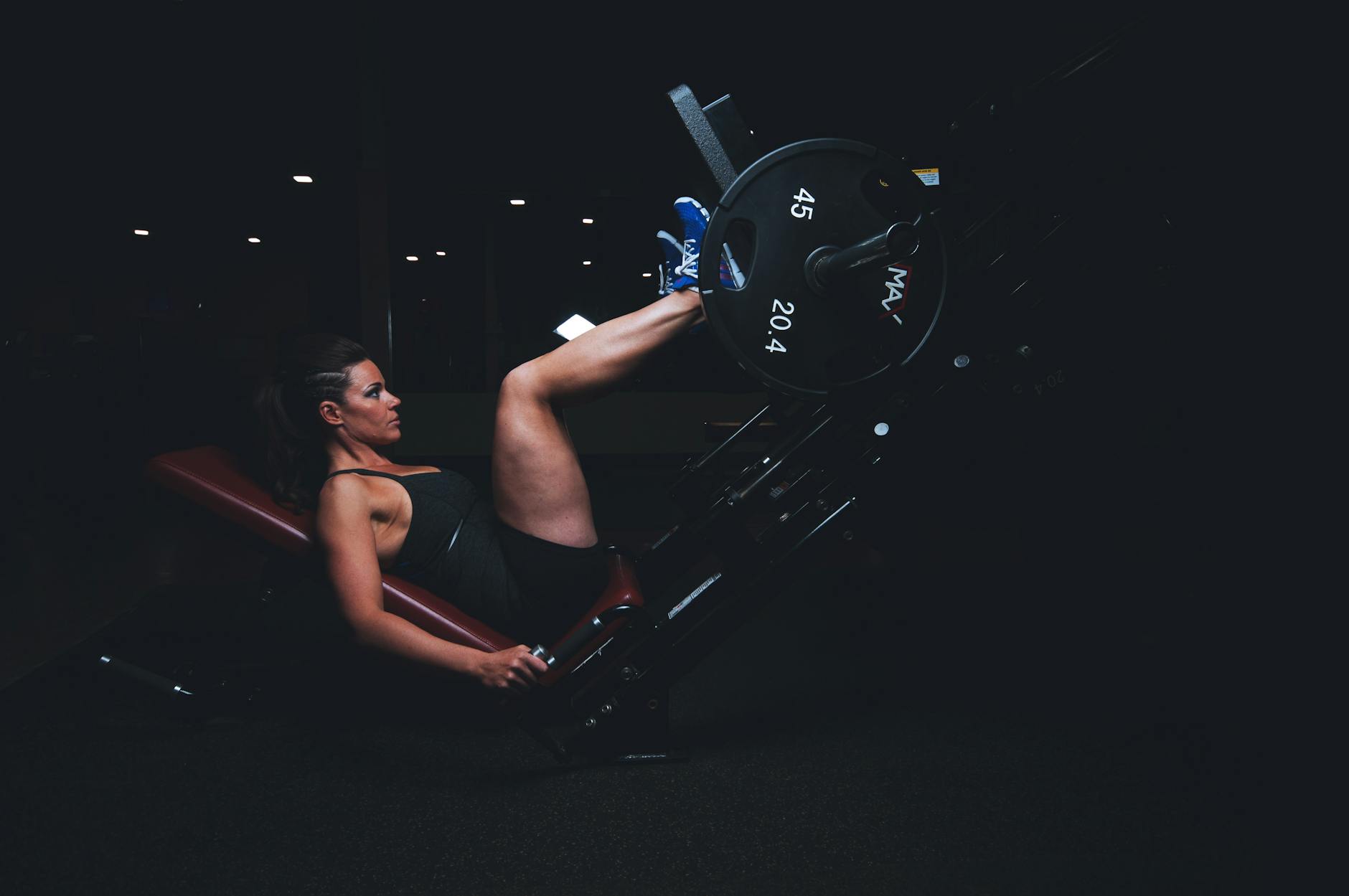
Using the leg press machine with excessive weight and a narrow or misaligned foot placement creates significant torsional stress on the knee joint. Many users lock out the knees fully at the top of each repetition, repeatedly forcing the joint into hyperextension under load. The reclined position of the machine also reduces the natural stabilizing role of the glutes, placing a disproportionate burden on the knee. Performing high volumes of heavy leg press work without complementary hip and glute training creates muscular imbalances that alter knee tracking. Moderate loads and controlled range of motion make this exercise considerably safer.
Jumping Rope
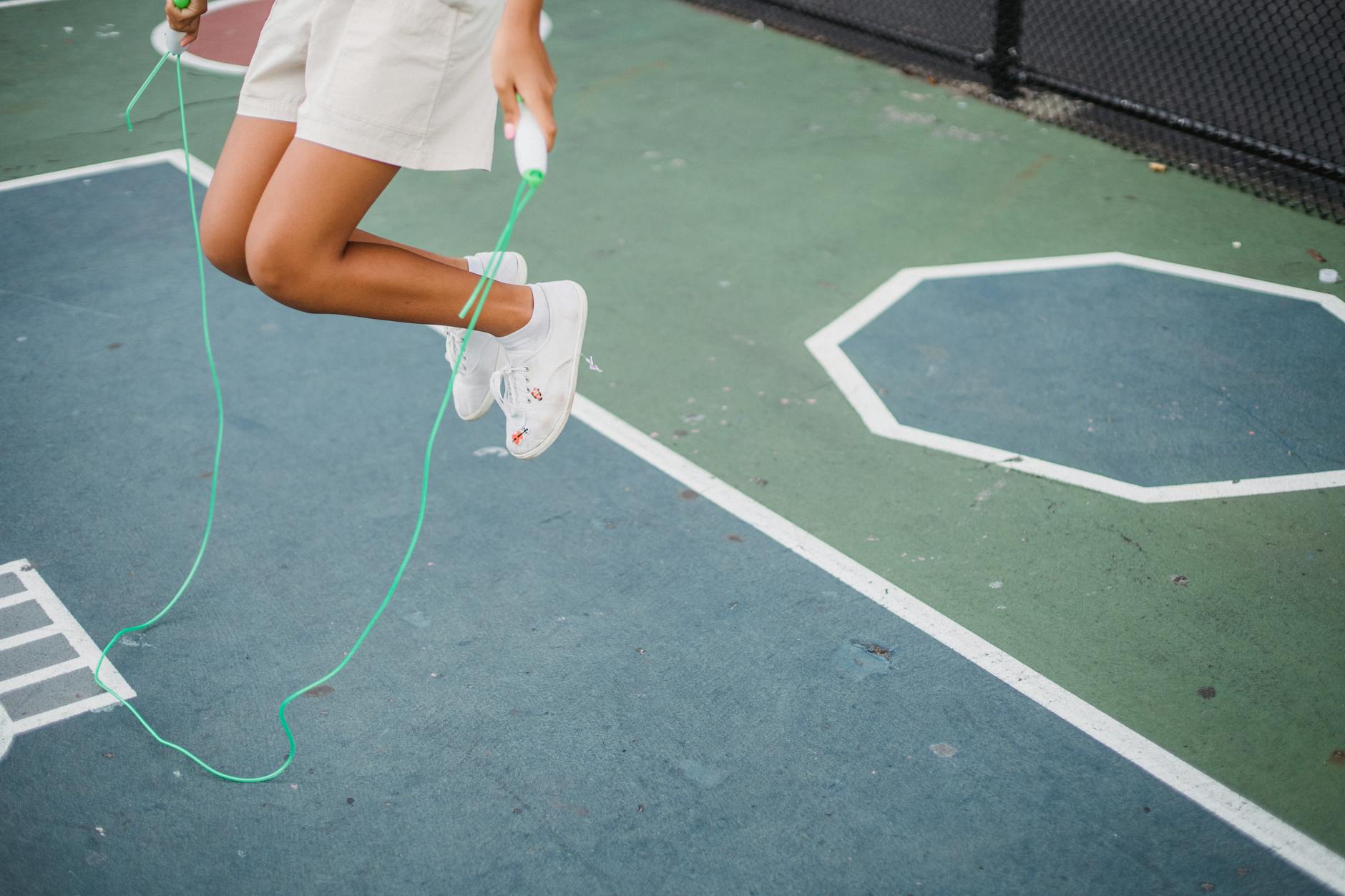
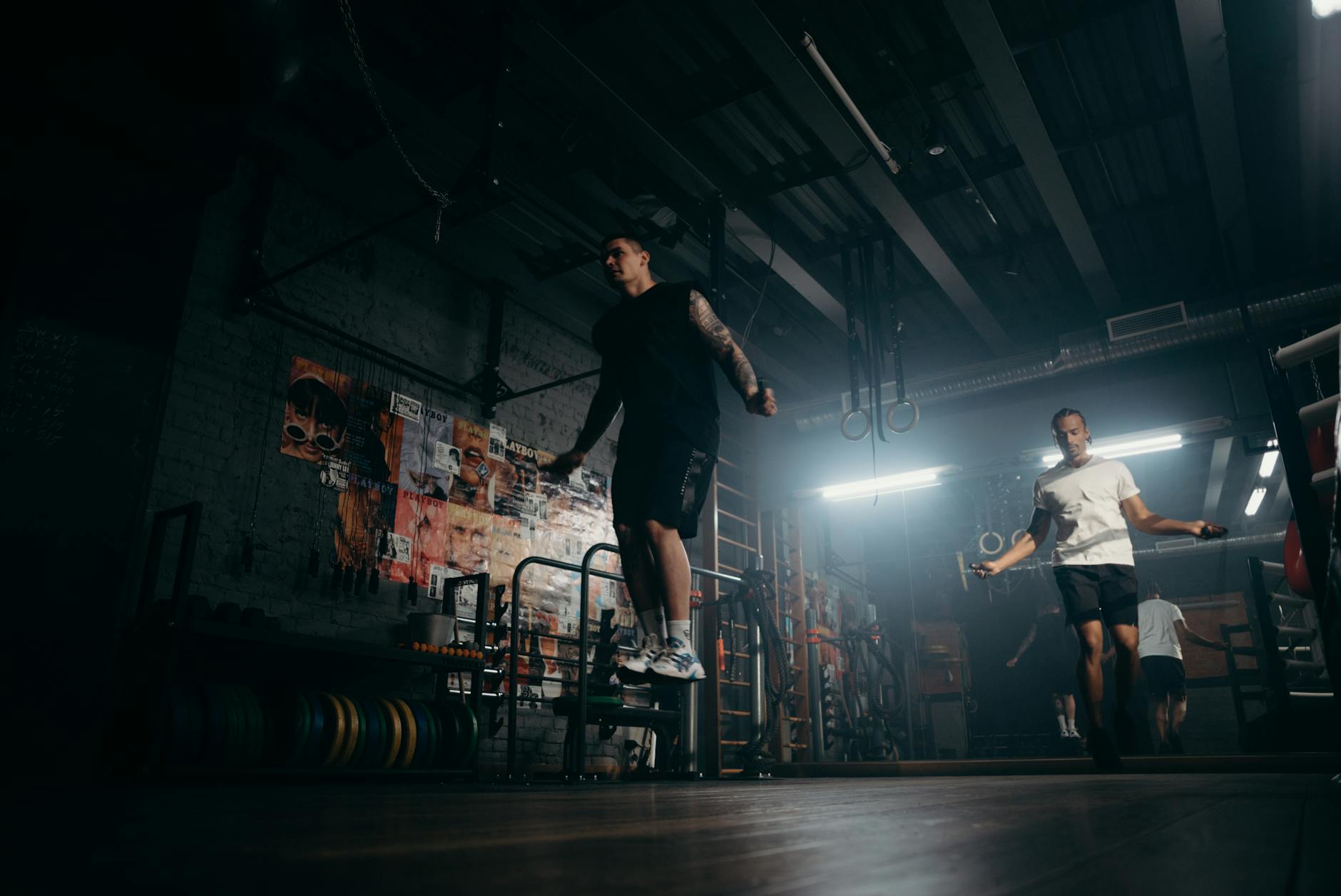
Jump rope is a high-impact cardiovascular exercise that transmits substantial ground reaction forces through the ankles, knees, and hips with every revolution. Athletes who jump rope on hard surfaces such as concrete or tile without proper footwear dramatically increase the stress absorbed by the knee cartilage. Poor landing mechanics, including collapsing inward at the knee or landing with a stiff leg, compound this impact with each repetition. At high session volumes, cumulative microtrauma to the patellar tendon is a frequent consequence seen in regular practitioners. Cushioned surfaces, supportive shoes, and mindful landing technique extend the lifespan of this otherwise effective training tool.
Pivoting Without Control
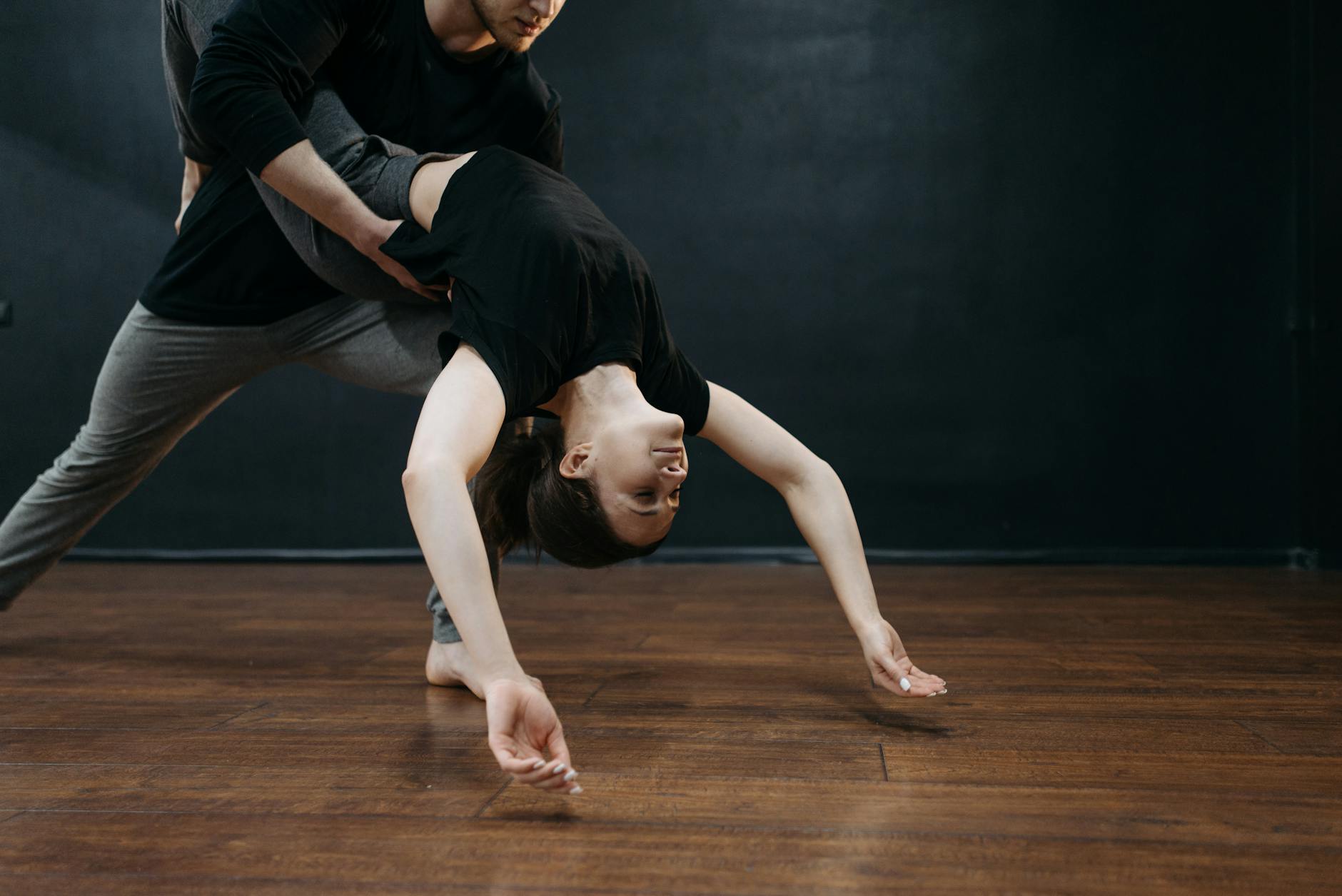
Uncontrolled rotational movements, particularly those involving a planted foot and a twisting upper body, are among the leading causes of acute and chronic knee injury in both sports and fitness settings. The ACL and meniscus are especially vulnerable when the tibia rotates relative to the femur under load and at speed. Group fitness classes, court sports, and dance-based workouts frequently involve rapid changes of direction that demand strong hip and ankle stabilizers. When those supporting muscles are underdeveloped, the knee absorbs the rotational stress it was never designed to handle alone. Strength and coordination training targeting the hips and ankles significantly reduces injury risk during pivoting movements.
Neglecting Hip Strength
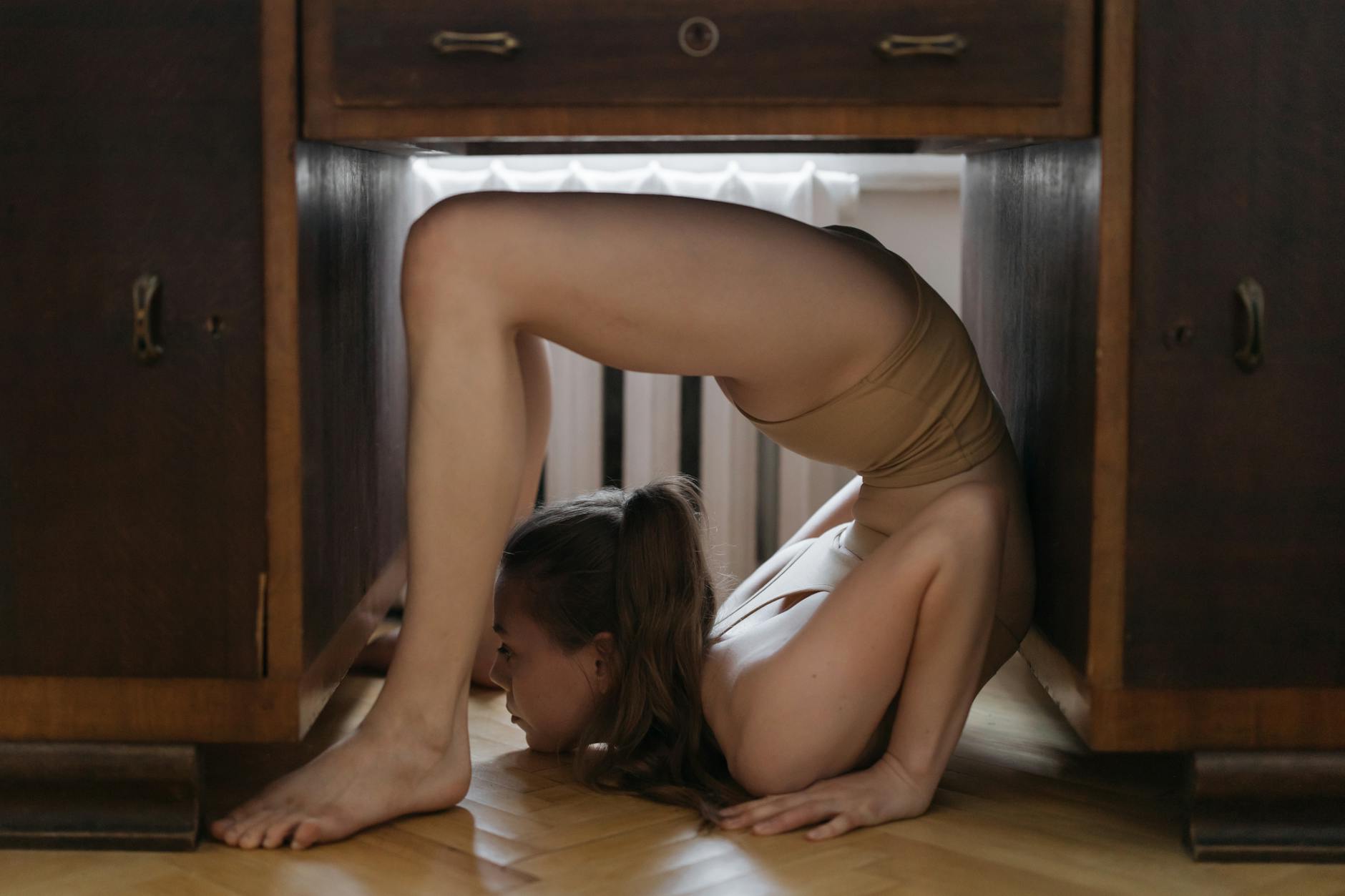
Weak hip abductors and external rotators allow the femur to rotate inward during activities such as running, squatting, and stair climbing, a pattern known as dynamic valgus collapse. This inward movement places the knee in a mechanically disadvantaged position where the lateral structures are overstretched and the medial structures are compressed. Patellofemoral pain, IT band syndrome, and meniscal stress are commonly linked to this movement pattern. Many individuals strengthen only the muscles directly around the knee without addressing the true origin of the problem further up the kinetic chain. Consistent hip strengthening with exercises such as clamshells, hip thrusts, and lateral band walks corrects the alignment and protects the joint.
HIIT Overload
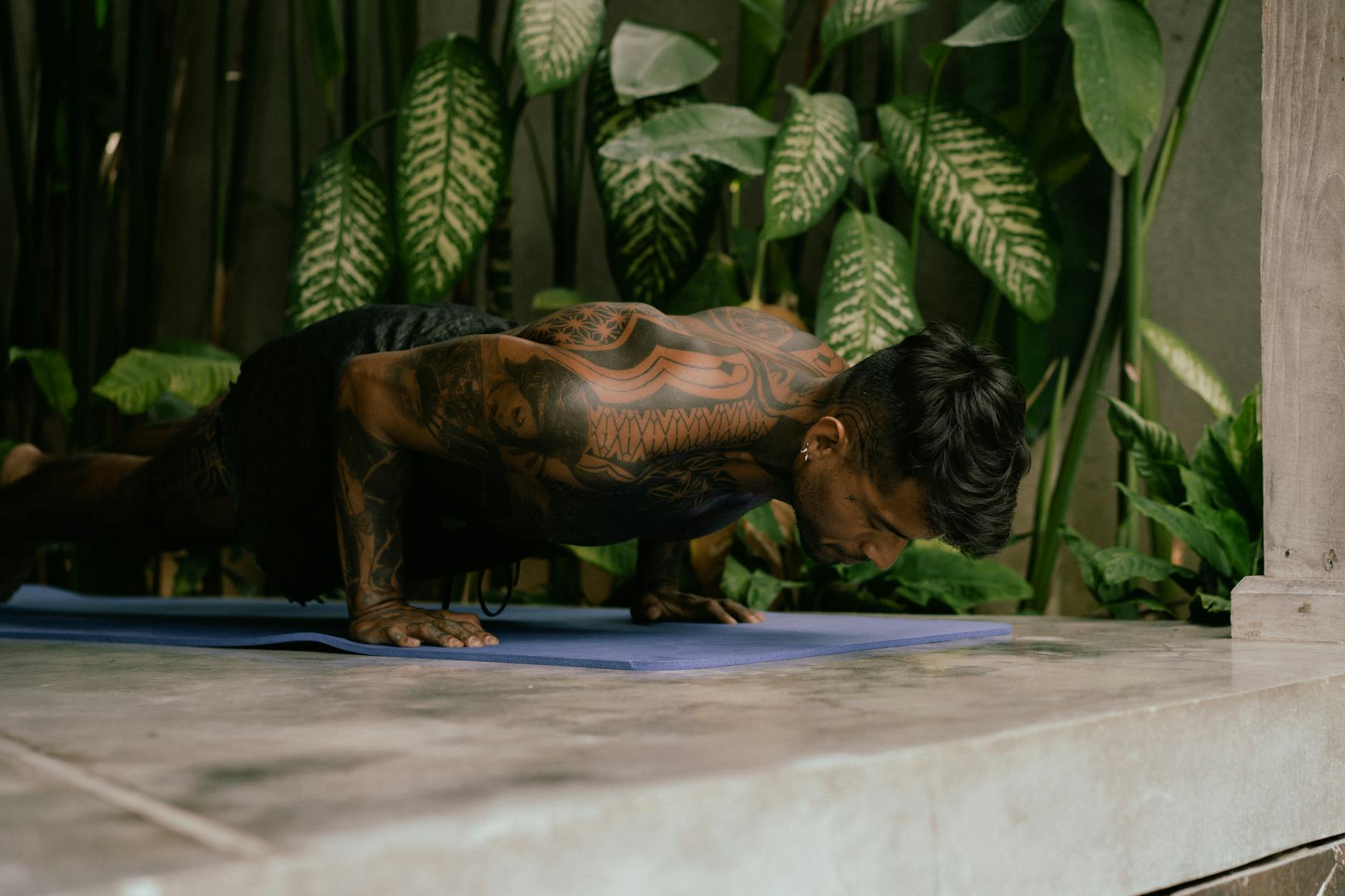
High-intensity interval training performed at excessive frequency does not allow adequate time for the knee’s connective tissues to recover between sessions. Unlike muscle tissue, cartilage and tendons have limited blood supply and therefore repair at a slower rate than most people account for in their programming. Accumulated fatigue from daily HIIT sessions degrades movement quality and landing mechanics, exponentially increasing injury risk over time. Many participants experience the early warning signs of overuse such as swelling, stiffness, and dull aching pain but continue training without modification. Two to three HIIT sessions per week with adequate lower-impact recovery days is the approach most widely supported by sports medicine professionals.
Cycling Setup
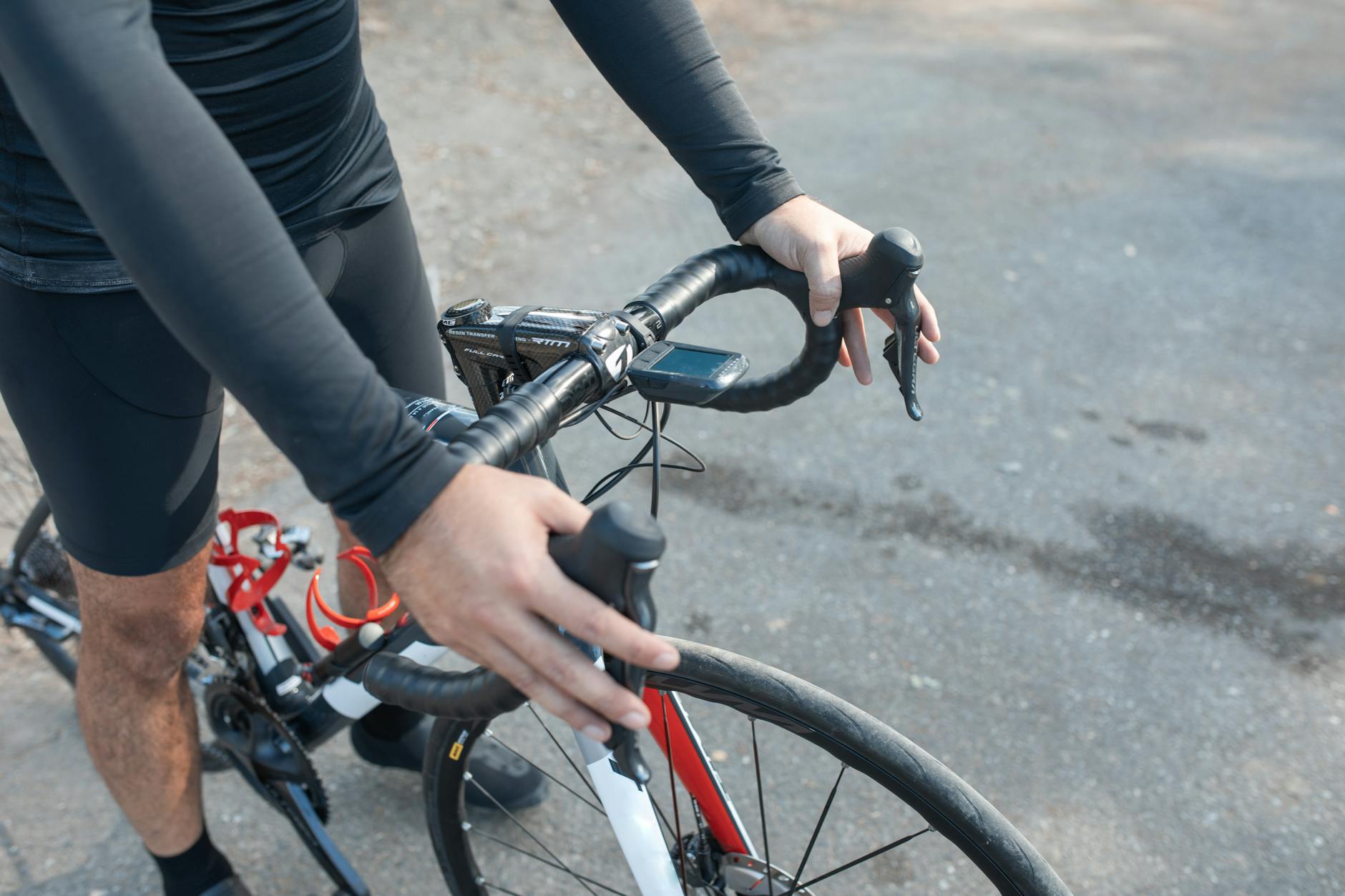
An improperly fitted bicycle places the knee in a mechanically stressful position throughout the thousands of pedal revolutions completed in a single ride. A seat that is too low forces the knee into excessive flexion at the bottom of the pedal stroke, compressing the patellofemoral joint repeatedly. A seat that is too high causes the hips to rock and introduces lateral stress to the knee with each extension. Cleat position on cycling shoes plays an equally important role in determining the rotational alignment of the knee throughout the pedal cycle. Professional bike fitting is a worthwhile investment for anyone who cycles regularly as a primary form of training or transportation.
Stair Climbing
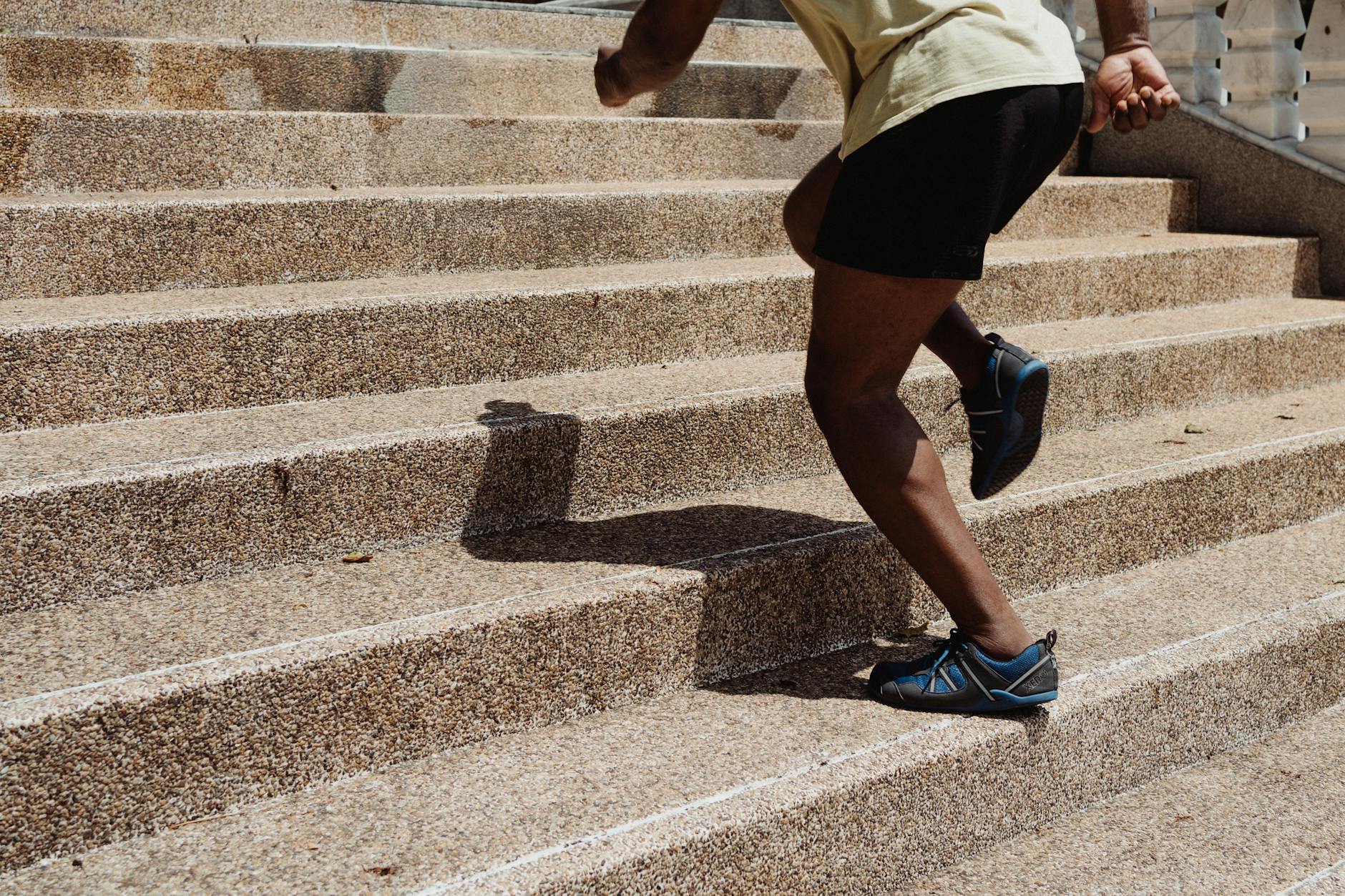
Stair climbing machines and actual stair ascent are commonly recommended for cardiovascular fitness but place high demands on the patellar tendon and knee cartilage when performed in excess. The repeated step-up motion concentrates force on the front of the knee with every push-off, particularly when the individual leans forward and allows the knee to travel far past the toes. People with existing patellar tendinitis often find that stair climbing is among the first activities to aggravate their symptoms. Session length and step height both significantly influence the total mechanical load experienced by the joint over time. Maintaining an upright torso and limiting session frequency allows this exercise to remain a viable training option for most individuals.
Ignoring Pain
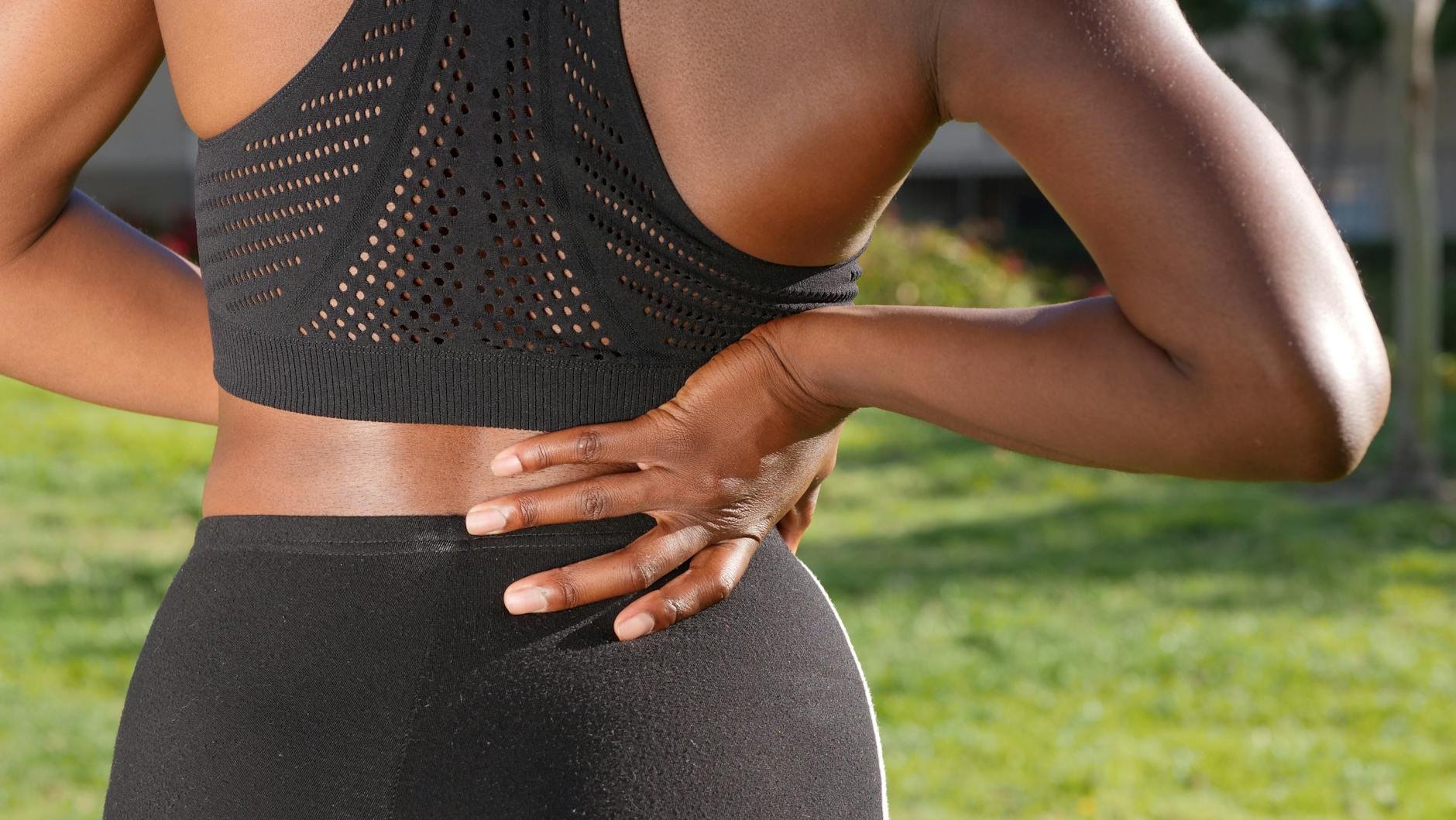
Training through sharp, persistent, or swelling-accompanied knee pain is one of the most direct paths to long-term structural damage. Pain is the body’s primary mechanism for communicating that a tissue threshold has been exceeded or that inflammation requires rest to resolve. Many athletes and fitness enthusiasts misinterpret early-stage injury signals as normal soreness and continue loading the joint before healing has occurred. This approach transforms manageable acute injuries into chronic conditions that require prolonged rehabilitation or surgical intervention. Any knee pain that persists beyond two or three sessions or is accompanied by swelling warrants assessment by a qualified healthcare professional.
Foam Rolling Knees
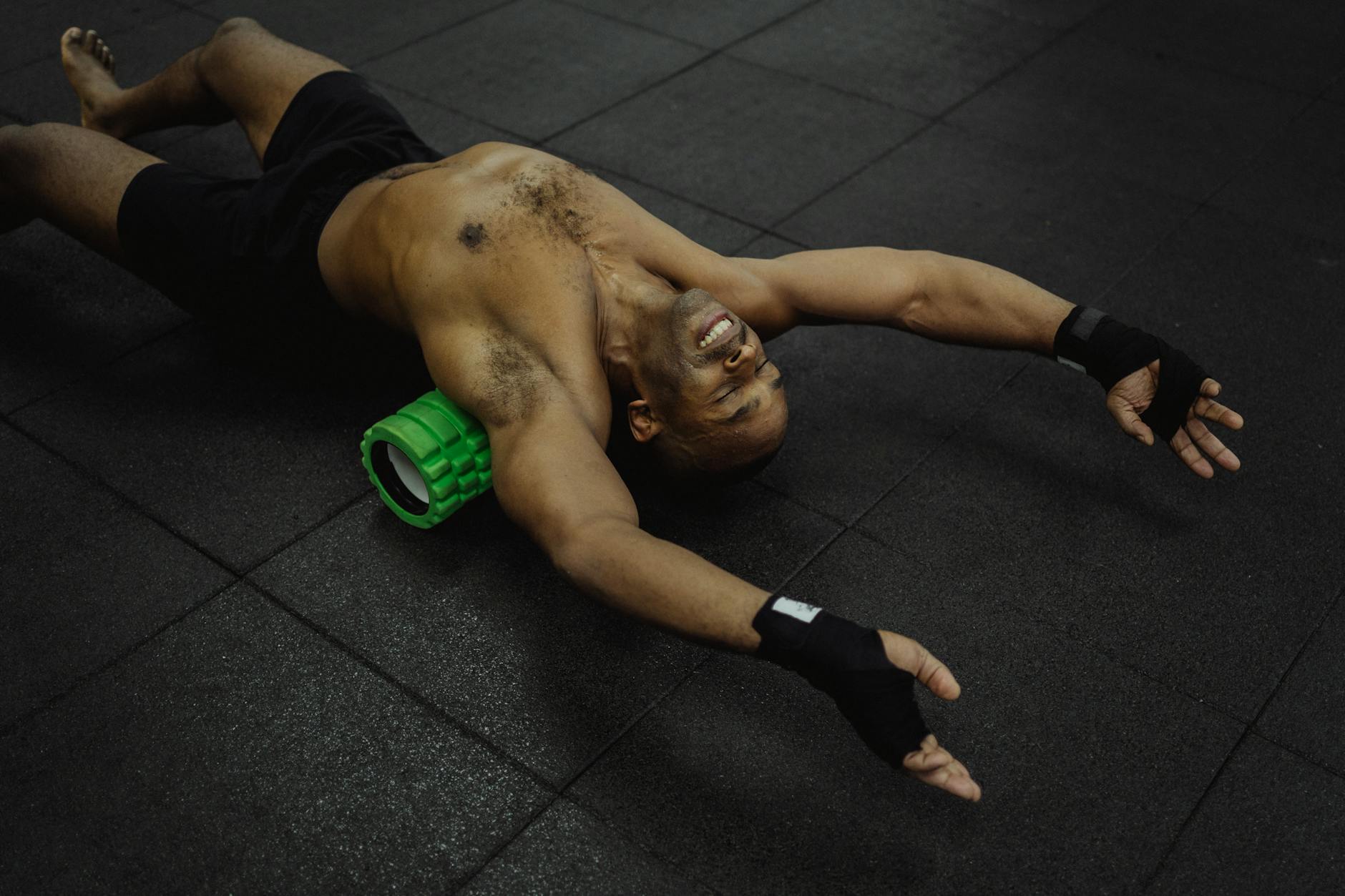
Rolling the foam roller directly over the knee joint is a commonly observed and problematic practice in gym environments worldwide. The knee contains no large muscle belly to benefit from myofascial release and the bony prominences and ligament structures of the joint can be irritated by direct compression. Proper foam rolling for knee health targets the quadriceps, hamstrings, IT band, and calves rather than the joint itself. Applying pressure directly to the lateral retinaculum or patellar tendon with a roller can inflame already sensitized tissues and worsen existing conditions. Redirecting rolling efforts to the surrounding musculature yields the mobility and tension relief that practitioners are typically seeking.
Overstriding
Overstriding occurs when the foot lands well ahead of the body’s center of mass during running, creating a braking force that travels directly through the knee with each footfall. This landing pattern is associated with increased rates of patellofemoral pain, tibial stress injury, and IT band syndrome in recreational and competitive runners. A cadence that is too slow relative to running speed encourages overstriding by allowing the leg to extend too far forward before ground contact. Research consistently shows that increasing step rate by approximately five to ten percent reduces impact loading on the knee joint significantly. Focusing on landing closer to beneath the hips rather than reaching forward with each stride corrects this pattern effectively.
No Rest Days
Continuous daily training without scheduled rest prevents the connective tissues of the knee from completing the repair cycle that follows loading-induced microtrauma. Cartilage in particular requires periods of unloading to allow fluid reabsorption and the maintenance of its viscoelastic properties. Athletes who train every day without periodization accumulate fatigue in the supporting tendons and ligaments, which progressively compromises their ability to stabilize the joint. The absence of rest also prevents the nervous system from optimizing motor patterns, leading to degraded movement quality that increases injury exposure. Structured rest days are not a sign of insufficient commitment but a recognized component of long-term athletic durability.
Wrong Shoes
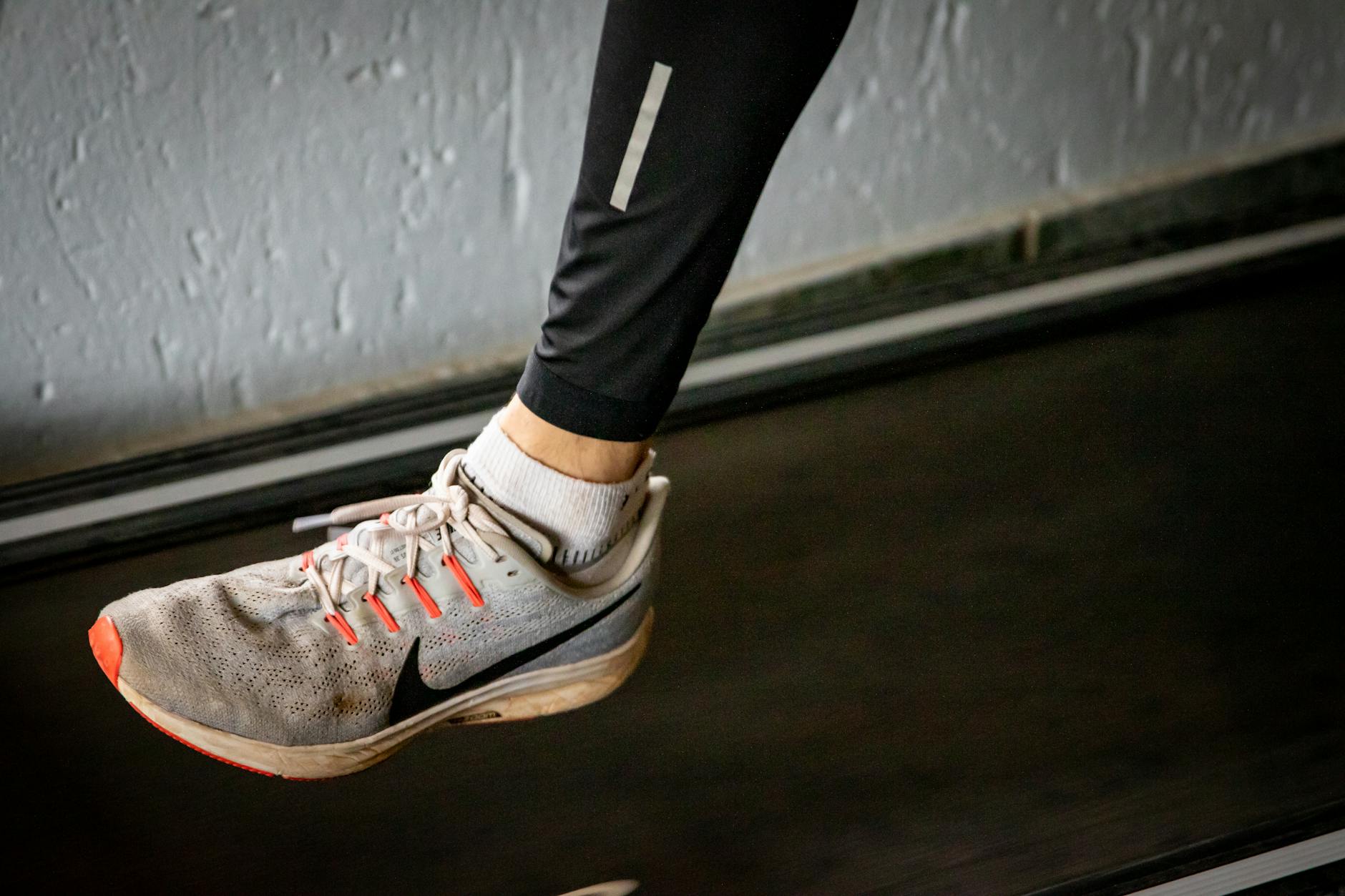
Wearing footwear that lacks appropriate support, cushioning, or stability for a given activity alters load distribution through the entire lower limb during exercise. Neutral shoes worn by individuals with significant overpronation allow the arch to collapse inward, causing the tibia to rotate and the knee to follow into a valgus position under load. Conversely, overly cushioned maximalist shoes can reduce ground feedback and encourage poor landing mechanics in impact-based activities. Running shoes used beyond their recommended mileage lose their structural integrity and provide substantially less protection than advertised. Footwear selection should be guided by gait analysis and the specific mechanical demands of the primary training activity.
Partial Squats
Performing squats that stop far above parallel with heavy loads concentrates force in a limited range of motion while failing to activate the gluteal muscles adequately. Without sufficient glute engagement, the quadriceps dominate the movement and the knee is exposed to greater shear forces than a full muscular chain activation would produce. Partial squats also reinforce a movement pattern that does not transfer well to real-world activities requiring full-range lower body strength. Athletes who rely heavily on partial squats often develop the muscular imbalances that lead to knee tracking problems over time. Training through a full, controlled range of motion appropriate to individual mobility distributes load more evenly across the joint.
Tight Hamstrings
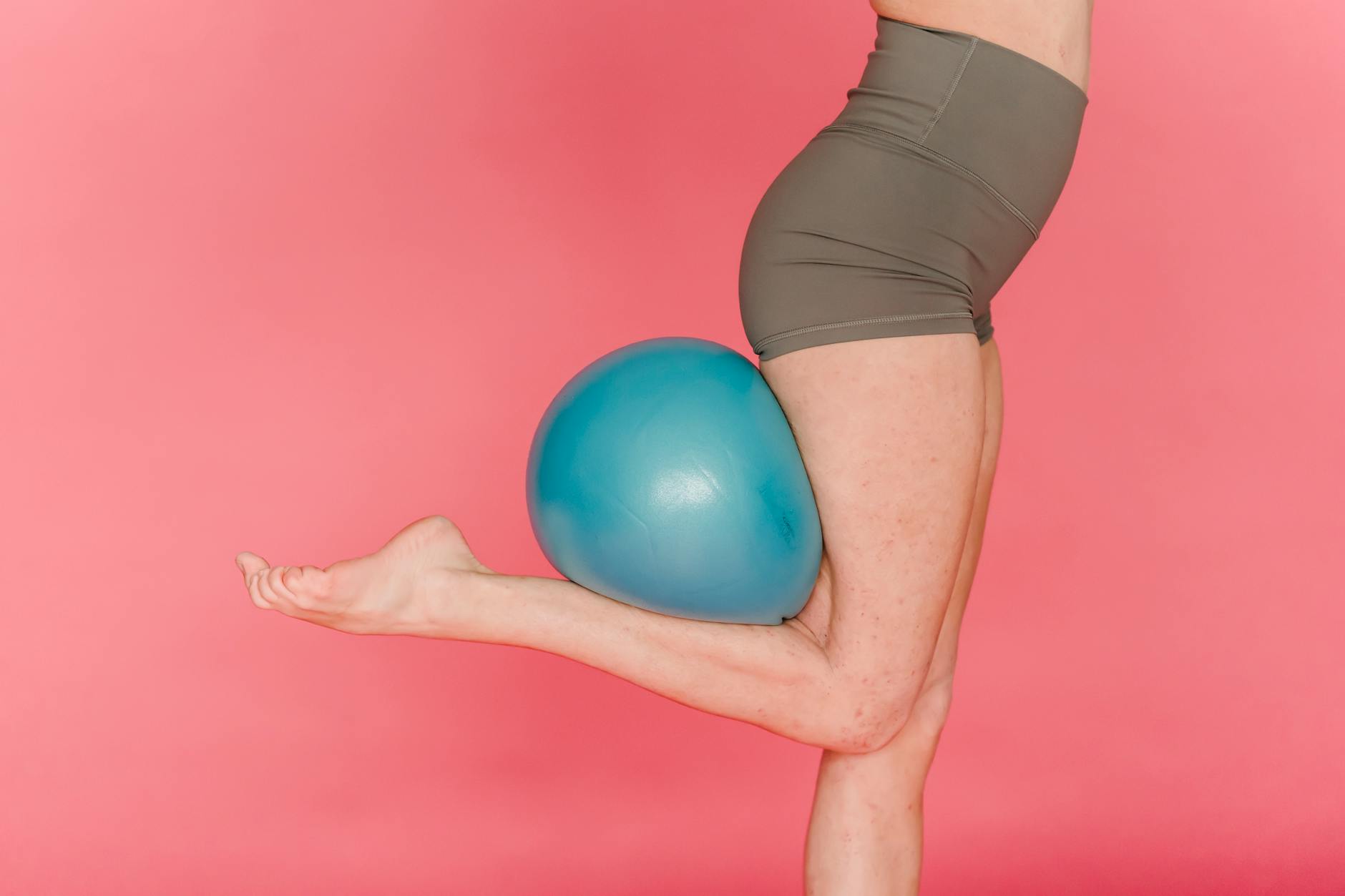
Chronic hamstring tightness alters the mechanics of knee flexion and extension by limiting the posterior chain’s ability to absorb and distribute force during athletic movement. When the hamstrings are shortened and inflexible, they pull on the proximal tibia and affect the alignment and tracking of the patella during dynamic activities. Reduced hamstring flexibility is also associated with anterior pelvic tilt, which modifies the angle of hip and knee alignment throughout the gait cycle. Runners and lifters with persistently tight hamstrings report higher rates of posterior knee discomfort and tendon irritation than those who maintain posterior chain flexibility. Consistent static and dynamic hamstring stretching as part of a cool-down routine meaningfully reduces these risks over time.
Heel Striking
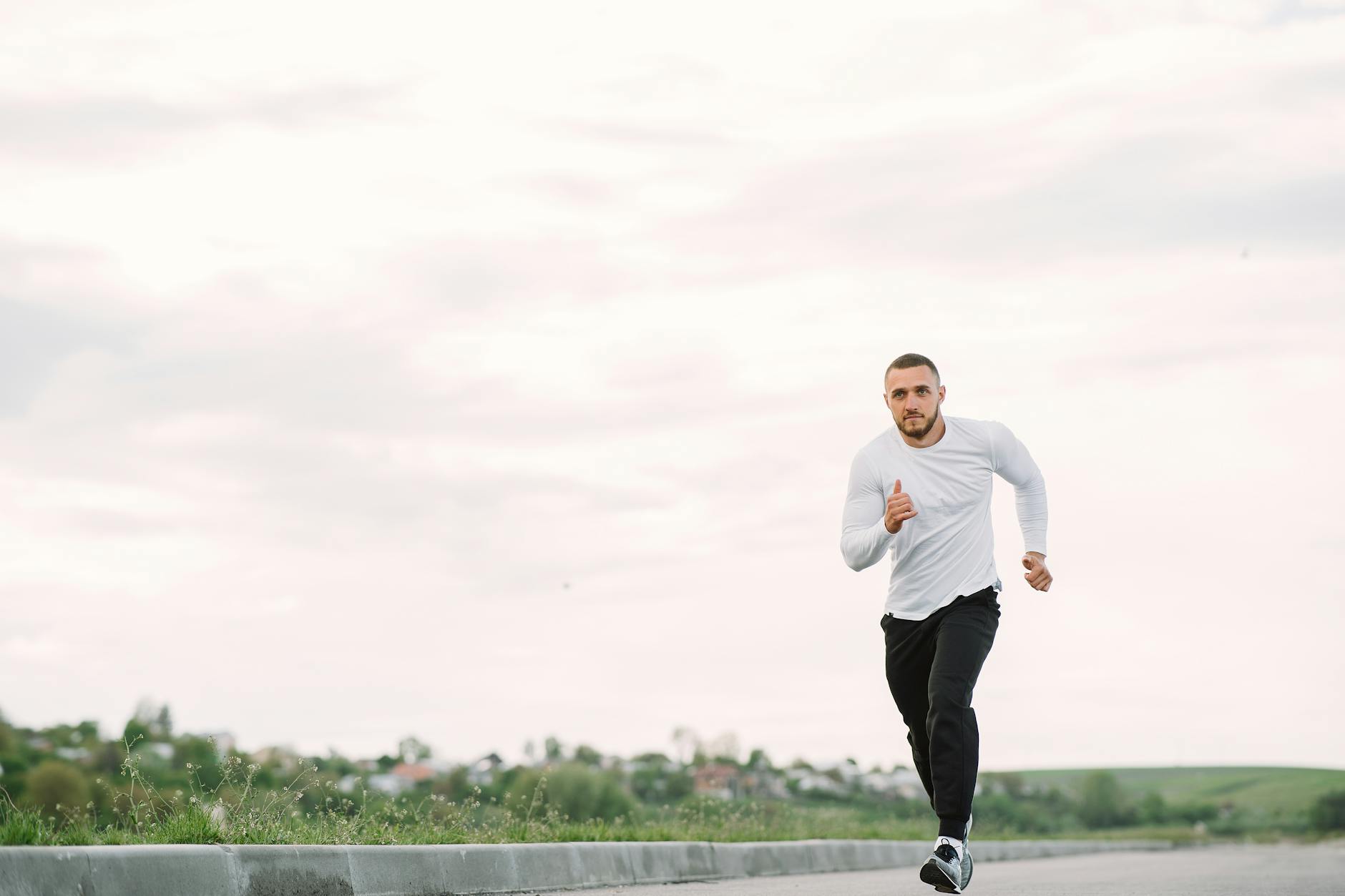
Landing heel-first during running transmits impact forces rapidly up through the skeletal chain with limited muscular absorption, placing considerable stress on the knee joint at the moment of ground contact. The straight or near-straight leg position common in heel striking reduces the knee’s ability to act as a shock-absorbing spring and instead shifts load onto the joint structures directly. Studies comparing heel strike and midfoot strike patterns consistently find higher peak forces at the knee in habitual heel strikers. This pattern is particularly damaging on paved surfaces where the ground provides no energy return or give to buffer the impact. Transitioning toward a midfoot strike with gradual progression reduces impact loading and improves the mechanical efficiency of each stride.
Sitting Too Long

Extended periods of sitting maintain the knee in a sustained flexed position that compresses the posterior joint capsule and reduces synovial fluid circulation to the cartilage surfaces. Individuals who transition from prolonged sitting directly into intense exercise without movement preparation expose stiff, poorly lubricated joints to sudden high loads. The hip flexors and quadriceps shorten adaptively in habitual sitters, altering knee alignment and movement mechanics during subsequent activity. Patellofemoral discomfort and the sensation of knee stiffness upon rising are common early indicators of this pattern. Incorporating brief standing or walking breaks every thirty to forty-five minutes throughout the day measurably improves joint health over time.
Poor Core Strength
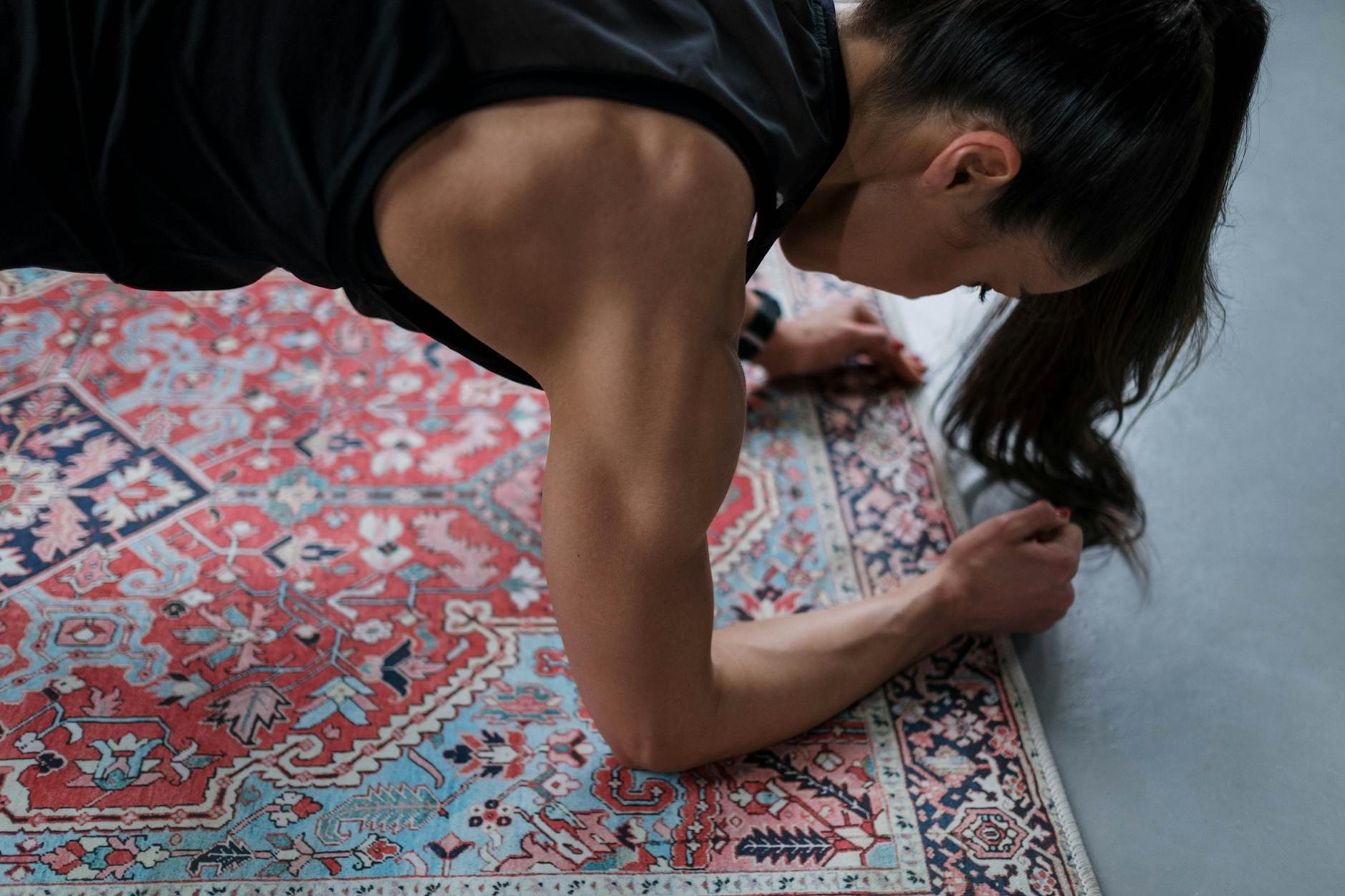
Insufficient core stability prevents the trunk from maintaining a neutral position during lower-body exercises and athletic movements, causing compensatory shifts in load through the hip, knee, and ankle. When the core fails to brace effectively, the pelvis tilts and the lumbar spine flexes forward, placing the knee in a mechanically vulnerable alignment. Exercises such as squats, deadlifts, and lunges performed with a weak or disengaged core consistently show increased knee valgus and tibial rotation under load. Core training is therefore not exclusively a concern of the abdominal region but a foundational element of knee injury prevention. Planks, dead bugs, and Pallof presses are among the most effective exercises for building the functional stability that protects the knee during compound movement.
Knee Wrapping
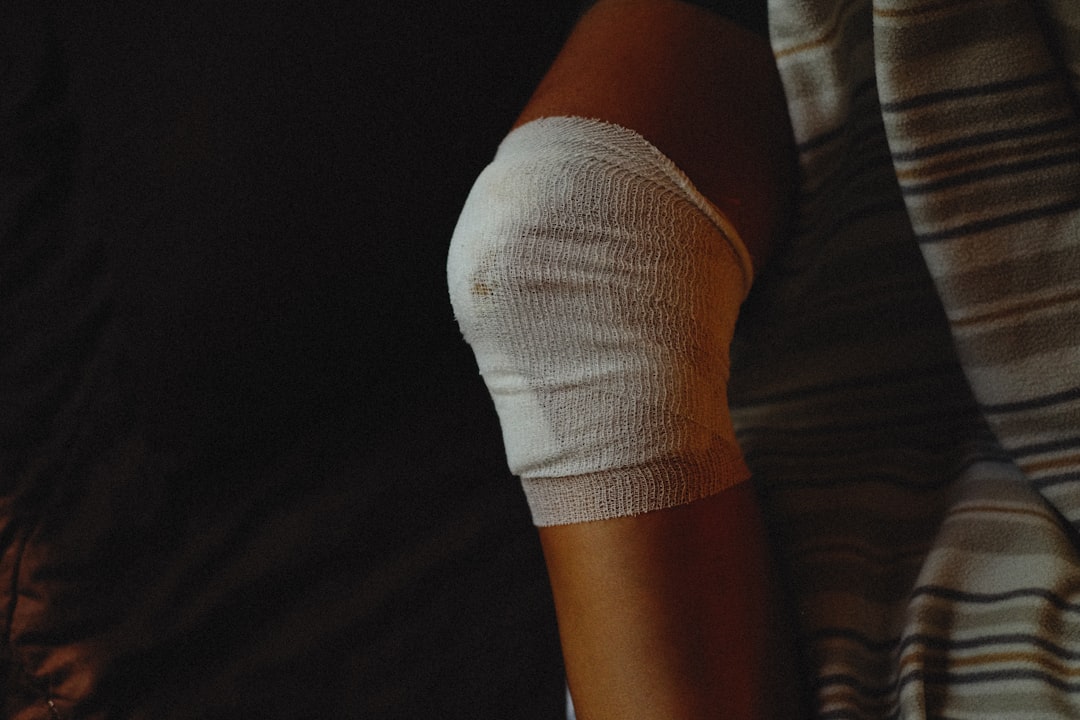
Using knee wraps or sleeves as a substitute for developing genuine joint stability creates a dependency that undermines the long-term health of the surrounding musculature. Supportive wraps reduce proprioceptive feedback from the knee, meaning the sensory information the nervous system uses to coordinate protective muscle responses is diminished during training. Athletes who rely on wraps for routine training may find that removing them reveals a level of underlying weakness and instability that increases injury risk. Wraps are appropriate tools for managing existing injury or for maximal competition efforts but are not intended as everyday training aids. Building intrinsic knee stability through progressive loading and balance training is the more sustainable and protective long-term approach.
Skipping Cool-Down
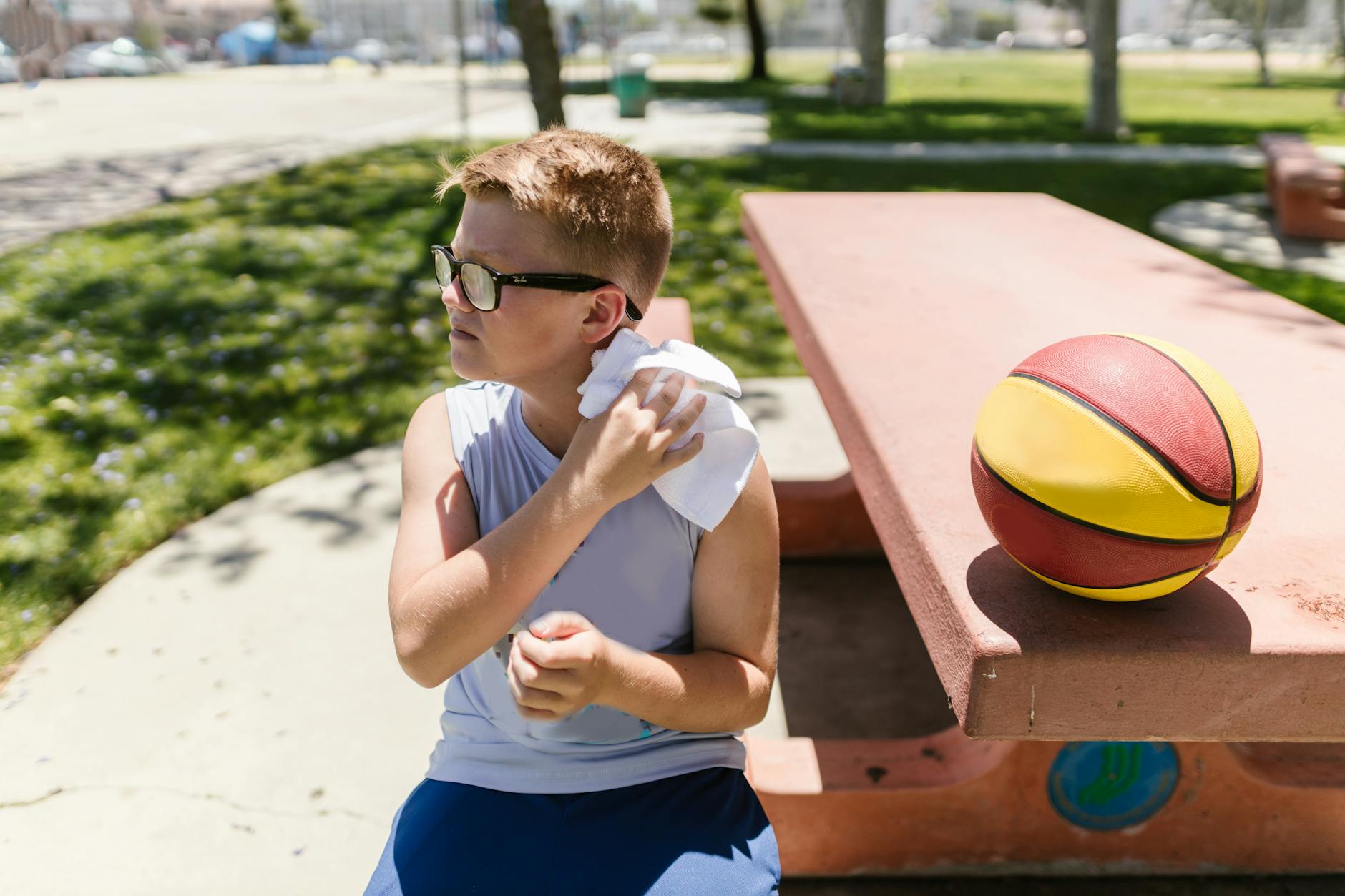
Ending a training session abruptly without a structured cool-down leaves the muscles surrounding the knee in a shortened and fatigued state as metabolic byproducts accumulate in the tissue. The transition from high exertion to complete rest without a gradual reduction in intensity impairs circulation to the tendons and joint structures at a time when repair processes are initiating. Knee stiffness experienced the morning after a session is frequently a consequence of inadequate post-exercise mobility work the previous day. A ten-minute cool-down including light movement and targeted stretching of the quadriceps, hamstrings, and calves meaningfully accelerates recovery. Consistent post-session care is among the simplest and most evidence-supported habits for preserving long-term knee function.
Share which of these knee-damaging habits you have caught yourself making in the comments.