Across the country, exotic animal ownership is quietly becoming one of the most pressing concerns in modern veterinary medicine. Well-meaning animal lovers frequently underestimate the specialized care, legal restrictions, and ethical complications that come with owning wildlife outside its natural habitat. Many of these animals suffer silently in domestic settings, developing stress-related illnesses and behavioral problems that are difficult to treat. Veterinarians consistently report that the majority of exotic pets brought to their clinics are already in poor health by the time they arrive. Understanding why these animals belong in the wild rather than in a living room is the first step toward making more responsible choices.
Slow Loris
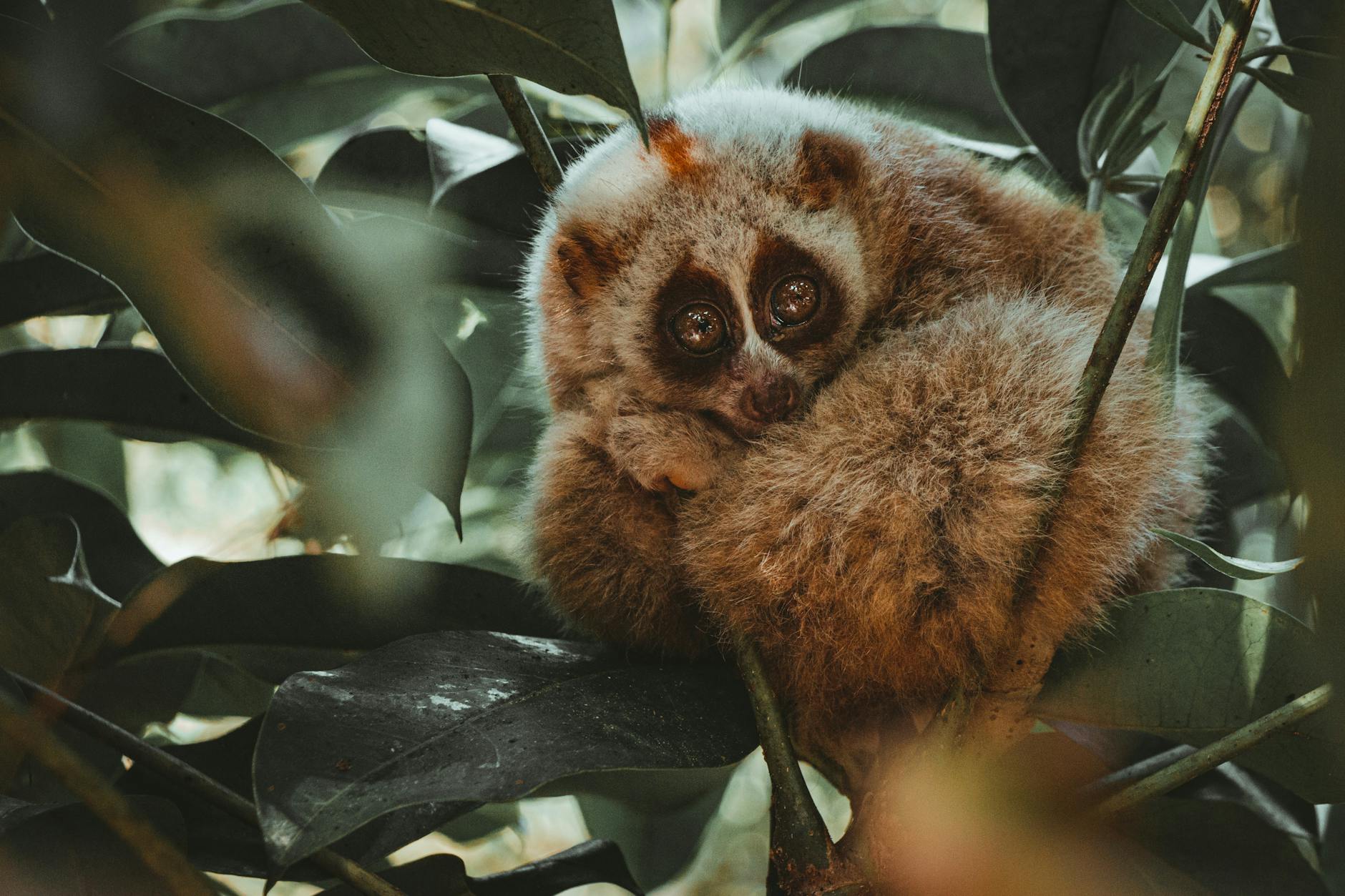
The slow loris is a small nocturnal primate native to South and Southeast Asia that has become dangerously popular due to viral videos depicting them being tickled. What those videos rarely show is that the animals are in distress, as raising their arms is a fear response rather than a sign of enjoyment. Their teeth are often removed by traffickers before sale, which leads to infection, chronic pain, and an inability to eat naturally. Slow lorises require a highly specific diet, complex social structure, and vast nighttime roaming territory that no home can provide. Owning one is illegal under international wildlife trade law in most countries.
Kinkajou
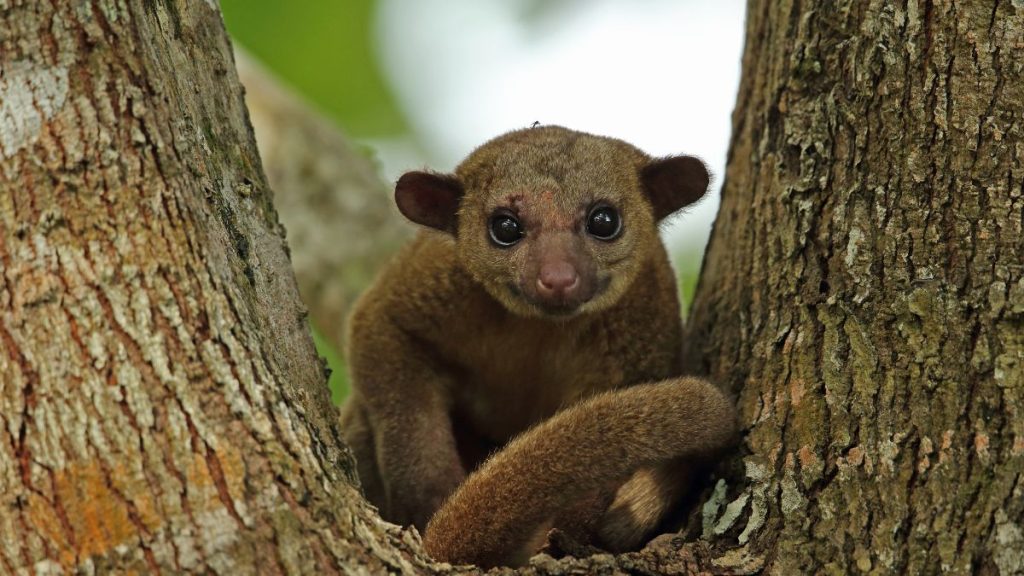
The kinkajou is a small, honey-loving mammal from Central and South America that looks deceptively like a toy but behaves like a wild animal. They are exclusively nocturnal and become highly active during hours when most households are trying to sleep. Kinkajous are prone to sudden, unpredictable aggression even toward owners they have known for years, and their bites frequently require medical attention. They carry the Baylisascaris procyonis roundworm, which can be transmitted to humans and cause serious neurological damage. Finding a veterinarian with the expertise to treat a kinkajou is genuinely difficult in most parts of the world.
Capybara
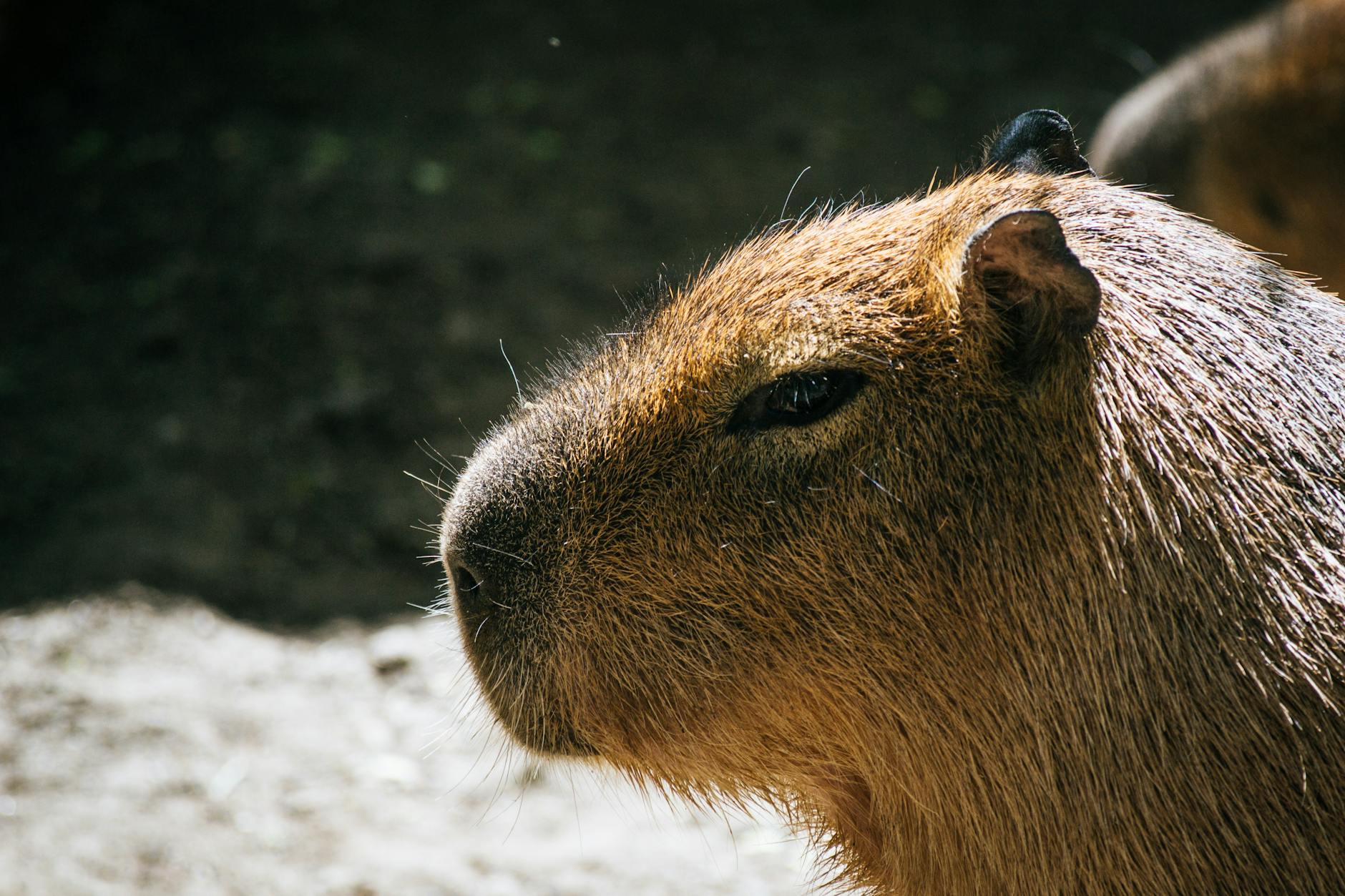
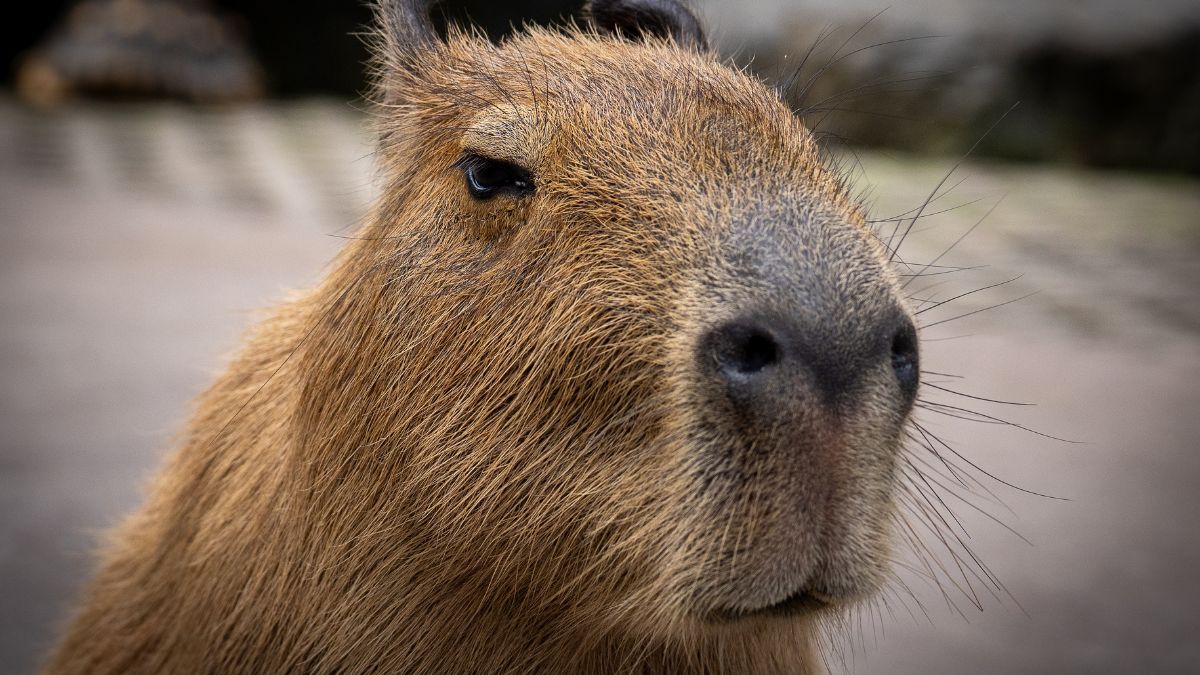
Capybaras are the world’s largest rodents and have gained considerable social media attention as gentle, sociable animals. In practice, they require constant access to large bodies of water for swimming, a herd of their own species for psychological stability, and outdoor space measured in acres rather than yards. A capybara kept alone or in a small enclosure frequently develops severe anxiety and repetitive stress behaviors. Their dietary needs are complex, requiring specific grasses and vegetation that most owners cannot reliably source. Many municipalities prohibit capybara ownership outright, and exotic animal permits where they are allowed come with strict and costly requirements.
Fennec Fox
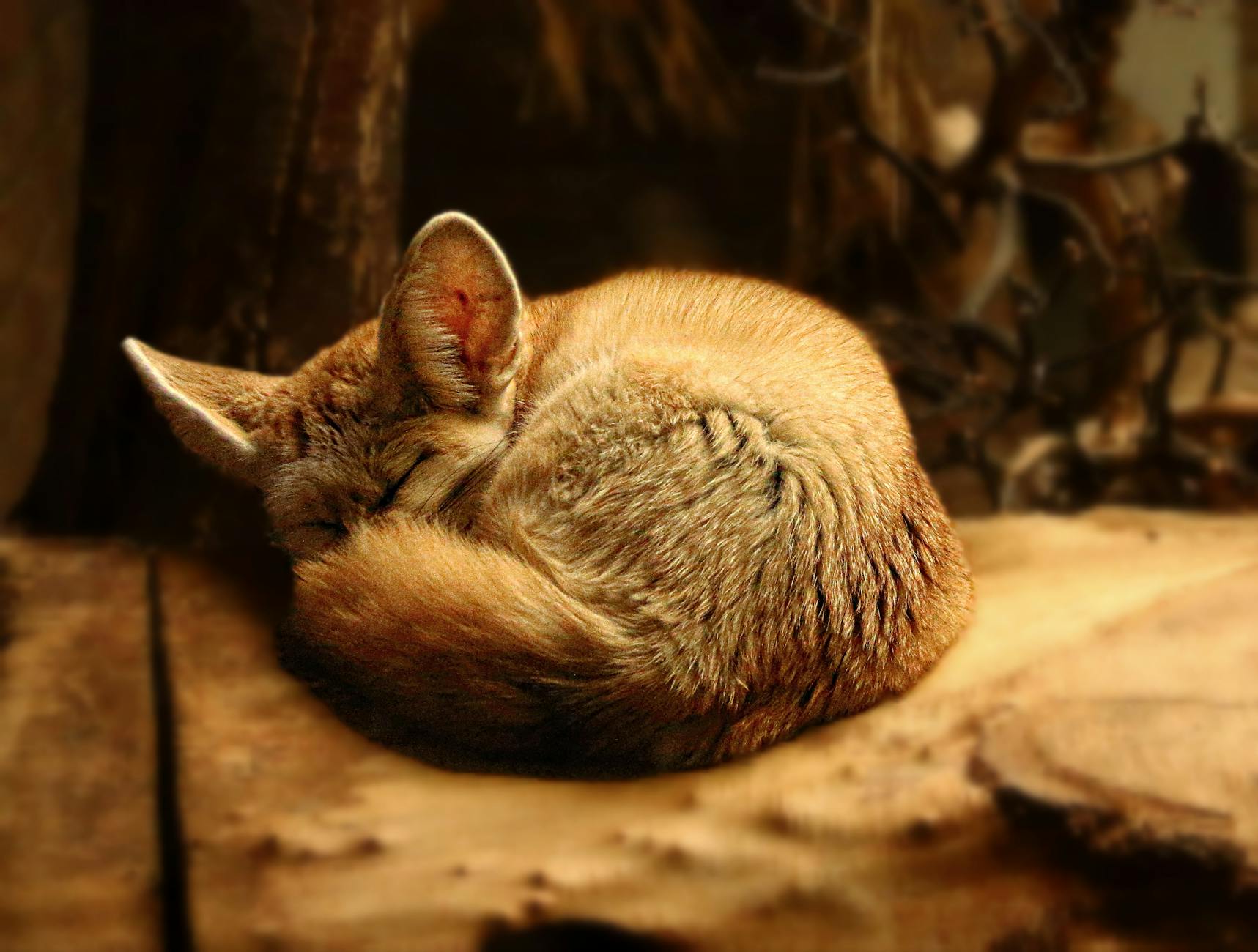
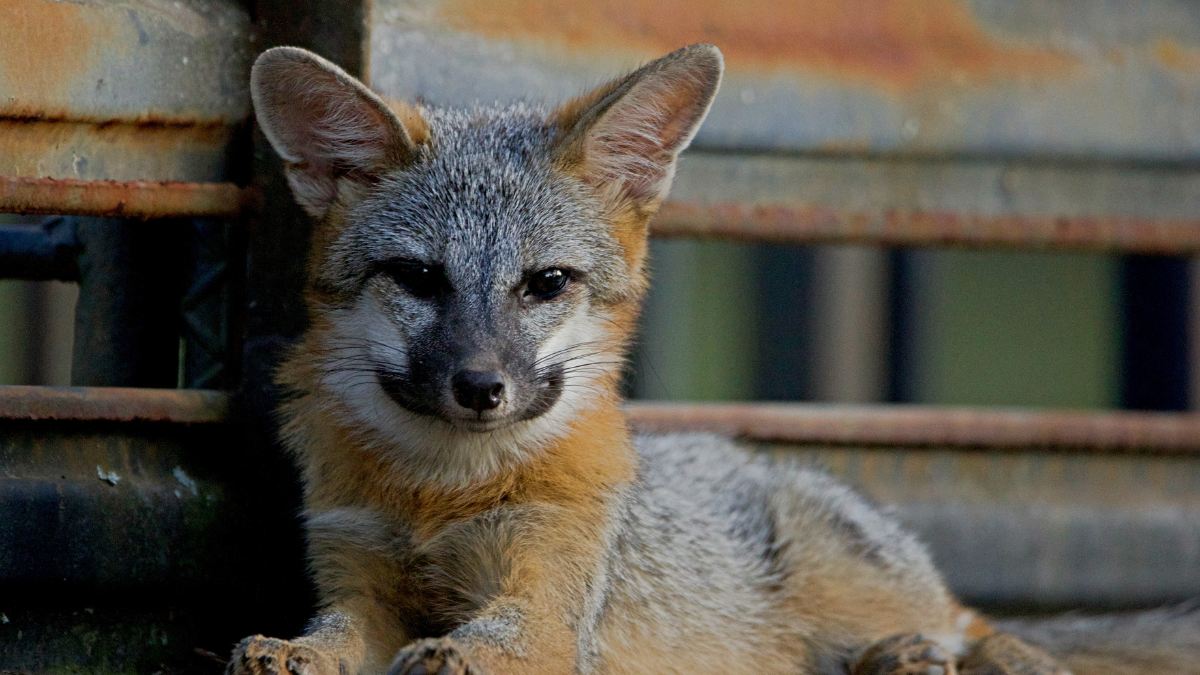
The fennec fox is a tiny desert canid from North Africa whose oversized ears and delicate features make it one of the most sought-after exotic pets in the world. Despite their small size, fennec foxes are incredibly high-energy, requiring hours of stimulation each day and a diet that closely mirrors what they would eat in the Sahara. They vocalize loudly at night, cannot be reliably trained to use a litter box, and can escape through openings most owners would never think to secure. Fennec foxes rarely bond deeply with humans and spend much of their domestic lives in a state of chronic stress. Captive breeding conditions for the trade are frequently inhumane, meaning the purchase itself often funds suffering.
Sugar Glider
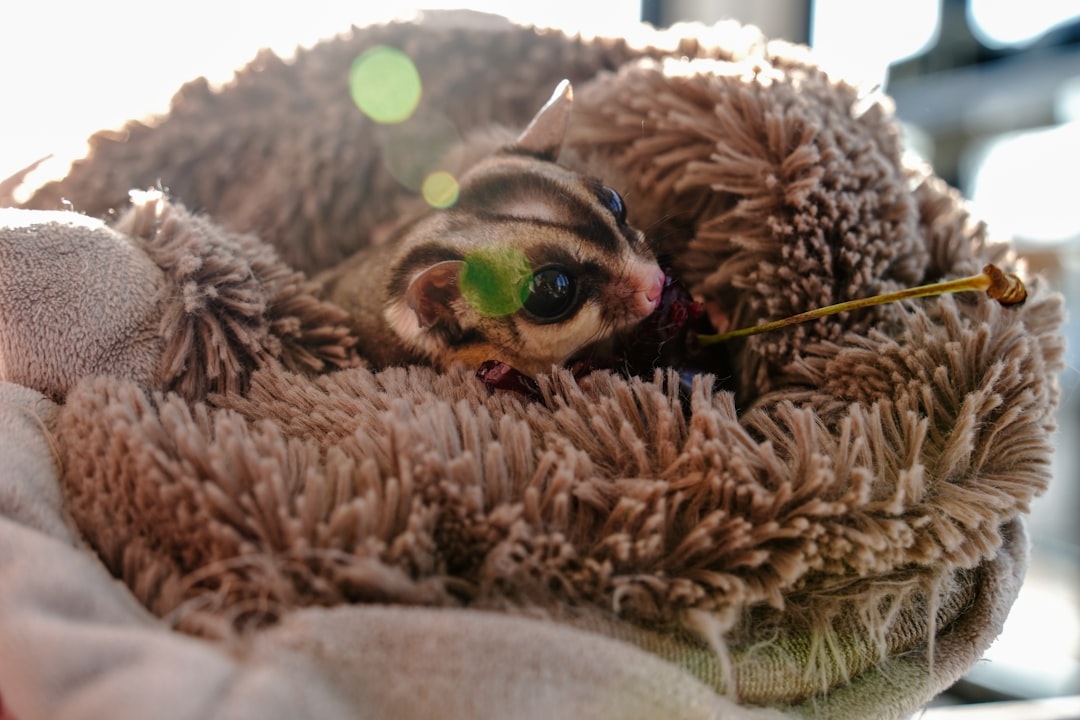
Sugar gliders are small marsupials from Australia and Indonesia that have been marketed as low-maintenance pocket pets for decades. In reality, they are colony animals that develop severe depression and self-mutilation behaviors when housed alone or without sufficient social interaction. They require a specialized diet that is extremely difficult to balance correctly, and nutritional deficiencies are among the leading causes of early death in captive sugar gliders. Their need for vertical climbing space means that standard small animal cages are entirely unsuitable. Veterinarians who specialize in exotic animals report that sugar gliders are among the most commonly surrendered exotic pets after owners discover the true demands of their care.
Axolotl
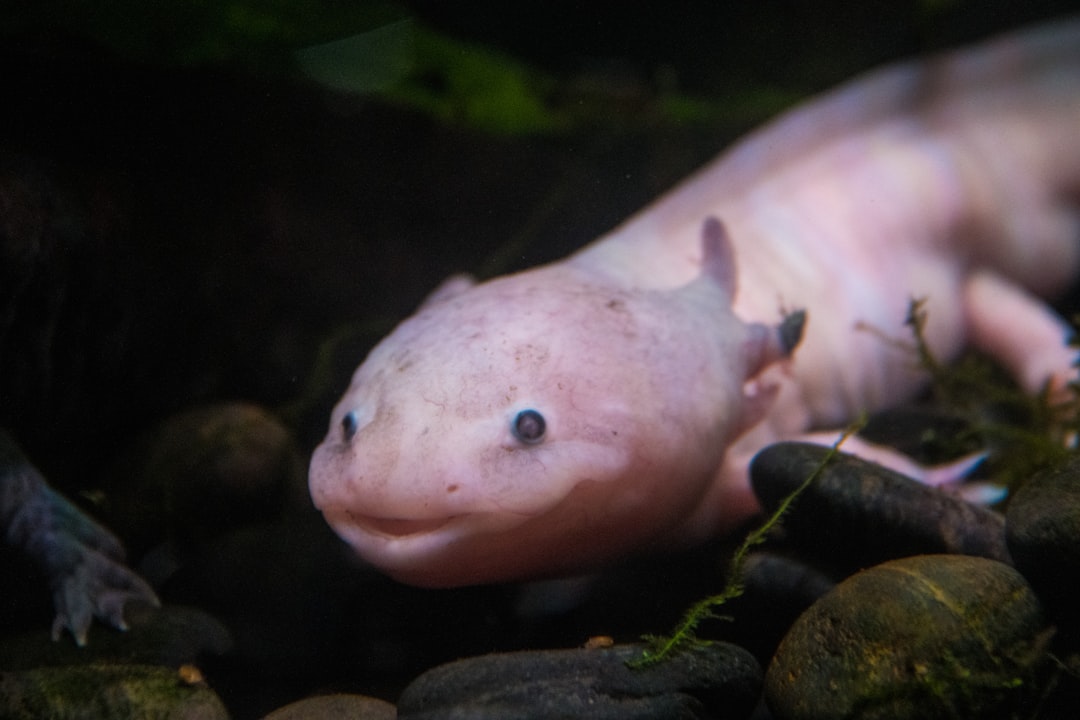
The axolotl is a permanently aquatic salamander native to a single lake system near Mexico City that has become a popular novelty pet due to its unusual appearance. Wild populations are critically endangered, and the exotic pet trade has historically contributed to pressure on their already fragile ecosystem. Axolotls require highly specific water temperature ranges, exceptional filtration, and a diet of live or frozen protein that many owners are unprepared to sustain. They are extremely sensitive to water chemistry changes and can go into rapid systemic decline from conditions that appear minor. Most general practice veterinarians lack the training to diagnose or treat axolotl health problems, leaving owners with few options when illness strikes.
Ball Python
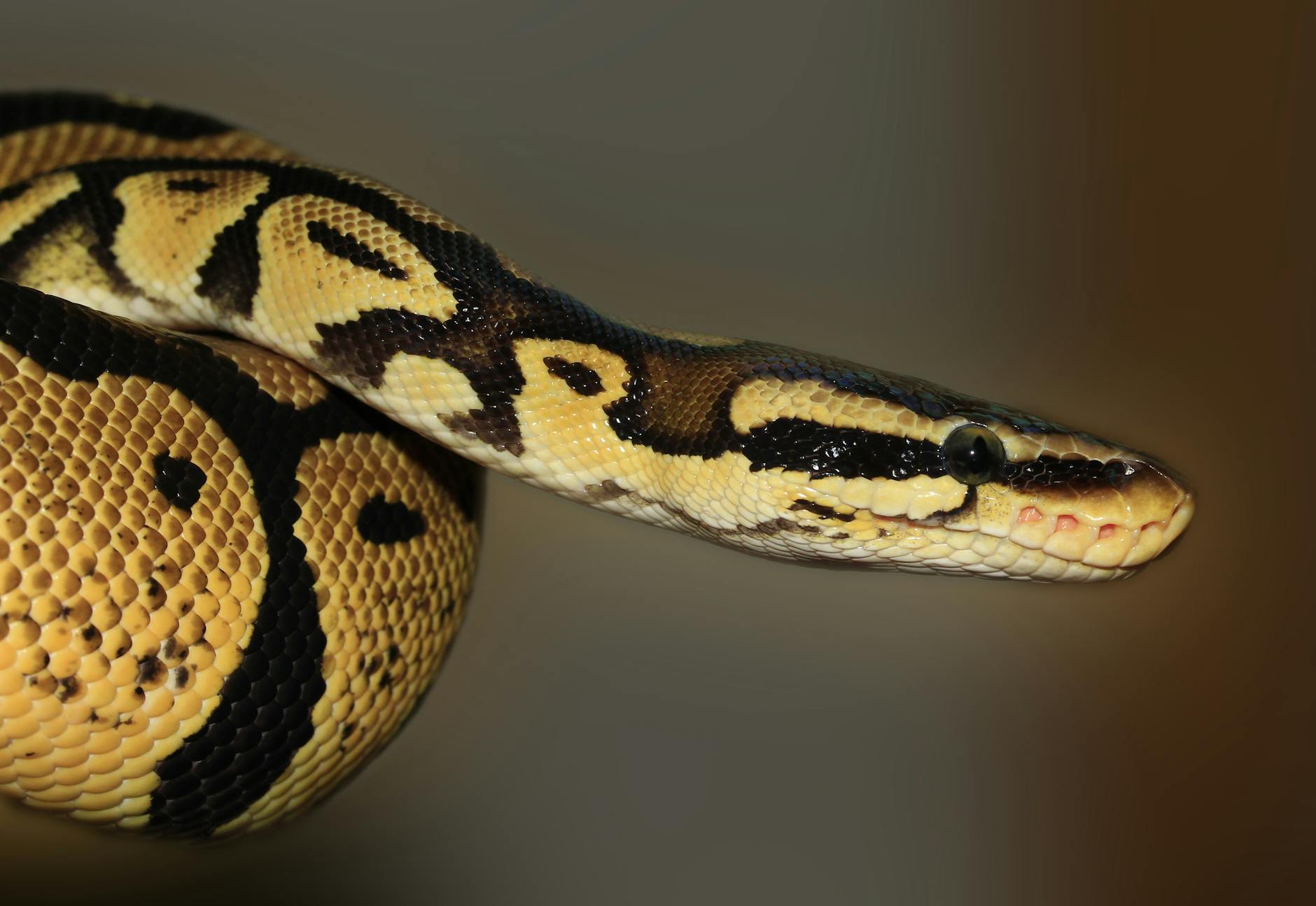
Ball pythons are among the most widely purchased reptiles in the exotic pet market, often sold as beginner-friendly options in big-box pet stores. Veterinarians frequently stress that there is no such thing as a low-maintenance snake, and ball pythons require precise humidity control, specific temperature gradients, and properly sized live or pre-killed prey on a consistent schedule. Respiratory infections, mites, and scale rot are common in improperly housed animals, and treatment requires a reptile-specialist vet that many regions lack. Ball pythons can live for 30 years or more, a commitment that the vast majority of buyers are not prepared to honor. The volume of ball pythons abandoned at rescues and surrendered to wildlife agencies reflects how frequently that initial impulse purchase leads to neglect.
Hedgehog
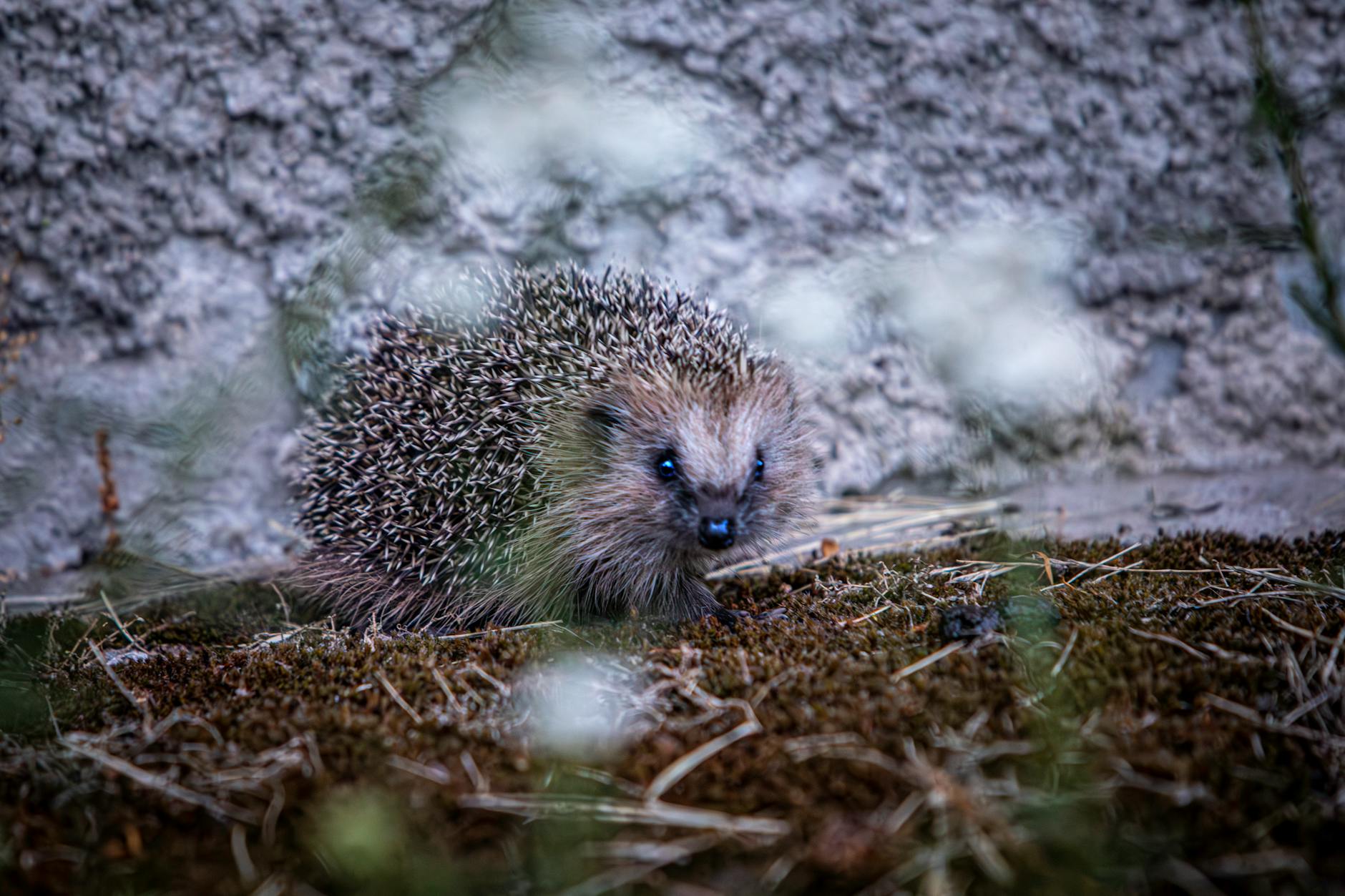
Hedgehogs have become fashionable pets thanks to their photogenic appearances, but they are solitary, nocturnal, and easily stressed by the very handling that owners seek out. Many hedgehogs develop a condition called wobbly hedgehog syndrome, a progressive neurological disease for which there is no cure and limited treatment. They require a wheel for nightly exercise, a carefully managed diet, and an environment kept within a narrow temperature range to prevent hibernation attempts, which can be fatal in domestic hedgehogs. Spine-quilling during stress responses can cause puncture wounds, and hedgehogs are known carriers of Salmonella. Legislation banning hedgehog ownership exists in several U.S. states and many countries due to their potential ecological impact if released.
Chimpanzee
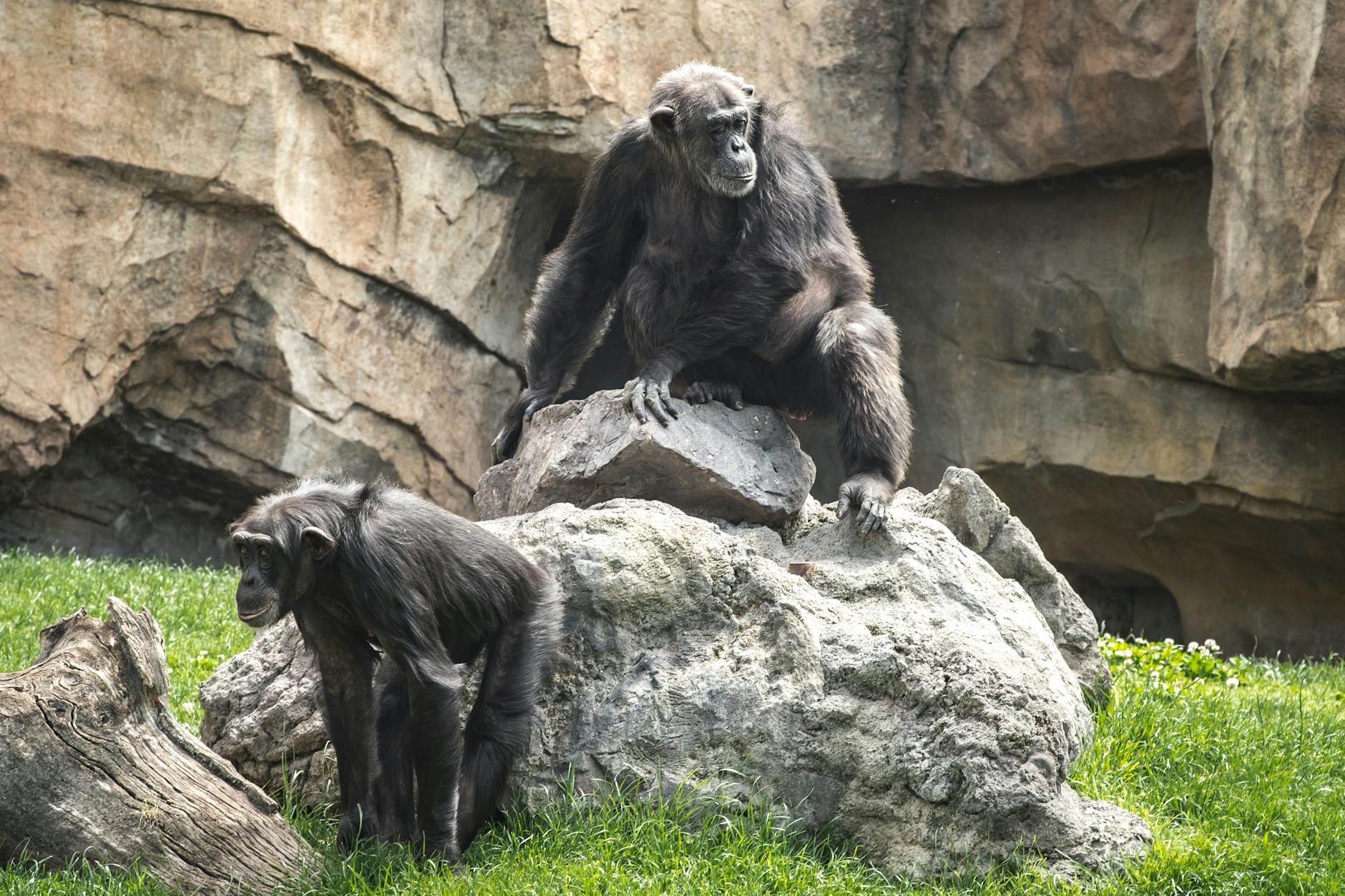
Chimpanzees are humanity’s closest living relatives, and that biological closeness makes them one of the most dangerous animals a private citizen can attempt to keep. Baby chimpanzees are often described as endearing and manageable, but they grow into extremely powerful adults capable of causing life-altering injuries in seconds. They are highly intelligent and social animals that require relationships with other chimpanzees, cognitive enrichment, and physical space that no private home can ethically replicate. Chimpanzees can transmit and contract human diseases in both directions, and the stress of captivity frequently produces violent, self-harming behaviors. The federal Captive Primate Safety Act in the United States prohibits interstate commerce in primates as pets, reflecting the serious risks they pose.
Serval
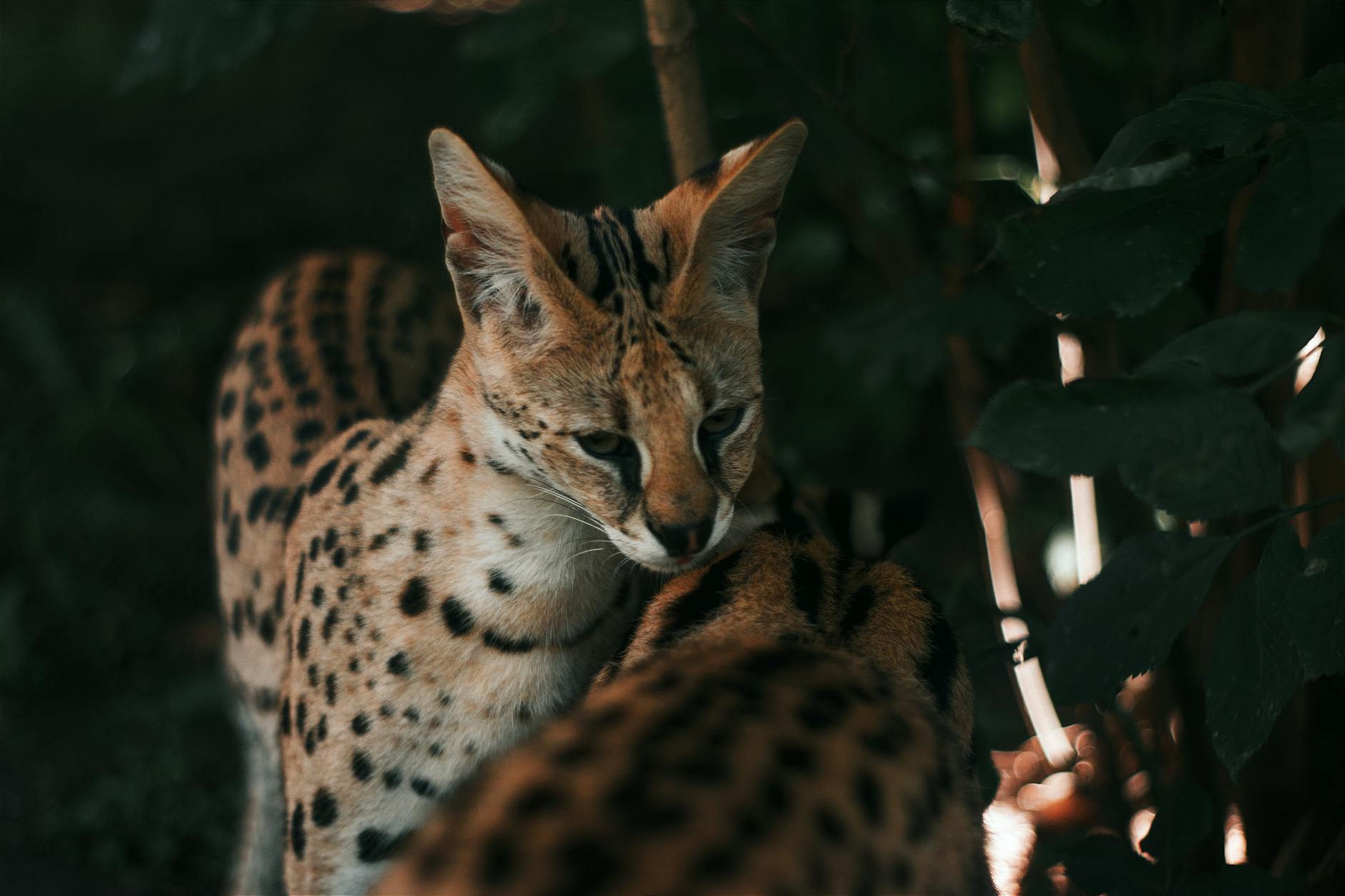
The serval is a medium-sized African wild cat with long legs, a spotted coat, and a growing presence in the illegal and quasi-legal exotic pet trade. Servals retain their full wild instincts regardless of how young they are acquired, meaning they stalk, ambush, and bite with the same reflexes used to hunt prey in the savanna. Their urine marking behavior is constant and powerful, making any shared living space extremely difficult to maintain. Servals require enormous enclosures, raw meat diets, and mental stimulation on a scale far beyond what domestic cat care involves. Many states prohibit serval ownership, and even where it is legal, finding veterinary care from someone trained in wild feline medicine is a significant challenge.
Macaw
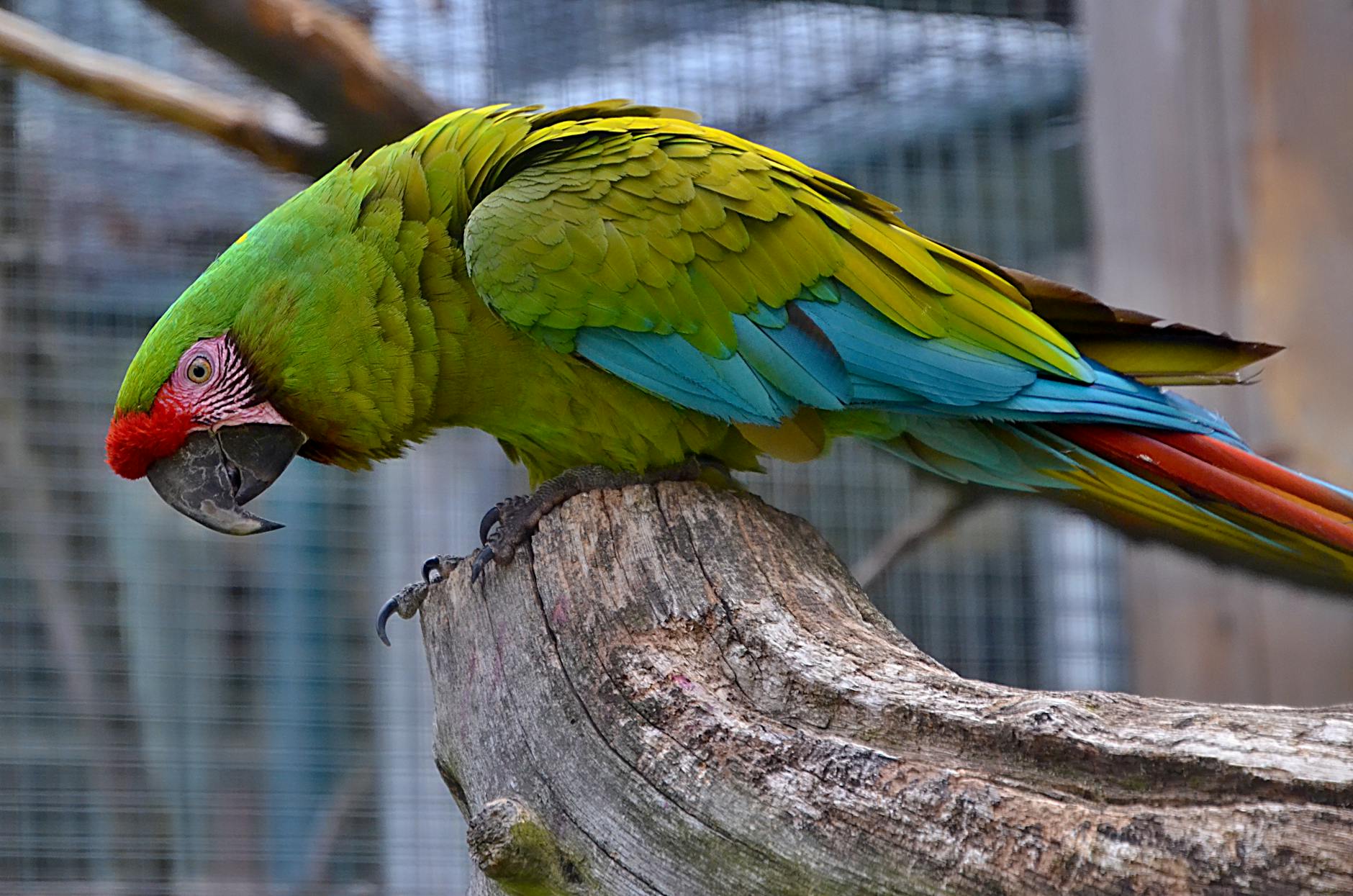
Macaws are among the most intelligent birds on earth, capable of complex problem-solving, emotional bonding, and mimicking human speech with remarkable accuracy. That intelligence comes with an enormous need for stimulation, social interaction, and mental engagement that the average household cannot realistically provide across a lifespan that frequently exceeds 60 years. A bored or lonely macaw engages in feather destructive behavior, screaming, and biting that can cause serious injury. Their beaks exert enough force to crack thick nut shells, and a bite directed at human skin routinely results in emergency room visits. Macaws are also heavily implicated in the illegal wildlife trade, meaning wild-caught birds are frequently laundered into the pet market even in countries where it is prohibited.
Piranha
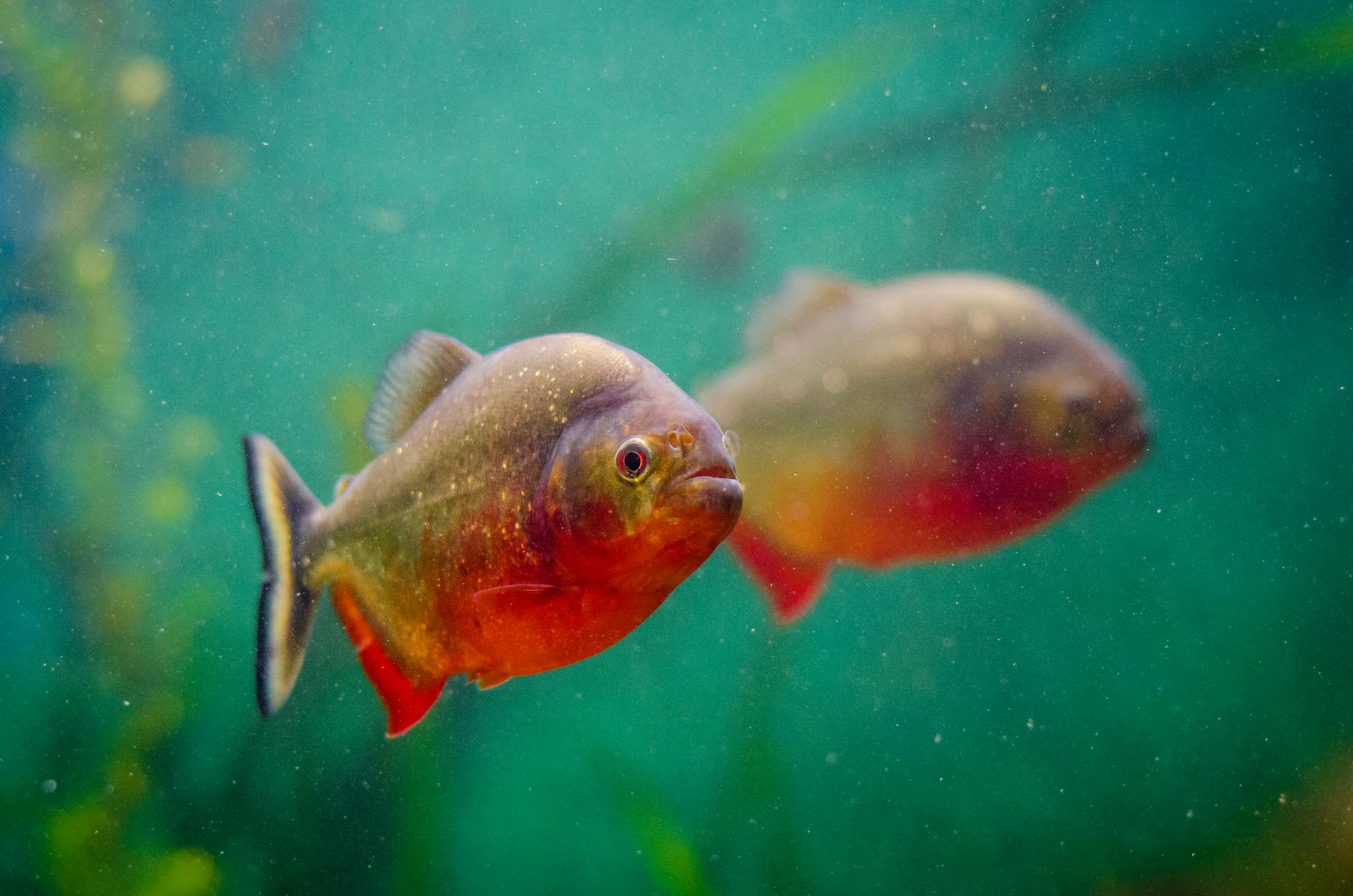
Piranhas are freshwater fish from South American river systems that occupy a near-mythological status in popular culture, making them a persistent draw for novelty pet buyers. Keeping piranhas legally requires permits in many states and countries, as released or escaped specimens pose a documented threat to local ecosystems. They require large tanks with powerful filtration, precise water chemistry, and live or fresh protein-based feeding schedules that are difficult and expensive to maintain. Piranha aggression is not limited to feeding time, and injuries to owners during tank maintenance are common and serious. Veterinary care for a sick piranha requires an aquatic specialist, a category of professional that is rare and geographically inaccessible for most pet owners.
Chameleon
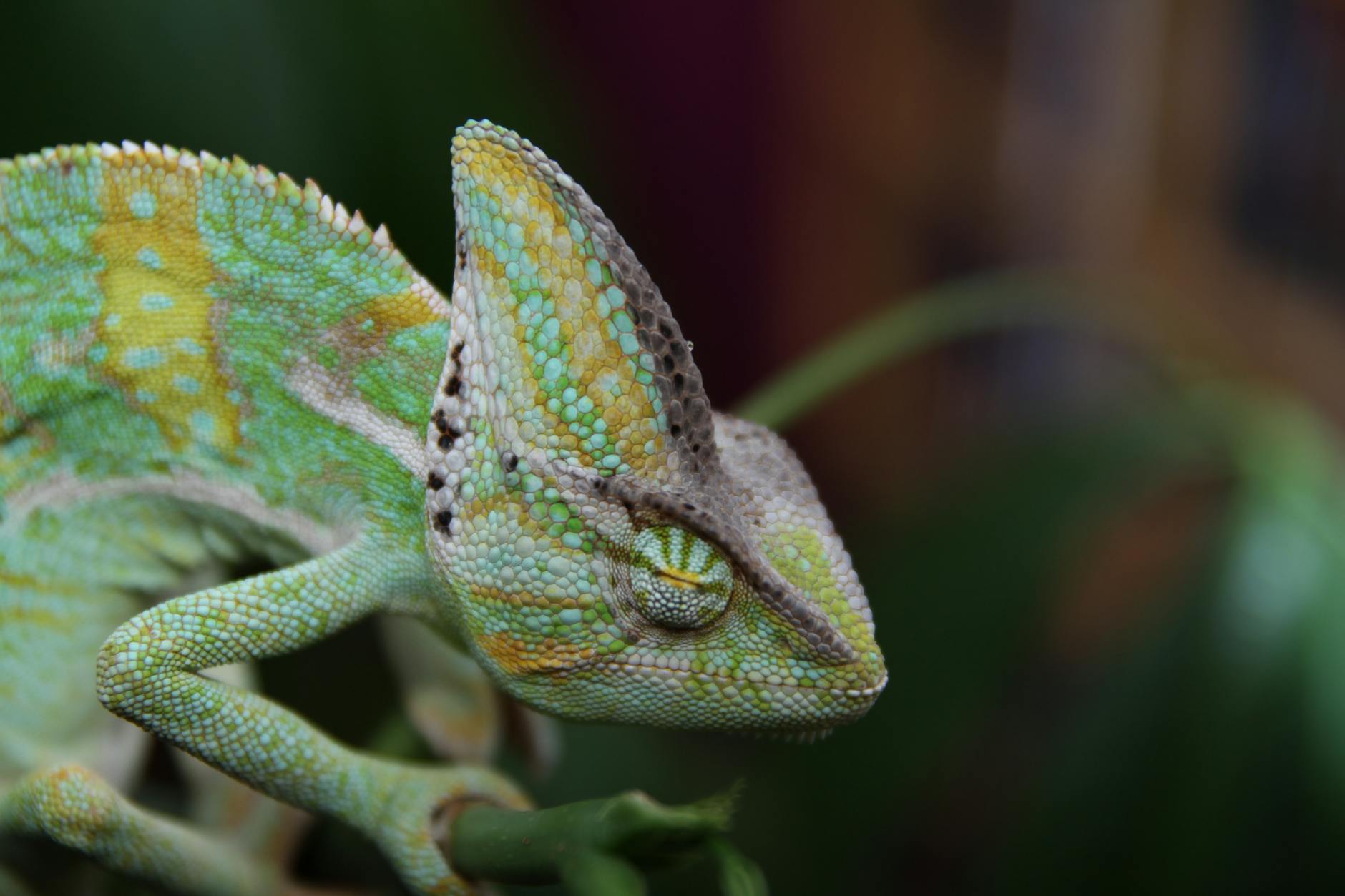
Chameleons are visually stunning reptiles whose color-changing abilities make them one of the most requested exotic pets at reptile specialty stores. They are, however, among the most fragile and stress-sensitive reptiles in the trade, with a narrow tolerance for humidity, UVB lighting, temperature, and hydration that must be managed with near-clinical precision. Chameleons rarely drink from standing water and require misting systems or dripper setups to meet their hydration needs; failure to provide this leads rapidly to kidney disease. Handling causes measurable physiological stress in chameleons, meaning the interaction that most owners purchase them for is actively harmful to the animal. Mortality rates in captive chameleons remain extremely high, particularly in the first year of ownership.
Burmese Python
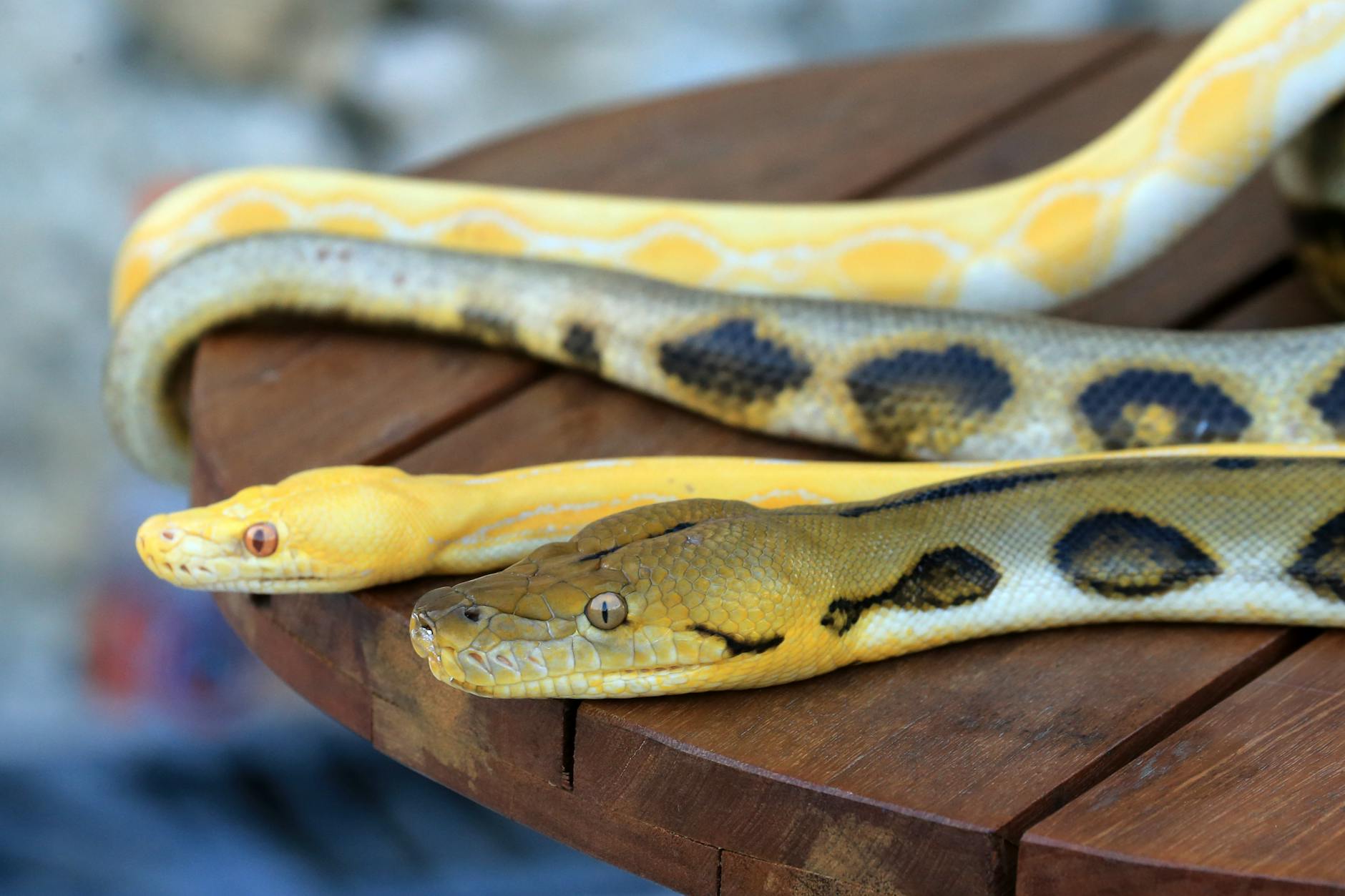
Burmese pythons are one of the largest snake species in the world, capable of reaching lengths of over 18 feet and weights exceeding 200 pounds at full adulthood. They are frequently purchased as small, manageable juveniles by buyers who do not fully process what that growth trajectory means in practical terms. A full-grown Burmese python requires a custom-built enclosure, whole large prey animals fed on a regular schedule, and handling by multiple trained adults for safety reasons. They have been released by overwhelmed owners into the Florida Everglades in such numbers that they have caused a documented ecological crisis, eliminating populations of native mammals across the region. Federal law in the United States now restricts the interstate transport of Burmese pythons, reflecting how seriously wildlife agencies regard the problem.
Alligator
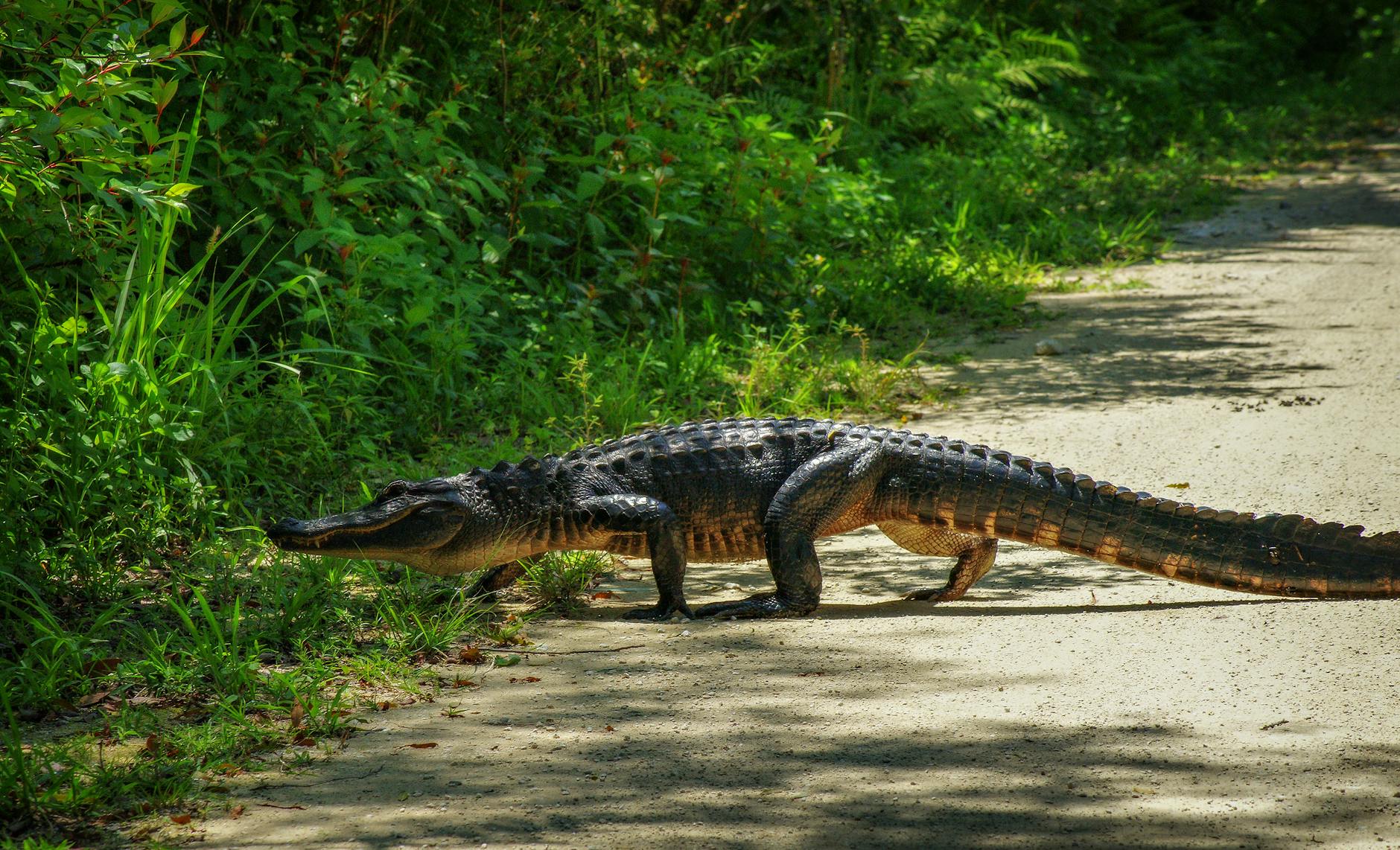
American alligators are occasionally purchased as hatchlings by buyers drawn to their prehistoric appearance and compact size at that stage of life. Alligators grow rapidly and without pause throughout their lives, reaching lengths of 10 to 15 feet in adulthood with a bite force measured among the strongest of any living animal. There is no meaningful way to domesticate an alligator; their predatory responses are hardwired and fully functional regardless of how long they have lived with humans. Most states prohibit private alligator ownership, and those that allow it require specialized permits and enclosures that involve substantial construction and ongoing inspection. Escaped or released pet alligators have caused documented human fatalities and remain a significant public safety concern in warm-climate states.
Pygmy Marmoset
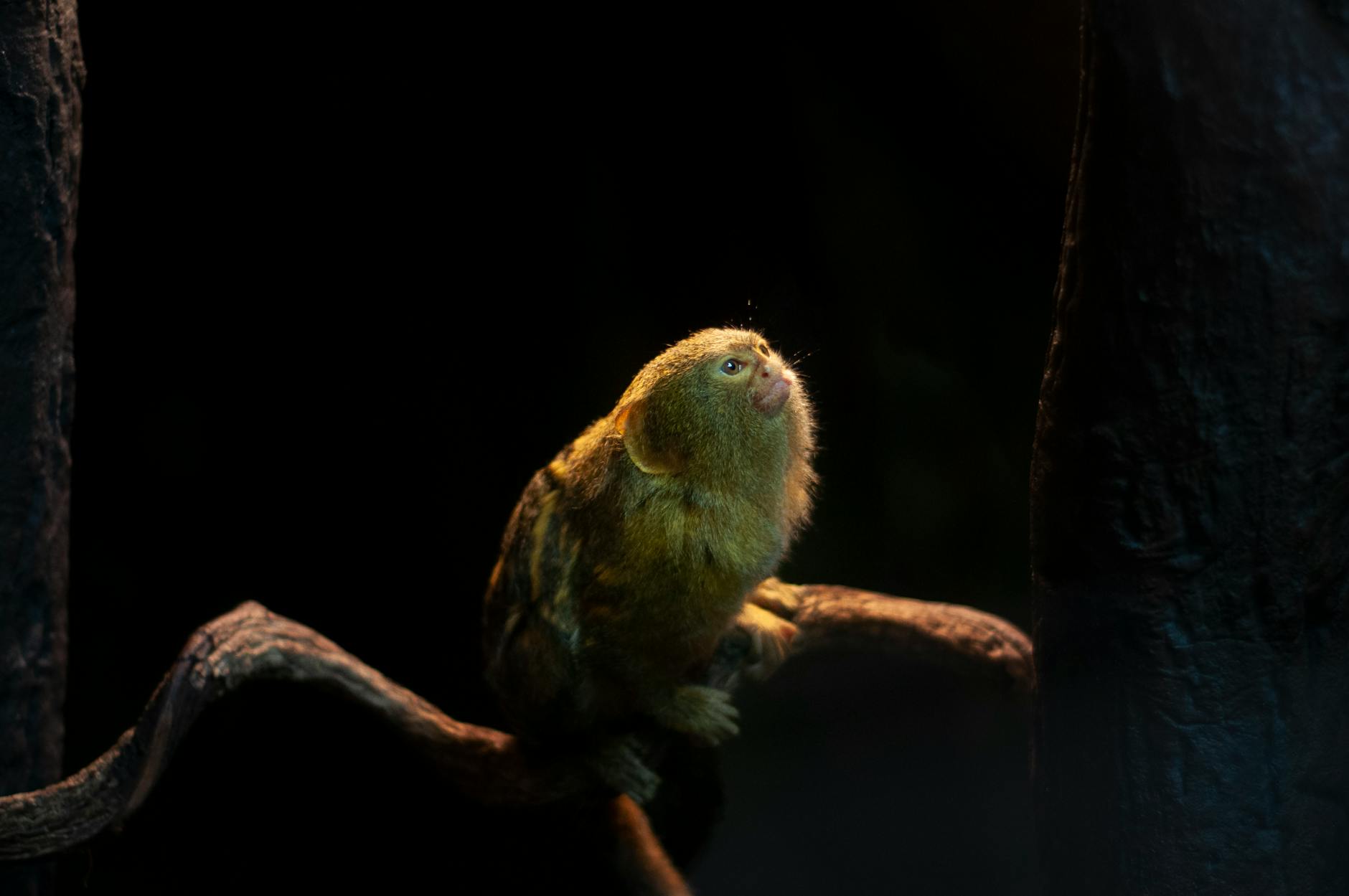
Pygmy marmosets are the world’s smallest primates, and their miniature size has made them one of the most trafficked exotic animals in the global pet trade. Despite appearing fragile and manageable, they are complex social animals that live in tight family groups in the wild and develop severe psychological distress when isolated or kept without conspecifics. Their dietary requirements are highly specific, including tree gum, nectar, and insects, and improper nutrition leads to metabolic bone disease and early death. Marmosets frequently bite without warning, and their saliva can carry Herpesvirus saimiri, which is harmless to them but potentially fatal to humans. Ownership is illegal in most countries under the Convention on International Trade in Endangered Species of Wild Fauna and Flora.
Cheetah
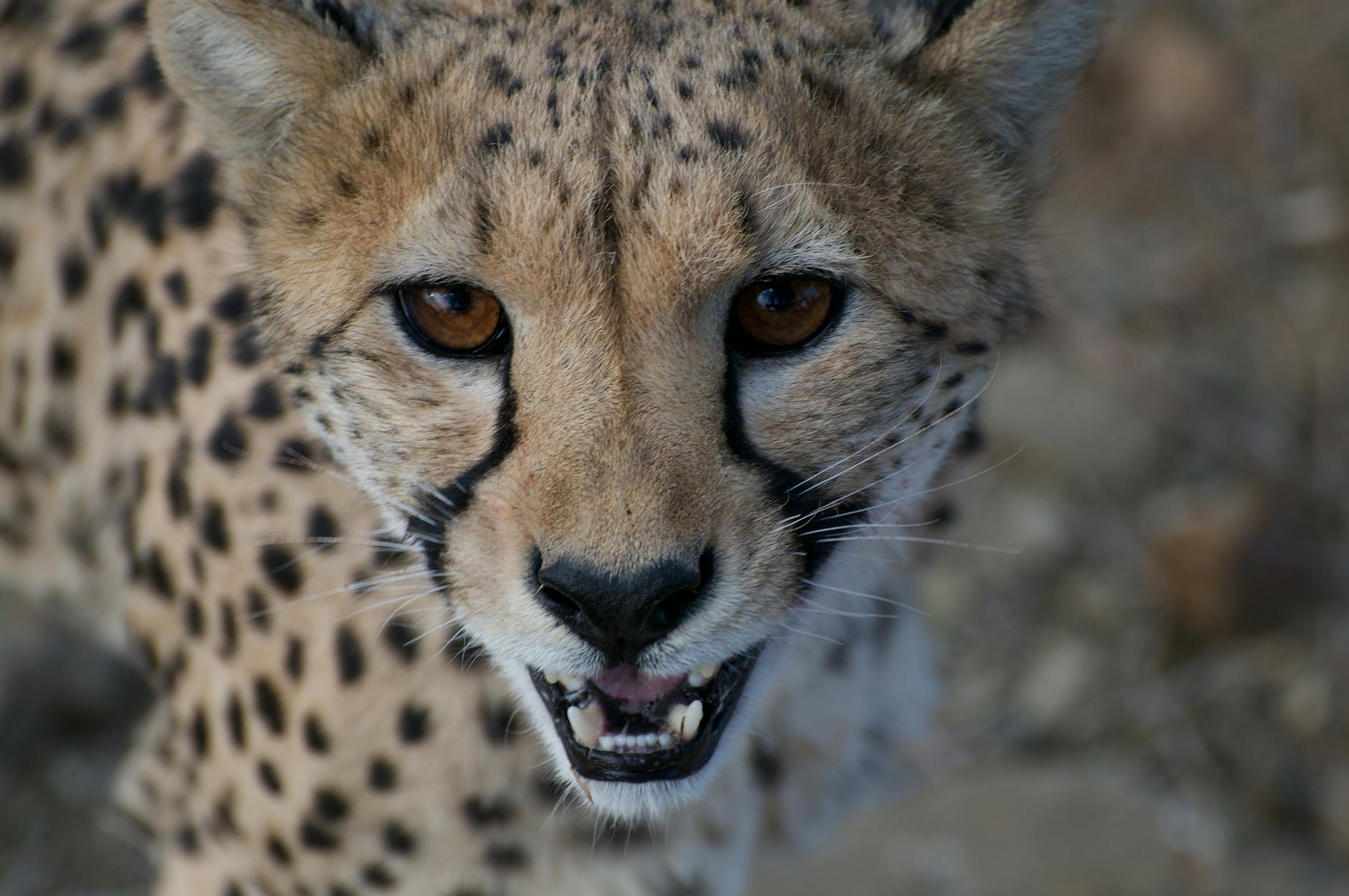
Cheetahs have become status symbols in parts of the Middle East and among wealthy buyers globally, with demand driving a significant illegal trade that has severely impacted wild populations. Unlike many big cats, cheetahs do not adapt well to captivity at all, as their physiological stress responses are exceptionally sensitive and chronic captive stress leads to immune suppression, reproductive failure, and shortened lifespans. They require vast territories to sprint and hunt, a behavioral need that cannot be approximated in any private setting. Finding veterinary care for a cheetah outside of accredited zoological institutions is effectively impossible, and self-treating a sick or injured cheetah carries obvious life-threatening risks. The international cheetah population has declined dramatically in part because of demand from the exotic pet market.
Komodo Dragon
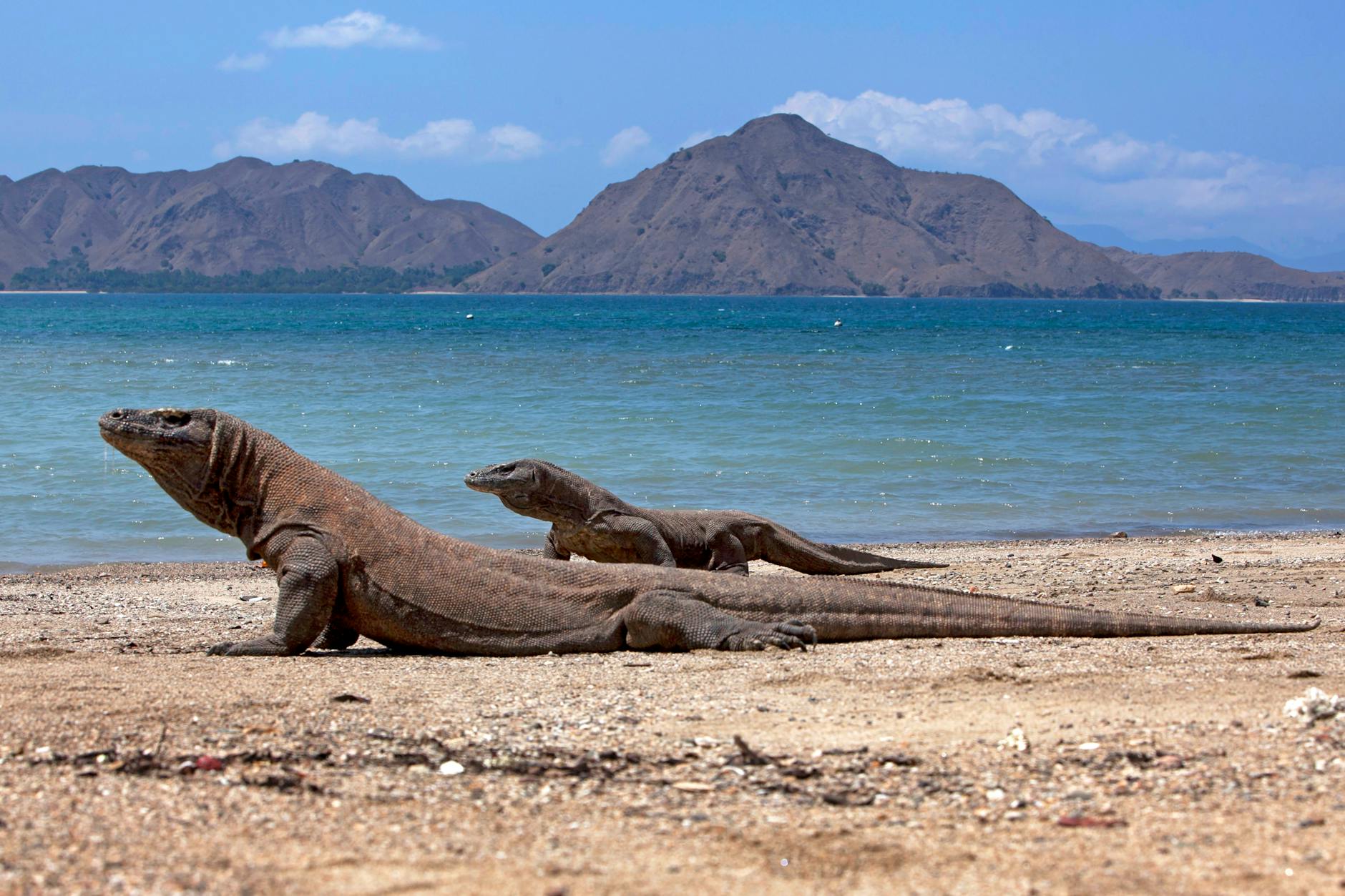
Komodo dragons are the world’s largest living lizards, native to a small cluster of Indonesian islands, and they are occasionally offered through black market exotic animal networks. They grow up to 10 feet in length and are apex predators whose saliva contains a complex of bacteria and venom-like compounds that prevent blood clotting in prey animals. Komodo dragons cannot be safely handled by anyone without extensive professional training, and even trained zoological staff sustain injuries regularly. Their enclosure requirements involve controlled temperature zones, substantial square footage, and structural reinforcement capable of containing an animal of considerable strength. They are protected under Indonesian law and international convention, meaning any specimen available for purchase has almost certainly been obtained through illegal trafficking.
Raccoon
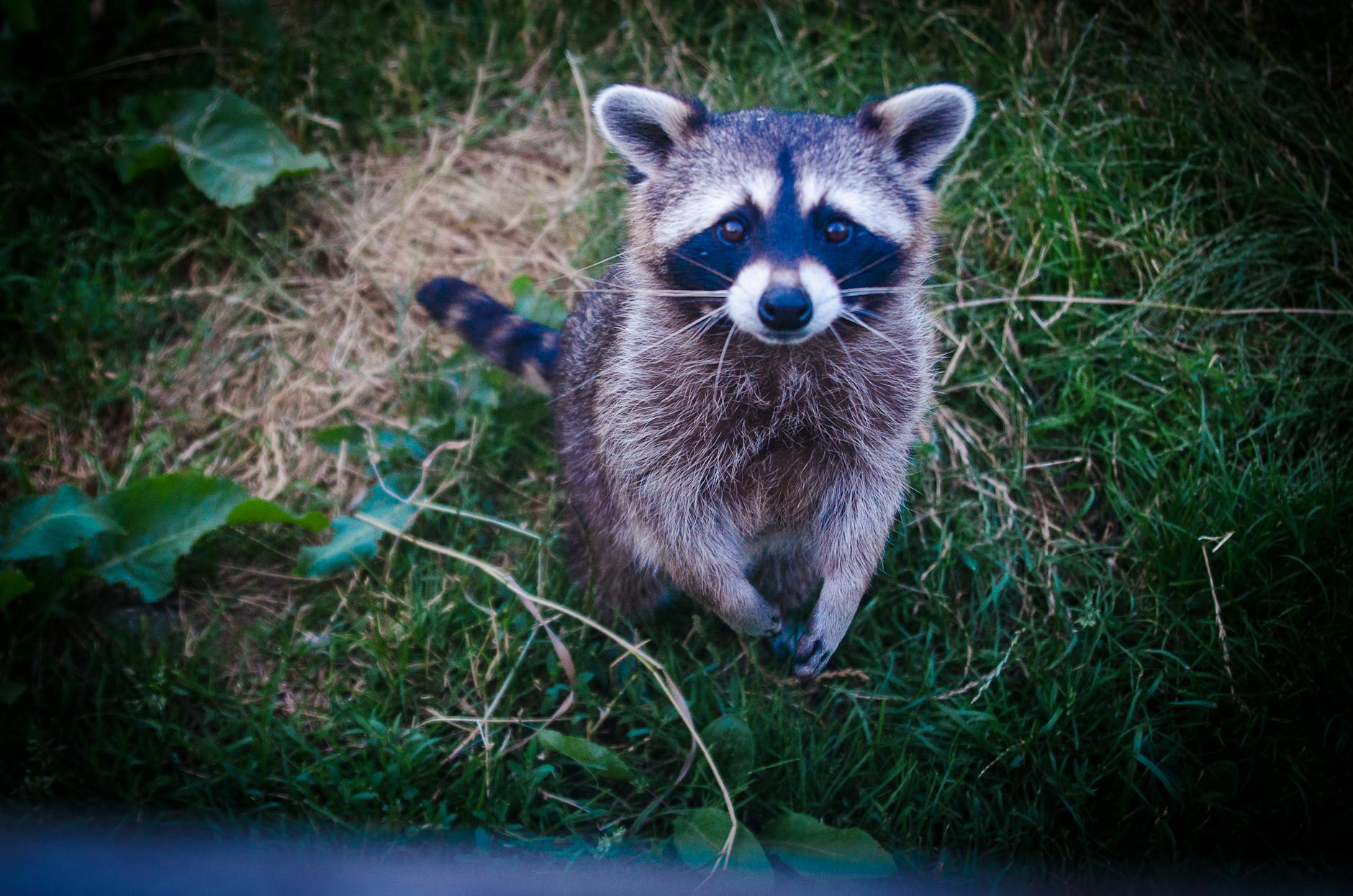
Raccoons are native to North America and sometimes kept as pets in states where it remains legal, but veterinarians consistently warn against the practice even when ownership is technically permitted. They are highly intelligent and destructive animals that dismantle household objects, break into sealed containers, and require constant environmental enrichment to prevent boredom-related damage. Raccoons are primary carriers of rabies and raccoon roundworm, both of which represent serious public health concerns, particularly in households with children. They do not adapt well to the transition from juvenile to adult, and many raccoons raised as friendly juveniles become aggressive and unmanageable within their first two years. Most wildlife rehabilitators report that raccoons that have been kept as pets cannot be safely released into the wild, leaving surrendered animals with very few placement options.
Coatimundi
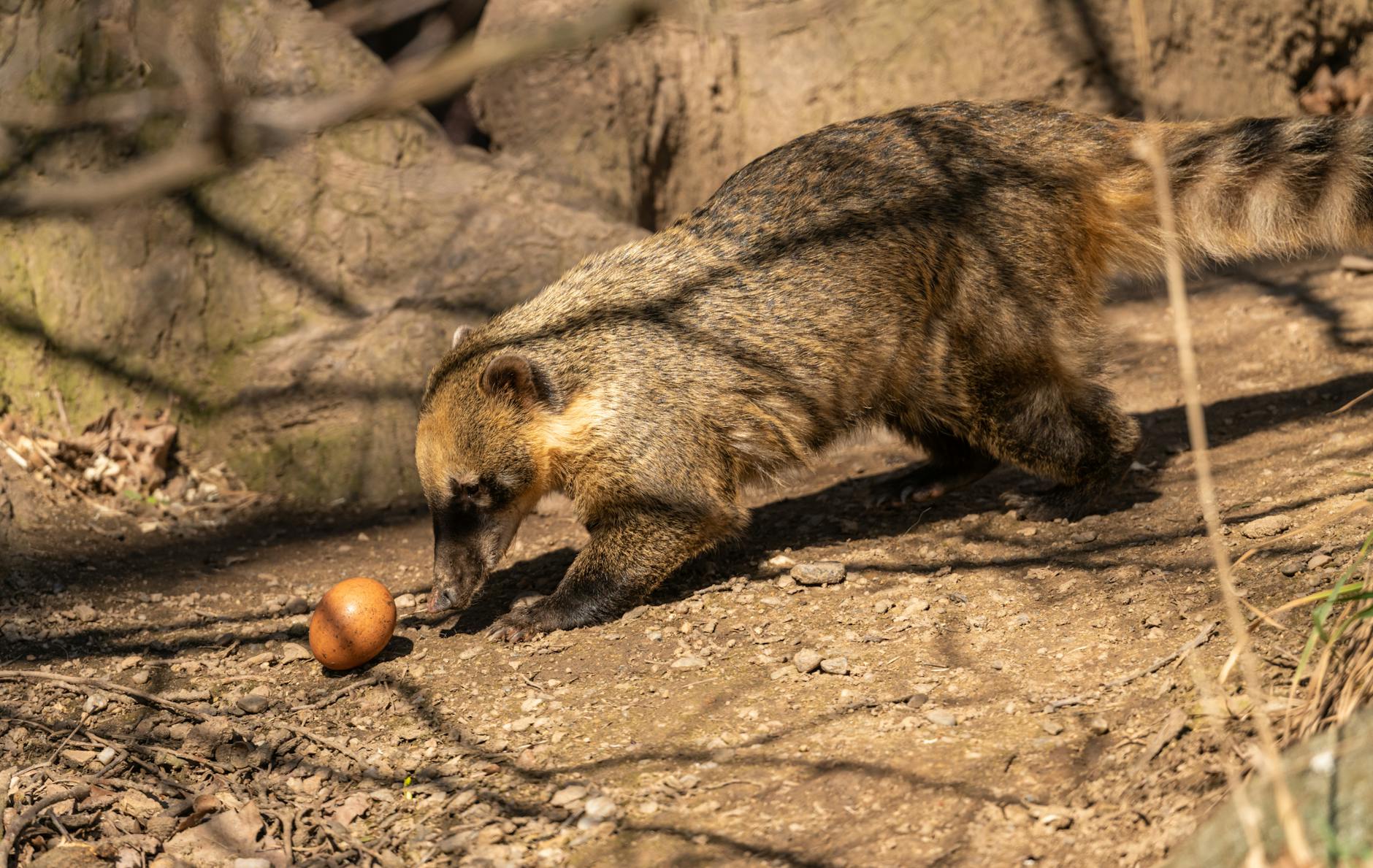
The coatimundi is a social, omnivorous mammal from Central and South America related to the raccoon family and increasingly visible in the exotic pet market. Like raccoons, coatis require complex social structures and are best kept in groups, meaning a single animal in a domestic setting is already living outside the conditions it needs for psychological health. They are extraordinarily destructive, using their long flexible snouts and nimble paws to tear apart furniture, wiring, and any object left unsecured within their reach. Coatis have sharp teeth and claws they use without hesitation when stressed or startled, and injuries to owners and family members are frequently reported. They can carry and transmit zoonotic diseases including leptospirosis, and there is very little specialized veterinary literature available to guide treatment when they fall ill.
If any of these animals are on your wish list, share your thoughts in the comments.