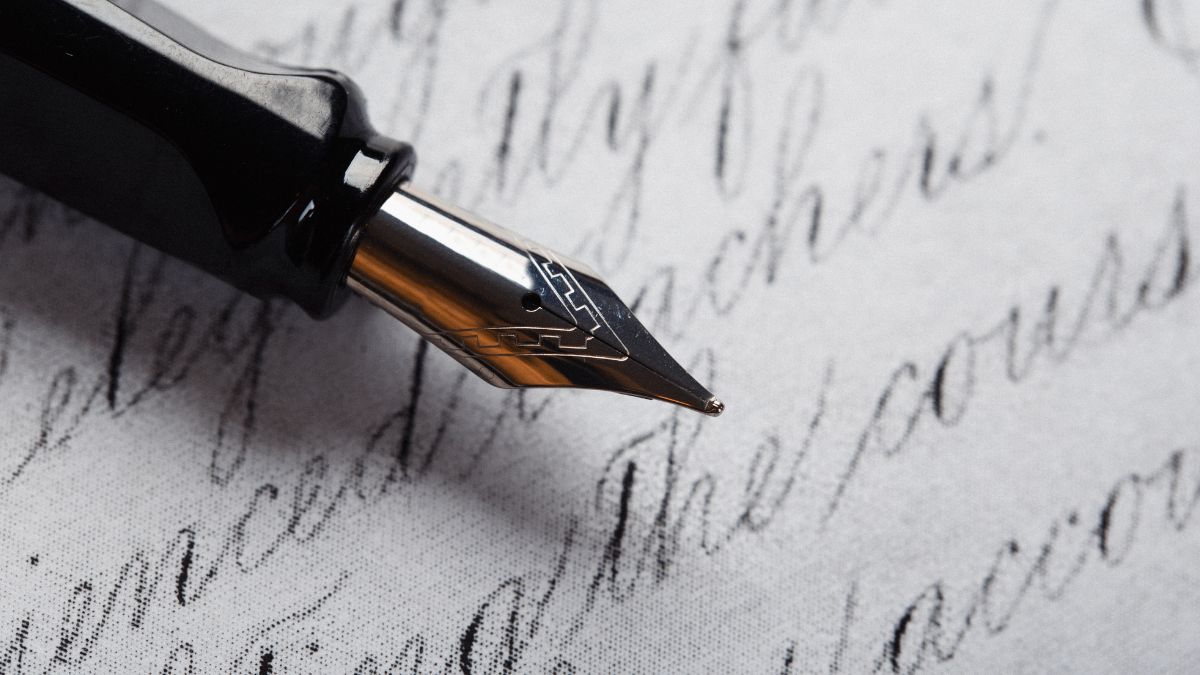
Handwriting is one of the most personal and revealing forms of self-expression humans possess. Long before digital communication took over, analysts and psychologists studied the subtle patterns of pen on paper to uncover truths about the writer. The field of graphology has explored how even the smallest quirks in script can point to deeply rooted personality traits, emotional states, and behavioral tendencies. Whether you are reading a handwritten note or signing a document, the way letters are formed tells a story that goes far beyond the words themselves.
Baseline Direction

The direction in which a person’s writing travels across an unlined page reveals a great deal about their current emotional state. Writing that trends upward is commonly associated with optimism, ambition, and a generally positive outlook on life. A downward-sloping baseline often suggests fatigue, low mood, or a period of stress and discouragement. People whose writing stays perfectly level tend to be emotionally grounded, self-disciplined, and stable under pressure. The baseline can even shift from line to line, reflecting changing moods within a single writing session.
Letter Size
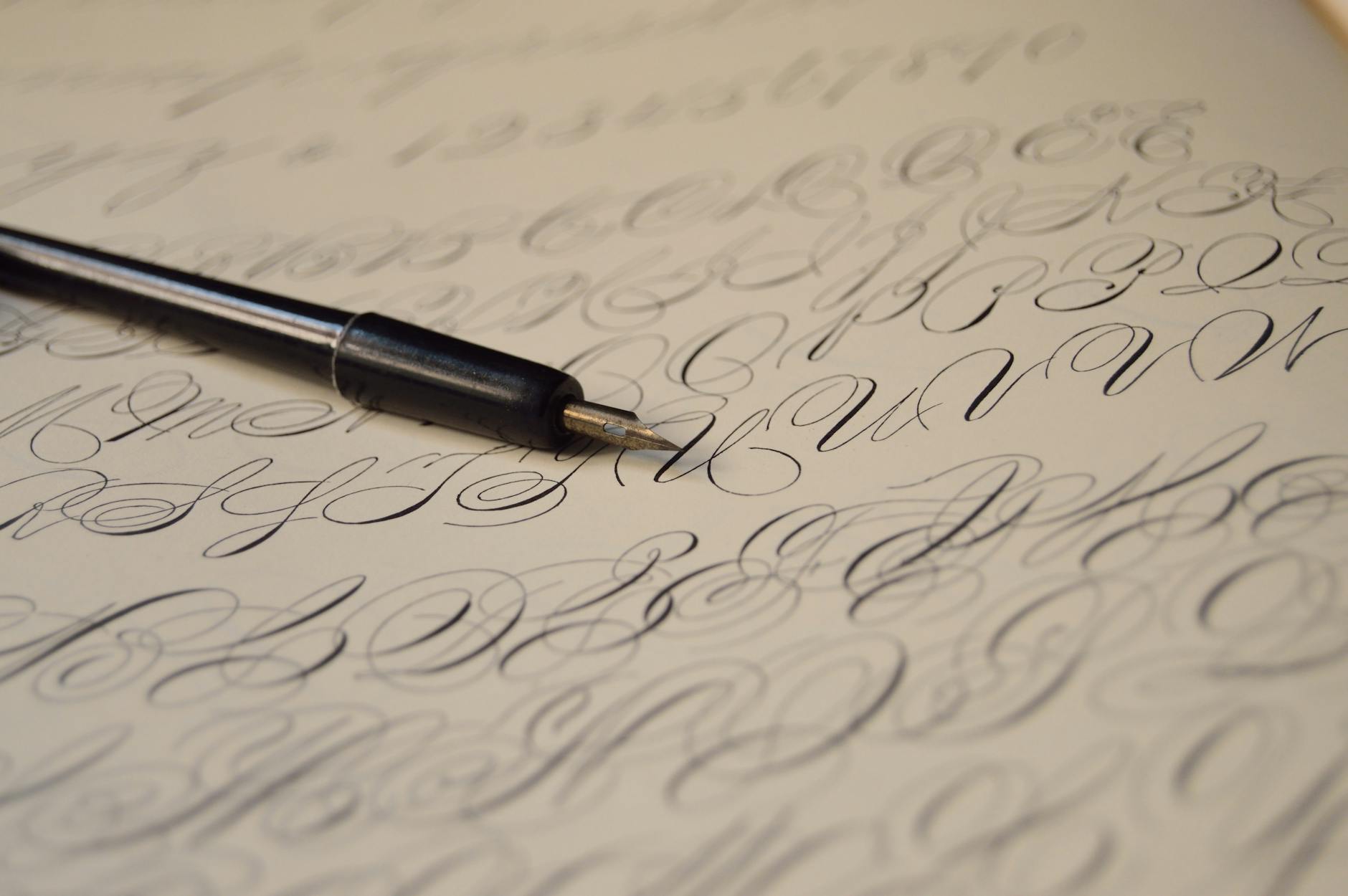
The overall size of someone’s handwriting is one of the most immediately noticeable traits and carries significant meaning. People who write in large letters tend to be outgoing, socially confident, and comfortable drawing attention to themselves. Small handwriting is frequently linked to focused, introverted personalities who are detail-oriented and prefer working with precision. Medium-sized writing is associated with balance and adaptability in social and professional settings. Sudden shifts in letter size within a piece of writing can indicate emotional fluctuation or a lack of consistent self-image.
Pen Pressure

The amount of pressure a writer applies to the page reflects their energy levels and emotional intensity. Heavy pen pressure is often found in individuals who are passionate, driven, and deeply committed to whatever they pursue. Light pressure tends to be associated with sensitivity, empathy, and a more easygoing approach to life’s challenges. Very heavy pressure can sometimes indicate tension, stress, or an especially forceful personality. Graphologists pay close attention to this trait because pressure is largely unconscious and therefore especially difficult to fake.
Word Spacing
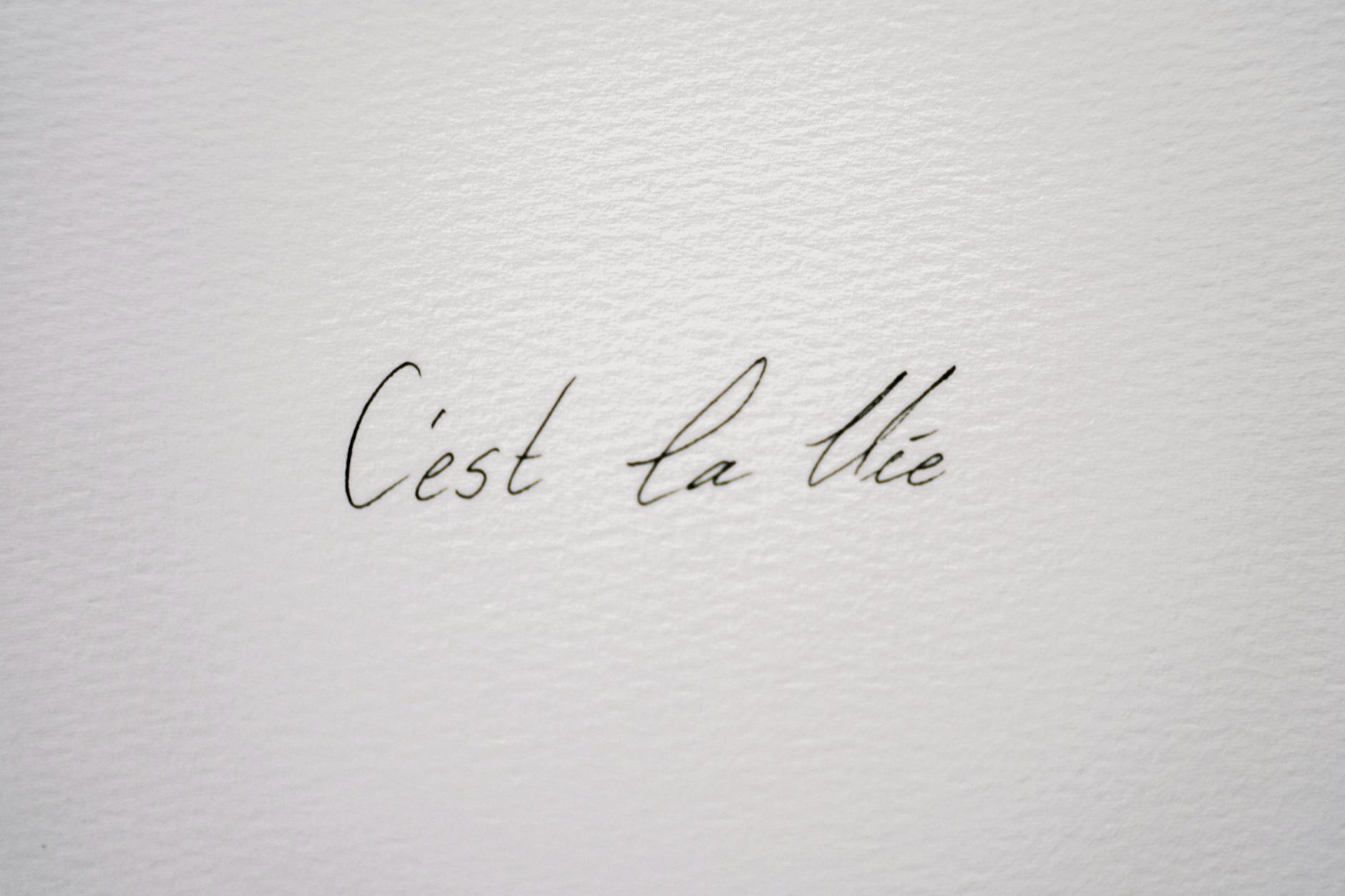
The gaps a person leaves between words speak to how they relate to other people and the world around them. Narrow spacing between words suggests someone who craves company, dislikes being alone, and may have a tendency to crowd others socially. Wide spacing indicates a person who values independence, personal space, and time for reflection away from social demands. Inconsistent spacing can point to someone who experiences uncertainty in relationships or struggles with consistent communication. This particular trait is considered one of the more reliable indicators of social orientation in graphological analysis.
Letter Slant
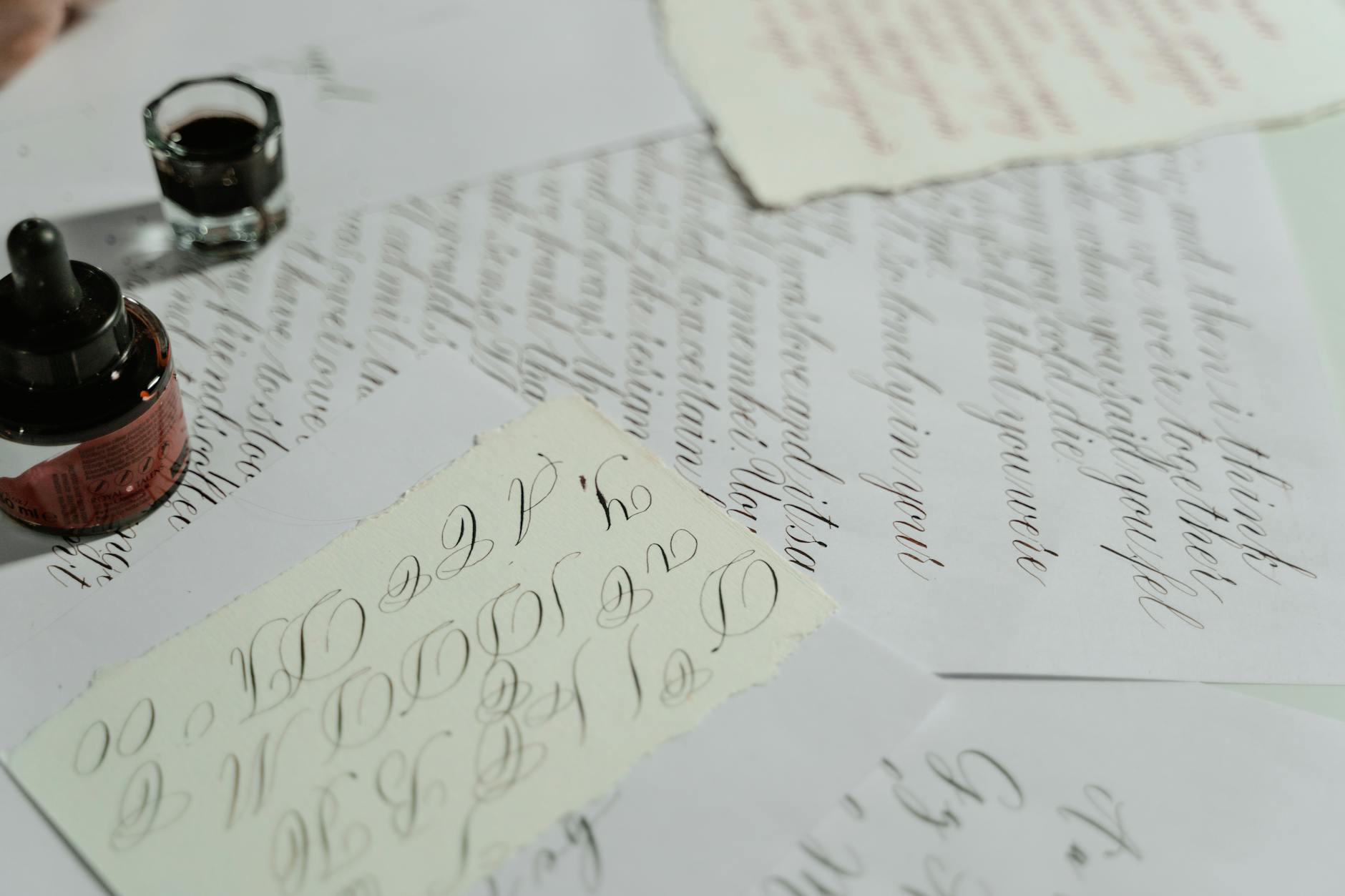
The angle at which letters lean provides insight into how emotionally expressive a person tends to be. A rightward slant is associated with openness, warmth, and a natural orientation toward connecting with others. Writing that slants to the left is often linked to introversion, emotional guarding, or a strong sense of independence from social expectations. Perfectly vertical writing suggests someone who leads with logic over emotion and tends to make decisions in a measured and analytical way. The consistency of the slant also matters since irregular tilting can reflect inner conflict or an unpredictable temperament.
Signature Style
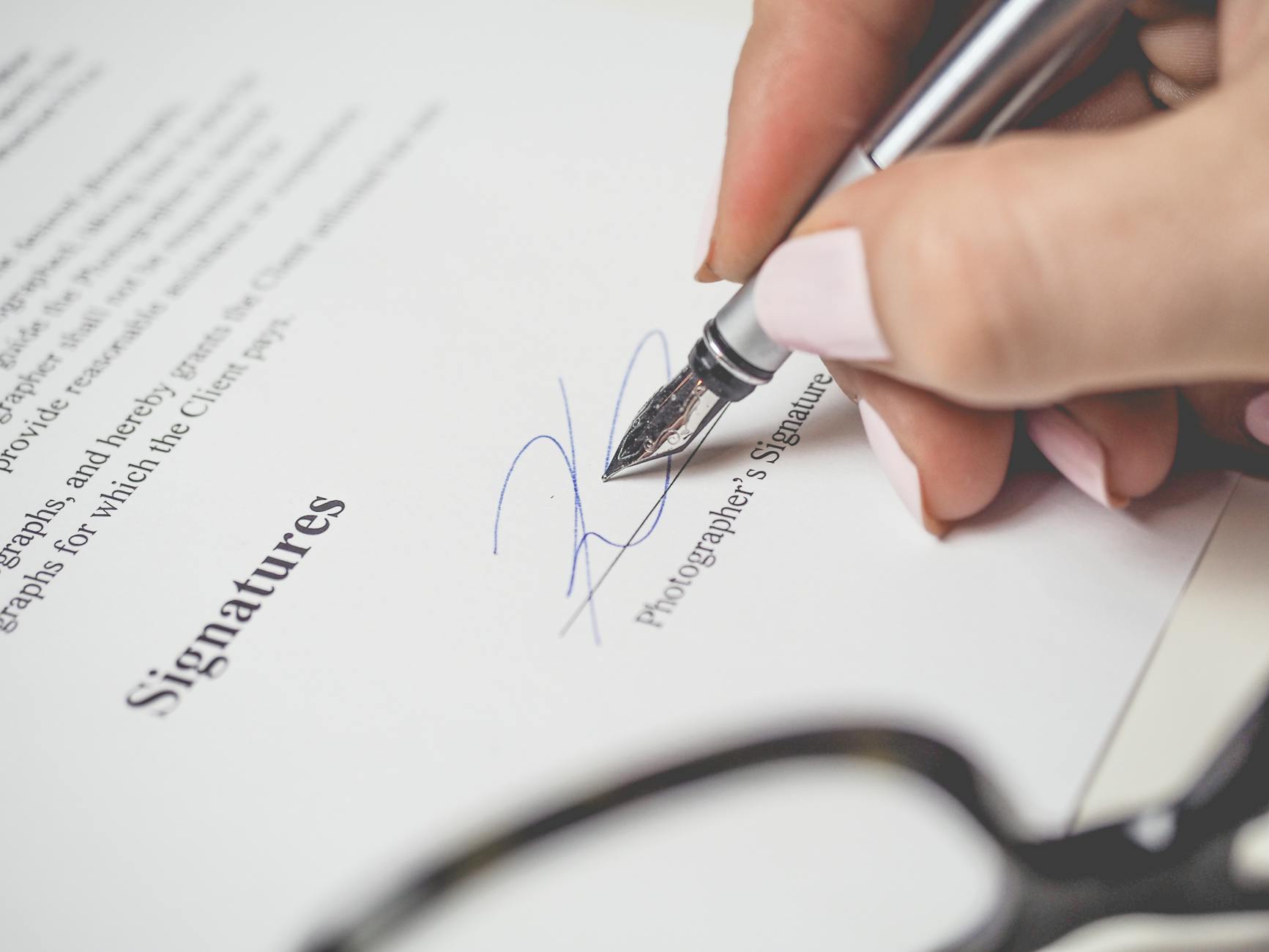
A person’s signature is arguably the most intentional piece of handwriting they produce and therefore among the most revealing. An elaborate or oversized signature tends to reflect high confidence, a strong ego, and a desire to be recognized and remembered. A small or modest signature can suggest humility, a private nature, or discomfort with public visibility. When a signature differs dramatically from a person’s regular handwriting it may indicate a gap between their public persona and their private self. Signatures that include a clear underline are frequently associated with strong personal drive and a need for validation.
Letter Connectivity
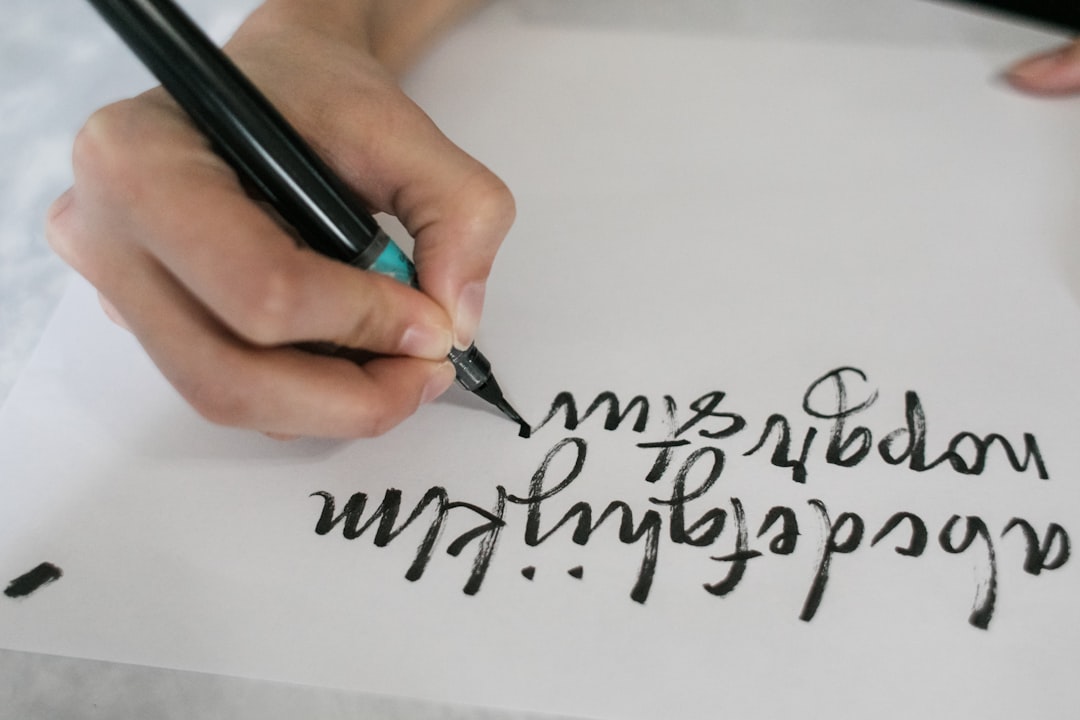
Whether someone connects their letters in a continuous flow or lifts the pen between each one reveals how they process information. Highly connected cursive writing is linked to logical thinking, systematic reasoning, and a preference for following things through sequentially. Disconnected or printed-style letters are associated with creative and intuitive thinking where ideas come in bursts rather than through linear progression. A mix of connected and disconnected letters suggests someone who draws on both analytical and imaginative thinking depending on the situation. This trait is particularly useful for understanding how a person approaches complex problem-solving.
T-Bar Placement

The small horizontal stroke used to cross the letter T carries surprisingly detailed information about a person’s ambitions and self-perception. A high T-bar placed near the top of the stem is associated with high goals, strong imagination, and self-confidence. A low T-bar sitting close to the base of the stem may suggest caution, low self-esteem, or limited aspirations at a given point in life. A long, sweeping T-bar indicates enthusiasm, energy, and a tendency toward determination in achieving goals. Graphologists consider the T-crossing one of the single most informative letters in the entire alphabet.
Loop Formation
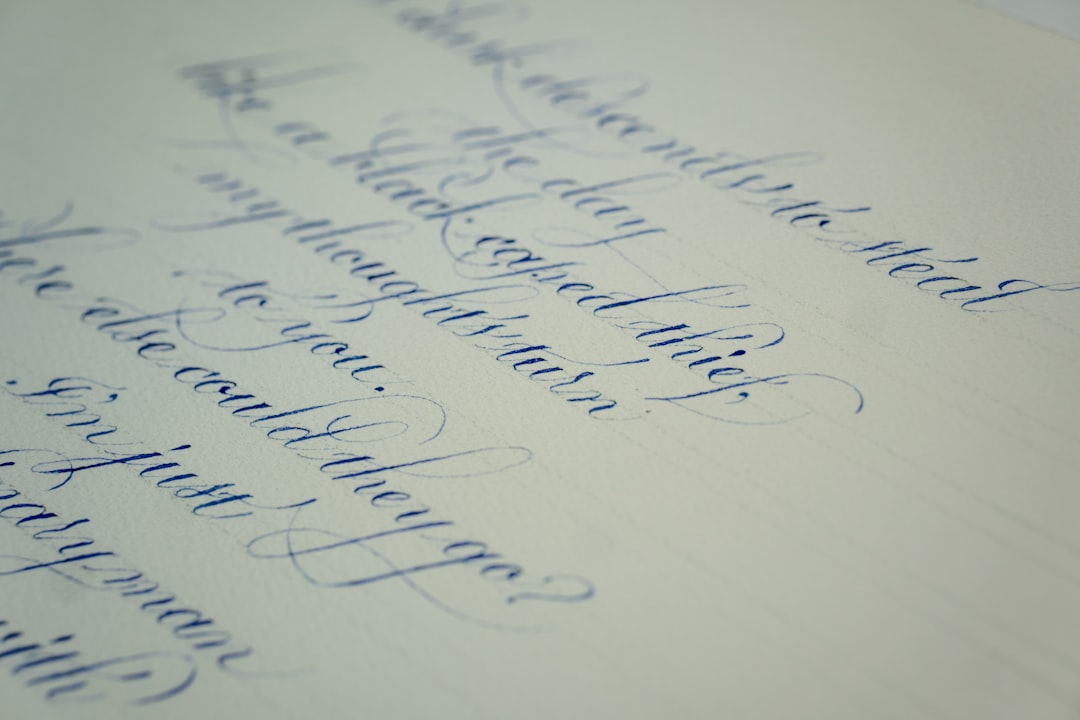
The loops formed in letters such as L, E, and O offer a window into a person’s emotional expressiveness and openness. Large loops in letters generally indicate an expressive nature, a love of variety, and comfort with sharing feelings openly. Narrow or closed loops suggest restraint, selectivity, and a tendency to keep emotions and personal information private. Retraced loops where the pen essentially covers itself can point to tension or a deliberate withholding of emotional expression. The shape and consistency of loops across a full page of writing paint a detailed picture of how freely someone allows themselves to feel and communicate.
Writing Speed
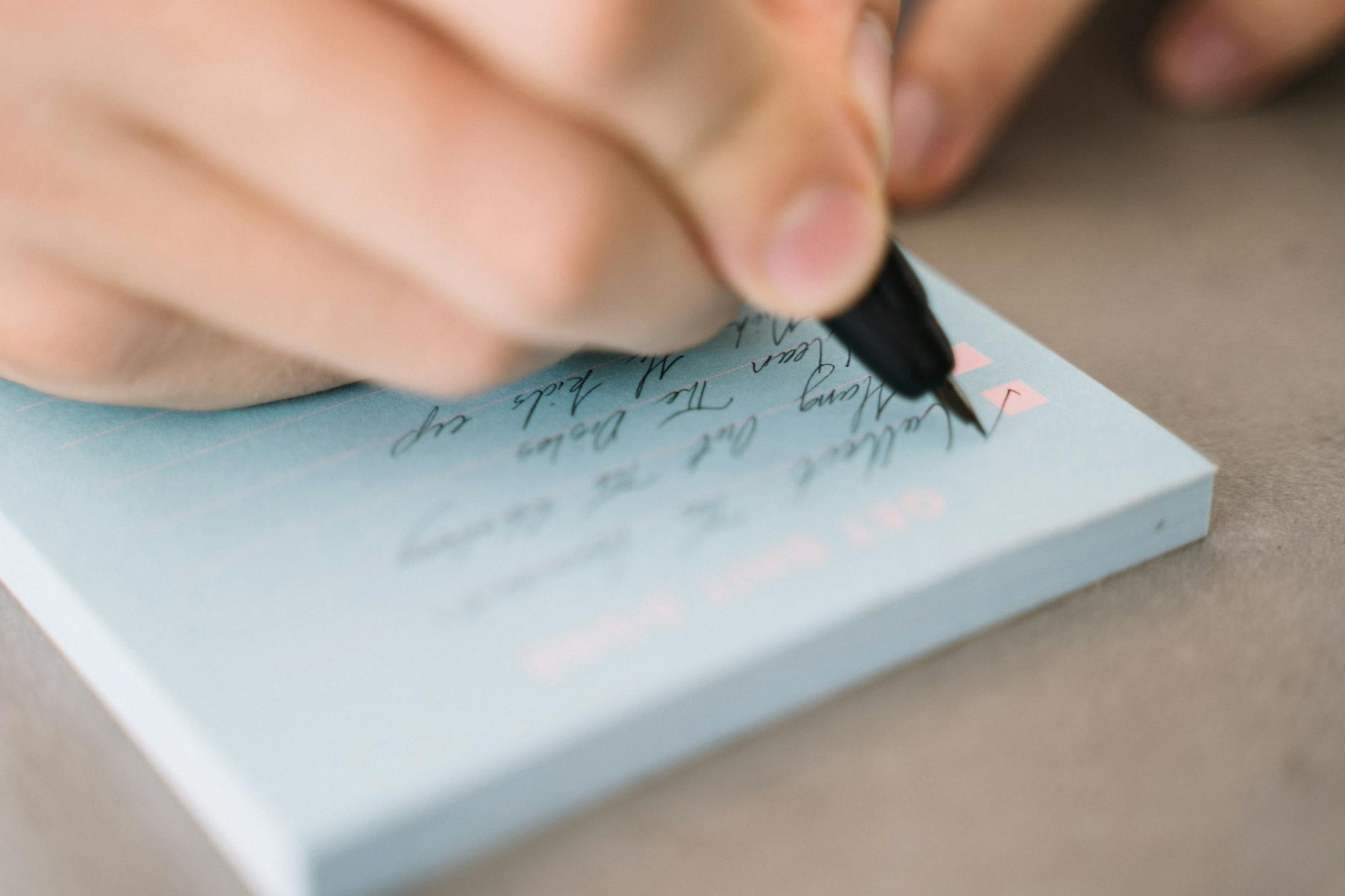
The pace at which someone writes, visible through the fluidity or choppiness of strokes, reflects how their mind operates under normal conditions. Fast, fluid writing is characteristic of quick thinkers who are confident, impatient with delays, and capable of processing multiple ideas simultaneously. Slow and careful writing suggests thoroughness, conscientiousness, and a preference for accuracy over speed. Very slow writing accompanied by heavy corrections can sometimes indicate perfectionism or anxiety about making mistakes. Speed also tends to reflect how comfortable someone is with the act of writing itself and their general relationship with self-expression.
Handwriting is a quiet but revealing window into the human personality, and these fascinating details can transform the way you read a simple note. Share your thoughts in the comments.