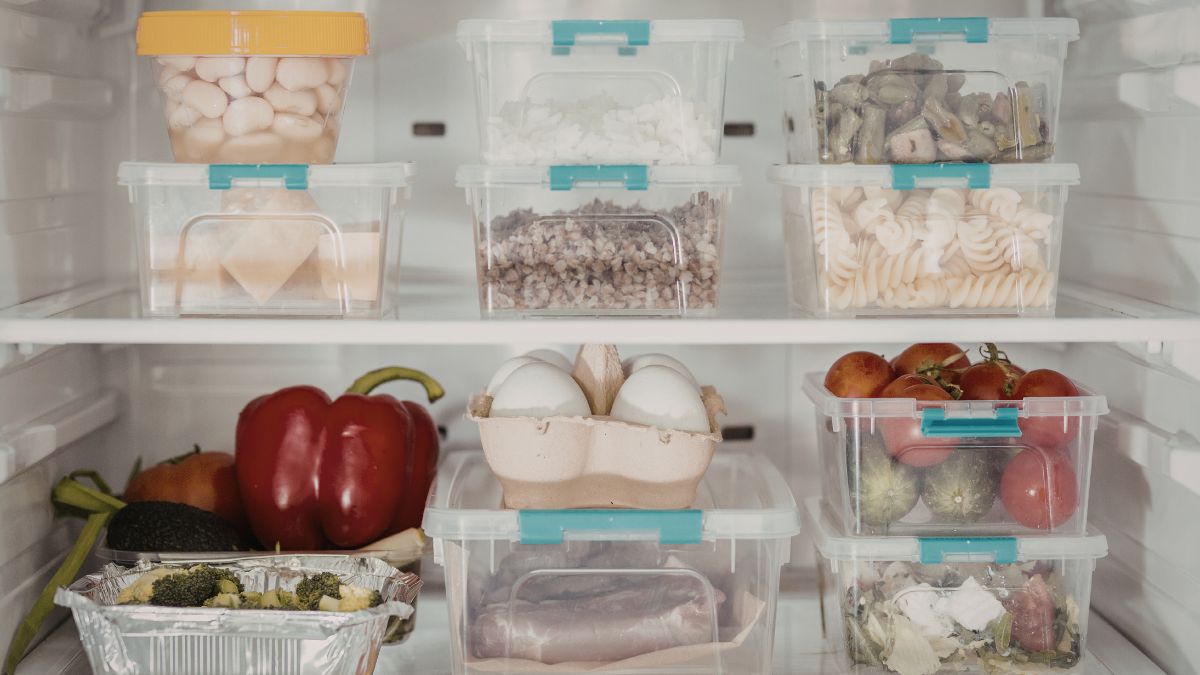
It might seem like the safest move after a grocery run to load everything straight into the fridge, but doing so can actually work against you. Some everyday staples deteriorate faster in cold environments, losing their texture, flavor, and overall quality. According to Allrecipes, proper storage is one of the simplest ways to both extend the life of your food and save money over time. Knowing which items belong on the counter or in the pantry rather than on a refrigerator shelf can make a surprising difference in how your meals turn out.
Potatoes are one of the most commonly mishandled items when it comes to storage. Cold temperatures cause the starch inside them to convert into sugar much more quickly than it would at room temperature, which leads to an overly sweet taste and a gritty, unpleasant texture. On top of that, refrigerated potatoes tend to darken when cooked, which makes them look unappetizing even if they are otherwise fine. The best place to keep potatoes is in a cool, well-ventilated basket or bin in a pantry or cupboard, away from direct light.
Whole heads of garlic and onions are another pair of items that have no real business being in the fridge. The cold, humid environment inside a refrigerator can make them go soft, develop mold, and spoil at a much faster rate than they would in a dry space. Both do best when stored in a dark, airy spot at room temperature, such as a pantry shelf or an open basket. One important note is that garlic and onions should be kept away from each other as well as away from potatoes, since grouping them together can speed up the ripening and spoiling process for all three.
Honey is a product that essentially never truly expires when stored correctly, yet the refrigerator is one of the worst places for it. The low temperatures cause the natural sugars in honey to crystallize rapidly, turning it from a smooth, pourable liquid into a hard, clumpy solid that is difficult to use. A sealed jar kept at room temperature in the pantry is all honey really needs to stay in perfect condition for a very long time. If crystallization does happen despite best efforts, gently warming the jar in a bowl of warm water will restore it to its original texture without damaging its quality.
Bread is another item that many households refrigerate out of habit, but the cool, dry air of a fridge actually accelerates the staling process rather than slowing it down. Bread stored in the refrigerator tends to dry out and become stiff much faster than bread left at room temperature. The ideal storage method is to keep it in a cool, dry location that allows for some air circulation without exposing it to excess moisture. If you have leftover bread that you will not eat within a couple of days, the freezer is a far better option than the fridge, since freezing effectively pauses the staling process.
Bananas round out the list, particularly green or just-ripening ones. Refrigerating bananas before they are fully ripe halts the ripening process entirely, leaving you with fruit that never reaches the sweet, creamy texture most people enjoy. The cold also causes the peel to turn dark and unappealing very quickly, even when the inside is still underripe. Once bananas have reached full ripeness, a brief stint in the refrigerator is acceptable if you want to slow things down a little. To keep them fresh longer and avoid bruising, it helps to hang them on a banana hook or store them in a bowl, kept separate from other fruits since bananas release ethylene gas that can speed up ripening in neighboring produce.
Understanding the basics of food storage goes beyond just keeping things cold. The concept of using different storage zones for different types of produce dates back centuries, with root cellars and cool pantries serving the same purpose that modern pantries do today. Most fruits and vegetables fall into one of two camps: those that are sensitive to cold and should be kept at room temperature until ripe, and those that are already ripe and benefit from refrigeration to slow further deterioration. Ethylene-producing fruits like bananas, apples, and avocados are worth storing with care since they can unintentionally speed up the spoiling of nearby items. Starchy vegetables like potatoes, sweet potatoes, and winter squash are almost universally better off in dark, cool, but not cold environments. Honey, meanwhile, is one of the few foods with an almost indefinite shelf life when stored properly, a fact backed up by the discovery of edible honey in ancient Egyptian tombs.
If any of these storage habits surprised you or if you have your own tips for keeping food fresh longer, share your thoughts in the comments.