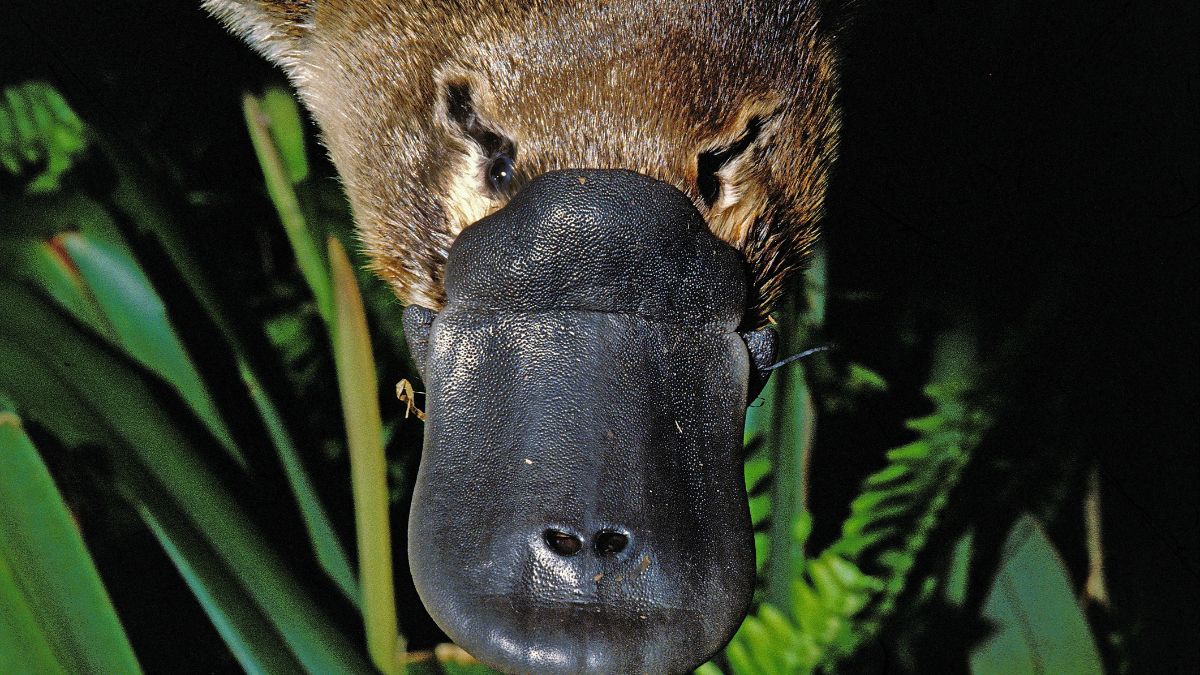
Many heavily furred creatures roaming our planet hide dangerous defense mechanisms beneath their soft exteriors. Nature often uses a fuzzy appearance to warn predators about potent toxins lurking within. These seemingly harmless species carry venom or poison capable of causing severe pain and lasting medical complications. Exploring the animal kingdom reveals that a plush coat does not always guarantee a safe encounter.
Loris
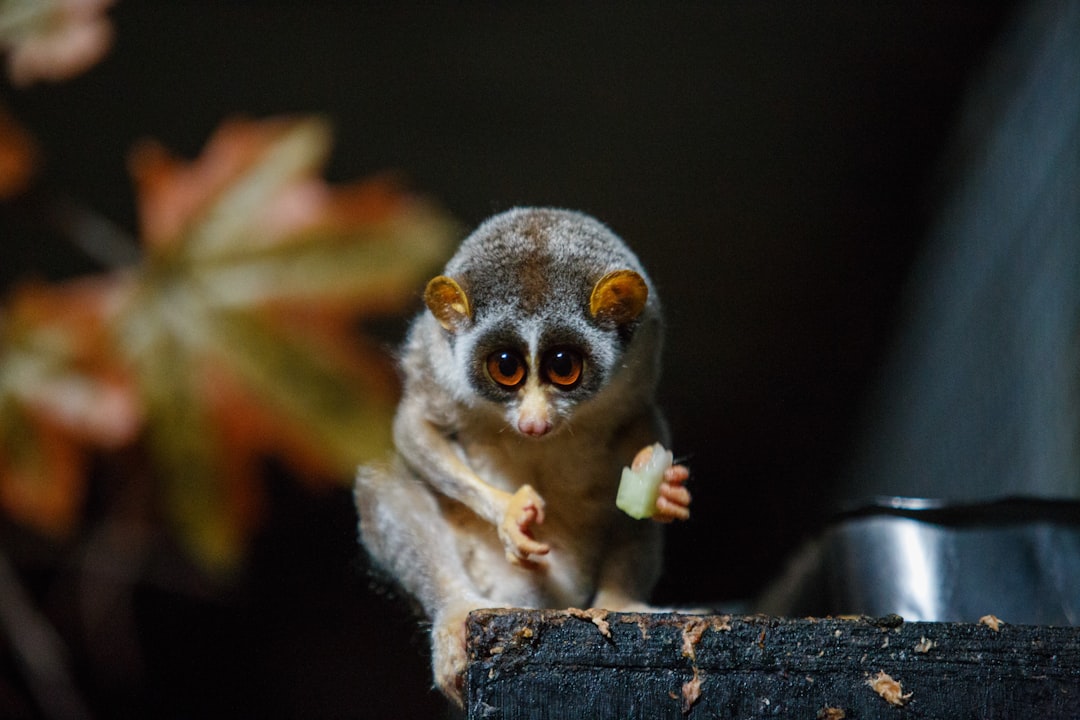
This large eyed primate attracts attention with incredibly soft fur and deliberate movements through the forest canopy. A special gland located on its inner arm secretes a potent toxin that becomes dangerous when mixed with saliva. The animal licks this gland before delivering a defensive bite capable of triggering severe allergic reactions in humans. These unique mammals also groom the toxic mixture into their plush coats to protect their young from predators.
Platypus
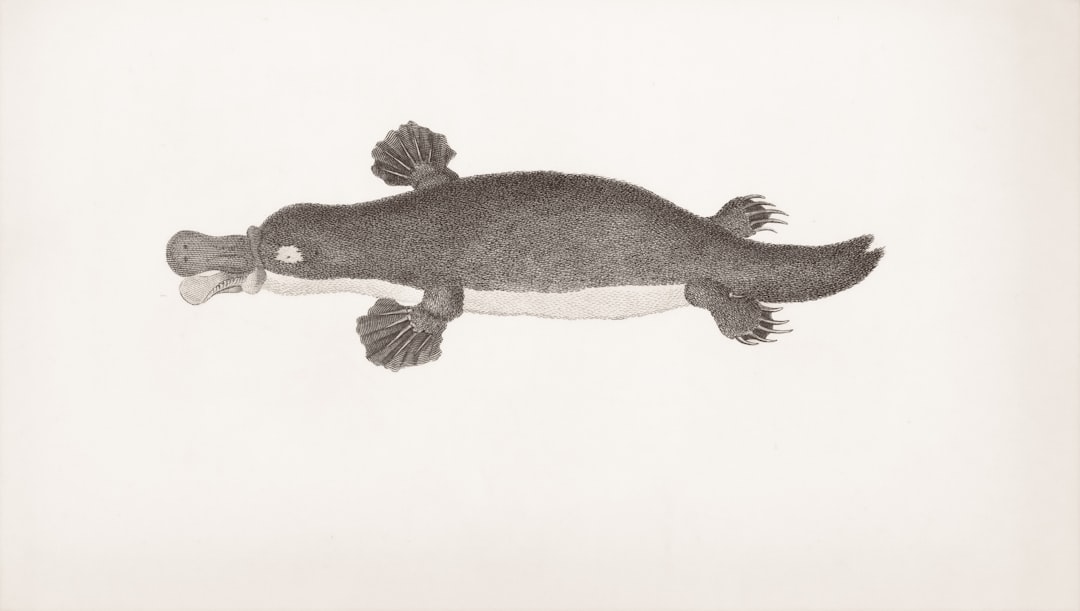
This Australian monotreme features a dense waterproof coat perfectly adapted for insulation in freezing streams. Male specimens develop sharp spurs on their hind legs connected to specialized venom glands during the breeding season. A strike from these hidden weapons delivers a complex cocktail of toxins capable of causing excruciating localized pain. The resulting agony responds poorly to conventional painkillers and can persist for several months after the initial encounter.
Puss Caterpillar
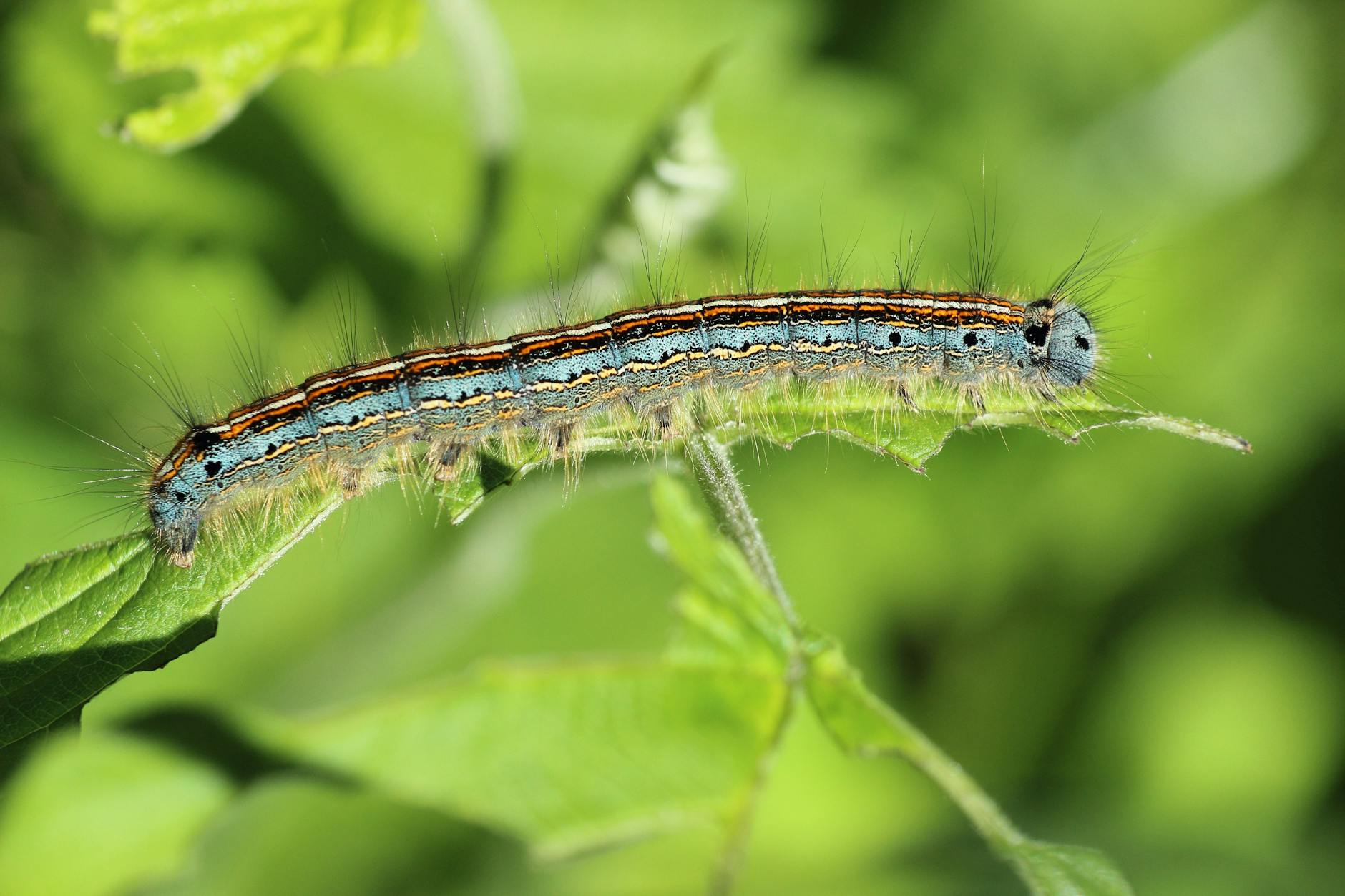
This larval insect closely resembles a walking toupee due to its dense covering of golden hair. Hidden beneath this inviting fuzzy exterior are numerous venomous spines ready to break off into unsuspecting skin. Contact with these concealed needles produces immediate throbbing pain that frequently radiates up the affected limb. Medical professionals often compare the intensity of this sting to severe bone fractures or acute blunt force trauma.
Solenodon
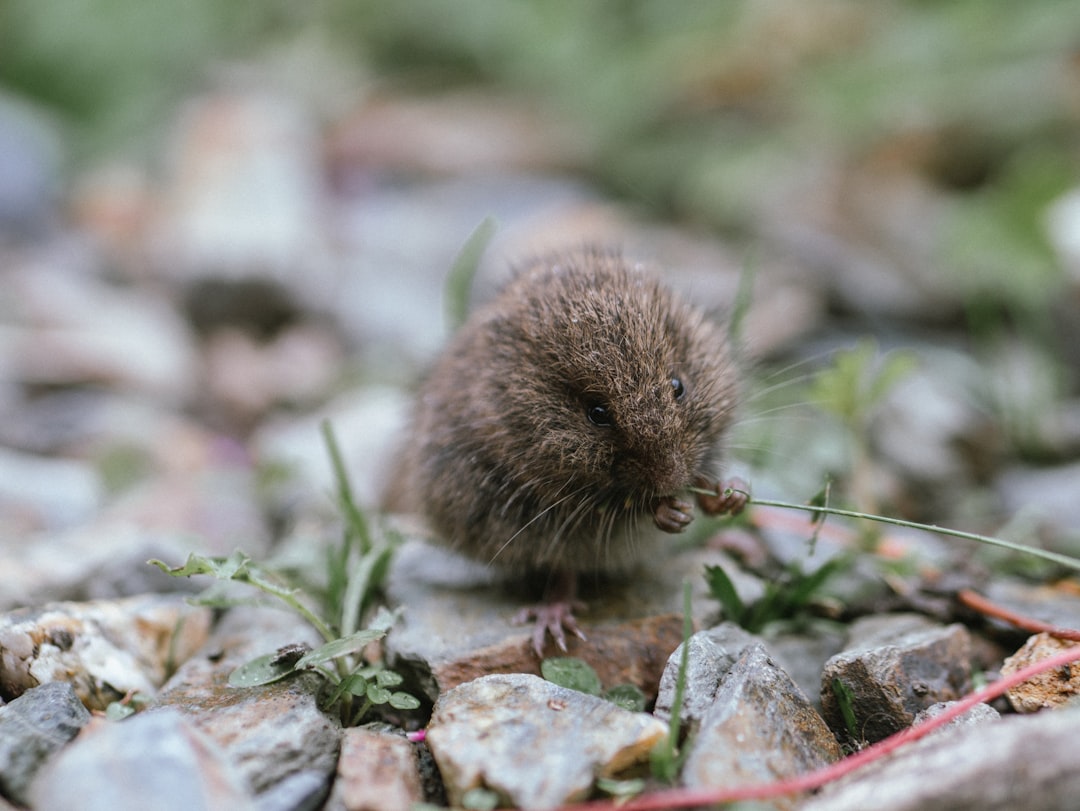
This elusive Caribbean mammal sports coarse reddish fur and an elongated snout perfectly adapted for routing through leaf litter. The creature modifies its salivary glands to produce a specialized toxic venom used for hunting small prey. It delivers this powerful paralyzing agent through uniquely grooved second lower incisors during a swift bite. Scientists note that this rare venomous mammal represents an ancient lineage surviving since the era of the dinosaurs.
Velvet Ant
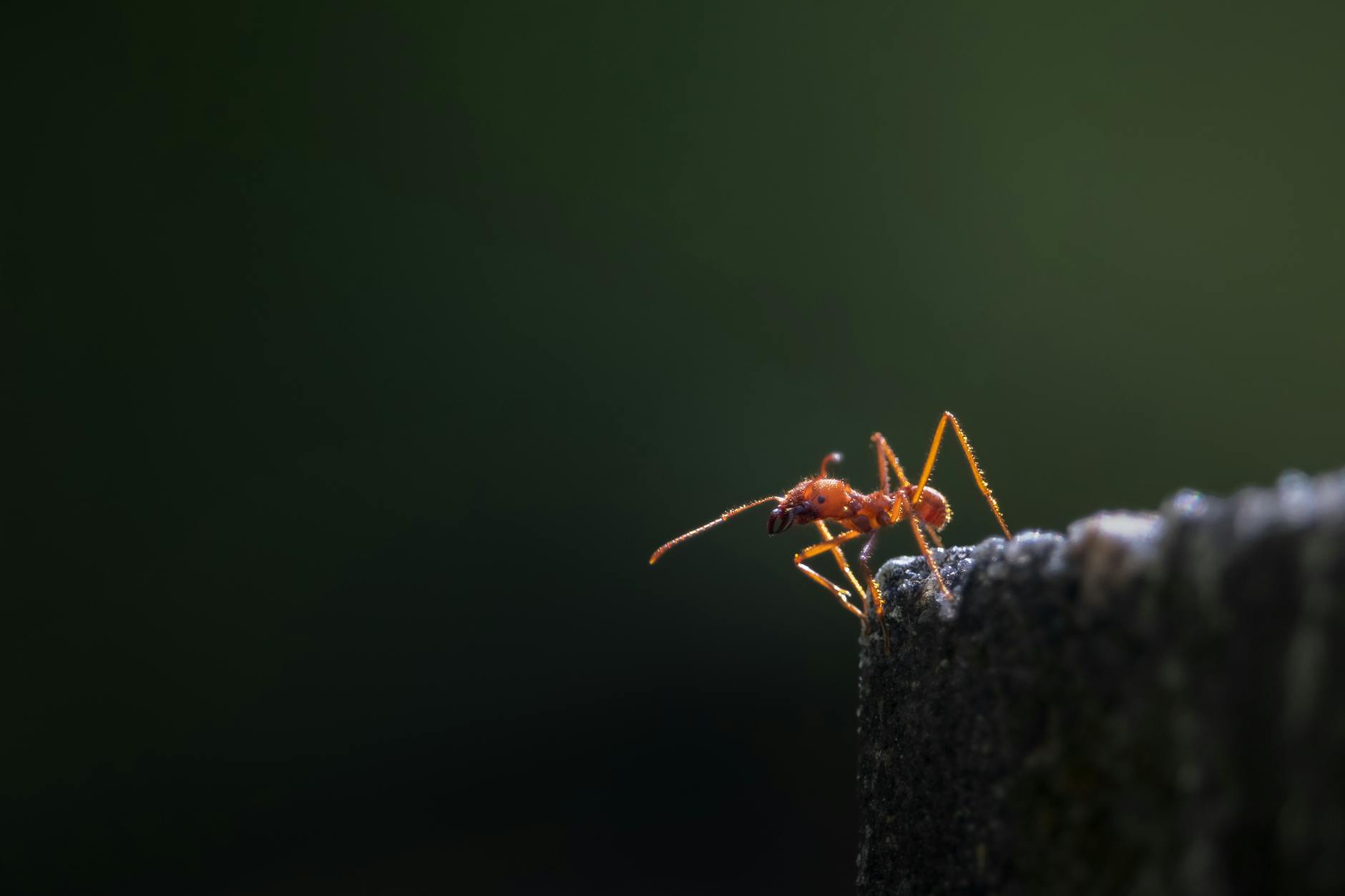
This densely furred insect is actually a flightless wasp covered in hairs of bright red and orange. The plush exterior serves as a visual warning to predators about the incredibly potent sting hidden at its abdomen. The venom delivered by these wandering females causes immediate and overwhelming pain that lasts for nearly thirty minutes. Entomologists often refer to them as cow killers due to the staggering intensity of their defensive chemical weapons.
Pitohui

This brightly colored songbird thrives in the dense tropical forests while sporting vibrant and soft plumage. The bird absorbs powerful batrachotoxins from a specialized diet of native beetles found in its jungle habitat. It secretes these lethal compounds directly into its feathers and skin to create an invisible chemical shield. Researchers handling these birds experience numbness and burning sensations simply from brushing against the contaminated feathers.
Tarantula
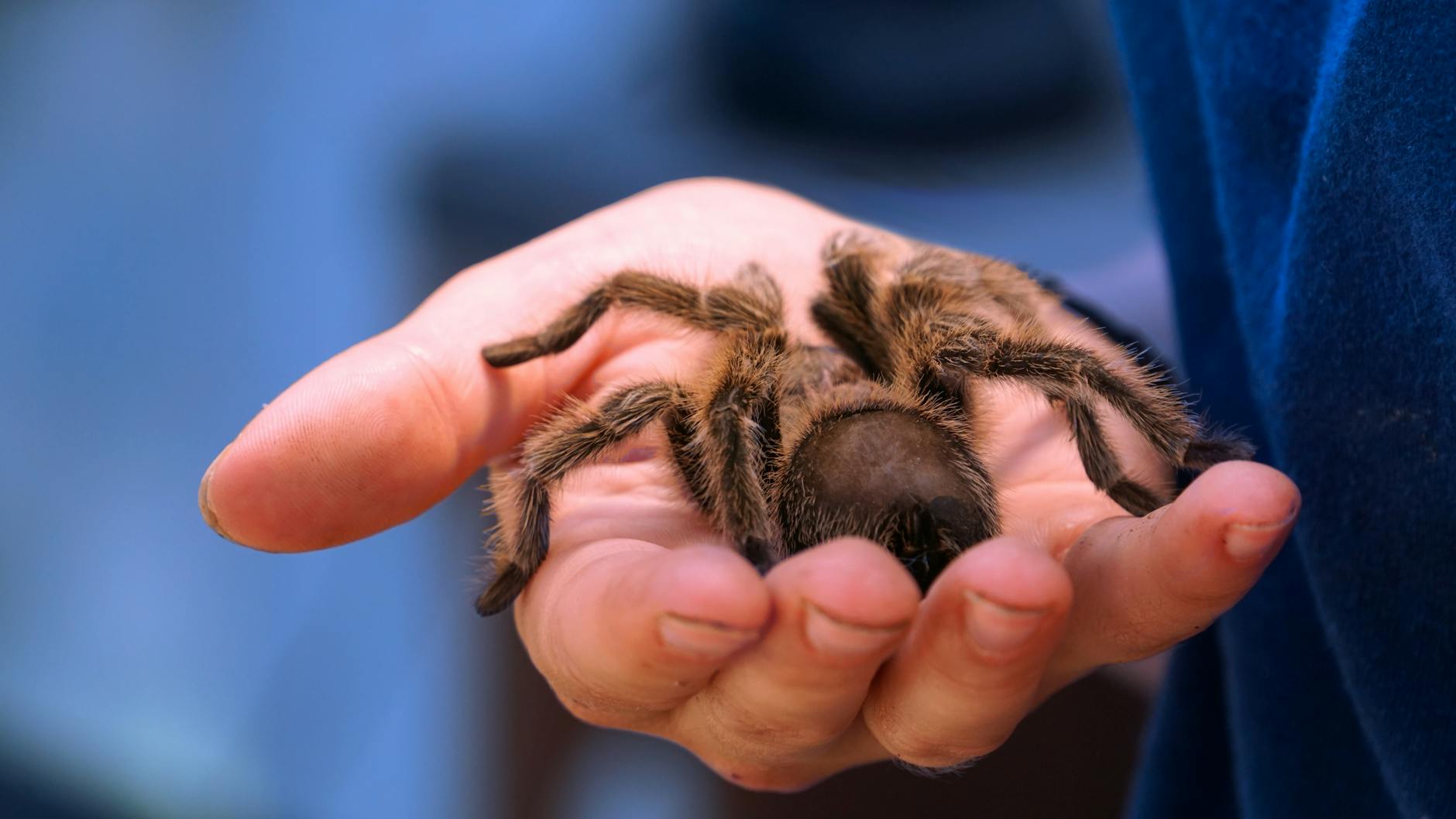
This large arachnid features a thick coating of bristly hairs covering eight sturdy legs. While its venomous bite rarely causes severe complications for humans the spider possesses another fluffy yet dangerous defense mechanism. The creature uses its hind legs to flick sharp urticating hairs from its abdomen directly into the faces of attackers. These microscopic barbed bristles embed themselves into soft tissues to cause intense irritation and potential respiratory distress.
Ifrita
This small insectivorous bird features a distinct blue cap and very soft brown feathers across its tiny body. It relies on the exact same dietary source of toxic beetles as other poisonous avian species in the region. The resulting batrachotoxins accumulate heavily in the breast and leg feathers to deter attacks from tree climbing snakes. Locals refer to this small creature as the bitter bird due to the tingling numbness it causes upon physical contact.
Shrikethrush
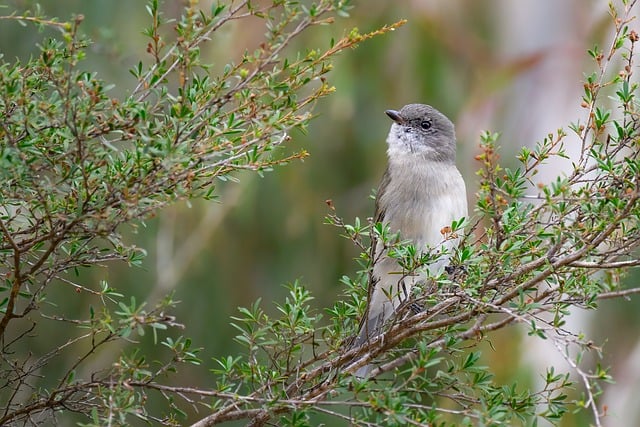
This songbird utilizes a similar chemical defense system hidden within its seemingly harmless fluffy plumage. The bird actively seeks out highly toxic insects to process and store potent poisons within its delicate skin. Any predator attempting to consume this feathered creature quickly faces severe neurological distress and potential paralysis. Ornithologists must wear thick protective gloves when catching these birds to avoid painful cutaneous toxin exposure.
Bumblebee
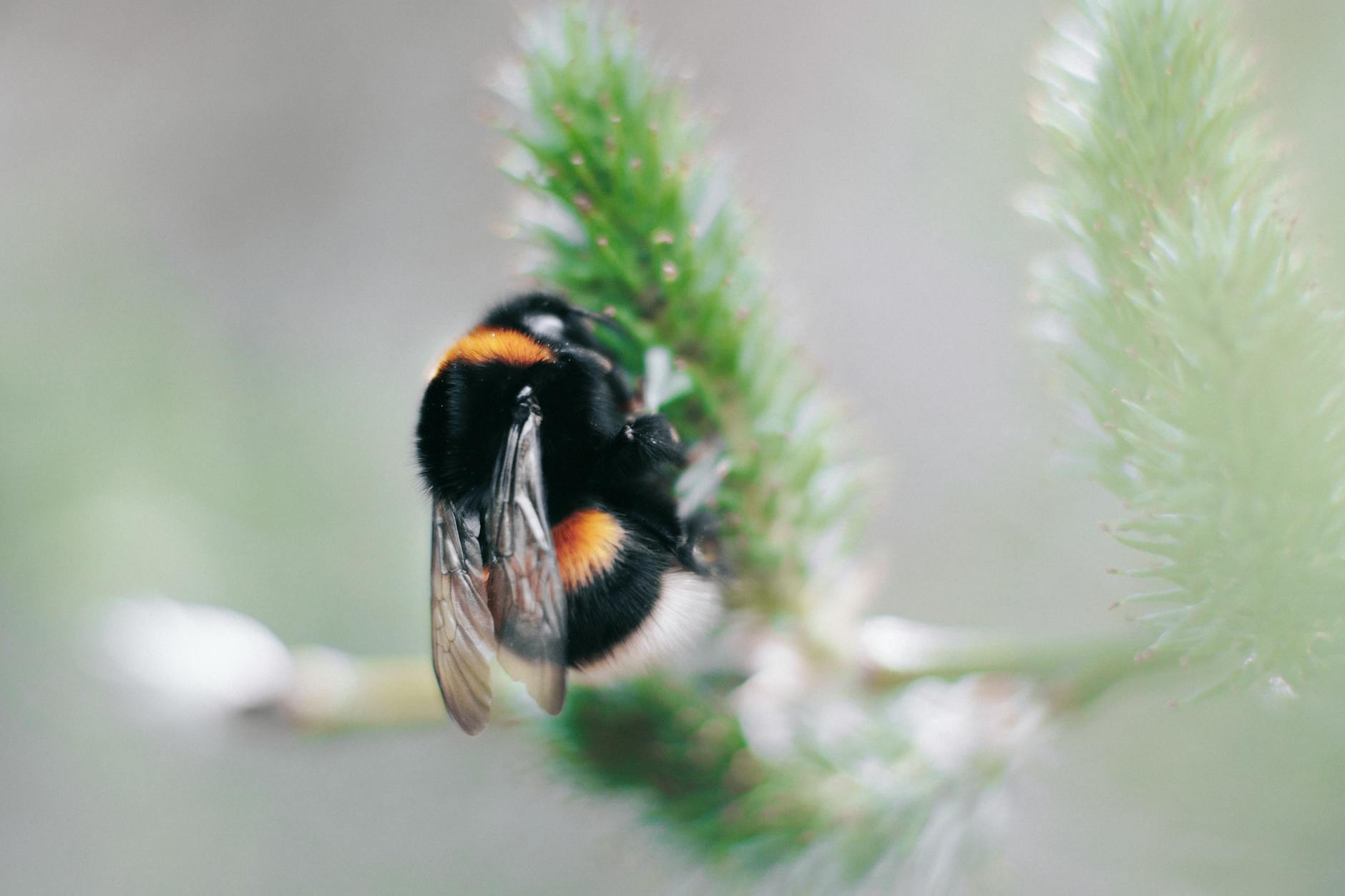
This ubiquitous pollinator relies on a dense coat of branched hairs to collect pollen and regulate its body temperature. The fuzzy exterior makes it appear quite approachable while hiding a smooth stinger capable of multiple strikes. The injected venom contains a mixture of proteins and peptides that rapidly induce painful localized swelling and redness. Multiple stings from an agitated colony can lead to severe systemic allergic reactions requiring immediate medical intervention.
Honeybee
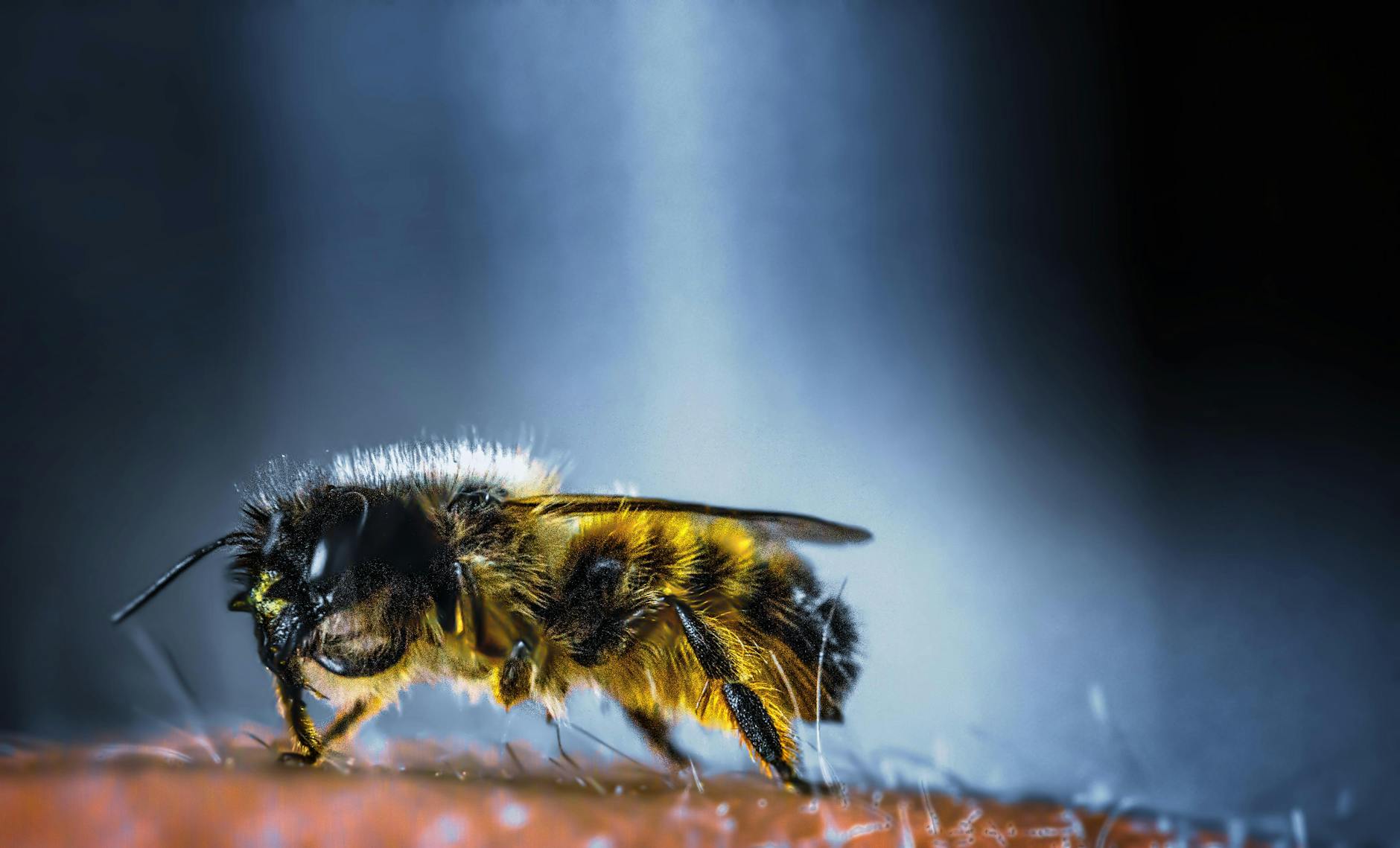
This essential agricultural pollinator features a thorax covered in soft golden fuzz that aids in gathering nectar. The insect fiercely defends its hive using a barbed stinger that detaches from its body after a successful strike. The venom sac continues pumping melittin and other damaging compounds into the victim long after the bee departs. This complex venom destroys cell membranes and triggers a massive release of histamine that produces intense burning pain.
Saddleback Caterpillar
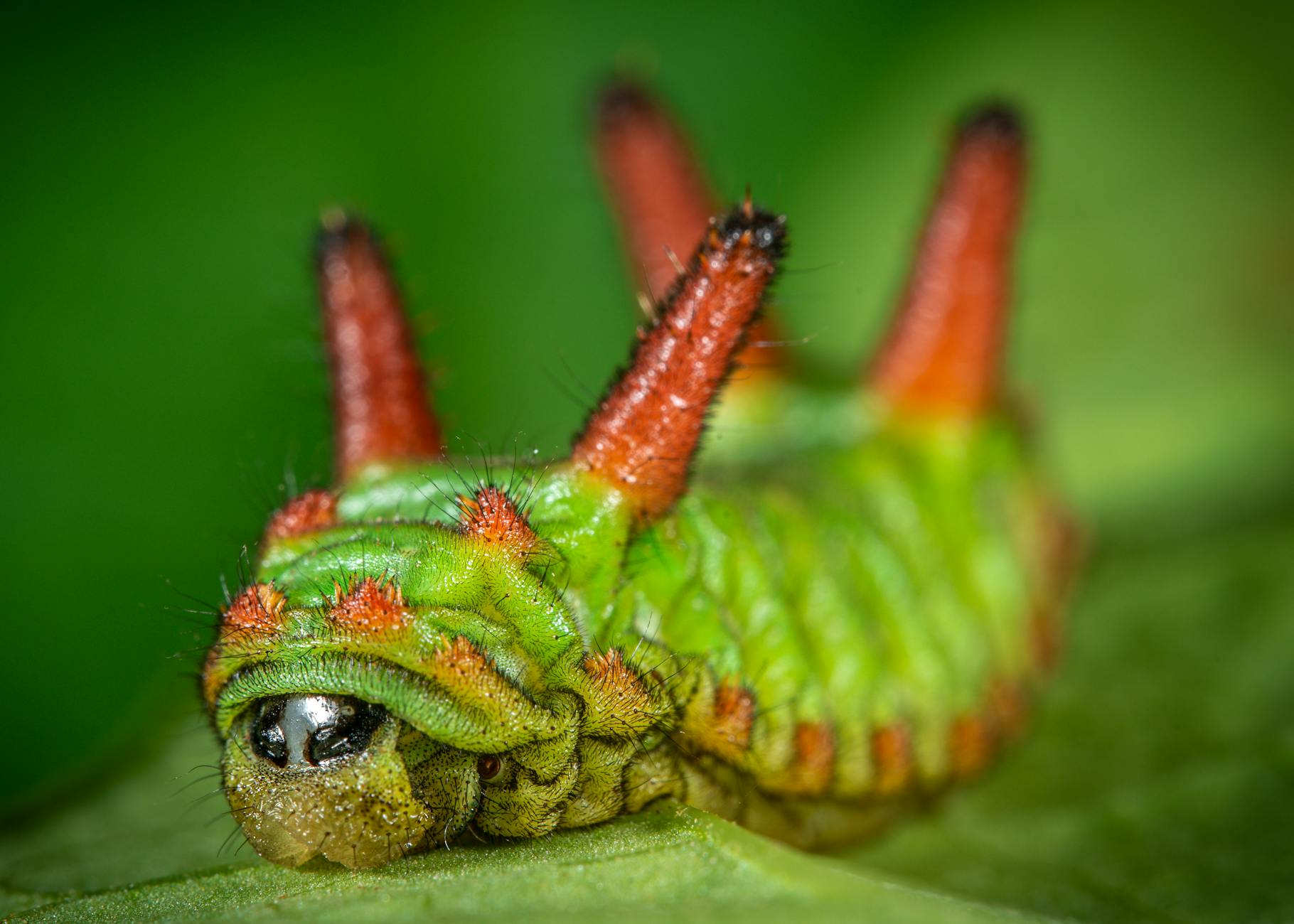
This distinctive larva wears what looks like a fuzzy green saddle across its dark brown segmented body. The colorful protrusions on both ends of the creature harbor clusters of hollow spines filled with potent venom. Brushing against these soft looking hairs instantly releases a hemolytic toxin that destroys red blood cells and causes tissue damage. Victims experience intense sweating and severe nausea alongside a painful rash spreading quickly from the initial sting site.
Flannel Moth
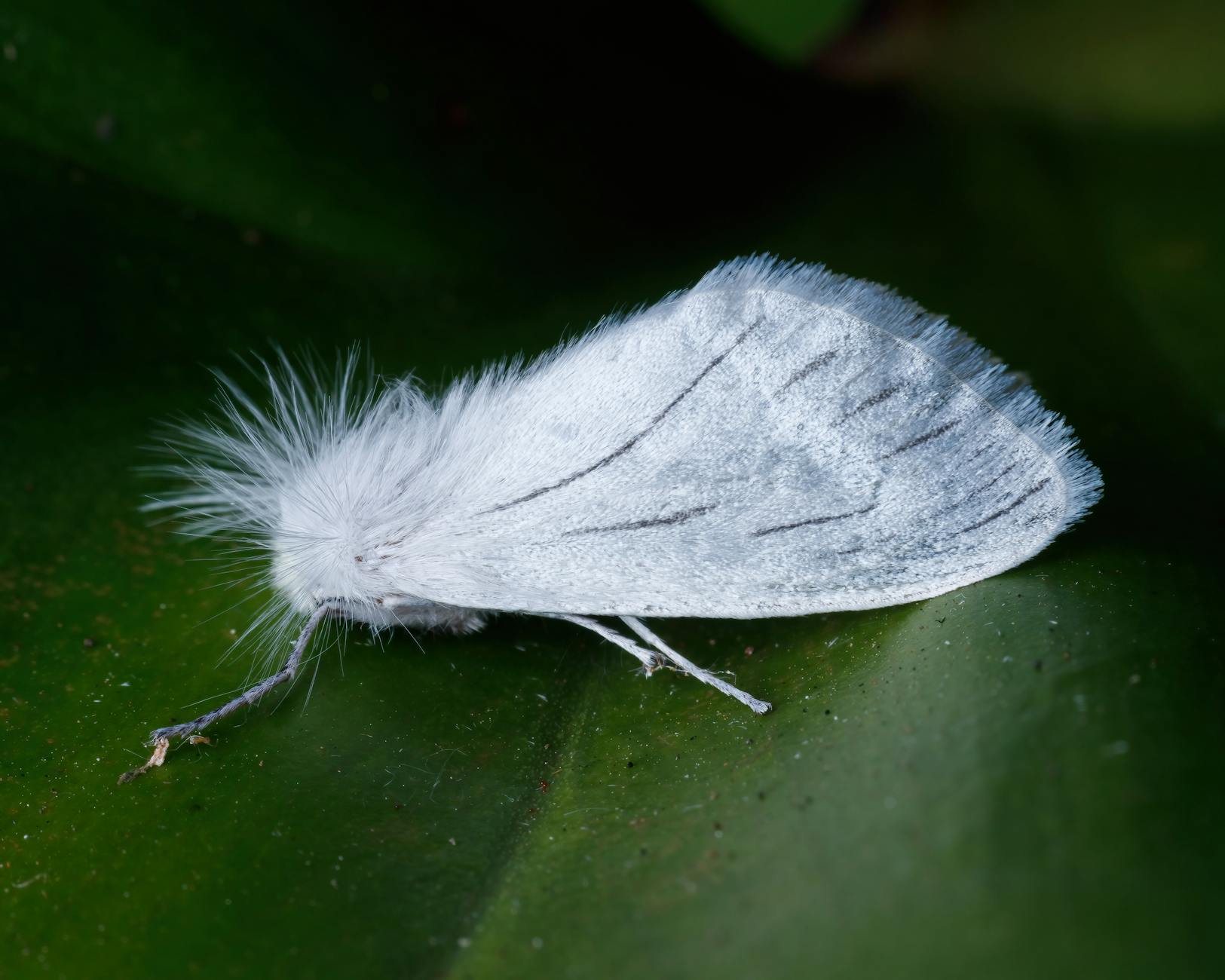
This larval insect covers its entire body in a thick coat of silken threads mimicking soft fur. The luxurious exterior hides a sophisticated arsenal of venomous barbs designed to deter hungry birds and curious mammals. Accidental contact forces these sharp structures into the skin where they immediately release a highly reactive chemical payload. Emergency rooms frequently treat patients suffering from intense radiating agony after touching this deceptively cuddly looking bug.
Io Moth
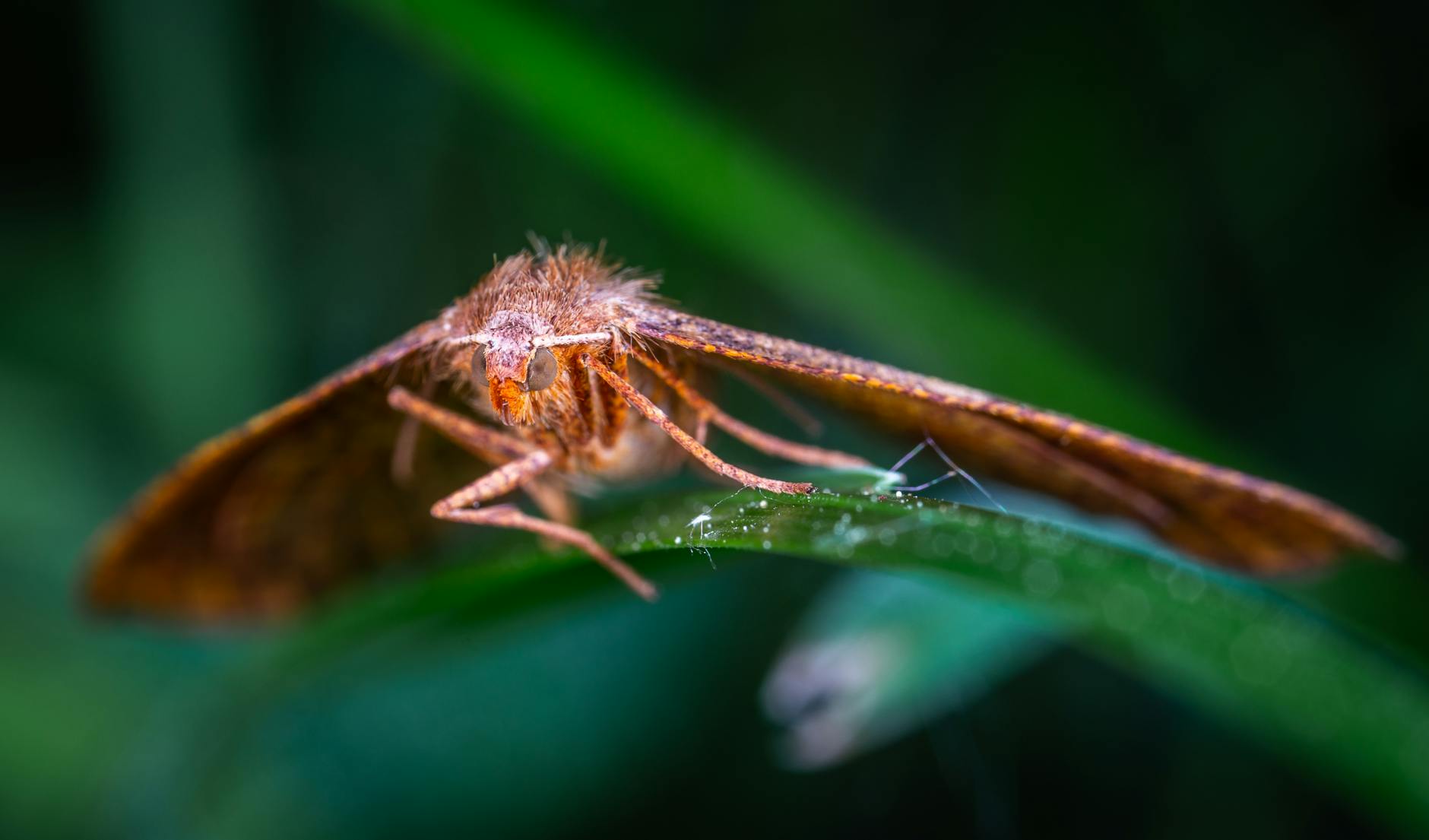
This caterpillar boasts racing stripes along its plush looking green sides to warn away potential threats. It defends itself with hundreds of bright spines releasing highly irritating chemical compounds at the slightest touch. The immediate reaction includes intense stinging and the rapid formation of raised red welts entirely across the affected skin. The venom triggers strong histamine responses requiring careful medical monitoring in highly sensitive or allergy prone individuals.
Hag Moth
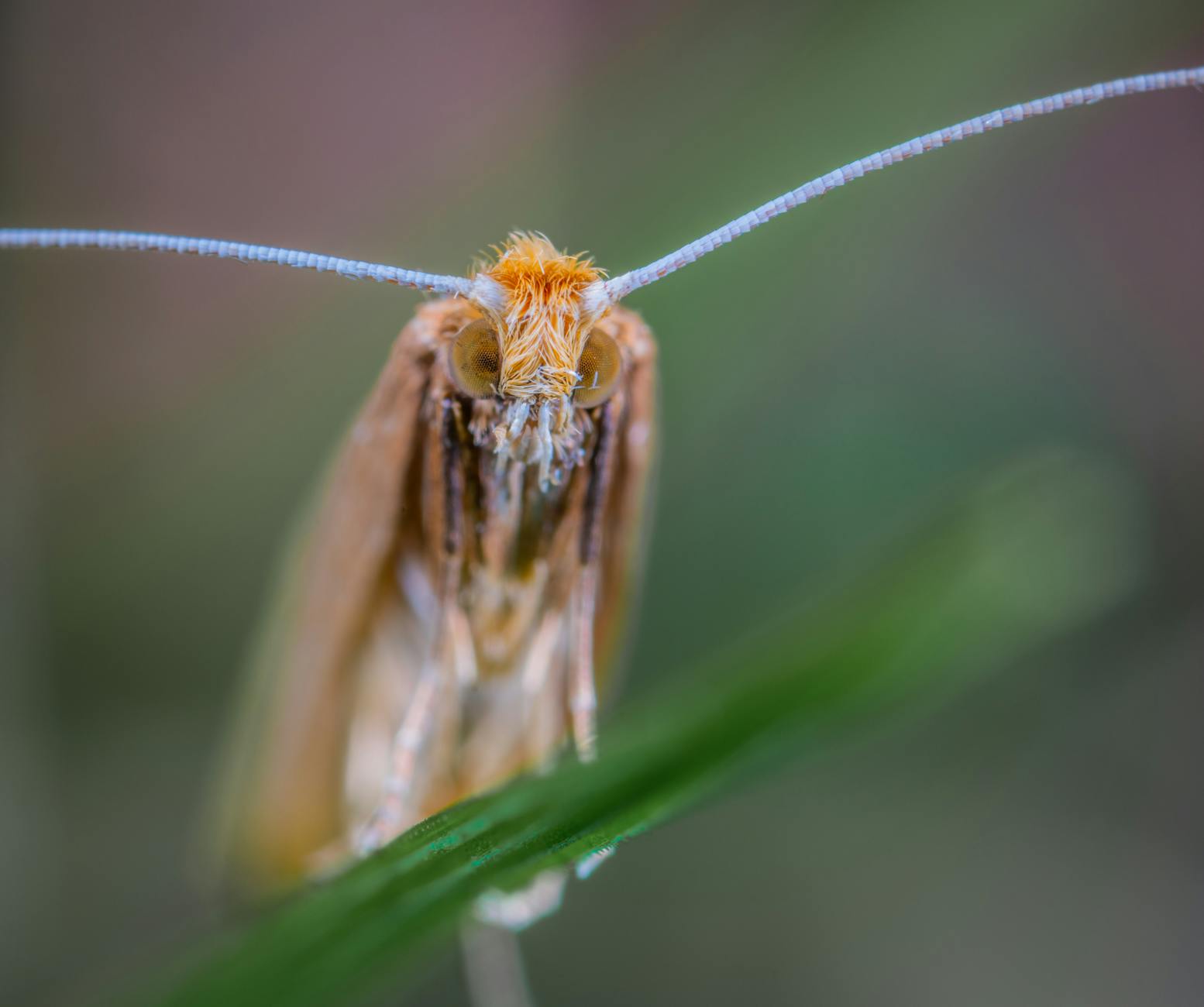
This unique caterpillar is frequently called the monkey slug due to its dense covering of brown fuzz. It possesses multiple fleshy arms completely covered in stinging hairs detaching easily upon direct physical contact. The injected venom causes a fierce burning sensation accompanied by significant localized swelling and occasional systemic allergic reactions. The pain often persists for several days despite vigorous washing and the continuous application of medical soothing creams.
Buck Moth
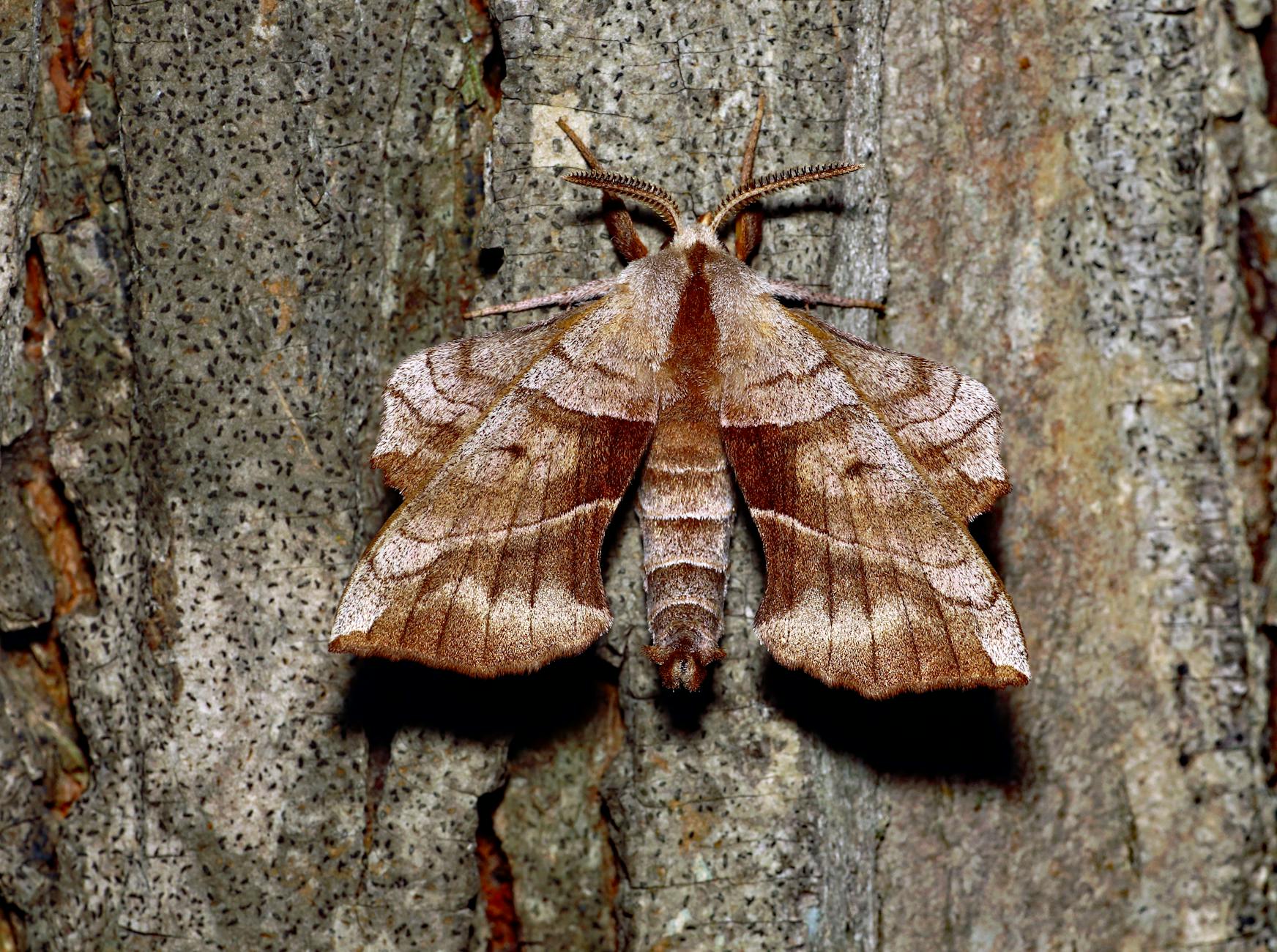
The larval stage of this insect features a dark body entirely covered in branching tufts of soft bristles. These delicate looking hairs connect to venom glands pumping toxins directly into the skin upon the slightest contact. The resulting sting triggers immediate inflammation and a localized burning sensation rivaling the pain of multiple bee stings. This fuzzy forest dweller creates significant hazards for hikers walking through dense oak woodlands during the early summer.
Tussock Moth
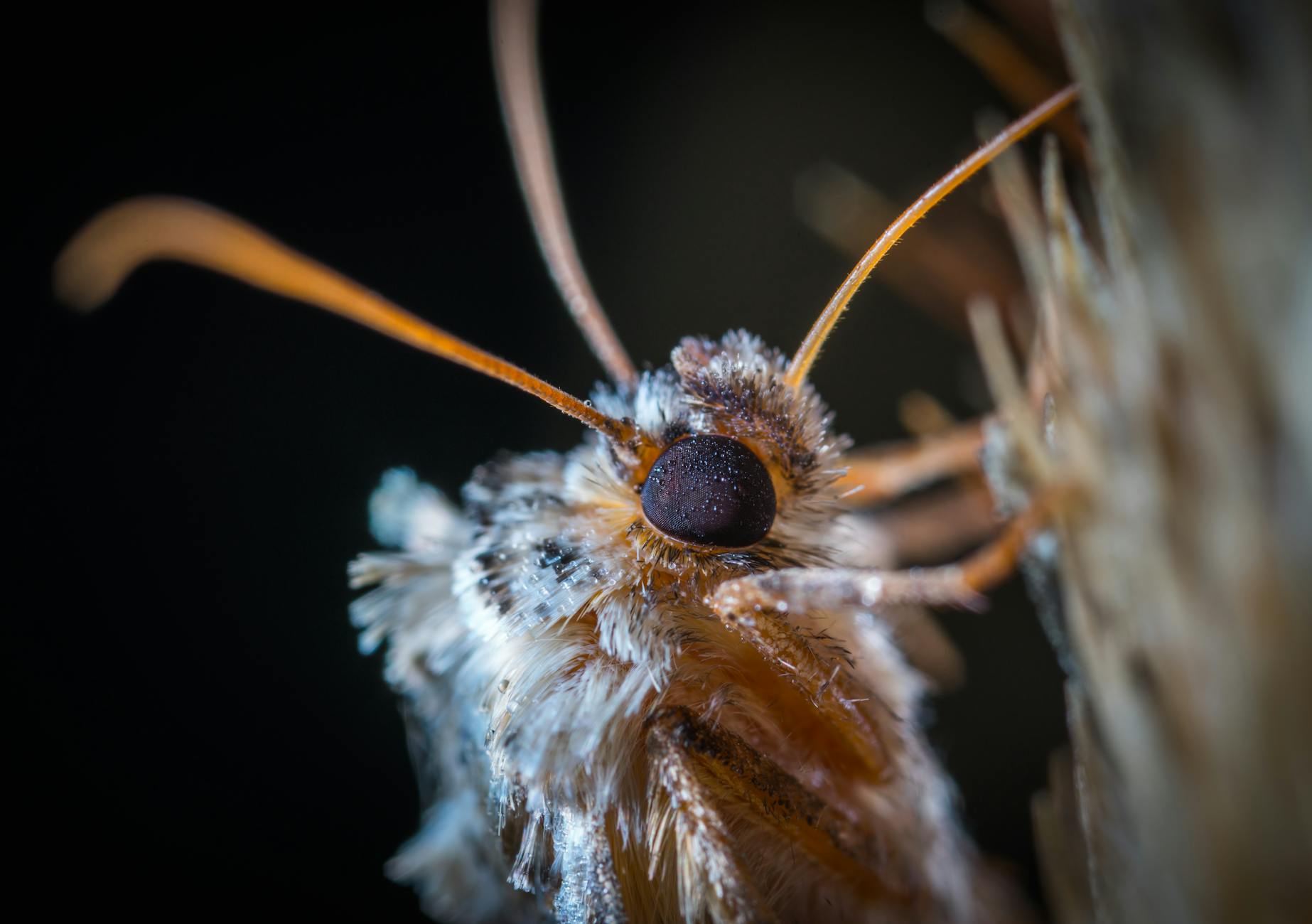
This caterpillar displays prominent tufts of white hair closely resembling miniature clean shaving brushes. The surrounding longer black bristles contain venomous compounds causing severe dermatological reactions upon direct human contact. These fine hairs easily break off and become airborne to trigger painful respiratory issues if inhaled by passing hikers. The fuzzy creature leaves behind a lasting itchy rash requiring topical steroid treatments to properly and fully heal.
Tell us which of these deceptively cuddly but highly toxic creatures surprised you the most by sharing your thoughts in the comments.