Many home cooks carry food safety beliefs passed down through generations, assuming that these traditions are reliable. Some of these practices are harmless, but others create conditions where dangerous bacteria can multiply rapidly and silently. Understanding the science behind food preservation is one of the most important things you can do for your household’s health. These 13 widely believed myths have been debunked by food safety experts and microbiologists, yet they continue to circulate in kitchens worldwide.
The Freezer
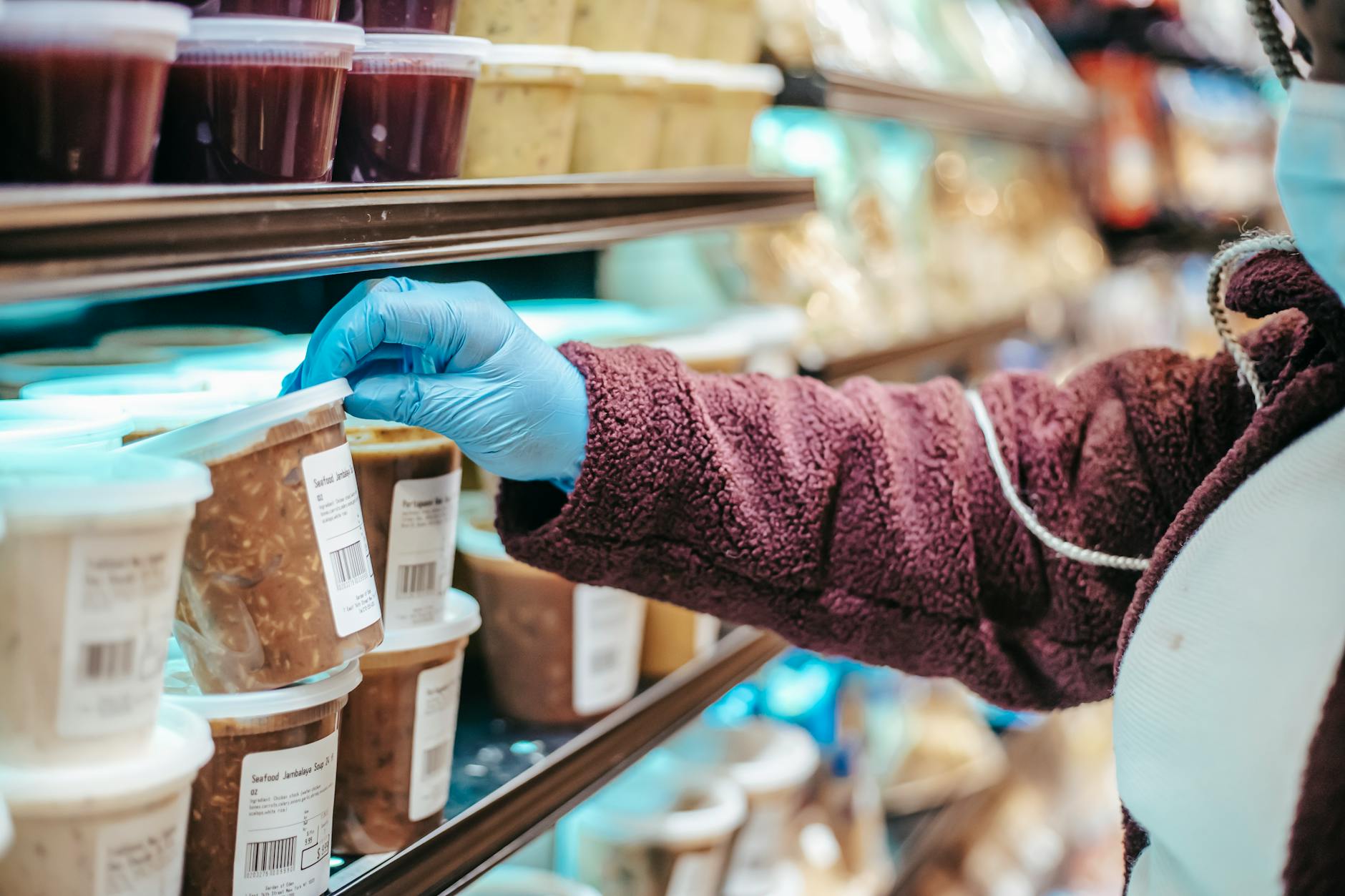
Freezing food does not kill bacteria. It places microorganisms in a dormant state, meaning they become fully active again once the food thaws. This is why safe thawing methods matter just as much as the act of freezing itself. Food left to thaw on a countertop at room temperature can reach the danger zone between 40 and 140 degrees Fahrenheit, allowing bacteria to multiply at alarming rates. Always thaw food in the refrigerator, under cold running water, or in the microwave immediately before cooking.
The Smell Test
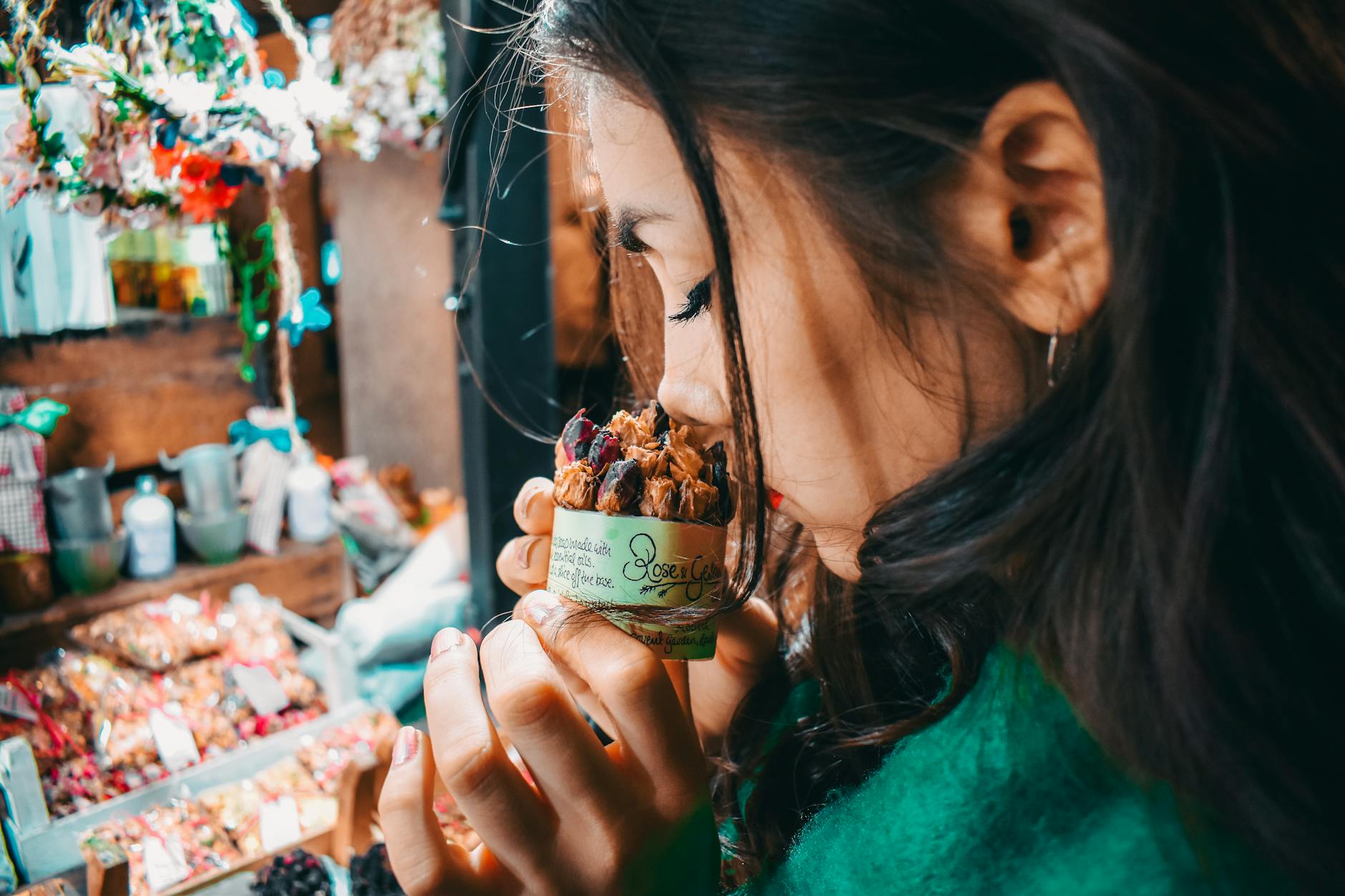
Relying on smell alone to judge whether food is safe to eat is one of the most dangerous habits in home cooking. Many of the most harmful pathogens, including Salmonella, E. coli, and Listeria, produce no detectable odor whatsoever. Food can smell perfectly normal and still carry a bacterial load high enough to cause serious illness. The absence of an off-putting scent gives a false sense of security that has sent countless people to the hospital. Always follow recommended storage times and temperature guidelines rather than trusting your nose.
Vinegar Pickling
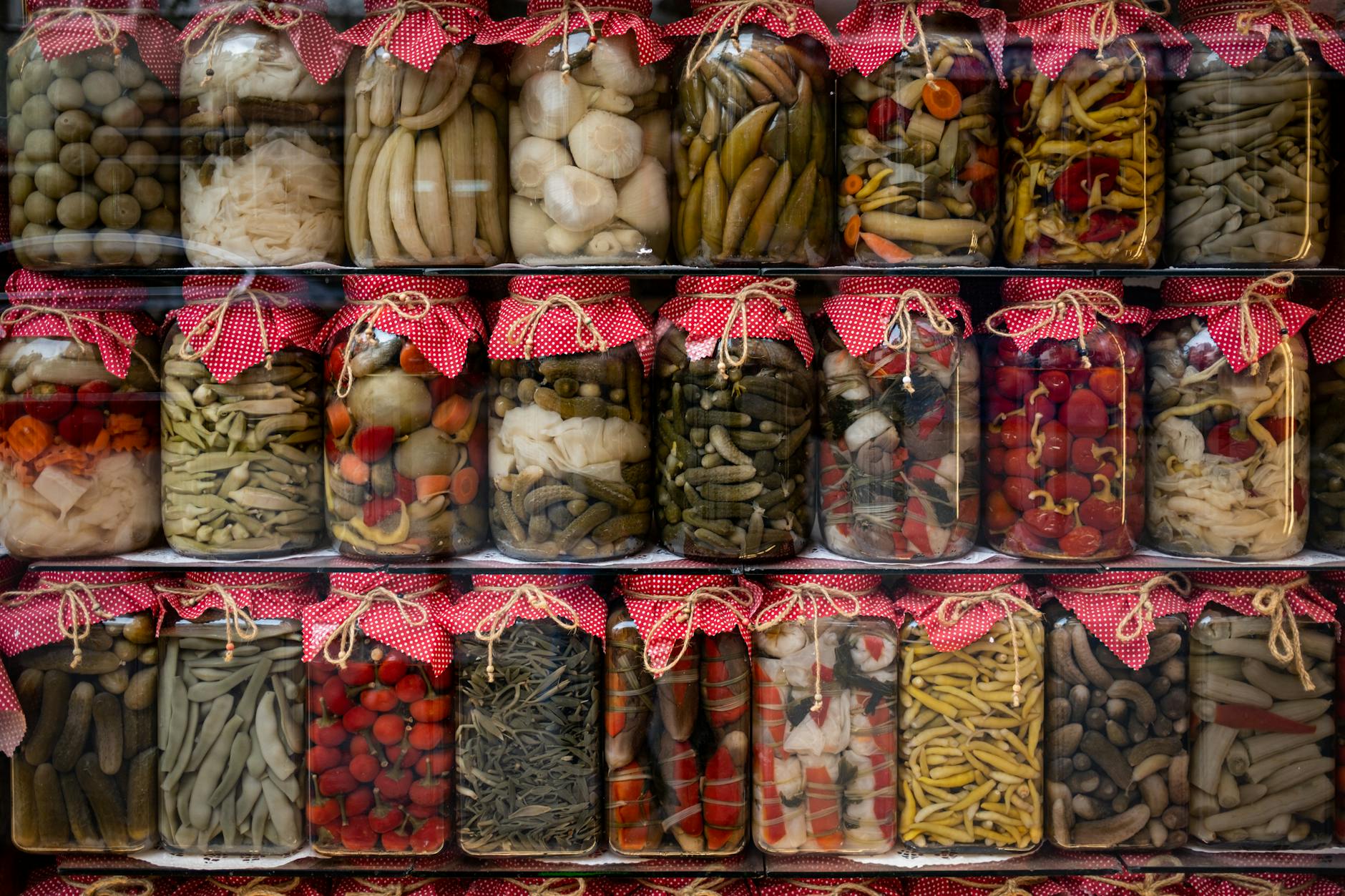
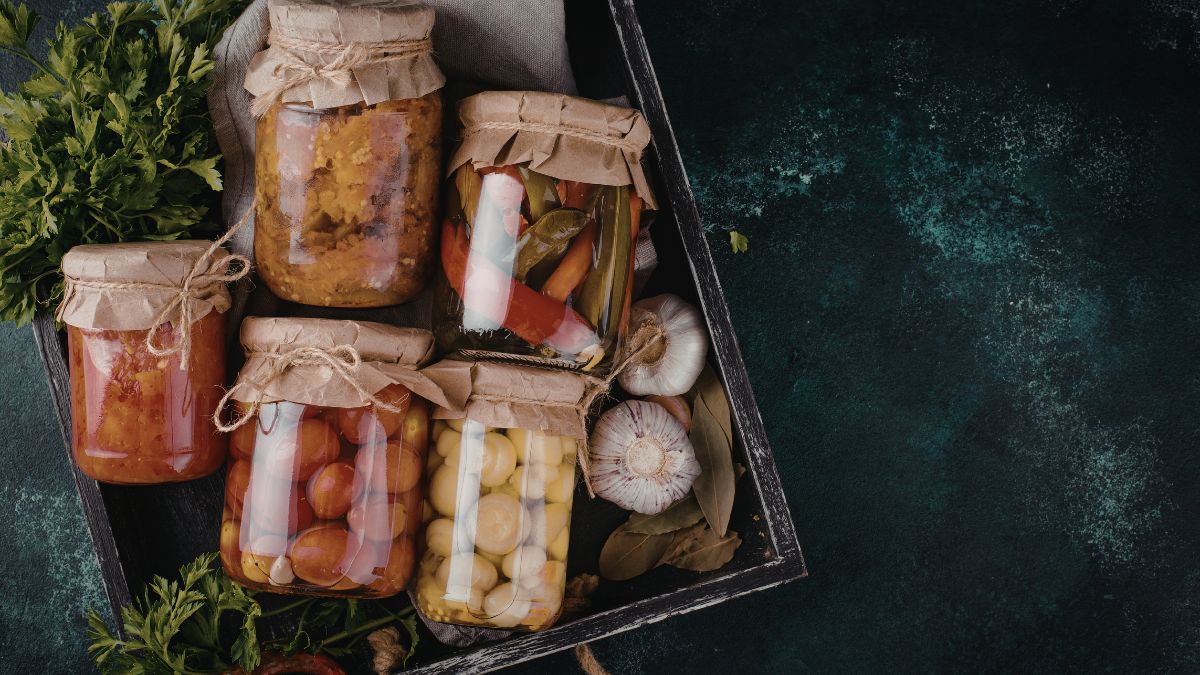
While vinegar does create an acidic environment that inhibits many forms of bacterial growth, quick refrigerator pickling is not the same as proper preservation. Foods stored in a vinegar brine without going through a tested canning process must always be kept refrigerated and consumed within a specific window of time. The acidity level in homemade brines is not always consistent, which means pathogen control can vary unpredictably. Botulism-causing bacteria can survive in improperly acidic environments with devastating consequences. Only tested and approved pickling recipes with precise ratios should be used when preparing shelf-stable pickled foods.
Garlic In Oil
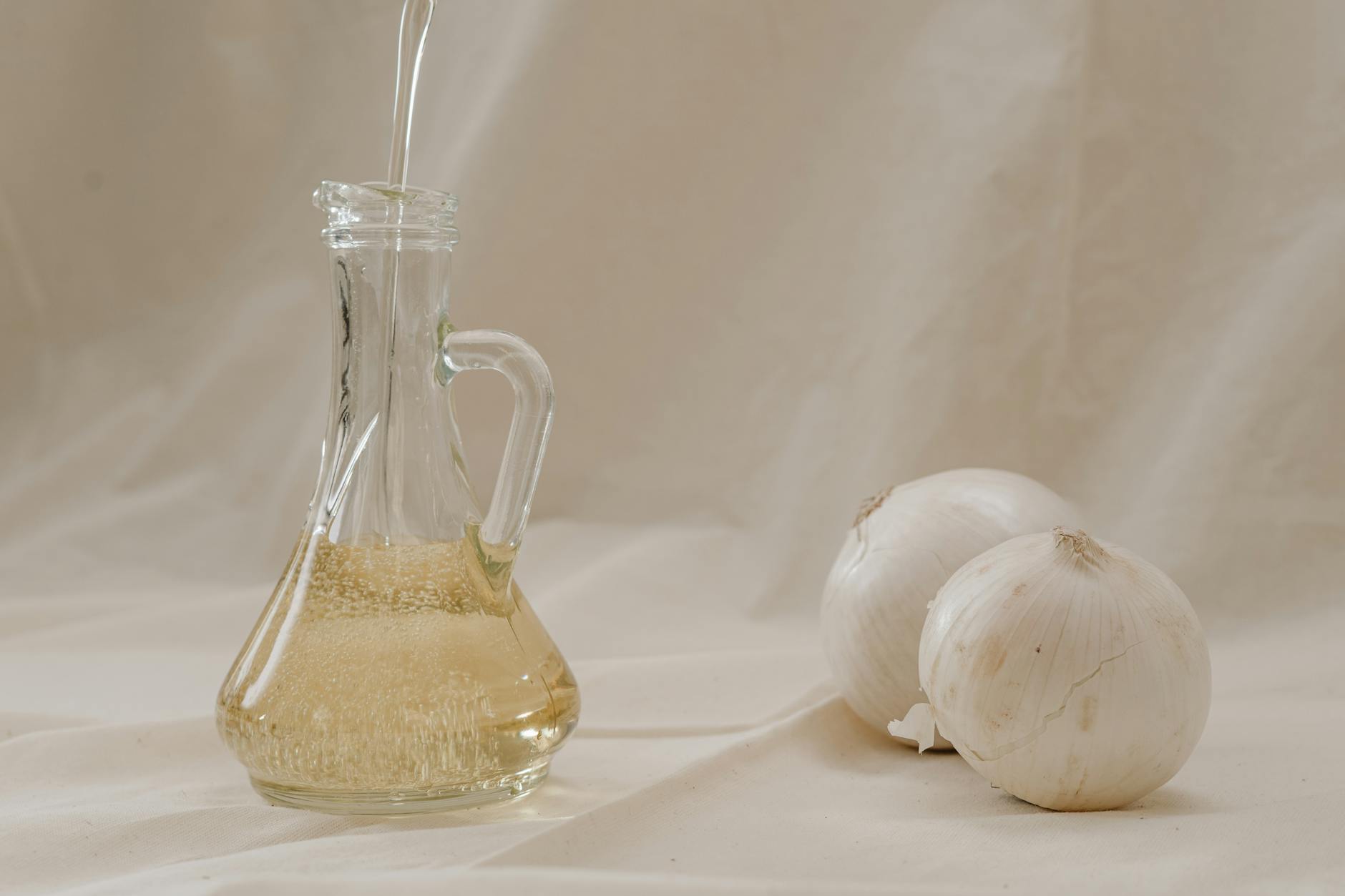
Homemade garlic-infused oil is one of the most well-documented sources of foodborne botulism outside of commercial canning errors. Garlic is a low-acid vegetable, and when submerged in oil it creates an oxygen-free environment where Clostridium botulinum thrives. The toxin produced by this bacterium is among the most lethal naturally occurring substances known to science. Many home cooks believe the oil acts as a preservative because it seals out air, but this is precisely what makes the combination dangerous. Store-bought garlic oils contain acidifying agents that home preparations almost always lack.
Home Canning
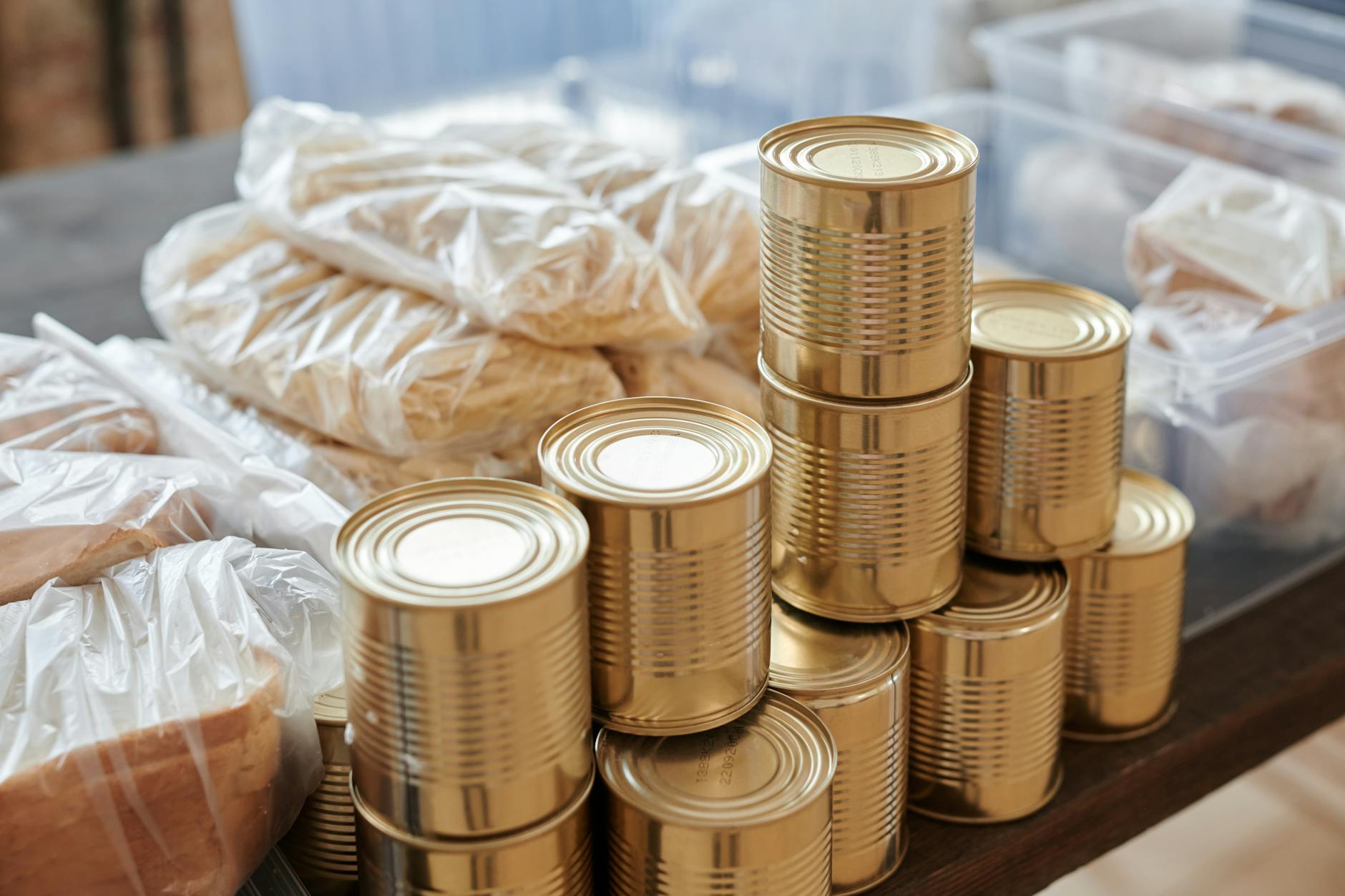
Home canning is a valuable tradition, but using outdated recipes or skipping tested procedures dramatically increases the risk of serious illness. Botulism spores are heat-resistant and require the high-pressure temperatures only achievable in a pressure canner to be fully destroyed in low-acid foods. Water bath canning is only safe and appropriate for high-acid foods such as most fruits, jams, jellies, and properly acidified tomatoes. Using a water bath canner for vegetables, meats, or low-acid mixtures leaves dangerous spores alive and capable of producing toxin inside sealed jars. Only recipes tested and approved by food safety institutions should be used for home canning.
Room Temperature
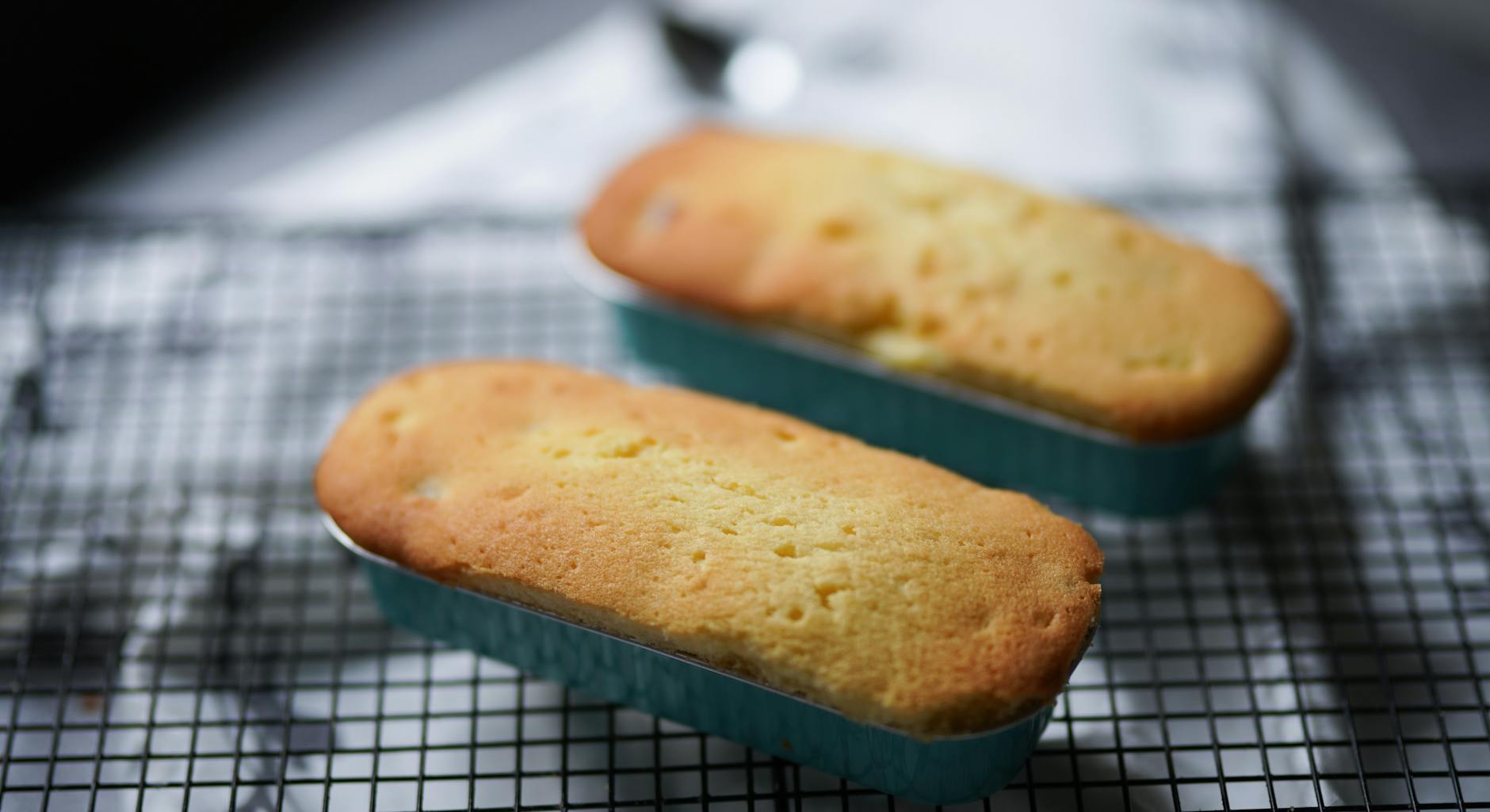
The belief that food must cool to room temperature before going into the refrigerator is a persistent and potentially harmful myth. Modern refrigerators are engineered to handle the heat load of warm food without raising the internal temperature to unsafe levels in any meaningful way. The longer food sits between 40 and 140 degrees Fahrenheit the more time bacteria have to reach dangerous concentrations. Perishable food should be refrigerated within two hours of cooking, or within one hour if the ambient temperature is above 90 degrees Fahrenheit. Placing large batches into shallow containers speeds cooling significantly and reduces any impact on surrounding refrigerated items.
Moldy Fruit
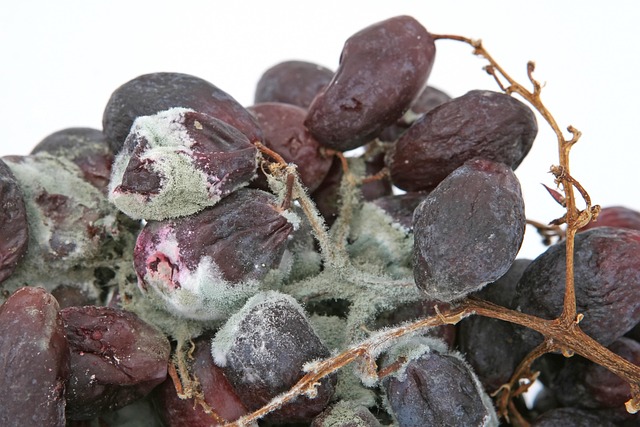
Cutting away visible mold from soft fruits or vegetables and eating the remainder is not a safe practice. Mold produces structures called mycotoxins that penetrate far deeper into porous food tissue than the surface growth suggests. The visible portion of mold is only the fruiting body of a much larger network of filaments spreading through the food. Hard cheeses and firm root vegetables are the notable exceptions where cutting a generous margin around mold is considered acceptable. Any soft produce, bread, or liquid-based food showing mold should be discarded in full without exception.
Microwave Reheating
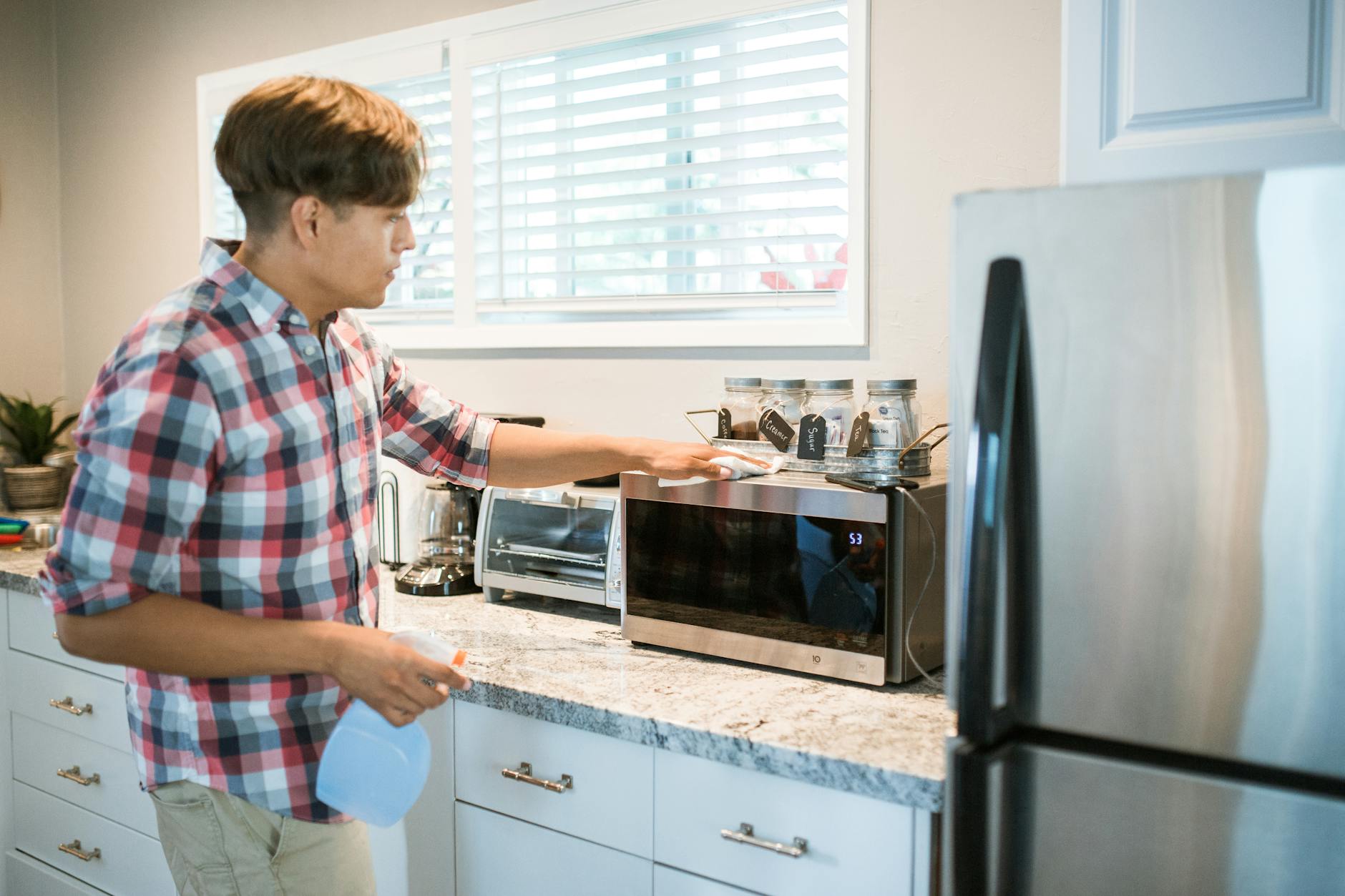
Reheating food in the microwave does not guarantee that all harmful bacteria are eliminated. Microwaves heat food unevenly, creating cold spots where pathogens can survive even when the outer portions of a dish reach high temperatures. Stirring food midway through reheating and allowing it to rest afterward helps distribute heat more evenly but does not always achieve consistent results. The internal temperature of reheated food must reach 165 degrees Fahrenheit throughout, which requires verification with a food thermometer rather than guesswork. Dense casseroles, rice dishes, and stuffed items are particularly prone to retaining cold centers during microwave reheating.
Bread Refrigeration
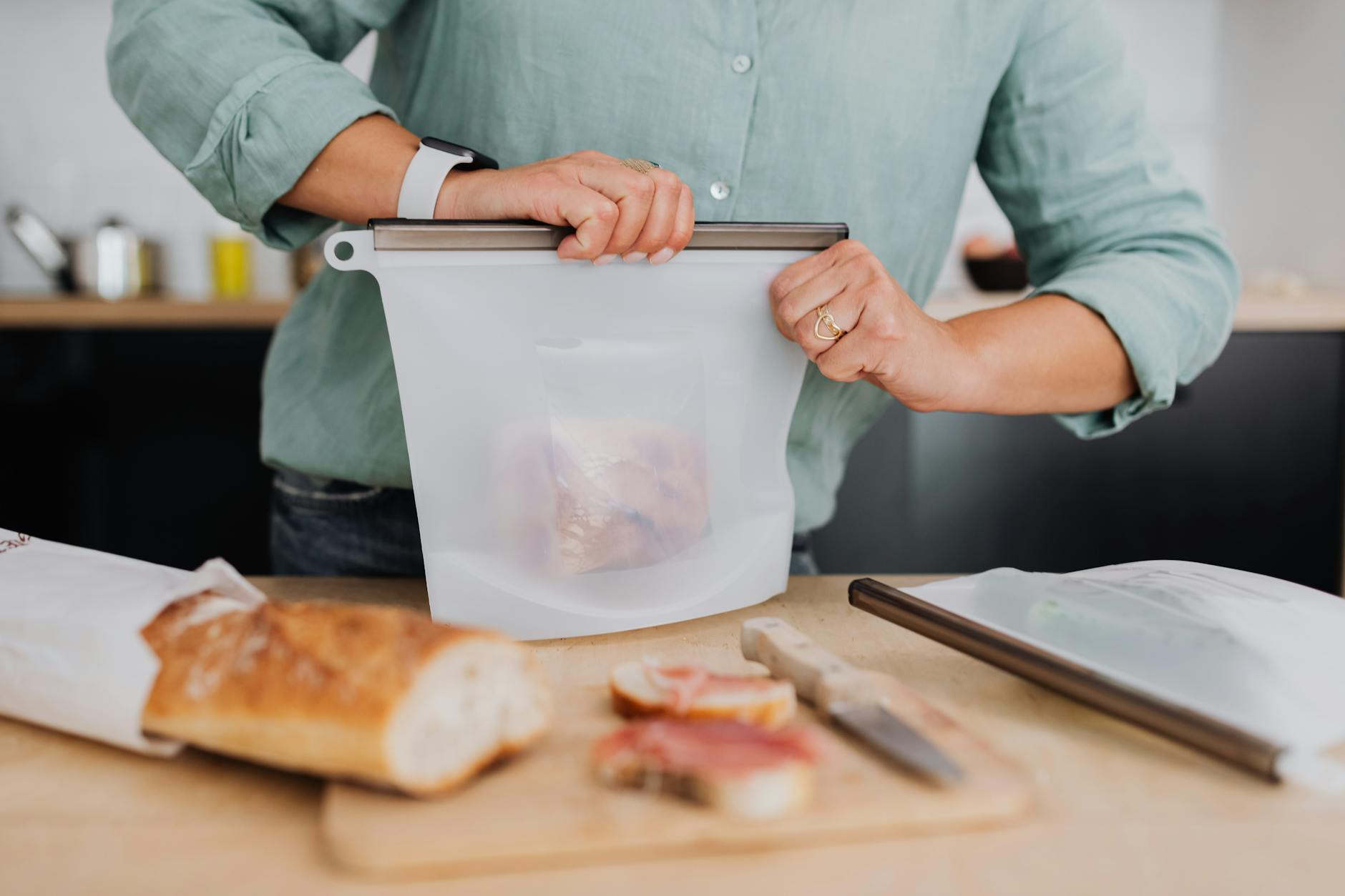
Storing bread in the refrigerator is widely believed to extend its freshness, but the cold environment actually accelerates staling due to a process called starch retrogradation. Chilling causes the starch molecules in bread to reorganize into a firmer crystalline structure much faster than they would at room temperature. While refrigeration does slow mold growth, it simultaneously degrades the texture and flavor of the bread at a rate most people find unacceptable. From a safety standpoint, bread stored in a cool and dry bread box or pantry lasts well within a reasonable consumption window. Bread intended for longer storage should be frozen rather than refrigerated.
Raw Rice
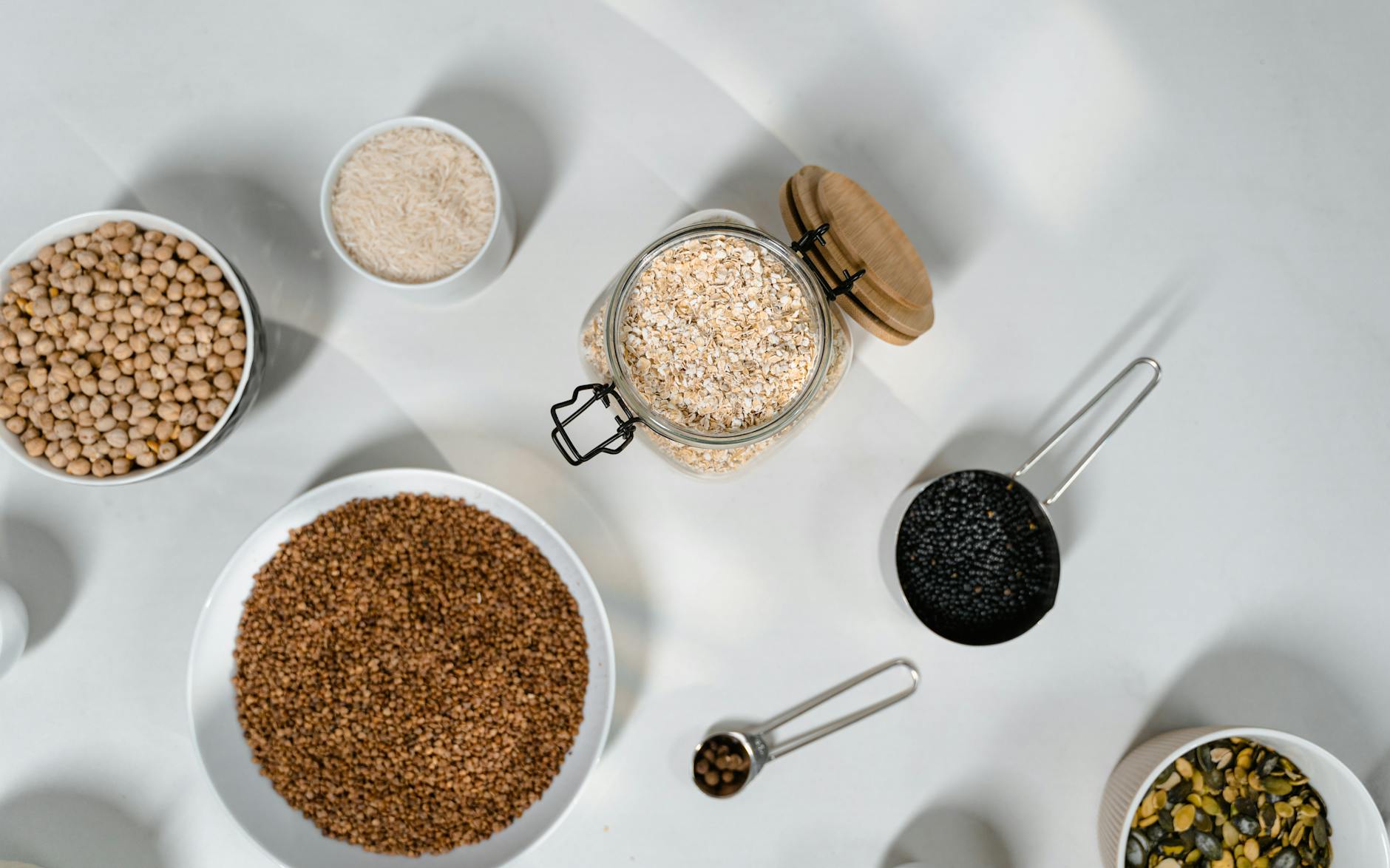
The idea that placing raw rice in a container with moisture-sensitive food acts as a meaningful desiccant is not supported by food science. While uncooked rice does absorb small amounts of ambient moisture, the rate and volume are negligible compared to proper silica gel desiccant packets. More relevantly, rice can itself harbor Bacillus cereus spores that produce toxins when moisture and warmth are present. Using rice as an improvised preservation tool around food items creates unnecessary contamination risk rather than resolving it. Proper airtight containers and food-grade desiccants are the appropriate tools for moisture control in food storage.
Hot Leftovers
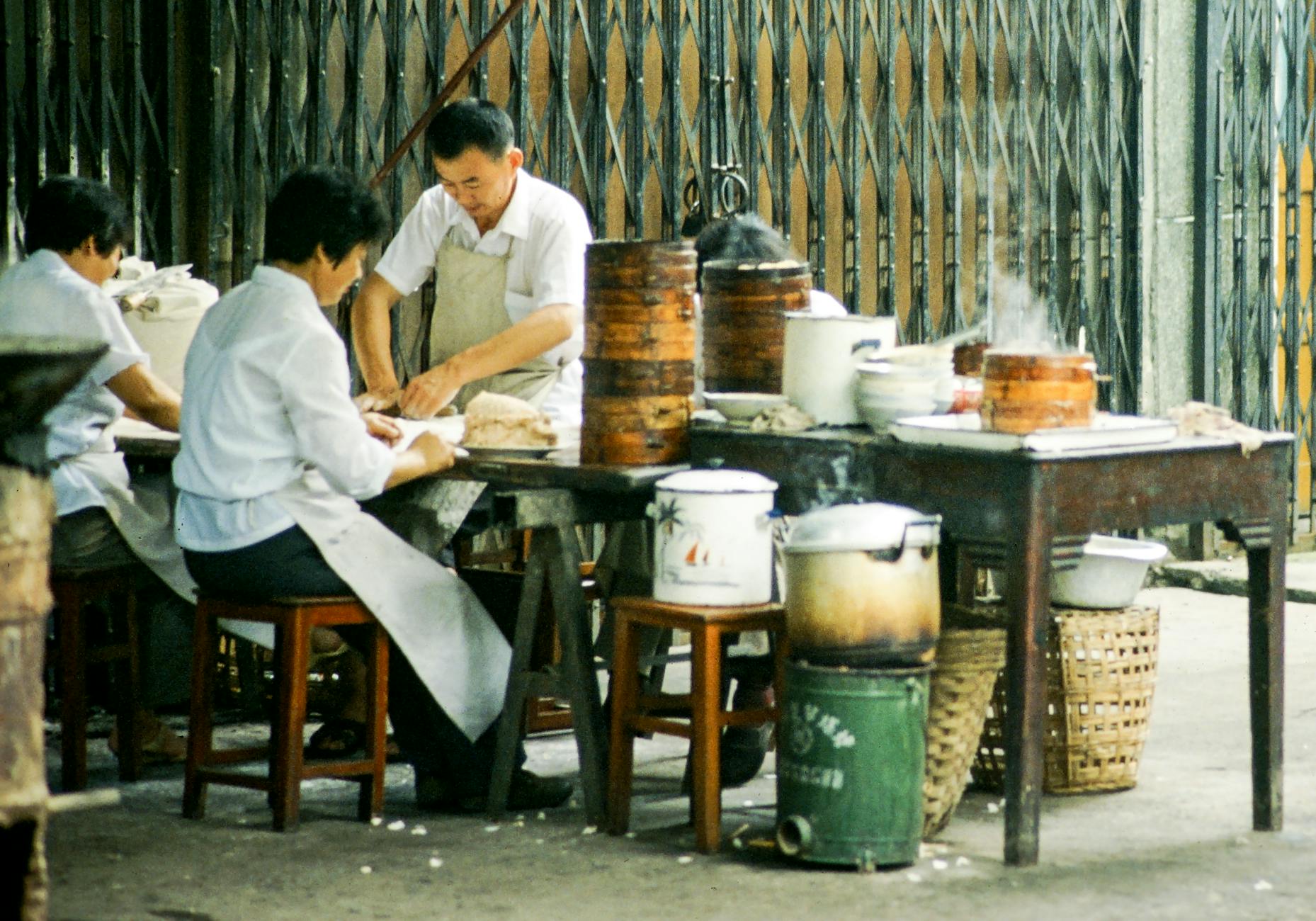
A related and equally persistent myth holds that placing hot food directly in the refrigerator will ruin the appliance or spoil surrounding items. While a large enough volume of steaming food can temporarily raise the internal temperature of a refrigerator, this is a manageable and brief effect for properly functioning modern units. Waiting for food to reach room temperature before refrigerating creates far greater risks than any brief thermal impact on neighboring items. Dividing large quantities into smaller shallow containers is the recommended practice for both food safety and appliance protection. The two-hour rule for perishable food is not a suggestion but a scientifically established threshold for bacterial risk.
Five Second Rule

The five-second rule is perhaps the most universally practiced food safety myth, and research has confirmed it holds no scientific validity. Bacteria transfer from surfaces to food occurs in milliseconds of contact, meaning even a fraction of a second is sufficient for contamination to take place. The type of surface, the moisture content of the food, and the bacterial load present on the floor all influence the degree of contamination but never reduce it to zero. High-moisture foods such as watermelon or cooked pasta pick up bacteria far more readily than dry foods. Consuming dropped food from any surface always carries a measurable contamination risk that no time limit makes acceptable.
Sugar Curing
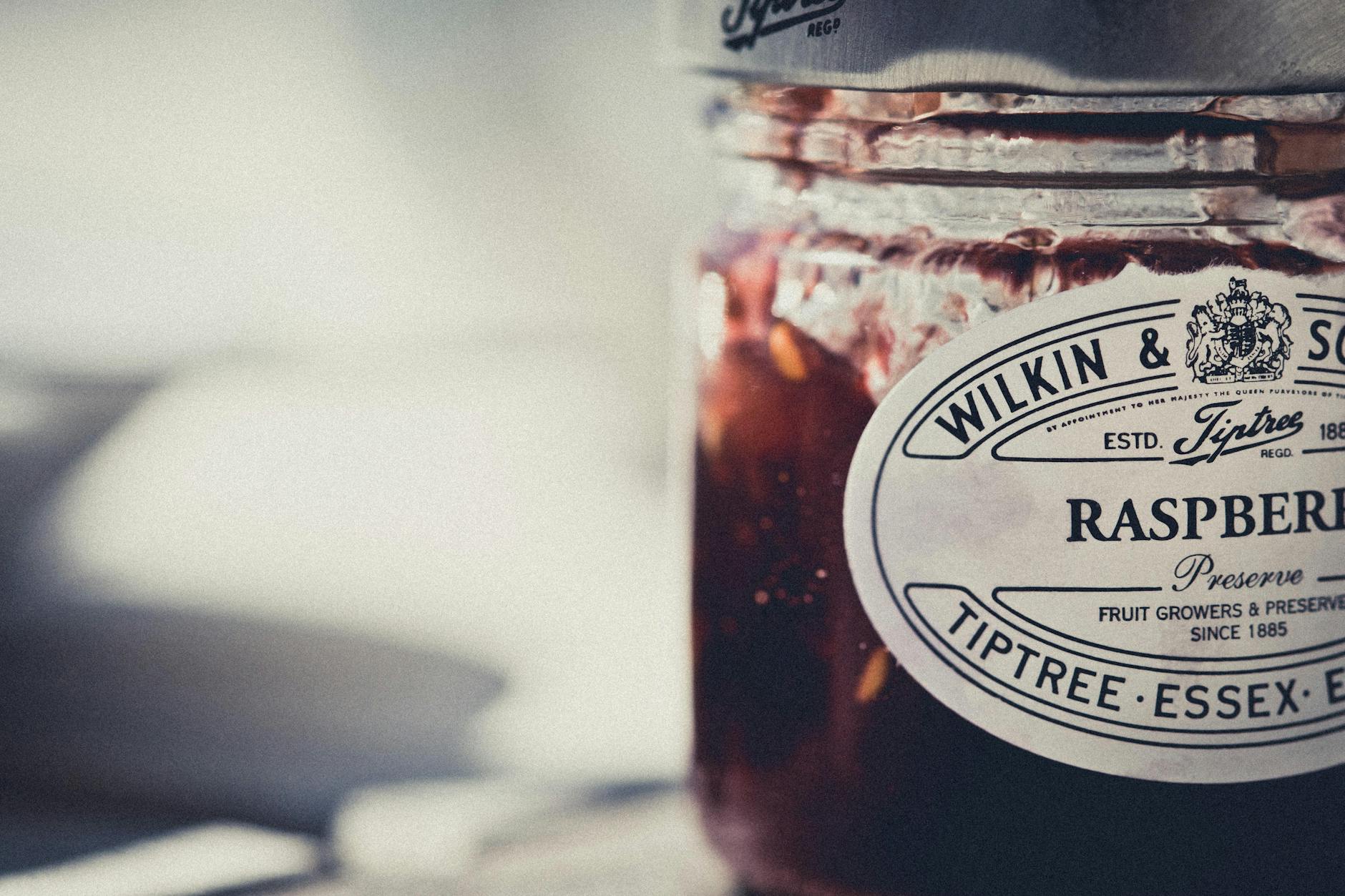
Sugar has genuine preservation properties because it draws moisture out of food through osmosis, creating an environment where bacteria struggle to survive. However, the concentration of sugar required for effective preservation is far higher than most home recipes and sweet preparations achieve. Jams and preserves made with reduced sugar or sugar substitutes do not reach the solute concentration needed to prevent microbial growth reliably. Low-sugar preserves must always be refrigerated and treated as perishable rather than shelf-stable products regardless of whether they have been sealed. Recipes marketed as healthier reduced-sugar alternatives require entirely different handling and storage protocols to remain safe.
Share which of these myths surprised you most in the comments.