Many consumers instinctively assume that fresh produce is always the superior choice for nutrition and flavor but this is not always the case. The canning process often locks in nutrients at the peak of ripeness and can even increase the bioavailability of certain antioxidants. High heat used during preservation breaks down tough cell walls and makes specific vitamins easier for the body to absorb. Choosing canned options can also reduce food waste and save significant preparation time in the kitchen. The following foods offer surprising health benefits and practical advantages when purchased from the pantry aisle rather than the produce section.
Tomatoes
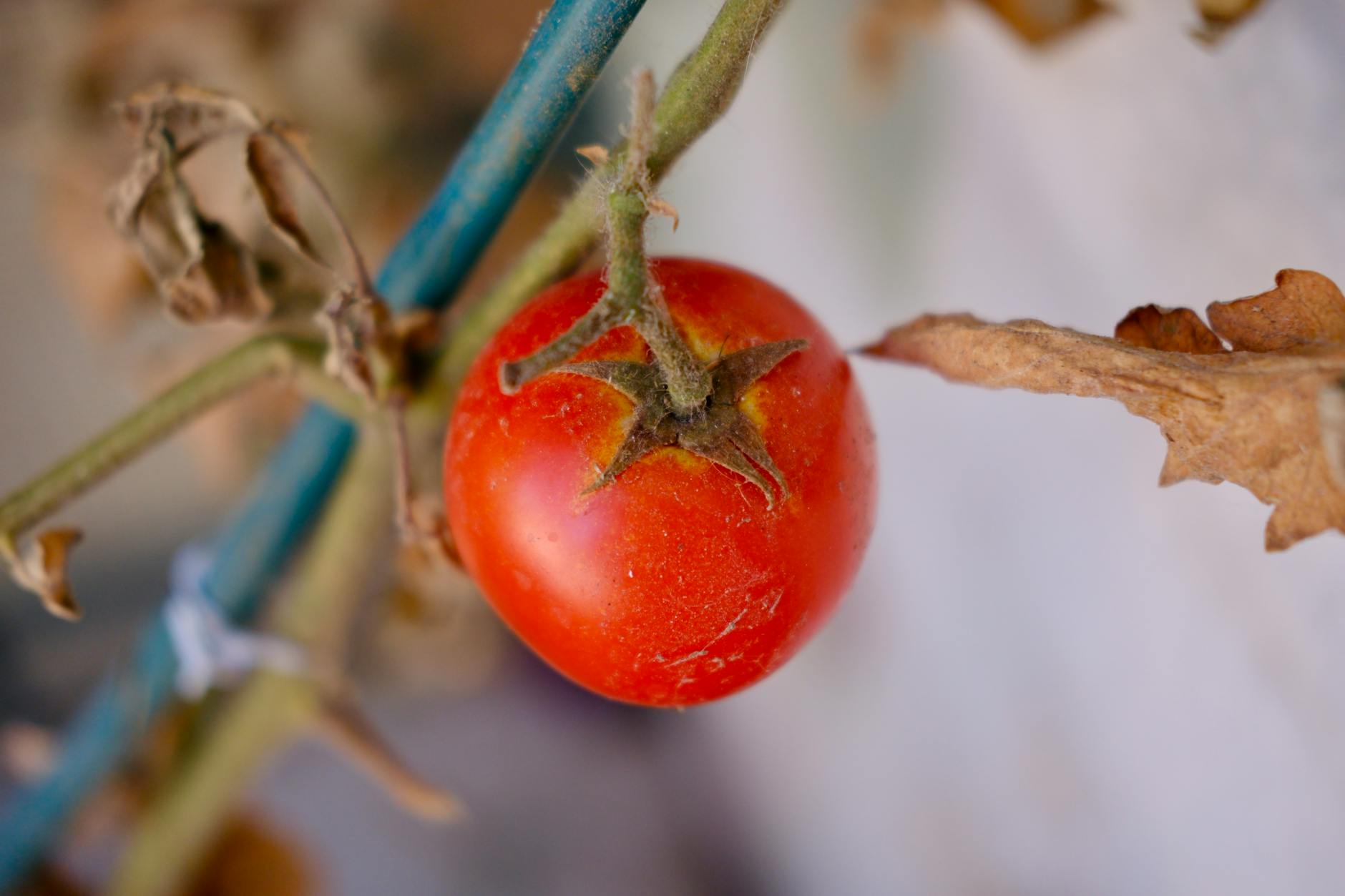
Canned tomatoes are widely considered one of the healthiest pantry staples because the heat processing significantly increases lycopene levels. This powerful antioxidant is much easier for the human body to absorb from cooked tomato products than from raw fruit. The canning process breaks down the thick cell walls of the plant and releases more nutrients into the sauce or puree. You also get a consistent flavor profile regardless of the season and avoid the mealy texture of winter produce.
Sardines
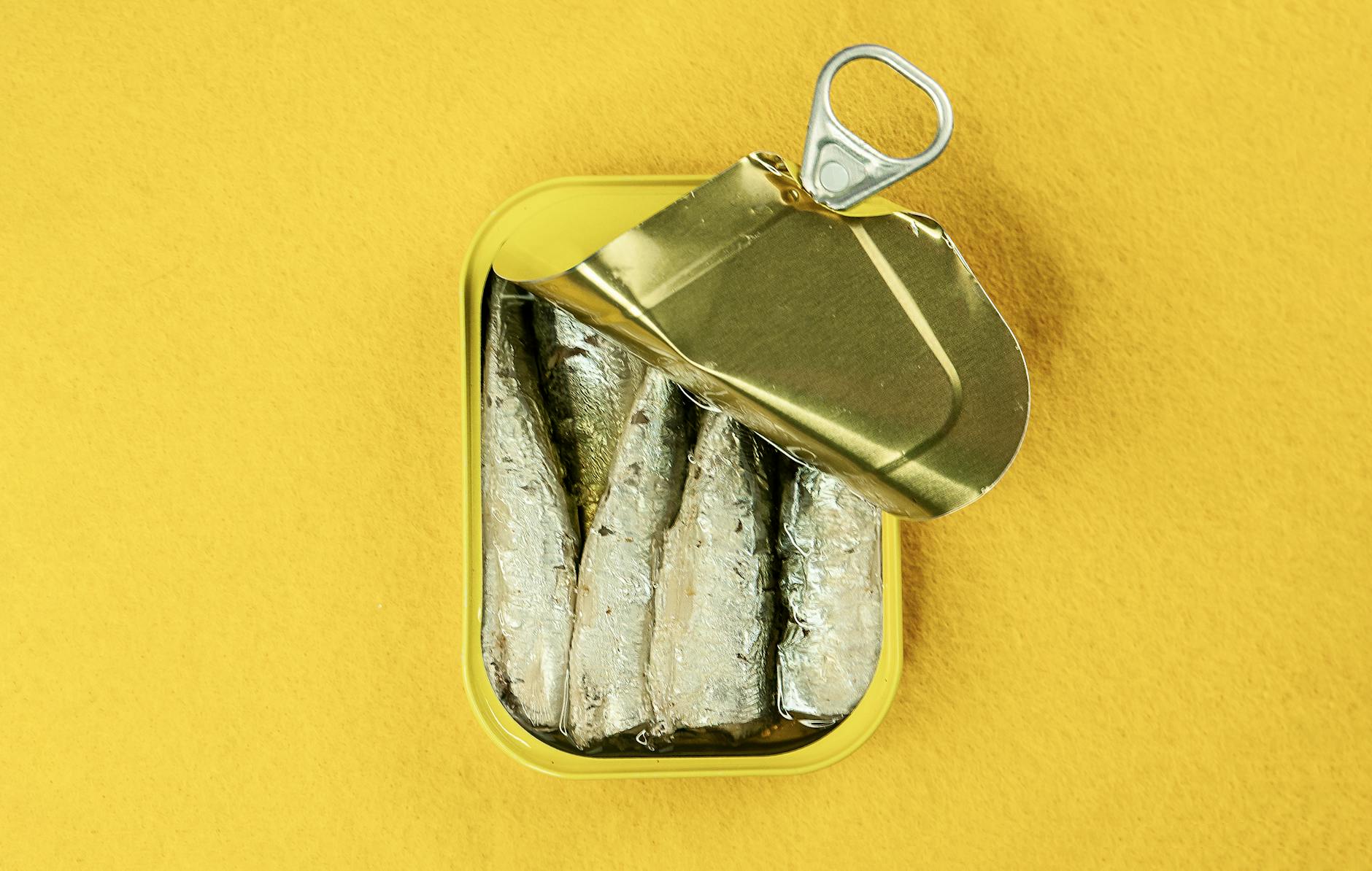
These small fish are processed with their bones intact and the heat softens them enough to be completely edible. Eating the bones provides a massive boost of calcium that you would not get from fresh fish fillets. The canning process preserves the omega-3 fatty acids essential for heart health and brain function. They are often packed in olive oil which adds healthy fats and enhances the overall nutritional value of the snack.
Pumpkin

Fresh pumpkin is notoriously difficult to peel and prepare while the canned variety offers pure concentrated flesh. The canning process reduces the water content and creates a much denser source of vitamin A and fiber. You get a smooth texture perfect for baking without the stringy bits often found in homemade puree. Manufacturers pick the pumpkins at peak ripeness to ensure maximum sweetness and nutrient density in every tin.
Salmon
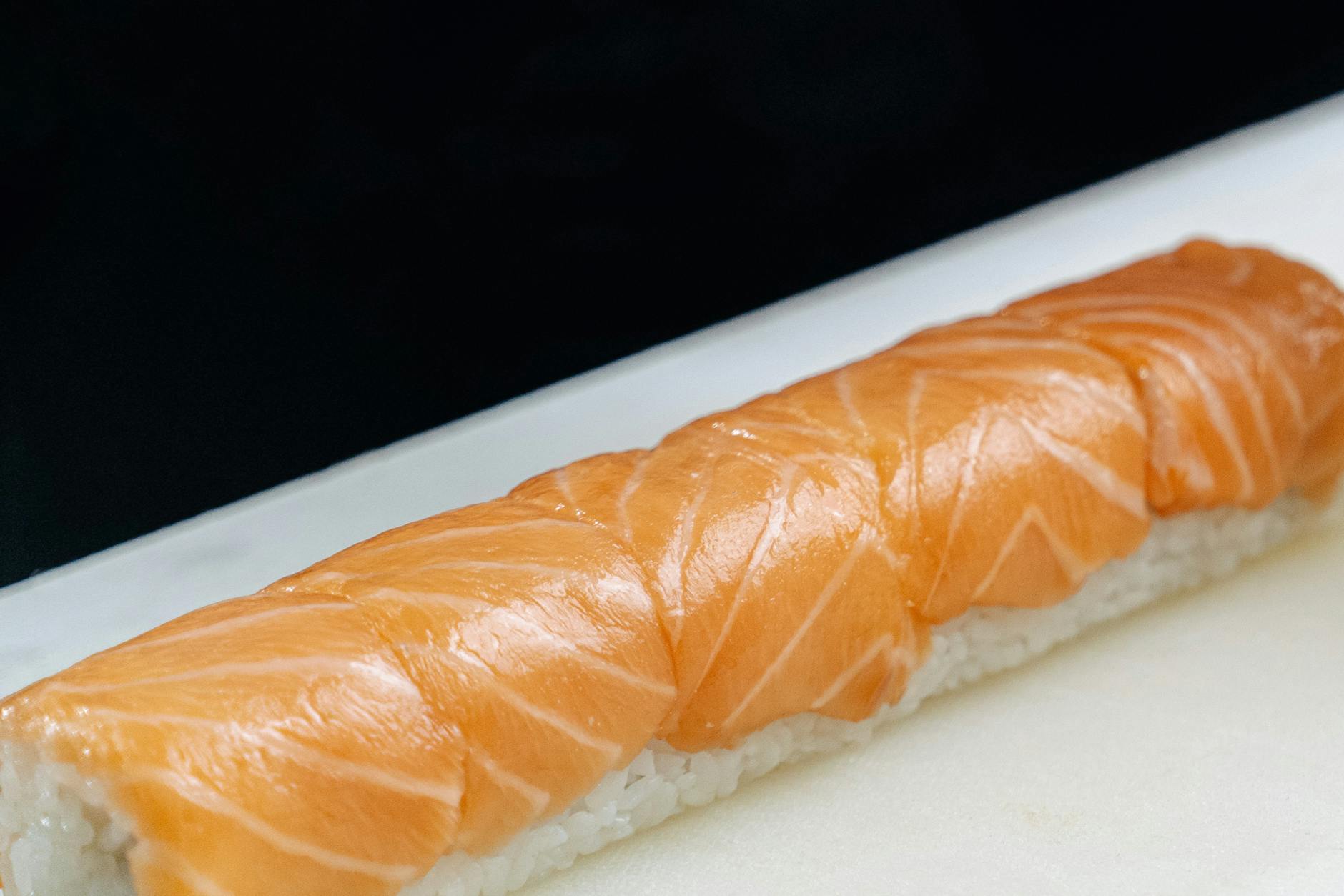
Canned salmon includes the skin and small bones which dramatically increases calcium and vitamin D content compared to fresh fillets. The preservation process locks in the healthy fish oils and prevents the rapid spoilage that fresh fish is prone to. It is a far more economical way to consume wild-caught fish that might otherwise be prohibitively expensive. You can easily incorporate this protein into salads or patties without any cooking required.
Corn
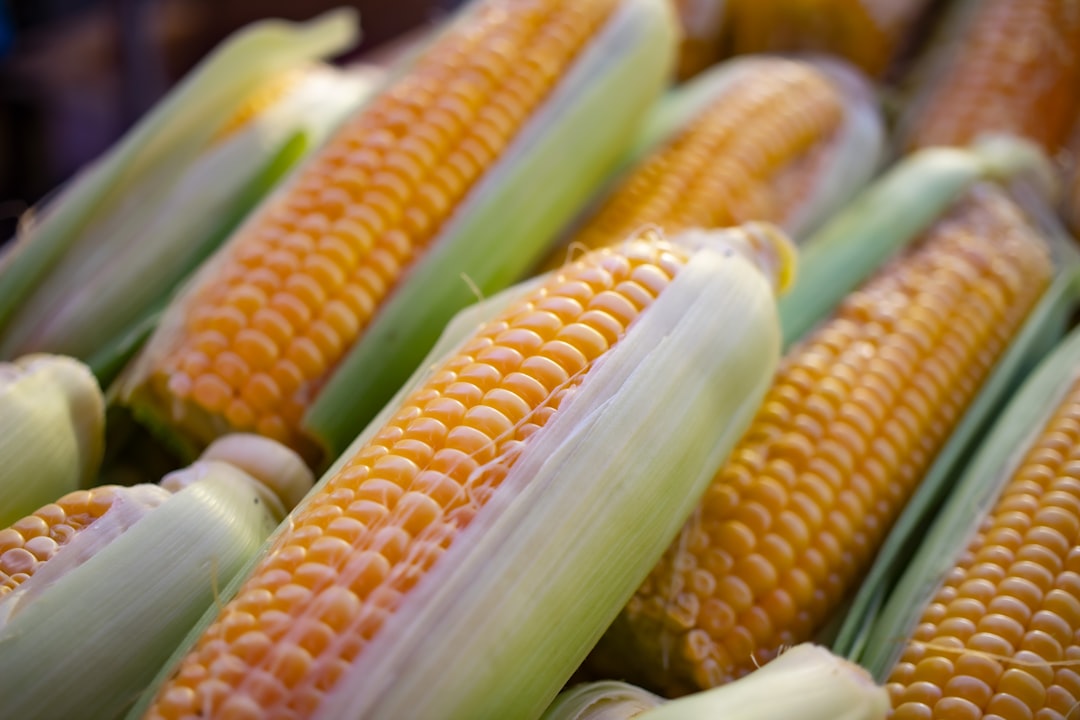
Sweet corn retains its antioxidant levels much better during the canning process than it does during days of transport and storage. The heat treatment used in canning helps to increase the amount of ferulic acid available to your body. This beneficial plant compound has been linked to fighting aging and inflammation in various studies. Canned kernels are always sweet and crisp because they are processed immediately after harvest.
Spinach
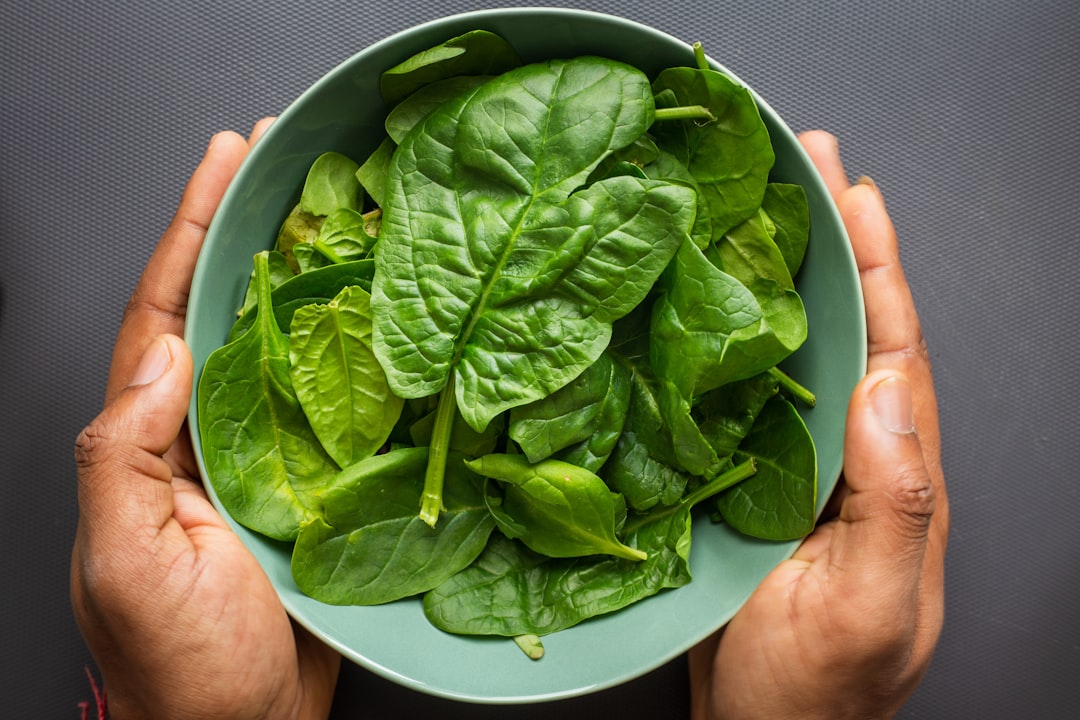
While fresh spinach wilts down to almost nothing when cooked the canned variety provides a dense serving of greens immediately. The high heat preservation helps the body absorb calcium and magnesium more efficiently than eating raw leaves. You avoid the rapid spoilage common with fresh bags of greens that often go slimy within days. It is an incredibly efficient way to add volume and nutrients to soups or casseroles without extensive washing.
Peaches
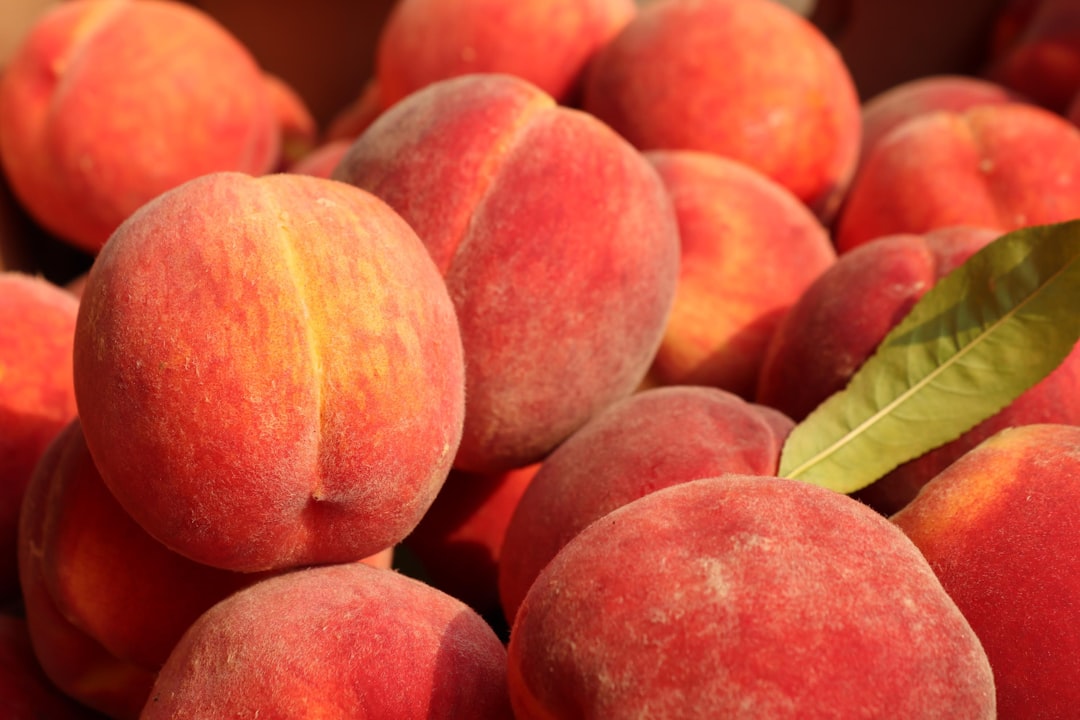
Canned peaches are packed at the absolute height of their ripeness and often contain higher levels of vitamin C than fresh ones stored for long periods. The preservation syrup or juice helps maintain the texture and sweetness that can be hit or miss with fresh fruit. Fresh peaches lose nutrients quickly after harvest while the canned version holds them stable for years. The soft texture is easier for digestion and perfect for adding to oatmeal or yogurt.
Kidney Beans
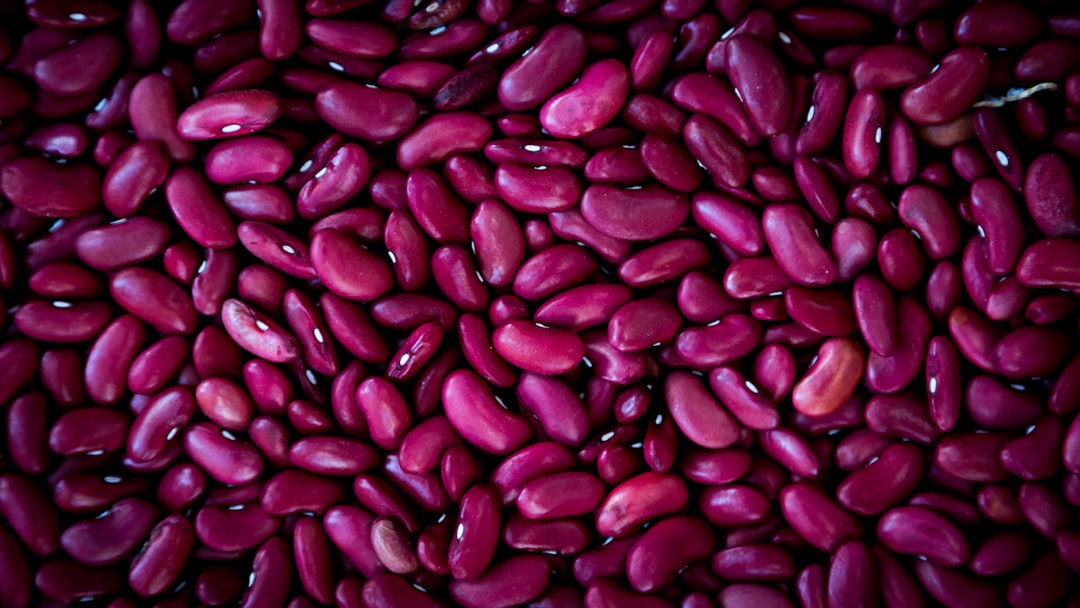
Raw kidney beans contain a natural toxin called lectin which can cause severe stomach upset if not cooked perfectly. The canning process involves high pressure and heat that completely neutralizes this toxin and ensures the beans are safe to eat. You save hours of soaking and boiling time by choosing the pre-cooked canned version for your chili. They maintain a firm texture and absorb flavors from sauces much better than undercooked dried beans.
Apricots
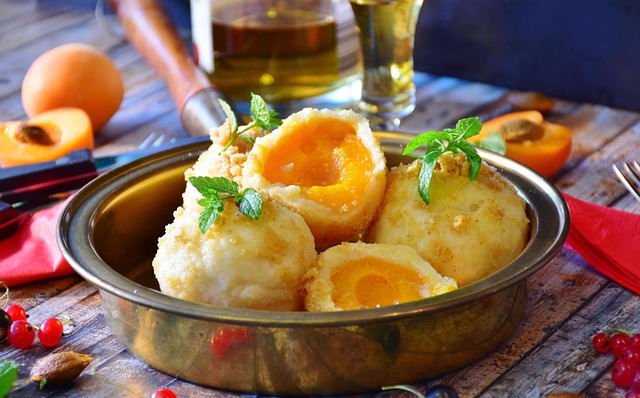
Canned apricots are a reliable source of beta-carotene and vitamin C without the risk of bruising common in fresh stone fruit. The canning process breaks down the tough skin and makes the fruit easier to digest for sensitive stomachs. They are packaged immediately after picking to preserve the delicate floral flavor that fades quickly in fresh fruit. You can enjoy this summer fruit year-round without worrying about seasonality or exorbitant import costs.
Mackerel
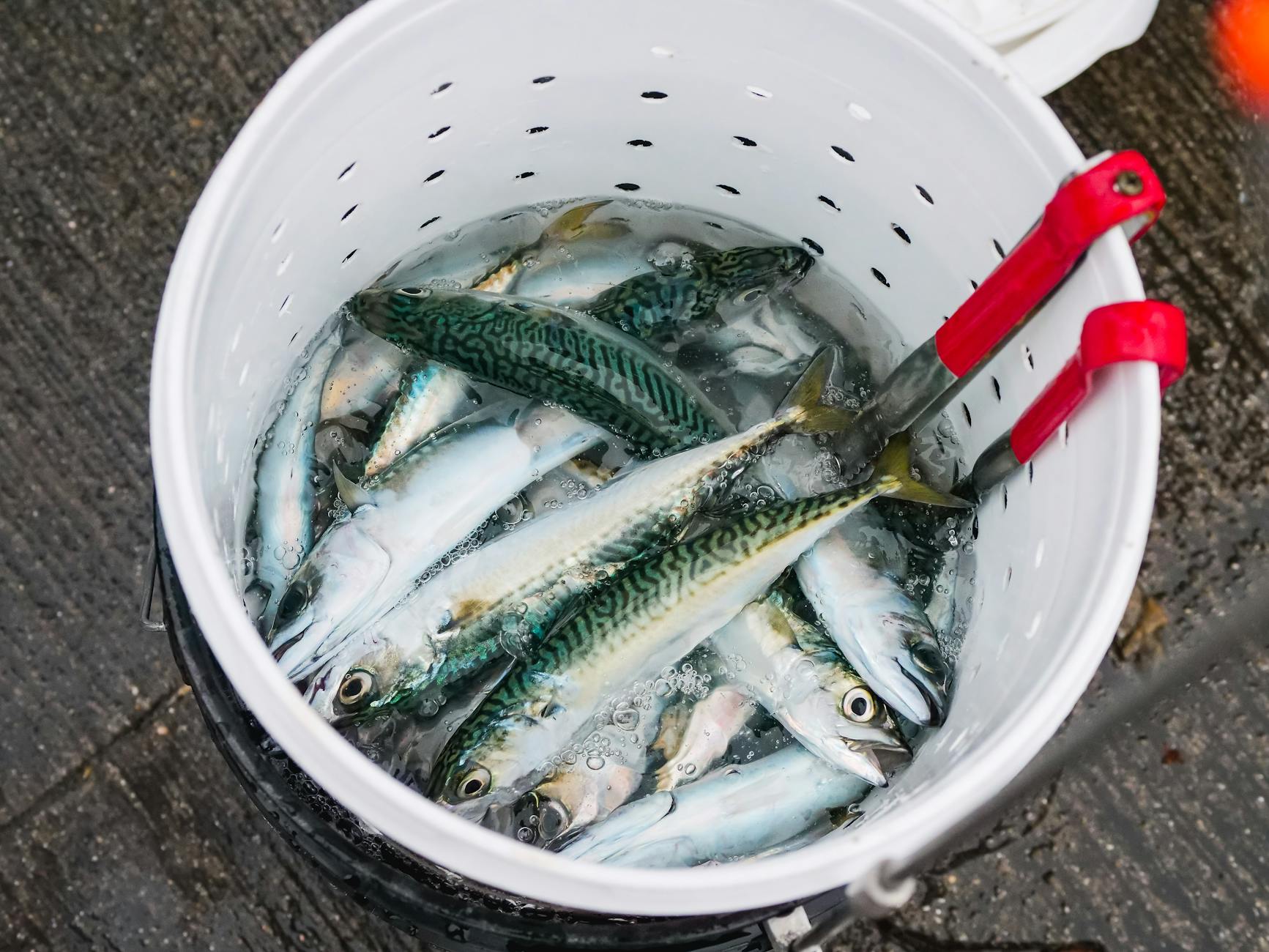
This oily fish is an excellent source of protein and the canning process preserves its rich omega-3 fatty acid content. Canned mackerel is often lower in mercury than larger predatory fish like tuna and provides a safer option for frequent consumption. The bones are usually softened during processing which adds a significant amount of calcium to your diet. It offers a robust flavor that holds up well in heavy sauces and stews.
Chickpeas
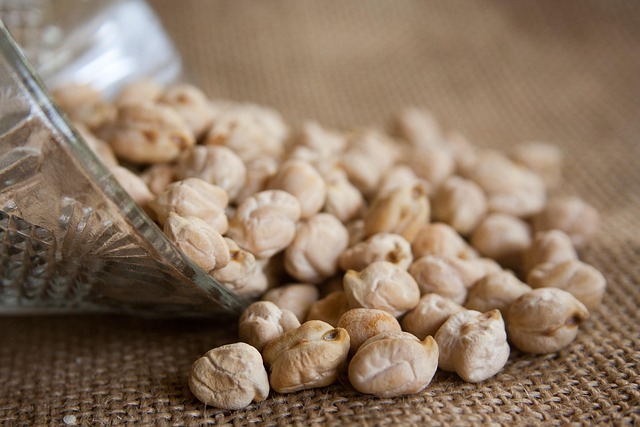
Dried chickpeas require a very long soaking and cooking time to become tender enough for hummus or salads. The canning process ensures they are perfectly cooked and ready to eat instantly with a creamy interior texture. You can use the liquid from the can as a vegan egg substitute known as aquafaba for baking. They retain their high fiber and protein content remarkably well throughout the preservation process.
Beets
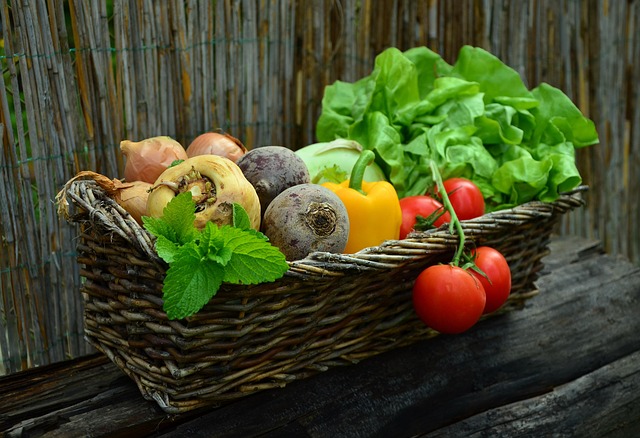
Fresh beets require a messy and time-consuming process of roasting and peeling that stains hands and cutting boards. Canned beets retain their powerful antioxidants and dietary nitrates that support healthy blood pressure levels. The texture is consistently tender and they are ready to be sliced into salads immediately. You get the same earthy flavor and nutritional benefits without the extensive kitchen labor.
Oysters
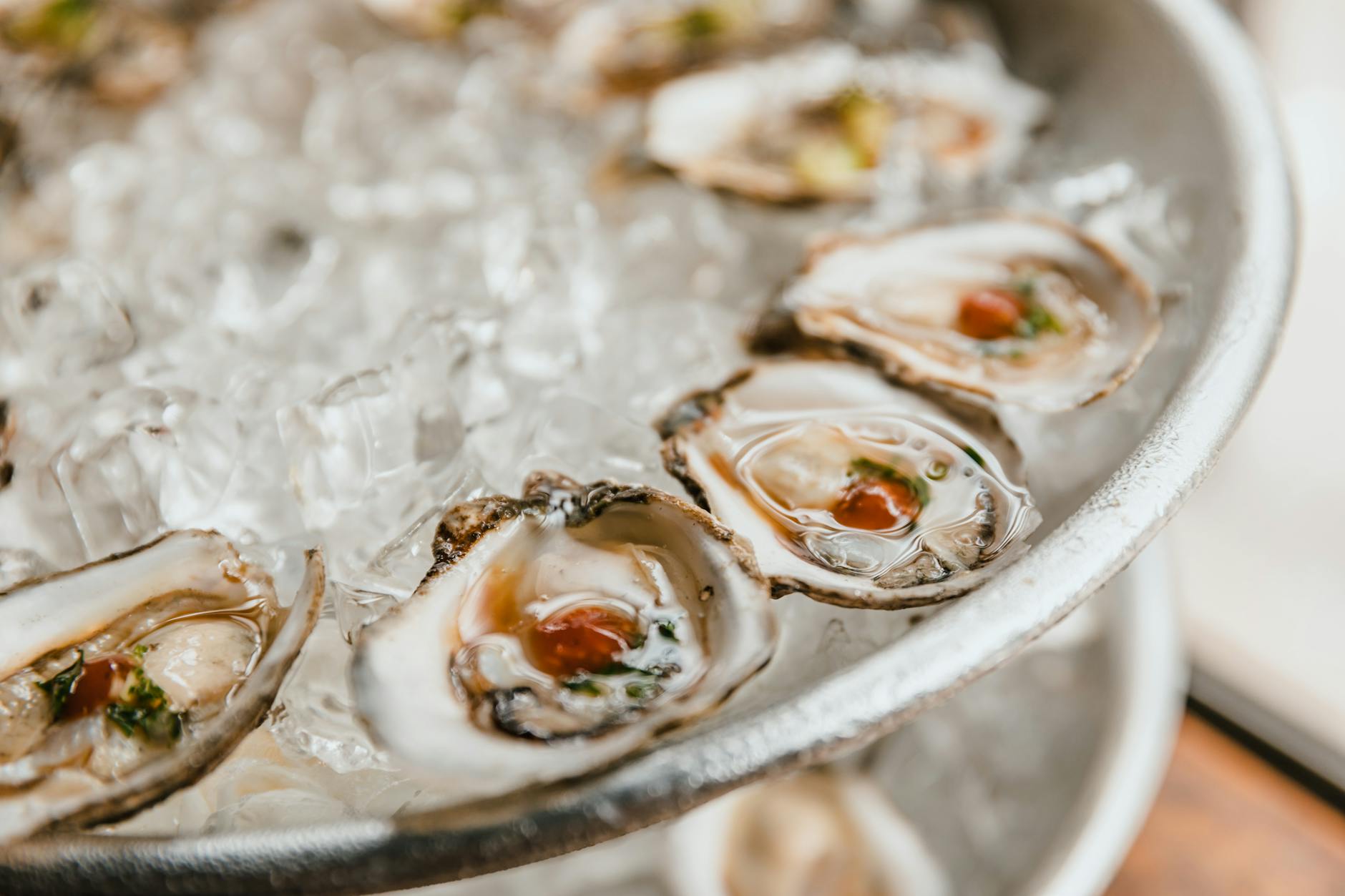
Canned oysters are extremely high in zinc and iron and the canning process makes these nutrients readily available. They are a convenient shelf-stable source of high-quality protein that is much cheaper than fresh shellfish. The preservation process kills potential bacteria that can be a concern with raw oysters. You can easily add them to chowders or stews to impart a rich savory depth.
Artichoke Hearts
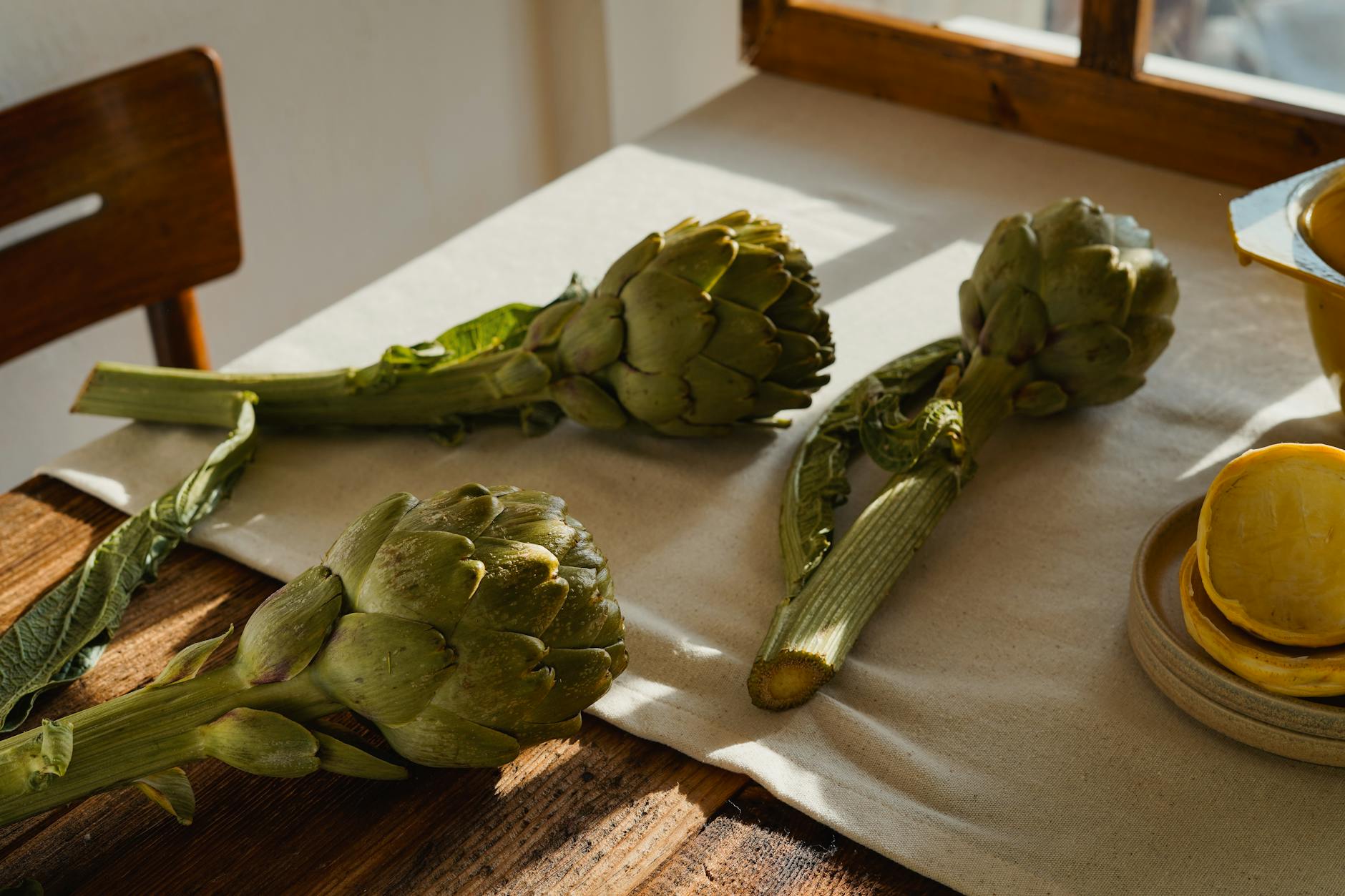
Preparing fresh artichokes is an intimidating task that involves removing tough outer leaves and dealing with the prickly choke. Canned hearts offer just the tender edible center which is rich in fiber and antioxidants. They are often packed in brine or oil which infuses them with extra flavor suitable for immediate use in pasta. You eliminate huge amounts of food waste by purchasing only the usable part of the vegetable.
Lentils
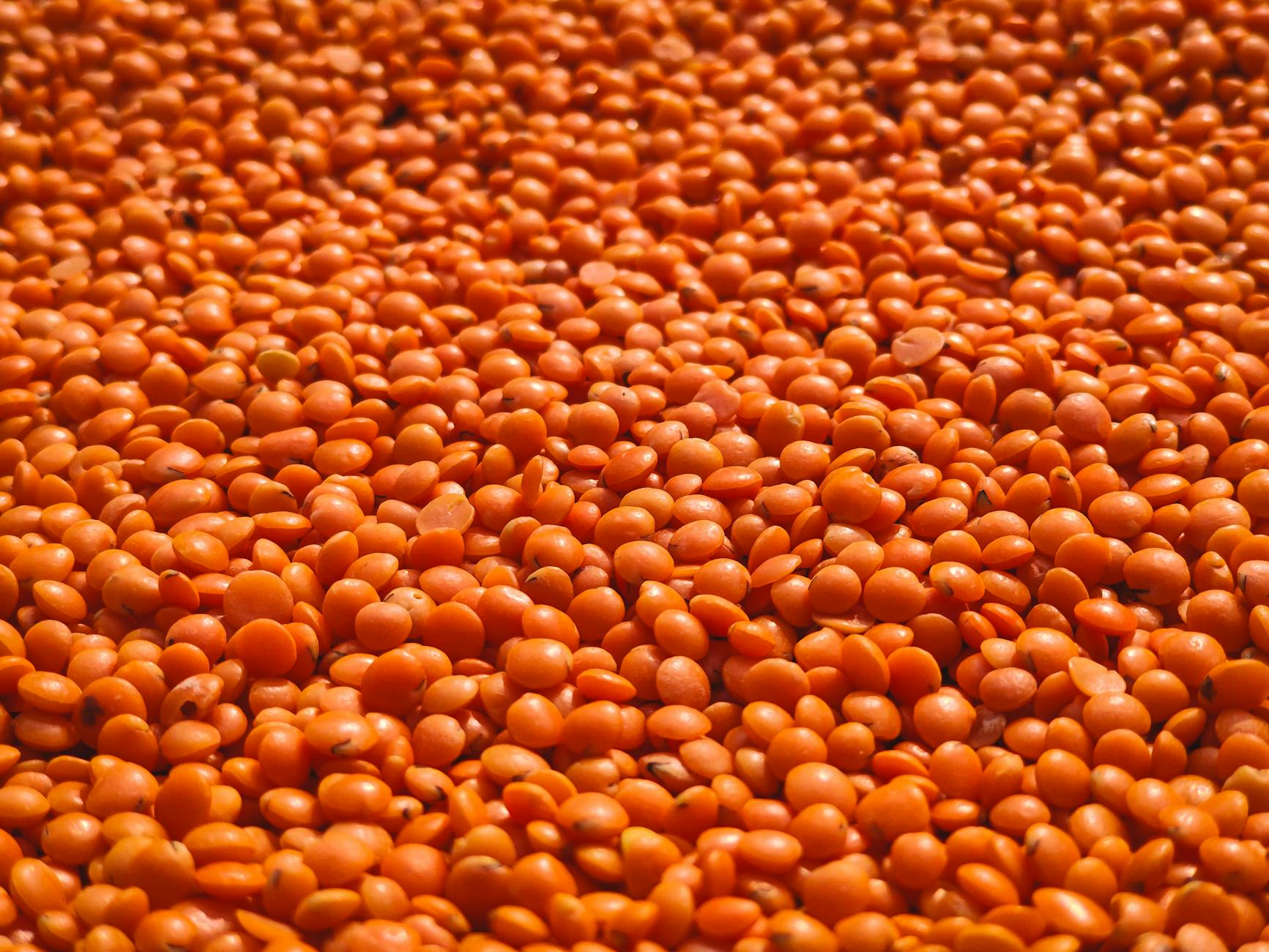
Canned lentils hold their shape better than dried varieties that can easily turn to mush if overcooked. They are a fast source of polyphenols and iron that requires absolutely no simmering or monitoring. The canning liquid is usually seasoned which gives the lentils a head start on flavor for soups and salads. You can rinse them quickly to remove excess sodium and have a healthy protein source in seconds.
Coconut Milk
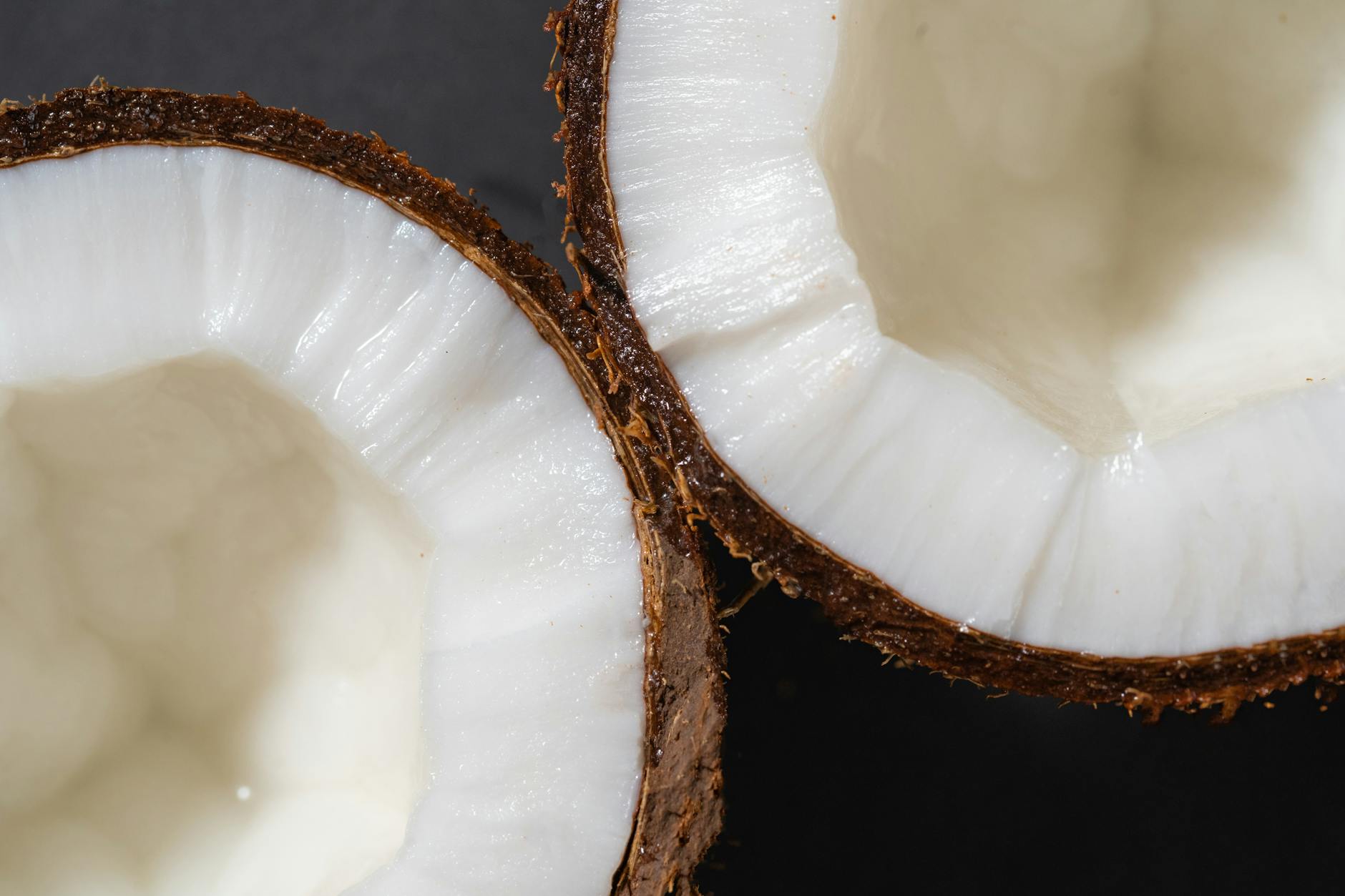
Extracting milk from fresh coconut meat is a laborious process that yields inconsistent results for most home cooks. Canned coconut milk offers a standardized concentration of healthy fats and creamy texture essential for curries. The sterilization process preserves the lauric acid which is known for its antimicrobial properties. It is a shelf-stable dairy alternative that provides richness to vegan dishes without spoilage concerns.
Pineapple
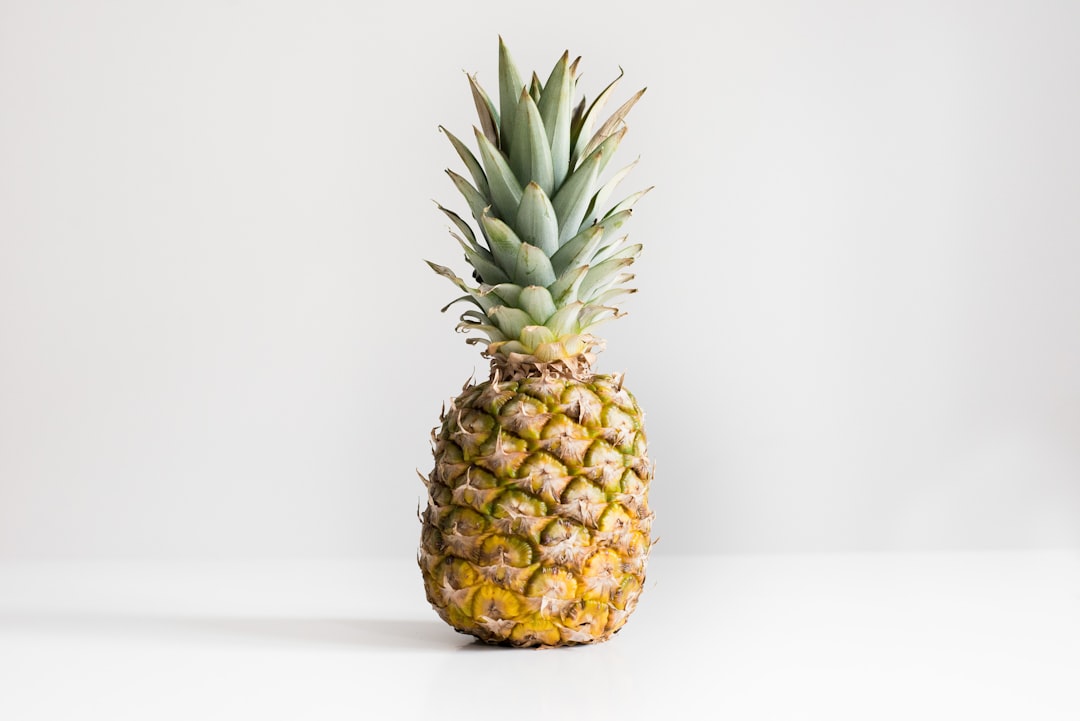
Fresh pineapple contains an enzyme called bromelain that can irritate the mouth and prevent gelatin from setting. The heat from canning deactivates this enzyme and makes the fruit much friendlier for desserts and sensitive palates. You still get a massive dose of vitamin C and manganese in every serving of canned chunks. It is far more convenient than peeling and coring a large spiky fruit that might be underripe.
Anchovies
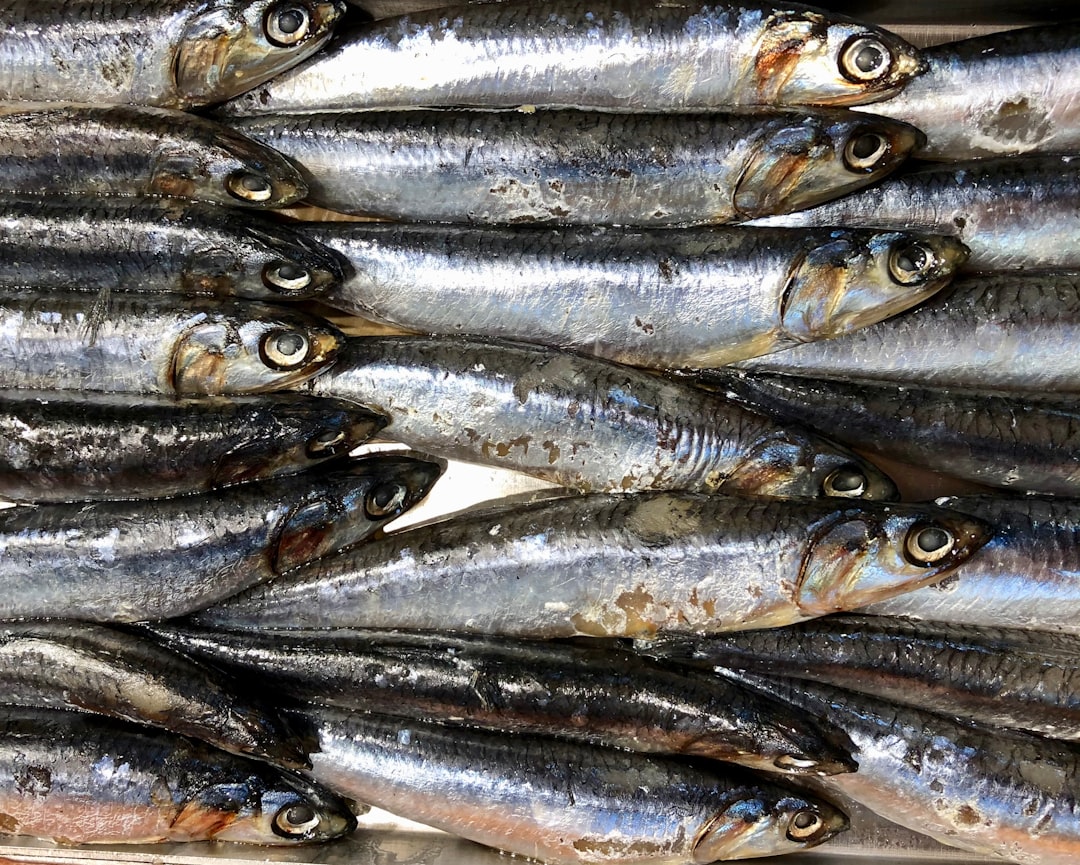
These tiny fish are cured and canned in oil to create an umami bomb that dissolves into sauces for depth of flavor. The canning process preserves the high levels of niacin and selenium found in the fish. Fresh anchovies are incredibly perishable and difficult to find while the canned version lasts for months. They provide a concentrated source of omega-3s without the need to eat a large portion of fish.
Peas
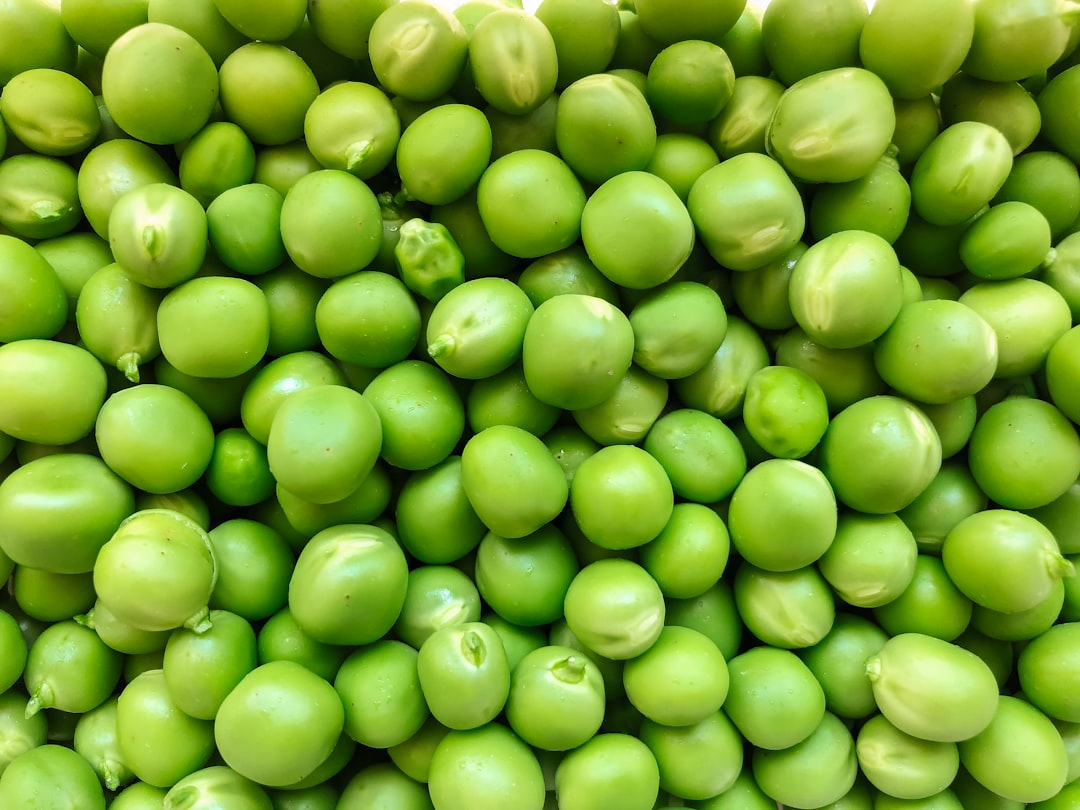
Fresh peas turn starchy and lose their sweetness within hours of being picked from the vine. Canned peas are processed immediately to lock in the sugar content and delicate flavor profile. They are a reliable source of plant-based protein and vitamins A and K regardless of the season. You can add them to dishes at the very last minute since they are already fully cooked.
Chipotle Peppers
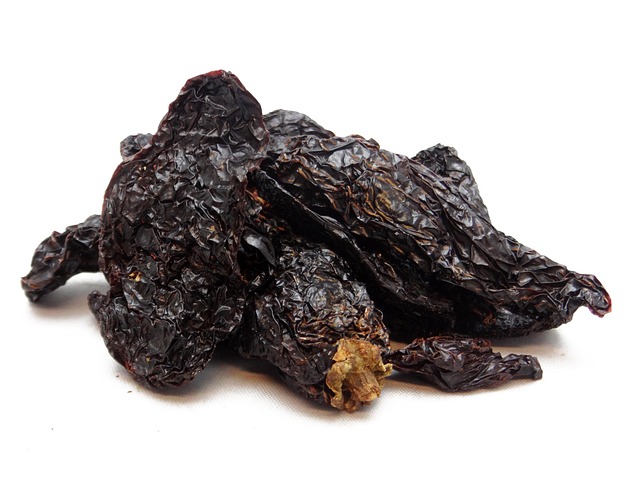
These are smoke-dried jalapeños that are canned in a savory adobo sauce for a complex flavor profile. The canning process allows the peppers to rehydrate and soften while infusing the sauce with spicy heat. You cannot replicate this specific combination of textures and flavors with fresh peppers alone. They are an instant flavor booster for marinades and mayonnaise that keeps indefinitely in the fridge.
Clams
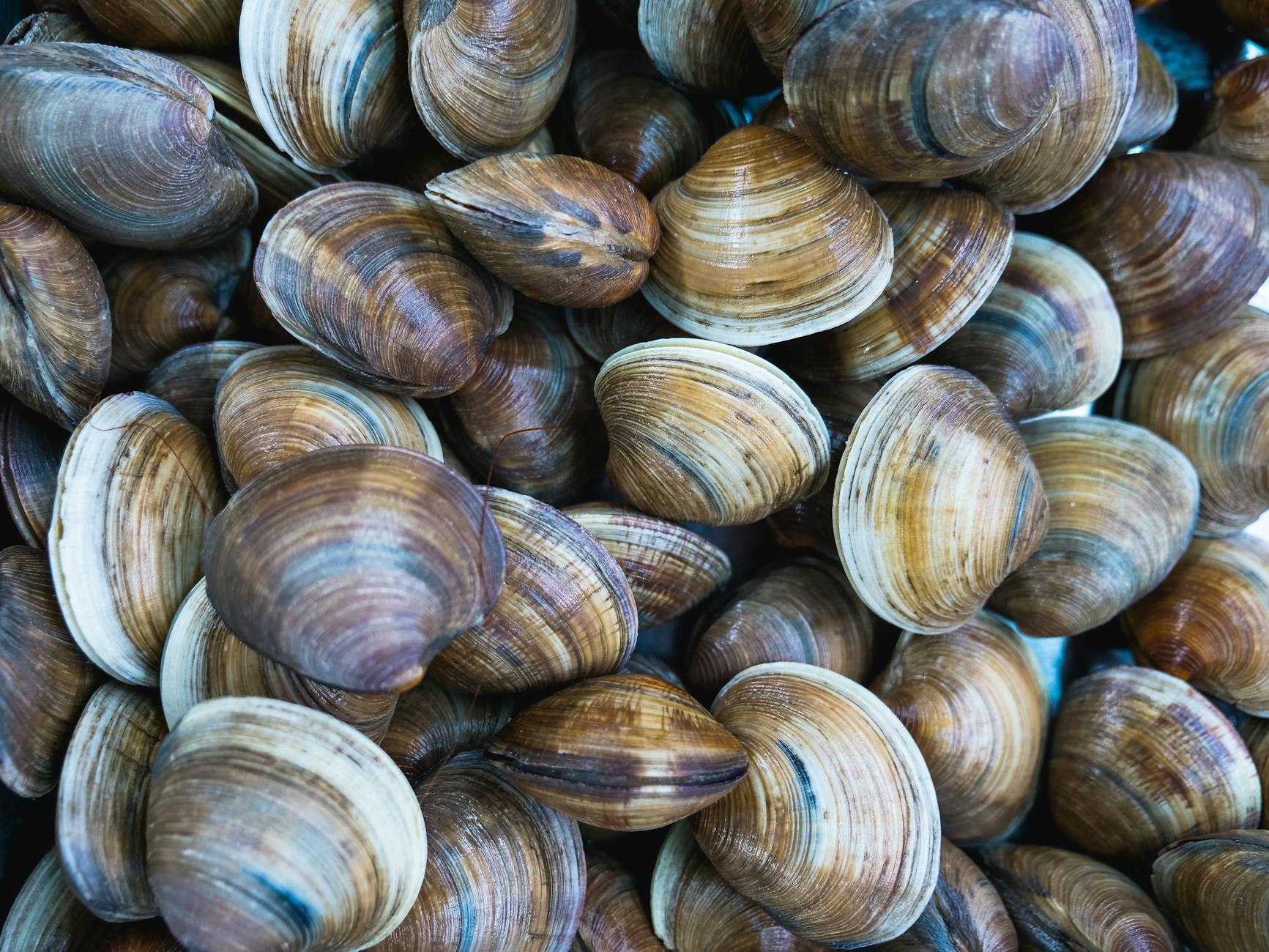
Canned clams are an incredibly dense source of heme iron which is the type most easily absorbed by the body. They provide a convenient way to make pasta sauces or chowders without dealing with sand or unopened shells. The juice in the can is a flavorful broth that serves as an excellent base for seafood soups. They are low in mercury and high in lean protein making them a smart pantry staple.
Mandarin Oranges
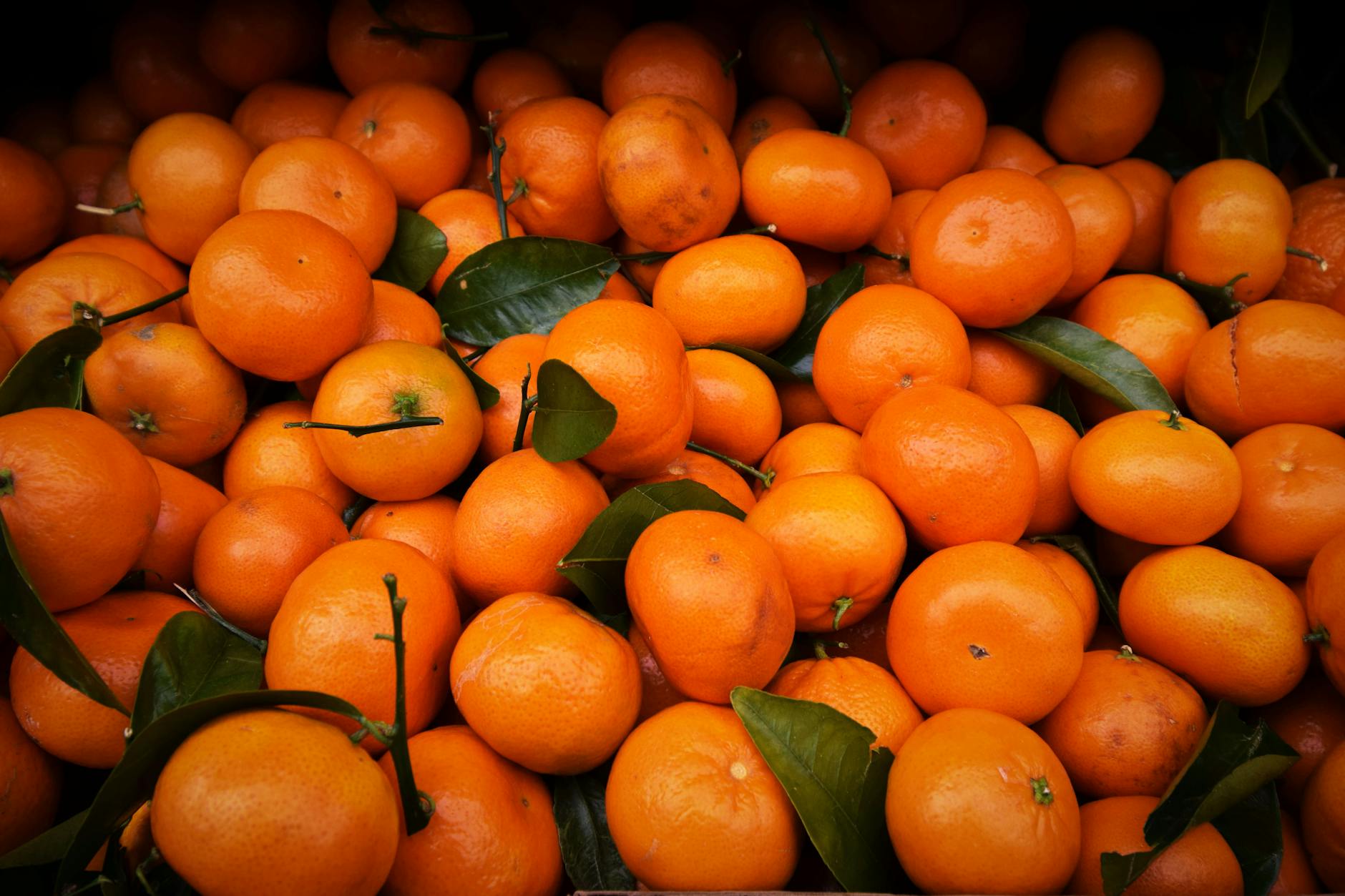
Peeling dozens of tiny oranges is tedious and fresh mandarins can often be dry or full of seeds. Canned mandarins are segments of perfectly supreme fruit free of pith and membrane. They are packed in juice that maintains their plump texture and high vitamin C content. This pantry item is a favorite for adding sweetness to salads or Asian-inspired dishes.
Black Beans
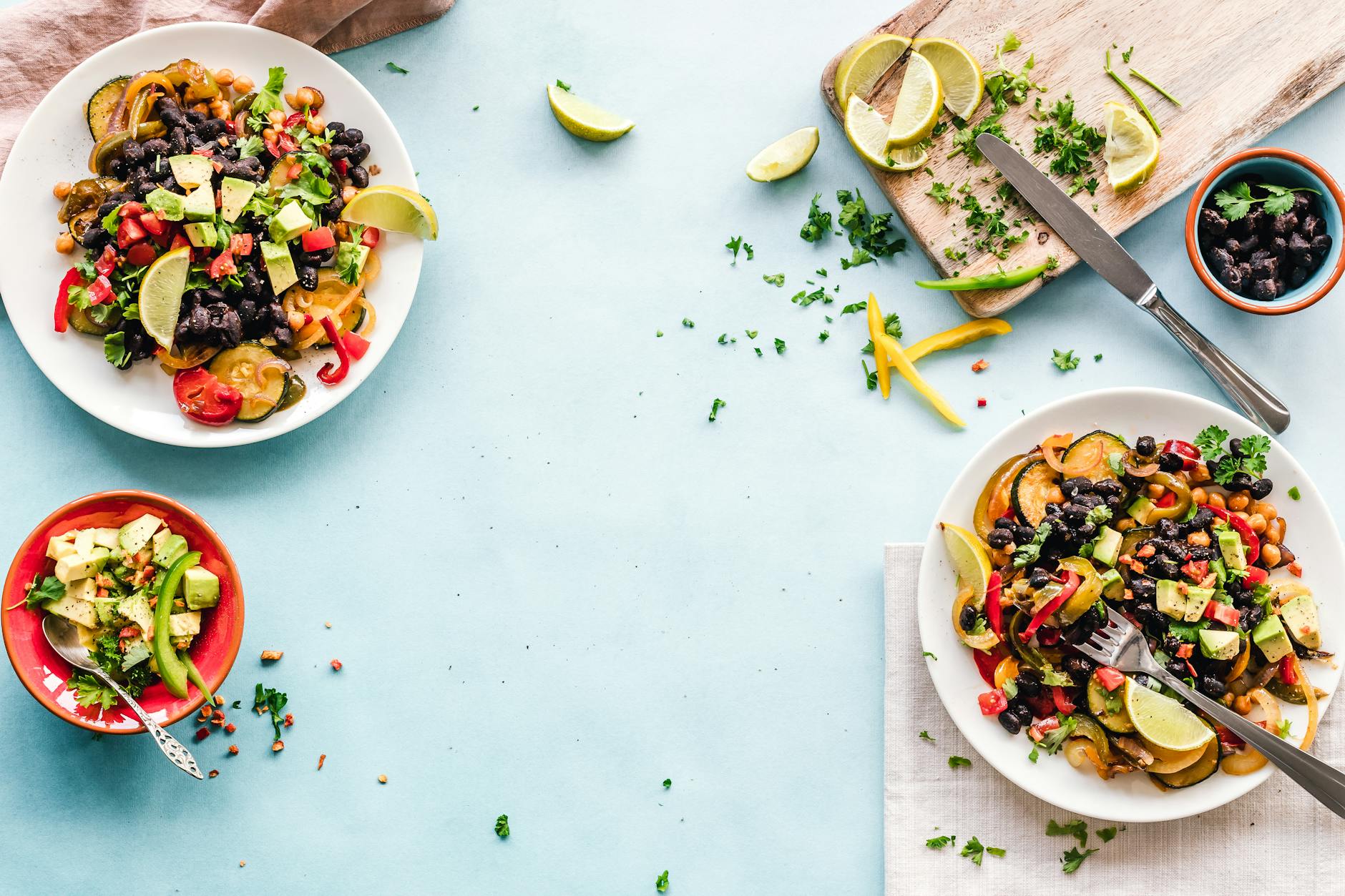
These beans are packed with antioxidants called anthocyanins which are preserved well during the canning process. Canned black beans have a soft creamy texture that is difficult to achieve perfectly with dried beans. They are a convenient source of fiber and folate that can be rinsed and eaten cold. You save energy and time by bypassing the long simmering process required for the raw version.
Mushrooms

Fresh mushrooms have a short shelf life and can become slimy or dried out very quickly in the refrigerator. Canned mushrooms are blanched and packed in water which preserves their unique texture for use on pizzas. They are often more affordable than fresh varieties and work perfectly in long-simmered sauces. You get a consistent supply of B vitamins without the need for cleaning dirt off delicate caps.
Jackfruit
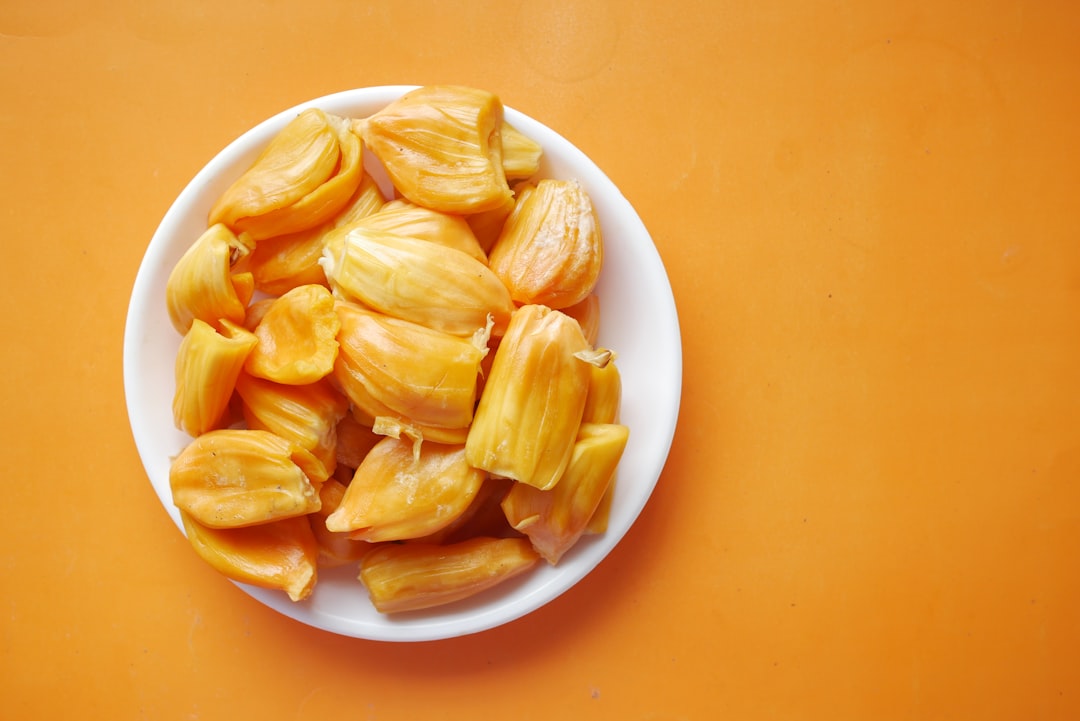
Young green jackfruit is canned in brine or water and has a fibrous texture that mimics pulled pork. Fresh jackfruit is enormous and sticky and incredibly difficult to butcher at home. The canned version is pre-cut and ready to absorb barbecue sauce or spices for vegan tacos. It is an accessible way to experiment with a tropical fruit that is otherwise hard to source.
Carrots
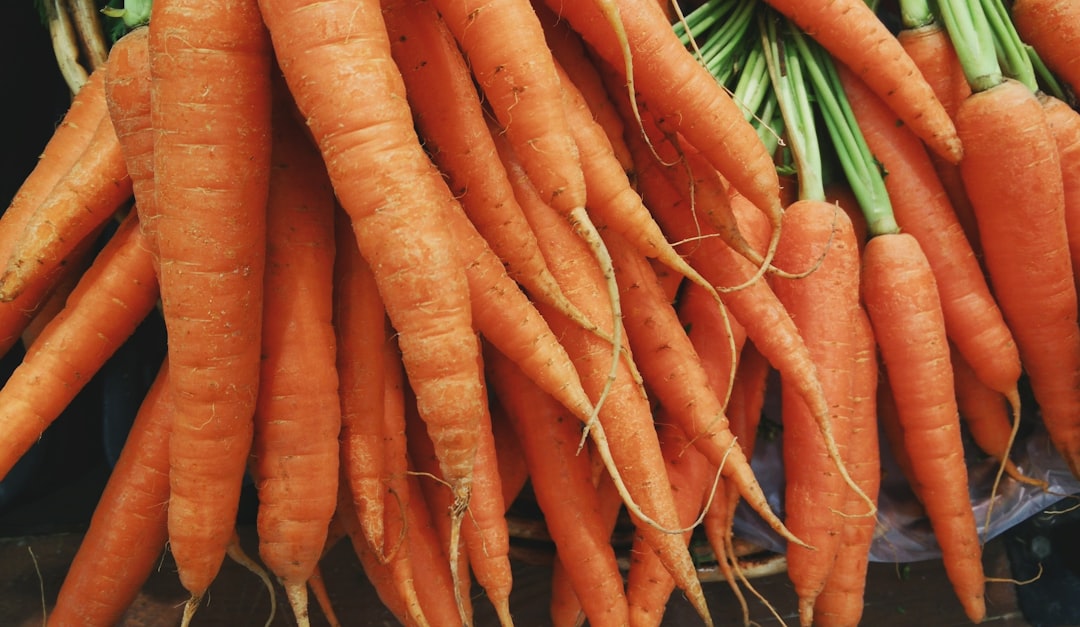
Heating carrots during the canning process breaks down tough cellular walls and increases the bioavailability of beta-carotene. This nutrient is essential for eye health and is absorbed better from cooked carrots than raw ones. Canned carrots are consistently tender and sweet without any peeling or chopping required. They are a budget-friendly vegetable option that adds color and nutrition to soups instantly.
Tuna

Canned tuna is the ultimate convenience food offering high protein and omega-3s with zero preparation. It is shelf-stable for years and provides a quick lunch option that fresh tuna steaks cannot match. The steaming process used before canning preserves the nutrient profile while eliminating pathogens. You can choose varieties packed in water for fewer calories or oil for better flavor retention.
Roasted Red Peppers
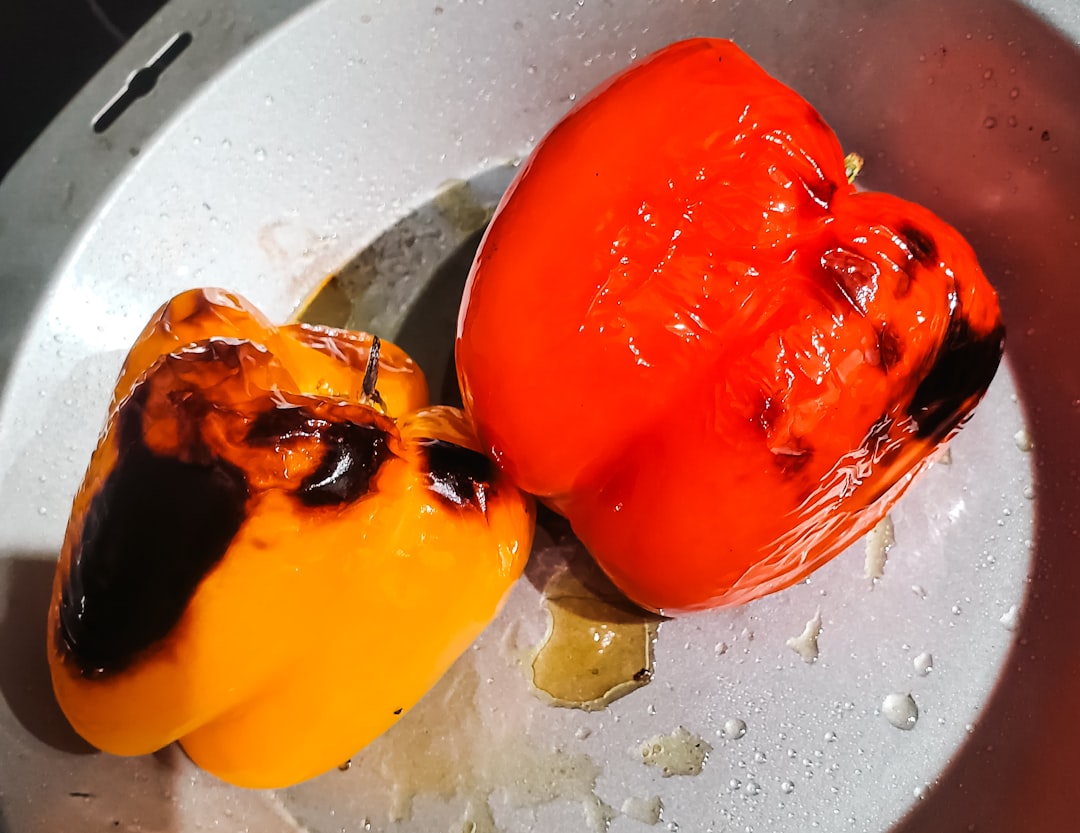
Roasting and peeling fresh peppers to get the skin off is a messy task that takes significant time and effort. Canned roasted peppers are already charred and peeled and marinating in their own juices. They contain high levels of vitamins A and C and lycopene just like tomatoes. The texture is silky and perfect for blending into dips like muhammara or hummus.
Pears
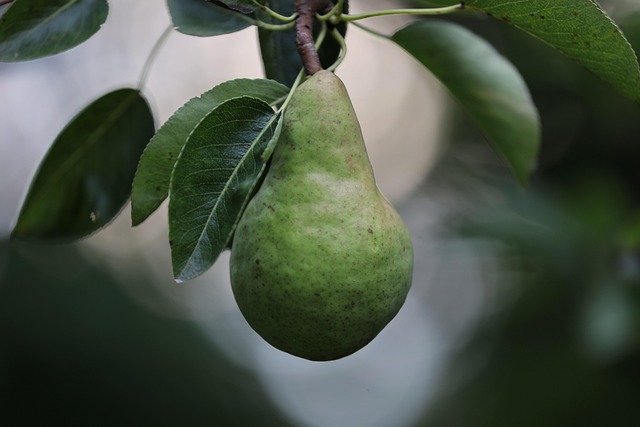
Pears are notorious for going from rock hard to mushy within a single day on the kitchen counter. Canned pears are picked and processed at the perfect moment of firmness to ensure a pleasant texture. They are often peeled and cored which makes them immediately usable for poaching or baking. The syrup helps preserve their color and prevents the browning that happens instantly with fresh cut pears.
Sweet Potatoes
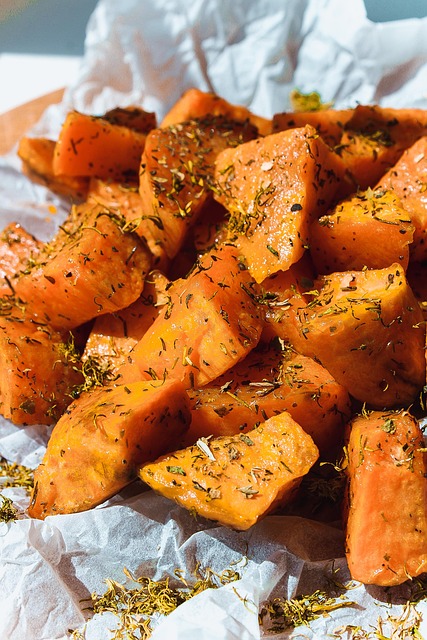
Canned sweet potatoes are often packed in syrup or water and are softer than roasted fresh tubers. The canning process preserves the beta-carotene content and makes it readily available for absorption. They are a massive time-saver for holiday casseroles and pies since the peeling and boiling is done. You get a consistent sweetness level that can vary wildly with fresh potatoes.
Capers

Capers are flower buds that must be cured and pickled to be edible so the canned or jarred version is the standard. Fresh capers are bitter and unpalatable until they undergo this preservation process. They add a burst of salty acidity to dishes that brightens up heavy sauces and fatty meats. The brine they are packed in is also a useful ingredient for salad dressings and marinades.
Crab Meat

Picking fresh crab meat is an exhaustive process that yields a small amount of food for a lot of work. Canned crab meat offers pure protein ready to be formed into cakes or tossed into pasta. It is pasteurized to ensure safety and long shelf life without sacrificing the sweet flavor. You get access to this luxury ingredient at a fraction of the price of fresh whole crabs.
Green Beans
Canned green beans are processed quickly after harvest to prevent the sugars from turning into starch. They have a softer texture that many people prefer for casseroles and stews compared to crunchy fresh beans. The heat treatment makes the nutrients easier to digest for people with sensitive systems. They are a reliable vegetable side dish that requires only warming up to serve.
Sauerkraut

While technically fermented cabbage the canned version offers probiotic benefits and long storage life. The fermentation process increases the bioavailability of nutrients and supports gut health significantly. It provides a unique sour flavor profile that fresh cabbage simply does not have. It is ready to eat as a condiment or side dish immediately upon opening the can.
Olives
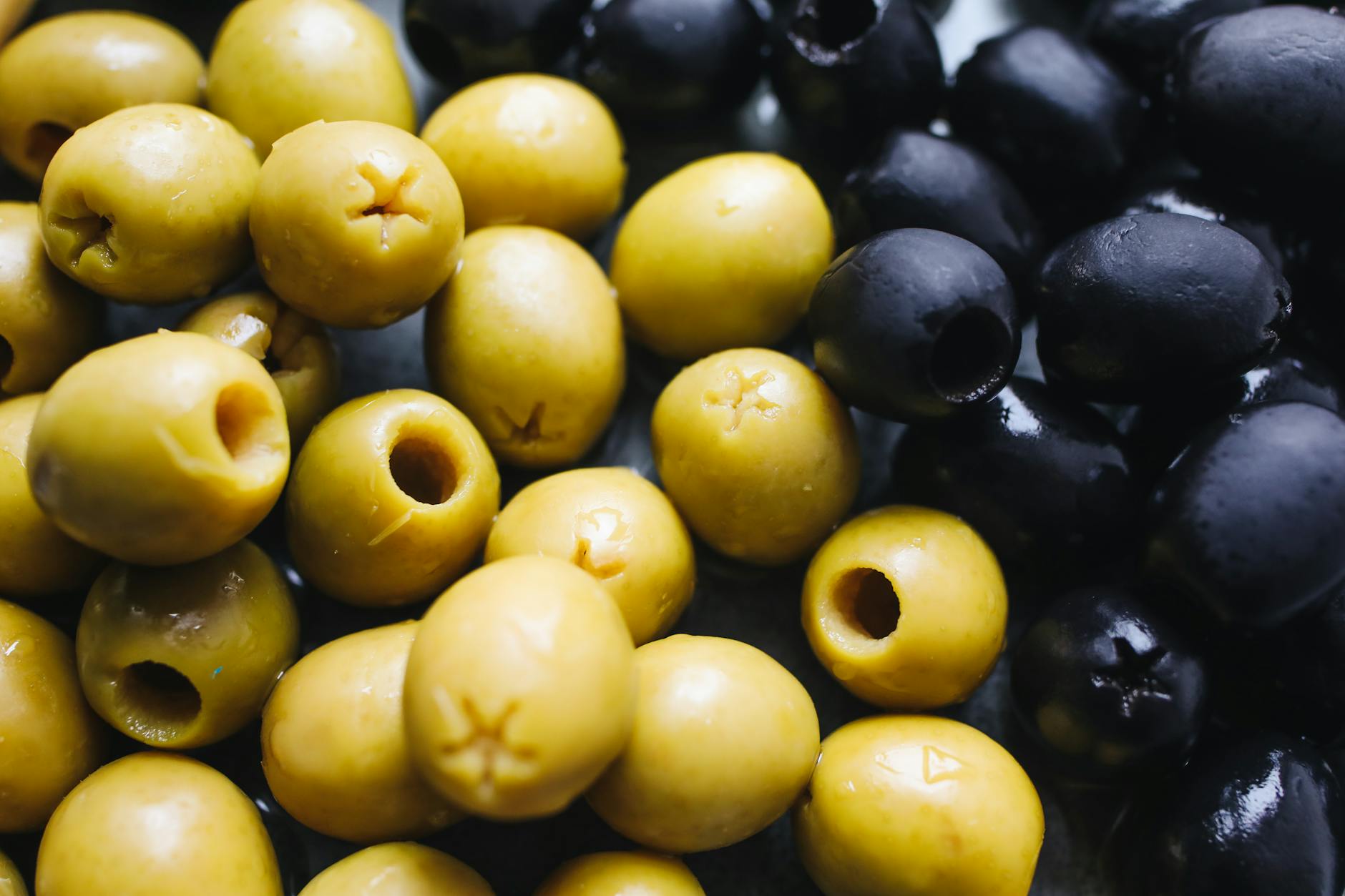
Olives must be cured to remove their natural bitterness so the fresh fruit is essentially inedible off the tree. Canned olives are processed to have a mild and buttery flavor that appeals to a wide audience. They are a convenient source of healthy monounsaturated fats and iron. You can keep them in the pantry for impromptu appetizers or pizza toppings anytime.
Please let us know which of these pantry staples you use most often by sharing your thoughts in the comments.