The regulatory differences between the United States and the European Union often result in significant discrepancies regarding what is considered safe for human consumption. American agencies like the FDA tend to operate on a reactive basis where harmful effects must be proven before a ban is enacted. Conversely the European Food Safety Authority typically adopts a precautionary principle that removes additives or products if there is any doubt about their safety. This fundamental difference means that many items commonly found in American grocery stores are completely illegal across the Atlantic. The following list details specific foods and ingredients that highlight this regulatory divide.
Chlorinated Chicken

Poultry producers in the United States frequently wash chicken carcasses in strong chlorine baths to eliminate bacteria like salmonella. This chemical rinse is completely prohibited in the European Union because officials believe it encourages lower hygiene standards during the actual farming process. The EU requires farmers to maintain strict sanitation throughout the entire supply chain rather than relying on a chemical fix at the end. Consequently this specific processing method prevents most American poultry from entering European markets.
Hormone-Treated Beef

American cattle ranchers often administer synthetic growth hormones to livestock to promote faster muscle development and weight gain. The European Union has maintained a strict ban on all meat treated with these hormones for decades due to potential human health concerns. European scientific committees have raised questions about links between these additives and various hormonal disruptions in consumers. This prohibition remains one of the most significant trade disputes between the US and European nations.
Ractopamine-Treated Pork

Ractopamine is a feed additive used in the United States to promote leanness in pigs and increase meat yield before slaughter. While it is legal for American farmers to use this drug it is banned in no fewer than 160 countries including the entire European Union. The drug mimics stress hormones and has been linked to adverse cardiovascular effects in both animals and humans. American pork exporters must prove their meat is free of this residue to sell to European buyers.
Potassium Bromate Bread
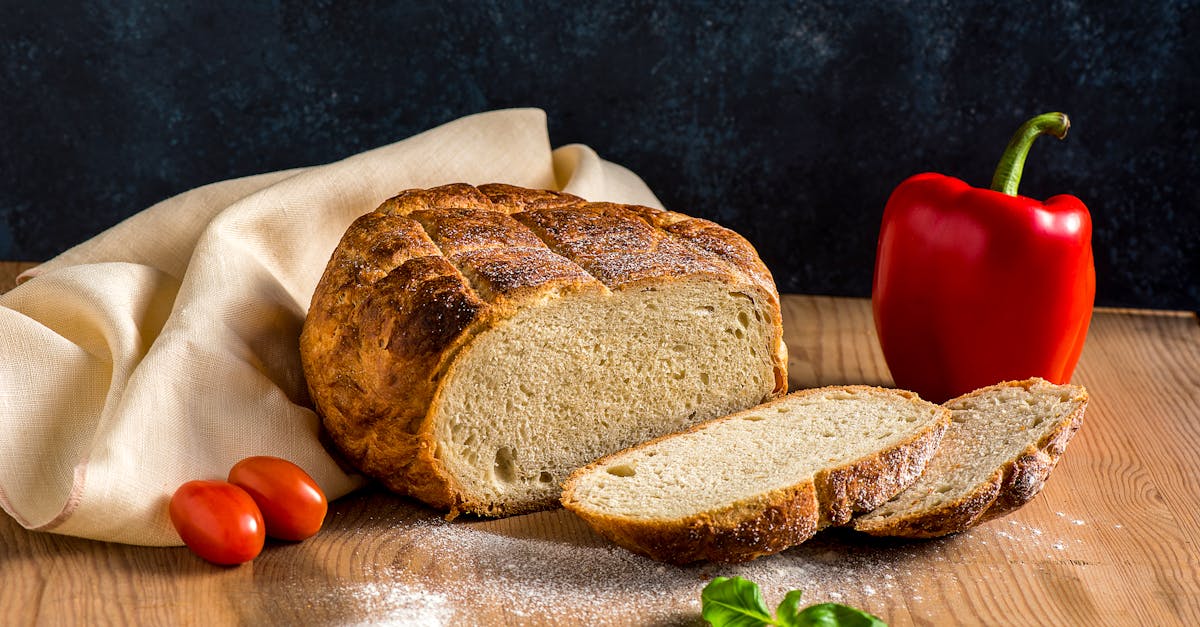
Commercial bakeries in the United States often add potassium bromate to flour to strengthen dough and help it rise higher in the oven. This oxidizing agent has been classified as a potential carcinogen by various health organizations and is banned throughout Europe. The additive generally dissipates during baking but small residues can remain in the finished product. Many American fast food chains still use buns containing this chemical while their European locations use safer alternatives.
Azodicarbonamide in Baked Goods

This chemical agent serves as a dough conditioner and bleaching agent in many American bread products and bun recipes. The substance is also used industrially in the production of yoga mats and shoe rubber which has caused significant consumer controversy. European regulators have banned azodicarbonamide in food packaging and contact materials because it can break down into semicarbazide. American regulators still consider it safe for use in food at specific limits.
rBGH Dairy Products

Recombinant Bovine Growth Hormone is a synthetic hormone injected into American dairy cows to artificially increase milk production. The European Union along with Canada and other nations forbids the use of this hormone due to animal welfare concerns and potential human health risks. Cows treated with rBGH often suffer from higher rates of mastitis and other painful infections. Milk from these treated herds is widely available in US supermarkets unless specifically labeled otherwise.
Titanium Dioxide

This whitening agent is frequently added to candies and processed foods in the US to make colors appear brighter and more opaque. The European Union recently classified titanium dioxide as an unsafe food additive because it may damage DNA and lacks a determined safe level of exposure. American manufacturers continue to use it in everything from coffee creamers to salad dressings. Products sold in Europe must remove this ingredient or face removal from store shelves.
Red Dye No. 40
This artificial coloring is the most common food dye in the United States and appears in everything from sports drinks to cherry-flavored snacks. The European Union requires a warning label on any product containing this dye stating it may have an adverse effect on activity and attention in children. Many companies simply formulate a different version of their product for Europe using natural coloring agents like beetroot. In the US this dye remains ubiquitous in processed foods without any specific warning labels.
Yellow Dye No. 5

Also known as Tartrazine this artificial yellow coloring creates the bright lemon hue in many American sodas and chips. European regulators require the same warning label regarding hyperactivity in children for products containing this specific chemical. It has also been linked to allergic reactions and is carefully monitored in many international markets. American consumers will find this ingredient in macaroni and cheese mixes and various citrus-flavored soft drinks.
Yellow Dye No. 6

This synthetic orange dye is frequently found in American cheese flavored snacks and colored beverages. Like other azo dyes it faces strict labeling requirements in Europe due to concerns over behavioral issues in young children. The dye has been found to contain benzidine which is a known carcinogen although typically at very low levels. While US regulators deem it safe for the general population it is largely absent from European grocery shelves.
Blue Dye No. 1

Brilliant Blue FCF provides the vibrant color for many American ice creams and sugary cereals. European health officials have recommended limiting consumption of this dye and it is banned in specific food categories in several countries. There are concerns regarding how well the body absorbs this synthetic compound and its potential accumulation. US manufacturers frequently use it to color raspberry flavored snacks and blue sports drinks.
Blue Dye No. 2

Indigotine is another synthetic blue dye used in the United States for pet foods and candies. The European Union permits this dye but with stricter specific purity criteria and usage limits compared to American standards. Some animal studies suggested a statistical link between this dye and the development of brain tumors. While the FDA maintains its safety status many health-conscious consumers advocate for natural alternatives like spirulina.
Atrazine-Treated Corn
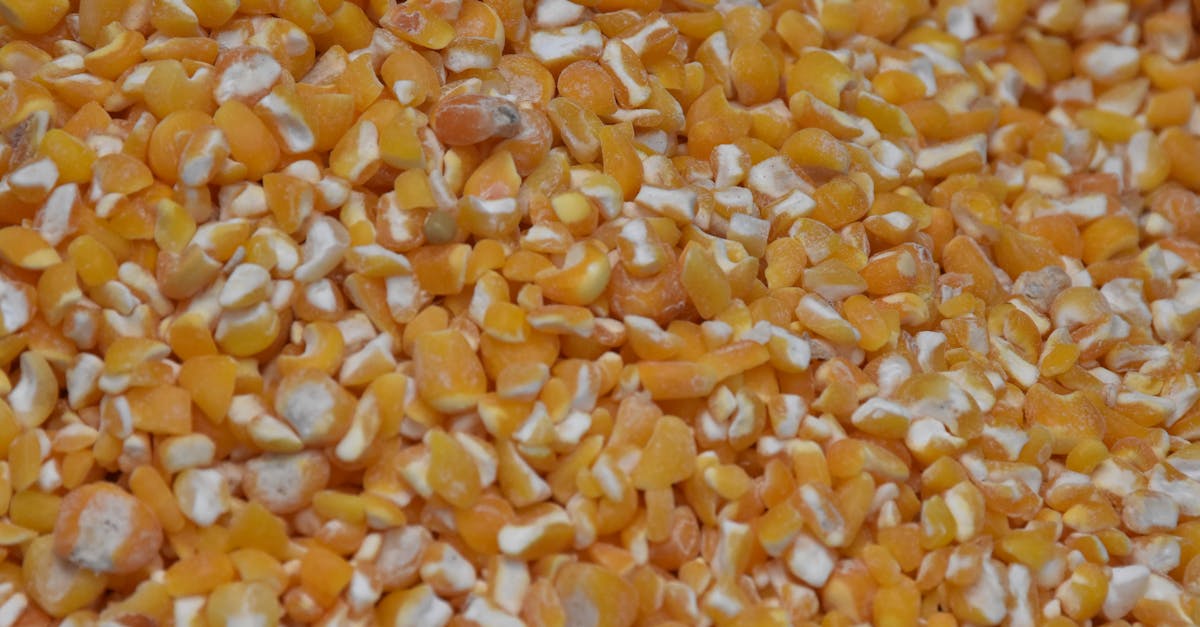
Atrazine is one of the most widely used herbicides in American agriculture to control weeds in cornfields. The European Union banned the use of this chemical completely due to its persistent contamination of groundwater supplies. Studies have shown that this herbicide can function as an endocrine disruptor in amphibians and potentially humans. Despite these findings it remains a staple in American industrial farming practices.
Propylparaben in Tortillas

This preservative is often added to American corn tortillas and muffins to prevent mold growth and extend shelf life. The European Union banned propylparaben in food in 2006 because it may act as an endocrine disruptor and impact reproductive health. American food companies continue to use it in various baked goods to ensure product longevity. Consumers in Europe eat products that rely on other preservation methods or simply have shorter expiration dates.
BHA Preserved Chips

Butylated hydroxyanisole is a synthetic antioxidant used to keep fats in potato chips and other oils from going rancid. The US National Institutes of Health has categorized this substance as reasonably anticipated to be a human carcinogen. While the European Union allows it in very specific limited instances it is heavily restricted compared to its widespread use in the US. Many American snack brands use BHA to ensure their products remain fresh for months on the shelf.
BHT Preserved Cereals

Butylated hydroxytoluene is a chemical cousin to BHA and serves a similar preserving function in American breakfast cereals. It is banned or severely restricted in parts of Europe and Japan due to contradictory study results regarding cancer risks. Some studies suggest it causes cancer in animals while others imply it might prevent it. Given the uncertainty European regulators err on the side of caution while the FDA permits its use.
Olestra Products

Olestra is a fat substitute created to add a rich texture to low-calorie foods without adding actual fat or calories. It is legal in the United States but requires users to be aware of potential digestive side effects like cramping and loose stools. Canada and the European Union did not approve this additive for sale due to these adverse gastrointestinal reactions. It also inhibits the body from absorbing essential fat-soluble vitamins.
GMO Papaya

Most of the papaya sold and consumed in the United States is genetically modified to resist the ringspot virus. The European Union maintains a strict authorization process for all genetically modified organisms and many strains allowed in the US are not approved. American papayas often cannot be sold in European markets without rigorous labeling or specific authorization which is rarely granted. This ensures that European fruit stands typically stock non-GMO varieties.
Diphenylamine Apples

American apple growers often treat their fruit with diphenylamine to prevent the skin from turning brown during cold storage. The European Union banned the use of this chemical on apples because of concerns about the formation of nitrosamines which are carcinogenic. Consequently American apples treated with this substance are prohibited from being imported into EU countries. This forces US exporters to maintain separate supply chains for their European customers.
American Skittles

The version of Skittles sold in the United States contains titanium dioxide and artificial dyes like Red 40 and Yellow 5. As previously noted titanium dioxide is no longer considered safe as a food additive by European authorities. The European version of this candy uses natural fruit and vegetable concentrates for coloring. This results in a slightly different flavor profile and visual appearance for the candies sold in Europe.
American Mountain Dew

The formulation of Mountain Dew sold in the United States historically included brominated vegetable oil to keep the citrus flavor emulsified. While the FDA recently moved to revoke BVO authorizations the drink still differs heavily from its European counterpart due to high caffeine and dye content. The European version omits these contentious ingredients and relies on natural colors and different emulsifiers. This makes the American soda a distinctly different product from what is available in EU vending machines.
Little Debbie Swiss Rolls
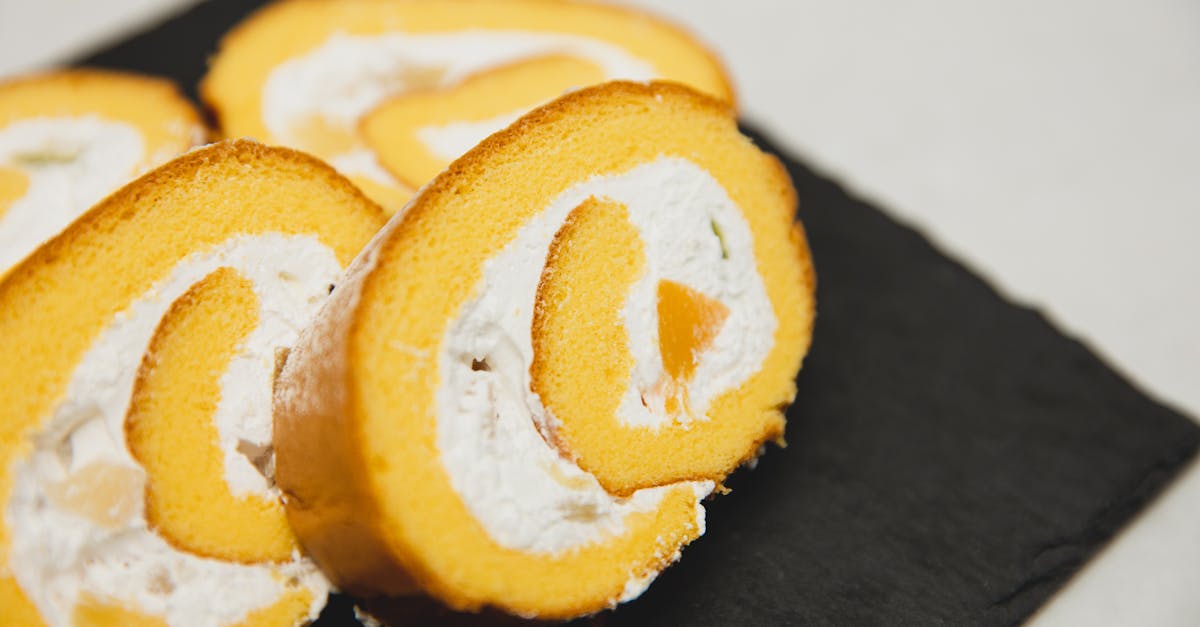
These popular American snack cakes are loaded with artificial dyes and preservatives that face heavy restrictions in Europe. Ingredients like Yellow 5 and Red 40 require warning labels in the EU that would likely deter parents from buying them. The long shelf life of these treats is achieved through chemical preservatives that European regulators view with skepticism. Consequently you will not find this specific brand on store shelves in Paris or Berlin.
US Pop-Tarts

American Pop-Tarts are famous for their brightly colored frosting which is achieved using dyes like Red 40 and Blue 1. These synthetic dyes are linked to behavioral problems in children and require specific labeling in the European Union. The European versions of similar toaster pastries use plant-based dyes which result in less neon-like colors. The dough also often contains preservatives like BHT which further complicates their sale in stricter markets.
US Lucky Charms
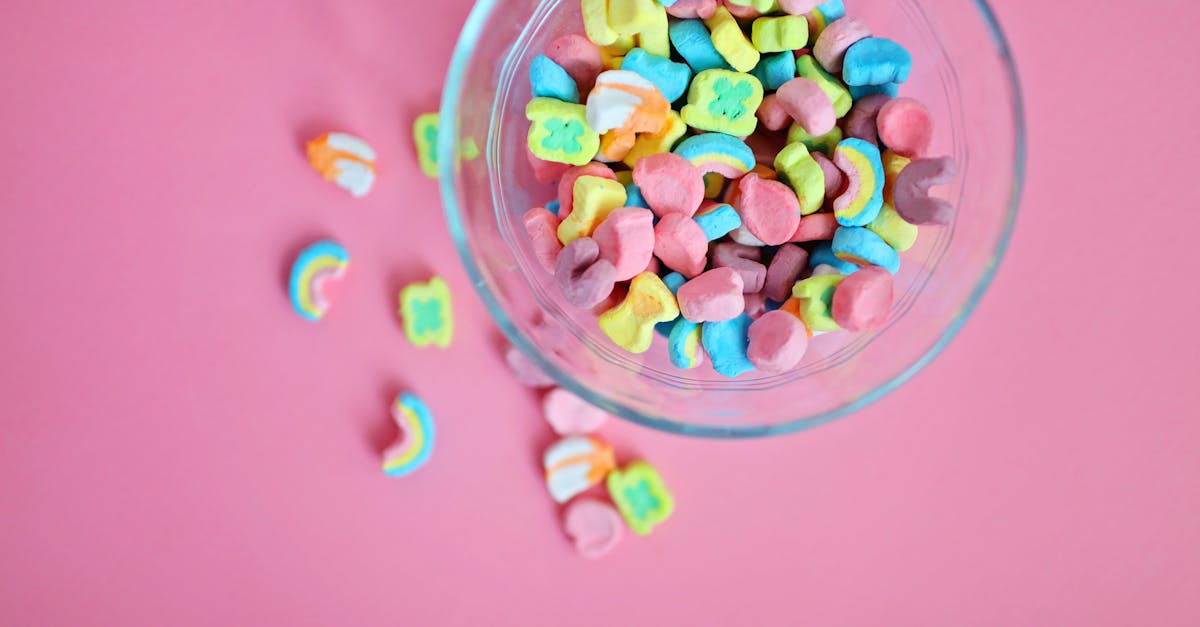
The marshmallows in Lucky Charms cereal owe their vibrant colors to a cocktail of artificial dyes including Yellow 5 and Yellow 6. These additives are the primary reason the American version of this cereal is not sold in standard European grocery stores. When the cereal is imported into Europe as a specialty item it must carry the mandatory warning label about hyperactivity. General Mills produces different cereal formulations for the international market to comply with these rules.
US Froot Loops
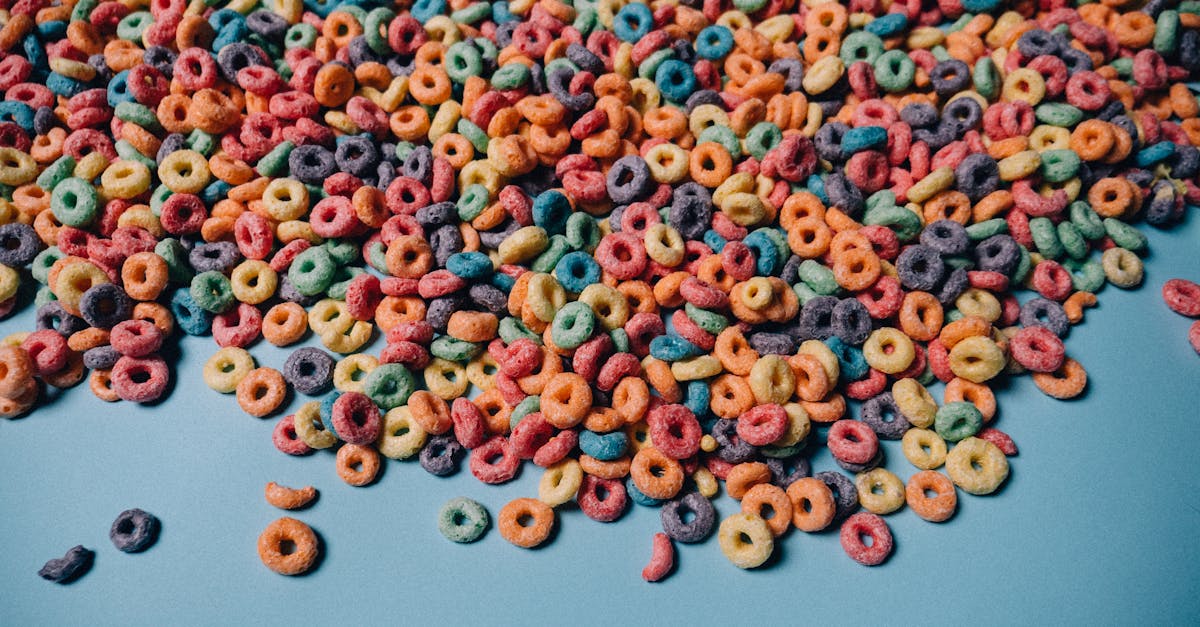
Kellogg’s Froot Loops in the United States use artificial colors to achieve their signature rainbow appearance. In the United Kingdom and other parts of Europe the same cereal is colored using extracts from carrots and watermelons. This natural approach means the European cereal lacks the neon blue and bright green loops found in the American box. The taste is also reported to be slightly different due to the absence of synthetic flavor enhancers.
US Cheetos

The intense orange dust that coats American Cheetos is made from Yellow 6 which is an artificial dye derived from petroleum. This dye is restricted in Europe and products containing it must carry the hyperactivity warning label. To sell Cheetos in the EU the manufacturer uses natural paprika and other spices to achieve a similar color. This results in a snack that looks and tastes distinct from the version found in American gas stations.
US Doritos

American Doritos heavily rely on Red 40 and Yellow 6 to create their iconic nacho cheese appearance. Because of the strict labeling laws regarding these dyes in Europe the overseas version uses natural alternatives. The flavor profile of European Doritos is often described as being more focused on corn and cheese rather than the chemical intensity of the US version. Travelers often notice the difference immediately upon tasting a bag bought in Europe.
US M&Ms

The candy coating on M&Ms in the United States is created using artificial colors and titanium dioxide. The European manufacturer replaced these synthetic dyes with natural alternatives years ago to avoid warning labels. This change means that European M&Ms often have slightly less glossy shells and more muted tones. The ban on titanium dioxide in the EU makes the classic American recipe illegal to sell there.
Stove Top Stuffing
This instant stuffing mix is a staple of American Thanksgiving dinners but contains the preservatives BHA and BHT. These chemical preservatives are used to ensure the seasoned bread crumbs remain shelf-stable for long periods. As previously mentioned these additives are heavily restricted in the European Union due to potential carcinogenic risks. European cooks must rely on fresh bread and seasonings rather than this boxed convenience product.
Coffee-Mate Creamer

American non-dairy creamers often use hydrogenated oils and titanium dioxide to simulate the texture and color of milk. The trans fats found in partially hydrogenated oils have been largely targeted for elimination but other processed oils remain common in the US. Titanium dioxide provides the white color but is now banned as a food additive in the EU. This means the standard powdered creamer found in US offices is not compliant with European safety standards.
Pillsbury Biscuits
Refrigerated biscuit dough in the United States often relies on hydrogenated soybean oil and artificial coloring agents. The dough also frequently contains preservatives that are not favored by European regulators. The convenience of popping a can of biscuits is less common in Europe where fresh bakery products are the standard. The chemical profile required to keep the dough fresh in a can is simply not aligned with EU food laws.
Ritz Crackers
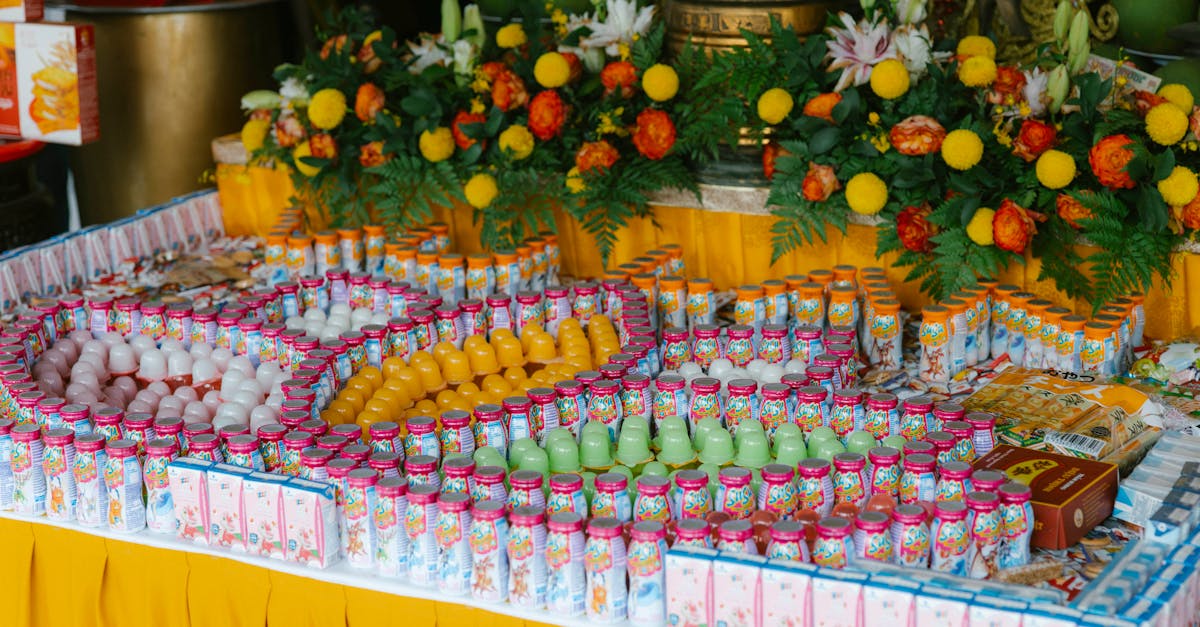
The American version of Ritz crackers has historically contained partially hydrogenated cottonseed oil which is a source of trans fats. While the US has moved to reduce trans fats many processed crackers still contain highly processed oils and high fructose corn syrup. The European version is formulated differently to exclude these ingredients and adhere to stricter fat regulations. This results in a cracker that has a different texture and ingredient list depending on where it is purchased.
Hostess Twinkies

These golden sponge cakes are an icon of American junk food but contain a long list of ingredients banned or restricted in Europe. The filling and cake rely on dyes like Yellow 5 and Red 40 as well as strict preservatives to achieve their legendary shelf life. Because of these ingredients Twinkies are generally not sold in major European supermarkets. Specialty import shops may carry them but they must bear the required warning labels.
Sun Drop Soda
Sun Drop is a citrus soda popular in the American South that contains a high amount of Yellow 5 artificial coloring. The caffeine content and the inclusion of brominated vegetable oil in older recipes made it a regulatory nightmare for export. Even with reformulated stabilizers the high dye content triggers the mandatory warning label requirement in the EU. This keeps the drink largely confined to the North American market.
Sunkist Soda
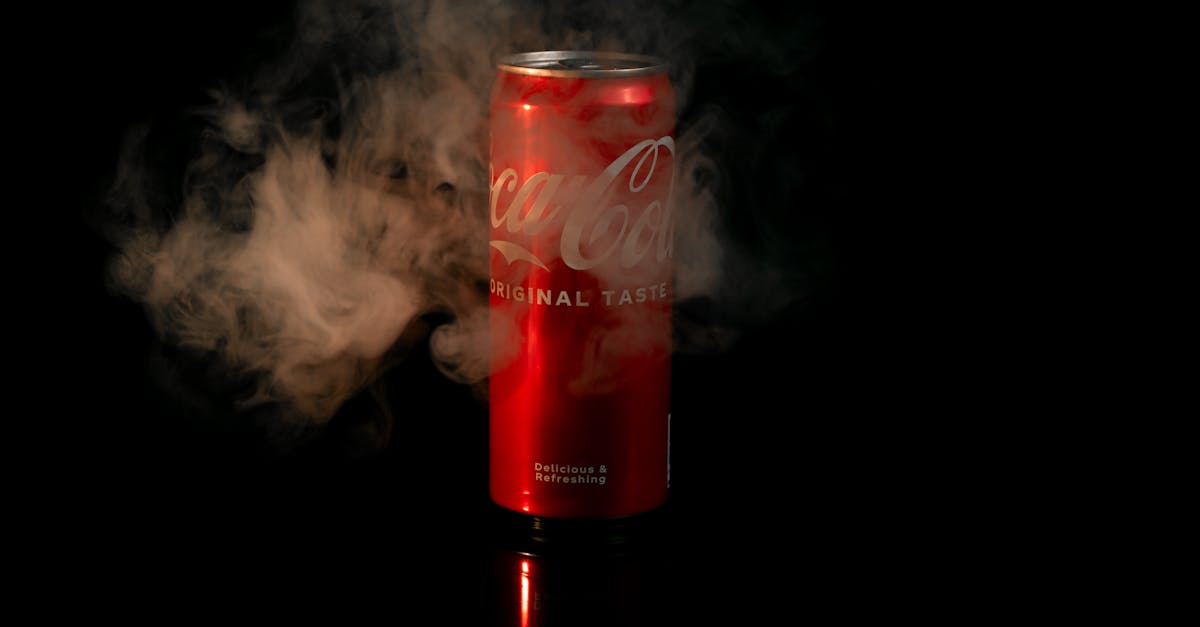
Similar to other orange sodas in the US Sunkist relies on Yellow 6 and Red 40 to achieve its bright orange liquid color. These dyes are inexpensive and stable but fall under the warning label laws in the European Union. European orange sodas typically use beta carotene or fruit juice concentrates for coloring. This difference highlights the American preference for visual vibrancy over natural ingredients.
Jolly Ranchers

These hard candies are famous for their intense fruit flavors and jewel-like colors provided by Blue 1 and Red 40. The artificial dyes used to create these colors are the primary barrier to their sale in the European Union without warnings. Blue 1 specifically acts as a concern for European regulators regarding absorption and toxicity. Consequently Jolly Ranchers remain a treat that European tourists often stock up on when visiting the US.
Nerds Candy
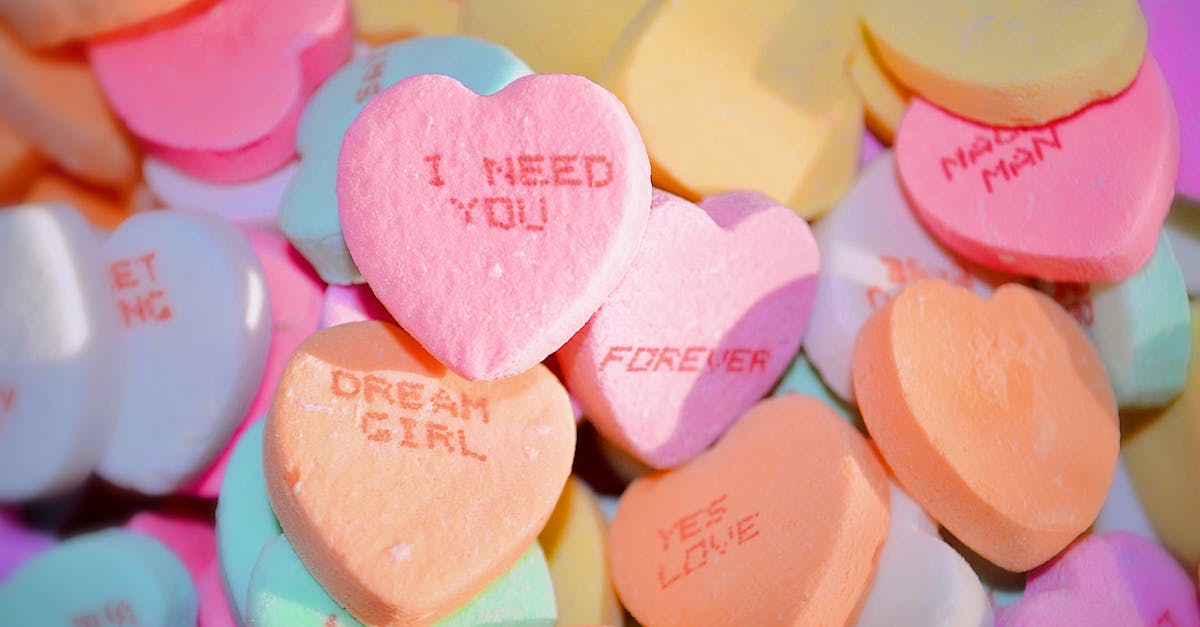
Nerds are small crunchy candies that consist almost entirely of sugar and artificial dyes like carmine and Blue 1. While some versions are sold in Europe the American recipe often includes ingredients that are restricted. The use of specific glazing agents and genetically modified sugar beets also complicates their status. The vibrant neon colors of American Nerds are a direct result of additives that European candy makers avoid.
Sour Patch Kids
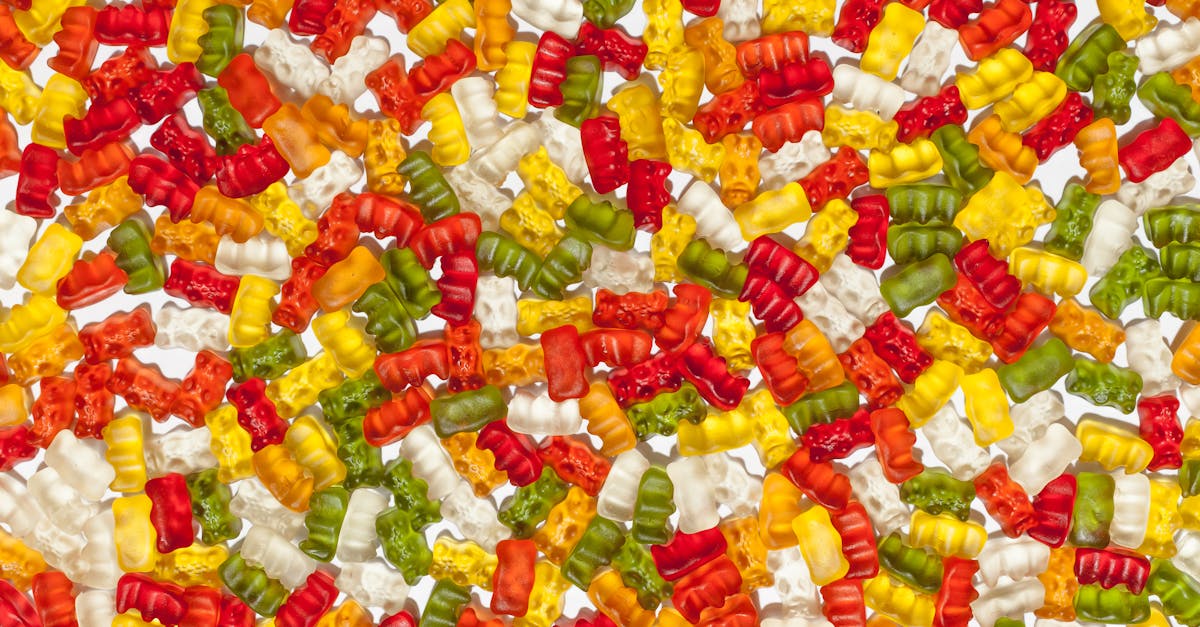
The American version of Sour Patch Kids uses Yellow 5, Yellow 6, and Red 40 to differentiate the flavors. These synthetic dyes are subject to the same strict labeling requirements discussed throughout this list. European versions of sour gummy candies typically use plant extracts like spinach or carrot to achieve similar colors. This creates a more natural appearance compared to the glowing colors of the US product.
Swedish Fish

Despite the name suggesting a European origin the Swedish Fish sold in the US contain Red 40. In Sweden the candy is known as Pastellfiskar and is colored using safer European-approved ingredients. The American version is a distinct product manufactured with US regulations in mind. The presence of the artificial red dye makes the American version technically compliant only with US laws.
Maraschino Cherries

The bright neon red cherries found in American cocktails are dyed with Red 40 after being bleached and soaked in syrup. This process and the resulting artificial color are viewed with skepticism by European food authorities. In Europe preserved cherries tend to have a darker natural color closer to the original fruit. The American version is considered to be too heavily processed and laden with synthetic chemicals for general European tastes.
Instant Mashed Potatoes

Many brands of instant mashed potatoes in the United States use BHA to preserve the dried potato flakes. This ensures that the fat in the product does not oxidize while sitting in the pantry. Because BHA is restricted in the EU manufacturers there must use different packaging or preservation methods. This allows American consumers to keep potatoes on the shelf for a year while Europeans often buy fresh tubers.
Frozen Dinners

American frozen meals often utilize azodicarbonamide in breaded items and various preservatives to maintain flavor after freezing. The ingredient lists on these products can be incredibly long and include multiple additives banned in the EU. High sodium levels and phosphate additives also differ between the two markets. European ready-meals are subject to stricter nutritional and additive profiles.
Pre-made Pie Crusts
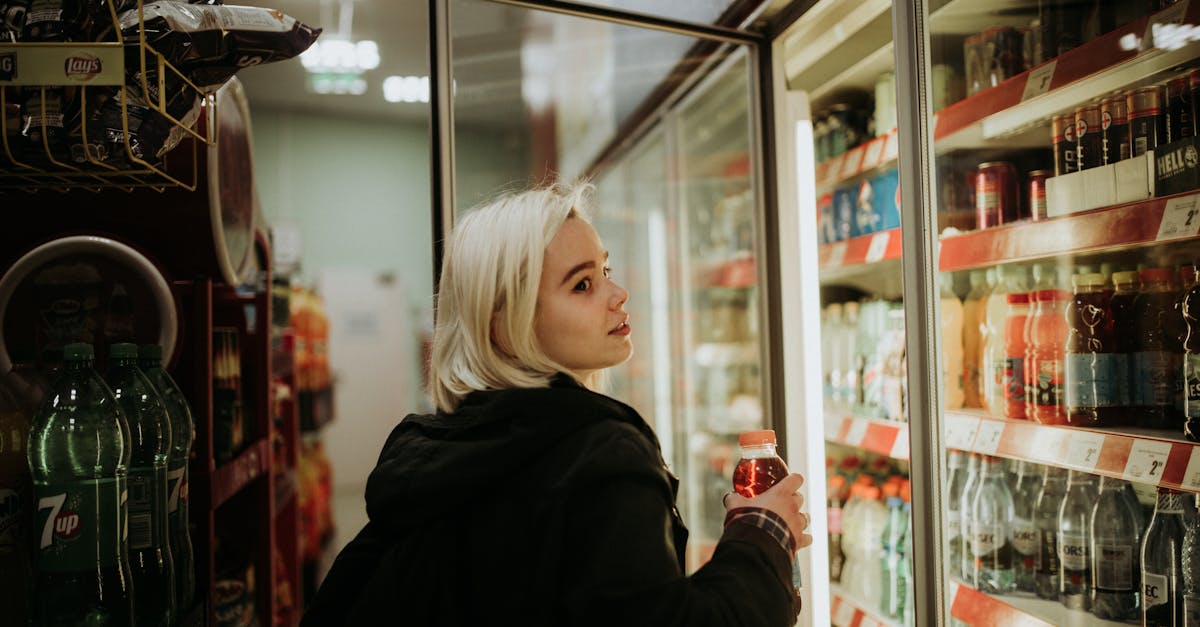
Refrigerated pie crusts in the US grocery stores are convenient but often contain BHA and BHT to prevent spoilage. These antioxidants are essential for the product’s long shelf life in the refrigerated section. European home bakers typically make crusts from scratch or buy fresh dough without these specific heavy preservatives. The convenience of the American product comes at the cost of consuming these restricted additives.
Cake Frosting

Tubs of shelf-stable cake frosting in the US are notoriously high in trans fats and titanium dioxide. The whitening agent provides the base for vanilla flavors and allows other colors to pop. With the EU ban on titanium dioxide these American frosting tubs are no longer chemically compliant. European bakers generally use fresh cream or butter-based icings that require refrigeration.
Wheat Thins

This popular American cracker contains BHT added to the packaging liner to preserve freshness. The chemical migrates from the packaging onto the cracker to prevent the oils from spoiling. This method of preservation is less common and more heavily regulated in the European Union. Consequently this specific brand and formulation is rarely found on European grocery shelves.
Please share your thoughts on these food regulation differences in the comments.