Many people believe that eating raw vegetables is the best way to consume essential nutrients and maintain a healthy lifestyle. Cooking certain ingredients actually breaks down tough cellular walls and makes their vitamins much easier for the human body to absorb. The application of heat transforms the chemical structure of various plants to release potent antioxidants that would otherwise remain trapped. Understanding which vegetables benefit from a quick steam or roast can significantly enhance the nutritional value of your daily meals.
Tomatoes
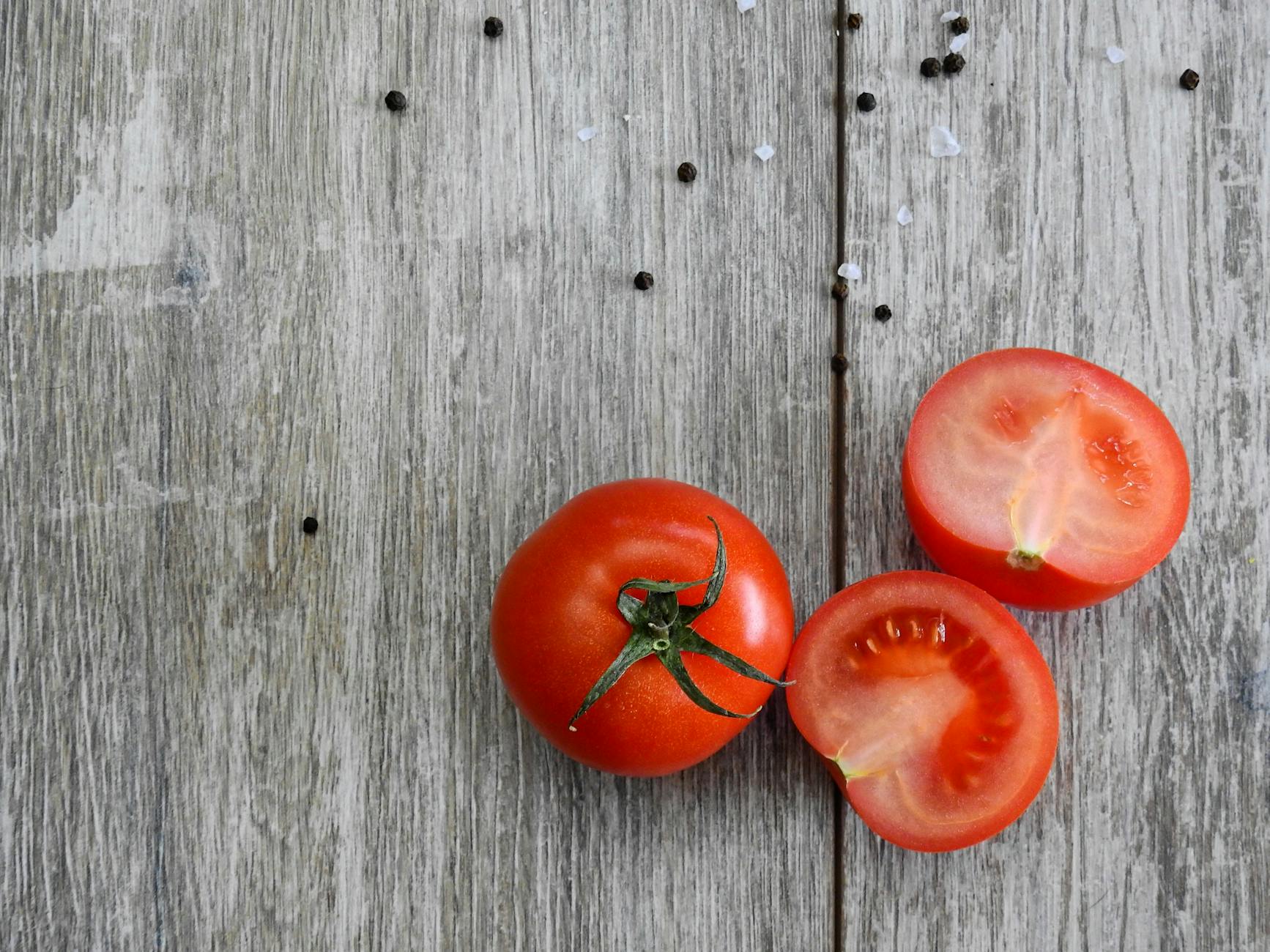
Heat significantly increases the amount of lycopene available for the body to absorb from this popular red fruit. This powerful antioxidant is known to support heart health and reduce the risk of certain chronic diseases. The cooking process breaks down thick cell walls to release these beneficial compounds into your system more effectively. Roasting or simmering them into a sauce provides a much higher nutritional yield than eating them fresh in a salad.
Carrots
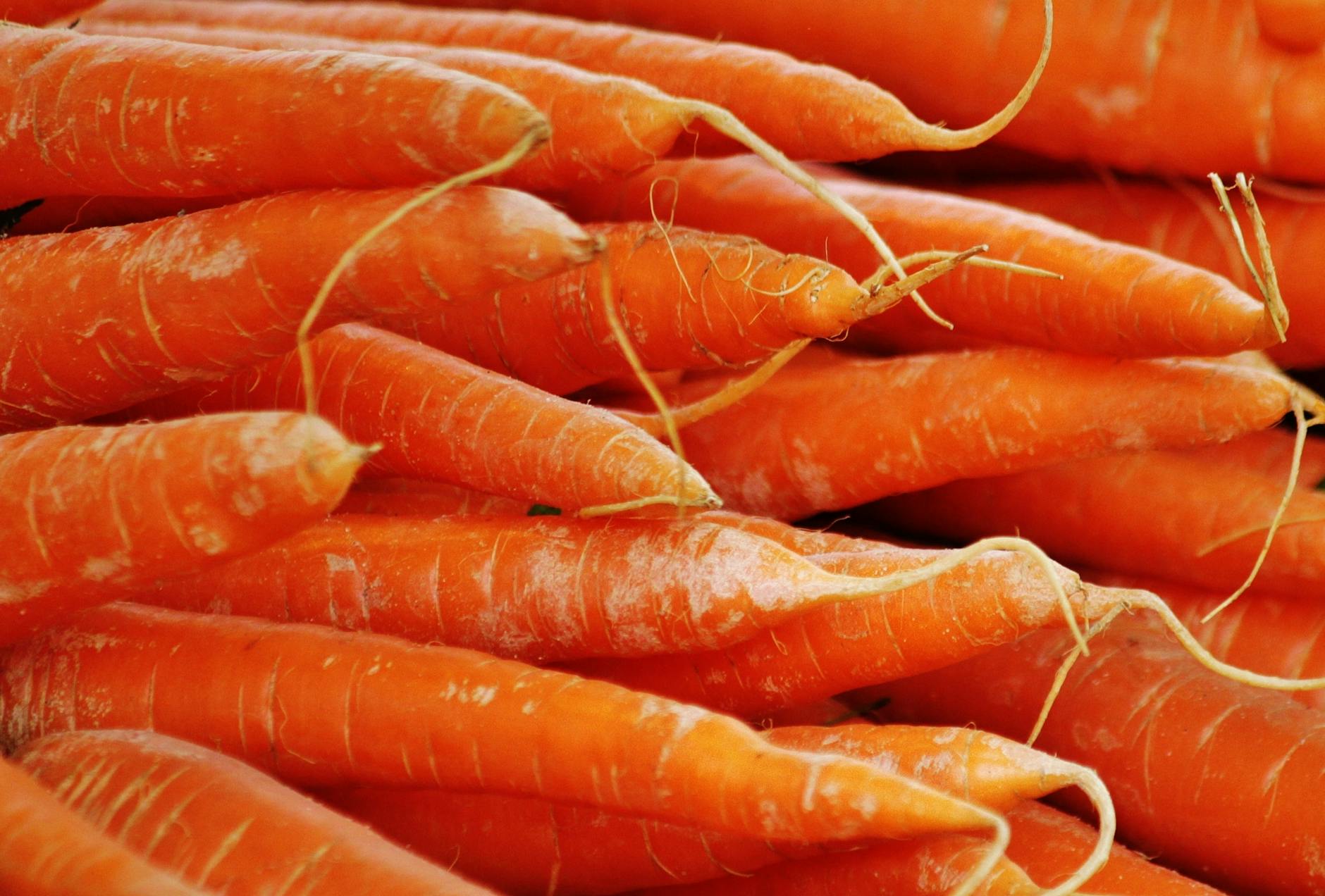
Cooking these bright orange root vegetables enhances the bioavailability of beta carotene by a substantial margin. The human body converts this vital compound into vitamin A to support healthy vision and a strong immune system. Steaming or lightly boiling the vegetable softens the rigid cellular structure that normally traps these nutrients inside. This simple thermal process ensures that your digestive tract can extract the maximum health benefits from every single bite.
Spinach
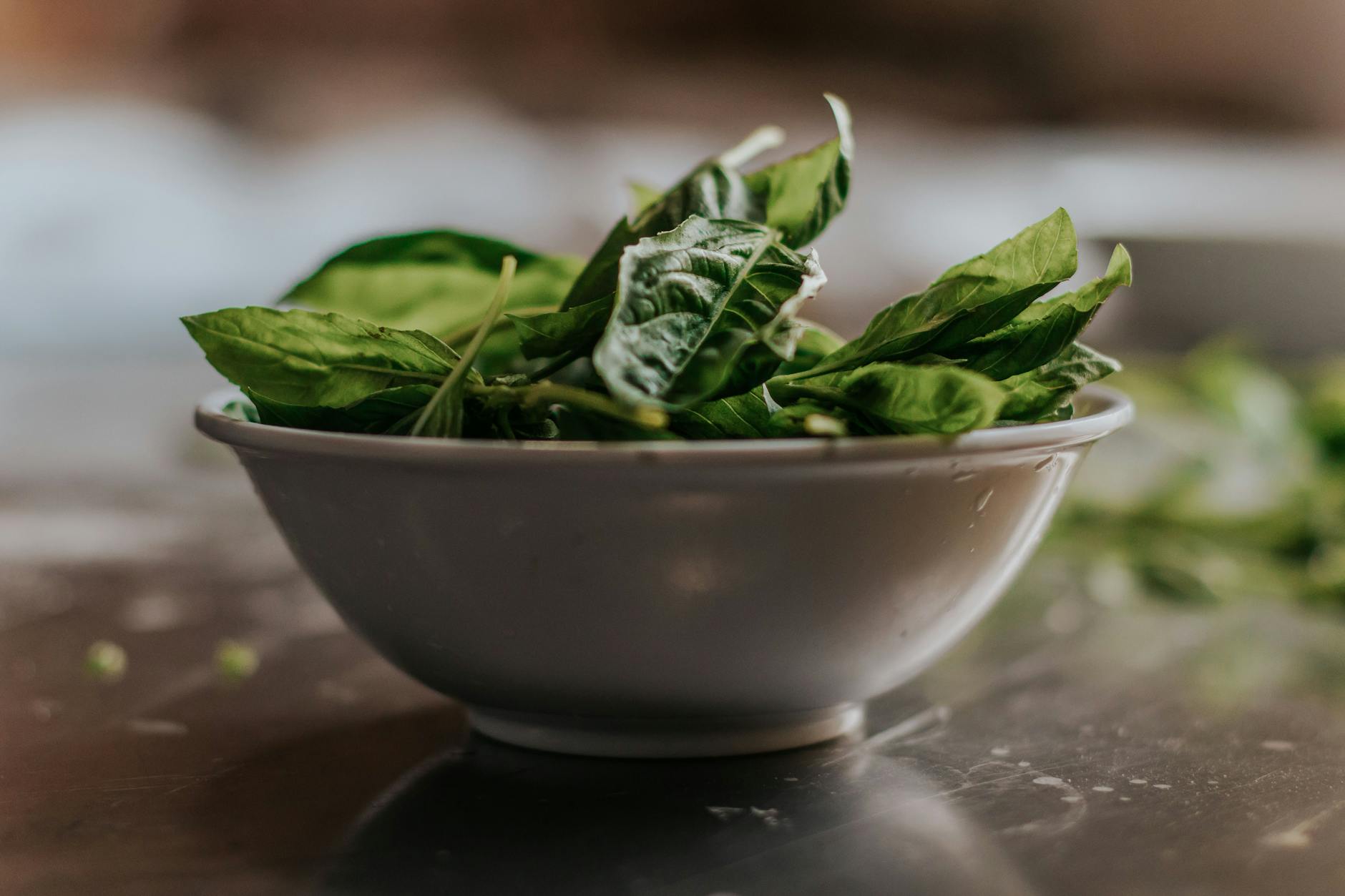
This leafy green contains abundant amounts of iron and calcium alongside a compound called oxalic acid. The naturally occurring acid tightly binds to these essential minerals and prevents your body from absorbing them properly during digestion. Applying heat through steaming or sautéing successfully degrades the oxalic acid to free up the valuable nutrients for absorption. The cooking process also significantly reduces the volume of the leaves so you can easily consume a much larger and more nutrient dense portion.
Asparagus
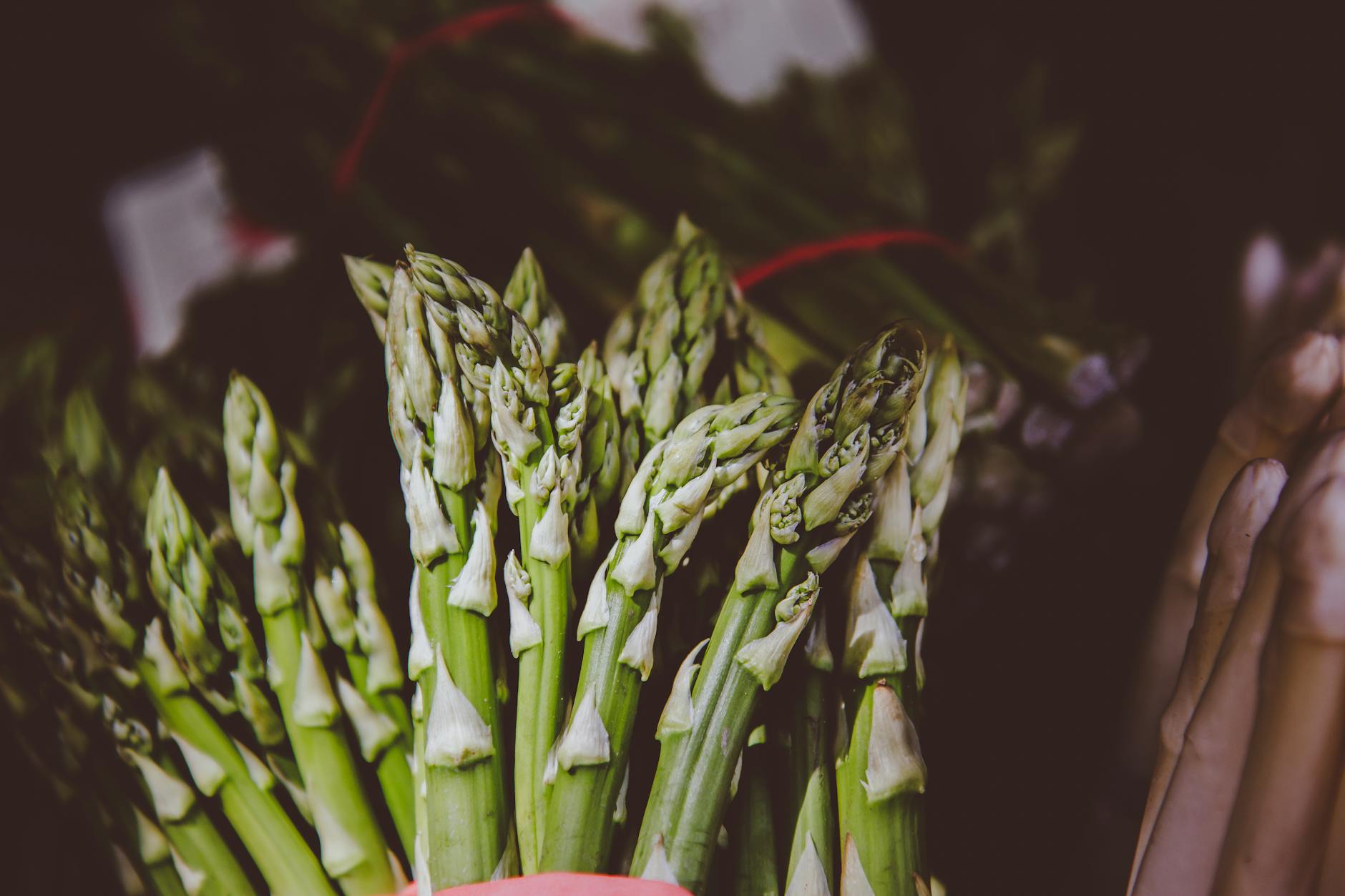
These bright green spears possess extremely thick cellular walls that make it difficult for the body to extract their inherent vitamins. Cooking the stalks breaks down these fibrous barriers to release disease fighting antioxidants like ferulic acid. A light steaming process also increases the availability of folate and vitamins A, C, and E for better cellular health. The gentle application of heat ensures that you receive the full spectrum of nutritional benefits without losing the delicate flavor.
Mushrooms
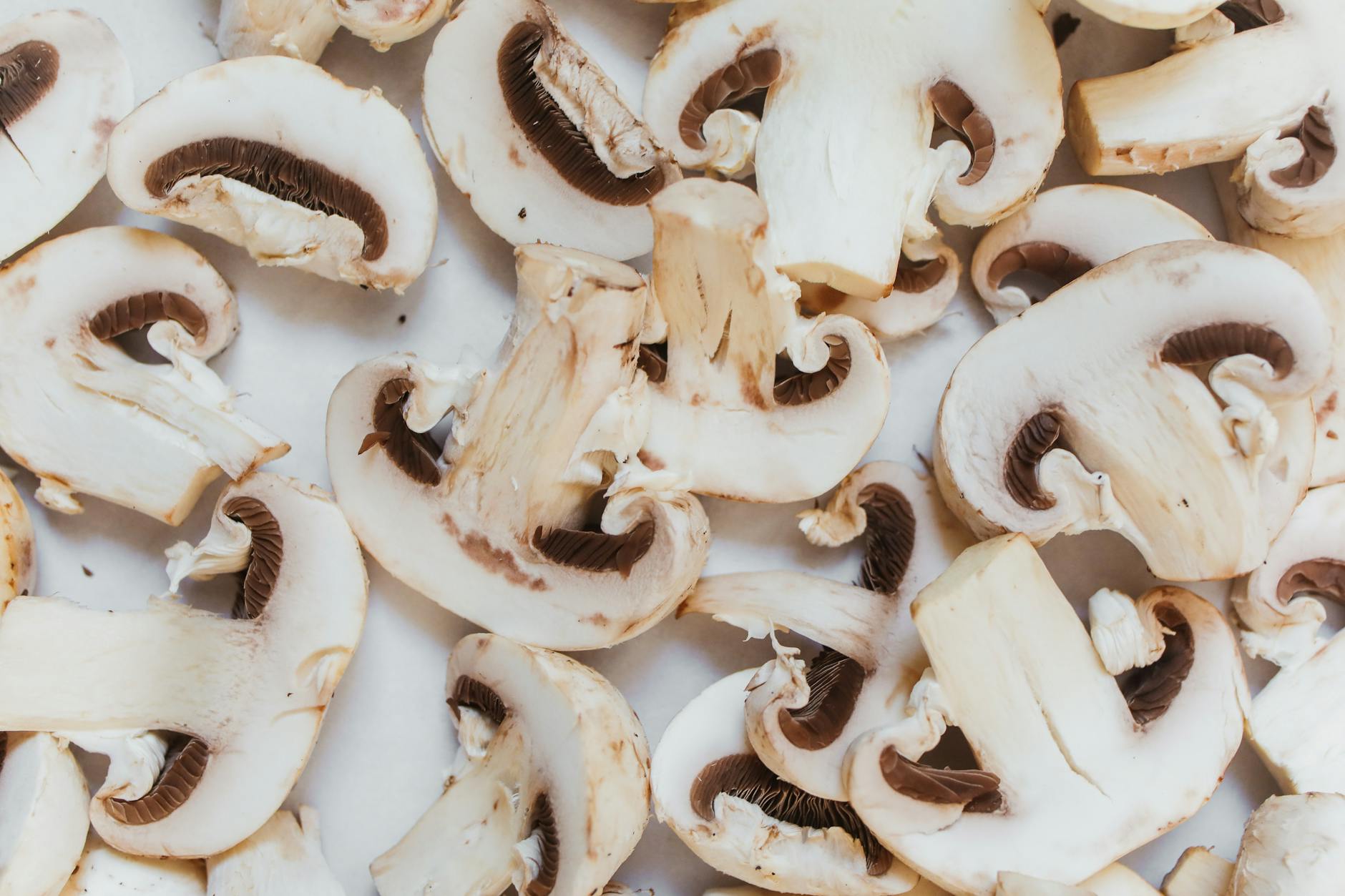
Raw edible fungi contain a naturally occurring compound called agaritine that can be mildly toxic when consumed in large quantities. Heating the caps and stems neutralizes this substance completely while simultaneously enhancing the overall flavor profile. The cooking process also helps to degrade their tough chitin cell walls to unlock valuable nutrients like potassium and zinc. A quick sauté yields a much safer and significantly more nutritious addition to any healthy diet.
Sweet Potatoes

These vibrant tubers require cooking to make their complex starches digestible and safe for human consumption. Baking or boiling them dramatically increases the availability of beta carotene and various essential vitamins. The heat breaks down the resistant starch molecules to provide a smooth texture and a steady release of natural energy. This preparation method transforms an inedible raw root into a highly nutritious and comforting dietary staple.
Brussels Sprouts
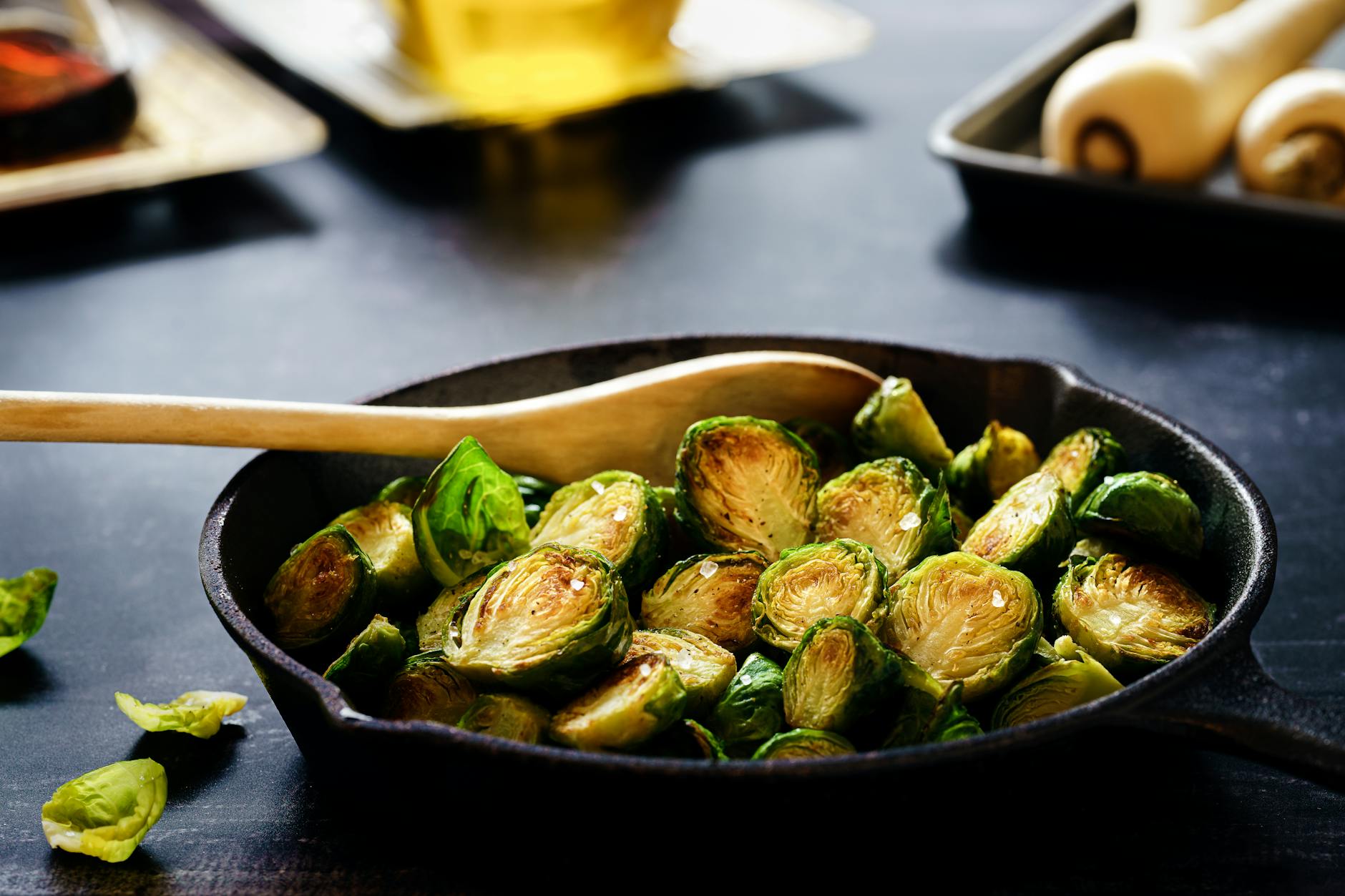
Consuming these cruciferous vegetables raw often leads to severe bloating and uncomfortable digestive issues due to their complex sugars. Roasting or steaming the miniature cabbages softens their dense fibers to make them much easier for the stomach to process. The thermal breakdown also triggers the release of disease fighting compounds called glucosinolates that support cellular defense mechanisms. The gentle cooking process transforms their naturally bitter taste into a savory and highly nutritious side dish.
Kale
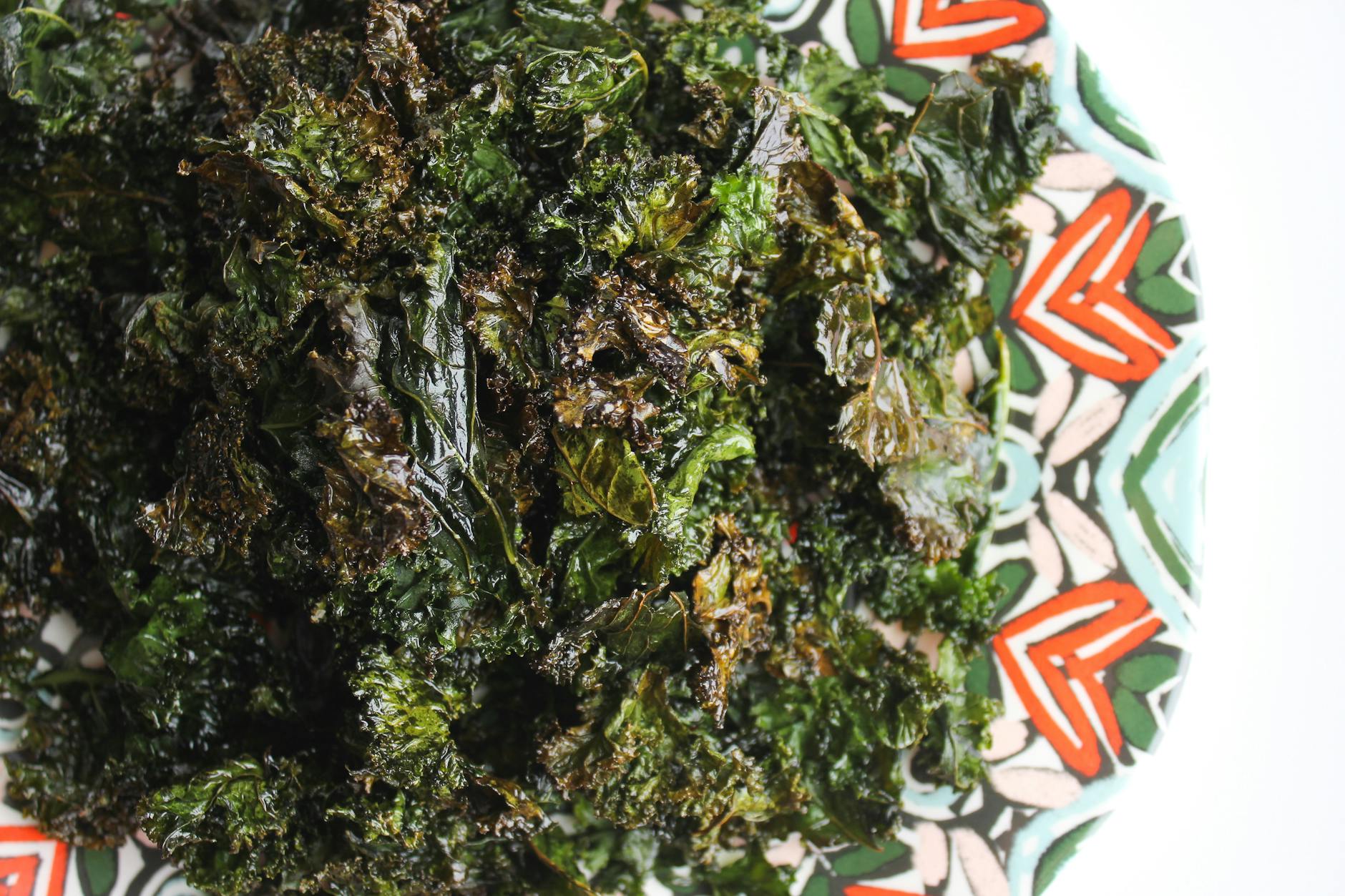
This popular superfood contains goitrogens which are natural substances that can interfere with normal thyroid function when eaten in large raw quantities. Steaming or boiling the dark green leaves effectively deactivates these compounds to protect your glandular health. The heat also softens the exceptionally tough cellulose structure to make the vegetable much easier to chew and digest properly. A light cooking process allows you to absorb its abundant calcium and iron content without any negative side effects.
Broccoli
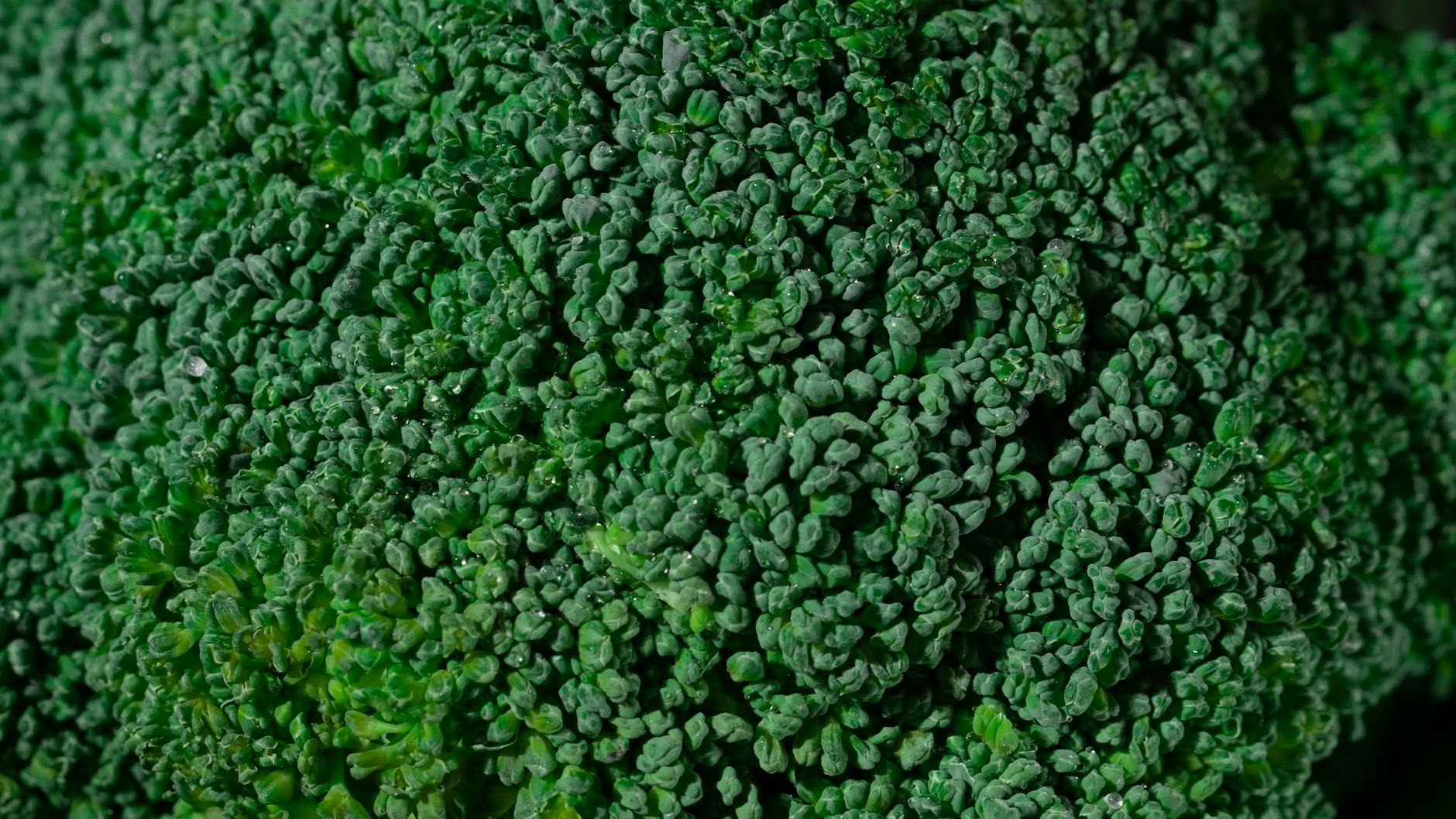
Lightly steaming these green florets actually preserves and enhances their potent antioxidant properties better than eating them completely raw. The careful application of heat activates an enzyme called myrosinase which helps the body absorb the beneficial compound sulforaphane. This specific chemical is widely studied for its ability to fight inflammation and protect cells from environmental damage. Avoiding overcooking ensures that you maximize these health benefits while maintaining a pleasant texture and vibrant color.
Cauliflower
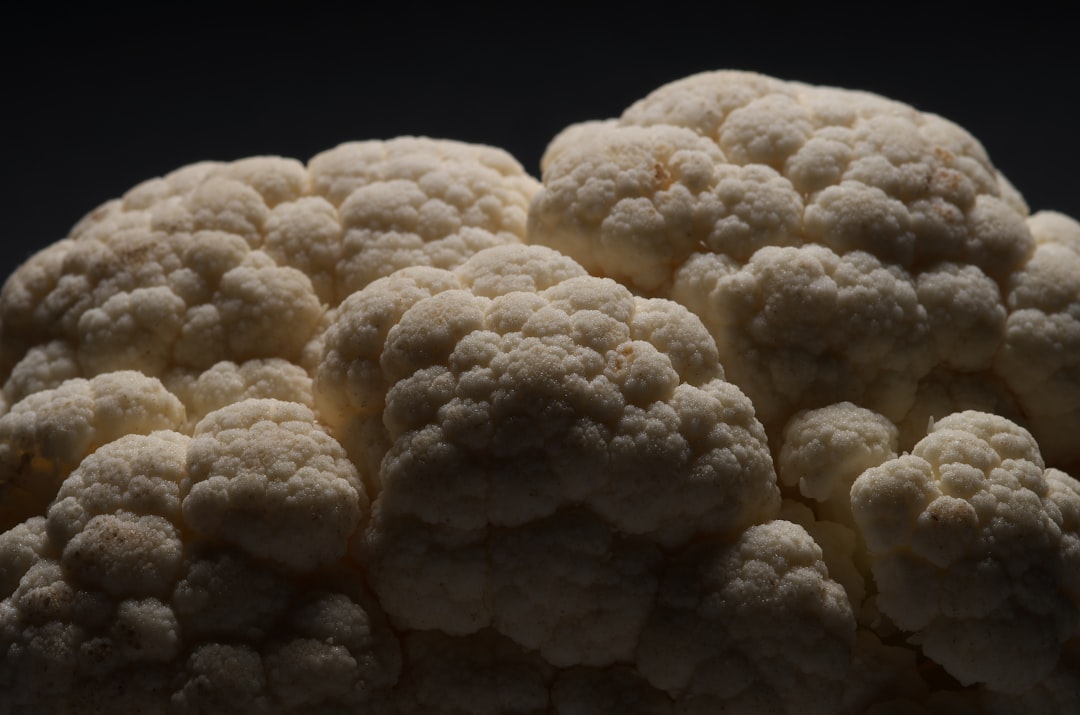
Similar to its green cousins in the cruciferous family this white vegetable can be exceptionally difficult to digest in its raw state. Cooking the florets breaks down the complex carbohydrates that typically cause uncomfortable gas and bloating in the digestive tract. The heating process also increases the bioavailability of its powerful antioxidant compounds to better support your immune system. Roasting or steaming provides a gentle way to unlock its full nutritional profile while creating a delicious and versatile meal base.
Bell Peppers
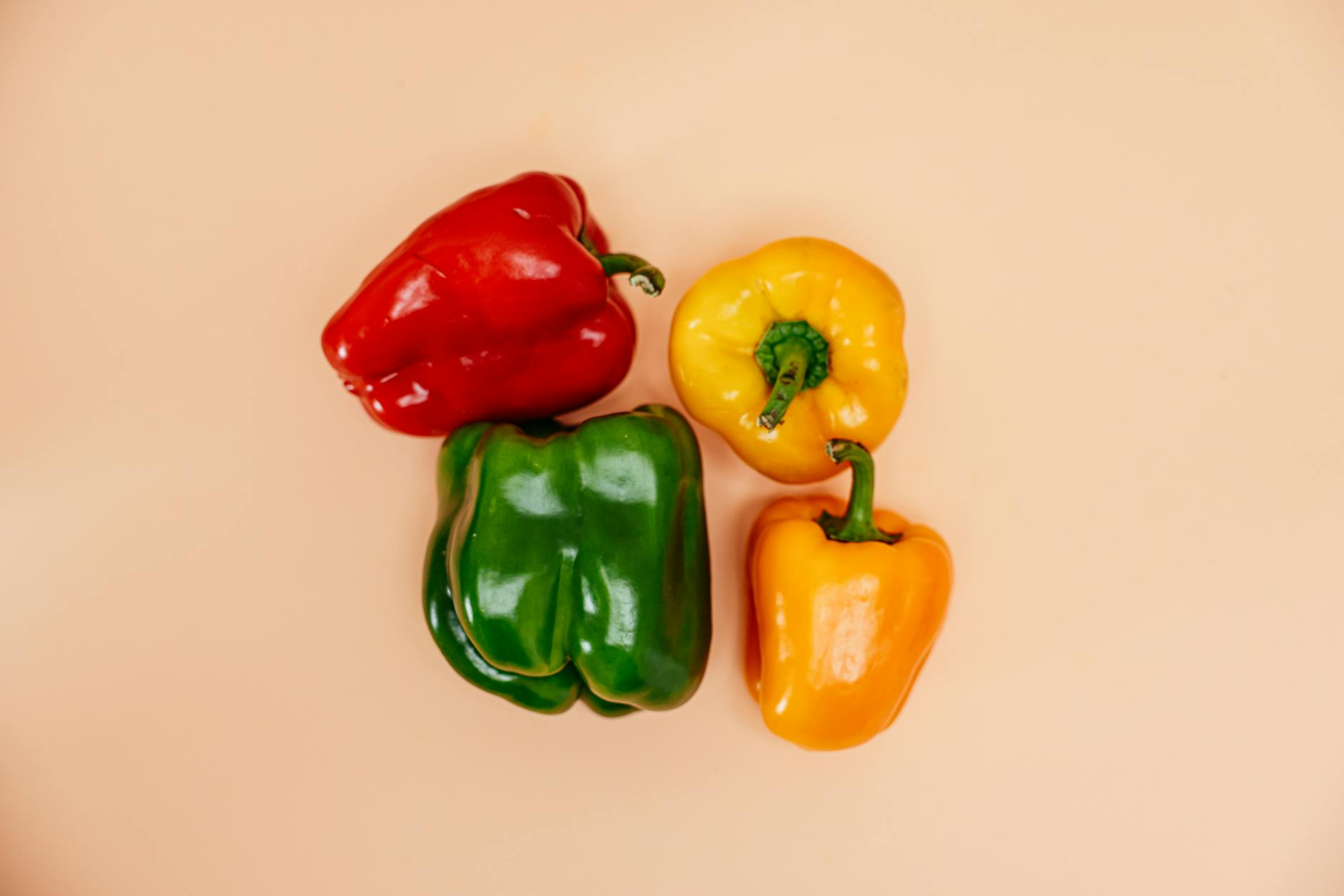
While these colorful vegetables are famous for their vitamin C content they also harbor valuable carotenoids that respond well to heat. Roasting or lightly cooking the thick walls breaks down the cellular matrix to release these important antioxidants into the body. This process makes compounds like beta carotene and lutein significantly easier for your digestive system to absorb and utilize. You can maximize this nutritional uptake by cooking them briefly with a small amount of healthy cooking oil.
Green Beans
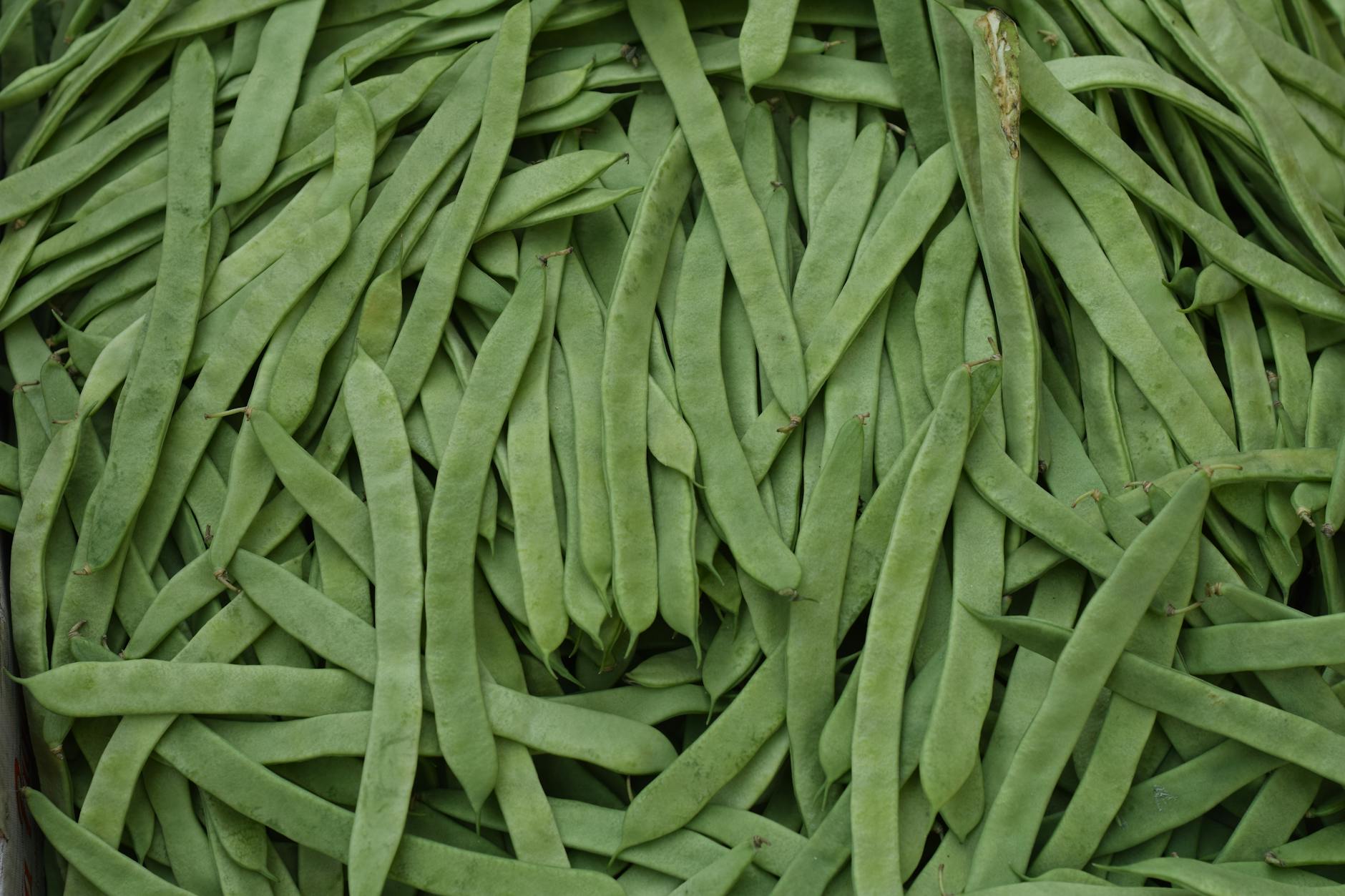
Raw green beans contain a type of protein called lectin that can cause significant digestive distress and nausea when consumed unheated. Boiling or steaming the pods neutralizes these harmful compounds completely to make the vegetable perfectly safe to eat. The cooking process also softens the fibrous outer casing to improve the overall digestibility and nutrient absorption rate. This simple culinary step transforms a potentially problematic raw ingredient into a healthy dietary staple.
Potatoes
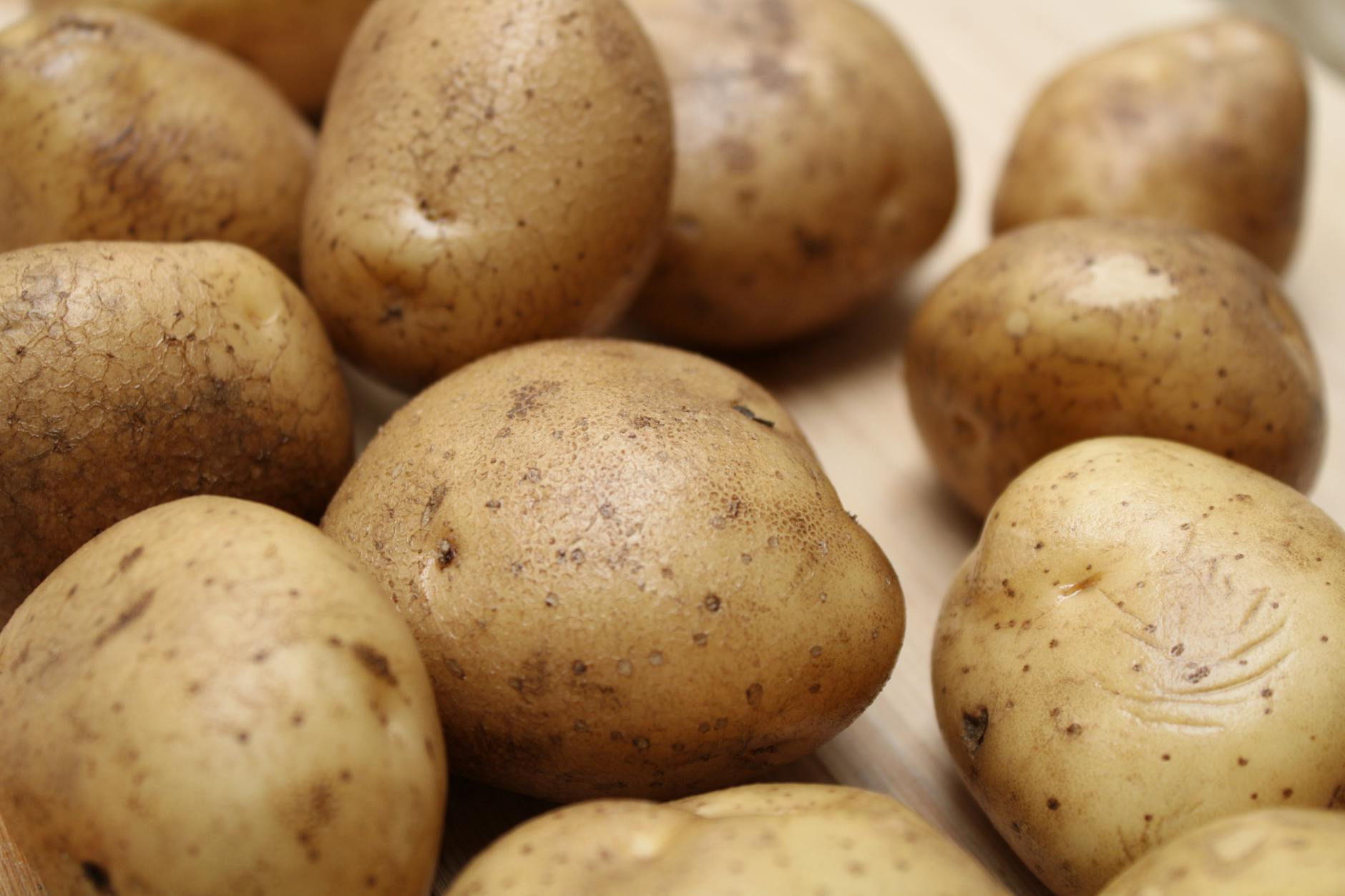
Standard white potatoes should never be consumed raw due to their high concentration of resistant starches and potentially toxic solanine compounds. Baking or boiling the tubers eliminates the toxins while converting the tough starches into an easily digestible and comforting food source. The application of heat fundamentally alters the chemical structure to provide a valuable source of potassium and vitamin C. Proper cooking ensures that this globally popular crop remains both completely safe and highly nutritious for daily consumption.
Zucchini
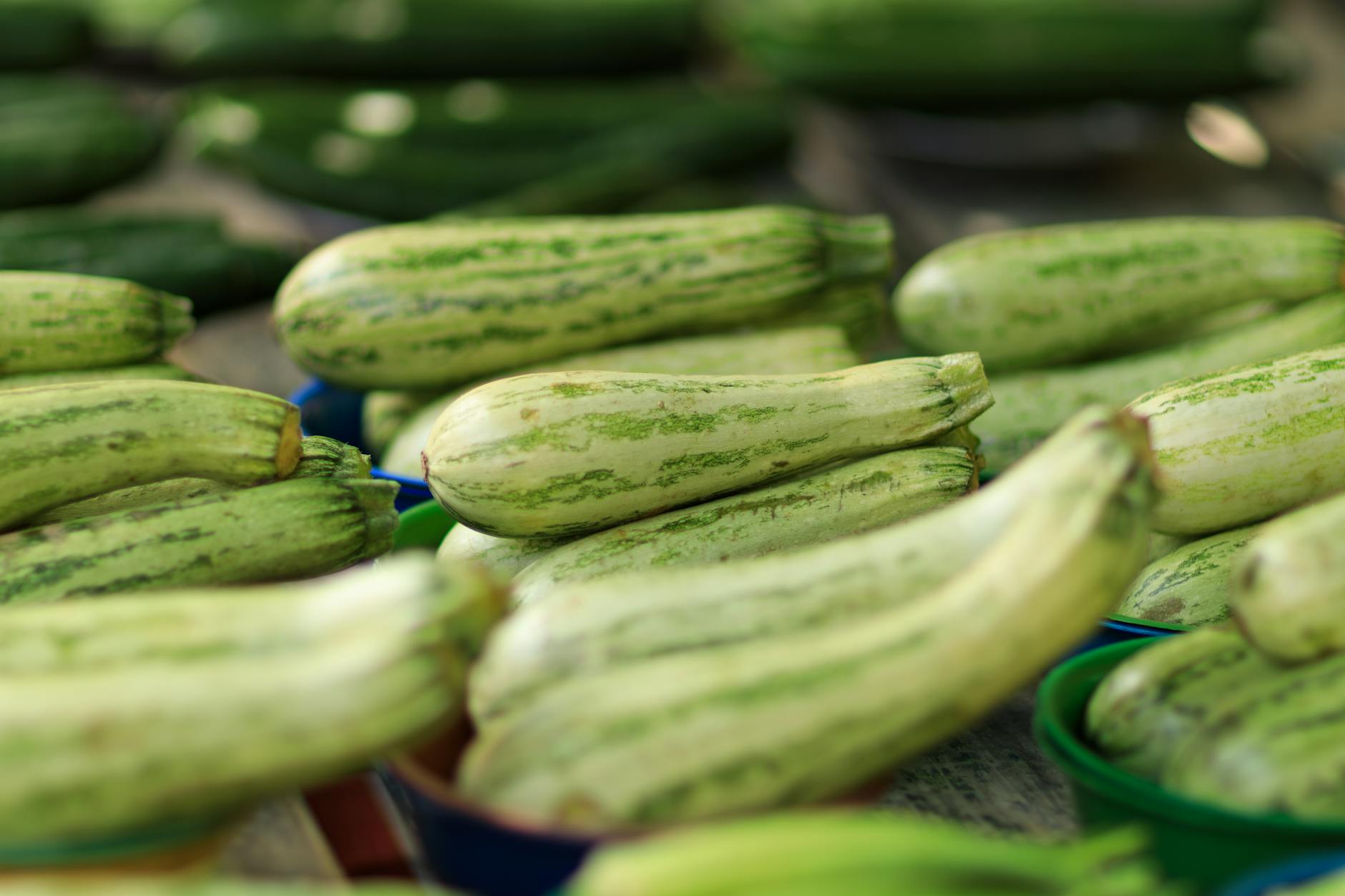
Cooking this prolific summer squash significantly increases its antioxidant capacity compared to eating it fresh off the vine. The heating process softens the skin and flesh to release beneficial nutrients like beta carotene and lutein for easier absorption. Boiling or steaming the vegetable also breaks down its tough dietary fiber to prevent gastrointestinal discomfort after eating. The tenderized final product provides a versatile and highly nutritious addition to soups and warm vegetable medleys.
Eggplant
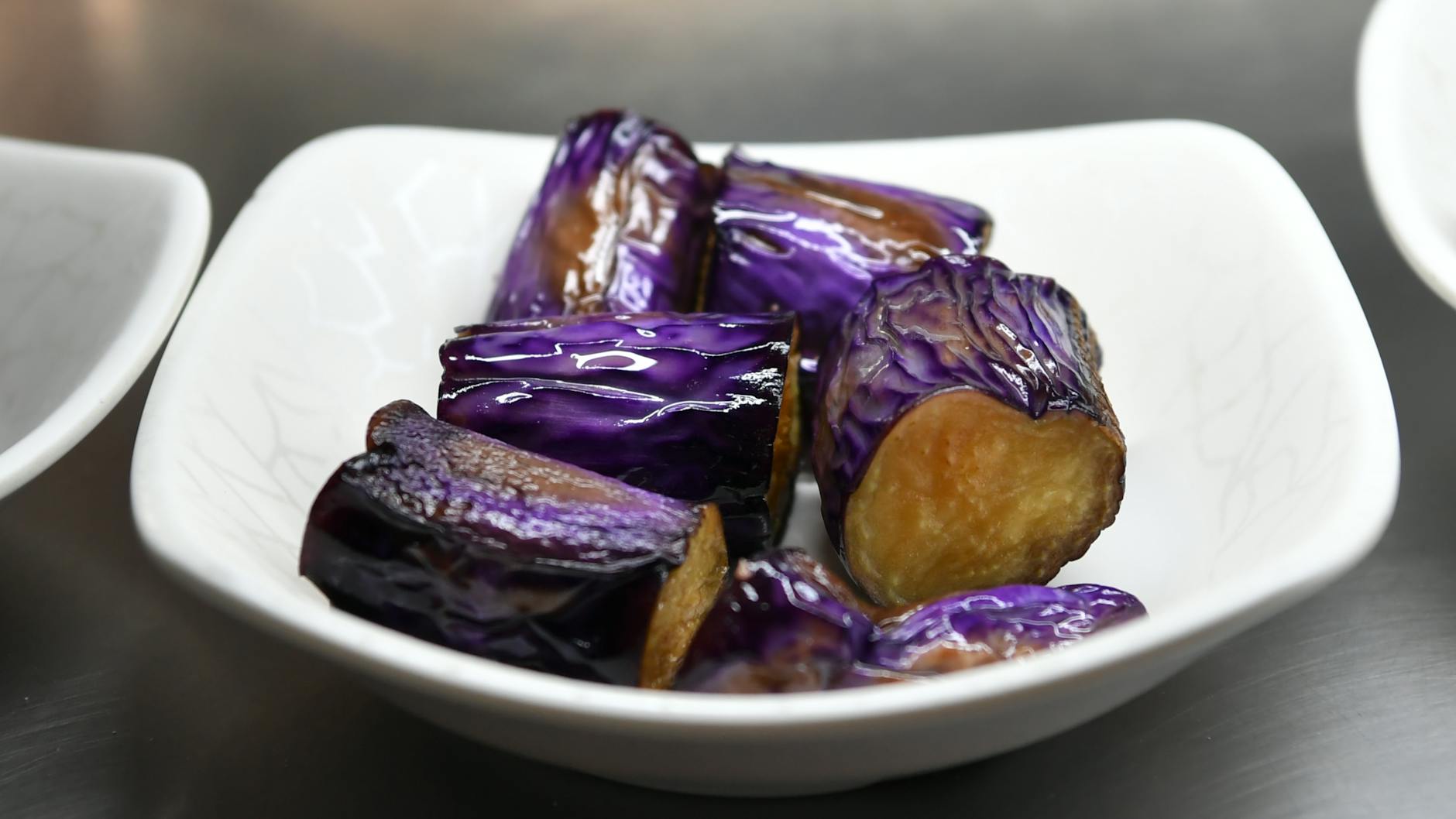
This purple nightshade contains a bitter compound called solanine that can upset the stomach if eaten without proper thermal preparation. Roasting or grilling the fleshy vegetable breaks down this chemical to render it completely safe and pleasant to consume. The cooking process also acts as a sponge to absorb healthy cooking oils which helps the body absorb its fat soluble vitamins. The heat transforms the spongy raw texture into a rich and savory nutritional powerhouse.
Pumpkin

The incredibly thick skin and dense raw flesh of this autumn gourd make it nearly impossible for humans to digest safely without heat. Baking or boiling the vibrant orange meat breaks down its complex carbohydrates and makes its massive beta carotene content highly bioavailable. This vital nutrient converts to vitamin A in the body to promote excellent skin health and robust immune function. The cooking process unlocks the sweet flavor and essential vitamins trapped within the tough cellular structure.
Artichokes

The tough protective leaves of this unique thistle require extensive cooking before they can be safely consumed and digested by humans. Boiling or steaming the vegetable breaks down the rigid fibrous barriers to release powerful antioxidants like cynarin and silymarin. These specific compounds are highly valued for their ability to support liver health and promote efficient daily digestion. The transformation from an impenetrable raw plant to a tender delicacy maximizes its impressive nutritional value.
Cabbage
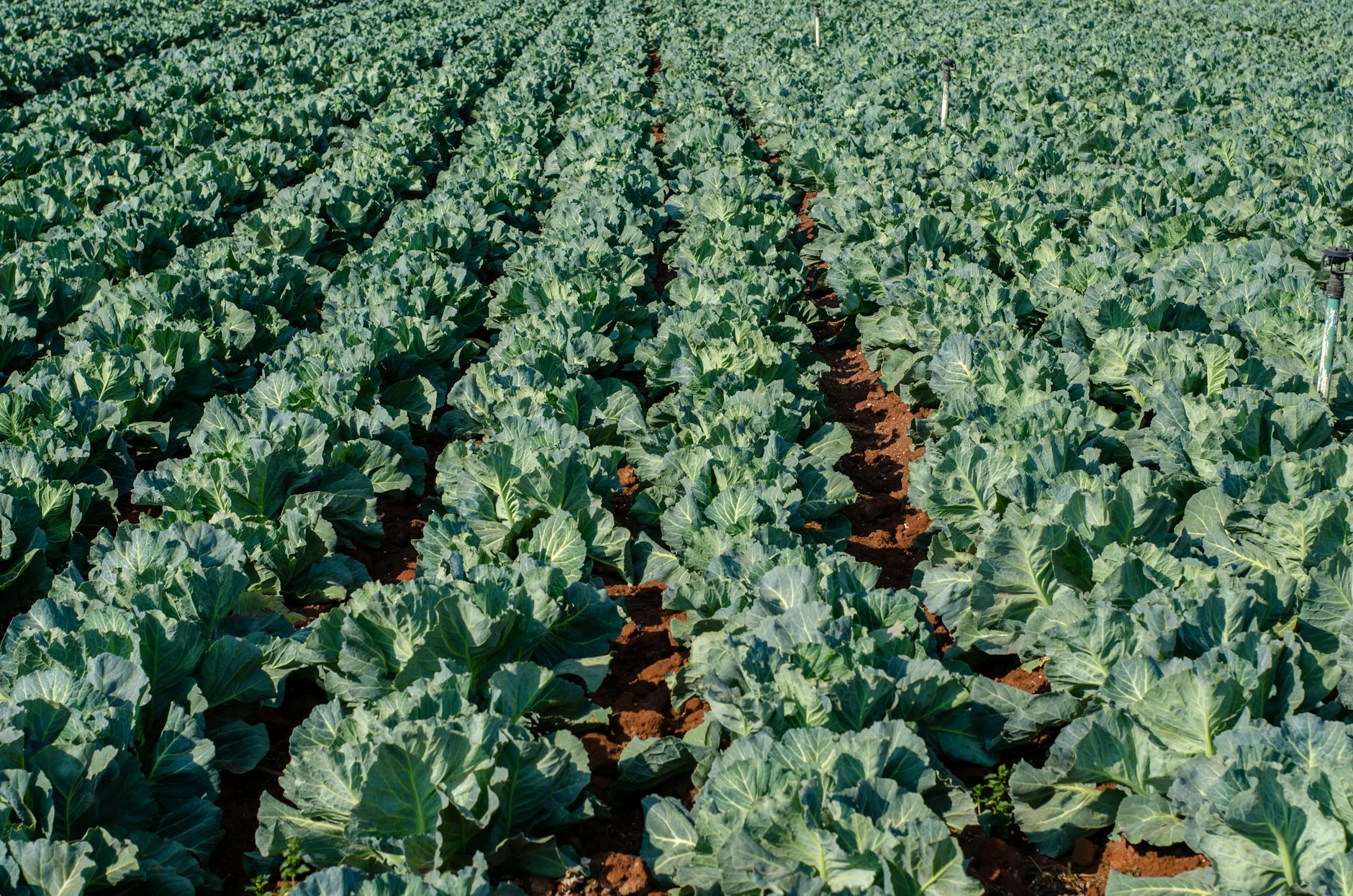
Eating this dense leafy vegetable raw can often introduce difficult fibers into the digestive system that cause excessive bloating. A light braise or steam softens these fibrous cell walls to make the nutrients much more accessible to the human stomach. The gentle application of heat also increases the availability of certain health promoting compounds while preserving its abundant vitamin K content. This cooking method provides all the health benefits of the cruciferous family without any of the uncomfortable digestive side effects.
Swiss Chard
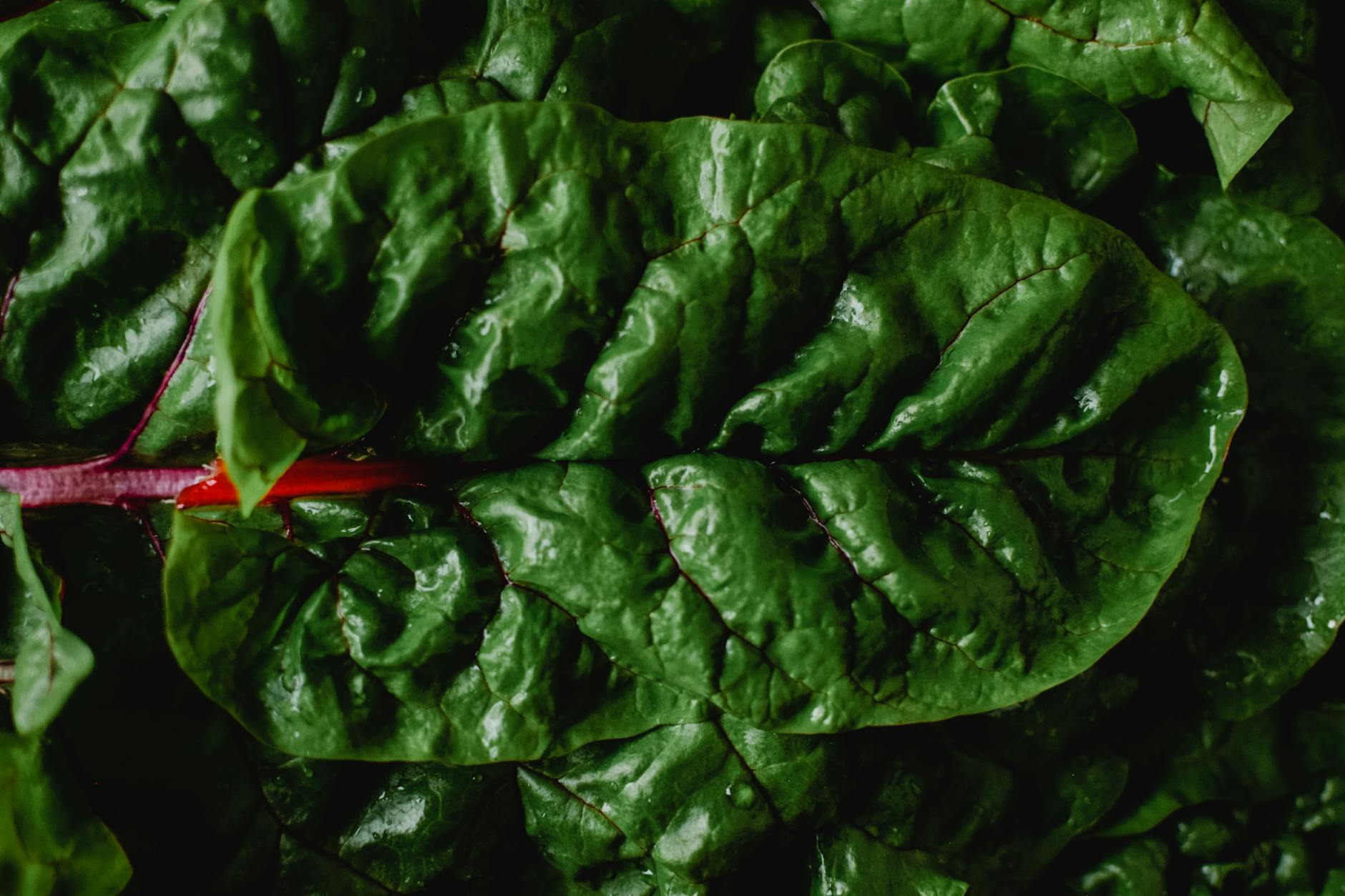
Much like other dark leafy greens this vibrant vegetable contains high levels of oxalic acid that inhibit mineral absorption in the body. Lightly cooking the leaves and stems dramatically reduces this acid content to free up essential calcium and magnesium for digestion. The heat wilts the massive leaves into a manageable portion so you can easily consume a higher concentration of beneficial nutrients. A quick sauté ensures that your body actually receives the minerals that make this plant so famous.
Rhubarb
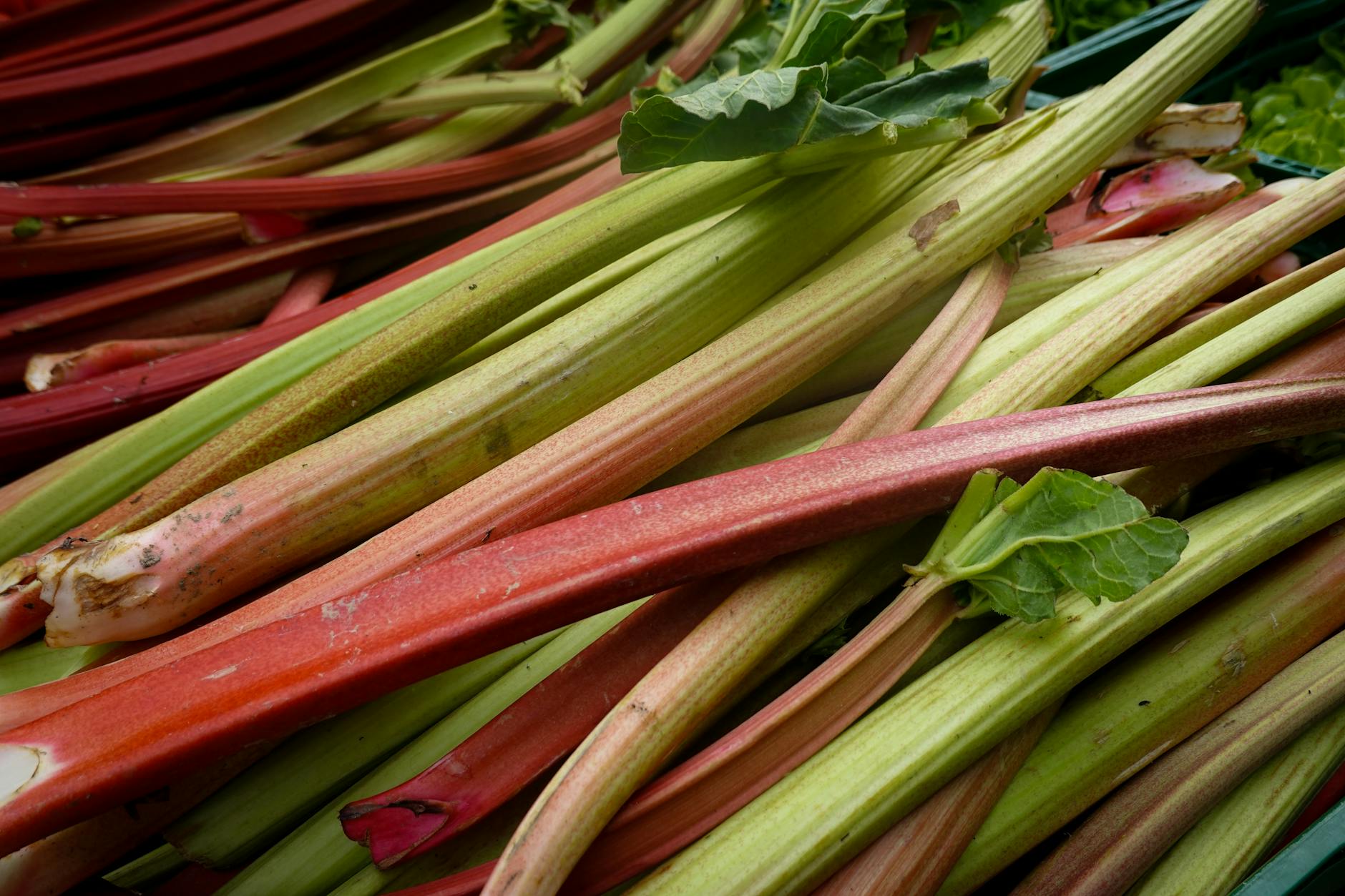
The stalks of this tart plant contain extremely high levels of oxalic acid that can be harsh on the digestive system when eaten raw. Cooking the fibrous stems significantly reduces this acidic concentration while simultaneously softening the remarkably tough texture. The intense heat breaks down the cellular walls to release potent antioxidants that help combat harmful inflammation in the body. This necessary preparation method transforms a highly astringent raw stalk into a safe and beneficial culinary ingredient.
Apples

While crisp raw apples are a healthy snack the process of baking them actually increases their measurable antioxidant levels. The heat breaks down the thick cellular walls within the fruit to release beneficial compounds like pectin more readily into the digestive tract. This soluble fiber is excellent for promoting a healthy gut microbiome and maintaining stable blood sugar levels throughout the day. The gentle cooking process creates a soothing and highly nutritious alternative to the standard raw fruit presentation.
Peaches
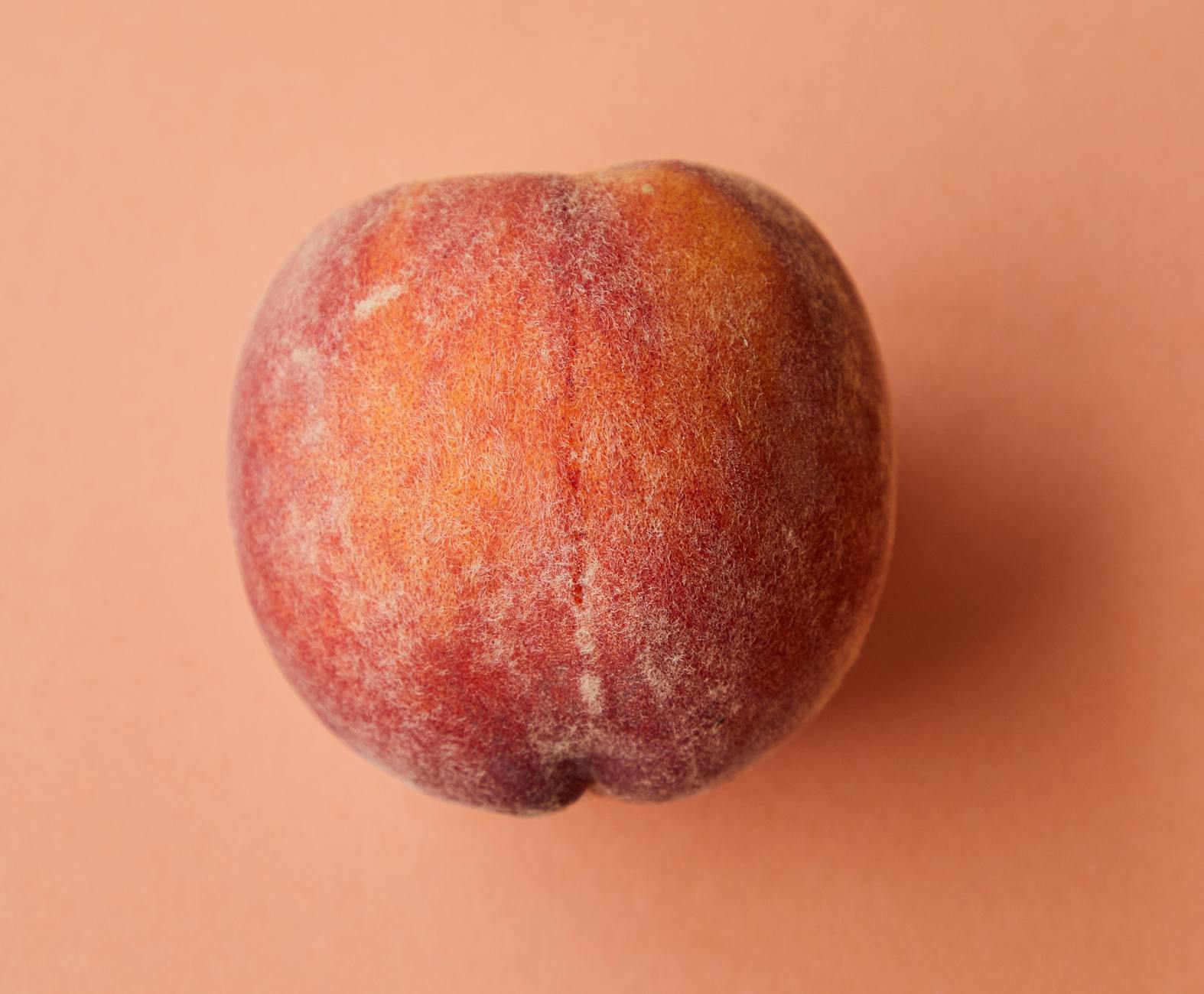
Grilling or baking these fuzzy stone fruits enhances the bioavailability of their natural vitamins by breaking down the firm flesh. The application of heat intensifies the availability of beta carotene which is crucial for maintaining optimal eye health and clear vision. The cooking process also softens the dietary fiber to make it much gentler on the stomach during the digestive cycle. This warm preparation method easily maximizes the nutritional yield of the sweet summer harvest.
Beets
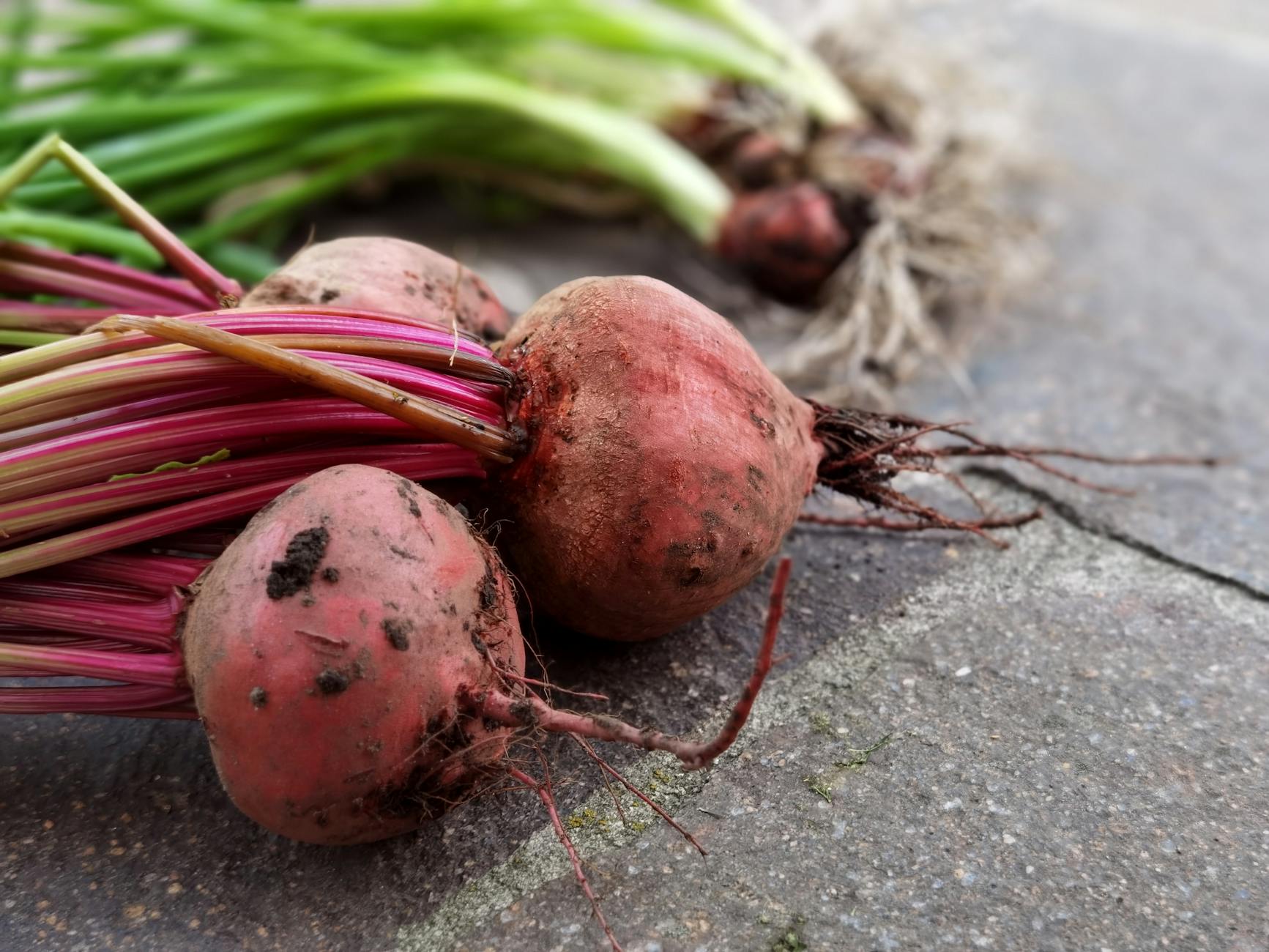
Roasting these earthy root vegetables is essential for breaking down their incredibly dense and fibrous cellular structure. The heat makes their abundant folate and potassium content much easier for the human digestive system to absorb and utilize efficiently. The cooking process also helps to neutralize the naturally occurring oxalates that can sometimes interfere with calcium absorption in the body. A slow roast ensures that you reap the maximum cardiovascular benefits from these vibrant red plants.
Black Beans
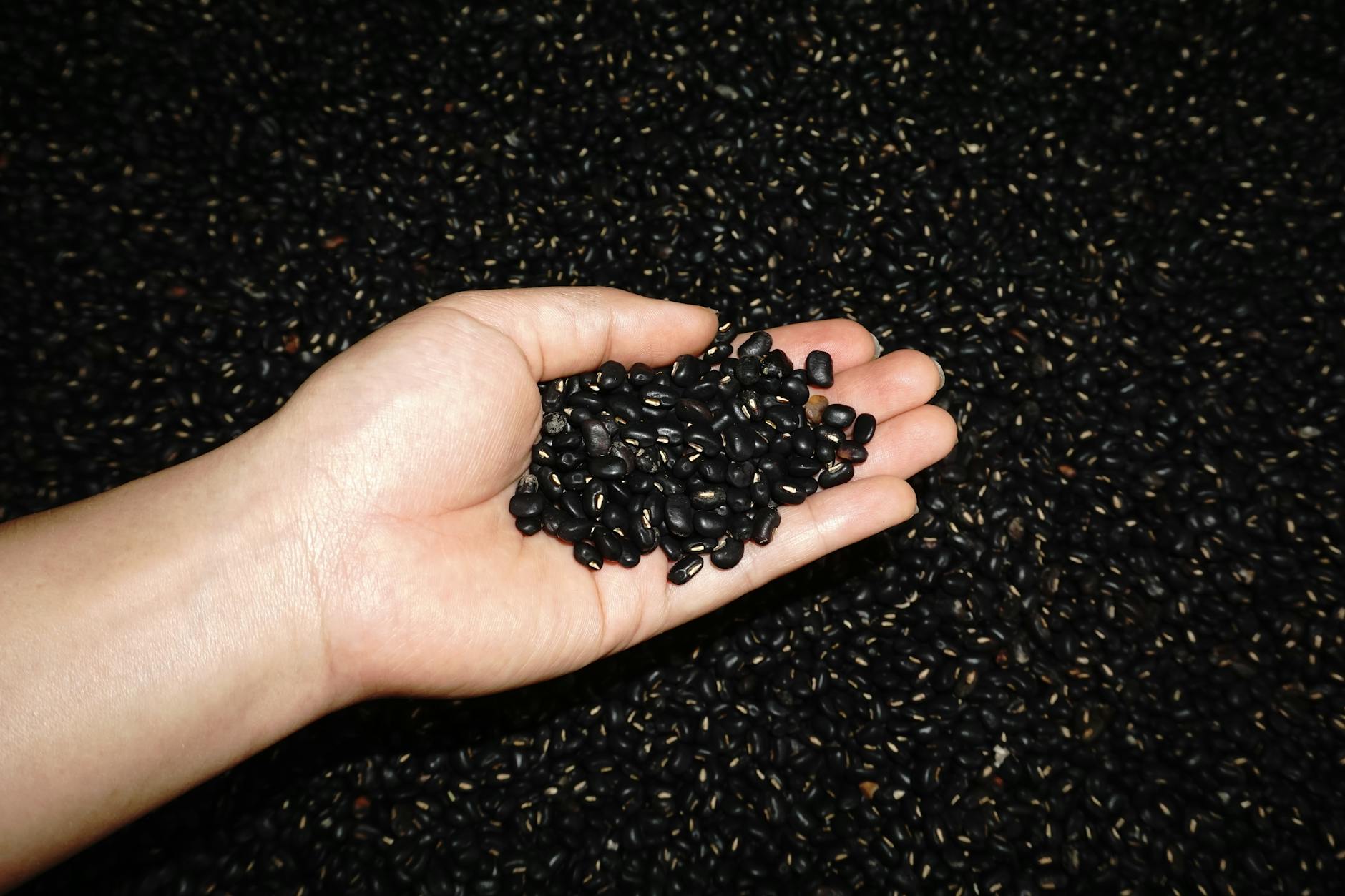
Raw legumes contain dangerous levels of a toxic protein called phytohemagglutinin that causes severe gastrointestinal distress. Boiling the beans for an extended period completely eradicates this toxin to make them incredibly nutritious and safe to eat. The necessary cooking process also softens the complex dietary fibers and complex starches to facilitate proper human digestion. This mandatory thermal preparation unlocks a massive amount of plant sourced protein and essential daily minerals.
Chickpeas
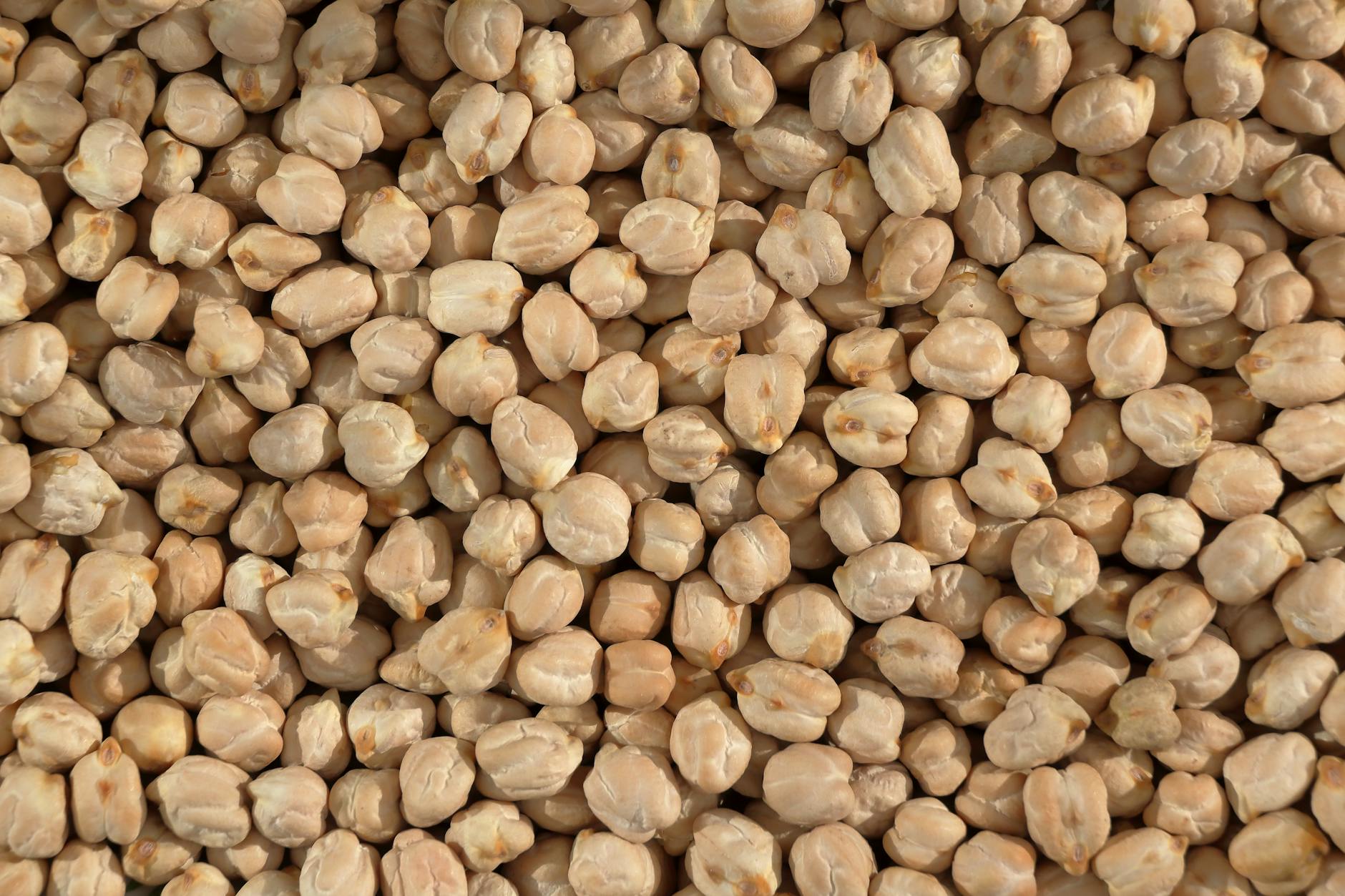
These hard little legumes are completely inedible and potentially harmful to the digestive tract in their natural raw state. Proper soaking and thorough boiling breaks down their complex sugars and eliminates naturally occurring antinutrients entirely. The extensive cooking process makes their abundant protein and dietary fiber easily accessible for the body to absorb and use for energy. This transformation provides a highly nutritious foundation for countless healthy meals and traditional dishes.
Please share your favorite ways to cook these healthy ingredients in the comments.