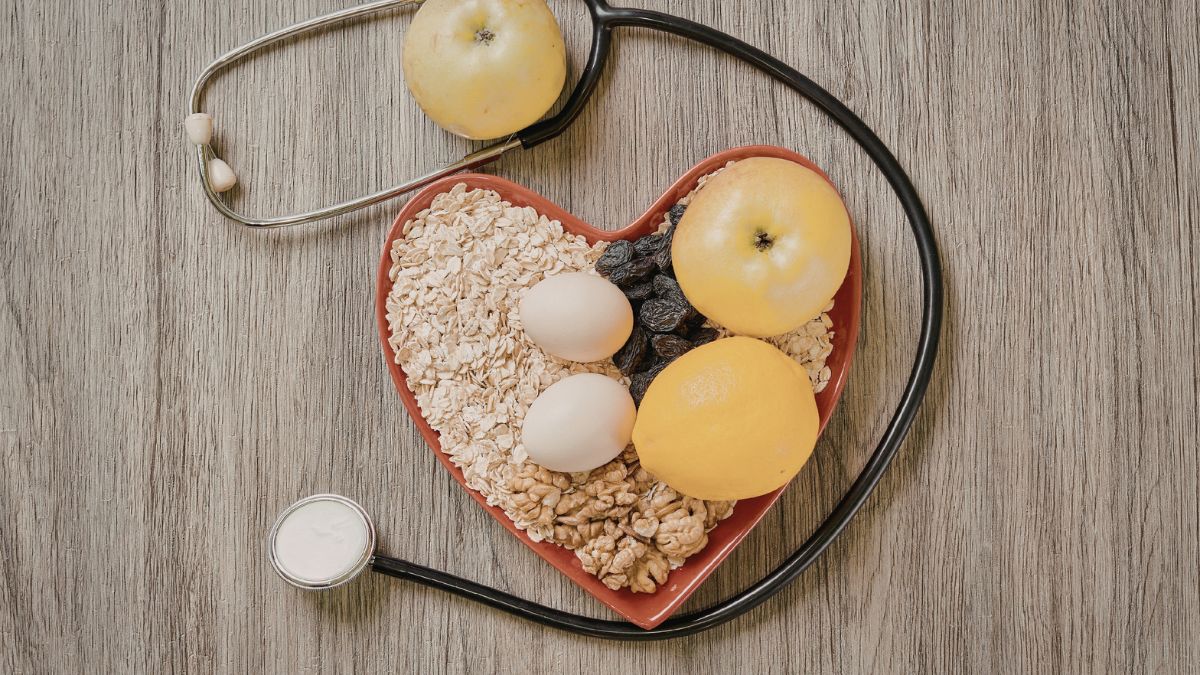
Your heart works every second of every day, and the food you eat plays a direct role in how well it performs over time. Research consistently shows that dietary choices are among the most powerful tools available for maintaining cardiovascular health and reducing the risk of heart disease. Certain foods stand out for their ability to lower blood pressure, reduce inflammation, improve cholesterol levels, and support overall heart function. Building a diet around these proven options is one of the most meaningful investments you can make in your long-term wellbeing.
Salmon

Salmon is one of the most well-researched foods for cardiovascular support, largely due to its high concentration of omega-3 fatty acids. These healthy fats help reduce triglyceride levels in the blood and lower the risk of irregular heartbeats. Regular consumption has been linked to reduced inflammation throughout the cardiovascular system. Wild-caught salmon tends to offer a particularly rich nutrient profile including protein, B vitamins, and selenium. Adding it to meals two to three times per week is a widely recommended dietary habit for heart health.
Blueberries

Blueberries are packed with anthocyanins, the natural compounds responsible for their deep blue color and their powerful antioxidant properties. These antioxidants help neutralize free radicals that can damage blood vessels and contribute to arterial stiffness over time. Studies have associated regular blueberry intake with lower blood pressure and improved endothelial function. They are also a good source of fiber, which supports healthy cholesterol levels. Fresh or frozen, blueberries are an easy and versatile addition to a heart-conscious diet.
Oats
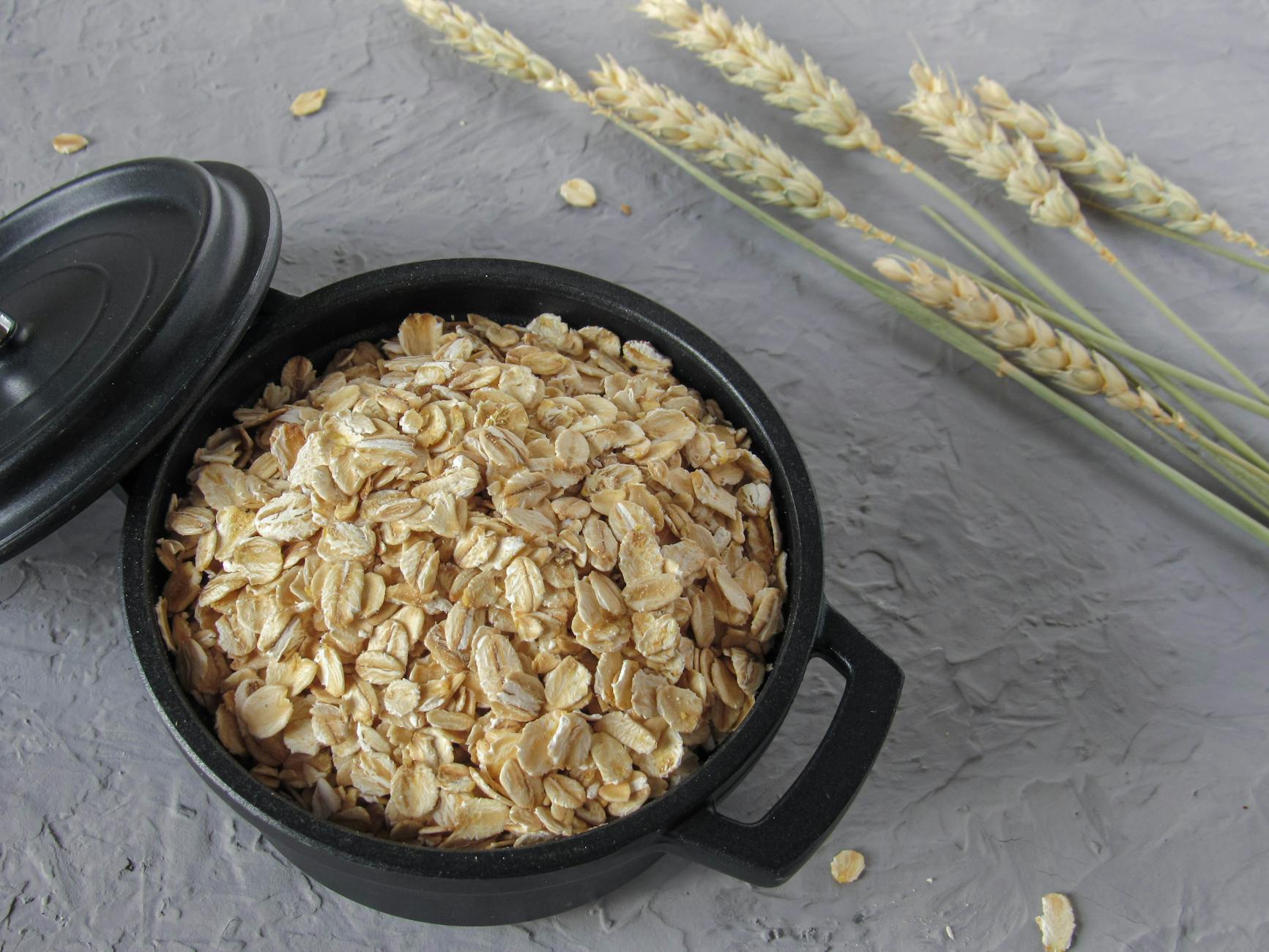
Oats contain a specific type of soluble fiber called beta-glucan, which has been extensively studied for its cholesterol-lowering effects. This fiber forms a gel-like substance in the digestive tract that binds to cholesterol and helps remove it from the body before it can enter the bloodstream. Eating oats regularly is associated with meaningful reductions in LDL cholesterol levels. They also provide a steady release of energy that helps maintain stable blood sugar throughout the morning. A bowl of plain oatmeal topped with fruit is considered one of the most heart-friendly breakfast choices available.
Walnuts
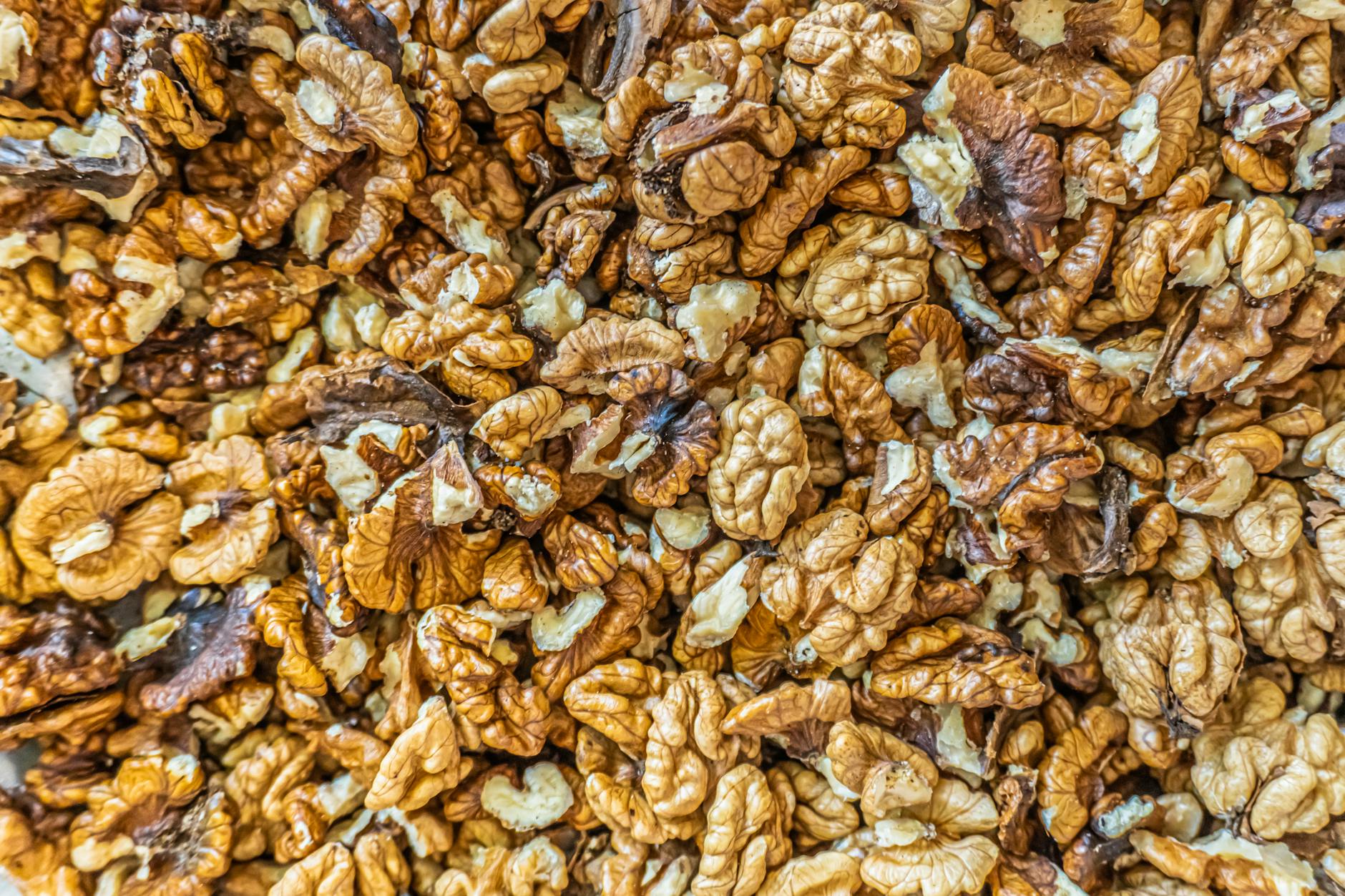
Walnuts are one of the few plant-based sources of alpha-linolenic acid, a type of omega-3 fatty acid that supports heart health in the absence of fish. They are also rich in magnesium, copper, and antioxidants that work together to reduce oxidative stress in blood vessels. Research suggests that eating a small handful of walnuts daily can improve cholesterol profiles and reduce inflammation markers. Their combination of healthy fats, fiber, and plant compounds makes them uniquely beneficial compared to other nut varieties. Walnuts are most effective when eaten raw and unsalted as part of a balanced diet.
Avocado
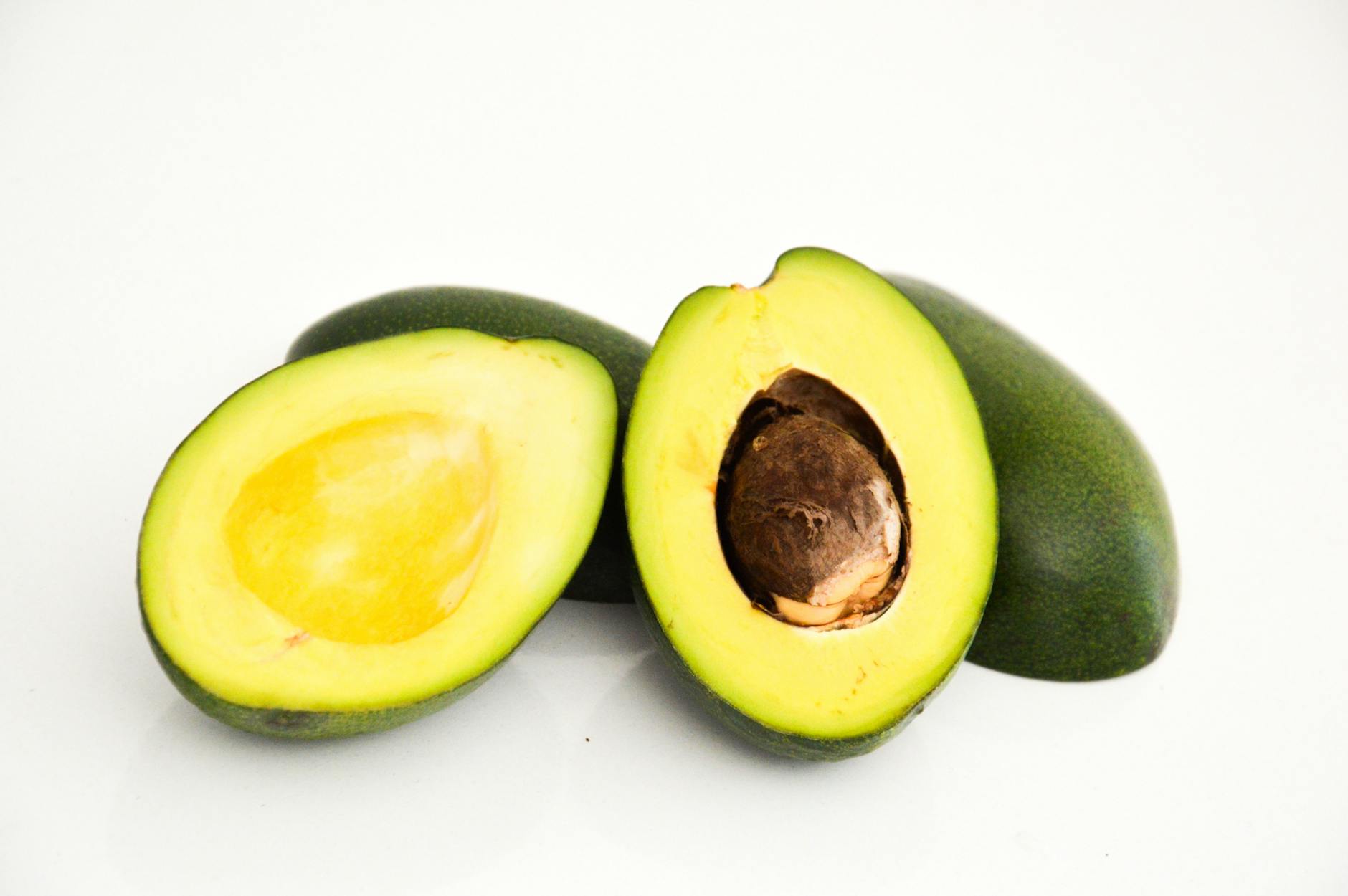
Avocados are an exceptional source of monounsaturated fats, particularly oleic acid, which is associated with reduced LDL cholesterol and improved heart health markers. They are also rich in potassium, a mineral that plays a key role in regulating blood pressure by counteracting the effects of sodium. The fiber content in avocados further contributes to healthy cholesterol levels and digestive function. Avocados also provide folate and vitamin K, both of which support vascular health in important ways. Their creamy texture and mild flavor make them a simple swap for less heart-friendly fats like butter or mayonnaise.
Olive Oil
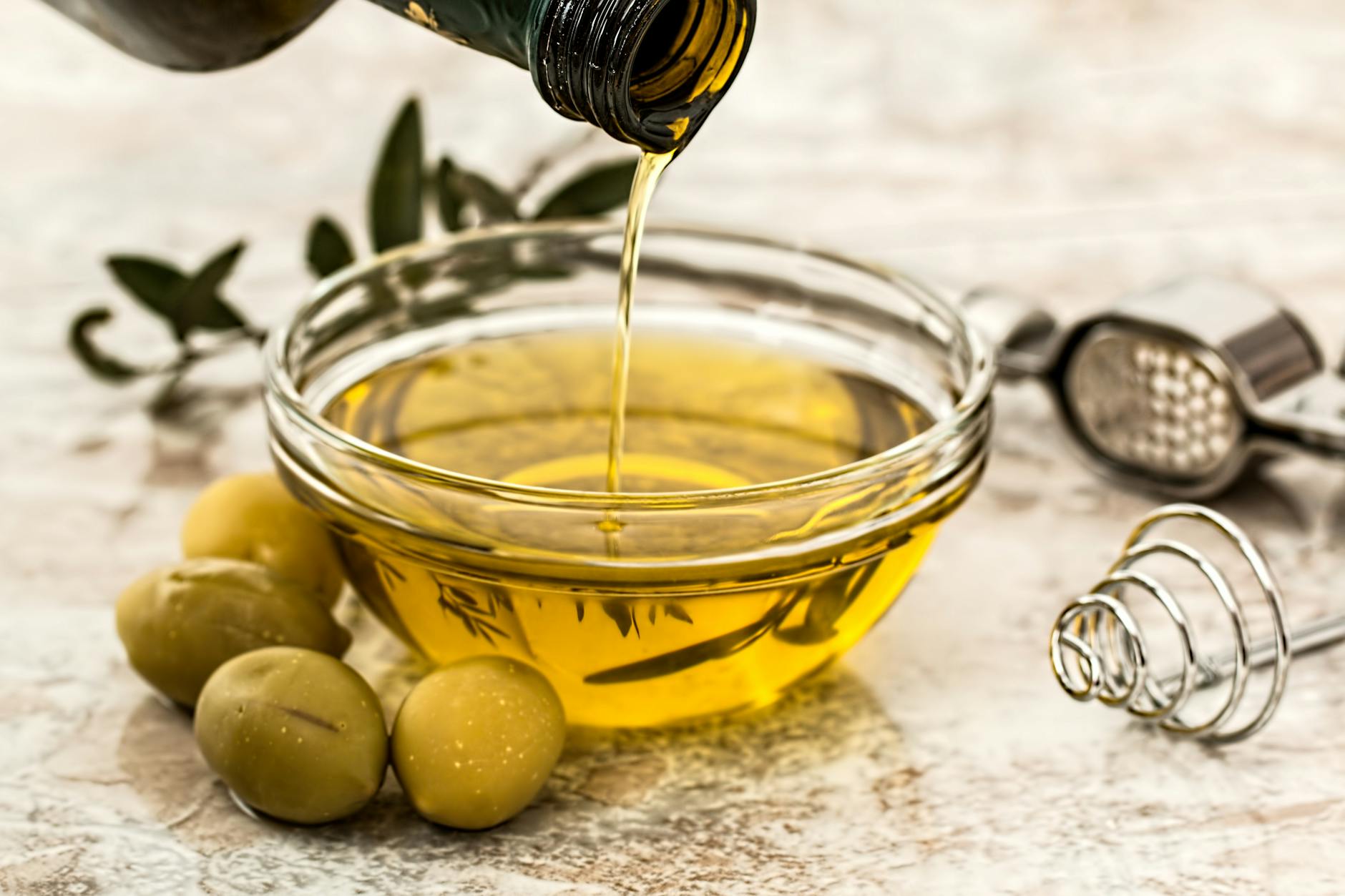
Extra virgin olive oil is a cornerstone of the Mediterranean diet, which is widely regarded as one of the most heart-protective eating patterns in the world. It is abundant in oleocanthal and other polyphenols that have demonstrated anti-inflammatory effects at the cellular level. Using olive oil as a primary cooking fat has been associated with lower rates of cardiovascular disease in population studies conducted across multiple countries. It also helps the body absorb fat-soluble vitamins from vegetables when used as a dressing or cooking medium. Cold-pressed extra virgin varieties retain the highest concentration of beneficial compounds.
Dark Chocolate

Dark chocolate with a high cocoa content contains flavonoids called flavanols that have been shown to support heart health in several meaningful ways. These compounds help relax blood vessels, lower blood pressure, and reduce the tendency of platelets to clump together and form dangerous clots. The magnesium content in dark chocolate also contributes to normal heart rhythm and muscle function. Choosing varieties with at least seventy percent cocoa ensures a meaningful flavanol content while keeping sugar levels relatively low. Moderate consumption of one to two small squares per day is considered beneficial rather than indulgent when the right variety is chosen.
Leafy Greens
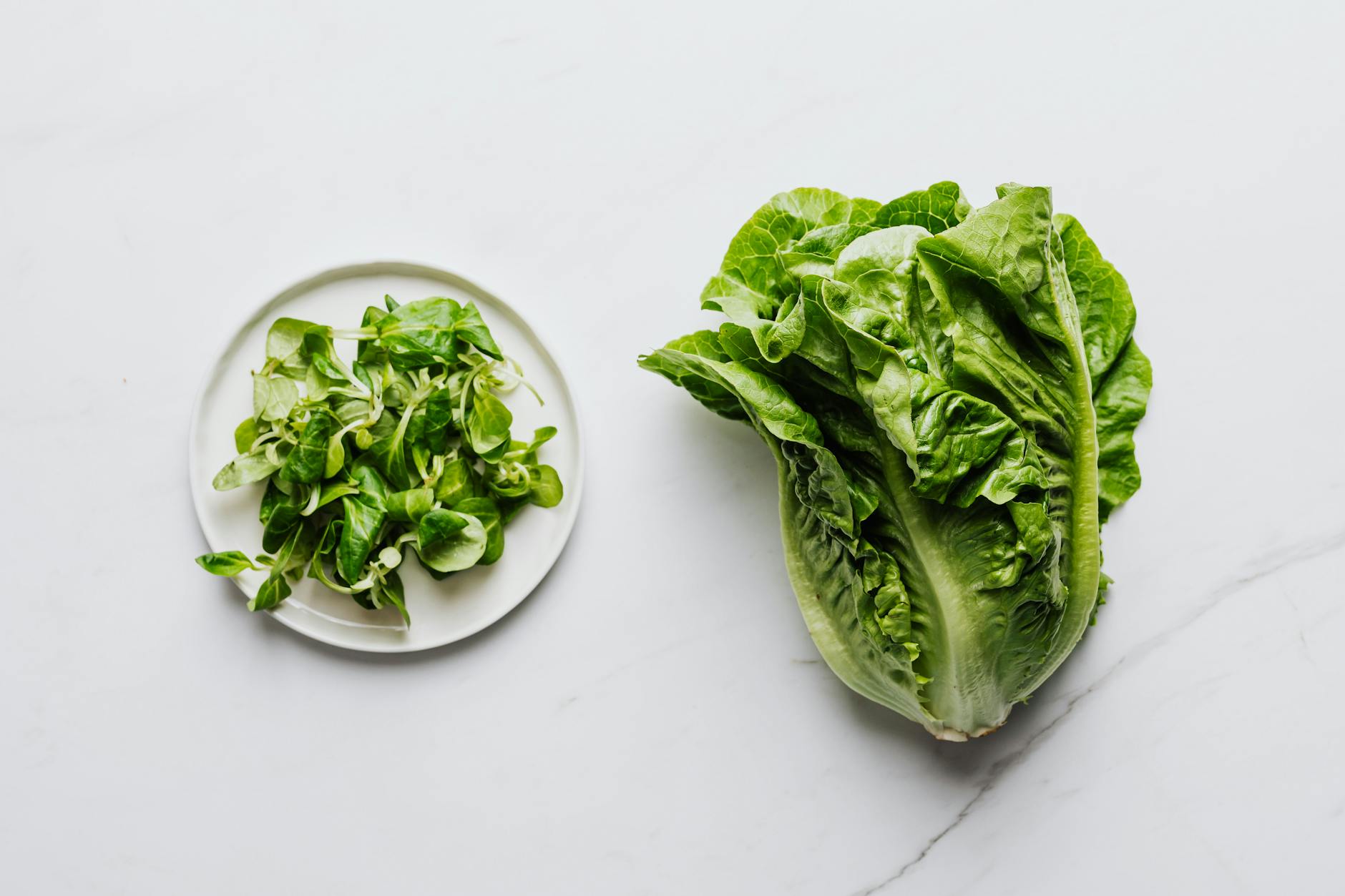
Leafy greens such as spinach, kale, Swiss chard, and arugula are among the most nutrient-dense foods available for cardiovascular health. They are particularly high in dietary nitrates, which the body converts into nitric oxide, a compound that relaxes blood vessels and reduces blood pressure. Their vitamin K content plays a role in arterial health by helping prevent calcium buildup in the walls of blood vessels. Leafy greens are also rich in antioxidants including lutein and beta-carotene, which protect the cardiovascular system from oxidative damage. Eating a generous portion of cooked or raw greens daily is one of the simplest dietary shifts for improving heart health outcomes.
Berries
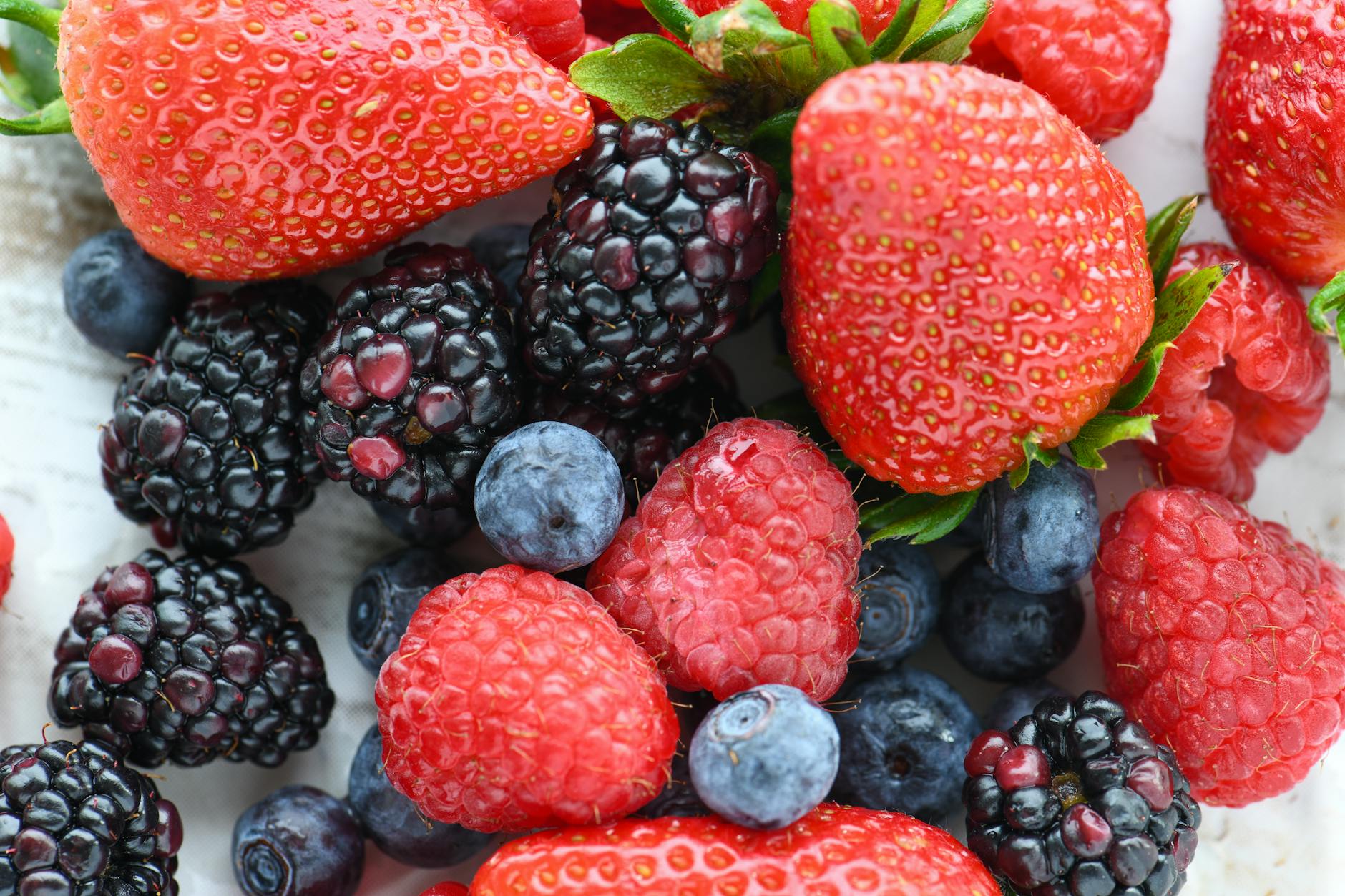
Beyond blueberries, a wide variety of berries including strawberries, raspberries, blackberries, and cranberries offer significant cardiovascular benefits. They are rich in polyphenols, vitamin C, and fiber, all of which contribute to healthier blood pressure and reduced arterial inflammation. Regular berry consumption has been associated with improved HDL cholesterol levels and better arterial flexibility in multiple clinical studies. Their natural sweetness makes them a satisfying alternative to processed desserts and sugary snacks. Rotating through different berry varieties ensures a broad spectrum of beneficial plant compounds in the diet.
Legumes
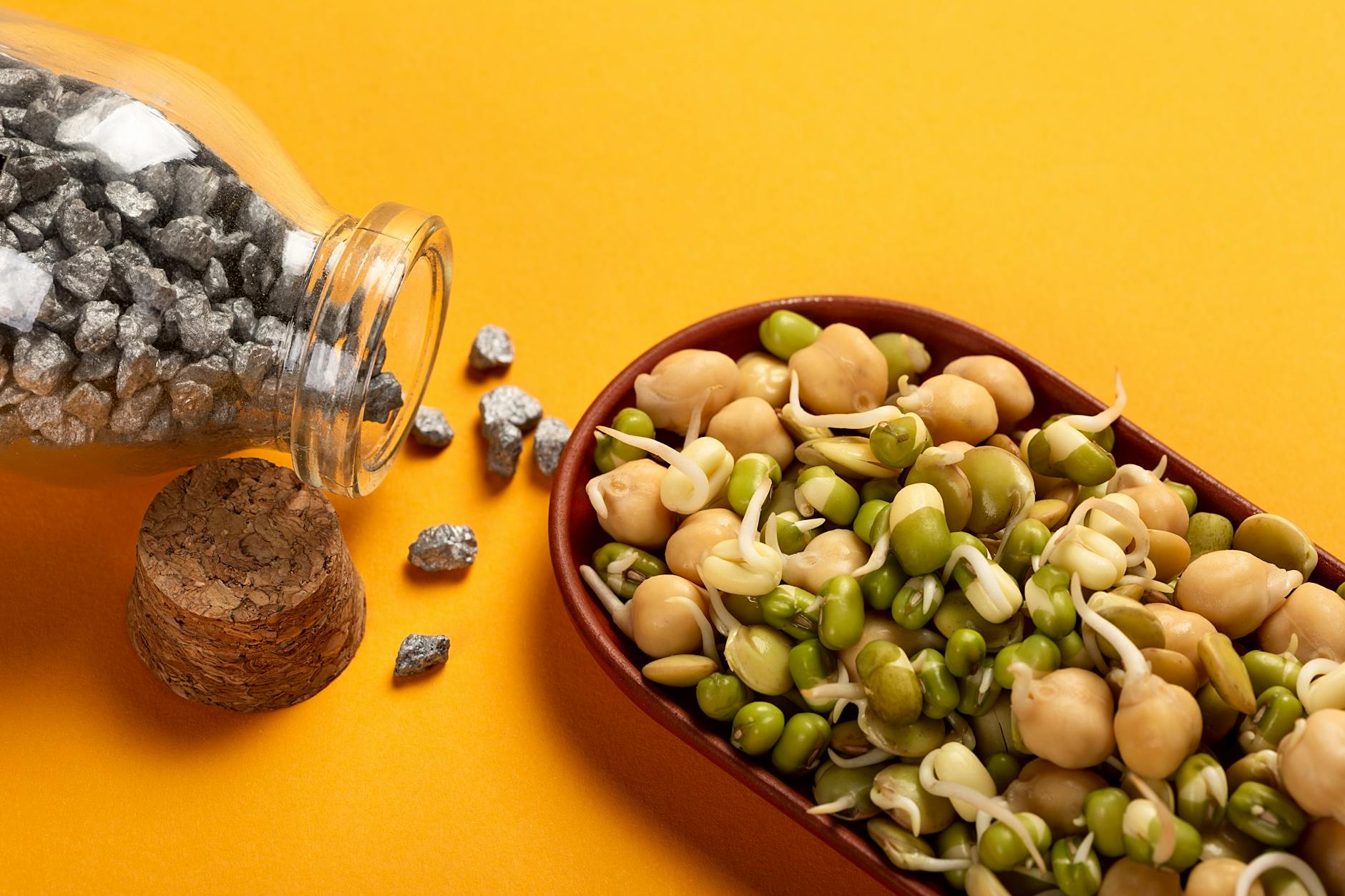
Legumes including beans, lentils, chickpeas, and peas are among the most underrated foods for cardiovascular health in modern Western diets. They provide a combination of soluble fiber, plant-based protein, and complex carbohydrates that collectively help manage cholesterol, blood sugar, and blood pressure. The potassium and magnesium content in legumes further supports normal heart function and vascular tone. Regular consumption has been linked to lower rates of coronary heart disease in large-scale dietary studies. Substituting legumes for red or processed meat even a few times per week can produce measurable improvements in cardiovascular risk markers.
Almonds
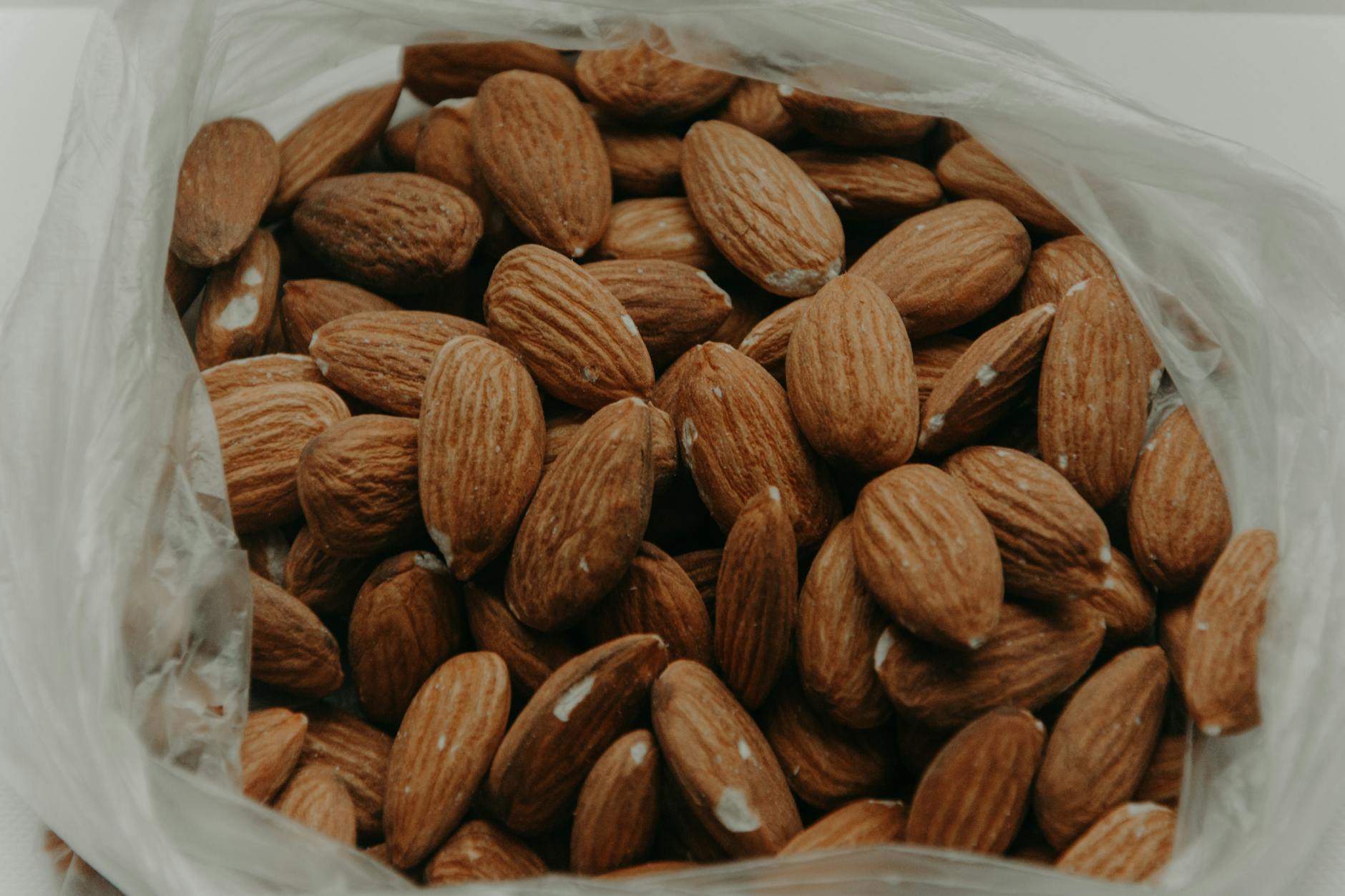
Almonds are particularly rich in vitamin E, a fat-soluble antioxidant that protects cell membranes from oxidative damage and helps maintain healthy cholesterol oxidation levels. Their combination of monounsaturated fats, magnesium, and plant sterols contributes to lower LDL cholesterol and better overall lipid profiles. Almonds also contain L-arginine, an amino acid that supports the production of nitric oxide and helps relax arterial walls. Eating a small portion of raw almonds as a daily snack has been shown in clinical research to reduce multiple cardiovascular risk factors simultaneously. Their portability and long shelf life make them one of the most practical heart-healthy food choices available.
Pomegranate
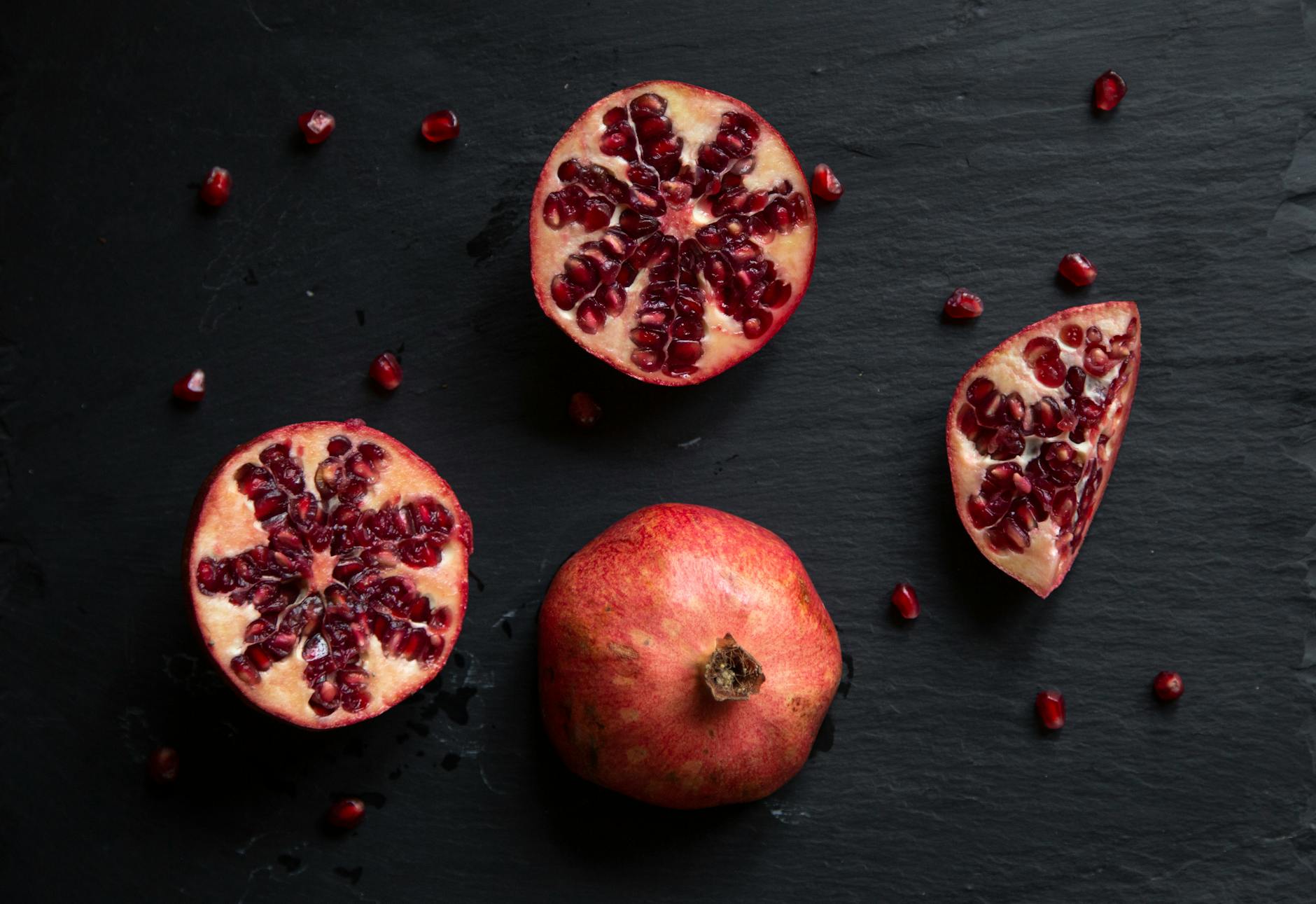
Pomegranate is exceptionally high in punicalagins and punicic acid, antioxidants that are largely unique to this fruit and highly potent in their cardiovascular effects. Studies have shown that regular pomegranate consumption can lower systolic blood pressure, reduce LDL oxidation, and slow the progression of arterial plaque. The fruit also contains polyphenols that support endothelial function and reduce the inflammatory processes that contribute to atherosclerosis. Pomegranate juice has been used in several clinical trials with consistently positive findings related to heart health outcomes. Both the fresh seeds and unsweetened juice can be incorporated into a heart-focused diet with meaningful results.
Flaxseeds

Flaxseeds are one of the richest plant-based sources of alpha-linolenic acid and are also notable for their high lignan content, a type of phytoestrogen with antioxidant properties. The combination of omega-3 fatty acids and soluble fiber in flaxseeds makes them particularly effective at reducing total and LDL cholesterol levels. Ground flaxseeds are more bioavailable than whole seeds and integrate easily into smoothies, oatmeal, and baked goods. Regular consumption has also been associated with modest reductions in blood pressure in people with hypertension. Their fiber content additionally supports the gut microbiome, which emerging research continues to connect to cardiovascular health.
Tomatoes
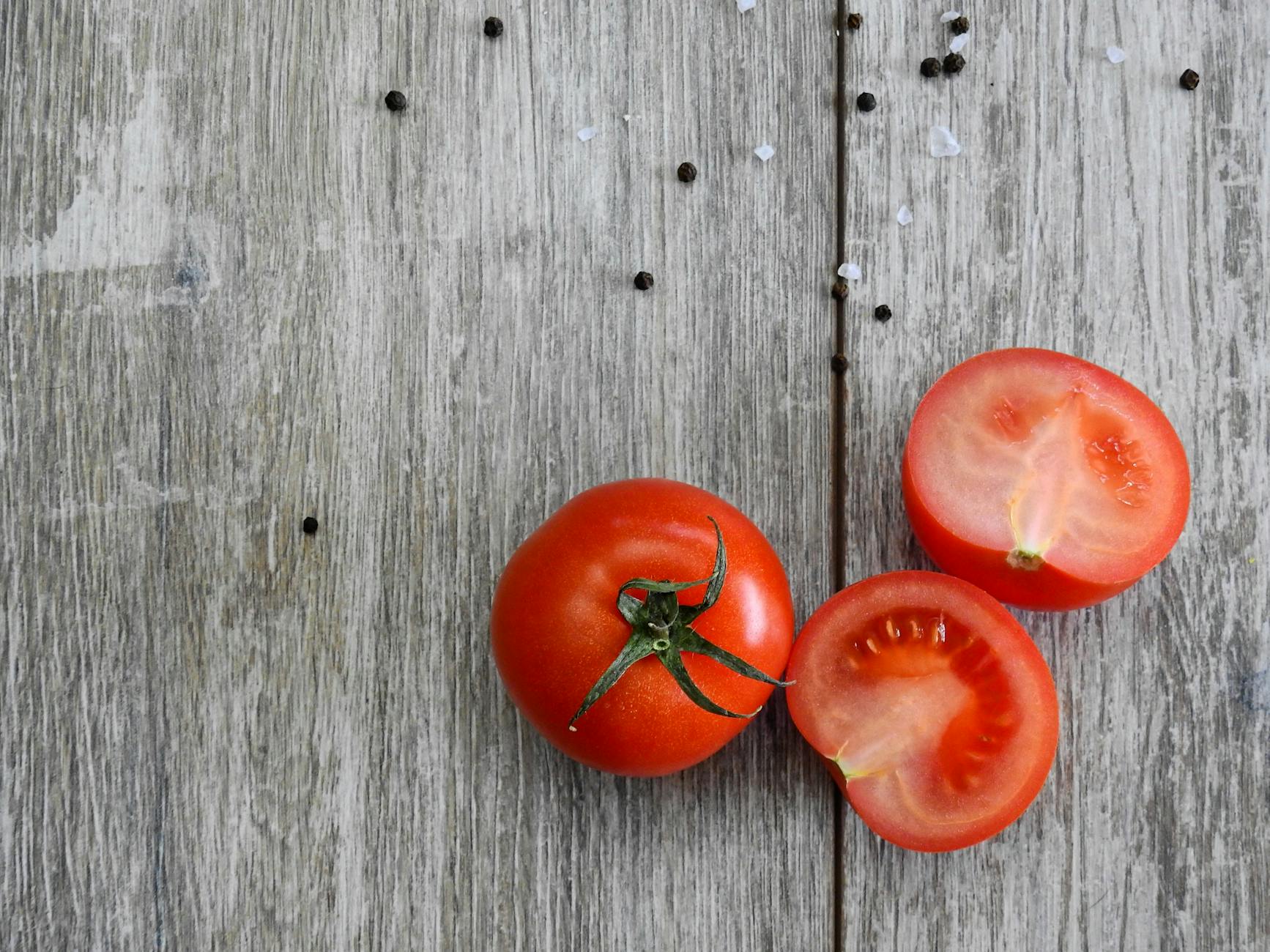
Tomatoes are a leading dietary source of lycopene, a carotenoid antioxidant with well-documented cardiovascular protective properties. Lycopene has been shown to reduce LDL cholesterol oxidation and lower levels of inflammatory markers associated with heart disease risk. Cooking tomatoes in olive oil significantly increases the bioavailability of lycopene, making dishes like marinara sauce and roasted tomatoes especially beneficial. Tomatoes also supply potassium, vitamin C, and folate, all of which contribute to healthy blood vessel function and overall cardiovascular support. Including tomatoes in cooked form regularly is a practical and flavorful way to strengthen a heart-protective diet.
Green Tea

Green tea is rich in catechins, a class of polyphenolic antioxidants that have been studied extensively for their positive effects on cardiovascular health. Research from populations with high green tea consumption suggests associations with lower rates of heart disease, reduced LDL cholesterol, and improved blood pressure regulation. Catechins also support endothelial function by promoting the production of nitric oxide and reducing oxidative stress in arterial walls. Green tea contains a modest amount of caffeine along with L-theanine, a calming amino acid that moderates the stimulant effect and supports healthy blood pressure responses. Drinking two to three cups per day is a simple and widely practiced habit for long-term heart health maintenance.
Chia Seeds
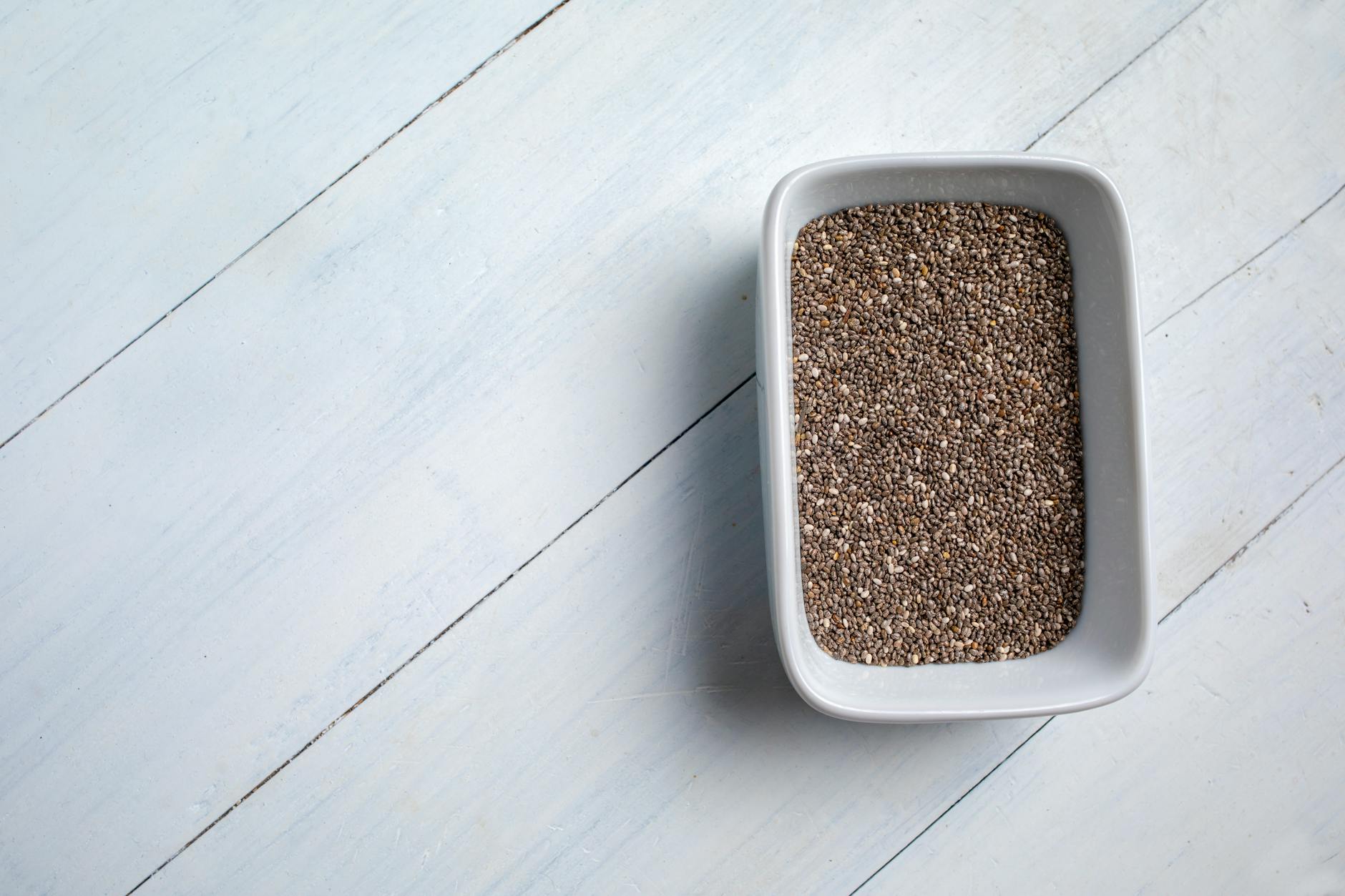
Chia seeds pack an impressive nutritional profile for their small size, offering omega-3 fatty acids, soluble fiber, protein, and a range of micronutrients relevant to cardiovascular function. The soluble fiber in chia seeds forms a gel when hydrated, which slows digestion, reduces blood sugar spikes, and binds to dietary cholesterol to aid its removal. Their high calcium and magnesium content supports normal blood pressure and cardiac muscle function. Chia seeds are also one of the few complete plant proteins, providing all essential amino acids that support vascular tissue repair. They absorb liquid easily and can be added to puddings, smoothies, and baked goods without significantly altering flavor.
Edamame

Edamame, or young soybeans, provides a complete plant protein along with a rich supply of isoflavones, fiber, and essential fatty acids that collectively benefit the cardiovascular system. Soy isoflavones have been shown to modestly reduce LDL cholesterol and support arterial flexibility, particularly in populations with elevated cardiovascular risk. Edamame is also a good source of folate, which helps regulate homocysteine levels, an amino acid linked to increased heart disease risk when elevated in the blood. The combination of protein and fiber in edamame contributes to satiety and helps maintain a healthy body weight, which in turn reduces strain on the heart. Lightly steamed and unsalted edamame makes a nutritious and satisfying snack or side dish.
Garlic
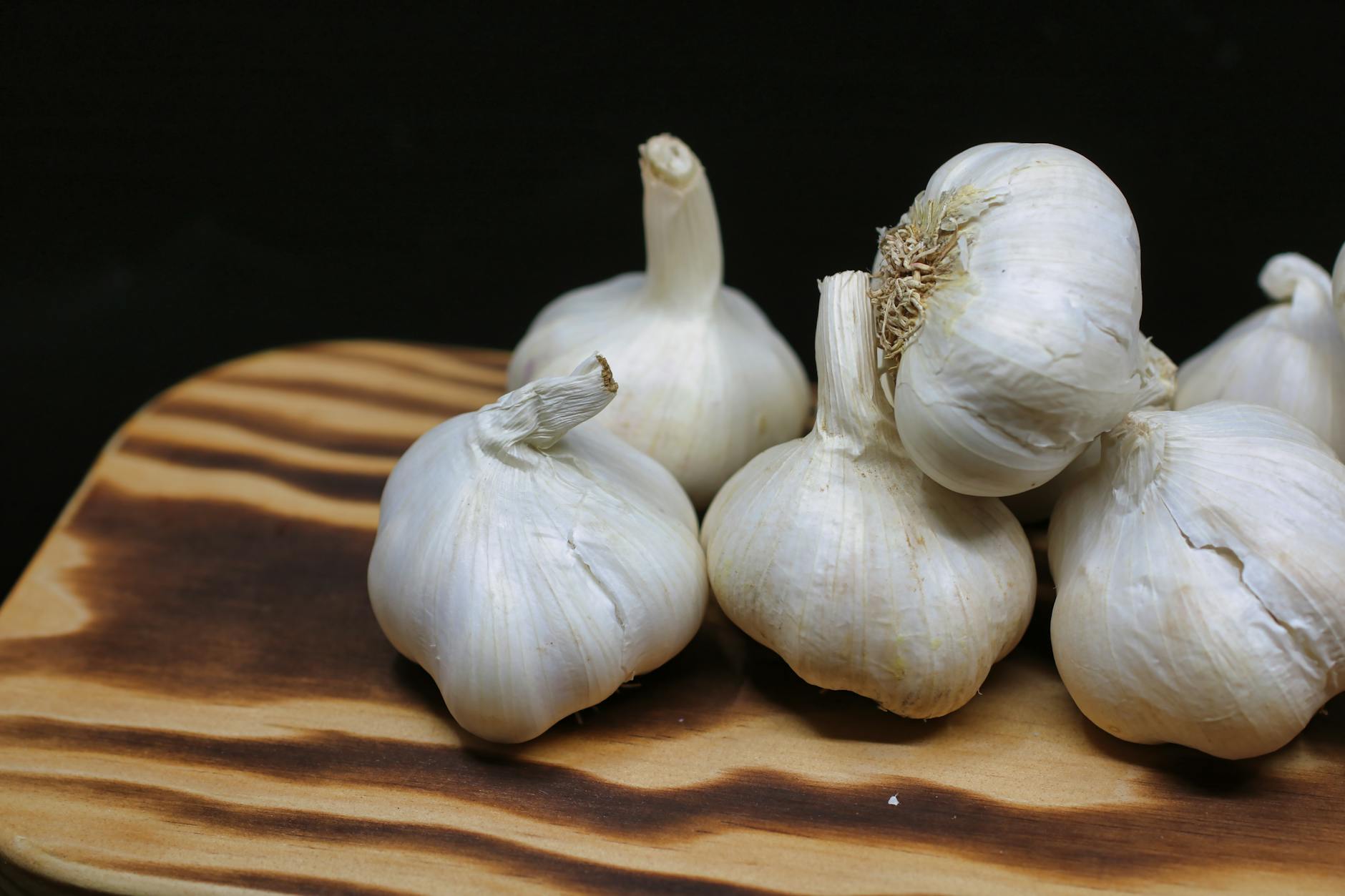
Garlic has been used across cultures for centuries and is supported by modern research for its ability to lower blood pressure, reduce total cholesterol, and prevent platelet aggregation. Allicin, the active compound released when garlic is crushed or chopped, is primarily responsible for its cardiovascular effects. Regular garlic consumption has been associated with reductions in both systolic and diastolic blood pressure comparable in some studies to the effects of medication at low doses. It also has mild anticoagulant properties that may reduce the risk of blood clots forming in narrowed arteries. Fresh garlic provides the highest allicin concentration and is most beneficial when allowed to rest for several minutes after chopping before being added to heat.
Beets
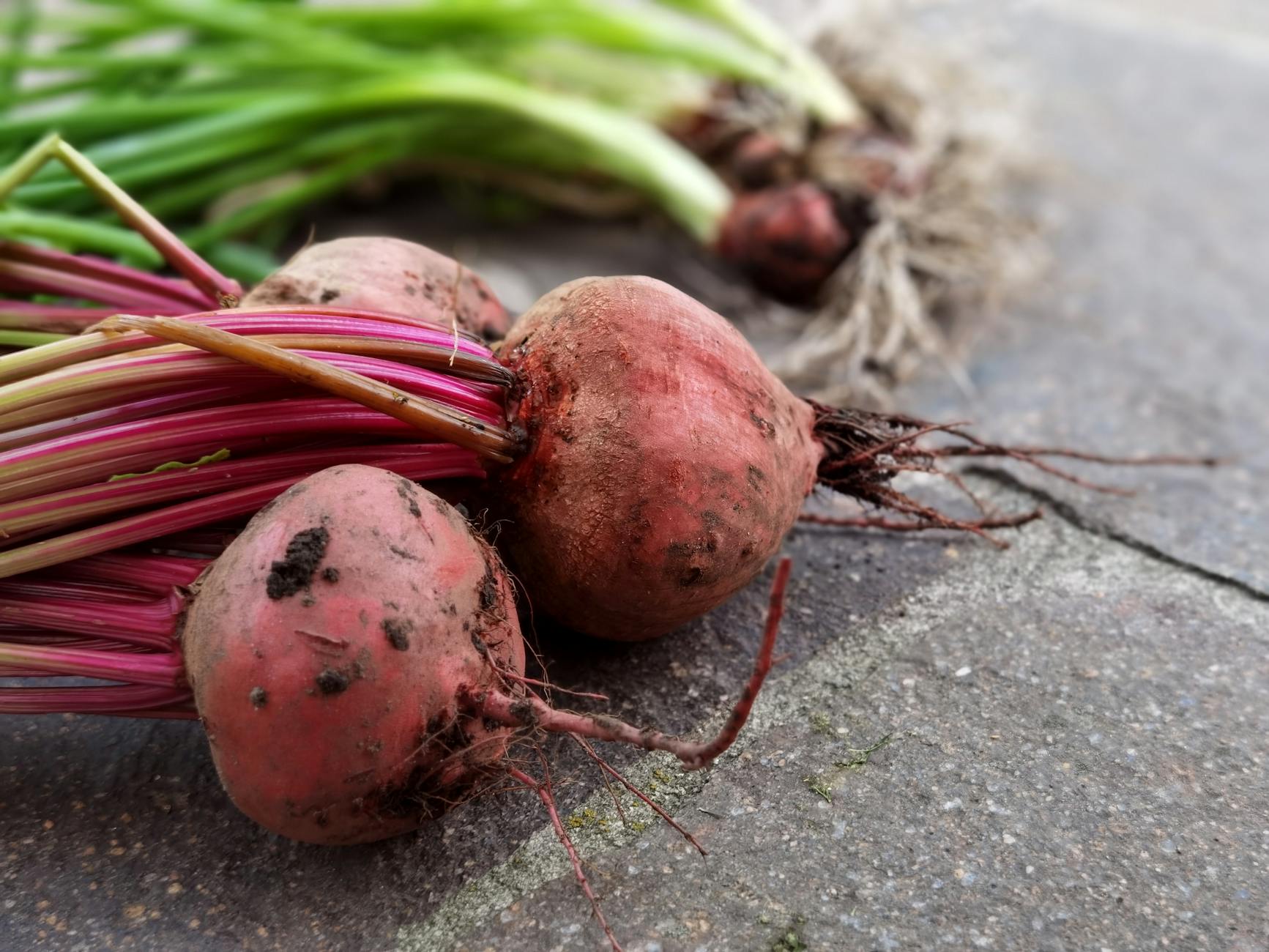
Beets are an outstanding dietary source of inorganic nitrates, which the body converts into nitric oxide to relax and dilate blood vessels, resulting in measurably lower blood pressure. Athletes and cardiologists alike have taken interest in beet consumption for its ability to improve blood flow and reduce the oxygen cost of physical exertion. The betacyanins that give beets their deep red color also function as antioxidants that protect the cardiovascular system from oxidative stress. Beets provide folate and manganese as well, both of which contribute to normal vascular and metabolic function. Roasted beets, fresh beet juice, and beet powder are all effective delivery methods for these cardiovascular benefits.
Sardines

Sardines are one of the most concentrated and affordable sources of omega-3 fatty acids available, providing both EPA and DHA in quantities comparable to larger fatty fish. Their small size means they feed low on the food chain and accumulate far fewer environmental toxins than larger species like tuna or swordfish. Sardines are also exceptionally rich in calcium, vitamin D, and B12, nutrients that support arterial health and overall metabolic function. The anti-inflammatory properties of the omega-3 fats in sardines help reduce triglycerides and support healthy blood pressure over time. Canned sardines in water or olive oil are a convenient pantry staple that can be added to salads, toast, or grain bowls.
Red Wine

Red wine consumed in moderation has long been associated with cardiovascular benefits, primarily attributed to resveratrol and other polyphenols found in grape skins. Resveratrol has demonstrated anti-inflammatory and antioxidant properties in laboratory research, with potential effects on LDL oxidation and platelet activity. Population studies, particularly from Mediterranean regions, have linked moderate red wine consumption with lower rates of heart disease compared to abstainers and heavy drinkers alike. One small glass per day is the quantity most frequently cited in association with these benefits, and the positive effects diminish or reverse entirely with higher intake. The cardiovascular benefits of red wine are still debated in research circles, and grape juice provides many of the same polyphenols without the alcohol.
Broccoli
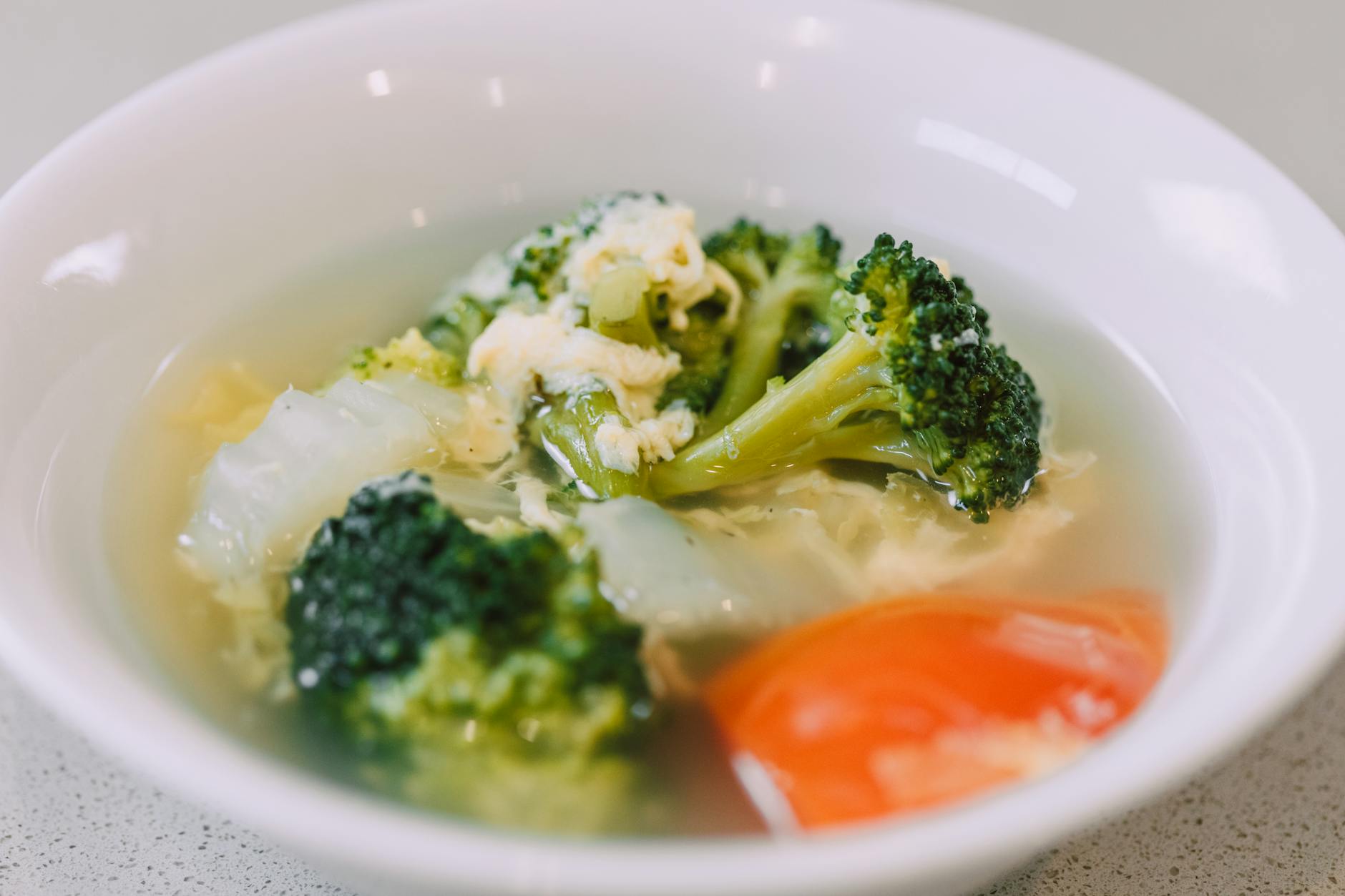
Broccoli belongs to the cruciferous vegetable family and contains sulforaphane, a compound that activates antioxidant pathways in cells and helps protect the cardiovascular system from inflammatory damage. It is also rich in fiber, potassium, and vitamin C, all of which contribute meaningfully to blood pressure regulation and arterial health. Broccoli provides a notable amount of folate, a B vitamin that helps keep homocysteine levels in check and reduces one important risk factor for coronary artery disease. The fiber in broccoli supports healthy cholesterol levels by binding bile acids in the digestive tract and promoting their excretion. Lightly steaming broccoli preserves the highest concentration of its beneficial compounds compared to boiling or extended cooking at high heat.
Oranges
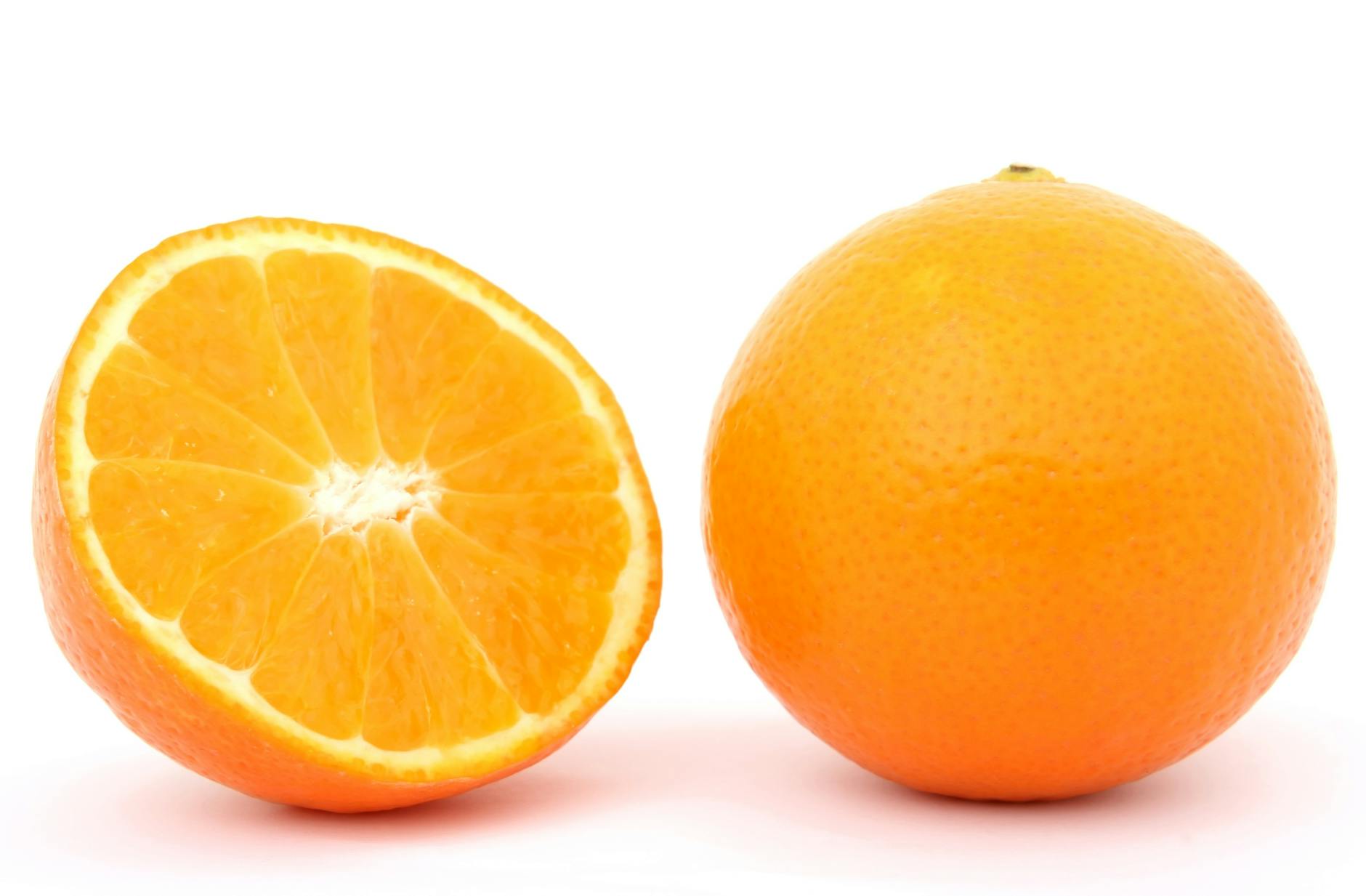
Oranges and other citrus fruits are rich in flavanones, particularly hesperidin, which has been shown to improve blood vessel function and lower blood pressure in clinical research. Their high vitamin C content protects against oxidative stress in arterial walls and supports collagen production, which is essential for maintaining the structural integrity of blood vessels. The soluble fiber in oranges, largely in the form of pectin, helps reduce LDL cholesterol when consumed regularly as whole fruit rather than juice. Potassium in oranges contributes to electrolyte balance and helps counteract the blood-pressure-raising effects of sodium in the diet. Whole oranges provide a more complete nutritional package than orange juice due to their intact fiber content.
Lentils
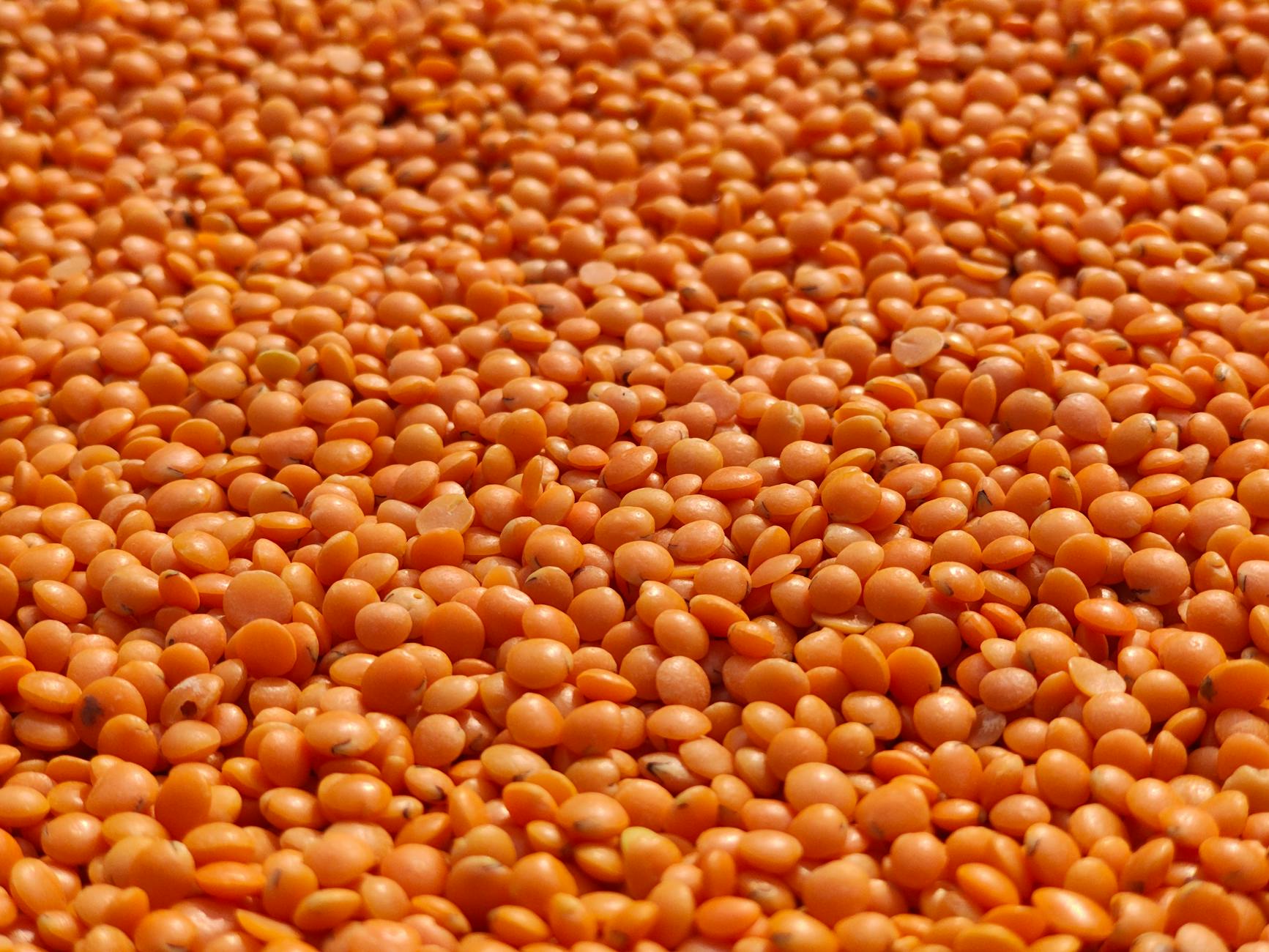
Lentils stand out among legumes for their particularly high protein and soluble fiber content, making them a powerful tool for managing cholesterol and blood sugar simultaneously. Their folate content is among the highest of any food, and adequate folate intake is directly associated with reduced cardiovascular risk through the regulation of homocysteine metabolism. Lentils also supply iron, magnesium, and zinc, minerals that support normal heart rhythm, vascular tone, and immune function. They are digested more slowly than refined carbohydrates, which helps prevent the blood sugar fluctuations that can place strain on the cardiovascular system over time. Green, brown, red, and black lentil varieties all offer similar cardiovascular benefits and are equally easy to cook.
Mackerel

Mackerel is a small, oily fish with one of the highest omega-3 fatty acid concentrations of any commonly eaten seafood, making it particularly valuable for reducing triglycerides and supporting overall heart function. It is also rich in selenium, a trace mineral that acts as an antioxidant and helps prevent the oxidation of LDL cholesterol that contributes to arterial plaque formation. Mackerel provides vitamin D, a nutrient that many people are deficient in and that has been linked to cardiovascular health through its role in inflammation regulation. Its B12 content supports nervous system function and helps keep homocysteine at safe levels in the bloodstream. Atlantic and Pacific mackerel are considered lower-mercury options compared to king mackerel, making them safer for frequent consumption.
Spinach
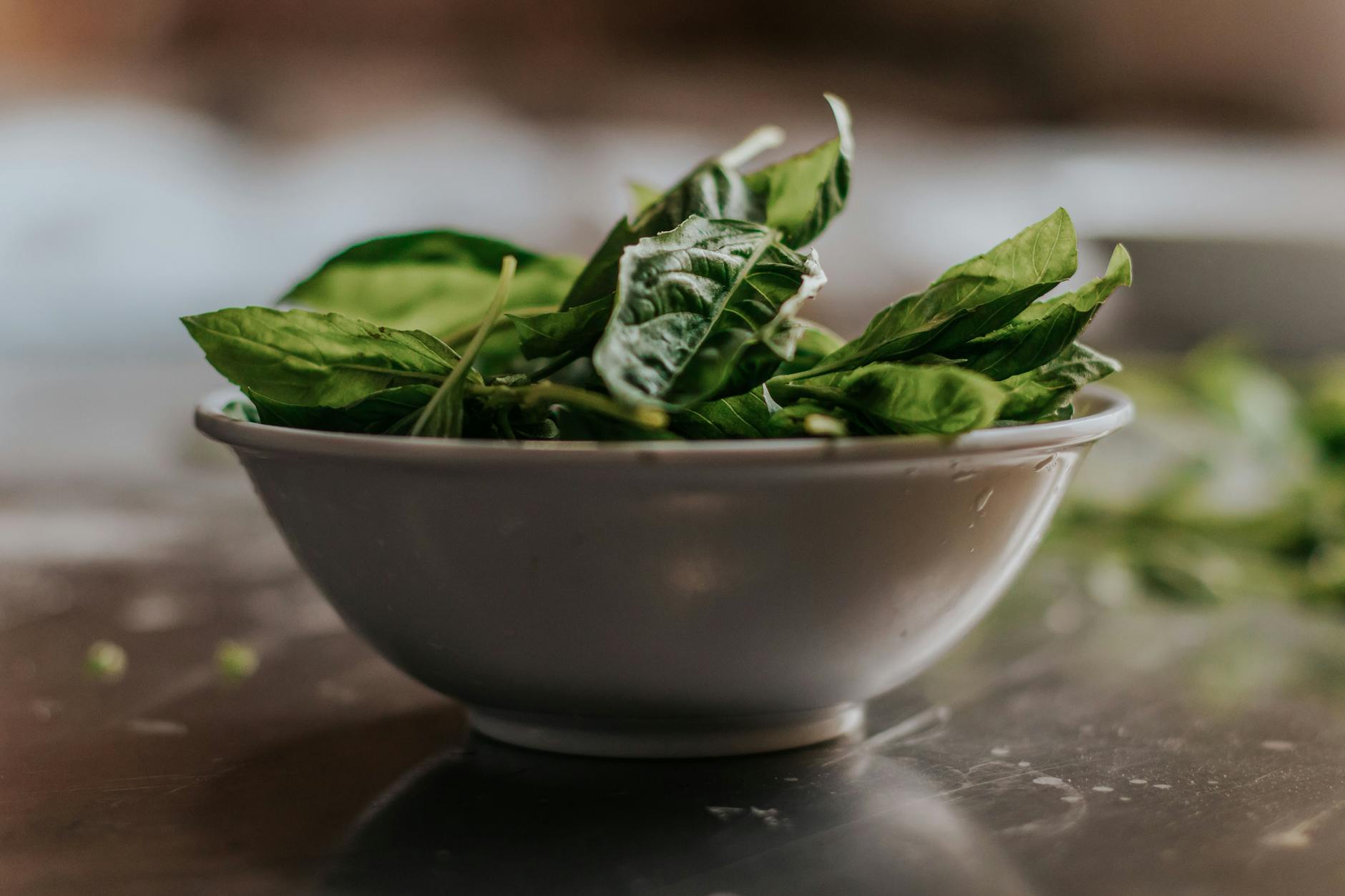
Spinach delivers an impressive array of heart-supportive nutrients in a low-calorie package, including dietary nitrates, magnesium, potassium, and folate. The nitrates in spinach are converted to nitric oxide in the body, relaxing blood vessels and reducing the workload placed on the heart during physical activity. Its high magnesium content is particularly relevant given that magnesium deficiency is associated with elevated blood pressure and increased cardiac arrhythmia risk. Spinach is also one of the better plant-based sources of coenzyme Q10, a compound involved in cellular energy production that is especially important for heart muscle cells. Incorporating cooked spinach into meals rather than eating it exclusively raw increases the bioavailability of certain nutrients including iron and magnesium.
Sweet Potatoes

Sweet potatoes are a rich source of potassium and beta-carotene, two nutrients that directly contribute to cardiovascular health through blood pressure regulation and antioxidant defense. Their high fiber content, including both soluble and insoluble types, supports healthy cholesterol levels and smooth digestive function. The natural sweetness of sweet potatoes makes them a satisfying substitute for refined carbohydrates that can negatively affect blood sugar and lipid levels. They also supply vitamin C, manganese, and B6, all of which play roles in maintaining the health of blood vessels and supporting normal metabolic function. Baked or roasted sweet potatoes retain more nutrients than boiled preparations and pair well with other heart-healthy ingredients like olive oil and leafy greens.
Turmeric
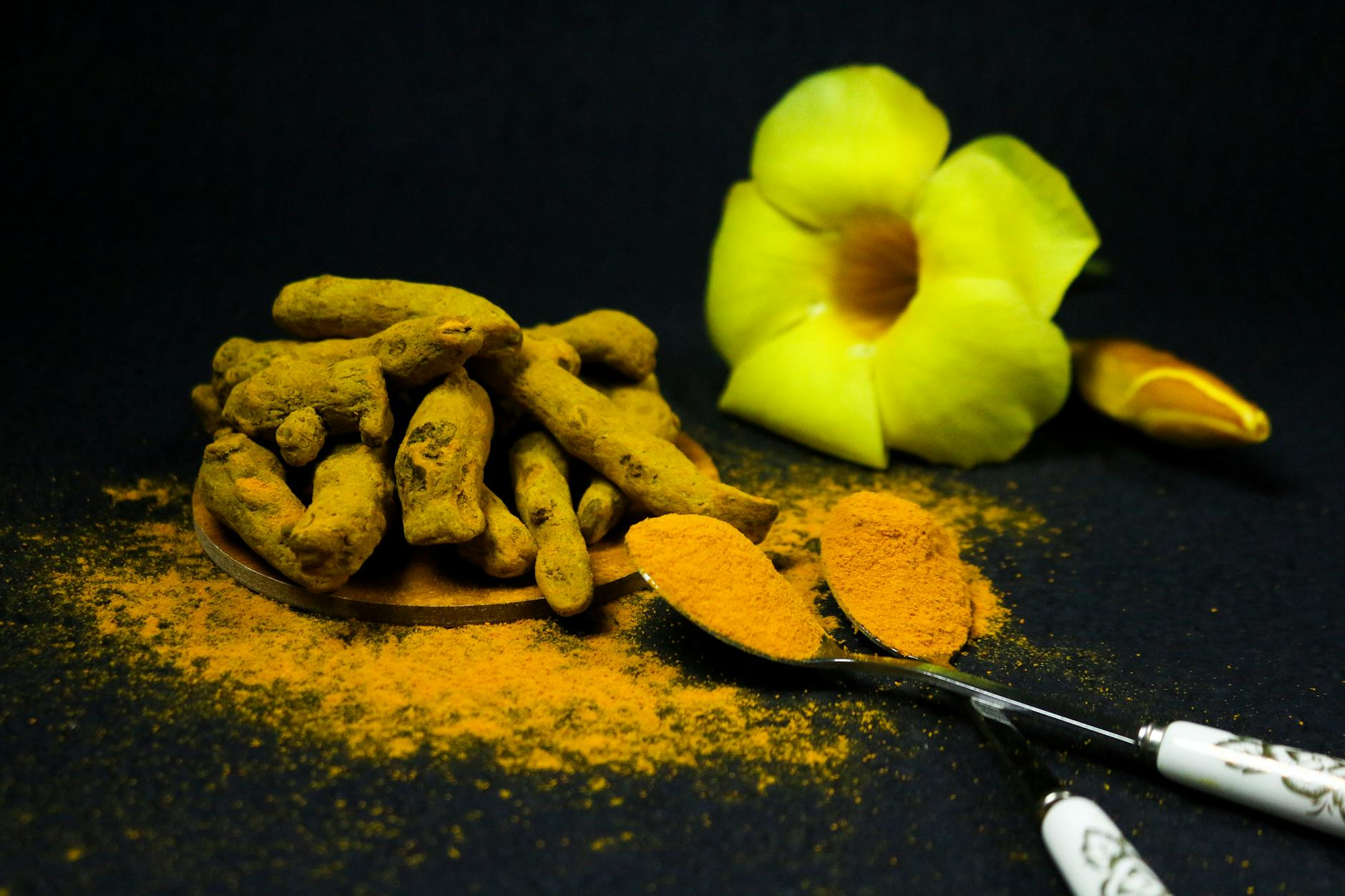
Turmeric contains curcumin, a bioactive compound with potent anti-inflammatory and antioxidant properties that have made it the subject of considerable cardiovascular research. Chronic inflammation is recognized as a major driver of atherosclerosis and heart disease, and curcumin has shown an ability to reduce inflammatory markers including C-reactive protein in clinical studies. Curcumin may also improve endothelial function, which is the health of the inner lining of blood vessels and a key factor in blood pressure regulation. One challenge with turmeric is that curcumin has low bioavailability on its own, but consuming it with black pepper, which contains piperine, significantly increases its absorption. Adding turmeric to curries, soups, and golden milk preparations is a flavorful and evidence-based approach to incorporating it regularly.
Kidney Beans
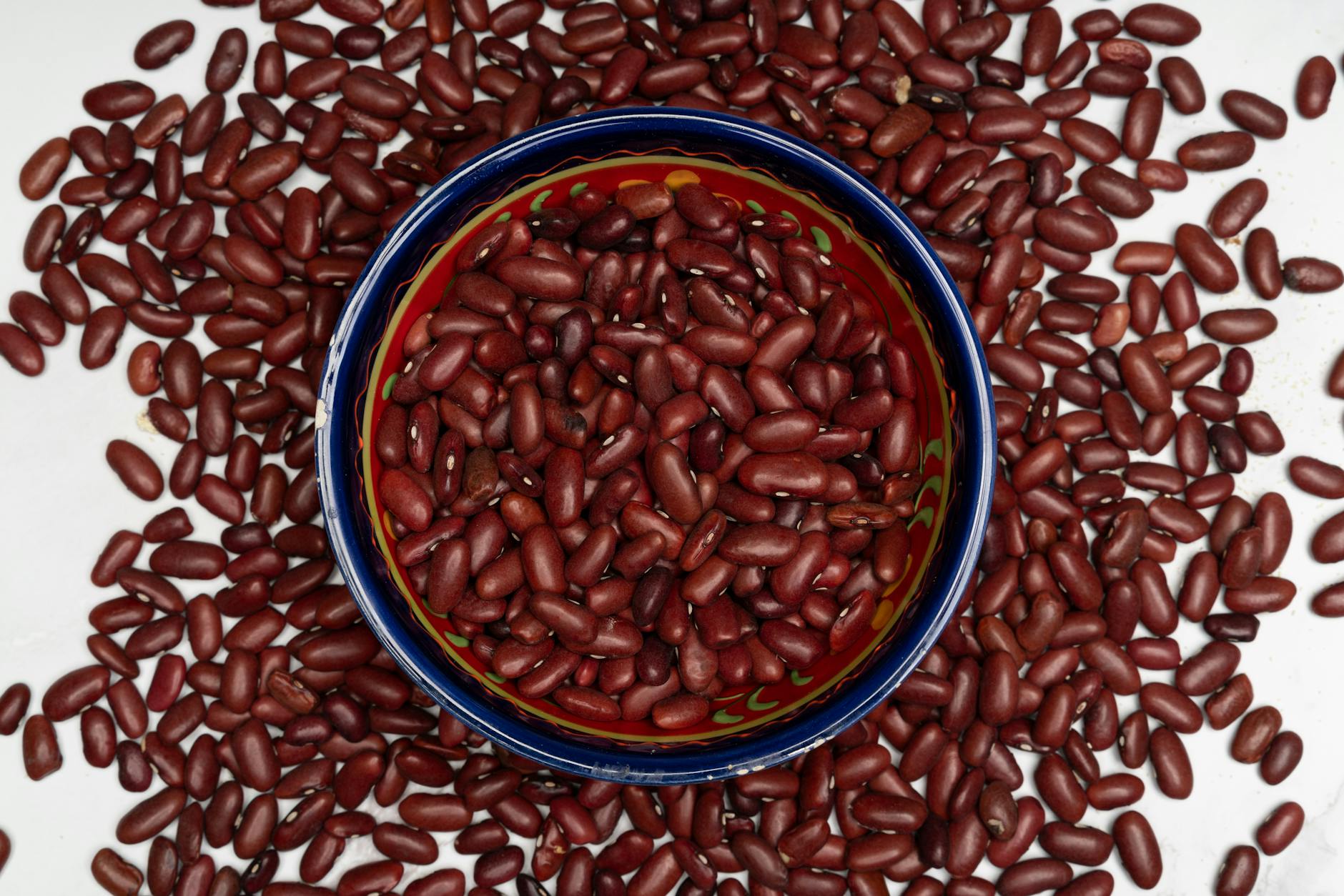
Kidney beans are an excellent source of plant-based protein and soluble fiber, both of which contribute to lower cholesterol levels and improved cardiovascular risk markers. Their rich supply of potassium and magnesium helps regulate blood pressure and supports the electrical signaling that governs normal heart rhythm. Kidney beans also contain resistant starch, a type of carbohydrate that feeds beneficial gut bacteria and is linked to reduced systemic inflammation and improved metabolic health. Their folate content makes them a heart-smart choice for individuals looking to manage homocysteine levels through diet alone. Including kidney beans in chili, soups, and grain bowls is a satisfying and practical way to meet daily fiber and protein needs while supporting the heart.
Asparagus
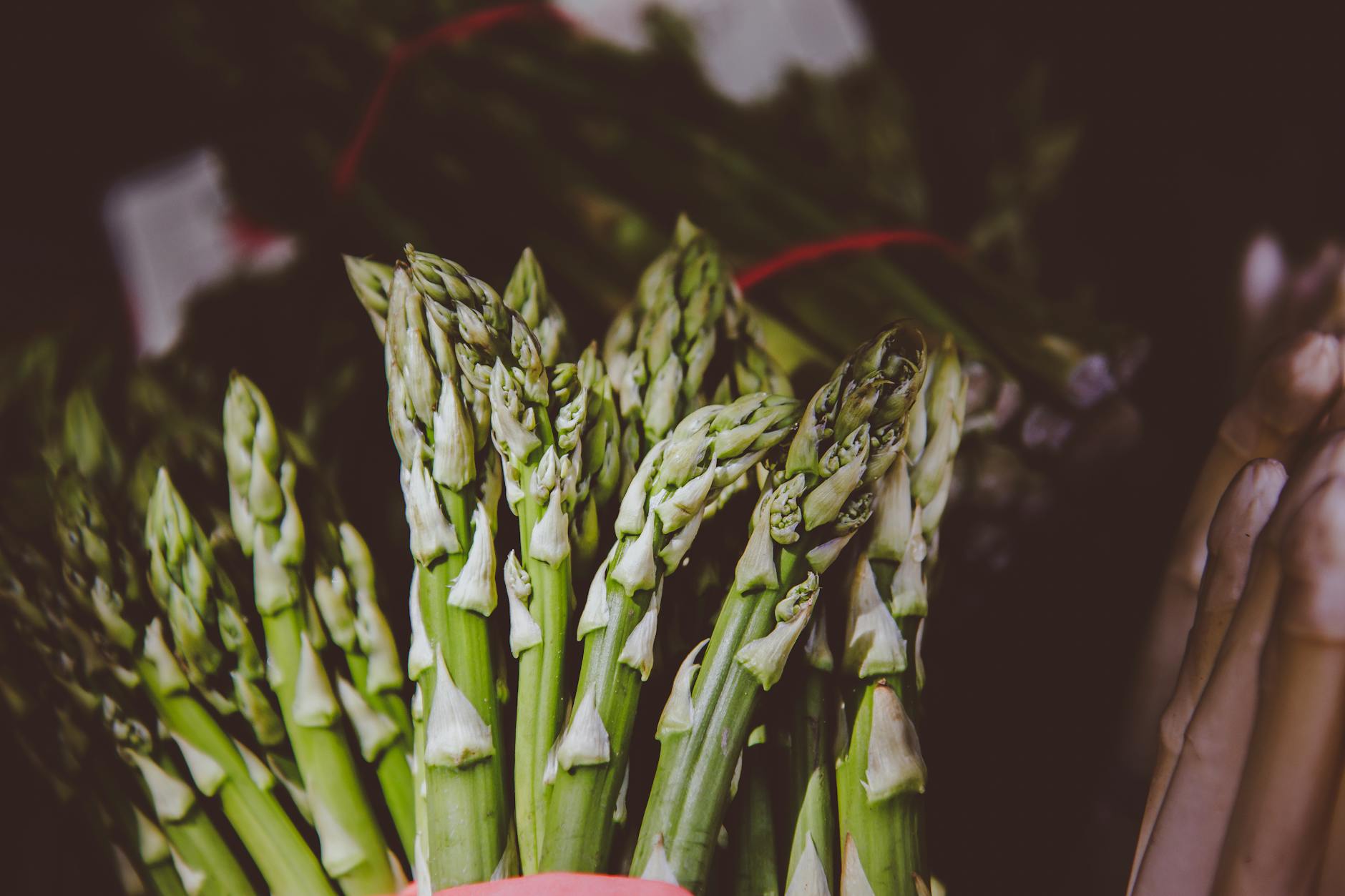
Asparagus is a notable source of folate, vitamin K, and prebiotic fiber, all of which contribute to cardiovascular health through complementary mechanisms. Its folate content helps regulate homocysteine levels in the blood, reducing a well-established risk factor for coronary artery disease. The prebiotic fiber in asparagus feeds beneficial gut bacteria that produce short-chain fatty acids, compounds now recognized as having a positive influence on heart health and inflammation. Asparagus also contains rutin, a flavonoid that has demonstrated blood pressure-lowering and anti-inflammatory properties in preliminary research. Roasting or steaming asparagus and serving it with olive oil and garlic creates a dish that is both delicious and strategically beneficial for the cardiovascular system.
Which of these heart-healthy foods do you already include in your diet, and which ones are you inspired to try — share your thoughts in the comments.