The liver serves as the body’s primary filtration system and works tirelessly to convert toxins into waste products. It cleanses the blood and metabolizes nutrients to provide the body with essential proteins and energy. Dietary choices play a significant role in maintaining the health and efficiency of this vital organ. Incorporating specific nutrient-dense foods can help repair liver cells and protect against disease. This guide highlights key ingredients that naturally support liver function and promote overall well-being.
Coffee

Regular consumption of coffee may protect the liver against disease even among those who already have liver problems. Studies repeatedly show that drinking coffee lowers the risk of cirrhosis or permanent liver damage in people with chronic liver disease. It also helps prevent the buildup of fat and collagen which are two of the main markers of liver disease. Researchers believe these benefits stem from its ability to prevent the accumulation of fat and collagen. The antioxidants in coffee also neutralize harmful free radicals which naturally occur in the body and can cause cell damage.
Green Tea
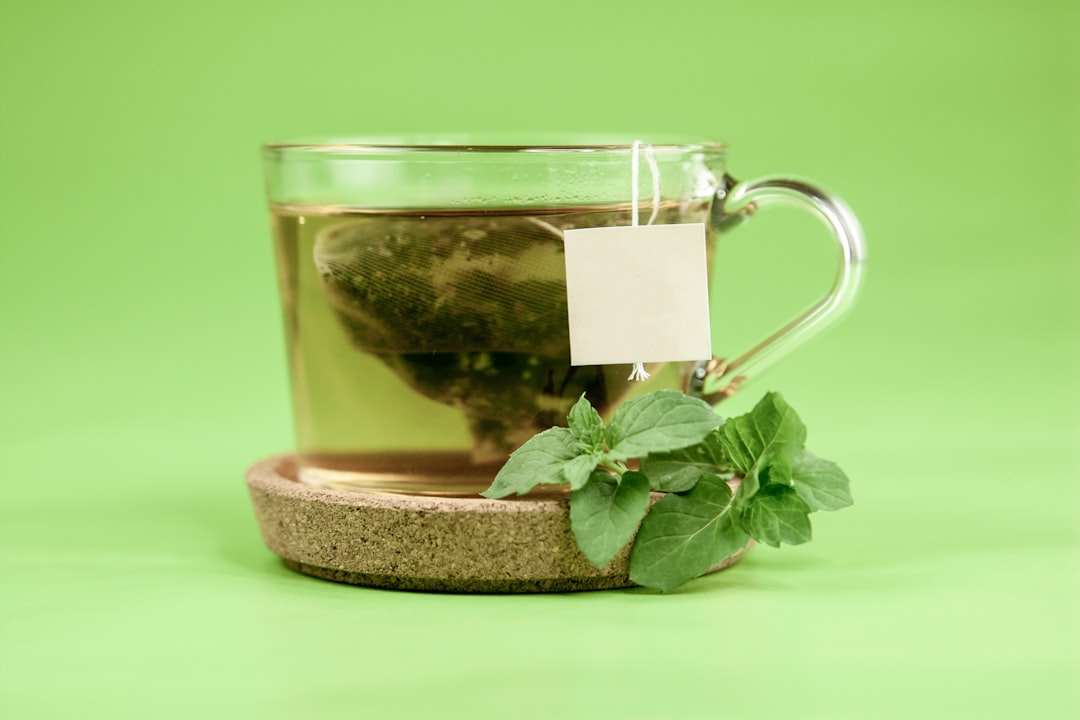
This popular beverage is high in antioxidants known as catechins which assist with liver function. Scientific research indicates that green tea may help improve blood markers of liver health and reduce fat levels in the liver. Regular consumption is often linked to a reduced likelihood of developing liver cancer. The most concentrated benefits appear to come from brewed tea rather than processed supplements or extracts. Drinking it daily can be a simple way to introduce beneficial compounds into a balanced diet.
Grapefruit
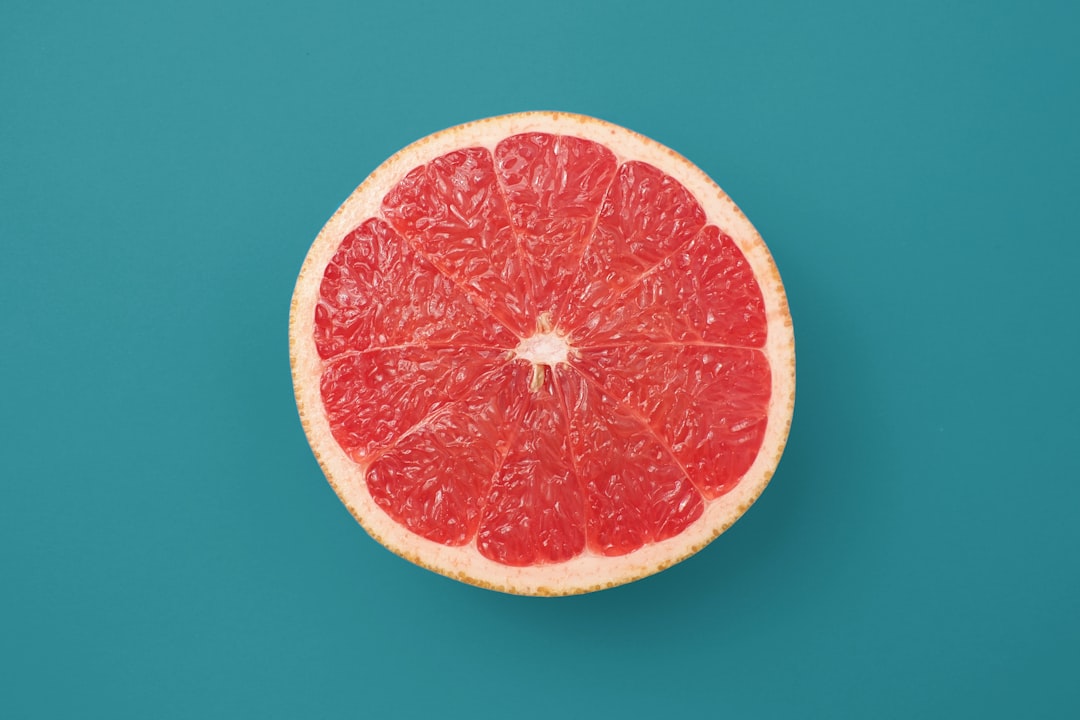
Grapefruit contains antioxidants that naturally protect the liver such as naringenin and naringin. These two compounds help reduce inflammation and protect cells while reducing the development of hepatic fibrosis. Naringenin decreases the amount of fat in the liver and increases the number of enzymes necessary for burning fat. Naringin has been shown to improve the ability to metabolize alcohol and counteract some of the negative effects of alcohol. Consuming the whole fruit provides fiber along with these protective plant compounds.
Blueberries
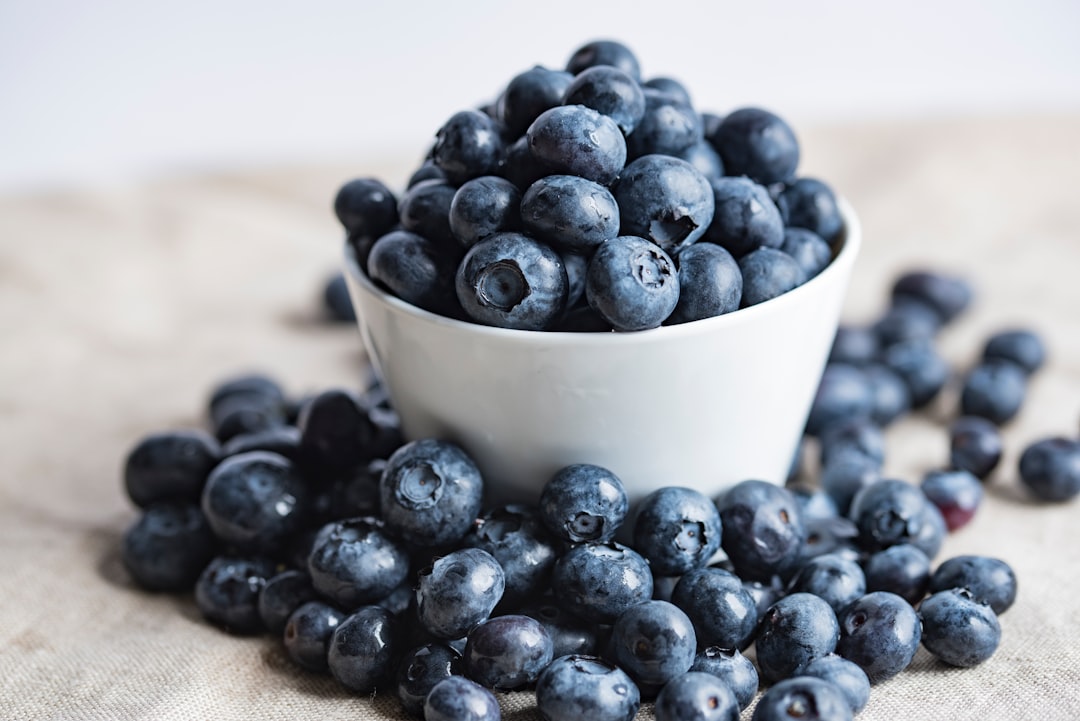
These berries are rich in anthocyanins which are antioxidants that give berries their distinctive dark colors. Consuming blueberries has been linked to increased antioxidant response in the liver and slower development of lesions and fibrosis. The high levels of antioxidants help slow the progression of fibrosis and scar tissue development in the liver. Regular intake keeps the liver healthy by reducing oxidative stress and inflammation throughout the body. Even frozen blueberries retain most of these beneficial nutrients and compounds.
Cranberries
Cranberries share many of the same liver-protecting properties as blueberries due to their high anthocyanin content. Extracts and juices from this fruit have been shown to help keep the liver healthy by combating oxidative stress. They support liver function by reducing fat accumulation and helping to clear harmful bacteria from the system. Including cranberries in a diet adds a significant boost of antioxidants that target inflammation. They are versatile enough to be added to salads or oatmeal or consumed as unsweetened juice.
Grapes
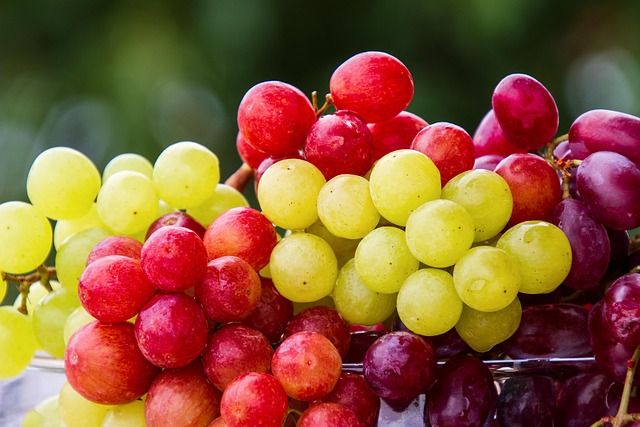
Red and purple grapes contain a variety of beneficial plant compounds and resveratrol is the most famous among them. Resveratrol has been shown to act as an antioxidant that lowers inflammation and prevents damage to liver cells. Research suggests that consuming grapes or grape juice can benefit the liver by reducing inflammation and preventing damage. The seeds of the grape also contain significant nutrients that support overall liver function and health. Eating the whole fruit ensures you get fiber which aids in overall digestion and absorption.
Prickly Pear
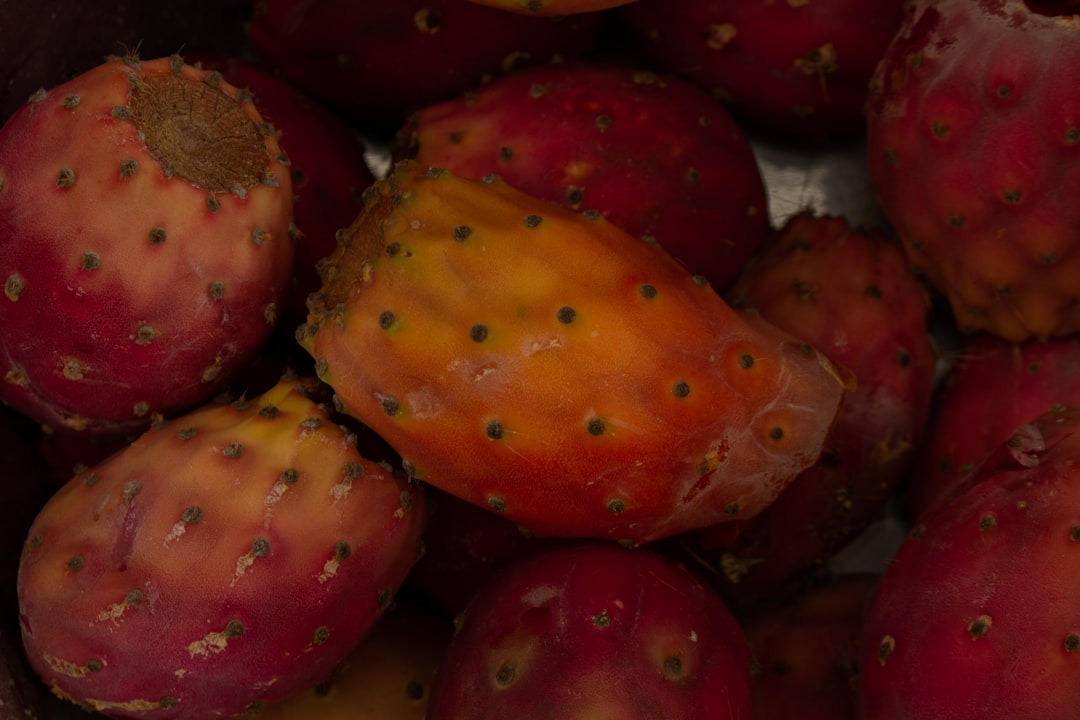
The fruit and juice of the prickly pear cactus have been used in traditional medicine as a treatment for ulcers and wounds and fatigue and liver disease. Modern studies demonstrate that extracts from this plant help reduce the symptoms of a hangover by lowering inflammation. It appears to protect the liver from alcohol toxicity and maintains stable levels of antioxidants. The anti-inflammatory properties are potent enough to prevent liver damage typically associated with heavy alcohol consumption. It is most effective when consumed before drinking alcohol rather than afterwards.
Beetroot Juice
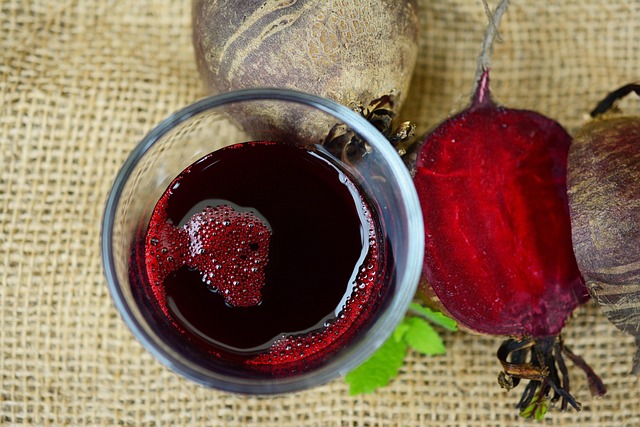
Beetroot juice is a source of nitrates and antioxidants called betalains which may benefit heart health and reduce oxidative damage and inflammation. It helps reduce oxidative damage and inflammation in the liver while increasing natural detoxification enzymes. The juice has been shown to help break down toxic compounds and facilitate their removal from the body. Consuming beets in their juice form allows for a higher concentration of these beneficial nutrients. Whole beets act similarly but the juice delivers these compounds more rapidly.
Cruciferous Vegetables
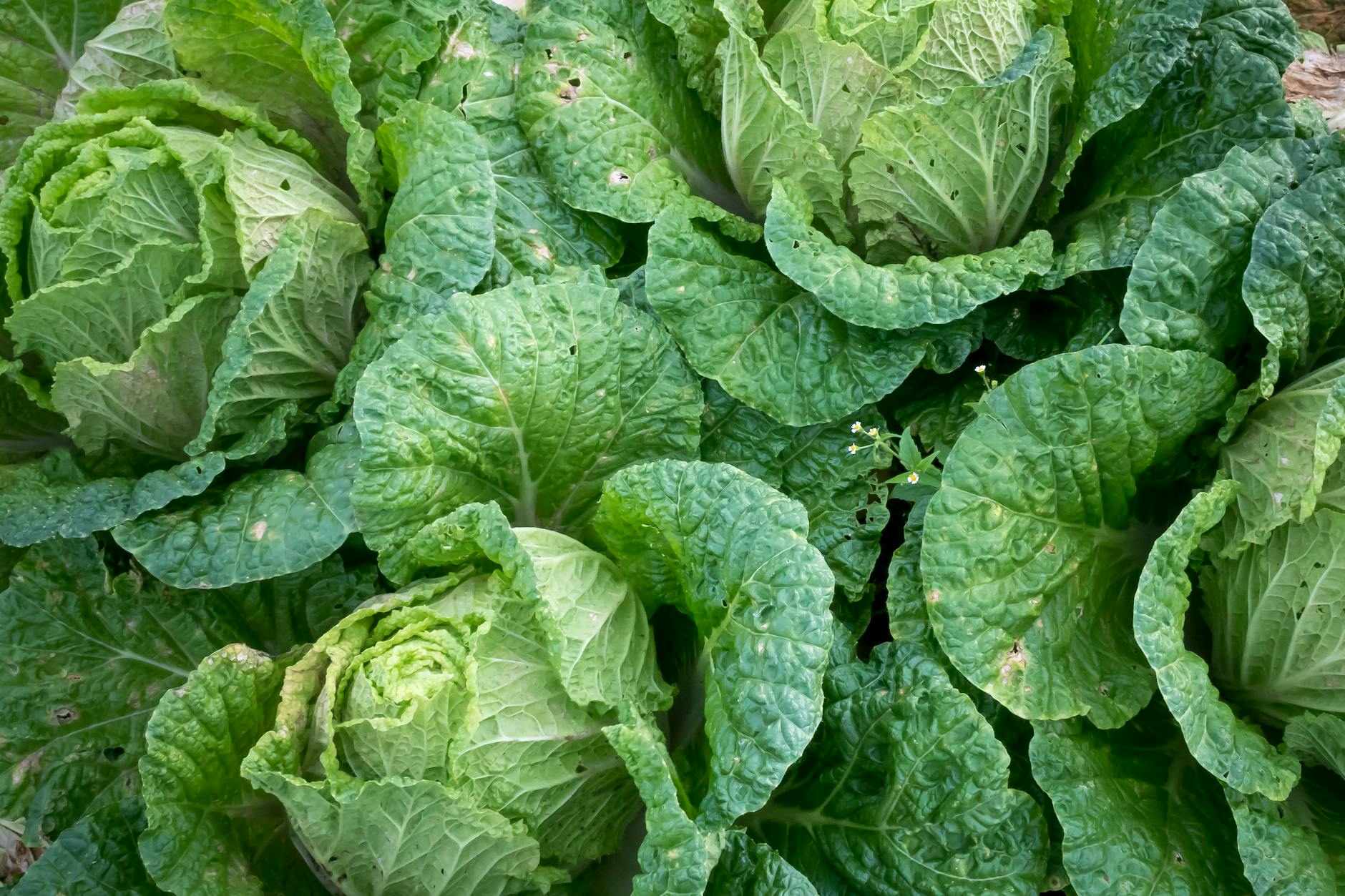
Vegetables like mustard greens contain high levels of fiber and beneficial plant compounds. They increase levels of detoxification enzymes and protect the liver from damage. Compounds found in these vegetables help the liver break down toxic substances and clear them from the blood. Regular consumption has been associated with improved liver enzyme levels and reduced fat accumulation. Steam or lightly cook them to retain the maximum amount of nutrients.
Nuts
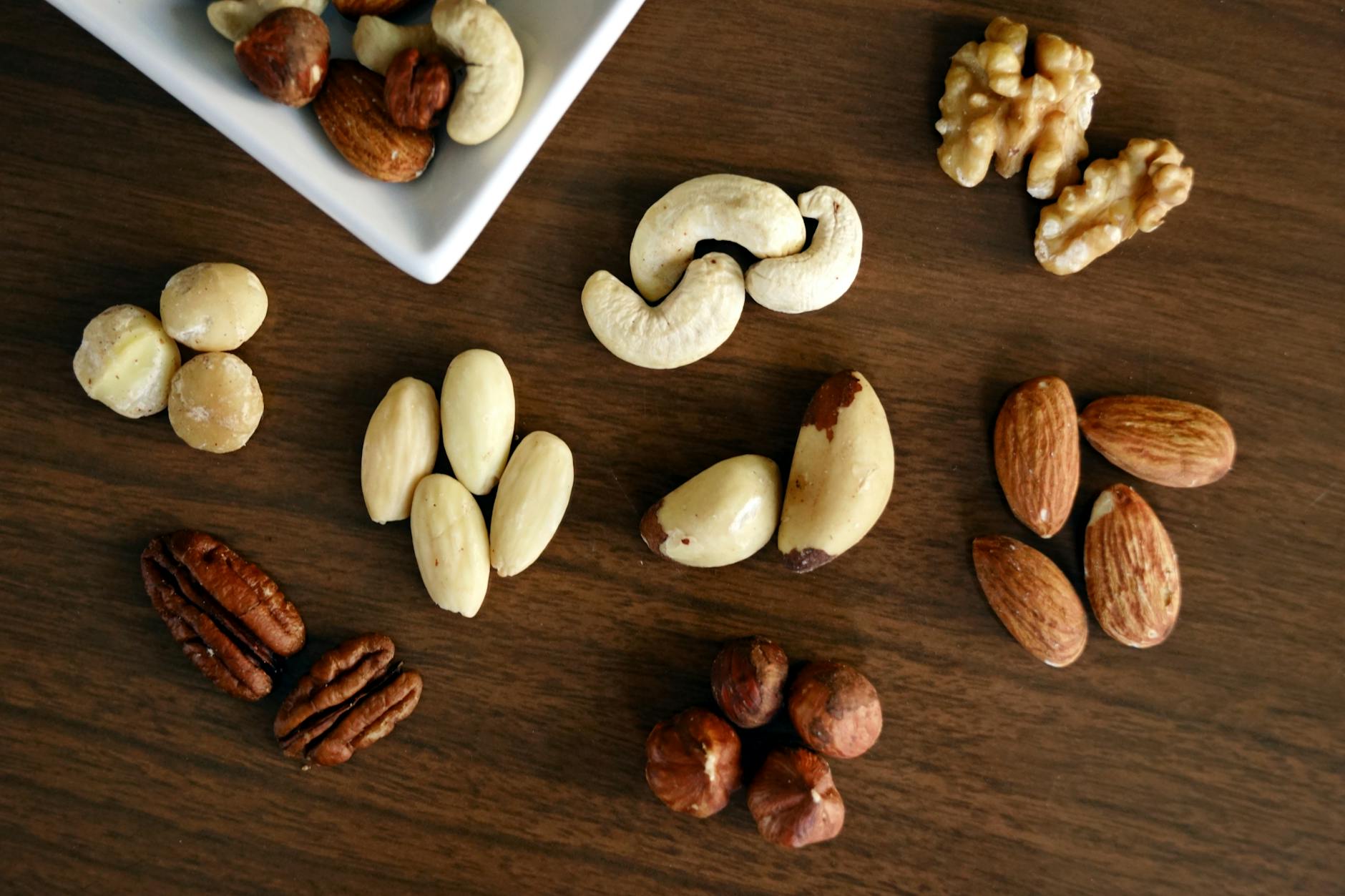
Nuts are high in fats and nutrients including the antioxidant vitamin E and beneficial plant compounds. This composition makes them excellent for heart health and potentially beneficial for the liver. Studies have found that eating nuts is associated with improved liver enzyme levels in people with non-alcoholic fatty liver disease. The healthy fats in nuts help improve lipid profiles and reduce inflammation associated with liver issues. A handful of nuts daily is sufficient to gain these protective benefits without excess calories.
Fatty Fish
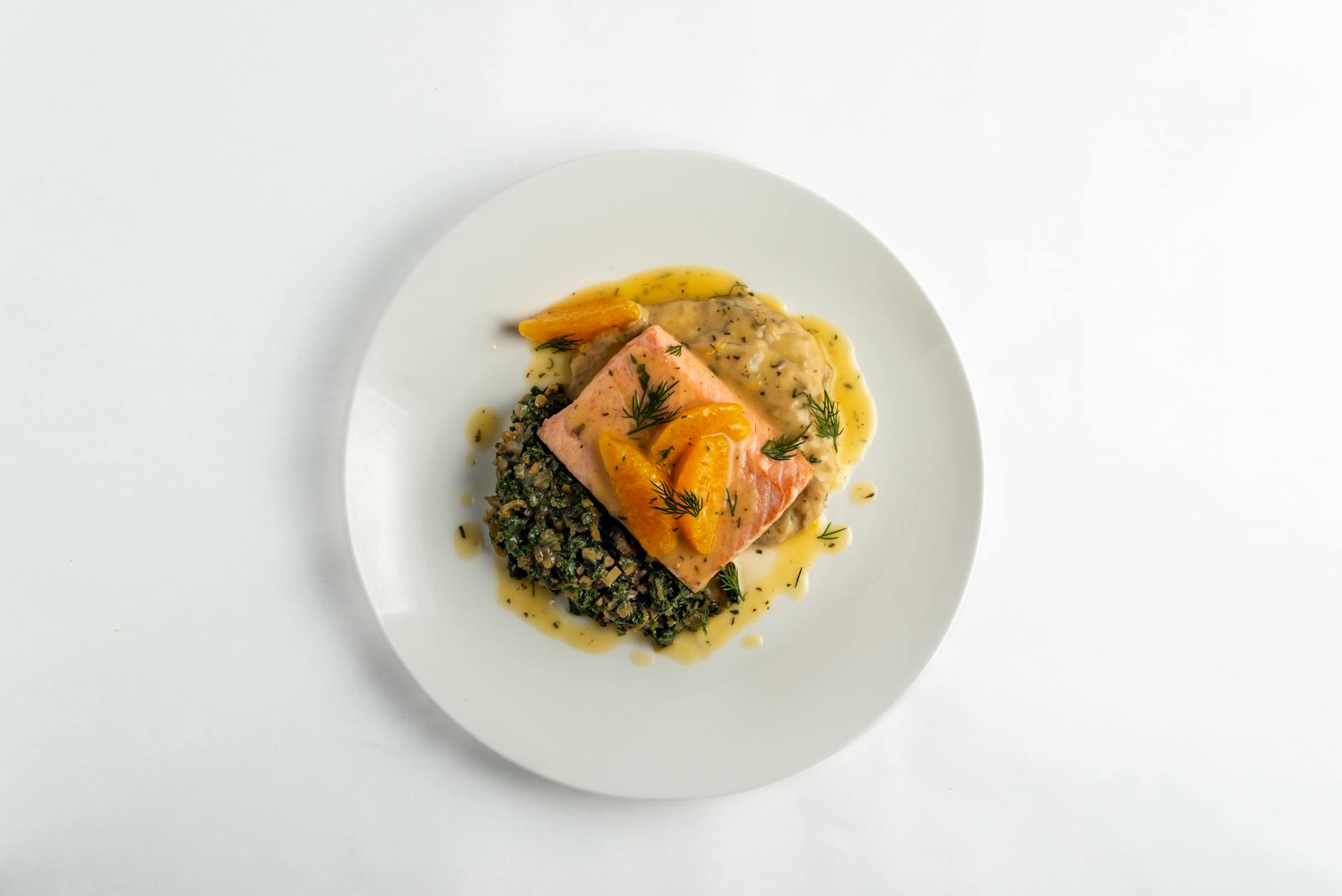
Fatty fish contain omega-3 fatty acids which are healthy fats that reduce inflammation and have been associated with a lower risk of heart disease. These fats are beneficial for the liver as they prevent the buildup of excess fat and maintain enzyme levels. Omega-3s appear to be helpful in reducing inflammation in the liver and combating non-alcoholic fatty liver disease. They also help lower triglycerides which promotes better overall metabolic health. Salmon and sardines represent excellent sources of these essential nutrients.
Olive Oil
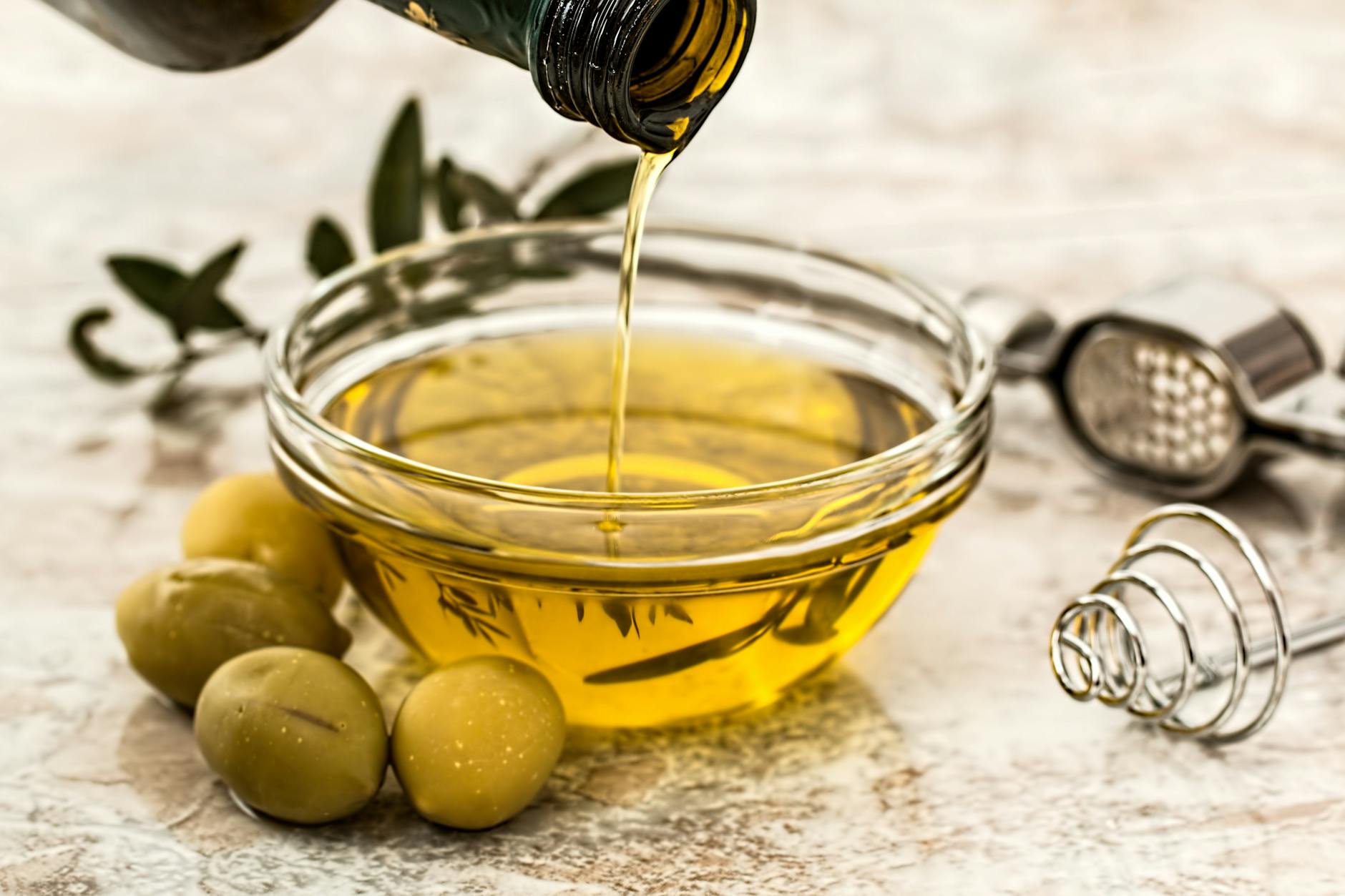
Olive oil is considered a healthy fat because of its many health benefits including positive effects on heart and metabolic health. It has positive effects on the liver by reducing fat accumulation and improving blood flow. Participants in studies involving olive oil consumption showed less fat accumulation in the liver and better enzyme levels. The oil increases the levels of a protein associated with positive metabolic effects. Cold-pressed extra virgin olive oil retains the highest levels of antioxidants.
Garlic
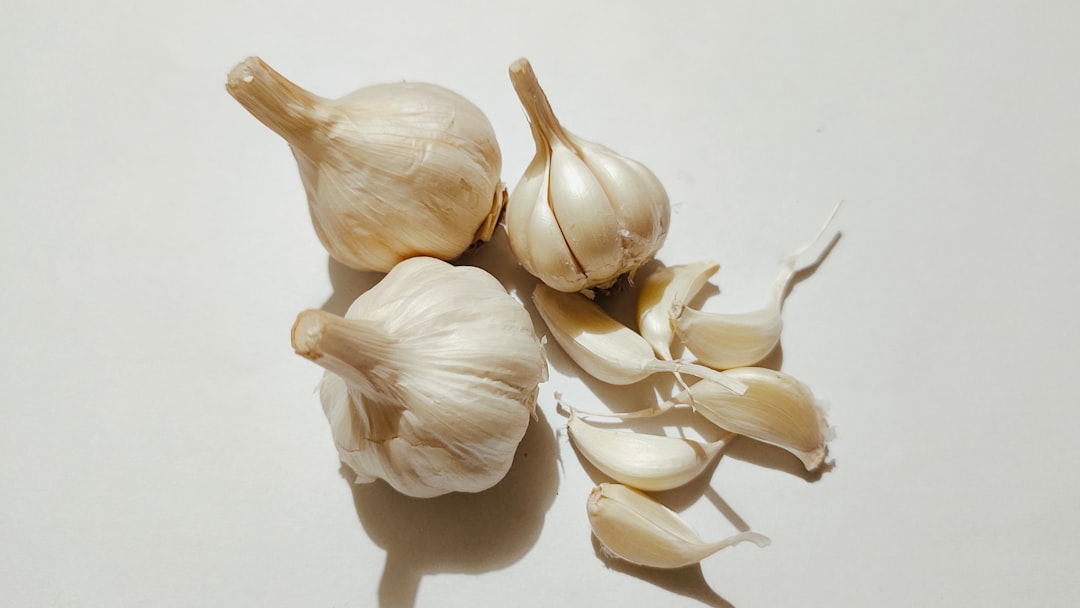
Garlic helps activate liver enzymes that help your body flush out toxins. It also holds high amounts of allicin and selenium which are two natural compounds that aid in liver cleansing. The sulfur compounds in garlic are particularly effective at activating enzymes responsible for flushing out toxins from the body. Regular consumption can reduce body weight and fat content in people with fatty liver disease. Using fresh garlic provides more potent benefits than processed powders.
Oatmeal
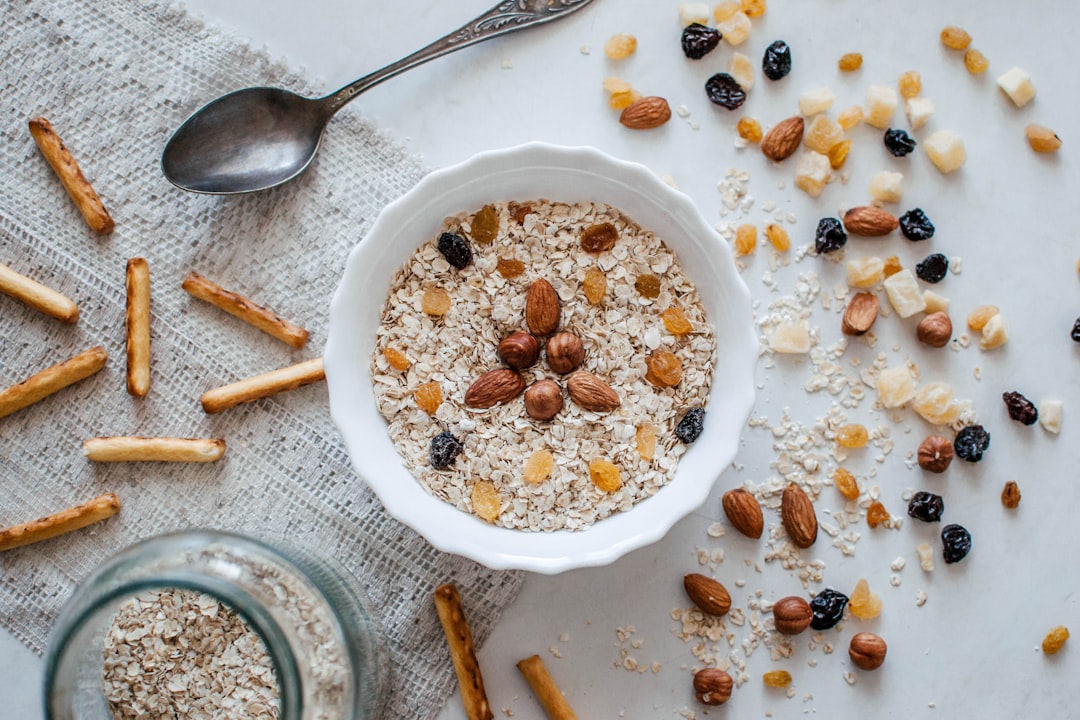
Oatmeal contains high amounts of fiber which helps the digestion process and supports the liver. The specific type of fiber found in oats is beta-glucan and it is particularly biologically active. Beta-glucans help reduce the amount of fat stored in the liver and protect against liver damage. Oats also help modulate the immune system and fight against inflammation throughout the body. Eating whole rolled oats or steel-cut oats is better than instant varieties which often contain added sugar.
Turmeric
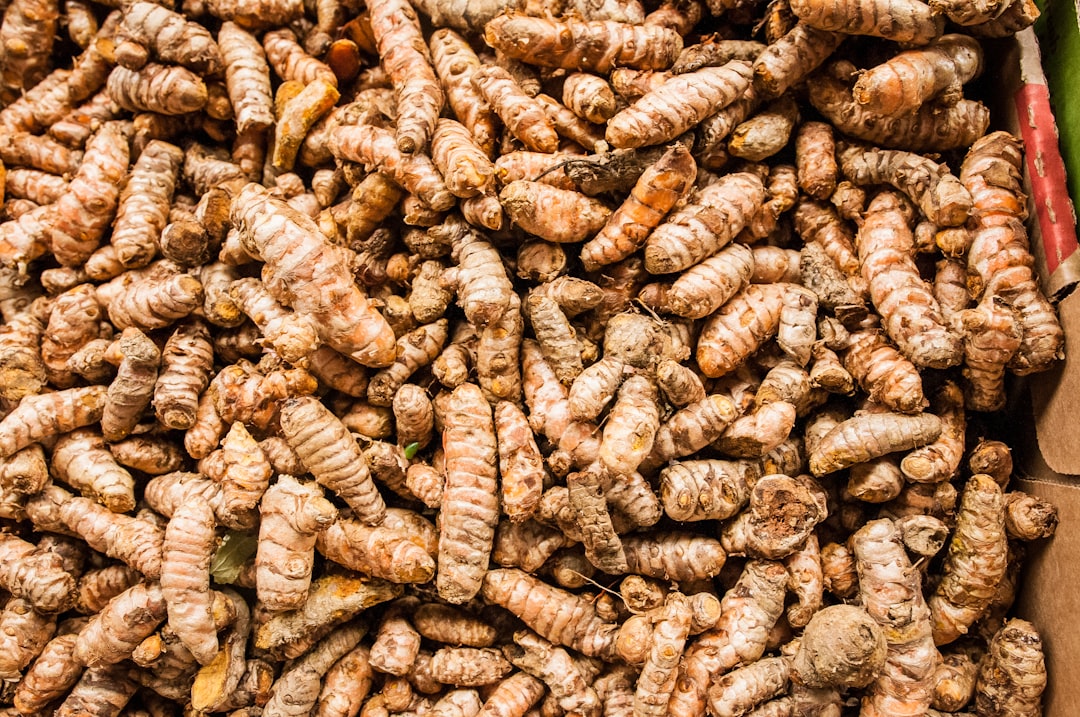
This spice is the main ingredient in curry powder and has powerful biological properties. Curcumin is the active ingredient in turmeric and has strong anti-inflammatory and antioxidant effects. It helps protect the bile duct from blockages and improves the flow of bile which acts as a liver cleanser. Turmeric also assists the liver in detoxifying metals and reduces liver injury from toxins. Adding black pepper to turmeric increases the absorption of curcumin significantly.
Avocado
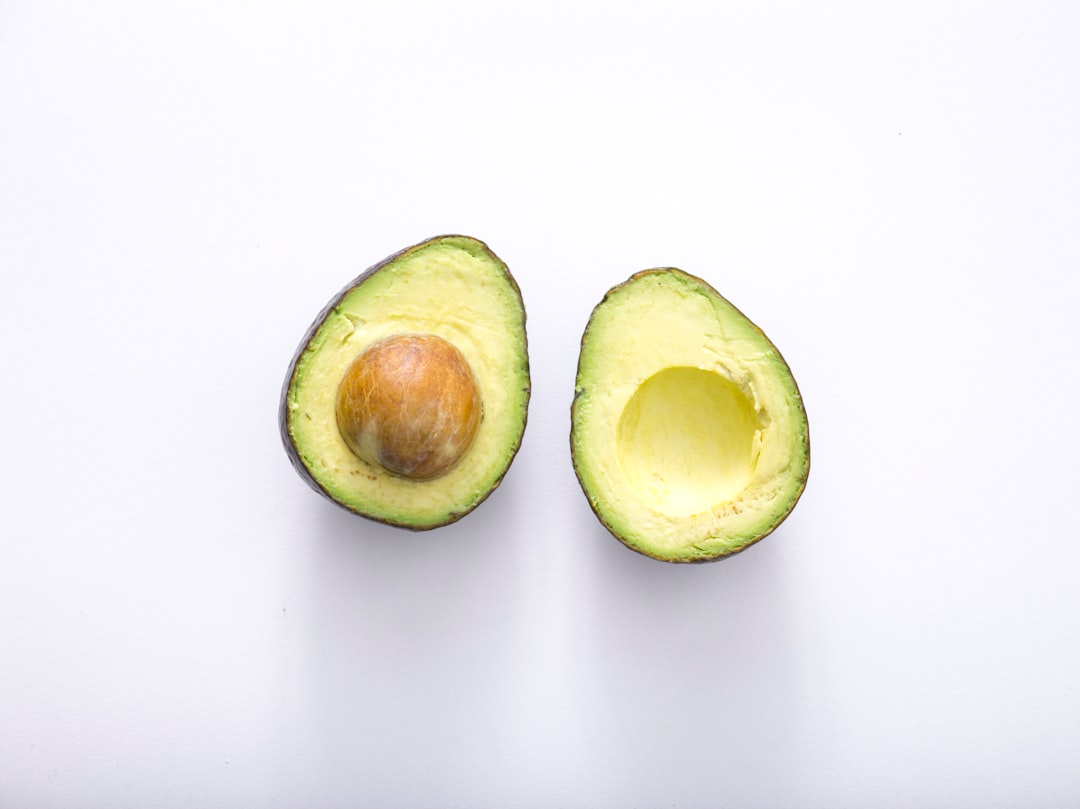
Avocados are rich in healthy fats and contain chemicals that might slow liver damage. They contain glutathione which is a compound that is necessary for the liver to filter out harmful toxins and substances. The healthy fats aid in the absorption of fat-soluble vitamins and reduce inflammation. Research suggests that eating avocados can help with weight management which indirectly supports liver health. They serve as a nutrient-dense substitute for butter or other saturated fats.
Leafy Greens
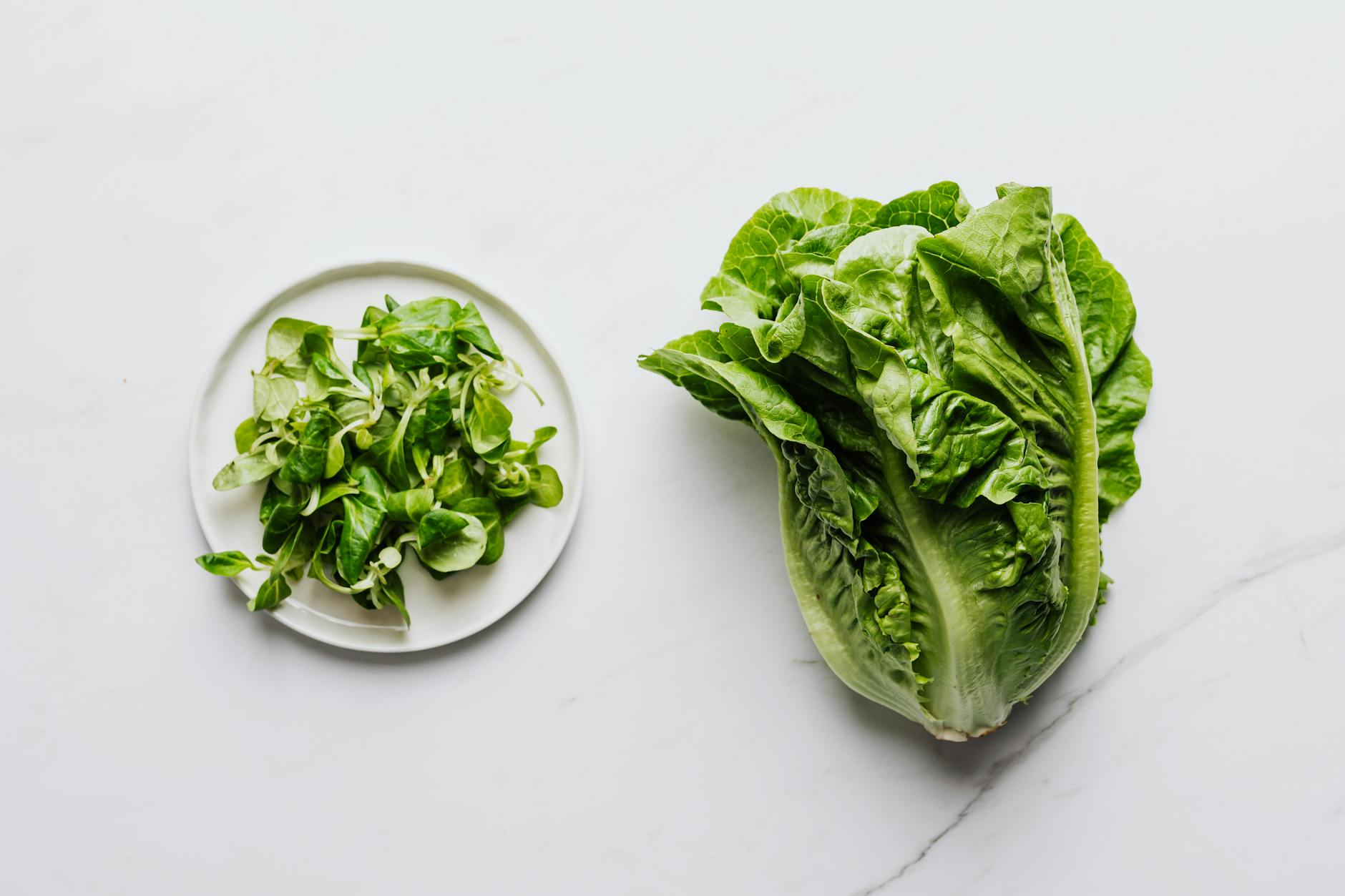
Spinach and kale are packed with potent antioxidants and chlorophyll. Chlorophyll neutralizes heavy metals and chemicals and pesticides which lightens the detox load on the liver. Leafy greens also increase the creation of bile which removes waste from the organs and blood. The high nitrate content in these vegetables helps reduce fatty liver deposits. Eating them raw or lightly sautéed preserves their nutrient density.
Walnuts

Walnuts are among the most beneficial nuts for reducing fatty liver disease. They are higher in antioxidant and omega-3 fatty acid content compared to most other nuts. They contain the amino acid arginine which supports the liver in detoxifying ammonia. The glutathione and omega-3 fatty acids in walnuts also support the natural liver cleansing process. Thorough chewing is necessary to release the beneficial compounds for proper digestion.
Lemons
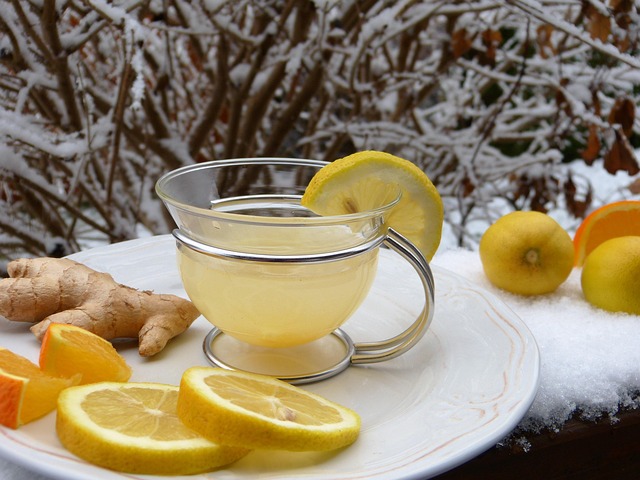
Lemons are high in vitamin C and antioxidants which promote the production of enzymes. These enzymes help turn toxins into a water-soluble form that can be easily excreted from the body. Drinking lemon water in the morning stimulates the liver to flush out toxins. The acidity of the lemon helps digestion and breaks down food more efficiently. Even the peel contains compounds that have been shown to reduce liver cholesterol.
Apples
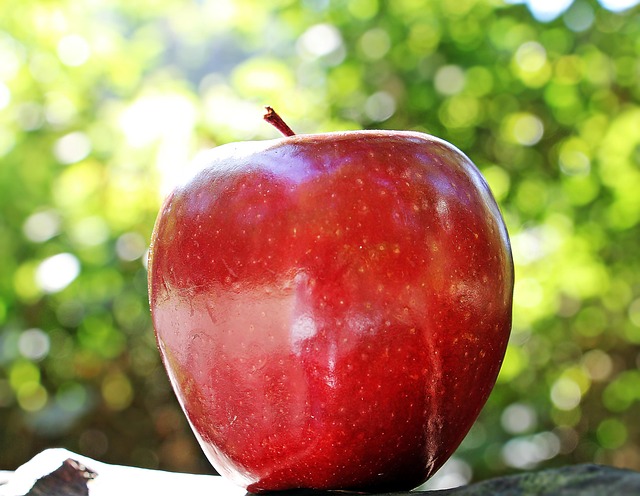
Apples are rich in pectin which is a soluble fiber that helps remove toxins from the digestive tract. Pectin binds to cholesterol and heavy metals in the body to help excrete them before they reach the liver. This process reduces the load on the liver and allows it to manage the remaining toxins more effectively. They also contain malic acid which helps open the bile ducts. Eating the skin provides the maximum amount of fiber and nutrients.
Carrots
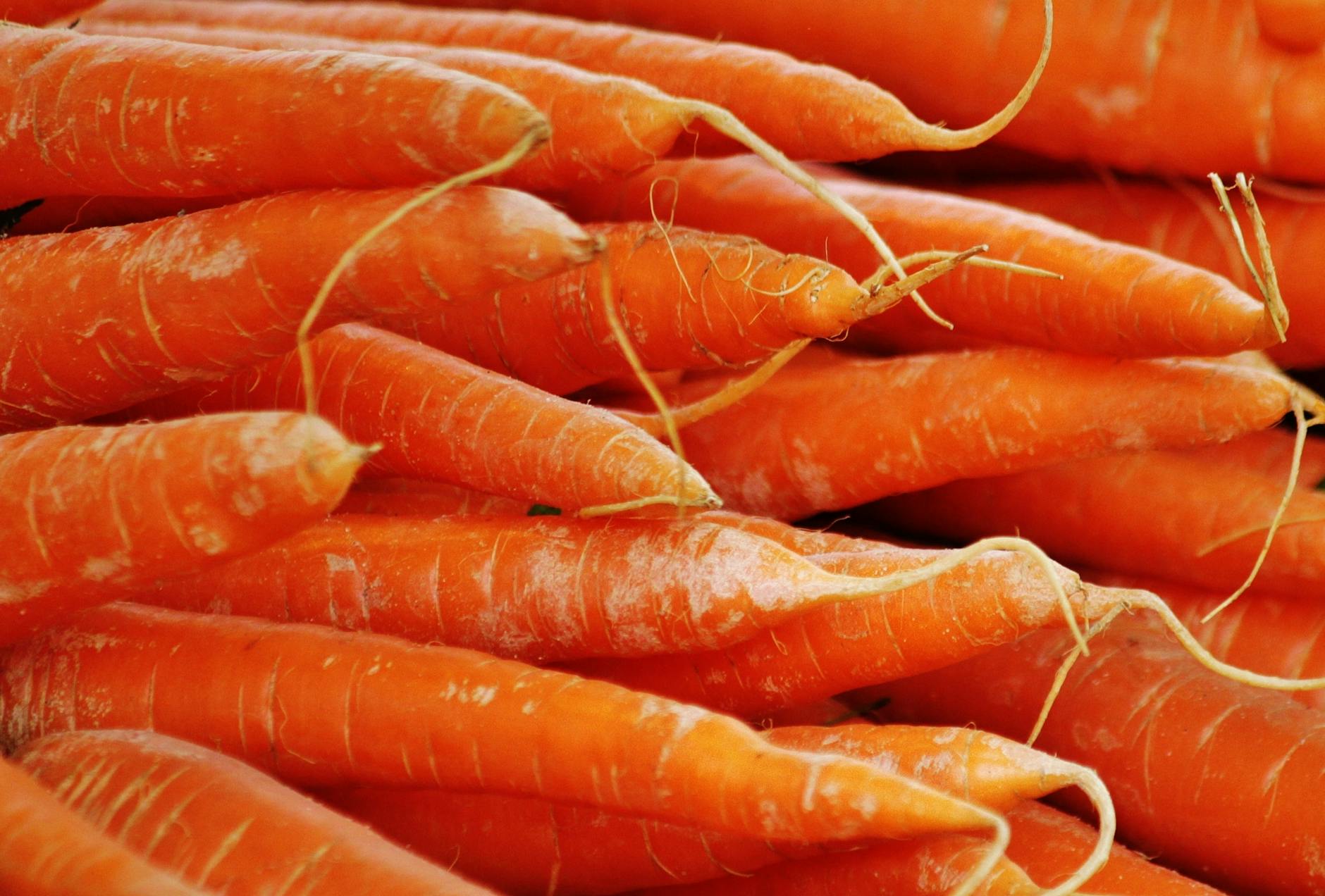
Carrots are extremely high in plant-flavonoids and beta-carotene. Eating carrots can help stimulate and improve overall liver function. The high vitamin A content prevents liver disease and supports the immune system. Beta-carotene converts to vitamin A in the liver and assists in flushing out toxins. Raw carrots act as a natural toothbrush for the digestive tract and provide essential fiber.
Broccoli
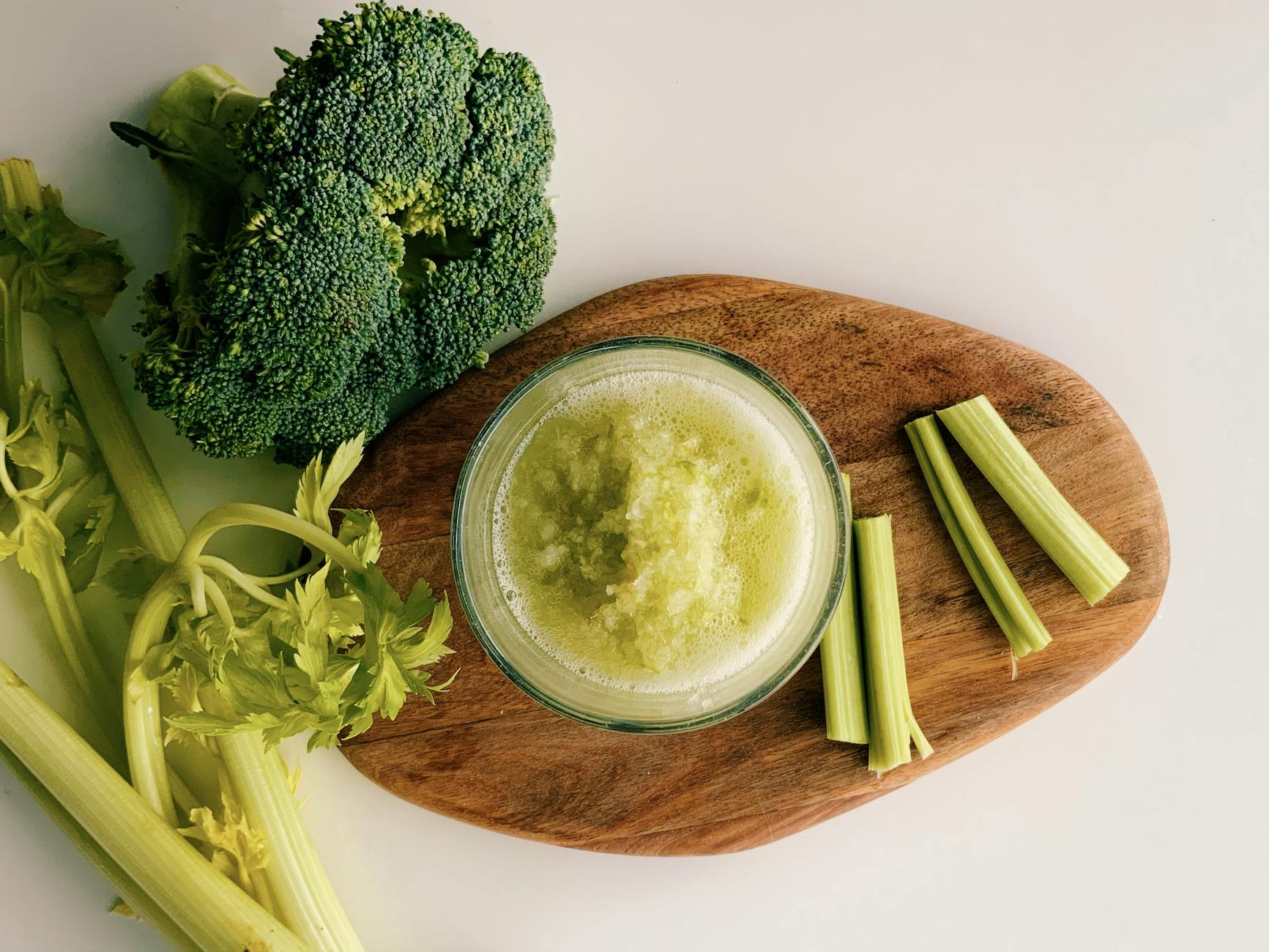
Broccoli is a cruciferous vegetable that increases the amount of glucosinolate in your system. These organic compounds aid in the production of enzymes for digestion. The enzymes produced help flush carcinogens and other toxins out of the body which lowers risks associated with cancer. Steaming broccoli is the best way to preserve its potent liver-protecting enzymes. It prevents the buildup of fat in the liver and keeps the organ functioning optimally.
Brussels Sprouts
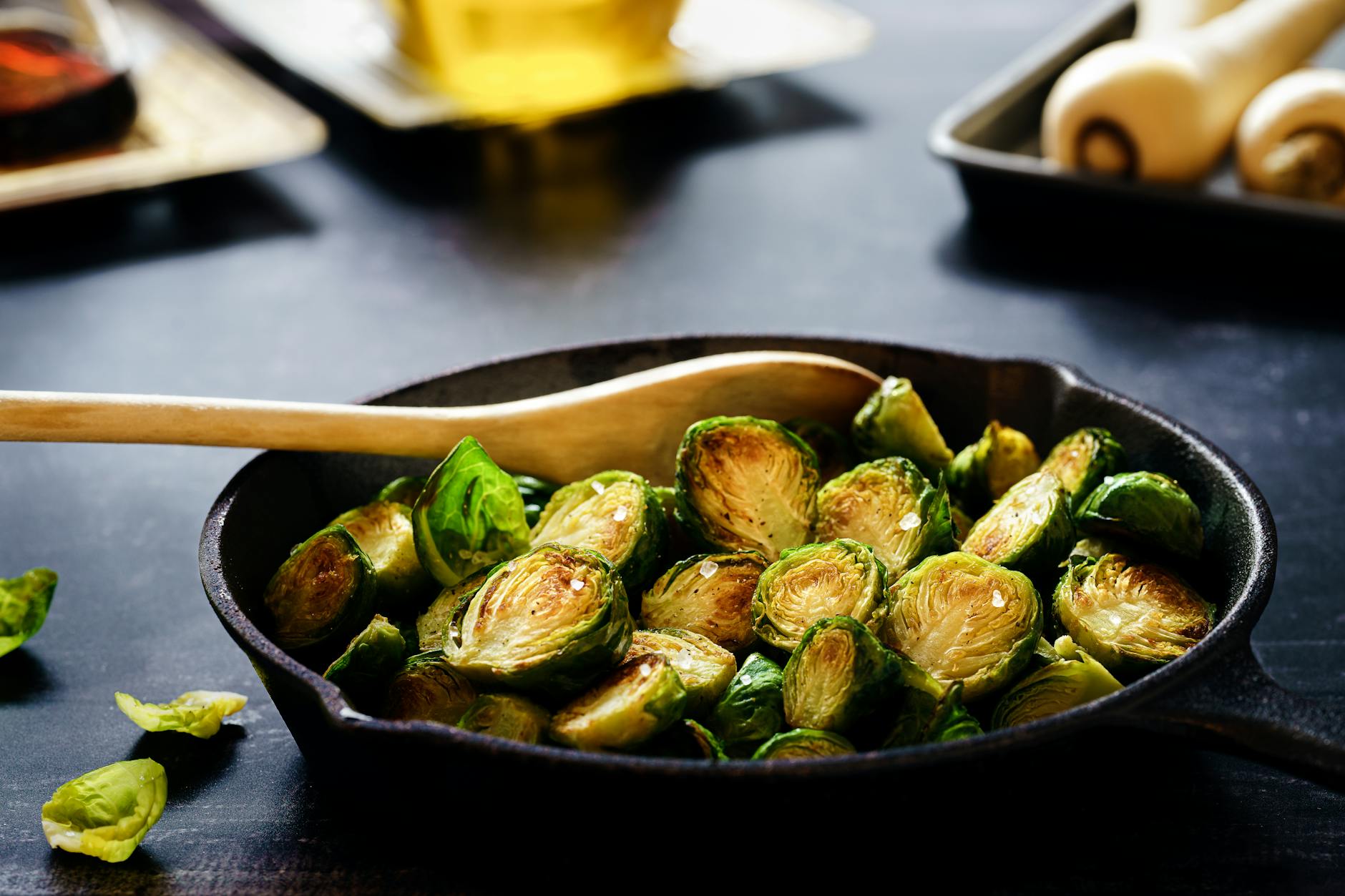
Brussels sprouts are high in sulfur and antioxidants which force the body to release enzymes that block damage from environmental toxins. They increase levels of detoxification enzymes and protect the liver from oxidative stress. This vegetable contains glucosinolates which regulate the body’s inflammatory response. High fiber content aids in cholesterol management and digestion. Roasting them brings out a natural sweetness while retaining their health benefits.
Cabbage
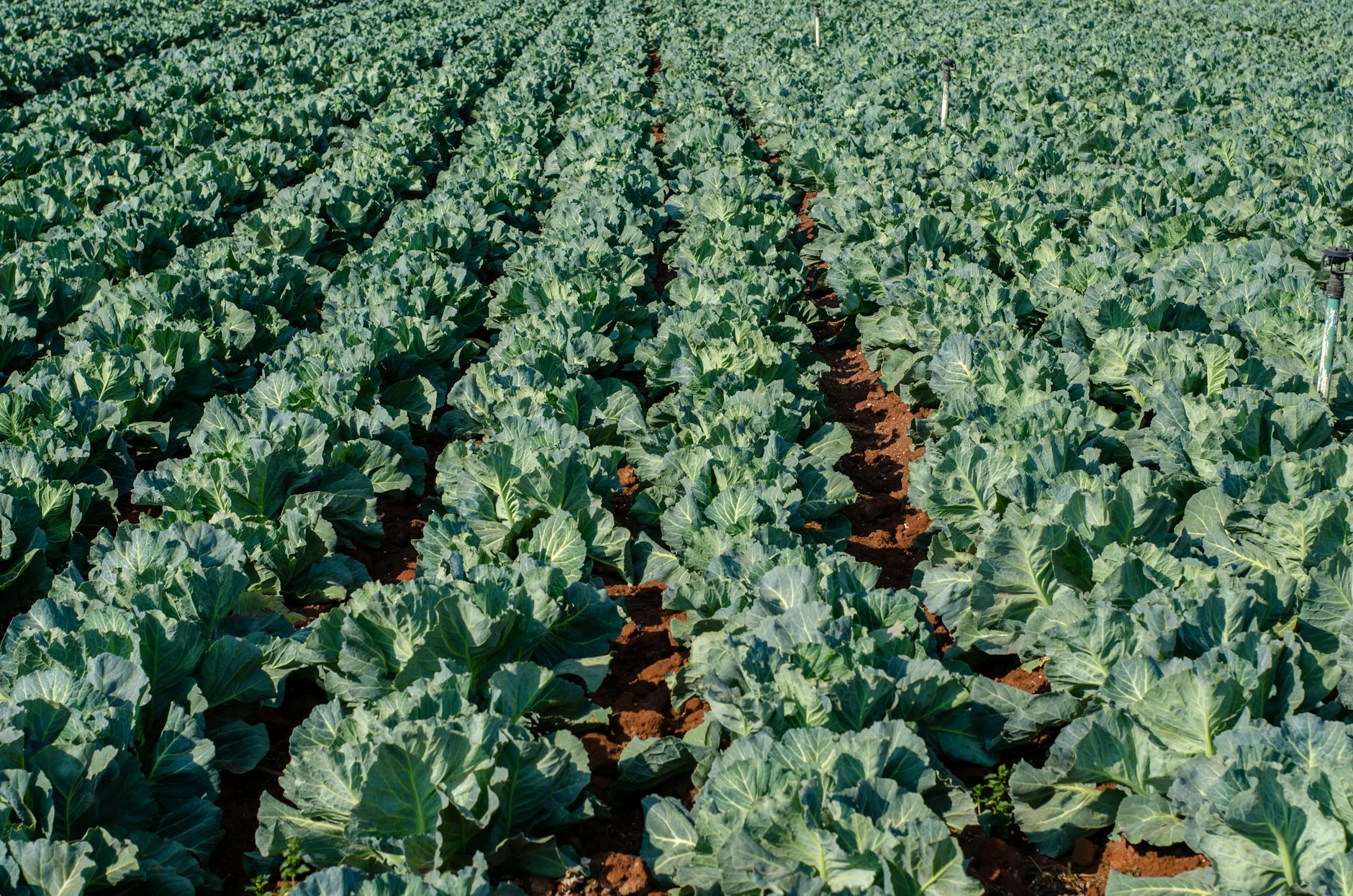
Cabbage contains sulfur compounds that are essential for activating liver detoxifying enzymes. It helps the liver break down excess hormones and flush them out of the body. The vegetable stimulates the activation of two crucial liver detoxifying enzymes. Fermented cabbage in the form of sauerkraut provides probiotics that further assist gut and liver health. Regular consumption supports the digestive system and reduces the toxic load on the liver.
Cauliflower
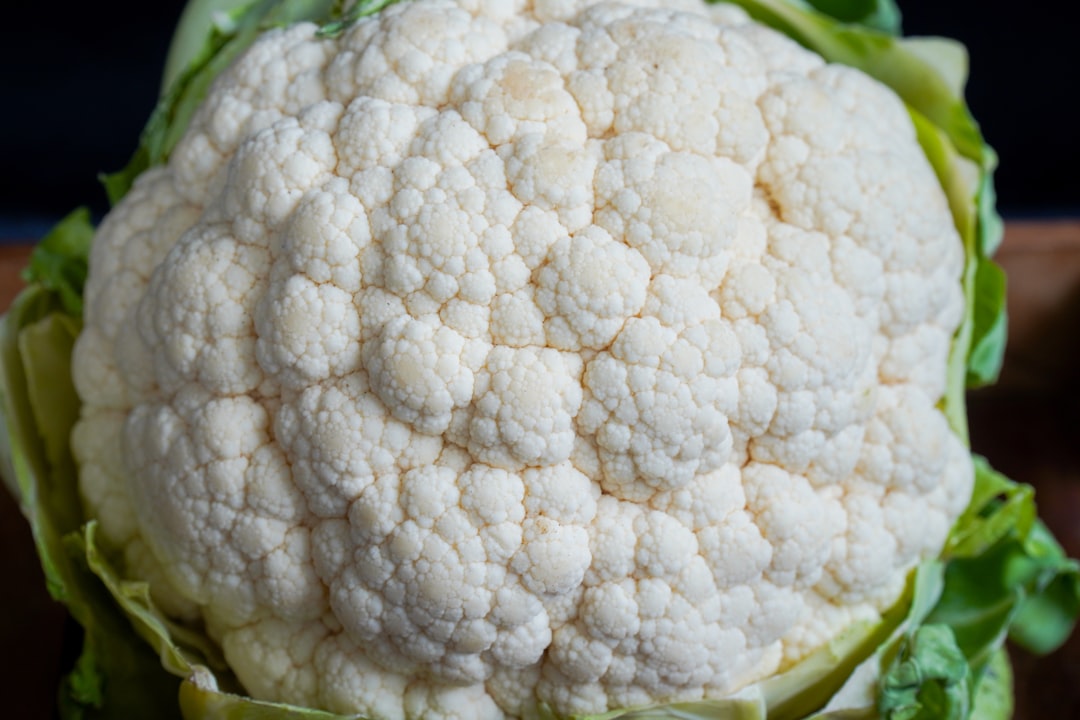
Cauliflower is rich in glucosinolates which support enzyme production in the liver. These compounds help flush out carcinogens and other toxins from the body effectively. It contains choline which is a nutrient essential for liver function and brain health. A deficiency in choline is often linked to fatty liver disease. It can be eaten raw or cooked or mashed as a substitute for potatoes.
Sunflower Seeds
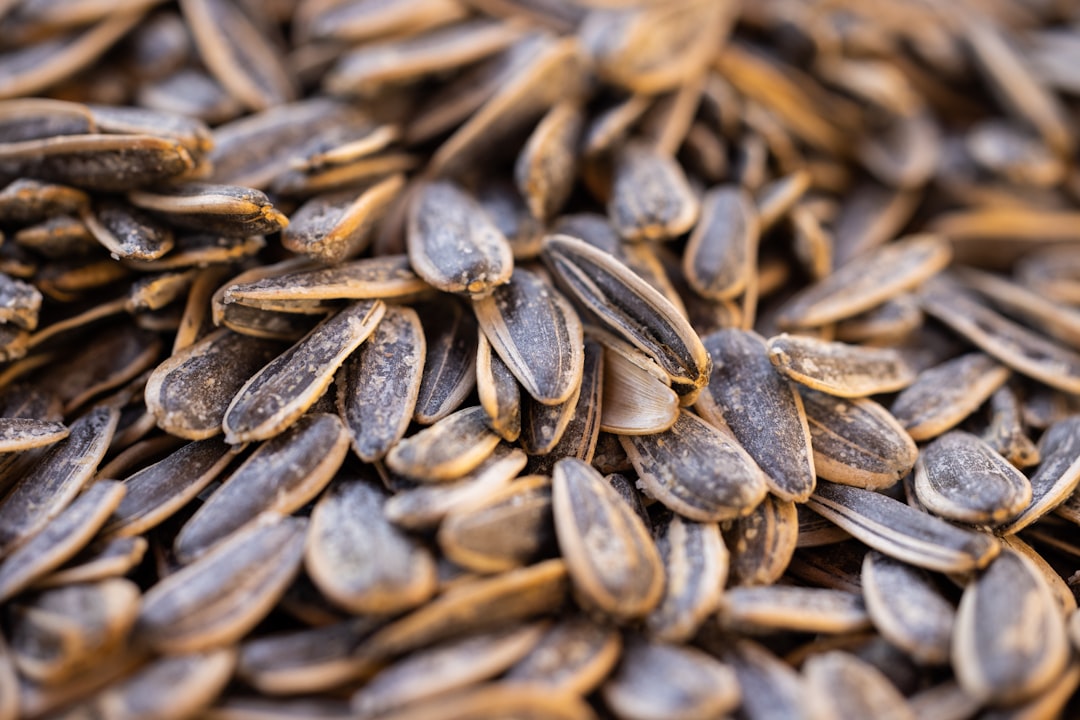
Sunflower seeds are high in vitamin E which is a powerful antioxidant used to treat fatty liver. They protect the liver from oxidative stress and damage caused by free radicals. The selenium in these seeds supports the enzyme systems in the liver that facilitate detoxification. They provide a healthy source of fats that help reduce inflammation. A small handful provides a significant portion of the daily recommended intake of vitamin E.
Papaya
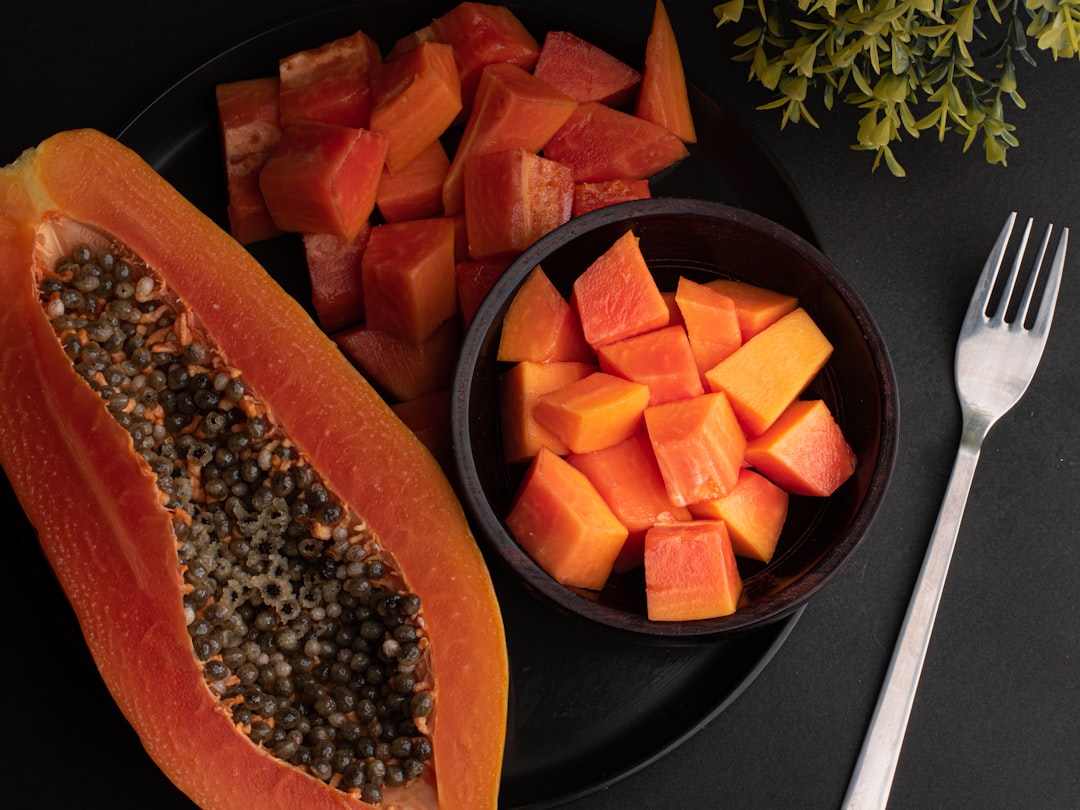
Papaya fruit and its seeds aid the body in burning fats and prevent fatty liver disease. The enzyme papain found in papaya helps digestion and the breakdown of proteins. It effectively reduces lipid peroxidation and improves liver function test results. The seeds specifically are potent for liver detoxification and parasite removal. Eating the fruit regularly supports a healthy metabolism and digestive tract.
Watermelon
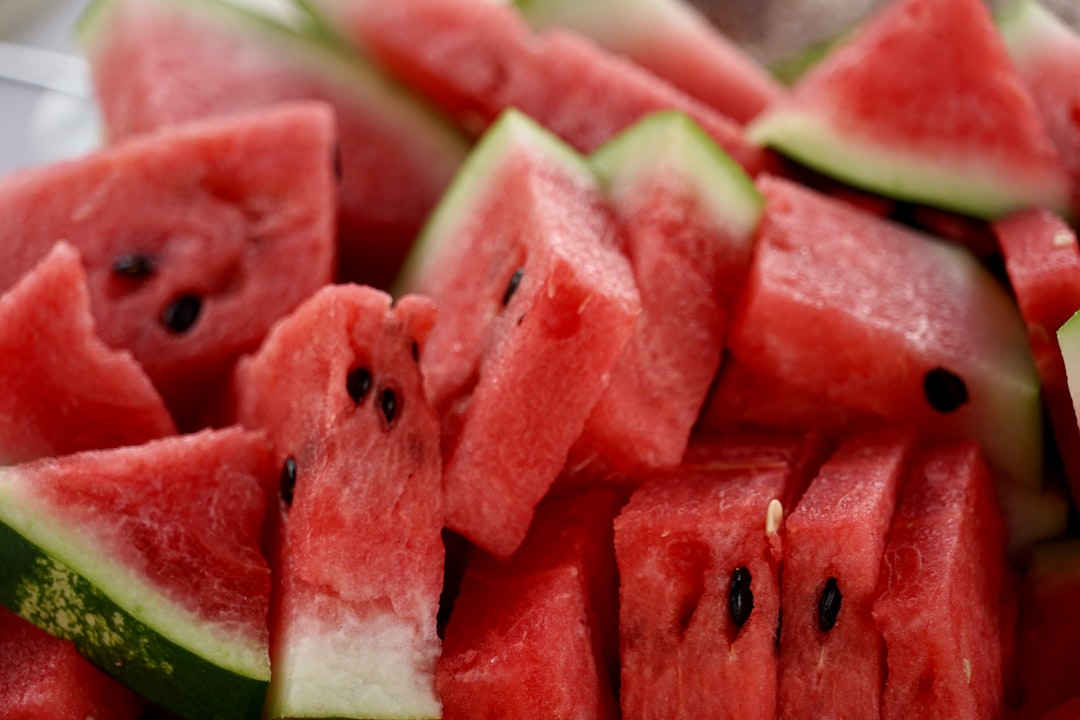
Watermelon is a natural diuretic which helps the body flush out toxins through increased urine flow. It contains citrulline which helps remove ammonia from the body and reduces the burden on the liver. The high water content keeps the body hydrated which is essential for optimal liver function. It also contains lycopene which is a powerful antioxidant that reduces inflammation. This refreshing fruit supports the kidneys and liver in their detoxification processes.
Ginger
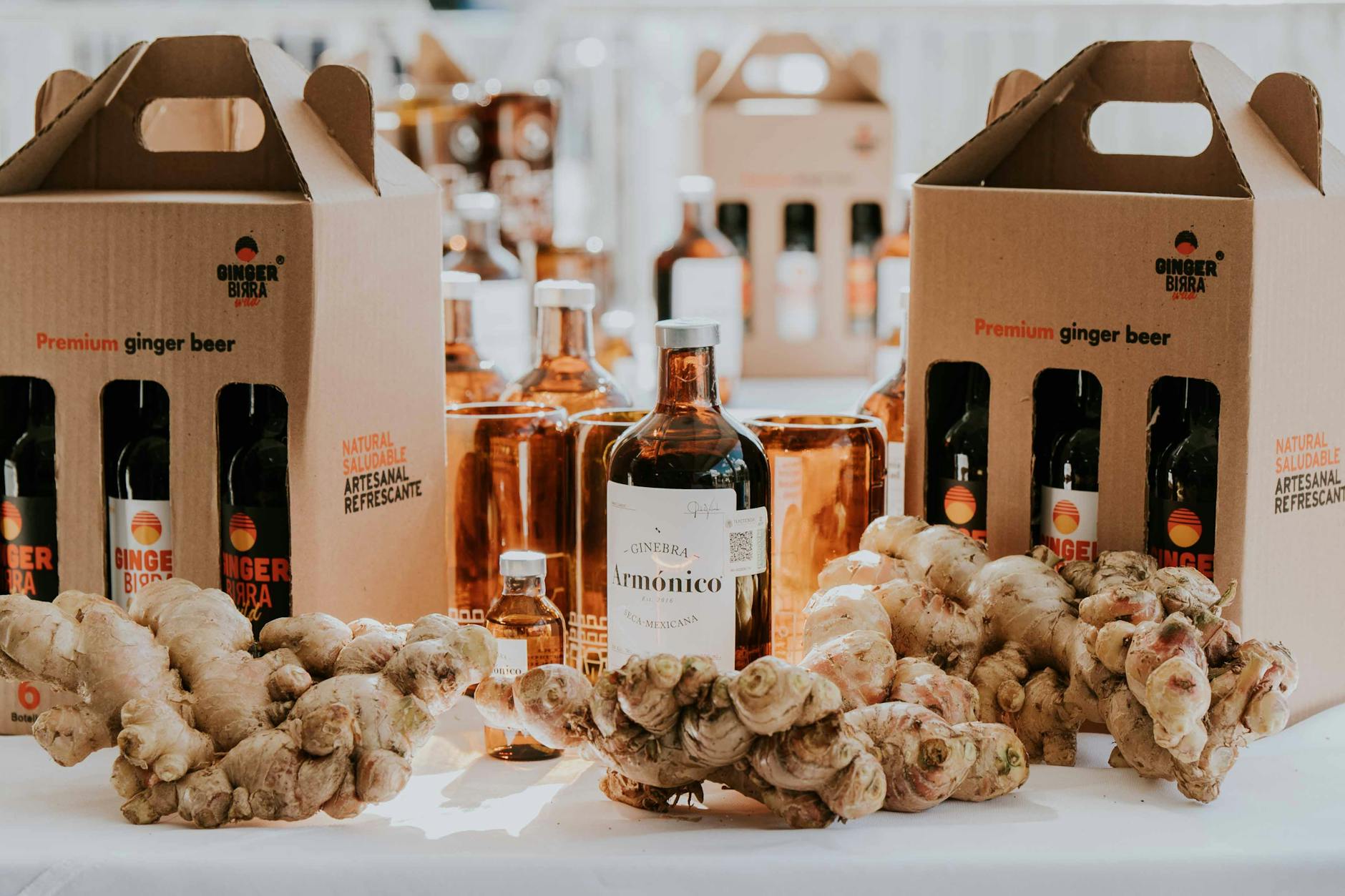
Ginger root contains compounds called gingerols and shogaols that inhibit inflammation and protect against cellular damage. It helps stimulate digestion and circulation and sweating which are three main avenues of detoxification. Studies indicate ginger may help reduce liver damage and lower fibrosis markers. It also helps lower blood triglycerides and cholesterol levels in people with fatty liver disease. Fresh ginger tea is an effective way to consume these beneficial compounds.
Asparagus
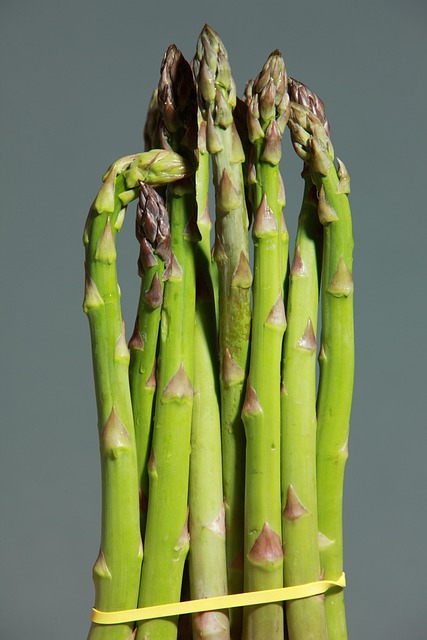
Asparagus is a natural diuretic and facilitates the removal of wastes from the body. It contains vitamins and minerals that protect liver cells from toxins and alleviate the effects of alcohol. The amino acids and minerals in asparagus may protect liver cells against toxins. It stimulates the kidneys and supports the liver in the drainage of waste products. Steaming is a gentle cooking method that preserves its nutritional profile.
Artichoke
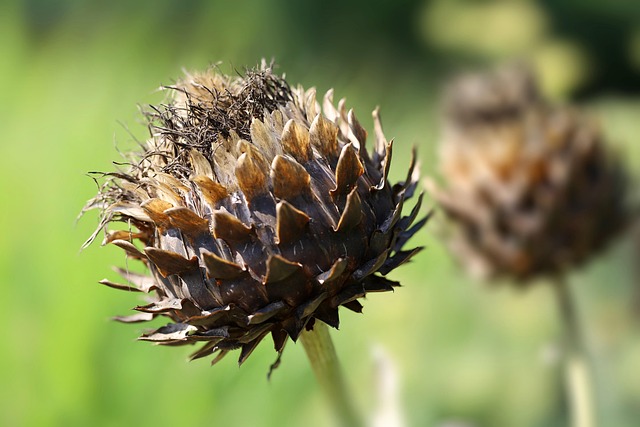
Artichoke boosts the production of bile which helps remove harmful toxins from the liver. It contains cynarin and silymarin which are compounds that improve liver health and tissue regeneration. The fiber in artichokes helps eliminate bile and reduces cholesterol levels. Extracts from the leaves are often used in supplements to support liver function. Eating the whole vegetable provides both fiber and these unique protective compounds.
Miso
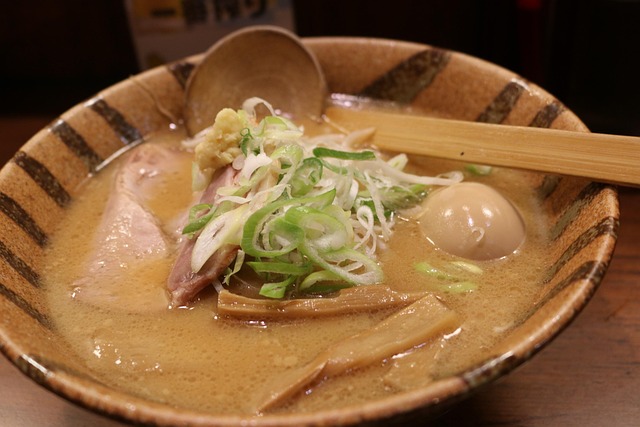
Miso is a fermented paste made from soybeans that contains probiotics and enzymes. It helps neutralize toxins from environmental pollution and aids the liver in its detoxification efforts. The fermentation process makes the nutrients more bioavailable and easier for the body to absorb. It is a source of complete protein and adds a savory flavor to soups and dressings. Choosing unpasteurized miso ensures that the beneficial bacteria remain active.
Fennel
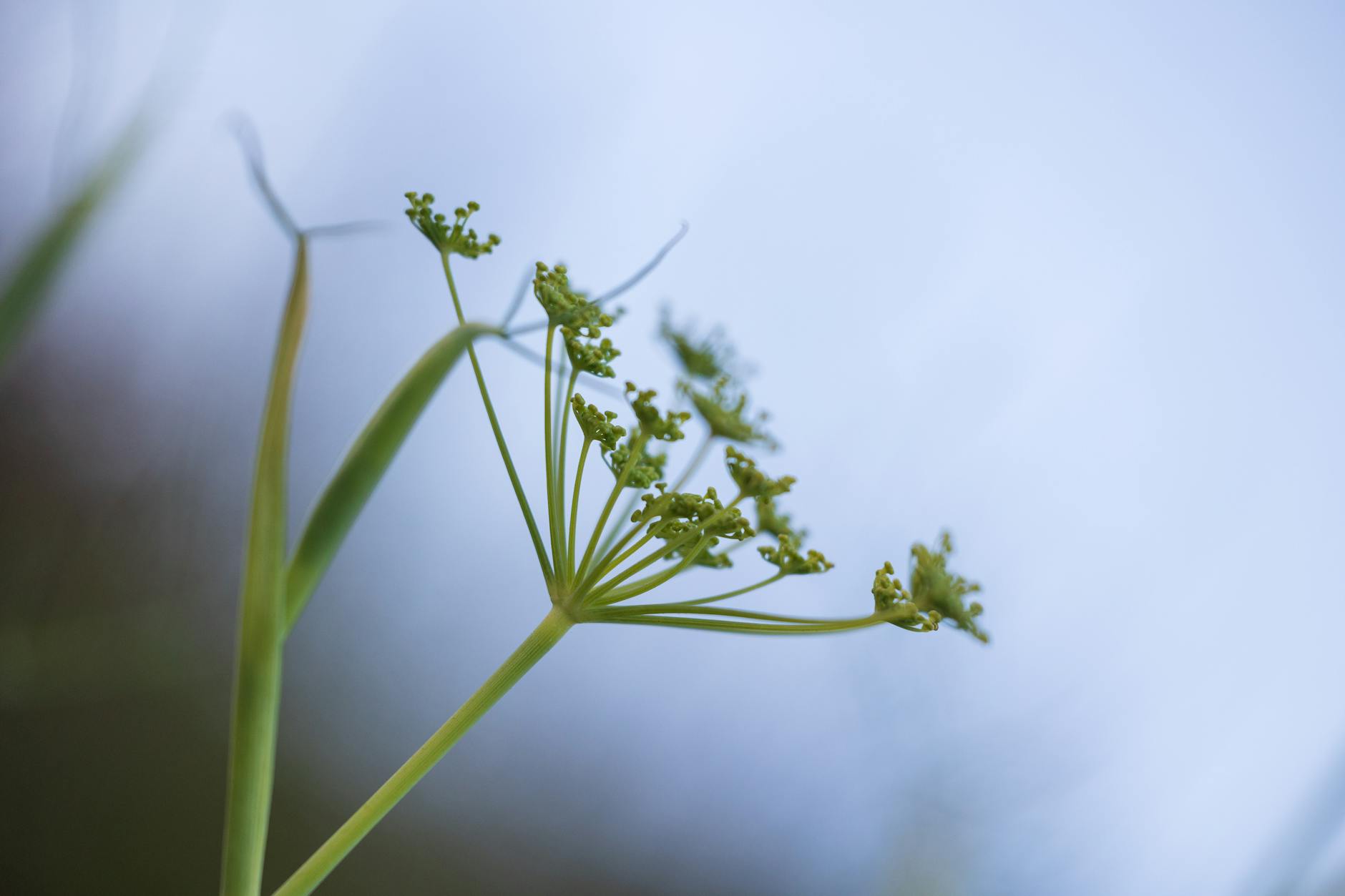
Fennel is rich in fiber and vitamin C and contains essential oils that aid digestion. It helps prevent gas and bloating while stimulating bile production for fat digestion. The bulb and seeds both contain compounds that protect the liver from chemical toxicity. Fennel tea acts as a gentle detoxifier and helps settle the stomach. It can be eaten raw in salads or roasted to bring out a milder flavor.
Dandelion Greens

Dandelion greens have a bitter taste that stimulates bile flow within the liver. They act as a natural diuretic and allow the liver to eliminate toxins more quickly. The leaves are high in antioxidants and minerals that support the immune system. They help break down fats and promote healthy digestion. Adding them to a salad provides a sharp flavor contrast and significant health benefits.
Tofu
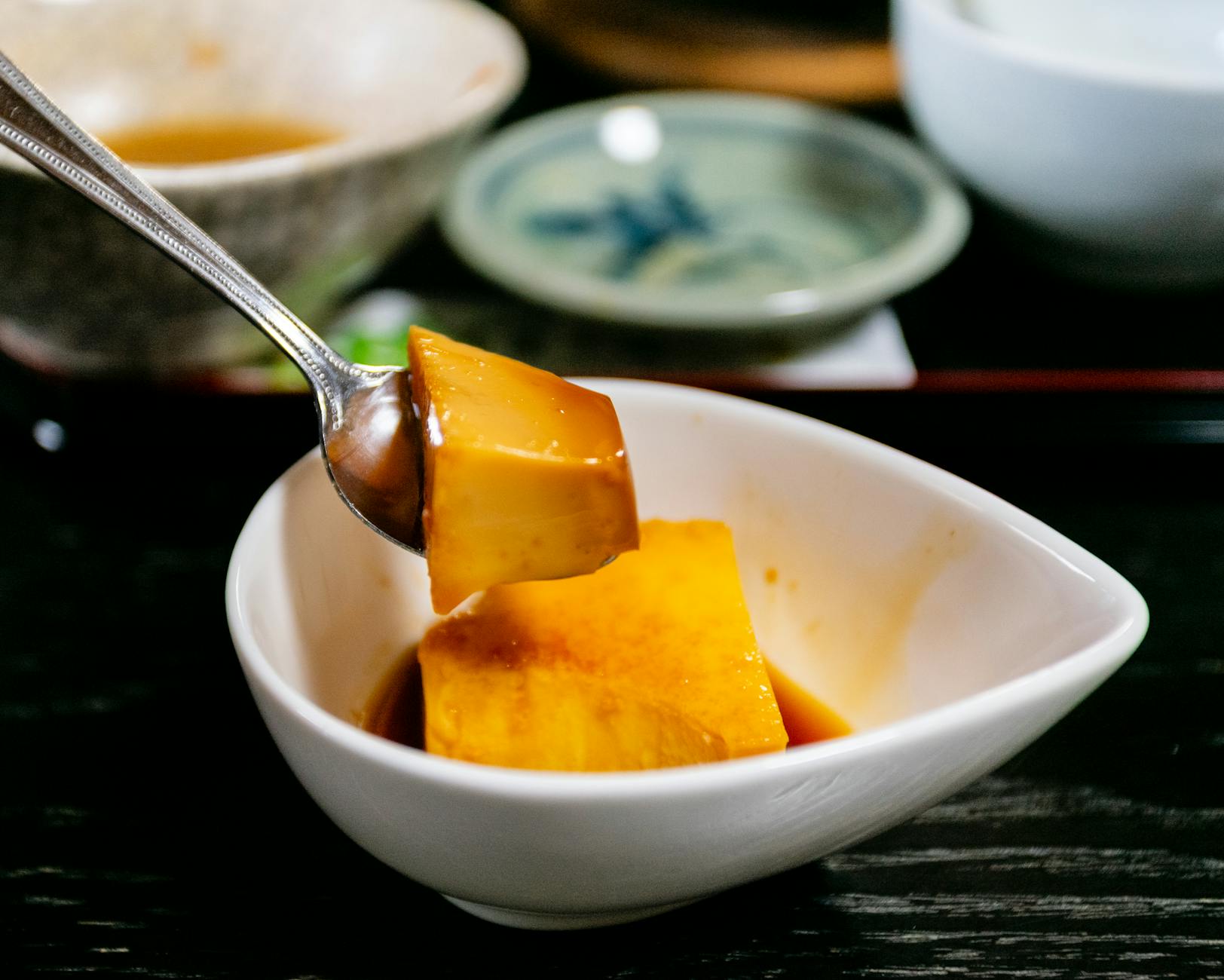
Tofu is made from soy and serves as a vital source of plant-based protein. The soy protein found in tofu has been shown to reduce fat buildup in the liver. It provides an alternative to fatty meats which creates a lighter load for the liver to process. Tofu contains genistein which helps the liver burn fat rather than store it. It absorbs flavors well and can be prepared in various ways to suit different tastes.
Tell us which of these liver-friendly foods you plan to add to your diet in the comments.