
Protecting and maintaining healthy eyesight goes far beyond routine checkups and screen-time limits. The nutrients found in everyday foods play a powerful role in supporting eye function, reducing the risk of age-related conditions, and keeping vision sharp well into later life. A diet rich in specific vitamins, antioxidants, and minerals can make a measurable difference in long-term eye health. These 25 foods are among the most well-supported by nutritional research for their vision-boosting benefits.
Carrots
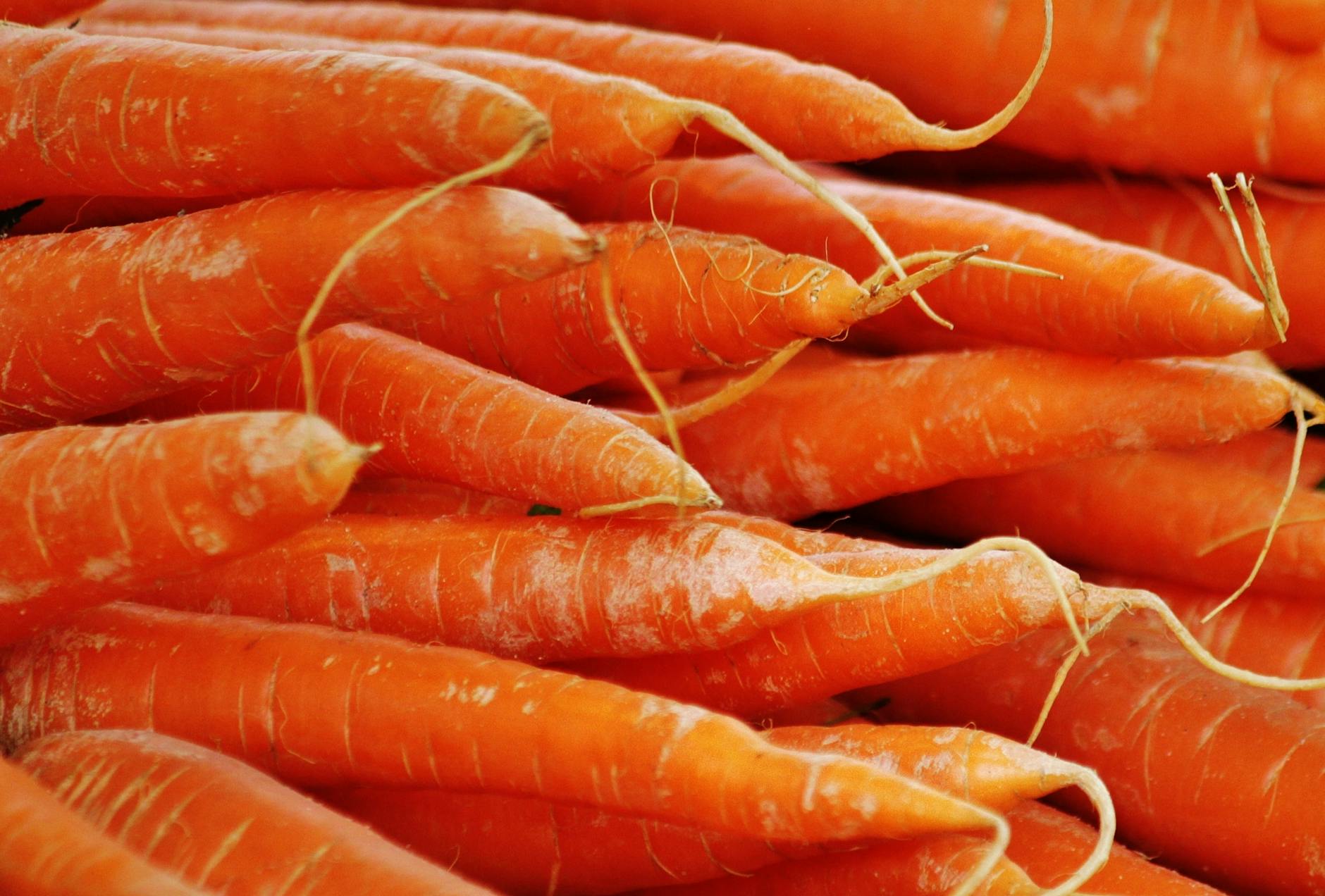
Carrots are one of the most recognized foods for eye health due to their high beta-carotene content. The body converts beta-carotene into vitamin A, a nutrient essential for maintaining the surface of the eye and supporting night vision. A deficiency in vitamin A is one of the leading causes of preventable blindness worldwide. Regular consumption of carrots contributes to the production of rhodopsin, a pigment in the eyes that helps vision in low-light conditions. They can be eaten raw, roasted, or blended into soups for an easy dietary addition.
Spinach

Spinach is loaded with lutein and zeaxanthin, two carotenoids that accumulate in the retina and act as a natural filter against harmful blue light. These antioxidants are strongly associated with a reduced risk of age-related macular degeneration and cataracts. The vitamin C content in spinach further supports the health of ocular blood vessels. Iron found in spinach also plays a supporting role in overall retinal function. Adding spinach to salads, smoothies, or cooked dishes is a straightforward way to increase intake.
Kale

Kale contains some of the highest concentrations of lutein and zeaxanthin found in any food source. These pigments are directly deposited into the macular region of the eye, where they help protect against oxidative damage. Studies have consistently linked higher dietary intake of these carotenoids with a lower incidence of macular degeneration. Kale is also rich in vitamin C and vitamin E, both of which contribute to reducing oxidative stress in eye tissue. It can be consumed as a salad base, baked into chips, or blended into green juices.
Salmon

Salmon is one of the richest dietary sources of omega-3 fatty acids, particularly DHA and EPA. DHA is a structural component of the retina and is critical for maintaining its integrity and function. Low levels of DHA have been associated with dry eye syndrome and increased risk of macular degeneration. The anti-inflammatory properties of omega-3s also help protect delicate eye tissue from chronic damage. Wild-caught salmon is widely recommended for its superior nutrient profile compared to farmed varieties.
Sweet Potatoes

Sweet potatoes are exceptionally high in beta-carotene, providing well over the daily recommended intake of vitamin A in a single serving. Vitamin A is necessary for the production of protective pigments in the eyes and for maintaining the moisture of the cornea. This root vegetable also contains vitamin C and vitamin E, offering a multi-nutrient approach to eye protection. The natural sweetness makes it appealing in both savory and sweet preparations. Roasting sweet potatoes preserves much of their nutritional content while enhancing their natural flavor.
Eggs

Eggs contain lutein and zeaxanthin in a highly bioavailable form, meaning the body absorbs these nutrients particularly efficiently from this source. The yolk is where the majority of these vision-protecting compounds are concentrated. Regular egg consumption has been associated with increased macular pigment density, which helps protect central vision. Eggs also provide zinc, a mineral that plays a key role in transporting vitamin A from the liver to the retina. Including eggs in a balanced breakfast is a practical way to support daily eye nutrient intake.
Almonds

Almonds are an excellent source of vitamin E, an antioxidant that protects eye cells from damage caused by unstable molecules known as free radicals. Higher dietary intake of vitamin E has been linked to a slower progression of age-related macular degeneration. A small handful of almonds provides a significant portion of the daily recommended vitamin E intake. They also contain healthy fats that support the absorption of fat-soluble eye nutrients from other foods. Almonds work well as a standalone snack or added to oatmeal, salads, and yogurt.
Oranges
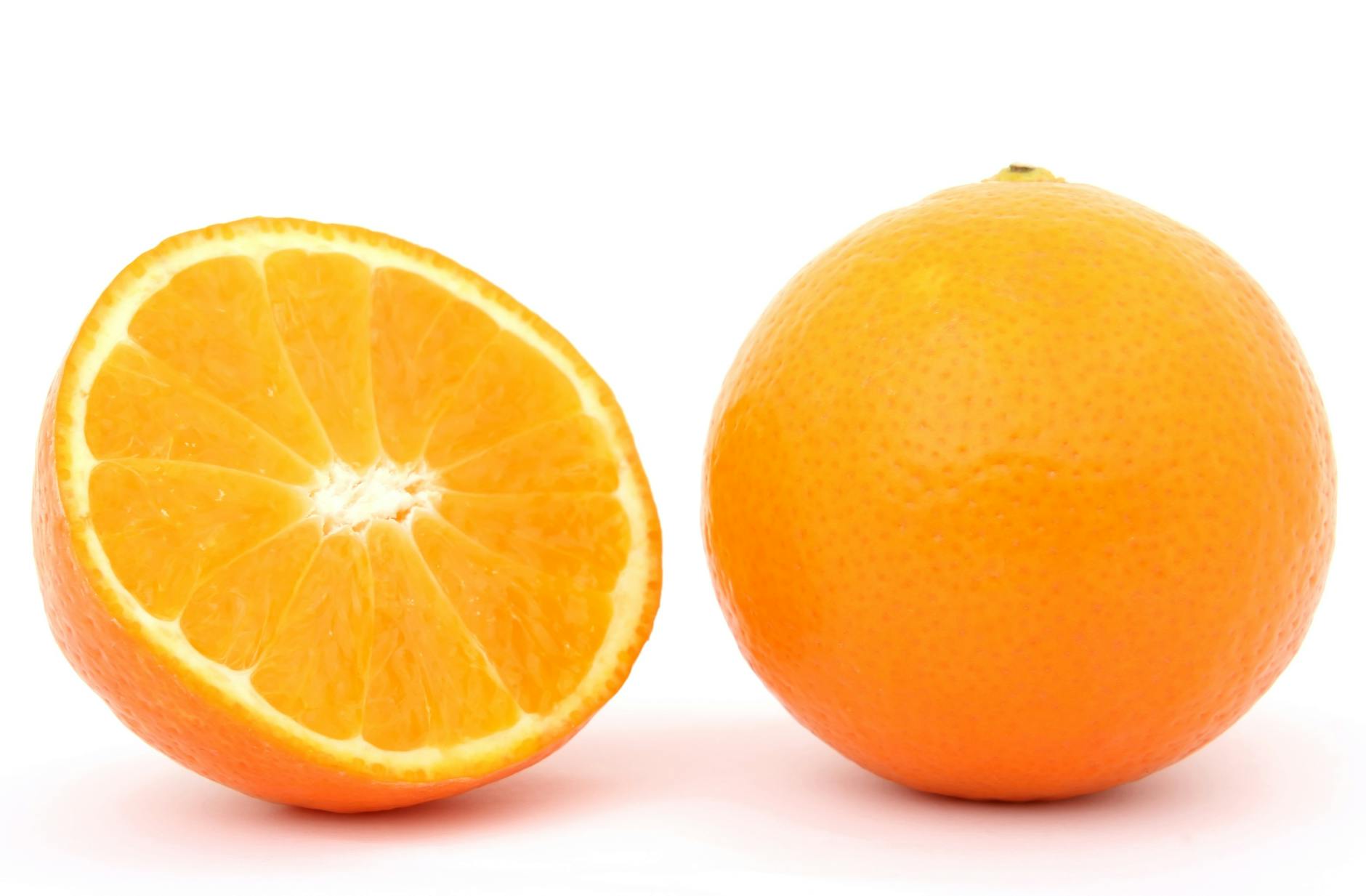
Oranges are widely known for their high vitamin C content, which plays an important role in maintaining healthy blood vessels in the eyes. Vitamin C is also an antioxidant that helps protect the lens of the eye from oxidative damage that can lead to cataract formation. Research suggests that consistent vitamin C intake is associated with a reduced risk of developing cataracts over time. The water content of oranges additionally supports overall hydration, which benefits tear production and eye comfort. Fresh orange juice and whole oranges are both effective ways to meet daily vitamin C needs.
Bell Peppers

Bell peppers, particularly red and yellow varieties, contain exceptionally high levels of vitamin C per serving. They are also a good source of beta-carotene, which converts to vitamin A in the body to support corneal health. The combination of antioxidants in bell peppers makes them highly effective at combating oxidative stress in ocular tissue. They also provide lutein and zeaxanthin, reinforcing protection against light-induced retinal damage. Bell peppers are versatile and can be eaten raw, roasted, or added to a wide range of cooked dishes.
Sardines
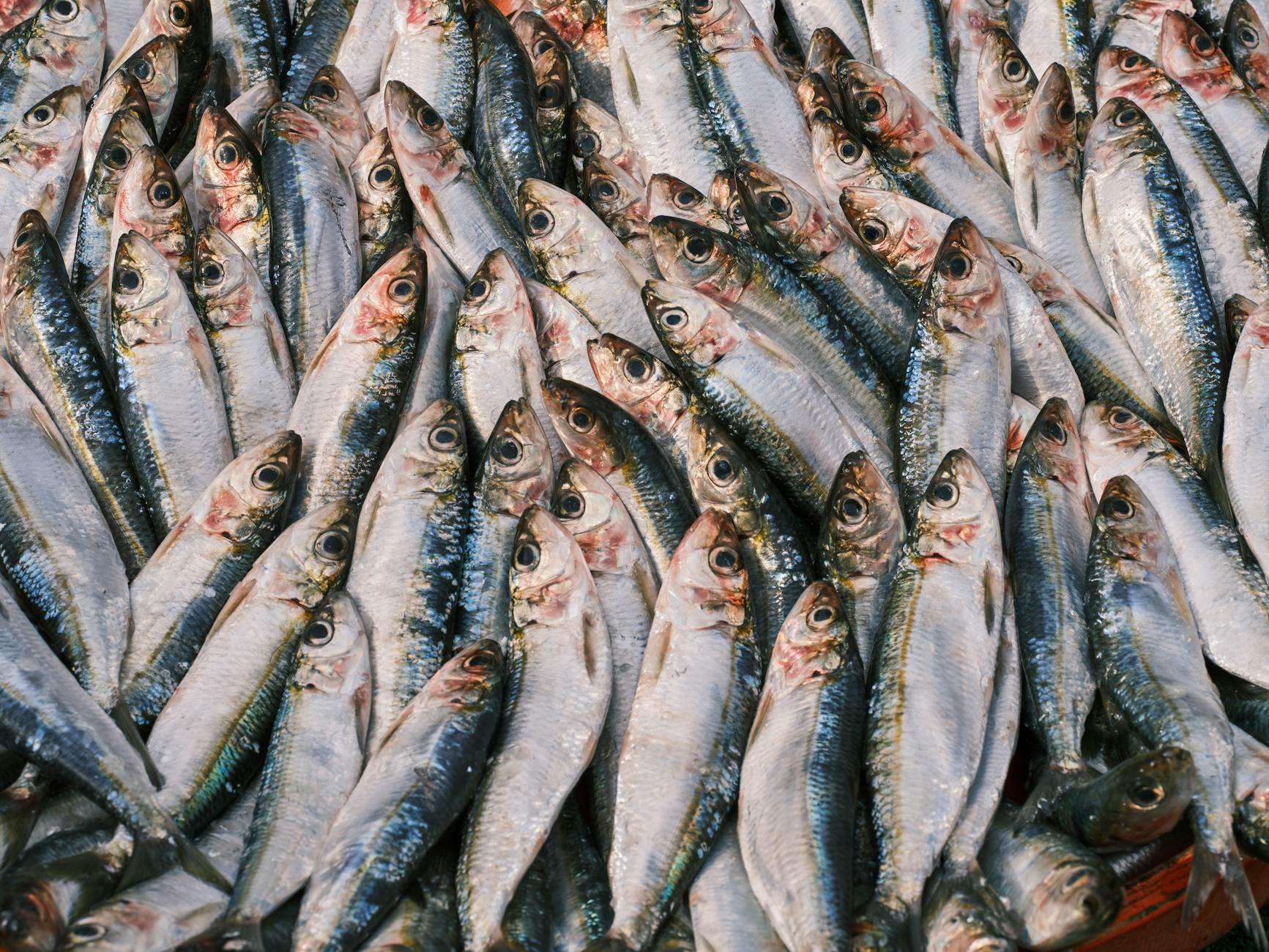
Sardines are a compact and affordable source of omega-3 fatty acids, providing meaningful amounts of DHA that directly support retinal cell structure. Like salmon, the anti-inflammatory effects of these fats help reduce the risk of chronic eye conditions. Sardines also provide vitamin D, which has emerging research support for its role in eye health. Their high zinc content further aids the transportation of vitamin A to the retina. Canned sardines make a convenient protein option that can be added to salads, pasta, or eaten on whole grain crackers.
Broccoli

Broccoli is a powerhouse of eye-relevant nutrients, containing lutein, zeaxanthin, beta-carotene, and vitamin C in meaningful amounts. The combination of these compounds provides layered antioxidant protection for both the retina and the lens. Vitamin C in broccoli supports the structural integrity of blood vessels supplying the eye. Sulforaphane, a compound also present in broccoli, has been studied for its ability to protect retinal cells from oxidative stress. Lightly steaming broccoli helps retain the majority of its nutritional value.
Tuna

Tuna is another oily fish with a strong omega-3 fatty acid profile that supports the structural maintenance of retinal tissue. It is particularly high in DHA, which is concentrated naturally in the photoreceptor cells of the eye. Regular tuna consumption has been associated in research with a reduced risk of dry eye disease. Tuna also provides niacin and vitamin B12, which support overall nerve health including the optic nerve. Canned tuna offers a practical and widely available option for incorporating this nutrient into everyday meals.
Chia Seeds

Chia seeds are a plant-based source of alpha-linolenic acid, an omega-3 fatty acid that the body can partially convert into DHA for retinal support. They also contain antioxidants that help neutralize free radicals in eye tissue. The zinc content in chia seeds further supports visual function and vitamin A metabolism. A small serving of chia seeds added to smoothies, oatmeal, or overnight oats provides a concentrated nutritional boost. Their mild flavor makes them easy to incorporate into a wide variety of meals and snacks.
Oysters

Oysters are among the richest food sources of zinc, a mineral found in high concentrations in the retina and the surrounding tissue. Zinc plays a vital role in helping vitamin A produce melanin, a protective pigment in the eyes. Adequate zinc intake has been associated with reduced risk of night blindness and age-related macular degeneration. Oysters also provide omega-3 fatty acids and vitamin E, adding further eye-protective value. They can be consumed steamed, grilled, or raw and are considered one of the most nutrient-dense foods available.
Sunflower Seeds
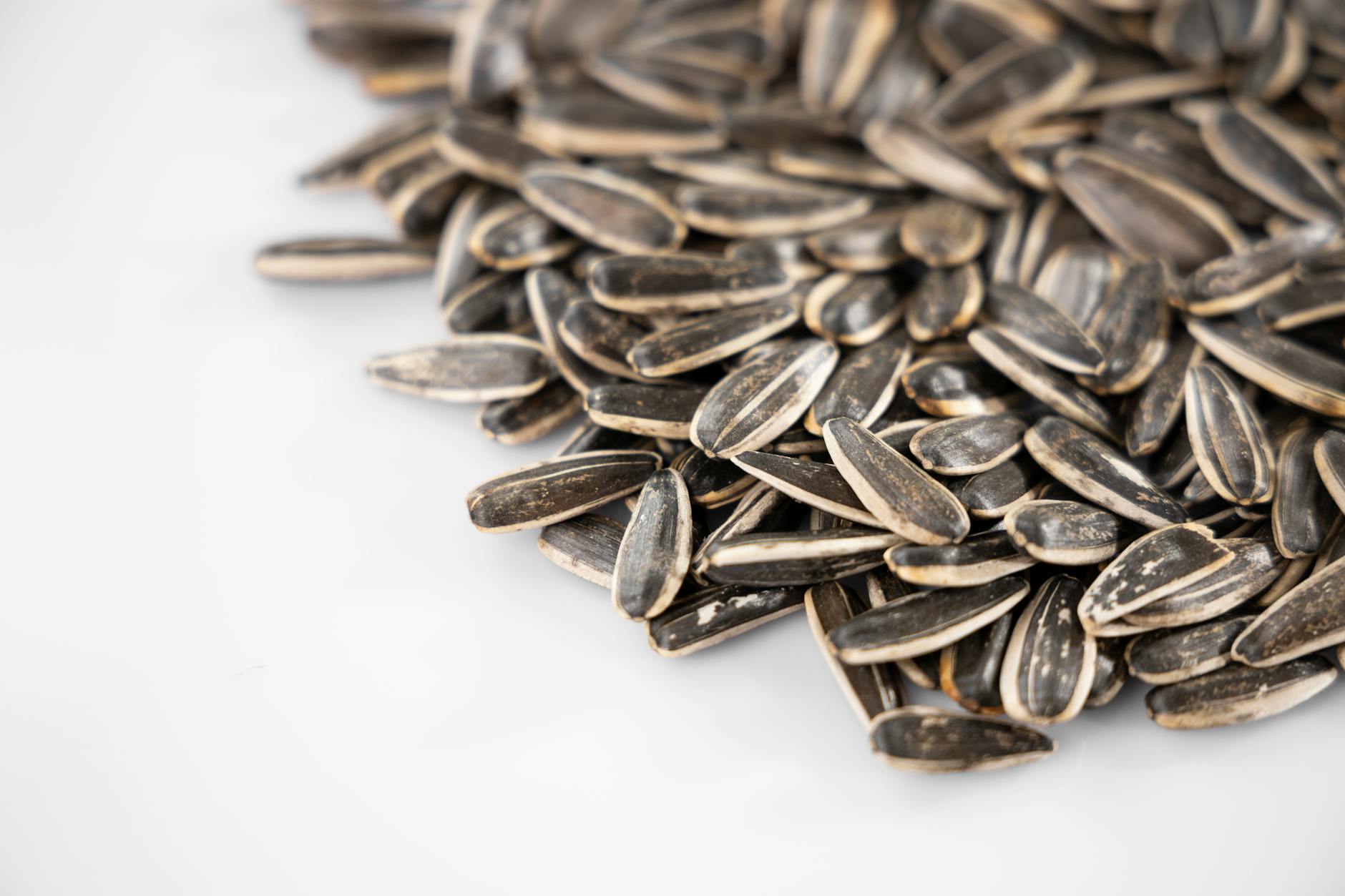
Sunflower seeds are an outstanding source of vitamin E, containing a substantial portion of the daily recommended intake in a small serving. Vitamin E protects eye cell membranes from oxidative damage and has been studied for its role in slowing cataract progression. These seeds also provide selenium, a trace mineral that works synergistically with vitamin E to enhance antioxidant activity in the eye. Their portability makes them an easy snack option for maintaining consistent nutrient intake throughout the day. They can also be added to salads, granola, or trail mix for additional texture and nutrition.
Black-Eyed Peas
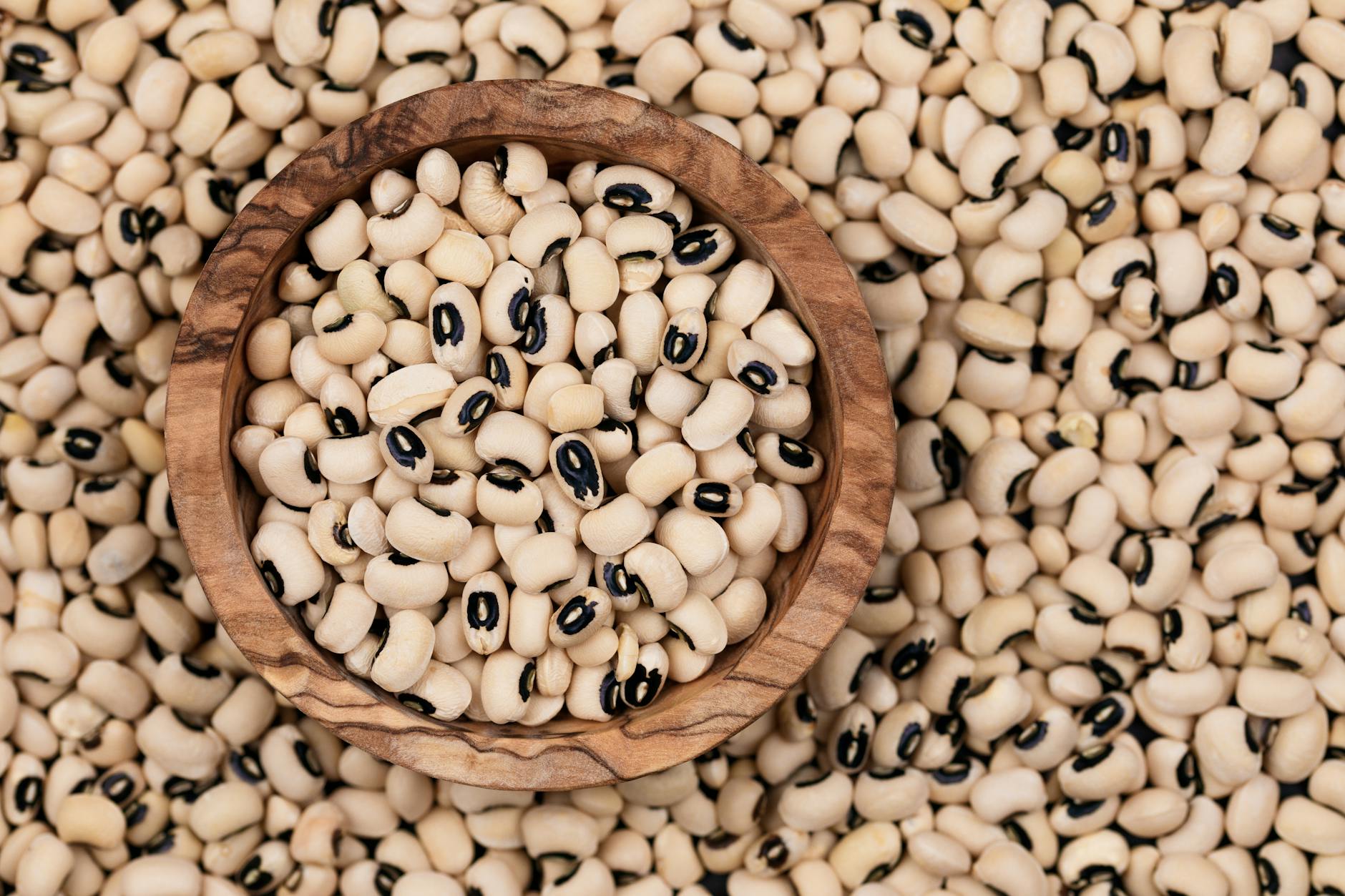
Black-eyed peas are a notable plant-based source of zinc, which supports the enzyme activity needed for vitamin A metabolism in the retina. They also contain meaningful amounts of folate and vitamin A precursors that contribute to overall eye cell health. The fiber and protein content of black-eyed peas support broader metabolic health, which in turn benefits the vascular system supplying the eyes. Studies on legume consumption broadly associate higher intake with reduced risk of chronic eye disease. They can be prepared in stews, salads, or as a side dish with a variety of seasonings.
Papaya

Papaya is rich in beta-carotene and vitamin C, both of which are essential for protecting the eyes from oxidative damage. The vitamin C in papaya supports the health of the lens and the blood vessels within the eye. Beta-carotene from papaya is converted to vitamin A, contributing to healthy corneal function and reduced night blindness risk. Papaya also contains the enzyme papain along with flavonoids that provide additional anti-inflammatory benefits. Fresh papaya can be eaten on its own or added to fruit salads and smoothies.
Avocado
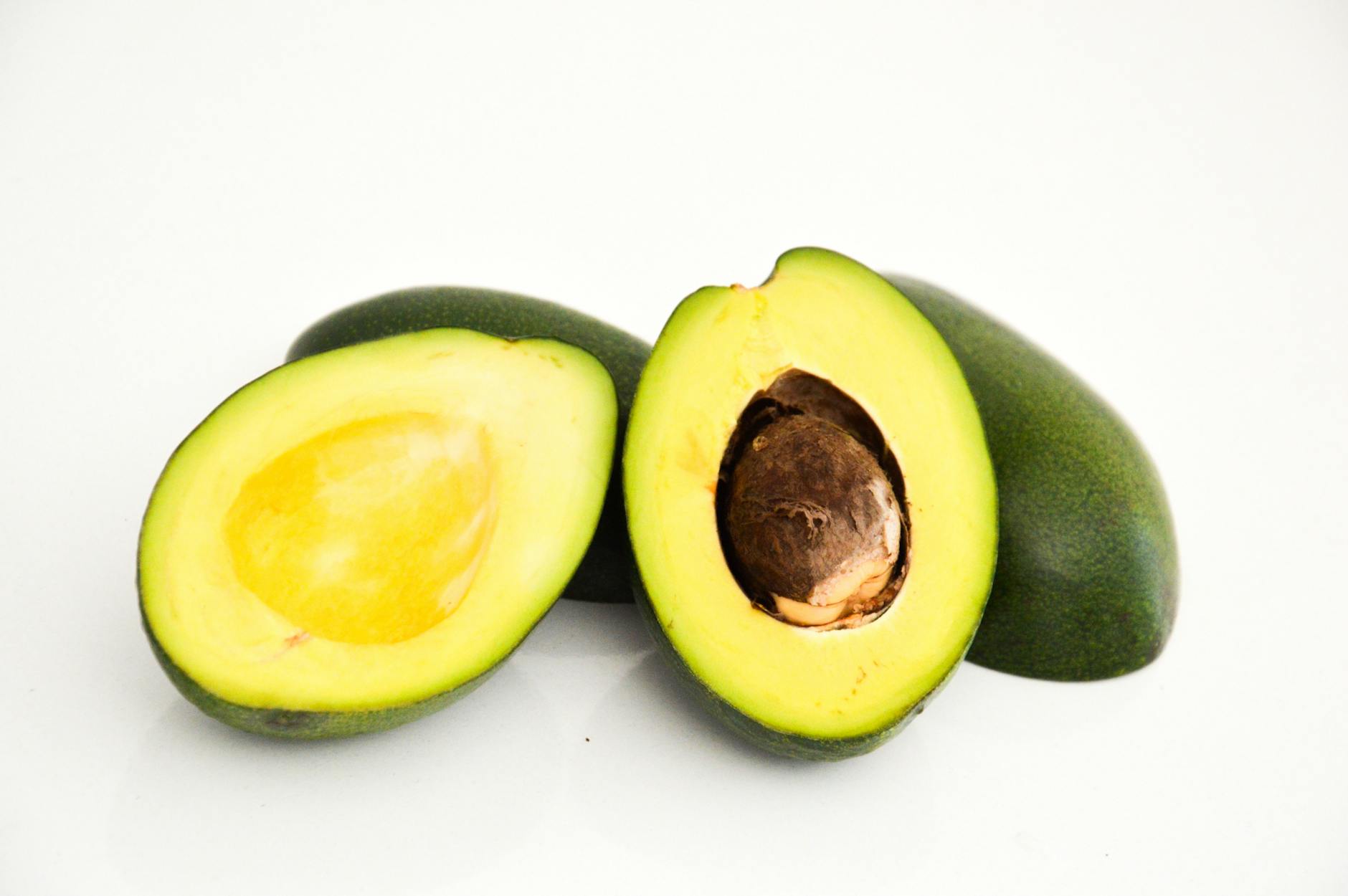
Avocado contains lutein and zeaxanthin alongside healthy monounsaturated fats that significantly enhance the absorption of these fat-soluble carotenoids. This makes avocado a uniquely efficient carrier of vision-protecting compounds compared to lower-fat plant foods. It also provides vitamin E, contributing to antioxidant defense in eye tissue. The folate content in avocado supports healthy cell production throughout the body, including in the retina. Avocado pairs well with a wide range of ingredients, making it easy to include in daily meals in various forms.
Flaxseeds

Flaxseeds are among the best plant-based sources of omega-3 fatty acids, particularly alpha-linolenic acid, which supports the anti-inflammatory environment needed for healthy eye function. Research has connected flaxseed supplementation with improvements in dry eye symptoms, particularly in reducing tear evaporation. Ground flaxseeds have better bioavailability than whole seeds, making them more effective when consumed in their milled form. They can be stirred into yogurt, oatmeal, or baked goods without significantly altering the taste. Regular intake contributes to the broader fatty acid profile needed for retinal maintenance.
Corn

Corn contains meaningful amounts of lutein and zeaxanthin, making it a beneficial addition to a vision-focused diet. These carotenoids are found primarily in the yellow pigment of the corn kernel. As with other lutein and zeaxanthin sources, corn consumption contributes to the protective macular pigment that filters harmful blue light. Corn also provides vitamin C and B vitamins that support eye tissue health. It can be enjoyed grilled, boiled, or incorporated into salads and salsas as a flavorful dietary staple.
Pumpkin

Pumpkin is one of the most concentrated sources of beta-carotene available in the vegetable category. A single serving of cooked pumpkin provides several times the daily recommended intake of vitamin A. This abundance of vitamin A directly supports corneal health, night vision, and the prevention of dry eyes. Pumpkin also contains lutein and zeaxanthin, contributing to macular protection. It can be used in soups, baked into muffins and breads, or blended into smoothies as a seasonal and versatile ingredient.
Walnuts
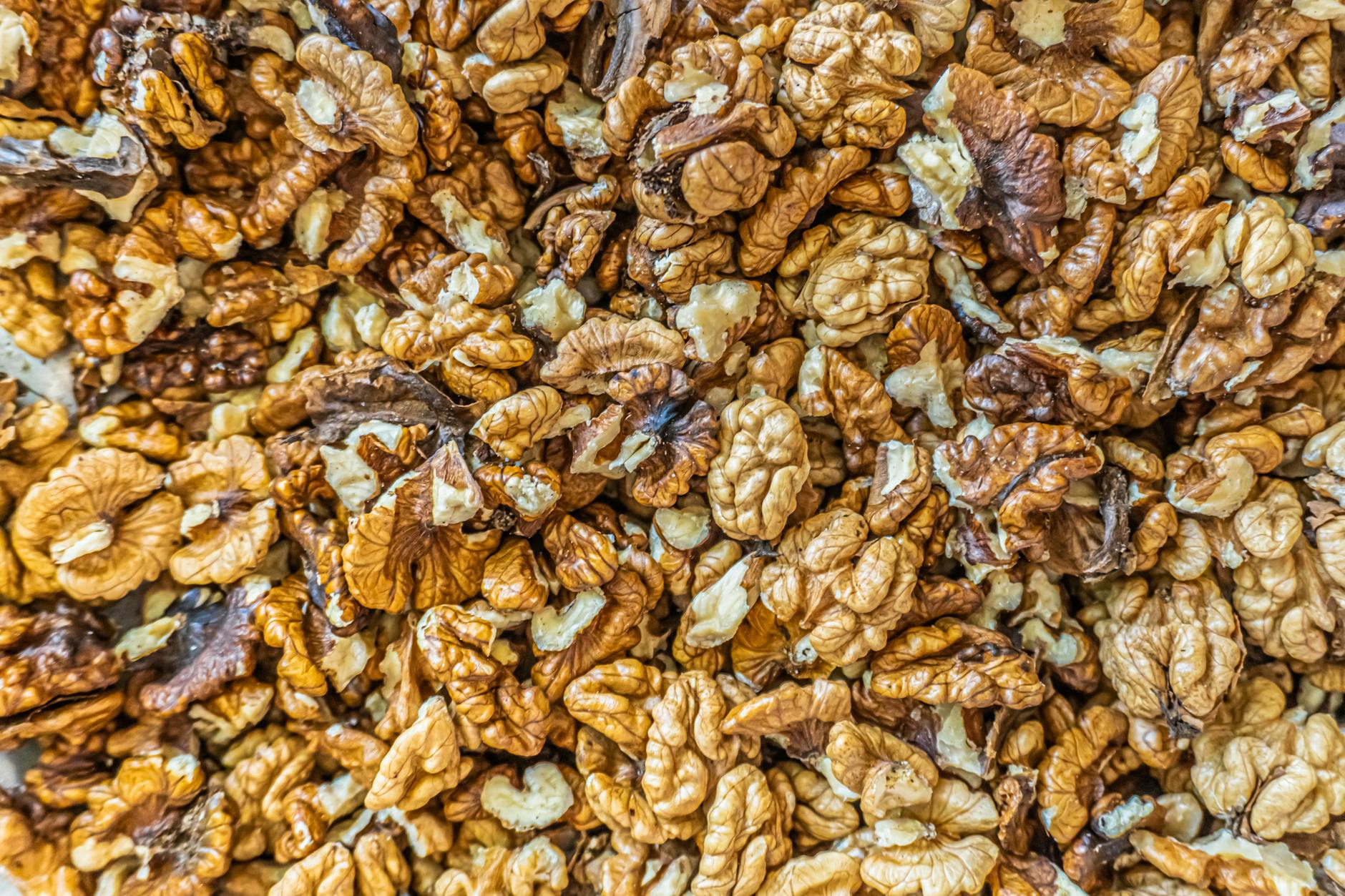
Walnuts are a well-known plant source of omega-3 fatty acids and also provide vitamin E and antioxidants that support eye health from multiple directions. The anti-inflammatory properties of walnut consumption are connected in research to reduced risk of chronic ocular conditions. Walnuts also contain melatonin and polyphenols that help combat oxidative stress throughout the body, including in sensitive retinal tissue. A small handful of walnuts each day is sufficient to contribute meaningfully to omega-3 and antioxidant intake. They pair well with salads, yogurt, and grain-based dishes.
Red Grapes

Red grapes contain resveratrol, a polyphenolic compound with antioxidant and anti-inflammatory properties that have been studied for their protective effects on the retina. Resveratrol has been shown in research to help inhibit abnormal blood vessel growth in the eye, a process linked to conditions such as diabetic retinopathy. Red grapes also provide lutein and zeaxanthin in smaller amounts that add to cumulative dietary intake. Vitamin C in grapes further supports vascular health in the eye. Fresh red grapes make an easy and naturally sweet way to consume these protective compounds daily.
Tomatoes
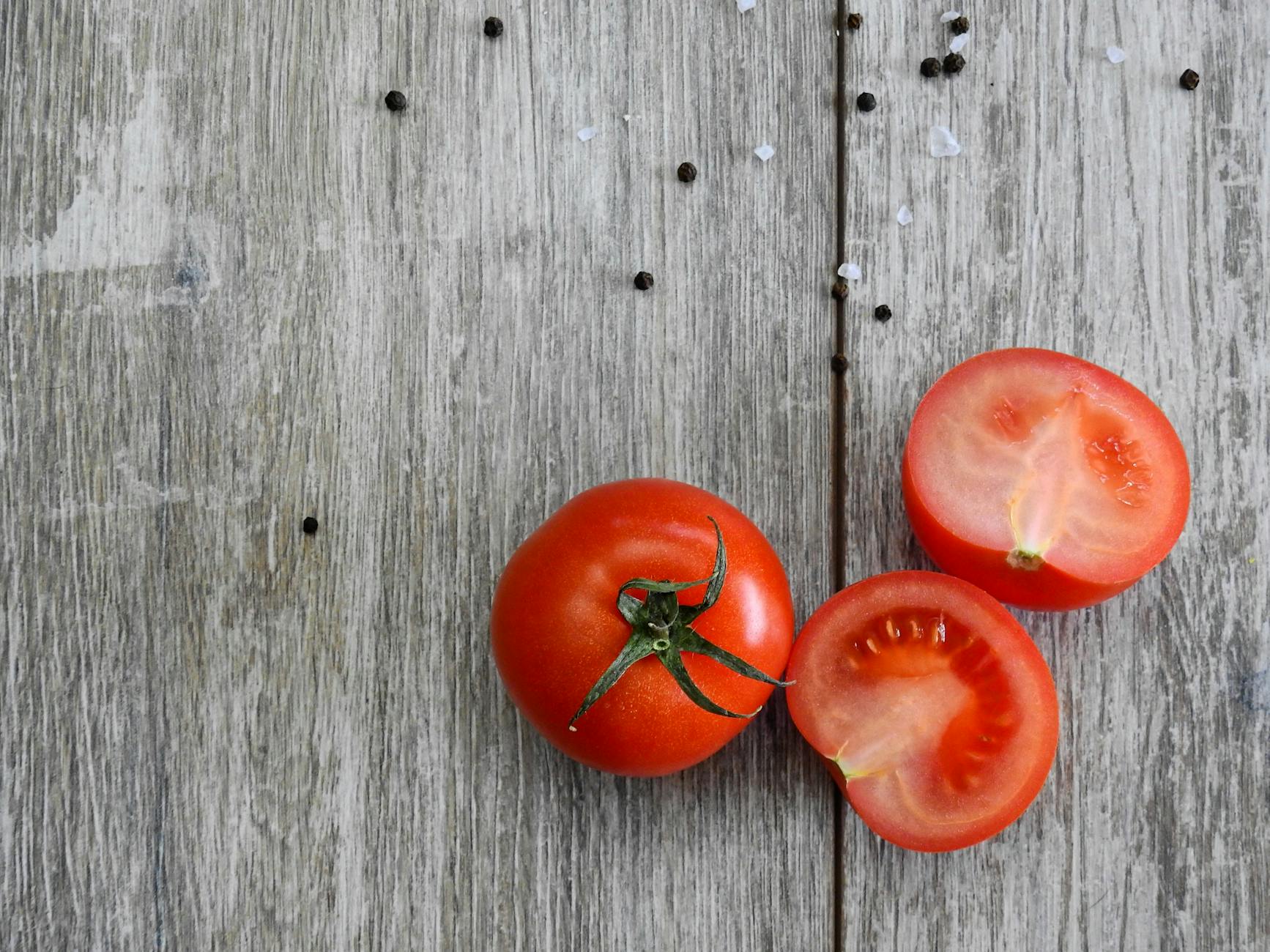
Tomatoes are a rich source of lycopene, a carotenoid antioxidant that helps protect the eyes from ultraviolet light damage and oxidative stress. They also provide vitamin C and beta-carotene, adding to their overall value for eye health. Lycopene in particular has been studied for its potential role in reducing the risk of cataract formation. Cooking tomatoes in a small amount of healthy fat significantly increases the bioavailability of lycopene. Tomatoes are versatile and can be used in sauces, soups, salads, and countless other preparations throughout the week.
Mango
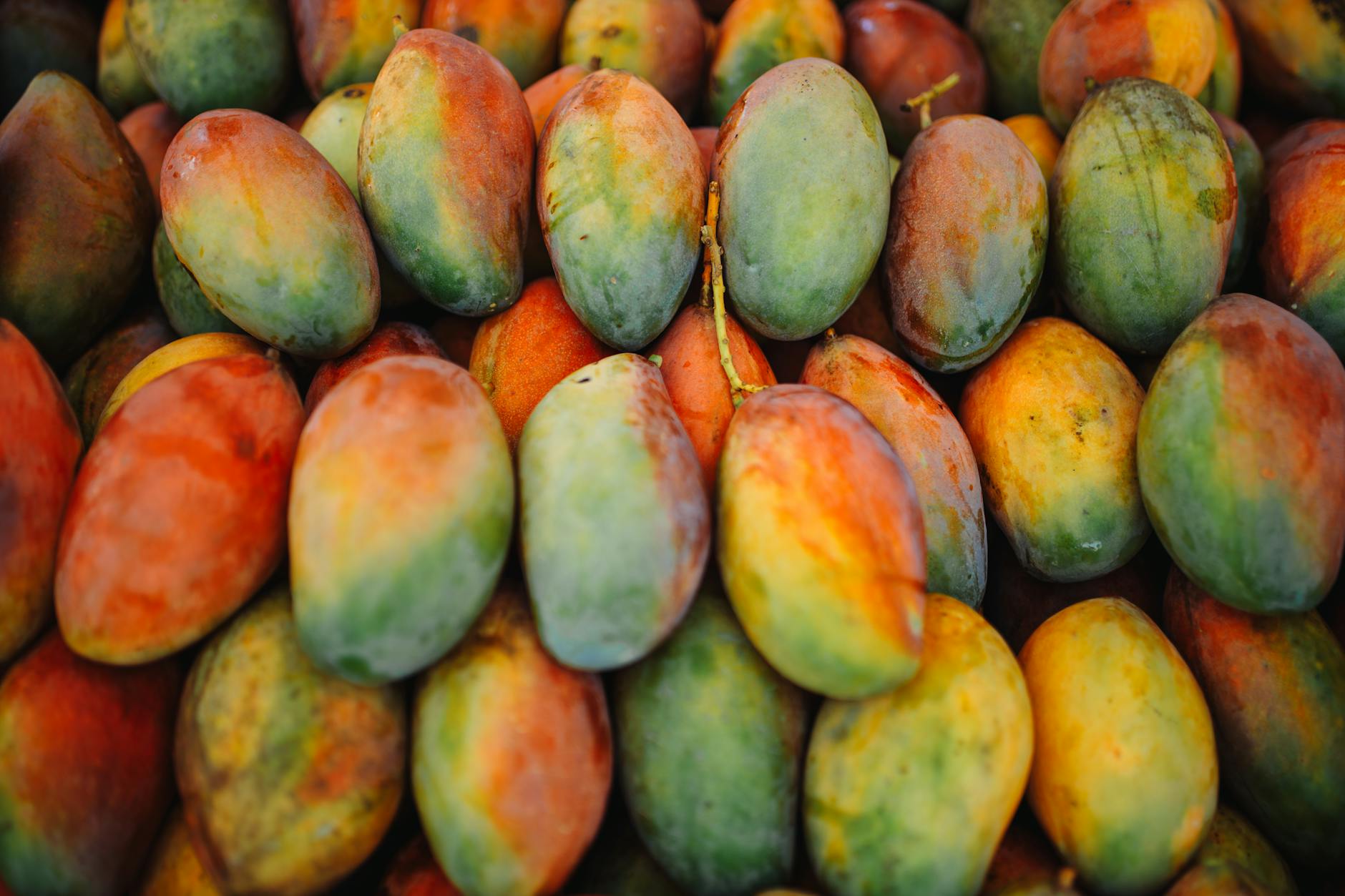
Mango is a tropical fruit with a notably high content of beta-carotene and vitamin C, both of which serve as important nutrients for maintaining healthy vision. The vitamin A derived from beta-carotene in mango supports the regeneration of the corneal surface and helps protect against dry eye conditions. Mango also contains zeaxanthin, which filters harmful high-energy light waves and is associated with reduced macular degeneration risk. The natural sugars in mango are balanced by its fiber content, making it a nutritious option when consumed in moderate portions. Fresh mango can be eaten on its own, added to smoothies, or incorporated into savory salsas and salads.
Share your favorite vision-friendly foods or any that surprised you from this list in the comments.