Protein is one of the most essential macronutrients for building muscle, supporting metabolism, and keeping hunger at bay for hours. Many people assume that eating enough protein requires consuming large amounts of calories, but that is far from the truth. A wide variety of everyday foods deliver impressive amounts of protein while remaining remarkably light on calories. Understanding which foods offer this powerful combination can transform the way people approach their meals and fitness goals. The following foods make it easy to fuel the body efficiently without tipping the caloric scale.
Chicken Breast
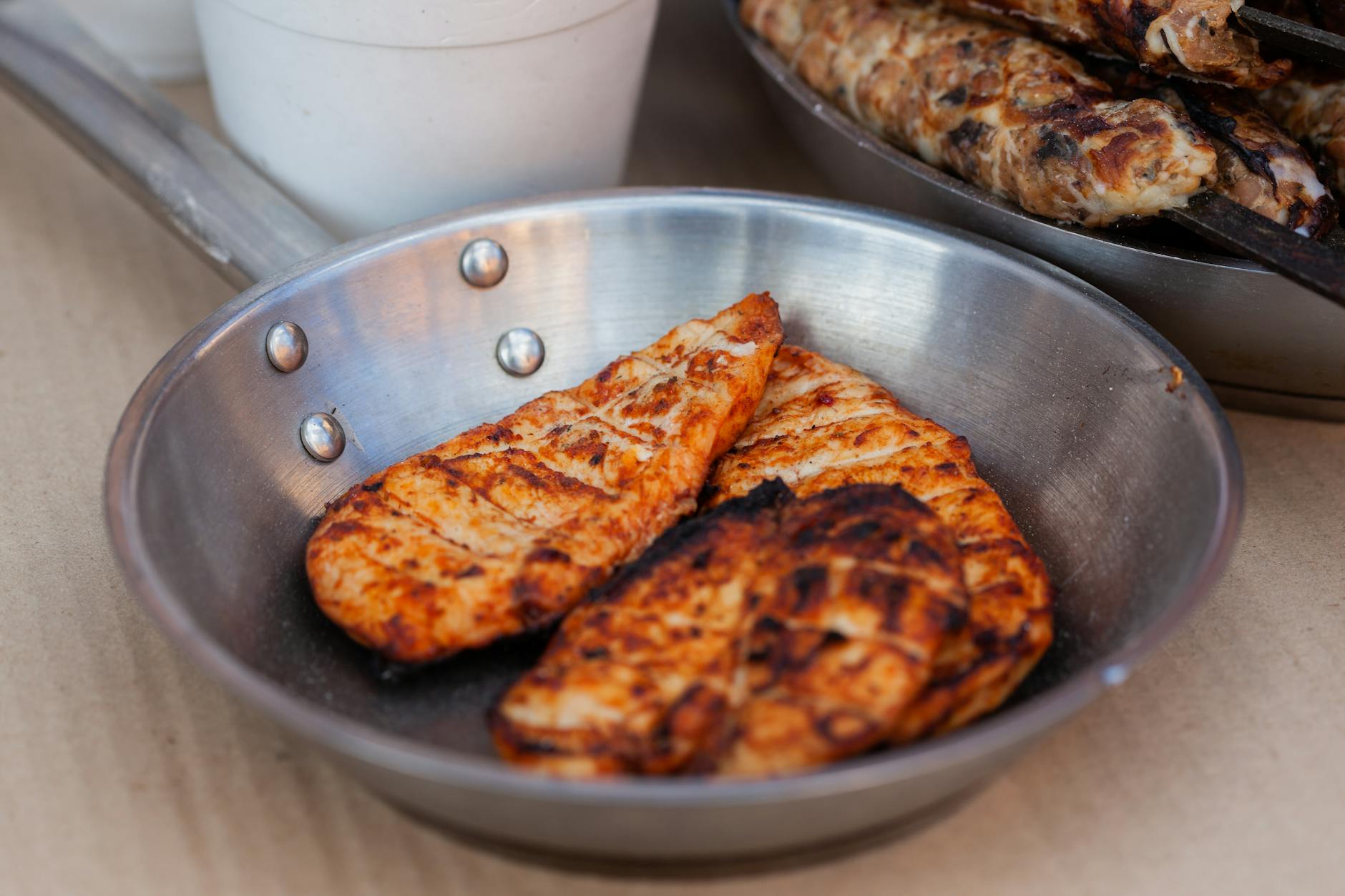
Skinless chicken breast is one of the most protein-dense foods available in any grocery store. A standard three-ounce serving delivers around 26 grams of protein for fewer than 140 calories. The mild flavor makes it incredibly versatile across a wide range of cuisines and cooking methods. Grilling, baking, and poaching all preserve its lean nutritional profile without adding unnecessary fat. It remains a cornerstone ingredient in high-protein meal planning worldwide.
Egg Whites
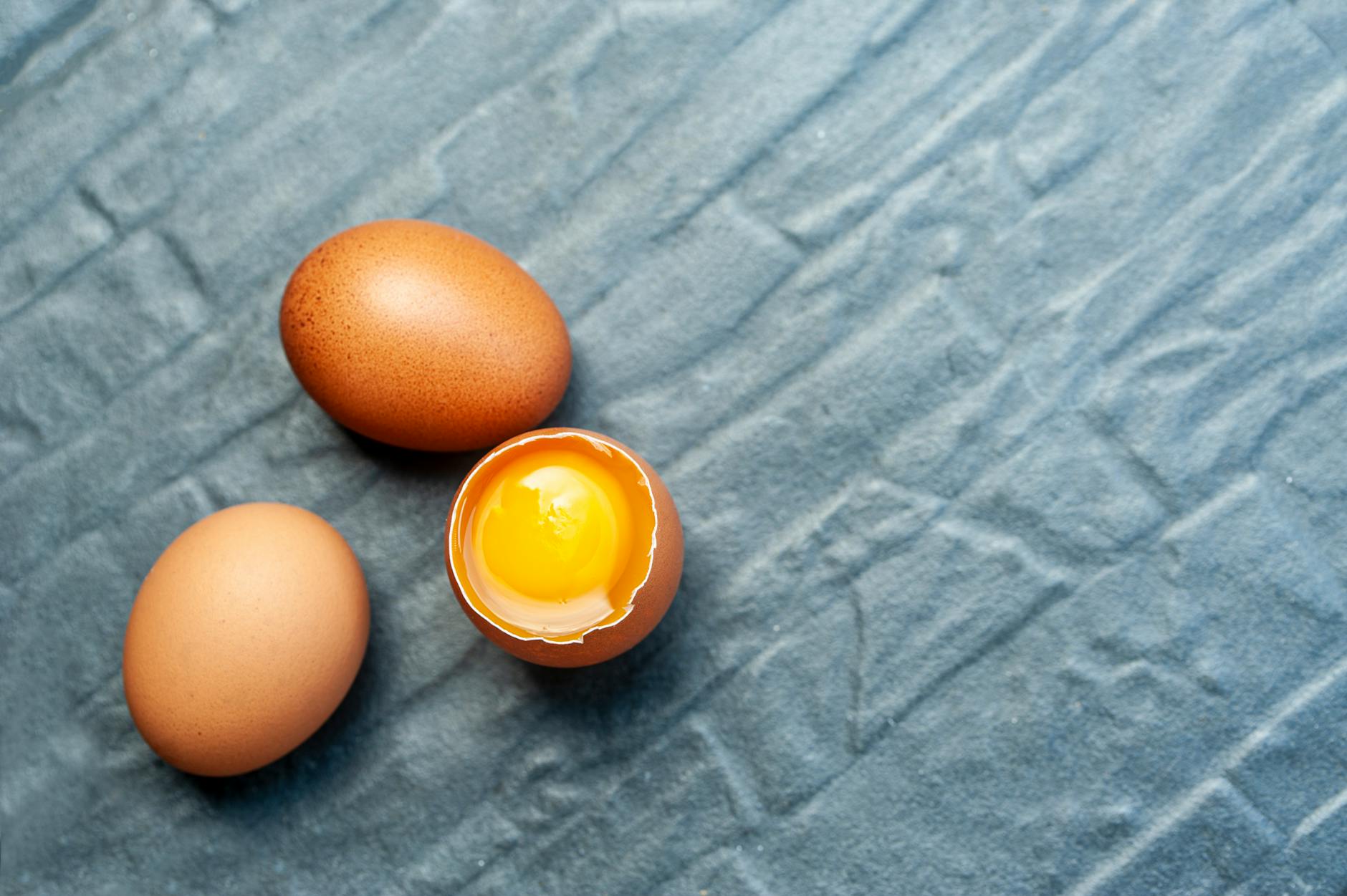
Egg whites contain almost pure protein with virtually no fat and very few calories per serving. A single large egg white provides around 17 calories and just over 3.5 grams of protein. They are naturally cholesterol-free, making them a popular choice for those managing heart health alongside fitness goals. Whipping them into omelets, frittatas, or protein pancakes is a quick and satisfying way to boost daily intake. Their neutral taste allows them to blend seamlessly into both savory and sweet dishes.
Canned Tuna
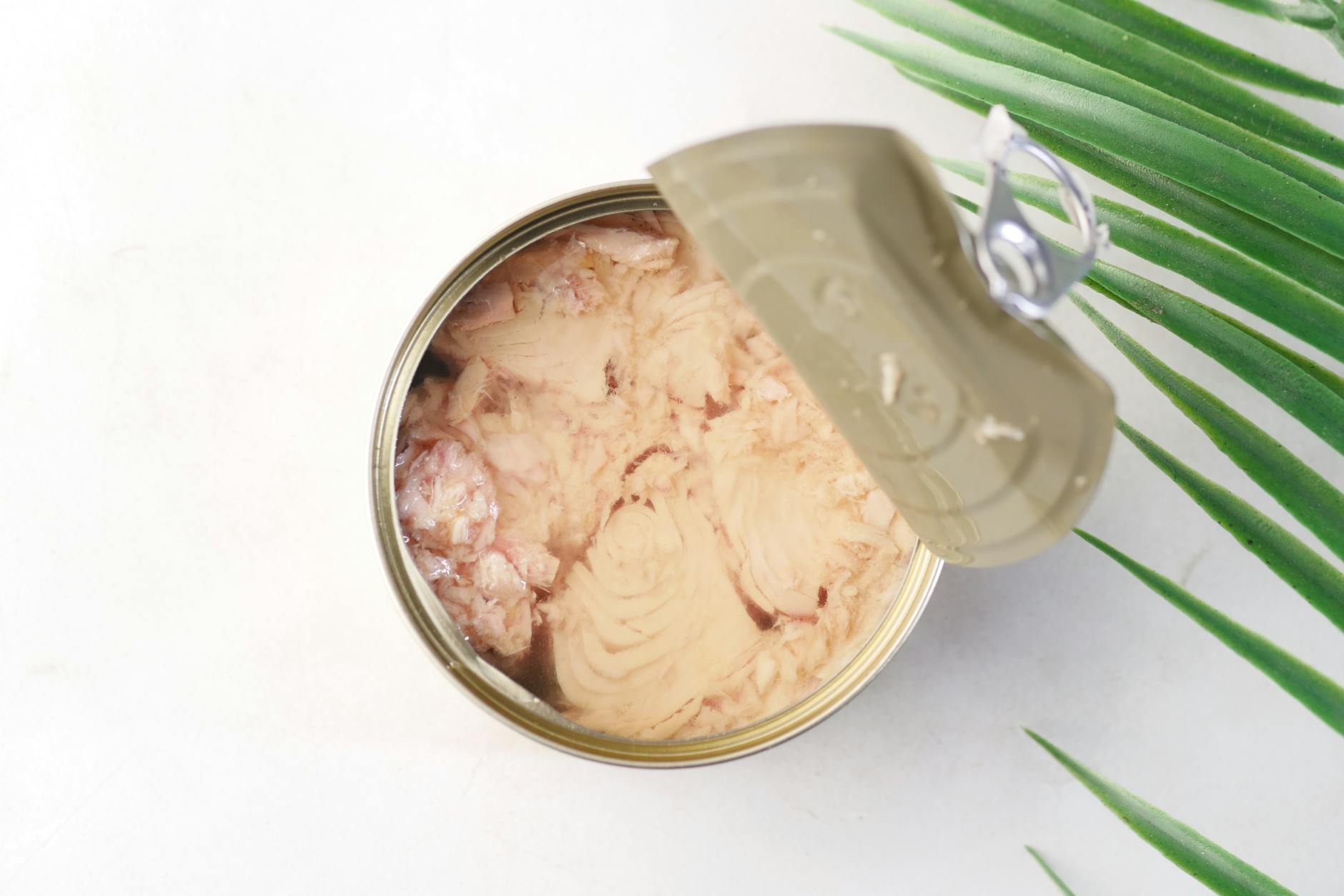
Canned tuna in water is a pantry staple that punches well above its weight in protein content. A three-ounce serving contains roughly 20 grams of protein for approximately 100 calories. It requires no cooking, making it one of the most convenient high-protein options available. The omega-3 fatty acid content also supports brain function and cardiovascular health alongside its muscle-building benefits. Choosing tuna packed in water rather than oil keeps the calorie count as low as possible.
Cottage Cheese
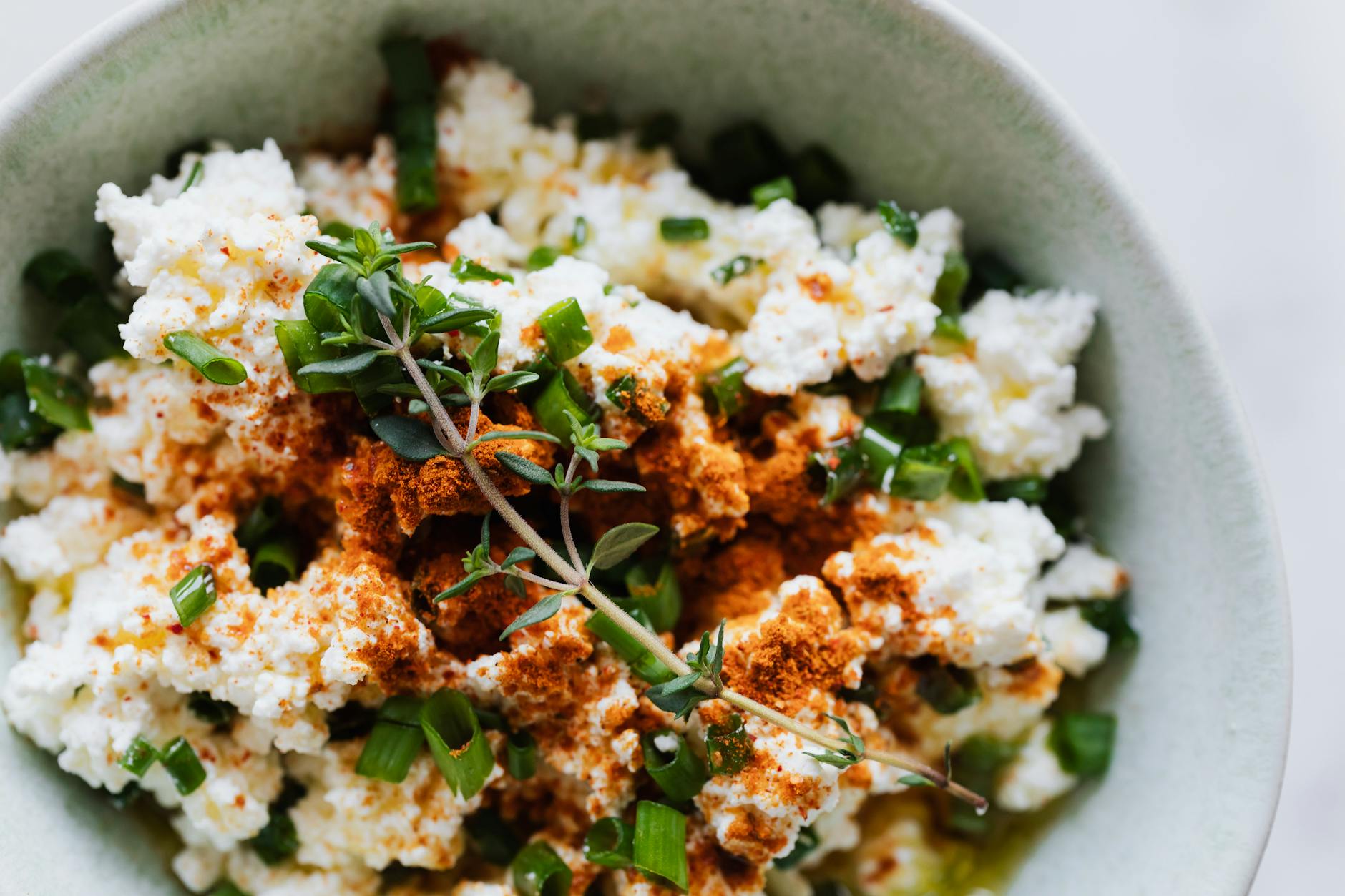
Low-fat cottage cheese offers a surprising amount of protein in each creamy serving. Half a cup typically contains between 12 and 14 grams of protein for around 80 to 90 calories. It is rich in casein protein, which digests slowly and promotes a prolonged feeling of fullness. The texture makes it a satisfying snack on its own or a creamy base for fruit bowls and savory dips. It also provides a meaningful amount of calcium to support bone density.
Greek Yogurt
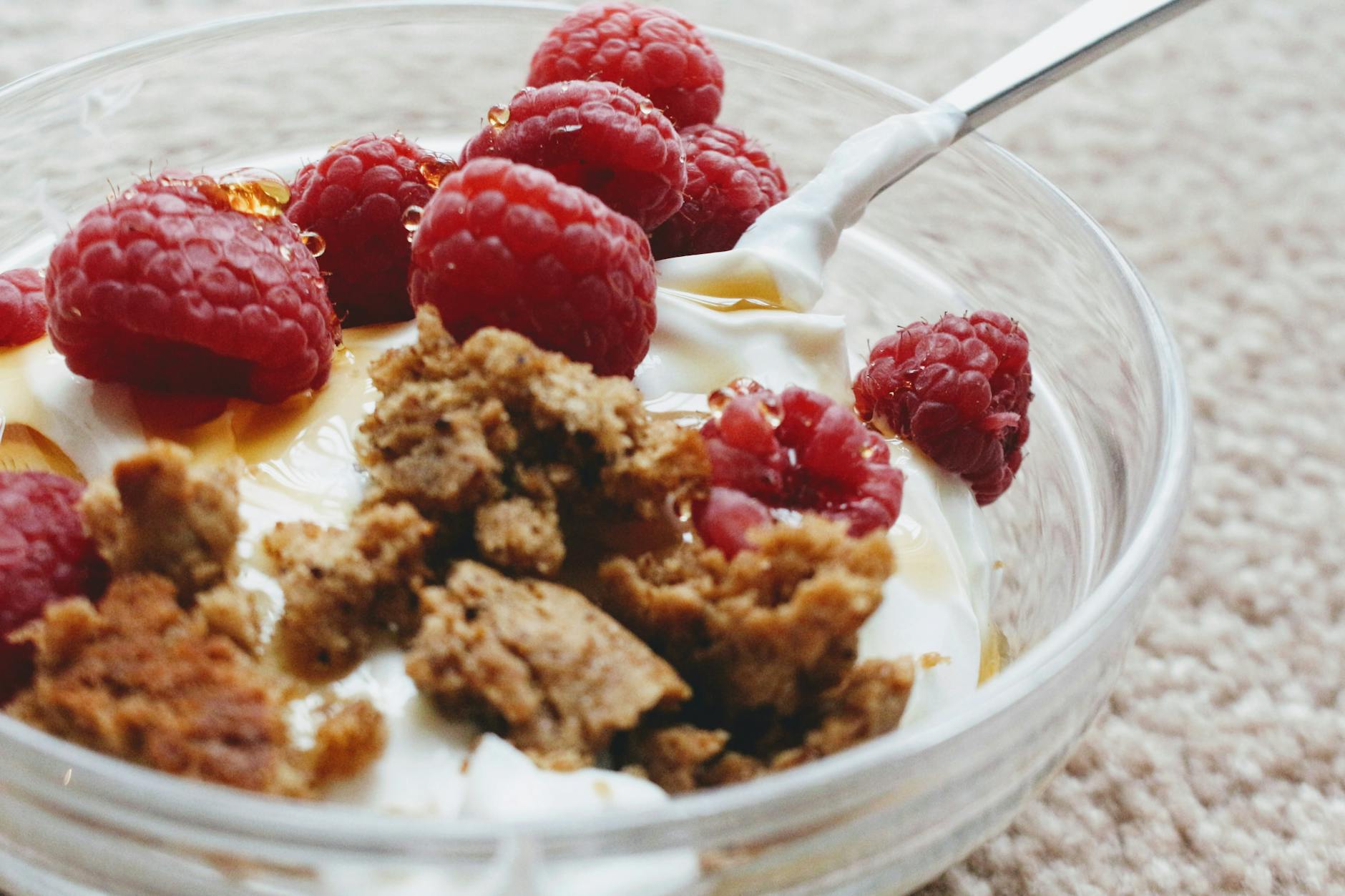
Plain non-fat Greek yogurt is significantly higher in protein than regular yogurt due to its straining process. A six-ounce serving typically delivers 15 to 17 grams of protein for around 100 calories. It also contains beneficial probiotics that support gut health and digestion. The thick, creamy texture makes it a filling breakfast, snack, or ingredient in sauces and dressings. Choosing plain varieties without added sugar ensures the calorie count stays in check.
Shrimp
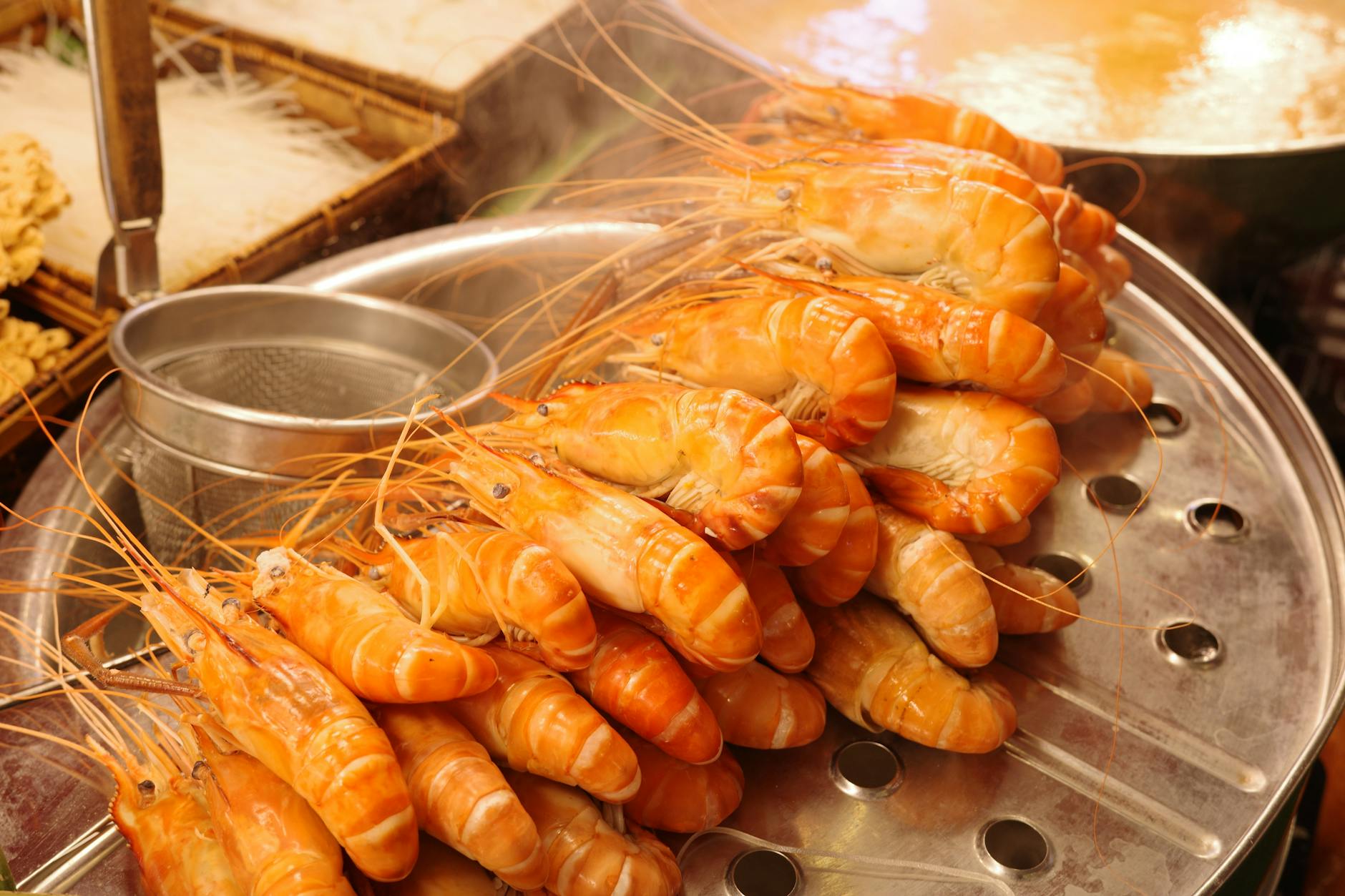
Shrimp is one of the leanest seafood options available, offering an exceptional protein-to-calorie ratio. A three-ounce serving provides around 20 grams of protein for only 84 calories. It cooks in just a few minutes, making it one of the fastest high-protein meals to prepare on a busy weeknight. Shrimp is also a good source of iodine, selenium, and vitamin B12, adding further nutritional value. Its mild flavor absorbs marinades and seasonings beautifully across a variety of global dishes.
Cod
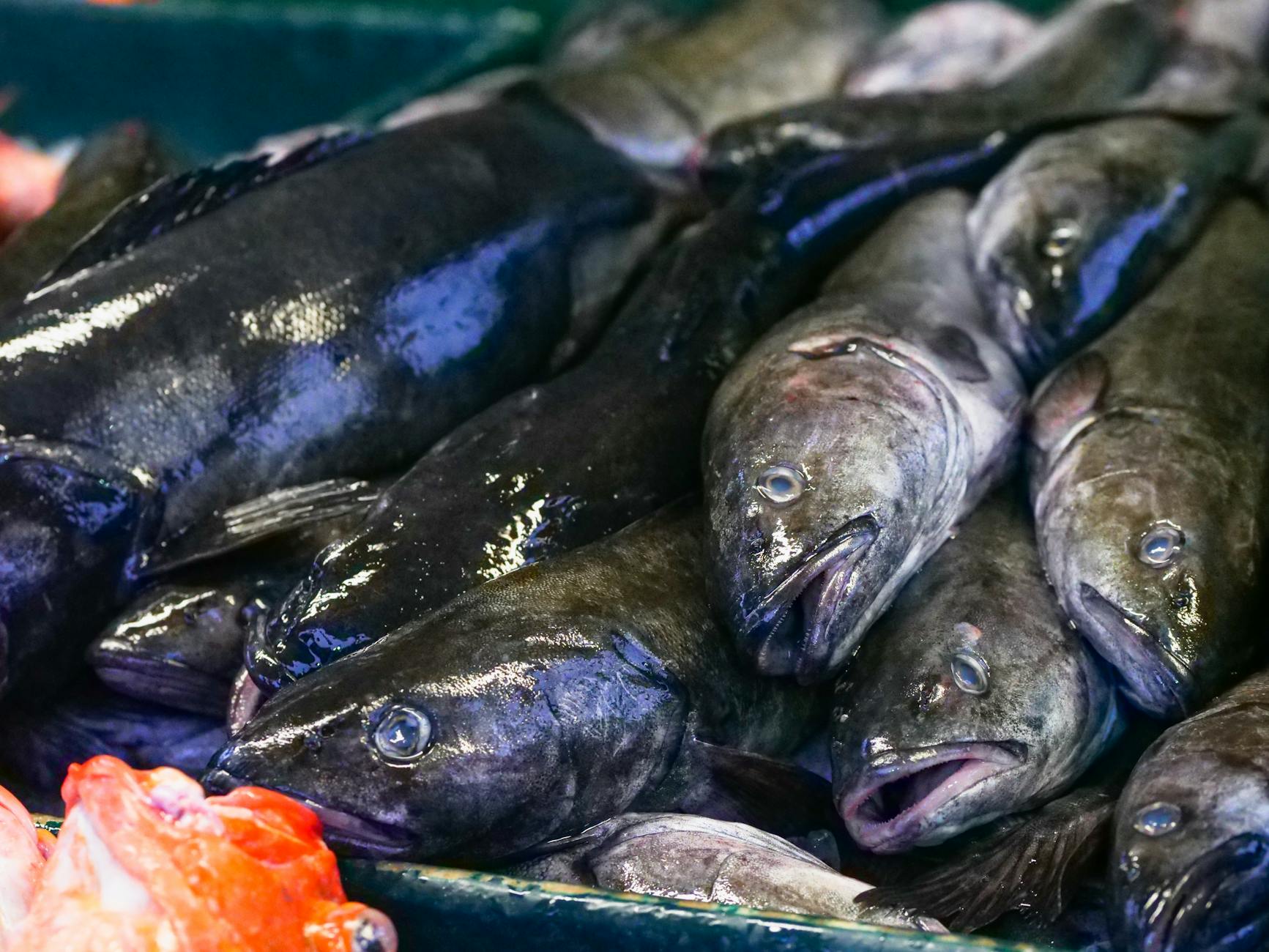
Cod is a white fish known for its delicate texture and impressively lean nutritional profile. A three-ounce cooked serving contains roughly 19 grams of protein for approximately 90 calories. It is particularly low in fat compared to oilier fish varieties, making it ideal for calorie-conscious eaters. The flaky texture holds up well to baking, steaming, and pan-searing with minimal added fat. Cod also contributes phosphorus and vitamin B6 to a well-rounded diet.
Turkey Breast
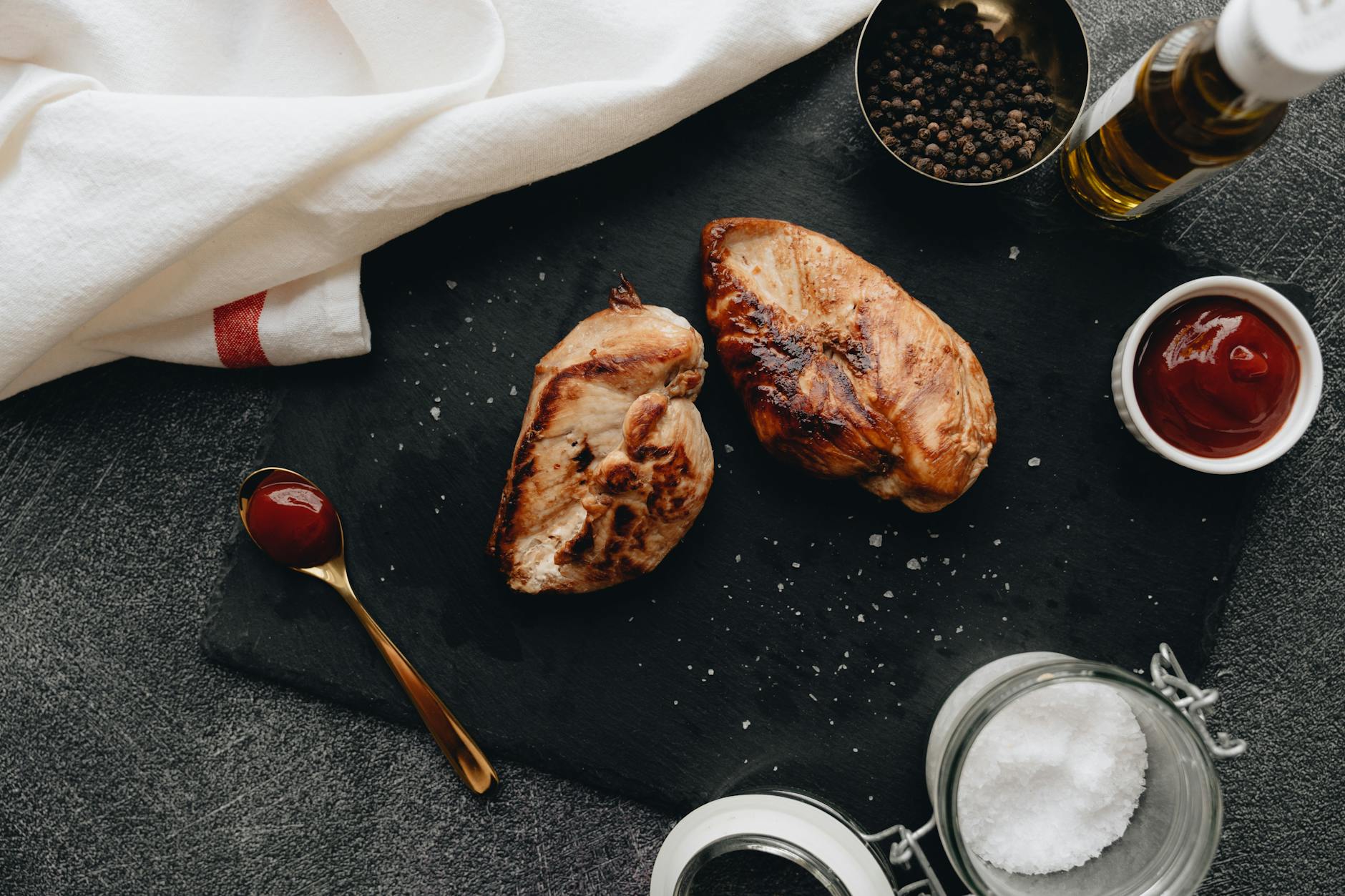
Skinless turkey breast rivals chicken breast as one of the leanest land-based protein sources available. A three-ounce serving provides around 25 grams of protein for roughly 125 calories. It is a rich source of tryptophan, niacin, and B vitamins that support energy metabolism. Roasting a whole turkey breast at the start of the week creates a versatile protein source for meals throughout the day. Ground turkey breast is also a popular lower-calorie swap for ground beef in many recipes.
Tilapia
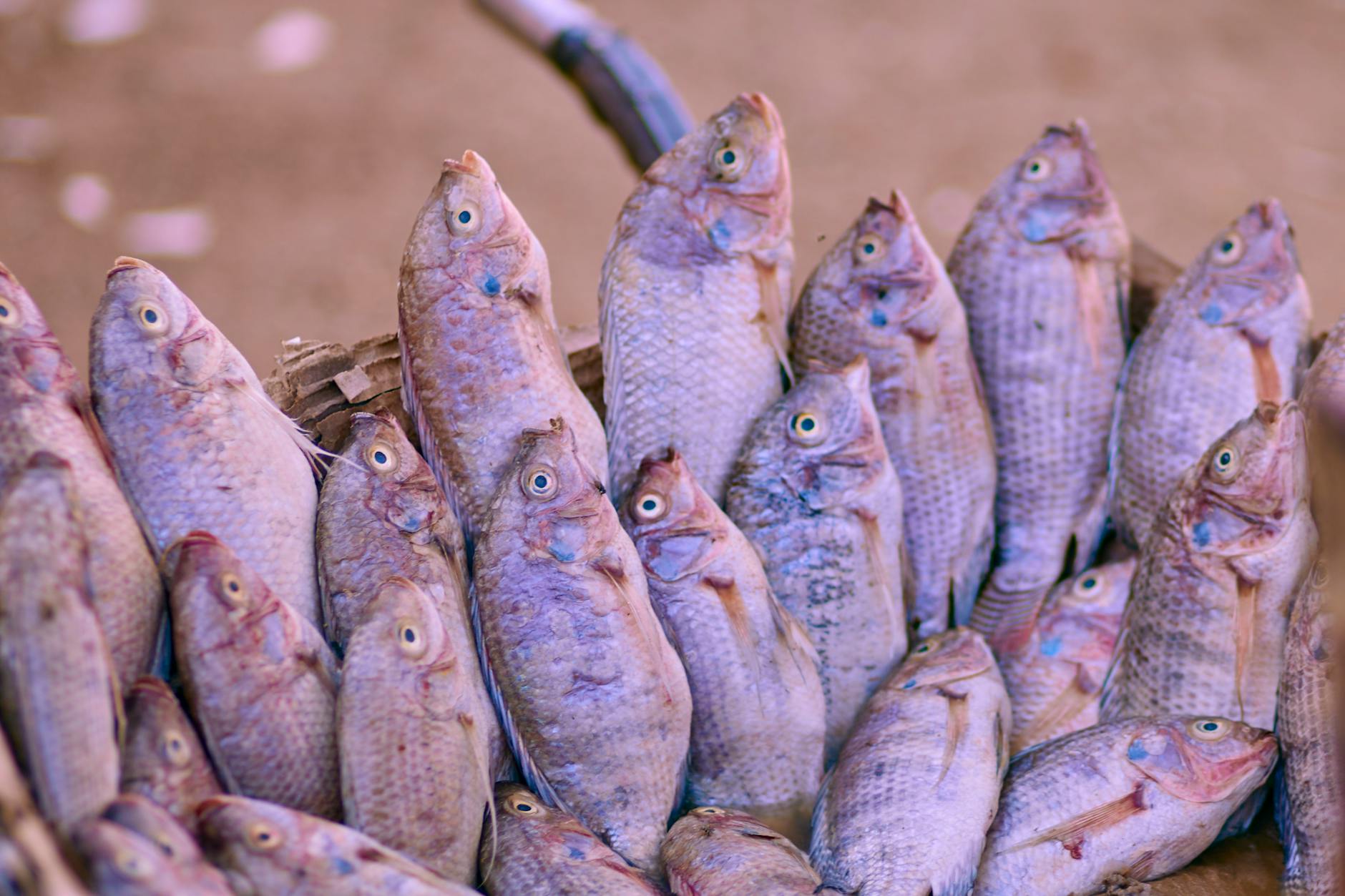
Tilapia is a freshwater fish widely recognized for its affordability and lean protein content. A three-ounce cooked fillet delivers close to 21 grams of protein for around 110 calories. It contains very little fat and is easy to digest, making it a practical choice for those building high-protein meal plans. The mild flavor pairs well with bold seasonings, citrus, and herb-based sauces without overpowering the dish. It is also widely available fresh and frozen in most supermarkets throughout the year.
Edamame
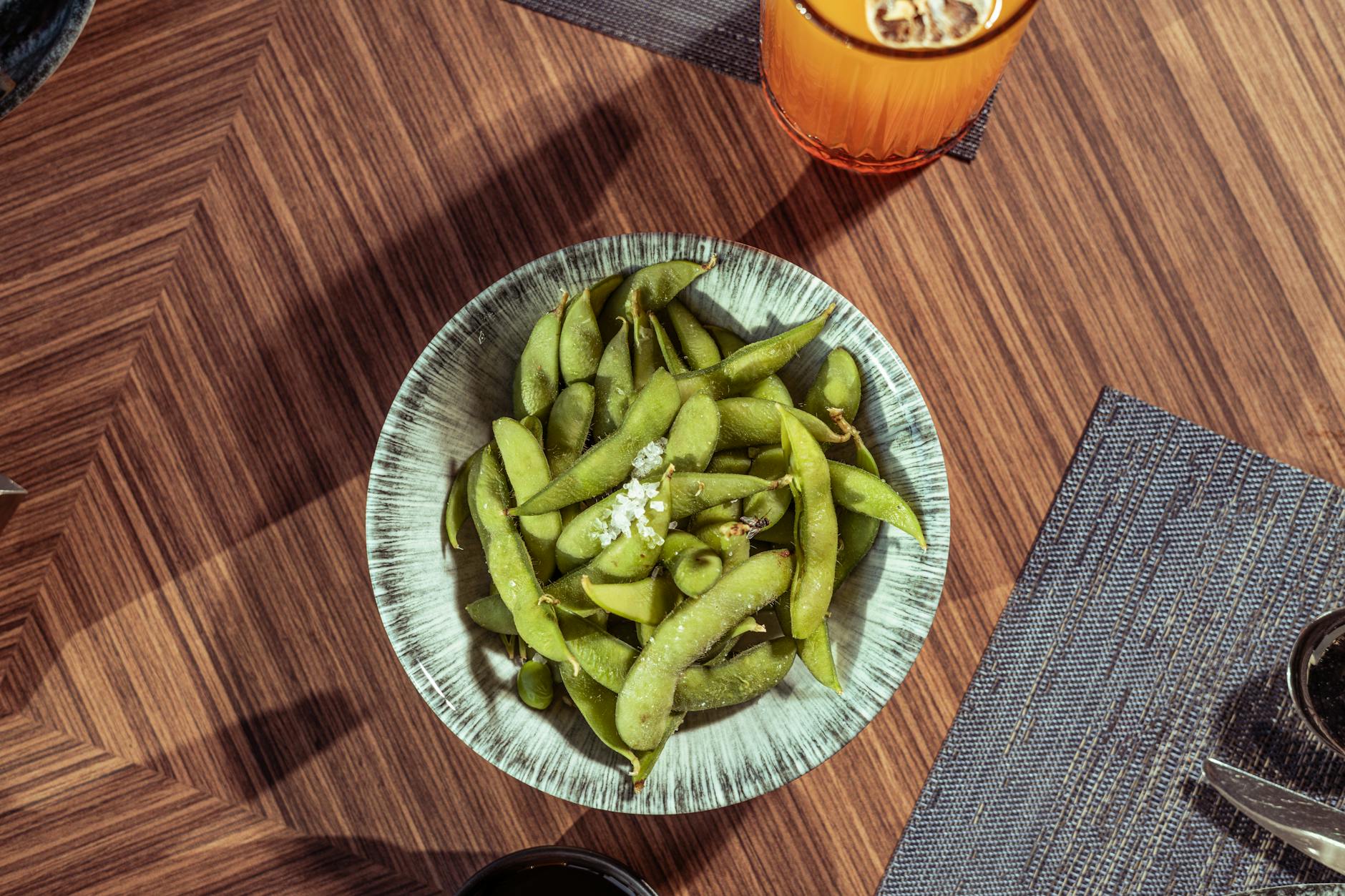
Edamame is one of the few plant-based foods that qualifies as a complete protein source. Half a cup of shelled edamame contains around 9 grams of protein for approximately 95 calories. It is also a natural source of fiber, iron, and folate, making it nutritionally valuable beyond its protein content. Steaming or microwaving edamame takes only minutes and requires no elaborate preparation. It makes a satisfying snack, side dish, or addition to grain bowls and salads.
Lentils
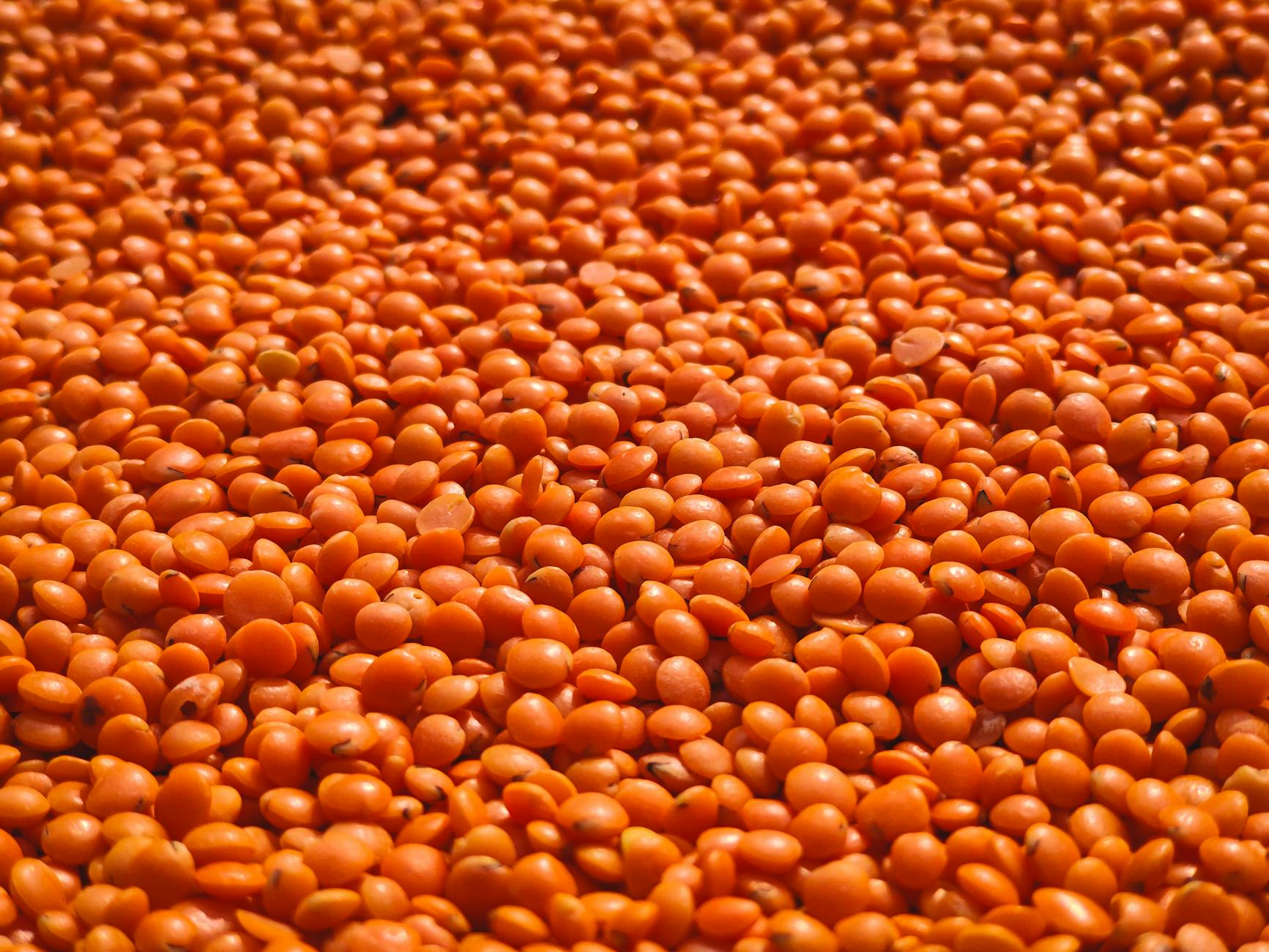
Lentils are among the most protein-rich legumes available and are exceptionally filling per calorie. Half a cup of cooked lentils provides roughly 9 grams of protein for around 115 calories. They are also loaded with dietary fiber, which slows digestion and stabilizes blood sugar levels throughout the day. Lentils absorb the flavors of spices and broths beautifully, making them a popular base for soups, stews, and curries. Red, green, and black varieties each offer slightly different textures and nutritional profiles.
Black Beans
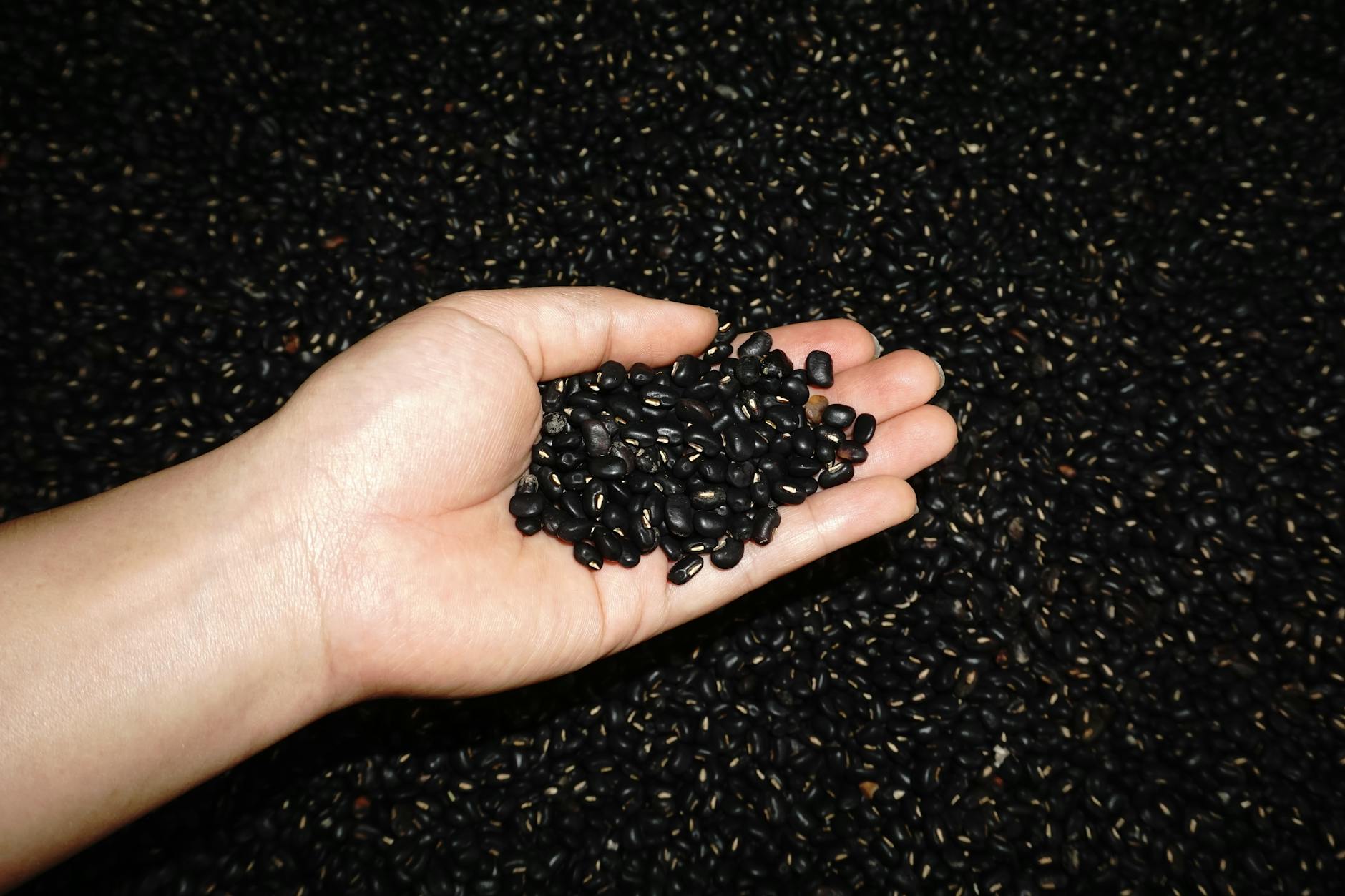
Black beans are a nutrient-dense legume that combines a respectable amount of protein with a significant fiber content. Half a cup of cooked black beans offers approximately 7.5 grams of protein for around 110 calories. The high fiber content contributes to sustained energy and digestive health throughout the day. They are a staple ingredient across Latin American cuisine and adapt well to a wide range of international flavor profiles. Canned black beans offer a convenient shortcut that requires only rinsing before use.
Tofu
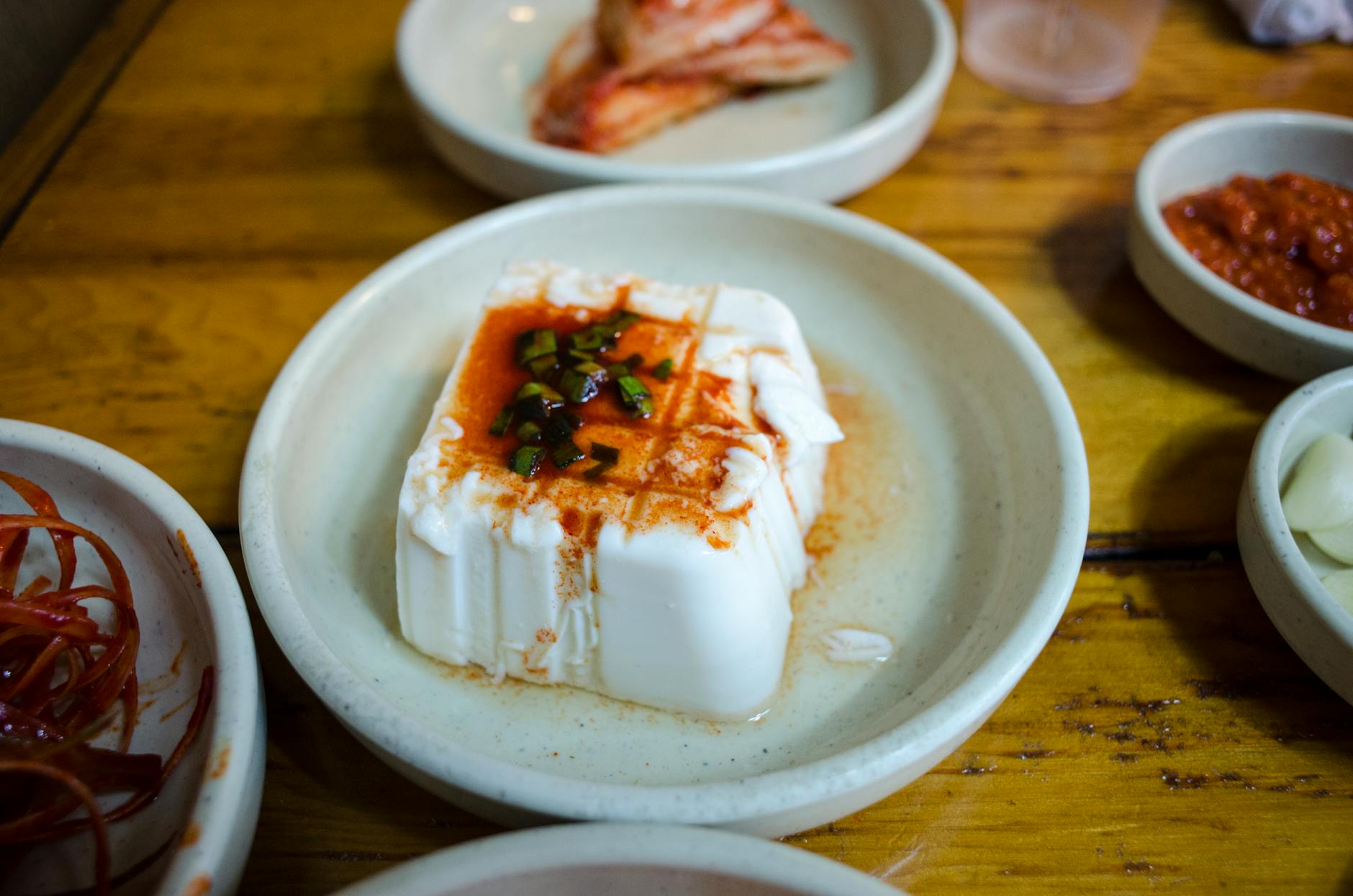
Tofu is a soy-based food that has long been a cornerstone of plant-based high-protein diets worldwide. A half-cup serving of firm tofu provides around 10 grams of protein for approximately 90 calories. It is available in silken, soft, firm, and extra-firm varieties, each suited to different cooking applications. Extra-firm tofu holds its shape well when stir-fried, grilled, or baked and takes on marinades particularly well. It is also a good source of calcium, iron, and manganese, supporting overall nutritional balance.
Tempeh
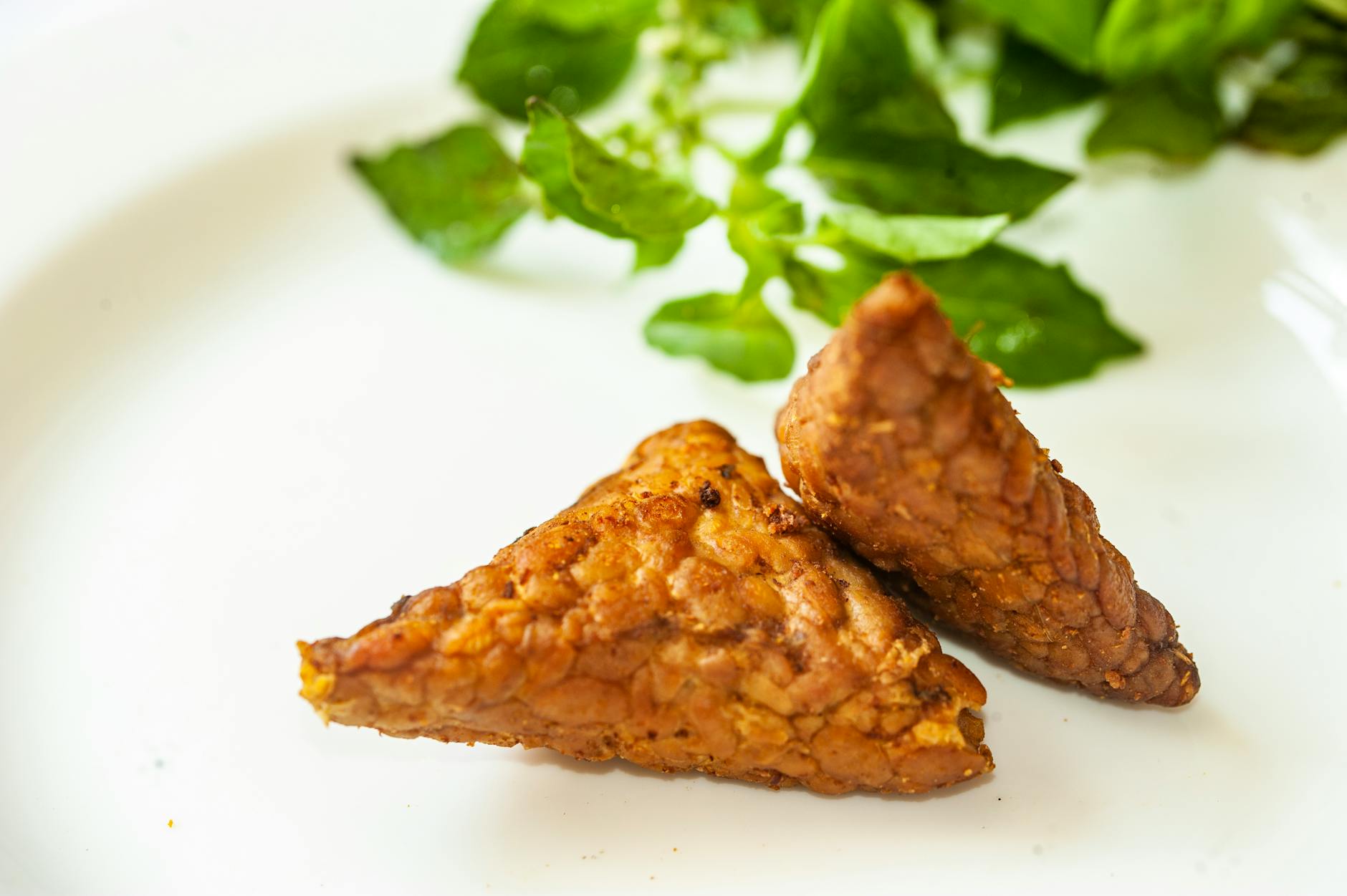
Tempeh is a fermented soybean product that offers more protein and fiber than tofu per serving. A three-ounce serving provides roughly 16 grams of protein for around 160 calories, making it one of the most protein-rich plant-based foods available. The fermentation process makes it easier to digest and increases the bioavailability of its nutrients. Its firm, nutty texture makes it a satisfying meat substitute in sandwiches, stir-fries, and grain bowls. It is also a natural source of probiotics that support gut health.
Seitan
Seitan is made from wheat gluten and is one of the highest-protein plant-based foods by weight. A three-ounce serving can contain up to 25 grams of protein for approximately 120 calories. It has a chewy, dense texture that closely resembles the mouthfeel of meat, making it a popular substitute in vegan cooking. Seitan absorbs marinades and sauces extremely well, taking on bold flavors in stir-fries, kebabs, and sandwiches. It is not suitable for those with celiac disease or gluten sensitivity but is otherwise a powerful protein source.
Skyr
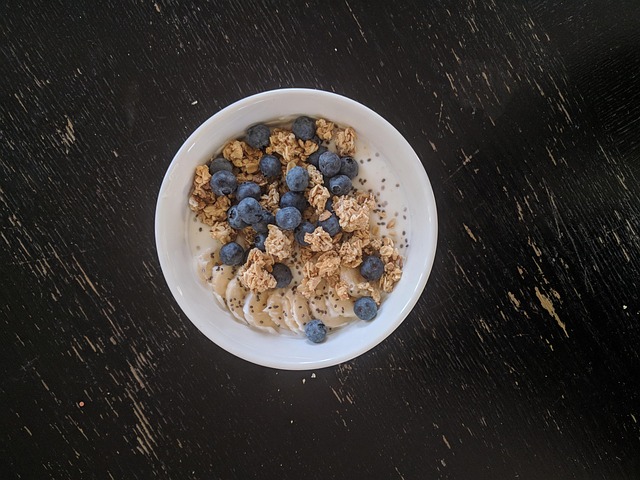
Skyr is an Icelandic dairy product with a thick, creamy texture similar to Greek yogurt but with an even higher protein content. A six-ounce serving typically provides 17 grams of protein for around 100 calories. It is naturally low in fat and sugar compared to many other dairy-based snacks. The slightly tangy flavor pairs well with fresh berries, honey, and granola for a nutritious breakfast or afternoon snack. Skyr has gained widespread availability in international supermarkets due to growing global interest in high-protein foods.
Quark
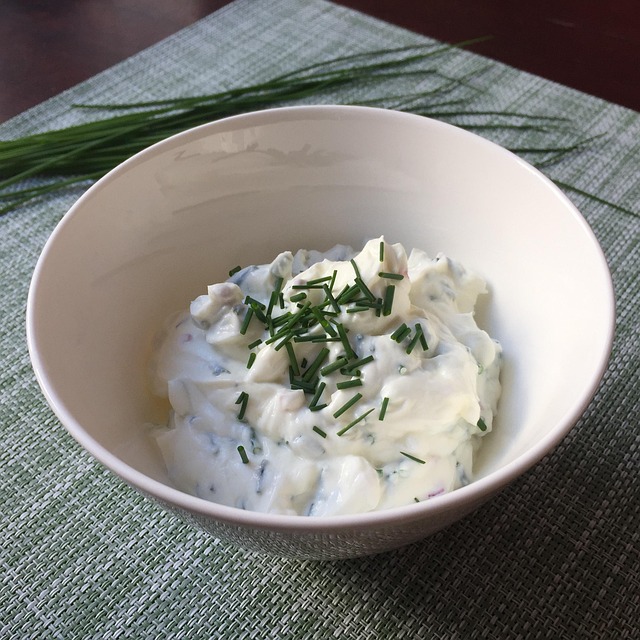
Quark is a fresh dairy product popular in European countries that offers an impressive protein profile in a soft, spreadable form. A half-cup serving contains approximately 11 grams of protein for roughly 70 calories. It is lower in fat than cream cheese and can be used in both sweet and savory recipes with great versatility. Athletes and fitness enthusiasts in Germany and Scandinavia have long relied on quark as an everyday protein staple. Its smooth texture makes it an excellent base for dips, desserts, and high-protein breakfast bowls.
Canned Salmon

Canned salmon is a convenient and affordable way to incorporate high-quality protein and omega-3 fatty acids into the diet. A three-ounce serving provides approximately 17 grams of protein for around 120 calories. Unlike many canned fish products, pink and sockeye salmon retain soft edible bones that contribute additional calcium to each serving. It can be mixed into patties, stirred into pasta, layered into sandwiches, or eaten straight from the can with minimal preparation. Wild-caught varieties tend to offer the most favorable nutritional profiles.
Halibut
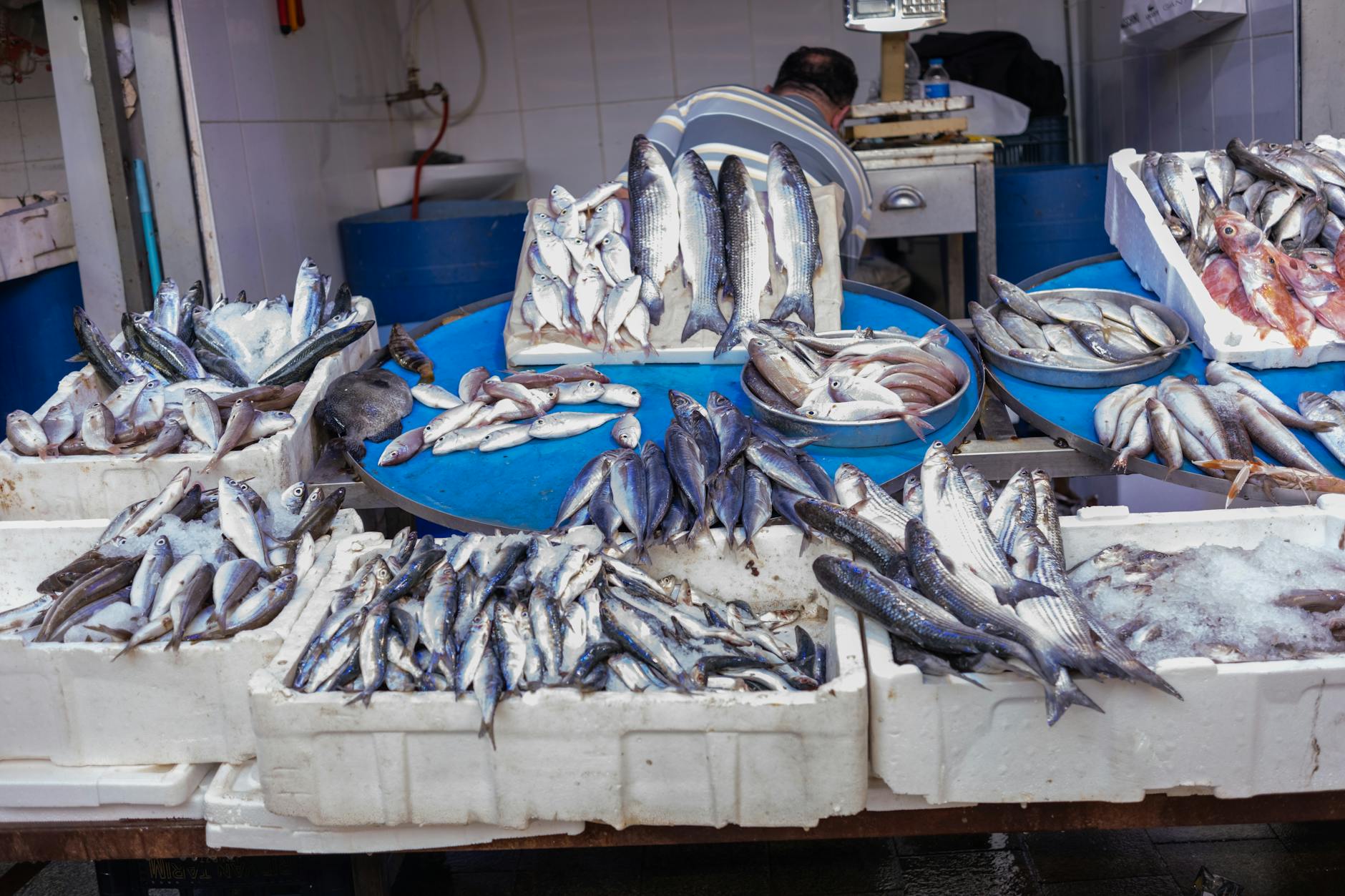
Halibut is a firm white fish prized for its clean flavor and lean protein content. A three-ounce cooked serving delivers around 23 grams of protein for approximately 95 calories. It is rich in magnesium, potassium, and B vitamins, which support muscle function and energy production. The dense, meaty texture holds up well to grilling and baking without falling apart during cooking. Halibut is particularly popular in Pacific Northwest cuisine and is widely available fresh during its peak seasonal harvest.
Sardines
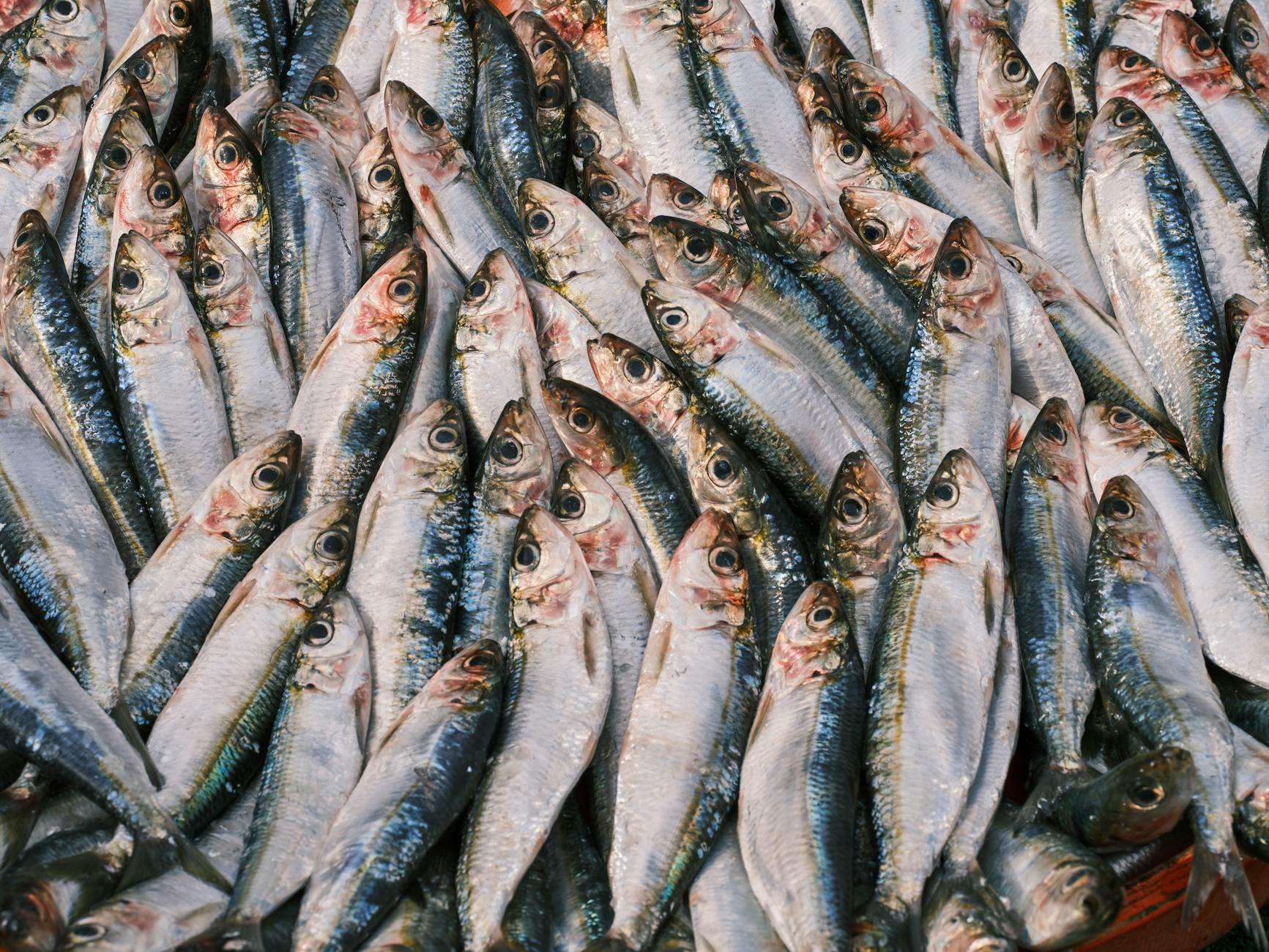
Sardines are a small but nutrient-dense fish that offer an exceptional concentration of protein alongside a range of important micronutrients. A three-ounce serving of sardines packed in water provides roughly 21 grams of protein for around 130 calories. They are one of the richest food sources of omega-3 fatty acids, vitamin D, and vitamin B12 available. The bones in canned sardines are soft and edible, contributing a significant boost of calcium to each serving. Their bold flavor is complemented well by mustard, lemon, and capers in a variety of simple preparations.
Crab

Crab meat is a luxurious low-calorie protein source that is more nutritionally accessible than many people realize. A three-ounce serving of cooked crab provides around 16 grams of protein for approximately 82 calories. It is naturally sweet and tender, requiring very little seasoning to be enjoyed on its own. Crab is also an excellent source of zinc, copper, and selenium, which play important roles in immune health and cellular repair. Canned crab meat offers a practical everyday alternative to fresh crab at a much lower cost.
Lobster
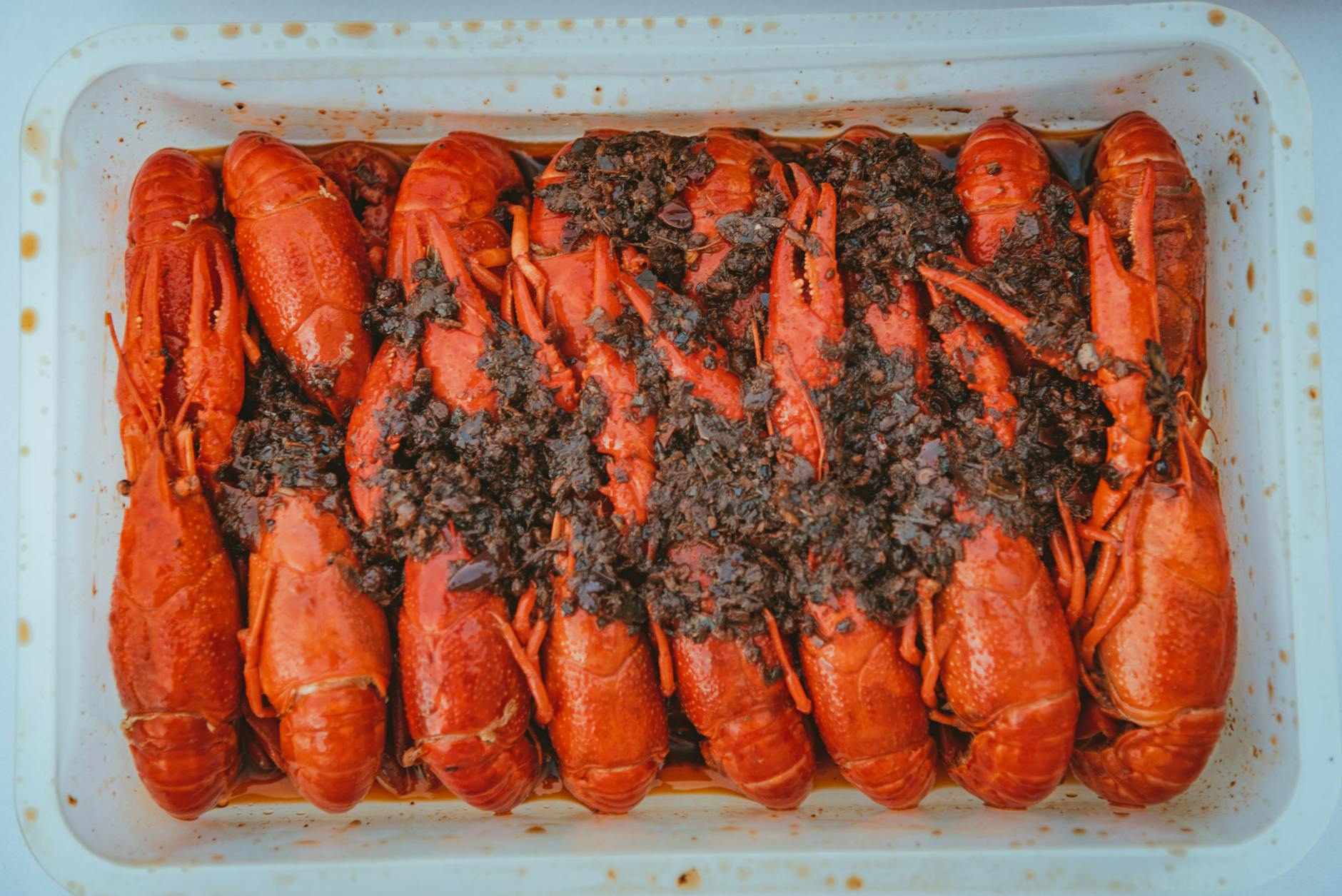
Lobster is often associated with indulgence but is actually a surprisingly lean and high-protein seafood option. A three-ounce cooked serving provides approximately 17 grams of protein for around 83 calories when prepared without added butter. It contains meaningful amounts of phosphorus, zinc, and magnesium, supporting bone health and muscle recovery. The naturally sweet flavor of fresh lobster requires very little additional preparation to shine in a dish. Steaming or poaching lobster preserves its low-calorie profile far better than butter-based cooking methods.
Mussels

Mussels are one of the most sustainable and protein-efficient shellfish available in the seafood category. A three-ounce serving of cooked mussels provides around 18 grams of protein for approximately 150 calories. They are rich in iron, vitamin C, selenium, and folate, offering a broad range of micronutrients in a small serving. Mussels steam quickly in aromatic broths of white wine, garlic, and herbs, making them a fast and impressive meal option. Their affordability compared to other shellfish makes them a practical choice for regular high-protein eating.
Octopus
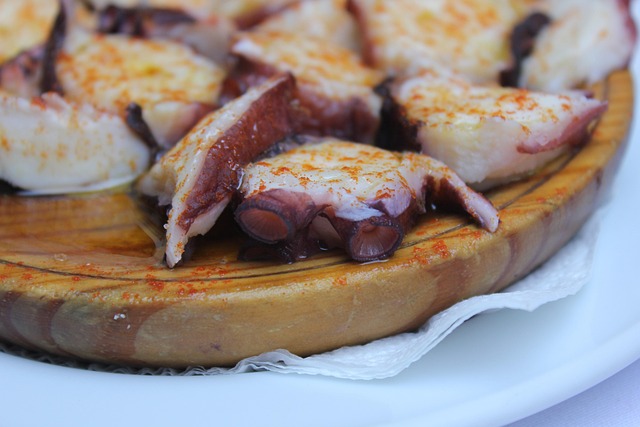
Octopus is a lean seafood option that delivers a high amount of protein relative to its calorie content. A three-ounce cooked serving provides roughly 25 grams of protein for around 140 calories. It is a significant source of taurine, an amino acid that plays a role in cardiovascular function and athletic performance. Octopus is commonly braised slowly to achieve tenderness before being grilled or seared to develop a slightly charred exterior. It is widely enjoyed across Mediterranean, Japanese, and Korean culinary traditions.
Venison
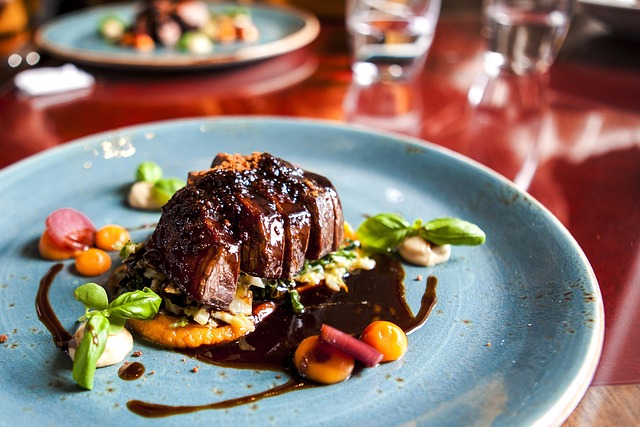
Venison is a lean red meat that provides considerably less fat than conventional beef while maintaining a high protein content. A three-ounce serving delivers around 26 grams of protein for approximately 134 calories. It is naturally rich in iron, zinc, and B vitamins, making it a nutritionally complete animal protein source. The deep, slightly gamey flavor pairs well with bold herbs such as rosemary, juniper, and thyme. As a free-range protein source, venison is often regarded as a more ethical and environmentally conscious meat choice.
Bison
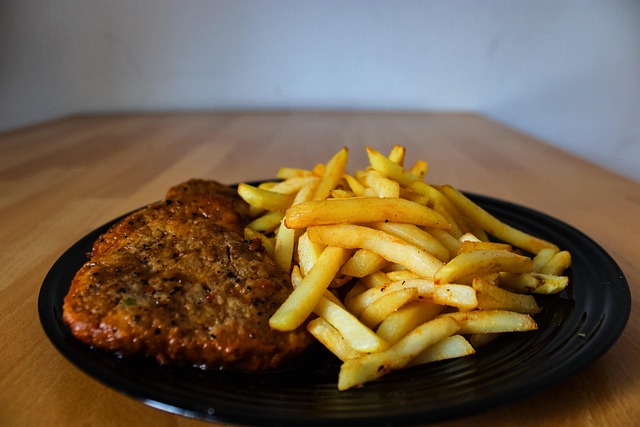
Bison is a nutrient-dense red meat that offers a leaner alternative to traditional beef with a comparable protein content. A three-ounce serving provides roughly 24 grams of protein for around 152 calories. It is particularly high in iron and selenium compared to conventional beef, supporting oxygen transport and immune function. The slightly sweet and rich flavor of bison makes it a satisfying substitute in burgers, stews, and meatballs. Grass-fed bison also tends to have a more favorable fatty acid profile, including higher levels of omega-3s.
Pork Tenderloin
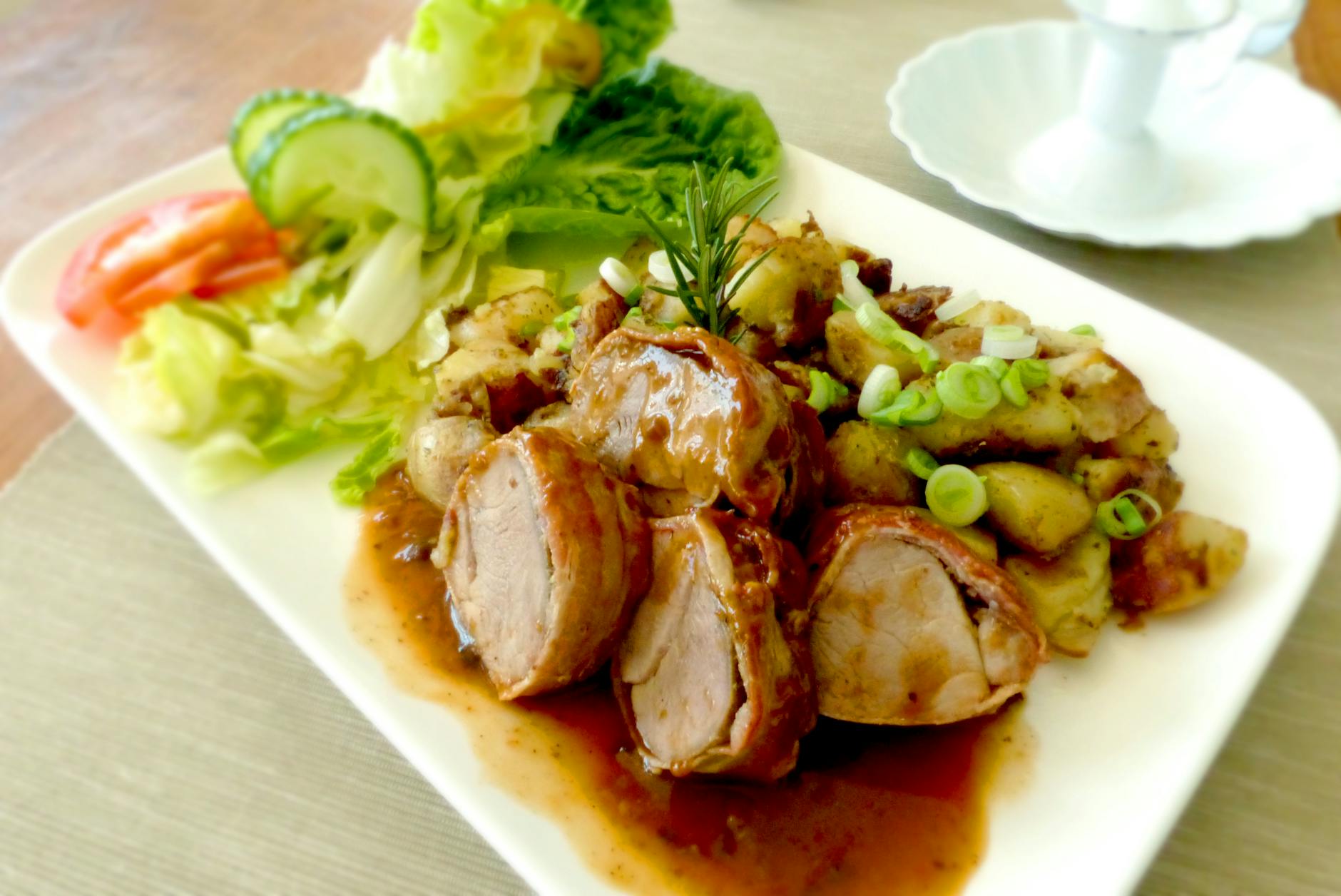
Pork tenderloin is one of the leanest cuts of pork available, often surprising people with its low fat and calorie content. A three-ounce cooked serving provides around 22 grams of protein for approximately 122 calories. It is tender enough to cook quickly on a stovetop or in the oven without the need for lengthy marinating. The mild flavor adapts readily to both sweet glazes and savory herb-based rubs. Pork tenderloin is also a good source of thiamine, which is a B vitamin essential for energy metabolism.
Elk
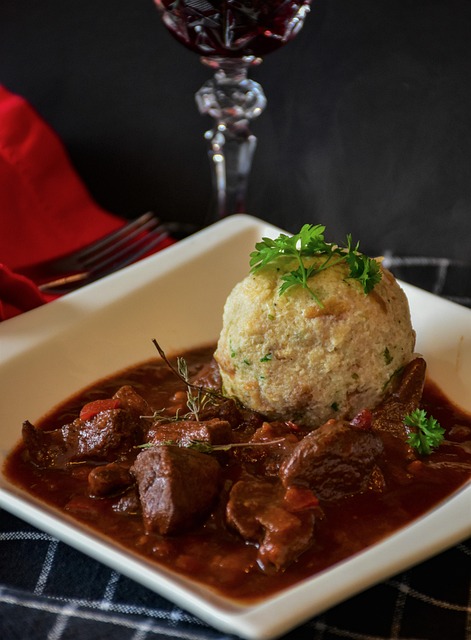
Elk is a wild game meat that is leaner than both beef and bison while still delivering a robust protein content. A three-ounce serving of cooked elk provides approximately 24 grams of protein for around 124 calories. The flavor is mild for a wild game meat, making it accessible even for those unfamiliar with venison or bison. Elk is rich in iron and zinc, nutrients that support energy levels and immune function. Ground elk is increasingly available in specialty butchers and online meat delivery services catering to the growing interest in wild game proteins.
Rabbit
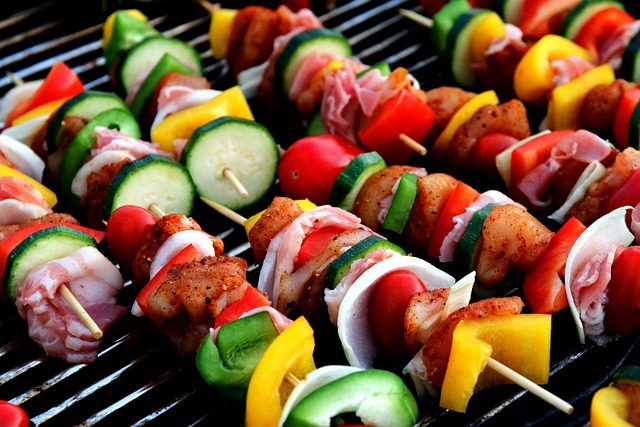
Rabbit meat is a lean and mild-flavored protein that is widely consumed across European and Asian culinary traditions. A three-ounce serving provides around 28 grams of protein for approximately 147 calories, placing it among the highest protein-to-calorie ratios of any meat. It is lower in fat than chicken thighs and comparable in protein content to the leanest cuts of poultry. Braising rabbit slowly with vegetables and aromatics produces a tender, deeply flavorful result that rewards patient cooking. Its sustainability credentials are also considered strong relative to conventional livestock farming.
Spirulina
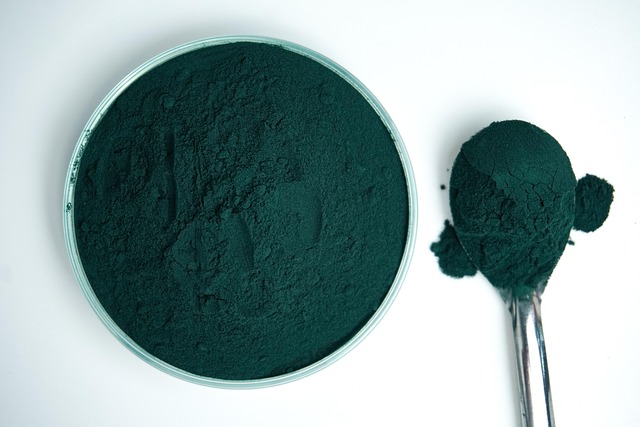
Spirulina is a blue-green algae superfood recognized as one of the most protein-dense substances on the planet by dry weight. A single tablespoon provides approximately 4 grams of protein for only around 20 calories. It is a complete protein containing all essential amino acids required by the human body. Beyond its protein content, spirulina is a notable source of B vitamins, iron, copper, and powerful antioxidants. It is most commonly consumed as a powder blended into smoothies, juices, and energy bars.
Nutritional Yeast
Nutritional yeast is a deactivated yeast product beloved in plant-based communities for its cheesy flavor and impressive protein content. Two tablespoons provide roughly 8 grams of protein for around 45 calories, making it one of the most calorie-efficient protein additions available. It is also commonly fortified with vitamin B12, a nutrient that is naturally absent from most plant-based foods. Sprinkling it over popcorn, pasta, roasted vegetables, or soups adds both flavor and nutritional value instantly. The umami-rich profile makes it a popular seasoning beyond its role as a protein supplement.
Hemp Seeds
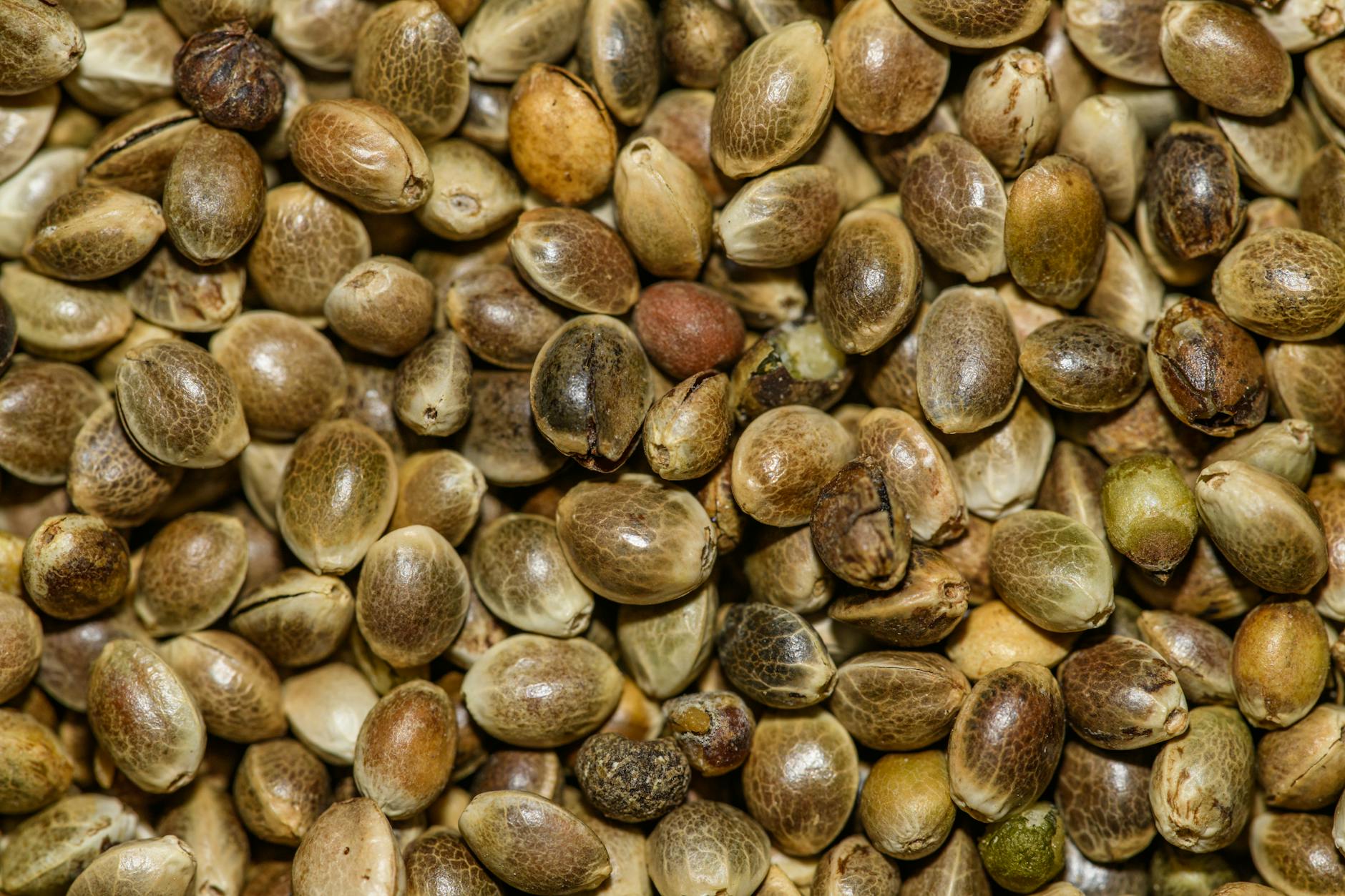
Hemp seeds are a plant-based complete protein source containing all nine essential amino acids in a compact and versatile form. Three tablespoons provide approximately 10 grams of protein for around 166 calories. They also offer an ideal ratio of omega-3 to omega-6 fatty acids, which supports cardiovascular and inflammatory health. The soft, nutty texture integrates easily into smoothies, yogurt bowls, oatmeal, and salad dressings without altering the flavor of the dish significantly. Hemp seeds require no cooking or preparation and can be incorporated into meals directly from the bag.
Pumpkin Seeds
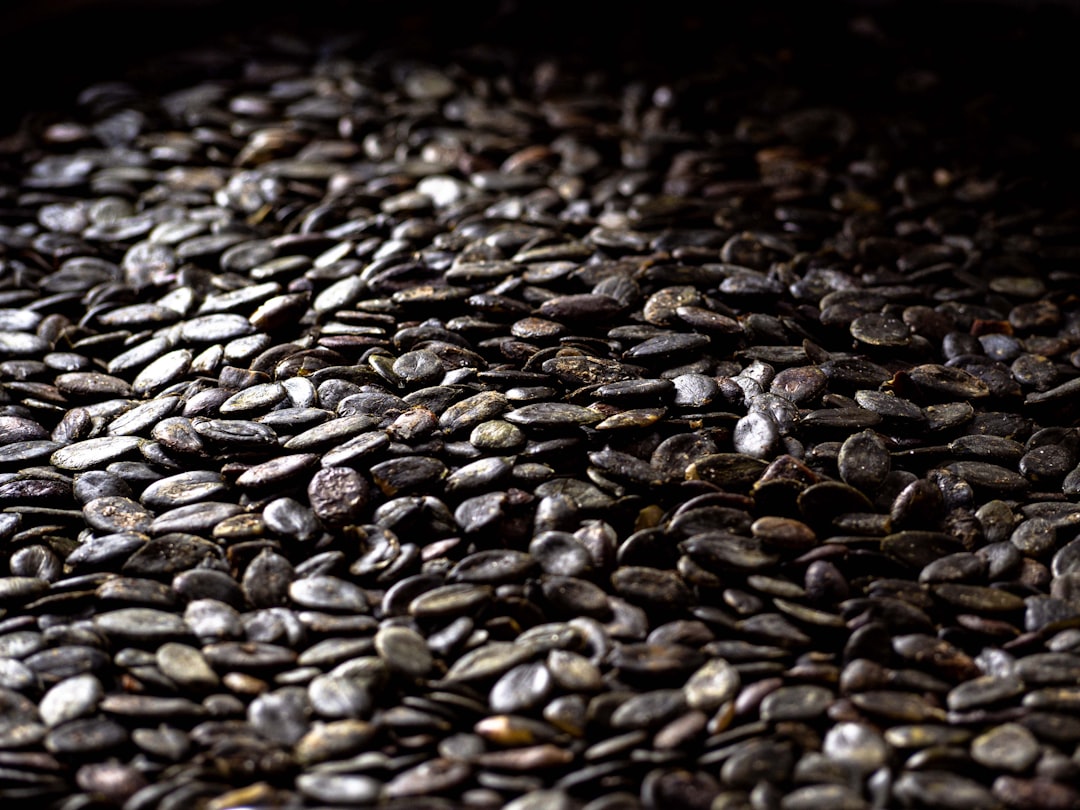
Pumpkin seeds are a nutrient-dense snack that provide a meaningful amount of protein alongside a range of important minerals. A one-ounce serving delivers approximately 9 grams of protein for around 158 calories. They are one of the richest food sources of magnesium available, a mineral critical to muscle function, sleep quality, and energy production. Roasting pumpkin seeds with light seasoning enhances their natural nuttiness without significantly increasing the calorie count. They can be eaten as a standalone snack or scattered over soups, salads, and grain dishes to add both crunch and nutrition.
Chickpeas
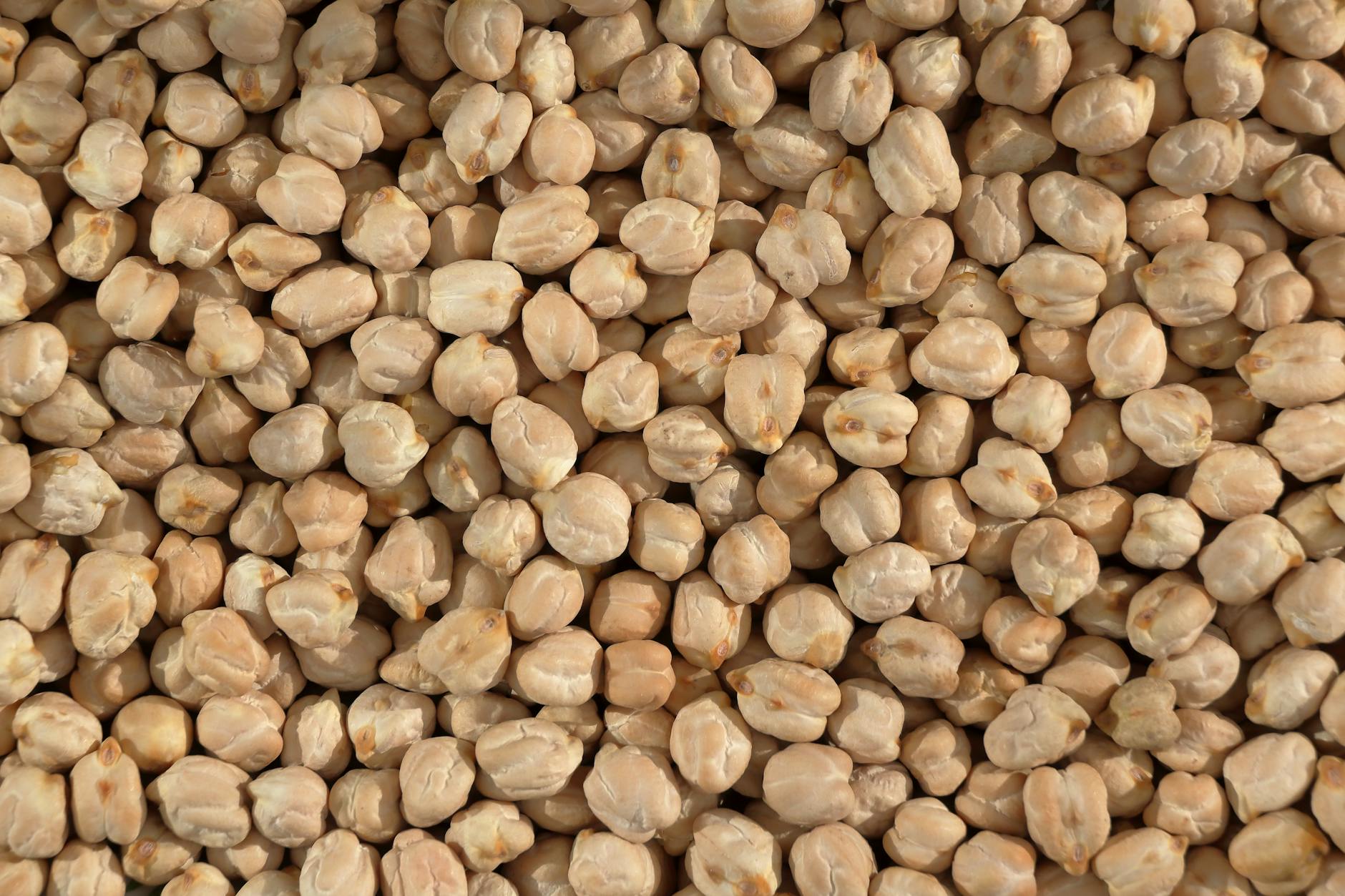
Chickpeas are a widely available legume that combines a solid protein content with a high level of dietary fiber. Half a cup of cooked chickpeas provides around 7.5 grams of protein for approximately 135 calories. They are a staple ingredient across Middle Eastern, South Asian, and Mediterranean cuisines and adapt to an enormous range of cooking styles. Roasting chickpeas in the oven with spices creates a crunchy snack that rivals less nutritious packaged options. Aquafaba, the liquid from canned chickpeas, has also gained attention as a high-protein ingredient in plant-based baking.
Share your favorite high-protein low-calorie foods in the comments.