Understanding the difference between expiration dates and best-by dates can significantly reduce household food waste while saving money on grocery bills. Many shelf-stable items retain their safety and nutritional value long after the stamped date has passed. Consumers often throw away perfectly edible food because they mistake quality guidelines for strict safety warnings. Proper storage conditions like cool temperatures and airtight containers usually play a bigger role in longevity than the printed numbers. The following foods are generally considered safe for consumption well past their packaging dates when stored correctly.
Canned Goods
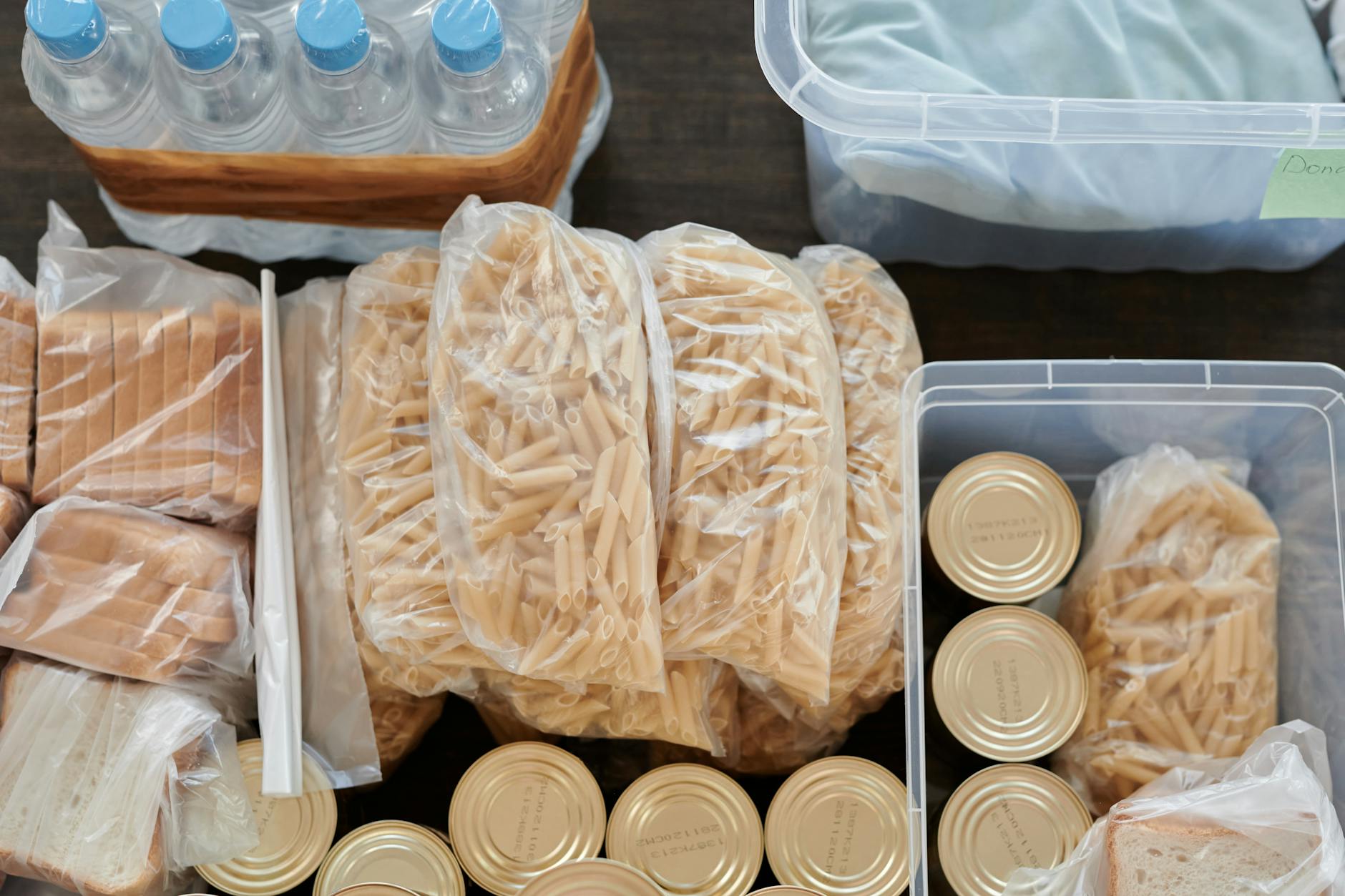
Commercially canned foods are known for their exceptional longevity due to the vacuum sealing process that prevents bacterial growth. Most canned vegetables and soups remain safe to eat for years past their date as long as the can shows no signs of damage. You should inspect the container for bulging or deep dents which can indicate compromised integrity. The texture might soften slightly over extended periods but the food inside typically remains edible. Proper storage in a cool and dry pantry further extends the viable lifespan of these pantry staples.
Dried Pasta
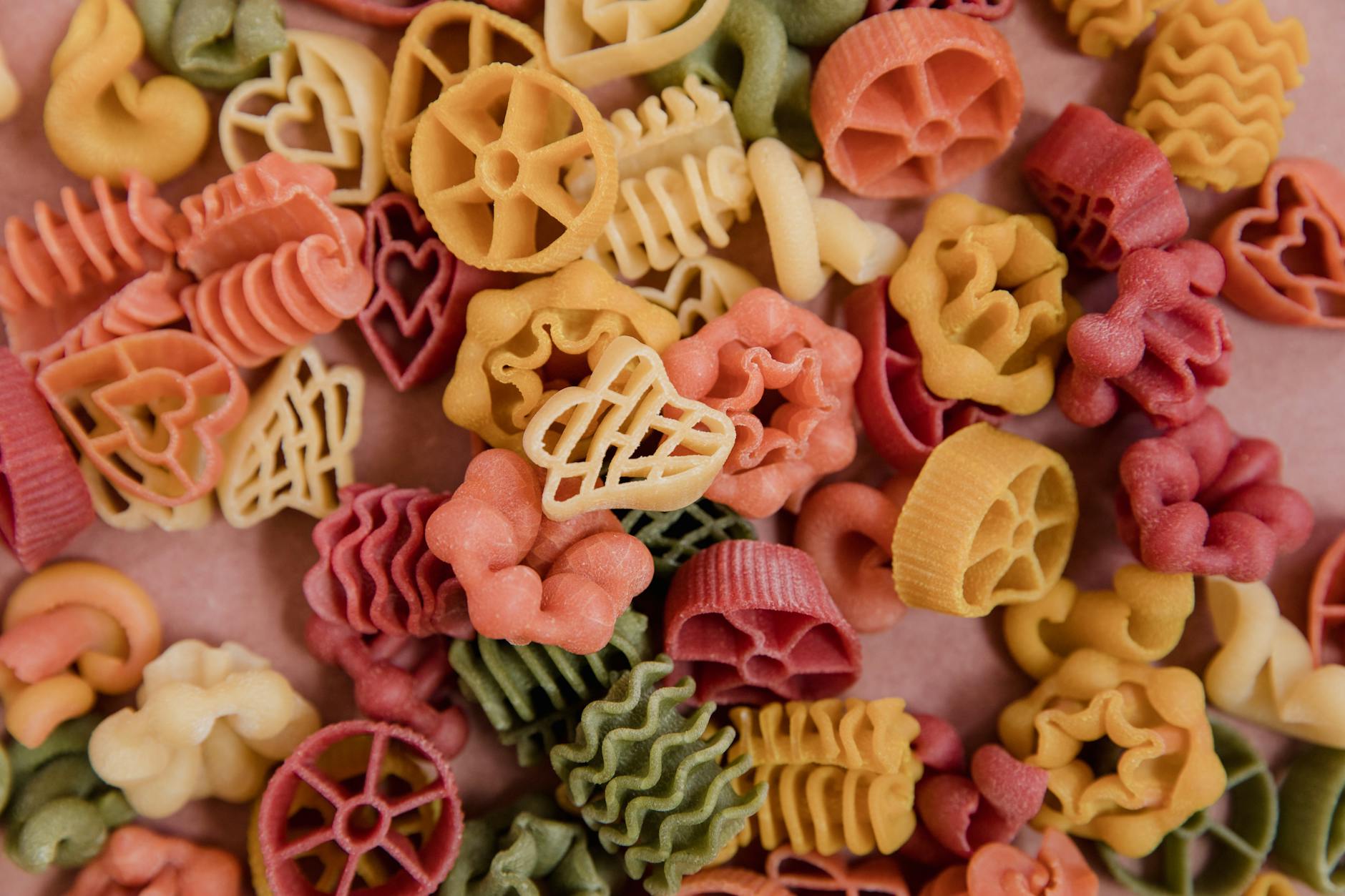
Dry pasta is a staple that holds up remarkably well because it contains zero moisture to support bacterial activity. You can safely cook and eat boxed spaghetti or penne years after the best-by date if it has been kept dry. The flavor may fade slightly over very long periods but the product remains safe for consumption. Keeping the pasta in an airtight glass or plastic container helps prevent stale flavors or pest intrusion. It acts as a reliable emergency food source that rarely spoils under normal household conditions.
White Rice
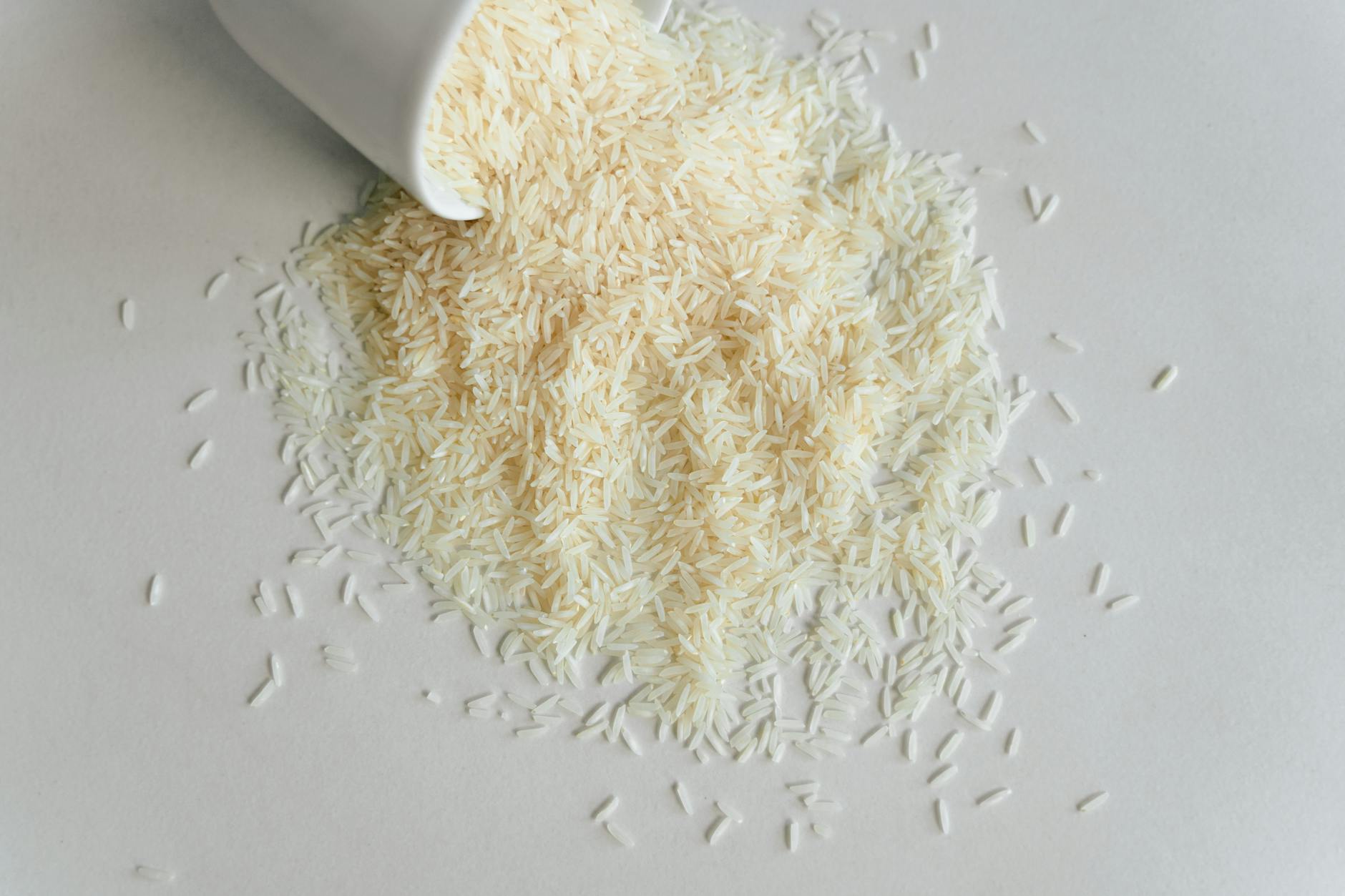
Raw white rice is capable of lasting indefinitely when it is stored in an oxygen-free container or a simple airtight jar. The milling process removes the bran and germ where oils that cause spoilage typically reside. You can keep bulk quantities of jasmine or basmati rice for decades without any risk of foodborne illness. Brown rice is the exception here because its oil content leads to rancidity much faster than white varieties. Keeping your white rice supply in a cool area ensures it remains a dependable calorie source.
Honey
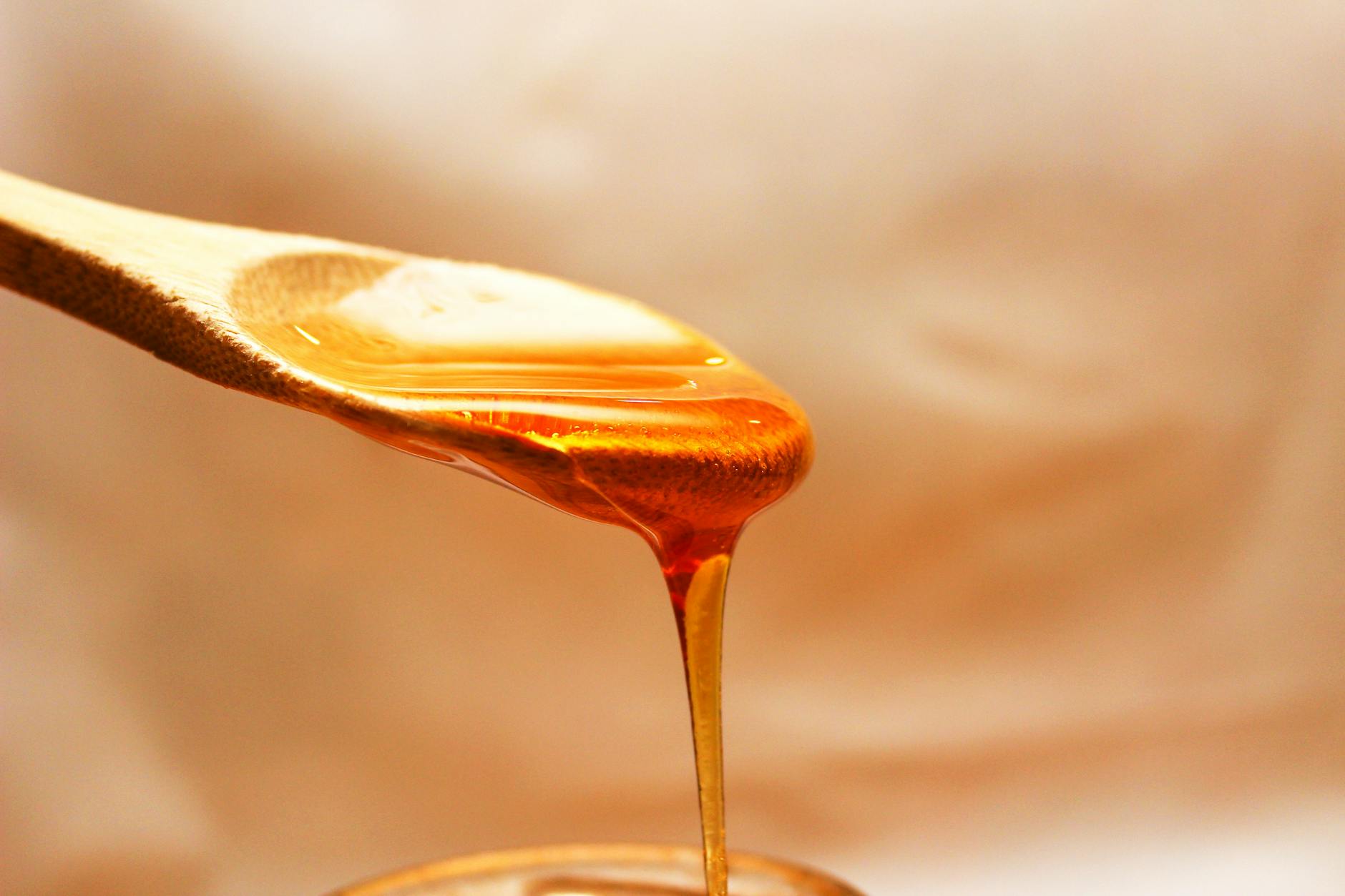
Pure honey is unique because it is the only food that essentially never spoils due to its low moisture content and natural acidity. Archaeologists have famously discovered edible honey in ancient tombs that was thousands of years old. Crystallization is a natural process that occurs over time but this does not indicate spoilage or safety issues. You can simply warm the jar in a bowl of hot water to return the honey to its liquid state. It remains a safe and sweet pantry item regardless of the date printed on the bottle.
Sugar
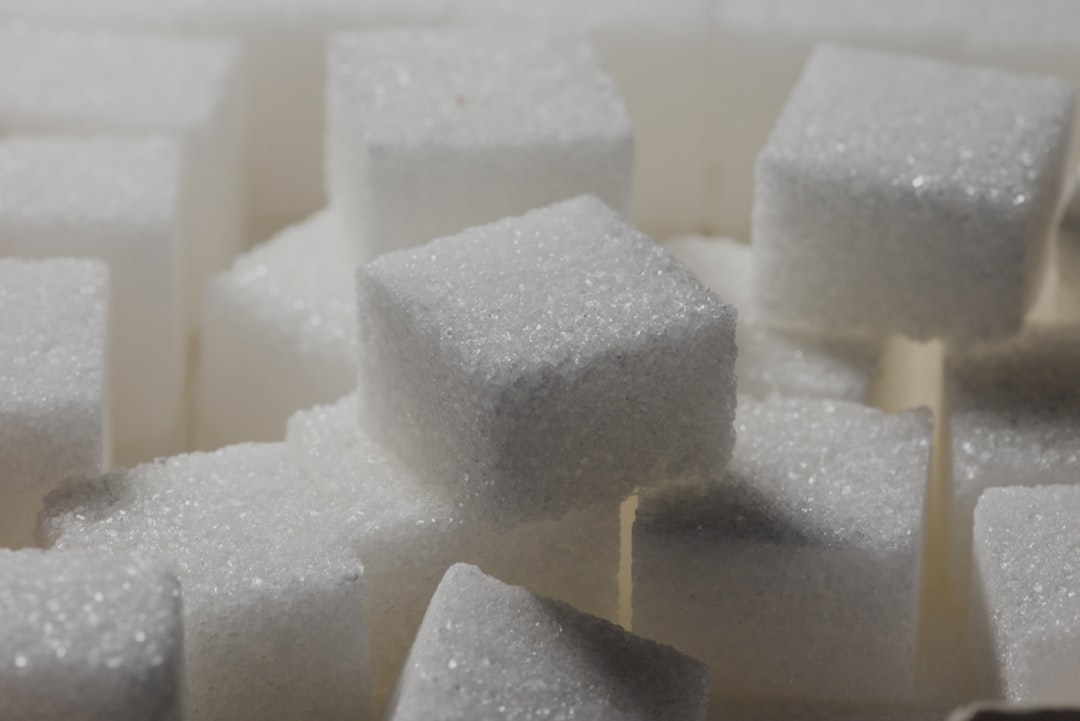
Granulated white sugar creates an environment where bacteria simply cannot thrive or reproduce. Hardening may occur if moisture gets into the container but this affects only the texture rather than safety. You can easily break up clumps of hardened sugar and use it just as you would a fresh bag. Proper storage requires keeping it away from humid areas or direct sources of water. This indefinite shelf life makes it one of the most reliable ingredients in your kitchen.
Salt
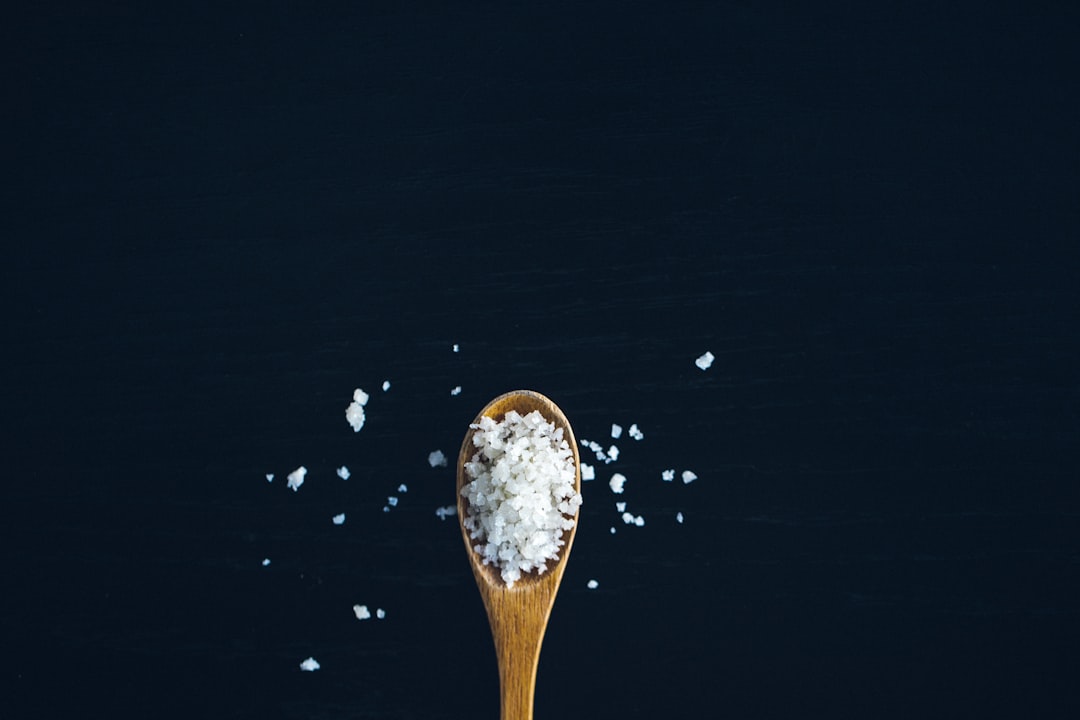
Pure salt is a mineral that has existed for millions of years and will not expire in your pantry. It is often used as a preservative itself because it draws moisture out of food and inhibits bacterial growth. Added ingredients like iodine may reduce the shelf life slightly but plain sea salt or kosher salt lasts forever. You should store it in a dry place to prevent clumping from ambient humidity. It will remain safe to use for seasoning indefinitely regardless of the packaging date.
White Vinegar
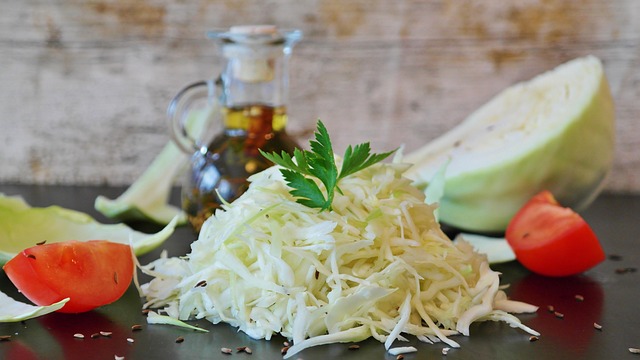
The high acidity of white vinegar makes it self-preserving and resistant to microbial growth. Changes in color or the development of sediment may occur over very long periods but these are cosmetic. It remains safe to consume and effective for cooking or pickling uses long past any printed date. You can store large jugs of vinegar in a dark pantry without worry of spoilage. This stability applies to most clear vinegars used for culinary purposes.
Soy Sauce
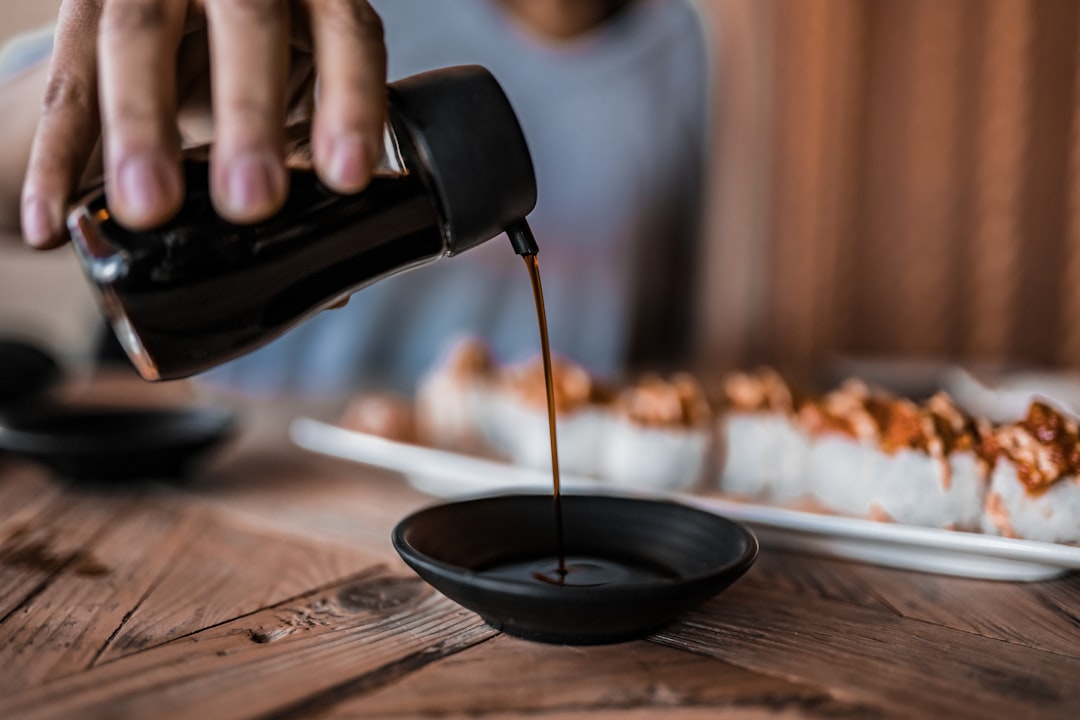
This salty condiment contains enough sodium to prevent the growth of harmful bacteria even after the bottle is opened. The flavor complexity may diminish slightly over several years but it will not make you sick. Unopened bottles can last indefinitely in the pantry while opened ones stay fresh longest in the refrigerator. It is a robust ingredient that withstands the test of time remarkably well. You can confidently use that bottle at the back of the fridge for your next stir-fry.
Mustard
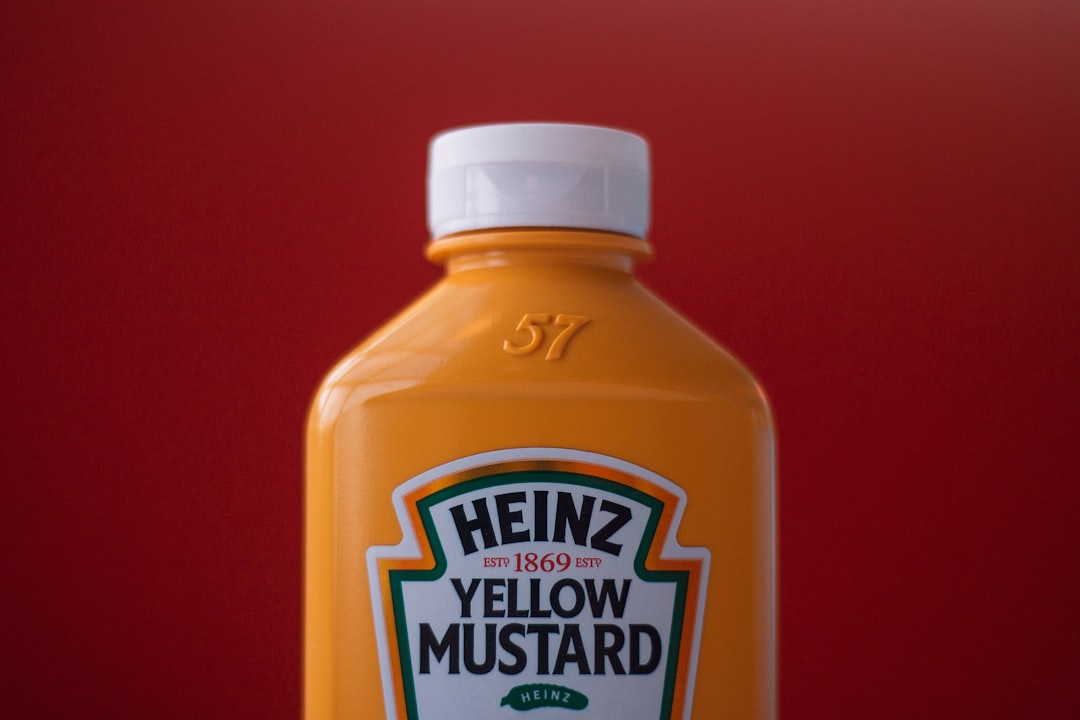
Commercially prepared mustard contains vinegar and salt which act as potent natural preservatives. The liquid may separate from the solids over time but stirring it brings the texture back together. Yellow mustard and spicy brown varieties can be consumed safely months or years past the date label. Refrigeration helps maintain the distinct spicy flavor profile for a longer duration. It is highly unlikely to spoil in a way that causes illness.
Dried Beans
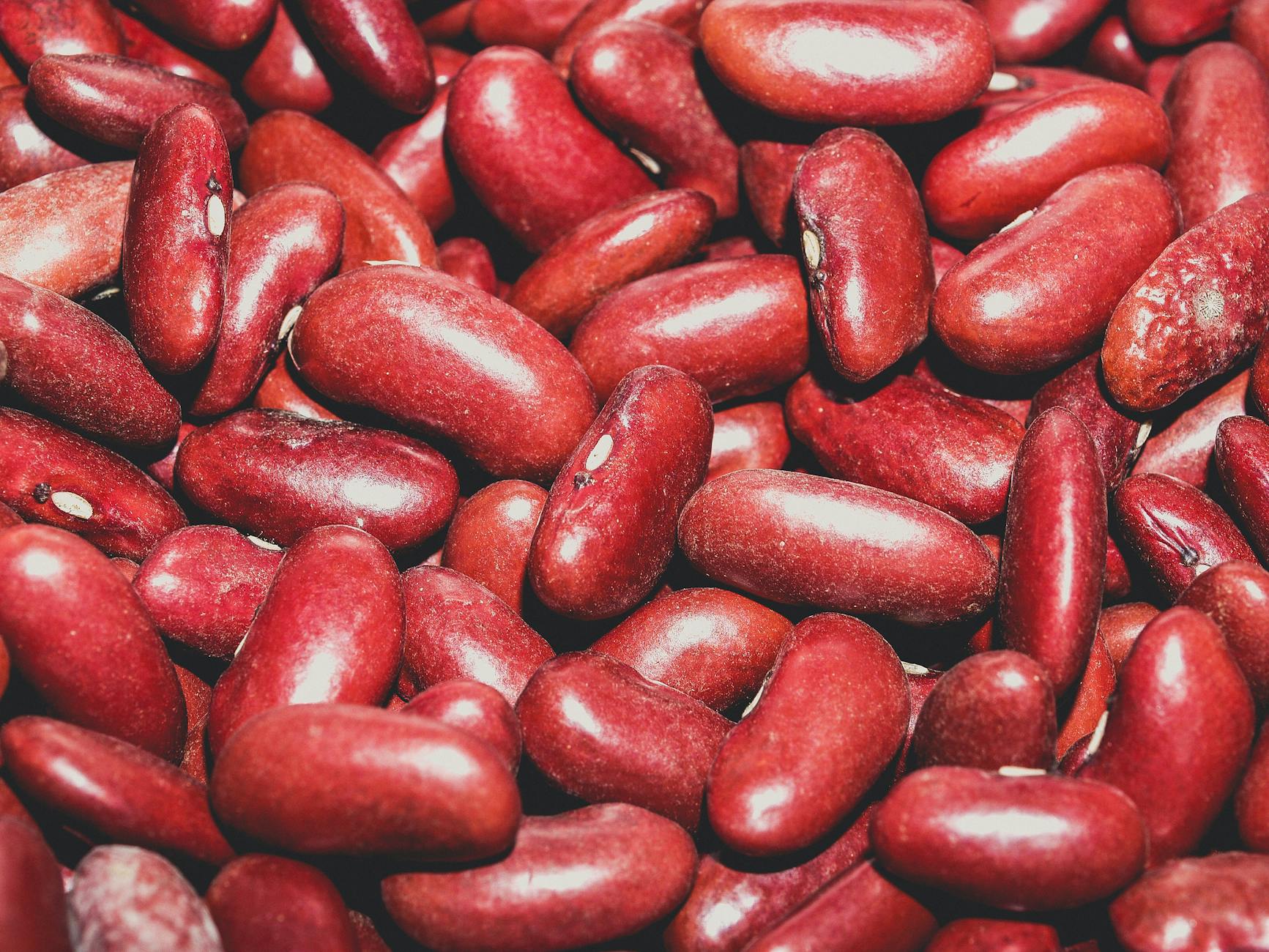
Dried legumes like kidney beans and lentils are practically imperishable when kept in a moisture-free environment. They may require longer soaking and cooking times as they age and lose residual moisture. The nutritional content remains largely intact even after years of storage in your pantry. You should check for any signs of insect activity before cooking older batches. They serve as an excellent long-term protein source for emergency food supplies.
Pure Vanilla Extract
Real vanilla extract has a high alcohol content that acts as a preservative and keeps it stable indefinitely. The flavor often improves and becomes more complex as the extract ages in the bottle. Artificial vanilla flavorings do not share this longevity and may degrade in quality over time. You should ensure the cap is tightly sealed to prevent evaporation of the alcohol base. This expensive ingredient is a safe investment that will not go to waste.
Maple Syrup
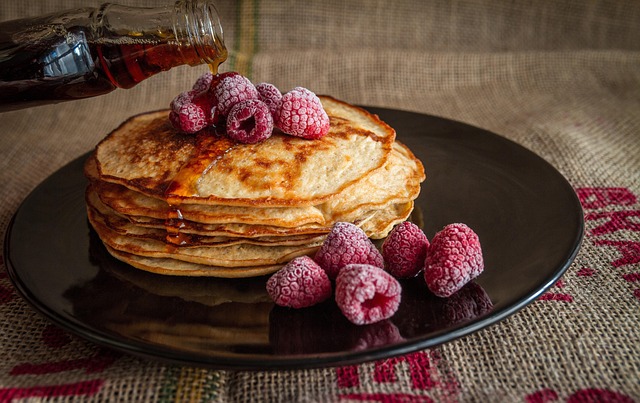
Pure maple syrup resists bacterial growth due to its high sugar concentration and low water content. Unopened bottles can sit in your pantry for years without any degradation in safety. If mold forms on the surface of an opened bottle you can skim it off and boil the syrup to make it safe again. Storing opened containers in the refrigerator or freezer extends their quality significantly. It is a durable natural sweetener that outlasts many other breakfast condiments.
Cornstarch

This thickening agent will stay safe to use indefinitely if it is kept completely dry and cool. The powder must be stored in an airtight container to prevent it from absorbing moisture or odors. It does not break down or lose its thickening power over time under ideal conditions. You can rely on that box of cornstarch for years of gravy and sauce making. It is a low-risk pantry item that rarely requires replacement due to age.
Baking Soda
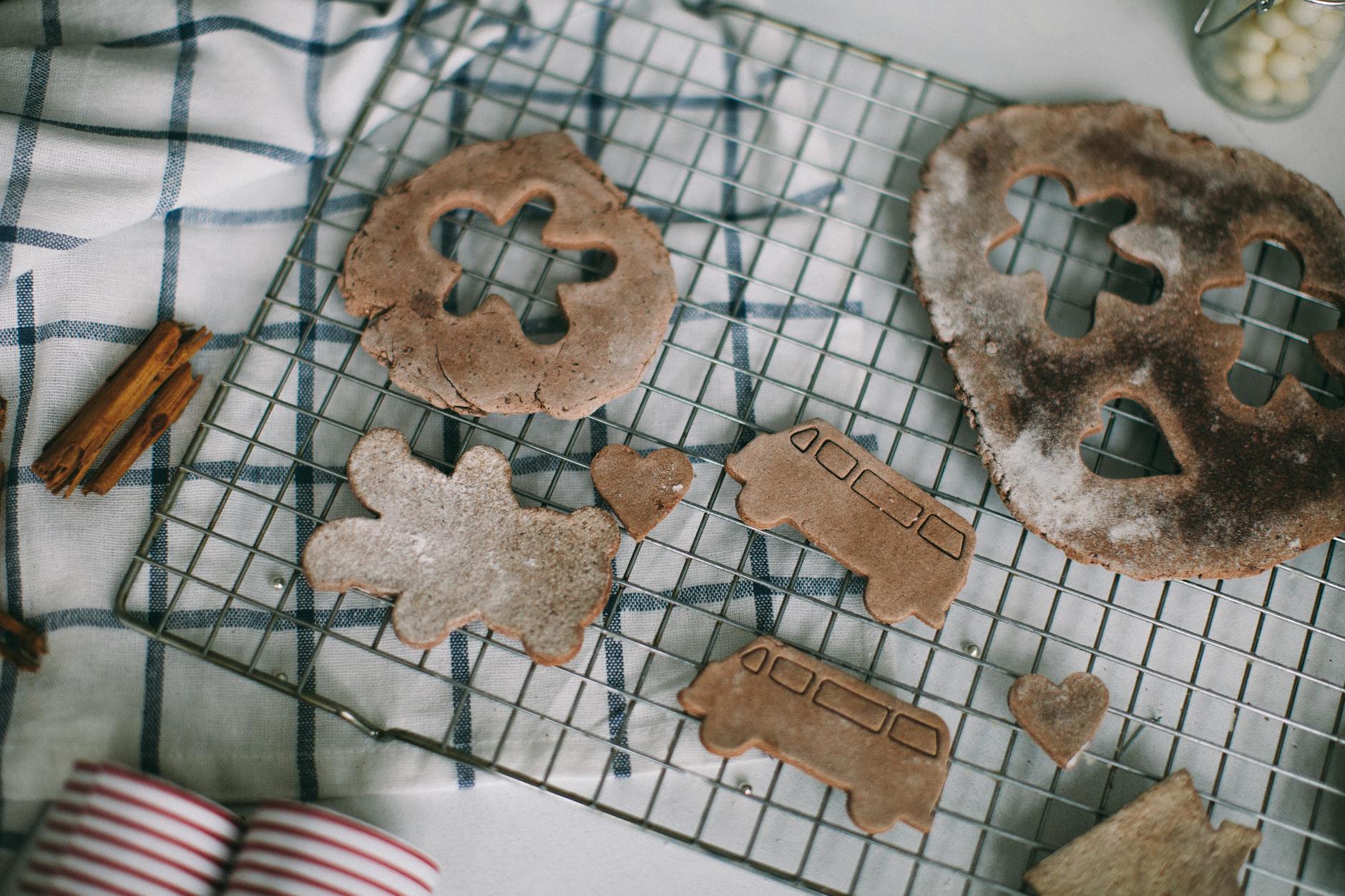
Baking soda is a chemical compound that remains safe to use long after its best-by date has passed. Its leavening potency may diminish over time which could affect the rise of your baked goods. You can test its effectiveness by mixing a small amount with vinegar to see if it still fizzes vigorously. Even if it loses lifting power it remains an effective cleaning agent for household surfaces. It serves a dual purpose that ensures it never truly goes to waste.
Instant Coffee
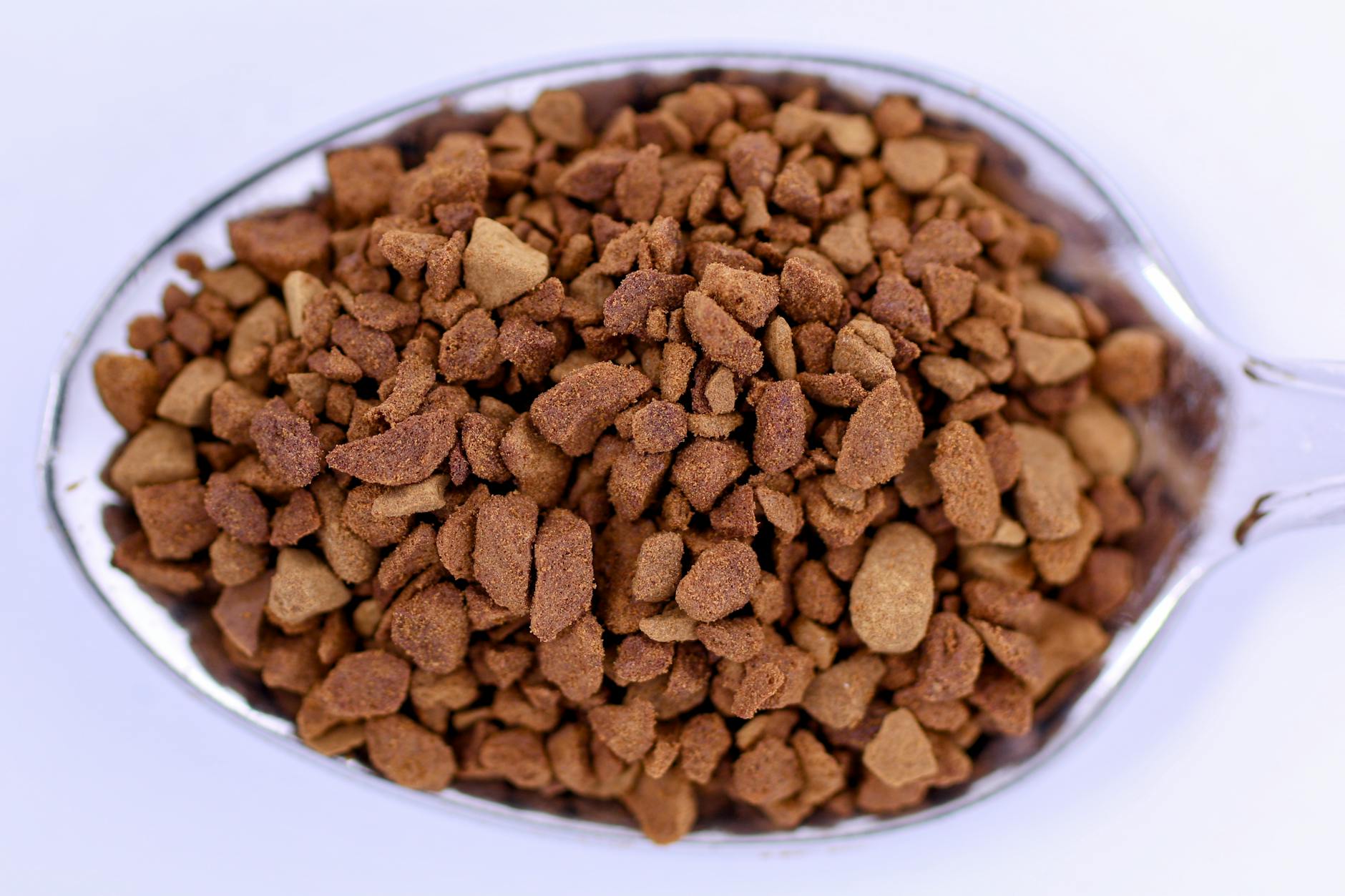
The dehydration process used to make instant coffee removes nearly all moisture and eliminates the risk of spoilage. You can keep a jar of instant coffee granules sealed in your pantry for years beyond the label date. The flavor might become slightly flatter but the caffeine content and safety remain unchanged. It is an excellent backup for mornings when you run out of fresh beans. Keeping the container tightly closed prevents the granules from hardening.
Hard Liquor
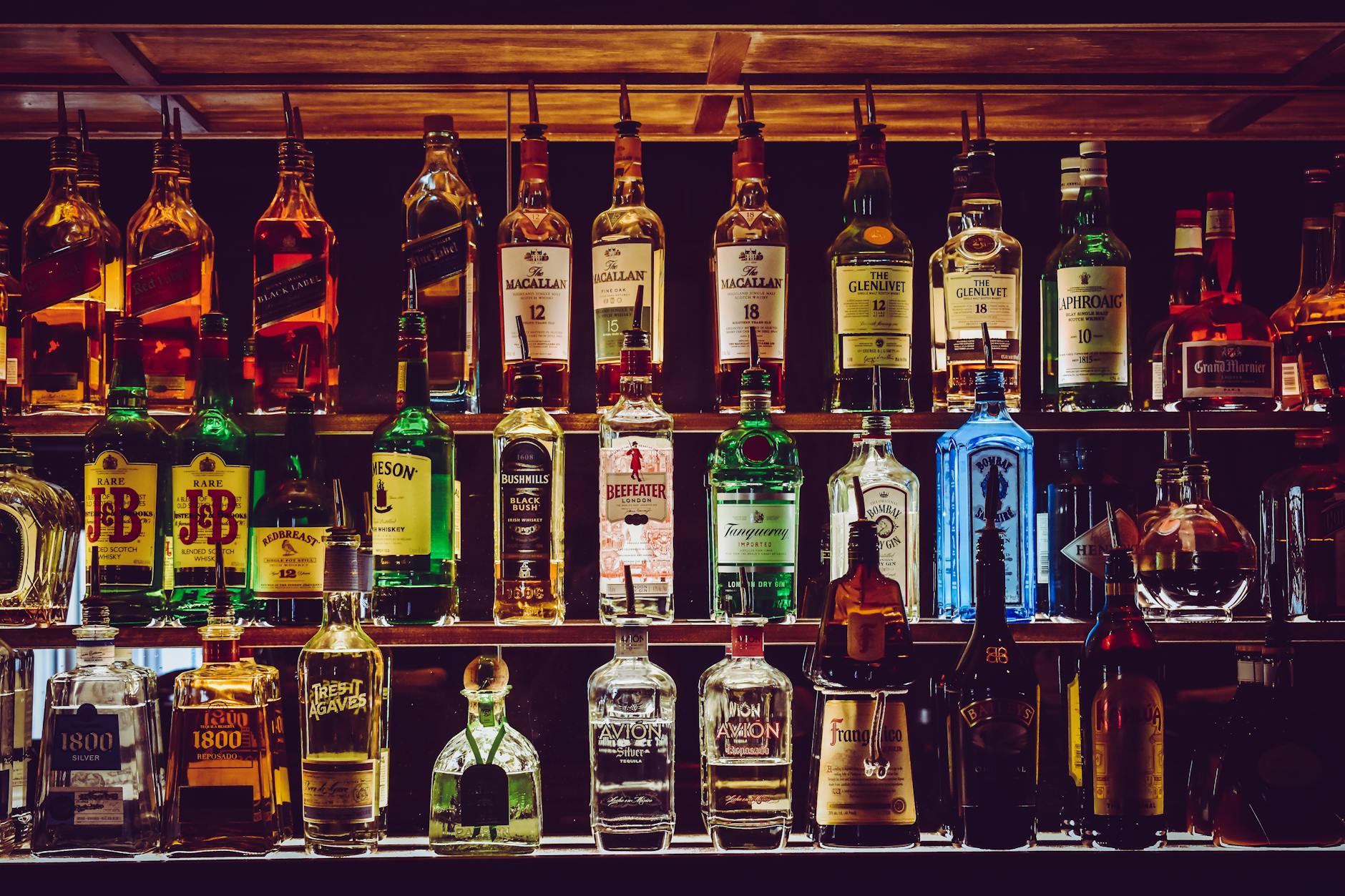
Distilled spirits like vodka and whiskey contain enough alcohol to prevent any bacterial survival. An unopened bottle will last indefinitely without changing in flavor or safety. Opened bottles may experience slight evaporation or oxidation over many years but remain safe to drink. Cream-based liqueurs are the exception and should be obeyed according to their dates. Standard hard alcohols are shelf-stable investments for your home bar.
Powdered Milk
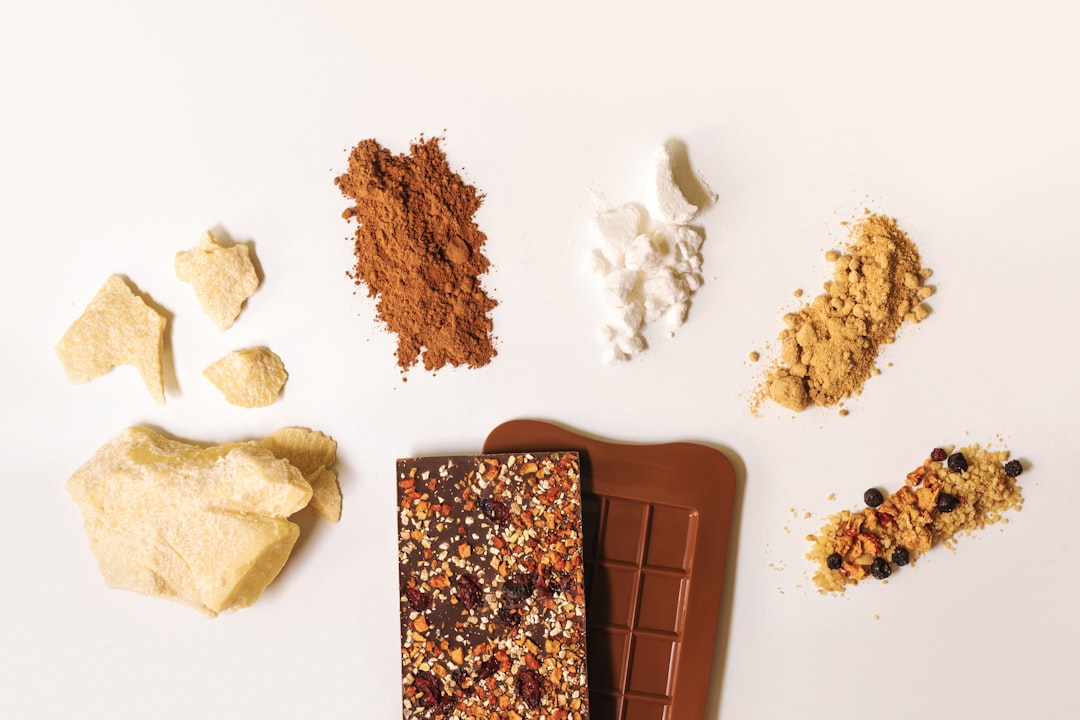
Dried milk powder is designed for long-term storage and survival situations. The removal of fat and water ensures that it does not spoil like fresh dairy products. You can safely consume non-fat dried milk for years past the date if it stays dry. Yellowing may indicate flavor degradation but the product is usually still safe in an emergency. It is a versatile pantry staple for baking and cooking.
Rolled Oats
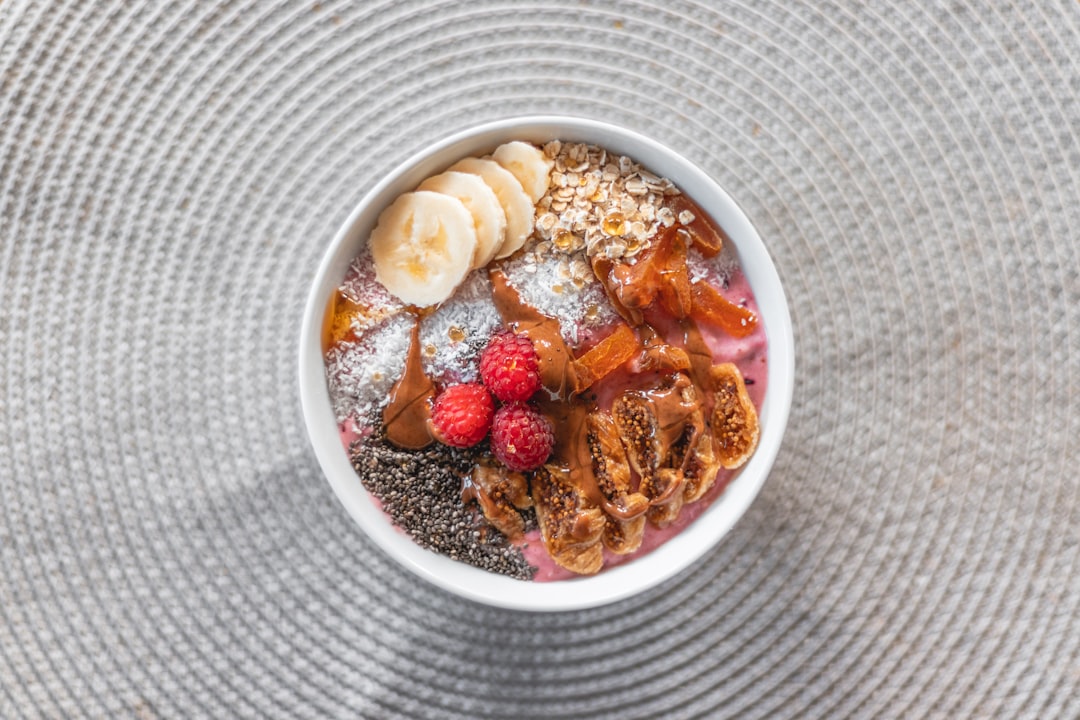
Oats are a durable grain that can last for years when stored in oxygen-absorbing containers. Commercial packaging usually gives a conservative date but the oats remain edible long after. You should check for stale smells or pests if the package has been open for a long time. Cooking the oats effectively kills any potential surface contaminants. They are a reliable source of fiber that withstands long pantry stays.
Bouillon Cubes
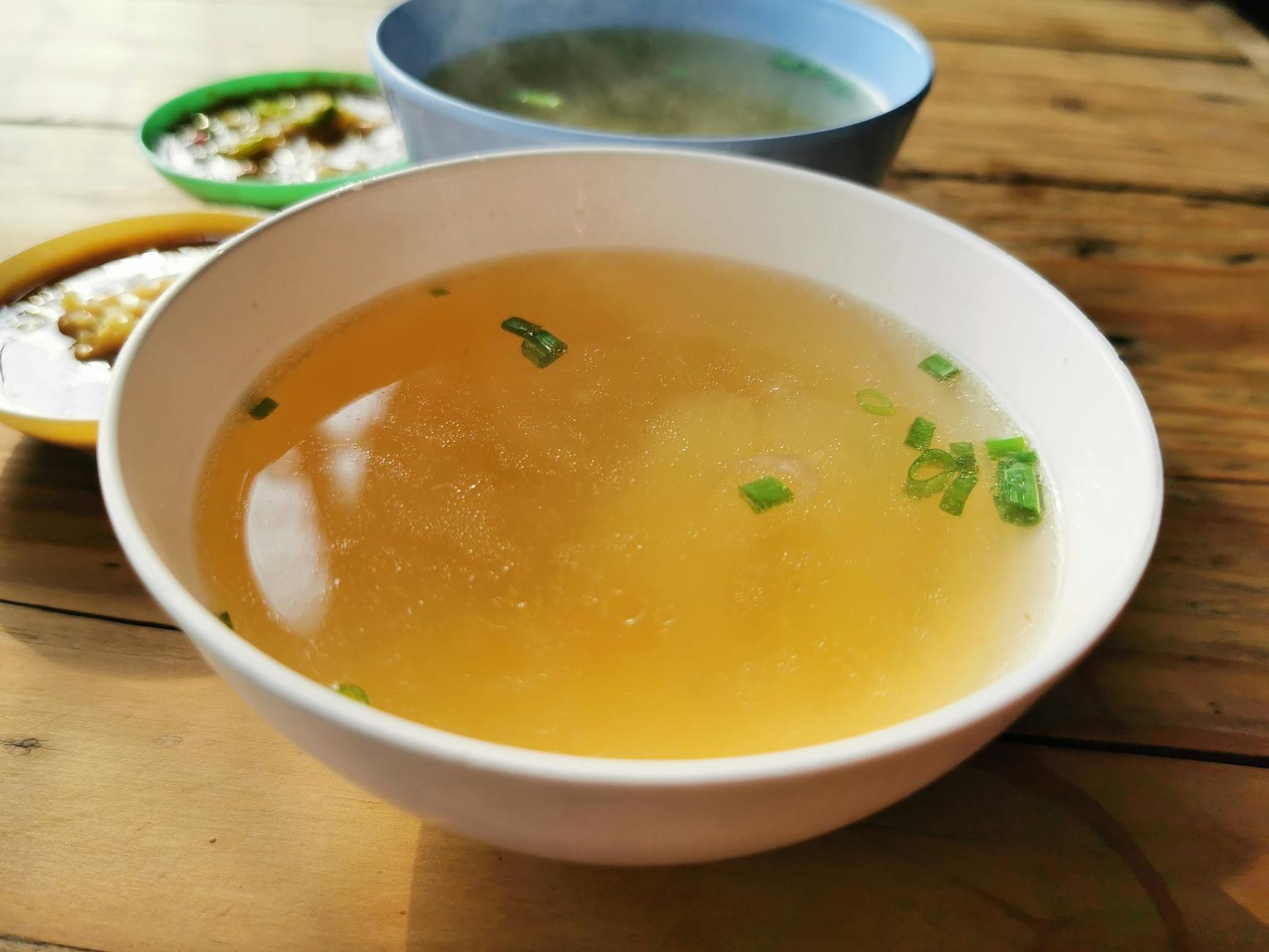
These concentrated blocks of dehydrated stock are packed with salt that preserves them for extensive periods. The flavor intensity might mellow out slightly after the expiration date passes. They remain safe to use in soups and stews as long as they have not been exposed to moisture. You can keep them in a cool dry place for years of convenient cooking. They are a resilient flavor enhancer for any kitchen.
Popcorn Kernels
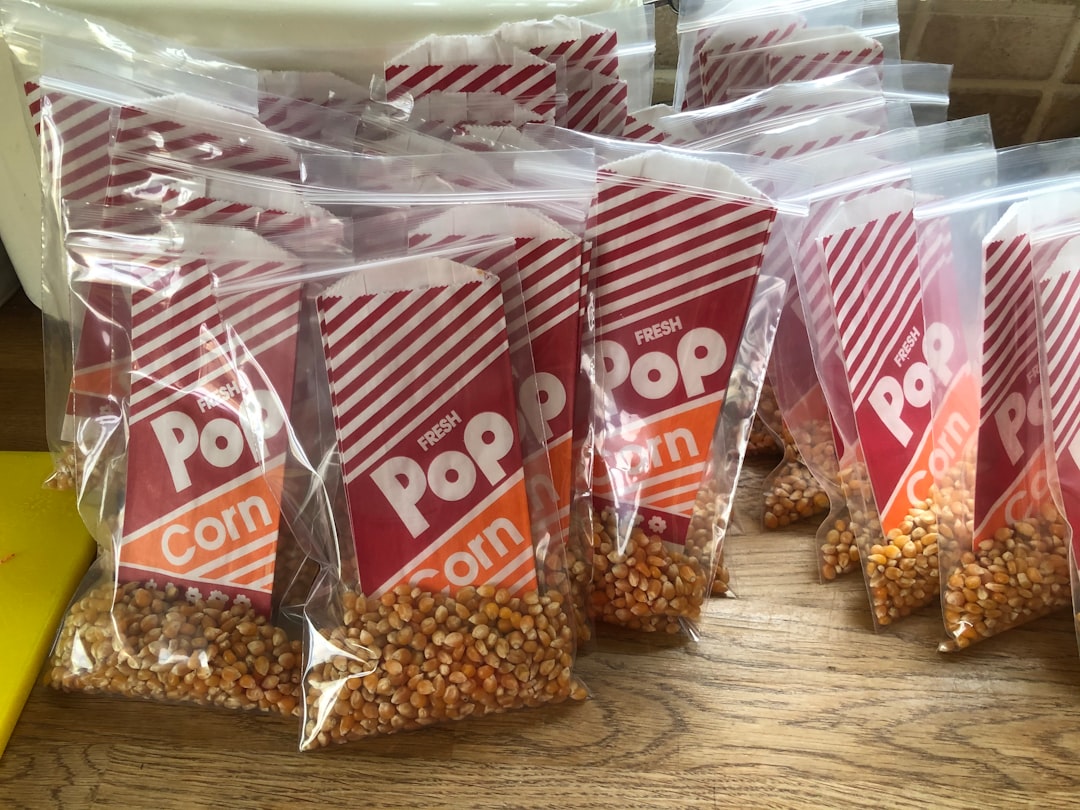
Unpopped popcorn kernels can retain their ability to pop for years past the date on the bag. They may lose some moisture which can result in slightly fewer popped kernels or a smaller fluffiness. You can rejuvenate old kernels by adding a tiny amount of water to the jar and shaking it. The kernels themselves do not spoil in a way that makes them unsafe to eat. It remains a shelf-stable snack option for movie nights.
Peanut Butter
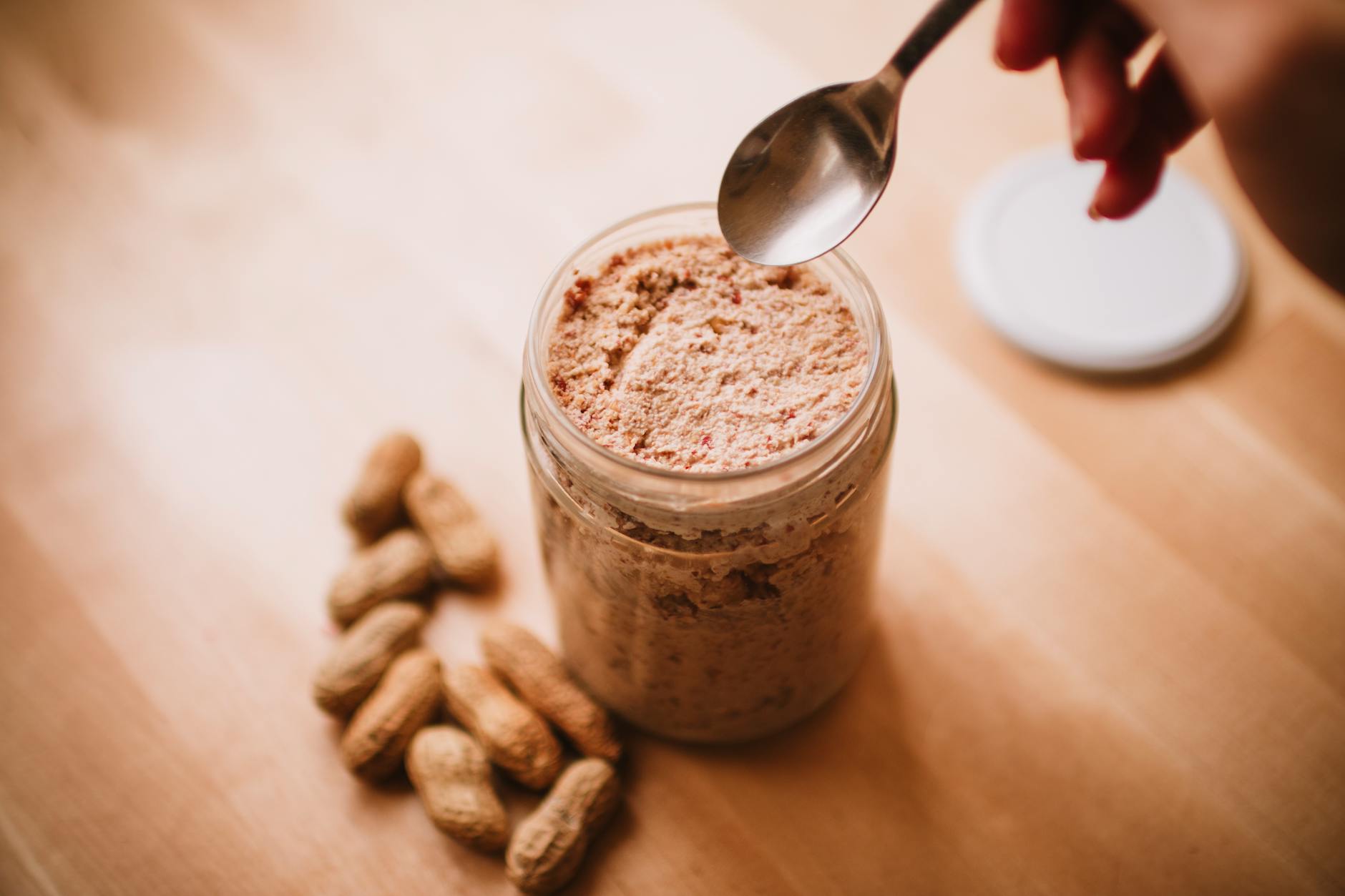
Processed peanut butter is packed with preservatives and stabilizers that keep it safe for a long time. Unopened jars can last well past their date while opened ones are best kept in the fridge to prevent rancidity. Natural peanut butter without additives spoils faster and should be monitored more closely. Commercial brands rarely develop dangerous bacteria due to low moisture levels. You can trust a sealed jar to remain edible for an extended period.
Ghee
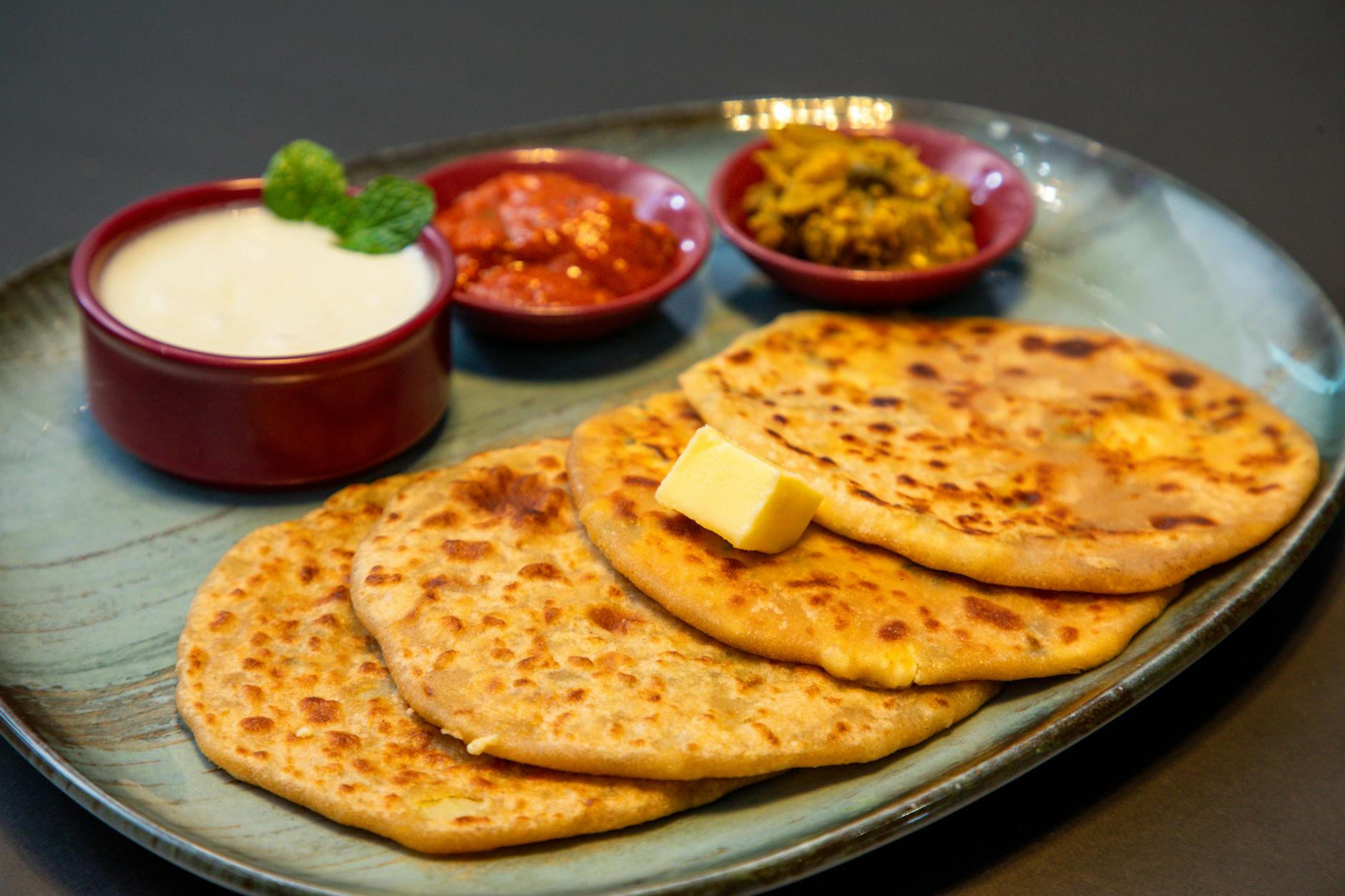
Clarified butter or ghee has had the milk solids and water removed during the rendering process. This purification allows it to be stored at room temperature without spoiling like regular butter. You can use clean utensils to scoop it out and it will last for many months or years. The lack of moisture prevents bacterial growth and keeps the fat stable. It is a staple in cuisines that value long-lasting ingredients.
Hard Cheese
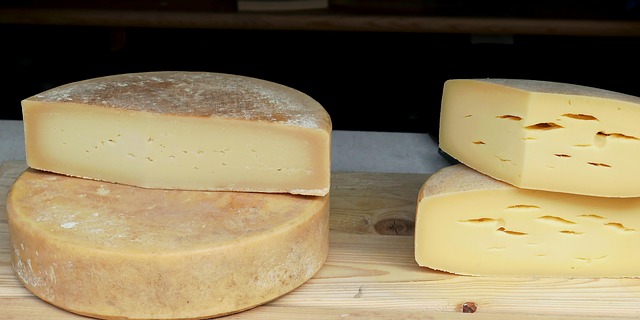
Aged cheeses like Parmesan and Cheddar have low moisture content which inhibits rapid spoilage. If surface mold develops on a block of hard cheese you can cut it off and eat the rest. The dense structure prevents the mold from penetrating deep into the cheese interior. You should wrap the remaining cheese in fresh paper or plastic to continue storing it. These cheeses are much more resilient than soft varieties like brie or ricotta.
Frozen Vegetables
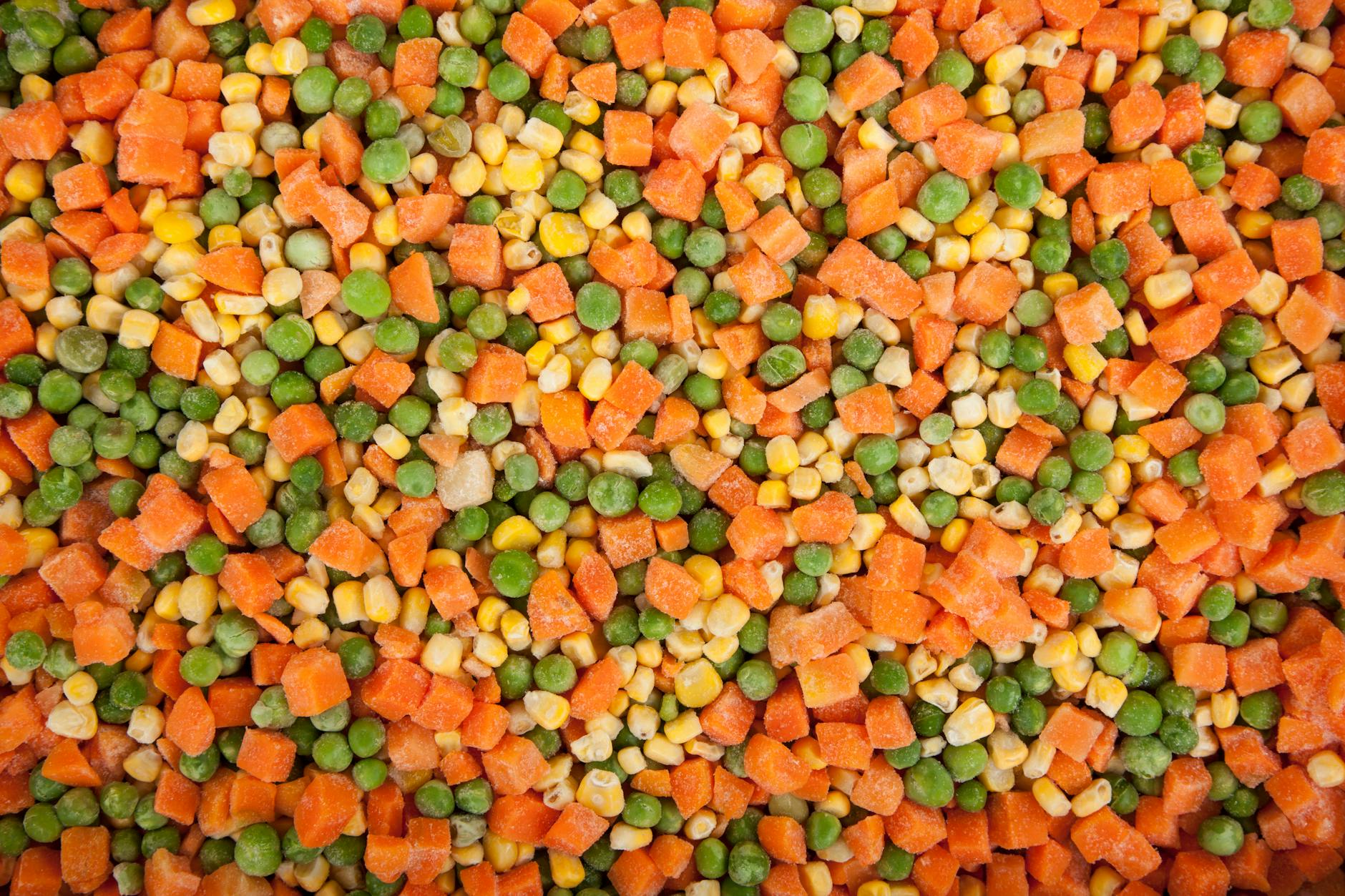
Freezing pauses the biological processes that cause food to decay and spoil. Vegetables kept constantly frozen at zero degrees Fahrenheit remain safe to eat indefinitely. The nutritional quality and texture might degrade after long periods but safety is not compromised. Freezer burn may appear as grayish-brown spots which can be trimmed off before cooking. They serve as a permanent backup for healthy meals.
Chocolate
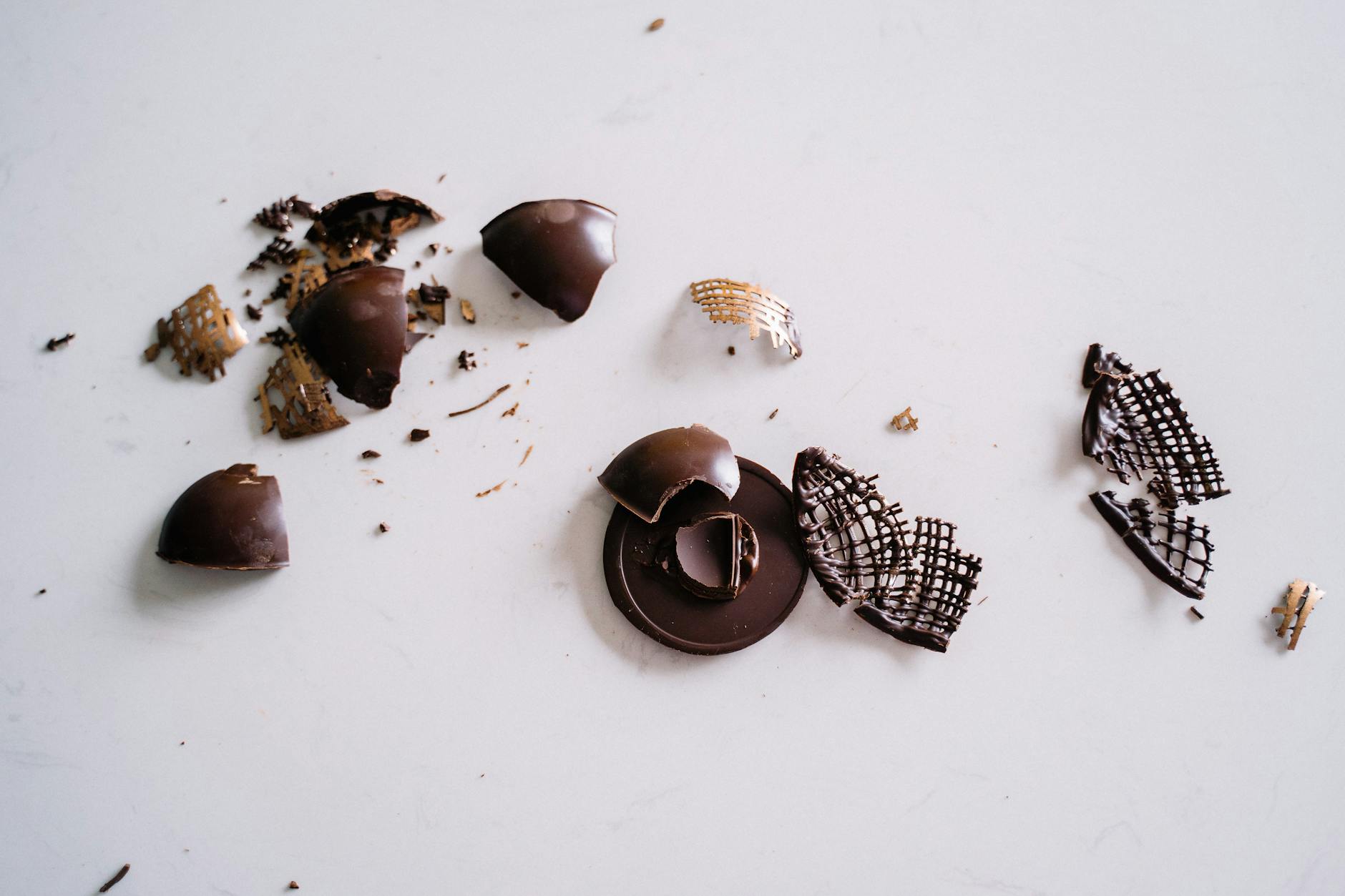
Pure dark chocolate lasts longer than milk chocolate because it contains no dairy solids. A white coating called bloom may appear on the surface due to temperature changes but it is safe to eat. The flavor and texture might change slightly but the product remains non-toxic. You can melt bloomed chocolate for baking to hide any textural imperfections. It is a sweet treat that survives well in cool cupboards.
Tea Bags
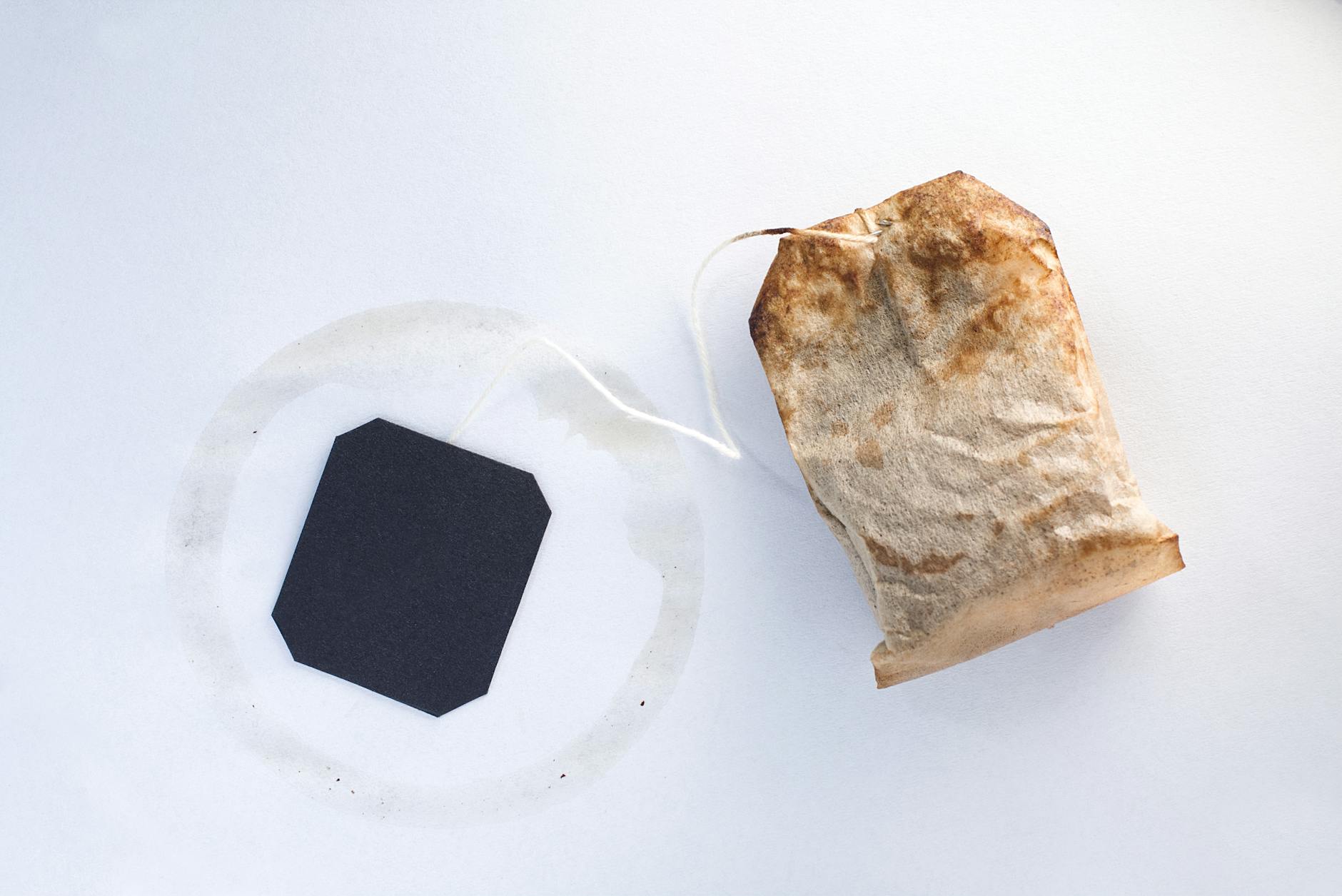
Dried tea leaves are another low-moisture product that resists bacterial spoilage effectively. The essential oils that provide flavor may evaporate over time leading to a weaker brew. You can safely steep tea bags that are years old without risking your health. Keeping them in a sealed tin helps preserve the delicate aromatic compounds. They are a safe and comforting beverage option regardless of age.
Pickles
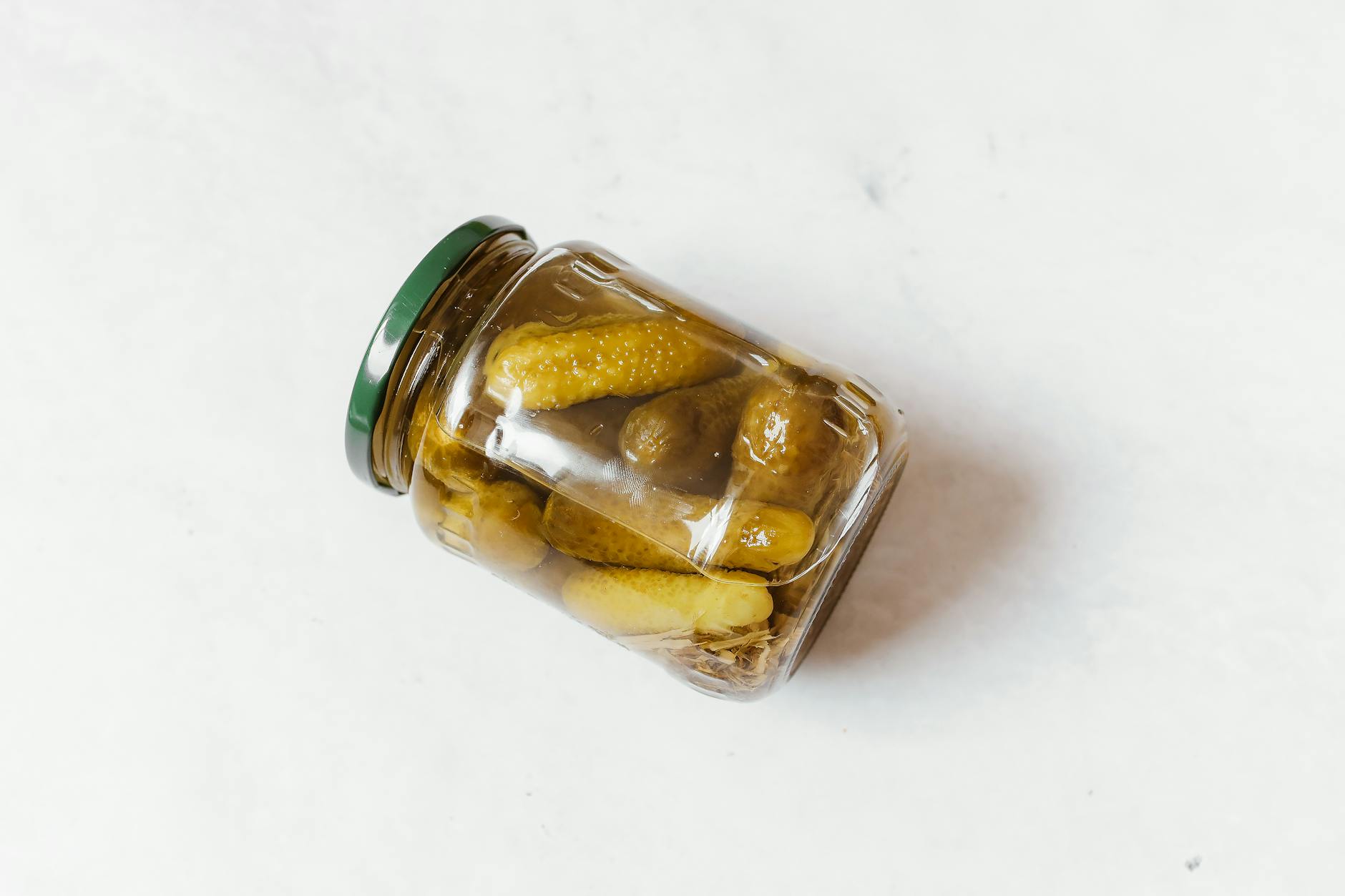
Pickles preserved in vinegar brine creates an acidic environment hostile to harmful bacteria. Unopened jars can last for years on the shelf without any safety concerns. The crunchiness of the pickle may soften over time but the flavor usually holds up. Refrigeration is required only after the vacuum seal has been broken. They are a classic example of food preservation techniques at work.
Worcestershire Sauce
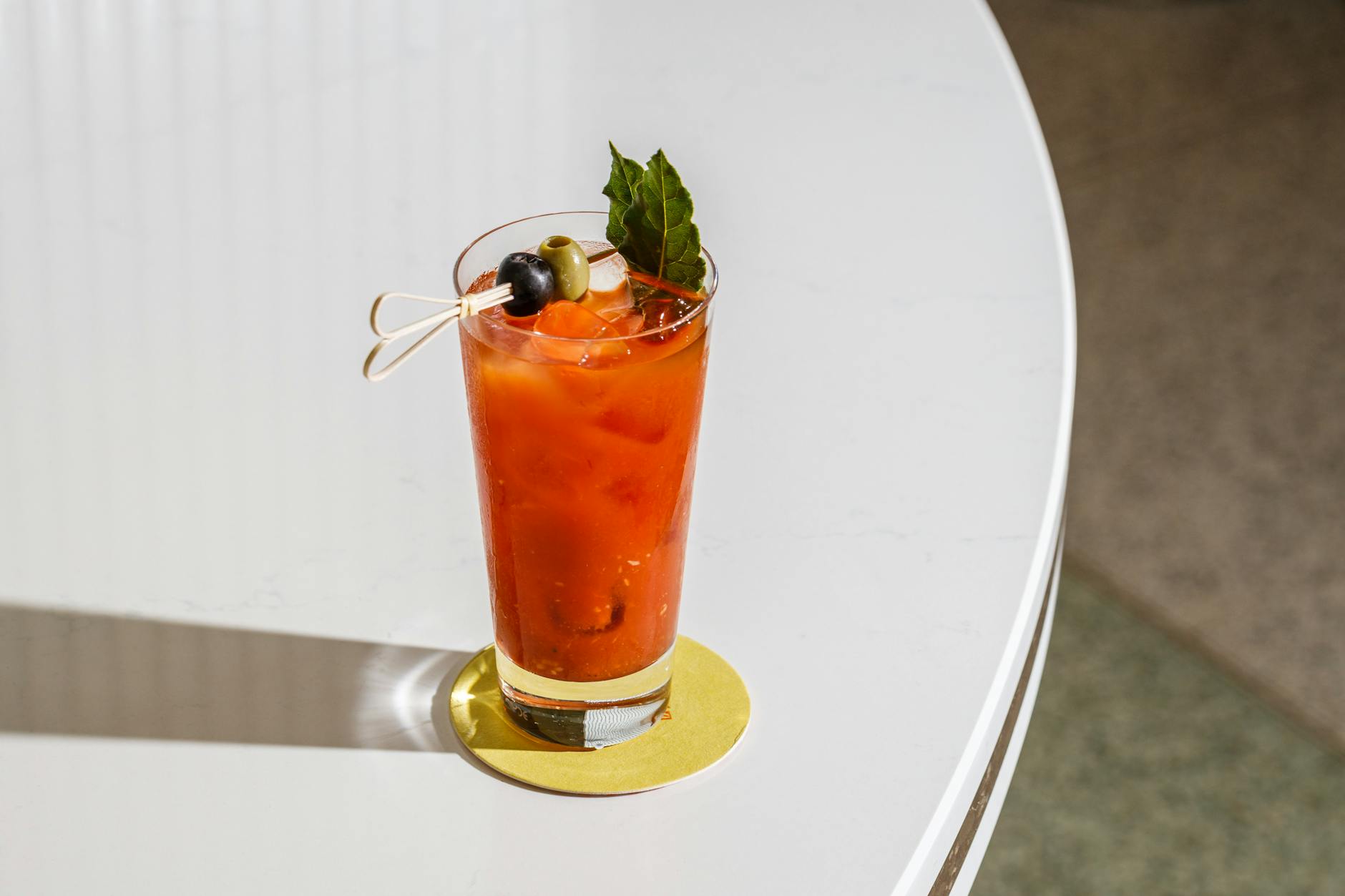
This fermented condiment acts like a fine wine and is extremely stable due to its acid and salt content. You can keep a bottle in your pantry for years and it will remain safe to consume. The flavor is potent enough that a little goes a long way and one bottle lasts a long time. Sediment may settle at the bottom so a quick shake is all that is needed. It is a reliable savory additive for marinades and sauces.
Molasses
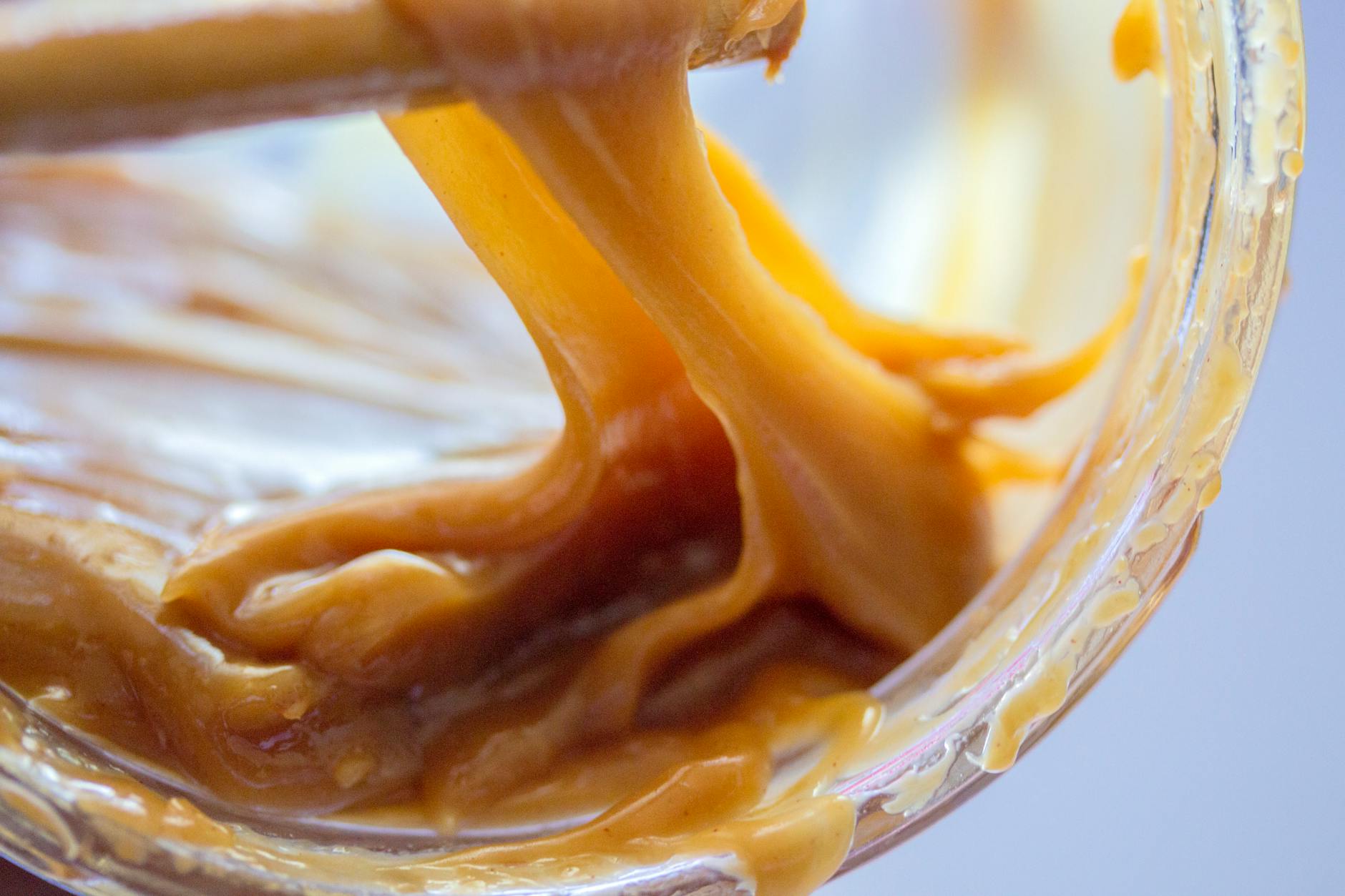
Molasses is a thick byproduct of sugar refining that is resistant to spoilage. The high sugar density prevents bacteria from growing and ruining the syrup. Sugar crystals may form over time but these can be dissolved with gentle heating. It remains safe to eat for years and retains its distinctive robust flavor. It serves as a durable sweetener for baking projects.
Dried Spices
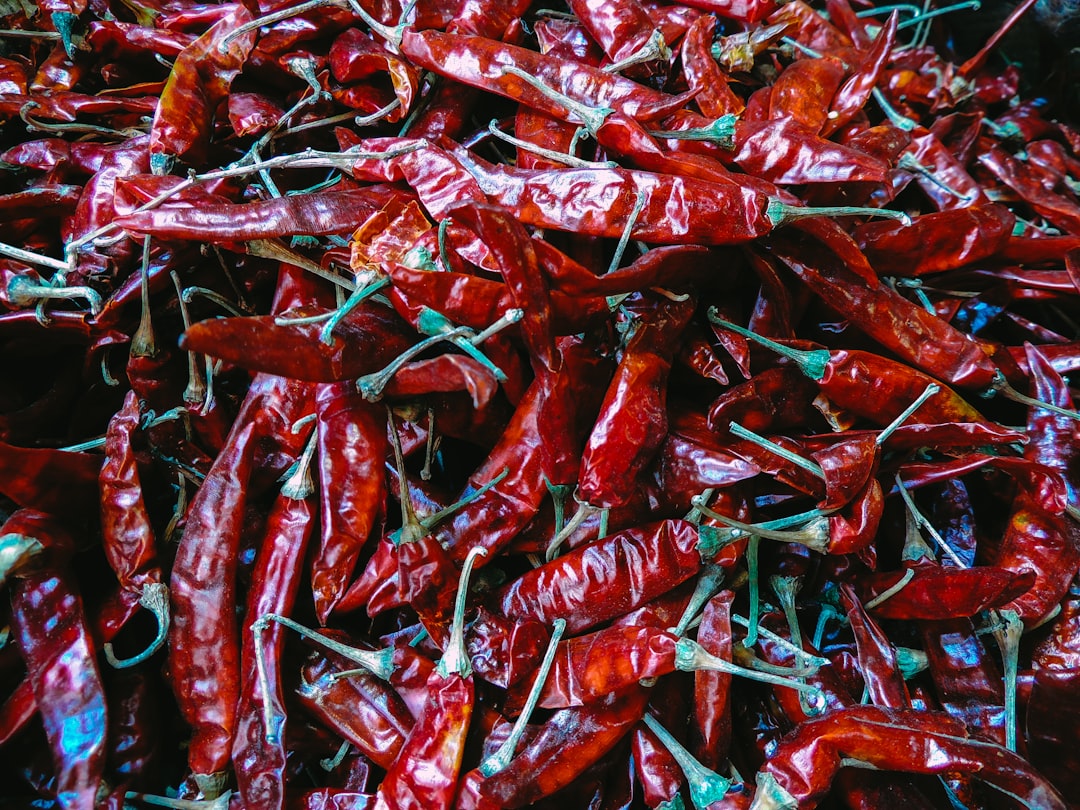
Ground spices like cinnamon and paprika do not spoil in the sense of becoming unsafe to eat. They simply lose their potency and flavor intensity as the volatile oils dissipate. You can still use old spices by adding a larger quantity to your dish to compensate. Whole spices retain their flavor longer than pre-ground versions. They are safe to keep until you decide they no longer add value to your cooking.
Please share your own experiences with pantry staples and food longevity in the comments.