Maintaining vibrant skin and strong joints often begins with mindful dietary choices. The body synthesizes collagen through a complex internal process requiring specific vitamins and minerals. Providing the digestive system with the right building blocks ensures optimal structural support for various bodily tissues. Incorporating nutrient dense foods into daily meals naturally encourages the continuous generation of this essential protein.
Bone Broth

This traditional liquid provides a direct source of dietary collagen derived from animal connective tissue. The slow simmering process extracts essential amino acids necessary for repairing skin and joints. Consuming this savory drink delivers calcium and magnesium directly to the digestive tract. Regular intake supports the structural integrity of the entire body.
Wild Salmon
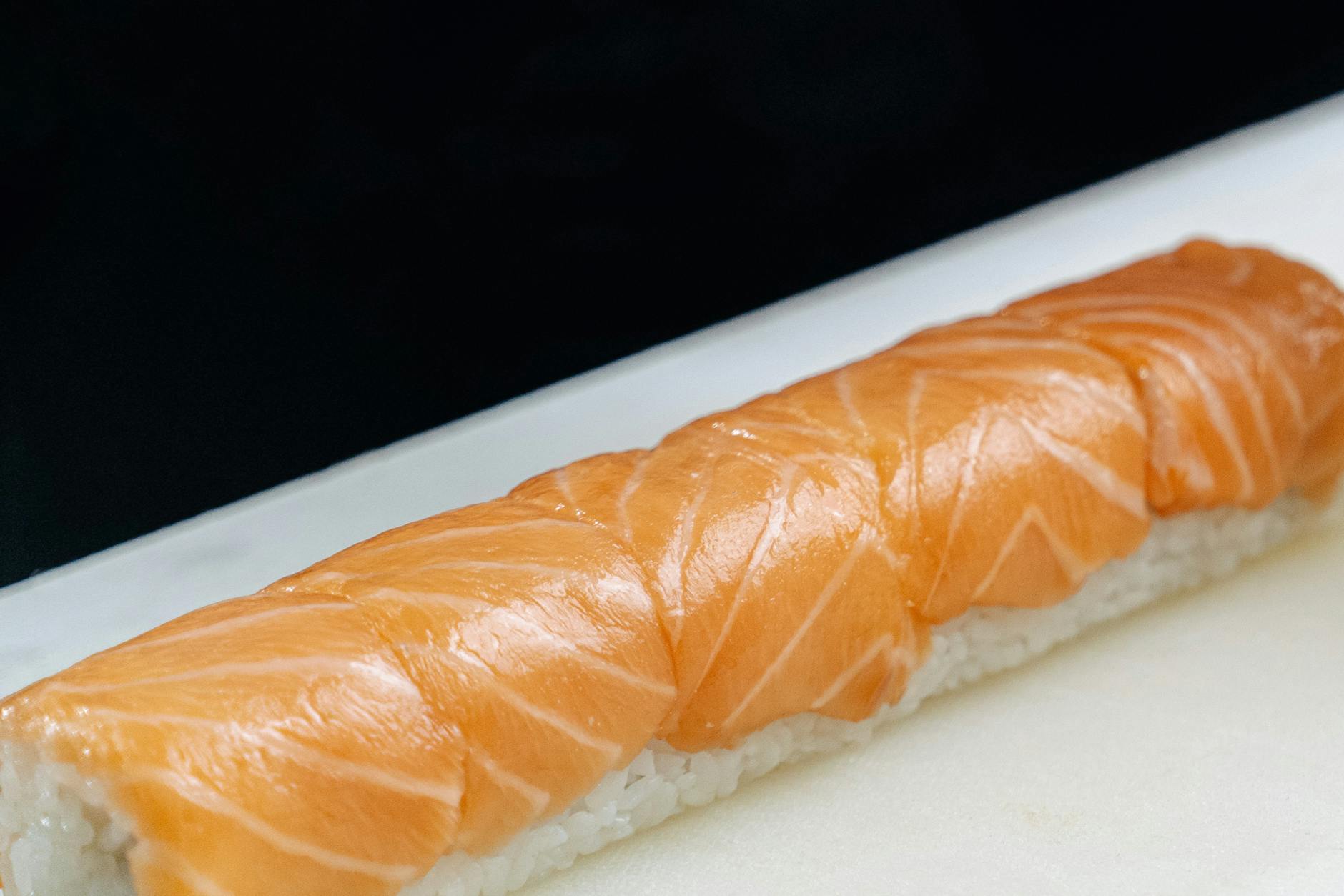
Marine collagen found in fish absorbs highly efficiently into the human bloodstream. The skin and bones of this oily fish contain the highest concentration of these beneficial proteins. Abundant omega three fatty acids further protect the skin cells from environmental damage. Including this seafood in regular meals helps maintain a youthful and plump complexion.
Chicken

Poultry serves as a primary source of dietary protein used in many popular supplements. The white meat provides ample amounts of dietary cartilage and vital amino acids. The body easily breaks down these components to rebuild its own structural proteins. Regular consumption helps maintain muscle mass and supports joint flexibility over time.
Egg Whites
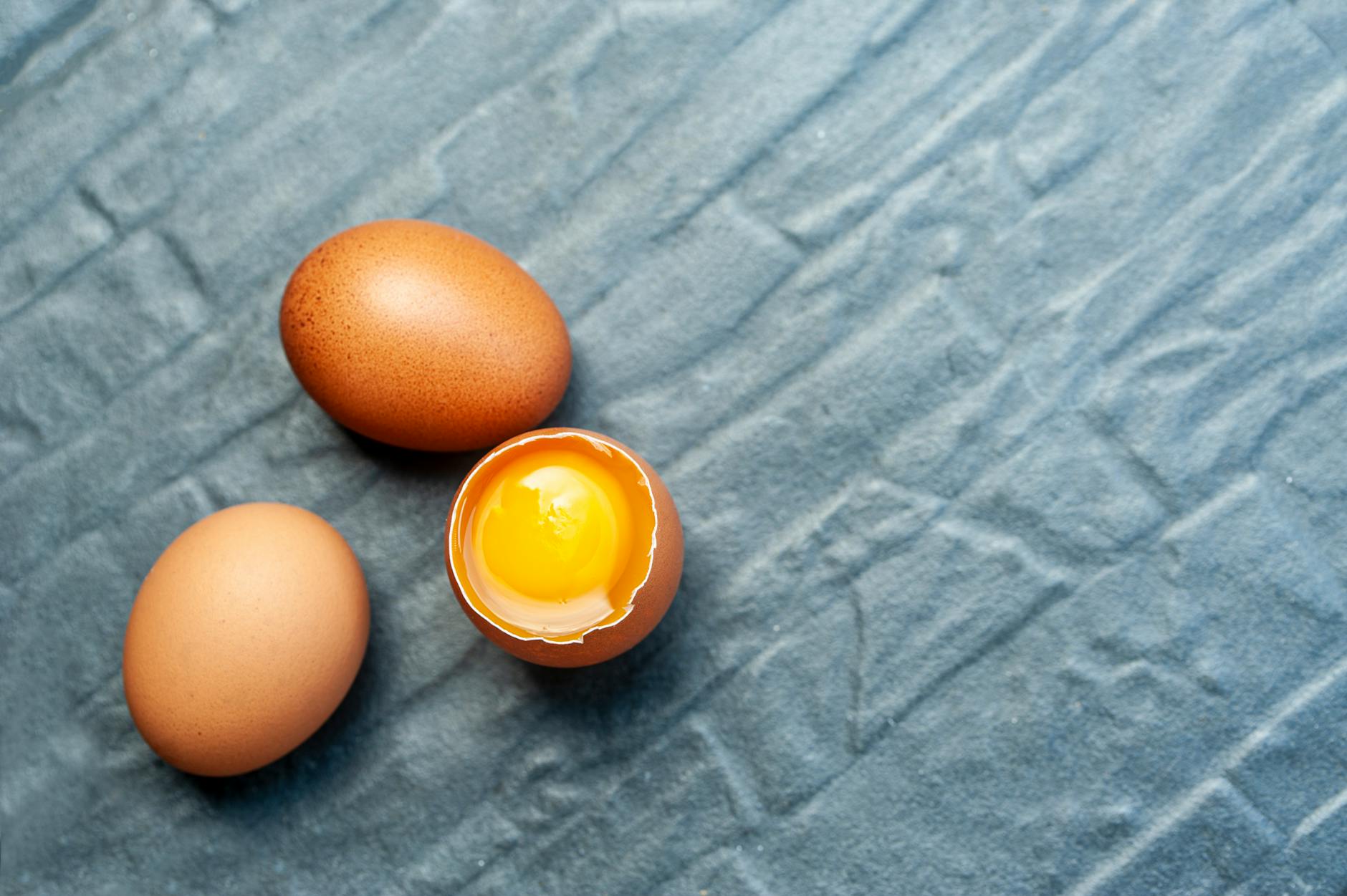
This breakfast staple contains massive amounts of proline required for collagen synthesis. The clear liquid surrounds the yolk and offers pure protein without excess fat. Eating these regularly gives the body the exact building blocks needed for skin repair. They mix easily into morning scrambles or protein shakes for a quick nutritional boost.
Oranges
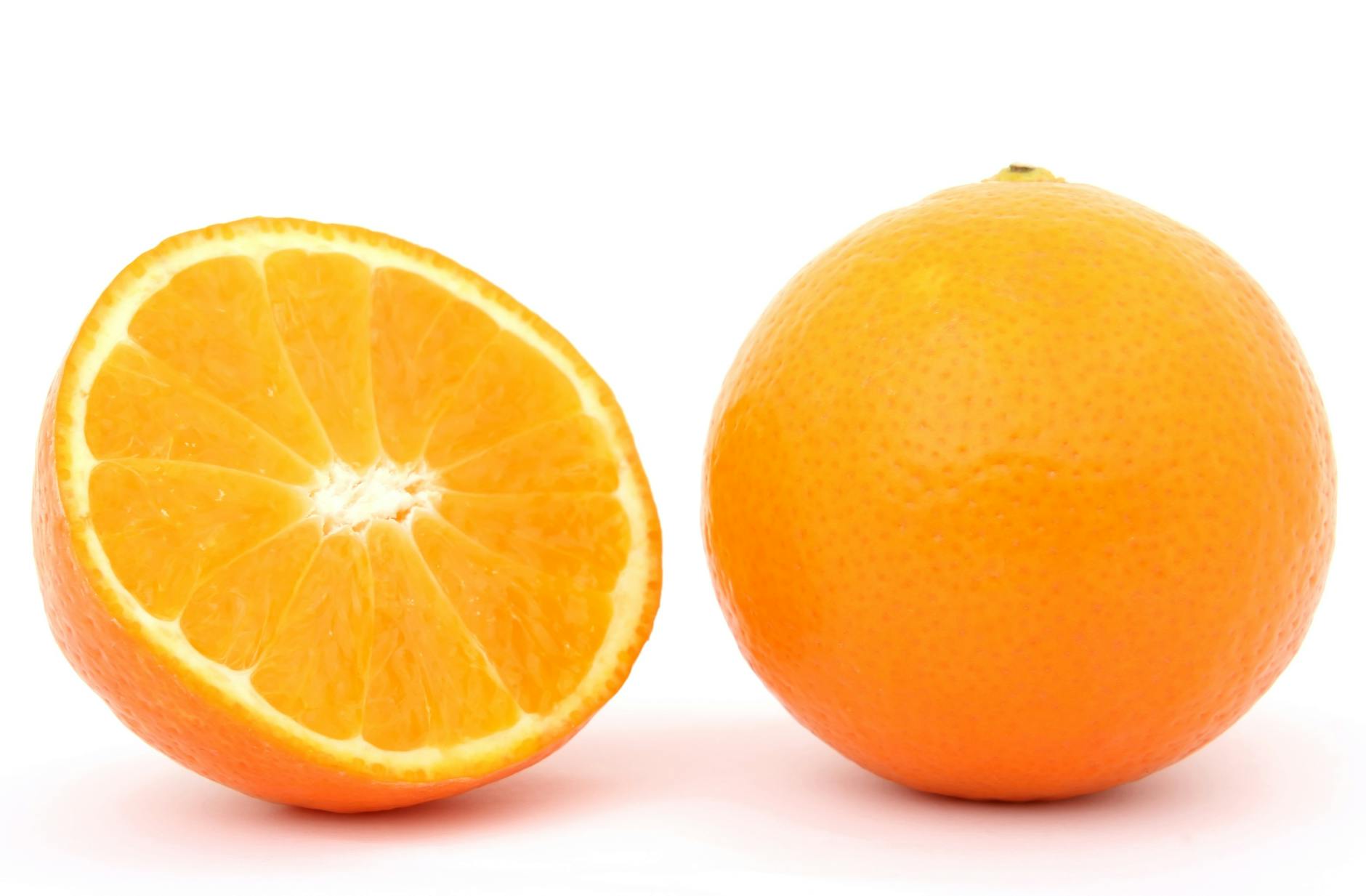
Vitamin C plays a mandatory role in the production of procollagen inside the body. Citrus fruits offer an abundant and accessible source of this crucial water soluble nutrient. A daily glass of fresh juice provides the chemical precursors needed to link amino acids together. This internal chemical reaction ultimately forms strong and resilient connective tissues.
Strawberries
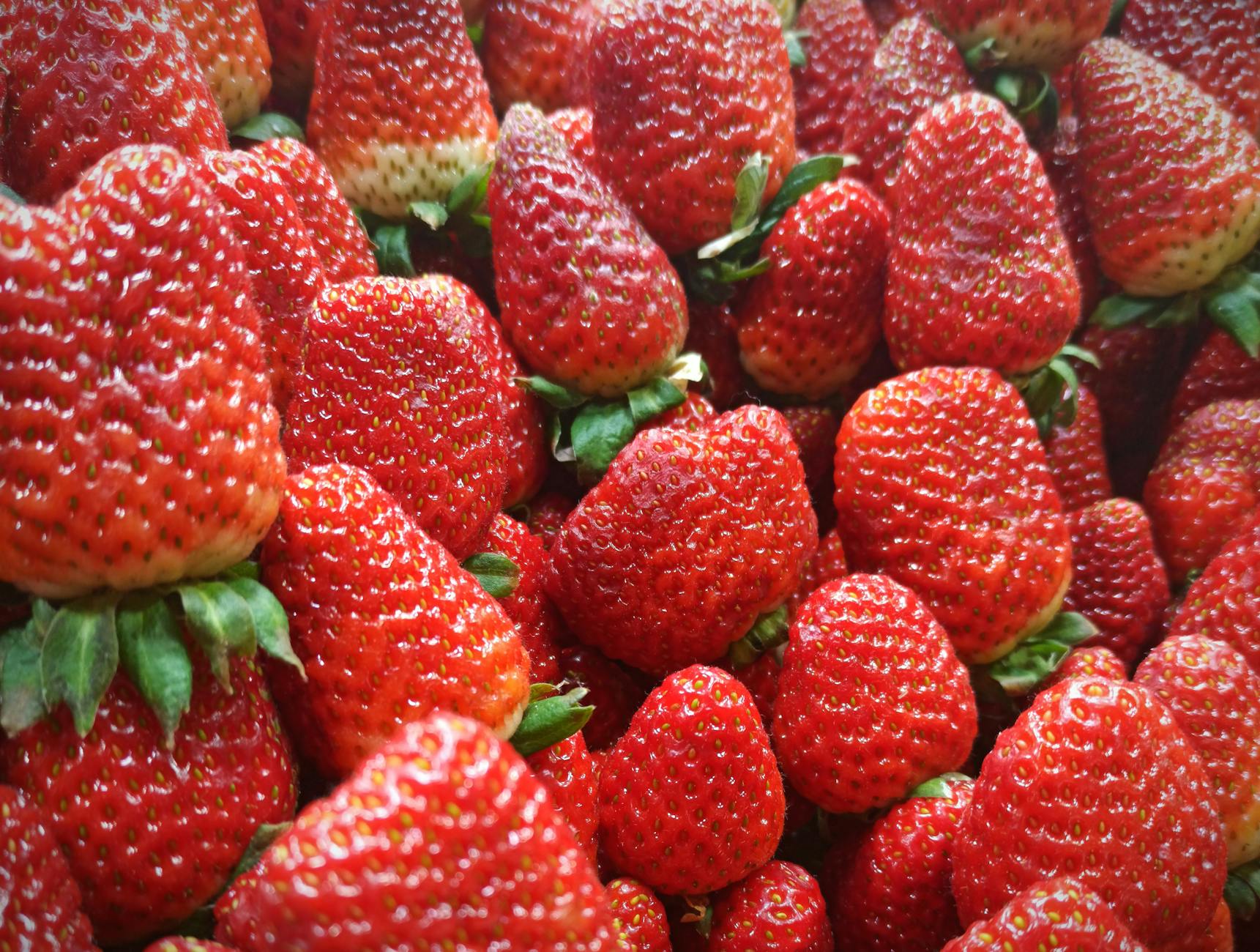
These bright red fruits pack a powerful punch of antioxidants to protect existing skin cells. High vitamin C levels within the fruit actively promote the formation of new structural proteins. The naturally occurring ellagic acid prevents the premature breakdown of existing dermal layers. Adding a handful to morning oatmeal creates a sweet and beneficial breakfast option.
Garlic
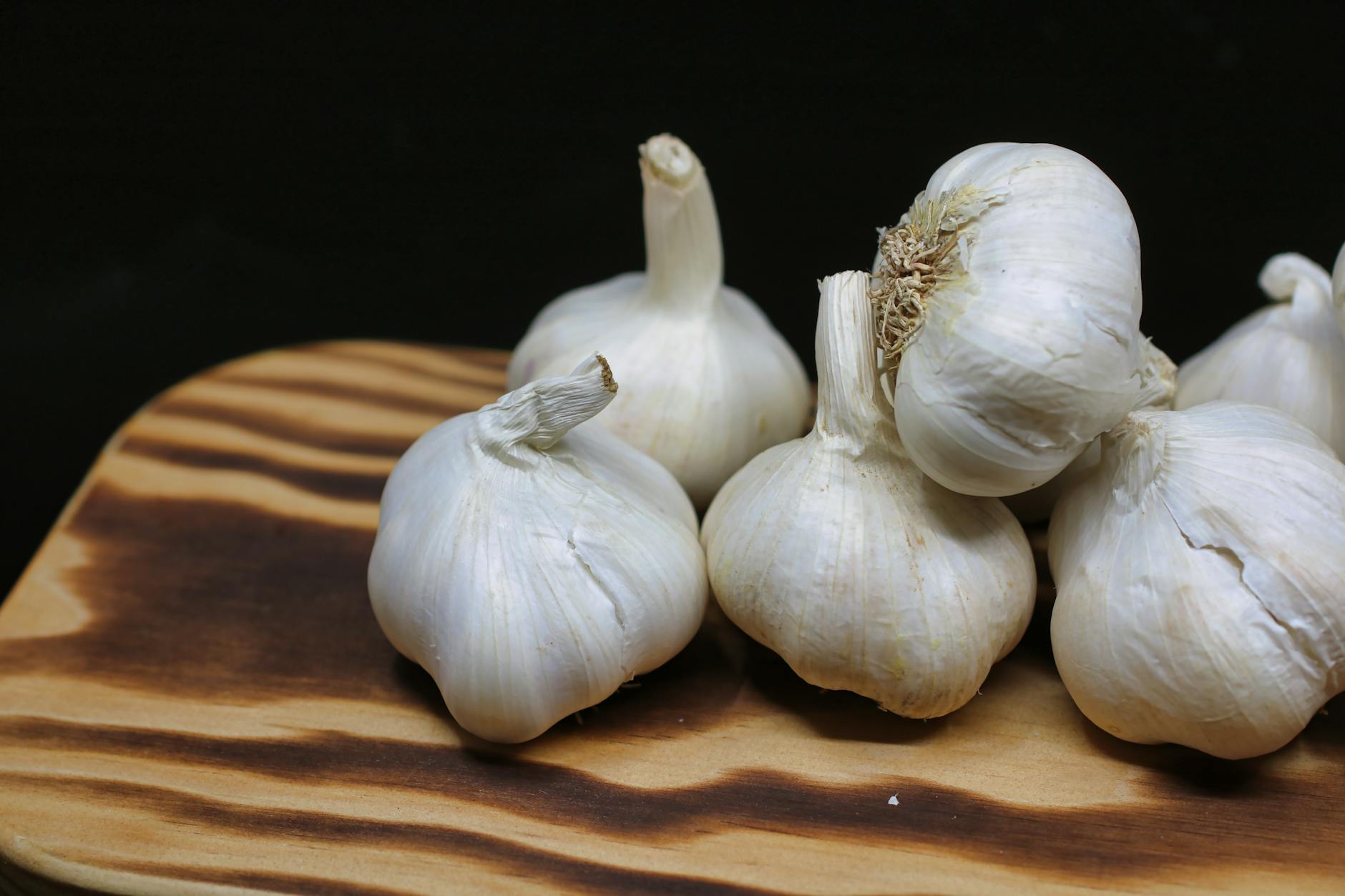
This pungent bulb contains high amounts of sulfur necessary for synthesizing and preventing the breakdown of trace proteins. Taurine and lipid acid found within the cloves actively rebuild damaged collagen fibers. Adding crushed cloves to savory dishes enhances both flavor and nutritional value. Regular consumption helps maintain the underlying structure of healthy skin over the long term.
Spinach
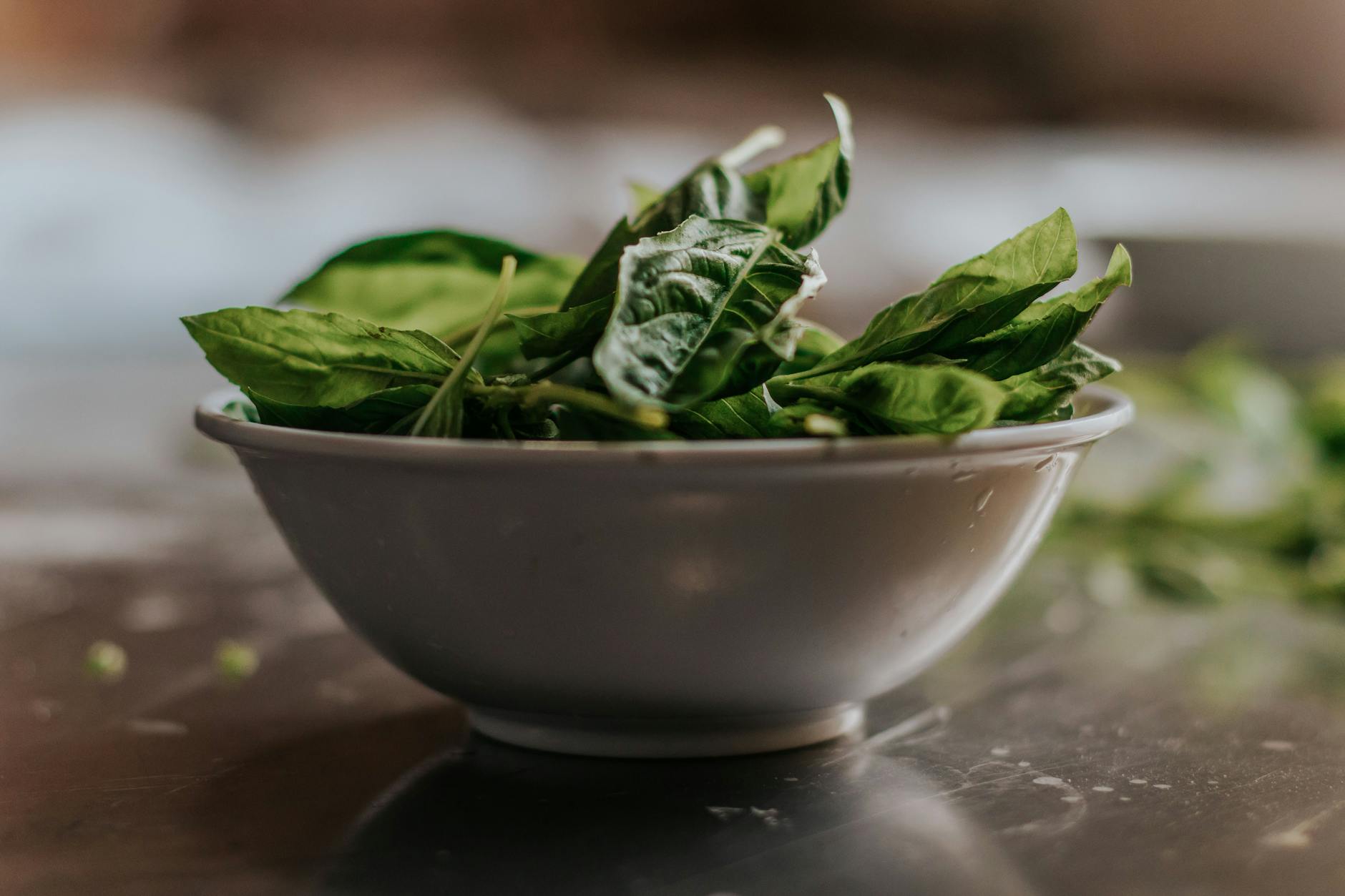
Dark leafy greens boast tremendous amounts of chlorophyll known for increasing precursor proteins. This vibrant plant pigment actively increases procollagen in the dermal layers. The rich iron and vitamin content provides comprehensive support for total bodily health. Tossing these tender leaves into daily salads builds a strong nutritional foundation.
Black Beans
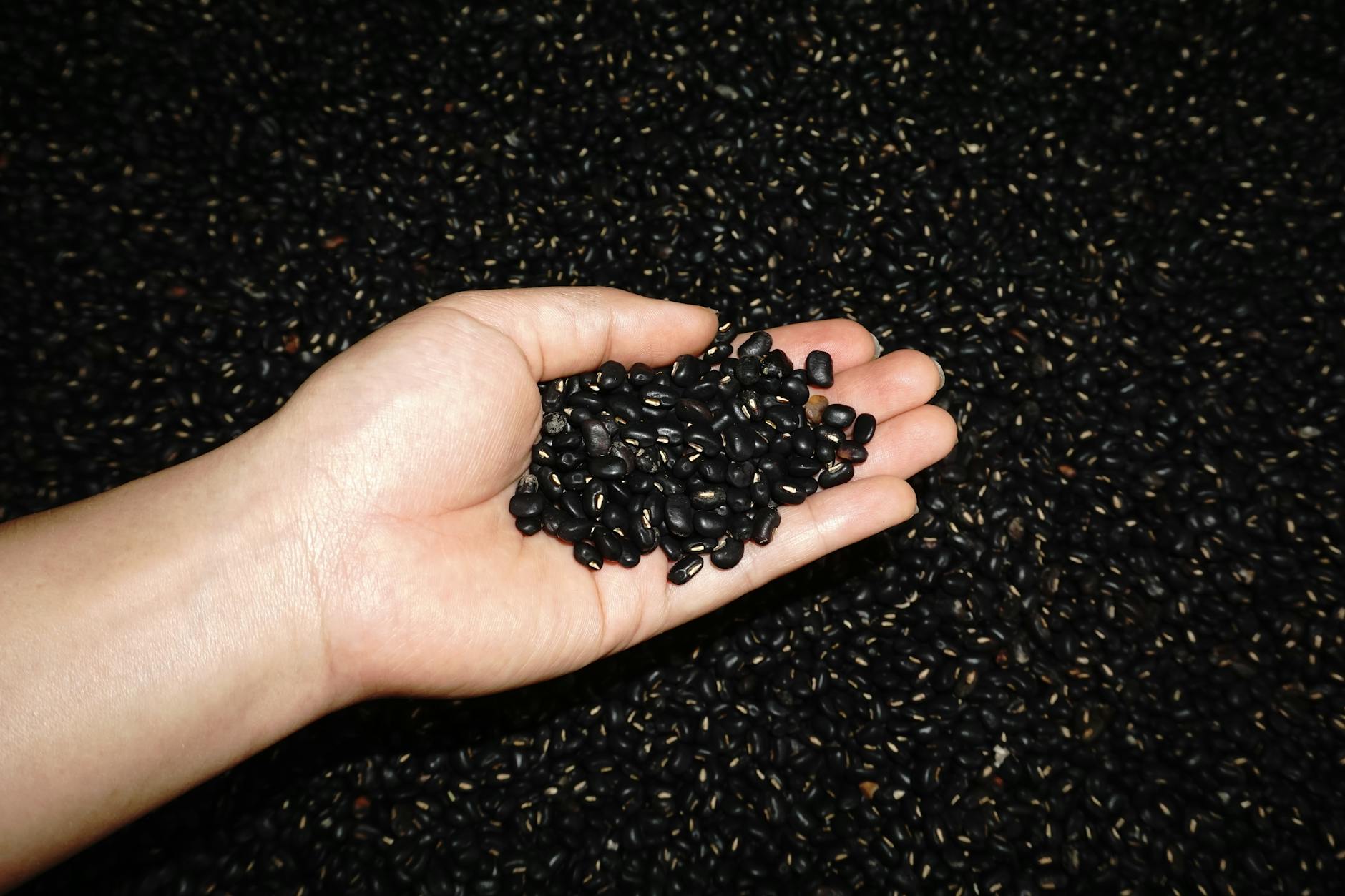
Legumes offer a dense concentration of protein packed with essential amino acids. Copper present in these hearty seeds acts as a mandatory coenzyme for tissue generation. The high fiber content supports digestion and ensures proper nutrient absorption in the gut. They serve as an excellent plant based alternative for building strong connective networks.
Cashews
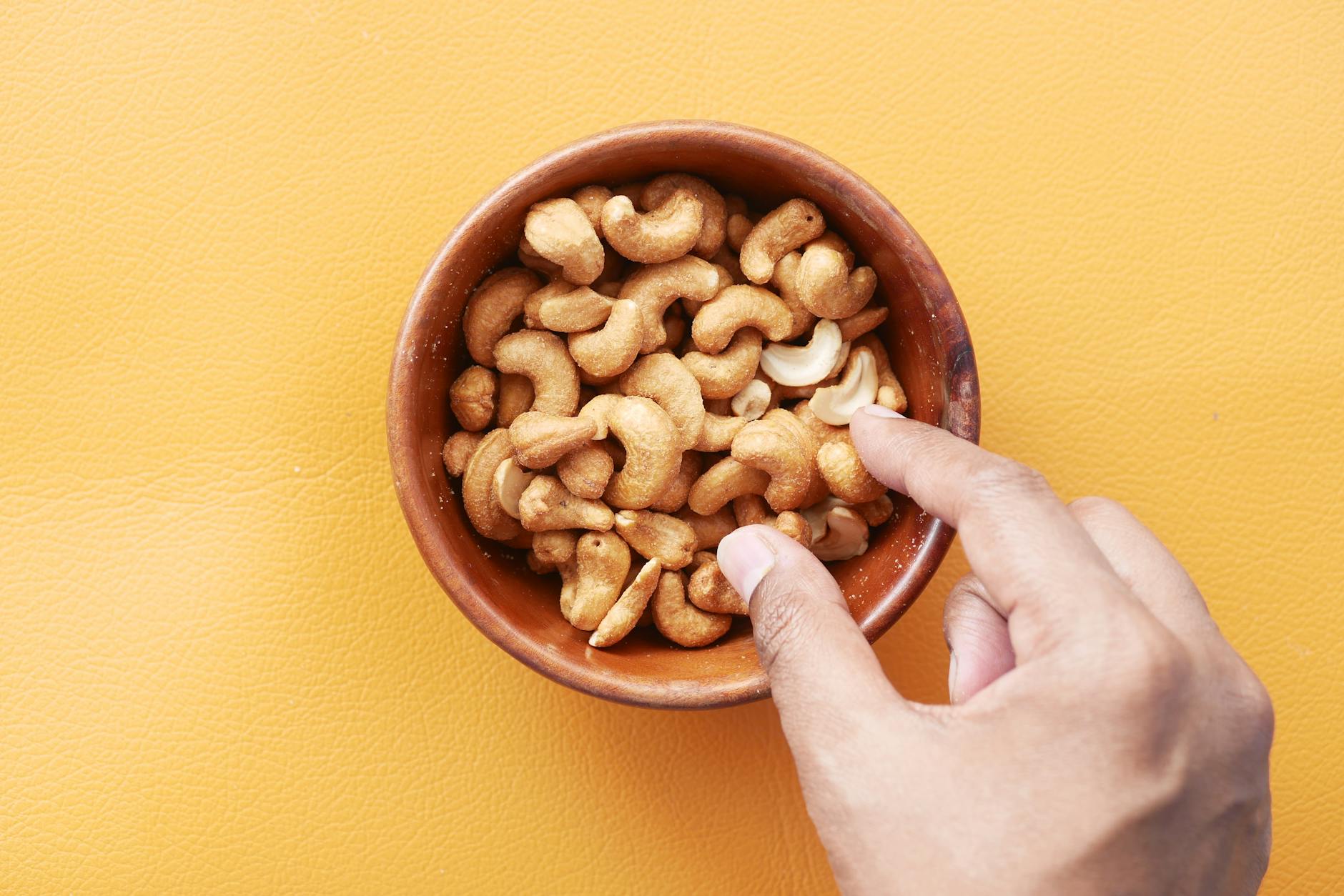
These rich and buttery tree nuts contain exceptional levels of zinc and copper. Both of these trace minerals act as essential cofactors in the bodily creation of structural proteins. Snacking on a small handful provides healthy fats that keep the skin adequately moisturized. They easily blend into creamy sauces or serve as a satisfying midday treat.
Tomatoes
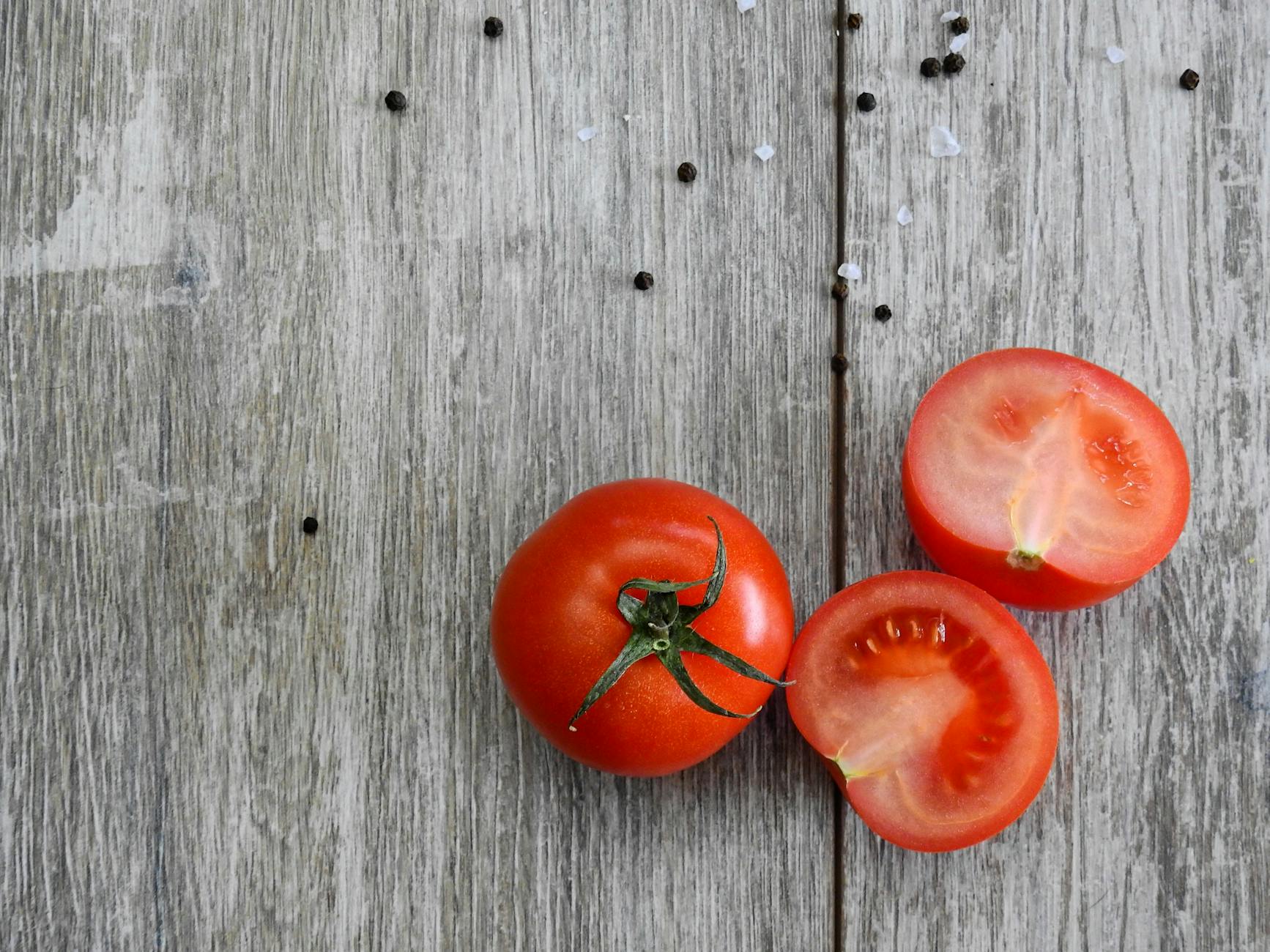
These red botanical fruits deliver high amounts of vitamin C crucial for healthy skin. A powerful antioxidant called lycopene provides significant protection against environmental degradation. Cooking them actually increases the availability of this specific protective compound. Incorporating rich red sauces into weekly dinners supports an enduring and youthful complexion.
Red Bell Peppers
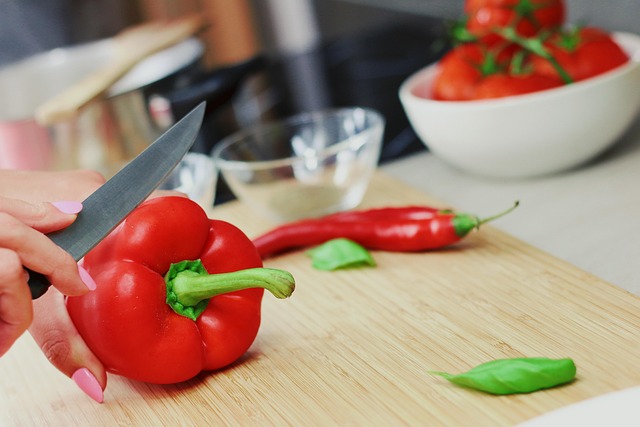
These crisp vegetables contain even more vitamin C than most common citrus fruits. An abundance of capsaicin adds an extra layer of defense against cellular aging. Chopping them into salads provides a sweet crunch along with vital nutrients. Their regular consumption guarantees a steady supply of the materials needed for tissue repair.
Avocados
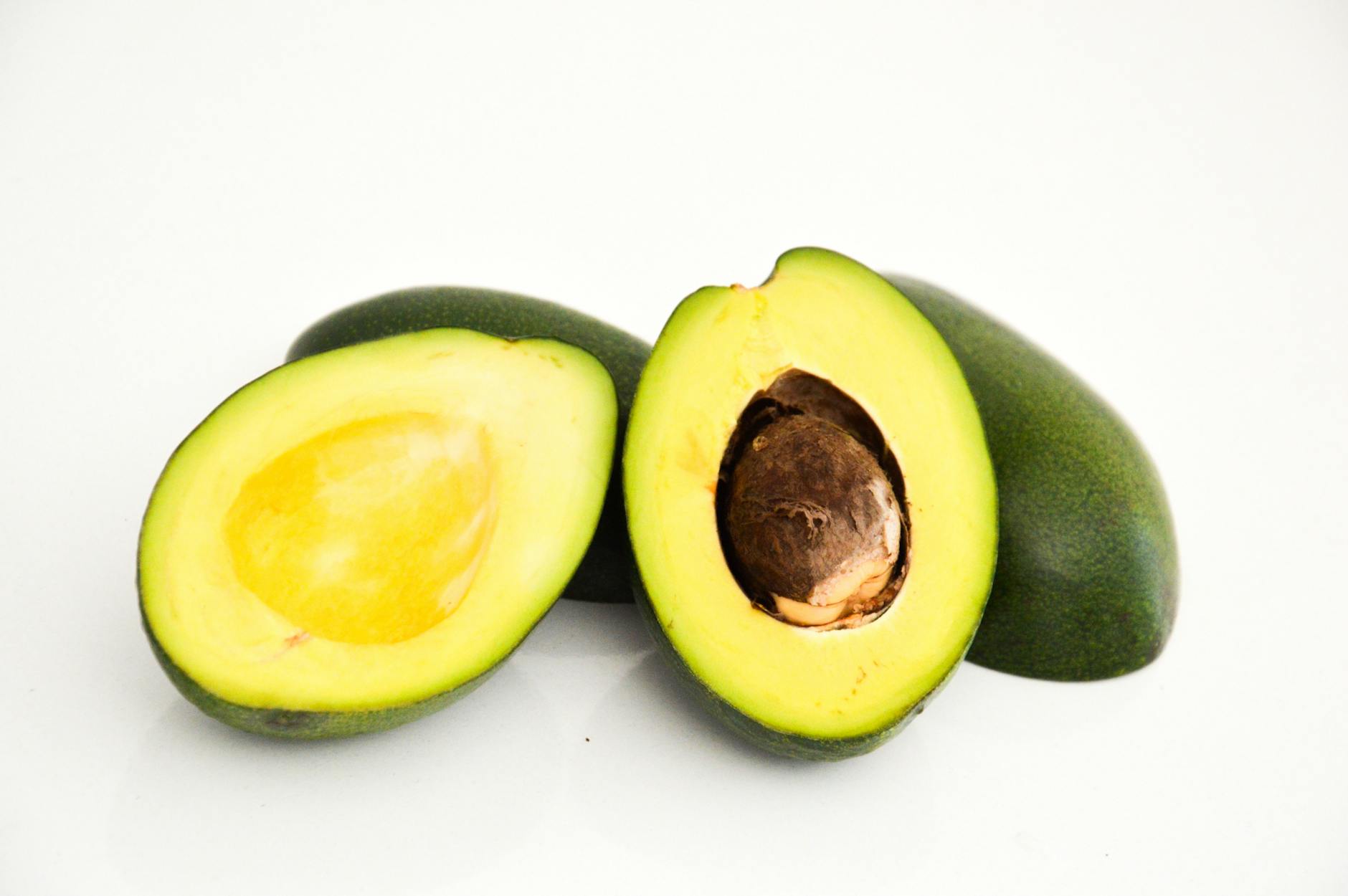
This creamy fruit boasts exceptional levels of vitamin E known for preventing tissue breakdown. The rich monounsaturated fats support the structural integrity of individual cell membranes. These healthy lipids help the body absorb other fat soluble vitamins from dietary sources. Mashing them onto morning toast provides a delicious start to a skin healthy day.
Sweet Potatoes

The bright orange flesh indicates the presence of powerful beta carotene compounds. The body converts this colorful pigment directly into active vitamin A for cellular turnover. This continuous renewal process ensures old skin cells quickly give way to fresh ones. Baking these root vegetables creates a comforting and highly beneficial dietary staple.
Pumpkin Seeds
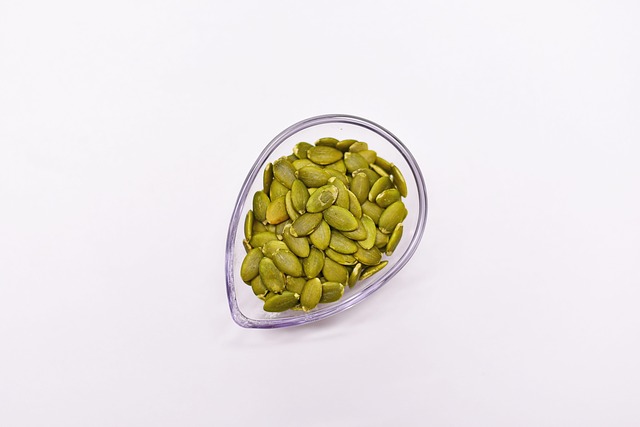
These small green kernels hold incredibly high concentrations of zinc necessary for cellular repair. This specific mineral actively prevents the degradation of existing connective tissues. Tossing them over soups adds an enjoyable crunch and a dense nutritional profile. Their daily consumption assists the body in maintaining strong and resilient dermal layers.
Chia Seeds
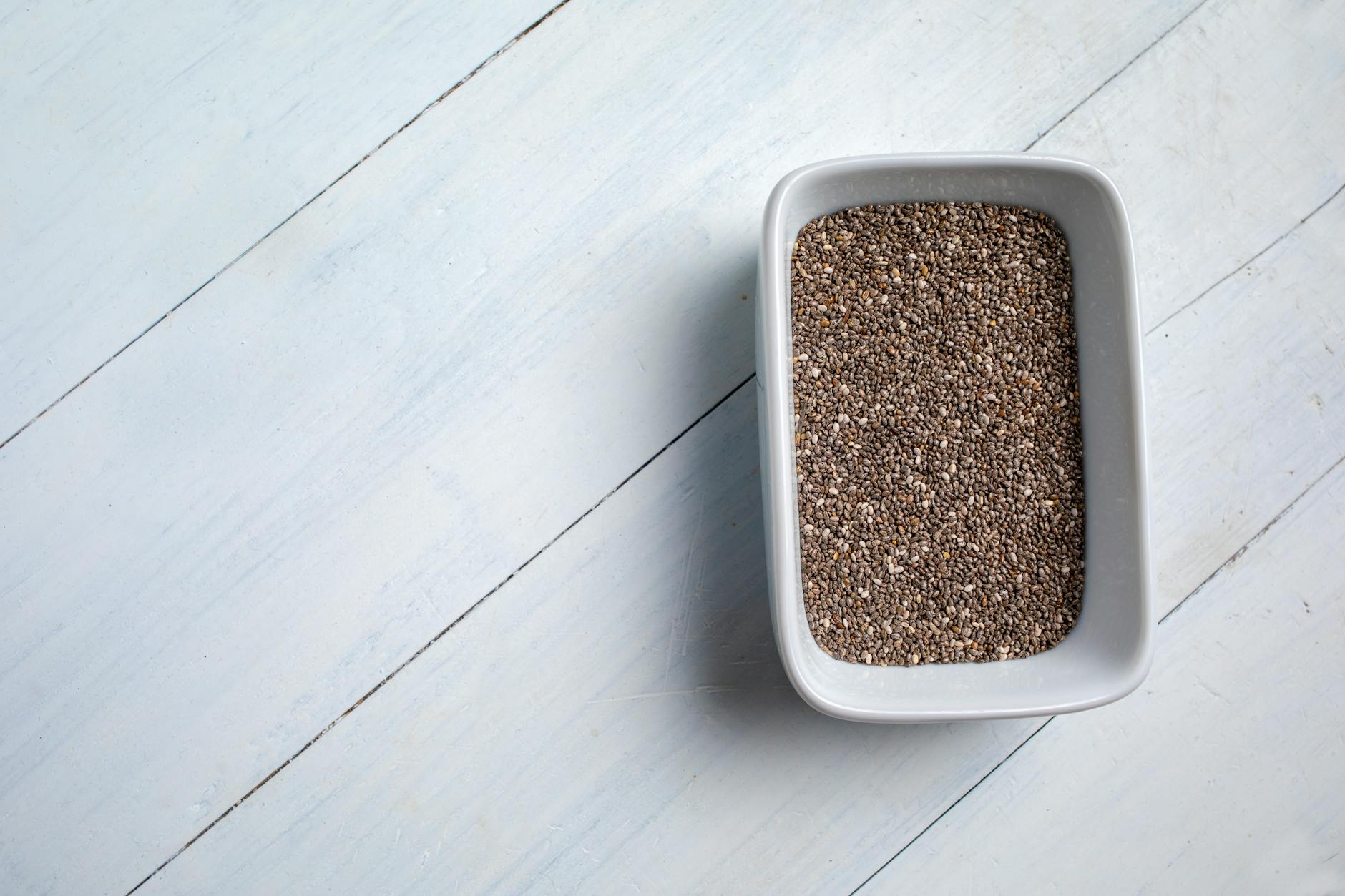
These tiny black seeds swell to absorb water and provide intense cellular hydration. They contain perfect ratios of omega three fatty acids to reduce internal inflammation. The high protein content delivers essential amino acids required for tissue building. Stirring them into puddings creates a gelatinous treat that mimics structural proteins.
Almonds
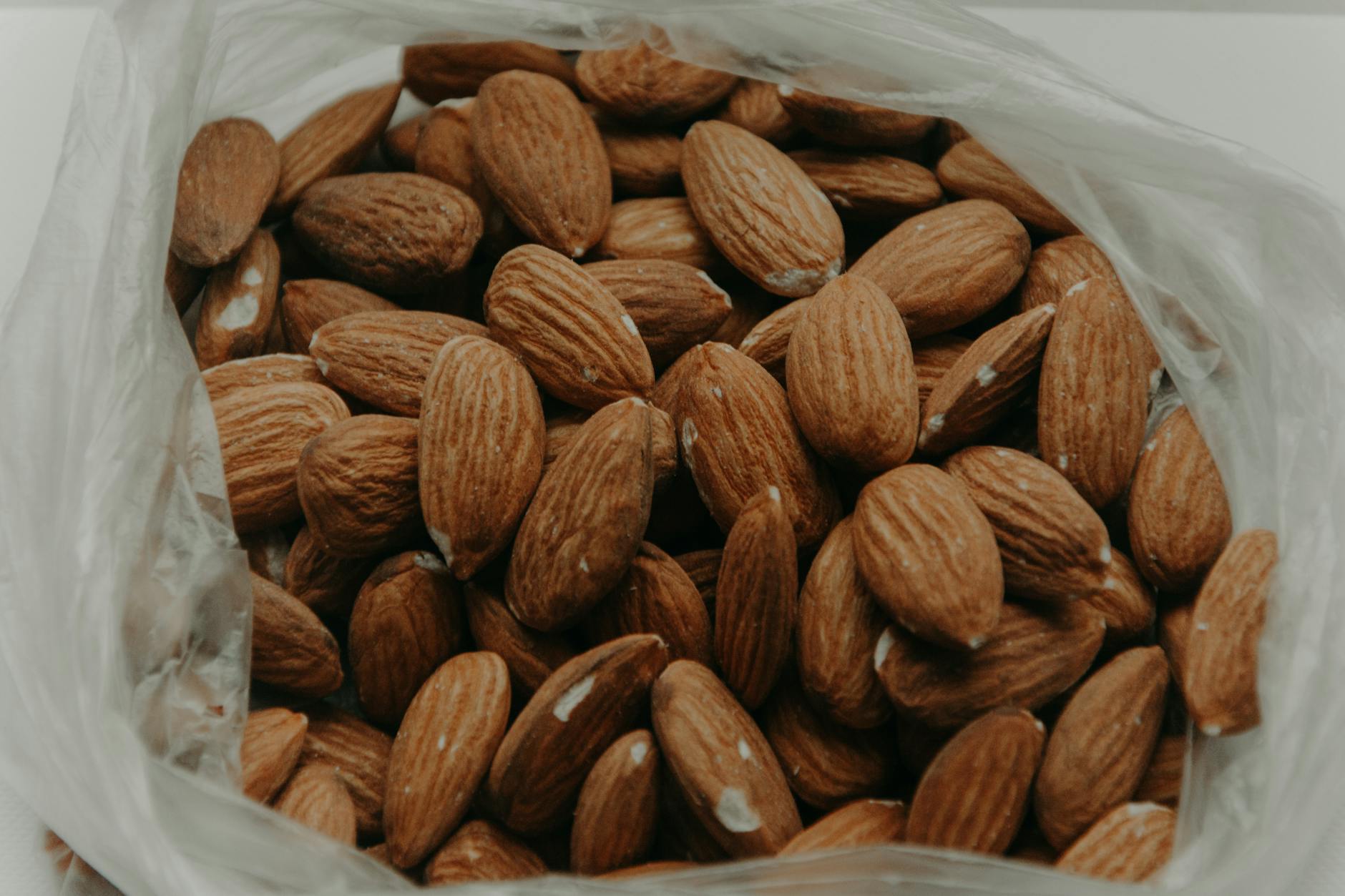
These popular tree nuts supply abundant amounts of vitamin E to guard against cellular damage. The rich copper content actively participates in the synthesis of new dermal layers. Their dense nutritional profile helps maintain optimal moisture levels within the skin. Keeping a small portion on hand ensures easy access to vital building blocks.
Walnuts
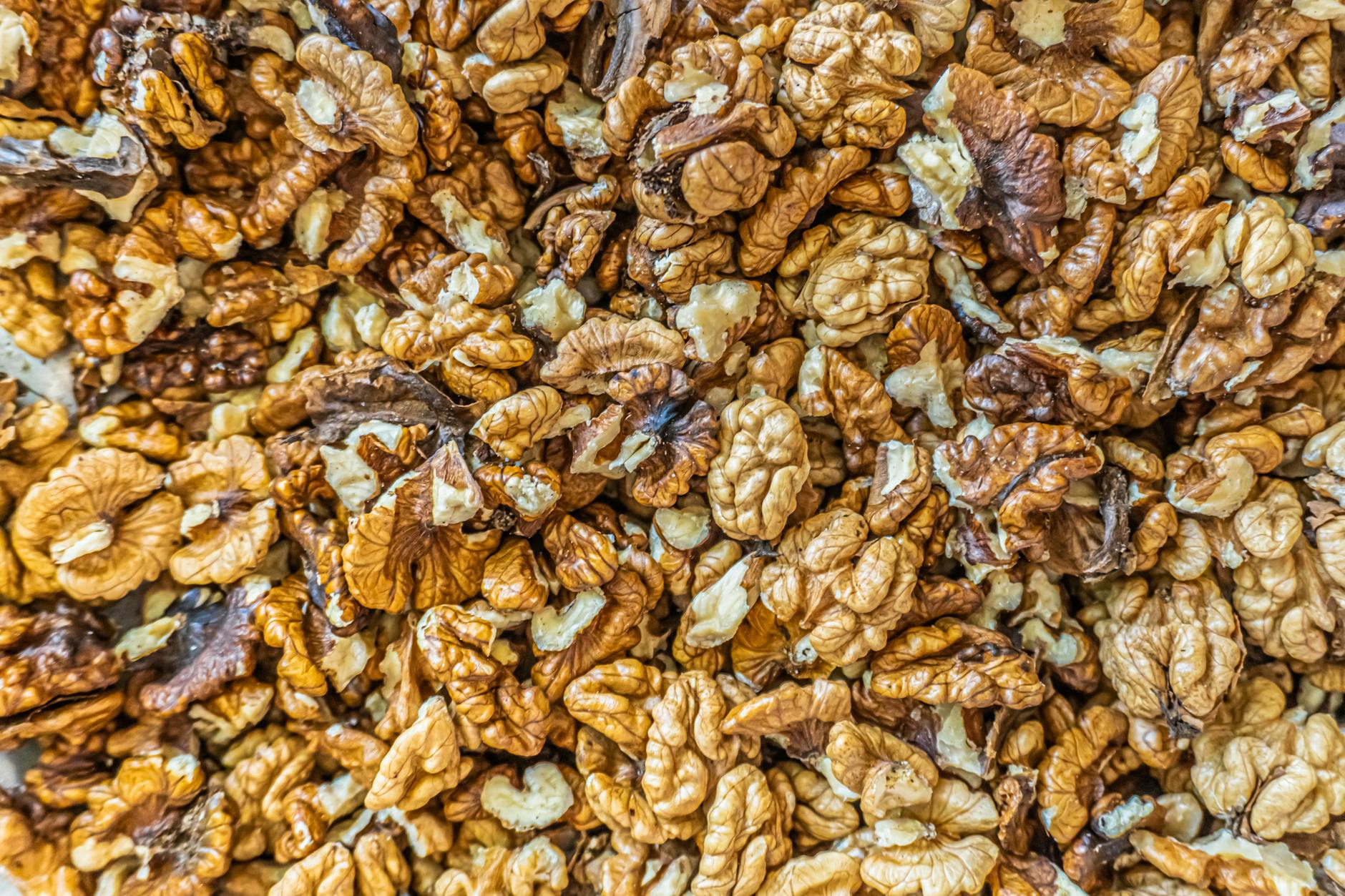
The unique brain shape of this nut hints at its dense concentration of healthy fats. They remain one of the best vegetarian sources of essential omega three fatty acids. These specific lipids help construct strong cell membranes that hold water effectively. Incorporating them into baked goods adds texture and vital nutritional support.
Oysters
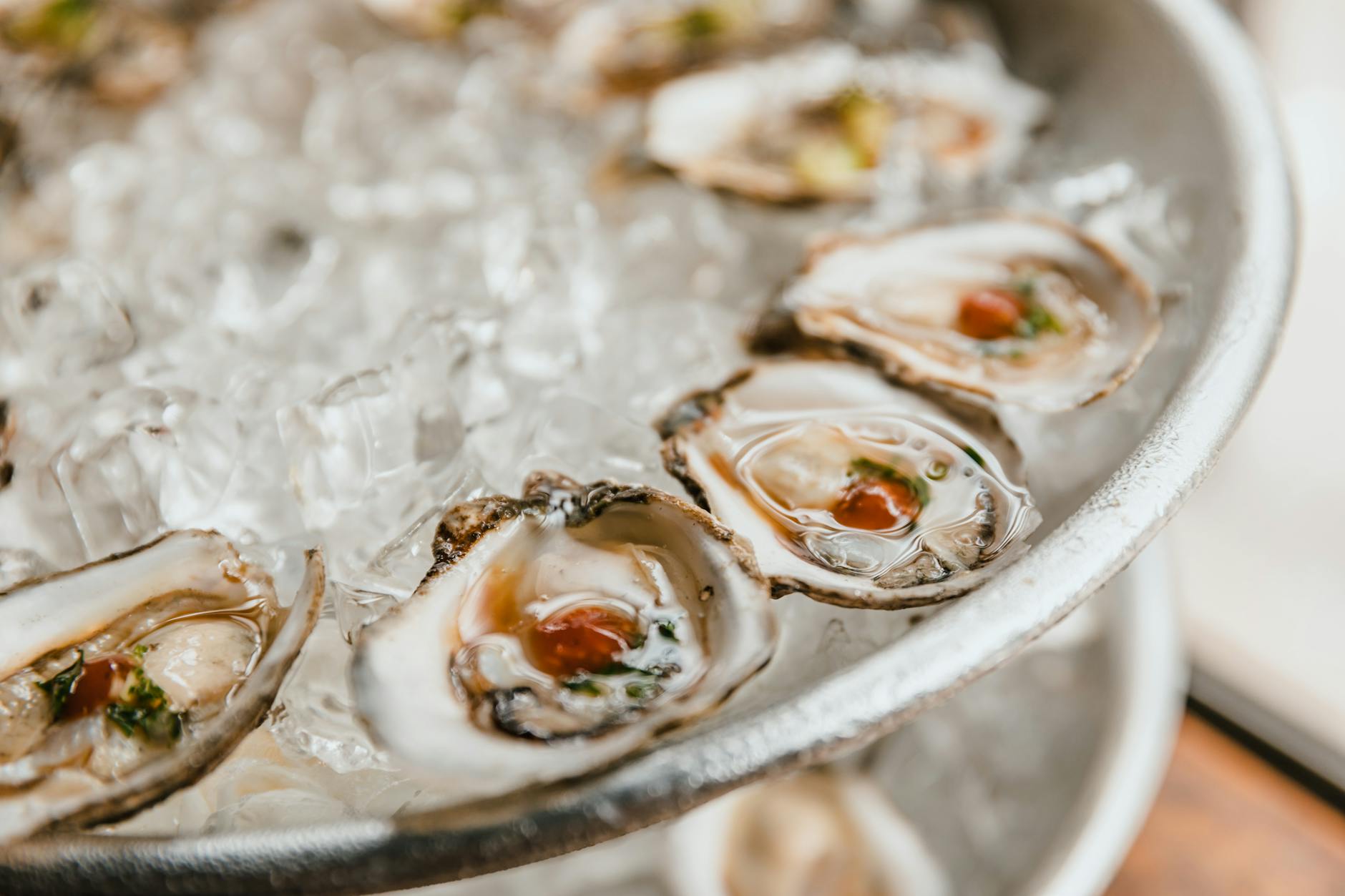
These briny bivalves rank among the absolute highest natural sources of dietary zinc. The body relies heavily on this trace mineral to repair damaged structural tissues. They also provide significant amounts of copper needed for the synthesis process. Enjoying them occasionally delivers a massive dose of essential skin supporting nutrients.
Spirulina
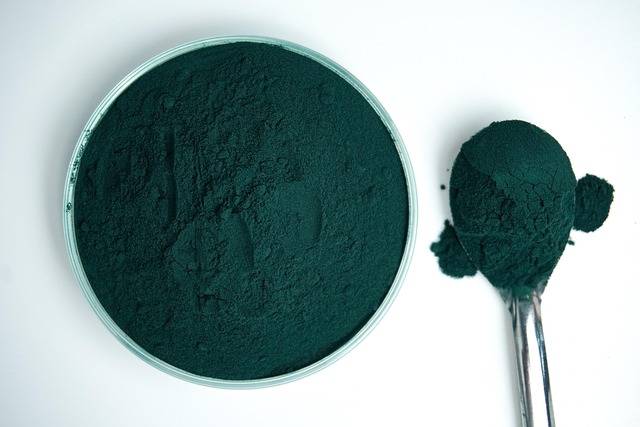
This blue green algae contains an incredibly dense concentration of usable protein. The microscopic plant provides all essential amino acids required by the human body. Abundant copper within the algae facilitates the binding of these newly formed proteins. Mixing this fine powder into morning smoothies creates a highly functional and colorful beverage.
Kiwi
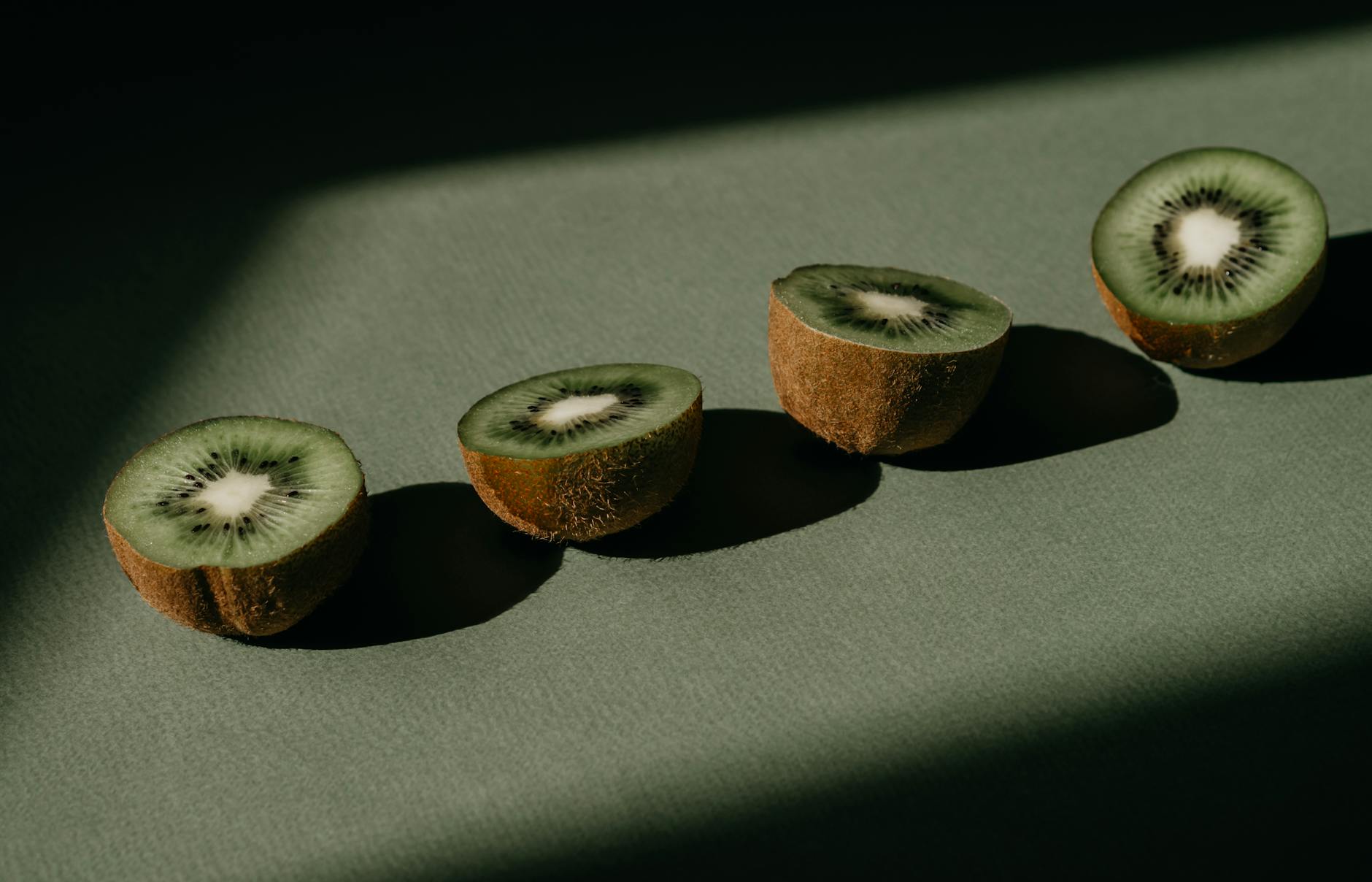
This fuzzy brown fruit hides vibrant green flesh packed with essential vitamin C. A single serving exceeds the daily requirement for this crucial tissue building nutrient. The tiny black seeds offer subtle amounts of healthy fats for cellular protection. Peeling and eating one daily provides immediate support for the dermal layers.
Mango
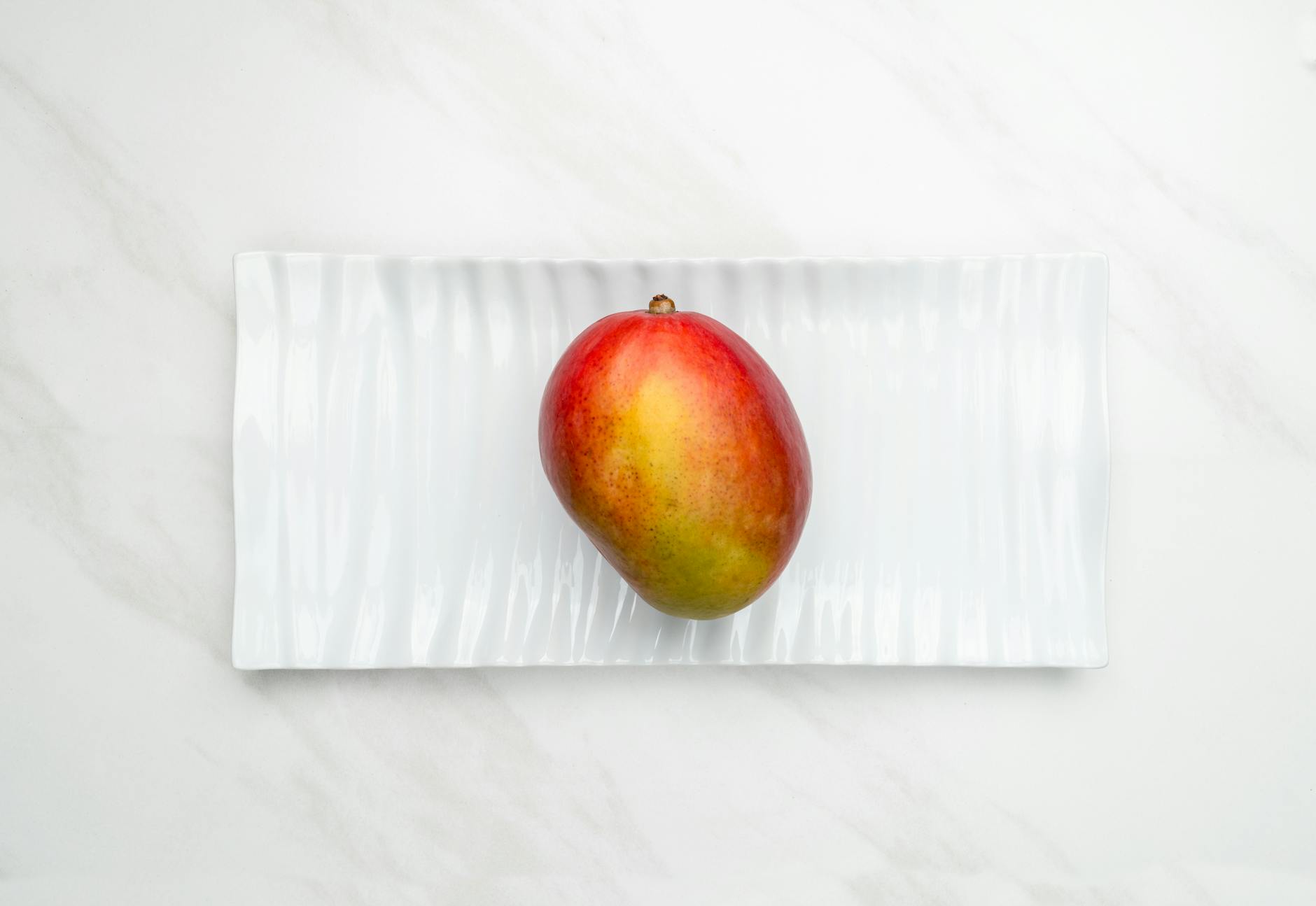
This tropical fruit delivers massive amounts of vitamin A to encourage cellular renewal. The sweet flesh contains numerous antioxidants that protect against environmental stressors. These protective compounds neutralize free radicals before they can damage existing structural networks. Blending frozen chunks into desserts creates a refreshing and highly beneficial treat.
Pineapple
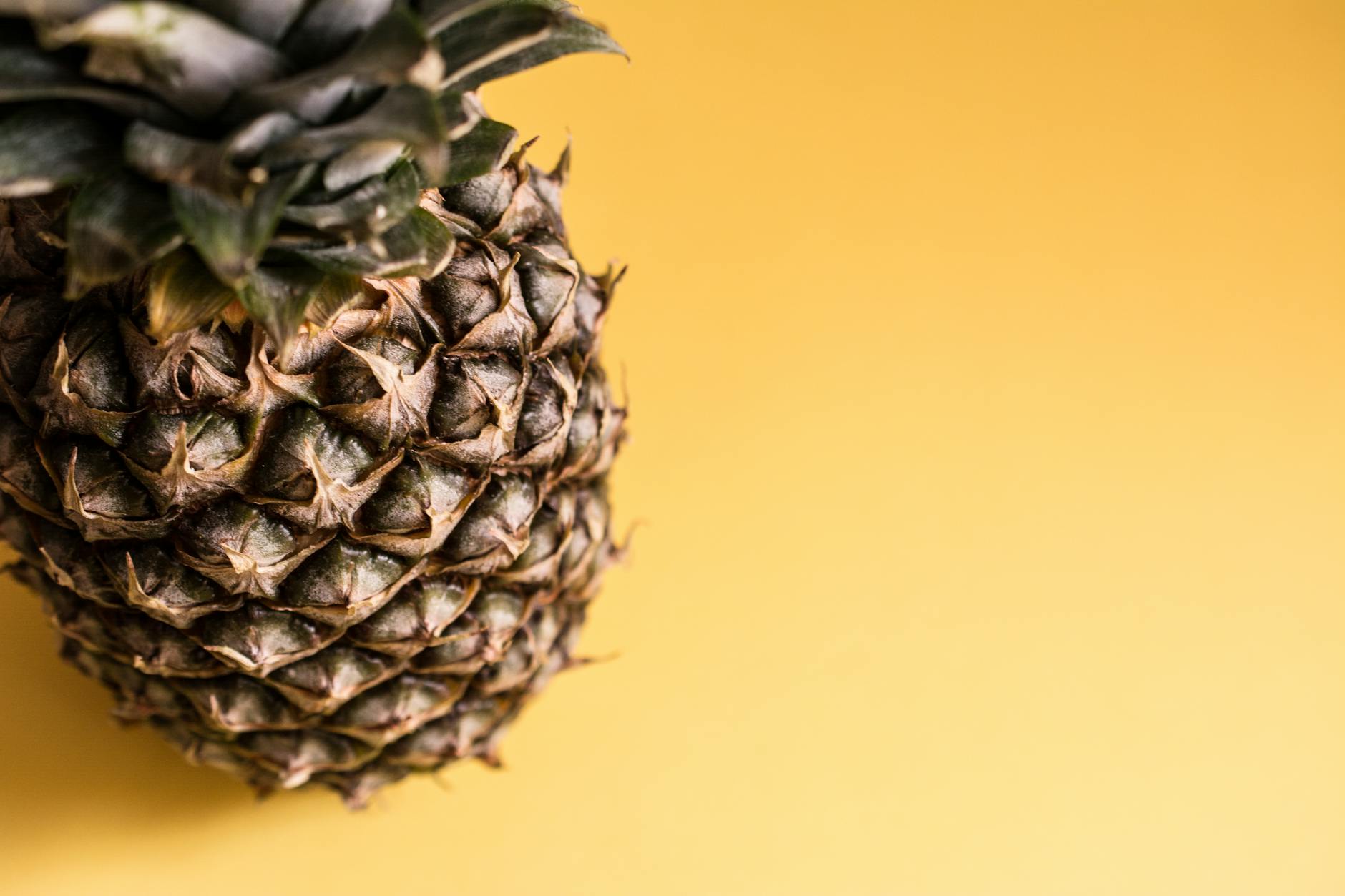
This spiky tropical offering contains an entirely unique enzyme known as bromelain. This specific compound helps the body synthesize and repair muscle and skin tissue. The high vitamin C content provides the necessary chemical precursor for amino acid linkage. Enjoying fresh slices adds bright flavor and essential nutrients to any meal plan.
Papaya
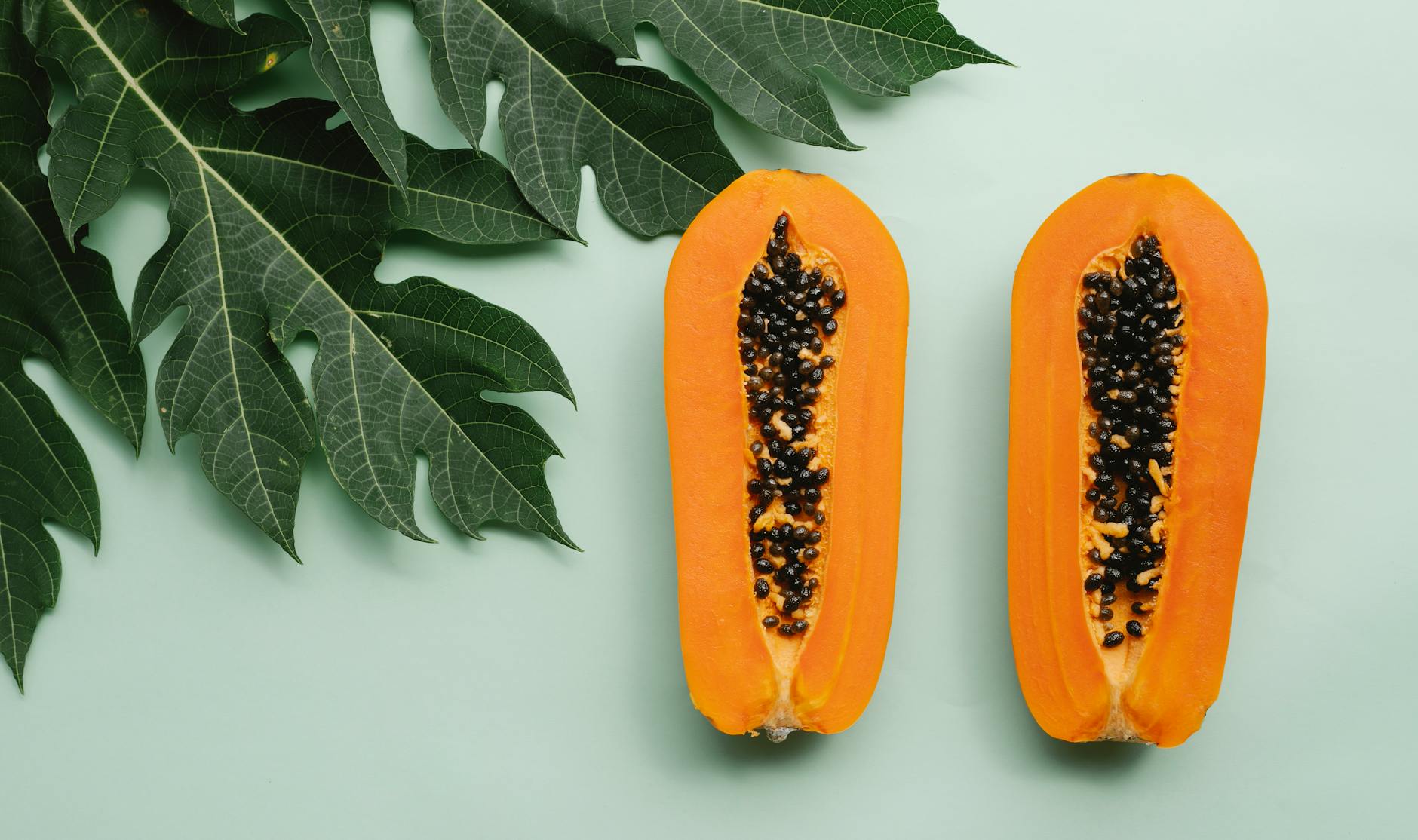
The vibrant orange flesh of this fruit contains an enzyme called papain. This digestive aid helps the body break down dietary proteins into usable amino acids. Abundant vitamins within the fruit actively support the reconstruction of new dermal layers. Eating a fresh bowl in the morning ensures optimal absorption of these vital components.
Broccoli
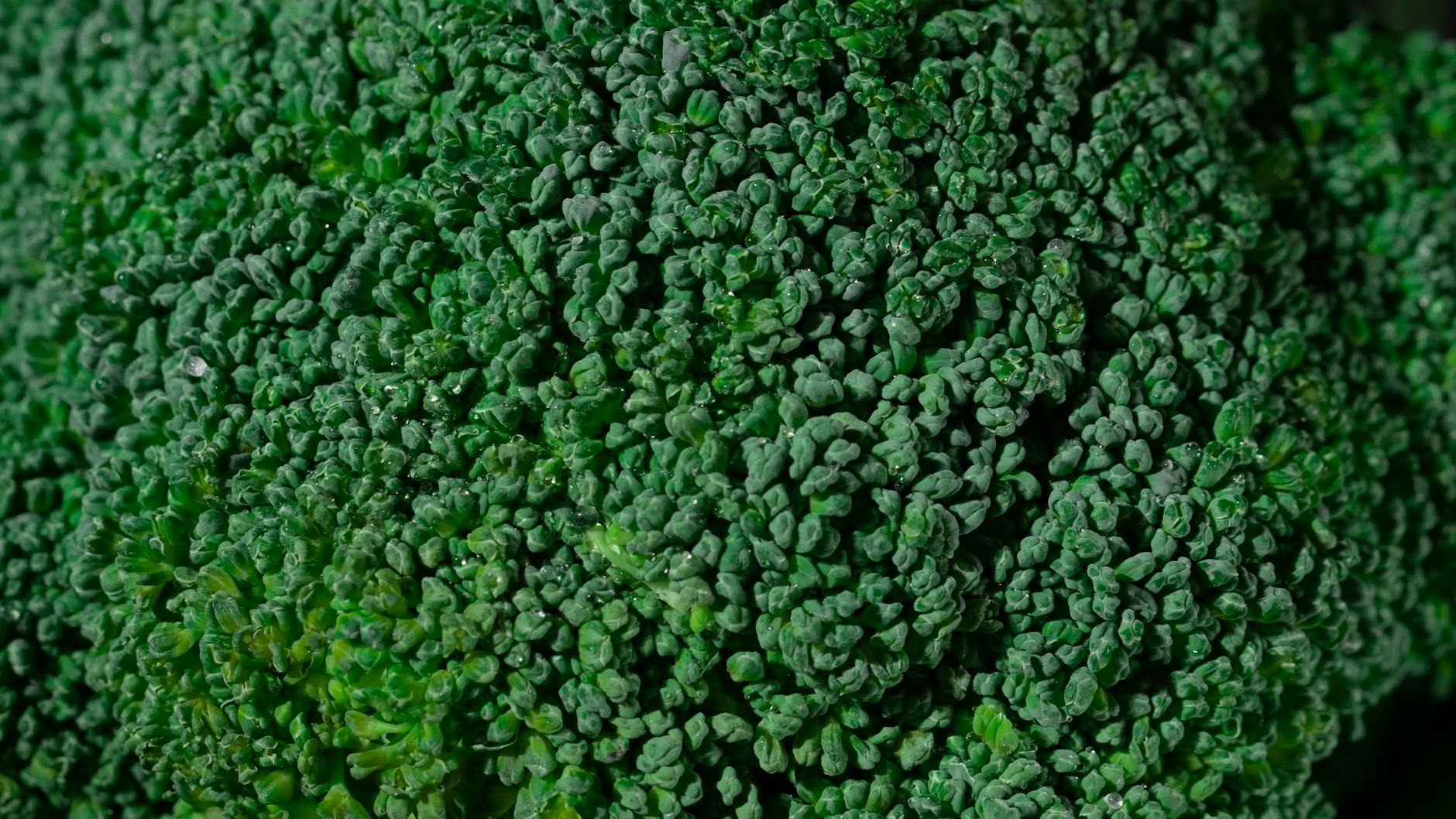
This cruciferous vegetable provides excellent amounts of vitamin C and zinc. A specific compound called glucoraphanin helps the skin regenerate and repair itself efficiently. The dense fibrous structure supports digestive health for optimal nutrient uptake. Steaming the florets lightly preserves their vibrant green color and delicate nutritional profile.
Brussels Sprouts
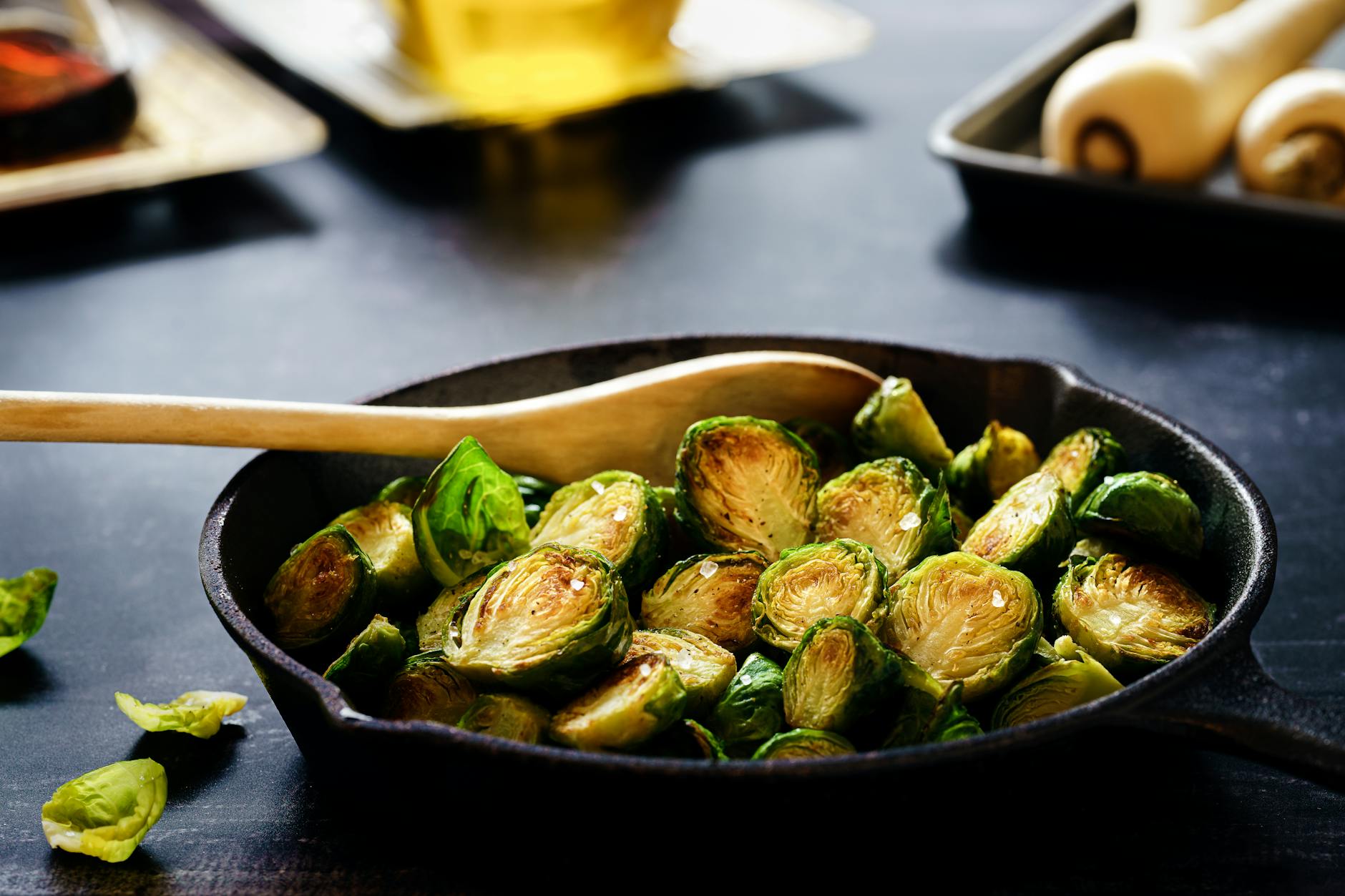
These tiny cabbages offer a spectacular source of vitamins necessary for tissue growth. The high sulfur content actively participates in forming strong bonds between structural proteins. Regular consumption helps the body maintain elasticity and firmness in the skin. Roasting them until golden brown creates a deeply satisfying and beneficial side dish.
Kale
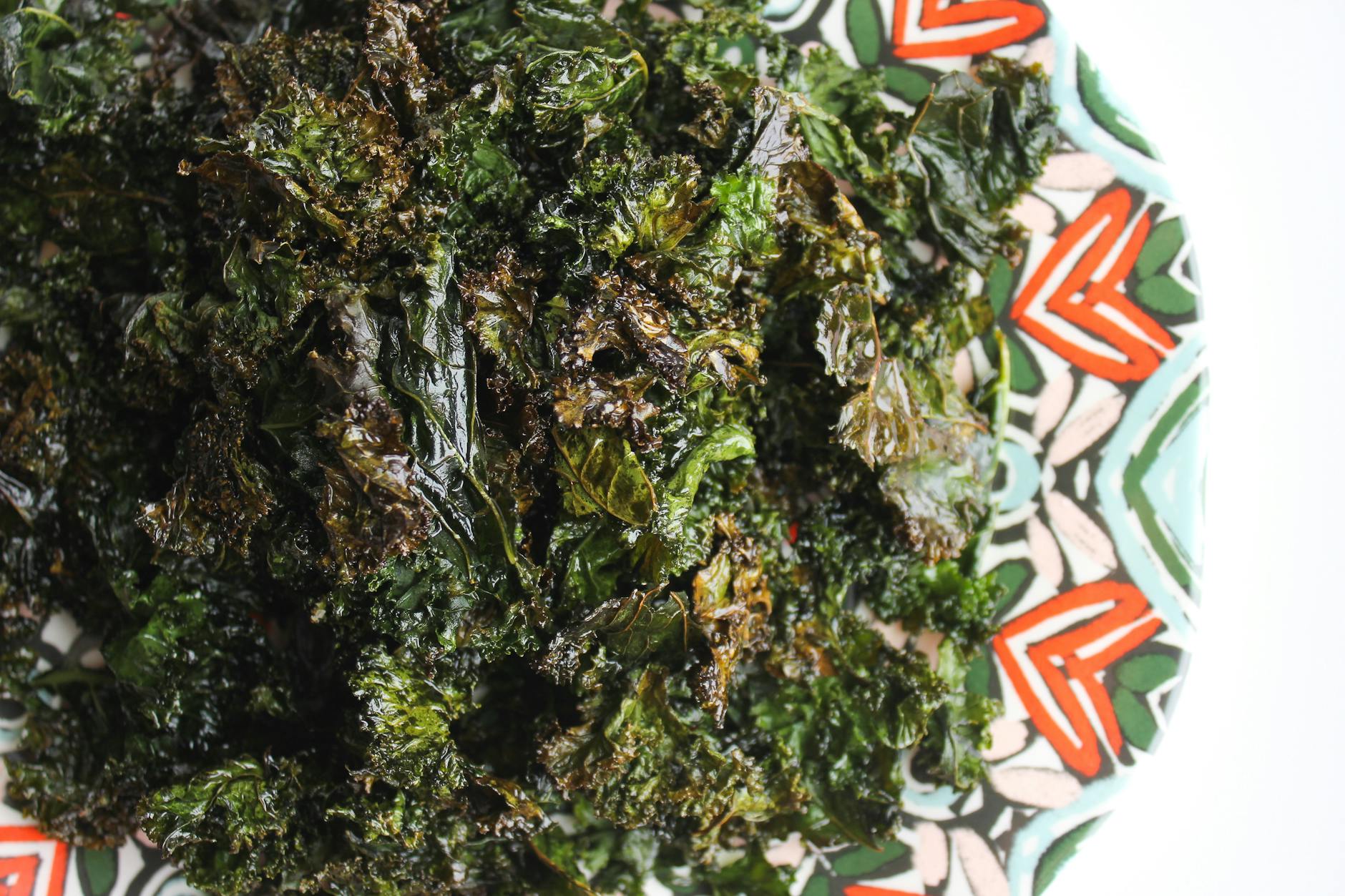
This robust leafy green stands as a nutritional powerhouse for skin health. Tremendous amounts of vitamin C and copper work together to build strong tissues. The fibrous leaves help eliminate bodily toxins that might otherwise damage cellular walls. Massaging the raw leaves with oil makes them tender and ready for hearty salads.
Swiss Chard
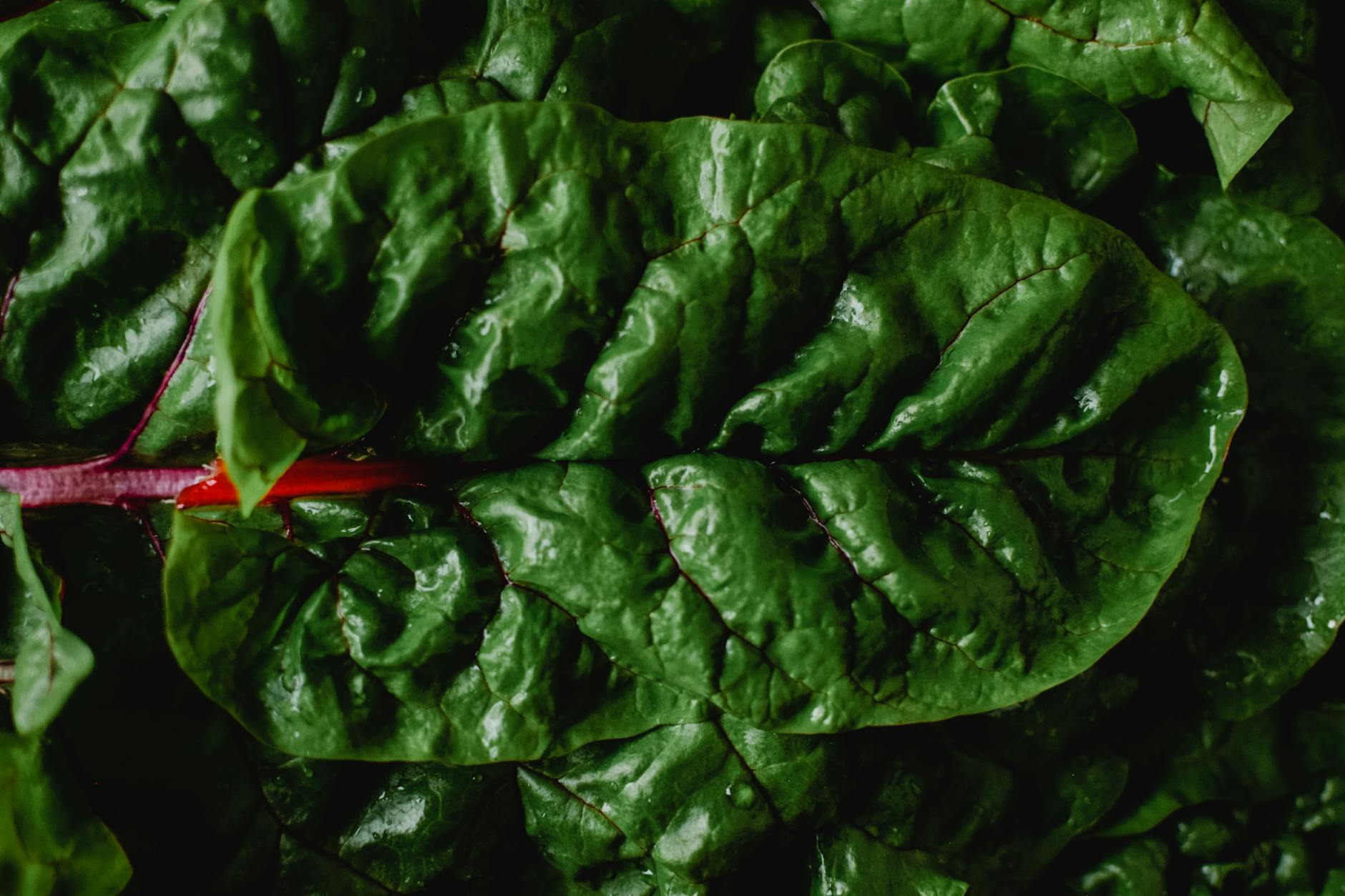
The brightly colored stems of this vegetable indicate a rich presence of powerful antioxidants. The dark leaves supply necessary chlorophyll to boost internal protein production. Excellent levels of vitamins A and C ensure continuous support for cellular regeneration. Sautéing the leaves briefly preserves their tremendous nutritional value and tender texture.
Sunflower Seeds
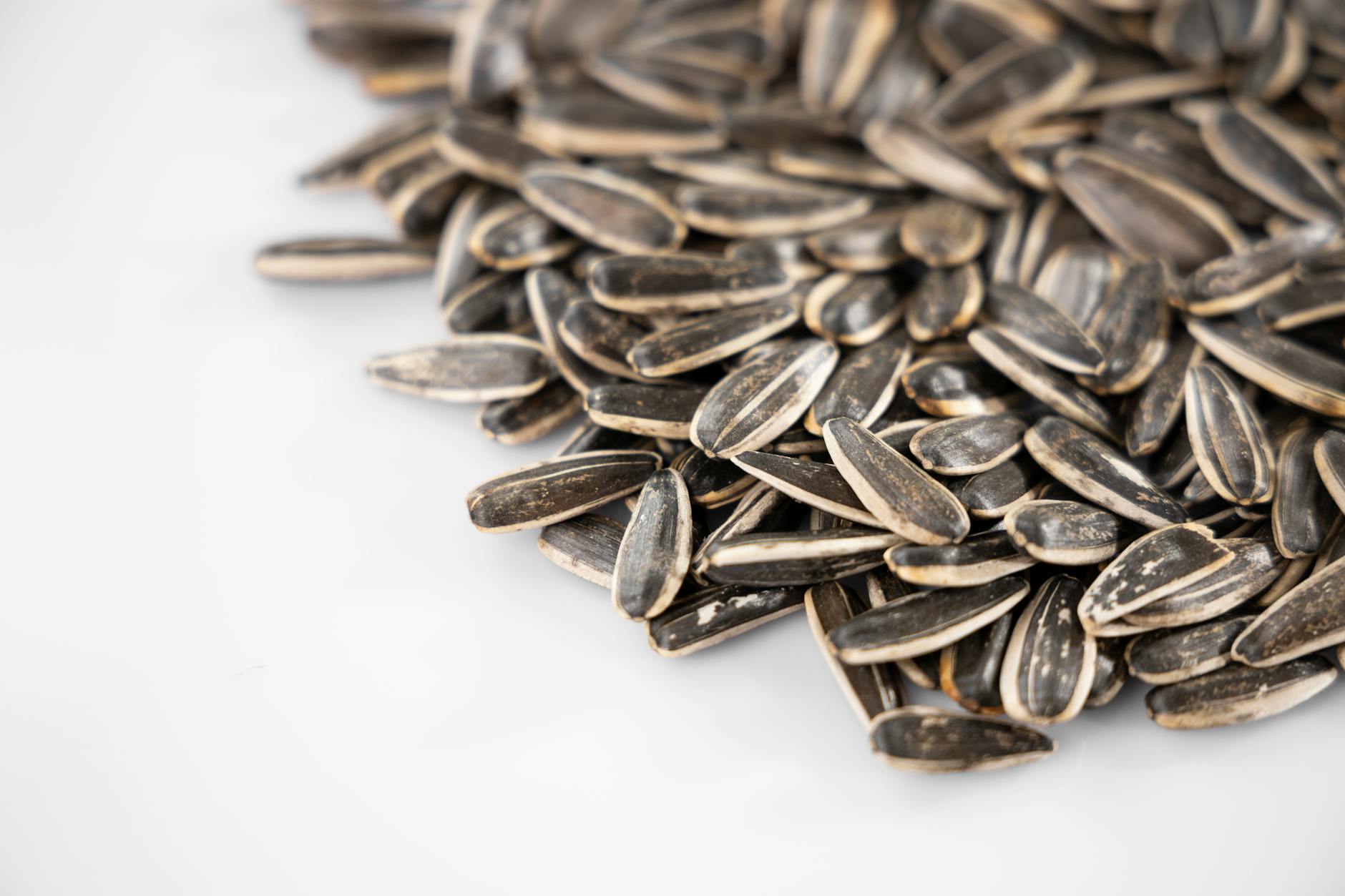
These humble grey seeds pack massive amounts of vitamin E and healthy fats. The trace minerals present actively assist the body in synthesizing new dermal tissues. Their rich protein content offers the exact amino acids needed for structural repairs. Sprinkling them over baked goods adds a pleasant earthy flavor and serious health benefits.
Lentils
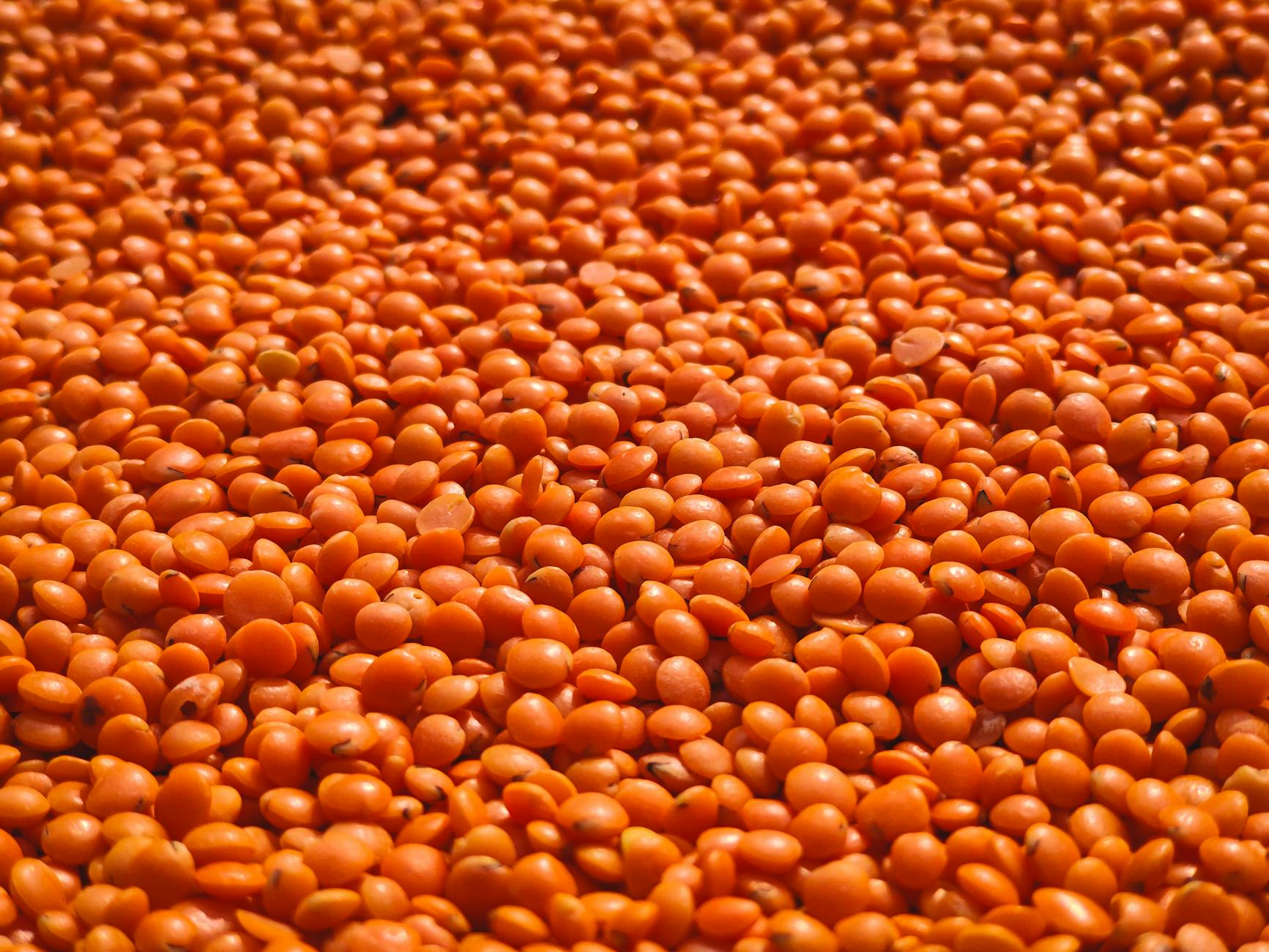
These tiny legumes offer an incredibly efficient plant based source of complete protein. The high copper and zinc content facilitates the continuous generation of new skin cells. Their complex carbohydrates provide steady energy for the intensive internal rebuilding processes. Cooking a hearty soup delivers immense comfort and necessary nutritional building blocks.
Chickpeas
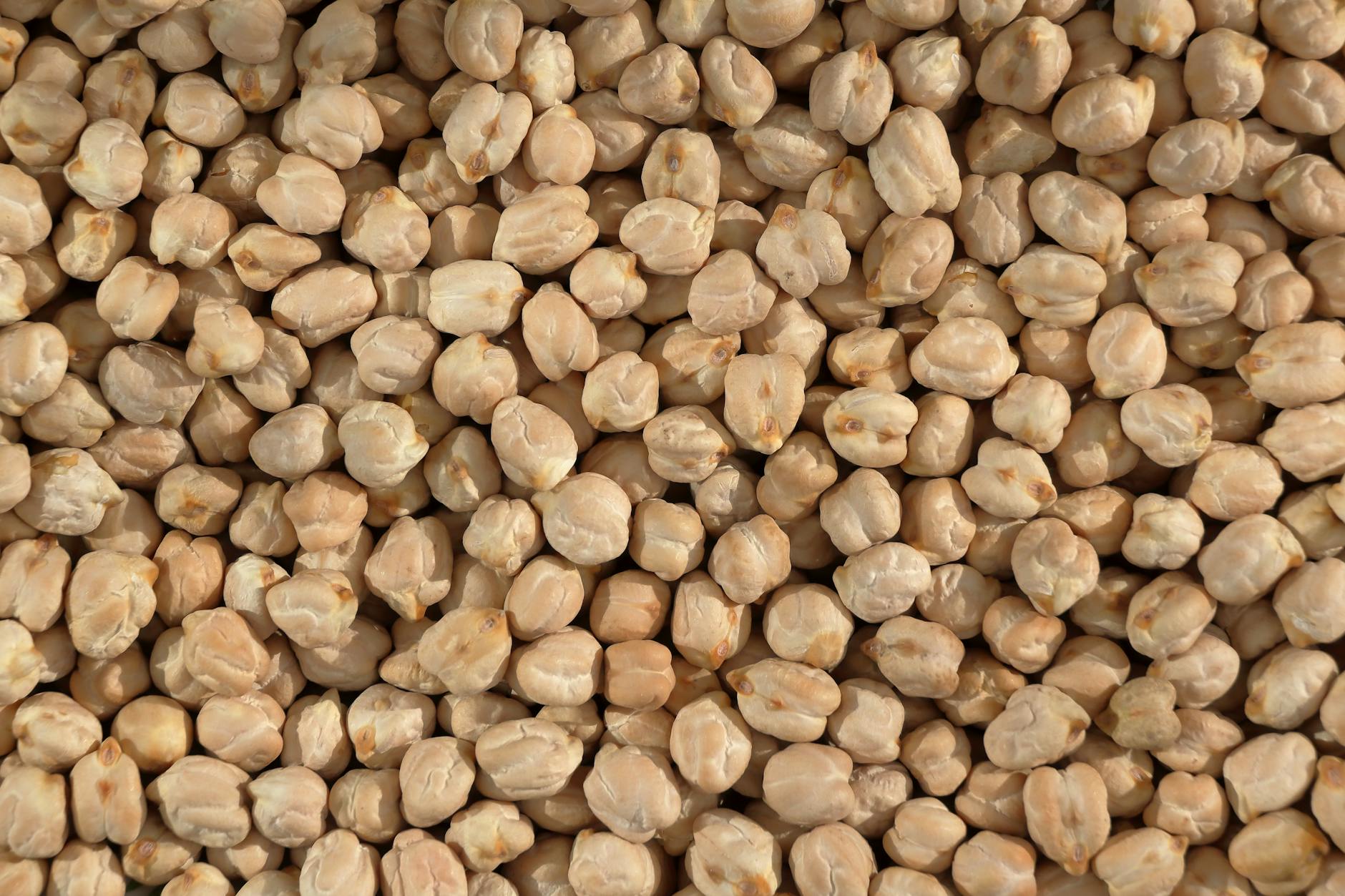
These versatile beans contain complex proteins and essential minerals for total bodily health. The presence of proline and glycine directly supports the creation of new connective tissue. High fiber levels ensure the digestive tract processes and absorbs these nutrients efficiently. Blending them into smooth hummus creates a delicious vehicle for structural nourishment.
Quinoa
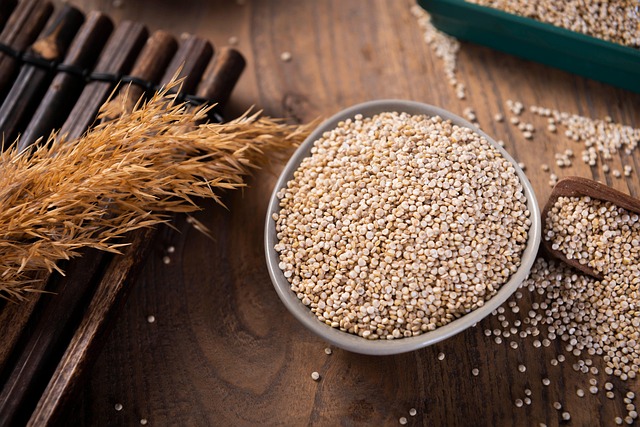
This ancient grain contains all nine essential amino acids required for human health. The dense nutritional profile provides ample building material for internal repair work. Zinc and copper within the small seeds act as necessary cofactors for tissue synthesis. Using it as a base for hearty grain bowls ensures a nutritionally complete meal.
Green Tea
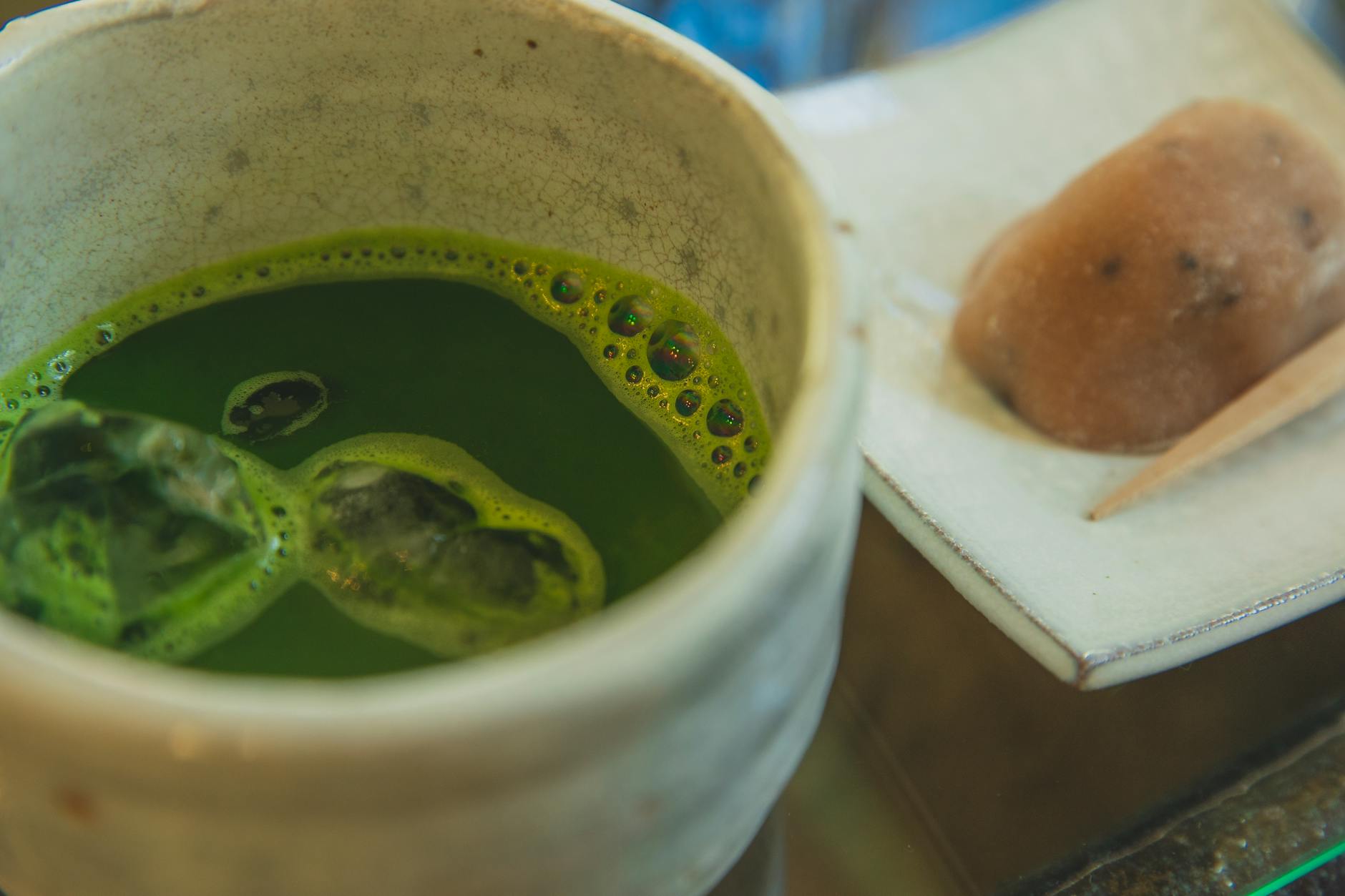
This traditional steeped beverage holds incredible amounts of protective botanical compounds. Specific catechins actively prevent the breakdown of existing structural proteins in the skin. The gentle hydration supports the plumpness and overall elasticity of the dermal layers. Drinking a warm cup daily provides continuous defense against premature cellular aging.
Aloe Vera Juice
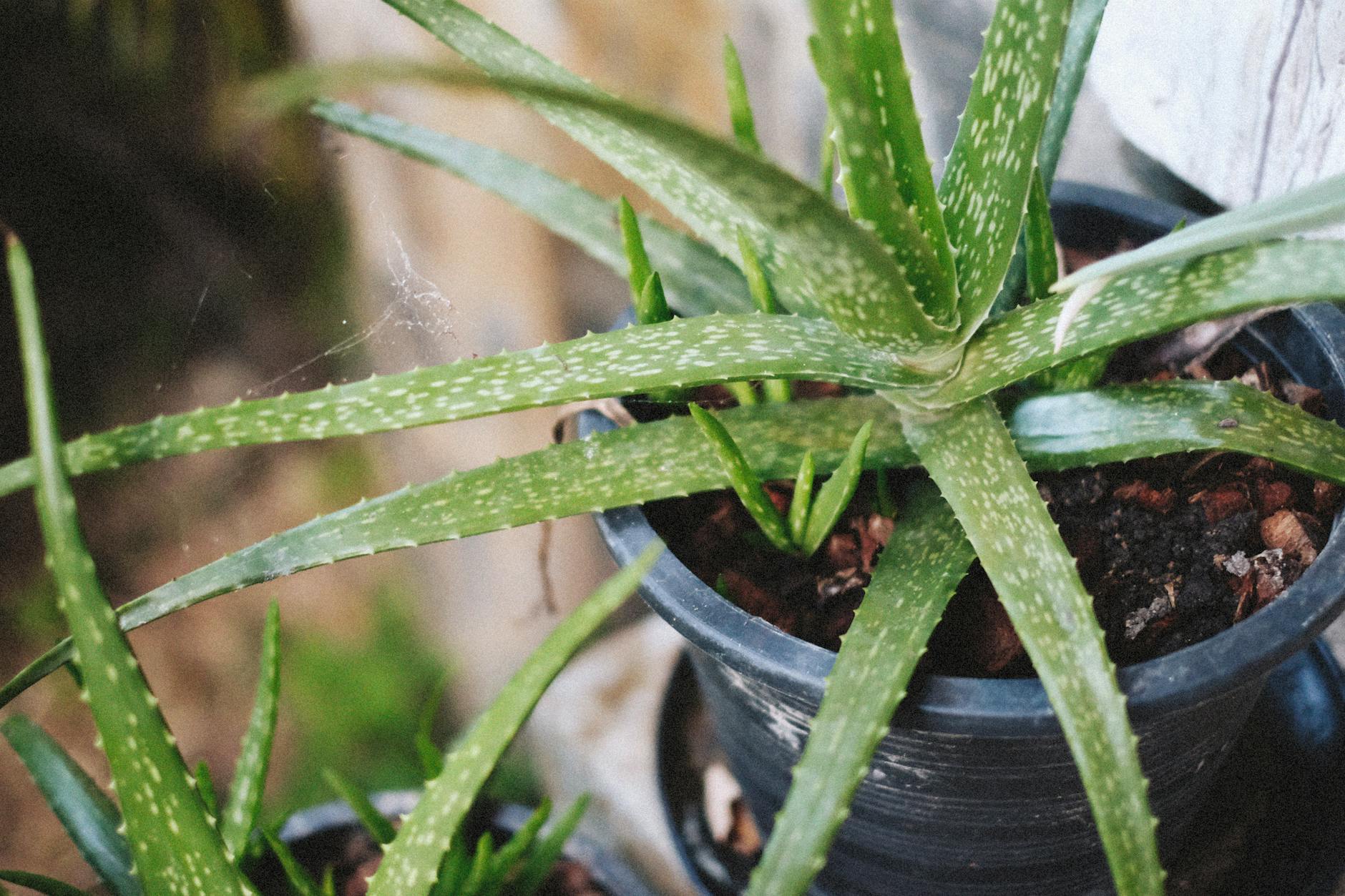
The clear gel from this succulent plant actively stimulates cellular growth from within. Drinking the processed juice provides unique compounds that encourage internal protein production. The incredible hydration benefits reach the deepest layers of the human skin. A small daily dose supports both digestive comfort and external tissue resilience.
Blueberries
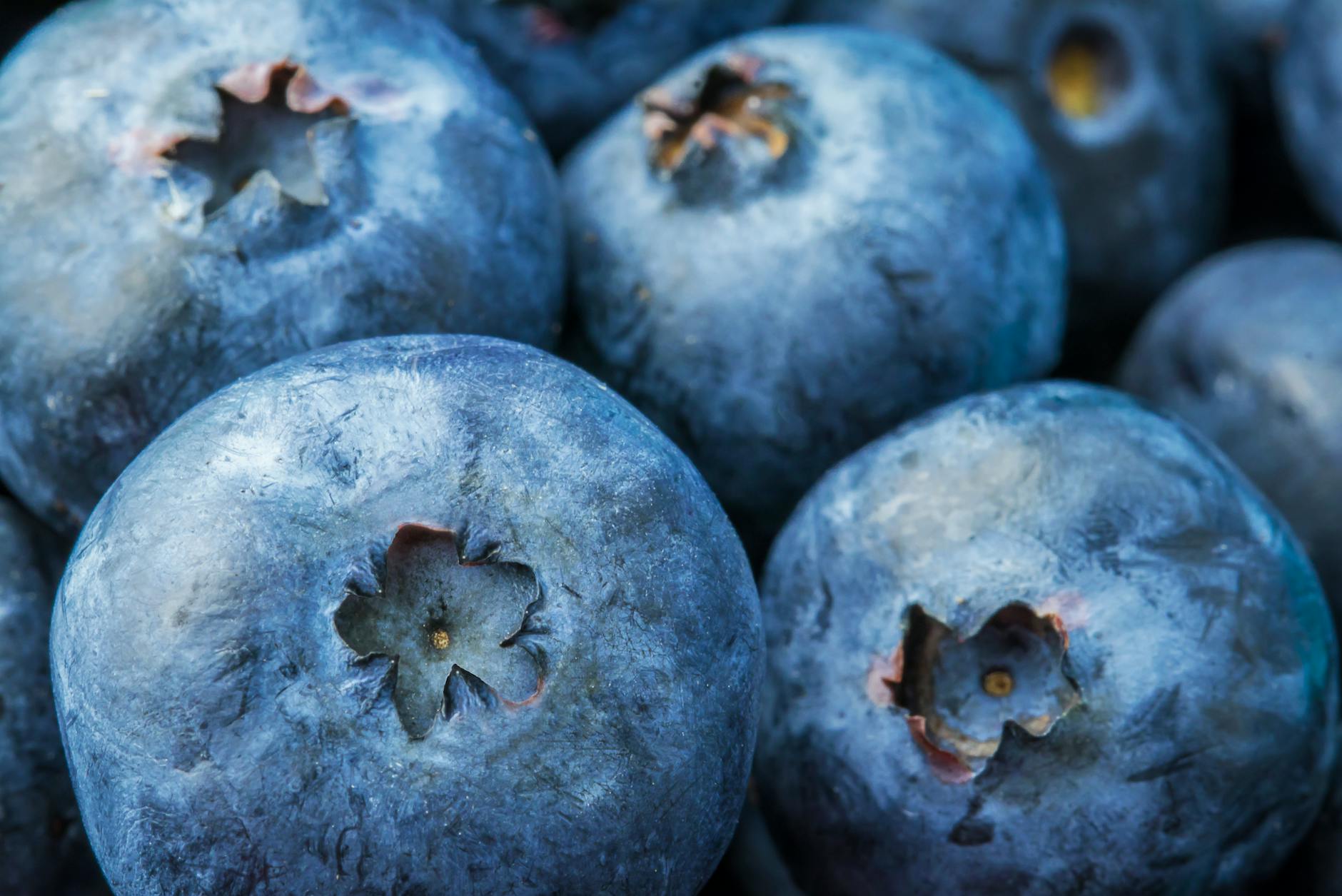
These tiny dark fruits harbor incredibly dense concentrations of protective antioxidants. Anthocyanins give them their deep color and shield the skin from structural damage. Abundant vitamin C ensures the body has the tools to create fresh connective tissue. Tossing a handful into a morning meal guarantees a sweet and highly beneficial start.
Please share your favorite dietary choices and structural health tips in the comments.