
Migraines can be debilitating, and while triggers vary from person to person, certain foods are commonly known to provoke these intense headaches. Understanding which foods may contribute to your migraines is an important step toward managing your symptoms and improving your quality of life. Many individuals find that keeping a food diary helps identify their personal trigger foods. The following items are frequently reported as migraine triggers and are worth monitoring in your diet. Discovering your specific food triggers can help you make informed choices and reduce the frequency and severity of migraines.
Aged Cheese

Aged cheeses like cheddar, blue cheese, and parmesan contain high levels of tyramine, a naturally occurring compound that can constrict and then dilate blood vessels in the brain. This vascular response is a known migraine trigger for many sensitive individuals. The longer a cheese ages, the more tyramine it develops, making mature varieties particularly problematic. People who experience frequent migraines often benefit from avoiding aged cheeses and opting for fresh varieties instead. Keeping a record of cheese consumption can help identify whether this is a personal trigger food for you.
Red Wine

Red wine contains both tyramine and tannins, two compounds that can trigger migraines in susceptible individuals. The fermentation process in red wine increases tyramine content compared to other alcoholic beverages. Histamines present in red wine may also play a role in triggering headaches for some people. White wine, champagne, and beer contain lower levels of tyramine, though alcohol in general can be a trigger for some. If you enjoy wine, documenting your consumption and migraine patterns can help clarify whether it affects you personally.
Processed Meats

Cured and processed meats including bacon, sausage, ham, and deli turkey contain nitrates and nitrites, which are preservatives linked to migraine onset. These chemical additives cause blood vessel dilation that can trigger headaches in sensitive individuals. The longer meats are cured or processed, the higher their nitrate content becomes. Fresh, unprocessed meats are a safer alternative for those prone to migraines. Switching to fresh protein sources may noticeably reduce your migraine frequency.
Chocolate

Chocolate contains phenylethylamine and caffeine, both compounds that can trigger migraines in some individuals. Dark chocolate tends to have higher concentrations of these compounds than milk chocolate varieties. The sugar content in chocolate may also contribute to blood sugar fluctuations that spark headaches. Some people find they can tolerate small amounts of chocolate without triggering migraines while others must avoid it entirely. Experimenting with different chocolate types and portions can help you determine your personal threshold.
Citrus Fruits

Citrus fruits like oranges, lemons, limes, and grapefruits contain tyramine and may trigger migraines in certain individuals. The high acidity of citrus can also contribute to migraine onset for some people. These fruits are commonly found in juices and smoothies, which concentrate their trigger compounds. While citrus is nutritious, those with migraine sensitivity should be cautious about consumption levels. Tracking citrus intake alongside migraine occurrences can help establish a clear connection for you.
Artificial Sweeteners
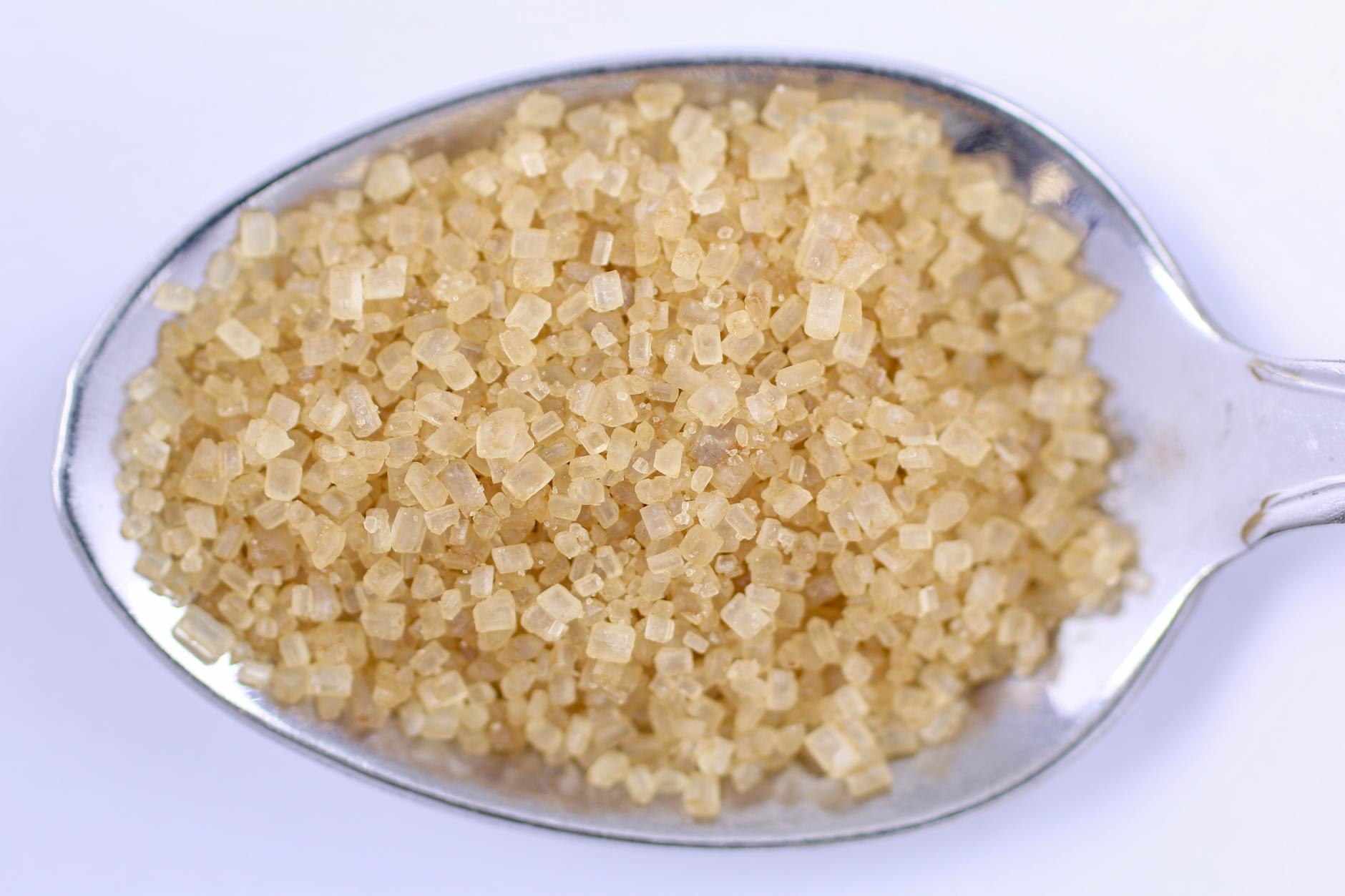
Aspartame, sucralose, and saccharin are artificial sweeteners that can trigger migraines in sensitive individuals. These sweeteners are found in diet sodas, sugar-free desserts, and many processed foods. The mechanism by which artificial sweeteners trigger migraines is not fully understood, but the connection is well-documented. Some people experience immediate headaches after consuming products with these sweeteners while others develop migraines hours later. Switching to naturally sweetened alternatives or reducing sweetener consumption may help reduce migraine frequency.
Caffeinated Beverages

Coffee, tea, and energy drinks contain caffeine, which can both trigger and paradoxically relieve migraines depending on individual sensitivity. Regular caffeine consumption followed by sudden withdrawal can cause rebound headaches and migraines. The amount of caffeine consumed and timing of consumption both influence migraine risk. People who consume high amounts of caffeine daily may be more prone to migraine triggers. Gradually reducing caffeine intake or maintaining consistent daily amounts may help prevent caffeine-related migraines.
Soy Sauce
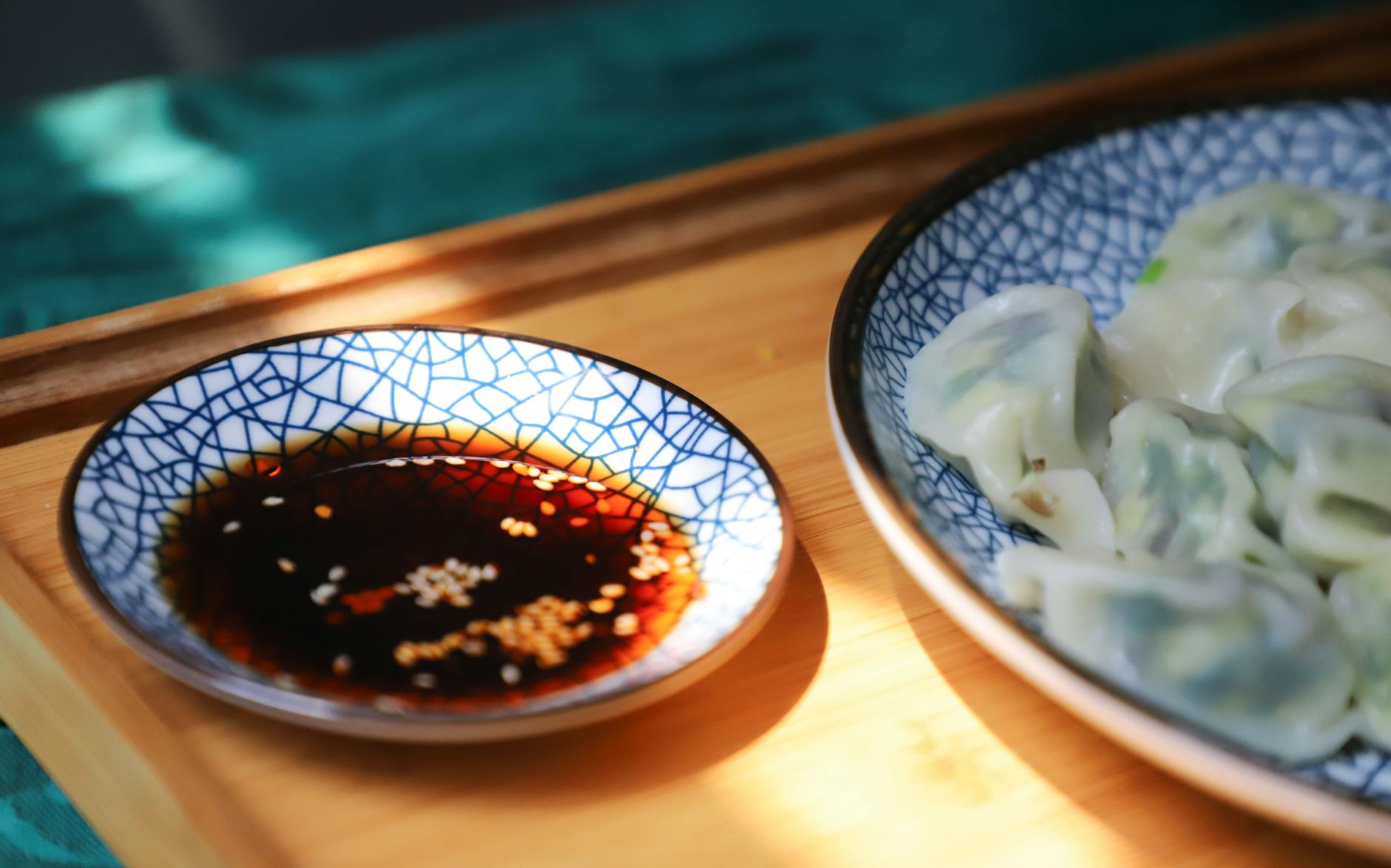
Soy sauce is high in tyramine due to its fermentation process, making it a significant migraine trigger for many individuals. This condiment is used extensively in Asian cuisine and can be hidden in marinades and dressings. Low-sodium versions of soy sauce still contain tyramine and may not be safer alternatives. Individuals sensitive to fermented foods often react strongly to soy sauce consumption. Reading labels carefully and using alternatives like coconut aminos can help avoid this trigger.
Fermented Vegetables
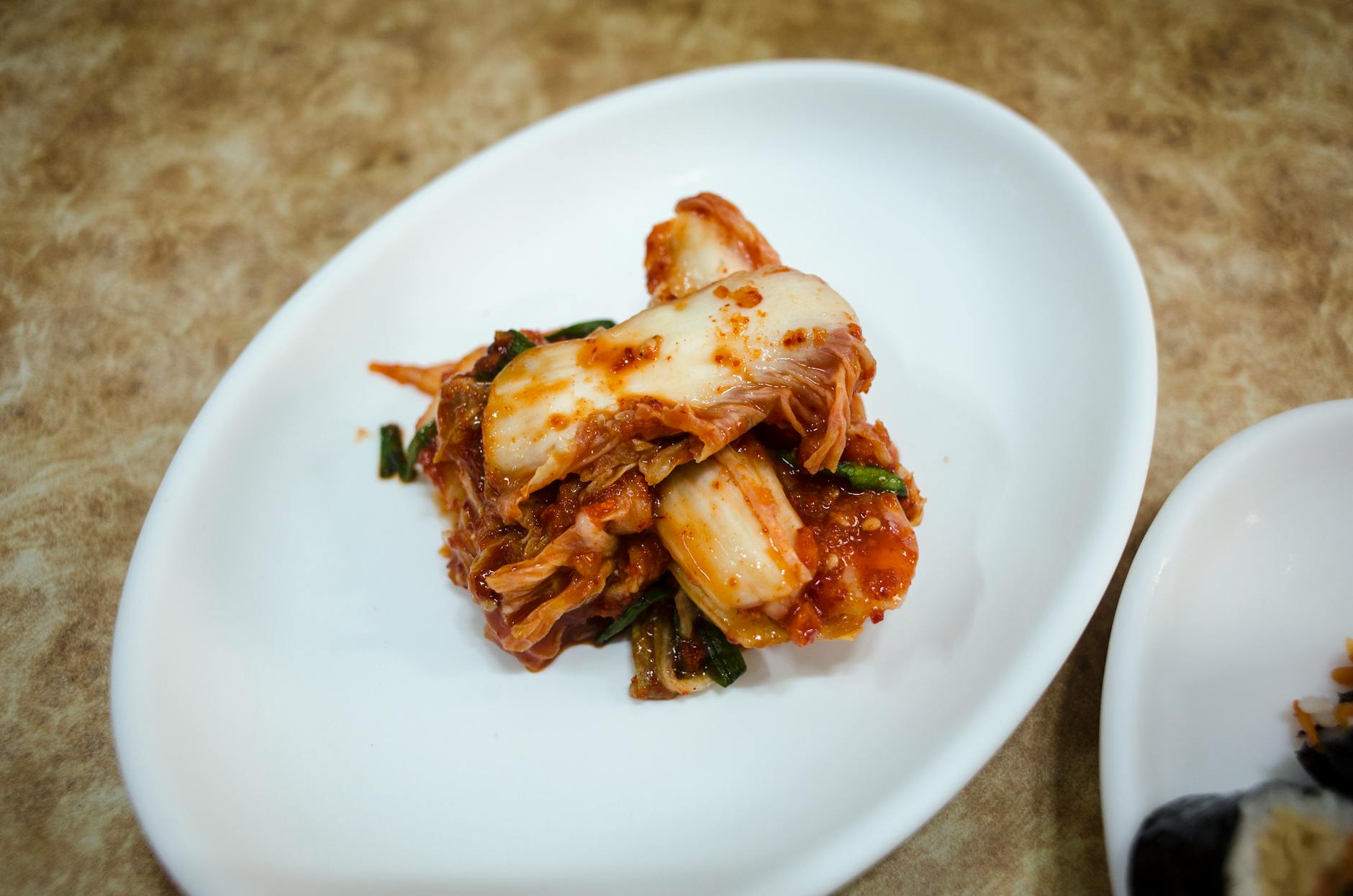
Pickled and fermented vegetables including sauerkraut, kimchi, and pickles contain high levels of tyramine from the fermentation process. These foods are promoted for their probiotic benefits but can be problematic for migraine sufferers. The longer vegetables ferment, the higher their tyramine content becomes. Fresh vegetables provide similar nutritional benefits without the fermentation compounds that trigger migraines. For those prone to migraines, fresh vegetable options are generally a safer choice.
Vinegar

Vinegar, including balsamic, apple cider, and white vinegar, contains tyramine and can trigger migraines in sensitive individuals. Vinegar appears in many condiments, dressings, and marinades, often without being immediately obvious. The fermentation process that creates vinegar increases its tyramine concentration significantly. People with migraine sensitivity should be cautious about vinegar-based products including ketchup and certain condiments. Using fresh lemon juice or other alternatives can provide flavor without migraine trigger compounds.
Salty Foods
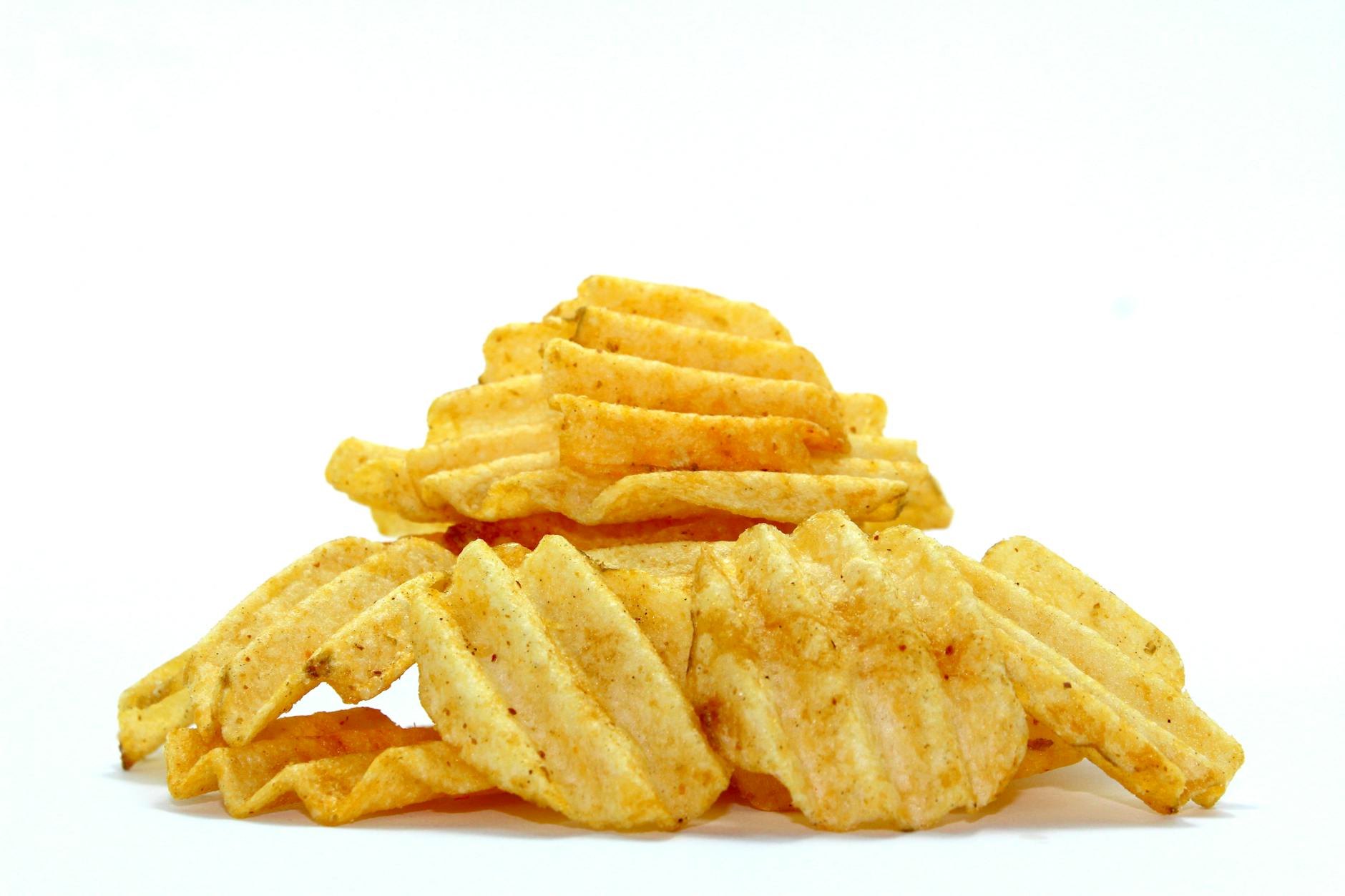
Highly salted foods and those containing sodium nitrates can trigger migraines through various mechanisms including blood vessel changes and dehydration. Processed snack foods, cured meats, and high-sodium condiments are common culprits. Excess sodium can cause water retention and blood pressure changes that contribute to migraine onset. Reducing overall sodium intake while staying properly hydrated may help prevent migraine attacks. Choosing fresh, minimally processed foods naturally lowers sodium consumption.
Monosodium Glutamate (MSG)

MSG, a flavor enhancer common in Asian cuisine and processed foods, can trigger migraines in susceptible individuals. This additive is found in many packaged snacks, soups, broths, and restaurant dishes. Some people experience immediate reactions to MSG while others develop migraines hours after consumption. The mechanism appears related to how MSG affects neurotransmitters and blood vessel function. Reading ingredient labels and asking restaurants about MSG use can help you avoid this trigger.
Peanuts
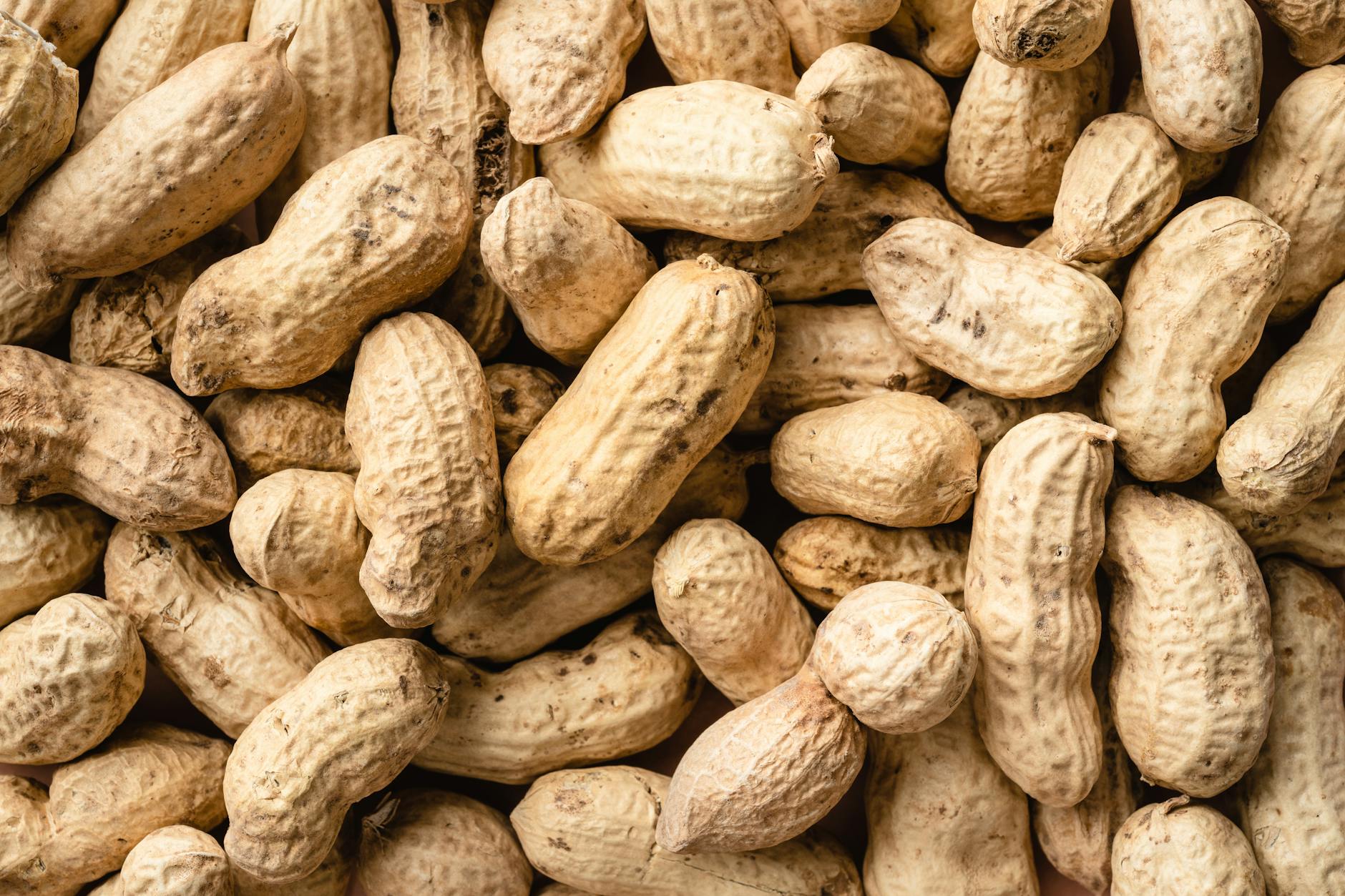
Peanuts contain tyramine and may trigger migraines in certain individuals, particularly when roasted and salted. Peanut butter and peanut-based products inherit this trigger potential from whole peanuts. The processing and aging methods used in peanut products can increase tyramine content. People with migraine sensitivity to peanuts often tolerate other nuts better. Experimenting with alternatives like almond butter or sunflower seed butter may provide similar satisfaction without triggering migraines.
Avocado
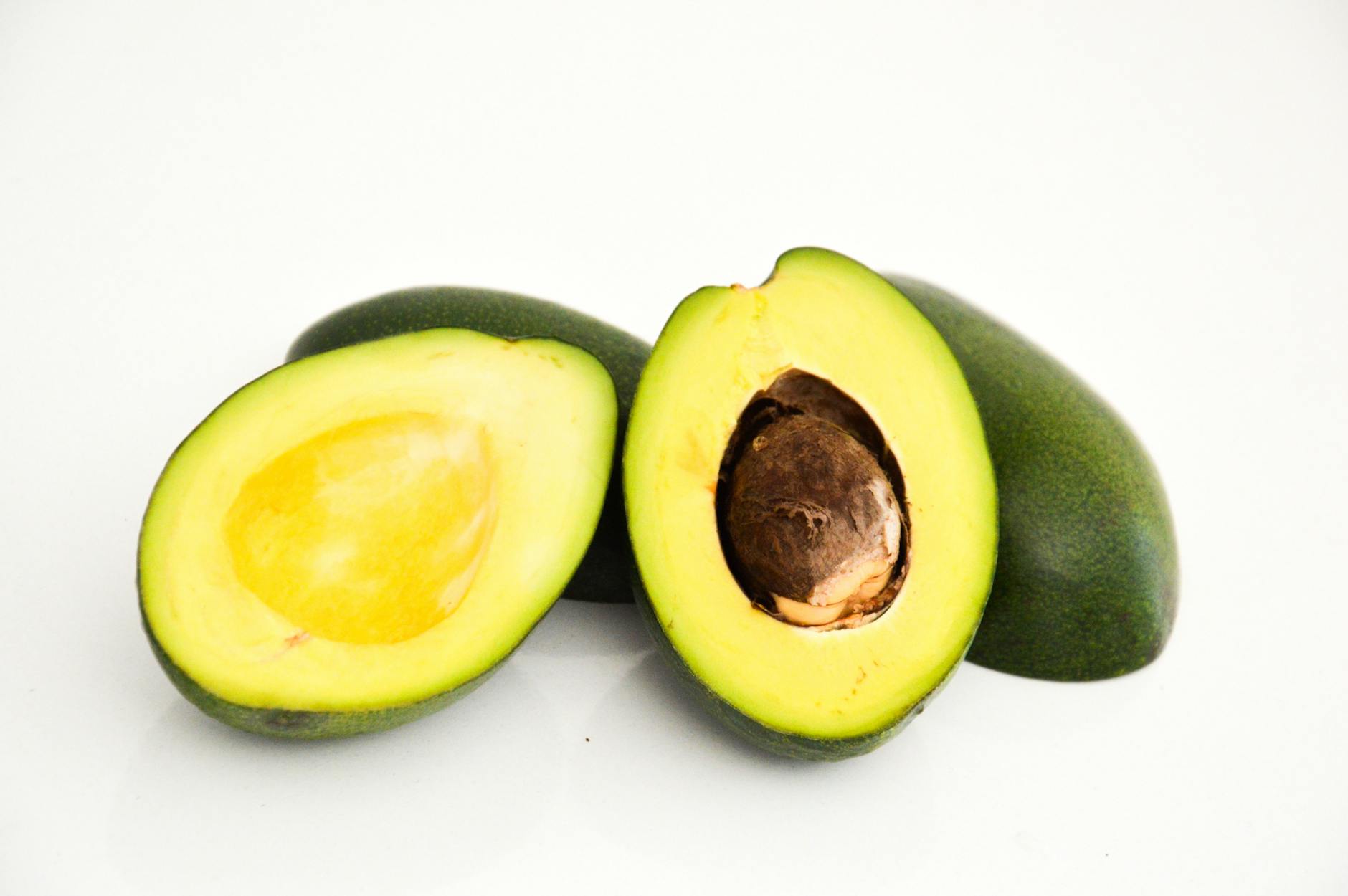
Avocados contain tyramine, especially as they ripen and their tyramine levels increase over time. A ripe avocado has significantly higher tyramine content than an underripe one, making ripeness level important. Guacamole, particularly when prepared in advance and stored, concentrates tyramine. Fresh avocado consumed immediately after cutting may be tolerated better than ripe or prepared versions. For sensitive individuals, choosing underripe avocados or limiting consumption can help prevent migraine triggers.
Bananas
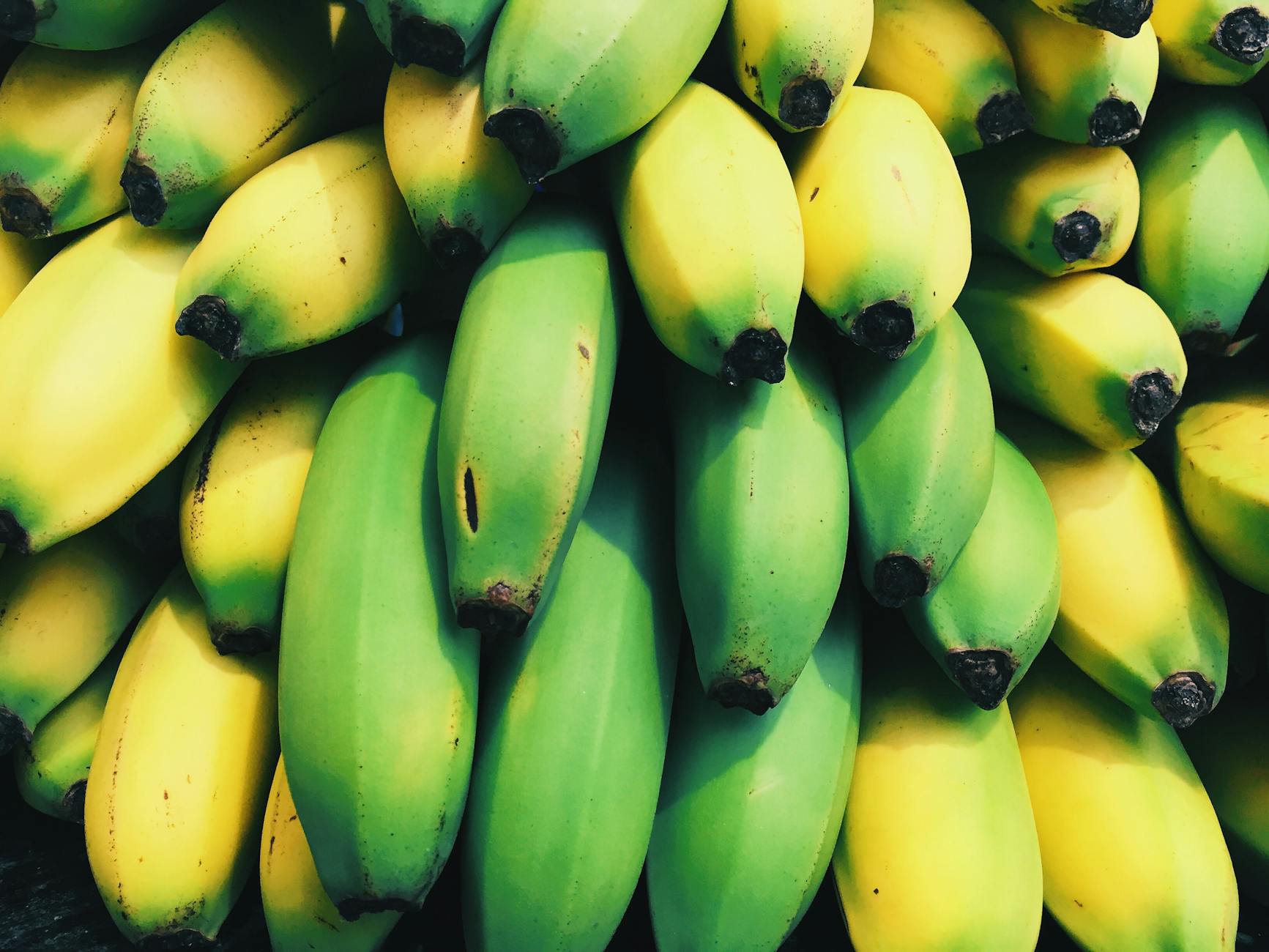
Bananas contain tyramine and serotonin, compounds that can trigger migraines in sensitive individuals. The tyramine content increases as bananas ripen, making older bananas more problematic than greener ones. Dried bananas and banana chips concentrate these trigger compounds significantly. Some people find they tolerate fresh, underripe bananas better than ripe ones. Monitoring banana consumption and ripeness level can help identify whether this fruit triggers your migraines.
Cured Fish

Smoked salmon, anchovies, herring, and other cured fish products contain high levels of tyramine from their processing methods. These foods have been preserved through smoking or fermentation, which increases tyramine development. Even small portions of cured fish can trigger migraines in highly sensitive individuals. Fresh, unfrozen fish varieties do not contain problematic tyramine levels. Choosing fresh fish preparations over cured versions can help reduce your migraine risk.
Yeast and Yeast Products

Yeast extract, nutritional yeast, and yeast-containing supplements are high in tyramine due to the fermentation process. Bread, though containing yeast, typically has lower tyramine than yeast extract products. Marmite and similar yeast spread products are particularly high in tyramine. Beer, which involves yeast fermentation, also contains tyramine along with other migraine triggers. Avoiding yeast extract products while bread consumption may be tolerable for some sensitive individuals.
Nuts and Seeds
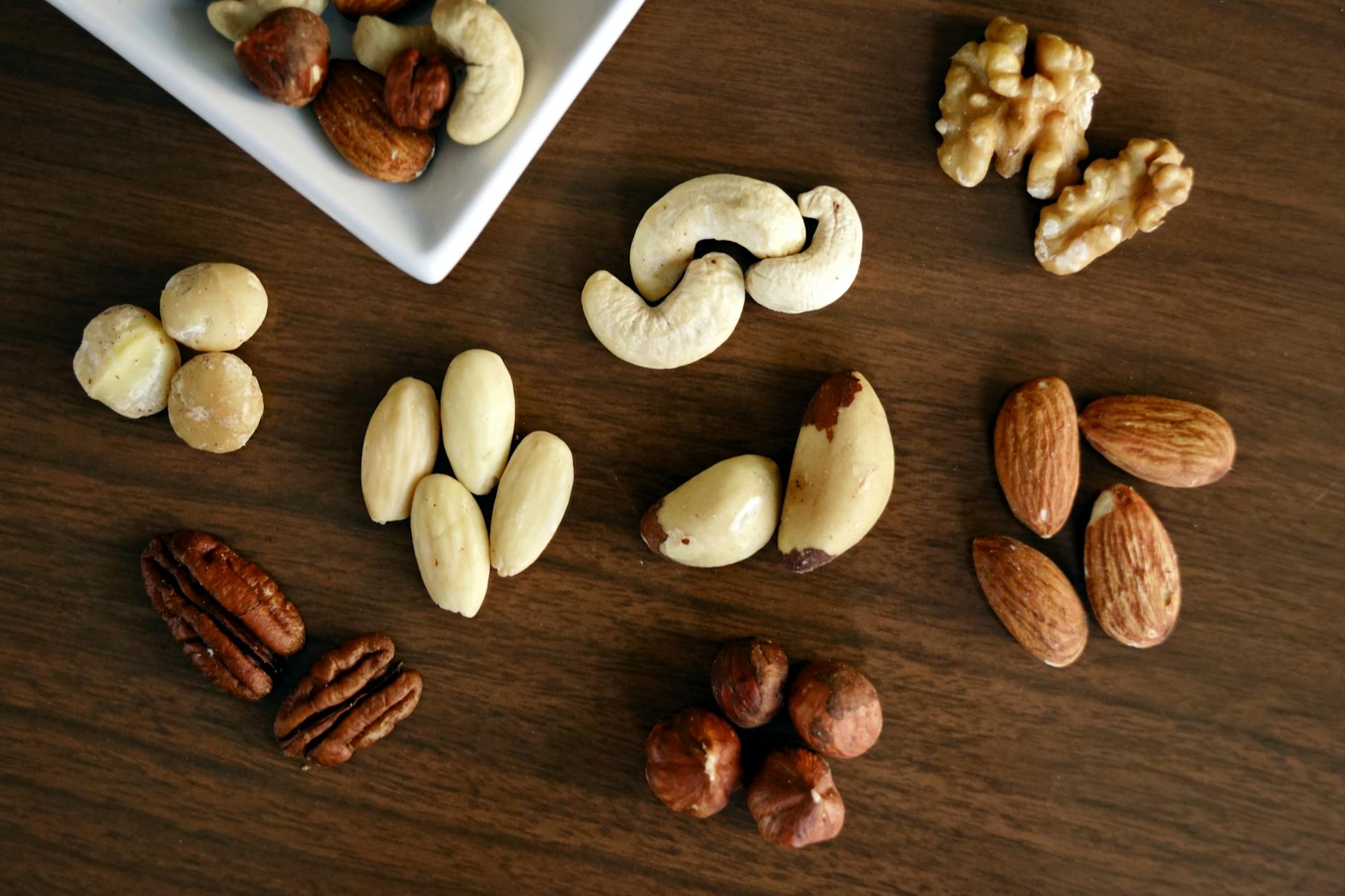
Many nuts including almonds, sesame seeds, and sunflower seeds contain tyramine and can trigger migraines. The processing and roasting of nuts can increase their tyramine levels significantly. Nut butters concentrate these compounds further than whole nuts. Some people tolerate fresh, raw nuts better than roasted varieties. Limiting portion sizes and monitoring individual nut types can help identify which ones, if any, trigger your migraines.
Sourdough Bread

Sourdough bread undergoes fermentation that increases tyramine content compared to regular bread varieties. The longer fermentation process creates higher levels of compounds that can trigger migraines. Regular white or whole wheat bread contains much lower tyramine levels than sourdough. Yeast-free bread options may be better alternatives for those sensitive to fermented bread products. Switching bread types can be an easy dietary adjustment that potentially reduces migraine frequency.
Onions
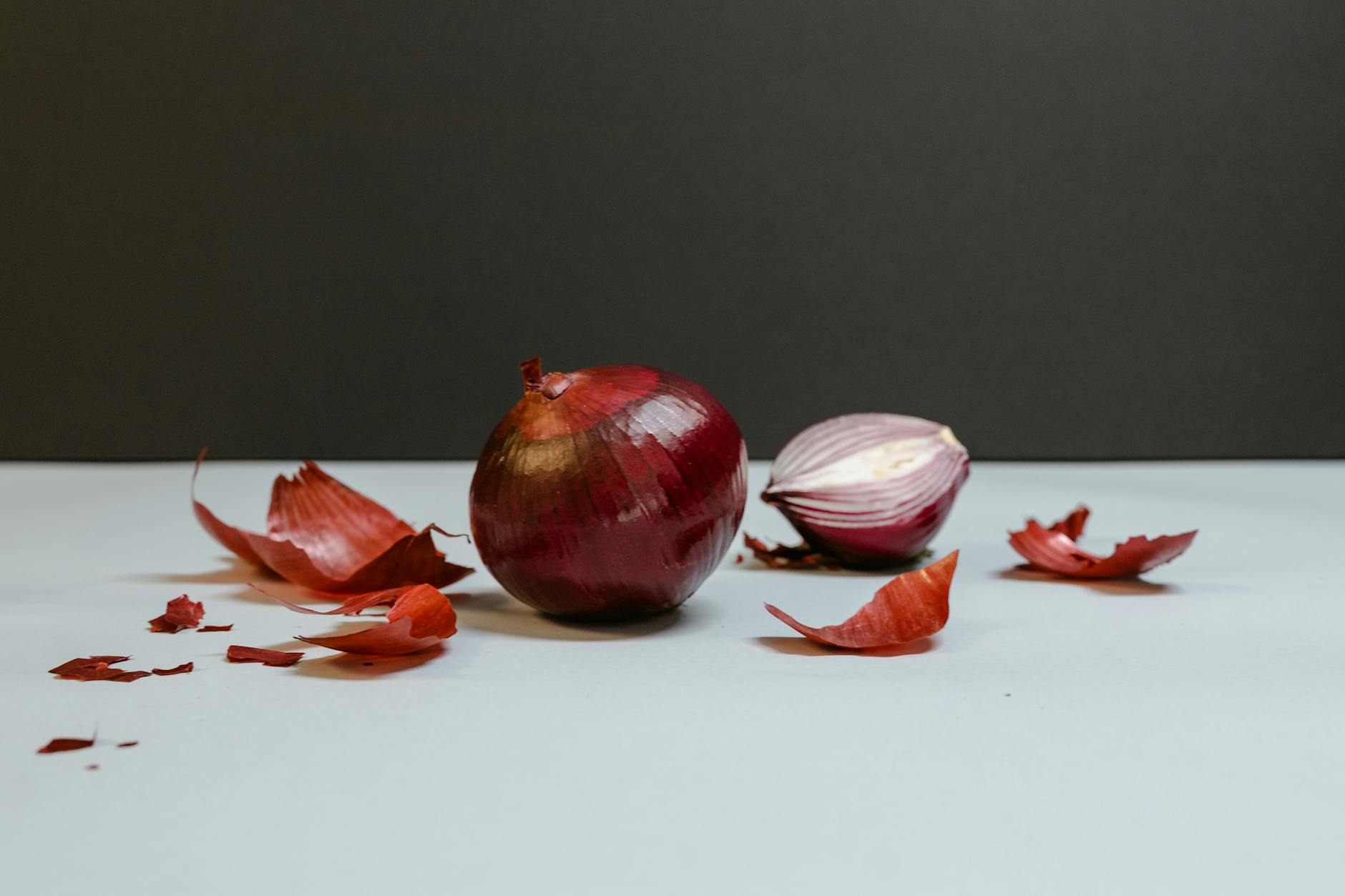
Raw onions, particularly red onions, contain compounds that can trigger migraines in some individuals. The sulfur compounds in onions may contribute to migraine onset through various biochemical pathways. Cooked onions may be better tolerated than raw ones for some sensitive people. The intensity of onion flavor and the quantity consumed both influence migraine risk. Monitoring your personal response to different onion preparations can help clarify whether they trigger your migraines.
Shellfish
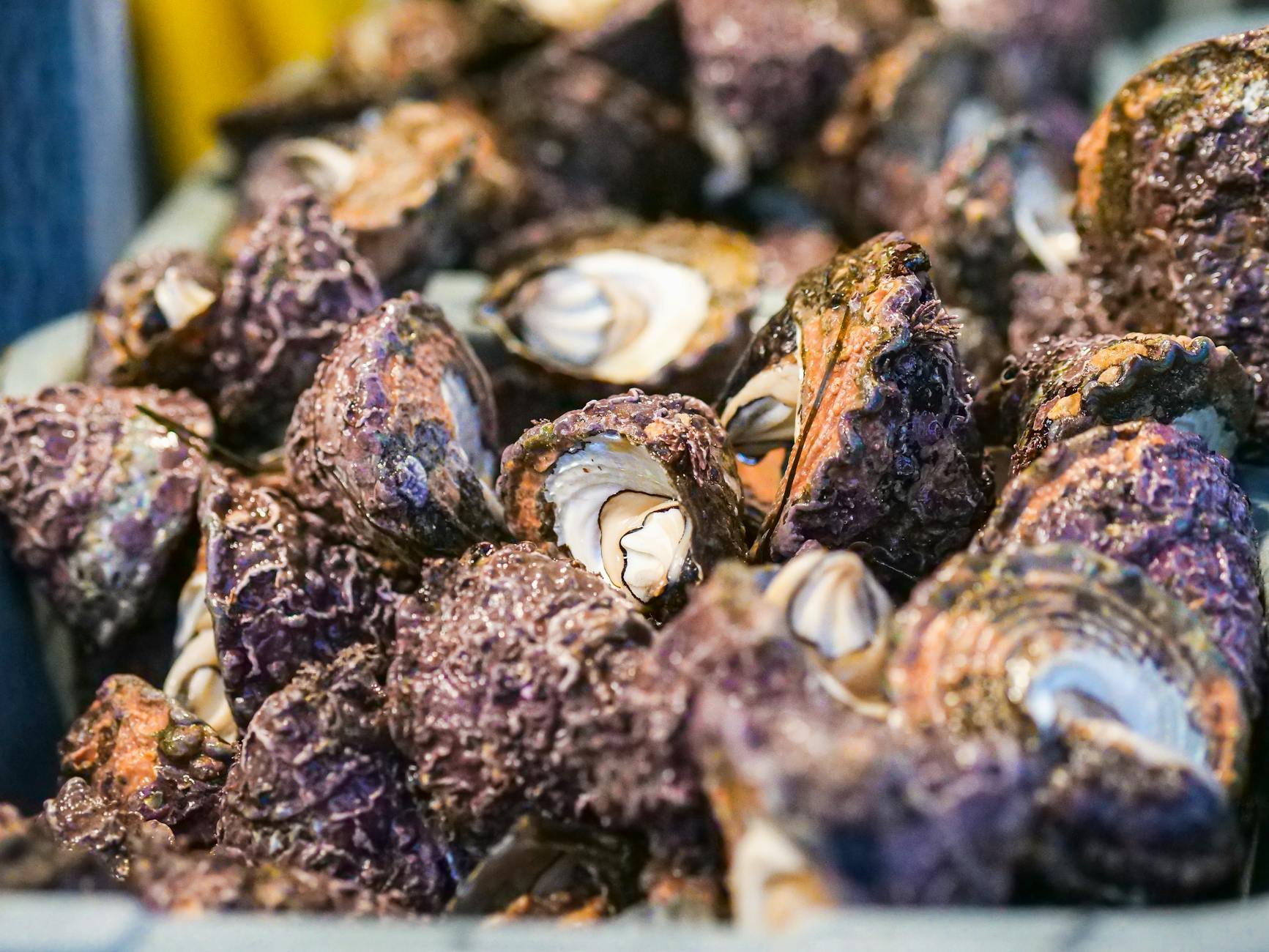
Shellfish including shrimp, crab, and lobster contain histamine, which increases significantly as shellfish ages. Fresh shellfish poses less risk than frozen or stored varieties. The histamine content can trigger migraines in individuals with sensitivity to this compound. Shellfish also contains tyramine, particularly in cured or fermented preparations. Choosing very fresh shellfish or avoiding it entirely can help prevent migraine attacks.
Soda and Carbonated Drinks

Sodas contain caffeine, artificial sweeteners, and high sugar levels that can trigger migraines through multiple mechanisms. Carbonation itself may contribute to migraine onset for some individuals. The combination of caffeine and high sugar creates blood sugar fluctuations that spark headaches. Diet sodas replace sugar with artificial sweeteners, creating a different but equally problematic trigger situation. Water, herbal tea, and naturally sweetened beverages are safer alternatives for migraine-prone individuals.
Alcohol in General

Alcohol dehydrates the body, which is a known migraine trigger for many individuals. Fermented and aged alcoholic beverages contain high tyramine and histamine levels. Sulfites used as preservatives in wine and other drinks can trigger migraines in sensitive people. The impact of alcohol on blood sugar levels may also contribute to migraine onset. Limiting alcohol consumption and maintaining hydration while drinking may help reduce migraine frequency.
High-Fat Foods
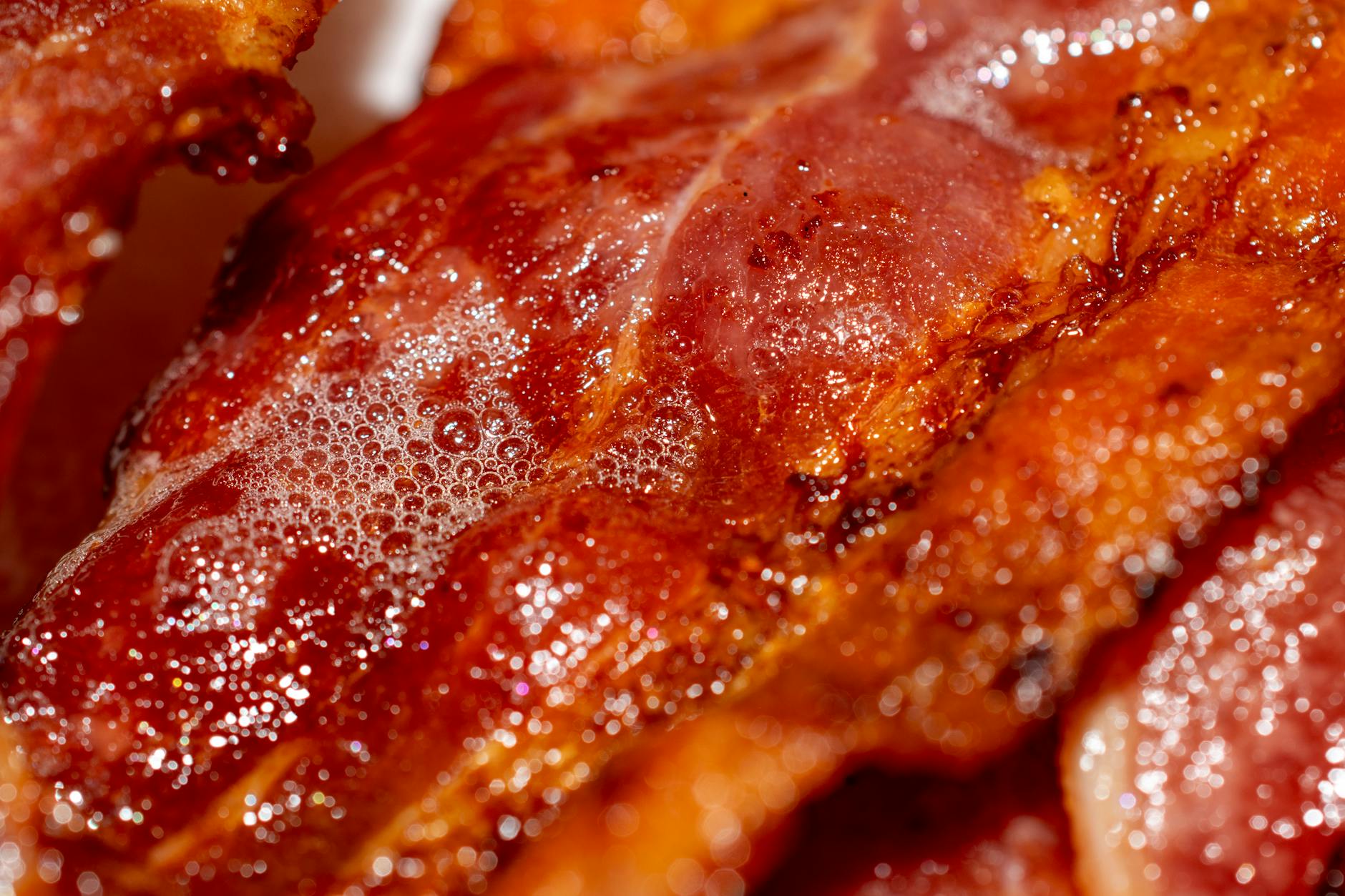
Very fatty meals can trigger migraines by slowing digestion and affecting blood sugar levels. High-fat foods may also increase histamine release in the body. Heavy, fatty foods consumed in large quantities are more problematic than moderate amounts of healthy fats. The time lag between eating fatty foods and migraine onset can range from hours to the next day. Balancing fat intake with adequate protein and whole grains may help prevent fat-related migraine triggers.
Spicy Foods
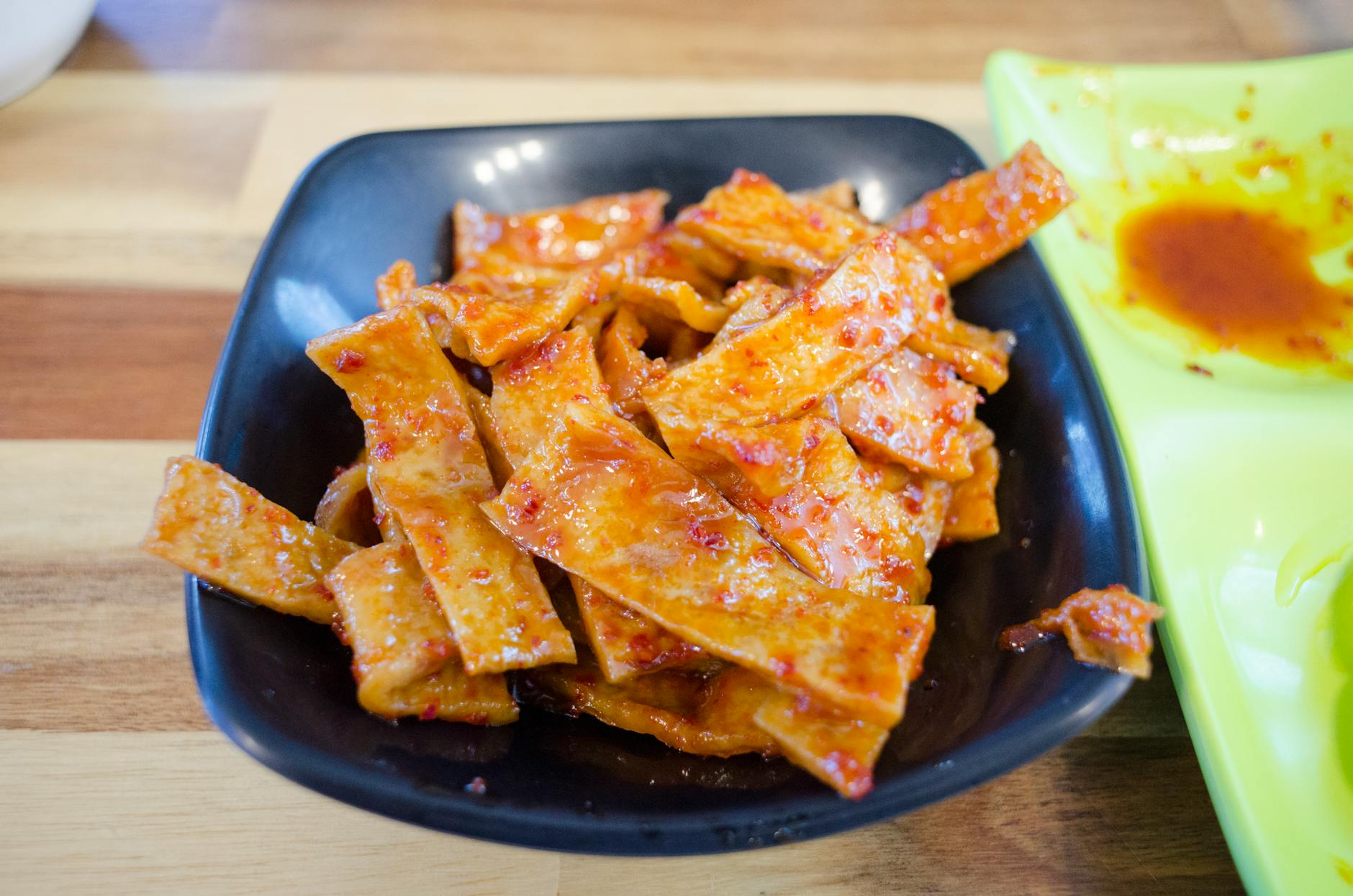
Hot peppers and very spicy foods can trigger migraines through capsaicin’s effects on blood vessels and pain perception. The intensity of heat correlates with migraine trigger intensity for many individuals. Some people experience mild tingling while others develop severe migraines from the same level of spiciness. Gradually reducing spice level in foods may help determine your personal threshold. For spice lovers with migraine sensitivity, finding milder varieties may allow continued enjoyment of flavorful foods.
Licorice

Licorice and licorice-flavored products can trigger migraines through multiple mechanisms affecting blood pressure and electrolyte balance. Even moderate consumption of licorice can trigger migraines in sensitive individuals. Anise and fennel, which have similar flavors, may also trigger migraines through related compounds. Black licorice contains more of the active compounds than red varieties. Avoiding licorice-flavored products and checking candy and tea ingredients can prevent this trigger.
Corn Products
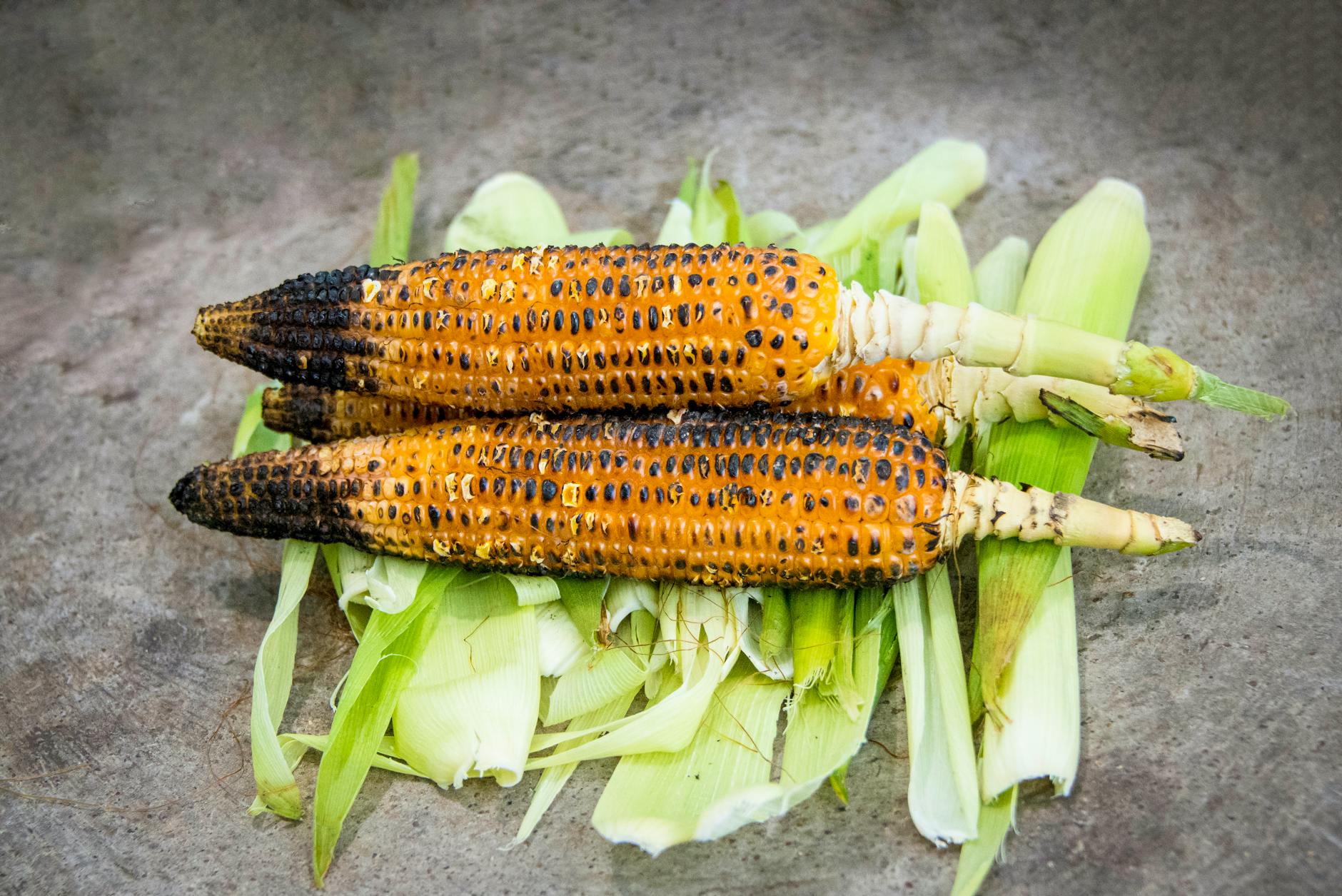
Corn, corn syrup, and corn-based products may trigger migraines through compounds developed during processing and storage. Corn oil used in many processed foods may contribute to migraine onset for some individuals. High fructose corn syrup appears in numerous packaged foods and beverages. Fresh corn on the cob may be tolerated better than processed corn products. Reading labels and identifying corn-based ingredients can help reduce exposure to this potential trigger.
Dairy Products
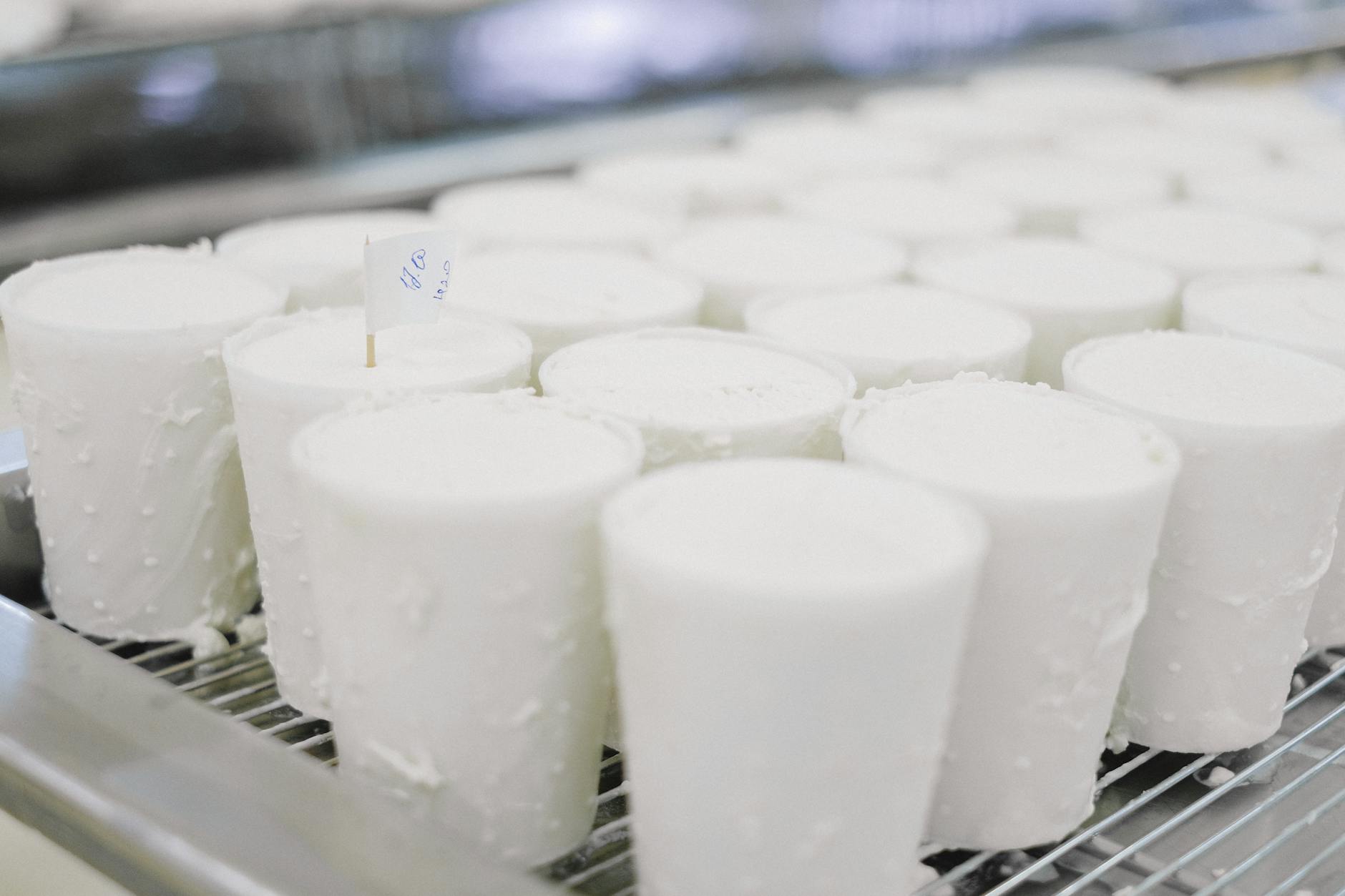
While not all dairy triggers migraines, aged dairy products and some individuals’ reaction to lactose or casein can spark headaches. Milk, particularly in large quantities, may trigger migraines in some people. Cream and high-fat dairy products are more likely to trigger migraines than low-fat varieties. Fermented dairy like certain yogurts and cheeses develop tyramine during production. Experimenting with different dairy types and quantities can clarify whether dairy is a personal trigger.
Sugar and Sweets

Refined sugar and sugary desserts cause blood sugar fluctuations that can trigger migraines in many individuals. The rapid spike and crash of blood sugar creates conditions favorable for migraine onset. Foods high in refined sugar often contain multiple other migraine triggers including artificial sweeteners and additives. Consuming sweets with protein and healthy fats can moderate blood sugar impact. Reducing refined sugar intake while choosing whole fruits and complex carbohydrates may significantly reduce migraine frequency.
Which of these foods do you think might be triggering your migraines, and have you noticed any patterns in your diet that coincide with your headaches? Share your personal food triggers and discoveries in the comments.