Reaching the age of fifty often marks a pivotal moment for reevaluating dietary habits to preserve cardiovascular longevity. The metabolism naturally slows down while the risk for high blood pressure and cholesterol increases significantly during this decade of life. Cardiologists emphasize that foods tolerated in younger years can suddenly become dangerous triggers for inflammation and arterial plaque buildup. Eliminating specific processed and high-fat items helps maintain arterial flexibility and reduces the workload on the aging heart. Making these distinct nutritional adjustments serves as a powerful strategy for preventing heart disease and maintaining vitality.
Processed Deli Meats
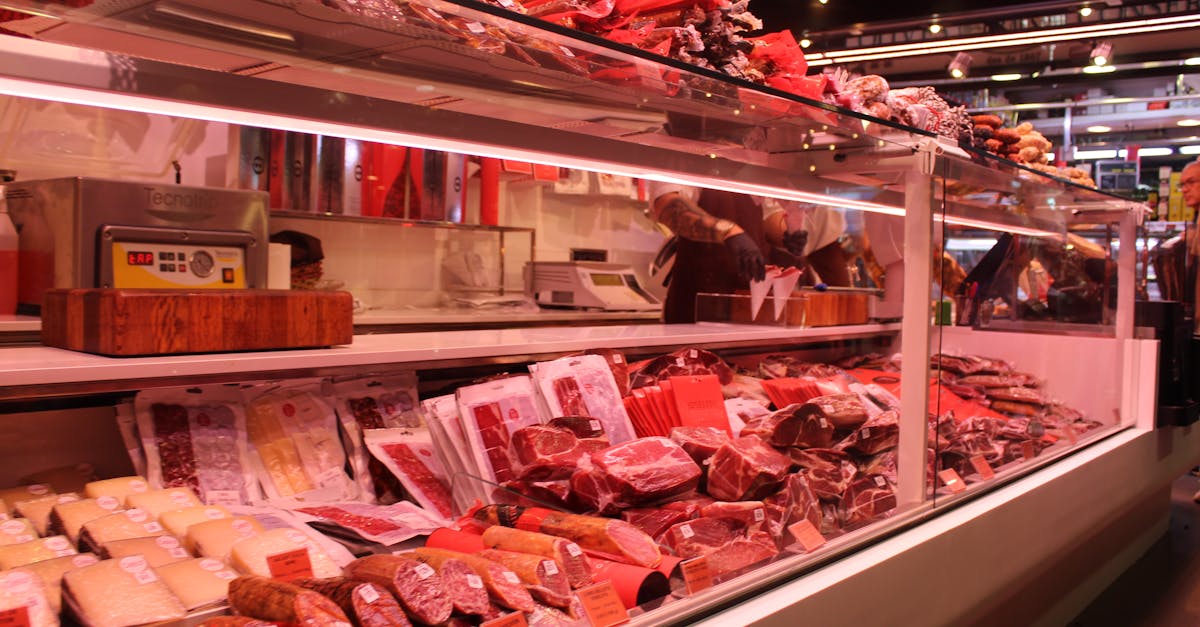
Lunch meats such as turkey or ham often appear healthy but usually contain massive amounts of sodium used for preservation. The nitrates and nitrites found in these slices can damage blood vessels and lead to arterial hardening over time. High salt content forces the body to hold onto water which places unnecessary pressure on the heart walls. Cardiologists frequently cite processed meats as a primary contributor to hypertension in older adults.
Fried Chicken

Deep frying chicken in unstable vegetable oils creates trans fats that actively raise bad LDL cholesterol levels. The breading acts as a sponge that soaks up grease and adds significant caloric density to the meal. Consuming fried foods regularly is linked to a higher risk of heart failure and obesity. The high heat of frying also produces advanced glycation end products that increase oxidative stress and inflammation throughout the cardiovascular system.
Sugary Soda

Regular consumption of sugar-sweetened beverages leads to rapid insulin spikes that can damage the lining of blood vessels. The immense amount of added sugar promotes chronic inflammation and contributes to the accumulation of dangerous visceral fat. Drinking calories provides no satiety and often leads to weight gain which stresses the heart. Diet soda is not a perfect alternative as artificial sweeteners may also disrupt metabolism and gut health.
Donuts

These popular pastries are a triple threat of refined flour and sugar and unhealthy fats. The frying process introduces trans fats while the glaze adds a significant glycemic load that shocks the system. Eating donuts for breakfast sets a pattern of blood sugar volatility that persists throughout the day. This combination promotes plaque formation in the arteries and offers zero nutritional value to support heart function.
Margarine
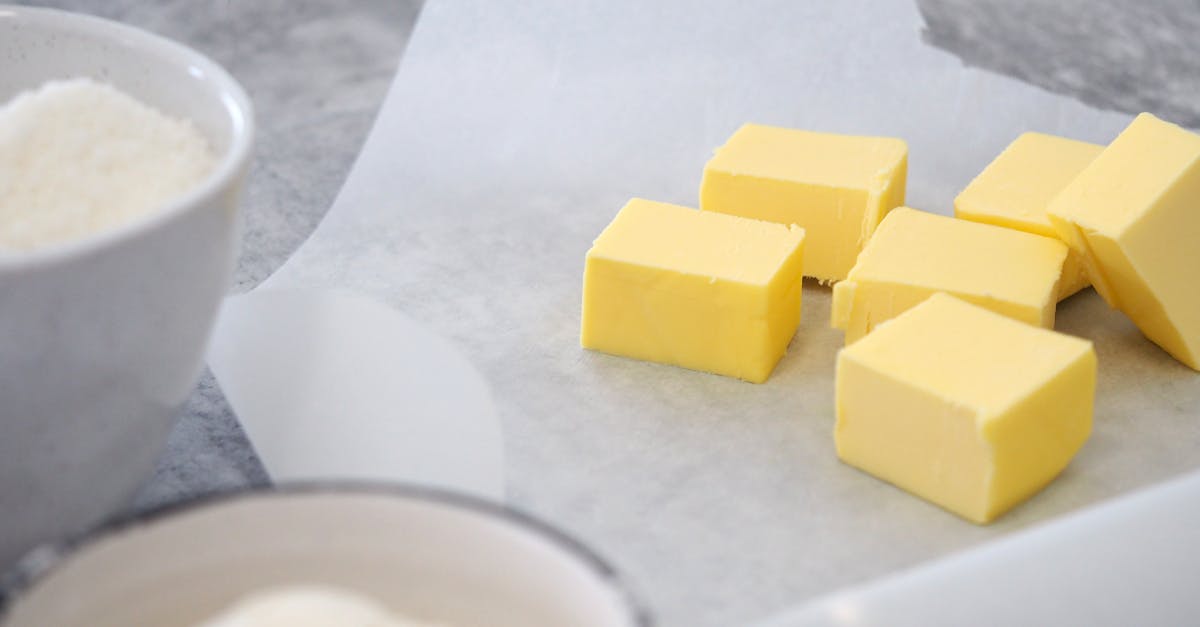
Many stick margarines still rely on hydrogenated oils which are the primary source of synthetic trans fats. These fats are notoriously difficult for the body to process and actively lower good HDL cholesterol while raising bad LDL levels. Replacing butter with stick margarine was once advised but is now known to be hazardous for arterial health. Cardiologists recommend using olive oil or avocado oil instead of these solidified vegetable oil products.
Canned Soup

Store-bought soups are convenient but serve as one of the stealthiest sources of dietary sodium in the modern diet. A single can often contains more salt than the recommended daily limit for an entire day. Excess sodium constricts blood vessels and forces the heart to pump harder to circulate blood effectively. Choosing homemade soups or low-sodium varieties helps mitigate this unnecessary cardiovascular strain.
Potato Chips

Commercial potato chips are typically fried in processed oils and heavily dusted with salt and artificial flavorings. The combination of simple carbohydrates and fat creates a highly addictive profile that makes portion control difficult. Regular consumption contributes to weight gain and elevated triglyceride levels in the blood. The high sodium content poses an immediate risk for those managing blood pressure issues.
Frozen Pizza

The average frozen pizza is loaded with sodium in the dough and the sauce and the cheese and the cured meat toppings. Preservatives are added to maintain shelf life but these chemicals can trigger inflammation in sensitive individuals. The refined white flour crust converts rapidly to sugar in the bloodstream and spikes insulin levels. Eating this processed meal regularly provides a concentrated dose of saturated fat and salt that burdens the heart.
Hot Dogs

These processed sausages are packed with sodium and nitrates and saturated fats that are detrimental to heart health. The meat used is often of lower quality and highly processed before being encased. Regular consumption of cured meats like hot dogs has a strong correlation with an increased incidence of heart disease. The bun adds simple carbohydrates that further contribute to poor metabolic health.
White Bread

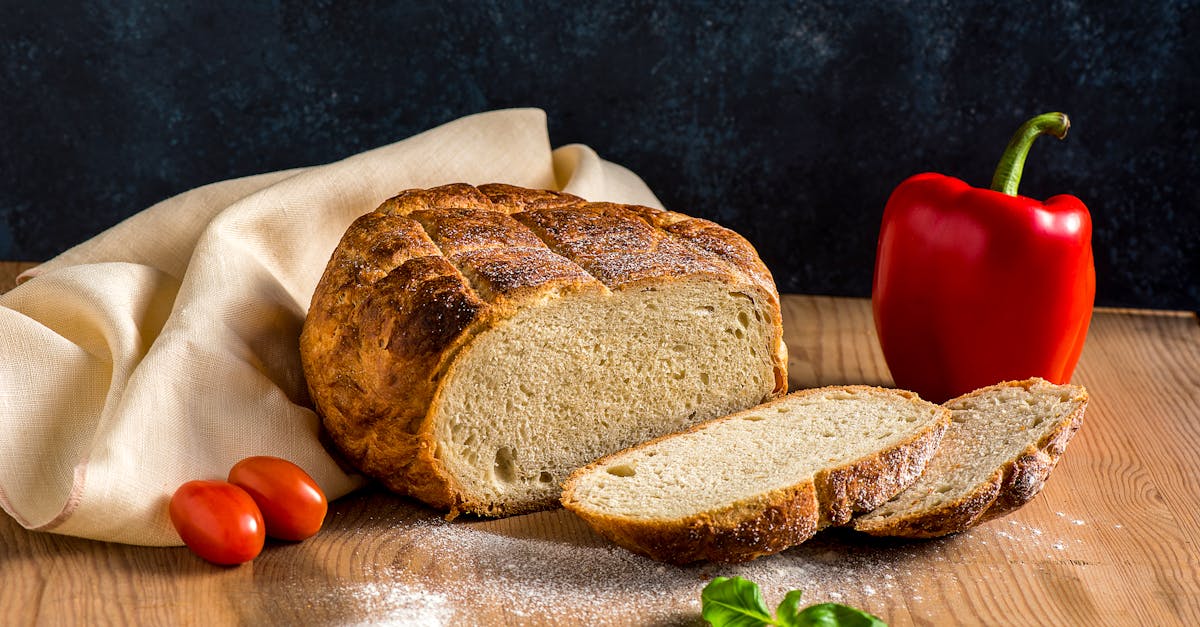
Refined white bread lacks the fiber and nutrients found in whole grains which act as a buffer for blood sugar absorption. Eating white bread causes rapid glucose spikes that can contribute to insulin resistance over time. High blood sugar damages the nerves and blood vessels that control the heart. Switching to whole grain or sourdough options provides better sustained energy without the cardiovascular stress.
Ice Cream

Full-fat ice cream is extremely high in sugar and calories and saturated fat from heavy cream. This dessert can cause a surge in triglycerides which are fat lipids found in the blood. Carrying excess weight around the midsection is a major risk factor for heart disease that ice cream exacerbates. Occasional treats are generally safe but frequent bowls can lead to significant metabolic disruption.
Energy Drinks

These beverages contain concentrated caffeine and stimulants that can cause rapid heart rate and high blood pressure. The added herbal ingredients may interact poorly with common heart medications prescribed to people over fifty. High sugar content in non-diet versions adds to the inflammatory load on the body. Cardiologists warn that energy drinks can trigger arrhythmias in those with underlying heart conditions.
Movie Theater Popcorn

The popcorn served at theaters is popped in coconut oil or synthetic butter alternatives that are comprised almost entirely of saturated fat. A large bucket can contain several days worth of the recommended limit for saturated fat and sodium. The artificial butter flavoring typically contains chemicals that are not beneficial for lung or heart health. This snack represents a caloric bomb that promotes immediate arterial stiffening.
Ranch Dressing

Creamy commercial dressings are often based on soybean oil and buttermilk and contain high levels of saturated fat. The sodium content in a standard serving size is deceptively high and most people use far more than two tablespoons. Added sugar and preservatives are frequently included to enhance flavor and shelf stability. Using olive oil and vinegar is a far superior choice for maintaining lipid profiles.
Instant Noodles

Instant ramen blocks are pre-fried in palm oil which is high in saturated fat before they are dried and packaged. The seasoning packets are essentially pure sodium and artificial flavor enhancers like MSG. This meal offers almost no protein or fiber to slow down the digestion of the simple carbohydrates. Regular consumption is linked to cardiometabolic syndrome in older adults.
Ketchup

Most commercial ketchup brands are composed of roughly one-third sugar by volume. The high fructose corn syrup used as a sweetener drives inflammation and can elevate triglyceride levels. Using large amounts of ketchup can turn a savory meal into a high-sugar event without the consumer realizing it. Lower sugar alternatives or fresh salsa provide flavor without the metabolic spike.
Bottled Smoothies

Pre-packaged smoothies frequently contain fruit purees and juices that strip away the beneficial fiber found in whole fruit. The result is a concentrated sugar drink that impacts blood glucose similarly to a soda. Many brands add extra syrups or juices to enhance sweetness which drastically increases the calorie count. Drinking calories makes it easier to overconsume energy and gain visceral fat.
White Rice

Like white bread this grain has been stripped of its bran and germ where most of the nutrients reside. It acts as a simple carbohydrate that is digested quickly and raises blood sugar levels rapidly. A diet high in refined grains is associated with higher risks of heart disease and type 2 diabetes. Brown rice or quinoa or cauliflower rice are better alternatives for cardiovascular stability.
Fruit Juice

Drinking juice delivers a massive amount of fruit sugar immediately to the liver without the fiber to regulate absorption. This rapid influx can lead to fatty liver disease and increased insulin resistance over time. Many commercial juices are also pasteurized in a way that destroys heat-sensitive vitamins. Eating the whole fruit is always preferred by heart specialists to obtain the necessary fiber.
Excessive Alcohol

Drinking heavily weakens the heart muscle and can lead to a condition known as dilated cardiomyopathy. Alcohol acts as a toxin that raises blood pressure and contributes to irregular heartbeats like atrial fibrillation. The empty calories in alcoholic beverages promote weight gain and increase triglyceride levels. Moderation is key but abstinence is often recommended for those with existing heart concerns.
Ribeye Steak

Red meat like ribeye is marbled with high amounts of saturated fat that can raise cholesterol levels. The heme iron found in red meat may damage the lining of the heart when consumed in excess. Regular intake of fatty steaks is linked to higher levels of trimethylamine N-oxide which is a substance produced by gut bacteria that hardens arteries. Leaner cuts or plant-based proteins are gentler on the aging cardiovascular system.
Stick Butter

While butter is a natural product it remains very high in saturated fat which can elevate LDL cholesterol. People over fifty often have a reduced ability to metabolize these dense fats efficiently. Cooking with butter adds significant calories and fat to otherwise healthy vegetables or lean meats. Using liquid vegetable oils provides beneficial unsaturated fats that support heart health.
Flavored Coffee Creamer

Non-dairy creamers are often a mixture of water and sugar and vegetable oil and thickeners. They frequently contain trans fats or hydrogenated oils to create a creamy texture without dairy. The sugar content in flavored varieties can turn a morning coffee into a dessert-like beverage. These highly processed additives promote inflammation and offer no nutritional benefit.
Bagels
A dense bakery bagel can contain as many carbohydrates as four or five slices of white bread. The massive glycemic load requires the pancreas to pump out large amounts of insulin to manage blood sugar. Most bagels are low in fiber and leave the consumer feeling hungry again shortly after eating. This cycle of spiking and crashing blood sugar is stressful for the cardiovascular system.
Muffins

Commercial muffins are essentially cake without the frosting and are often loaded with vegetable oils and sugar. They are frequently oversized and can contain more calories than a typical meal. The lack of protein and fiber means they digest rapidly and contribute to insulin resistance. Making smaller muffins at home with whole wheat flour is a safer option.
Candy Bars

Chocolate bars are packed with added sugars and saturated fats from cocoa butter or milk fat. They provide a quick energy burst followed by a crash that strains the metabolic system. The combination of fat and sugar is particularly damaging to arterial health when consumed frequently. Dark chocolate with high cocoa content is a better alternative due to its antioxidants.
Flavored Yogurt

Many yogurts marketed as healthy are filled with fruit jams or syrups that contain excessive amounts of added sugar. Some brands contain as much sugar as a candy bar which negates the benefits of the probiotics. The rapid absorption of these sugars can spike insulin levels and promote inflammation. Plain Greek yogurt with fresh berries is a superior choice for protein and calcium.
Canned Vegetables with Added Salt

While vegetables are essential the canned varieties are often preserved in salty brine to maintain texture. Consuming these regularly adds hidden sodium to the diet that can interfere with blood pressure medication. The canning process can also degrade some heat-sensitive vitamins compared to frozen or fresh options. Rinsing canned vegetables thoroughly can help reduce the sodium load significantly.
Chinese Takeout (General Tso’s Chicken)

Americanized Chinese dishes are often battered and deep-fried and tossed in sugary sauces. A single entree can contain an entire day’s worth of sodium and saturated fat. The sauces are typically thickened with cornstarch and sugar which raises blood glucose. Steamed options with sauce on the side allow for better control over salt and sugar intake.
BBQ Sauce

Barbecue sauce is another condiment that relies heavily on sugar or molasses and high fructose corn syrup. It is easy to consume large quantities when basting meats or using it as a dip. The high sugar content creates advanced glycation end products when the sauce is charred on the grill. Dry rubs are a heart-healthy alternative that add flavor without the metabolic baggage.
Granola Bars

Many granola bars are held together by syrups and honey and contain chocolate chips or sugary coatings. They are often marketed as health food but nutritionally resemble cookies. The processed grains and added sugars provide empty calories that do not sustain energy levels. checking labels for low sugar and high fiber content is essential when choosing these snacks.
Pancake Syrup

Most table syrups are not real maple syrup but rather high fructose corn syrup with artificial caramel coloring. This highly processed sweetener spikes blood sugar faster than almost any other food item. It promotes fatty liver and increases visceral fat storage around the organs. Real maple syrup contains some minerals but should still be used sparingly due to sugar content.
Biscuits and Gravy

This traditional breakfast combines refined white flour biscuits with a sausage-based cream gravy. It represents a massive load of saturated fat and sodium and simple carbohydrates in one meal. The lack of fiber and high calorie count places immense stress on the digestive and cardiovascular systems. This dish is notoriously difficult for the body to process without raising blood lipid levels.
Bacon Cheeseburgers

Combining red meat and processed cheese and salty bacon creates a saturated fat bomb. The bun adds refined carbohydrates while the condiments add hidden sugar and sodium. This meal engages multiple mechanisms that damage heart health including cholesterol elevation and blood pressure spikes. Plant-based burgers or turkey burgers on whole grain buns offer a less damaging profile.
Milkshakes

A milkshake combines ice cream and milk and often added syrups to create a drink with massive caloric density. The saturated fat content can be staggering and the sugar levels are often three times the daily limit. Consuming liquid calories prevents the body from registering fullness signals leading to overconsumption. This treat creates an immediate inflammatory response in the blood vessels.
Pepperoni

Pepperoni is a cured meat that is extremely high in sodium and saturated fat. It typically contains nitrates and preservatives that are linked to cellular damage. The high fat content contributes to elevated LDL cholesterol and arterial plaque accumulation. Using vegetables or lean chicken as pizza toppings drastically reduces the heart health risk.
Nachos
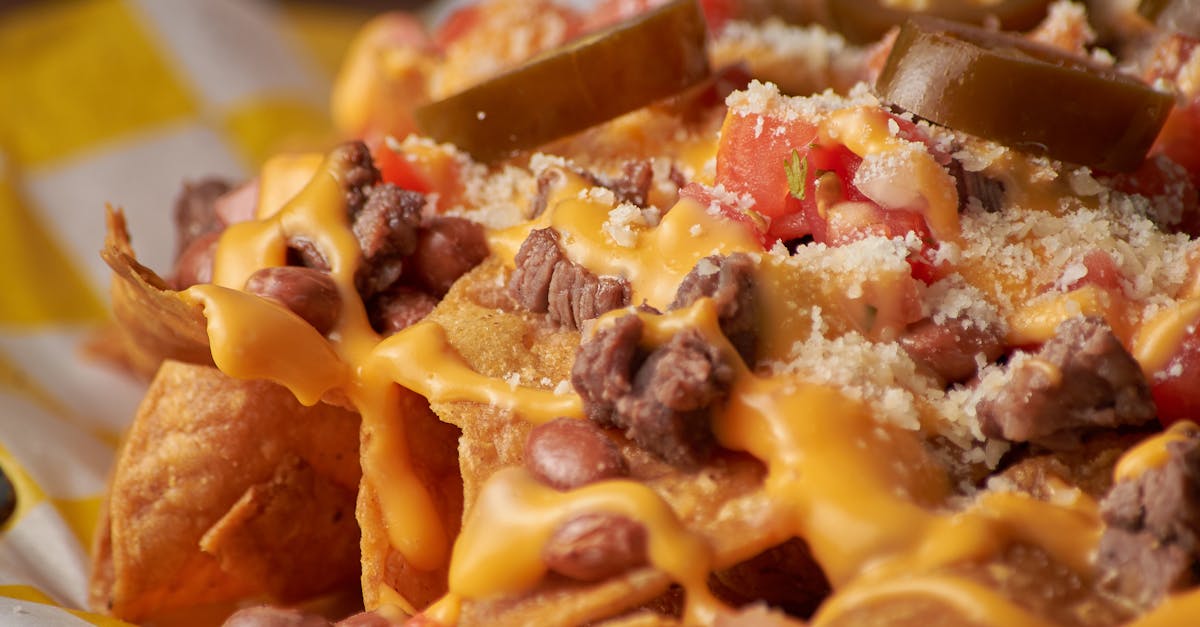
Restaurant nachos are piled high with fried tortilla chips and melted cheese and sour cream and fatty meats. The sodium content is often astronomical due to the chips and the cheese sauce. This dish encourages overeating due to its hyper-palatable combination of salt and fat. The caloric load creates immediate metabolic stress that the aging body struggles to manage.
Croissants

These flaky pastries are made by layering dough with substantial amounts of butter. The result is a product that is almost entirely refined flour and saturated fat. They offer very little nutritional value and can contribute to high cholesterol levels. Whole grain toast or English muffins are far better choices for maintaining heart health.
Deep Dish Pizza

The thick crust of deep dish pizza adds extra refined carbohydrates while the deep pan allows for excessive cheese and meat fillings. A single slice can contain more calories and sodium than a standard burger. The sheer volume of cheese provides a heavy dose of saturated fat that burdens the arteries. Thin crust with vegetable toppings is a more moderate approach to enjoying pizza.
Bacon

Bacon is perhaps the most iconic high-risk food due to its concentration of salt and saturated fat and nitrates. Even small amounts can temporarily impair blood vessel function and blood flow. The preservatives used are known carcinogens and cardiovascular irritants. Turkey bacon may have less fat but often still contains high levels of sodium and nitrates.
Share your thoughts on which of these foods you find hardest to give up in the comments.