Hormones influence nearly every function in the body, from mood and metabolism to sleep and reproductive health. The foods you eat every day play a powerful role in either supporting or disrupting that delicate internal balance. Certain nutrients act as building blocks for hormone production while others help the body clear excess hormones efficiently. A diet rich in the right whole foods can create the conditions your endocrine system needs to thrive. Read on to discover 35 foods that nutritional science consistently links to healthier, more balanced hormone levels.
Flaxseeds

Flaxseeds are one of the richest plant sources of lignans, a type of phytoestrogen that helps modulate estrogen activity in the body. When estrogen levels run too high or too low, lignans act as a natural buffer by binding to estrogen receptors and regulating the hormone’s effects on tissue. Ground flaxseeds are far more bioavailable than whole seeds, making them easier for the body to absorb and use. Stirring a tablespoon into oatmeal, smoothies, or yogurt is a simple way to work them into a daily routine. Their high fiber content also supports the gut’s ability to eliminate used hormones before they can be reabsorbed.
Broccoli
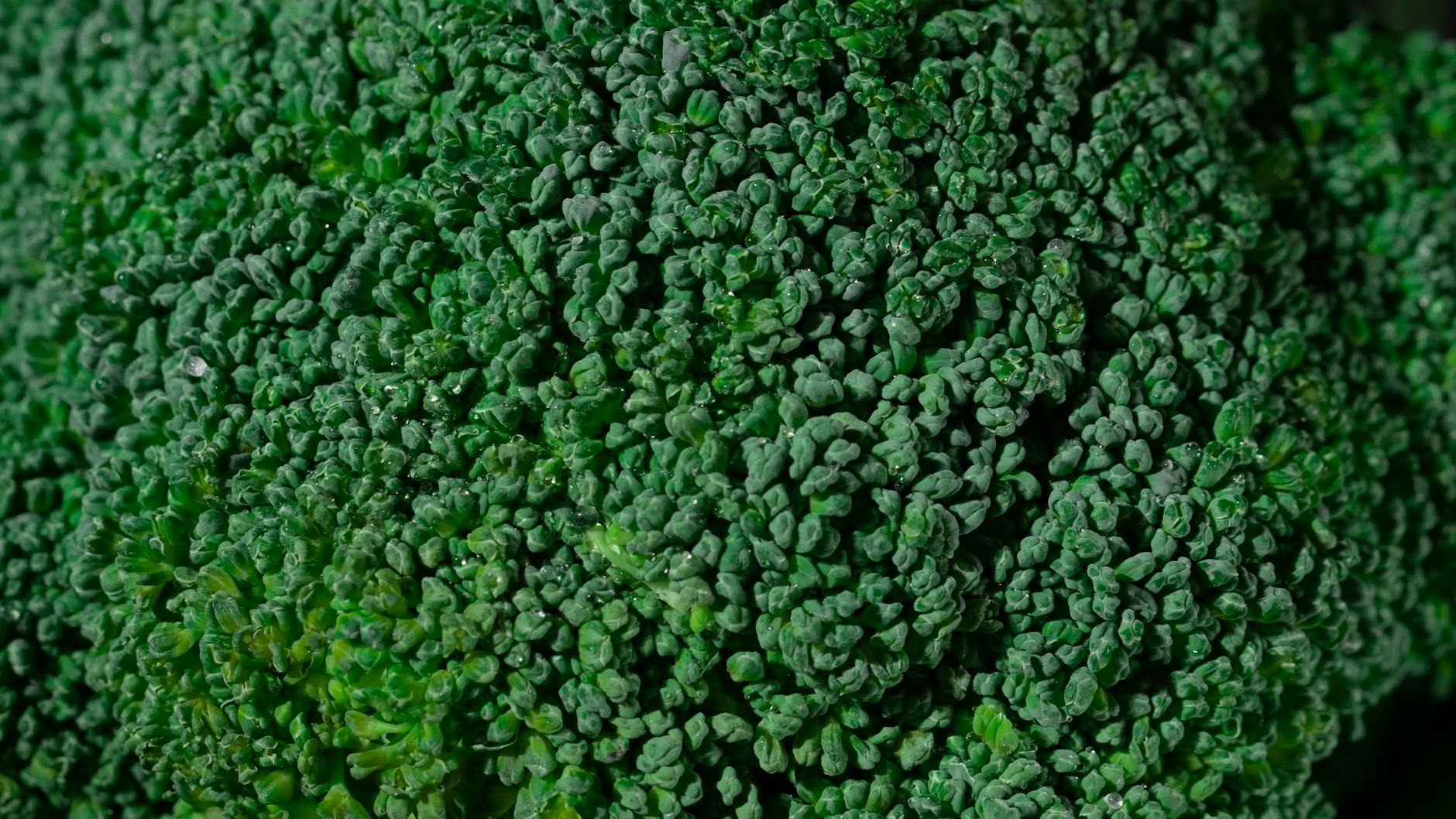
Broccoli belongs to the cruciferous vegetable family and contains a compound called indole-3-carbinol, which the body converts into a metabolite that supports healthy estrogen detoxification. This process helps the liver break down estrogen into less potent forms that can be safely eliminated. Regular consumption has been linked to reduced risk of estrogen-related imbalances that can affect energy, weight, and cycle regularity. Broccoli also supplies sulforaphane, an antioxidant that protects hormone-producing glands from oxidative stress. Lightly steaming it preserves more of these active compounds compared to boiling.
Avocado
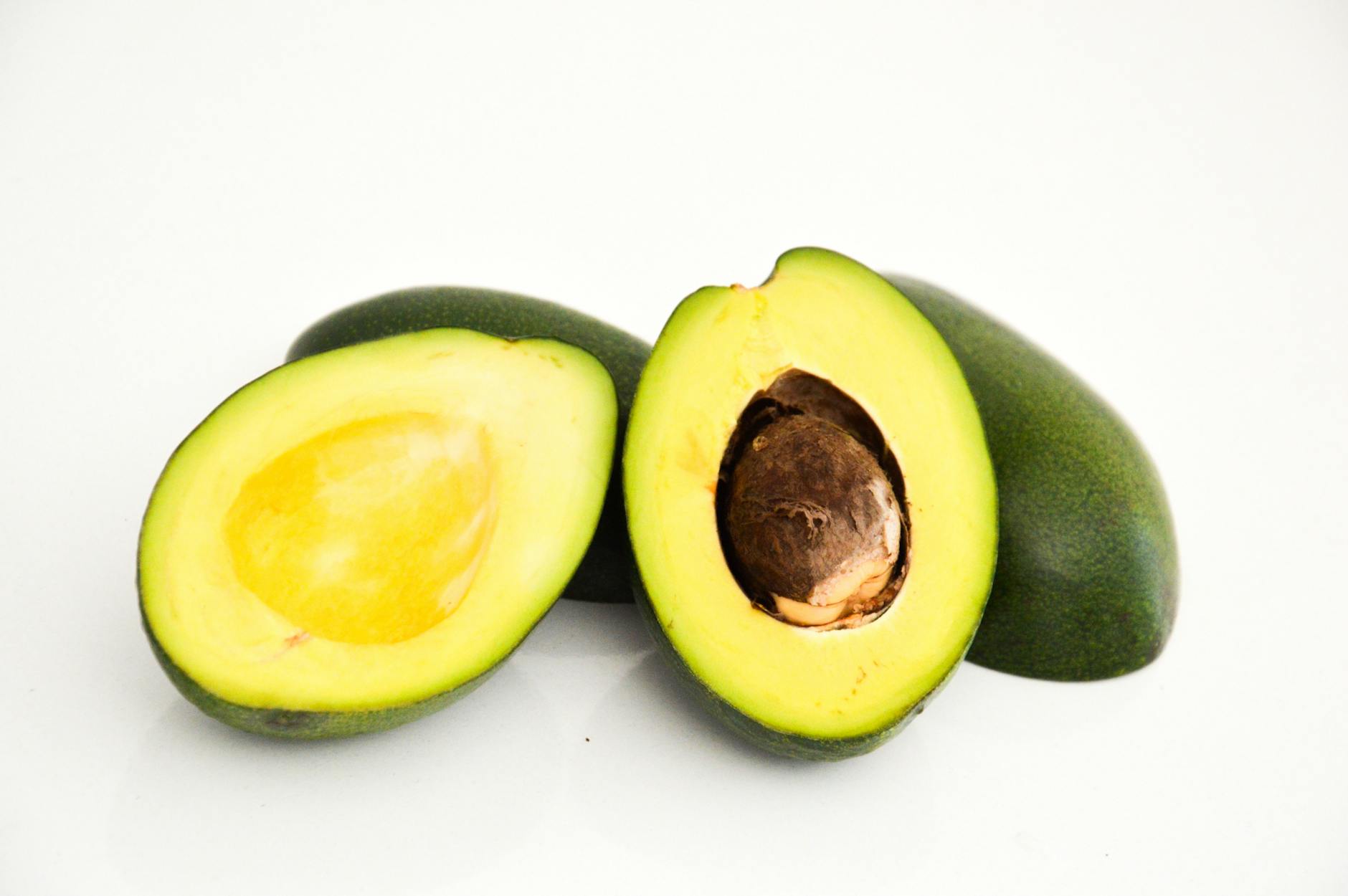
Avocado is loaded with healthy monounsaturated fats that serve as essential raw materials for producing steroid hormones including estrogen, testosterone, and cortisol. Without adequate dietary fat, the body struggles to synthesize these hormones in sufficient quantities. Avocados also supply beta-sitosterol, a plant sterol that has been shown to help modulate cortisol levels following physical or emotional stress. Their potassium content supports adrenal function, which governs the body’s stress response system. Adding half an avocado to meals several times a week provides a consistent foundation for hormonal production.
Salmon
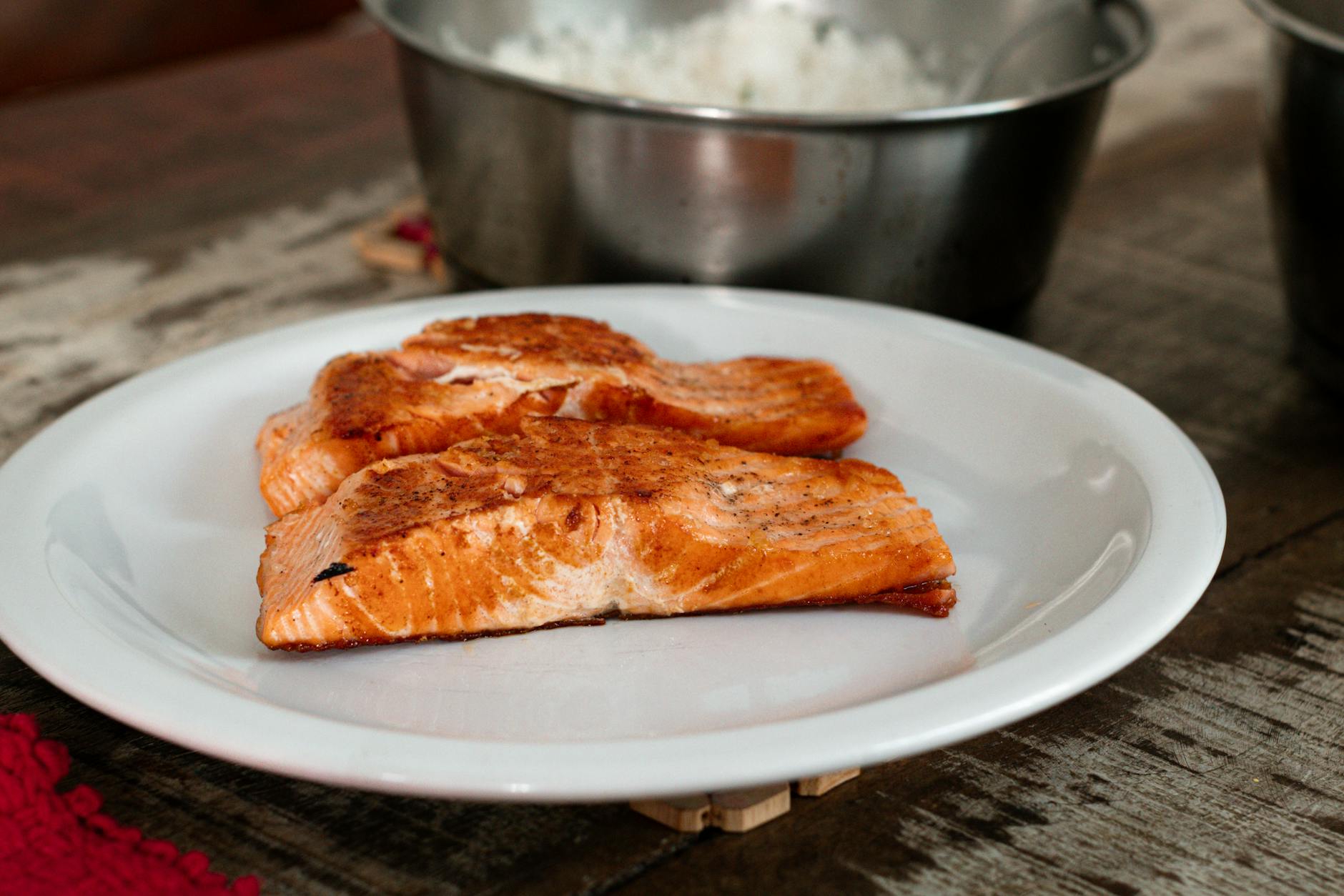
Salmon is an exceptional source of omega-3 fatty acids, particularly EPA and DHA, which help reduce the systemic inflammation that can interfere with hormone signaling. Chronic inflammation is a known disruptor of insulin sensitivity and can impair the function of the thyroid and adrenal glands. The high protein content in salmon also supports the liver’s detoxification pathways, which are critical for clearing spent hormones from the body. Wild-caught salmon tends to offer a cleaner nutritional profile with fewer contaminants than farmed varieties. Consuming it two to three times per week is a well-supported dietary strategy for endocrine health.
Walnuts
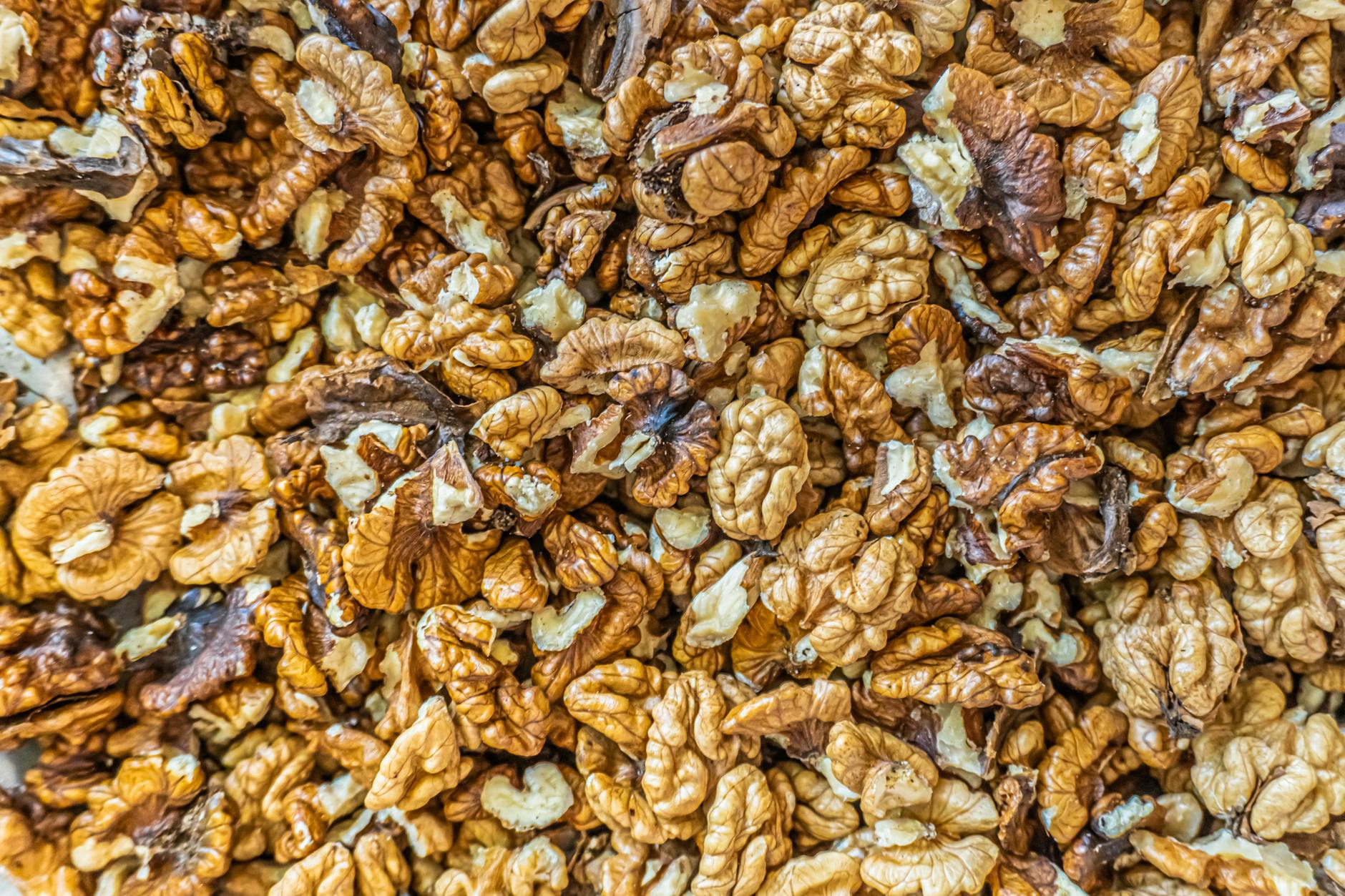
Walnuts provide a plant-based source of omega-3 fatty acids along with melatonin and magnesium, making them uniquely supportive of both hormonal balance and sleep quality. Magnesium plays a direct role in regulating cortisol and has been shown to support insulin sensitivity in multiple studies. The melatonin naturally present in walnuts may help reinforce the body’s circadian rhythm, which in turn supports healthy production of growth hormone during sleep. Walnuts also contain polyphenols that support gut microbiome diversity, and gut health is increasingly recognized as central to hormone regulation. A small handful as an evening snack is one of the simplest ways to support overnight hormonal restoration.
Eggs

Eggs are one of the most complete and bioavailable sources of nutrition for hormonal health, supplying cholesterol, which is the direct precursor to all steroid hormones. Without sufficient dietary cholesterol, the body cannot produce adequate amounts of progesterone, estrogen, or testosterone. Egg yolks are particularly rich in choline, a nutrient that supports liver function and helps the body process and excrete excess hormones. They also provide iodine and selenium, two trace minerals essential for thyroid hormone synthesis and conversion. Consuming whole eggs regularly gives the endocrine system a broad spectrum of the nutrients it relies on most.
Pumpkin Seeds
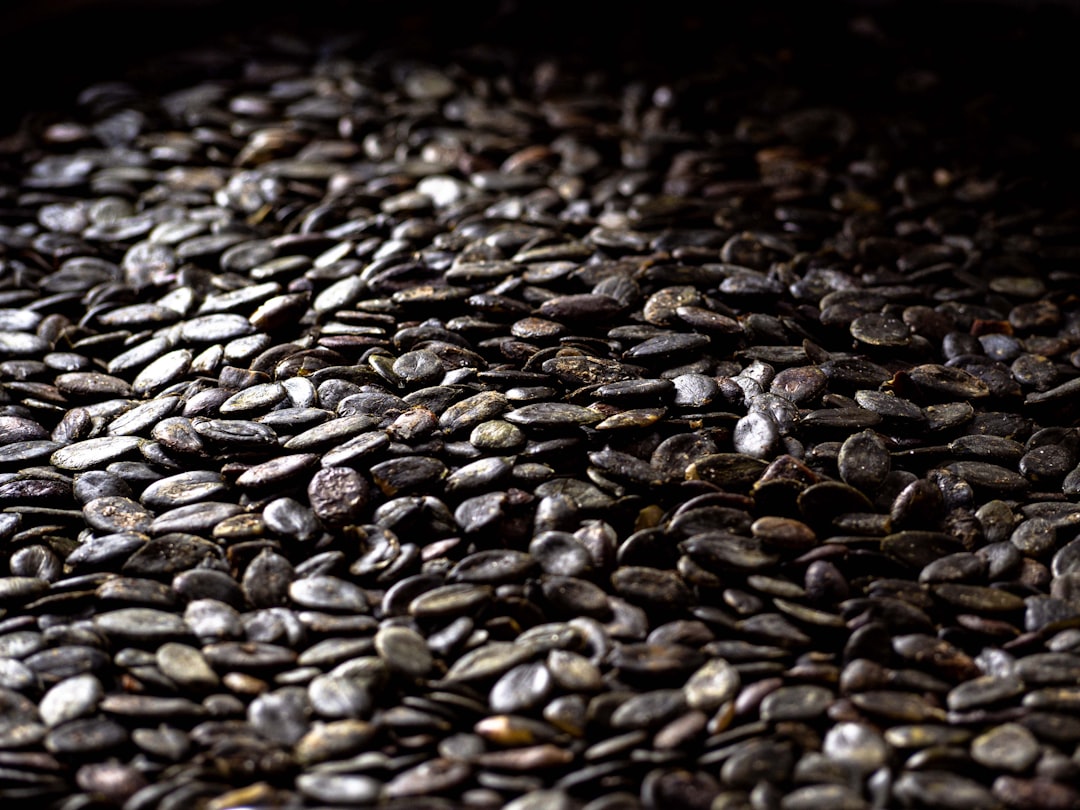
Pumpkin seeds are one of the best dietary sources of zinc, a mineral that plays a central role in the production and regulation of reproductive hormones including testosterone and progesterone. Zinc deficiency has been associated with irregular menstrual cycles, low testosterone, and impaired thyroid function. These seeds also contain magnesium and healthy fats that work alongside zinc to support adrenal health and insulin regulation. Their high tryptophan content supports serotonin production, which influences mood and the downstream balance of stress hormones. Sprinkling them over salads, soups, or roasted vegetables makes them an easy daily addition.
Maca Root

Maca root is an adaptogenic plant from the Peruvian Andes that has been studied for its ability to support the hypothalamic-pituitary axis, which coordinates the body’s master hormone signals. Rather than directly introducing hormones, maca appears to support the glands that produce them, helping the body self-regulate more effectively. Research has linked maca supplementation to improvements in energy, libido, mood, and cycle regularity in both men and women. It is most commonly consumed as a powder blended into smoothies or warm drinks. Consistent daily use over several weeks tends to yield the most noticeable results.
Olive Oil
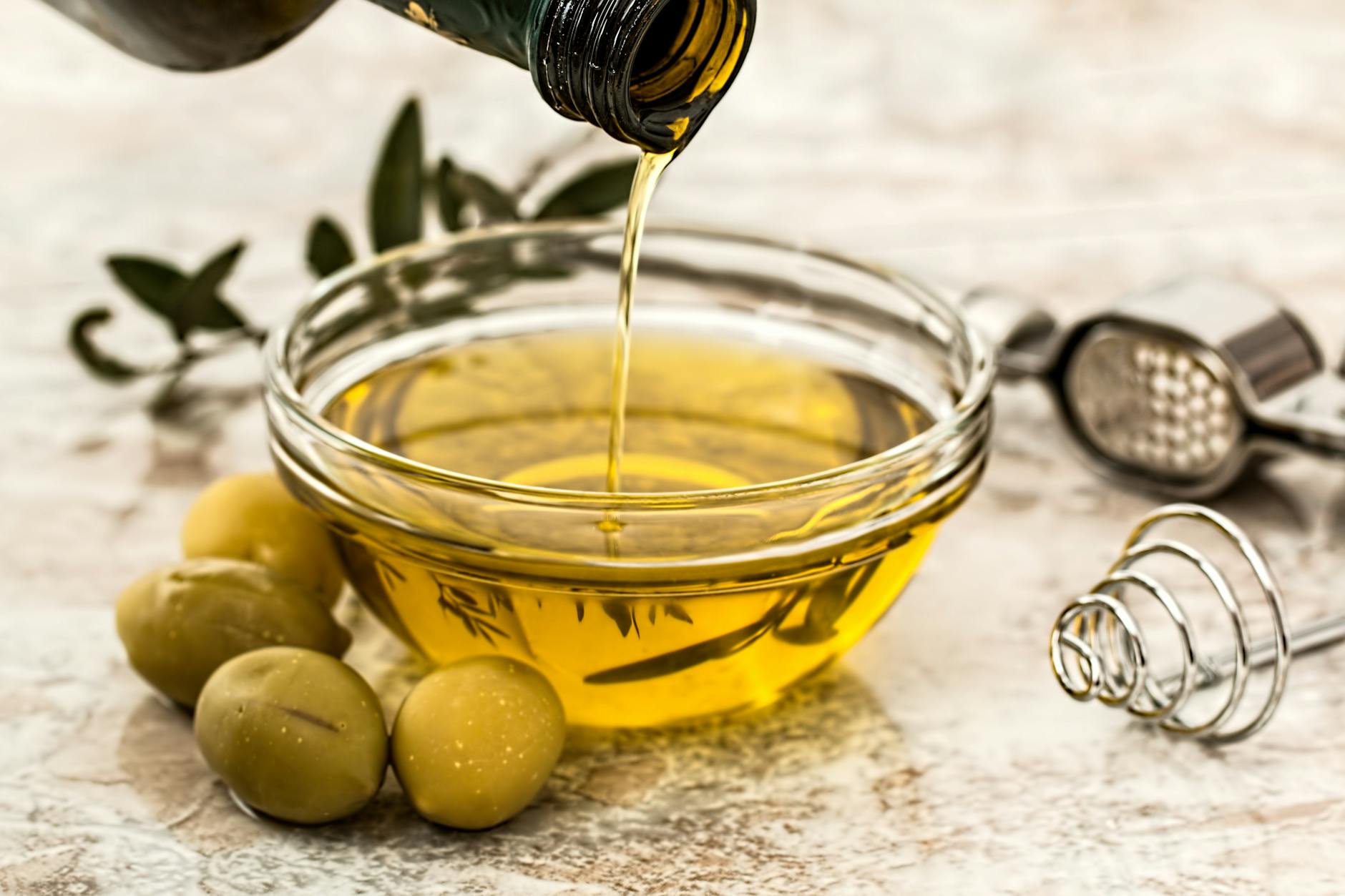
Extra virgin olive oil is rich in oleocanthal, a natural anti-inflammatory compound that helps protect hormone receptors from damage caused by chronic inflammation. Healthy fat intake from olive oil also supports the absorption of fat-soluble vitamins like vitamin D, which acts as a hormone itself and influences a wide range of endocrine functions. The oleic acid in olive oil supports the production of adiponectin, a hormone secreted by fat cells that helps regulate insulin sensitivity and metabolic function. Using it as a primary cooking and dressing fat is one of the most impactful dietary shifts for hormonal wellbeing. Cold-pressed, unfiltered varieties retain the highest concentration of beneficial polyphenols.
Leafy Greens
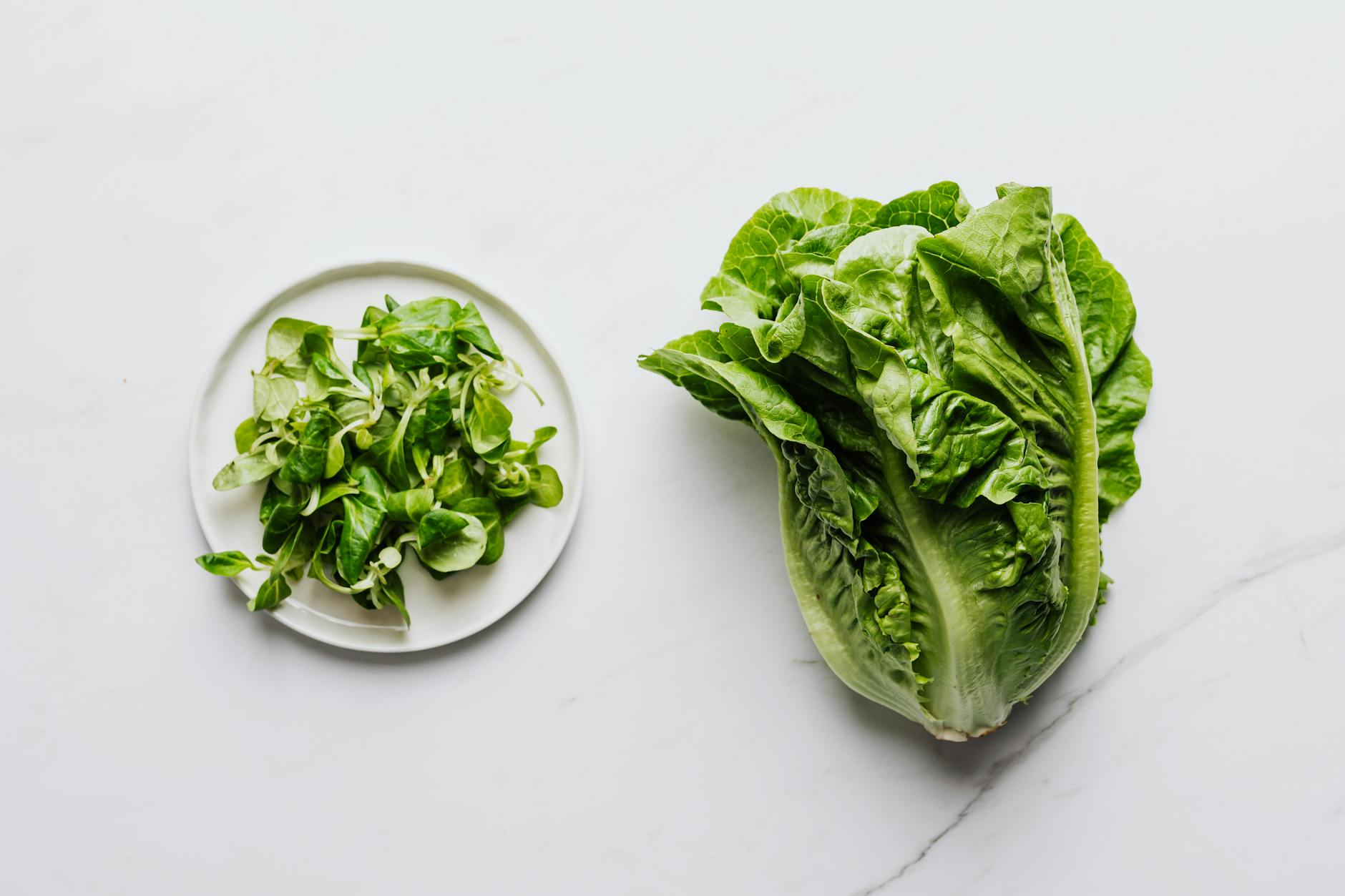
Dark leafy greens such as spinach, kale, and Swiss chard are rich in magnesium, folate, and chlorophyll, all of which support liver detoxification and hormone clearance. Magnesium is involved in over 300 enzymatic reactions in the body, including the regulation of cortisol and insulin. Folate is particularly important for methylation, a biochemical process that helps the liver metabolize and eliminate excess estrogen. The fiber in leafy greens also feeds beneficial gut bacteria that play a role in the enterohepatic circulation of hormones. Eating a generous serving of cooked or raw greens daily provides consistent support for the body’s hormonal housekeeping systems.
Chickpeas
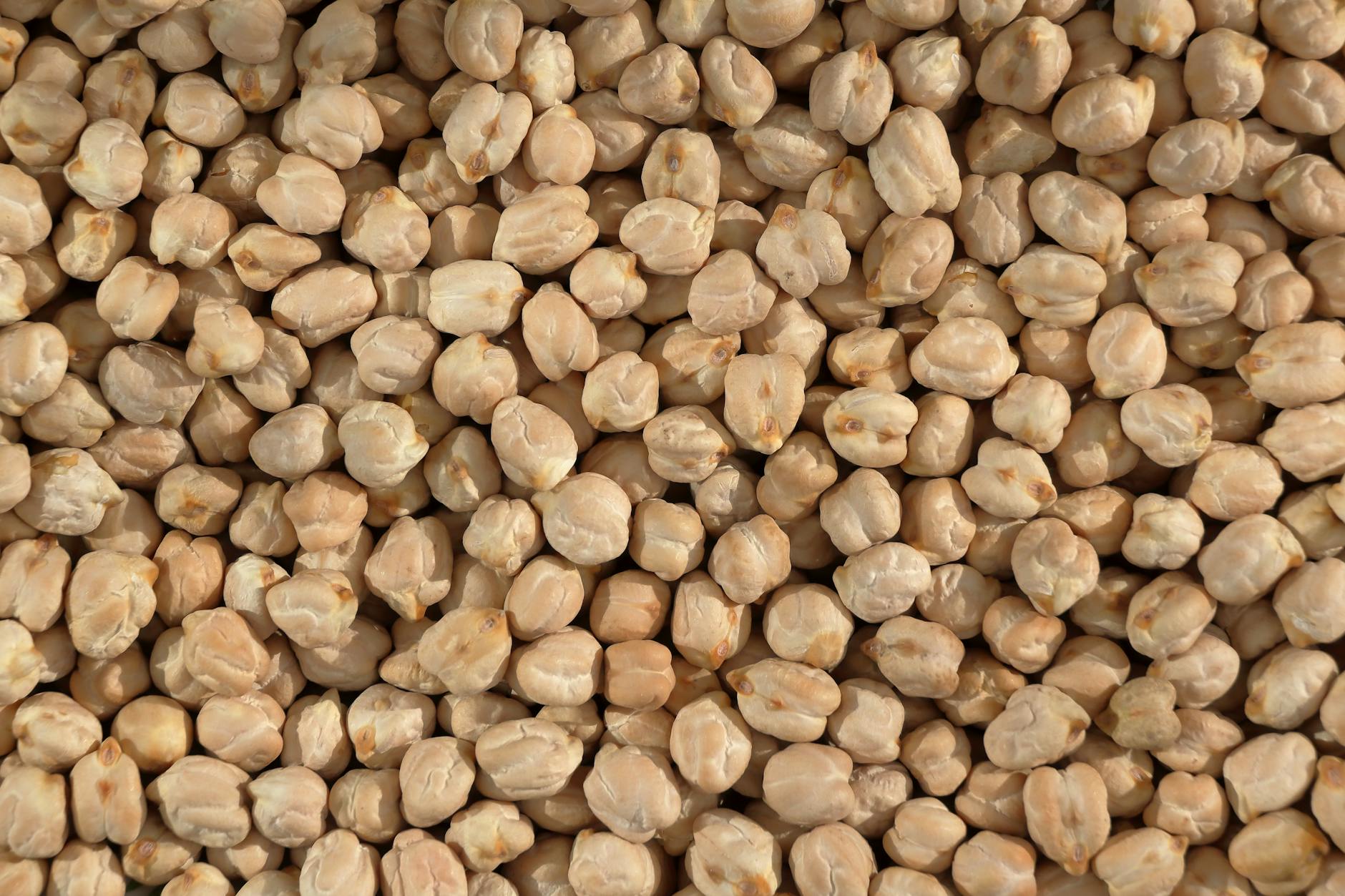
Chickpeas are a versatile legume rich in phytoestrogens, fiber, and B vitamins that collectively support estrogen metabolism and blood sugar stability. Their low glycemic index makes them particularly valuable for keeping insulin levels steady, as blood sugar spikes are a common driver of hormonal imbalance. The high fiber content in chickpeas promotes the growth of gut bacteria that produce short-chain fatty acids, compounds that help regulate inflammation and support estrogen excretion. They also provide manganese and folate, nutrients involved in the production and breakdown of neurotransmitters that interact closely with the hormonal system. Adding chickpeas to salads, stews, or grain bowls a few times a week is a practical step toward hormonal stability.
Fermented Foods
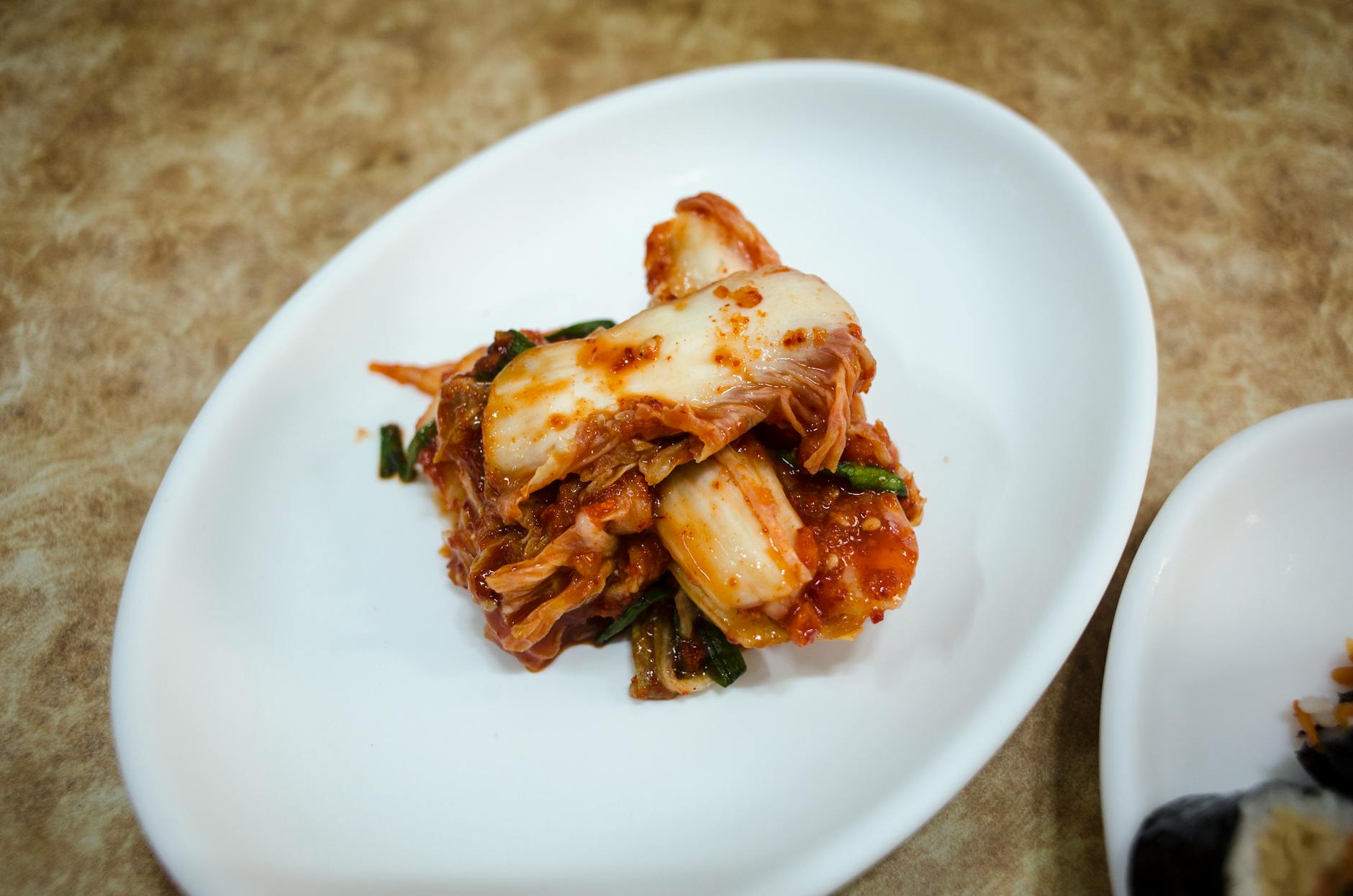
Fermented foods like kimchi, sauerkraut, kefir, and plain yogurt introduce beneficial bacteria into the gut that are integral to the body’s hormone regulation. The gut microbiome contains a collection of bacteria known as the estrobolome, which directly governs how estrogen is metabolized and recirculated in the body. An imbalanced microbiome can lead to excess estrogen being reabsorbed into the bloodstream rather than eliminated, contributing to hormonal disruption. Fermented foods also support the production of serotonin, about 90 percent of which is manufactured in the gut. Incorporating a small serving of fermented foods into daily meals is a well-recognized strategy for supporting both digestive and hormonal health.
Sweet Potatoes

Sweet potatoes are rich in beta-carotene, vitamin B6, and complex carbohydrates that work together to support progesterone production and adrenal resilience. Vitamin B6 is particularly critical for the synthesis of progesterone and the regulation of the hormonal changes that occur throughout the menstrual cycle. Their fiber content helps stabilize blood glucose levels, preventing the insulin spikes that can cascade into cortisol and sex hormone imbalances. Sweet potatoes also provide potassium, which supports adrenal gland health and helps moderate the body’s stress response. They are one of the most nutrient-dense and hormonally supportive carbohydrate sources available.
Chia Seeds
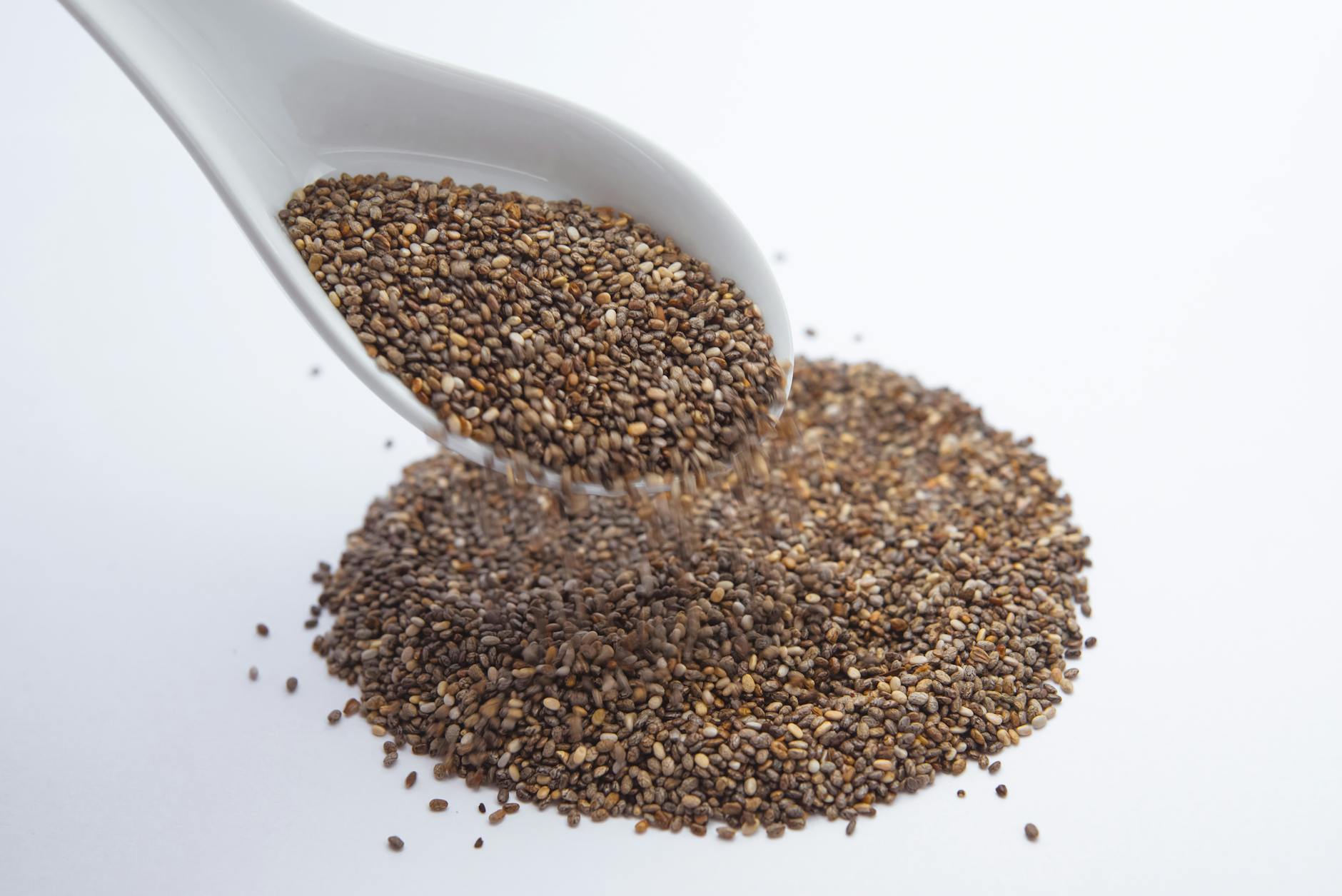
Chia seeds provide a substantial dose of omega-3 fatty acids, soluble fiber, and calcium, each of which contributes to different aspects of hormonal health. Their soluble fiber forms a gel-like substance in the digestive tract that slows glucose absorption, helping to maintain steady insulin levels throughout the day. Omega-3s from chia seeds help reduce prostaglandin-driven inflammation, which can interfere with ovarian function and cortisol regulation. The calcium content supports healthy communication between cells involved in hormone signaling. Two tablespoons added to overnight oats or pudding delivers a meaningful nutritional contribution toward balanced hormone levels.
Turmeric
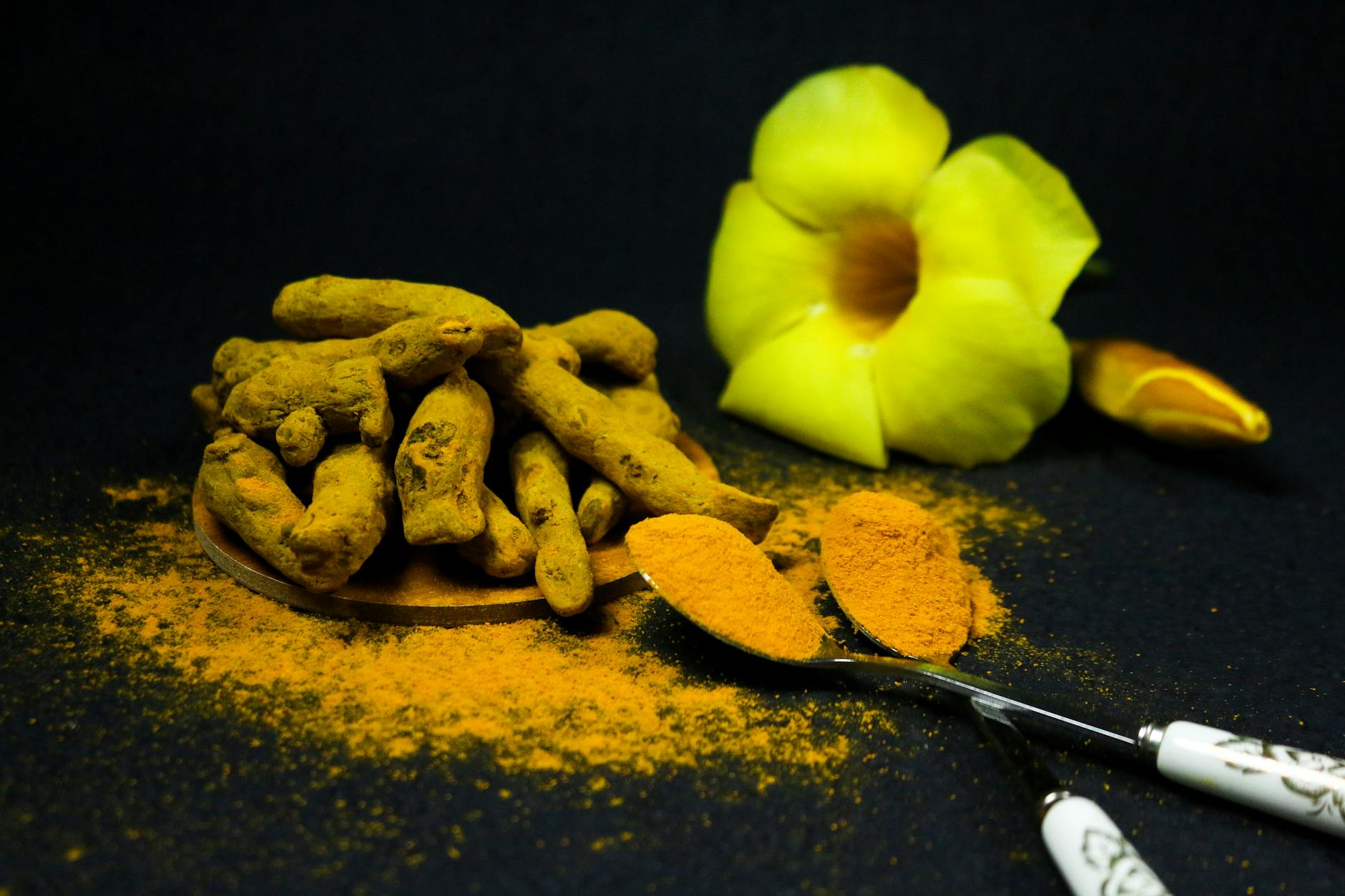
Turmeric contains curcumin, a potent anti-inflammatory compound that has been shown to support healthy estrogen metabolism and reduce inflammatory signaling that disrupts hormone receptors. Curcumin has demonstrated the ability to influence the expression of genes involved in estrogen synthesis and detoxification. It also supports liver function, which is the primary organ responsible for breaking down and clearing hormones from the body. Pairing turmeric with black pepper dramatically increases the bioavailability of curcumin, making the combination far more effective than turmeric alone. Using it regularly in cooking or as a warm golden milk drink is one of the most time-honored approaches to anti-inflammatory hormonal support.
Lentils
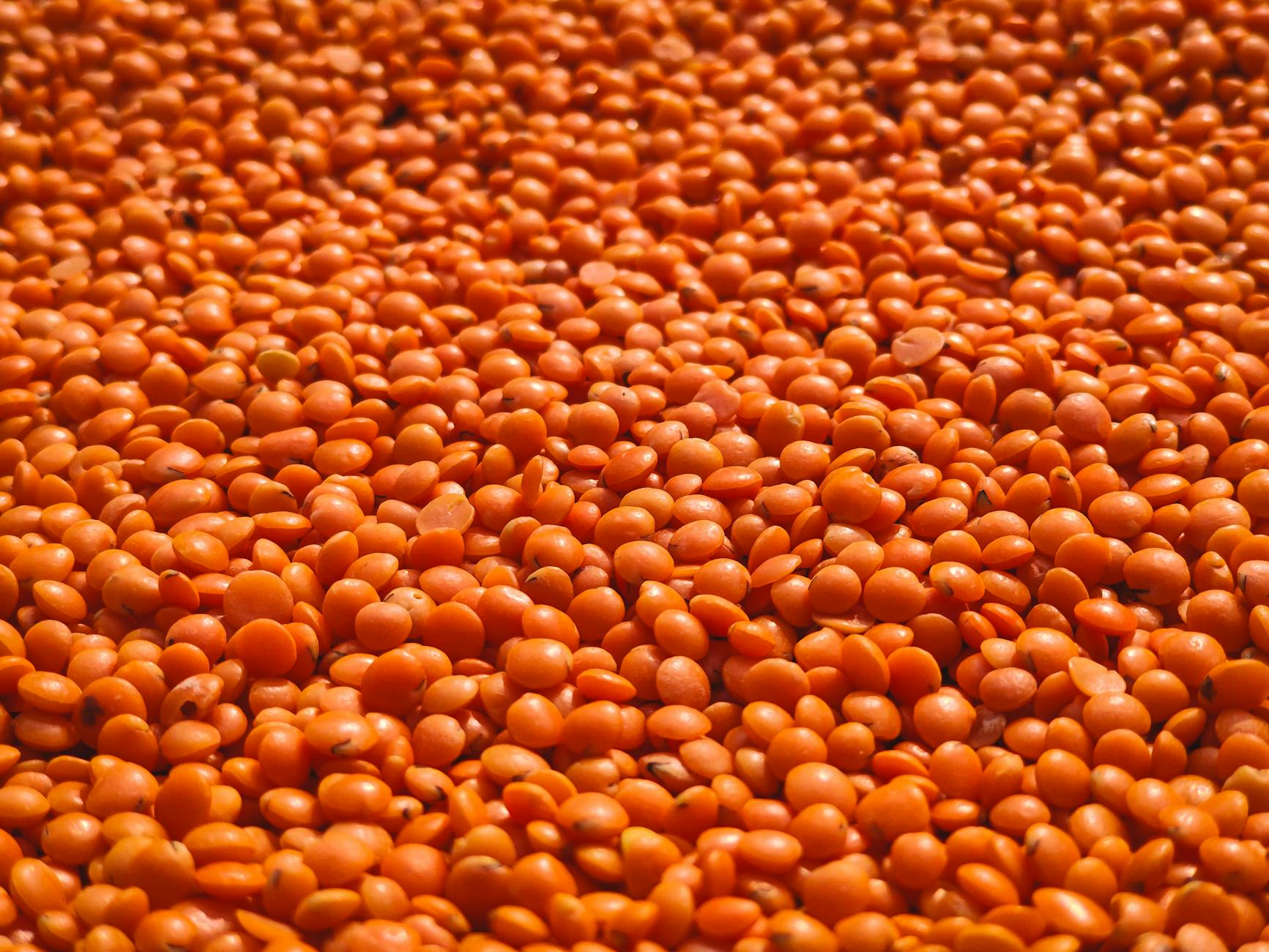
Lentils are a fiber-rich, low-glycemic legume that helps stabilize insulin, support estrogen clearance, and nourish the gut microbiome all at once. Their high protein content supports the production of peptide hormones and provides the amino acids needed for neurotransmitter synthesis. Lentils are also a good source of iron, which is essential for thyroid hormone production and for replenishing stores lost during menstruation. The prebiotic fiber in lentils feeds beneficial gut bacteria that assist in regulating the estrobolome and keeping circulating estrogen levels in balance. A serving of lentil soup or a lentil-based grain bowl several times a week offers broad hormonal and metabolic benefits.
Brazil Nuts
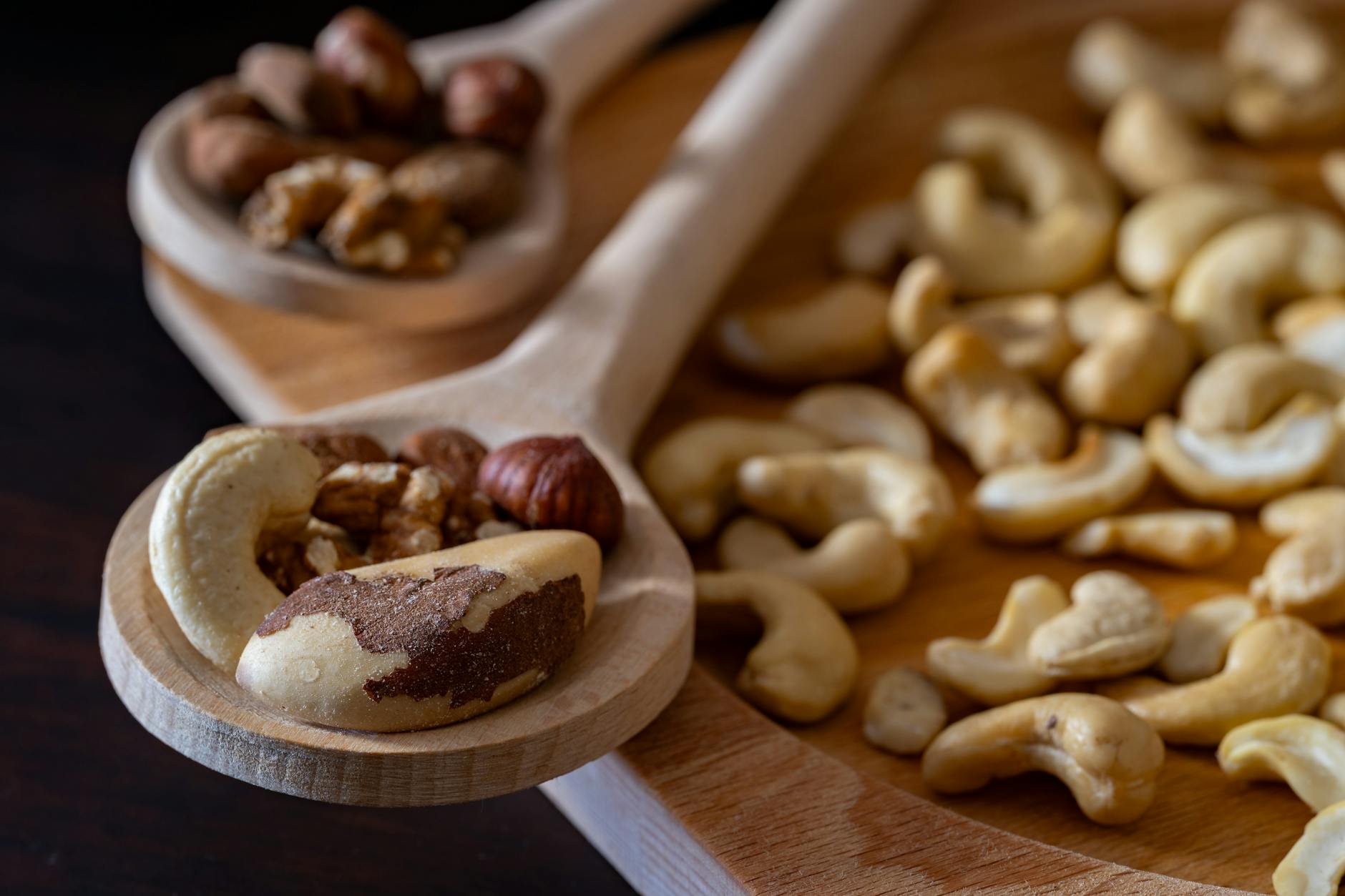
Brazil nuts are the most concentrated dietary source of selenium, a trace mineral that is indispensable for the synthesis and conversion of thyroid hormones. The thyroid converts T4 into the more active T3 with the help of selenium-dependent enzymes, and deficiency in this mineral is one of the most common contributors to sluggish thyroid function. Just one or two Brazil nuts per day can meet or exceed the daily recommended intake for selenium without supplementation. Selenium also has antioxidant properties that protect the thyroid gland and adrenal cortex from oxidative damage. Their healthy fat content further supports the absorption of fat-soluble vitamins that interact with endocrine function.
Pomegranate
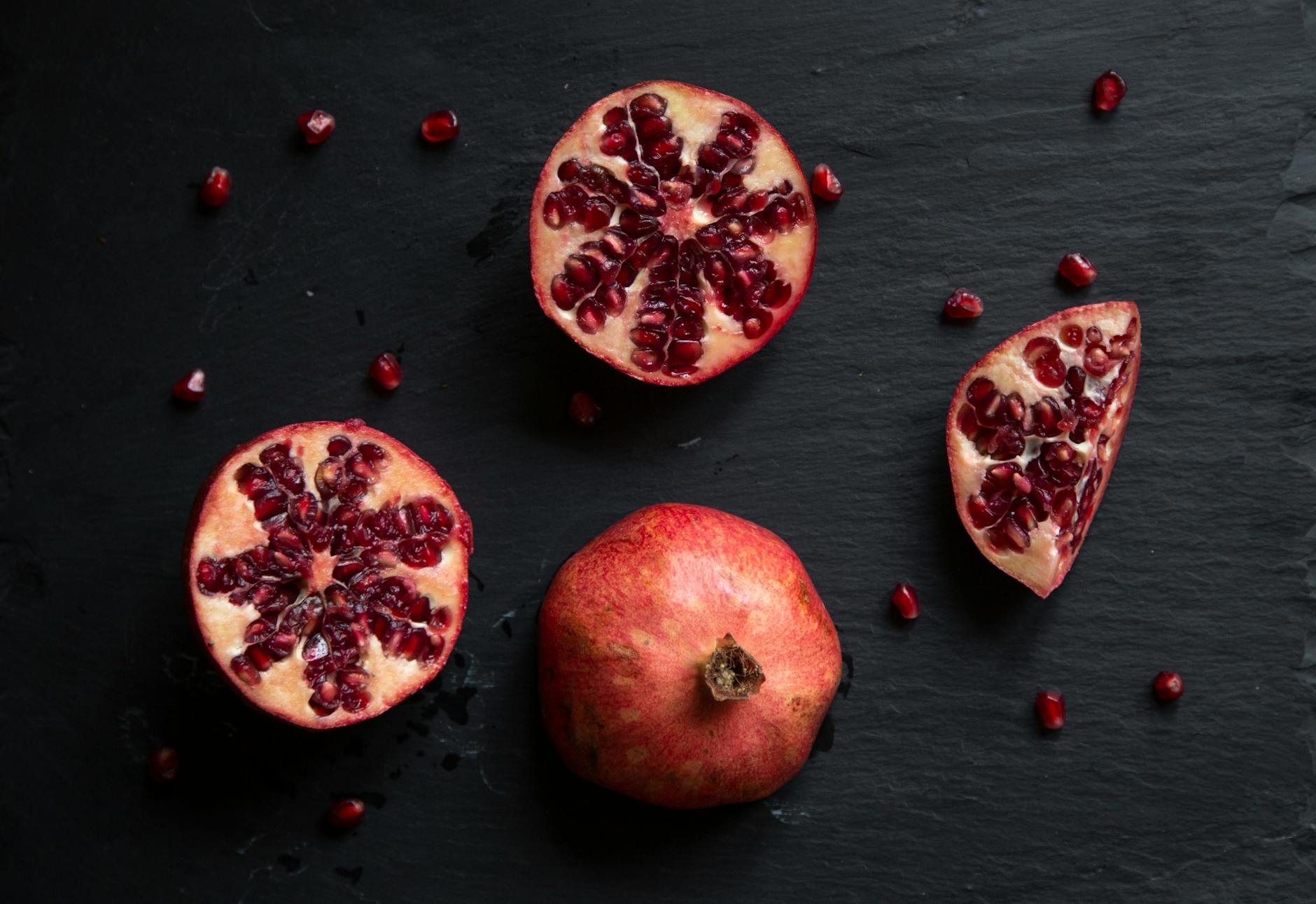
Pomegranate contains natural compounds called ellagitannins that have been studied for their ability to inhibit an enzyme called aromatase, which converts androgens into estrogen. By gently modulating this conversion, pomegranate may help prevent estrogen dominance, a condition associated with weight gain, mood disruption, and cycle irregularities. The fruit is also rich in antioxidants that protect hormone-producing glands from oxidative stress. Research has suggested that pomegranate consumption may support healthier testosterone levels in men by reducing estrogen conversion. Drinking a small glass of pure pomegranate juice or eating the fresh seeds several times a week is an enjoyable way to gain these benefits.
Oats
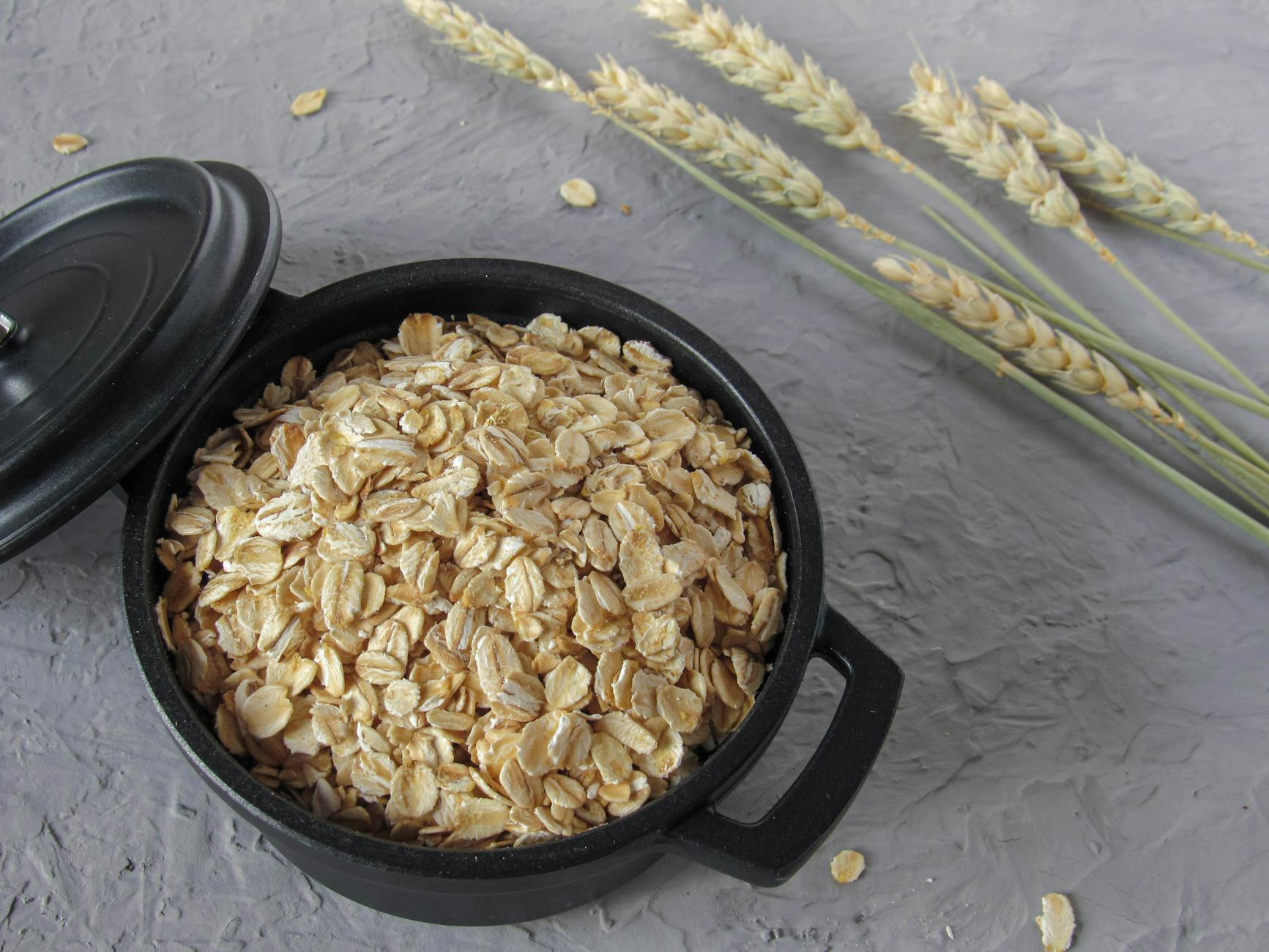
Oats are one of the most effective whole grains for supporting insulin sensitivity and cortisol regulation through their combination of beta-glucan fiber and complex carbohydrates. Beta-glucan slows the absorption of glucose into the bloodstream, preventing the rapid spikes that trigger excess insulin production and elevate stress hormone levels. Oats also contain a compound called avenanthramides, which has anti-inflammatory properties that help protect endocrine tissue. They provide B vitamins that are foundational to the body’s ability to produce and manage hormones at the cellular level. Starting the day with a bowl of whole oats creates a stable metabolic environment that supports hormonal balance for hours.
Ashwagandha

Ashwagandha is an adaptogenic herb widely recognized for its ability to lower cortisol, the body’s primary stress hormone, by modulating the hypothalamic-pituitary-adrenal axis. Multiple clinical trials have demonstrated significant reductions in serum cortisol levels following consistent ashwagandha supplementation. Lower cortisol levels support better thyroid function, improved testosterone levels in men, and more regular progesterone cycling in women. It is commonly consumed as a powder mixed into warm milk, smoothies, or as a standardized capsule supplement. Adding ashwagandha to a daily routine is considered one of the most evidence-backed herbal strategies for stress-related hormonal disruption.
Dark Chocolate

High-quality dark chocolate with a cacao content of 70 percent or more is rich in magnesium, flavonoids, and theobromine, all of which support the nervous and endocrine systems. Magnesium helps regulate cortisol secretion and supports the production of serotonin and dopamine, neurotransmitters that influence the mood-hormone connection. The flavonoids in dark chocolate improve blood flow and reduce inflammation that can impair hormone receptor sensitivity. Theobromine provides a gentle, sustained energy effect without the cortisol-spiking impact associated with high doses of caffeine. A small square or two of dark chocolate daily is a satisfying and scientifically grounded way to support hormonal wellbeing.
Green Tea
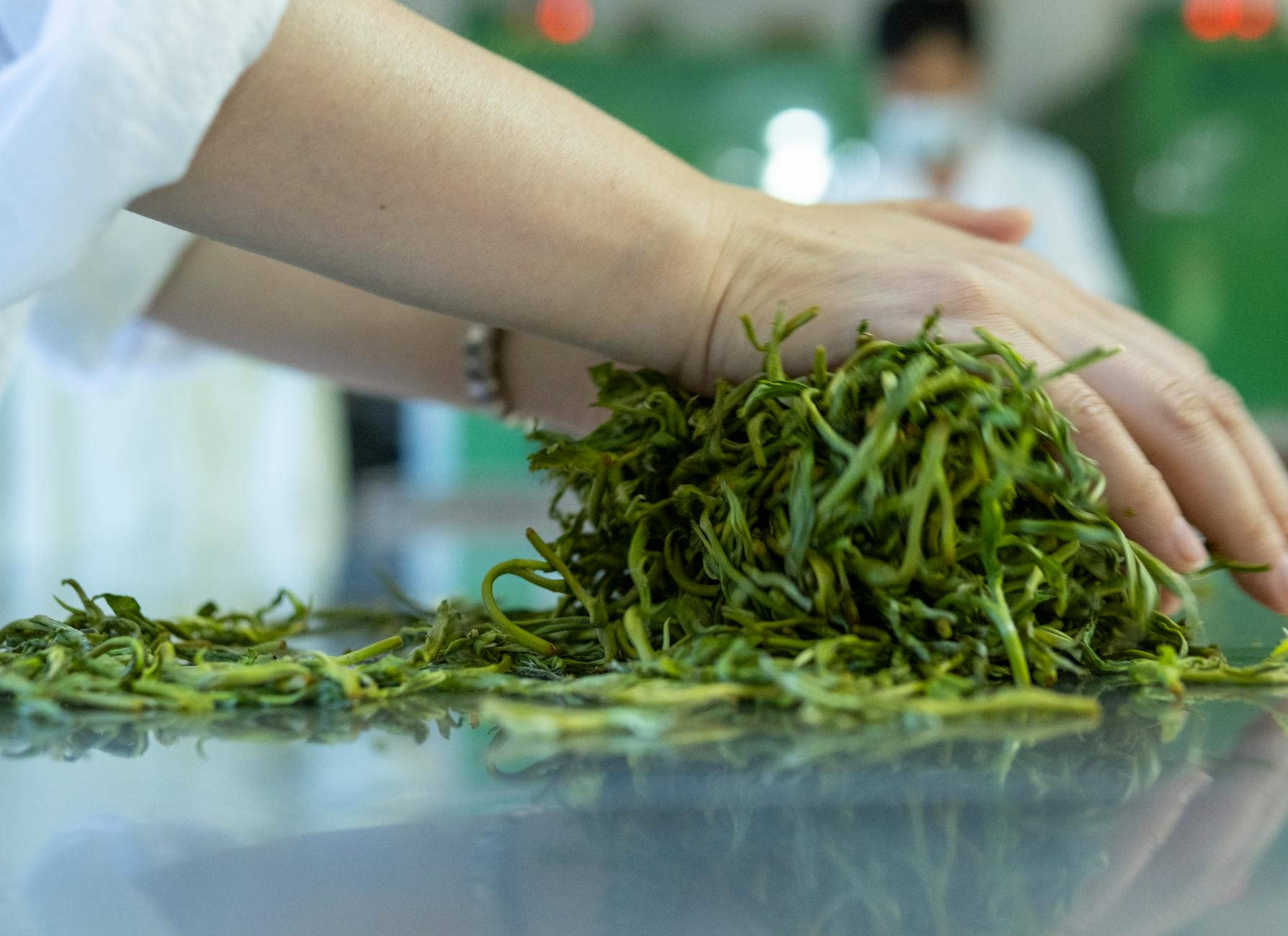
Green tea contains a powerful antioxidant called EGCG (epigallocatechin gallate) that helps support insulin sensitivity and modulate the activity of sex hormone-binding globulin, which regulates the availability of estrogen and testosterone in the bloodstream. Regular green tea consumption has been associated with more stable blood sugar levels, which reduces the hormonal burden placed on the pancreas and adrenal glands. The L-theanine in green tea promotes a calm, focused state by supporting GABA activity, which in turn helps moderate the cortisol response to daily stressors. Green tea also provides a modest source of fluoride and iodine that may support thyroid function over time. Replacing sugary beverages with two to three cups of green tea daily is a low-effort, high-impact hormonal habit.
Sesame Seeds
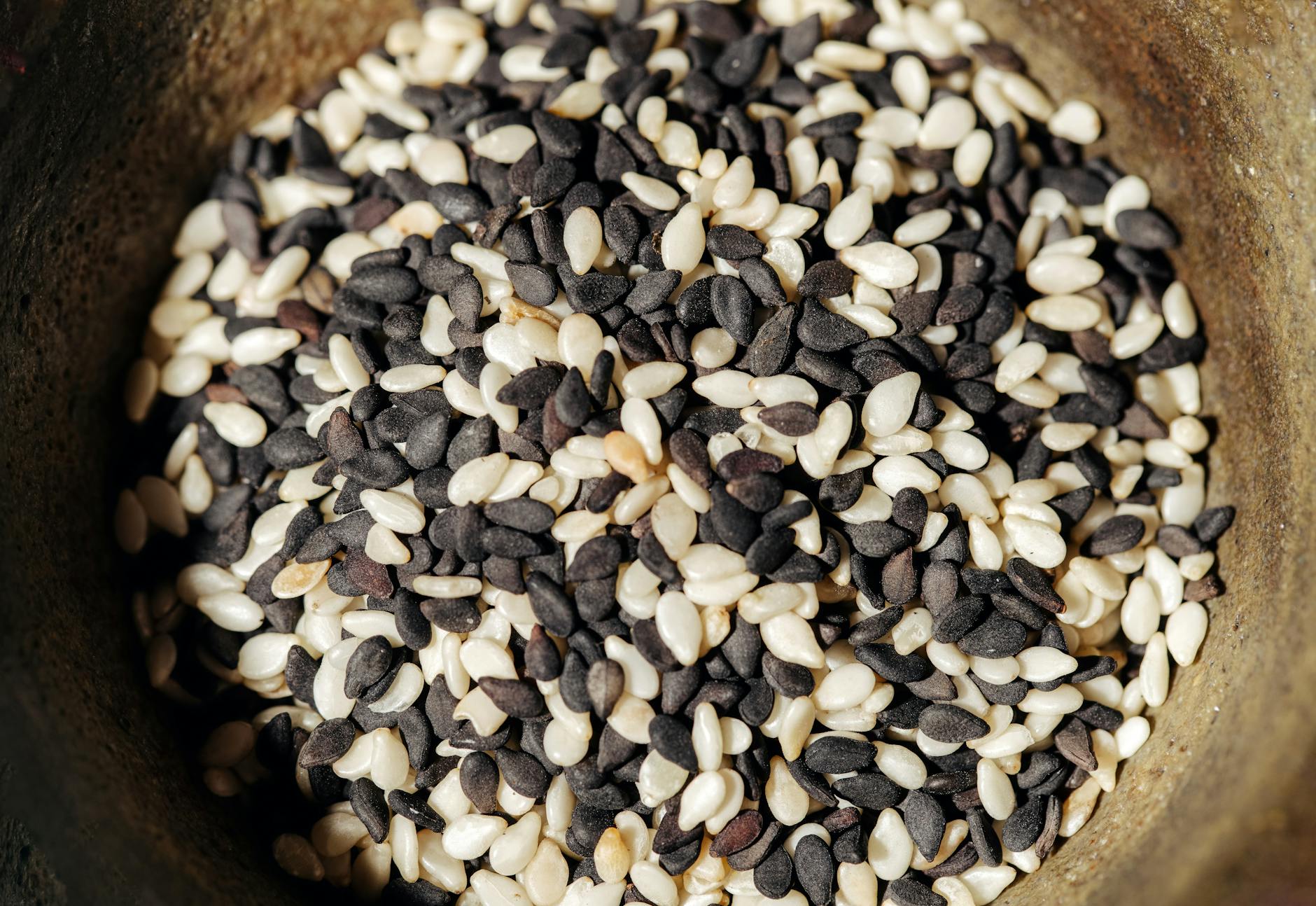
Sesame seeds are an exceptionally rich source of lignans, surpassing even flaxseeds in certain studies measuring phytoestrogen content per gram. These plant-based compounds help balance estrogen activity and have been studied in the context of postmenopausal hormone regulation and breast tissue health. Sesame seeds also provide zinc, calcium, magnesium, and healthy fats that collectively support hormone production across multiple endocrine glands. Tahini, made from ground sesame seeds, is a convenient and versatile way to incorporate these benefits into everyday meals. Sprinkling sesame seeds onto roasted vegetables, grain dishes, or salads adds both flavor and significant hormonal value.
Bone Broth

Bone broth is rich in glycine, proline, and other amino acids that support liver function, gut lining integrity, and the production of steroid hormones. A healthy gut lining is essential for preventing the reabsorption of excreted hormones and for supporting the gut-brain-hormone axis. Glycine is a precursor to glutathione, the body’s master antioxidant, which protects hormone-producing tissues from damage. The collagen peptides in bone broth also support the structural integrity of adrenal tissue. Drinking a cup of bone broth daily or using it as a cooking base is a restorative practice with meaningful implications for hormonal resilience.
Berries
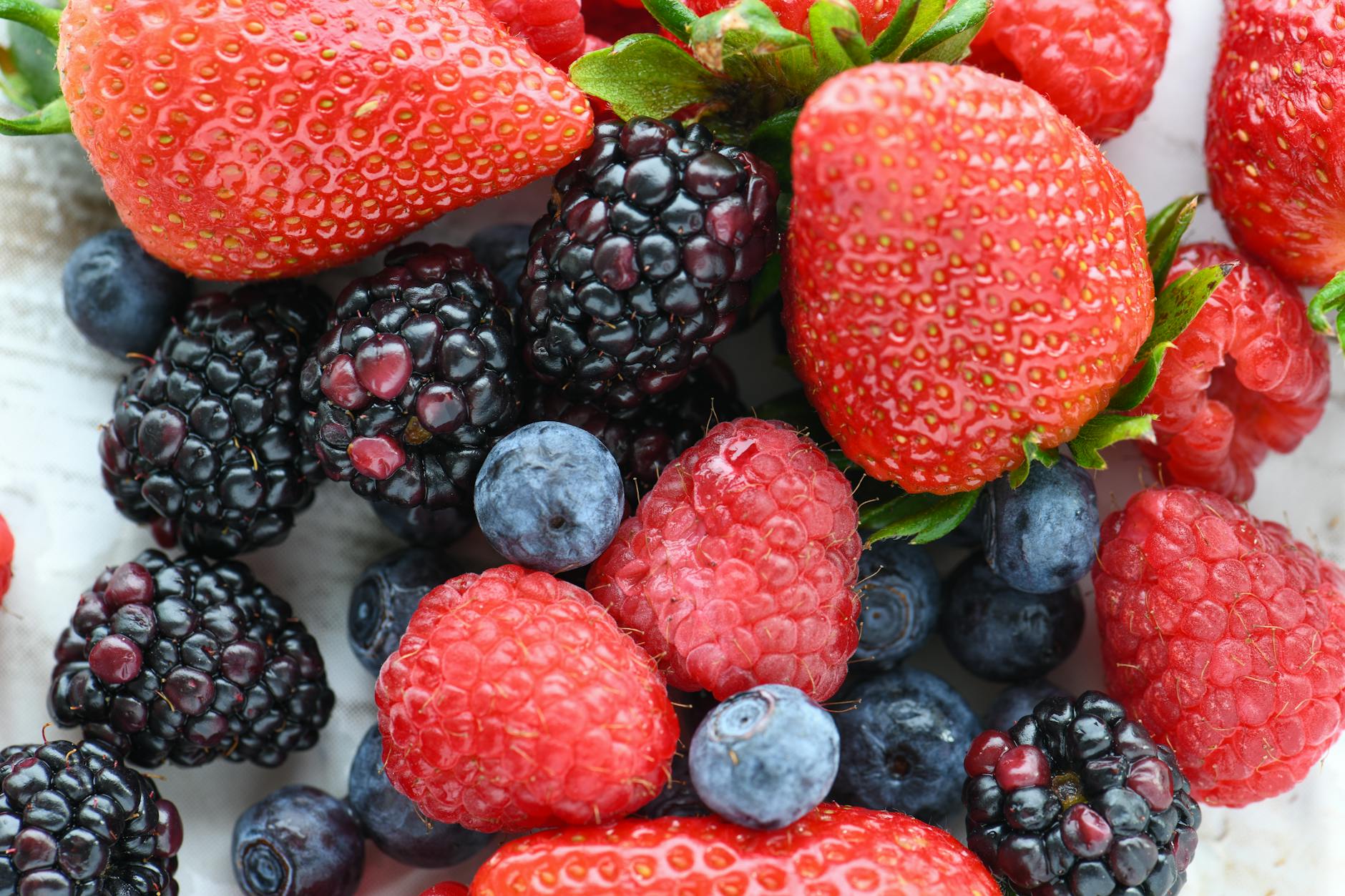
Berries including blueberries, strawberries, and raspberries are dense with antioxidants and polyphenols that combat the oxidative stress that degrades hormone receptors and disrupts signaling pathways. Their relatively low sugar content compared to other fruits makes them a safer option for maintaining the stable blood sugar that insulin and cortisol balance requires. Resveratrol, found in high concentrations in certain berries and grape skins, has been studied for its role in modulating estrogen receptor activity. The vitamin C in berries supports adrenal gland function, which depends on high concentrations of this vitamin to produce cortisol appropriately during times of stress. Eating a cup of mixed berries daily is one of the most enjoyable and evidence-supported dietary habits for endocrine health.
Sunflower Seeds
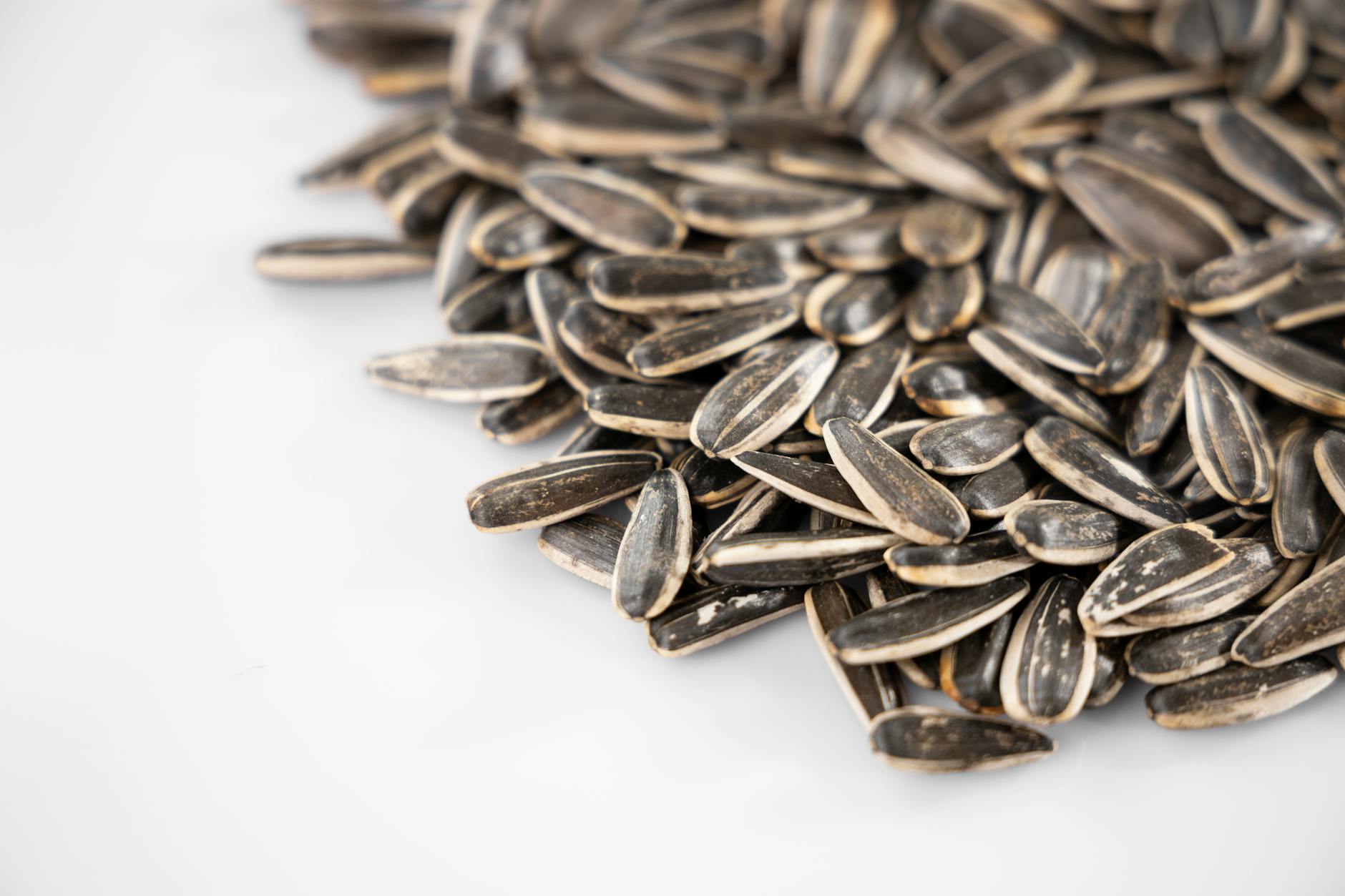
Sunflower seeds are one of the best food sources of vitamin E, a fat-soluble antioxidant that plays a particularly protective role in progesterone production and reproductive hormonal health. Vitamin E deficiency has been linked to luteal phase insufficiency, a condition in which progesterone levels drop too quickly in the second half of the menstrual cycle. These seeds also supply selenium, zinc, and magnesium, forming a trio of minerals that together support thyroid function, testosterone regulation, and cortisol management. The healthy fat content in sunflower seeds improves the absorption of fat-soluble vitamins that act as co-factors in hormone synthesis. Adding a handful to trail mix, salads, or grain bowls regularly provides cumulative hormonal support.
Sardines
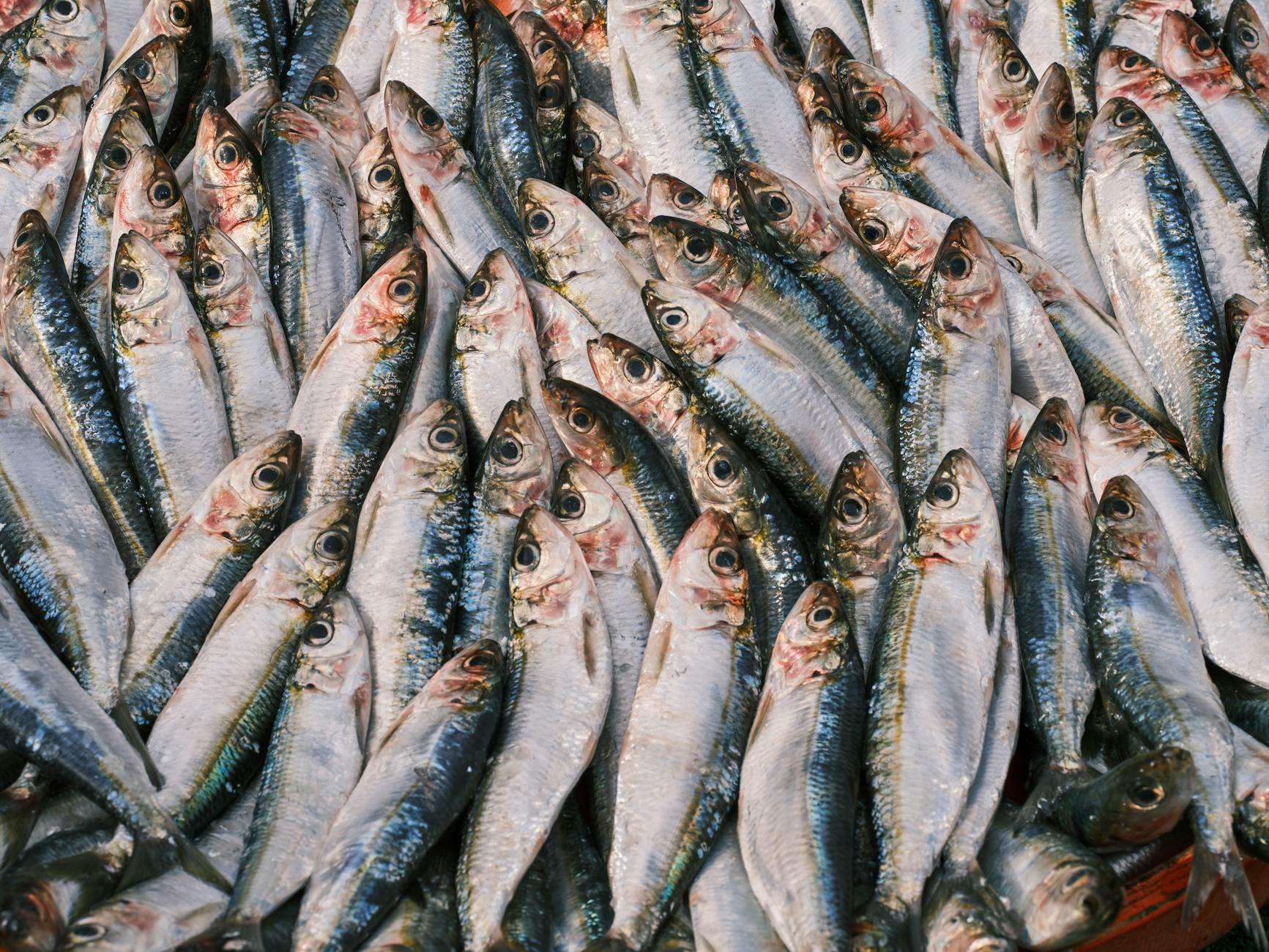
Sardines are one of the most nutrient-dense small fish available, providing omega-3 fatty acids, vitamin D, calcium, selenium, and iodine in a single compact serving. Vitamin D functions more like a hormone than a traditional vitamin, binding to receptors throughout the body and regulating gene expression related to immune function, reproduction, and mood. Iodine is a non-negotiable building block for thyroid hormones T3 and T4, and sardines provide a meaningful dietary dose. Their omega-3 content supports insulin sensitivity and reduces the systemic inflammation that can impair adrenal and gonadal function. Canned sardines in water or olive oil are an affordable and practical way to access this nutritional profile consistently.
Quinoa
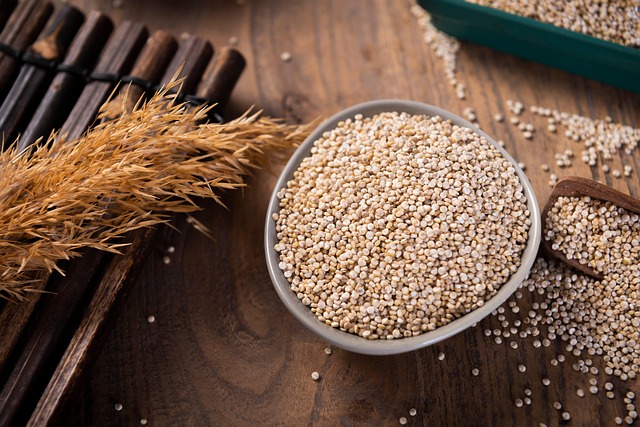
Quinoa is a complete protein grain that provides all nine essential amino acids needed to synthesize peptide hormones, enzymes, and hormone transport proteins. Its low glycemic index supports steady blood sugar regulation, preventing the cortisol and insulin spikes that knock the endocrine system out of balance. Quinoa is a good source of magnesium and iron, two minerals that play direct roles in thyroid hormone metabolism and menstrual health. Its riboflavin content supports mitochondrial function, which is essential for efficient hormone production at the cellular level. Using quinoa as a base for grain bowls or as a rice substitute provides a protein-rich foundation that the hormone-producing systems can reliably draw from.
Almonds
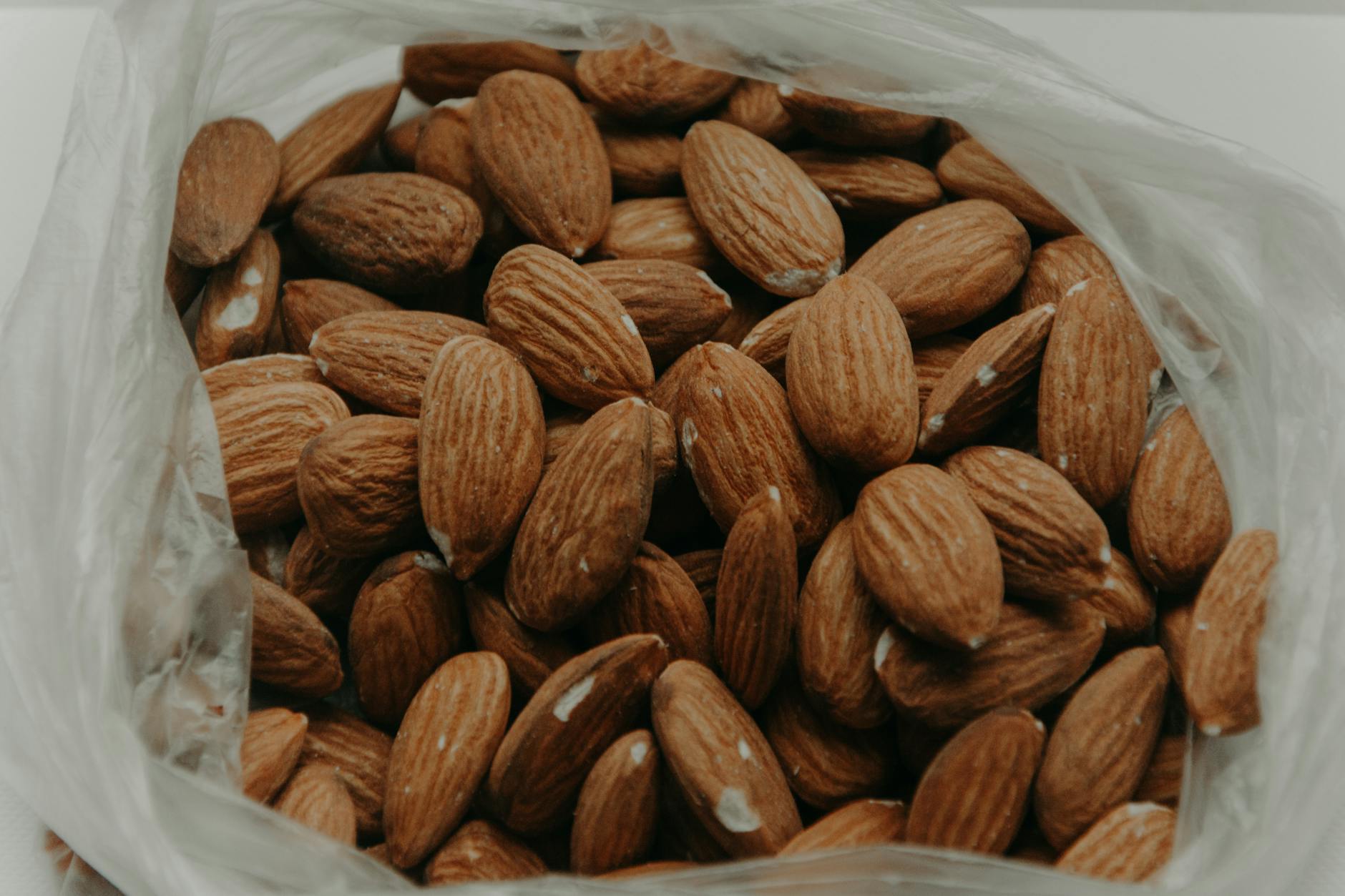
Almonds are rich in vitamin E, magnesium, and healthy monounsaturated fats, making them one of the most well-rounded nuts for supporting hormonal health across multiple systems. Their magnesium content helps regulate cortisol output and supports the conversion of the inactive thyroid hormone T4 into the active T3 form. The combination of fiber and healthy fat in almonds contributes to slower glucose absorption, which helps prevent insulin dysregulation throughout the day. Almonds also provide phytosterols that can help modulate cholesterol levels and support the production of steroid hormones in the adrenal glands. Eating a small handful as a snack or incorporating almond butter into meals is a straightforward way to support daily hormonal balance.
Edamame

Edamame, or young soybeans, contain isoflavones including genistein and daidzein, phytoestrogens that interact with estrogen receptors in a selective and generally balancing way. When estrogen levels are low, these compounds can mildly supplement estrogenic activity, while in cases of excess, they may compete with more potent endogenous estrogen for receptor binding. Edamame is also a rich source of complete plant protein, magnesium, and folate, all of which support broader hormonal infrastructure. Research on populations with traditionally high soy intake suggests associations with lower rates of estrogen-related conditions and smoother menopausal transitions. Including edamame as a snack or side dish a few times per week is a well-studied dietary approach to estrogen balance.
Carrots
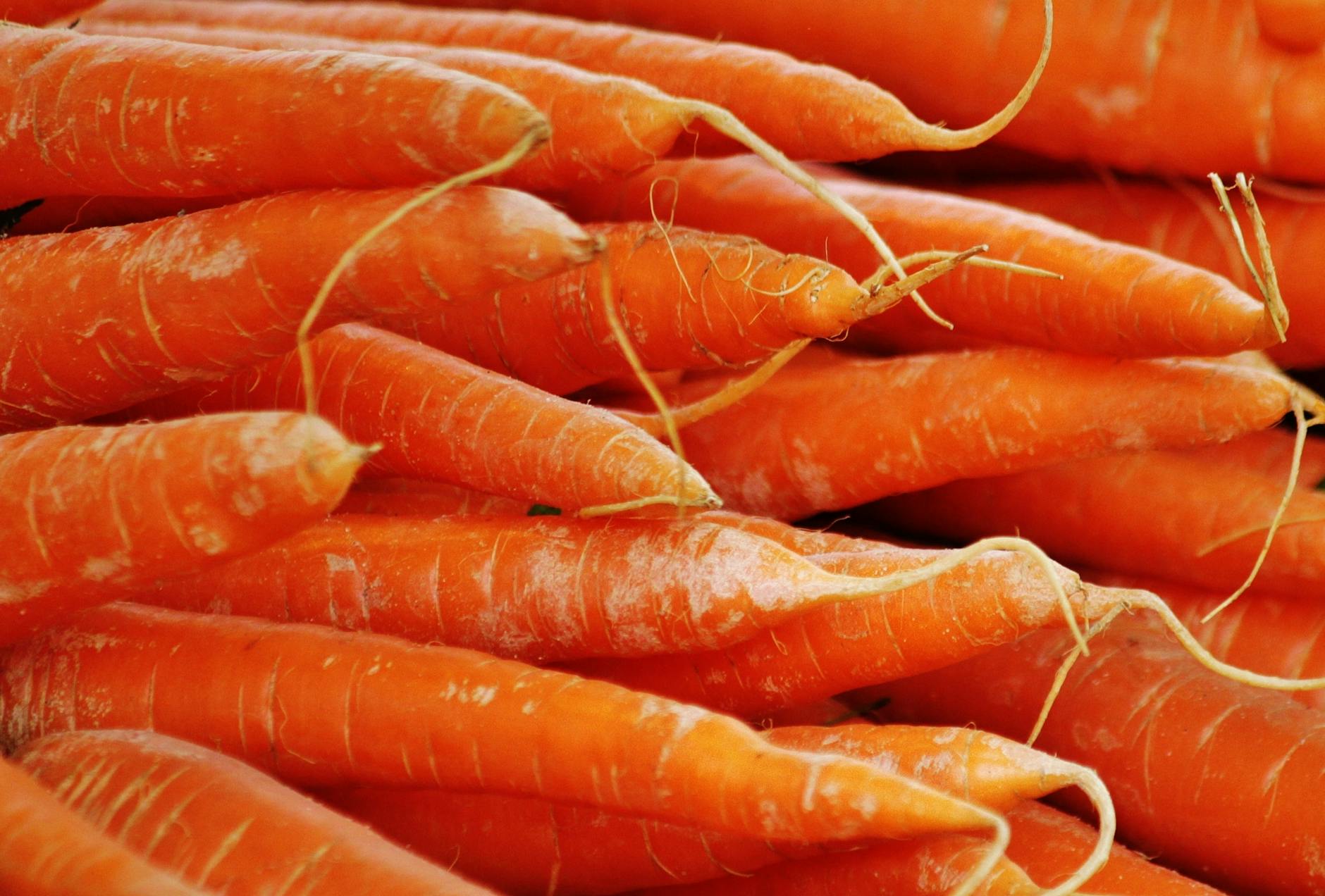
Raw carrots contain a unique fiber that binds to excess estrogen and bile in the digestive tract and carries them out of the body before they can be reabsorbed. This natural estrogen-clearance mechanism has made raw carrot consumption a popular dietary practice among those managing estrogen dominance. Carrots are also rich in beta-carotene, which the body converts to vitamin A, a nutrient essential for the production of thyroid hormones and the health of hormone-producing glandular tissue. Their antioxidant content protects the ovaries and adrenal glands from oxidative damage. Eating one medium raw carrot daily, particularly between meals, is a simple and widely recommended strategy for supporting estrogen metabolism.
Black Beans
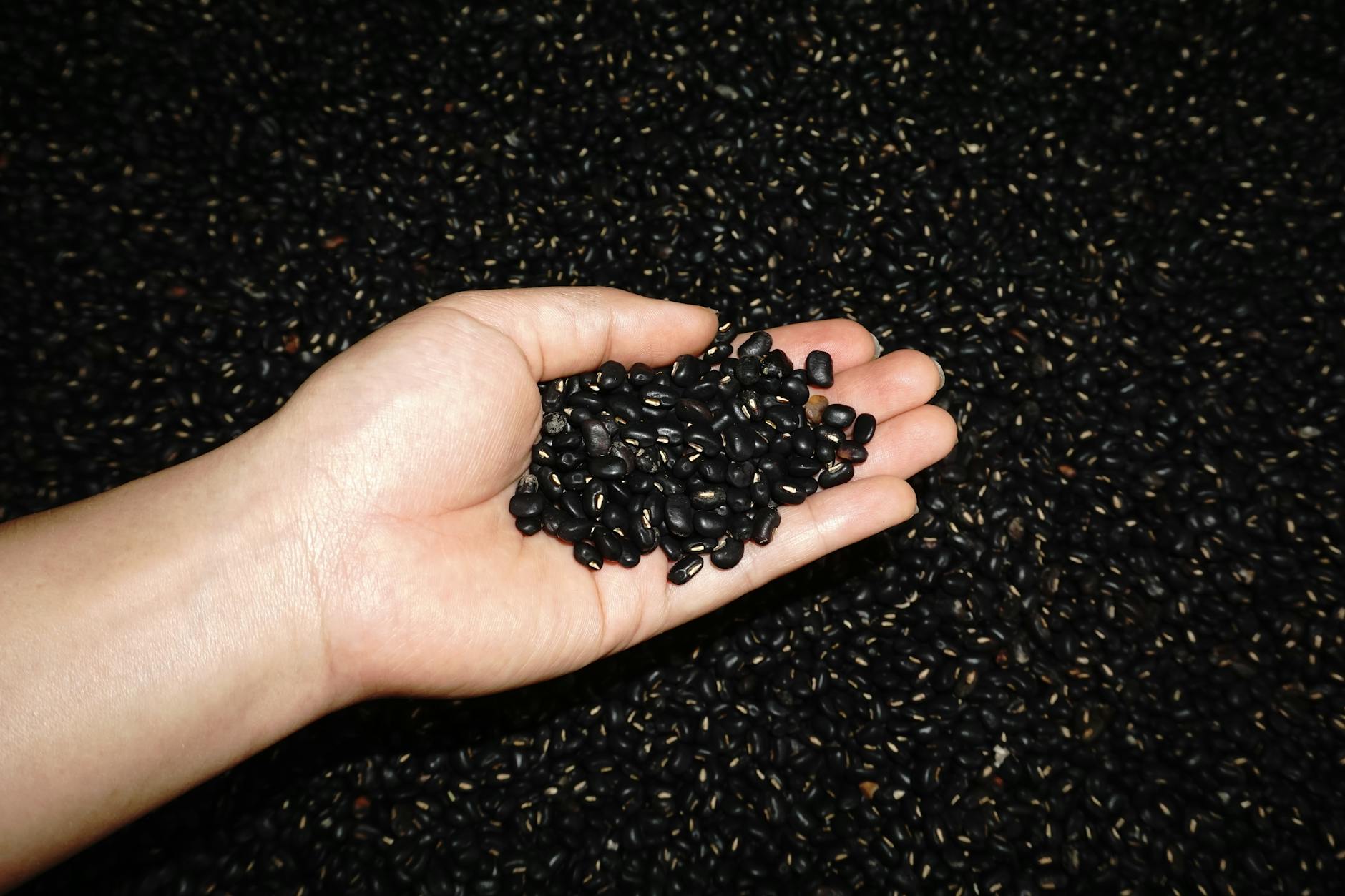
Black beans are a fiber-rich legume that supports hormonal balance through their combined effects on blood sugar regulation, gut health, and liver detoxification. Their high resistant starch content feeds the beneficial bacteria that help break down and eliminate excess estrogen through the digestive tract. Black beans also provide folate, iron, and zinc, nutrients that are foundational to reproductive hormone synthesis and healthy menstrual function. Their protein and fiber combination slows gastric emptying, creating sustained satiety and stable insulin levels that protect against metabolic hormone disruption. Adding them to tacos, salads, or soups a few times a week is a practical and versatile approach to endocrine nutritional support.
Coconut Oil
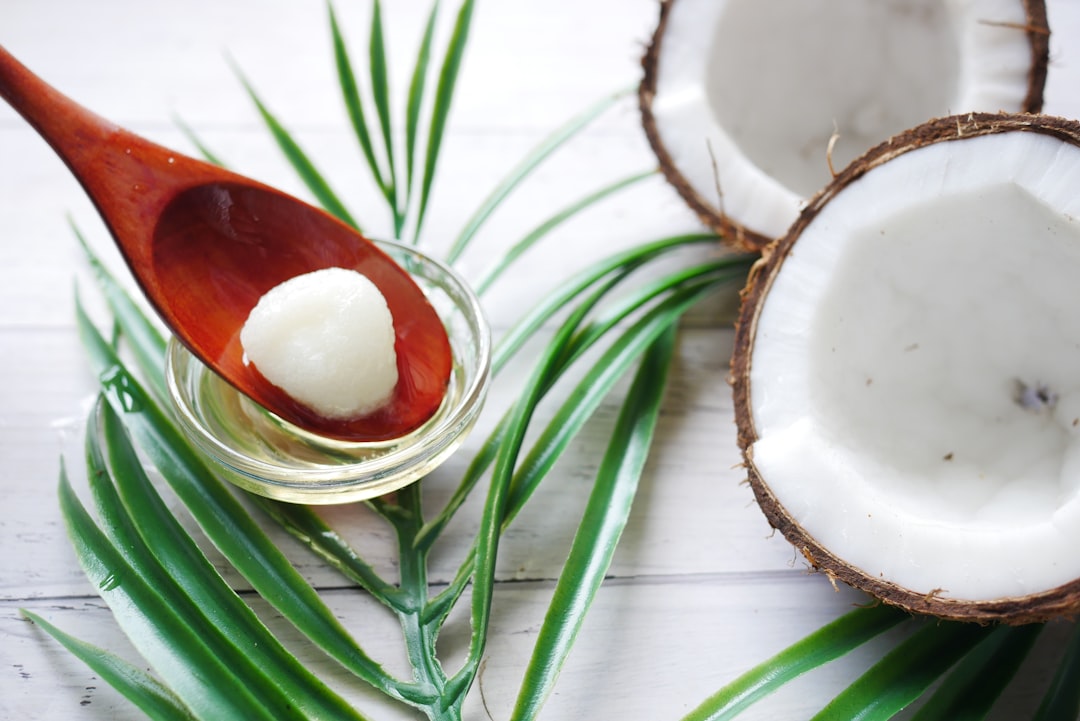
Coconut oil is composed primarily of medium-chain triglycerides, a form of fat that the liver converts quickly into energy rather than storing, supporting metabolic function and reducing the burden on the adrenal glands during periods of stress. The lauric acid in coconut oil has antimicrobial properties that help maintain a balanced gut environment, which is essential for proper hormone metabolism and estrogen clearance. Coconut oil supports the absorption of fat-soluble vitamins A, D, E, and K, many of which play direct roles in hormone production and receptor function. It also provides a stable cooking fat that does not oxidize at moderate heat, avoiding the formation of compounds that can disrupt endocrine function. Using it in moderate amounts as a cooking fat or blended into warm beverages supports hormonal health without the risks associated with refined vegetable oils.
Spinach
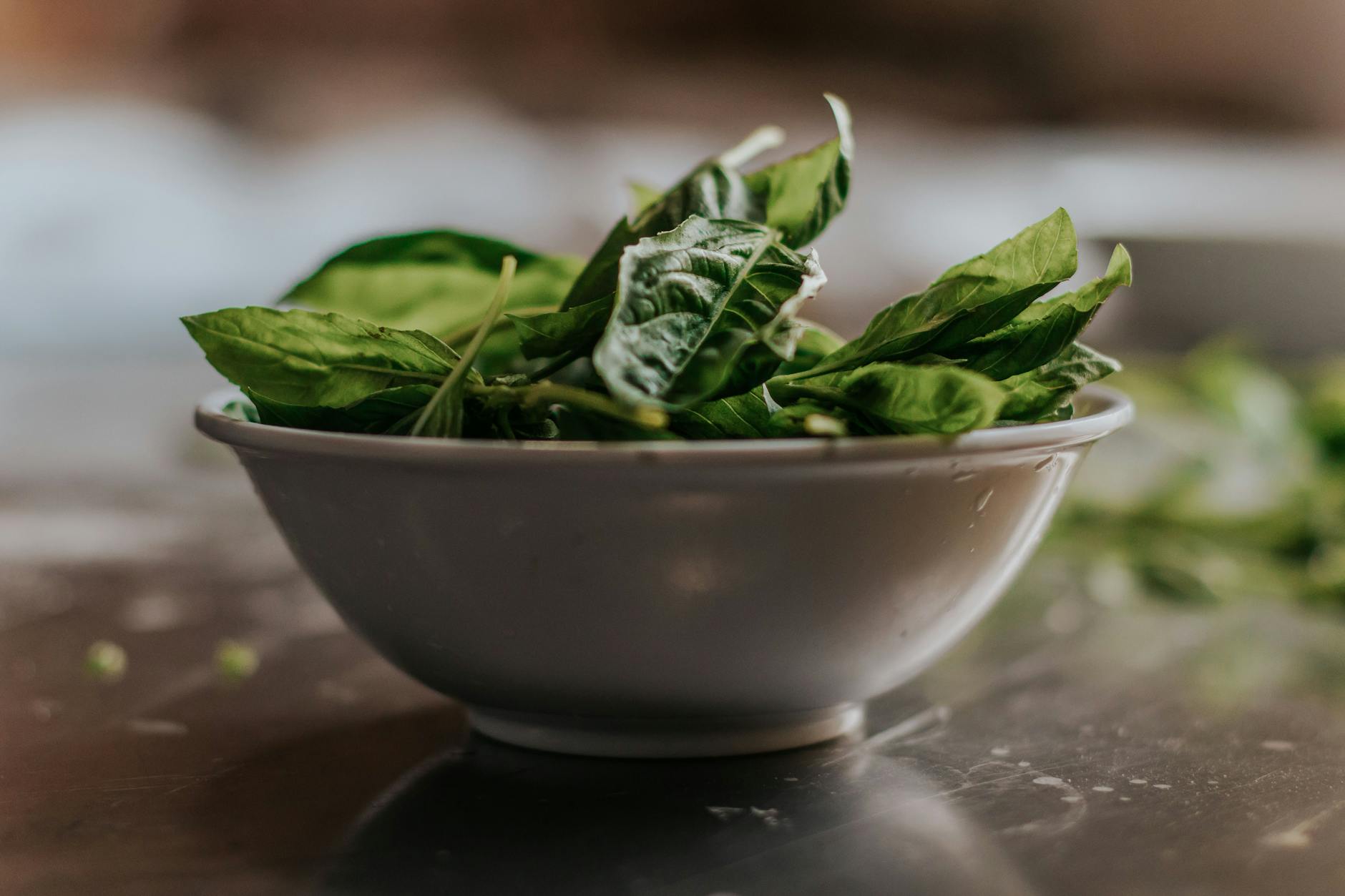
Spinach is exceptionally rich in magnesium, folate, and iron, three nutrients that are directly involved in the production, transport, and metabolism of key hormones throughout the body. Its magnesium content supports the body’s ability to regulate cortisol and maintain healthy insulin sensitivity, two of the most impactful factors in overall hormonal balance. Folate supports methylation pathways in the liver that are essential for breaking down and safely clearing estrogen and other steroid hormones. Spinach also provides nitrates that support healthy blood flow to hormone-producing organs including the adrenal glands and ovaries. Eating cooked or raw spinach daily provides a foundational supply of the micronutrients the endocrine system depends on most.
Ginger
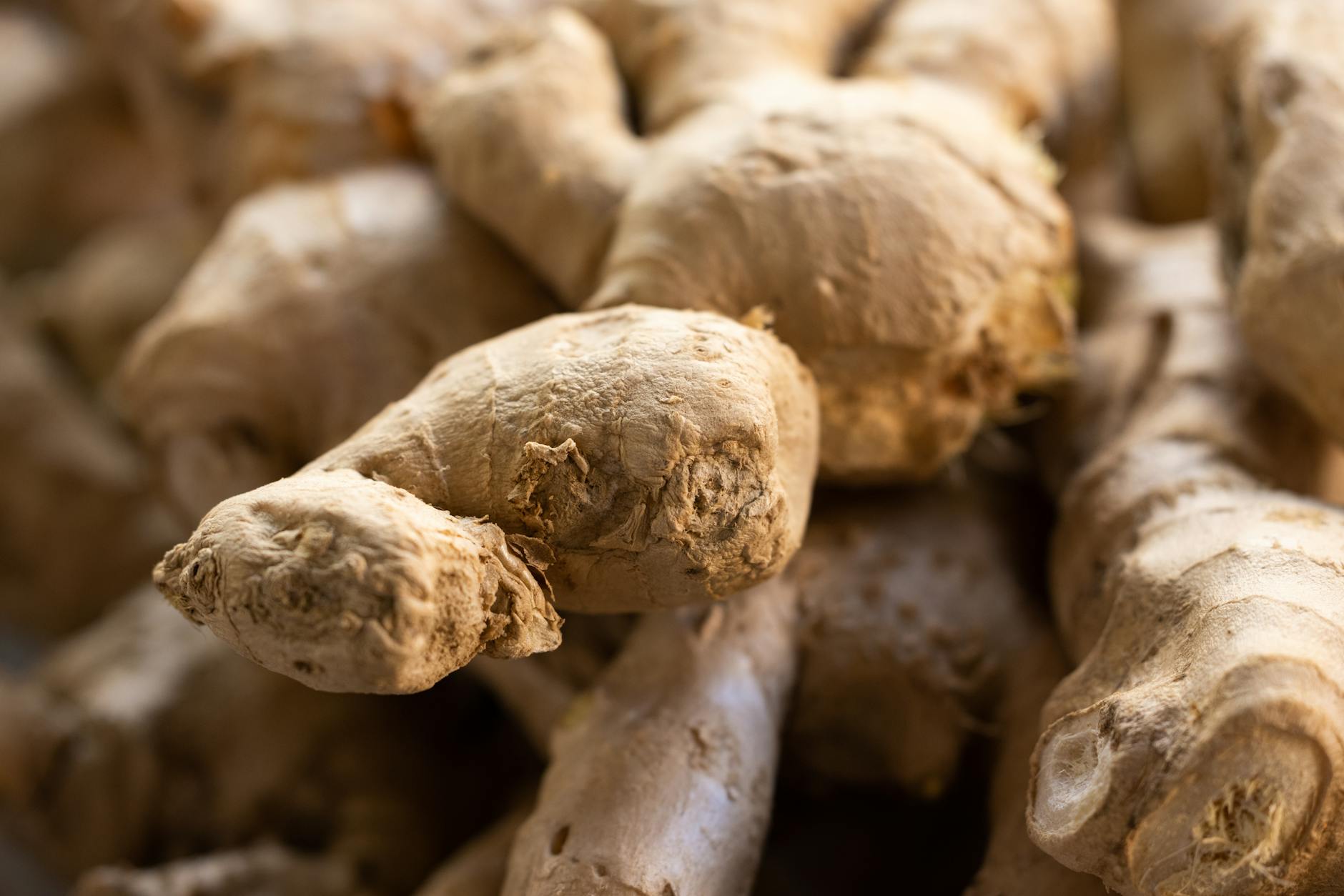
Ginger contains gingerols and shogaols, bioactive compounds that reduce prostaglandin-driven inflammation, which is one of the key mechanisms behind painful hormonal symptoms including severe menstrual cramps and PMS. By reducing inflammatory prostaglandins, ginger helps create a more favorable environment for balanced estrogen and progesterone cycling. It also supports liver detoxification by stimulating bile production, which assists in the clearance of used hormones from the body. Ginger has been studied for its role in improving insulin sensitivity, which is a central factor in regulating sex hormones and preventing conditions like polycystic ovary syndrome. Brewing fresh ginger into tea or incorporating it generously into cooking offers consistent anti-inflammatory hormonal benefits.
Hemp Seeds
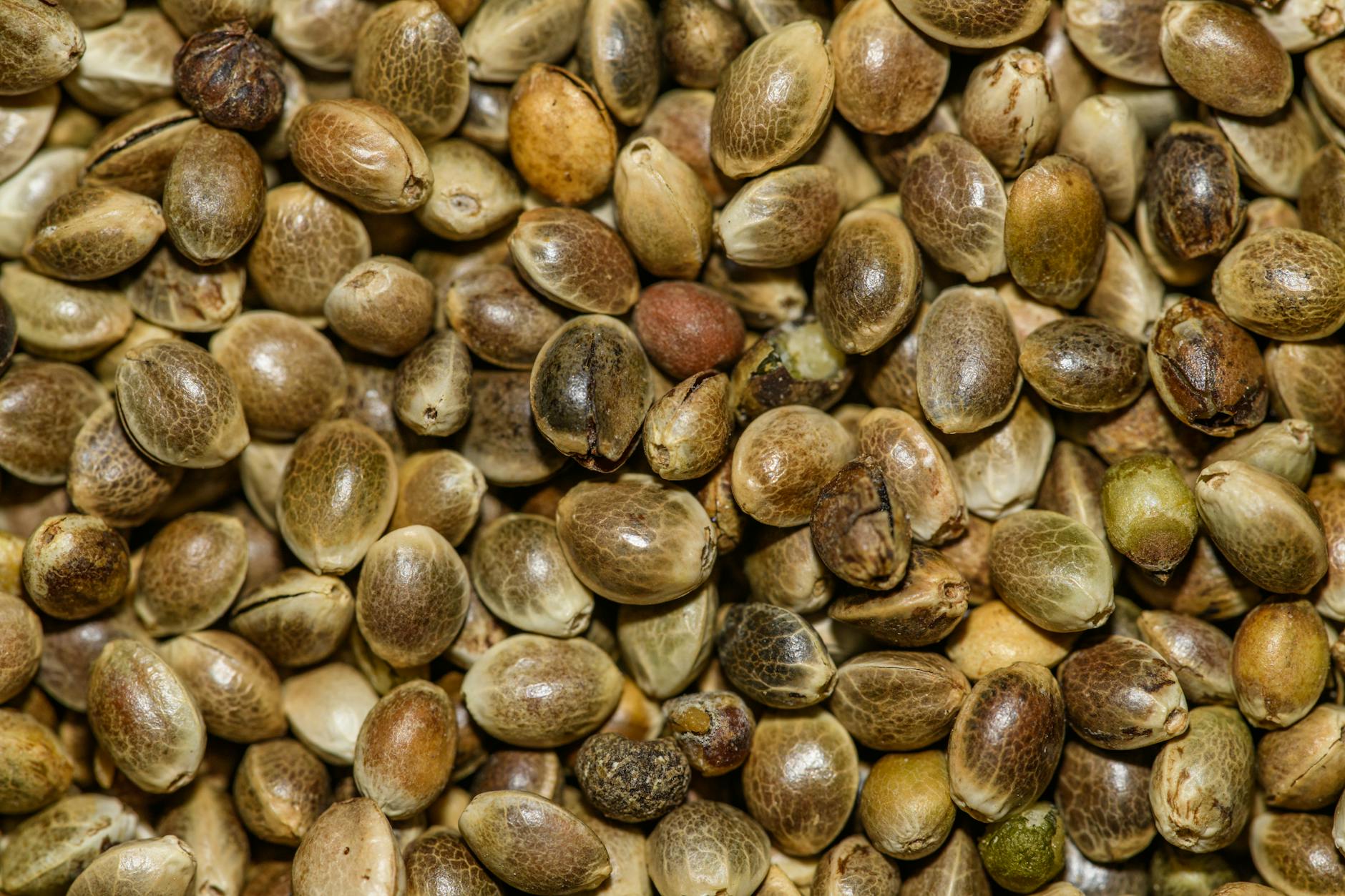
Hemp seeds provide an ideal ratio of omega-3 to omega-6 fatty acids, a balance that is crucial for maintaining the anti-inflammatory environment in which hormones function optimally. They are one of the few plant foods that contain all essential amino acids, supporting the production of peptide hormones and hormone-regulating enzymes. Hemp seeds are rich in gamma-linolenic acid, a fatty acid that has been studied for its role in supporting progesterone levels and reducing hormonal inflammation associated with PMS. Their zinc and magnesium content further supports testosterone regulation and adrenal resilience. Stirring three tablespoons of hemp seeds into a smoothie, salad, or bowl of oatmeal is an easy daily practice with meaningful hormonal dividends.
If you have a favorite hormone-supporting food that deserves a spot on this list, share it in the comments.