Cholesterol management does not always require medication, and what you eat plays a powerful role in keeping your levels in a healthy range. Certain everyday foods contain compounds that actively work to reduce LDL cholesterol, support heart health, and improve overall cardiovascular function. Building a diet around these natural allies is one of the most effective long-term strategies for protecting your heart without drastic lifestyle overhauls. From whole grains to fatty fish and everything in between, the options are as varied as they are delicious.
Oats
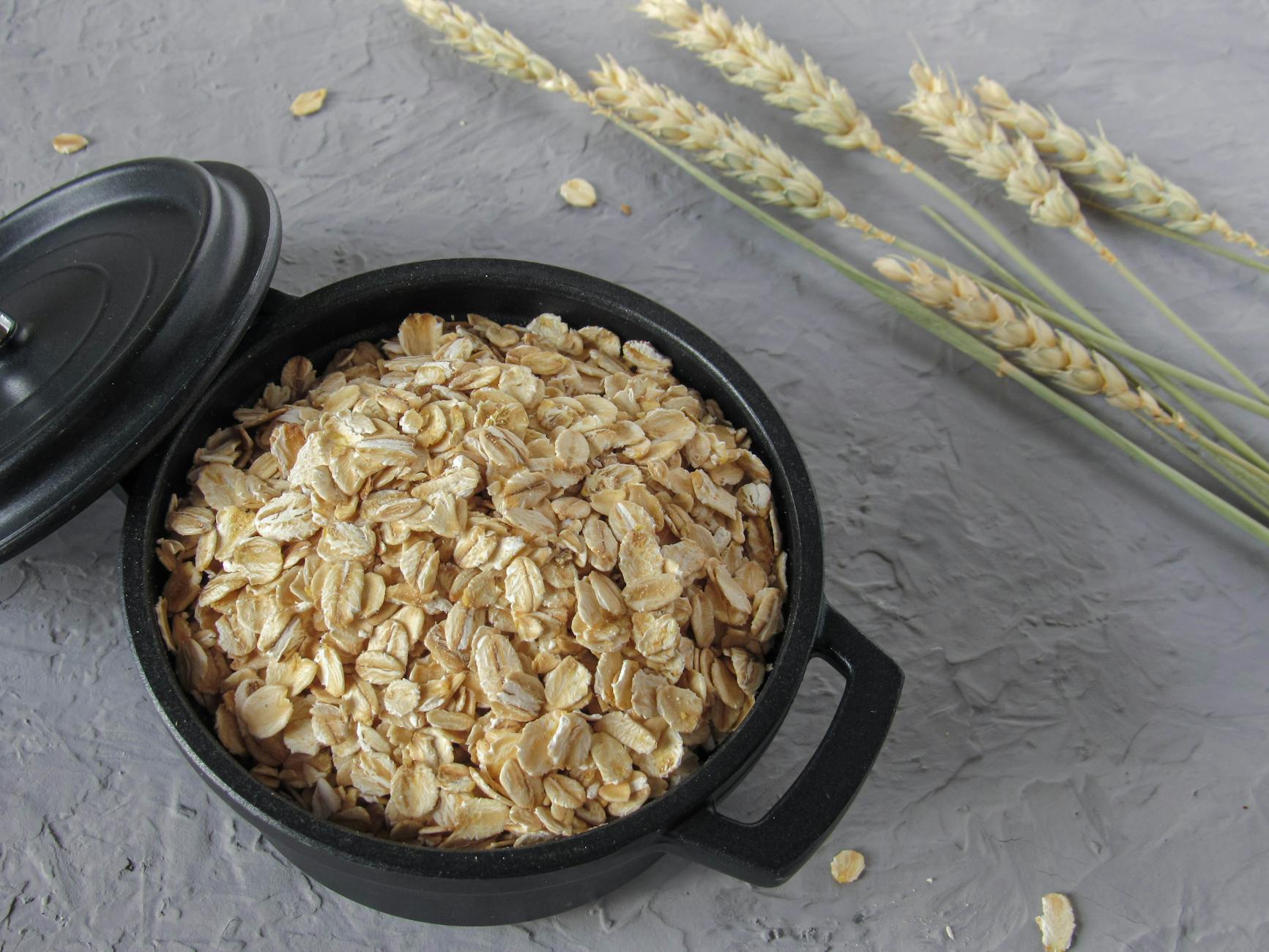
Oats are one of the most well-researched foods for cholesterol reduction, largely due to their high content of a soluble fiber called beta-glucan. This fiber forms a gel-like substance in the digestive tract that binds to cholesterol and carries it out of the body before it can be absorbed. A single bowl of oatmeal in the morning can deliver a meaningful dose of this beneficial compound. Regular consumption has been shown to significantly reduce LDL cholesterol levels over time. Steel-cut and rolled oats provide the highest fiber content compared to more processed varieties.
Barley
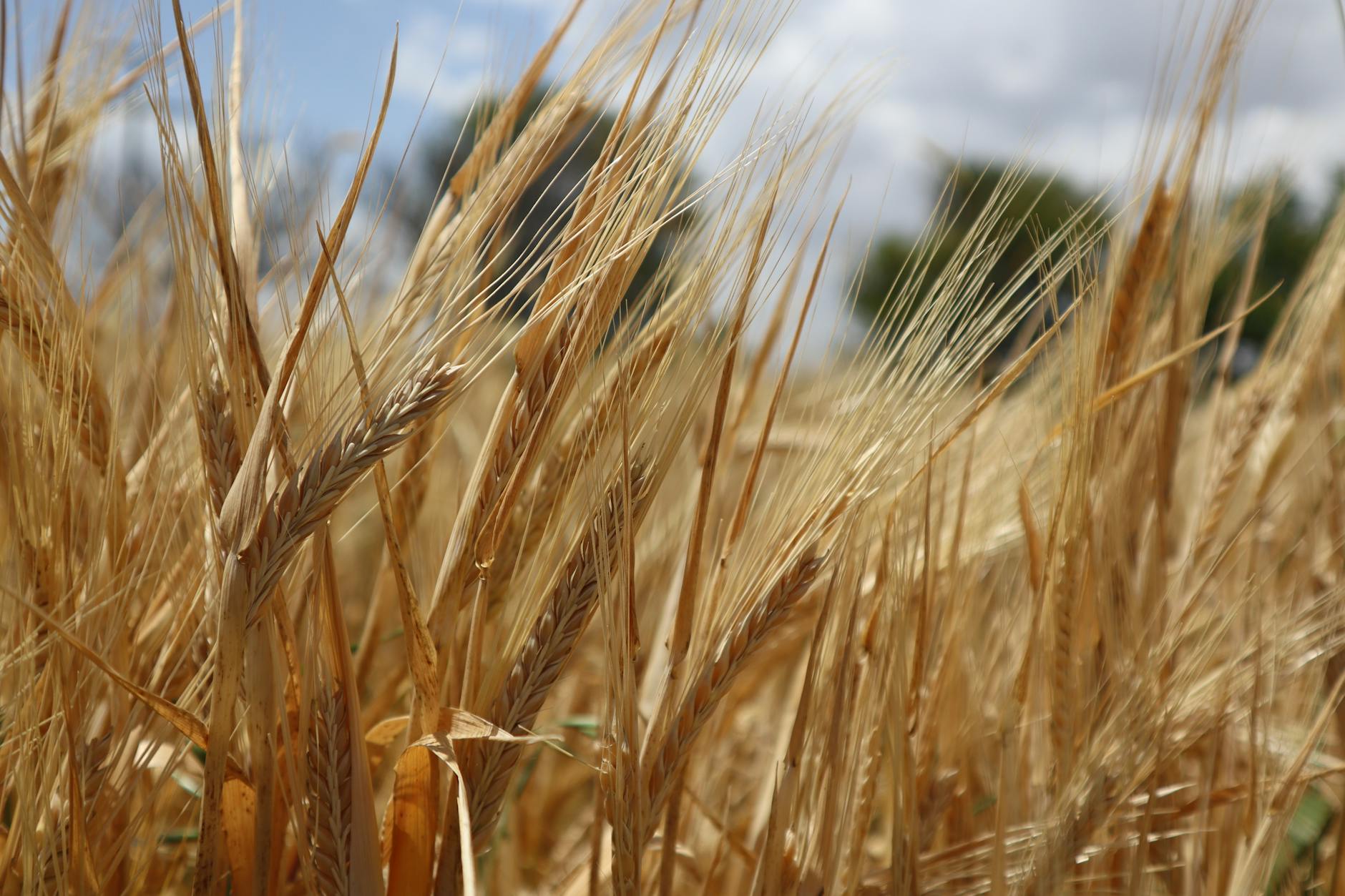
Barley is another whole grain rich in beta-glucan, offering similar cholesterol-lowering benefits to oats in a different culinary format. It can be used in soups, stews, salads, and grain bowls, making it a highly versatile addition to a heart-healthy diet. The soluble fiber in barley slows digestion and reduces the absorption of cholesterol in the gut. Studies have found that including barley regularly in meals contributes to measurable drops in LDL levels. Its mild, nutty flavor makes it an easy substitute for rice or pasta in a variety of dishes.
Beans
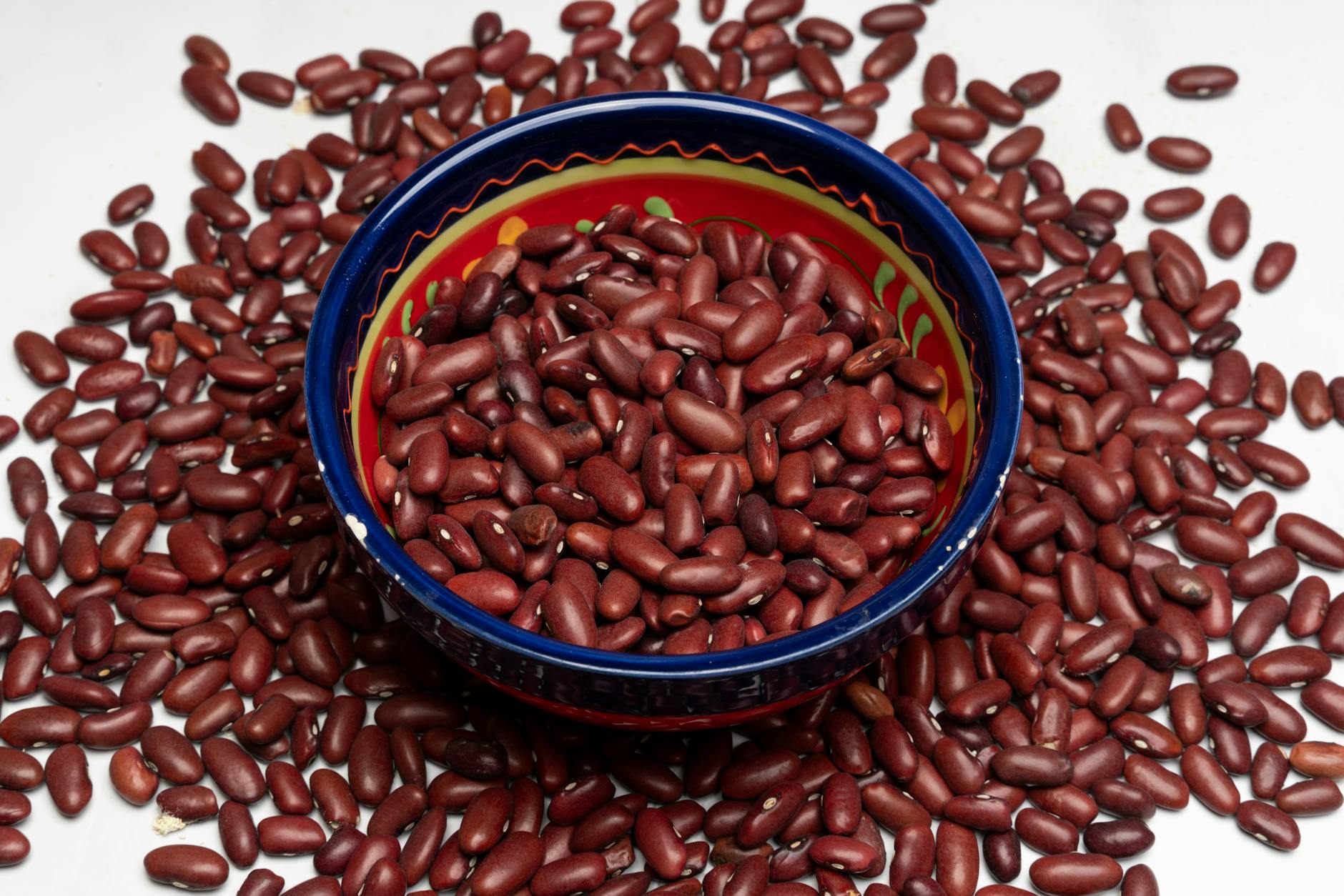
Beans are among the most affordable and nutrient-dense foods available for supporting healthy cholesterol levels. They are packed with soluble fiber, plant-based protein, and a range of micronutrients that collectively benefit cardiovascular health. Black beans, kidney beans, lentils, and chickpeas all fall into this category and can be incorporated into countless recipes. The soluble fiber they contain works in the same way as that found in oats, binding to cholesterol in the digestive system and facilitating its removal. Eating a serving of legumes daily has been linked to consistent reductions in LDL cholesterol.
Avocado
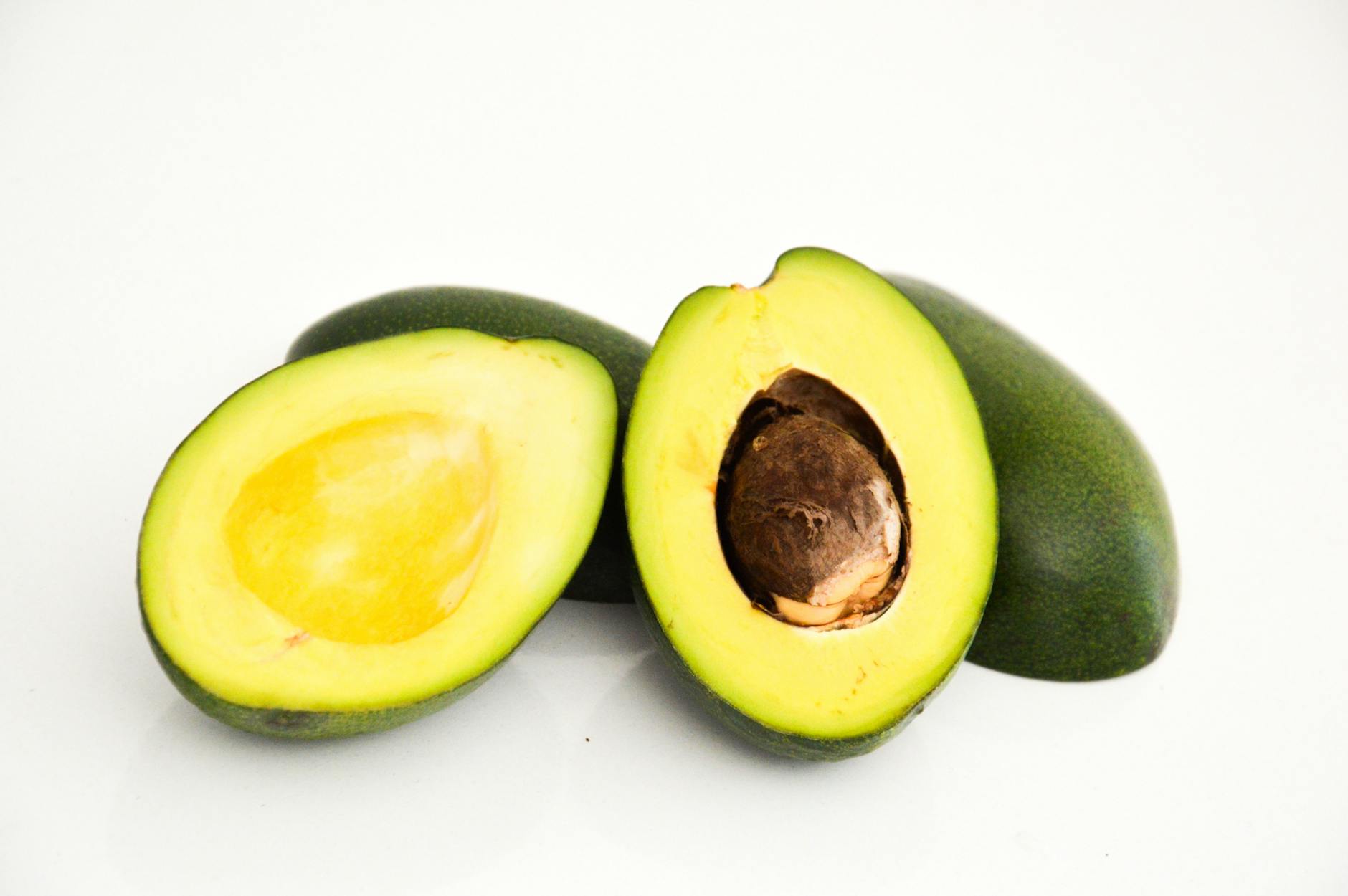
Avocados are rich in monounsaturated fats, which are known to raise HDL cholesterol while simultaneously lowering LDL levels. They also contain beta-sitosterol, a plant sterol that competes with dietary cholesterol for absorption in the intestines. This dual action makes avocados one of the most effective whole foods for overall cholesterol balance. Adding half an avocado to salads, sandwiches, or smoothies is a simple way to incorporate this nutrient powerhouse into daily eating. Their high fiber content provides an additional layer of cardiovascular support.
Nuts
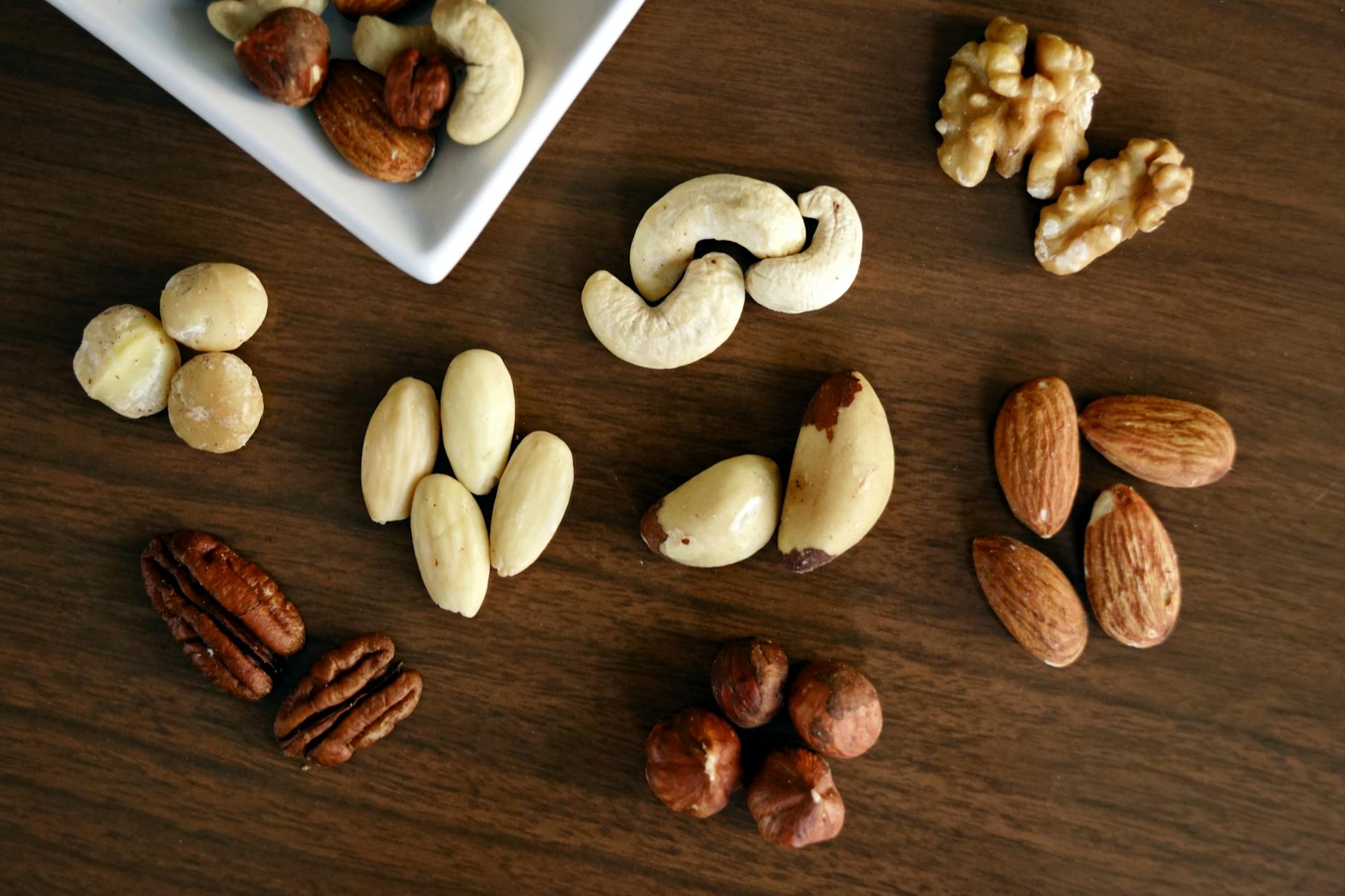
Nuts including almonds, walnuts, pistachios, and pecans are rich in healthy fats, fiber, and plant sterols that actively lower LDL cholesterol. Walnuts in particular are high in omega-3 fatty acids, which support heart health and reduce inflammation in the arteries. A small handful of mixed nuts consumed daily has been consistently linked to improved lipid profiles in multiple clinical studies. They also contain L-arginine, an amino acid that supports healthy blood vessel function and circulation. Choosing unsalted, unroasted varieties maximizes their natural nutritional benefits.
Fatty Fish
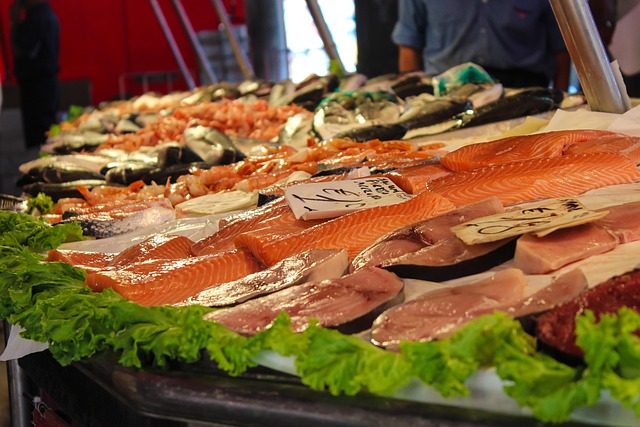
Fatty fish such as salmon, mackerel, sardines, and trout are excellent sources of omega-3 fatty acids, which are among the most potent natural compounds for improving heart health. While omega-3s primarily work to lower triglycerides, they also help raise HDL cholesterol and reduce systemic inflammation that contributes to arterial plaque. Eating fatty fish two to three times per week is a widely recommended dietary habit for cardiovascular protection. The protein content in fish also makes it a satisfying alternative to red meat, which tends to raise LDL cholesterol. Grilling or baking fish preserves its beneficial fats far better than frying.
Olive Oil
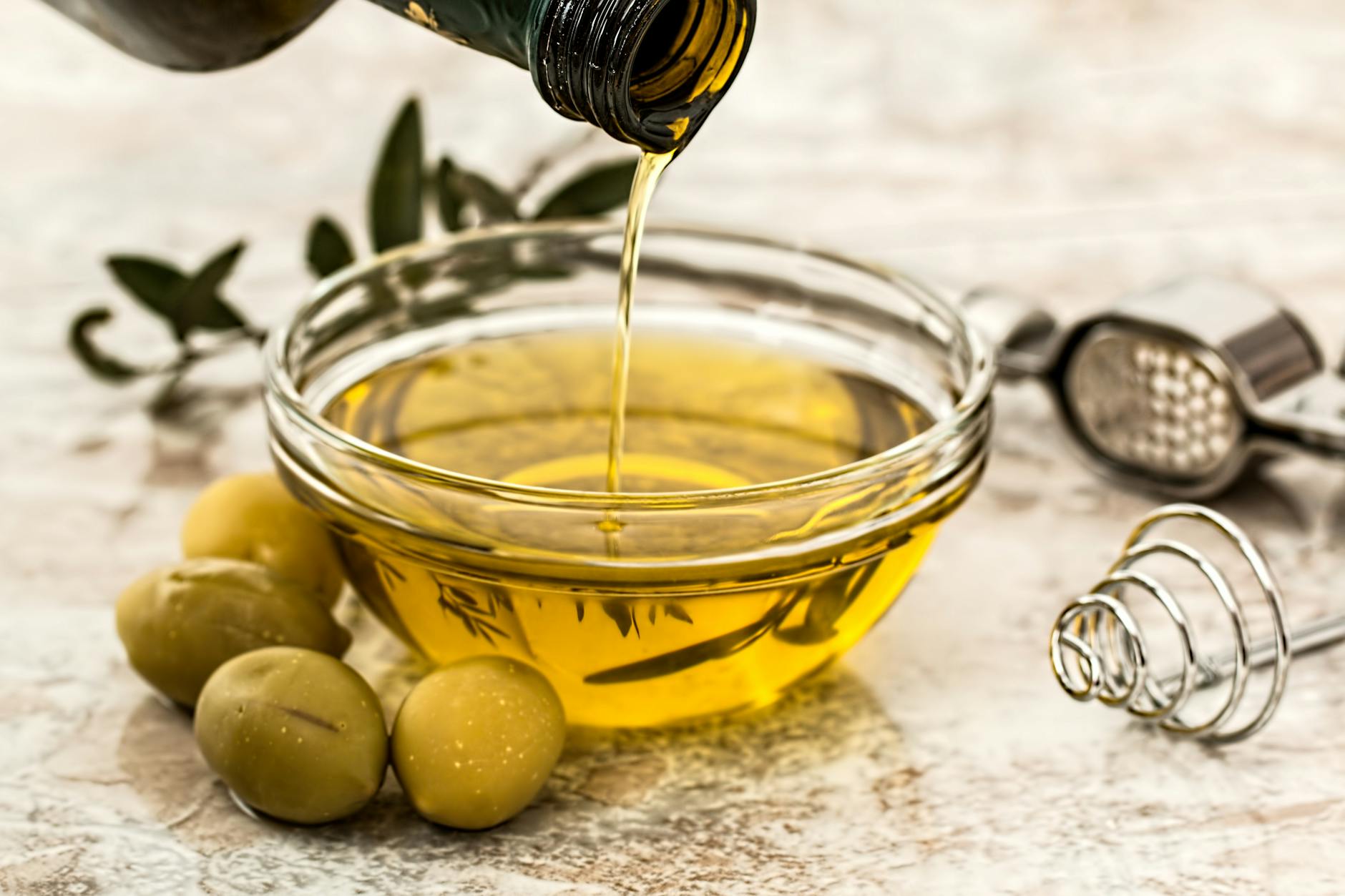
Extra virgin olive oil is a cornerstone of the Mediterranean diet and a powerful ally against high LDL cholesterol. Its high content of oleic acid, a monounsaturated fatty acid, helps reduce LDL oxidation while supporting healthy HDL levels. The polyphenols found in high-quality olive oil also provide anti-inflammatory effects that protect the cardiovascular system over time. Using olive oil in place of butter or saturated fats in cooking is one of the simplest dietary swaps with measurable long-term results. Cold-pressed, extra virgin varieties retain the highest concentration of beneficial compounds.
Flaxseeds
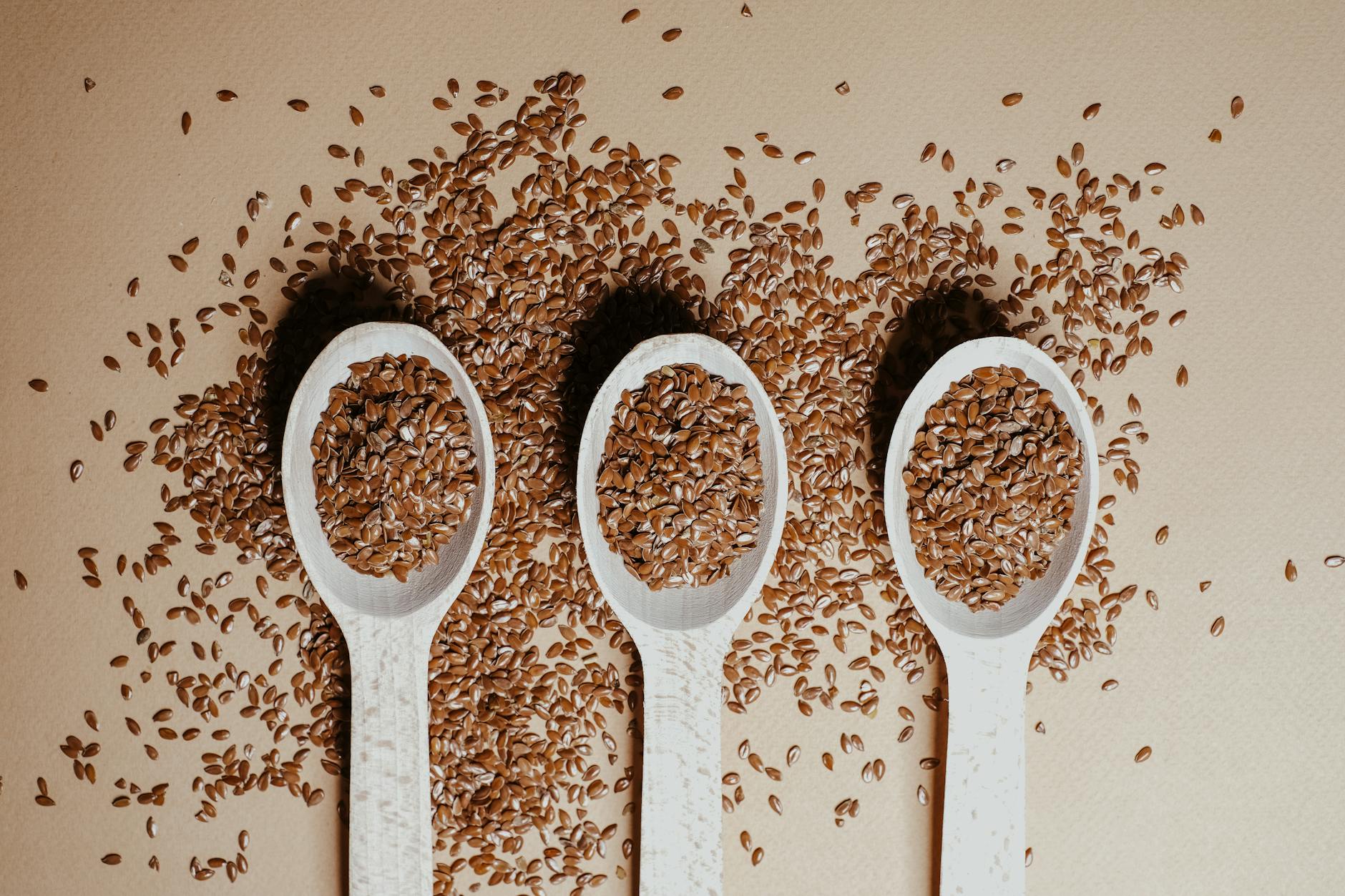
Flaxseeds are one of the richest plant-based sources of alpha-linolenic acid, a type of omega-3 fatty acid that supports heart health and helps lower LDL cholesterol. They also contain lignans and soluble fiber, which work together to reduce cholesterol absorption in the gut. Ground flaxseeds are significantly easier for the body to digest and absorb compared to whole seeds. Adding a tablespoon of ground flaxseed to yogurt, oatmeal, or smoothies is a seamless way to boost daily intake. Their cholesterol-lowering effects are most pronounced when consumed consistently over several weeks.
Chia Seeds
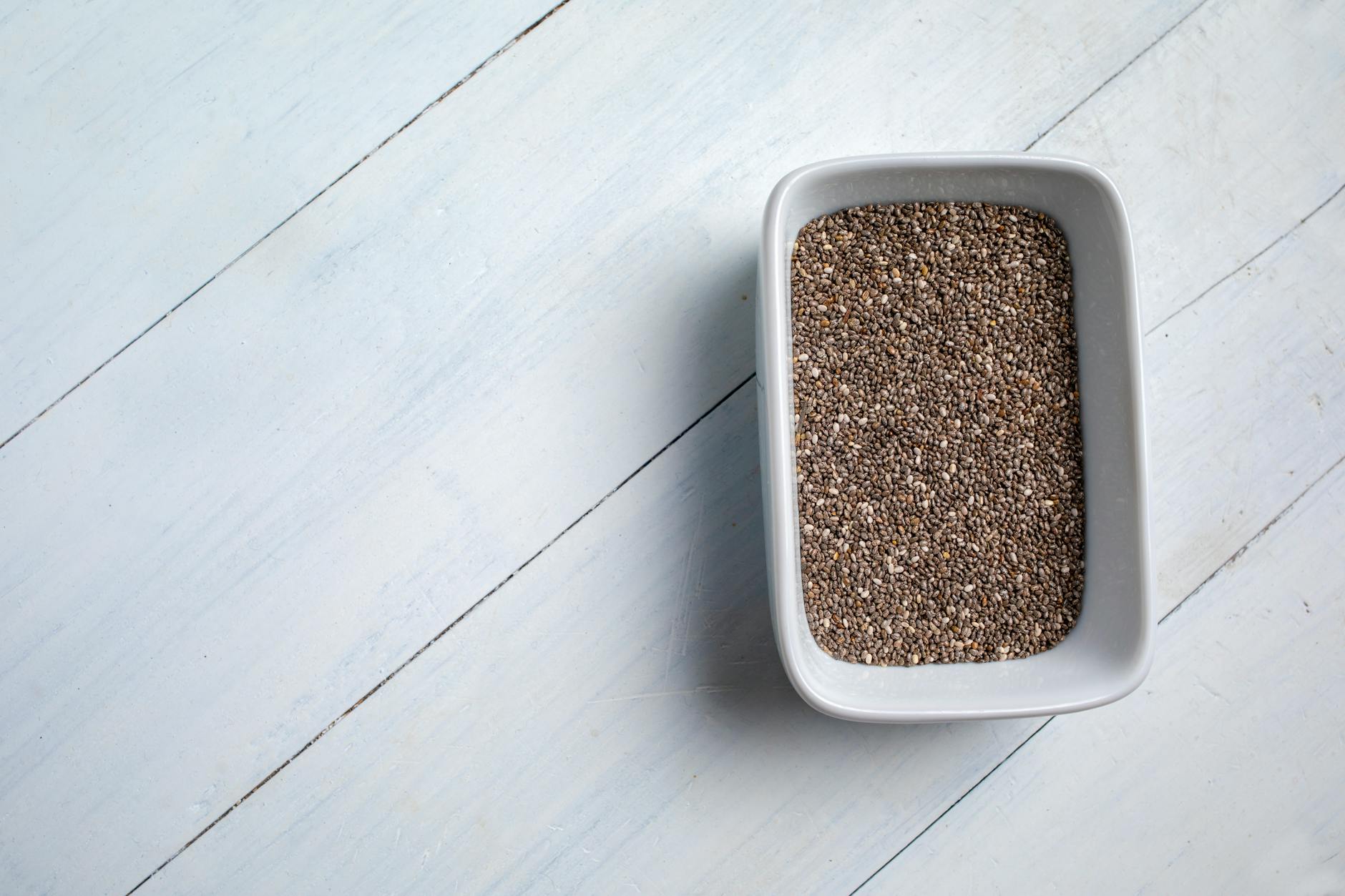
Chia seeds deliver an impressive combination of soluble fiber, omega-3 fatty acids, and protein in a small, easy-to-use package. When mixed with liquid, they form a gel that slows digestion and reduces cholesterol absorption in the digestive tract. Regular consumption has been associated with lower total cholesterol and improved LDL-to-HDL ratios in several studies. They can be stirred into smoothies, used to make overnight puddings, or sprinkled over salads and grain dishes. Their neutral flavor makes them one of the most versatile heart-healthy additions to any meal plan.
Apples
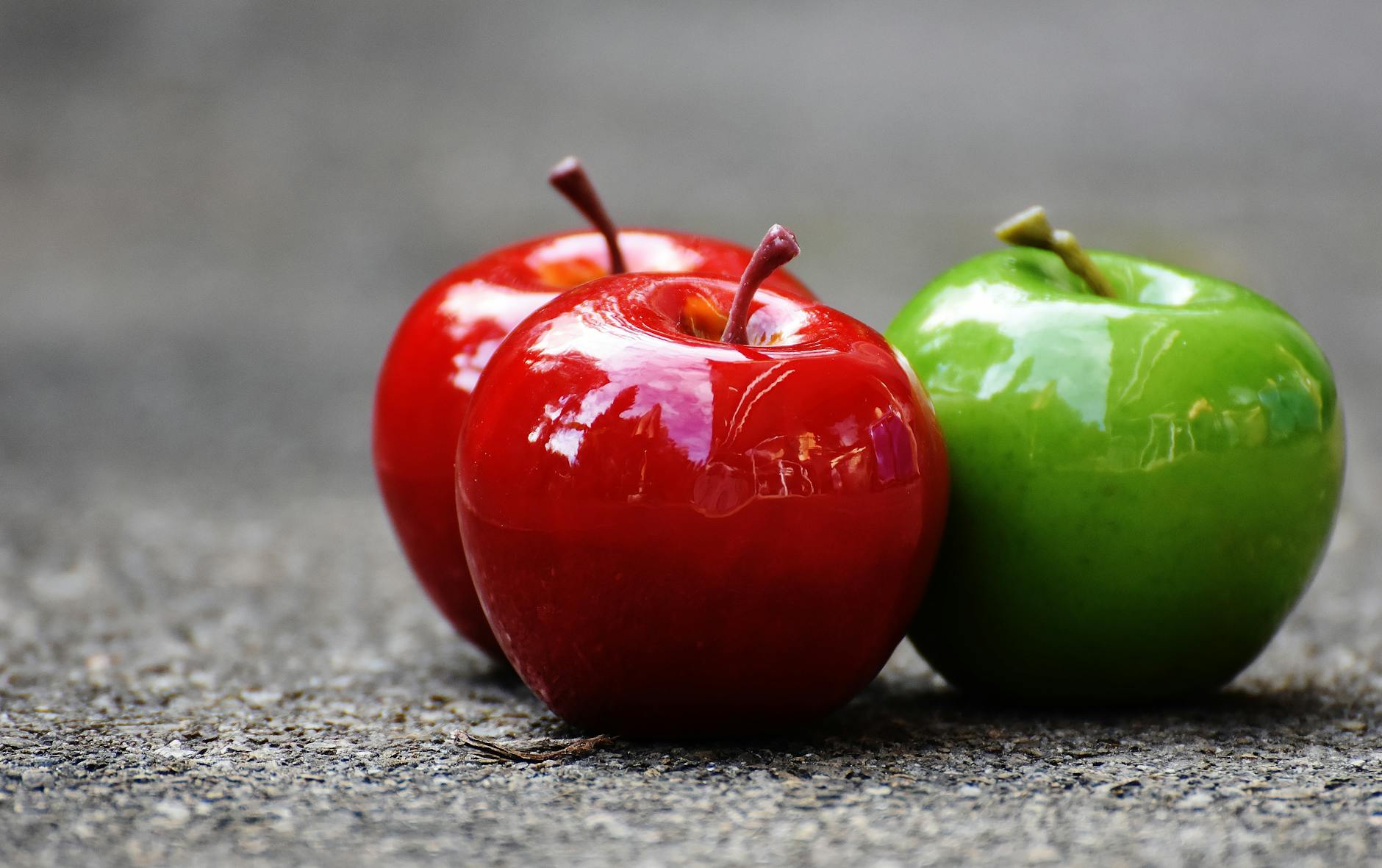
Apples contain a type of soluble fiber called pectin, which binds to LDL cholesterol in the digestive system and helps eliminate it from the body. They are also rich in polyphenols, including quercetin, which has antioxidant and anti-inflammatory properties that support arterial health. Eating an apple a day with the skin on maximizes both pectin and polyphenol intake. Research has shown that regular apple consumption is associated with significantly lower LDL cholesterol levels. Their natural sweetness also makes them an excellent replacement for processed sugary snacks that can worsen lipid profiles.
Citrus Fruits
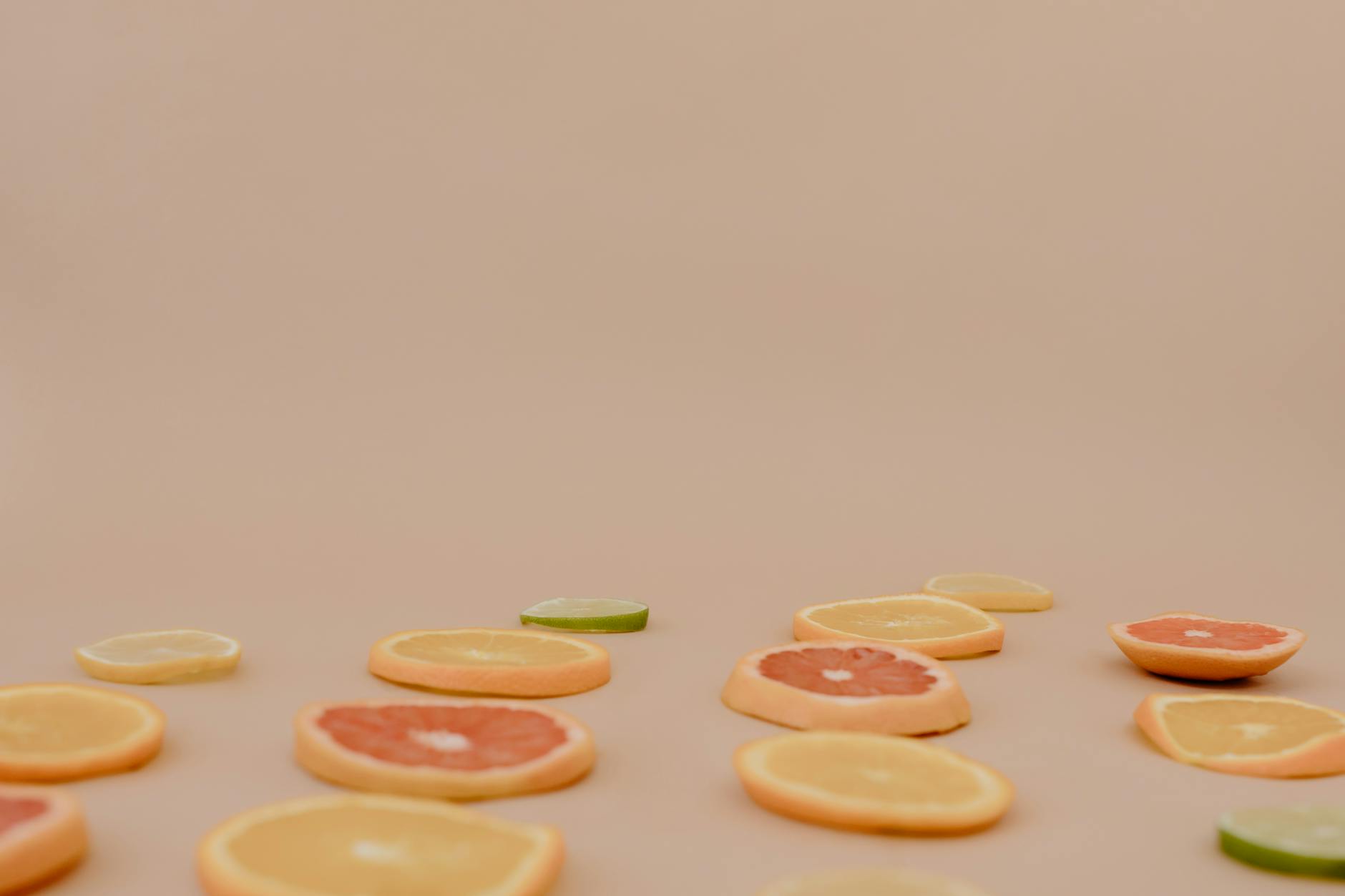
Citrus fruits like oranges, grapefruits, lemons, and limes are high in pectin, the same soluble fiber found in apples that helps clear LDL cholesterol from the body. They are also packed with flavonoids and vitamin C, compounds that reduce oxidative stress and inflammation in the cardiovascular system. Grapefruit in particular has been studied extensively for its cholesterol-lowering effects, though it can interact with certain medications and should be consumed with caution in those cases. Drinking freshly squeezed citrus juice or eating whole fruit provides the most fiber and bioavailable nutrients. Including a variety of citrus fruits in the weekly diet adds both nutritional diversity and cardiovascular benefit.
Berries
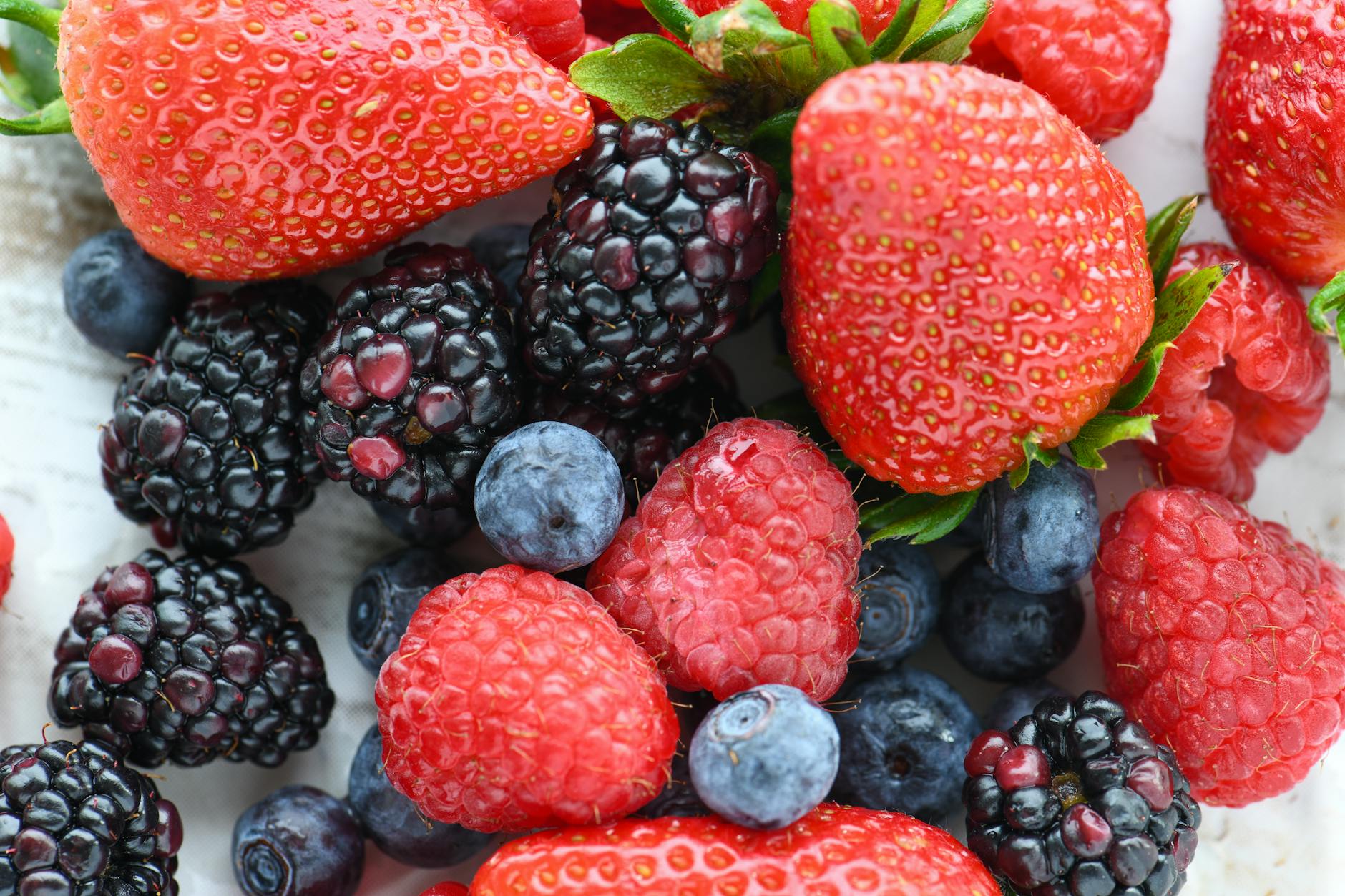
Blueberries, strawberries, raspberries, and blackberries are loaded with anthocyanins and other polyphenols that reduce LDL oxidation and support the integrity of blood vessel walls. Their soluble fiber content also contributes to the binding and elimination of dietary cholesterol before it enters the bloodstream. Blueberries in particular have been shown in clinical trials to raise HDL cholesterol while lowering LDL levels. Fresh or frozen berries offer similar nutritional profiles, making them accessible year-round. Adding a cup of mixed berries to breakfast or consuming them as a snack is an effortless way to support heart health daily.
Grapes

Grapes contain resveratrol and other polyphenols that have been linked to improved cholesterol balance and reduced arterial inflammation. Red and purple grapes tend to carry the highest concentration of these beneficial plant compounds. The fiber content in grapes, particularly the skin, also contributes modestly to cholesterol binding in the digestive tract. Regular grape consumption has been associated with higher HDL levels and reduced LDL oxidation in observational studies. Choosing whole grapes over grape juice ensures the full fiber content is retained.
Eggplant
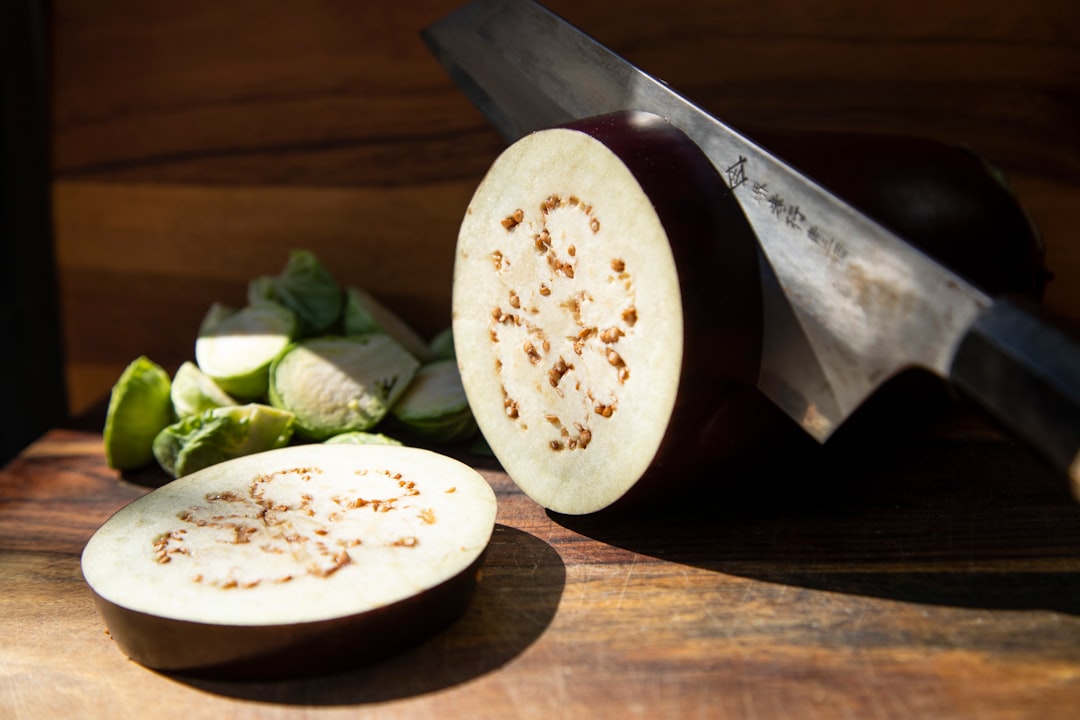
Eggplant is a low-calorie, high-fiber vegetable that contains chlorogenic acid, a powerful antioxidant that helps reduce LDL cholesterol and prevent its oxidation in the arteries. Its soluble fiber content slows cholesterol absorption in the gut, contributing to improved lipid profiles over time. Roasting or grilling eggplant preserves more of its nutrients compared to frying, which can add unhealthy fats. It works well as a meat substitute in dishes like stews and casseroles, helping reduce saturated fat intake at the same time. Including eggplant regularly in a plant-forward diet supports both cholesterol management and general cardiovascular wellness.
Okra
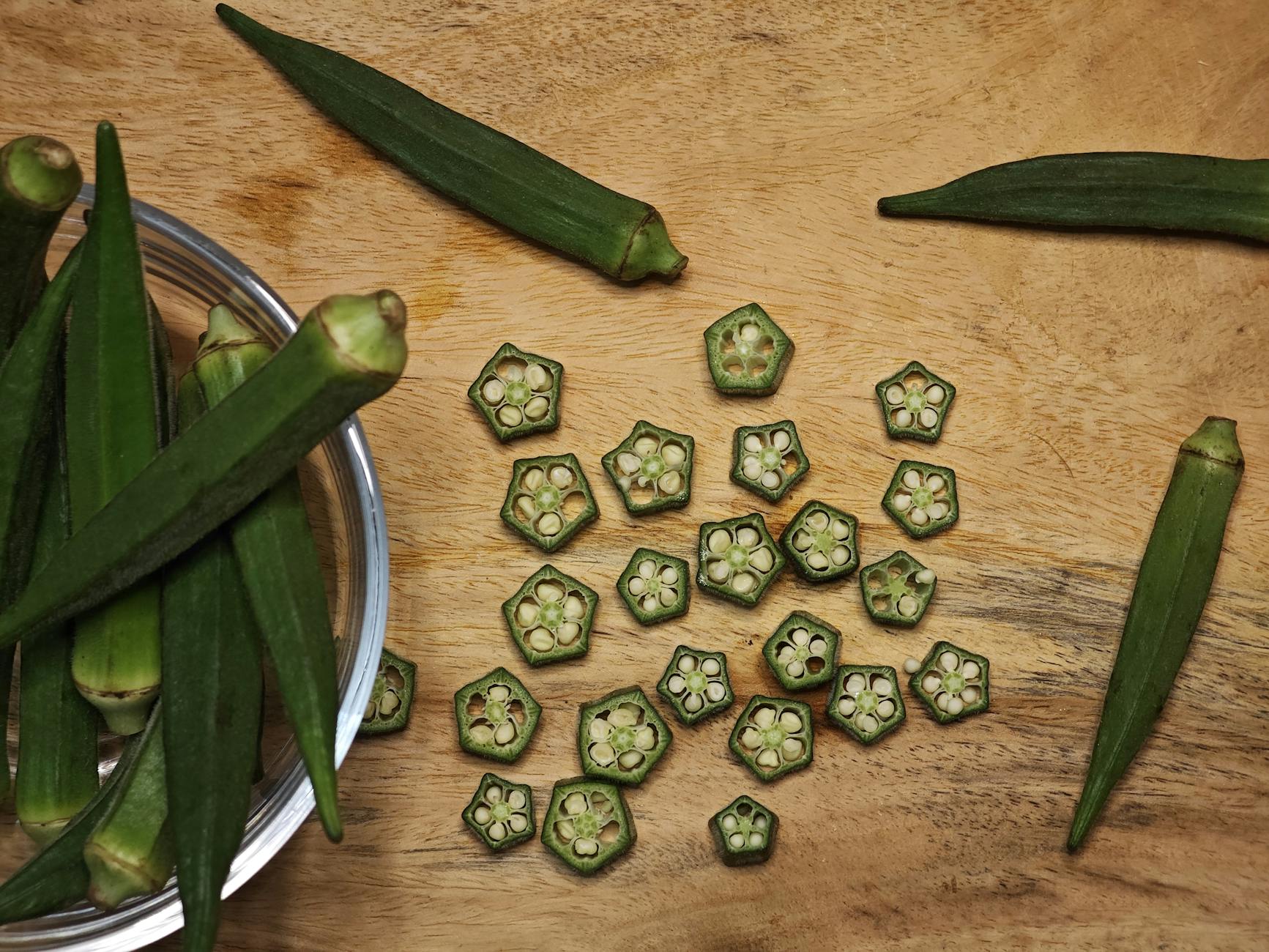
Okra is a highly underrated vegetable for heart health, rich in soluble fiber, polyphenols, and antioxidants that collectively help reduce LDL cholesterol. The mucilaginous gel it produces during cooking is particularly effective at binding cholesterol and bile acids in the digestive system. This gel acts similarly to beta-glucan, slowing cholesterol absorption and facilitating its excretion. Okra is also low in calories and glycemic impact, making it an excellent addition to a heart-healthy and weight-conscious diet. It can be included in soups, stews, stir-fries, and roasted vegetable medleys.
Garlic
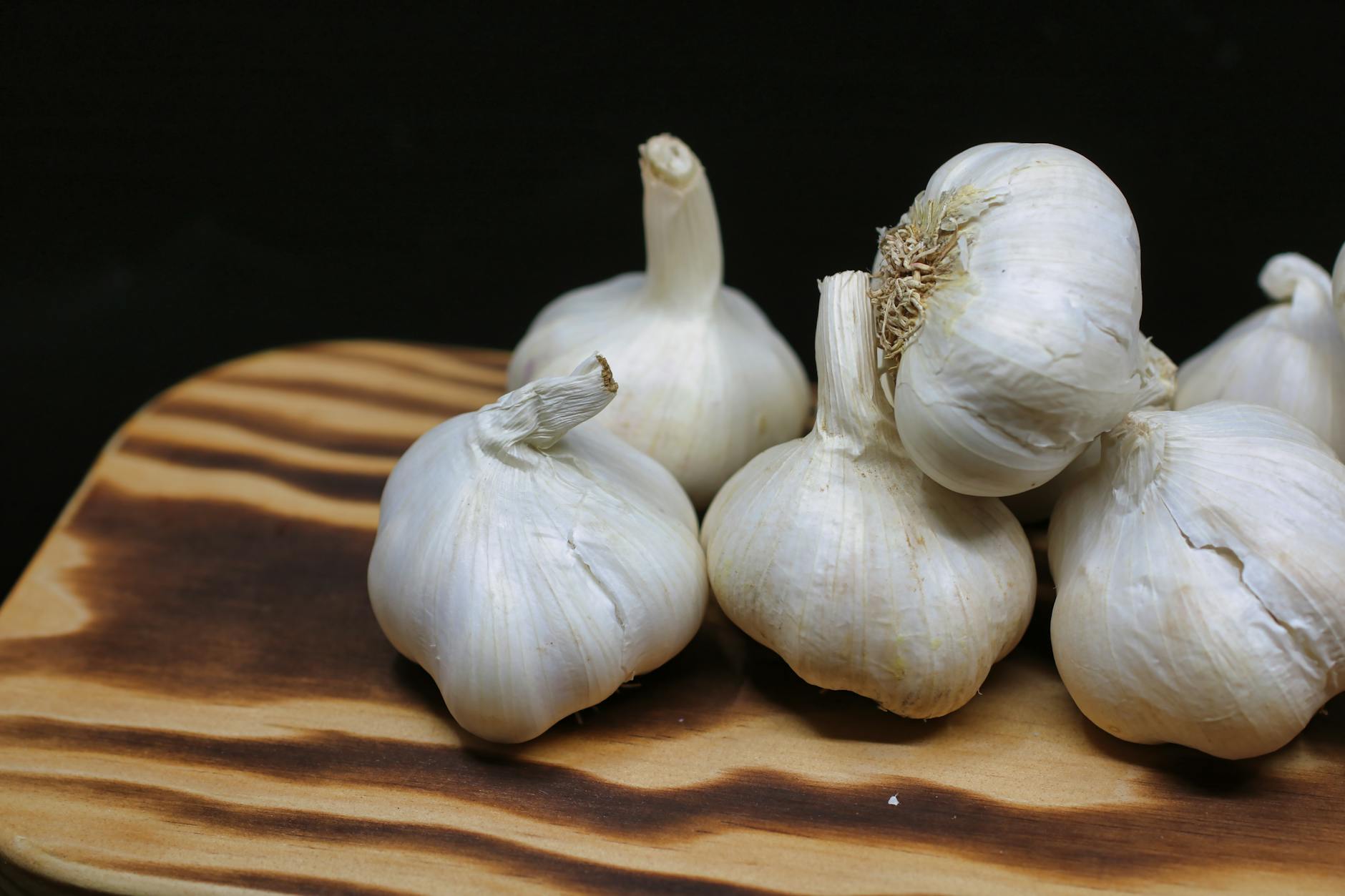
Garlic contains allicin, a sulfur compound released when garlic is crushed or chopped that has been shown to inhibit cholesterol synthesis in the liver. Regular consumption of garlic has been associated with modest but meaningful reductions in total and LDL cholesterol levels. It also helps prevent the oxidation of LDL particles, which is a key step in the development of arterial plaque. Raw garlic delivers the highest concentration of allicin, though lightly cooked garlic still retains a significant portion of its beneficial compounds. Incorporating garlic generously into everyday cooking is one of the simplest heart-healthy habits to build.
Onions
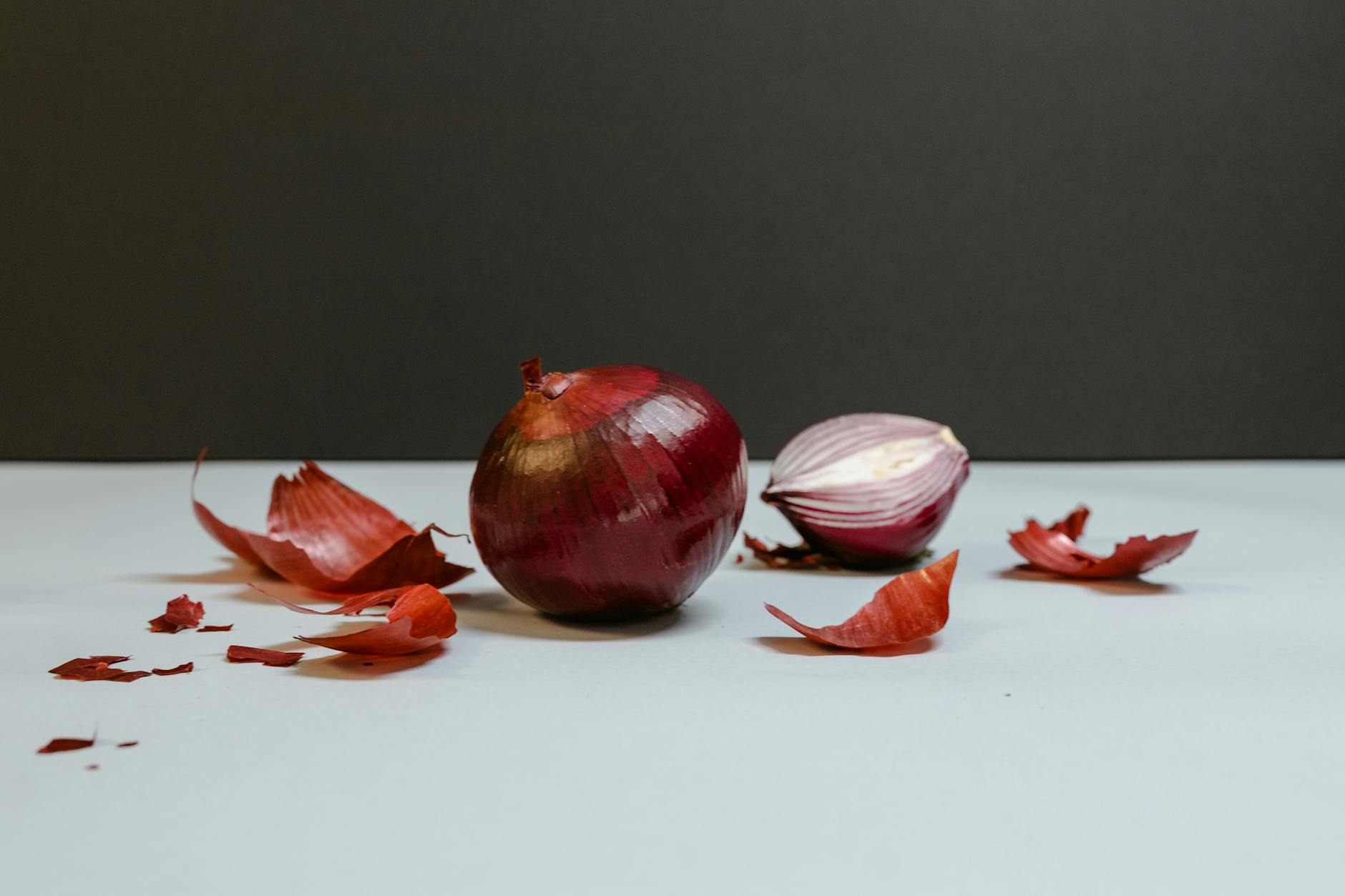
Onions are rich in quercetin, a flavonoid antioxidant that has been shown to reduce LDL cholesterol and protect blood vessel walls from oxidative damage. They also contain organosulfur compounds similar to those found in garlic, which support healthy cholesterol metabolism in the liver. Red onions tend to have a higher polyphenol content than white or yellow varieties, making them a particularly potent dietary choice. Eating onions raw in salads or lightly sautéed preserves more of their beneficial plant compounds. Their widespread use in cooking makes them one of the easiest cholesterol-supporting foods to include daily.
Spinach
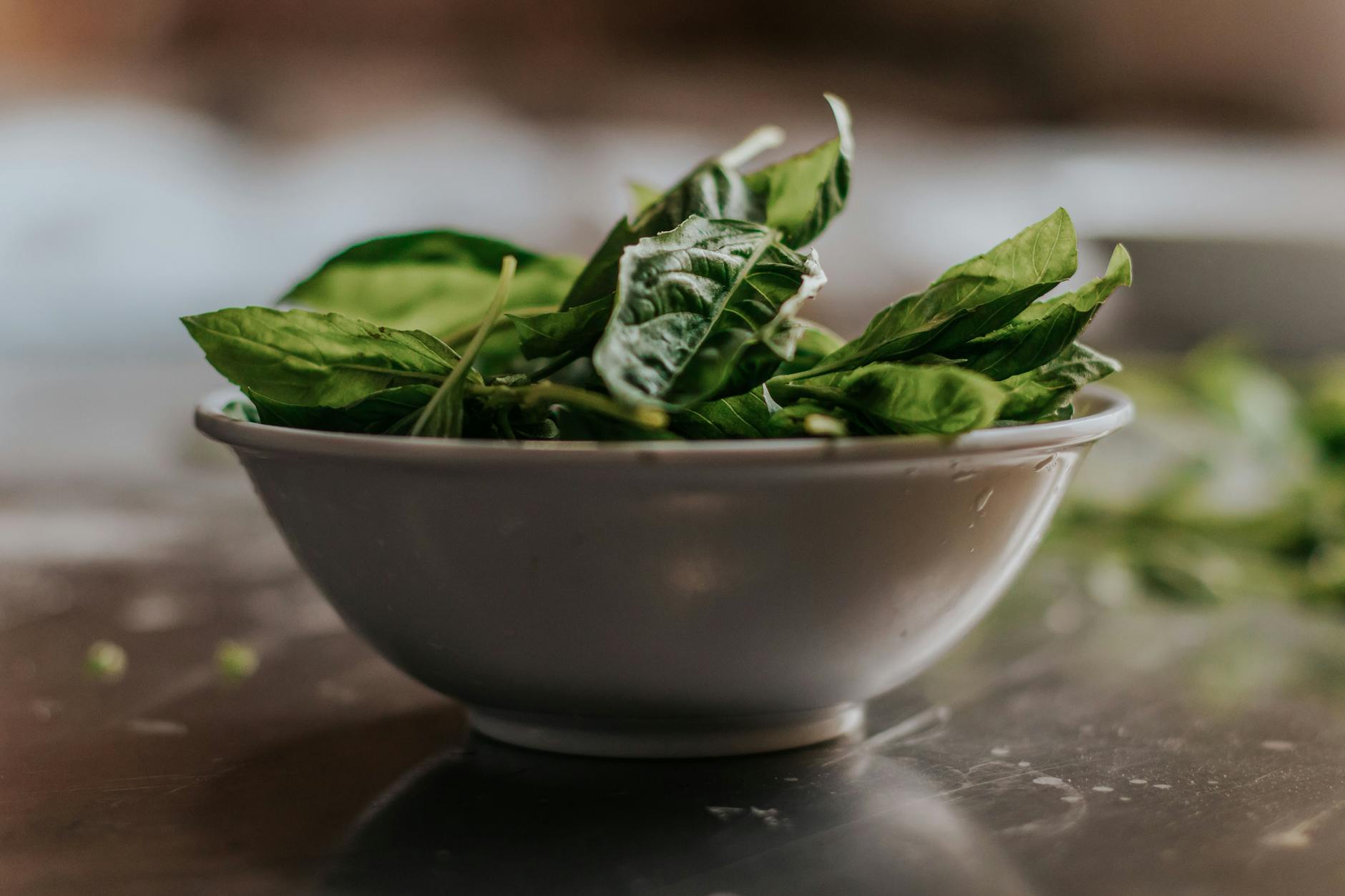
Spinach is packed with lutein, a carotenoid that has been shown to help prevent LDL cholesterol from sticking to the walls of arteries and forming dangerous plaques. It also delivers a solid amount of dietary fiber, folate, and potassium, all of which support overall cardiovascular function. The antioxidants in spinach help neutralize free radicals that contribute to LDL oxidation and arterial damage over time. Both raw and lightly cooked spinach offer meaningful nutritional benefits, with cooking increasing the bioavailability of certain compounds. Incorporating spinach into salads, smoothies, omelets, and pasta dishes is an effortless strategy for heart health.
Kale
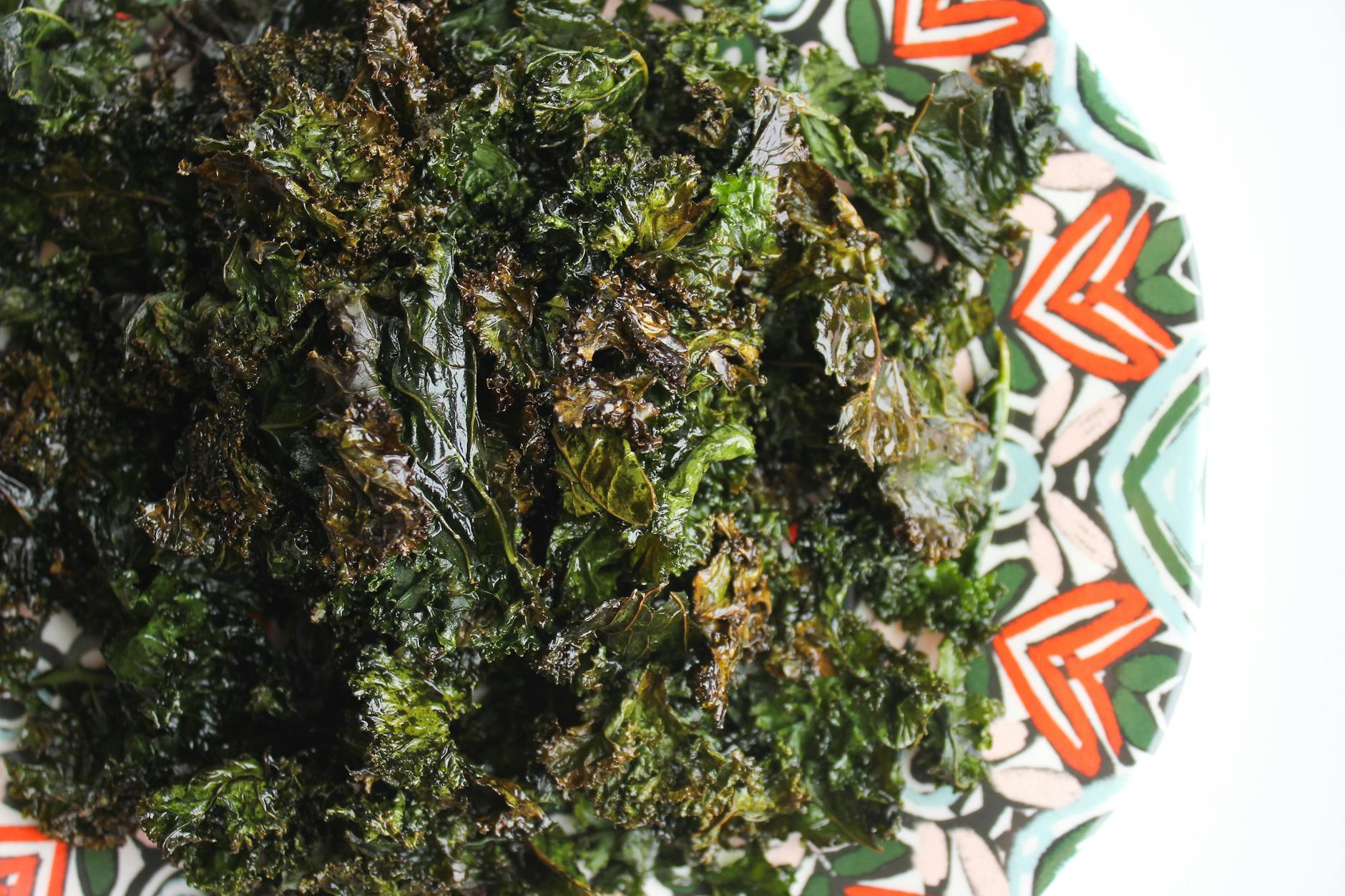
Kale is one of the most nutrient-dense leafy greens available, containing bile acid sequestrants that bind to cholesterol in the gut and prevent its reabsorption into the bloodstream. It is also rich in fiber, vitamin K, vitamin C, and antioxidants that reduce systemic inflammation linked to cardiovascular disease. Studies have found that drinking kale juice daily for a period of weeks leads to significant increases in HDL and decreases in LDL cholesterol. Steaming kale rather than eating it raw may enhance its bile acid-binding capacity and make it gentler on digestion. Adding kale to soups, stir-fries, smoothies, or baked chips makes it highly adaptable across meal types.
Broccoli
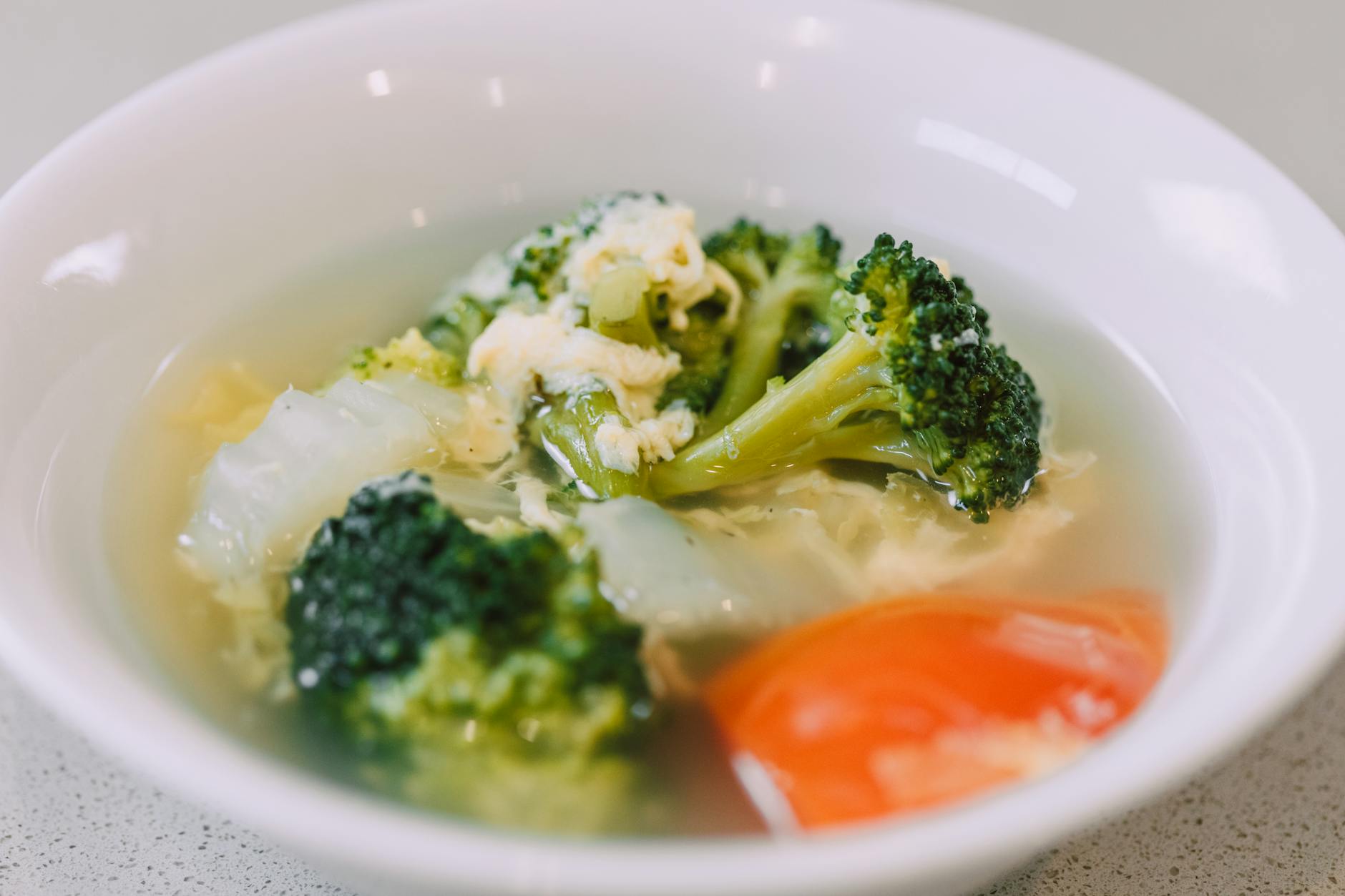
Broccoli contains soluble fiber, sulforaphane, and a range of antioxidants that support healthy cholesterol levels and protect the cardiovascular system from oxidative stress. Its fiber content helps bind bile acids in the intestines, reducing their recycling and prompting the liver to convert more cholesterol into new bile acids, effectively lowering circulating LDL. Lightly steaming broccoli is the best preparation method to preserve both its sulforaphane content and fiber integrity. It is also a rich source of plant-based calcium and vitamins C and K, adding broad nutritional value beyond cholesterol management. Eating broccoli several times per week contributes to consistent, cumulative improvements in lipid profiles.
Brussels Sprouts
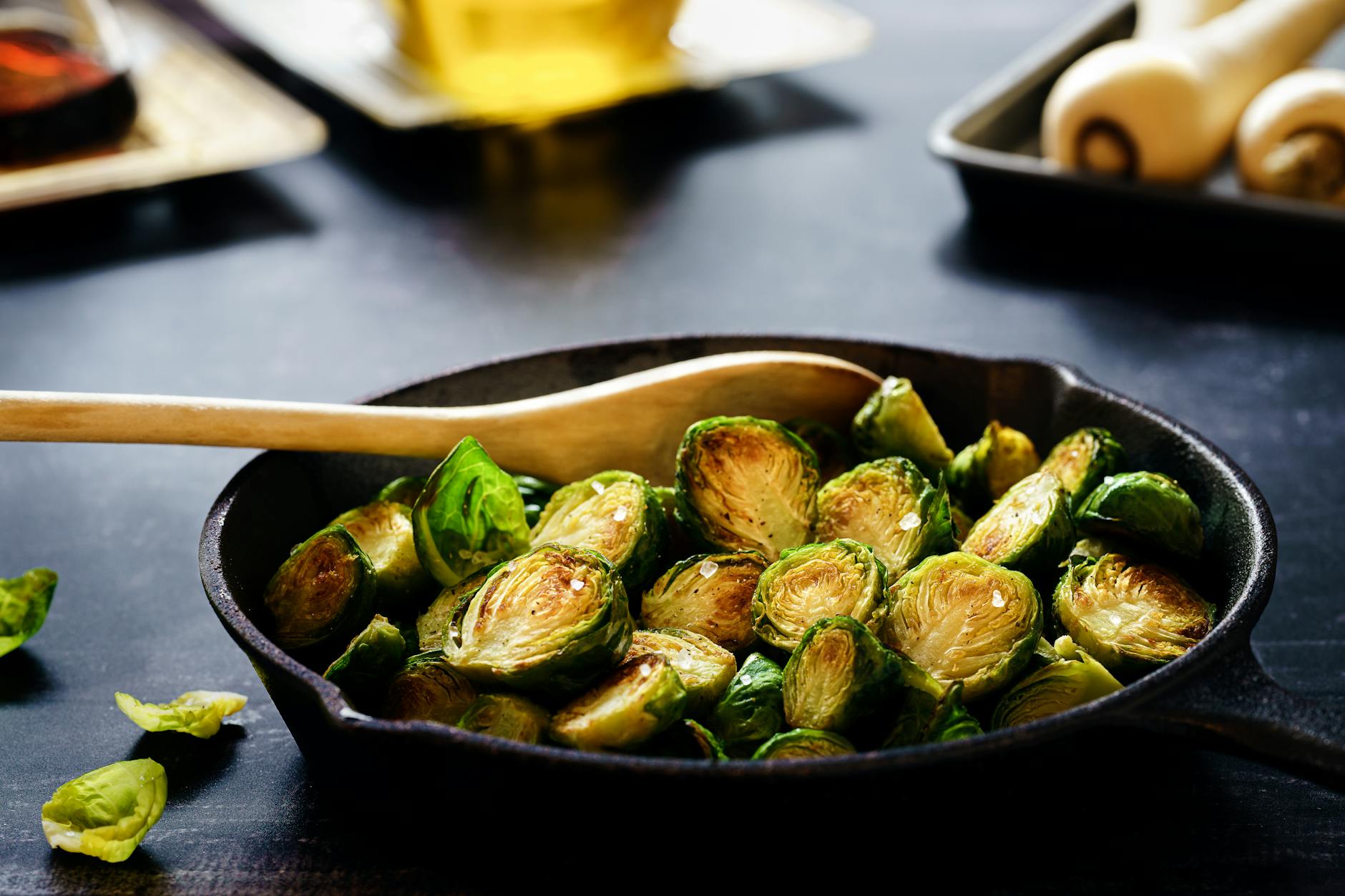
Brussels sprouts are a fiber-rich cruciferous vegetable that helps reduce LDL cholesterol through their bile acid-binding capacity and high antioxidant content. They contain glucosinolates, sulfur compounds that support liver function and the metabolism of dietary fats and cholesterol. Roasting Brussels sprouts caramelizes their natural sugars and mellows their bitterness, making them more palatable and widely appealing. Their vitamin C and vitamin K content also support vascular integrity and reduce the risk of arterial calcification. Including Brussels sprouts as a regular side dish is an effective and flavorful way to support heart health.
Edamame
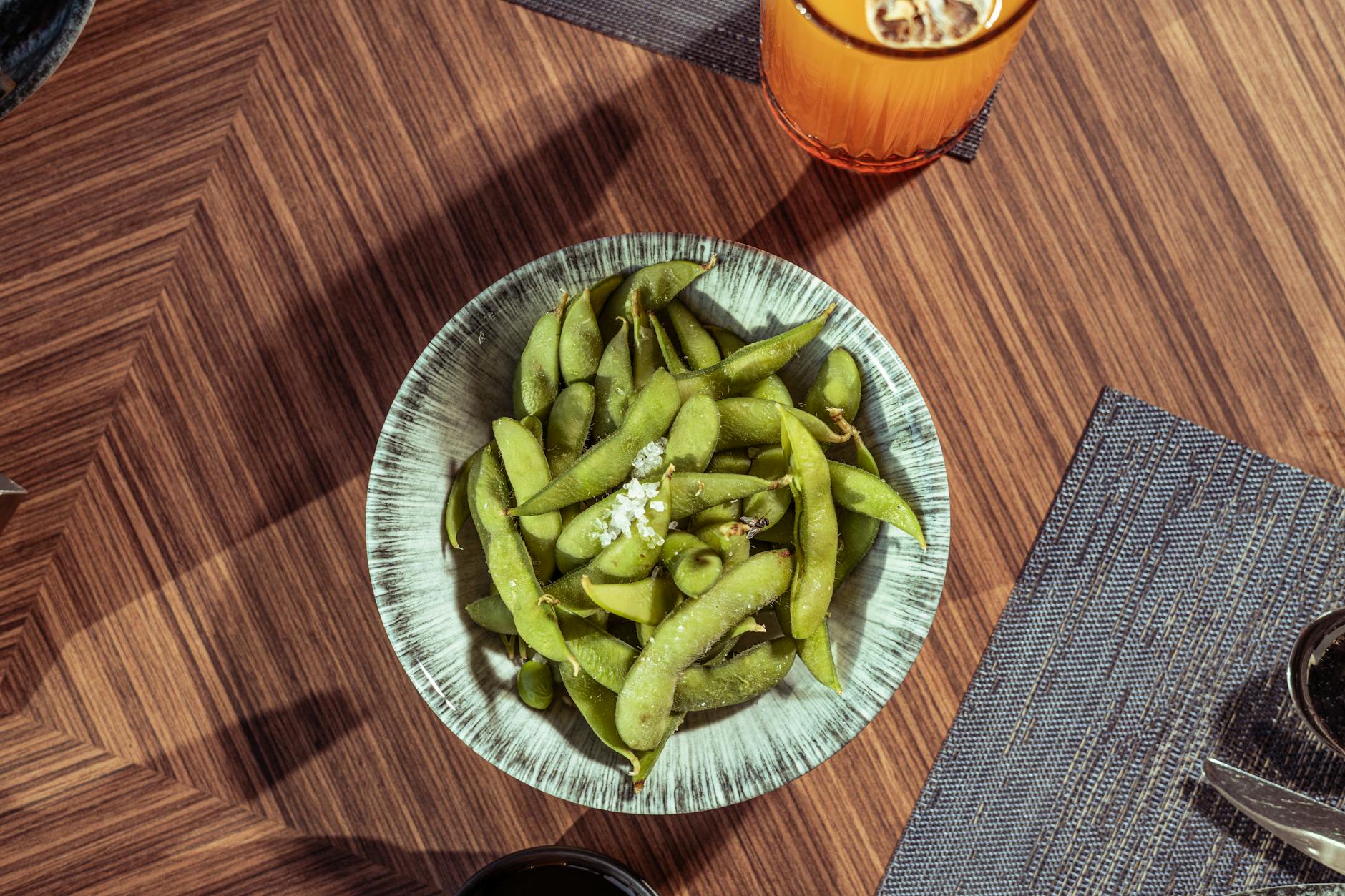
Edamame, or young soybeans, are one of the most powerful plant-based foods for cholesterol management due to their high content of soy protein, fiber, and isoflavones. Soy protein has been shown in multiple studies to lower LDL cholesterol by reducing the liver’s production of cholesterol and increasing its clearance from the blood. Isoflavones, the plant compounds unique to soy, also have antioxidant effects that reduce LDL oxidation and arterial inflammation. A single cup of edamame delivers around eight grams of fiber and seventeen grams of protein, making it an extremely nutrient-dense snack. Eating edamame regularly as a snack or incorporating it into grain bowls and salads is a simple and satisfying strategy for improving lipid levels.
Tofu

Tofu is a soy-based food that shares many of the cholesterol-lowering properties found in edamame, primarily through its soy protein and isoflavone content. Replacing animal proteins like red meat and processed meats with tofu can lead to significant reductions in both total and LDL cholesterol over time. It is also low in saturated fat, which is a major dietary driver of elevated LDL levels, making it a doubly beneficial food choice. Firm tofu works well grilled, baked, or stir-fried, while silken tofu blends seamlessly into smoothies, soups, and sauces. The versatility of tofu makes it one of the most practical meat substitutes for a heart-healthy plant-based diet.
Tempeh
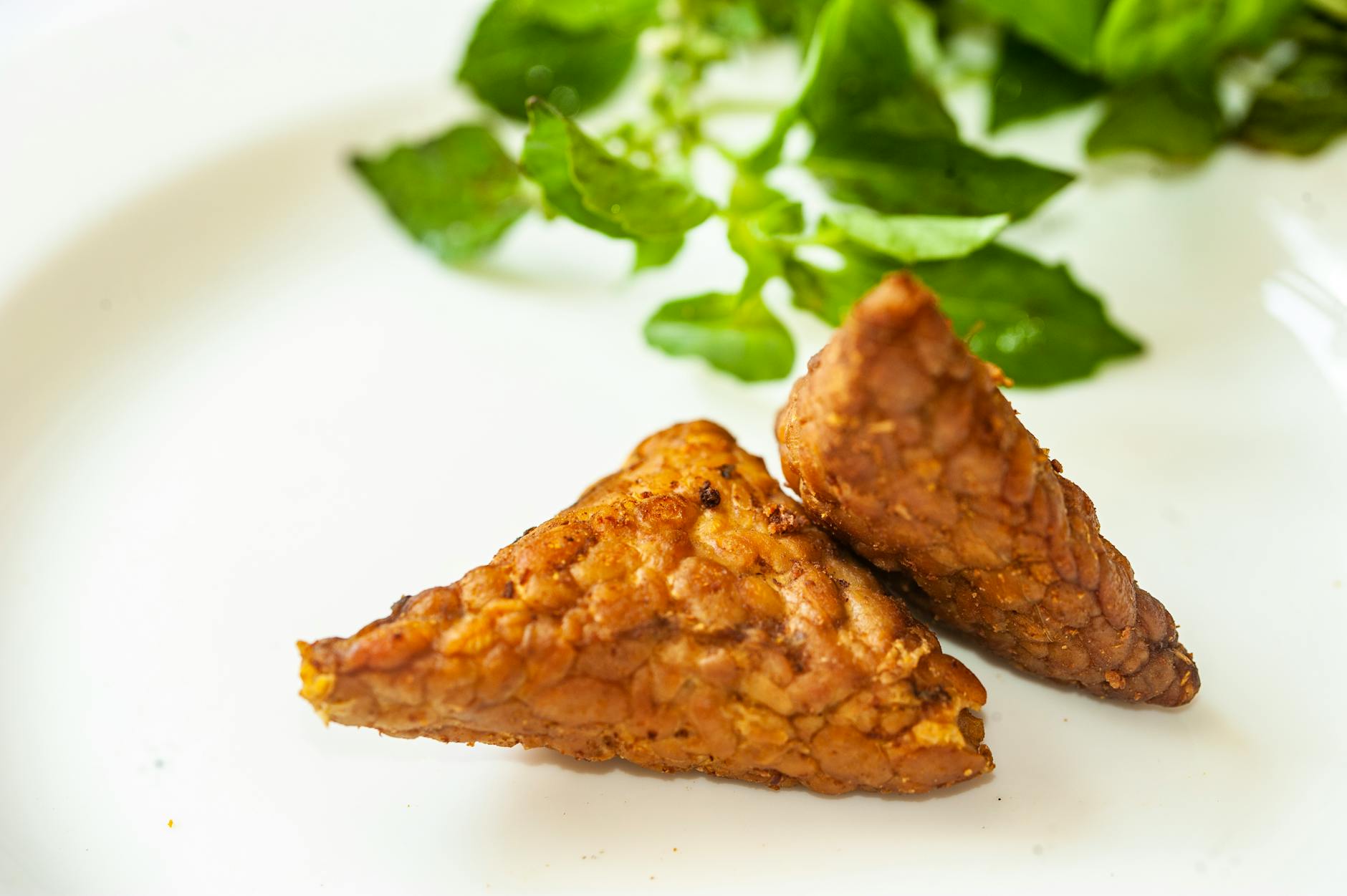
Tempeh is a fermented soy product that retains all the cholesterol-lowering properties of whole soybeans while offering the added benefits of fermentation, including improved digestibility and probiotic content. Its high protein content makes it a satisfying and nutritionally complete alternative to animal proteins that are high in saturated fat. The isoflavones in tempeh have been specifically linked to reduced LDL cholesterol and lower risk of cardiovascular disease in long-term dietary studies. Its firm, meaty texture holds up well in stir-fries, tacos, and grain bowls, making it a highly versatile ingredient. Eating tempeh regularly as part of a plant-rich diet supports both gut health and healthy cholesterol levels simultaneously.
Psyllium Husk
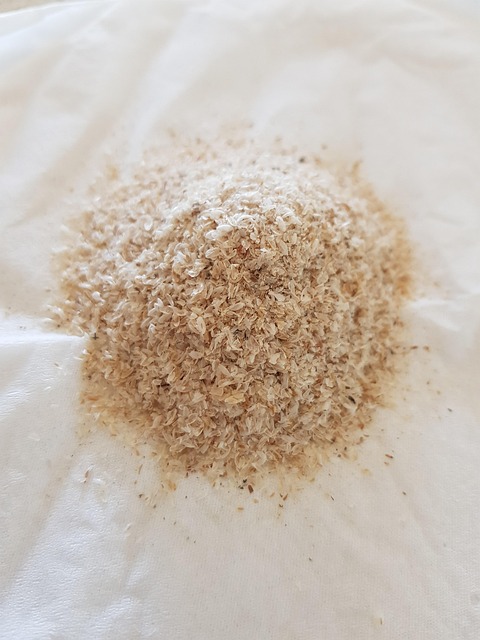
Psyllium husk is one of the most concentrated sources of soluble fiber available, derived from the seeds of the Plantago ovata plant and widely used both as a dietary supplement and a food ingredient. When consumed with water, it swells into a thick gel that moves through the digestive tract and binds cholesterol and bile acids, facilitating their excretion. Clinical research consistently shows that daily psyllium husk supplementation leads to significant reductions in total and LDL cholesterol within just a few weeks. It can be stirred into water, juice, or yogurt, or added to baked goods and smoothies. Starting with a small dose and gradually increasing intake helps avoid digestive discomfort as the body adjusts.
Green Tea
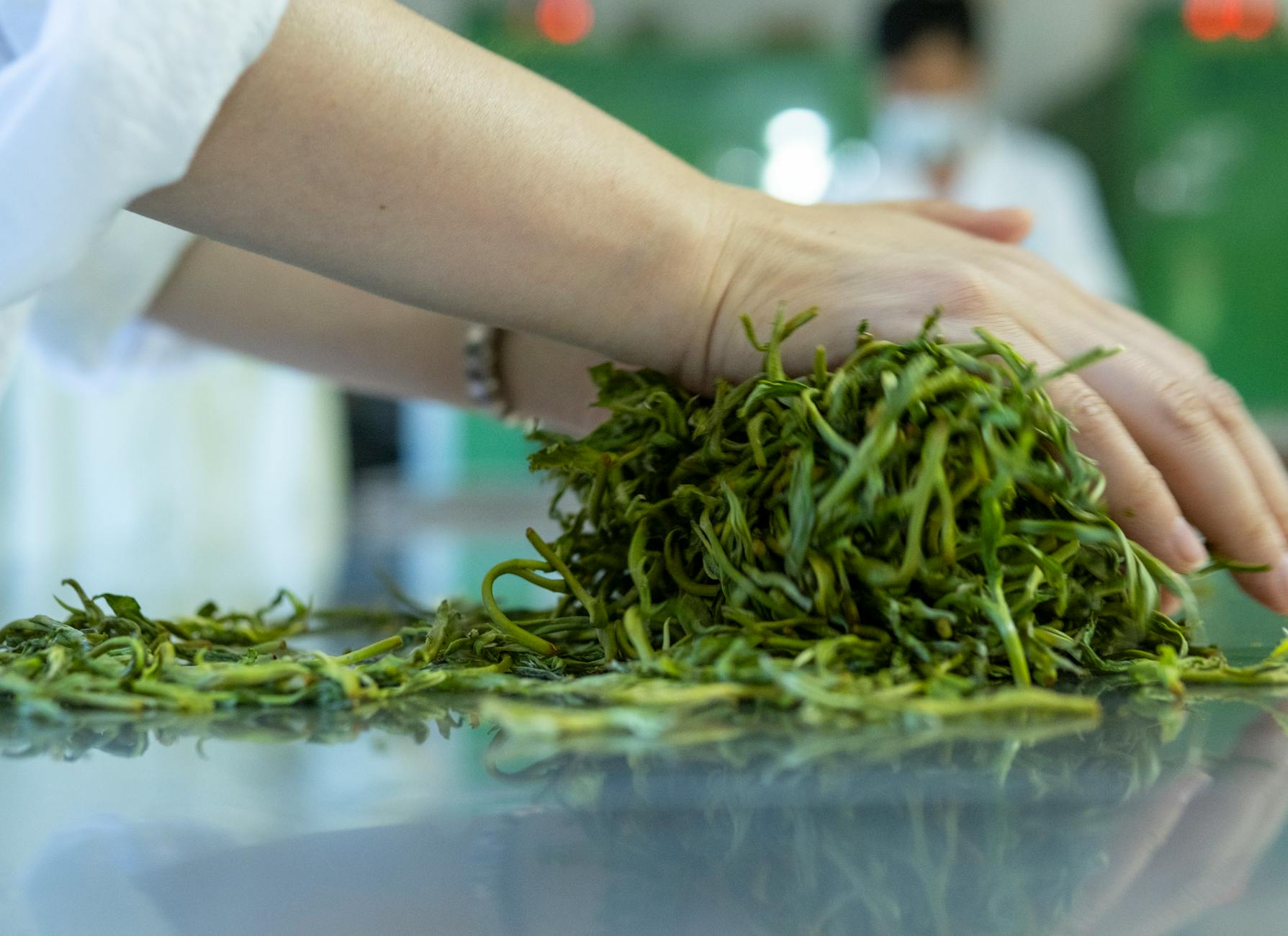
Green tea is rich in catechins, a class of polyphenols that have been extensively studied for their ability to reduce LDL cholesterol and prevent its oxidation in the arteries. Epigallocatechin gallate, the most potent catechin found in green tea, inhibits the intestinal absorption of cholesterol and reduces its synthesis in the liver. Drinking three to five cups of green tea per day has been associated with meaningful reductions in total cholesterol in multiple human trials. Matcha, a powdered form of green tea, delivers a significantly higher concentration of catechins per serving than steeped loose-leaf varieties. Replacing sugary beverages or coffee with green tea is one of the easiest dietary adjustments for supporting cardiovascular health.
Dark Chocolate
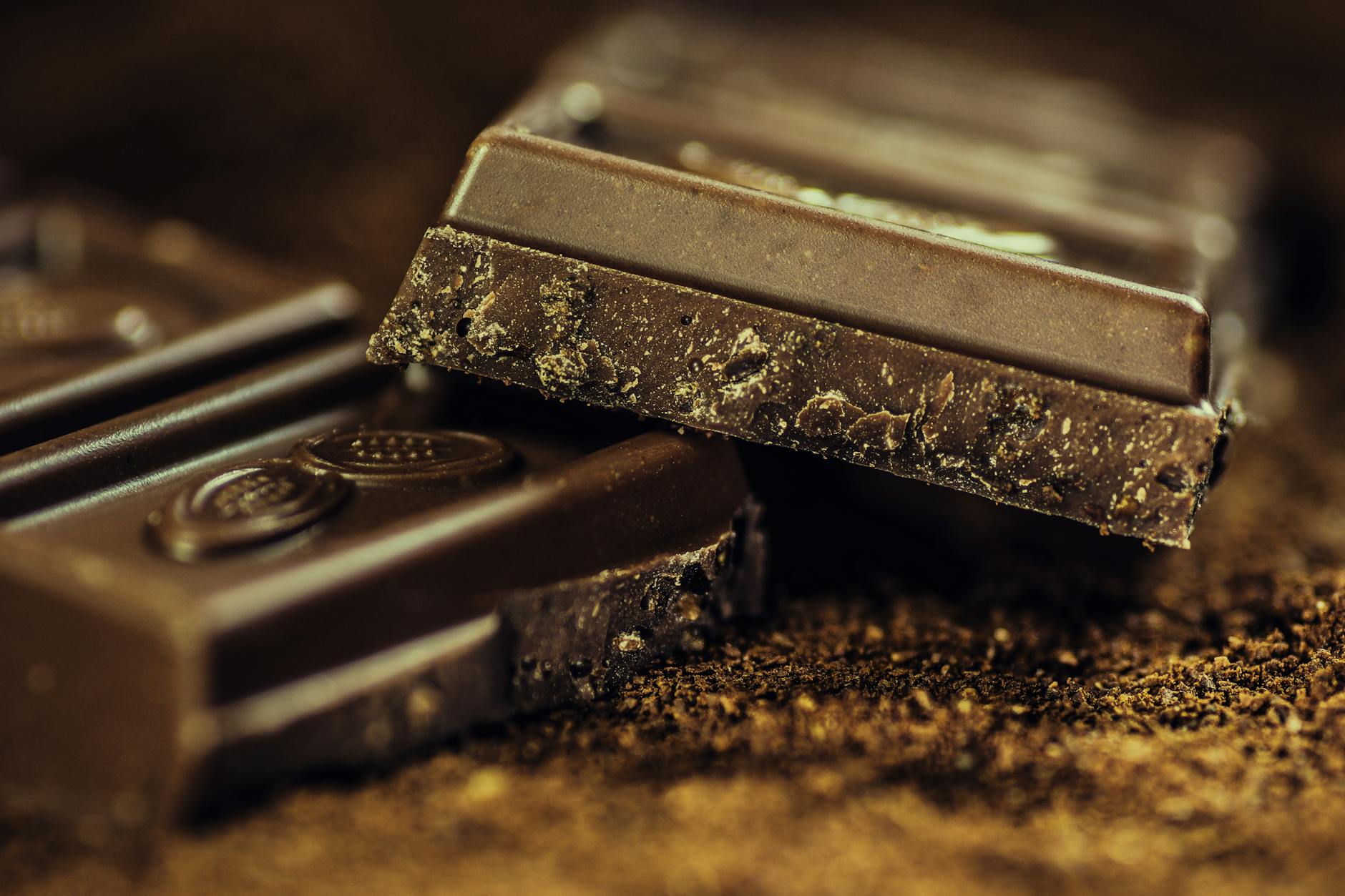
Dark chocolate with a cocoa content of 70 percent or higher contains flavonoids that reduce LDL oxidation, lower blood pressure, and support overall arterial health. The cocoa in dark chocolate has been shown to raise HDL cholesterol while preventing LDL particles from oxidizing and accumulating in artery walls. Its polyphenol content rivals that of many superfoods, making moderate consumption a genuinely heart-healthy indulgence. Choosing varieties with minimal added sugar and no hydrogenated oils maximizes the cardiovascular benefits without adding harmful compounds. A small square or two per day is sufficient to access these benefits without excess caloric or sugar intake.
Red Wine

Red wine consumed in moderation contains resveratrol and other polyphenols that have been associated with higher HDL cholesterol levels and reduced LDL oxidation. Resveratrol, found predominantly in the skin of red grapes, has anti-inflammatory and cardioprotective properties that have been studied extensively in both animal and human research. The key emphasis is on moderation, as excessive alcohol consumption negates these benefits and significantly increases cardiovascular and other health risks. One small glass of red wine per day is generally considered the threshold within which potential benefits may be observed. Those who do not drink alcohol can obtain similar polyphenol benefits from red grape juice or whole red grapes.
Turmeric
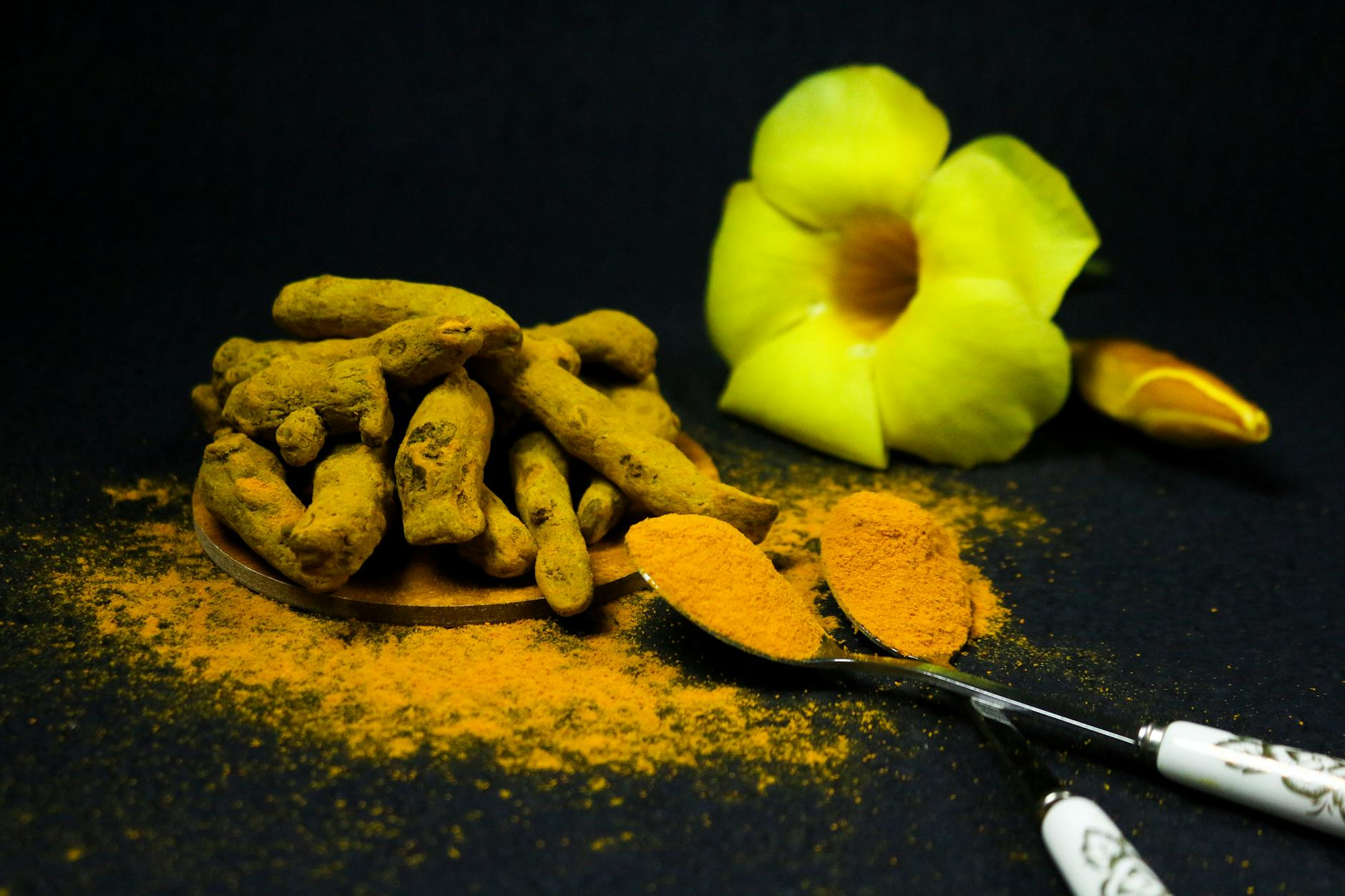
Turmeric contains curcumin, its primary active compound, which has been shown to reduce LDL cholesterol, decrease LDL oxidation, and lower inflammatory markers associated with cardiovascular disease. Curcumin works by inhibiting the liver enzymes responsible for cholesterol production and by increasing the activity of LDL receptors that clear cholesterol from the blood. Combining turmeric with black pepper significantly enhances the absorption of curcumin in the body, making piperine-enhanced formulations or seasoning combinations particularly effective. Adding turmeric to curries, golden milk, soups, and smoothies is an easy way to include this compound in daily meals. Regular use of turmeric over months, rather than occasional inclusion, is what produces the most consistent improvements in cholesterol levels.
Ginger
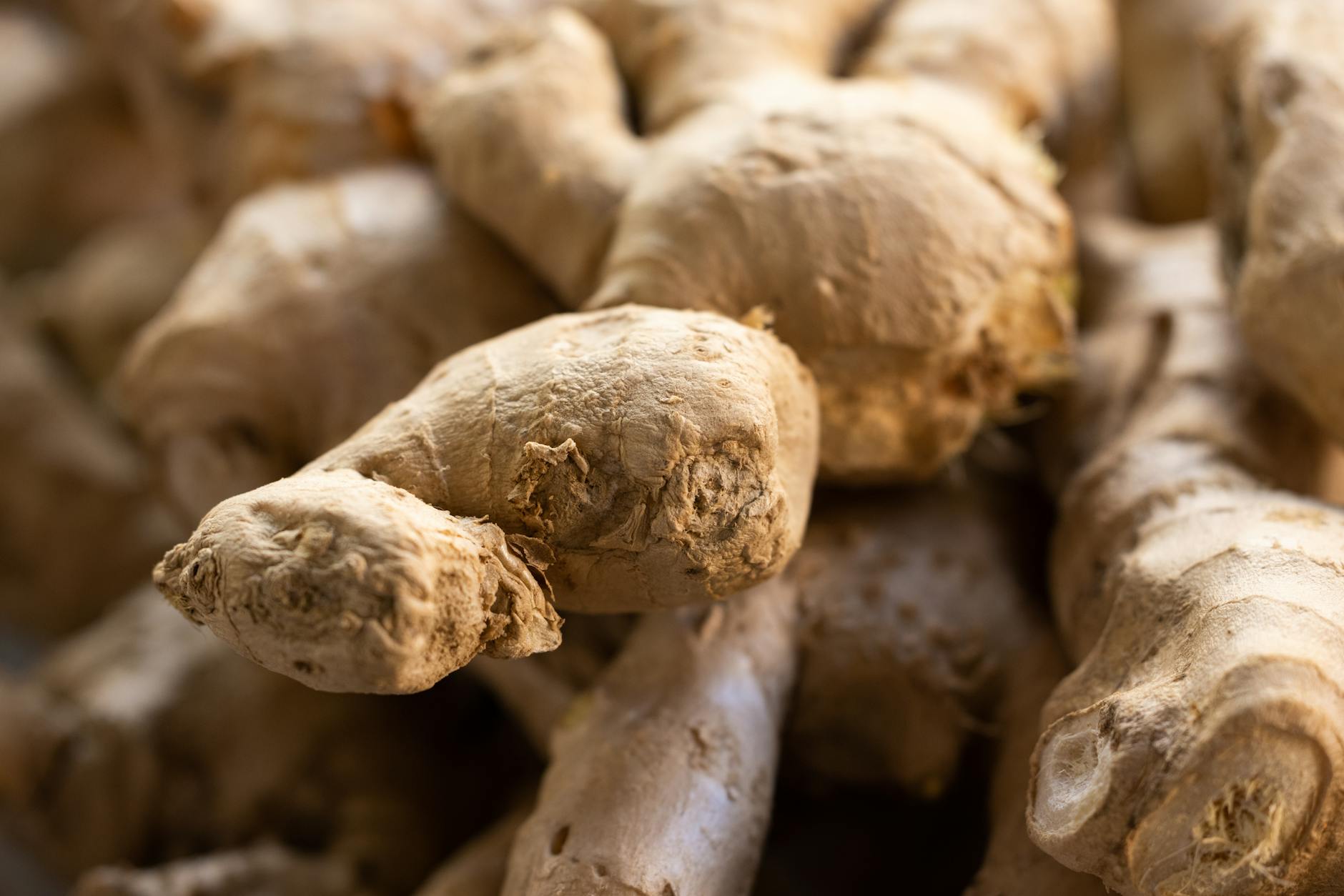
Ginger contains gingerols and shogaols, bioactive compounds that have been shown in clinical studies to reduce total cholesterol, LDL cholesterol, and triglycerides. It also exerts anti-inflammatory effects on the arterial walls, reducing the risk of plaque formation that underpins cardiovascular disease. Fresh ginger can be grated into teas, stir-fries, dressings, and marinades, while dried ginger powder works well in spice blends and baked goods. Studies have found that a consistent daily intake of ginger over a period of weeks leads to measurable improvements in lipid profiles. Its warming, spicy flavor makes it a versatile culinary ingredient as well as a functional health food.
Fenugreek
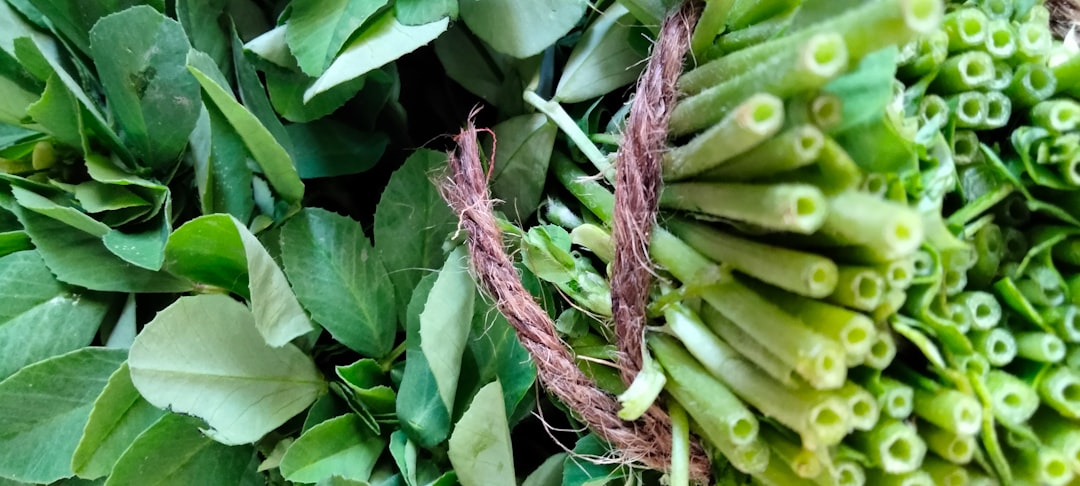
Fenugreek seeds are rich in soluble fiber, saponins, and unique plant compounds that work together to inhibit cholesterol absorption in the gut and reduce its production in the liver. Clinical trials have demonstrated that consuming fenugreek seeds or powder daily leads to significant reductions in total and LDL cholesterol. The seeds can be soaked overnight and eaten directly, ground into a powder for use in spice blends, or brewed into a tea. Fenugreek is a staple ingredient in South Asian and Middle Eastern cuisines, making it widely available and easy to incorporate into culturally diverse diets. Its bitter flavor is most palatable when balanced with other spices or incorporated into strongly flavored dishes.
Artichokes
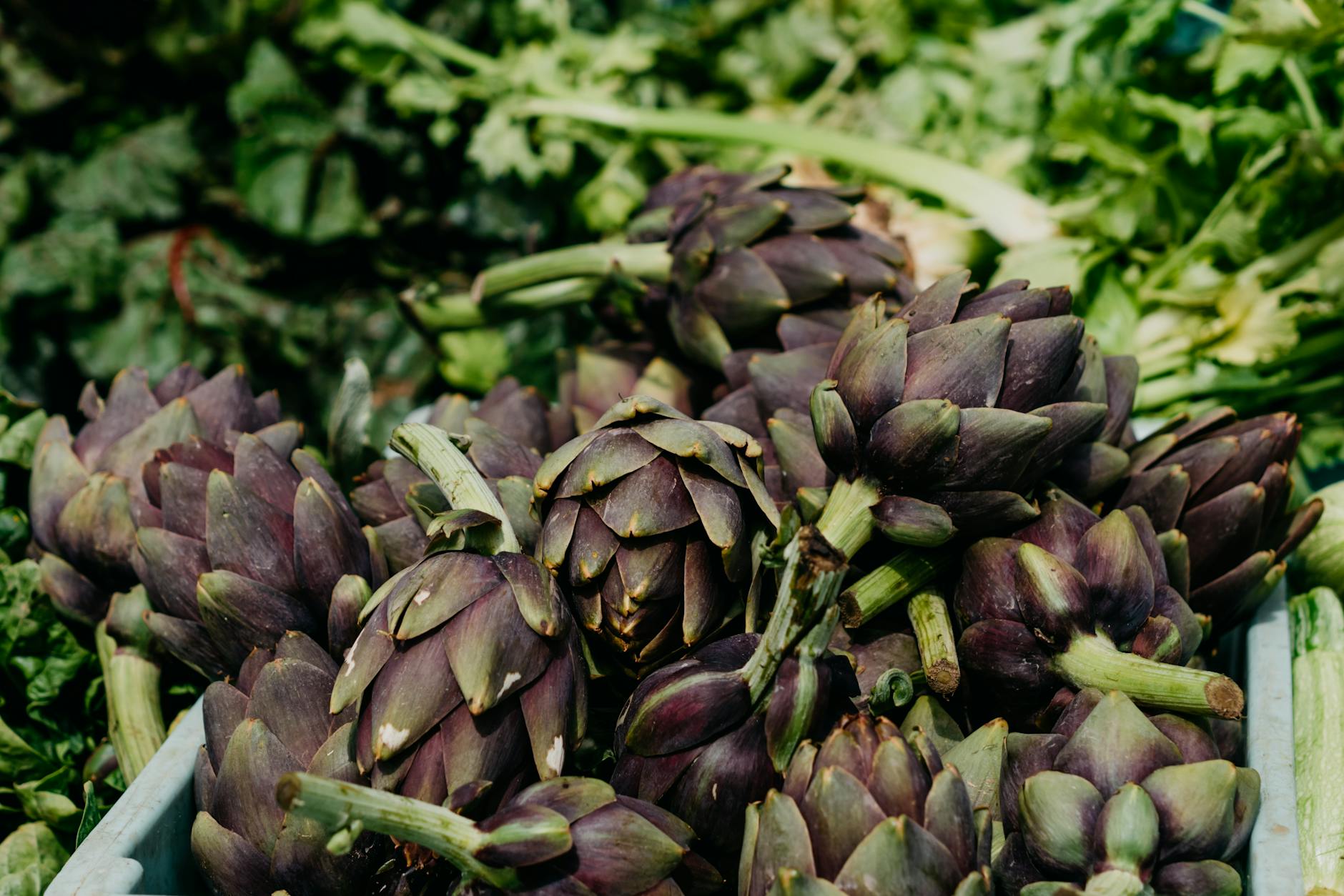
Artichokes are one of the most fiber-rich vegetables available, and they also contain cynarin, a compound that stimulates bile production and supports the liver in processing and eliminating excess cholesterol. Research has shown that artichoke leaf extract specifically leads to significant reductions in total and LDL cholesterol levels in people with elevated lipids. The high inulin content in artichokes also acts as a prebiotic, feeding beneficial gut bacteria that play an indirect role in cholesterol metabolism. Fresh artichokes can be steamed, roasted, or grilled, while artichoke extract supplements offer a more concentrated and convenient option. Including artichokes as a regular vegetable in meals provides a powerful and underutilized strategy for natural cholesterol management.
Pomegranate
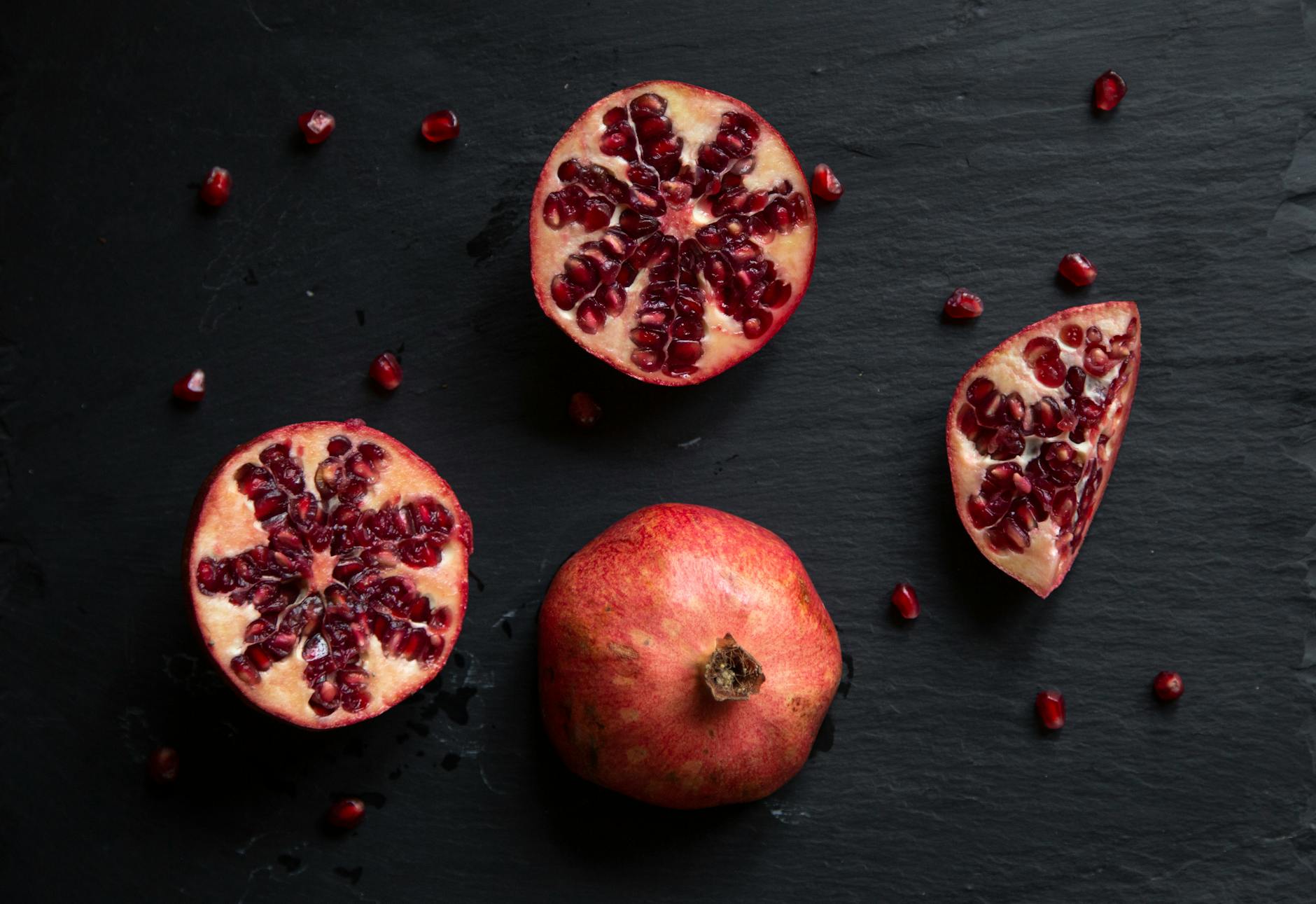
Pomegranate is exceptionally rich in punicalagins and anthocyanins, two classes of antioxidants that have been shown to reduce LDL oxidation and lower total cholesterol levels. Pomegranate juice has been studied in clinical settings and found to significantly reduce the oxidation of LDL cholesterol, one of the primary mechanisms behind arterial plaque formation. It also has anti-inflammatory effects on the vascular system, contributing to long-term cardiovascular protection beyond simply lowering numbers on a lipid panel. Choosing 100 percent pure pomegranate juice without added sugars or concentrates ensures maximum polyphenol content. Eating whole pomegranate arils also delivers dietary fiber that contributes further to cholesterol management.
Soy Milk
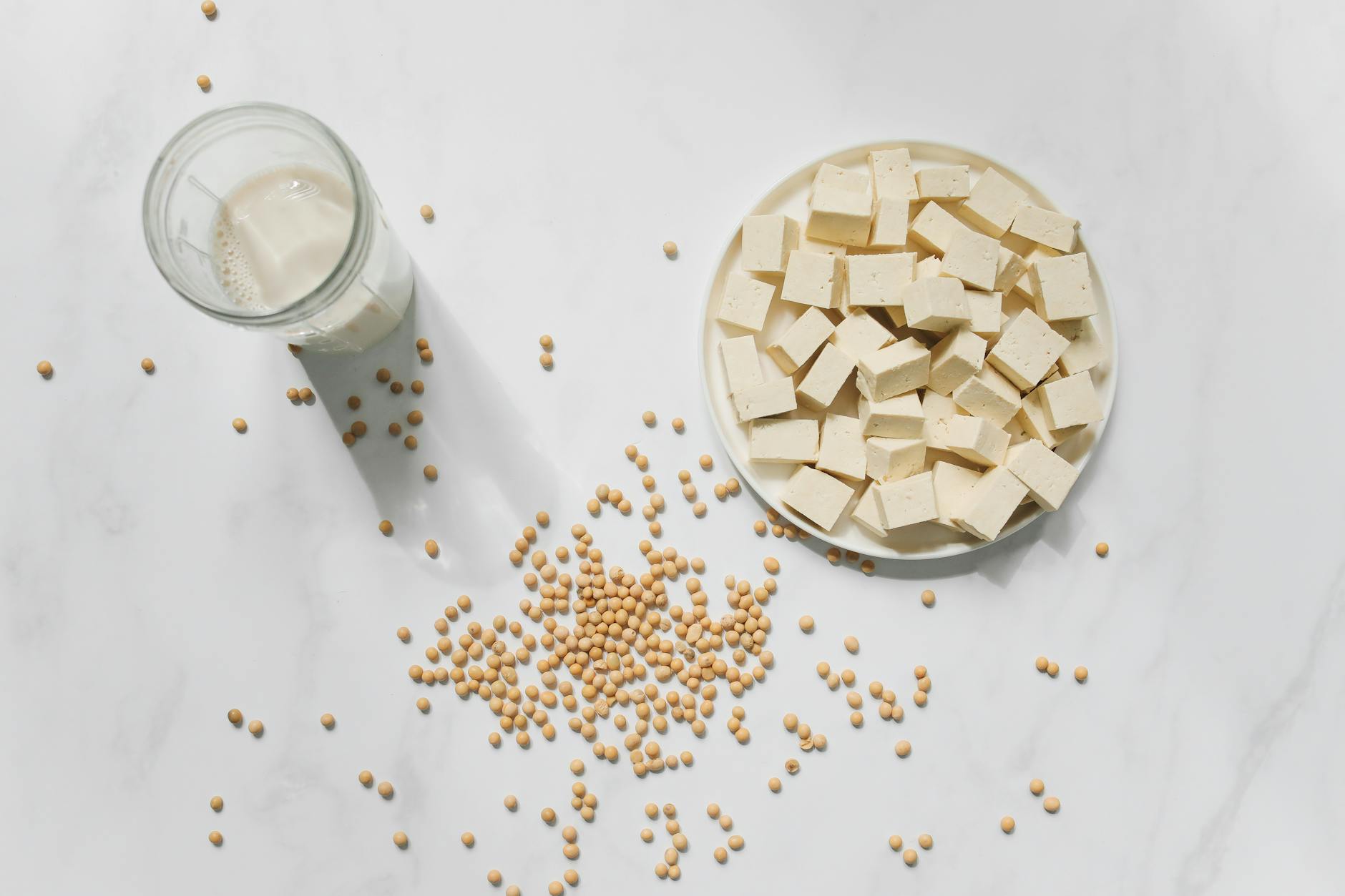
Soy milk provides the same cholesterol-lowering soy proteins and isoflavones found in whole soy foods, making it an effective dairy alternative for people looking to improve their lipid profiles. Replacing dairy milk, which contains saturated fat, with soy milk reduces overall saturated fat intake, one of the most direct dietary drivers of high LDL cholesterol. Fortified soy milk also delivers calcium, vitamin D, and B vitamins, making it nutritionally competitive with dairy while offering distinct cardiovascular advantages. Studies have found that regular consumption of soy milk contributes to measurable reductions in LDL cholesterol over a period of several weeks. Choosing unsweetened, non-GMO soy milk maximizes its health benefits without adding unnecessary sugar.
Sunflower Seeds
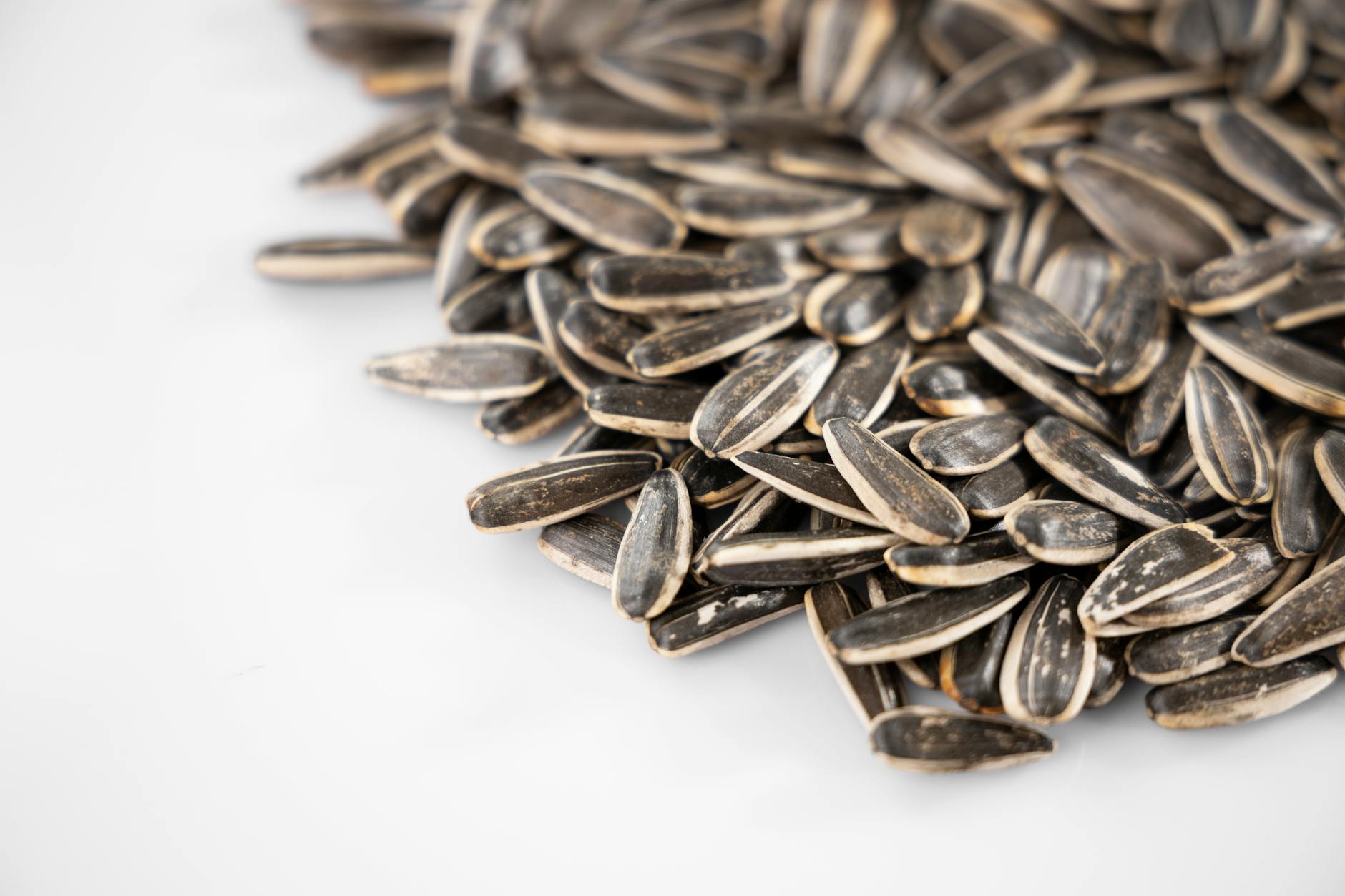
Sunflower seeds are rich in phytosterols, plant compounds structurally similar to cholesterol that compete with it for absorption in the intestines, effectively reducing the amount of dietary cholesterol that enters the bloodstream. They are also an excellent source of vitamin E, a fat-soluble antioxidant that protects LDL cholesterol from oxidation and reduces the risk of arterial plaque formation. Their linoleic acid content, a polyunsaturated omega-6 fatty acid, supports healthy cholesterol balance when consumed as part of a diet low in saturated fats. A small handful of unsalted sunflower seeds makes for a satisfying and heart-healthy snack between meals. Including sunflower seeds in salads, granola, or yogurt bowls is a convenient and nutritious way to harness their cardiovascular benefits.
Which of these cholesterol-lowering foods do you already include in your diet, and which are you planning to add — share your thoughts in the comments.