Your brain is one of the most energy-demanding organs in the body, and what you eat directly influences how well it performs throughout the day. Certain foods contain nutrients that support neural connections, protect brain cells from damage, and help maintain the sharp focus needed for complex thinking. Building a diet rich in brain-boosting ingredients is one of the most effective long-term investments you can make in your cognitive health. From your morning meal to your evening snack, the right choices at every stage of the day can sharpen recall, extend your attention span, and keep mental fatigue at bay.
Blueberries

Blueberries are packed with antioxidants called flavonoids that reduce oxidative stress in the brain and slow cognitive aging. Regular consumption has been linked to improved communication between brain cells, which supports both short-term and long-term memory. The deep blue pigment in these berries signals the presence of anthocyanins, compounds strongly associated with enhanced learning capacity. Studies have found that people who eat blueberries consistently perform better on memory tasks than those who do not. A small handful added to oatmeal or yogurt makes this brain food easy to include in any daily routine.
Fatty Fish

Fatty fish such as salmon, sardines, and mackerel are among the richest dietary sources of omega-3 fatty acids, which are essential building blocks for brain tissue. DHA, a specific type of omega-3, makes up a significant portion of the brain’s gray matter and plays a central role in memory formation. Low levels of omega-3s have been connected to brain fog, difficulty concentrating, and an increased risk of cognitive decline over time. Eating fatty fish two to three times per week provides a steady supply of these critical fats to the brain. Grilled, baked, or added to salads, fatty fish is a versatile and powerful addition to a brain-healthy diet.
Walnuts
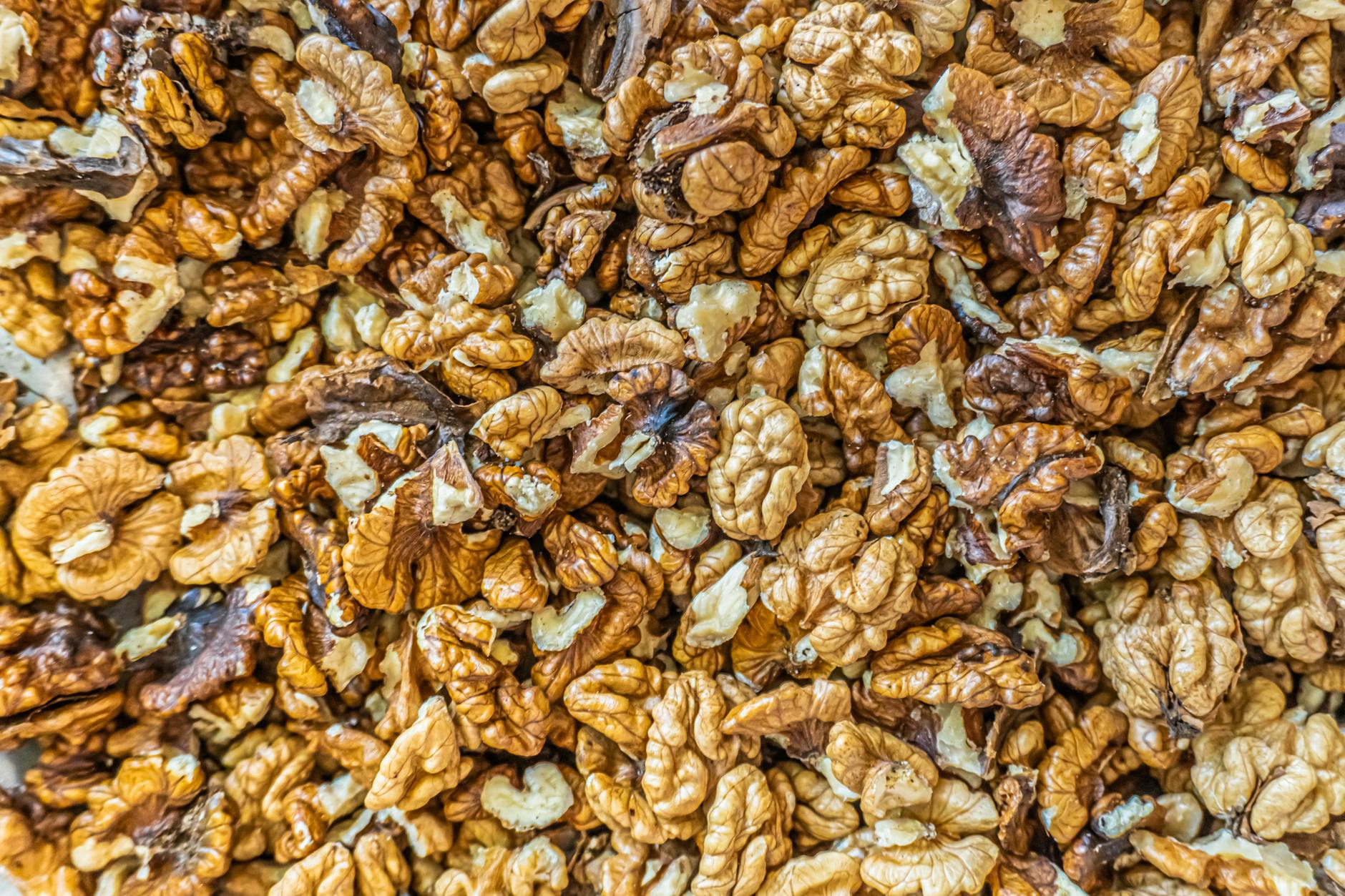
Walnuts have a distinctive shape that mirrors the brain, and their nutritional profile backs up their reputation as a top brain food. They are one of the few plant sources of ALA, a type of omega-3 fatty acid that supports brain function and helps reduce inflammation in neural tissue. Walnuts also contain polyphenols and vitamin E, both of which protect neurons from the oxidative damage that contributes to memory loss. Research suggests that regular walnut consumption is associated with better working memory and faster cognitive processing speeds. A small portion eaten as a mid-morning snack provides a quick and practical cognitive boost.
Dark Chocolate

Dark chocolate with a high cocoa content contains flavanols that increase blood flow to the brain and enhance the activity of regions linked to memory and focus. Theobromine and caffeine, both present in dark chocolate, provide a mild and sustained boost in alertness without the harsh crash associated with stronger stimulants. The presence of magnesium in dark chocolate also helps regulate stress responses that can otherwise interfere with concentration. Research has shown that people who consume cocoa flavanols regularly show improvements in attention and processing speed. Choosing varieties with at least seventy percent cocoa ensures the highest concentration of these brain-supporting compounds.
Pumpkin Seeds
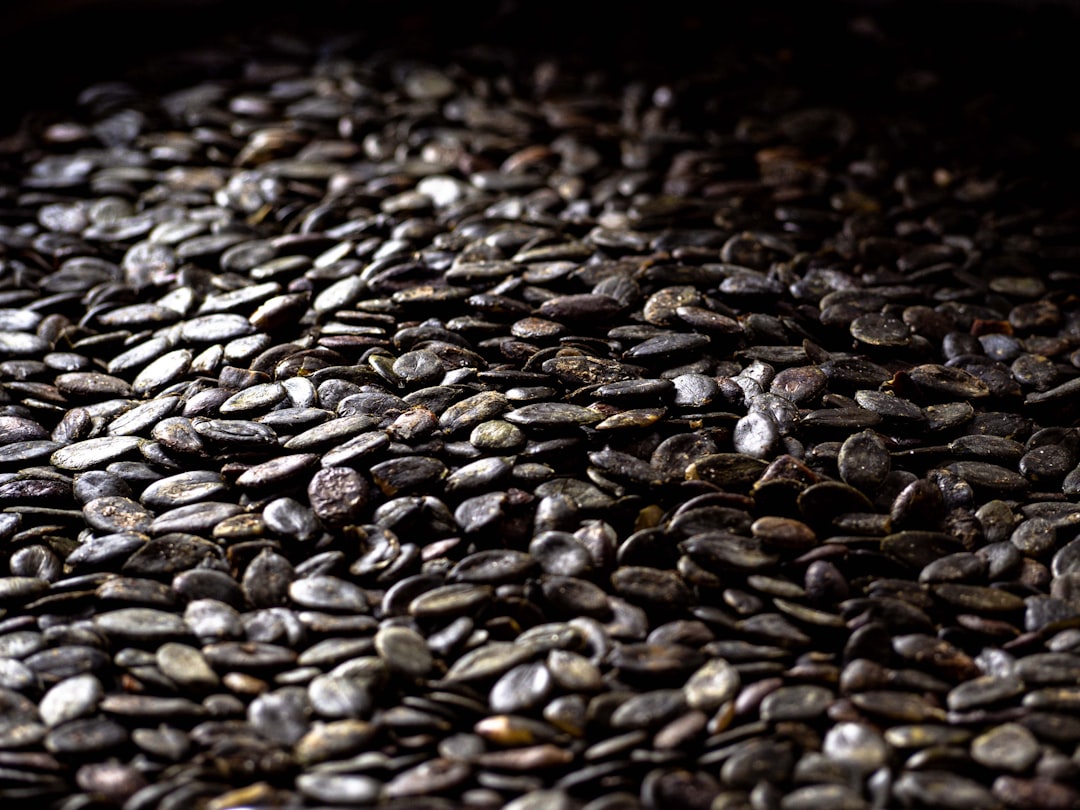
Pumpkin seeds are a concentrated source of zinc, a mineral essential for nerve signaling and the formation of new memories. They also supply magnesium, which supports learning and helps prevent the kind of neural fatigue that makes sustained focus difficult. Iron found in pumpkin seeds plays a role in transporting oxygen to the brain, ensuring mental clarity and alertness throughout the day. Copper, another mineral found in these seeds, helps control nerve signals and supports overall cognitive function. A small portion sprinkled over salads or eaten as a snack delivers a remarkable range of brain-essential minerals in a convenient package.
Eggs

Eggs are one of the best dietary sources of choline, a nutrient used by the brain to produce acetylcholine, a neurotransmitter involved in mood regulation and memory retention. The yolk in particular contains the highest concentration of choline, making whole eggs more beneficial for brain health than egg whites alone. B vitamins found in eggs, including B6, B12, and folate, work together to reduce homocysteine levels in the blood, high levels of which have been linked to cognitive decline. Regular egg consumption has been associated with better verbal fluency and sharper memory in older adults. Their versatility in cooking makes eggs one of the easiest brain foods to incorporate into any meal of the day.
Avocado
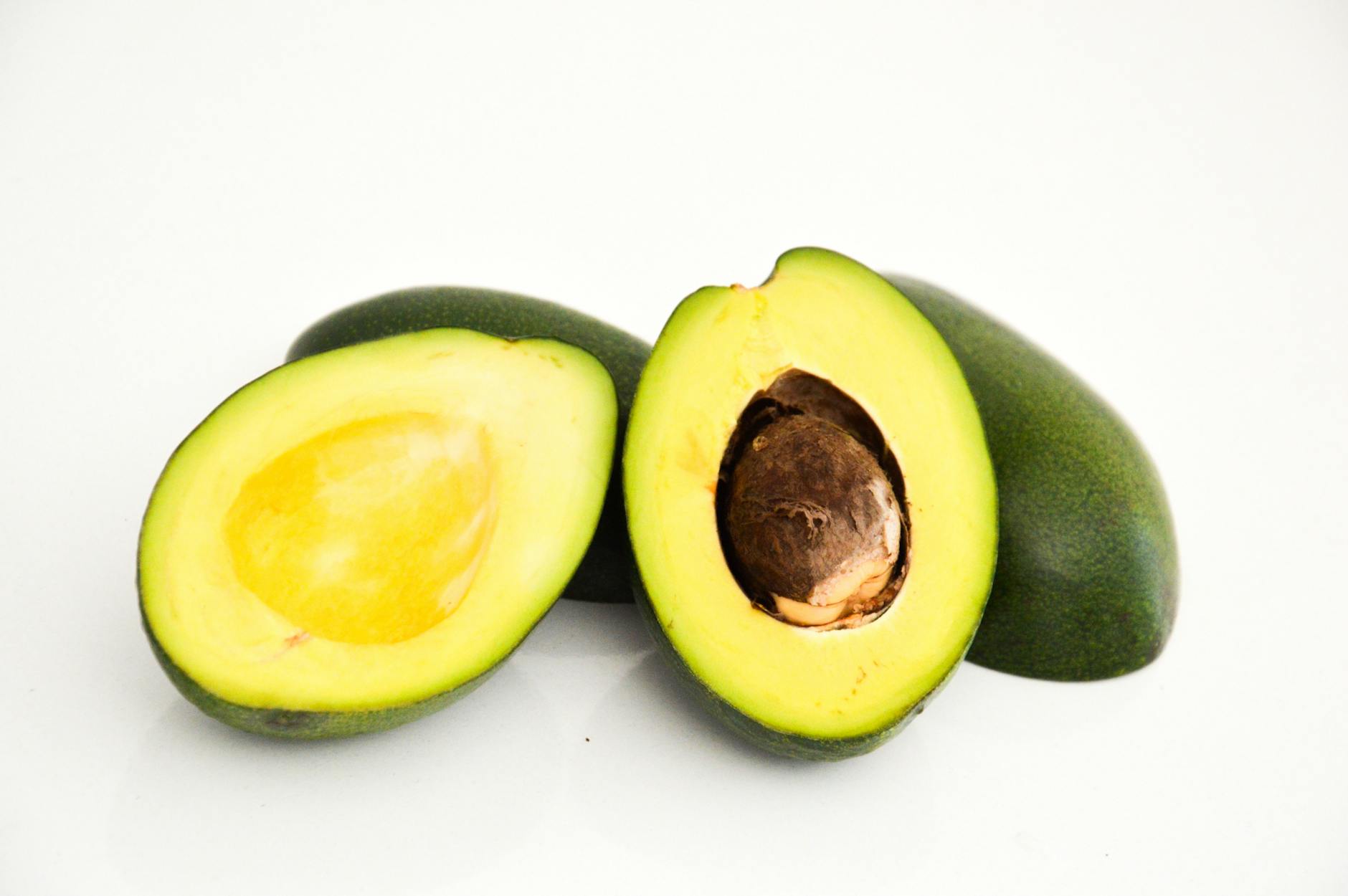
Avocado is rich in monounsaturated fats that support healthy blood flow, allowing the brain to receive consistent oxygen and nutrients. It contains high levels of lutein, an antioxidant that accumulates in the brain and has been associated with improved learning and memory function. The folate content in avocado plays a key role in preventing the buildup of homocysteine, a compound that can impair cognitive circulation over time. Vitamin K found in avocado helps maintain sharp cognitive function and may protect against age-related memory decline. Spread on whole grain toast or added to a smoothie, avocado provides a rich and satisfying way to fuel the brain.
Green Tea

Green tea contains a unique combination of caffeine and L-theanine that produces a state of calm, focused alertness often described as the ideal mental state for deep work. L-theanine promotes alpha brain wave activity, which is associated with relaxed concentration and creative thinking. The catechins in green tea protect brain cells from oxidative damage and have been linked to slower rates of cognitive decline in aging populations. Drinking green tea regularly has also been connected to improved working memory and faster reaction times. Two to three cups throughout the day provides steady cognitive support without overstimulating the nervous system.
Turmeric

Turmeric contains curcumin, a compound with powerful anti-inflammatory and antioxidant properties that can cross the blood-brain barrier and directly benefit brain cells. Curcumin has been shown to boost levels of brain-derived neurotrophic factor, a protein that encourages the growth of new neurons and supports memory formation. It may also help clear the amyloid plaques associated with Alzheimer’s disease, making it one of the most researched spices for long-term brain health. Adding black pepper to turmeric significantly enhances curcumin absorption in the body, maximizing its cognitive benefits. Stirred into warm milk, added to soups, or used in seasoning blends, turmeric is one of the most accessible brain-protective ingredients available.
Broccoli
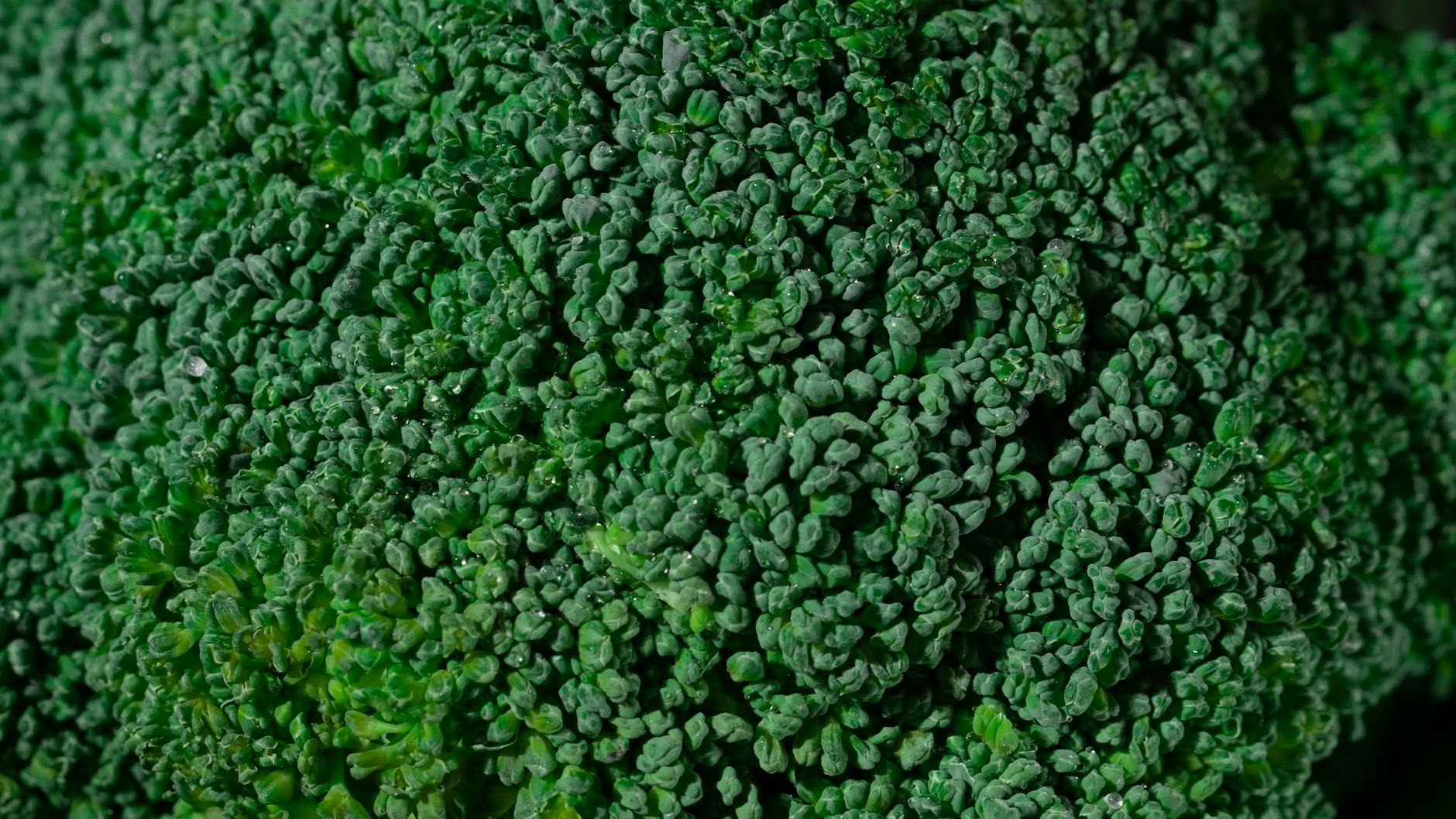
Broccoli is one of the most nutrient-dense vegetables for brain health, providing high levels of vitamin K, which is known to support the formation of sphingolipids, a type of fat densely packed into brain cells. It is also rich in glucosinolates, compounds that break down into antioxidants that help protect the brain from oxidative stress. Folate found in broccoli plays a role in cognitive development and may help reduce the risk of depression and memory impairment. Research has linked regular broccoli consumption to better processing speed and improved verbal recall in adults. Lightly steamed to preserve its nutrients, broccoli is a reliable and affordable addition to a brain-supportive meal plan.
Sunflower Seeds
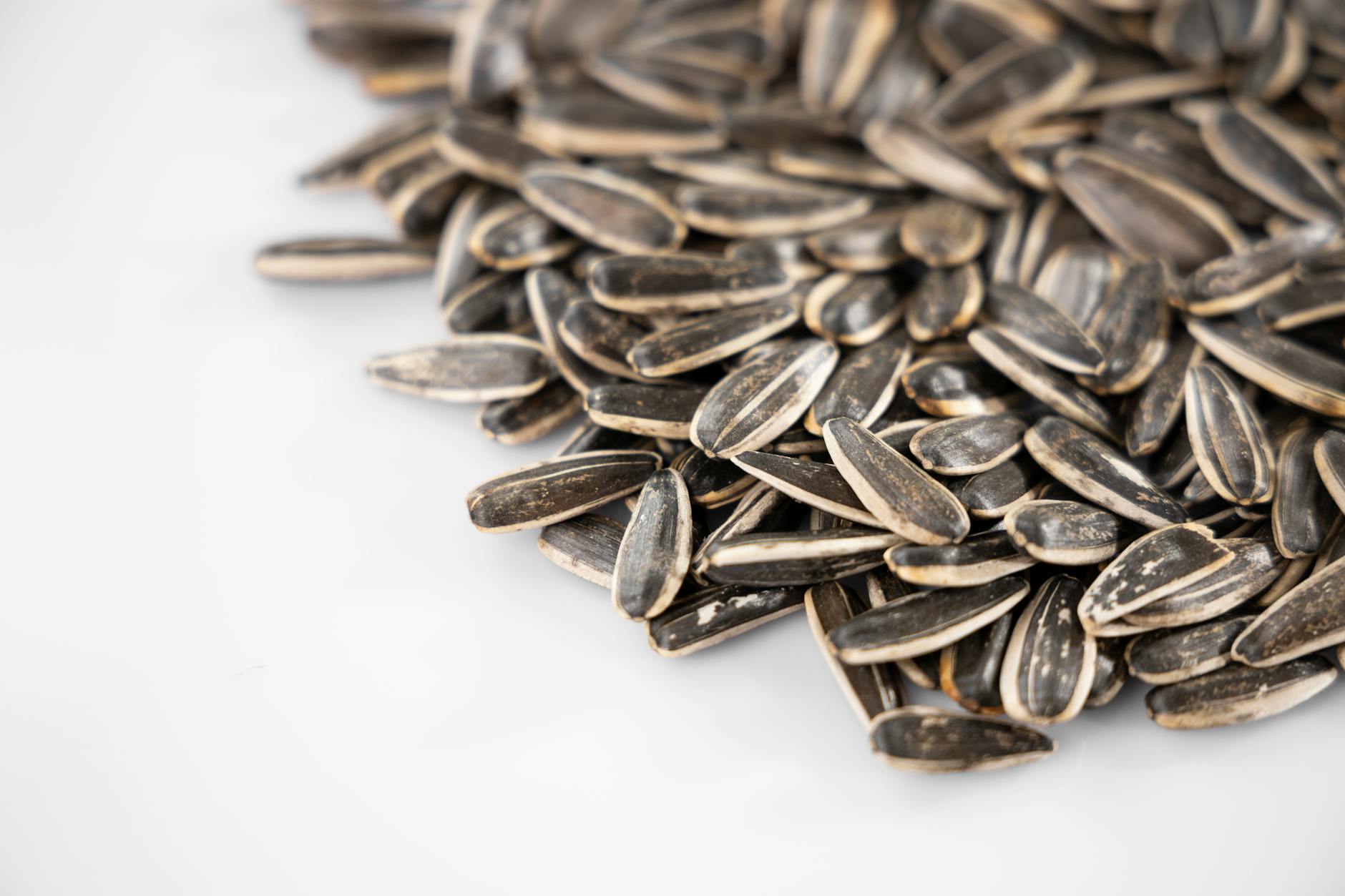
Sunflower seeds are an exceptional source of vitamin E, a fat-soluble antioxidant that protects cell membranes in the brain from free radical damage. Higher vitamin E intake has been consistently associated with a lower risk of cognitive decline in older populations. These seeds also provide a steady supply of thiamine, a B vitamin essential for cognitive function and memory retention. The magnesium content in sunflower seeds helps regulate stress responses and supports the neural processes involved in learning. A small handful as a snack or scattered over a salad makes sunflower seeds one of the simplest ways to protect long-term brain health.
Oranges
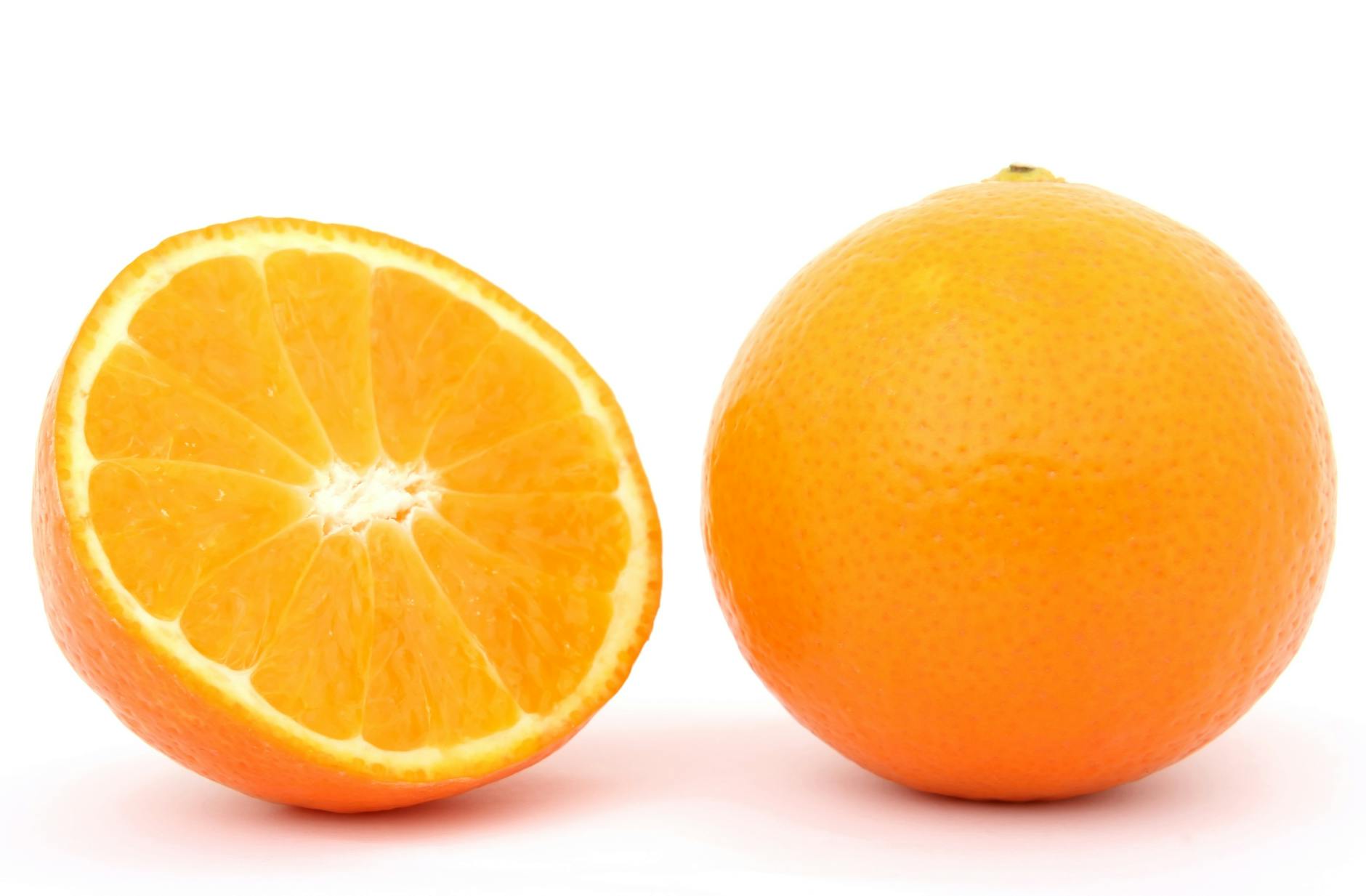
Oranges are one of the best sources of vitamin C, a powerful antioxidant that plays a critical role in preventing mental decline. Vitamin C supports the production of neurotransmitters like dopamine and serotonin, which directly affect mood, focus, and cognitive clarity. Regular intake of vitamin C has been linked to higher scores on attention and memory tests across multiple age groups. The flavonoids in oranges also protect against inflammation in the brain, which is a key factor in age-related cognitive deterioration. One medium orange per day provides nearly the full recommended daily intake of vitamin C in a convenient, portable form.
Spinach

Spinach is loaded with folate, lutein, beta-carotene, and vitamin K, a combination of nutrients that collectively support strong cognitive performance across the lifespan. Folate in particular is closely linked to the synthesis of DNA and neurotransmitters, both of which are essential for sharp mental processing. The nitrates naturally present in spinach improve blood flow to the frontal lobe of the brain, the region responsible for executive function and decision-making. Eating spinach regularly has been associated with cognitive aging that is measurably slower than that seen in people who rarely consume leafy greens. Adding it to smoothies, omelets, or pasta dishes is an effortless way to make this powerhouse vegetable a daily habit.
Almonds
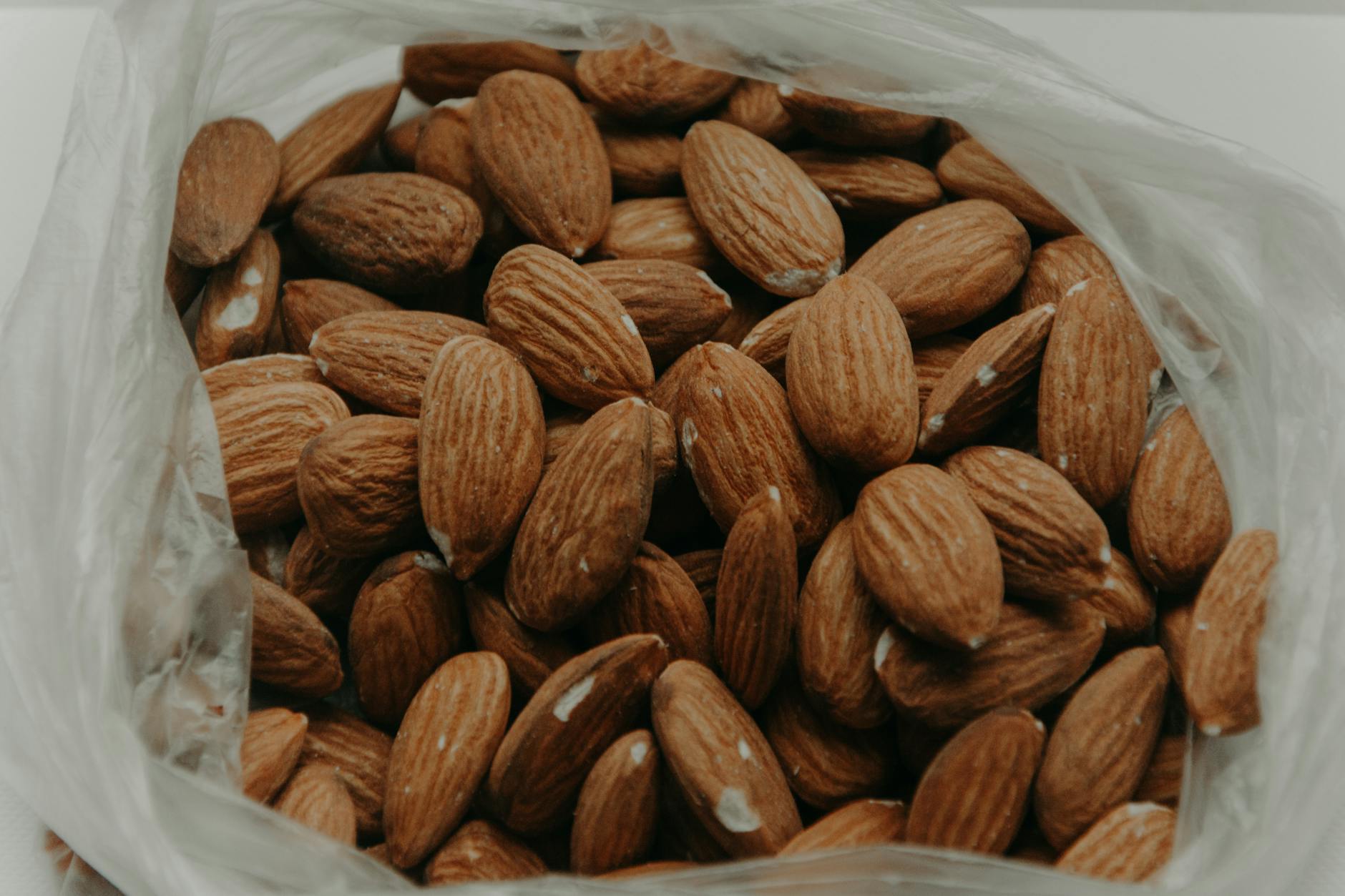
Almonds are a rich source of vitamin E, riboflavin, and L-carnitine, all of which contribute to neurological health and cognitive resilience. The healthy fats in almonds help maintain the integrity of brain cell membranes, which supports efficient communication between neurons. Riboflavin plays a role in energy production within brain cells, helping to sustain mental stamina through long periods of focused work. Phenylalanine found in almonds supports the production of mood-regulating neurotransmitters like dopamine, which can positively influence motivation and concentration. Eaten raw or lightly toasted, almonds are one of the most convenient and research-backed snacks for cognitive performance.
Beets
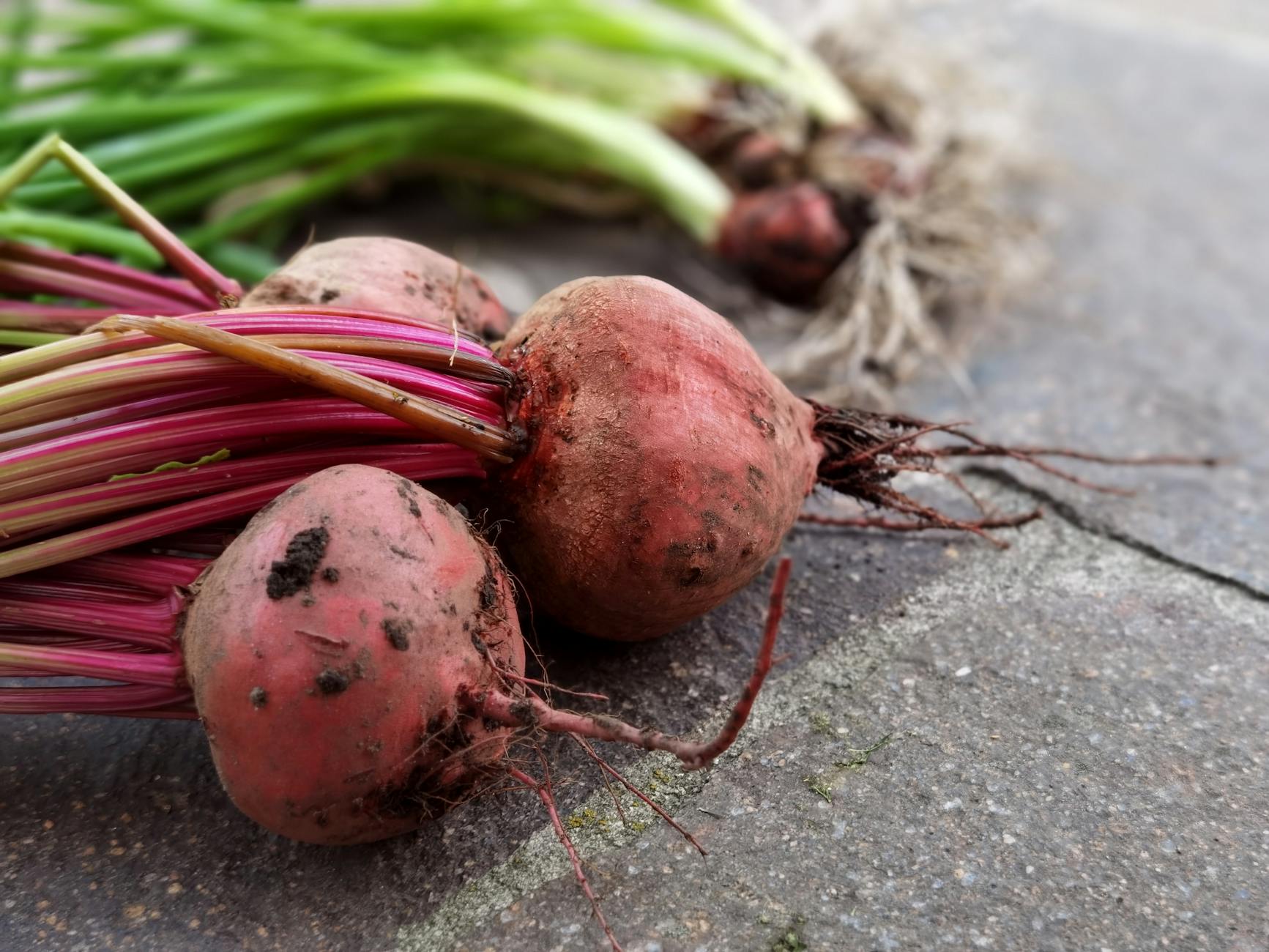
Beets are naturally high in dietary nitrates, which the body converts into nitric oxide to relax and widen blood vessels, improving blood flow throughout the brain. Enhanced circulation to the brain’s frontal lobe supports better decision-making, working memory, and information processing speed. Beets also contain betaine, a compound that supports the production of serotonin, a neurotransmitter with a significant influence on mood and cognitive function. The antioxidants in beets protect neural tissue from damage caused by chronic inflammation. Roasted, juiced, or added to salads, beets are a vibrant and effective food for supporting brain circulation and mental clarity.
Whole Grains
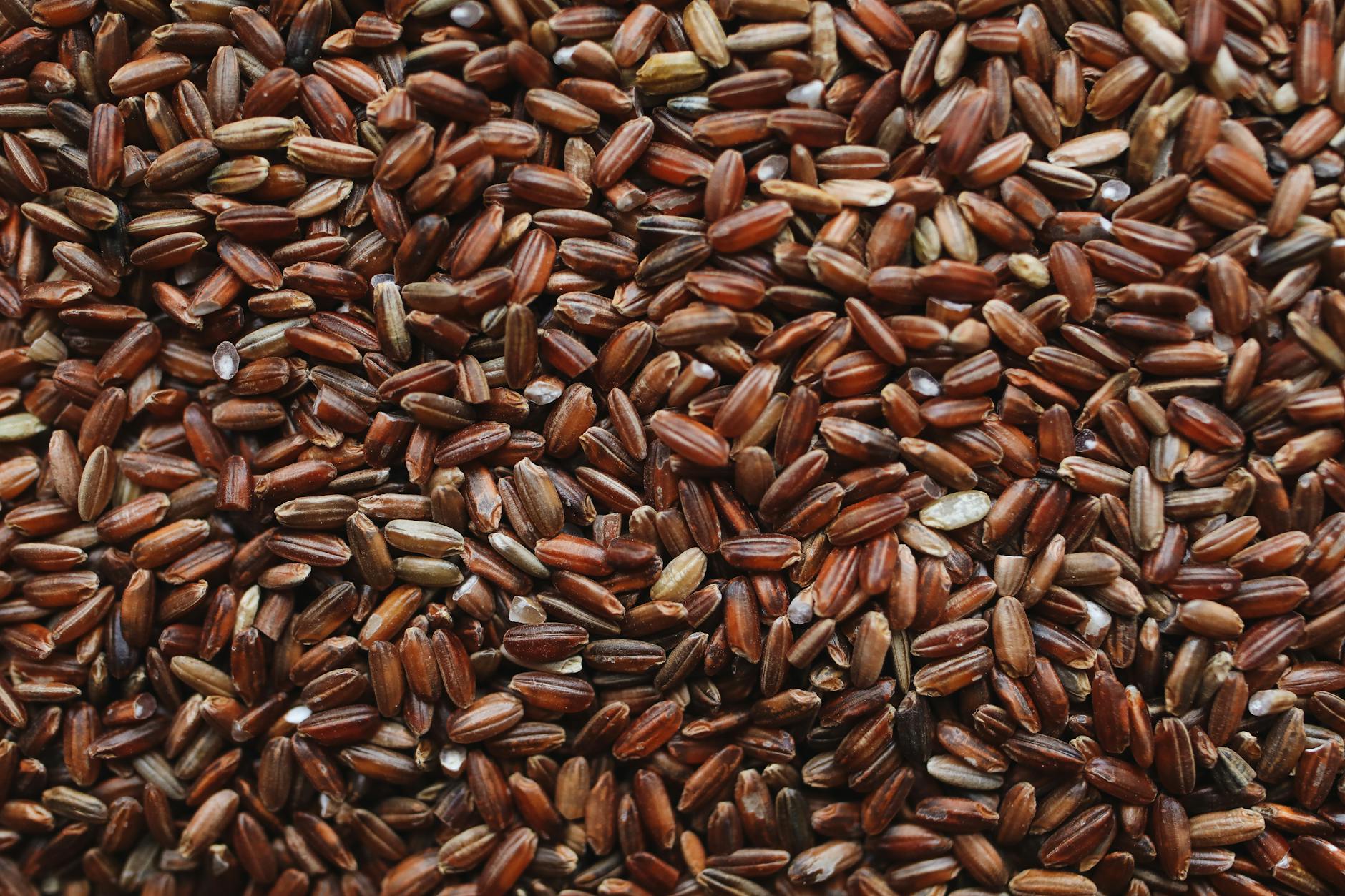
Whole grains provide a slow and steady release of glucose, the brain’s primary fuel source, helping to maintain consistent energy levels and sustained concentration throughout the day. Unlike refined carbohydrates, whole grains contain fiber that slows digestion and prevents the blood sugar spikes and crashes that lead to mental fatigue and difficulty focusing. B vitamins found in whole grains support healthy nervous system function and play a direct role in memory retention and cognitive performance. Oats, brown rice, quinoa, and whole wheat bread are among the most accessible options for building a brain-supportive diet. Replacing refined grains with whole grain alternatives is one of the simplest dietary shifts that can produce noticeable cognitive benefits over time.
Coffee

Coffee is one of the most widely consumed cognitive enhancers in the world, primarily due to its caffeine content, which blocks adenosine receptors in the brain to reduce feelings of fatigue and increase alertness. Chlorogenic acids found in coffee have antioxidant properties that protect the brain from oxidative stress and inflammation. Regular moderate coffee consumption has been associated with a reduced risk of neurodegenerative conditions including Alzheimer’s and Parkinson’s diseases. The dopamine-stimulating effect of caffeine contributes to improved mood, motivation, and the ability to sustain attention on demanding tasks. Consumed in moderate amounts earlier in the day, coffee is a well-supported tool for maintaining mental sharpness and focus.
Pomegranate
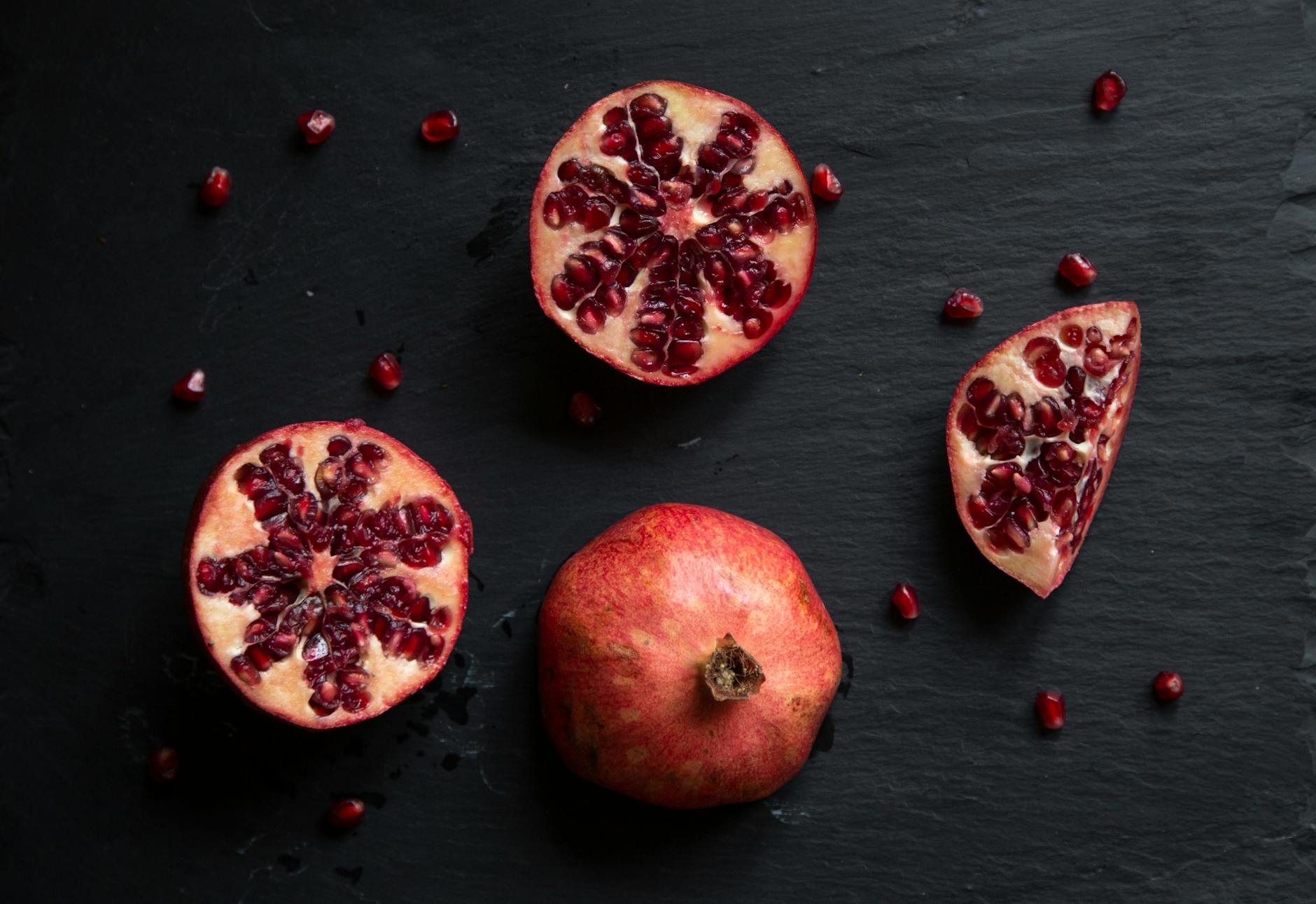
Pomegranate is packed with polyphenols and antioxidants that protect the brain from free radical damage and support overall neurological health. Punicalagins and punicic acid, compounds unique to pomegranate, have demonstrated potent anti-inflammatory effects in brain tissue. Studies have linked regular pomegranate juice consumption to improved memory function in middle-aged and older adults. The fruit also supports cardiovascular health, which is directly connected to healthy blood flow to the brain and better cognitive performance. Fresh pomegranate seeds or a small glass of pure pomegranate juice makes a flavorful and brain-supportive addition to any meal.
Coconut Oil
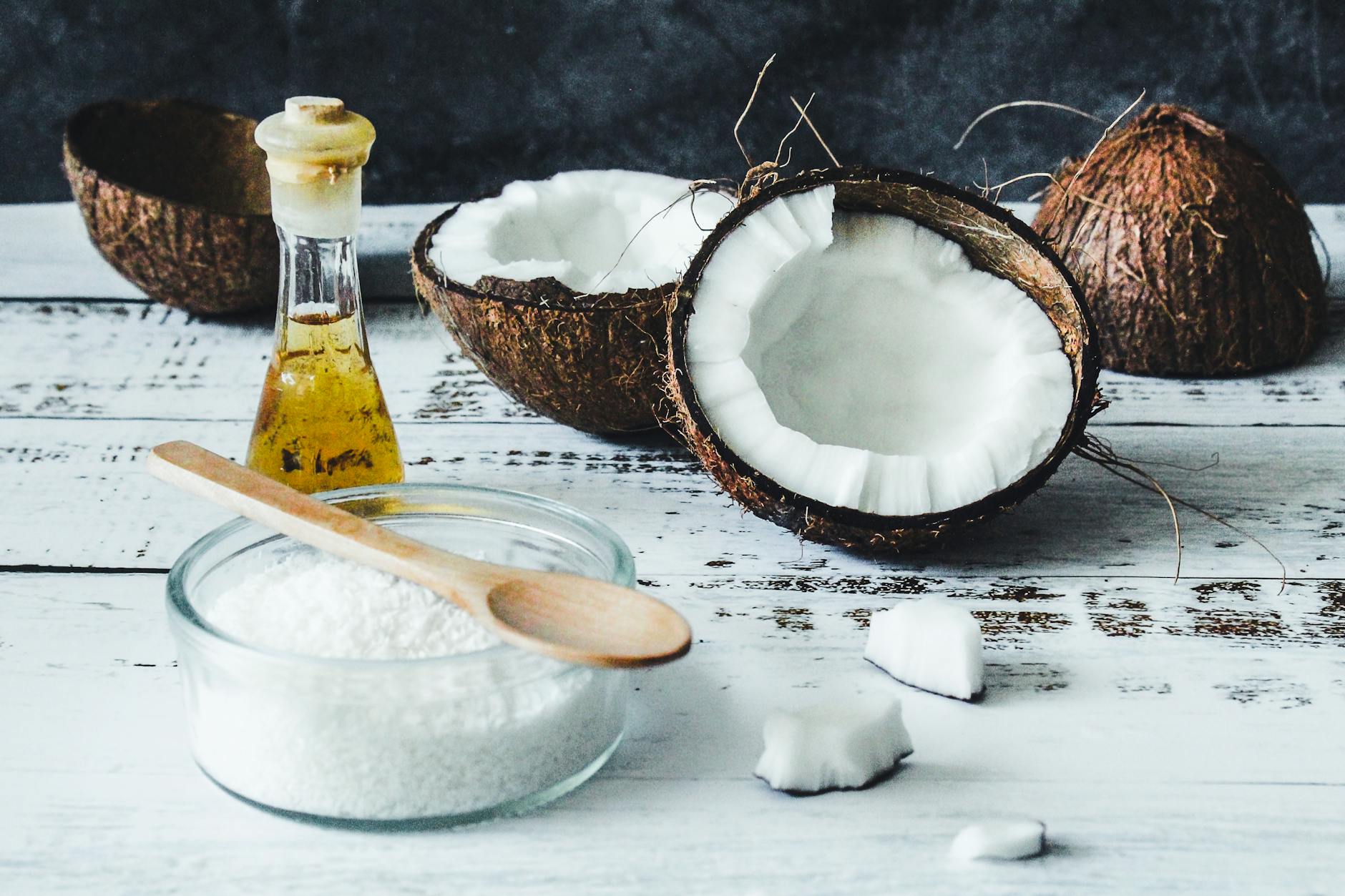
Coconut oil contains medium-chain triglycerides that the liver quickly converts into ketones, an alternative energy source that the brain can use when glucose supply is disrupted. Ketones have been associated with improved memory function and are being studied for their potential role in managing cognitive decline. The anti-inflammatory properties of coconut oil may also help reduce neuroinflammation, a factor linked to conditions that impair memory and focus. Lauric acid, a primary fatty acid in coconut oil, has antimicrobial and neuroprotective properties that support overall brain health. Used in cooking or blended into smoothies, coconut oil is a distinctive energy source that many people find supports mental clarity throughout the day.
Rosemary

Rosemary has been used for centuries as an herb associated with memory, and modern research has begun to support this long-standing reputation. The aroma of rosemary alone has been shown in studies to improve memory performance and increase alertness in people working in rosemary-scented environments. 1,8-cineole, a compound found in rosemary’s essential oil, is believed to inhibit the breakdown of acetylcholine, a neurotransmitter critical to memory and learning. Consuming rosemary as a culinary herb also delivers antioxidant and anti-inflammatory compounds that protect brain tissue over time. Added to roasted vegetables, meats, or herbal teas, rosemary is one of the most aromatic and researched herbs for cognitive support.
Kale

Kale contains an impressive concentration of brain-protective nutrients including vitamin K, lutein, folate, and beta-carotene in a single serving. Vitamin K in kale supports the synthesis of sphingolipids, fats that are crucial to the structural integrity of brain cells. Lutein accumulates in the brain tissue and has been associated with improved academic achievement and stronger cognitive function in studies across different age groups. The anti-inflammatory compounds in kale help protect the brain from the chronic low-grade inflammation that accelerates cognitive aging. Whether eaten raw in salads, sautéed as a side, or blended into smoothies, kale is one of the most nutrient-rich leafy greens available for brain health.
Lentils

Lentils are an excellent plant-based source of folate, which is vital for cognitive development and the regulation of neurotransmitters that control mood and memory. They provide a steady release of complex carbohydrates that maintain stable blood sugar, helping to sustain focus and prevent mental fatigue during long periods of concentration. The iron content in lentils supports efficient oxygen delivery to the brain, keeping alertness and processing speed at their peak. Polyphenols in lentils also have antioxidant properties that protect neurons from oxidative damage over time. As a filling and affordable pantry staple, lentils make it easy to build regular brain-supportive nutrition into everyday meals.
Chia Seeds
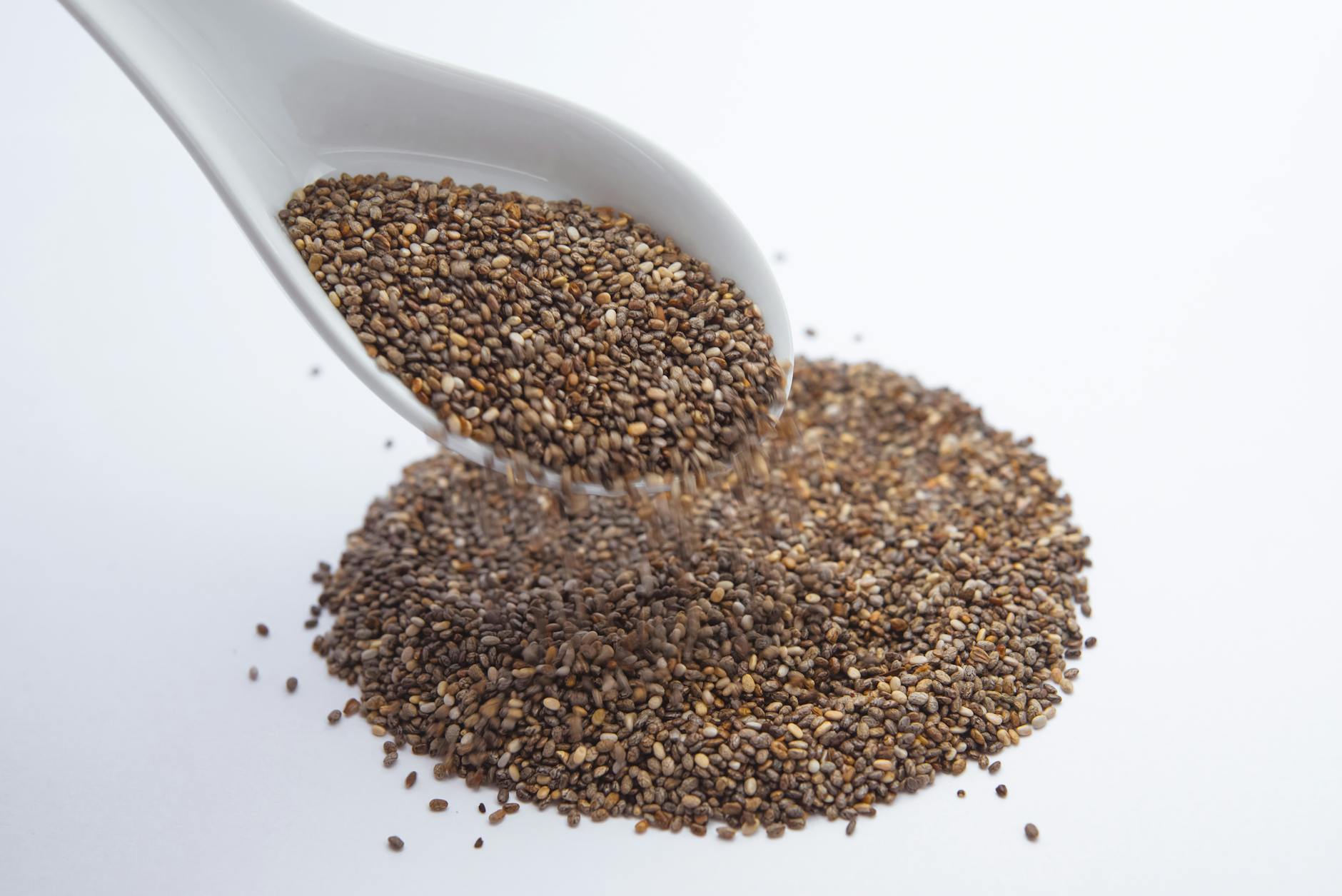
Chia seeds are among the richest plant-based sources of ALA omega-3 fatty acids, which play a key role in maintaining the structural health of brain cell membranes. They are also high in magnesium, a mineral that regulates mood, reduces stress, and supports the neural processes involved in learning and memory consolidation. The fiber in chia seeds promotes stable blood sugar levels, which helps prevent the energy dips that compromise mental clarity and sustained concentration. Antioxidants in chia seeds protect the brain from oxidative damage, contributing to long-term cognitive resilience. Stirred into yogurt, added to overnight oats, or mixed into a smoothie, chia seeds are an effortless way to add brain-supportive nutrition to any meal.
Green Leafy Herbs

Fresh herbs like basil, parsley, and cilantro are rich sources of vitamins, antioxidants, and flavonoids that actively support brain health beyond their culinary role. Parsley contains apigenin, a flavonoid that has shown promise in research related to the formation of new neural connections and the preservation of memory function. Basil provides beta-caryophyllene, a compound with anti-inflammatory properties that may help reduce neuroinflammation linked to cognitive impairment. Cilantro has been studied for its potential to help clear heavy metals from the body, which can otherwise negatively affect brain function. Using fresh herbs generously in everyday cooking is a simple and flavorful way to add meaningful cognitive support to the diet.
Olive Oil

Extra virgin olive oil is a cornerstone of the Mediterranean diet, which is widely regarded as one of the most brain-protective eating patterns studied by researchers. Its high oleocanthal content acts as a natural anti-inflammatory agent, helping to clear misfolded proteins in the brain that are associated with Alzheimer’s disease. The monounsaturated fats in olive oil support healthy blood flow and contribute to the maintenance of cognitive function as people age. Polyphenols in high-quality extra virgin olive oil protect neurons from oxidative damage and reduce the inflammatory processes that can disrupt memory and focus. Using it as a primary cooking fat or drizzled raw over vegetables and salads maximizes the brain health benefits it provides.
Greek Yogurt

Greek yogurt is a protein-rich food that also delivers probiotics, beneficial bacteria that influence the gut-brain axis and have a measurable effect on mood, stress regulation, and cognitive clarity. The gut produces a significant portion of the body’s serotonin, and a healthy microbiome supported by probiotic foods can improve the brain’s ability to maintain focus and emotional balance. Iodine found in Greek yogurt is essential for thyroid function, which in turn influences brain development and cognitive performance at all life stages. B vitamins present in Greek yogurt support neurotransmitter production and help the brain sustain mental energy throughout the day. Paired with fruit and nuts for breakfast or eaten as a midday snack, Greek yogurt is a practical and versatile brain-supporting food.
Flaxseeds

Flaxseeds are one of the most concentrated plant sources of alpha-linolenic acid, an omega-3 fatty acid that the body can partially convert into the DHA and EPA needed to maintain healthy brain function. They also contain lignans, plant compounds with antioxidant properties that help protect neural tissue from damage associated with aging and chronic inflammation. The fiber in flaxseeds promotes cardiovascular health, which is closely linked to healthy blood flow and optimal oxygen delivery to the brain. Ground flaxseeds are more bioavailable than whole ones, making them more effective when incorporated into meals. Stirred into smoothies, sprinkled over cereal, or blended into baked goods, flaxseeds offer a practical way to support brain health through everyday eating.
Quinoa
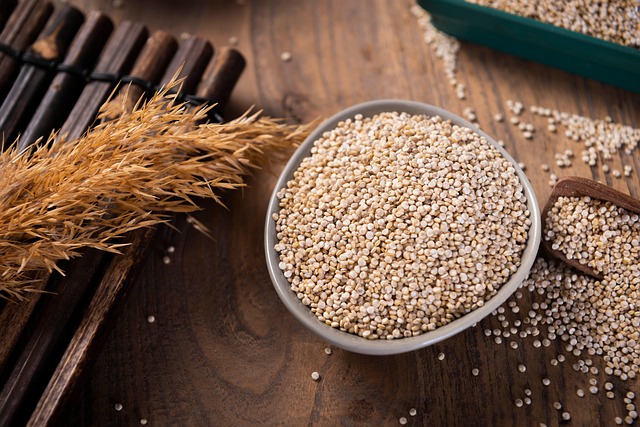
Quinoa is a complete protein that provides all nine essential amino acids, including tyrosine and tryptophan, which serve as precursors to key neurotransmitters that regulate focus, mood, and memory. Its low glycemic index means it releases energy slowly into the bloodstream, helping to sustain concentration and prevent the blood sugar crashes that often lead to mental fatigue. Iron in quinoa supports healthy oxygen delivery to the brain, while magnesium helps regulate the neural activity involved in learning and memory consolidation. Riboflavin found in quinoa contributes to energy production within brain cells, supporting stamina during demanding cognitive tasks. Versatile enough to be used in place of rice, pasta, or porridge, quinoa is one of the most complete and practical brain foods available.
Tomatoes
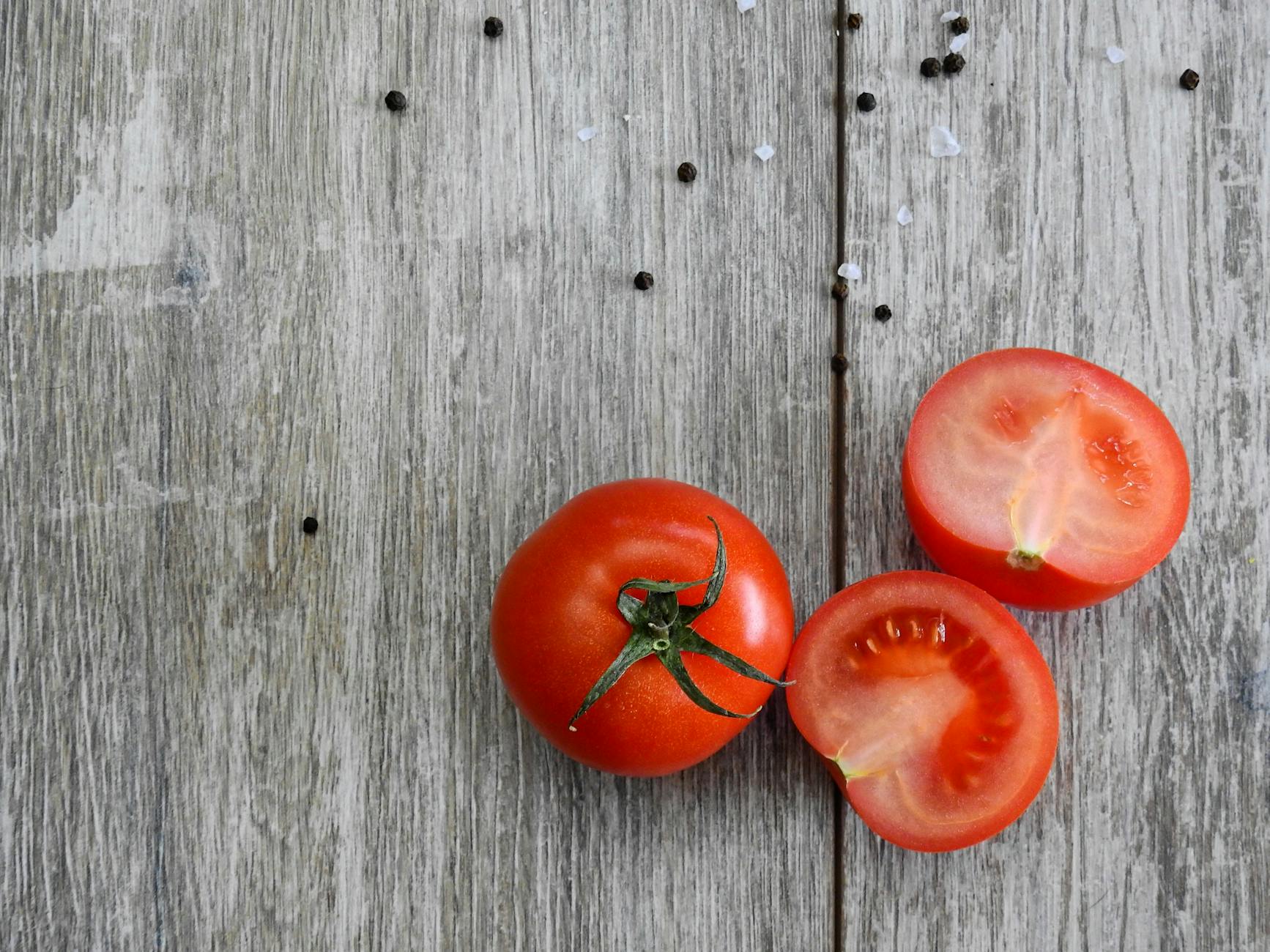
Tomatoes contain lycopene, a potent antioxidant that offers significant protection against the free radical damage associated with the development of dementia and other forms of cognitive decline. Cooking tomatoes or combining them with a small amount of healthy fat dramatically increases lycopene bioavailability, making dishes like tomato sauce particularly effective for brain health. Vitamin C in tomatoes plays a role in neurotransmitter synthesis and helps protect the brain from oxidative stress. Choline found in tomatoes supports structural integrity in cell membranes and contributes to memory and mood regulation. Whether fresh in a salad or cooked into sauces and soups, tomatoes provide accessible and delicious cognitive protection through everyday meals.
Cashews
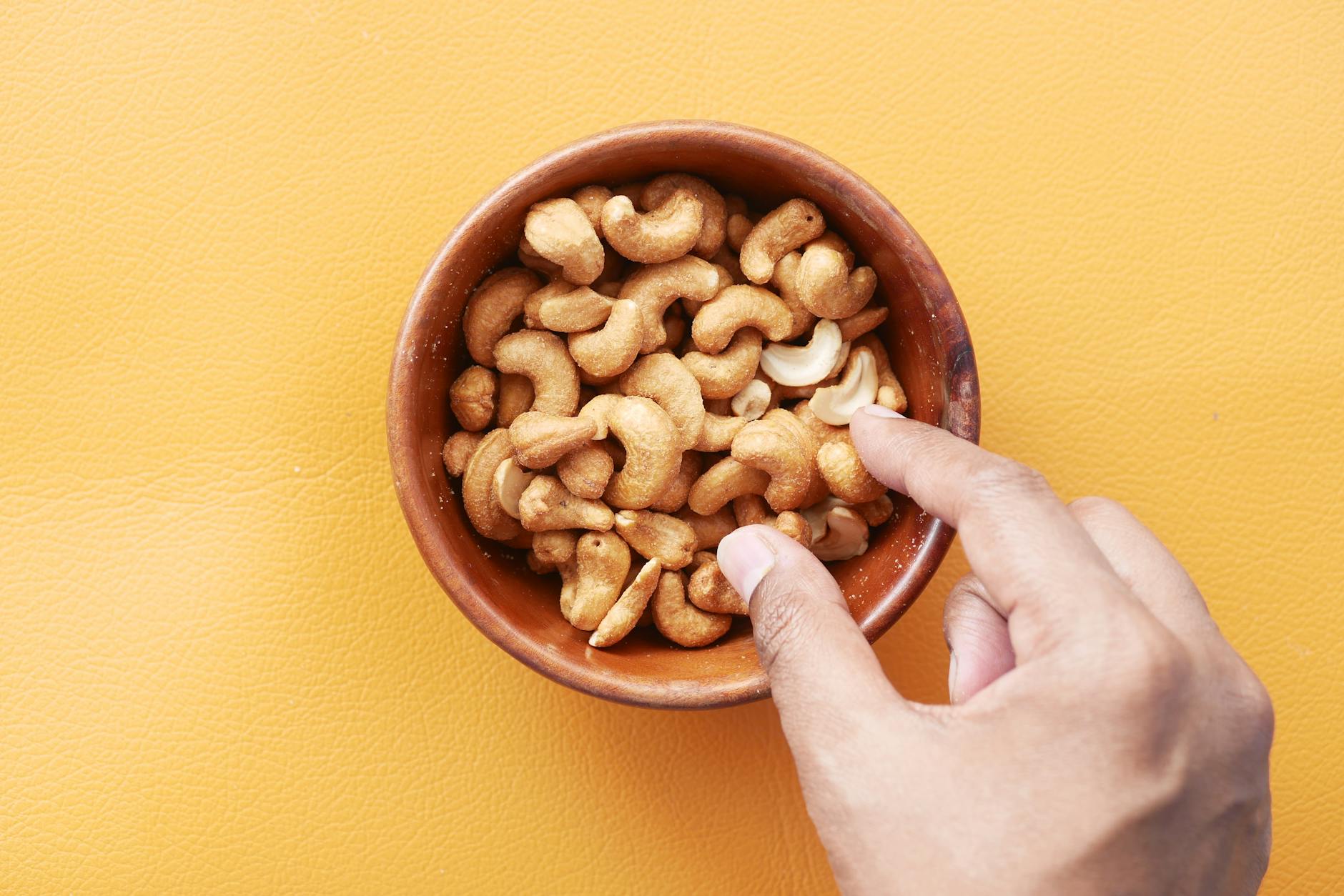
Cashews provide a notable amount of magnesium, which is involved in more than three hundred biochemical reactions in the body, including those that regulate learning and memory. They are also a good source of zinc, a mineral critical for nerve signaling and the maintenance of cognitive function over time. The healthy unsaturated fats in cashews help maintain the structural integrity of brain cell membranes, supporting efficient neural communication. Tryptophan found in cashews is a precursor to serotonin, a neurotransmitter that helps regulate mood, sleep, and the overall mental state needed for focused thinking. Eaten as a snack or added to stir-fries and grain bowls, cashews offer a creamy and nutritionally rich way to support daily brain performance.
Cacao Nibs
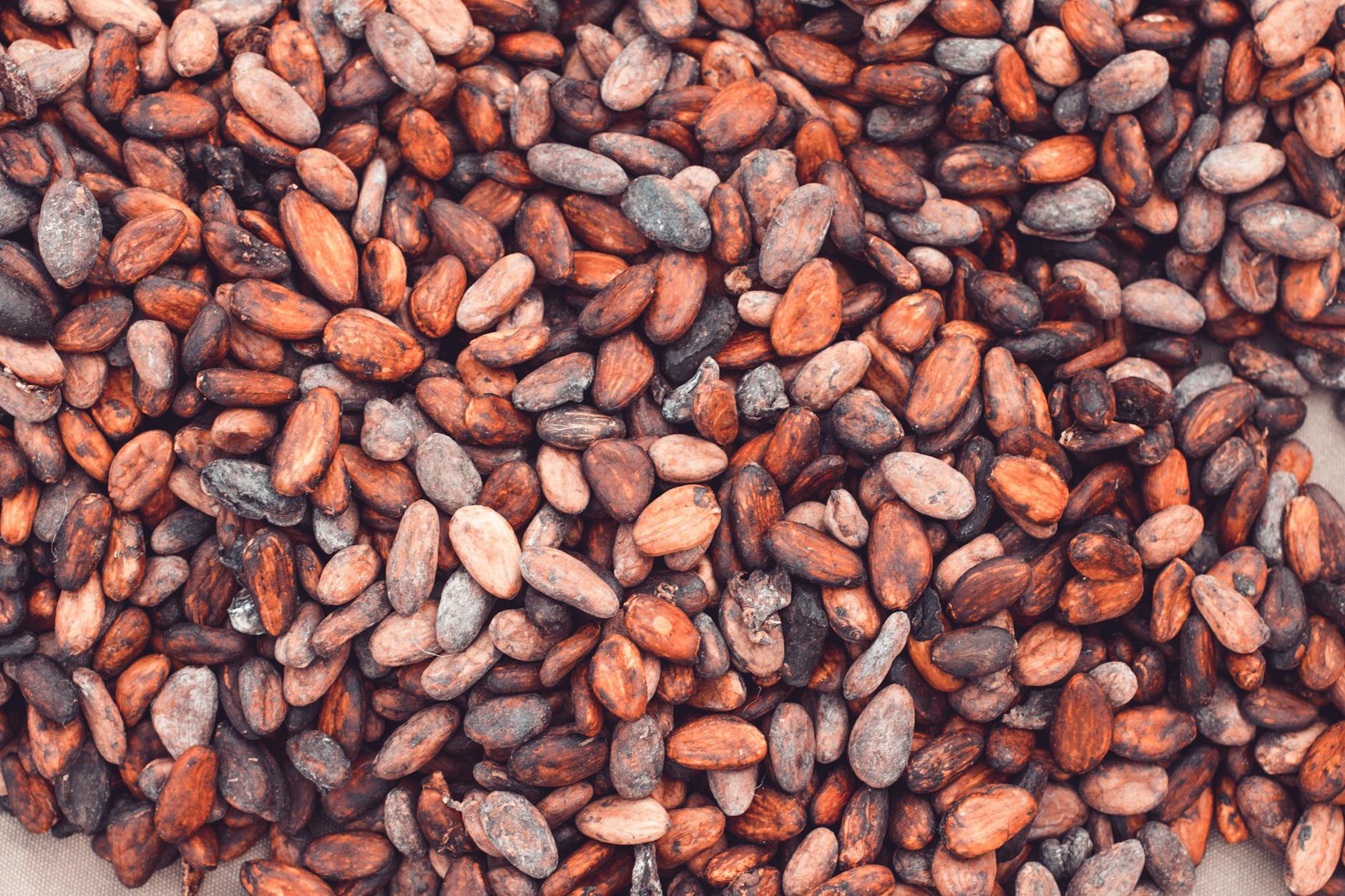
Raw cacao nibs are a minimally processed form of chocolate that preserves the full spectrum of flavanols and antioxidants that benefit the brain without the added sugar found in most chocolate products. Flavanols in cacao promote neurogenesis, the growth of new brain cells, and enhance blood flow to regions of the brain involved in memory and learning. They also support the production of endorphins and serotonin, contributing to the positive mood and mental clarity needed for effective cognitive performance. Theobromine in cacao provides a gentle and sustained energy lift that supports alertness without the intensity of caffeine. Added to smoothies, oatmeal, or trail mix, cacao nibs are a powerful and versatile brain food that delivers substantial benefits in small servings.
Fermented Foods

Fermented foods such as kimchi, sauerkraut, kefir, and miso support the gut microbiome, which communicates directly with the brain through the gut-brain axis and influences memory, mood, and cognitive clarity. A diverse and balanced gut microbiome has been linked in research to reduced anxiety, better emotional regulation, and improved performance on memory and learning tasks. The probiotics in fermented foods help regulate inflammation throughout the body, including in the brain, where chronic inflammation is a key contributor to cognitive decline. Short-chain fatty acids produced during fermentation serve as a fuel source for colon cells and have anti-inflammatory effects that extend to the central nervous system. Including a variety of fermented foods in the diet regularly is one of the most holistic strategies for supporting both gut health and long-term brain function.
Edamame

Edamame is rich in choline, folate, and isoflavones, a combination of nutrients that collectively support memory formation, neurotransmitter production, and long-term cognitive health. The isoflavones in edamame have been linked in research to improved verbal memory and processing speed, particularly in middle-aged adults. Folate in edamame supports the regulation of homocysteine levels, high concentrations of which have been associated with accelerated cognitive aging. The protein content in edamame provides tyrosine, an amino acid used by the brain to produce dopamine and norepinephrine, neurotransmitters central to motivation and focus. Lightly salted and served as a snack or tossed into salads and grain bowls, edamame is a satisfying and brain-supportive food that fits easily into a busy day.
Acai Berries

Acai berries contain one of the highest antioxidant concentrations of any fruit, making them particularly effective at protecting the brain from the oxidative damage that accumulates with age and stress. Anthocyanins in acai have been shown to improve the signaling between neurons and may enhance the brain’s ability to form and store new memories. The healthy fats in acai, including oleic acid, support the absorption of fat-soluble vitamins and contribute to the structural health of brain cell membranes. Plant sterols found in acai help maintain cardiovascular health, which directly supports the robust blood flow needed for optimal brain function. Blended into smoothie bowls, mixed with yogurt, or consumed as a pure juice, acai is a vibrant and genuinely powerful food for supporting cognitive longevity.
What foods do you rely on to stay sharp and focused throughout the day? Share your go-to brain foods in the comments.