The connection between what you eat and how well you sleep is backed by decades of nutritional science and sleep research. Certain foods contain natural compounds that support the production of melatonin, serotonin, and other hormones that regulate the body’s sleep-wake cycle. Incorporating these foods into your evening routine or daily diet can meaningfully improve both the quality and duration of your rest. The result is not just deeper sleep but a more energized and refreshed feeling when morning arrives. Explore these 30 foods that science and nutrition experts consistently highlight for their sleep-enhancing properties.
Tart Cherries

Tart cherries are one of the few natural food sources of melatonin, the hormone that signals to the body it is time to sleep. Studies have shown that drinking tart cherry juice twice daily can increase sleep duration and improve overall sleep quality. The fruit also contains anti-inflammatory compounds that support muscle recovery overnight. Tart cherry juice is widely available and easy to incorporate into an evening routine. Both the whole fruit and concentrated juice form deliver measurable sleep benefits.
Kiwi

Kiwi is a nutrient-dense fruit that has been studied specifically for its effects on sleep onset and duration. Research involving adults who ate two kiwis an hour before bed reported falling asleep faster and staying asleep longer. The fruit is rich in serotonin, a neurotransmitter that plays a central role in regulating sleep cycles. Kiwi also provides a strong dose of vitamin C and antioxidants that support overall cellular recovery during the night. Its natural sweetness makes it a satisfying and light pre-bedtime snack.
Almonds
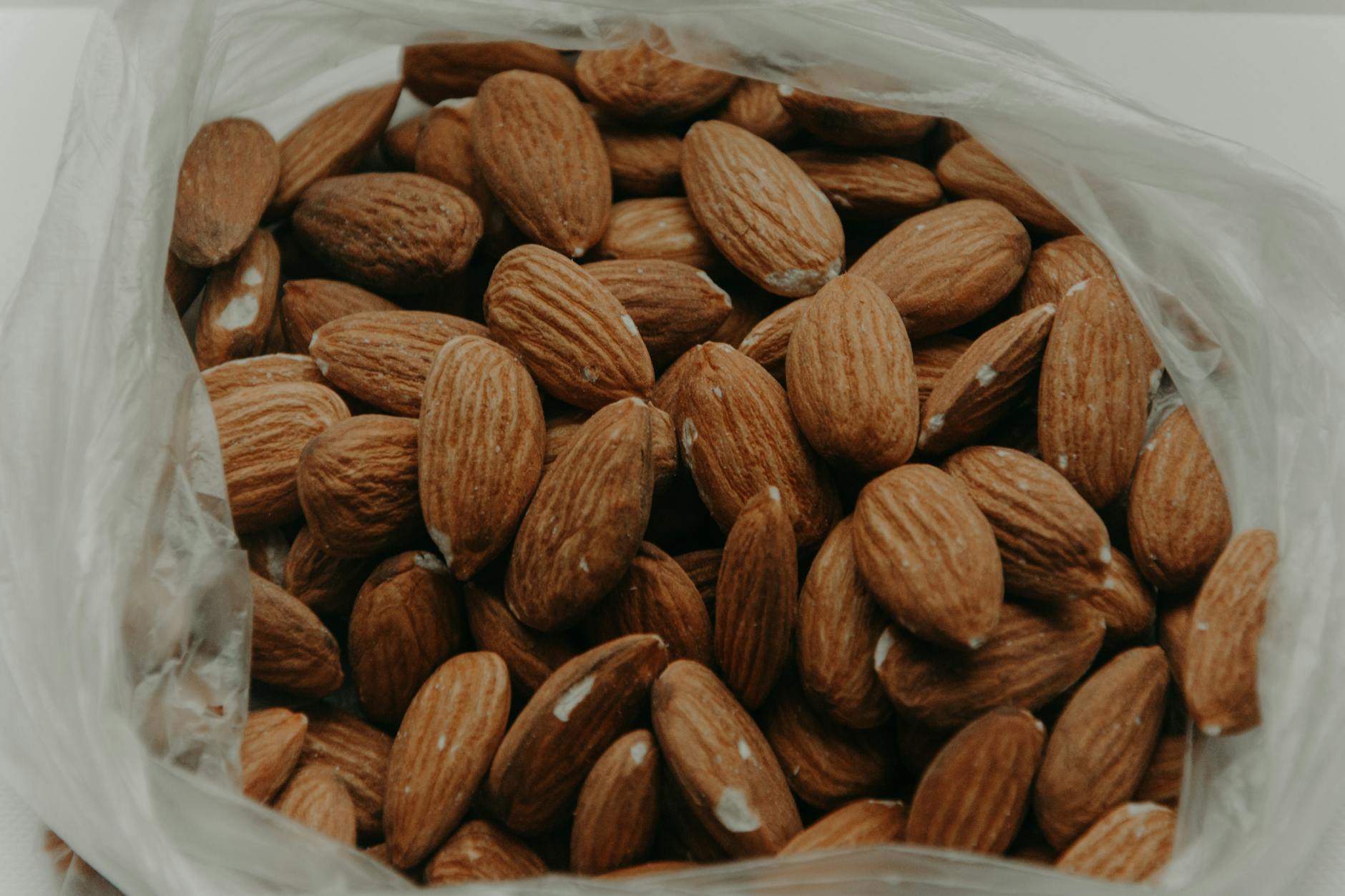
Almonds are a rich source of magnesium, a mineral that promotes muscle relaxation and supports the regulation of melatonin. A small handful of almonds in the evening provides a combination of healthy fats and protein that helps stabilize blood sugar through the night. Fluctuating blood sugar during sleep is a known contributor to nighttime waking, making almonds particularly useful for uninterrupted rest. The nut also contains tryptophan, an amino acid that the body converts into serotonin and then melatonin. Almonds are easy to portion and pair well with other sleep-friendly foods.
Warm Milk
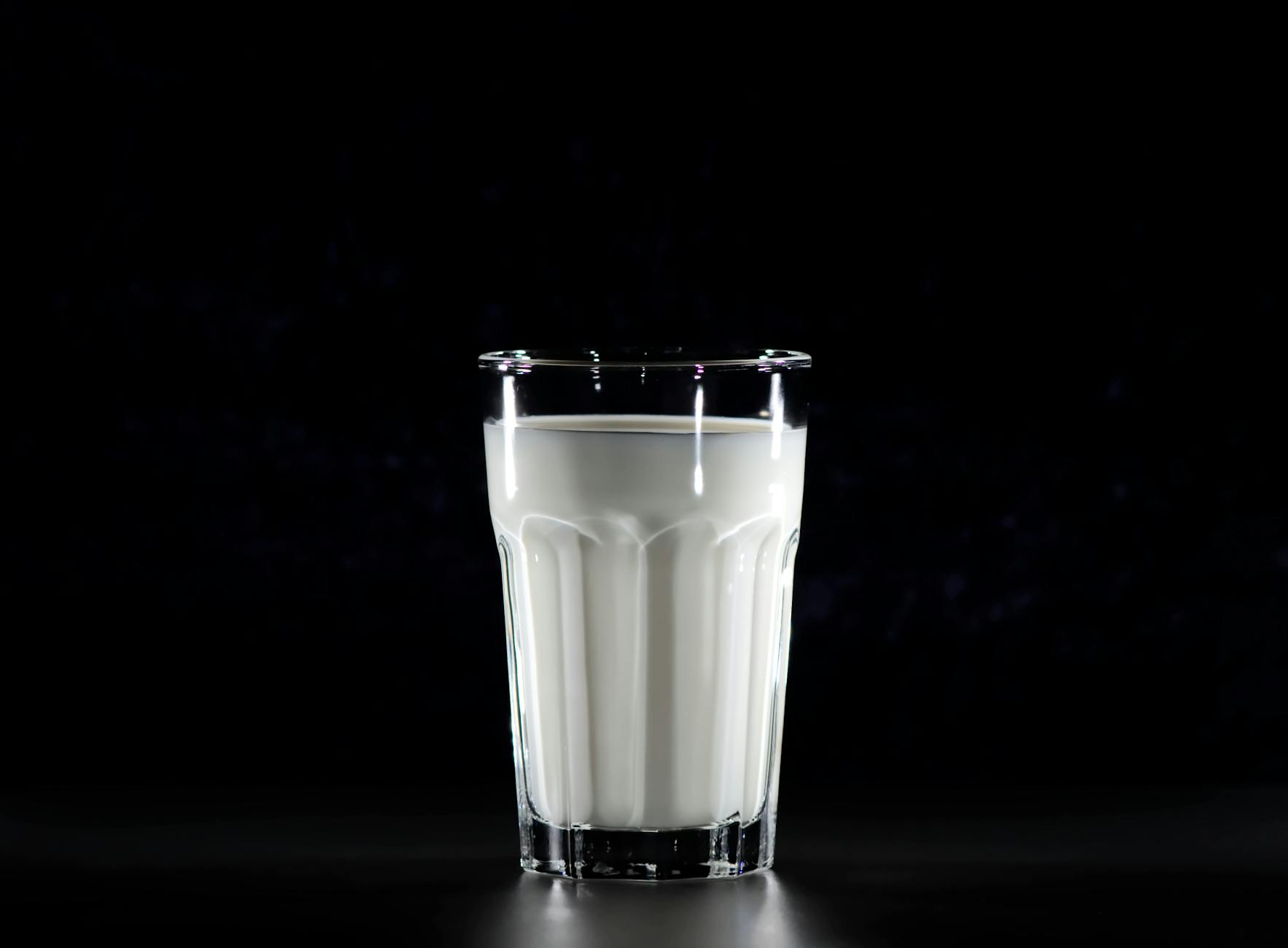
Warm milk has been used as a sleep aid across cultures for generations, and modern nutrition science provides a clear explanation for why it works. Milk contains tryptophan along with calcium, which helps the brain use tryptophan to manufacture melatonin. The warmth of the drink has a physically calming effect on the body, lowering core temperature slightly and signaling the nervous system to wind down. Milk also provides a small amount of protein that can prevent hunger from disrupting sleep during the night. Full-fat and low-fat varieties both deliver these sleep-supporting benefits.
Chamomile Tea

Chamomile tea contains an antioxidant called apigenin, which binds to specific receptors in the brain that promote sleepiness and reduce insomnia. Drinking a cup of chamomile tea 30 to 45 minutes before bed is a widely recommended practice among sleep specialists and nutritionists. The tea has a naturally mild and floral flavor that requires no added sweetener for most people. Regular consumption of chamomile tea has also been associated with reduced anxiety levels, which is a common barrier to falling asleep. Its caffeine-free profile makes it an ideal evening beverage.
Bananas

Bananas provide a combination of magnesium, potassium, and tryptophan that collectively support the body’s transition into sleep. Potassium and magnesium both act as natural muscle relaxants, helping the body physically unwind before bed. The carbohydrates in a banana can help shuttle tryptophan across the blood-brain barrier more efficiently, amplifying its sleep-promoting effects. Bananas also contain vitamin B6, which the body needs to convert tryptophan into serotonin. A ripe banana makes a convenient and nutritious evening snack that requires no preparation.
Oats
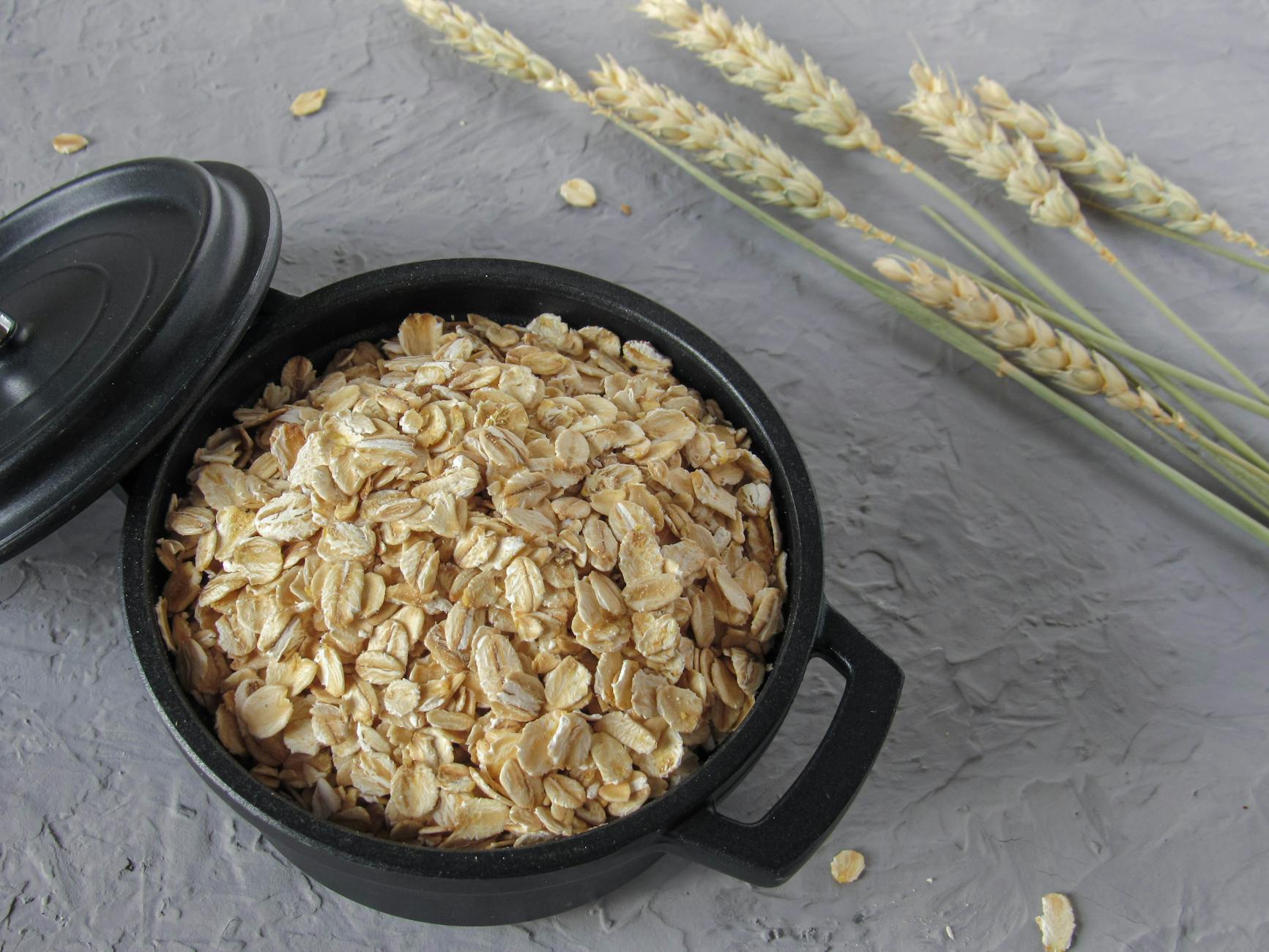
Oats are a complex carbohydrate that naturally stimulates insulin production, which in turn helps tryptophan reach the brain more easily. They also contain melatonin in measurable quantities, making them one of the more direct dietary sources of this sleep hormone. A bowl of oatmeal consumed a few hours before bed can help stabilize blood sugar levels throughout the night. Oats are also high in fiber, which supports gut health and the gut-brain axis that influences serotonin production. Their calming and satisfying nature makes them an excellent evening meal for those prone to nighttime hunger.
Turkey

Turkey is widely associated with post-meal drowsiness because of its high tryptophan content, though the effect is strongest when consumed alongside carbohydrates. Tryptophan is an essential amino acid that the body uses as a building block for both serotonin and melatonin. A moderate serving of turkey in the evening provides this amino acid without an overly heavy protein load that could slow digestion and interfere with sleep. Turkey is also a lean protein source that supports overnight tissue repair and muscle maintenance. Pairing it with a small portion of carbohydrates maximizes its sleep-promoting potential.
Fatty Fish

Fatty fish such as salmon, mackerel, and trout are among the best dietary sources of vitamin D and omega-3 fatty acids, both of which play a role in regulating serotonin. Research has found that people who eat fatty fish several times a week tend to fall asleep faster and report better overall sleep quality. The omega-3 content in fatty fish also helps reduce inflammation, which can otherwise disrupt the restorative processes that occur during deep sleep. Vitamin D deficiency has been directly linked to sleep disorders in multiple large-scale studies. Eating fatty fish for dinner a few times a week is a practical and delicious way to support better rest.
Walnuts
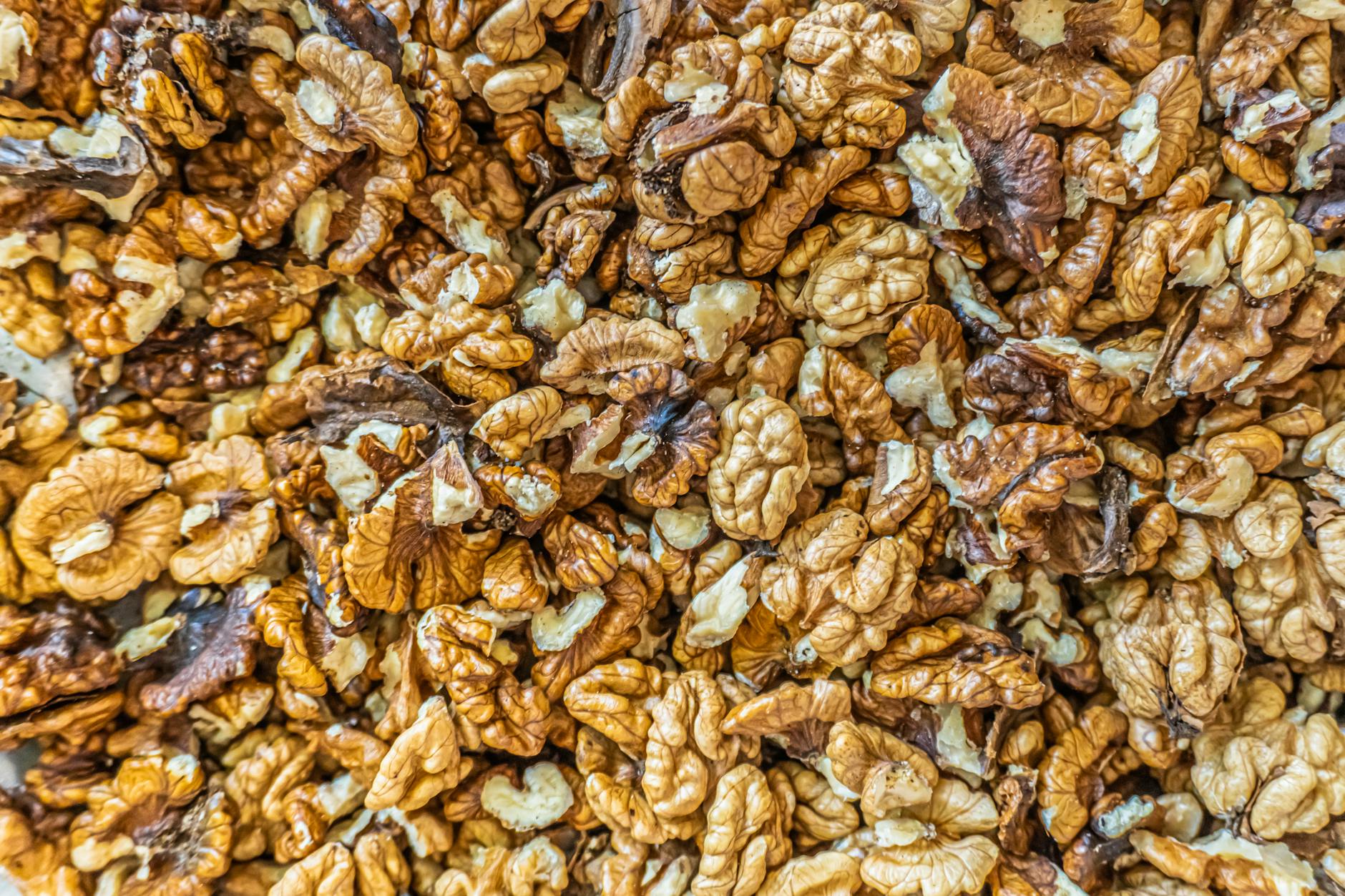
Walnuts are one of the best plant-based sources of melatonin and are also rich in omega-3 fatty acids that support serotonin regulation. Eating a small portion of walnuts in the evening has been associated with increased blood melatonin levels, helping the body prepare for sleep naturally. Walnuts also contain magnesium and tryptophan, giving them multiple pathways through which they support the sleep cycle. Their healthy fat content contributes to the sustained release of energy throughout the night, preventing early waking from hunger. A small handful is all that is needed to access their sleep-enhancing benefits.
Passionflower Tea
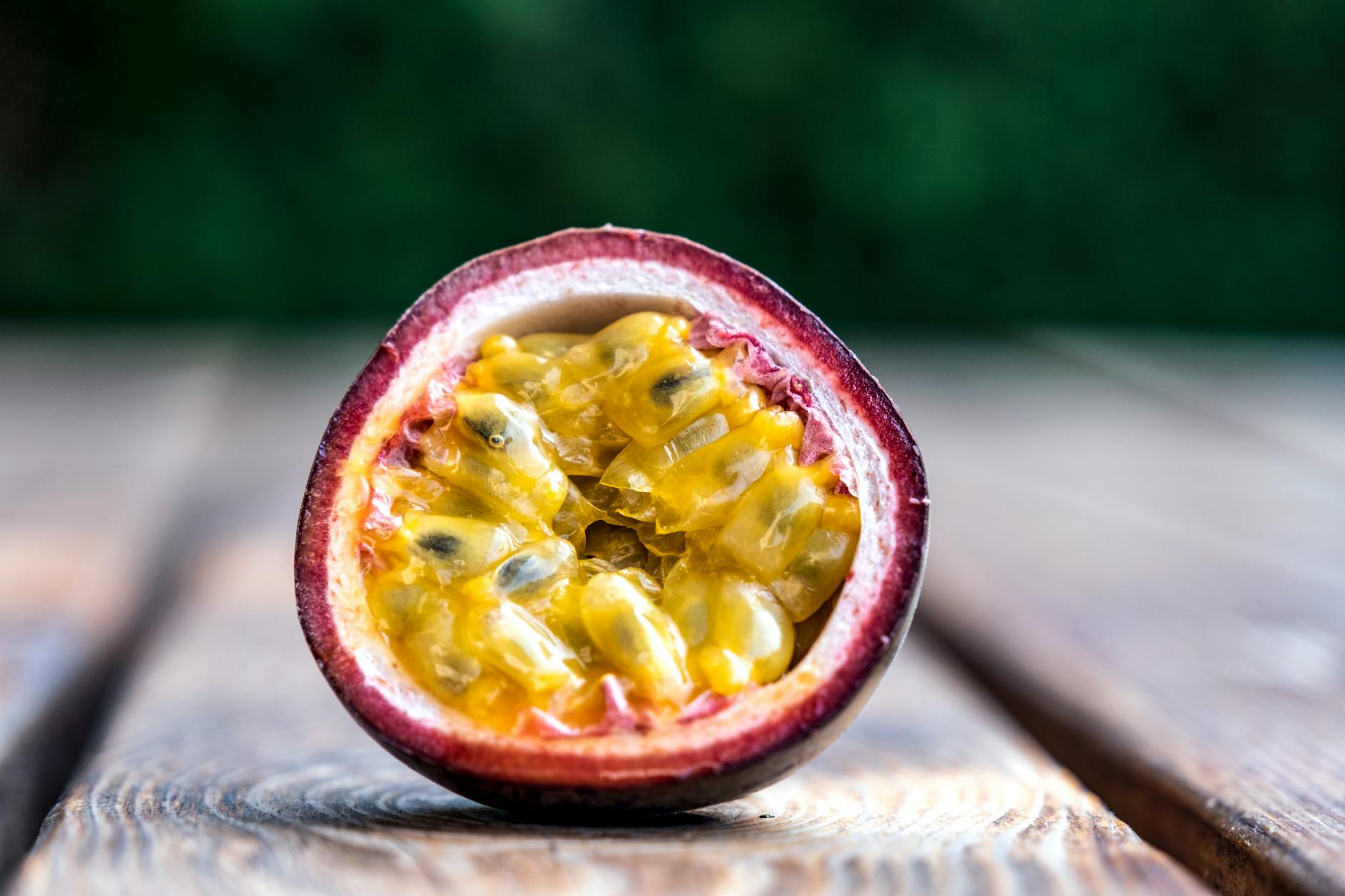
Passionflower tea contains naturally occurring compounds that increase levels of gamma-aminobutyric acid (GABA) in the brain, a neurotransmitter that reduces brain activity and promotes relaxation. Studies have found that people who drink passionflower tea before bed report significantly better sleep quality compared to those who do not. The herb has a mild and pleasant earthy flavor that makes it easy to incorporate into a nighttime ritual. Passionflower tea is also caffeine-free and considered safe for regular consumption in standard quantities. It is often recommended as a gentler alternative to valerian for those who are new to herbal sleep support.
White Rice
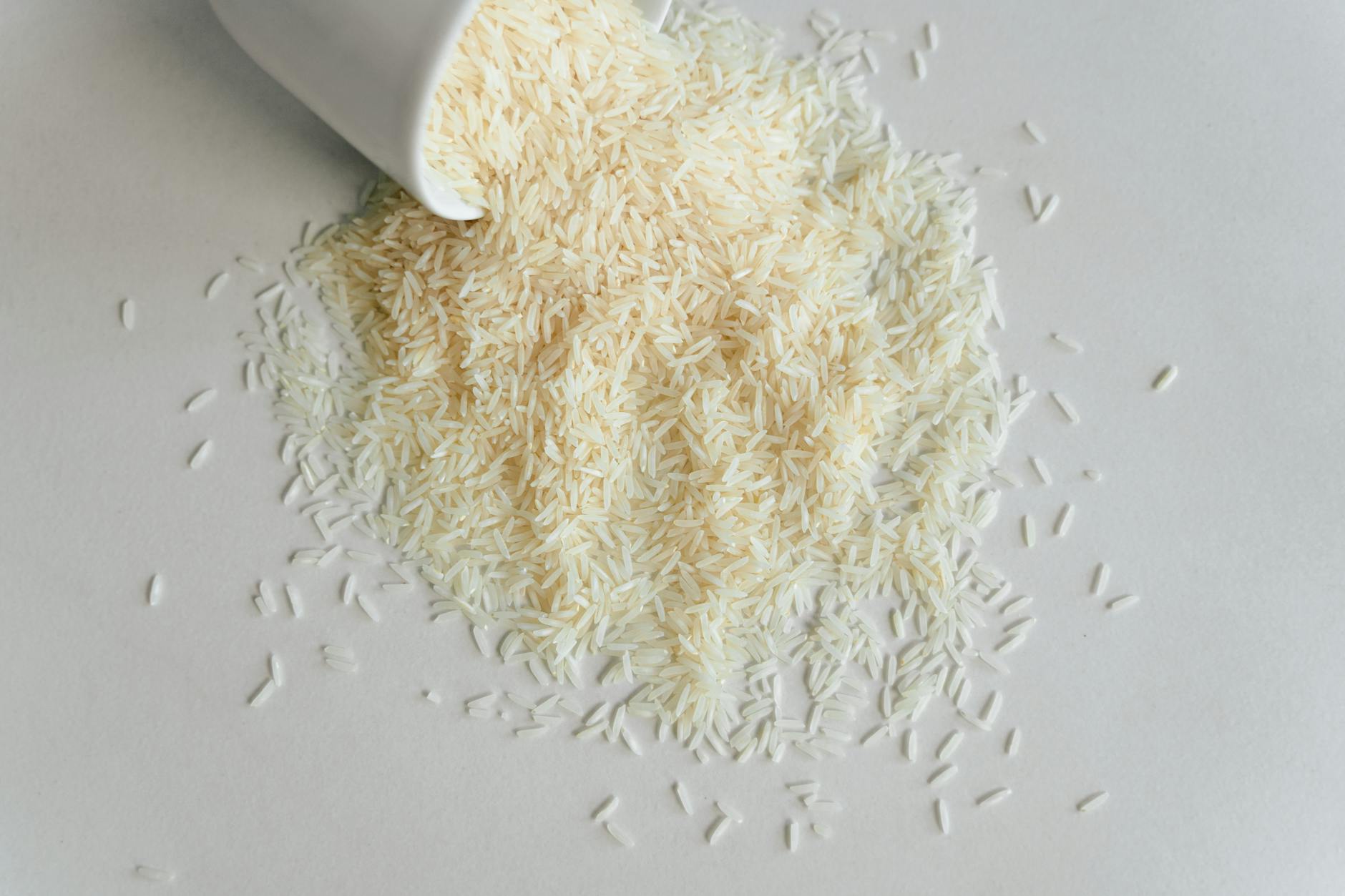
White rice has a high glycemic index, which causes a rapid release of insulin that helps transport tryptophan to the brain more efficiently. Research conducted on adults in Japan found a strong correlation between regular white rice consumption and improved sleep onset. The easily digestible nature of white rice means the stomach processes it quickly, reducing the likelihood of digestive discomfort during the night. Eating white rice with dinner, particularly alongside a tryptophan-rich protein, creates a food combination well-suited for supporting restful sleep. Its mild flavor makes it a versatile base that pairs with a wide variety of sleep-friendly ingredients.
Honey
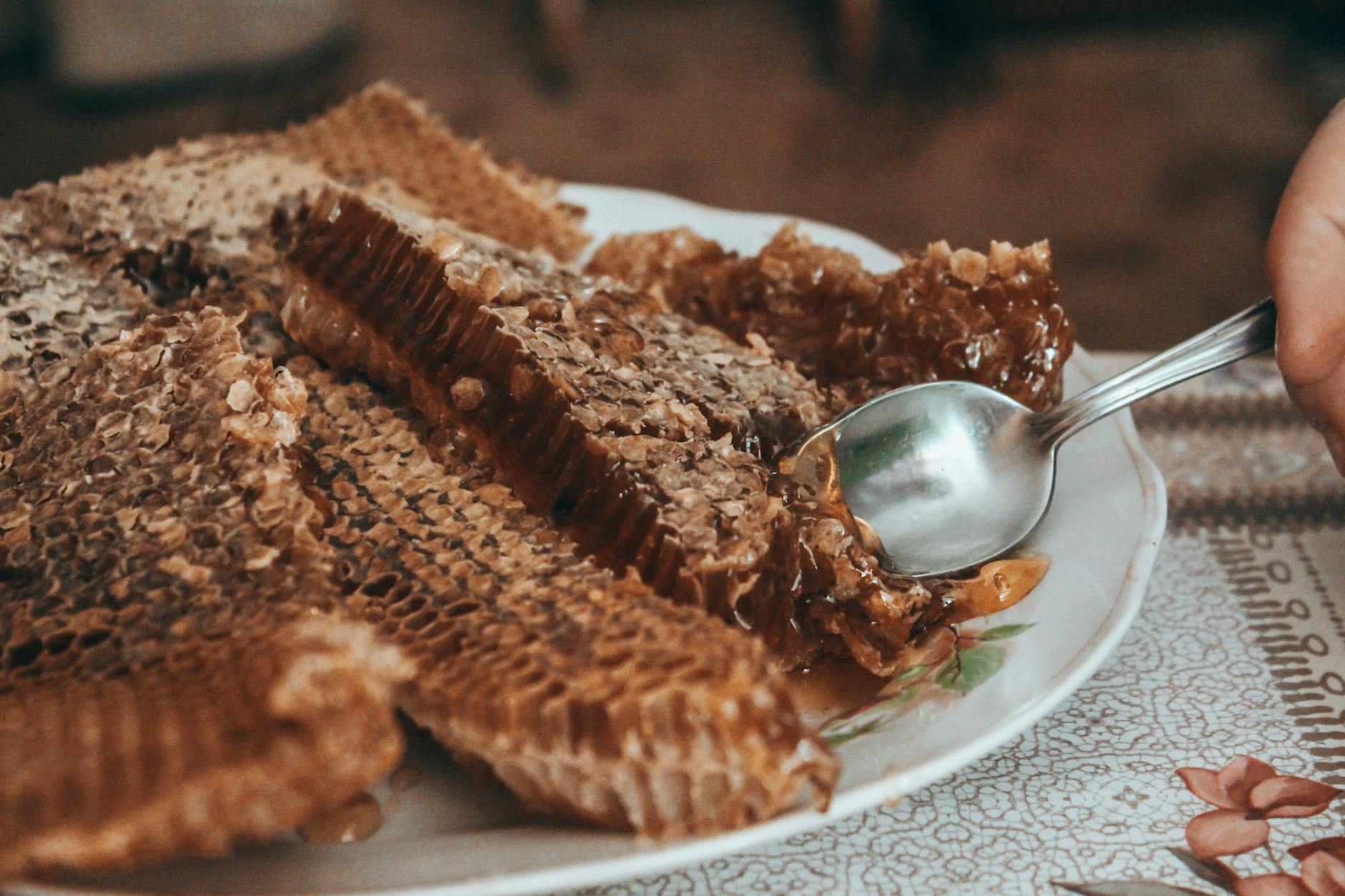
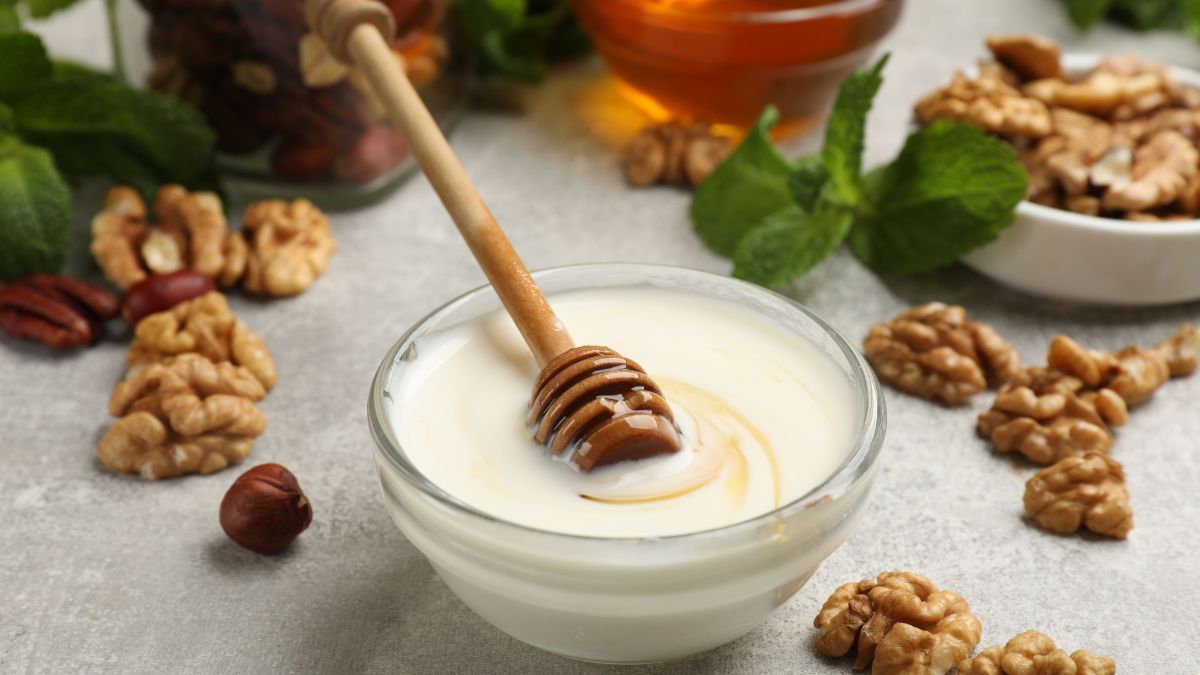
A small amount of honey taken before bed has been associated with improved sleep by restoring glycogen levels in the liver, which prevents the brain from triggering stress responses during the night. Honey also contains trace amounts of tryptophan and helps facilitate the release of melatonin by slightly raising insulin. The fructose in honey slows the absorption of tryptophan, resulting in a more gradual and sustained delivery to the brain. Many sleep practitioners recommend a teaspoon of raw honey stirred into chamomile tea as a particularly effective combination. Raw honey retains more of its active compounds compared to processed varieties.
Pumpkin Seeds
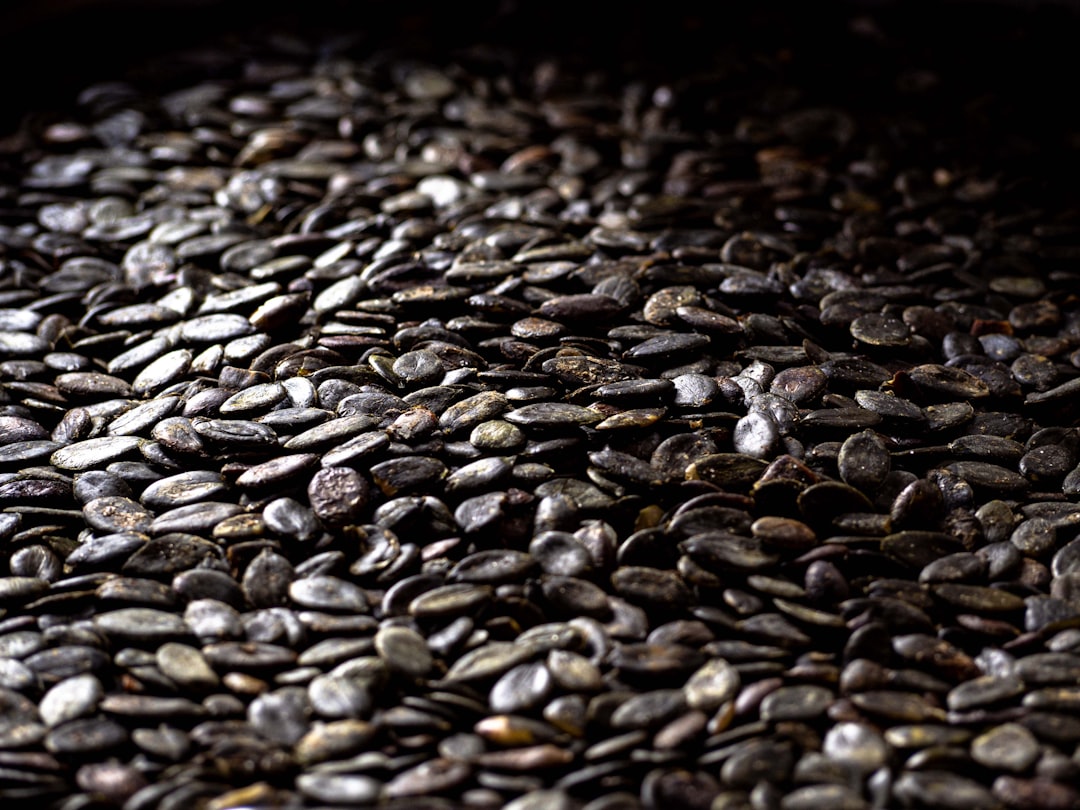
Pumpkin seeds are exceptionally high in magnesium and zinc, two minerals that work together to support the conversion of tryptophan into serotonin and melatonin. A standard serving of pumpkin seeds provides more than half the daily recommended intake of magnesium, making them one of the most concentrated food sources of this sleep-critical mineral. Zinc also plays a direct role in sleep quality and duration, with deficiency linked to insomnia and fragmented sleep patterns. Pumpkin seeds are easy to prepare as a light evening snack, either roasted or raw. Their compact nutritional profile makes them particularly valuable for people seeking to address sleep issues through dietary changes.
Edamame

Edamame is a rich source of isoflavones, plant-based compounds that influence serotonin activity in the brain and have been studied for their role in improving sleep quality. The soybean is also high in tryptophan and magnesium, giving it multiple nutritional pathways that support restful sleep. Edamame provides a substantial amount of plant-based protein, which supports overnight muscle recovery and keeps hunger at bay. Its satisfying texture and mild flavor make it a popular evening snack in many East Asian countries where sleep research has noted favorable outcomes. Lightly salted and steamed edamame is one of the most convenient sleep-friendly options available.
Lettuce

Lettuce, particularly romaine and wild varieties, contains a compound called lactucarium, which has mild sedative properties that can reduce sleep latency. Lactucarium has historically been used in herbal medicine traditions as a natural sleep aid and has been the subject of renewed scientific interest. Drinking lettuce seed oil or brewing lettuce tea before bed has been shown in small studies to increase total sleep time. The high water content of lettuce also makes it a hydrating food that supports the body’s overnight maintenance processes. Including a generous portion of lettuce in an evening meal is an easy and low-calorie way to support better sleep.
Chickpeas
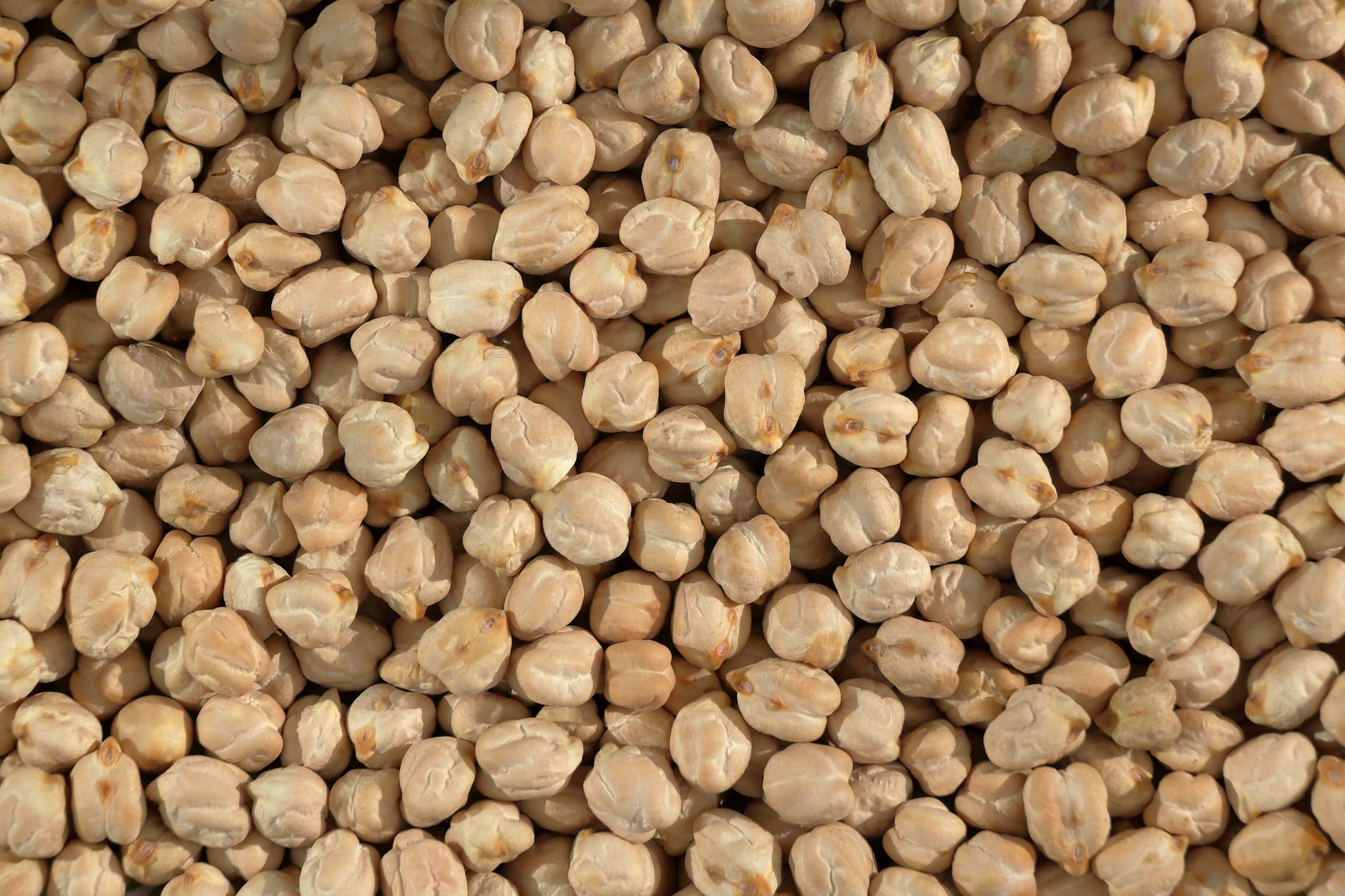
Chickpeas are a strong plant-based source of tryptophan and vitamin B6, a nutrient essential for converting tryptophan into serotonin. Their complex carbohydrate content supports steady blood sugar levels throughout the night, reducing the chance of waking due to energy fluctuations. Chickpeas are also high in magnesium and zinc, both of which contribute to the hormonal pathways that regulate the sleep cycle. A serving of chickpeas in a light evening meal provides both satiety and a meaningful dose of sleep-supporting nutrients. They are highly versatile and can be incorporated into salads, soups, or grain dishes that form part of a sleep-friendly dinner.
Spinach

Spinach is packed with magnesium, calcium, and potassium, three minerals that play important roles in muscle relaxation and the neurological regulation of sleep. The calcium in spinach is particularly significant because the brain uses it to help process tryptophan and trigger melatonin synthesis. Spinach is also one of the better food sources of tryptophan among leafy greens, making it a nutritionally well-rounded choice for evening meals. Its versatility means it can be incorporated into a wide range of dinners without significantly altering the flavor of a dish. Regular spinach consumption has been associated with reduced nighttime leg cramps, a common cause of disrupted sleep.
Sweet Potatoes

Sweet potatoes provide a combination of complex carbohydrates and potassium that supports the winding-down process before sleep. Potassium is a natural muscle relaxant that helps ease physical tension in the body that can delay the onset of sleep. The carbohydrate content of sweet potatoes promotes serotonin release by facilitating tryptophan transport across the blood-brain barrier. Sweet potatoes are also rich in magnesium and vitamin B6, further supporting the body’s sleep-related hormonal processes. Their natural sweetness makes them a satisfying addition to an evening meal that does not feel like a compromise.
Barley

Barley contains high levels of melatonin as well as tryptophan and a range of B vitamins that are critical for healthy neurotransmitter function. Its soluble fiber content feeds beneficial gut bacteria that produce serotonin, reflecting the important link between digestive health and sleep quality. Barley has a low glycemic index, meaning it provides a slow and steady release of energy that helps maintain stable blood sugar throughout the night. It is a versatile grain that can be used in soups, stews, and salads as part of a nutritious evening meal. Regular consumption of whole grains like barley has been consistently linked to improved sleep quality in large dietary studies.
Ashwagandha
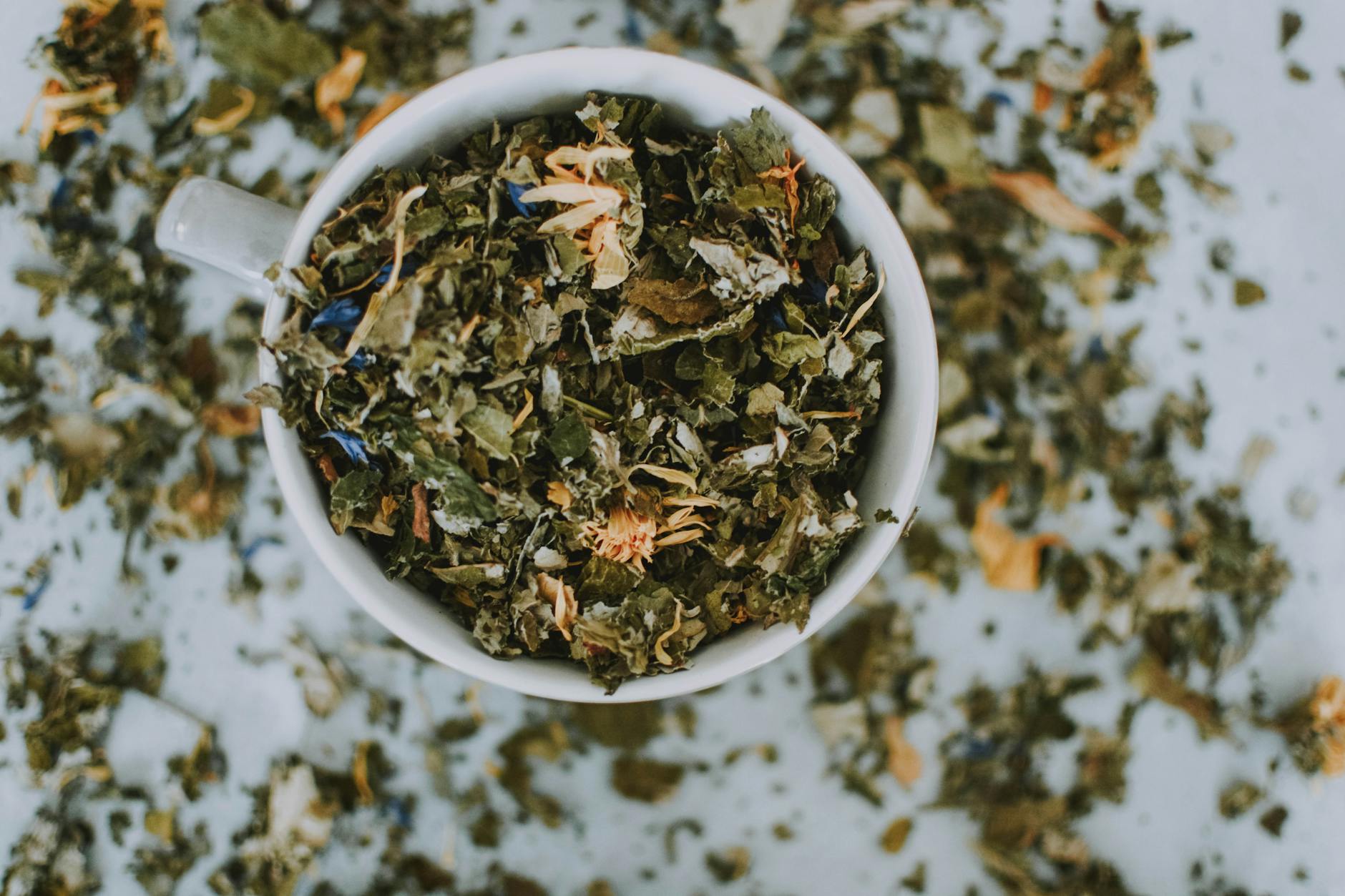
Ashwagandha is an adaptogenic root that contains a compound called triethylene glycol, which has been shown to promote non-rapid eye movement sleep. It reduces cortisol levels in the body, addressing one of the most common physiological barriers to falling and staying asleep. Multiple clinical trials have demonstrated that ashwagandha supplementation or consumption as a tea leads to measurable improvements in sleep onset, quality, and morning alertness. The root is available in powdered form and can be added to warm milk or herbal tea as part of a calming bedtime drink. Its effects are cumulative, with the most significant sleep benefits typically observed after several weeks of regular use.
Lavender Tea

Lavender tea has been studied for its ability to reduce anxiety and lower heart rate, two physiological changes that directly support the transition into sleep. The aromatic compounds in lavender interact with the nervous system in a way that increases slow-wave sleep, which is the deepest and most restorative phase of the sleep cycle. Drinking lavender tea before bed has been associated with feeling more refreshed and alert upon waking in multiple clinical studies. The floral and delicate flavor of lavender tea makes it a pleasant beverage that can easily become a relaxing nightly ritual. It contains no caffeine and is generally well tolerated when consumed in moderate quantities.
Dark Chocolate

Dark chocolate with a high cocoa content contains serotonin precursors and magnesium, both of which support relaxation and mood regulation before sleep. A small square of dark chocolate in the evening provides a dose of magnesium without the stimulating effects associated with milk chocolate due to its lower sugar content. Dark chocolate also contains theobromine, though in much lower quantities than coffee, meaning its stimulant effects are minimal when consumed in small portions. The tryptophan in dark chocolate contributes to the serotonin production that underpins the onset of healthy sleep. Nutritionists generally recommend varieties with at least 70 percent cocoa content for the most favorable nutritional profile.
Avocado
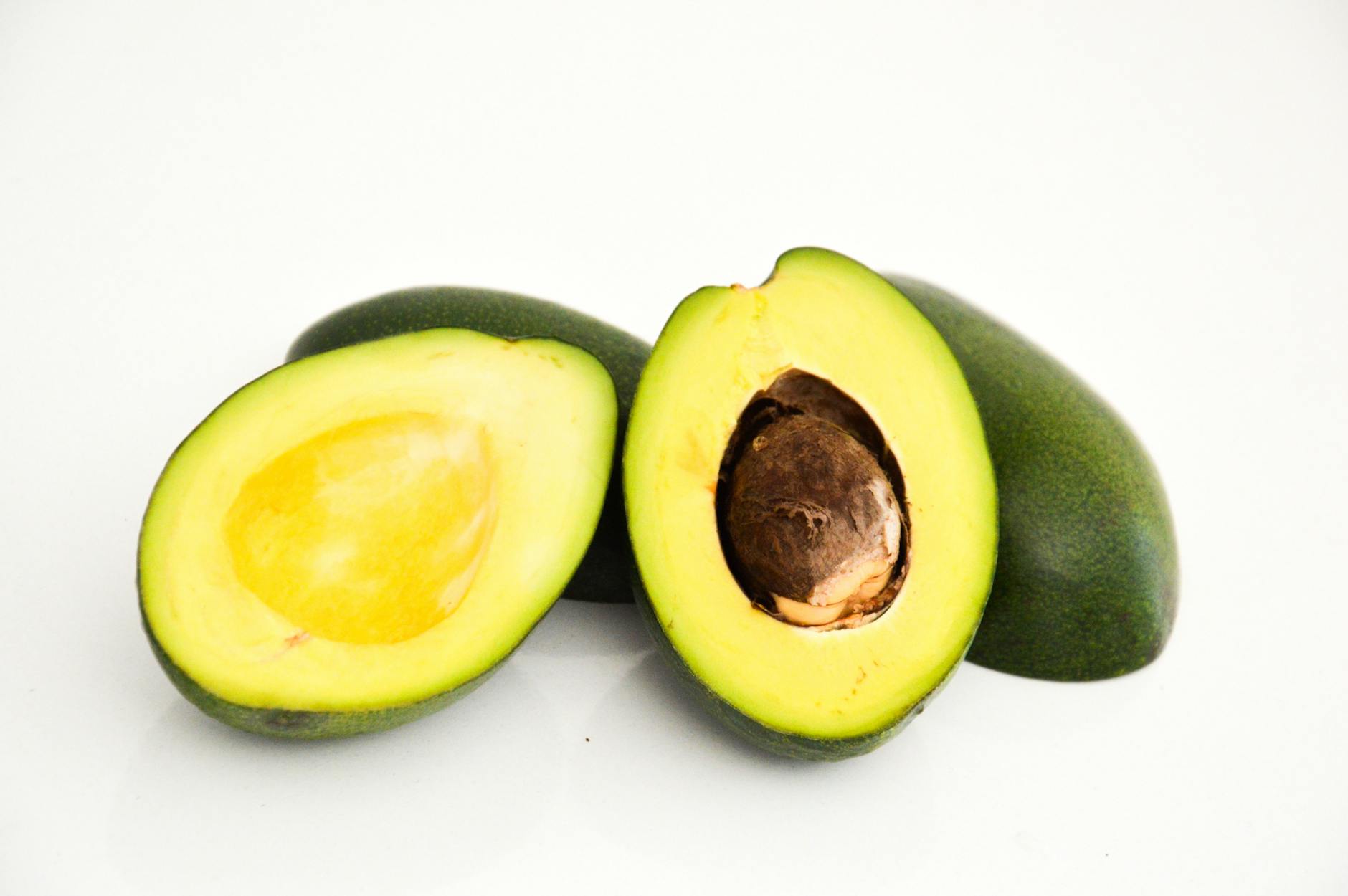
Avocado is one of the richest food sources of magnesium available, a mineral that plays a central role in the regulation of sleep neurotransmitters and the relaxation of the central nervous system. It also provides significant amounts of potassium, which helps reduce nighttime leg cramps and muscle tension that can interrupt sleep. The healthy monounsaturated fats in avocado support the body’s ability to absorb fat-soluble vitamins that are involved in sleep hormone regulation. Avocado contains B vitamins including B6, which is required for the conversion of tryptophan into serotonin. Including avocado in an evening meal or as a light snack on whole grain crackers is a practical and satisfying way to support better sleep.
Yogurt
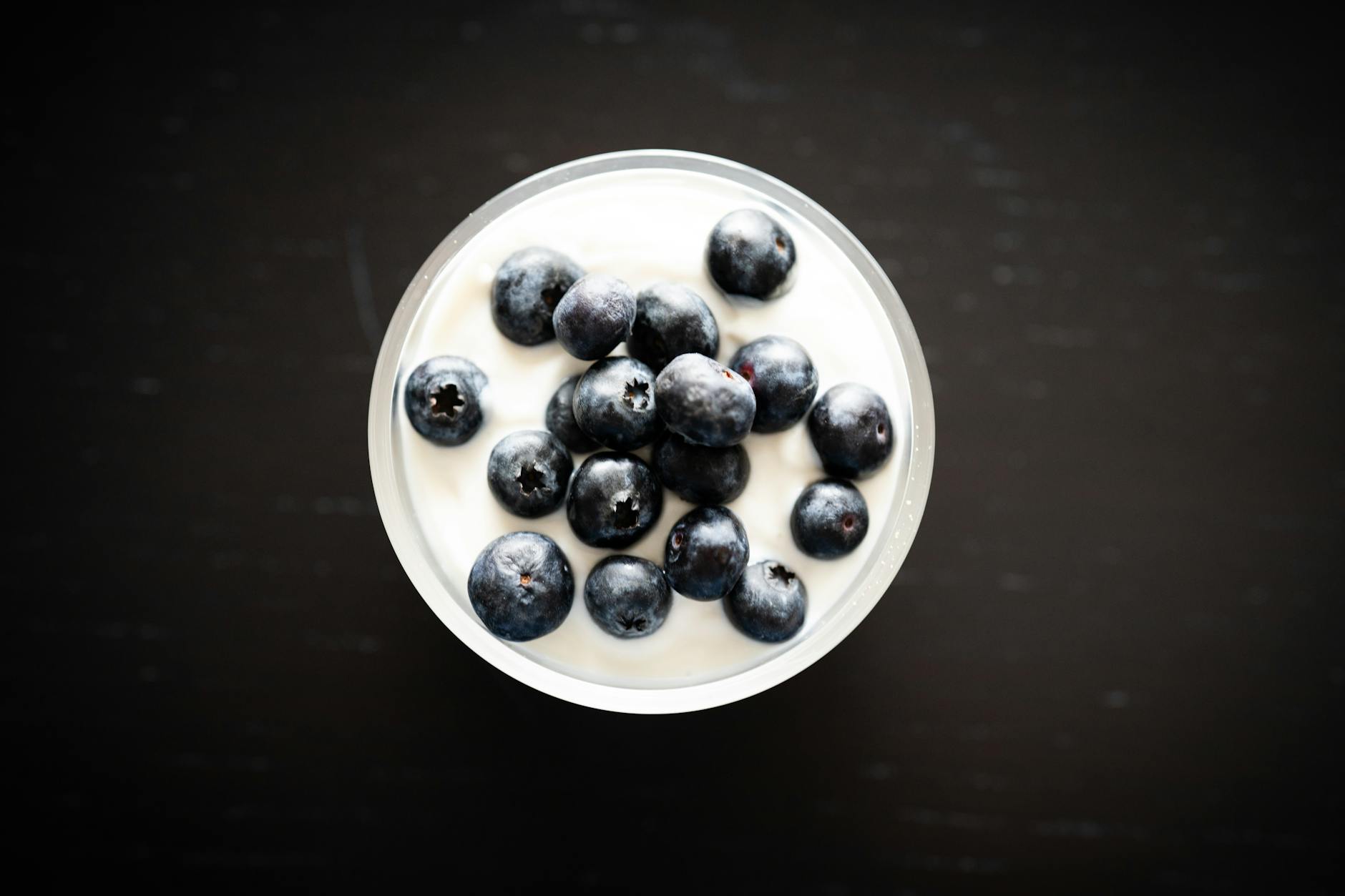
Yogurt is a valuable source of calcium and tryptophan, making it a highly effective food for supporting melatonin synthesis before bed. The live bacterial cultures in probiotic yogurt support gut health and the gut-brain axis, which is increasingly recognized as a major regulator of serotonin production. Research has shown that people with healthier gut microbiomes tend to experience fewer sleep disturbances and better overall sleep quality. A small bowl of plain yogurt with honey in the evening provides a combination of sleep-friendly nutrients without excessive calories. Choosing full-fat or Greek varieties ensures a higher protein content that helps sustain the body through the night.
Pistachios

Pistachios contain extraordinarily high levels of melatonin compared to most other foods, with research confirming that a single serving provides far more melatonin than other commonly cited sleep-supporting nuts. They also deliver a meaningful dose of magnesium and vitamin B6, both of which are involved in the production of serotonin and melatonin. Pistachios are high in protein and healthy fats, making them filling enough to prevent hunger from waking the body during the night. They are easy to portion into a small evening snack and require no preparation. Their rich and satisfying flavor makes them one of the more enjoyable sleep-supporting food options available.
Valerian Root Tea

Valerian root has been used as a natural sleep aid for centuries and operates by increasing GABA levels in the brain, reducing neural excitability and promoting a calmer mental state. Clinical studies have found that regular valerian root tea consumption improves time to fall asleep and increases the proportion of slow-wave sleep achieved during the night. Unlike many pharmaceutical sleep aids, valerian does not suppress REM sleep, meaning the body can still complete its full restorative sleep architecture. The earthy flavor of valerian root tea is stronger than most herbal teas and some people choose to blend it with more mild herbs like lemon balm. Its effects tend to build over one to two weeks of consistent use rather than acting as an immediate sedative.
Eggs

Eggs are a complete protein source and a meaningful contributor of tryptophan and vitamin D, both of which support the production of sleep-regulating hormones. A light egg-based dinner provides the building blocks for overnight muscle repair without placing a heavy digestive burden on the body. The B vitamins in eggs, including B12 and B6, are involved in serotonin synthesis and in regulating the body’s internal circadian clock. Research has linked adequate vitamin D levels with better sleep duration and reduced risk of sleep disorders. Eggs are one of the most affordable and accessible foods on this list, making them a practical everyday option for supporting sleep health.
Tomatoes
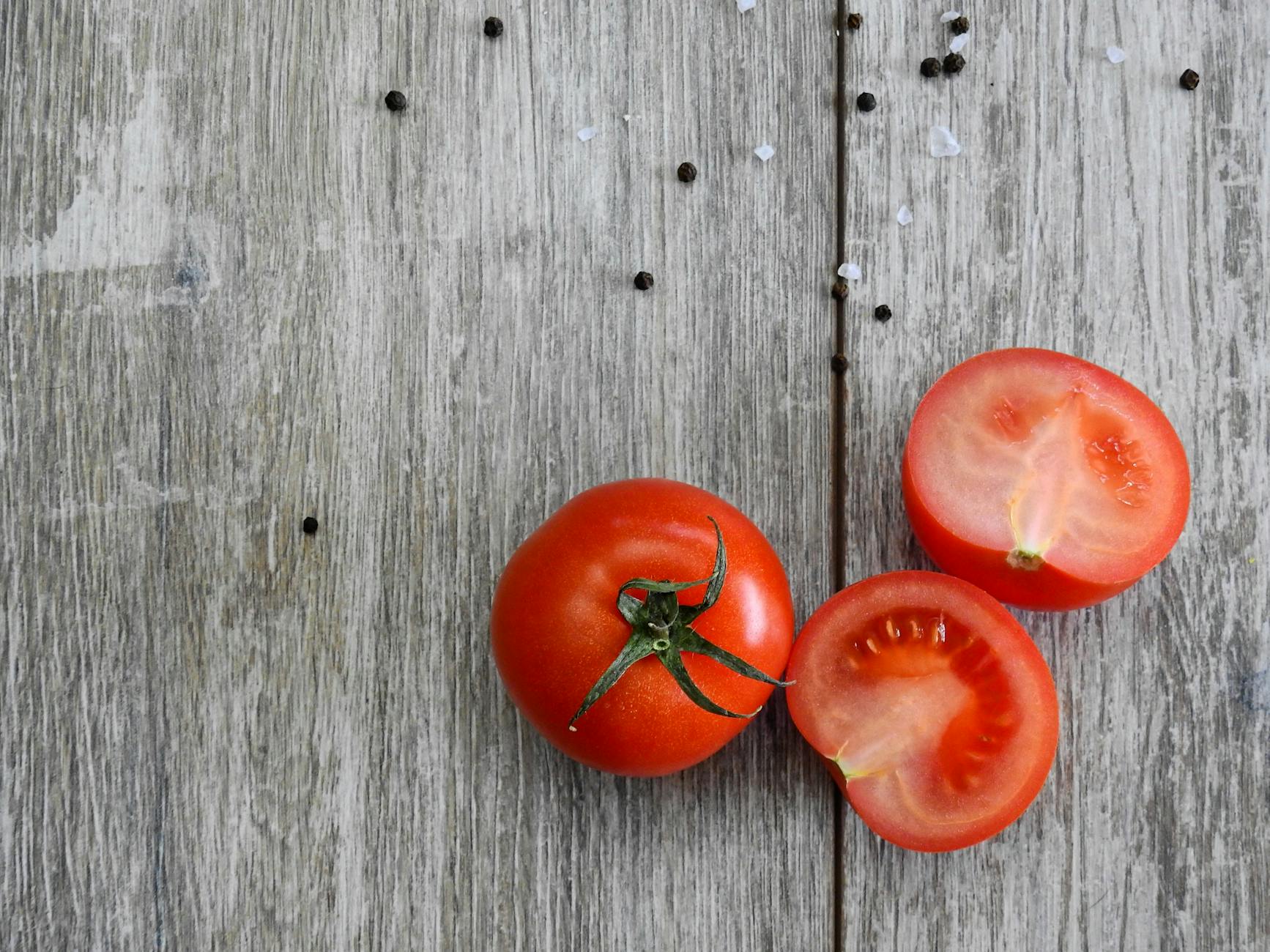
Tomatoes contain melatonin as well as lycopene, a powerful antioxidant that reduces oxidative stress and inflammation that can otherwise interfere with restorative sleep. Cooked tomatoes offer a more concentrated nutritional profile than raw, as the cooking process increases lycopene bioavailability. Tomatoes are also a source of potassium and vitamin C, nutrients that support vascular relaxation and immune function during overnight recovery. Regular consumption of tomato-based foods has been associated in observational research with reduced insomnia symptoms and shorter sleep onset times. Their versatility in cooking makes them one of the easiest sleep-supporting foods to include regularly in an evening meal.
Pomegranate Juice

Pomegranate juice is rich in antioxidants including punicalagins and anthocyanins that reduce inflammation and support vascular health, both of which contribute to more stable and restorative sleep. It also contains melatonin and serotonin precursors that directly support the hormonal signaling involved in sleep initiation. Drinking a small glass of unsweetened pomegranate juice in the early evening has been associated with improved sleep quality and reduced nighttime waking in several nutritional studies. The juice is also a strong source of potassium, which supports the muscle relaxation needed for the body to transition into restful sleep. Choosing 100 percent pure juice without added sugar ensures the full nutritional benefit without the blood sugar disruption that sweetened versions can cause.
Share which of these sleep-supporting foods you already include in your routine and which ones you plan to try in the comments.