Diet plays a fundamental role in how the skin ages and regenerates at the cellular level. Certain foods can accelerate the breakdown of collagen and elastin which are essential for a youthful appearance. Inflammation caused by dietary choices often manifests physically through redness or puffiness and fine lines. Understanding which ingredients trigger these negative reactions allows for better decisions regarding long-term skin health. This list explores common dietary culprits that contribute to premature aging.
White Sugar
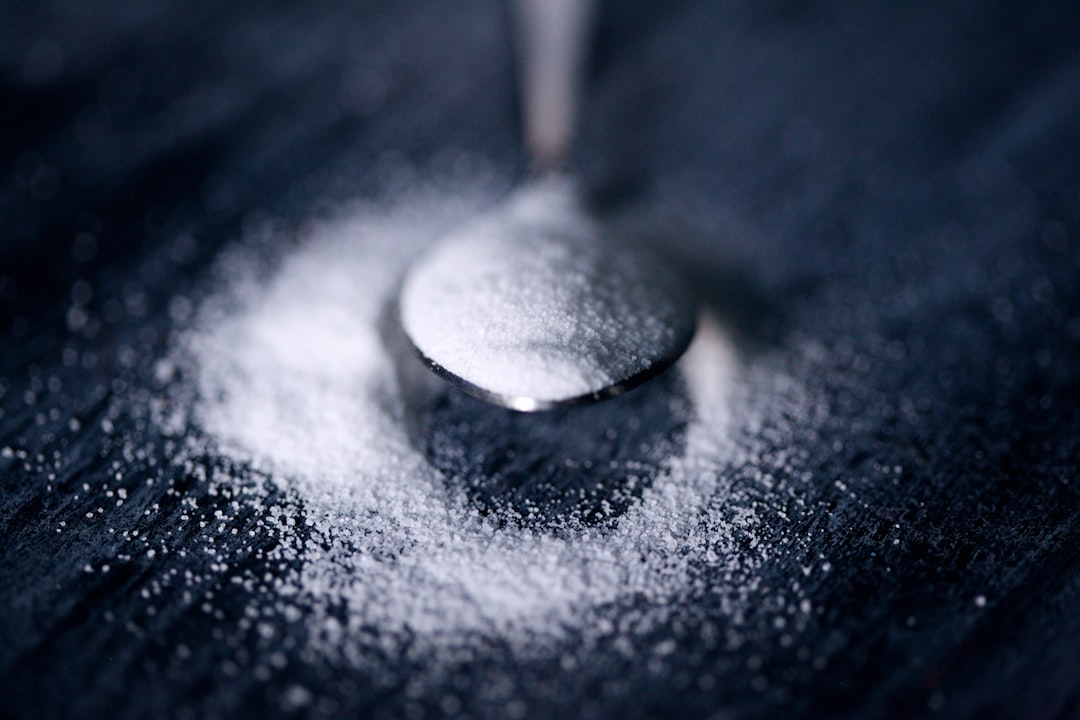
High intake of white sugar damages collagen through a process called glycation. This reaction causes sugar molecules to attach to protein fibers and makes them stiff or malformed. The result is a loss of elasticity which leads to premature wrinkles and sagging. Reducing sugar consumption helps preserve the structural integrity of the skin over time. It is one of the most significant dietary factors in the appearance of aging.
Margarine
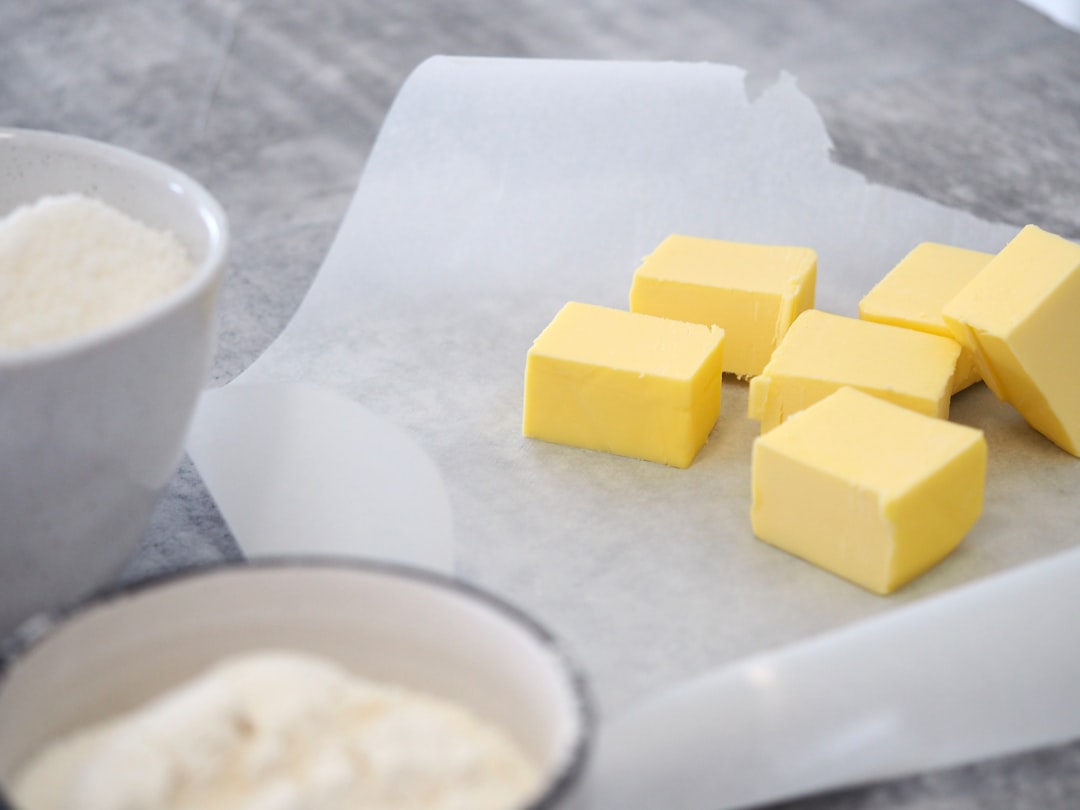
Margarine often contains trans fats that stiffen blood vessels and restrict blood flow to the skin. This lack of circulation prevents oxygen and nutrients from reaching the epidermis efficiently. The skin becomes more susceptible to ultraviolet radiation damage when these fats are present in the diet. Chronic consumption can lead to a thicker and more leathery skin texture. These hydrogenated oils disrupt the hydration barrier and leave skin looking dull.
Processed Meats

Bacon and sausages contain high levels of sodium and chemical preservatives called nitrates. These compounds trigger inflammation throughout the body and can lead to a flushed appearance. The high salt content causes water retention which results in puffiness around the eyes. Nitrates have also been linked to the degradation of essential skin proteins. Regular consumption accelerates the oxidative stress that damages skin cells.
Fried Fast Foods
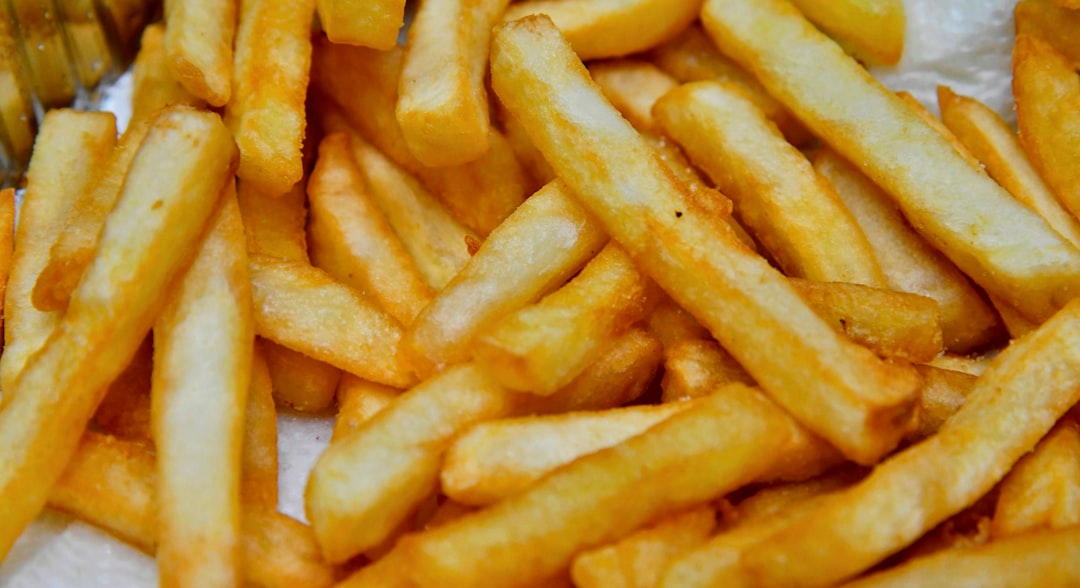
Foods fried in commercial vegetable oils expose the body to free radicals that damage skin cells. The high temperatures used in frying destabilize the oil and create harmful compounds. This oxidative stress weakens the skin’s protective barrier and makes it prone to environmental damage. Pores can become clogged and the complexion often appears uneven or greasy. Eliminating deep-fried items reduces the overall inflammatory load on the body.
Alcohol

Alcohol acts as a diuretic and actively draws hydration out of the skin cells. Dehydrated skin shows fine lines and wrinkles much more clearly than hydrated skin. Regular drinking dilates the blood vessels and can lead to permanent redness or broken capillaries. It also depletes Vitamin A which is crucial for cell turnover and collagen production. The result is often a dull and tired complexion that lacks vibrancy.
Agave Syrup

Agave is often marketed as a healthy alternative but is extremely high in fructose. The liver processes fructose in a way that generates more advanced glycation end products than regular sugar. These compounds destroy collagen fibers and reduce the skin’s natural elasticity. A high fructose diet is strongly linked to the formation of deep wrinkles. It impacts the skin structure more aggressively than glucose-based sweeteners.
Salty Snacks

Potato chips and pretzels introduce excessive amounts of sodium into the bloodstream. The body retains water to balance the salt which leads to swelling and puffiness. This retention is often most visible in the delicate skin under the eyes. High sodium intake can also dry out the skin and cause a cracked appearance. Reducing salt intake helps maintain proper fluid balance and definition in the face.
Charred Meats
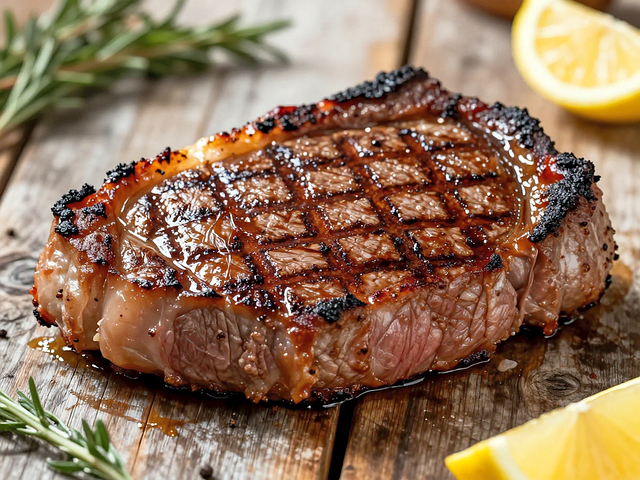
Cooking meat at extremely high temperatures produces inflammatory hydrocarbons. These pro-inflammatory chemicals break down collagen and damage the DNA of skin cells. The black char on grilled burgers or steaks is the primary source of these harmful compounds. Eating charred meat regularly increases the oxidative stress burden on the body. Gentle cooking methods preserve the meat without creating these aging byproducts.
Soda
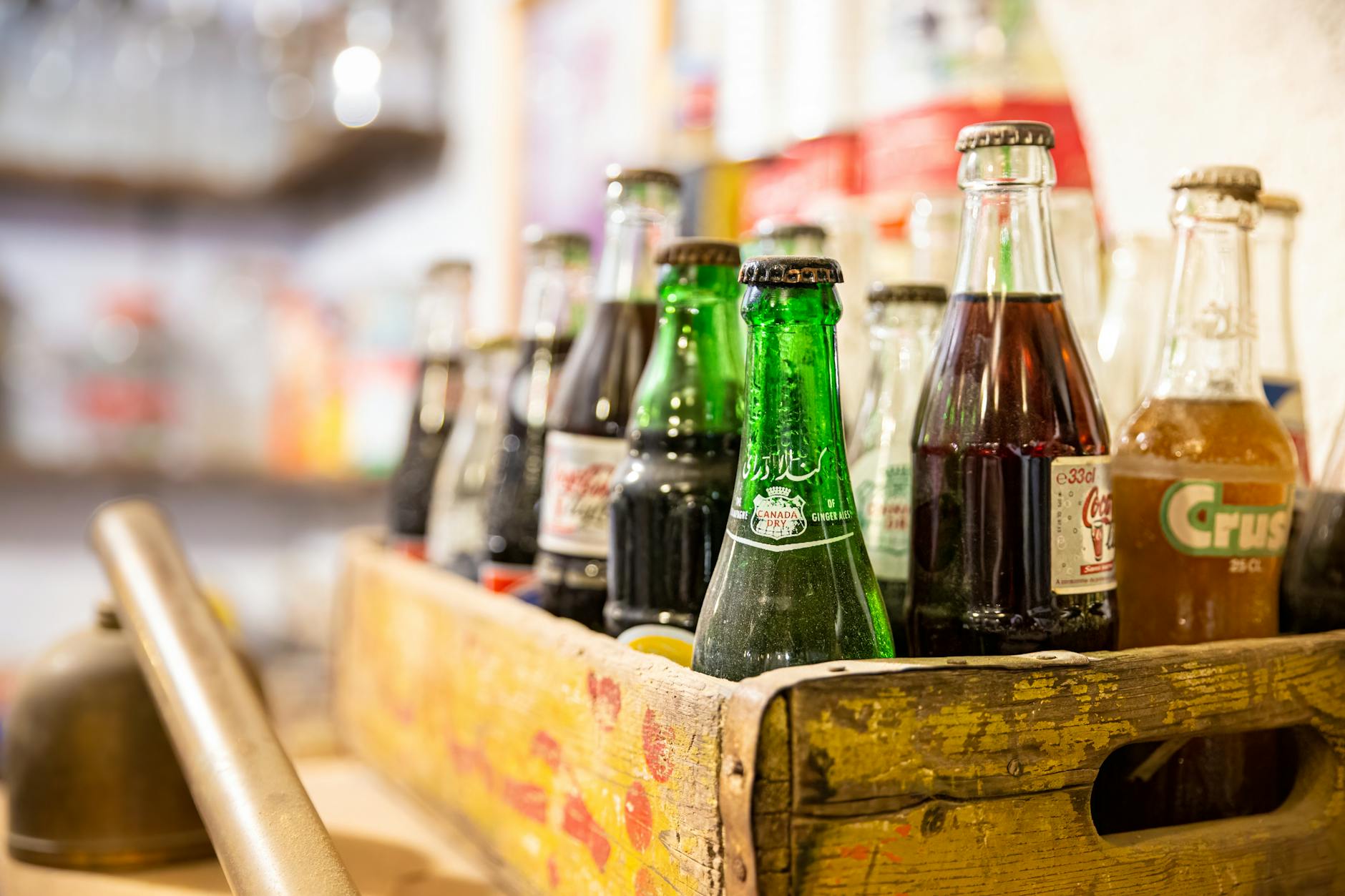
Sugary carbonated beverages provide a concentrated dose of sugar without any fiber to slow absorption. This rapid spike in blood glucose accelerates the glycation process that destroys collagen. Many sodas also contain phosphoric acid which can leach calcium and affect bone structure. A loss of bone density in the face leads to sagging skin and sunken features. The caffeine in some sodas further dehydrates the skin and highlights imperfections.
White Bread

Refined carbohydrates like white bread digest quickly and cause rapid spikes in blood sugar. These spikes trigger the release of insulin and androgen hormones which stimulate sebum production. Excess oil can clog pores and lead to inflammatory acne that scars the skin. The lack of fiber also means the sugar enters the bloodstream faster to cause glycation. Choosing whole grains provides a slower release of energy and protects collagen.
Energy Drinks
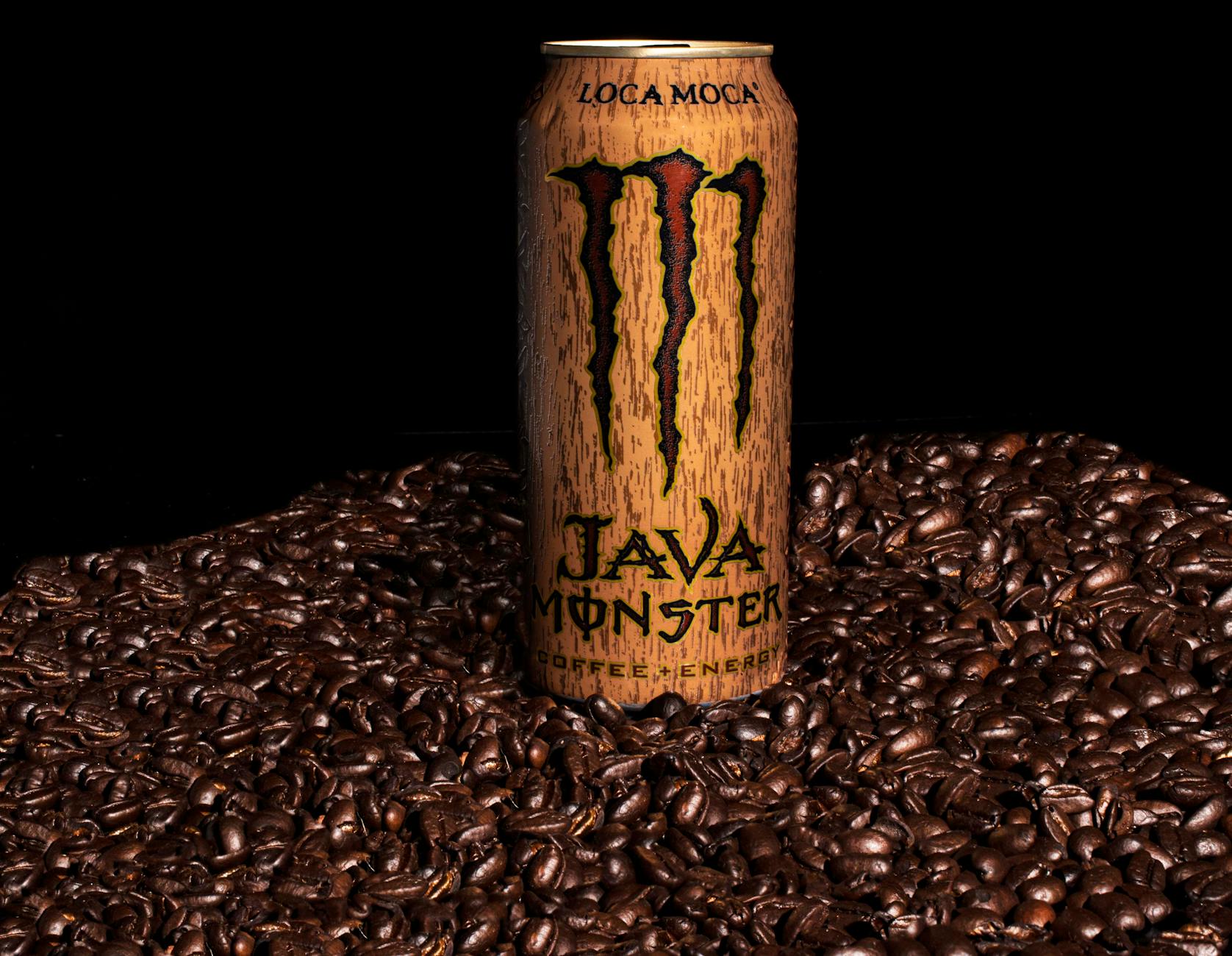
Energy drinks combine high acidity with massive amounts of sugar and caffeine. The acid erodes tooth enamel which affects the structural support of the lower face. The intense caffeine content disrupts sleep patterns that are vital for nightly skin repair. A lack of restorative sleep prevents the skin from healing daily environmental damage. High sugar content in these beverages also contributes to collagen breakdown.
Candy
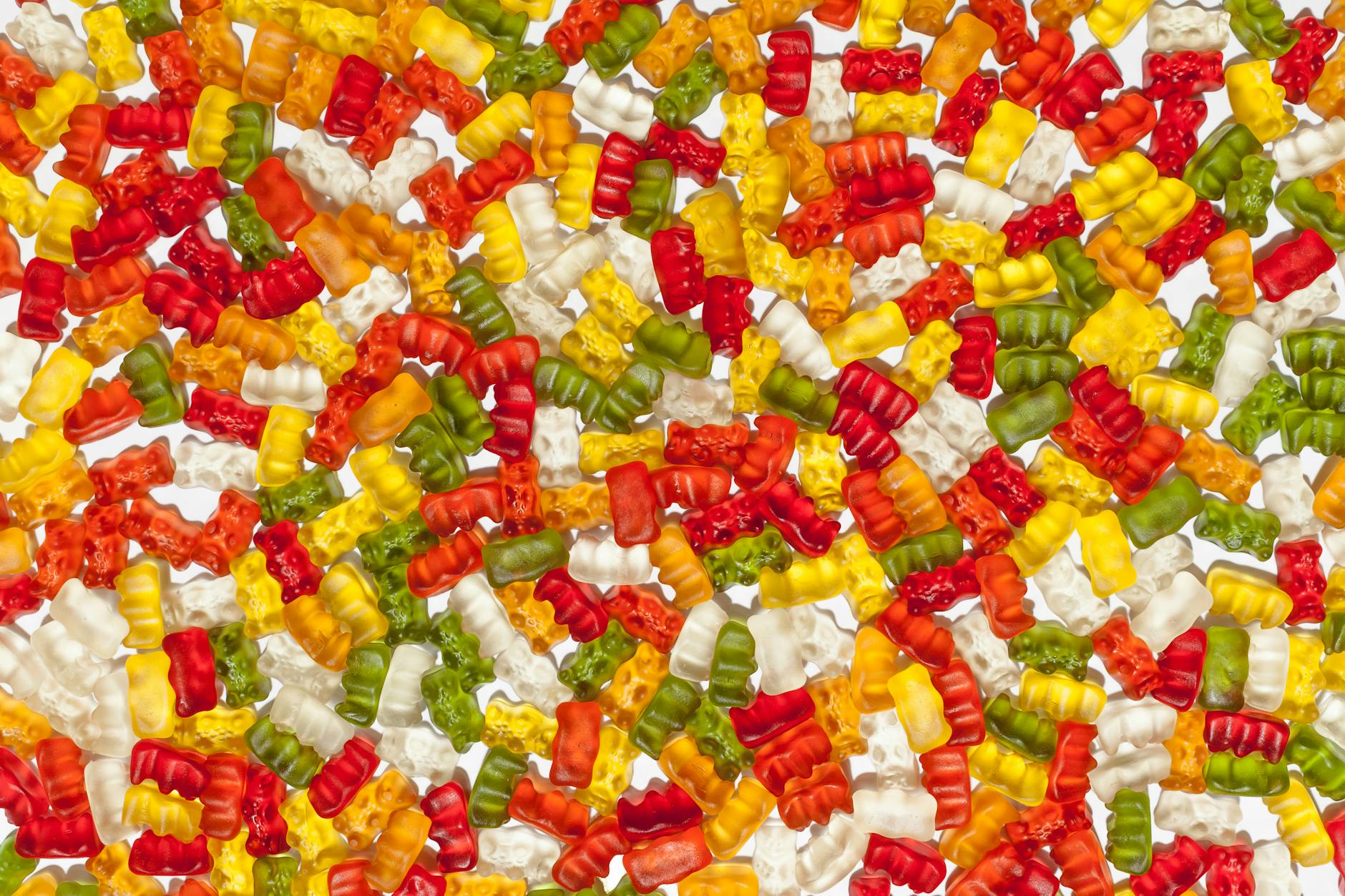
Hard candies and gummies are essentially pure sugar and offer zero nutritional value. They cause immediate inflammation and contribute heavily to the breakdown of elastin. The lingering sugar in the mouth also promotes bacteria that can cause gum disease. Oral health issues often lead to inflammation that affects the overall appearance of the lower face. Regular consumption keeps insulin levels high and prevents skin repair.
Fruit Juices
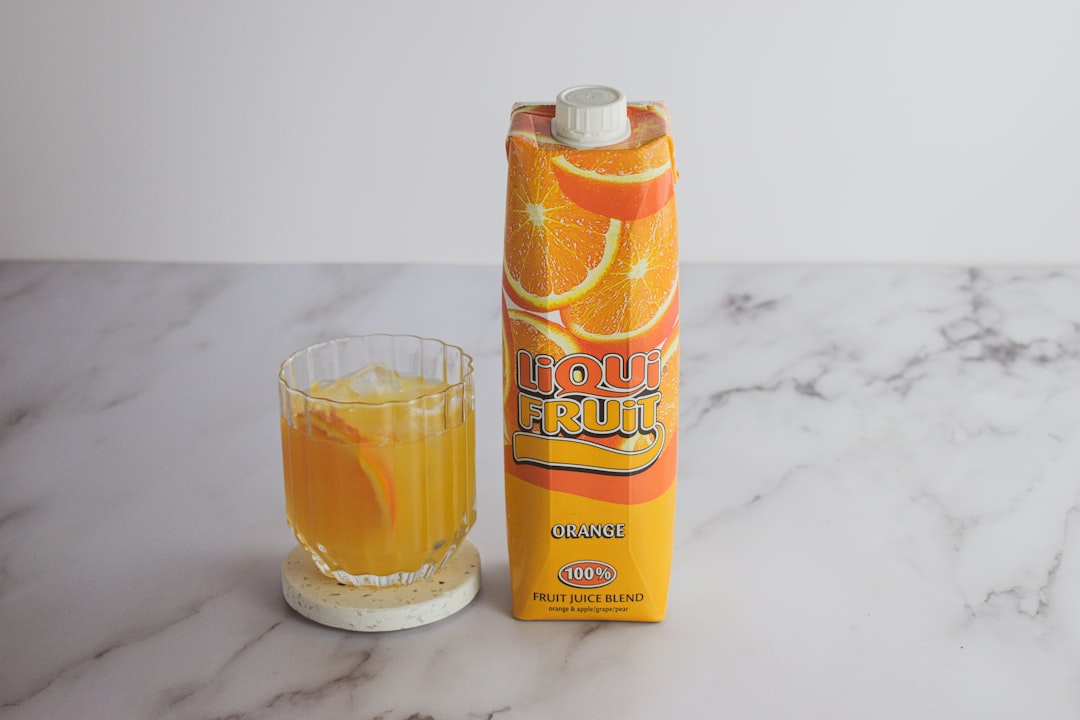
Commercially processed fruit juices often lack the fiber found in whole fruit. This allows the fructose to hit the bloodstream rapidly and cause insulin spikes. The high sugar concentration promotes inflammation and the breakdown of skin proteins. Many juices also contain added sugars that further increase the glycemic load. Eating whole fruit is necessary to get the beneficial antioxidants without the sugar rush.
Canned Soup
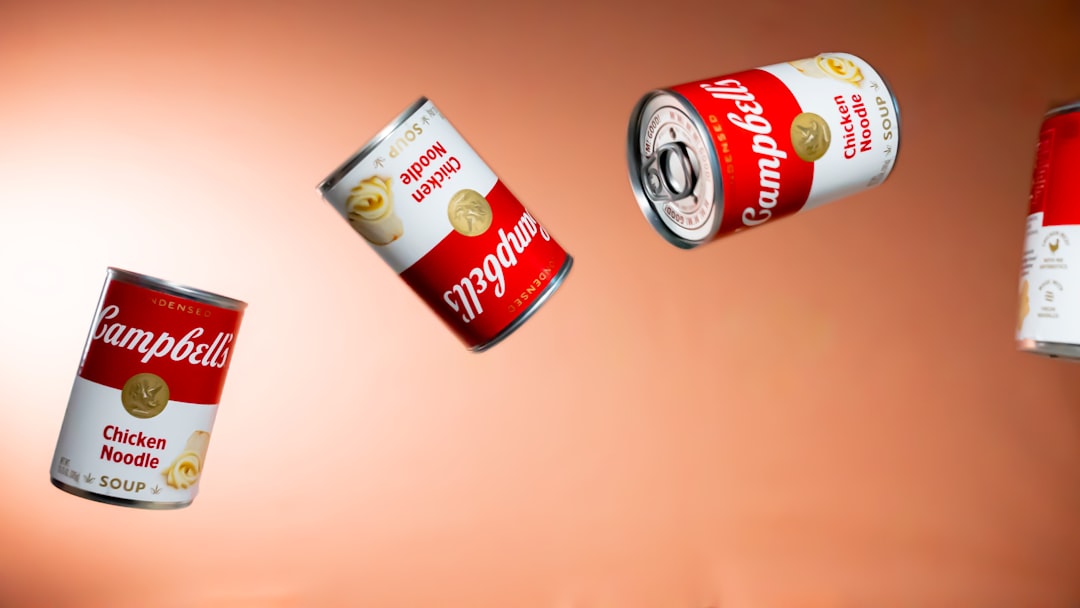
Canned soups are frequently loaded with sodium to preserve flavor and shelf life. This excessive salt content causes significant water retention and facial bloating. Many varieties also contain Bisphenol A in the lining of the can. This chemical can disrupt hormones and affect the oil production of the skin. Preparing homemade soup allows for control over salt and eliminates exposure to can liners.
Frozen Pizza

The combination of salty cheese and processed meat topping makes frozen pizza a sodium bomb. The crust is usually made of refined white flour that spikes blood sugar levels. Nitrates in the toppings cause inflammation and degrade the quality of the skin. The high fat content can also trigger breakouts in those prone to acne. It represents a convergence of multiple ingredients that accelerate the aging process.
Artificial Sweeteners

Some studies suggest that artificial sweeteners can alter the gut microbiome. A balanced gut is essential for managing inflammation and maintaining clear skin. Disruptions in gut bacteria often manifest as skin irritation or redness like rosacea. Sweeteners can also trigger insulin responses that affect oil production. Relying on them keeps the craving for sweet flavors active and affects dietary discipline.
Flavored Yogurt

Yogurt with added fruit flavors often contains as much sugar as a dessert or candy bar. This hidden sugar contributes to glycation and the stiffening of skin tissues. The perceived health benefits often mask the negative impact of the high glucose content. Dairy itself can also be inflammatory for some people and lead to breakouts. Plain yogurt with fresh fruit avoids these hidden aging triggers.
Microwave Popcorn

The bags used for microwave popcorn often contain chemicals to prevent grease from soaking through. These chemicals can accumulate in the body and affect hormonal balance. The popcorn itself is usually loaded with hydrogenated oils and excessive sodium. Trans fats in the oil damage the cell membranes and reduce moisture retention. Air-popped corn is a safer alternative that avoids these additives.
Soy Sauce

Soy sauce is one of the most concentrated sources of sodium in the modern diet. Even a small amount can cause immediate dehydration and puffiness in the face. The high salt content forces the kidneys to retain water to dilute the blood. This results in under-eye bags and a swollen jawline the next morning. Low-sodium versions still contain significant salt and should be used sparingly.
Rice Cakes

Rice cakes have a very high glycemic index despite being low in calories. The body digests them rapidly which causes blood sugar levels to soar. This response mimics the effects of eating pure sugar and contributes to collagen damage. They offer very few nutrients to help the skin repair itself after the sugar spike. Complex carbohydrates are a better choice for sustained energy and skin health.
High-Caffeine Coffee

While moderate coffee has antioxidants excessive caffeine acts as a strong diuretic. Drinking too many cups leads to systemic dehydration and dry skin. The acid in coffee can also affect the body’s pH balance and enamel health. Adding sugar or sweetened creamers compounds the negative effects on the skin. Hydrating with water between cups is necessary to counteract the moisture loss.
Spicy Foods

Spicy foods dilate blood vessels and increase body temperature. This can trigger rosacea flare-ups and permanent spider veins in susceptible individuals. The increased blood flow brings heat to the surface and causes flushing. During menopause these foods can exacerbate hot flashes and redness. Limiting spice helps maintain an even skin tone and reduces visible capillaries.
Vegetable Oils

Oils high in Omega-6 fatty acids like corn or soybean oil can promote inflammation. An imbalance between Omega-6 and Omega-3 fatty acids prevents the skin from healing properly. Chronic inflammation breaks down collagen and accelerates the formation of wrinkles. These oils are ubiquitous in processed foods and restaurant cooking. focusing on Omega-3 rich sources helps counteract this inflammatory response.
Bottled Smoothies
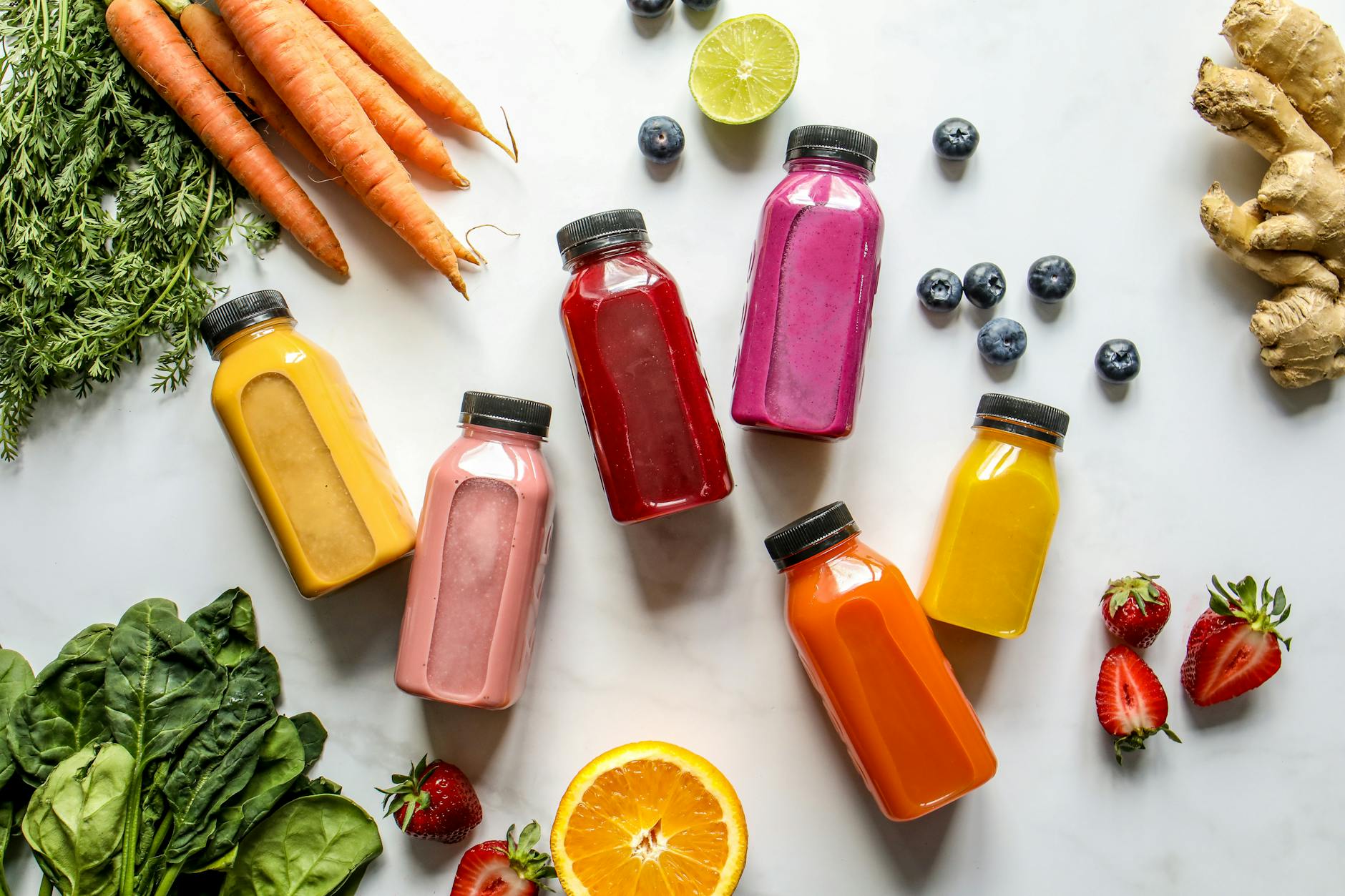
Pre-packaged smoothies are often pasteurized which destroys heat-sensitive vitamins like Vitamin C. They primarily deliver a concentrated dose of fruit sugar without the active enzymes. The lack of fresh nutrients means the skin does not receive the support it needs for collagen synthesis. High sugar content spikes insulin just like a soda would. Freshly blended smoothies retain the nutrients required for a healthy glow.
Dried Fruit
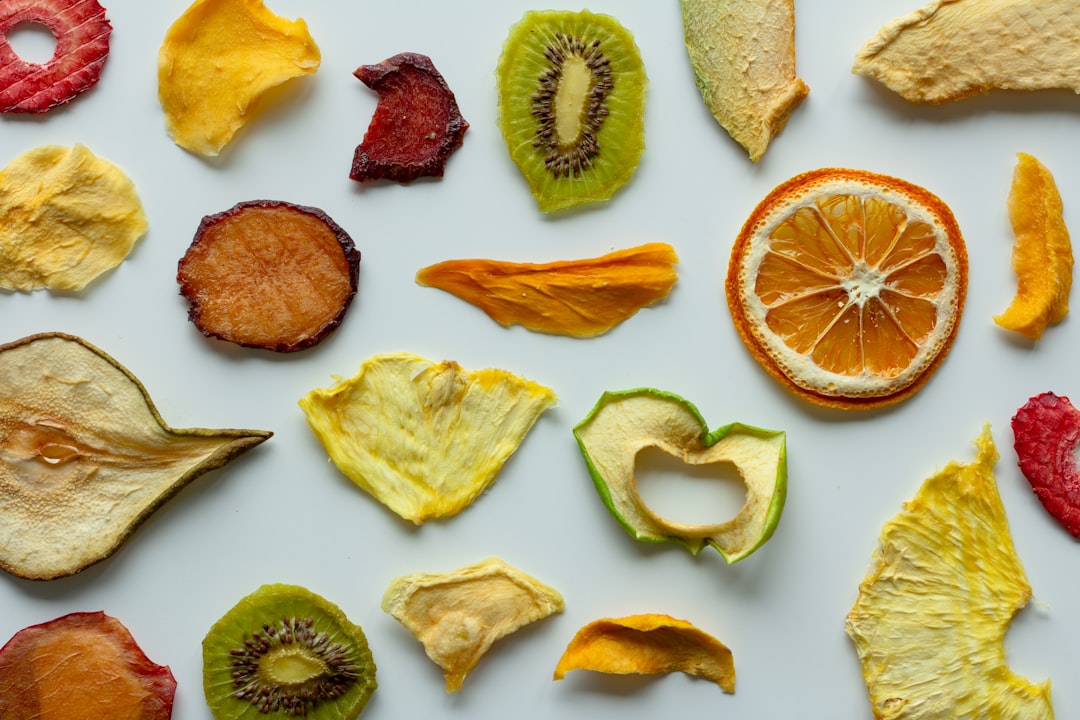
Dried fruit is a concentrated source of sugar that sticks to teeth and spikes glucose. The removal of water concentrates the fructose content significantly compared to fresh fruit. Sulfites are often added as preservatives and can cause allergic reactions or skin irritation. The high sugar load contributes to the glycation process that ages skin. Fresh fruit provides hydration that dried versions completely lack.
Biscuit Breakfast Sandwiches
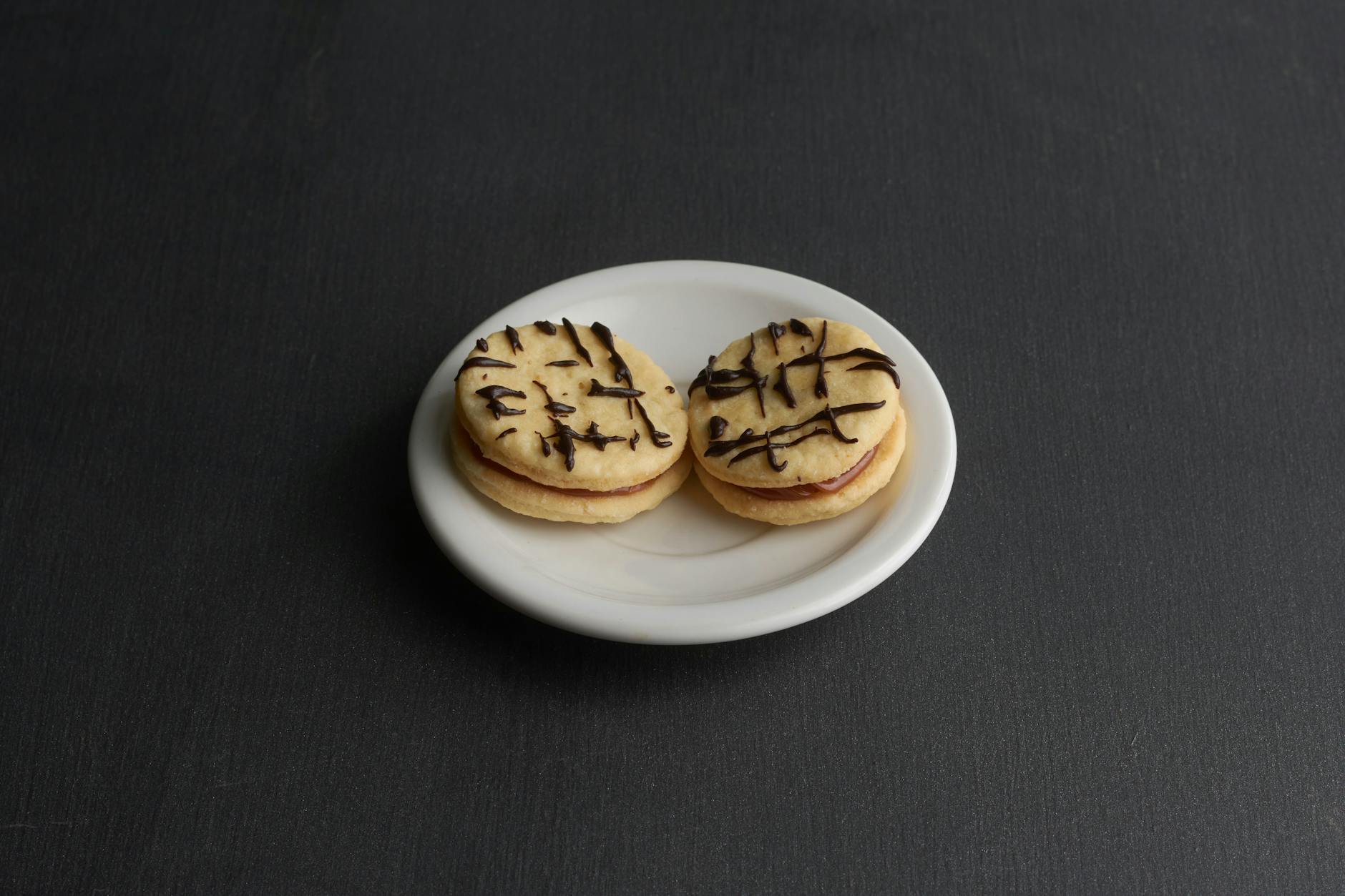
These breakfast items combine refined flour and processed meats and hydrogenated oils. The white flour bun spikes blood sugar while the salty meat causes bloating. Trans fats in the biscuit damage the lining of blood vessels and reduce skin circulation. The lack of fiber and vitamins offers no protection against oxidative stress. It is a meal that promotes inflammation from multiple different angles.
Commercial Baked Goods

Store-bought muffins and cakes contain high fructose corn syrup and trans fats. These ingredients extend shelf life but are detrimental to skin elasticity. The combination of sugar and bad fats creates a perfect storm for inflammation. Preservatives used in these products can also tax the liver and affect skin clarity. Baking at home allows for the use of healthier fats and less sugar.
Diner Pancakes

Pancakes are primarily refined flour which converts quickly to glucose in the body. They are typically covered in sugary syrup that further accelerates the glycation process. The lack of protein or fiber means digestion is rapid and insulin spikes are severe. This breakfast choice sets a tone of inflammation for the rest of the day. Whole grain options or protein-based breakfasts support skin structure much better.
Fried Chicken

The batter on fried chicken is usually white flour that absorbs large amounts of oil. This creates a food high in trans fats and advanced glycation end products. The high heat of frying generates free radicals that attack healthy skin cells. Regular consumption is linked to increased systemic inflammation and skin aging. Removing the skin and baking the chicken reduces the exposure to these harmful compounds.
Sweetened Cocktails

Cocktails like margaritas or mojitos combine the dehydrating effects of alcohol with massive amounts of sugar. This double impact severely dehydrates the skin and damages collagen simultaneously. The sugar in the mixers causes insulin spikes that lead to inflammation. Alcohol also disrupts sleep quality which prevents nightly cellular regeneration. Clear spirits with soda water are less damaging than sugary mixed drinks.
Please share your thoughts in the comments regarding which of these foods you find hardest to eliminate from your daily routine.