Maintaining youthful skin and flexible joints becomes a primary focus for many individuals once they cross the age of forty. Collagen production naturally declines as we age but specific dietary choices can help slow this process or stimulate new synthesis. Incorporating foods rich in amino acids and essential vitamins creates the building blocks necessary for firmer skin and stronger connective tissues. The following list highlights nutrient-dense options that support the body’s natural ability to repair and rejuvenate itself from the inside out.
Bone Broth

This liquid is often considered one of the most effective sources of collagen because it is derived directly from animal bones and connective tissue. Simmering bones for an extended period extracts beneficial nutrients including calcium and magnesium alongside collagen itself. The gelatin found in the broth breaks down into amino acids that the body can immediately utilize. Regular consumption supports joint health and contributes to skin elasticity by providing bioavailable building blocks.
Chicken

Poultry contains significant amounts of connective tissue which makes it a primary dietary source of collagen. You may notice that the neck and cartilage regions are particularly rich in these structural proteins. Chicken provides ample protein required for the body to synthesize its own collagen stores effectively. Studies on collagen derived from chicken often highlight its positive impact on treating joint issues and arthritis.
Egg Whites

Proline plays a critical role in collagen production and egg whites are one of the best natural sources of this amino acid. They also contain glycine which works in tandem with proline to support the structural integrity of skin. Including egg whites in your diet offers a low-calorie method to boost these essential collagen precursors. This food helps maintain firm skin without adding excessive fat to your daily intake.
Salmon

Fatty fish like salmon are excellent for skin health due to their high content of omega-3 fatty acids. These healthy fats reduce inflammation which can otherwise break down collagen fibers in the skin. Salmon also contains zinc as a trace mineral that activates proteins needed for collagen synthesis. The skin of the fish is particularly rich in collagen and should be eaten rather than discarded for maximum benefit.
Sardines

These small fish are often eaten whole which means you consume the skin and bones where most collagen is stored. They provide a concentrated dose of calcium and Vitamin D to support overall skeletal strength. Sardines act as a convenient shelf-stable option for increasing collagen intake without extensive meal preparation. Their anti-inflammatory properties further protect existing collagen from oxidative stress.
Citrus Fruits

Vitamin C acts as a necessary cofactor in the production of pro-collagen which is the body’s precursor to collagen. Oranges and grapefruits provide a massive dose of this essential vitamin to facilitate the enzymatic process. Without sufficient Vitamin C the body is unable to knit collagen fibers together effectively. Regular intake ensures your cells have the fuel required to repair skin damage and maintain firmness.
Berries

Strawberries and blueberries are packed with antioxidants that fight free radicals which damage the skin. These fruits contain high levels of ellagic acid which has been shown to prevent collagen breakdown from UV exposure. The high Vitamin C content in berries also actively stimulates new collagen production. Adding them to breakfast or snacks provides a dual defense strategy for aging skin.
Garlic

This pungent bulb offers more than just flavor because it is high in sulfur. Sulfur is a trace mineral that helps synthesize and prevent the breakdown of collagen fibers. Garlic also contains taurine and lipoic acid which are compounds that help rebuild damaged collagen. Including garlic in daily meals supports the structural integrity of joints and skin over time.
Leafy Greens

Spinach and kale get their vibrant color from chlorophyll which has antioxidant properties. Some research suggests that chlorophyll increases the precursor to collagen in the skin. These vegetables contain Vitamin C and zinc to further aid the production process. A diet rich in greens ensures the body has a diverse array of phytonutrients to protect against cellular aging.
Cashews

Nuts are a filling snack that also supplies the body with zinc and copper. Copper serves as a crucial mineral that boosts the production of collagen and elastin. Cashews provide a creamy texture and are easy to incorporate into salads or stir-fries. Maintaining adequate copper levels ensures that skin texture remains fine and resilient.
Tomatoes

Lycopene gives tomatoes their red color and serves as a powerful antioxidant that protects the skin from sun damage. Sun exposure helps break down collagen so protecting against it is vital for preservation. Tomatoes also contain high levels of Vitamin C to aid in the synthesis of new proteins. Cooking tomatoes actually increases the amount of lycopene that the body can absorb.
Bell Peppers

Red and yellow peppers contain even more Vitamin C per gram than citrus fruits. They also possess capsaicin which is an anti-inflammatory compound that may combat signs of aging. The high antioxidant content helps combat the oxidative stress that weakens collagen fibers. Snacking on raw peppers delivers a crunchy way to support skin health.
Beans

Black beans and kidney beans are rich in amino acids that are necessary for protein synthesis. They contain copper which is vital for collagen production and overall skin health. Beans act as a high-fiber plant protein source that stabilizes blood sugar levels to prevent glycation. Glycation is a process where sugar damages collagen so avoiding it preserves skin elasticity.
Avocados

These fruits are rich in Vitamin E which works with Vitamin C to improve skin health. The healthy fats in avocados keep skin cells hydrated and maintain the protective barrier. They effectively fight oxidative stress that can lead to the breakdown of connective tissue. Adding avocado to your diet supports the overall moisture retention and suppleness of the skin.
Soy Products
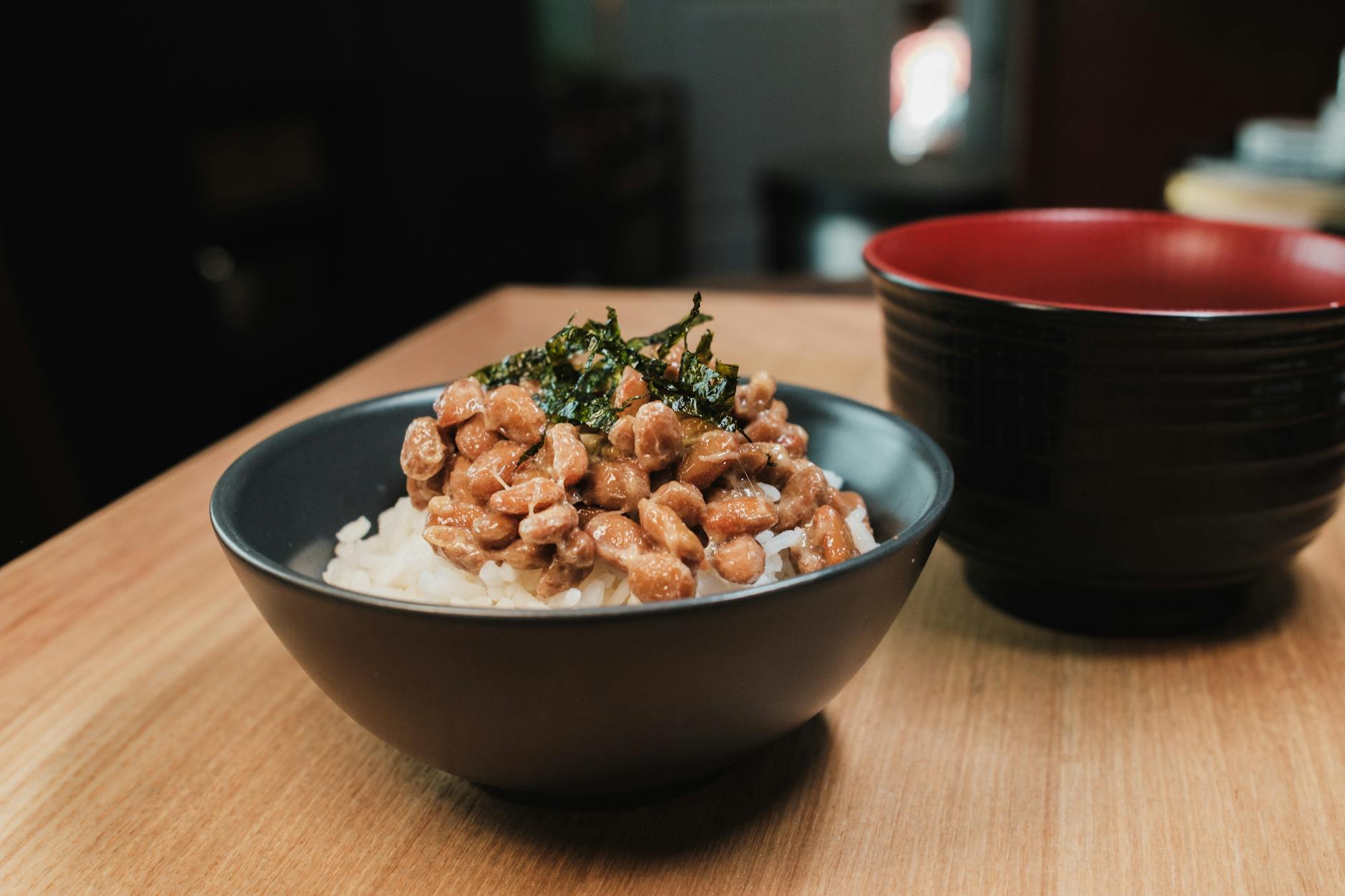
Tofu and tempeh contain genistein which acts as a plant hormone with antioxidant properties. Genistein has been shown to increase collagen production and block enzymes that age the skin. Soy provides a complete protein profile for vegetarians looking to support their structural tissues. Regular consumption helps improve skin firmness and reduces the appearance of fine lines.
Oysters

These shellfish are arguably the best natural source of zinc available in a standard diet. Zinc is an essential trace element required for the repair and regeneration of collagen. A deficiency in zinc can lead to poor wound healing and degraded skin quality. Oysters provide a potent mineral boost that supports the structural integrity of the entire body.
Pumpkin Seeds

Those who do not eat seafood can find a substantial amount of zinc in pumpkin seeds. They are also an excellent source of magnesium and healthy fats that reduce inflammation. Sprinkling them over salads or oatmeal adds a crunch while supporting collagen synthesis. Regular intake helps ensure the body has the mineral cofactors needed for protein construction.
Chia Seeds
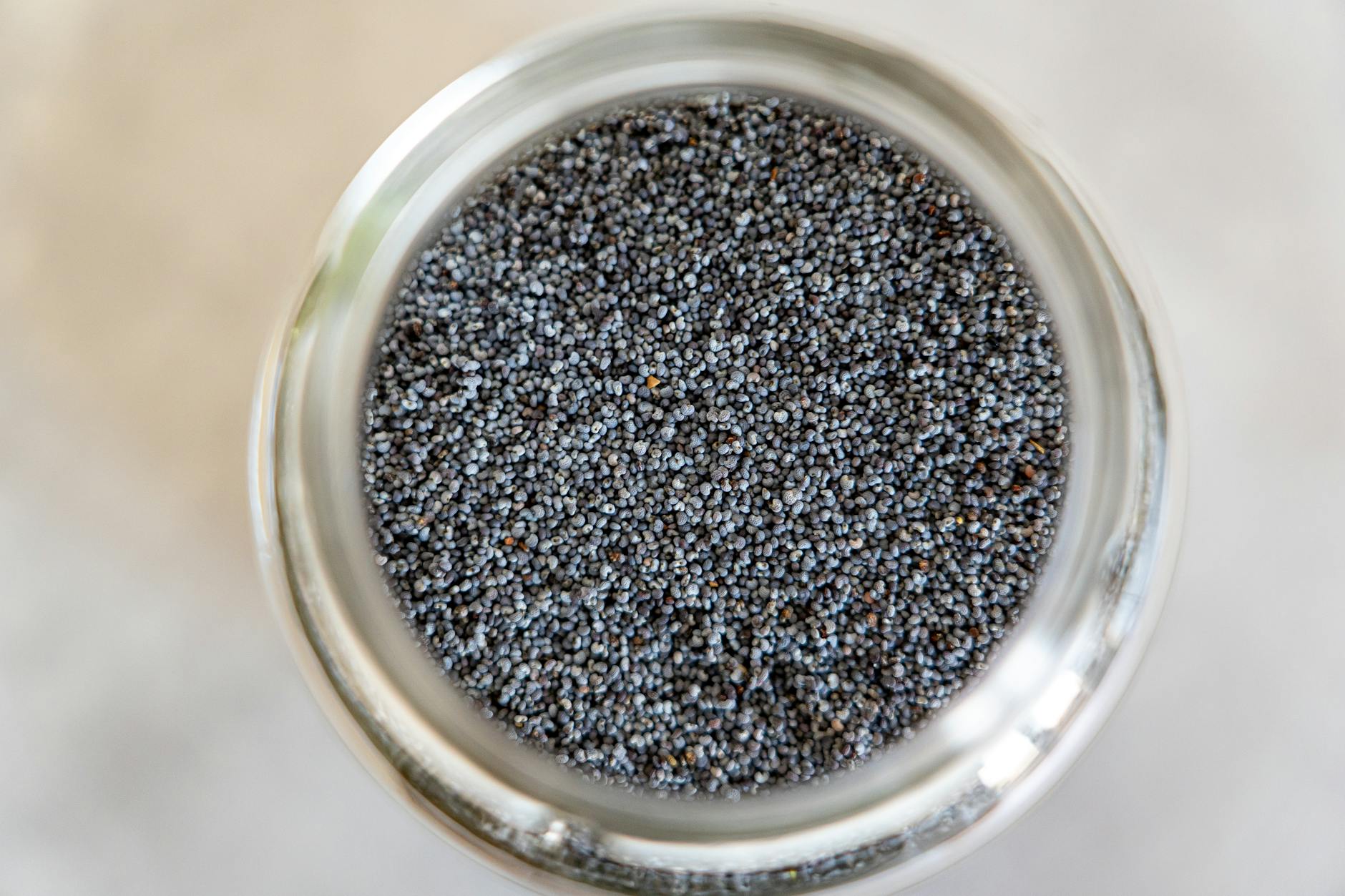
These tiny seeds are loaded with omega-3 fatty acids that maintain cell membrane health. A healthy cell membrane ensures that skin stays hydrated and plump. Chia seeds also provide protein and zinc to aid in tissue repair. They form a gel when mixed with liquid which aids in digestion and nutrient absorption.
Almonds

Vitamin E is abundant in almonds and serves as a major antioxidant for skin protection. This vitamin neutralizes free radicals that accelerate the aging process and collagen loss. Almonds also provide copper to support the final stages of collagen formation. A handful of almonds serves as a nutrient-dense snack that benefits the complexion.
Sweet Potatoes

The bright orange color of sweet potatoes indicates a high content of beta-carotene. The body converts beta-carotene into Vitamin A which restores and regenerates damaged collagen. This root vegetable also promotes cell turnover to keep the skin surface looking fresh. Baking or steaming sweet potatoes preserves their vitamin content better than frying.
Carrots

Similar to sweet potatoes carrots are packed with Vitamin A derived from beta-carotene. This nutrient prevents the breakdown of collagen and elastin caused by sun exposure. Carrots also provide Vitamin C to further assist in the production of new connective tissue. Eating them raw or lightly cooked ensures you receive the maximum nutritional benefit.
Broccoli

This cruciferous vegetable contains significant amounts of Vitamin C and zinc. It also contains sulforaphane which helps neutralize free radicals and protects skin cells. Steaming broccoli is the best way to retain these water-soluble vitamins. Including broccoli in your diet supports both immune function and skin resilience.
Aloe Vera Juice

Aloe vera has long been used topically but consuming it can also improve collagen levels. It contains sterols which stimulate the production of hyaluronic acid and collagen. Drinking pure aloe vera juice helps hydrate the skin from within. This plant also aids digestion which improves overall nutrient absorption.
Green Tea

Antioxidants known as catechins are found in high concentrations in green tea. These compounds inhibit the enzymes that break down collagen and elastin. Drinking green tea regularly can improve skin hydration and elasticity. It serves as a healthy alternative to sugary beverages that can damage skin proteins.
Cinnamon

This spice helps to stabilize blood sugar levels and improve circulation. By reducing blood sugar spikes cinnamon prevents the formation of advanced glycation end products that damage collagen. Improved blood flow ensures that nutrients reach skin cells efficiently. Sprinkle cinnamon on oatmeal or coffee for a simple collagen-protective boost.
Coriander

Cilantro or coriander leaves contain Vitamin C and linolenic acid. These components act as powerful anti-aging agents that fight free radicals in the bloodstream. The herb helps detoxify the body which can lead to clearer and healthier skin. Adding fresh coriander to dishes provides a flavor burst along with its protective benefits.
Kiwi

Kiwifruits are incredibly dense in Vitamin C and surpass even oranges in concentration. This high vitamin content makes them highly effective at stimulating collagen synthesis. They also contain antioxidants that protect the skin from environmental stressors. Eating the fruit whole maintains the fiber content which aids in digestive health.
Guava
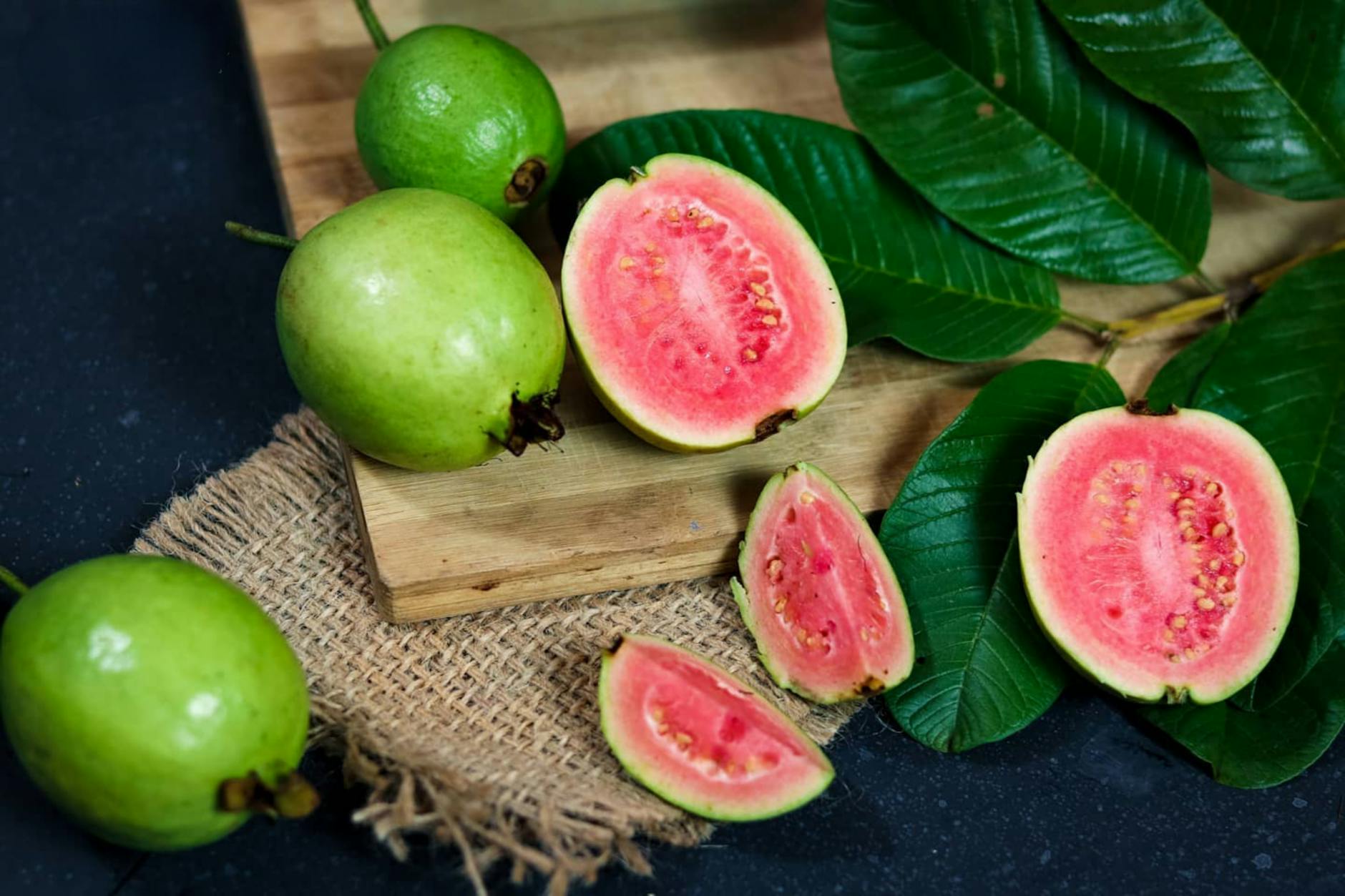
This tropical fruit is another powerhouse of Vitamin C and also provides a good amount of zinc. The nutrients in guava work together to improve skin texture and brightness. It also contains lycopene to protect against UV damage. Guava makes for a sweet treat that actively contributes to structural protein maintenance.
Grapefruit
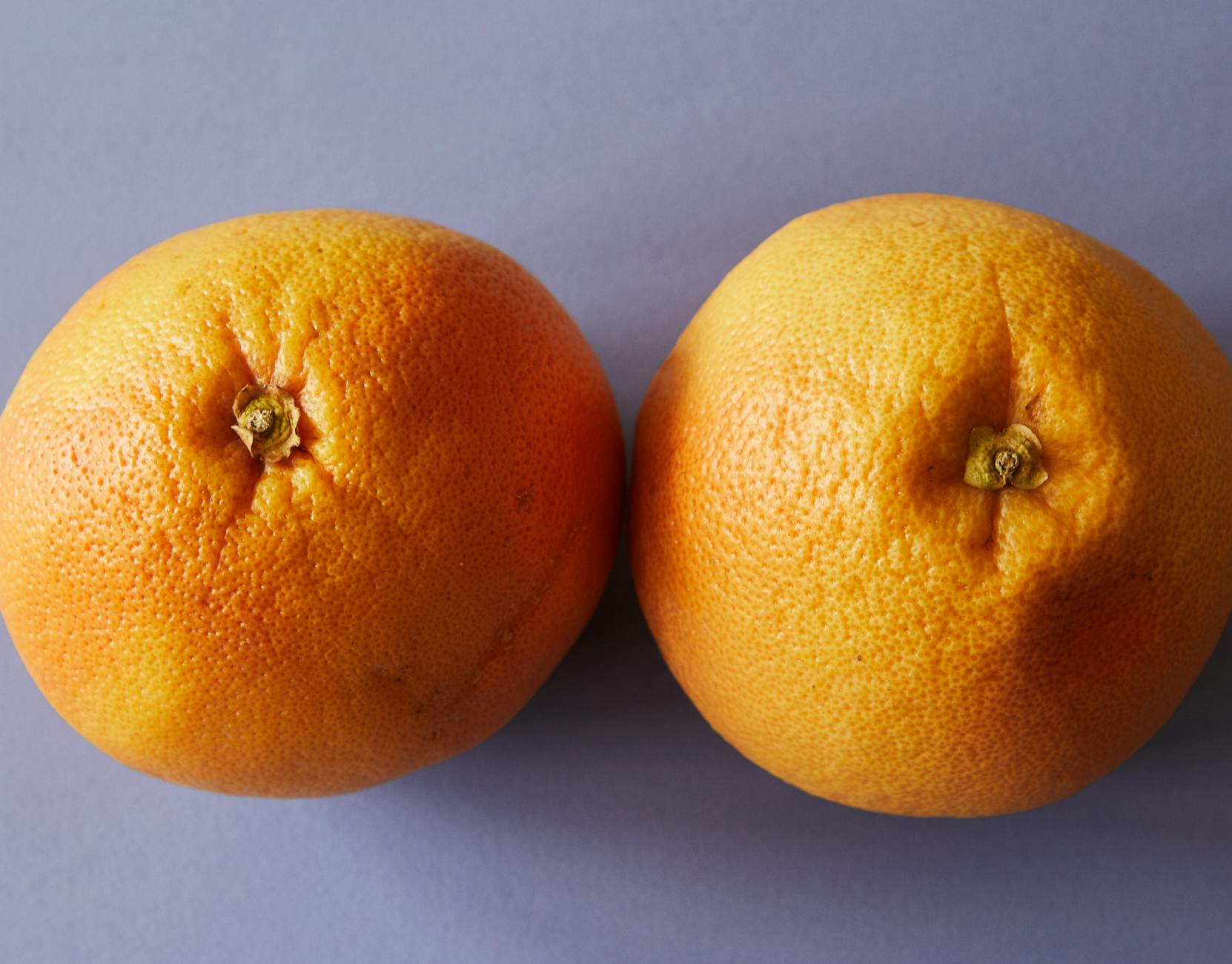
The naringin found in grapefruit helps inhibit the breakdown of hyaluronan which is a filler in the skin. This fruit is also rich in Vitamin C to boost collagen production directly. It aids in liver detoxification which reflects positively on skin clarity. Enjoying half a grapefruit adds a refreshing and hydrating element to breakfast.
Lemons

Fresh lemon juice alkalizes the body and provides a quick hit of Vitamin C. It aids the liver in flushing out toxins that can dull the skin and weaken connective tissue. Adding lemon to water encourages hydration which is essential for plump skin. The acidity also aids in digestion to improve the absorption of other minerals.
Blackberries

Dark berries like blackberries are rich in Vitamin C and anthocyanins. Anthocyanins strengthen collagen fibers and prevent them from breaking down. These berries support the vascular system which improves blood flow to the skin. They are low in sugar and high in fiber which supports overall metabolic health.
Raspberries

Ellagic acid is abundant in raspberries and prevents collagen destruction. These berries protect the skin against UV damage and reduce inflammation. The high fiber content supports gut health which is linked to skin appearance. Raspberries are a delicate fruit that packs a substantial protective punch.
Kale

This dark leafy green is a nutrient density champion with Vitamins A and C and K. The copper content in kale aids in the synthesis of collagen and melanin. It helps detoxify the liver to prevent the accumulation of skin-damaging toxins. Kale can be eaten raw in salads or cooked to concentrate its mineral content.
Swiss Chard

Chard is full of antioxidants that protect the body at a cellular level. It provides a significant amount of magnesium and zinc for tissue repair. The leaves are rich in Vitamin C to stimulate collagen production naturally. Sauteing swiss chard with garlic creates a double-dose of skin-supporting nutrients.
Watercress

This peppery green is often overlooked but contains calcium and potassium and manganese and phosphorus. It acts as an internal antiseptic and increases the circulation of minerals to all cells of the body. The high Vitamin A and C content directly supports skin elasticity. Watercress can be easily added to sandwiches or salads for a nutrient boost.
Brussels Sprouts

These small cabbages act as excellent sources of sulfur which is vital for collagen stability. They also provide high levels of Vitamin C to aid in protein synthesis. Brussels sprouts contain antioxidants that support cellular health and repair. Roasting them brings out a nutty flavor while preserving their nutritional value.
Cauliflower

Cauliflower is a versatile vegetable that provides Vitamin C and antioxidants. It can be used as a low-carbohydrate substitute for grains to reduce glycation. The sulforaphane in cauliflower protects skin from ultraviolet radiation damage. It blends easily into soups and mashes to increase vegetable intake without strong flavors.
Mushrooms

Many varieties of mushrooms contain minerals like zinc and selenium. These minerals are essential for synthesizing collagen and protecting the skin from oxidative stress. Some mushrooms also contain Vitamin D which supports skin cell growth and repair. Including a mix of mushrooms in your diet ensures a broad spectrum of protective nutrients.
Lentils

Lentils are a fantastic plant-based source of protein and iron and zinc. The amino acids in lentils are essential for building muscle and connective tissue. They also contain magnesium which supports enzyme function in collagen production. Lentils are high in fiber which promotes a healthy gut microbiome and clear skin.
Chickpeas

Garbanzo beans are rich in protein and zinc and copper. They supply the necessary components for the body to repair tissues and produce collagen. Chickpeas also contain manganese which activates enzymes that form proline. Hummus is a popular and delicious way to include chickpeas in your daily diet.
Mackerel

This oily fish is similar to salmon in its high omega-3 fatty acid content. It supports skin hydration and reduces the inflammation that degrades collagen. Mackerel also provides high quality protein for tissue maintenance. It is an affordable and sustainable seafood option for boosting skin health.
Tuna

Tuna offers a significant amount of protein and Vitamin B12. While it should be consumed in moderation due to mercury it provides essential amino acids. The selenium in tuna preserves elastin which keeps the skin tight and smooth. It is a convenient protein source available in both fresh and canned forms.
Lean Beef

High-quality beef contains zinc and the amino acids glycine and proline and hydroxyproline. These three amino acids are the primary components of the collagen triple helix structure. Choosing lean cuts ensures you get the protein without excessive saturated fat. Beef provides the raw materials the body needs to rebuild its structural tissues.
Turkey

Turkey is a lean protein that is naturally high in zinc and carnosine. Carnosine helps prevent the cross-linking of collagen fibers which leads to wrinkles and stiffness. Turkey also provides tryptophan which supports sleep and overnight cellular repair. It is a versatile meat that can be used in place of beef or chicken in many recipes.
Sunflower Seeds

These seeds are packed with Vitamin E which is a crucial antioxidant for skin. They shield the collagen in your skin from damage caused by free radicals and UV rays. Sunflower seeds also contain copper to support the structural strength of tissues. They make for an easy garnish that adds texture and nutrition to any meal.
Walnuts

Walnuts are unique among nuts because they contain a significant amount of omega-3 fatty acids. They also provide zinc and Vitamin E for comprehensive skin protection. The healthy fats in walnuts help the skin membrane stay moist and flexible. Eating walnuts regularly has been linked to lower levels of inflammation in the body.
Ginseng
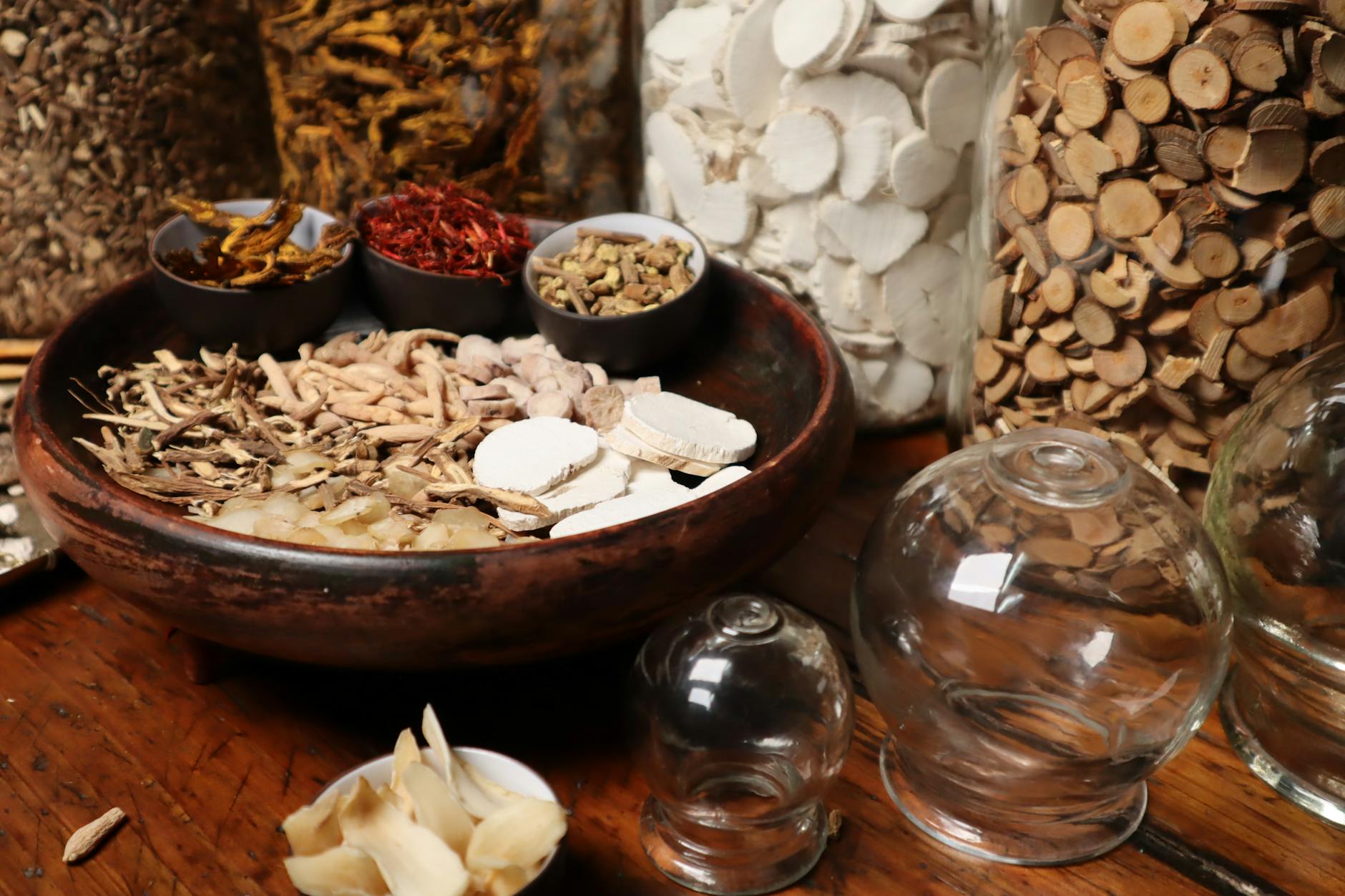
Panax ginseng is a root that has been shown to increase the growth of collagen in the dermis. It contains compounds that protect the skin against UVB-induced damage. Ginseng promotes blood circulation which delivers oxygen and nutrients to skin cells. It can be consumed as a tea or added to soups and stir-fries.
Spirulina

This blue-green algae is a potent source of plant protein and iron. It contains glycine and proline which are the primary amino acids found in collagen. Spirulina is also rich in antioxidants that fight cellular inflammation. Adding a teaspoon to a smoothie provides a concentrated nutrient boost.
Papaya

Papaya contains an enzyme called papain which is beneficial for digestion and skin health. The fruit is rich in Vitamin C and Vitamin A to support collagen synthesis. It assists in clearing out dead skin cells to reveal a brighter complexion. The antioxidants in papaya effectively neutralize free radicals before they cause damage.
Mango

This sweet fruit acts as a delicious way to consume high levels of Vitamin C. Mango promotes the production of collagen while protecting blood vessels in the skin. It contains beta-carotene which the body converts to Vitamin A for cellular repair. Mango adds a tropical flavor to the diet while serving a functional purpose for anti-aging.
Share your favorite collagen-boosting recipes or ingredients in the comments.