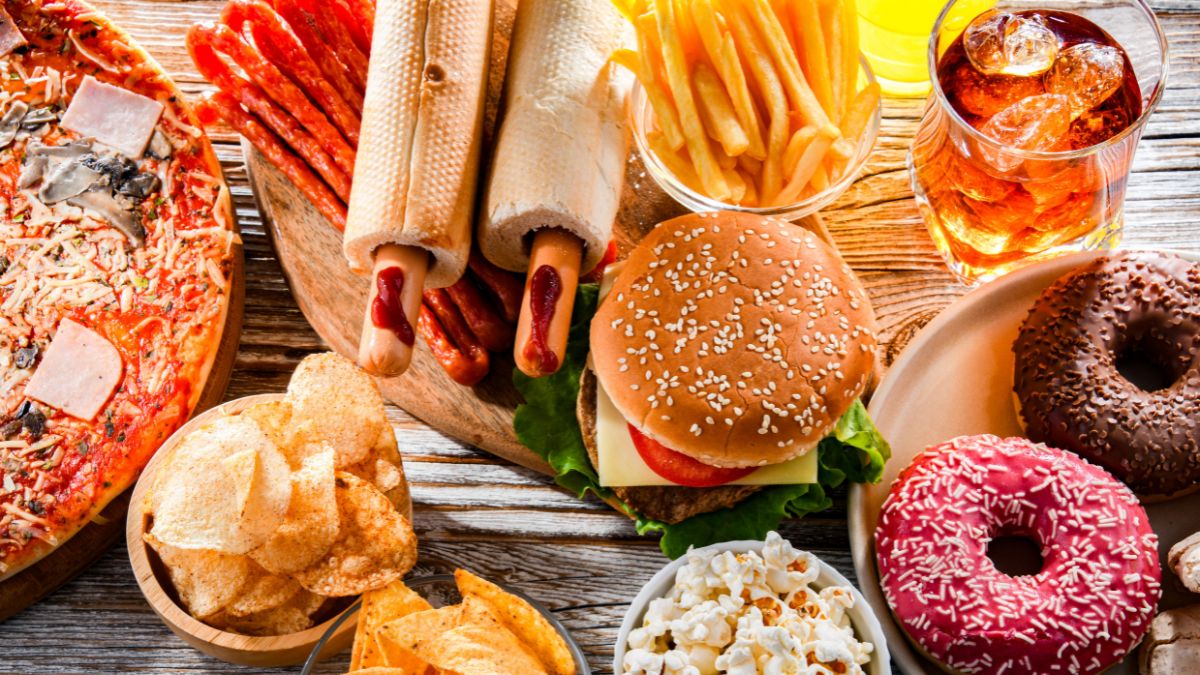
Cancer researchers and dietary specialists have spent decades studying the relationship between what we eat and our long-term health outcomes. Certain foods repeatedly appear in clinical research as contributors to increased cancer risk, whether through inflammation, carcinogenic compounds, or hormonal disruption. Understanding these findings empowers people to make more informed choices at the grocery store and in the kitchen. The following 20 foods are those most consistently flagged by oncologists and cancer nutrition experts as worthy of serious reduction in daily eating habits.
Processed Meat

Bacon, hot dogs, sausages, and deli meats are classified as Group 1 carcinogens by the World Health Organization. This classification places them in the same risk category as tobacco and asbestos in terms of the strength of evidence linking them to cancer. The nitrates and nitrites used to preserve these meats can convert into harmful N-nitroso compounds during digestion. Regular consumption has been most strongly linked to colorectal cancer. Limiting processed meat intake is one of the most well-supported dietary recommendations in oncology.
Alcohol

Ethanol in alcoholic beverages is metabolized into acetaldehyde, a toxic compound that can damage DNA and prevent its repair. Alcohol consumption is linked to at least seven different types of cancer including breast, liver, esophageal, and colorectal. Even moderate drinking raises risk levels, according to extensive population studies. The body’s ability to process alcohol varies by genetics, meaning some individuals face disproportionately higher risk. There is no established safe threshold of alcohol consumption from a cancer prevention standpoint.
Red Meat
Beef, pork, lamb, and veal contain heme iron, which can promote the formation of carcinogenic compounds in the digestive tract. High-temperature cooking methods such as grilling and frying produce heterocyclic amines and polycyclic aromatic hydrocarbons, both of which are known mutagens. The World Cancer Research Fund recommends consuming no more than 350 to 500 grams of cooked red meat per week. Frequent red meat consumption has been most consistently associated with colorectal cancer risk. Leaner preparation methods and smaller portions are advised by most dietary oncologists.
Sugary Drinks

Sodas, sweetened juices, and energy drinks contribute to obesity, which is itself a major independent risk factor for at least 13 types of cancer. High sugar intake drives insulin and IGF-1 production, hormones that can promote abnormal cell growth. Liquid calories from these beverages do not trigger the same satiety signals as solid food, making overconsumption particularly easy. Chronic inflammation driven by high sugar diets creates a cellular environment that may support tumor development. Water, herbal tea, and other unsweetened beverages are consistently recommended as replacements.
Refined Carbohydrates
White bread, white rice, pastries, and other refined grain products cause rapid spikes in blood glucose and insulin levels. These spikes repeatedly stimulate the production of growth factors that have been implicated in cancer cell proliferation. Refined carbohydrates also lack the fiber that supports healthy gut bacteria and regular bowel function. A diet high in these foods is associated with higher rates of colorectal and endometrial cancers. Replacing them with whole grain alternatives is a straightforward and widely recommended dietary adjustment.
Artificial Sweeteners
Some artificial sweeteners have raised concerns in research settings regarding their effects on gut microbiome composition and metabolic signaling. Saccharin was identified as a potential carcinogen in early animal studies, though regulatory agencies later revised its classification. More recent research has explored possible links between aspartame and certain cancers, prompting a review by the International Agency for Research on Cancer. The long-term effects of regular consumption remain an active area of scientific investigation. Oncologists increasingly advise moderation rather than wholesale reliance on these sugar substitutes.
Trans Fats

Partially hydrogenated oils found in many commercially baked goods and fried foods contain artificial trans fats that promote systemic inflammation. Chronic inflammation is one of the primary biological pathways through which cancer is initiated and sustained. Trans fats also negatively affect cholesterol ratios in ways that compromise cardiovascular and cellular health simultaneously. Many countries have moved to ban or heavily restrict their use, though they persist in some processed products. Checking ingredient labels for hydrogenated oils is an effective way to identify and avoid these compounds.
Charred Meat

Cooking any meat at very high temperatures over an open flame or on a hot grill produces heterocyclic amines and polycyclic aromatic hydrocarbons on the surface of the food. These chemical compounds have been shown to cause DNA mutations in animal studies and are classified as probable human carcinogens. The blackened or charred portions of grilled meats contain the highest concentrations of these substances. Marinating meats before grilling, using lower temperatures, and removing charred sections can significantly reduce exposure. Oncologists recommend limiting the frequency of high-temperature grilling as part of a cancer-conscious diet.
Canned Foods
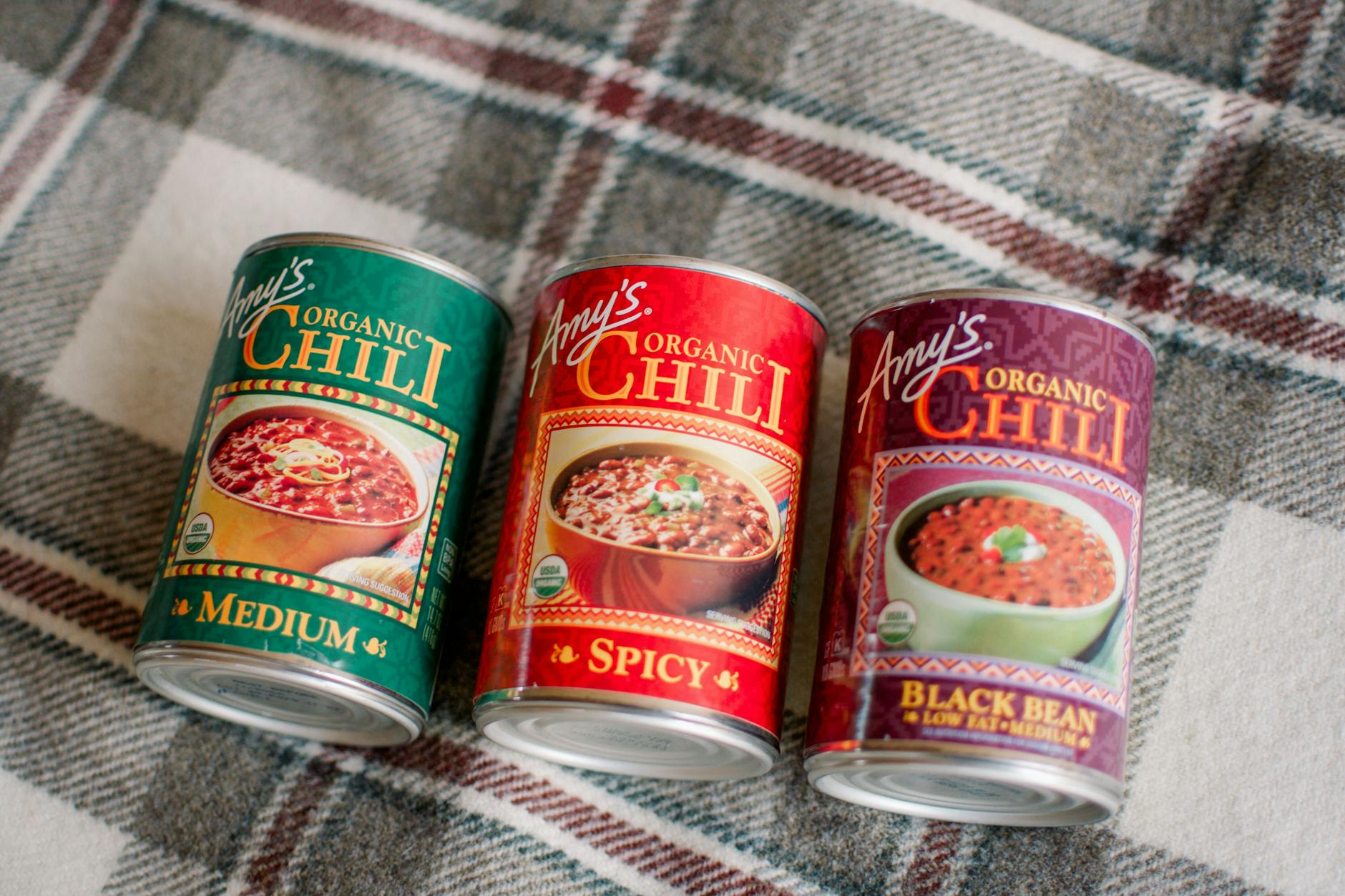
Many canned food products have historically been lined with epoxy resins containing bisphenol A, a chemical that mimics estrogen in the body. Endocrine-disrupting compounds like BPA have been linked to hormone-sensitive cancers including breast and prostate cancer. Although many manufacturers have moved toward BPA-free linings, replacement chemicals such as BPS may carry similar risks. Canned tomatoes are of particular concern because the acidity of the fruit accelerates leaching of lining chemicals. Fresh, frozen, or glass-jarred alternatives are generally recommended by oncology nutritionists.
Microwave Popcorn
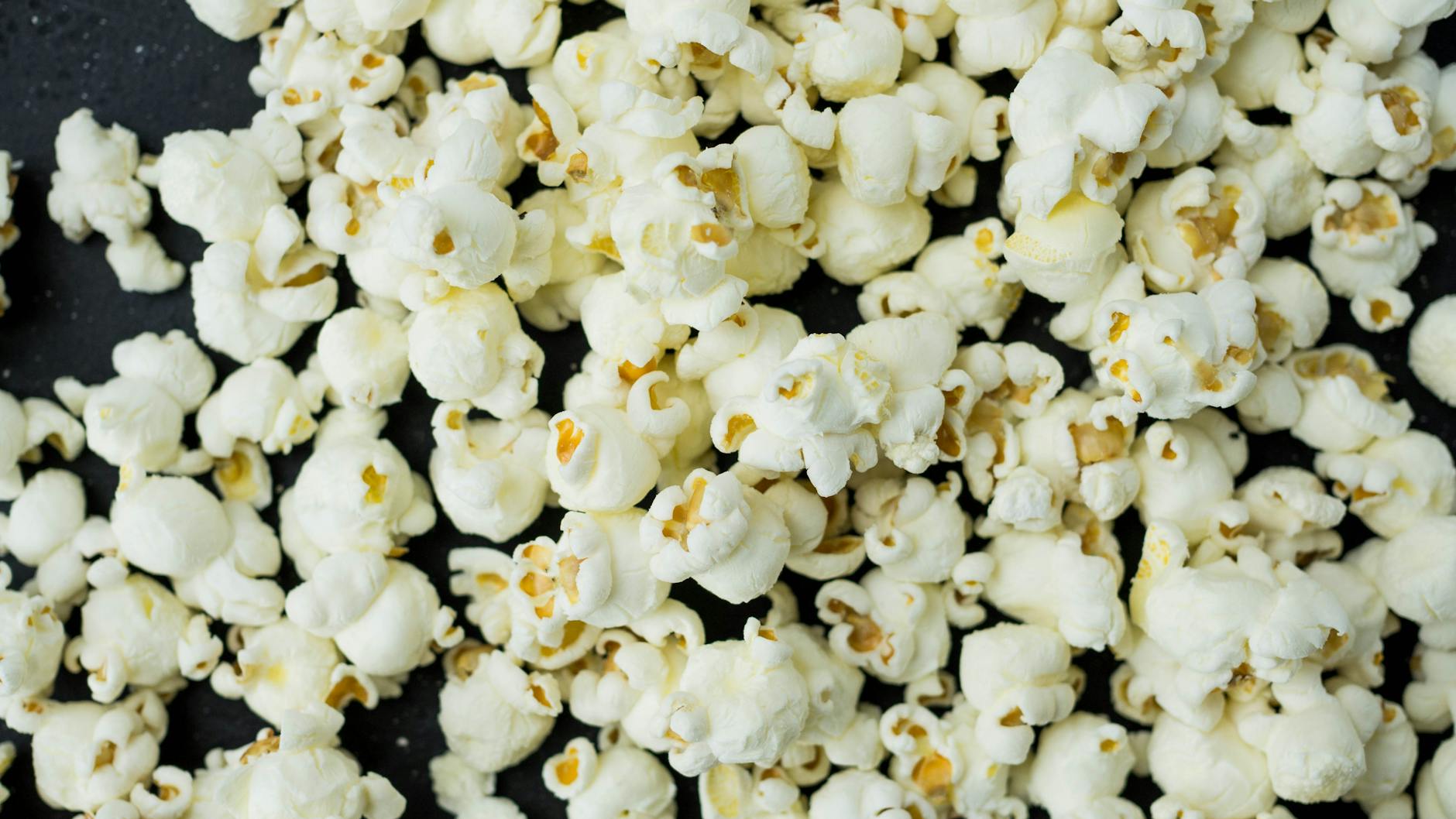
The bags used in microwave popcorn products were long lined with perfluorooctanoic acid, a chemical classified as a possible carcinogen. PFOA has been detected in human blood samples and has been associated with kidney and testicular cancer in occupational exposure studies. Many manufacturers have phased out PFOA, but other per- and polyfluoroalkyl substances used as replacements remain under scrutiny. The artificial butter flavoring compound diacetyl, used in some formulations, has also raised lung health concerns. Air-popped popcorn prepared at home with minimal additives is the widely preferred alternative.
Farmed Salmon
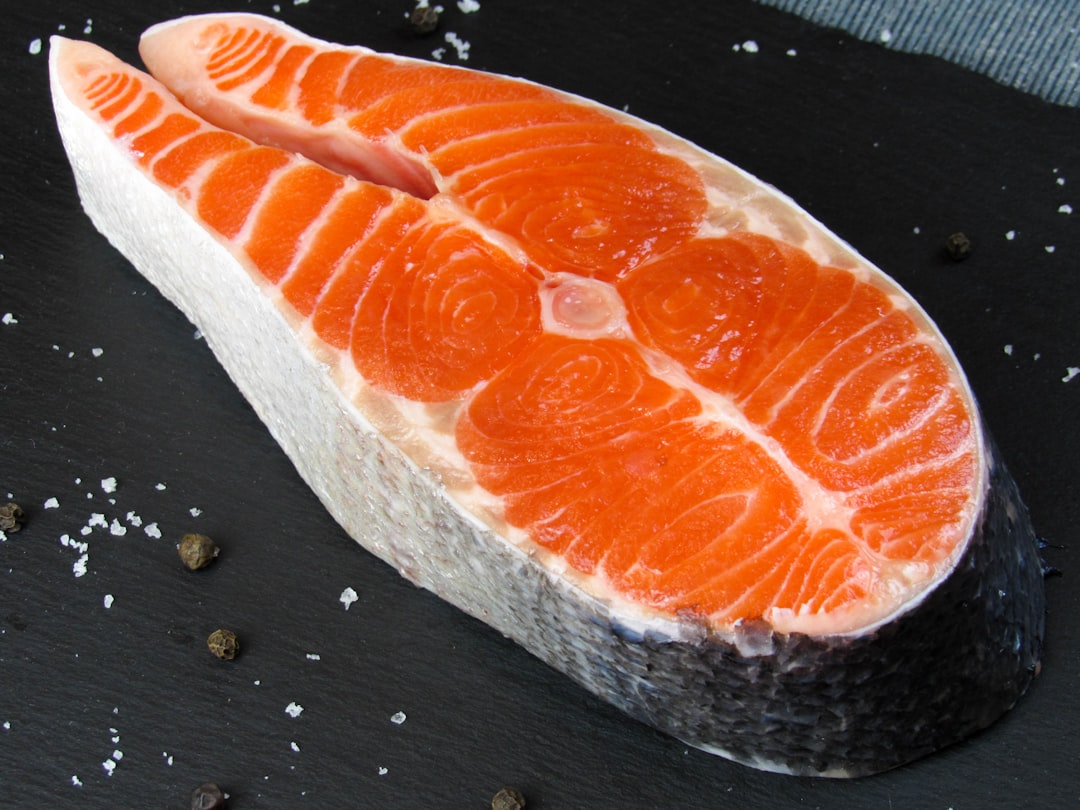
Farmed Atlantic salmon has been found to contain elevated levels of polychlorinated biphenyls, dioxins, and other persistent organic pollutants compared to wild-caught varieties. These compounds accumulate in fatty tissue and have been classified as probable or possible human carcinogens by international health agencies. The concentrated feed and enclosed environment of fish farms contributes to higher contaminant levels than open-water fish typically accumulate. Some studies have found that farmed salmon contains significantly higher levels of cancer-linked pollutants than other commonly consumed proteins. Wild-caught salmon or smaller oily fish such as sardines are frequently recommended as lower-risk alternatives.
Fast Food
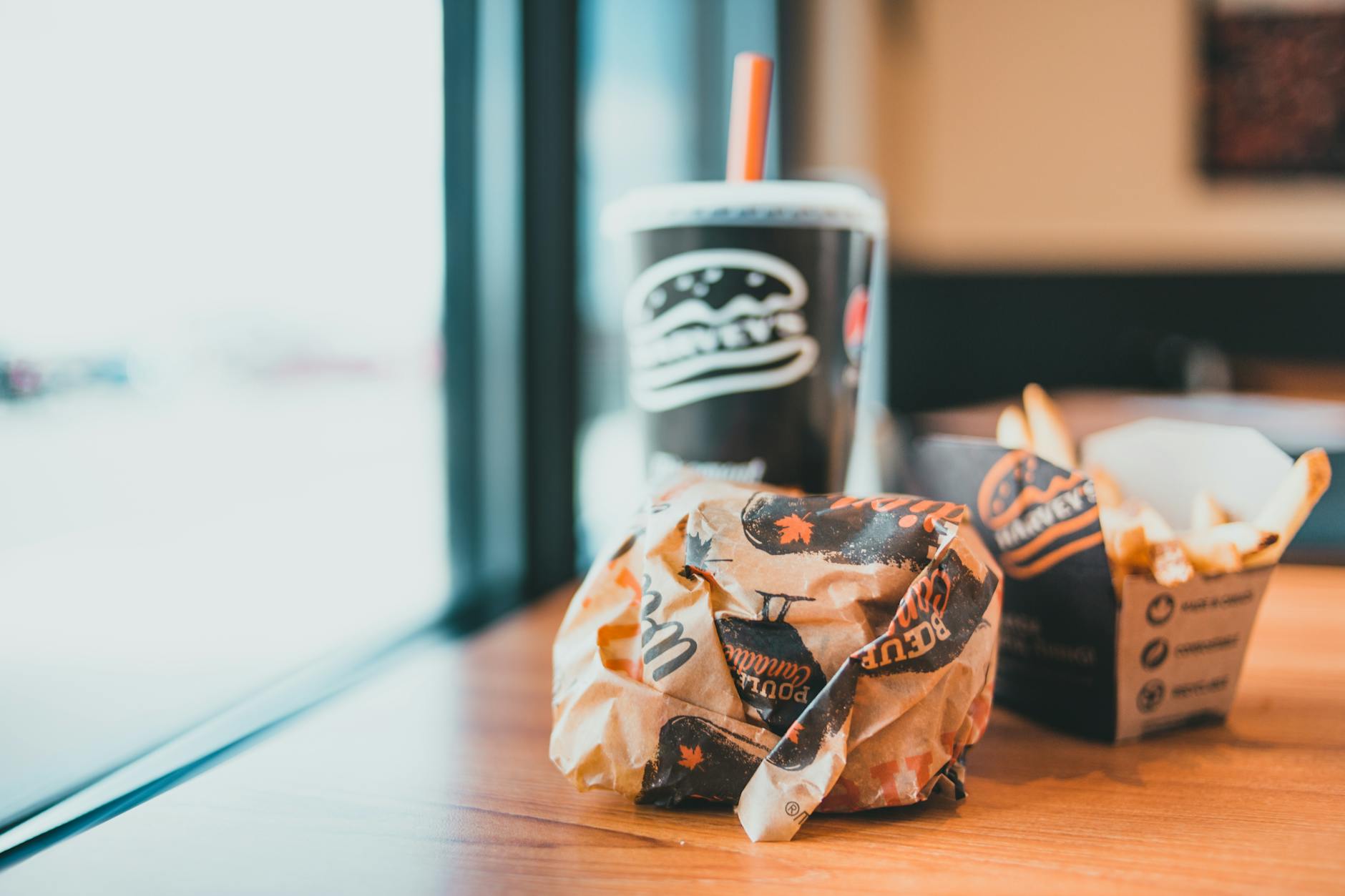
Fast food meals are typically high in refined carbohydrates, trans fats, processed meats, added sugars, and excess sodium simultaneously. This combination creates a multi-pathway approach to inflammation, insulin dysregulation, and gut microbiome disruption. Obesity driven by frequent fast food consumption multiplies cancer risk across numerous organ systems. Research has found that regular fast food consumption is associated with lower diet quality overall, creating compounding long-term health effects. Most oncology-aligned dietary guidelines recommend treating fast food as an occasional indulgence rather than a regular meal source.
Hydrogenated Oils

Vegetable shortening and other fully or partially hydrogenated oils are used extensively in commercial baking, frying, and food manufacturing. The hydrogenation process alters the molecular structure of fats in ways that promote inflammatory responses in the body. Chronic low-grade inflammation is a well-established contributor to the initiation and progression of several cancer types. These oils are often used to extend shelf life in packaged snack foods, crackers, and ready-made pastries. Reading nutritional labels and choosing products made with cold-pressed or naturally occurring oils is advised by dietary specialists.
Pickled Foods
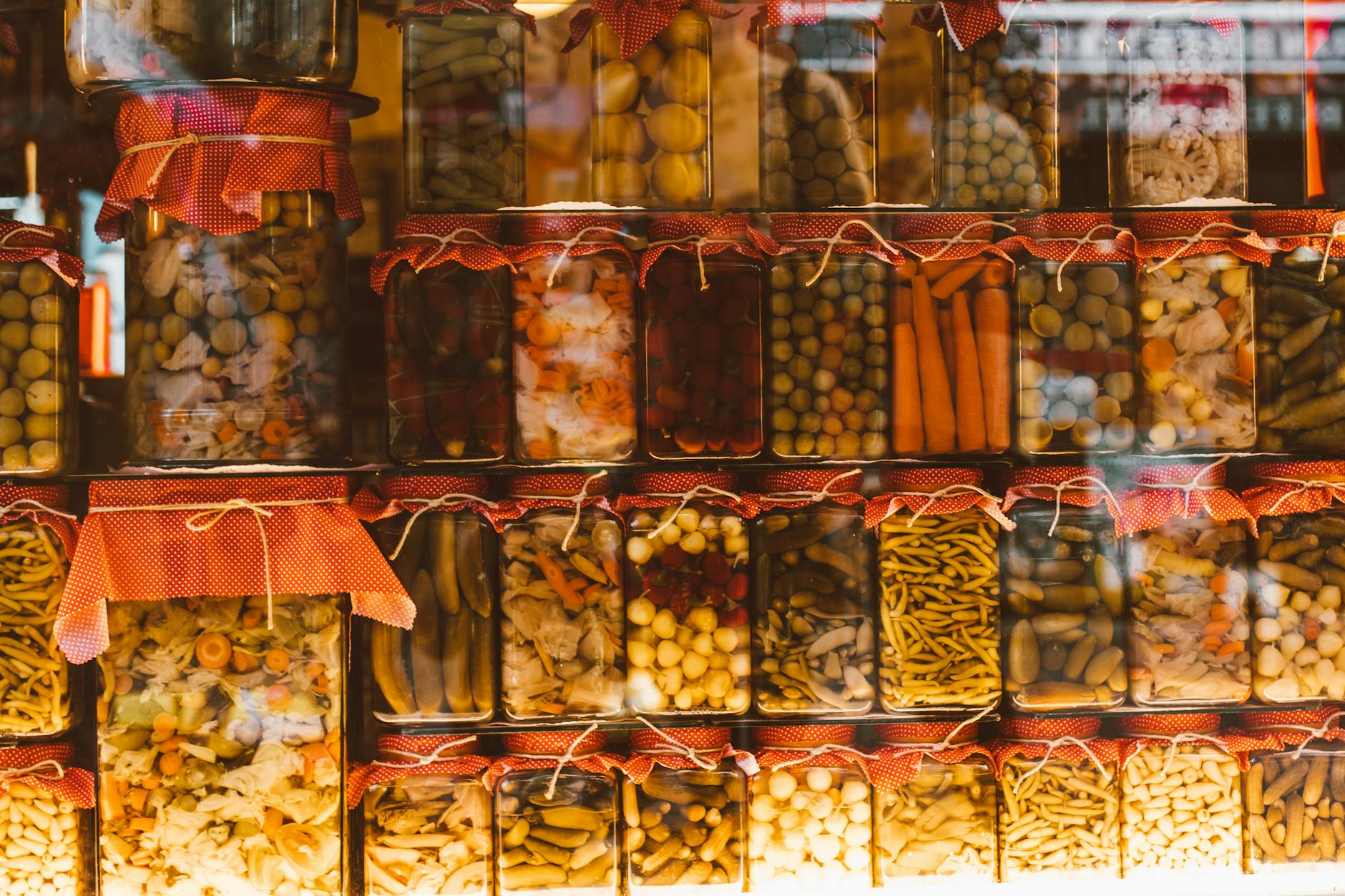
Vegetables and other foods preserved through pickling in salt brine contain high concentrations of sodium and potentially carcinogenic nitrosamines. Regular consumption of heavily salted and pickled foods has been strongly linked to gastric cancer in epidemiological studies across Asian populations with high pickled food intake. The preservative compounds formed during the pickling process can irritate and damage the lining of the stomach over time. This damage creates conditions that increase susceptibility to malignant transformation of gastric cells. Fermented foods prepared with less salt and without added preservatives are generally considered a healthier alternative.
White Sugar
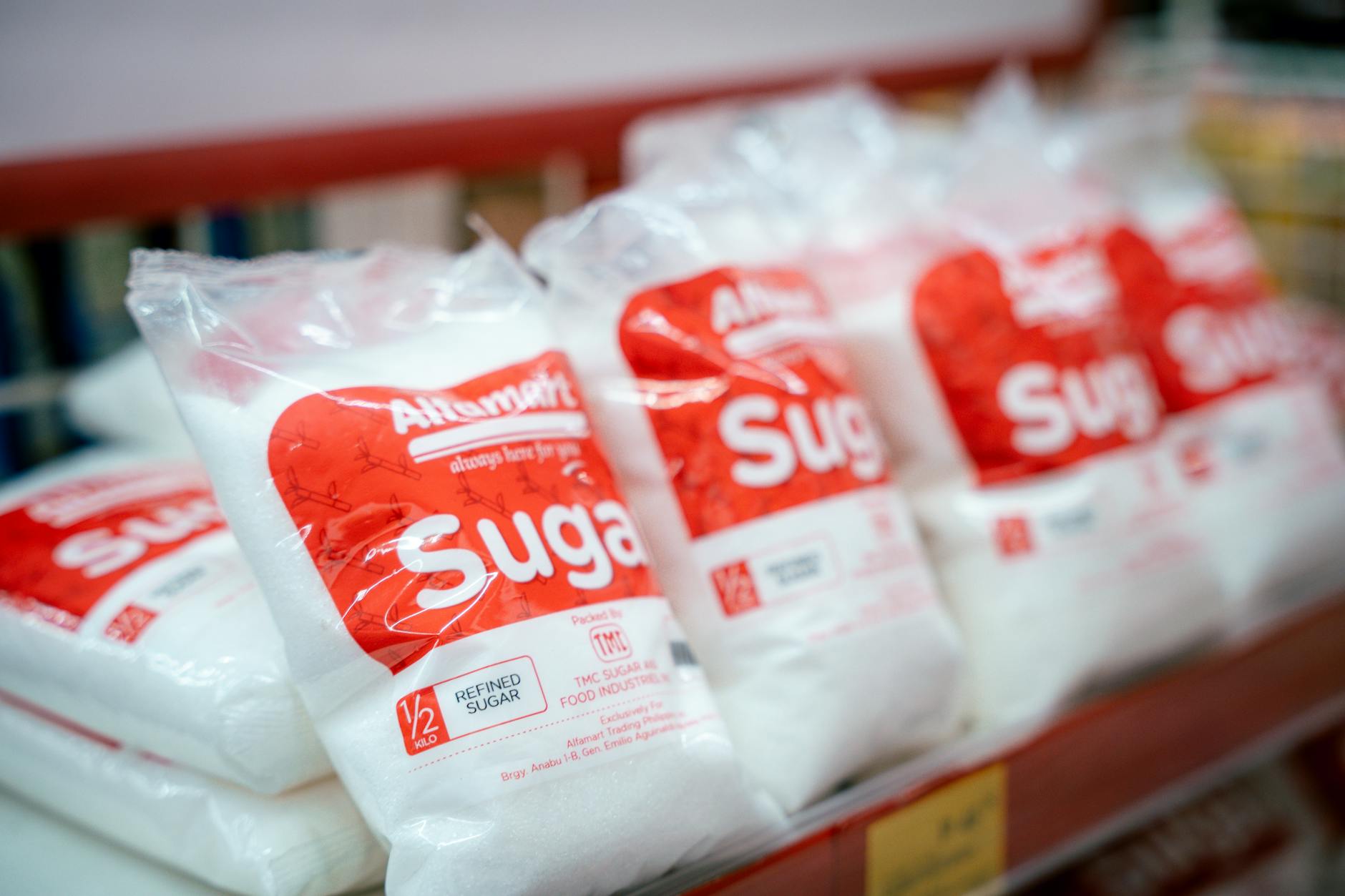
Refined white sugar provides rapid glucose that feeds cellular energy demands without accompanying nutrients or fiber. Cancer cells are known to consume glucose at dramatically higher rates than normal cells, a metabolic phenomenon described by oncology researchers. While sugar does not directly cause cancer, high-sugar diets promote obesity, inflammation, and insulin resistance, all of which raise cancer risk. Excess sugar intake has been specifically linked to breast, colon, and endometrial cancers in multiple observational studies. Naturally occurring sugars in whole fruits are processed differently by the body than added refined sugars.
Soy Protein Isolate
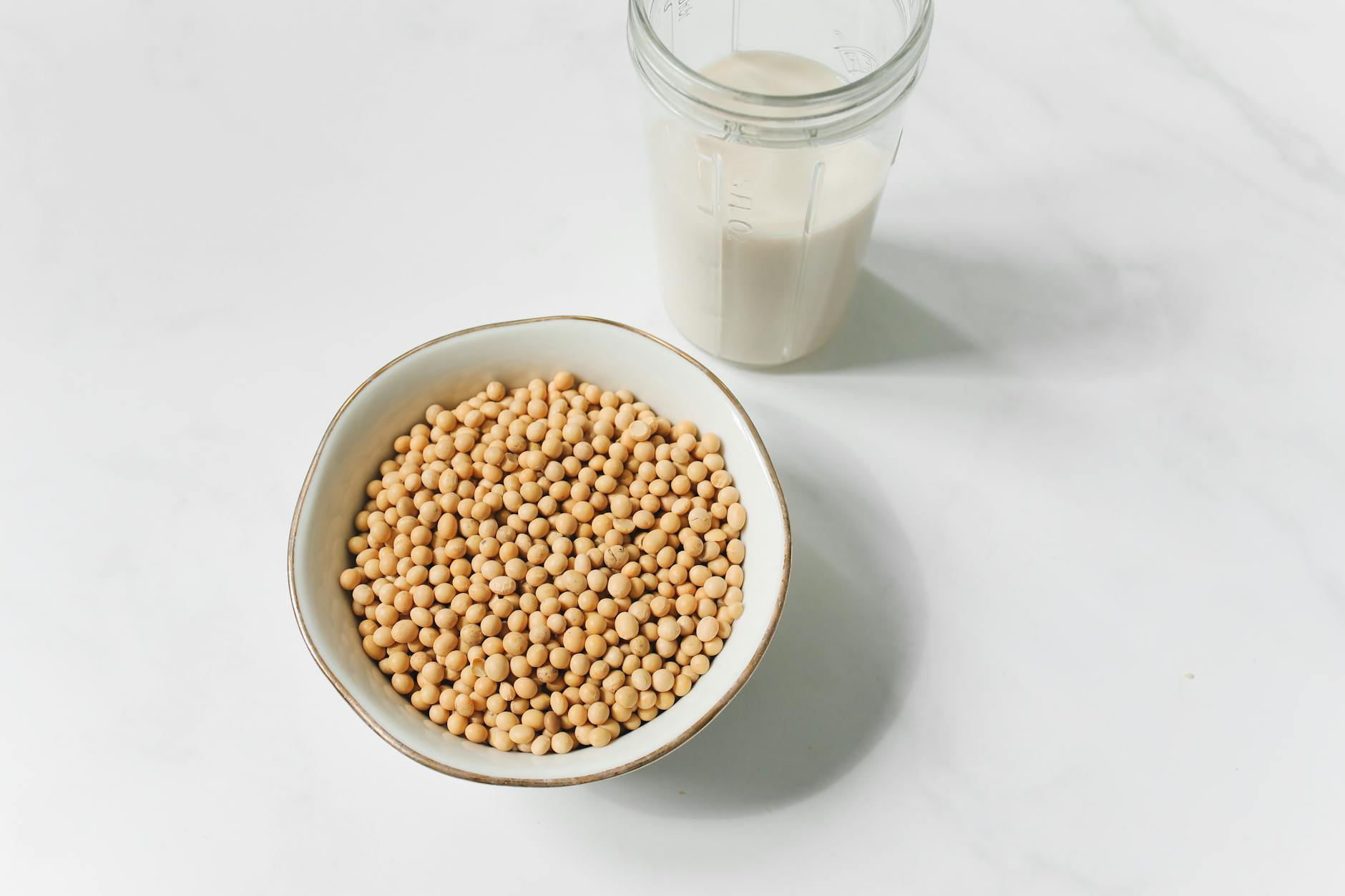
Highly processed soy protein isolate found in protein bars, meat substitutes, and some supplements contains concentrated phytoestrogens called isoflavones. These plant-based compounds can mimic estrogen activity in the body, which raises questions for individuals with hormone-sensitive cancers. Unlike fermented soy products such as miso and tempeh, isolated soy protein is stripped of the fiber and other compounds that moderate its effects. Some oncologists advise caution particularly for breast cancer patients or those at elevated risk of estrogen-receptor-positive cancers. Whole soy foods in moderate amounts are generally viewed as far less concerning than highly processed soy derivatives.
Refined Vegetable Oils

Corn oil, sunflower oil, and other refined vegetable oils are high in omega-6 fatty acids, which in excess can tip the body toward a pro-inflammatory state. The ratio of omega-6 to omega-3 fatty acids in the modern diet is far higher than what evolutionary biology suggests is optimal for cellular health. Refining processes also expose these oils to high heat and chemical solvents, potentially degrading their composition. Oxidized fats that form when these oils are heated to high temperatures have shown DNA-damaging potential in laboratory research. Replacing them with cold-pressed olive oil or avocado oil is a commonly recommended dietary adjustment.
Diet Soda
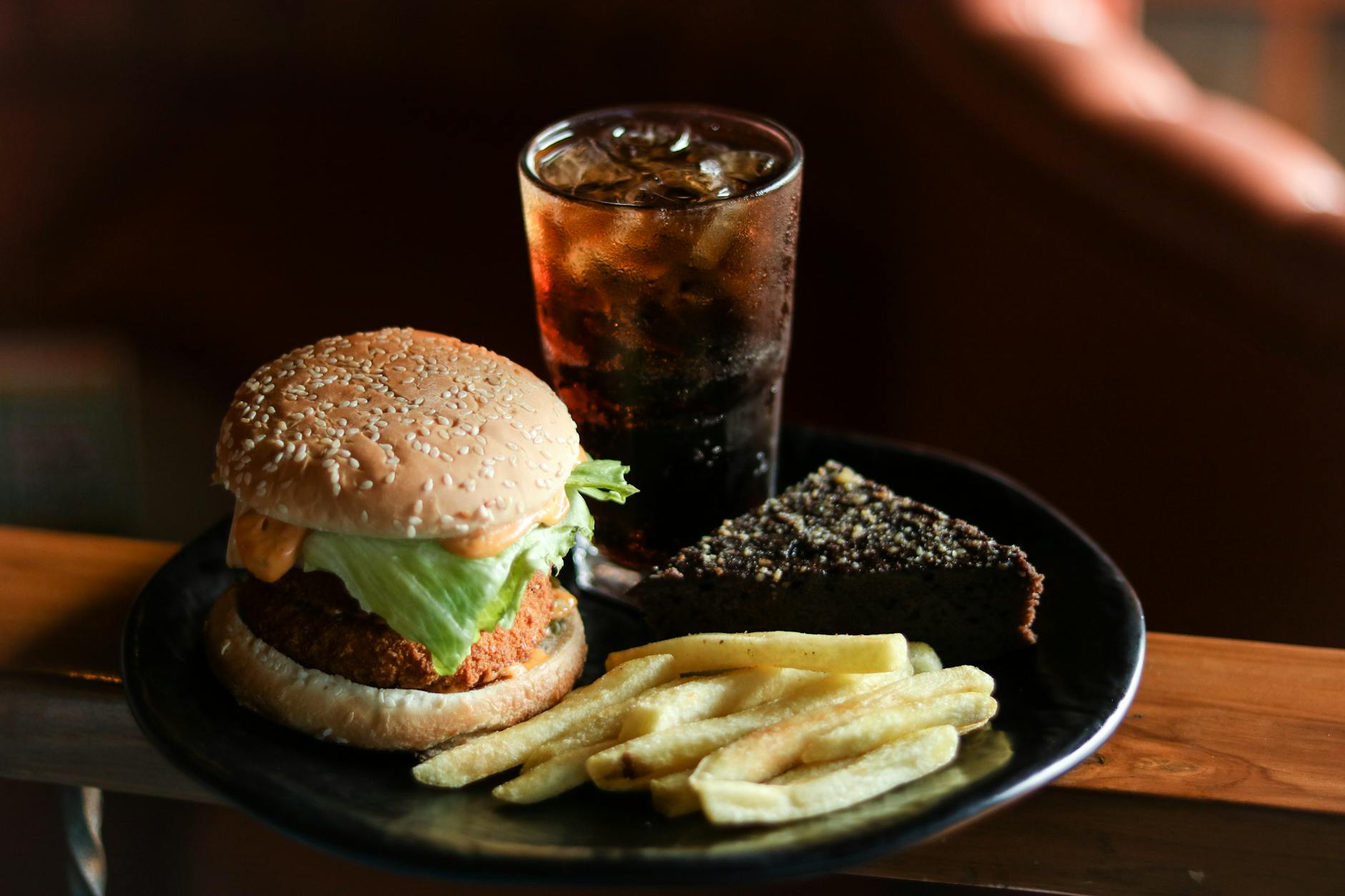
Diet sodas combine artificial sweeteners with phosphoric acid and a range of synthetic additives in a product with no nutritional value. Some artificial sweeteners used in diet sodas have come under renewed scrutiny following recent international cancer research reviews. Phosphoric acid has been shown to leach calcium from bones and may contribute to systemic acidity, creating a physiological environment that some researchers associate with cellular stress. Diet soda consumption is also linked to cravings for sweet foods generally, potentially undermining broader dietary improvement efforts. Most oncology nutritionists categorize diet soda as a beverage offering no health benefit and several areas of concern.
Dairy
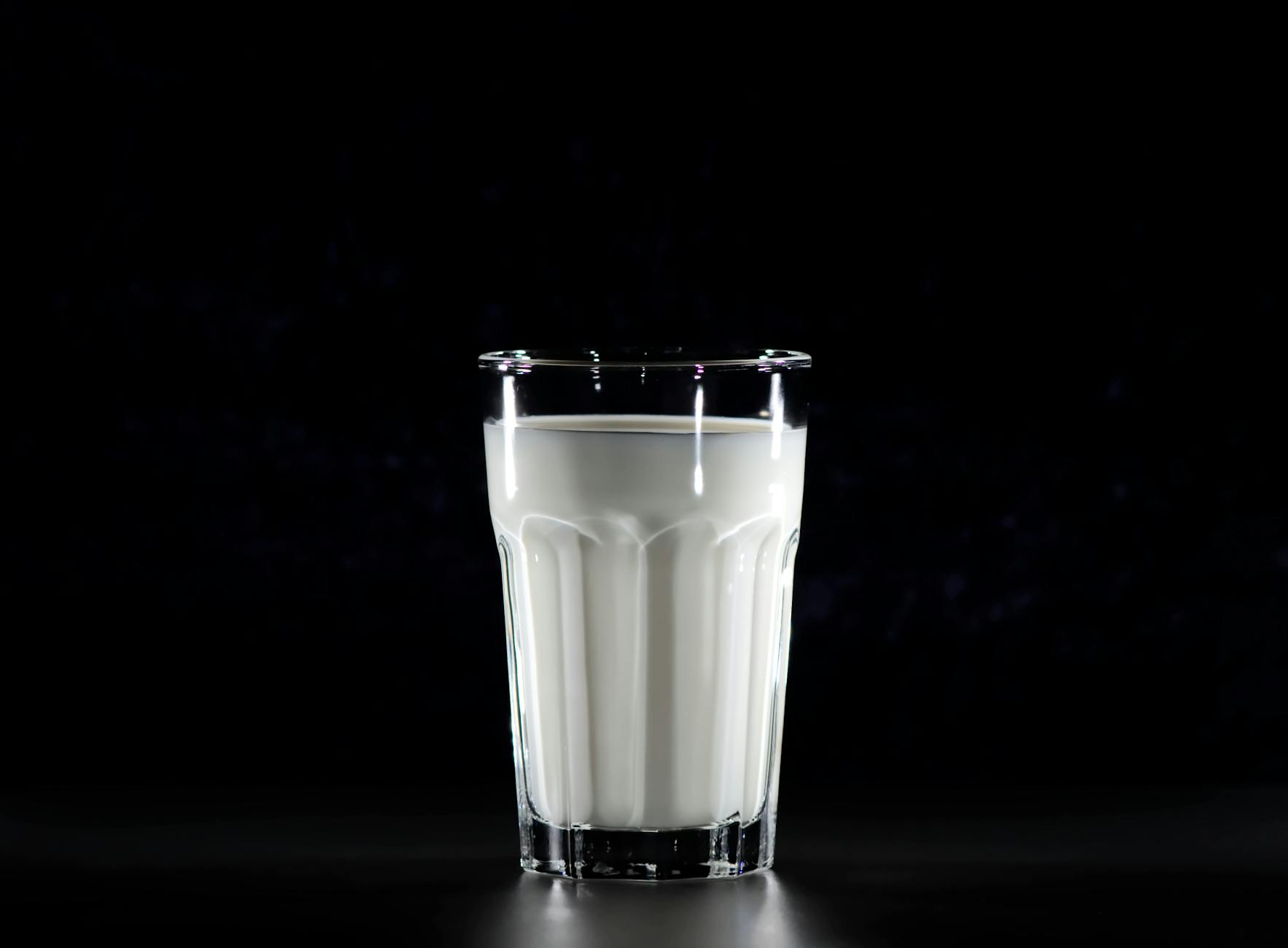
Full-fat dairy products including whole milk, cheese, and butter contain saturated fats and naturally occurring hormones that have been scrutinized in cancer research. Elevated insulin-like growth factor 1 levels associated with high dairy intake have been linked to increased risk of prostate and potentially breast cancer in some large-scale studies. The evidence is more mixed than for other items on this list, and fermented dairy such as yogurt carries different risk associations than unfermented products. Several national cancer organizations recommend moderating rather than eliminating dairy intake as a precautionary dietary measure. Plant-based milk alternatives have grown considerably in nutritional quality and are increasingly used as substitutes.
Potato Chips

Potato chips and similar starchy snack foods cooked at extremely high temperatures produce acrylamide, a chemical formed when starchy foods are fried or baked above a certain temperature threshold. Acrylamide is classified as a probable human carcinogen based on animal studies and has been detected in human blood and urine following consumption. The high fat content of chips also contributes to caloric density and the kind of dietary patterns associated with increased cancer risk. Chip consumption offers essentially no protective dietary compounds and typically displaces more nutritionally valuable snack options. Roasted nuts, seeds, or raw vegetables are broadly recommended as cancer-conscious snack replacements.
Awareness of which foods to limit is one of the most powerful tools available for long-term cancer prevention, and sharing knowledge is equally important, so feel free to share your thoughts and experiences in the comments.