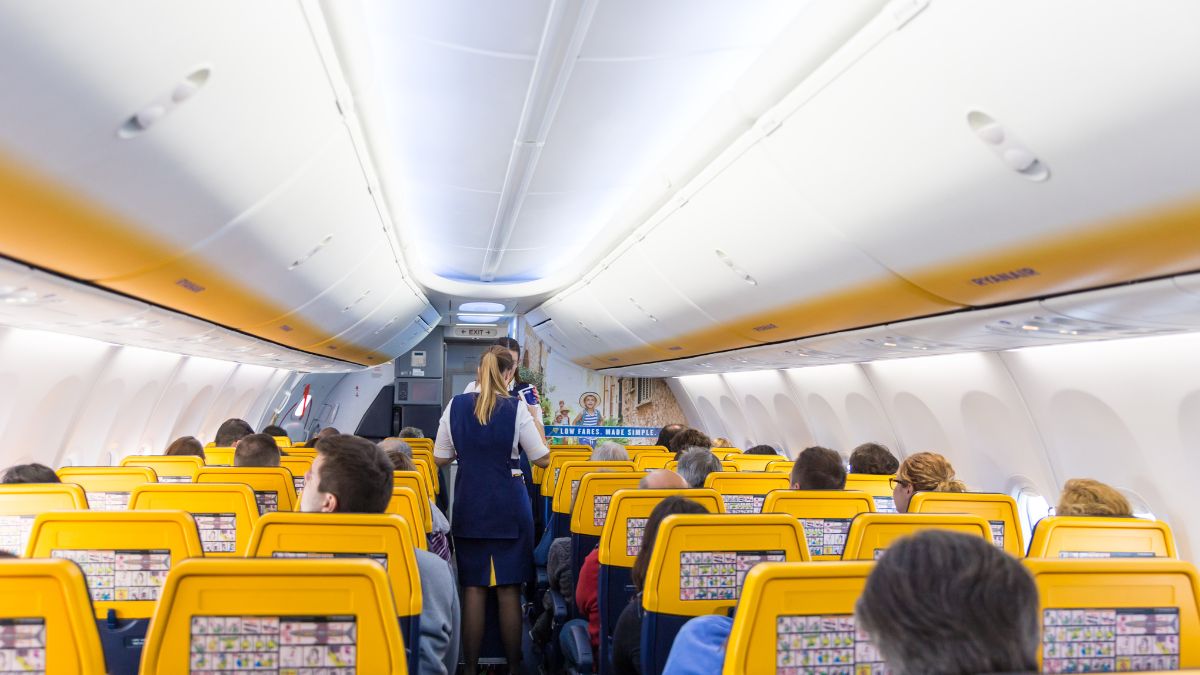
Selecting appropriate nutrition prior to a long flight is a key factor in ensuring a comfortable and stress free journey. Changes in cabin pressure can cause gases in the digestive tract to expand which frequently results in bloating and physical discomfort. Many common foods that seem healthy or convenient can actually trigger inflammation or dehydration when consumed before takeoff. This guide identifies specific items that travelers should omit from their pre flight meals to maximize their wellbeing in the air.
Beans
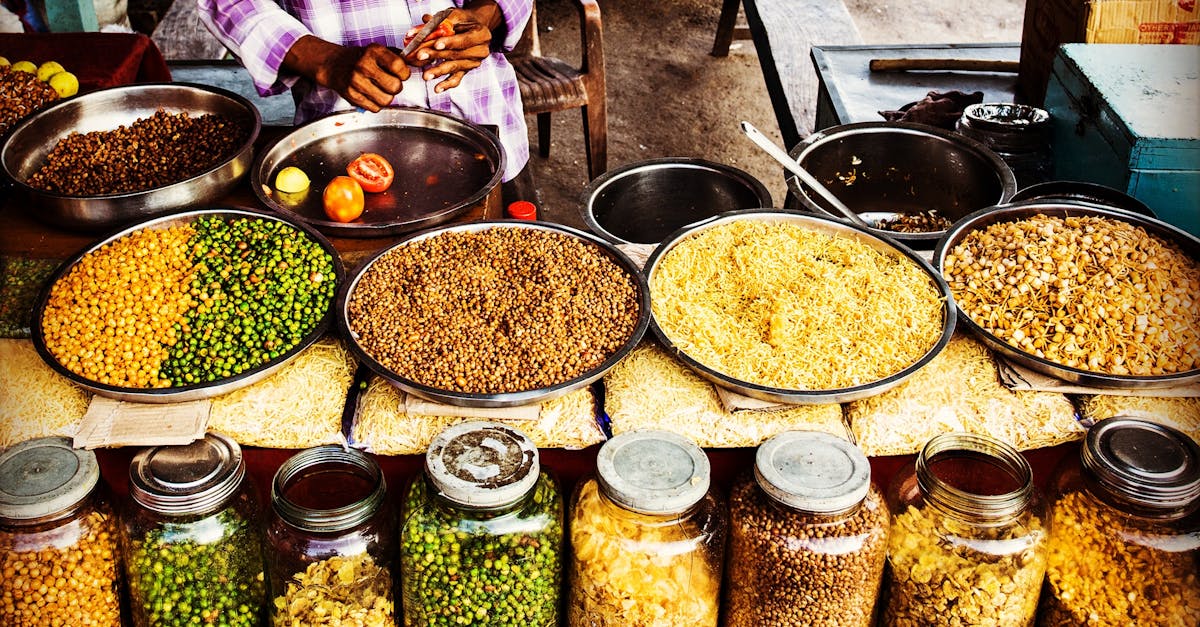
Beans contain high amounts of complex carbohydrates and fiber that the human body often finds difficult to process quickly. This natural composition leads to the production of excess gas during the fermentation process in the gut. When an airplane reaches cruising altitude the gas trapped in the intestines expands and causes painful pressure. Avoiding bean based meals ensures that passengers remain comfortable throughout their time in the air.
Broccoli

Cruciferous vegetables like broccoli are packed with a complex sugar known as raffinose which remains undigested until it reaches the large intestine. The bacteria in the gut break down this sugar and release gases that cause the stomach to feel distended. Low cabin pressure exacerbates this sensation and can lead to sharp abdominal pains for many travelers. Choosing steamed leafy greens instead provides a lighter alternative that is much easier on the digestive system.
Cabbage

Cabbage is another vegetable high in sulfur and raffinose that contributes to significant intestinal expansion during flight. The body requires a lot of energy to break down the tough fibers found in raw or even cooked cabbage. This slow digestion process often results in trapped air that becomes increasingly uncomfortable as the plane climbs. Travelers typically benefit from avoiding coleslaw or cabbage based salads before boarding their flight.
Carbonated Beverages

Soda and sparkling water introduce a high volume of carbon dioxide directly into the digestive system. These bubbles get trapped in the stomach and intestines where they expand significantly due to the change in atmospheric pressure. This process leads to frequent burping or a constant feeling of fullness that can last for hours. Drinking still water or herbal tea is a much safer way to stay hydrated without the risk of bloating.
Fried Chicken
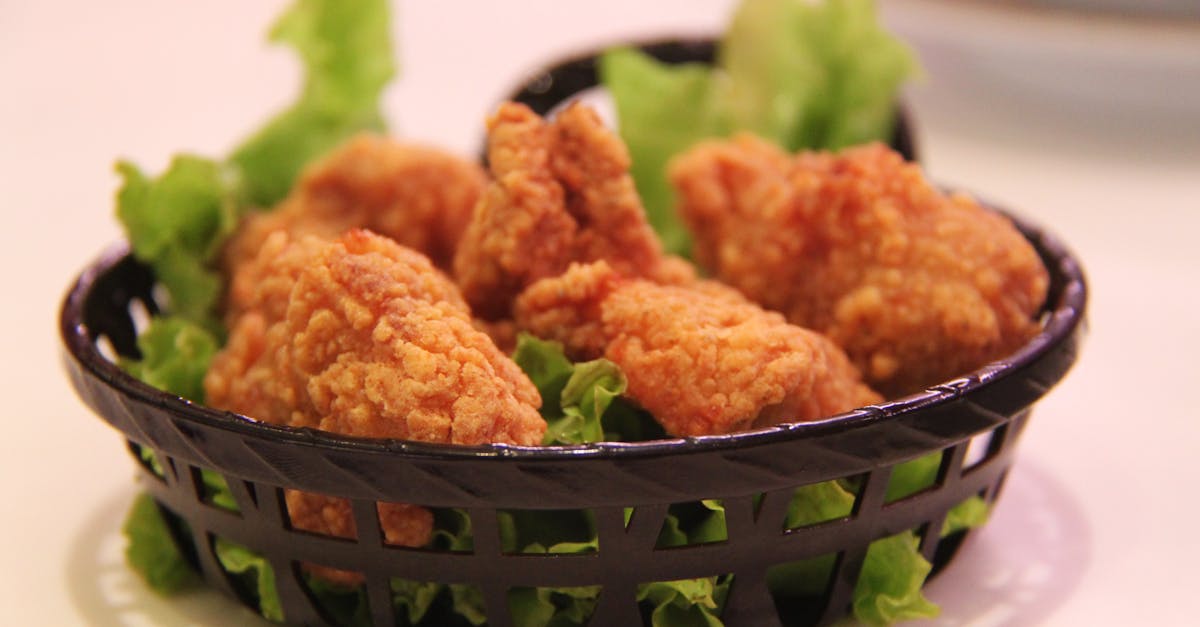
Fried chicken is incredibly high in saturated fats and heavy oils that are notoriously difficult for the body to digest. These fats slow down the entire digestive process and often lead to a heavy or sluggish feeling during travel. The high sodium content used in breading also encourages water retention and swelling in the legs and feet. Many passengers find that greasy meals lead to heartburn or indigestion when sitting still for long periods.
Raw Onions

Raw onions contain high levels of fructans which are fermentable fibers that can cause significant digestive upset. The strong sulfur compounds in onions also contribute to unpleasant breath and body odors that linger in the confined space of a cabin. Many people experience acid reflux or stomach irritation after consuming raw onions in sandwiches or salads. Avoiding these pungent vegetables helps maintain a comfortable stomach and a more pleasant environment for fellow passengers.
Garlic
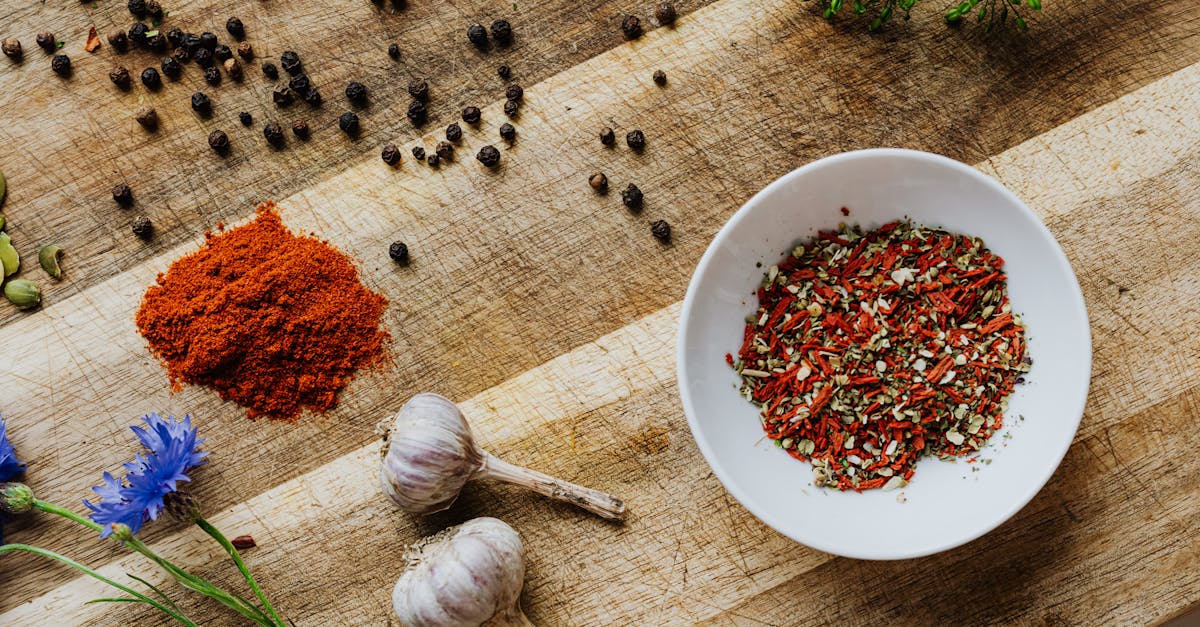
Garlic is known for its strong aromatic compounds that are released through the breath and skin for many hours after consumption. These odors can become concentrated and overwhelming in a pressurized airplane cabin with recycled air. Beyond the scent garlic can also cause gastric irritation and contribute to bloating in sensitive individuals. Most experienced travelers avoid garlic heavy dishes to prevent digestive discomfort and social awkwardness during the trip.
Alcohol

Alcohol is a powerful diuretic that actively pulls moisture out of the body and leads to rapid dehydration. The low humidity levels inside airplane cabins already make staying hydrated a challenge for most passengers. Consuming alcoholic drinks before or during a flight can result in headaches and increased fatigue upon arrival. Avoiding these beverages helps keep the body regulated and reduces the risk of a groggy feeling after landing.
Coffee

Coffee is both a diuretic and a stimulant that can negatively impact the travel experience in multiple ways. The caffeine increases the heart rate and can lead to jitteriness or anxiety during takeoff and turbulence. It also stimulates the digestive system which might necessitate frequent trips to the small airplane lavatory. Choosing decaffeinated options or water allows the body to maintain a more stable and relaxed state.
Hot Peppers
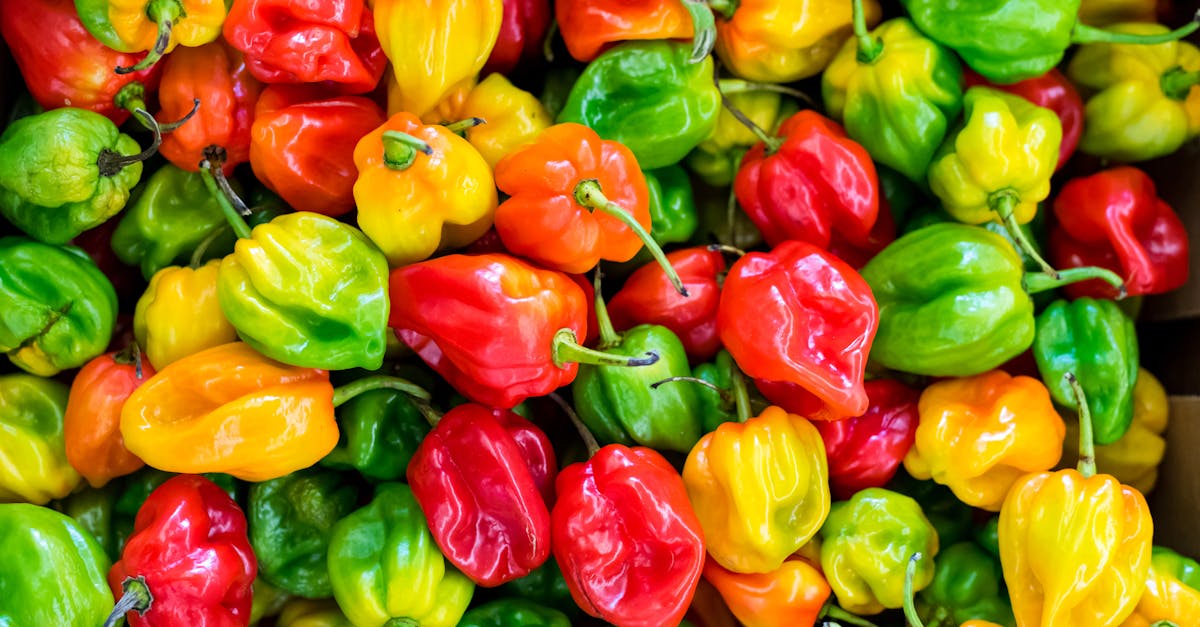
Spicy foods containing hot peppers can irritate the lining of the stomach and the esophagus during a long journey. The capsaicin in peppers speeds up digestion which may lead to urgent bathroom needs at inconvenient times. Spicy meals are also a common trigger for acid reflux and heartburn when lying back in a seat. Maintaining a mild diet before flying prevents the burning sensation and digestive urgency often caused by heat.
Apples

Apples are high in fiber and fructose which can be a problematic combination for many travelers. The fructose can be difficult to absorb and may ferment in the gut and lead to gas and bloating. While they are a healthy snack on land the high fiber content can cause unexpected bowel activity in the air. Choosing low fiber fruits like bananas can provide energy without the risk of intestinal pressure.
Sugar Free Gum

Sugar free gum often contains sugar alcohols such as sorbitol or xylitol that the body cannot fully digest. These compounds act as laxatives and are notorious for causing sudden gas and bloating in many people. The act of chewing also causes the person to swallow excess air which further contributes to stomach distention. Avoiding gum altogether helps keep the digestive tract quiet and prevents the accumulation of trapped air.
Salty Pretzels
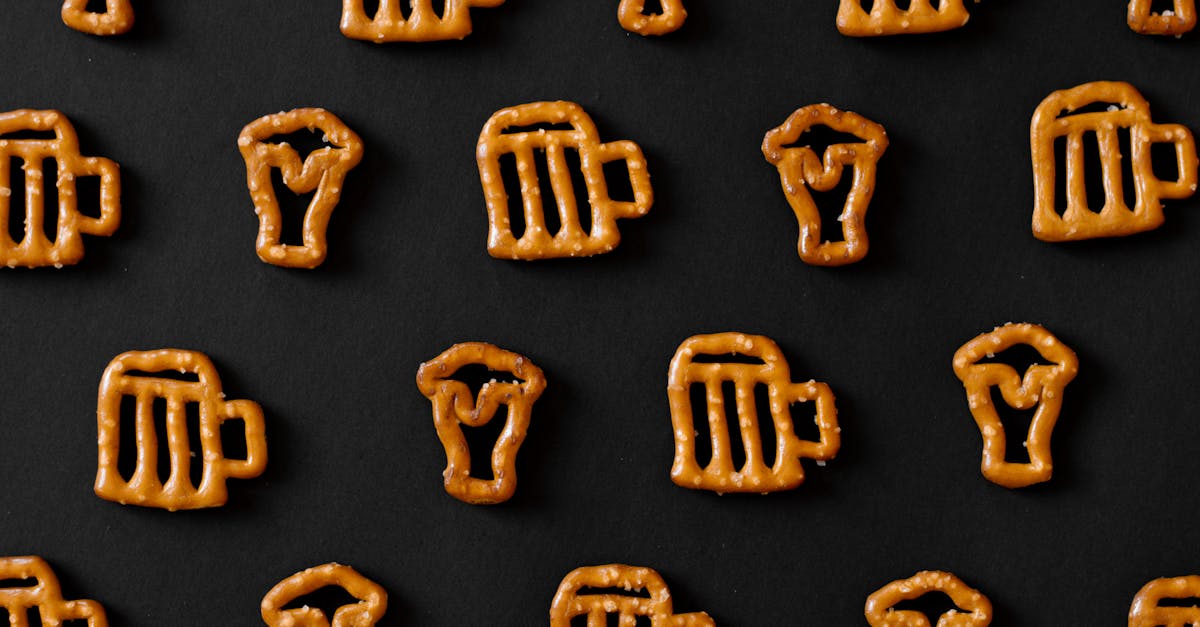
Salty snacks like pretzels are loaded with sodium which causes the body to hold onto excess water. This fluid retention often manifests as swollen ankles and fingers during long periods of sitting in a cabin. The high salt intake also increases thirst and can lead to a feeling of dehydration despite drinking water. Opting for unsalted nuts or seeds is a better way to satisfy hunger without the negative effects of sodium.
Cheeseburgers

Cheeseburgers combine high fat meat with processed dairy and refined flour which creates a very heavy meal. This combination is extremely slow to move through the digestive tract and can cause a feeling of intense lethargy. The high fat content can also trigger the gallbladder and lead to discomfort or nausea at high altitudes. Most travelers prefer a light turkey sandwich or a simple wrap to keep their energy levels stable.
Cauliflower

Cauliflower is a cruciferous vegetable that produces a significant amount of gas during the digestion process. Like its relative broccoli it contains complex sugars that the body struggles to break down efficiently. This often leads to a bloated abdomen and a feeling of general malaise while seated in a cramped space. It is best to save cauliflower dishes for after the flight to avoid any internal pressure.
Dried Apricots

Dried fruits like apricots are highly concentrated sources of fiber and natural sugars that can act as a natural laxative. The high sulfur content often used to preserve their color can also lead to foul smelling gas. Consuming a large amount of dried fruit before a flight may cause a sudden need for the restroom during the journey. Fresh fruit is generally a much safer choice for maintaining digestive regularity without the intensity of dried versions.
Whole Milk

Many adults have a natural sensitivity to lactose that becomes more apparent in the stressful environment of travel. Whole milk is high in both lactose and fat which can slow down digestion and cause stomach cramps. The expansion of gases in the cabin can make the symptoms of lactose intolerance feel much more severe. Choosing dairy alternatives or avoiding milk based drinks altogether prevents potential stomach upset in the air.
Blue Cheese

Aged and pungent cheeses like blue cheese contain high levels of tyramine and strong molds. These components can trigger headaches or migraines in sensitive individuals especially when combined with travel stress. The strong odor of these cheeses can also be distracting and unpleasant for other passengers in close proximity. Mild and fresh cheeses are less likely to cause digestive or neurological issues during a long flight.
Hard Candy

Sucking on hard candy often leads to the involuntary swallowing of extra air which gets trapped in the stomach. Many hard candies are also made with artificial sweeteners or high fructose corn syrup that can upset the gut. This constant intake of air and sugar can result in a bloated feeling and a spike in blood sugar followed by a crash. Staying hydrated with water is a more effective way to manage oral discomfort or dry mouth.
Artificial Sweeteners

Artificial sweeteners found in diet sodas and low calorie snacks are frequently linked to digestive distress. These chemicals can disrupt the natural balance of gut bacteria and lead to bloating or diarrhea. Because the body does not recognize these substances as food they often ferment in the colon. Avoiding these additives helps maintain a calm and predictable digestive system throughout the travel day.
Raw Kale

Raw kale is a very dense and fibrous green that requires a significant amount of chewing and digestive effort. The tough cellulose in kale can sit in the stomach for a long time and cause a feeling of extreme fullness. In a pressurized cabin this can lead to uncomfortable pressure against the diaphragm. Massaged or cooked kale is slightly easier to handle but avoiding it entirely before a flight is the safest option.
Lentils
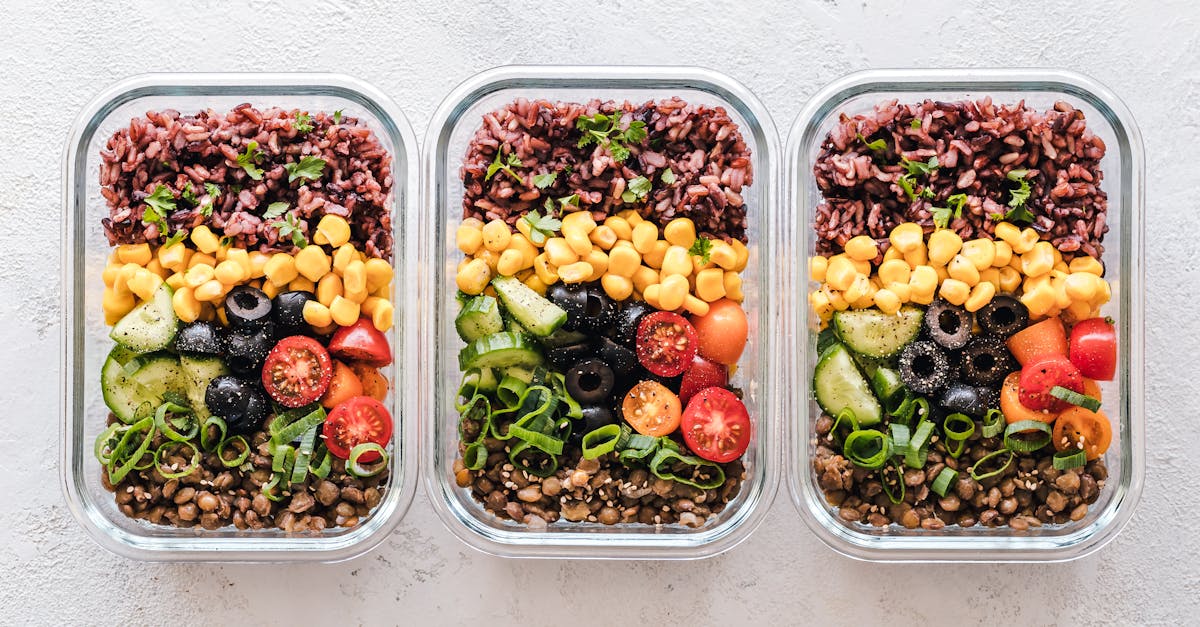
Lentils are a member of the legume family and are notorious for causing gas and abdominal distention. They contain specific sugars called oligosaccharides that the body cannot break down without help from gut bacteria. The byproduct of this bacterial activity is gas which expands significantly at high altitudes. Choosing simpler proteins like grilled chicken or tofu can prevent this uncomfortable reaction.
Salami

Processed meats like salami are exceptionally high in sodium and nitrates which can lead to dehydration and bloating. These cured meats are also high in saturated fats that can cause indigestion during long hours of inactivity. The strong spices and preservatives can irritate the stomach lining and lead to thirst. Freshly cooked meats are a much better alternative for a pre flight meal.
Energy Drinks

Energy drinks contain massive doses of caffeine and sugar that can cause the heart to race and increase anxiety. These beverages can also lead to dehydration and disrupt sleep patterns which is detrimental on a long haul flight. The high sugar content often results in a rapid energy crash that leaves the traveler feeling exhausted. Natural energy sources like a light meal or plain water are more sustainable for travel.
Pepperoni Pizza

Pepperoni pizza is a combination of high fat cheese and processed meat on a refined dough crust. This meal is very high in calories and sodium which encourages both bloating and thirst. The acidity from the tomato sauce combined with the fat can lead to uncomfortable heartburn when sitting in an upright position. A lighter meal with more balanced nutrients will keep the body feeling much better during the flight.
Breakfast Burritos

A typical breakfast burrito contains heavy ingredients like eggs and sausage and cheese wrapped in a flour tortilla. This dense combination is difficult to digest and can lead to a feeling of being weighed down. The beans often included in these burritios also contribute to the risk of intestinal gas expansion. Choosing a simple bowl of oatmeal or yogurt is a much lighter way to start a travel day.
French Fries
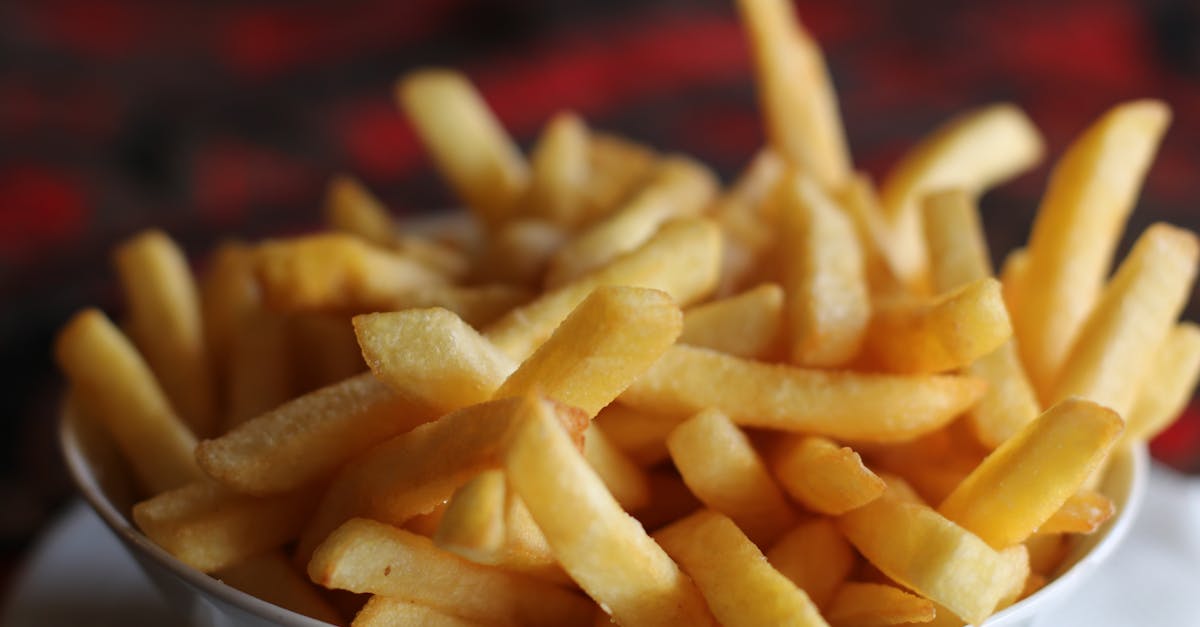
French fries are deep fried and coated in salt which is a poor combination for anyone about to board a plane. The high fat content slows down the emptying of the stomach and can lead to nausea in the air. The salt causes the body to retain fluids which can result in uncomfortable swelling in the limbs. Choosing a baked potato or a side of fruit provides a similar satisfaction without the negative side effects.
Mixed Green Salads

Large salads containing a variety of raw vegetables can be surprisingly difficult for the body to process. Raw greens take up a lot of volume in the stomach and can cause a feeling of excessive fullness. Many of the raw vegetables used in salads are also high in fiber that produces gas during digestion. Small portions of cooked vegetables are generally better tolerated by the digestive tract before flying.
Raw Sushi

Consuming raw fish before a flight carries a risk of foodborne illness that can be devastating in a confined space. Even when fresh the cold and raw nature of sushi can be hard on the digestive system for some people. The high sodium content in soy sauce used for dipping also contributes to dehydration and water retention. Cooked rolls or simple grain bowls are safer choices to ensure a healthy journey.
Pastries

Heavy pastries are loaded with refined sugar and butter which can lead to a rapid spike in insulin. This can cause a surge of energy followed by a significant crash that makes the traveler feel irritable and tired. The high fat content also contributes to slow digestion and potential stomach discomfort during the trip. Whole grain options or a piece of fruit provide more consistent energy for the duration of the flight.
Instant Ramen

Instant ramen is famous for its extremely high sodium content which can exceed the daily recommended limit in one serving. This massive intake of salt leads to immediate water retention and a feeling of puffiness. The noodles are also highly processed and lack the nutrients needed to sustain a traveler during a long journey. Fresh soups with lower salt levels are a much healthier choice for a pre flight meal.
Sweet Corn
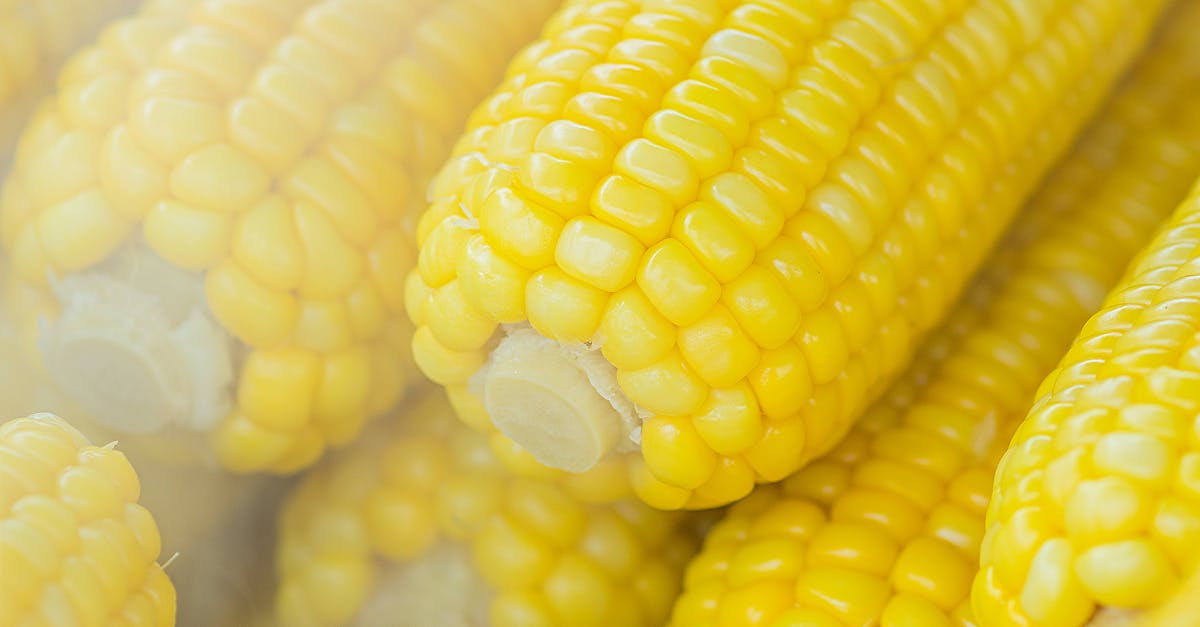
Sweet corn contains a type of fiber that is notoriously difficult for the human digestive system to break down completely. This often results in the corn passing through the system largely intact and causing gas along the way. In the pressurized environment of a plane this gas can cause significant abdominal pain and bloating. Avoiding corn based dishes helps keep the stomach flat and comfortable for the duration of the flight.
High Fiber Bran

While fiber is generally healthy a large dose of bran right before a flight can cause sudden and urgent bowel movements. The concentrated fiber can also trap air in the colon and lead to painful bloating. It is important to maintain a regular fiber intake but avoid overloading the system just before takeoff. Gentle grains like white rice or sourdough bread are often easier for the body to handle during travel.
Orange Juice

Orange juice is highly acidic and can irritate the stomach lining especially on an empty stomach. The high acidity can trigger heartburn or acid reflux which is uncomfortable when seated for many hours. Many commercial orange juices also contain added sugars that can lead to an energy crash. Drinking plain water with a slice of lemon is a less acidic way to get a refreshing flavor.
Grapefruit Juice

Grapefruit juice can interfere with the metabolism of various medications which may be a concern for some travelers. Its high acidity level can also contribute to stomach upset and acid reflux during the flight. Like other fruit juices the natural sugars can lead to bloating if consumed in large quantities. Sticking to water or herbal infusions ensures that the stomach remains calm and medication stays effective.
Potato Chips

Potato chips are high in fat and covered in salt which makes them a poor snack choice for air travel. The salt causes the body to hold onto water and leads to a feeling of being bloated and thirsty. The greasy residue can also lead to a feeling of nausea if the flight encounters turbulence. Choosing air popped popcorn with minimal salt is a better way to satisfy a craving for something crunchy.
Milk Chocolate

Milk chocolate contains high amounts of sugar and fat along with small amounts of caffeine. This combination can lead to a quick energy boost followed by a crash and potential digestive irritation. The dairy content may also be a problem for those with even mild lactose sensitivity during the flight. Dark chocolate in small amounts is a better choice if a sweet treat is necessary.
Salted Cashews
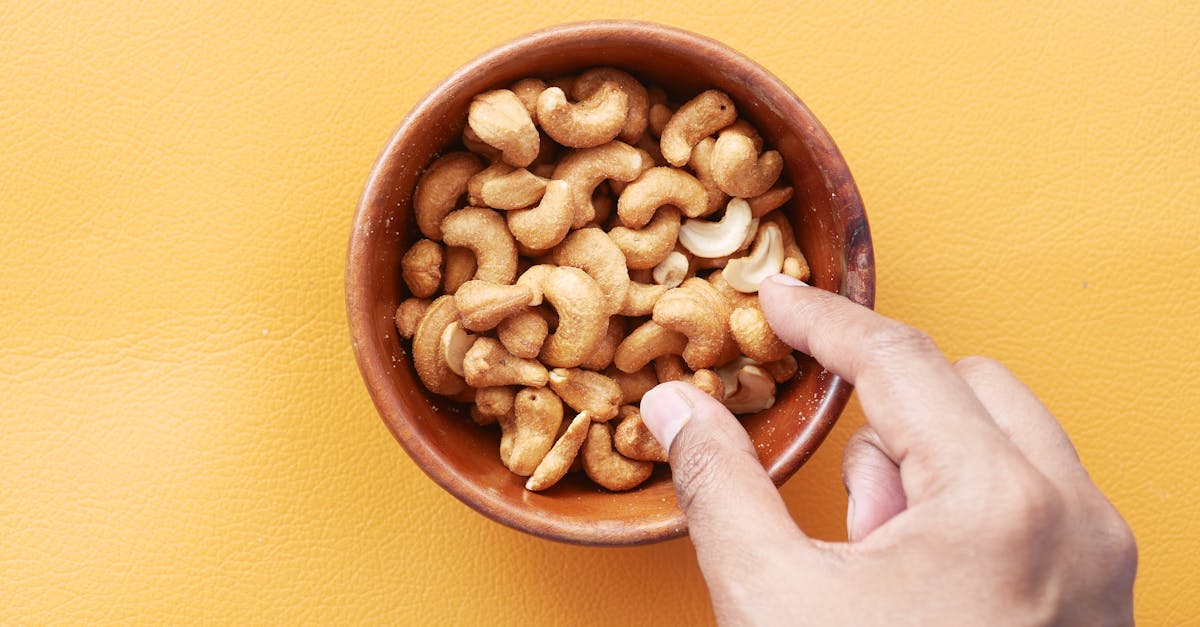
Nuts are a healthy snack but the heavily salted varieties found in airports can cause significant fluid retention. The high fat content in cashews also means they take longer to digest and can leave a heavy feeling in the stomach. When combined with the dehydration of the cabin salt can make the traveler feel very uncomfortable. Choosing raw or unsalted nuts provides the protein and healthy fats without the sodium issues.
Peanuts
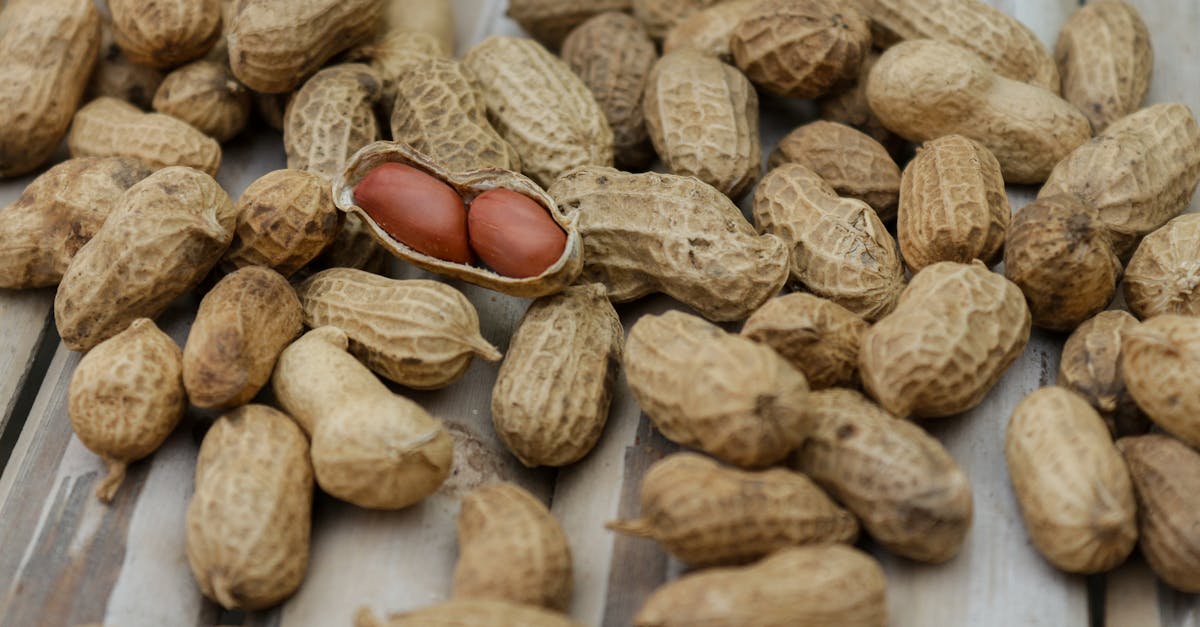
Peanuts are a common allergen and can also be difficult for some people to digest easily. Many packaged peanuts are roasted in unhealthy oils and coated in excessive amounts of salt. This can lead to the same bloating and thirst issues associated with other salty snacks. Additionally being mindful of peanut dust in the air is a courtesy to fellow passengers who may have severe allergies.
Fruit Smoothies

Fruit smoothies can contain a very high concentration of fructose which is a sugar that many people find hard to digest. This concentrated sugar can lead to rapid fermentation in the gut and cause sudden bloating. Many smoothies also include dairy or protein powders that can further complicate digestion in the air. Eating a single piece of whole fruit is usually a better way to get nutrients without the sugar overload.
Hummus
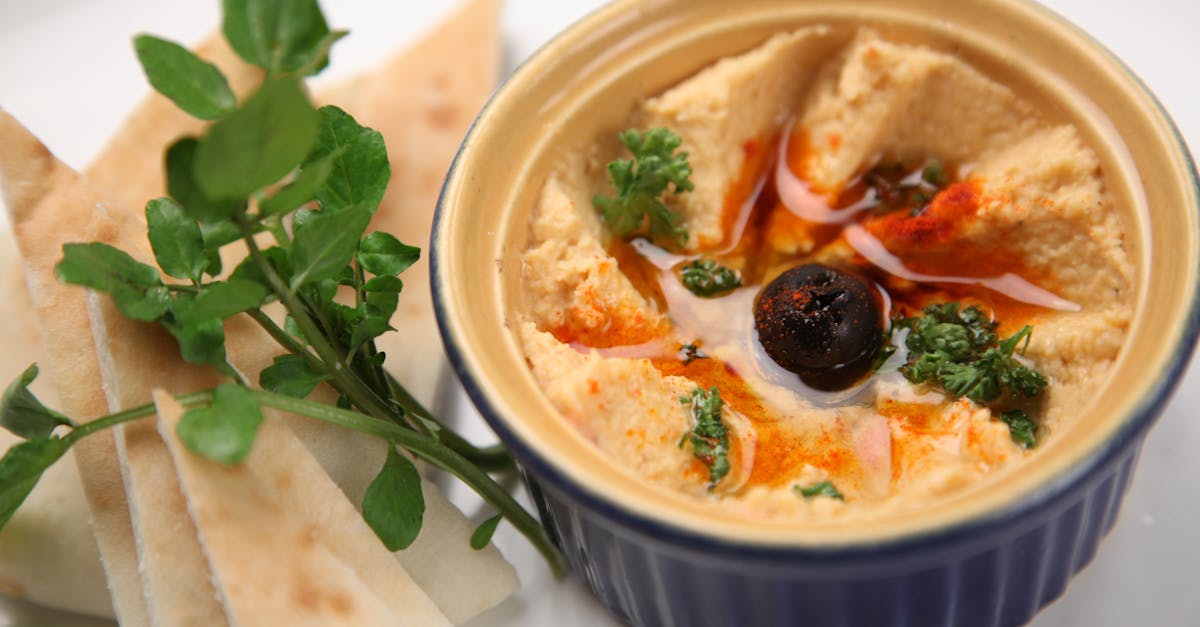
Hummus is made from chickpeas which are legumes that can cause significant gas and bloating. The high fiber content and the addition of garlic and tahini can make it a complex food for the body to process. While it is a healthy option on the ground it can cause internal pressure when the plane reaches high altitudes. Choosing a simpler dip like a small amount of avocado is often easier on the stomach.
Brussels Sprouts

Brussels sprouts are one of the most gas producing vegetables due to their high fiber and sulfur content. The digestion of these sprouts releases gases that expand in the pressurized cabin and cause physical distress. This can lead to a feeling of intense fullness and abdominal cramping throughout the flight. It is highly recommended to avoid these and other cruciferous vegetables for at least twenty four hours before traveling.
Beef Jerky

Beef jerky is a concentrated source of protein but it is almost always extremely high in sodium and preservatives. The tough texture requires a lot of chewing and the high salt levels can lead to extreme thirst and bloating. Many varieties also contain spicy seasonings that can irritate the digestive tract during long hours of sitting. Lean fresh meats or plant based proteins are much better for maintaining comfort in the air.
Canned Vegetable Soup

Canned soups are often used as a quick meal but they are notorious for containing very high levels of sodium. This salt intake can cause the body to retain water and lead to swelling in the extremities. Some vegetables in the soup may also be those that naturally cause gas like peas or corn. Making a fresh soup at home with controlled salt levels is a much safer alternative for a pre flight meal.
Yeast Donuts

Donuts are made with refined flour and yeast and are deep fried and coated in sugar. This combination is a recipe for digestive sluggishness and a significant blood sugar spike. The yeast can continue to ferment in the digestive tract and contribute to gas and a bloated feeling. A simple piece of whole grain toast is a more stable option for those needing a pre flight snack.
Soy Sauce

Soy sauce is an extremely concentrated source of sodium that can cause immediate water retention. Even a small amount used with a meal can lead to a feeling of puffiness and increased thirst. This can be especially problematic on long haul flights where movement is limited. Using herbs and lemon juice for flavor is a better way to season food without the negative effects of high salt.
Red Meat
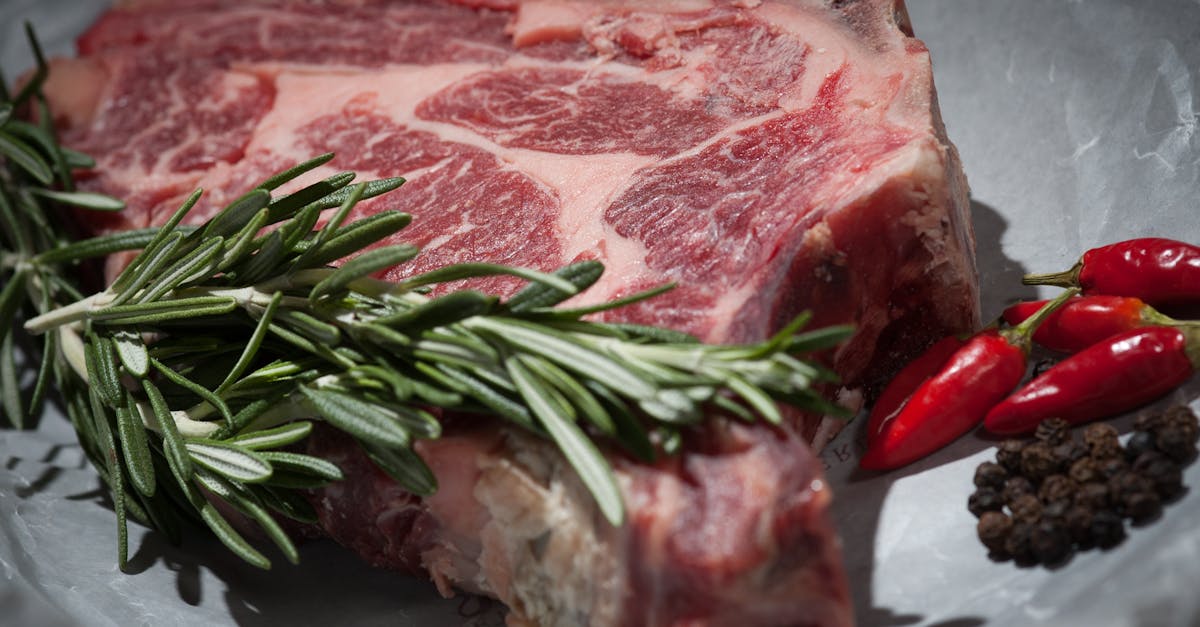
A heavy steak or large portion of red meat takes a long time for the body to break down and digest. This can lead to a feeling of heaviness and can even disrupt sleep patterns during an overnight flight. The high fat content in some cuts of meat can also trigger indigestion or acid reflux. Choosing lighter proteins like fish or chicken allows the body to spend less energy on digestion during the journey.
Pickles

Pickles are preserved in a brine that is exceptionally high in salt which promotes dehydration and bloating. The acidity of the vinegar can also trigger heartburn in sensitive individuals when they are seated for long periods. While they are a low calorie snack the sodium content makes them a poor choice for air travel. Fresh cucumbers offer the same crunch without the excessive salt and vinegar.
Ice Cream

Ice cream is high in dairy and sugar and fat which can be a difficult combination for the digestive system to handle. Many people find that the cold temperature can also cause stomach cramps or sensitivity. The high sugar content can lead to a burst of energy followed by a crash during the flight. A small serving of Greek yogurt with berries is a more balanced and gut friendly option.
Hard Boiled Eggs

Hard boiled eggs are a convenient snack but they can produce sulfurous gas during the digestion process. This can lead to personal discomfort and an unpleasant odor in the immediate vicinity of the passenger. The protein is healthy but the potential for gastrointestinal distress at high altitudes is a significant drawback. Choosing a different protein source like a small handful of almonds can provide similar benefits without the gas.
Tell us which of these foods you usually avoid before a trip in the comments.