January has a way of making us feel like we’re already behind. One month of holiday tables, late nights, comfort food, and slower mornings suddenly turns into a chorus of talk about “getting back on track.” The pressure can feel constant, from casual chats about “Christmas weight” to the unspoken expectation that the new year must start with restriction. Even when nothing is actually wrong, the mood can shift into guilt and urgency almost overnight.
That whiplash is not accidental. As a recent piece in British Glamour noted, this is peak season for weight loss marketing, when gyms, personal trainers, and wellness influencers flood feeds with the familiar promise of “New year, new you.” The message often lands hardest when confidence is already low, and it can quietly suggest that you’re only worthy once you shrink, tone, or discipline yourself into a different version. If the slogan makes you feel worse rather than motivated, that reaction is the point.
But there’s a growing pushback that’s getting louder. After a year that also saw more Ozempic influencers and a return of early-2000s “heroin chic” language, anti-diet voices are encouraging people to stop treating January as a personal renovation project. Instead of framing food and bodies as problems to fix, the focus is shifting toward building a calmer, healthier relationship with eating and self-care. It’s a move away from punishment and toward something that can actually last.
Several authors fueling this conversation have become widely read in the process, including Dr. Alexis Conason with The Diet-Free Revolution, Pixie Turner with The No Need to Diet Book, and Laura Thomas with Just Eat It. Thomas has spoken about how common disordered eating can be, estimating that between 50 and 75 percent of women experience some form of eating disorder. She also challenges the fantasy diet culture sells, the idea that thinner automatically means happier, cooler, or more lovable. Even if someone reaches that supposed finish line, she argues, the old problems remain, with extra guilt and shame piled on top.
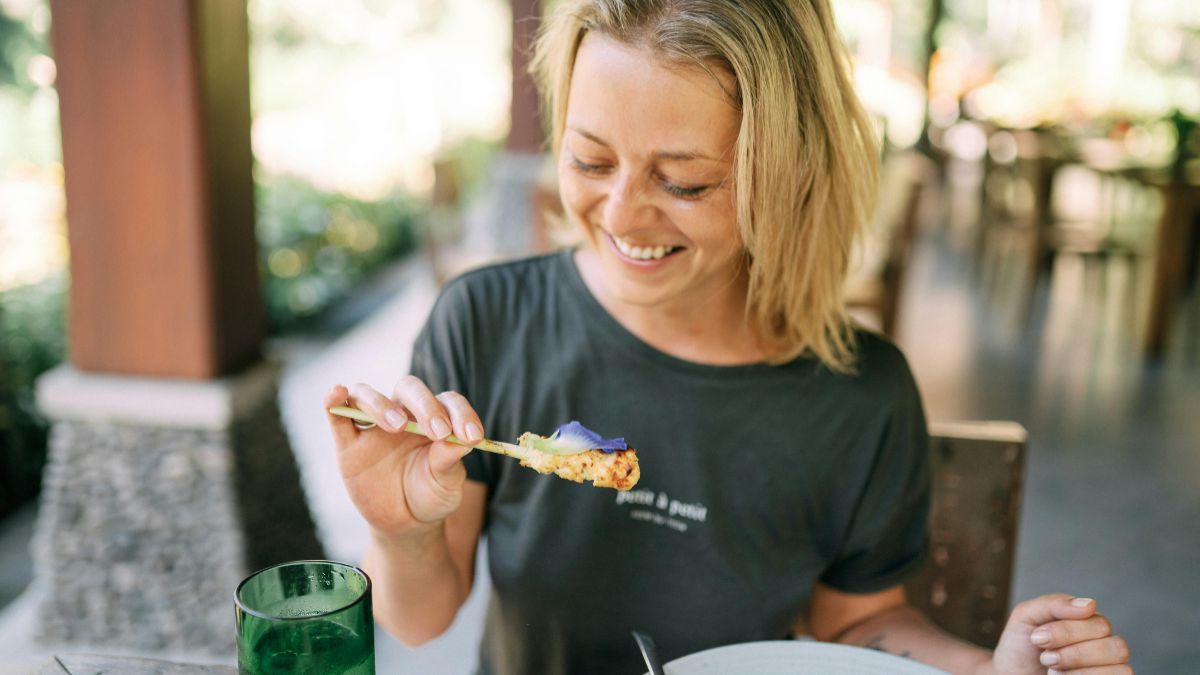
A core idea many of these experts return to is intuitive eating, which is less about rules and more about reconnecting with hunger, fullness, comfort, and satisfaction without moral judgment. It doesn’t demand cutting entire food groups or chasing the latest trendy plan. Eve Simmons, author of Eat It Anyway, emphasizes that when diet noise fades, many people naturally settle into a balanced rhythm, eating what they need and stopping when they’ve had enough. The point is to nourish physical, mental, and emotional wellbeing, not to start every year at war with yourself.
Do you feel more energized by the anti-diet approach, or does January still pull you toward strict plans? Share your thoughts in the comments.