Organizing a refrigerator goes beyond aesthetics and plays a crucial role in household sustainability. A chaotic fridge leads to forgotten leftovers and spoiled produce tucked away in the back corners. Implementing a systematic approach ensures that every item is visible and accessible when you need it most. These practical strategies help you save money on groceries while significantly reducing your environmental footprint.
The Eat First Bin

Place a designated bin at eye level for items that are nearing their expiration date. This visual cue reminds family members to prioritize these foods before opening new packages. You can use a bright red container or a bold label to grab attention immediately. Checking this bin before every meal ensures that leftovers and ripe produce get consumed in time. It effectively reduces the amount of food thrown away each week.
Clear Storage Containers

Transferring leftovers into clear glass or plastic containers makes the contents instantly visible. Opaque bowls often hide food until it spoils because family members forget what is inside them. Square or rectangular containers stack efficiently to maximize limited shelf space. Seeing your food encourages you to eat it before it goes bad. Investing in a uniform set also helps keep the fridge looking tidy and manageable.
Labeling Leftovers With Dates
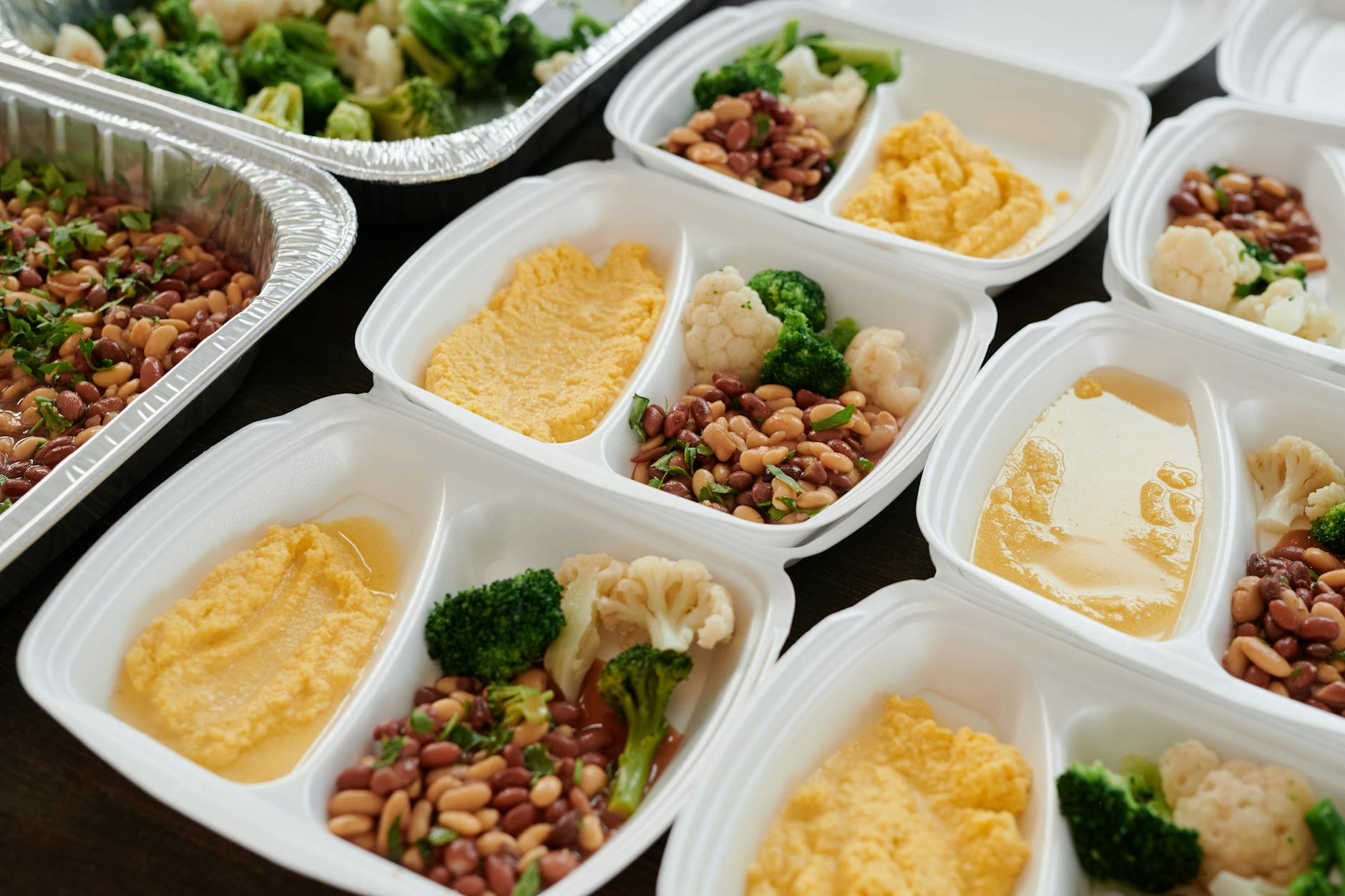
Use a dry erase marker or masking tape to write the date you cooked a meal directly on the container. This eliminates the guessing game about whether a dish is still safe to eat. Knowing the exact age of your food helps you plan meals around what needs to be eaten first. It prevents you from tossing perfectly good food out of caution. Keep a roll of tape and a marker attached to the fridge door for easy access.
Utilizing A Lazy Susan

A rotating tray is perfect for the back corners of your refrigerator shelves. It allows you to access jars and bottles without knocking over other items in the front. You can simply spin the tray to find the condiment or sauce you need immediately. This prevents small jars from getting lost in the back and expiring unnoticed. It essentially brings the back of the fridge to the front with one simple motion.
Storing Herbs Like Flowers
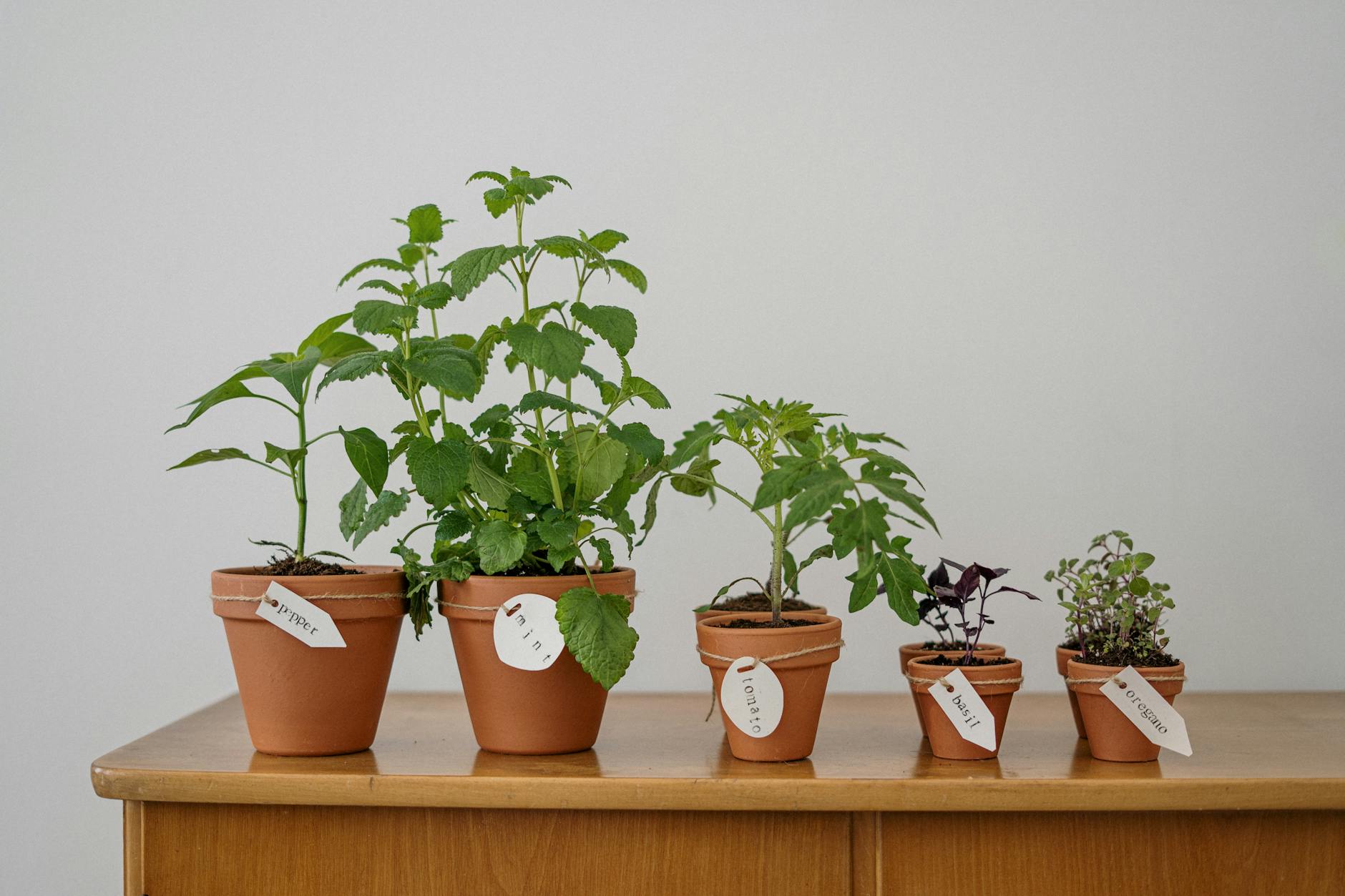
Treat soft herbs like cilantro and parsley as if they were fresh floral bouquets. Trim the stems and place them upright in a glass jar with an inch of water. Cover the leaves loosely with a plastic bag to maintain humidity levels. This method keeps herbs crisp and vibrant for up to two weeks longer than the crisper drawer. Changing the water every few days ensures they stay fresh for your recipes.
Designated Deli Drawers

Dedicate a specific drawer or bin solely for sliced meats and cheeses. These items often have short shelf lives and can easily get buried under larger items. Keeping them contained in one spot makes sandwich preparation faster and more efficient. You will instantly know when you are running low or need to use up the remaining slices. This organization prevents buying duplicates when you already have open packages.
Vertical Bag Organizers
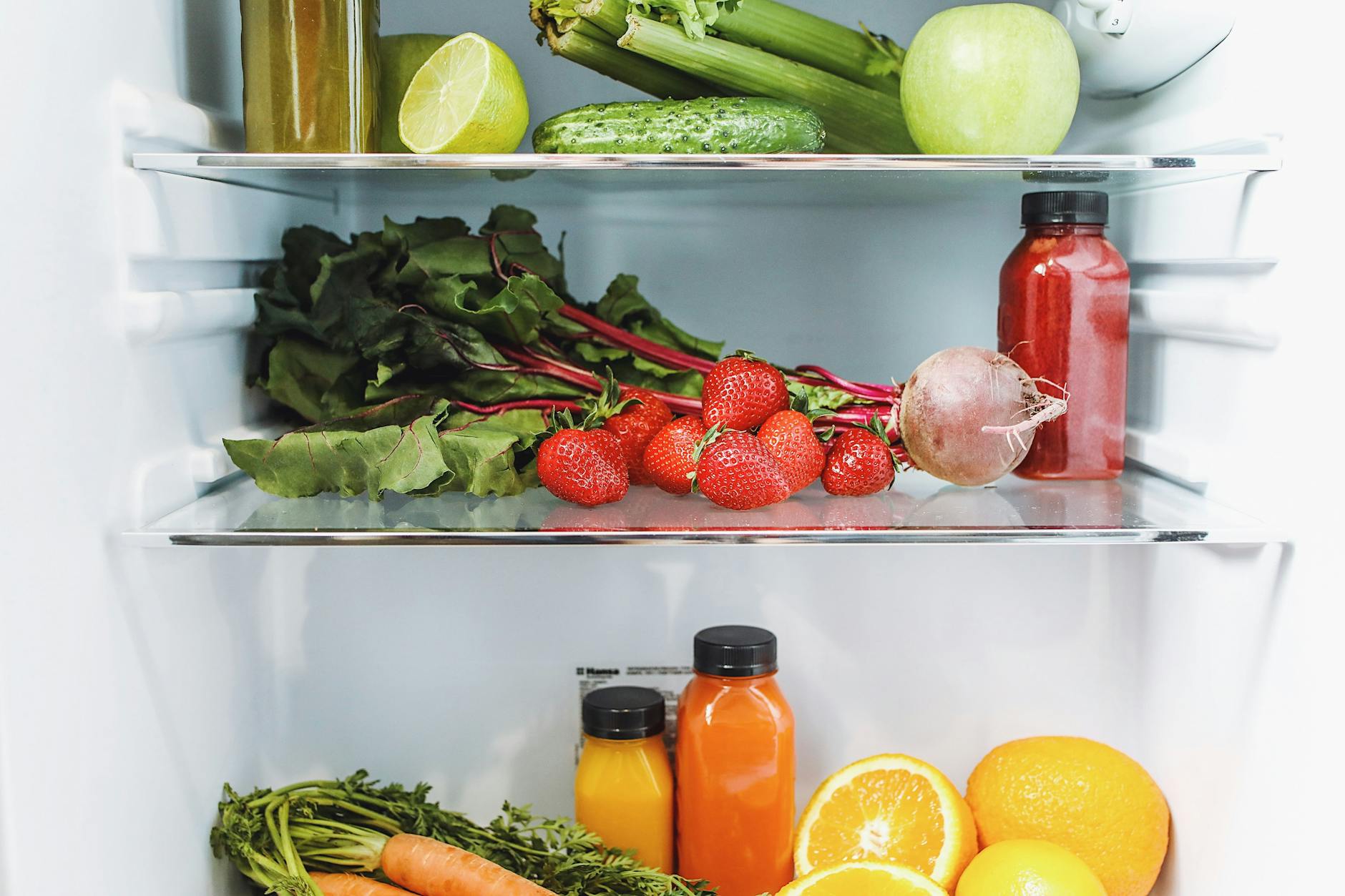
Clip bagged items like shredded cheese or salad mixes to a hanging rail under a shelf. This utilizes the dead vertical space that typically goes unused in most refrigerators. Hanging bags keeps them visible and prevents them from being crushed by heavier items. It improves air circulation around the bags to maintain consistent temperatures. You can easily slide the bags forward to check their condition and use them promptly.
Produce Drawer Liners

Line your crisper drawers with foam mats or breathable liners designed to extend produce life. These liners allow air to circulate under the fruits and vegetables to prevent mold growth. They also absorb excess moisture that causes rot and slimy textures on leafy greens. Keeping the produce lifted off the plastic bottom of the drawer keeps it fresher for longer. It also makes cleaning the drawers much easier during your weekly routine.
Adjustable Shelf Heights

Configure your shelving to match the height of the items you buy most frequently. Large gaps between shelves encourage stacking which leads to items being hidden and forgotten at the bottom. Tighter shelf spacing forces you to spread items out horizontally for better visibility. You should adjust the shelves whenever your buying habits change significantly. A customized layout ensures you can see everything at a glance.
Door Shelf Condiment Sorting

Group your condiments by category such as salad dressings or sandwich spreads on the door shelves. This makes it easy to find exactly what you need without keeping the door open for too long. Storing sturdy condiments on the door frees up colder shelf space for perishable foods. You will be less likely to buy a new bottle of ketchup if you can clearly see the open one. It creates a streamlined system that the whole family can follow.
Berry Vinegar Bath

Wash your berries in a mixture of water and vinegar as soon as you bring them home. This solution kills mold spores and bacteria that cause the fruit to rot quickly. Dry the berries thoroughly before placing them in a breathable container lined with a paper towel. This prep work can extend the life of strawberries and raspberries by several days. It makes healthy snacking convenient since the fruit is already clean and ready.
Wrapping Leafy Greens

Wrap unwashed lettuce and kale in paper towels before placing them in a plastic bag. The paper towel absorbs excess moisture while the bag retains necessary humidity. This balance prevents the greens from wilting or becoming slimy too quickly. You can change the paper towel if it becomes too damp during the week. This simple step keeps salad ingredients crisp for significantly longer periods.
Upside Down Squeeze Bottles

Store near-empty condiment bottles upside down in an egg carton or a specially designed holder. This ensures the sauce settles at the cap so it is ready to dispense immediately. You will be able to get every last drop out of the bottle before recycling it. It reduces food waste by ensuring you consume the entire product you paid for. This trick also prevents the frustration of trying to shake sauce out of an empty bottle.
Egg Carton Lids For Bottles
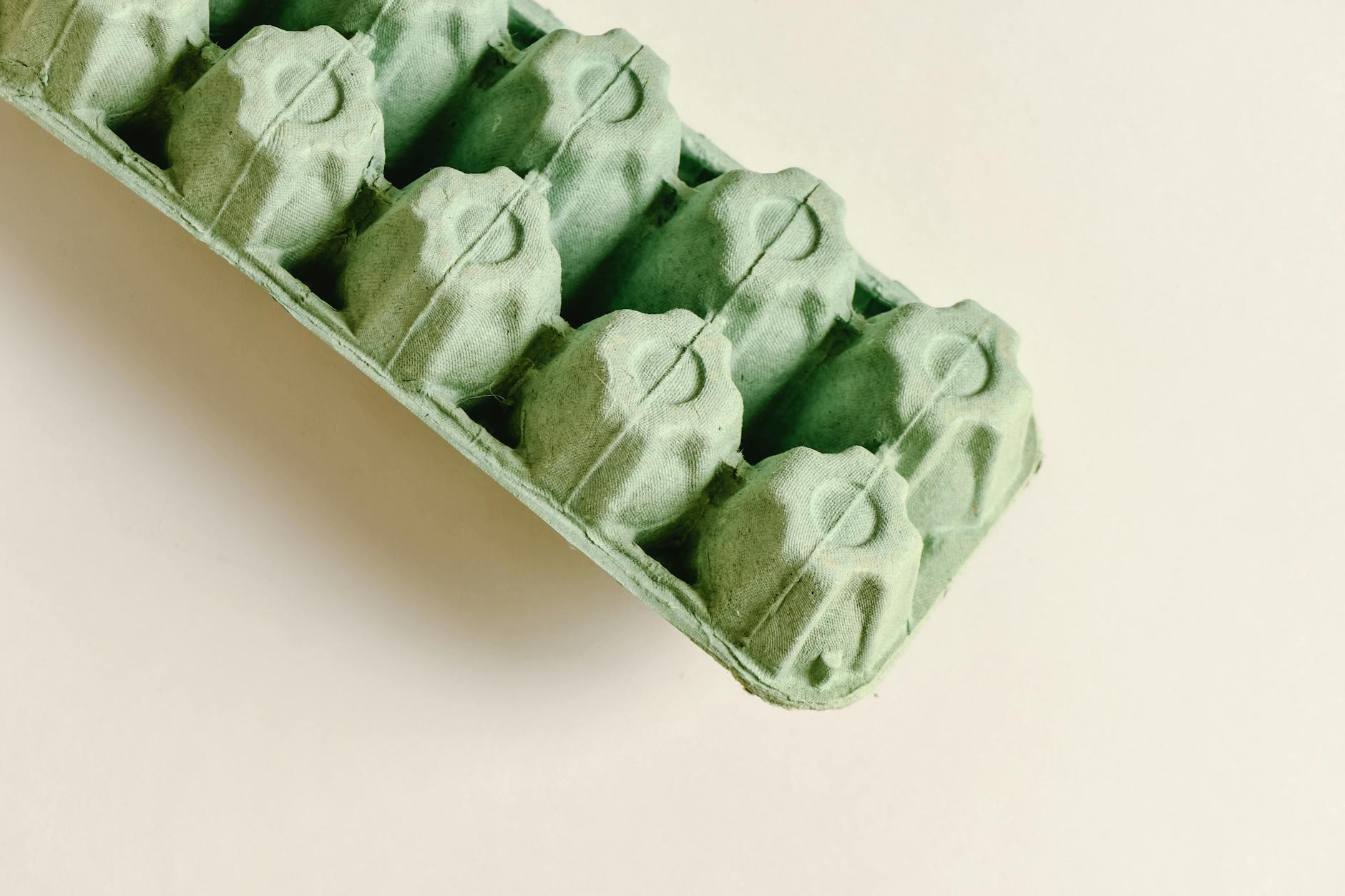
Use the detached lid of an egg carton to line the bottom of a door shelf. The molded texture prevents condiment bottles from sliding around and tipping over. It catches any drips or sticky rings to keep the shelf clean. You can easily replace the carton lid when it gets dirty without needing to scrub the fridge. This upcycled solution stabilizes your bottles and keeps them organized.
FIFO Method Implementation

Adopt the First In First Out method used by grocery stores and restaurants. Always place new groceries behind the older items already in your fridge. This forces you to reach for the older products first before they expire. It requires a few extra seconds when unpacking groceries but saves money in the long run. This habit ensures a constant rotation of fresh food.
Dedicated Snack Zone
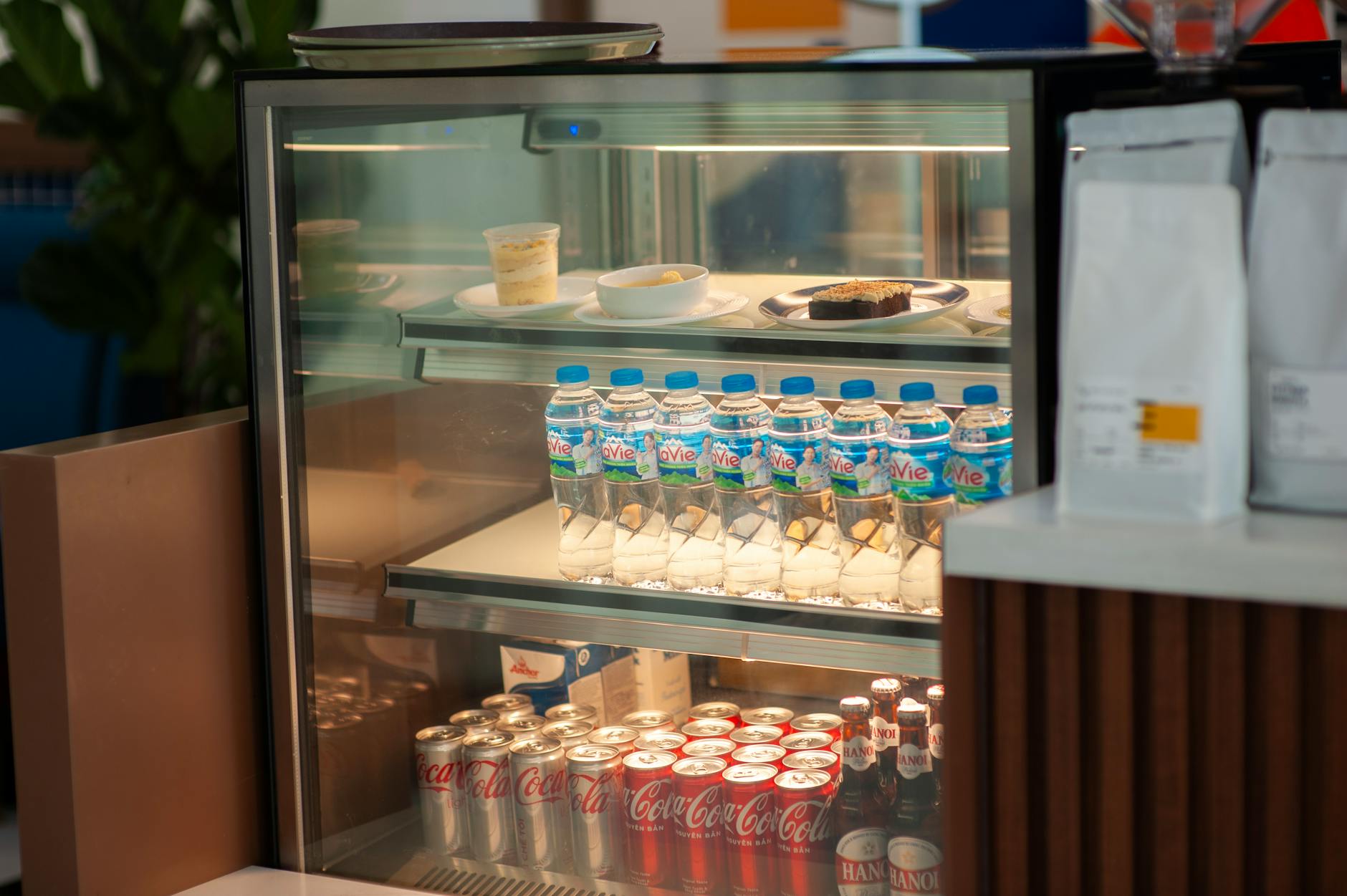
Create a specific bin for healthy snacks like yogurt cups or cheese sticks on a lower shelf. This allows children and family members to grab food without searching through the entire fridge. Keeping snacks separate prevents them from hiding ingredients meant for dinner recipes. It helps you track how quickly snacks are being consumed so you can restock appropriately. This zone keeps the fridge orderly and reduces the time the door stays open.
Freezer Safe Glassware
Invest in glass containers that are safe for both the refrigerator and the freezer. You can move leftovers directly to the freezer if you realize you will not eat them in time. This versatility prevents food waste by pausing the spoilage process immediately. Glass containers do not stain or hold odors like plastic ones often do. Having a seamless transition from fridge to freezer encourages better food preservation habits.
Magnetic Strips For Bottles

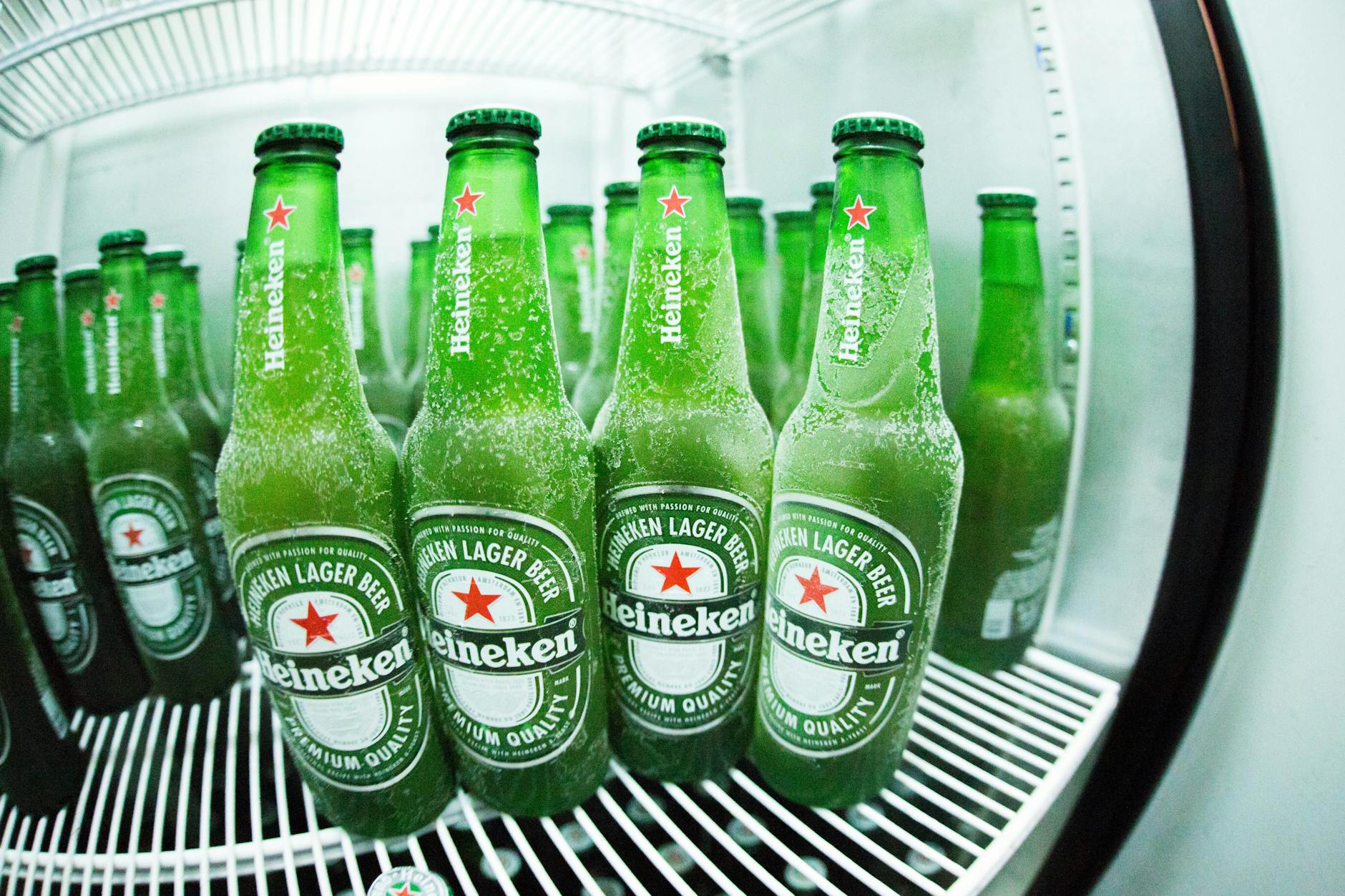
Install a heavy-duty magnetic strip to the roof of your fridge interior to hold metal-capped bottles. This suspends beer or soda bottles in the air to free up shelf space below. It utilizes the often wasted vertical space at the top of the compartment. Your beverages stay organized and do not clutter the main storage areas. It creates a unique visual display that makes inventory checks easy.
Stackable Wire Racks

Add wire shelf risers to tall shelves to double your storage surface area. These racks allow you to store items on two levels without stacking containers directly on top of each other. You can easily slide plates or bowls underneath while keeping jars on top. It prevents the need to unstack heavy items just to reach the leftovers at the bottom. This addition maximizes the utility of standard refrigerator shelving.
Color Coded Bins

Assign different colored bins to specific food categories or family members. For example use green bins for vegetables and blue bins for dairy products. This visual system helps everyone in the house know exactly where items belong. It speeds up the process of putting groceries away and finding ingredients. Organization by color simplifies the maintenance of your fridge system.
Crisper Drawer Humidity Control

Adjust the humidity slides on your crisper drawers to match the produce inside. Set the vent to closed for vegetables that wilt to keep moisture inside. Open the vent for fruits that produce ethylene gas to let it escape. Proper humidity settings prevent premature rotting and wilting of expensive produce. Understanding these vents is a key factor in maximizing freshness.
Mason Jar Salad Prep

Layer salad ingredients in mason jars with the dressing at the bottom and greens at the top. This vertical packing prevents the delicate leaves from getting soggy before you eat them. The airtight seal of the jar keeps ingredients fresh for several days. You can prep a week of lunches at once to ensure the produce gets eaten. It makes healthy eating convenient and reduces vegetable waste.
Weekly Fridge Inventory

Schedule a specific time each week to take stock of what is currently in your refrigerator. Write down items that need to be used up immediately and plan meals around them. This practice prevents you from buying duplicates of items you already have. It brings awareness to your consumption habits and highlights areas for improvement. Regular audits are essential for maintaining an organized and efficient kitchen.
Binder Clip Bag Closures

Use binder clips to seal open bags of frozen vegetables or shredded cheese securely. These clips provide a tighter seal than standard twist ties or folding the bag over. A strong seal prevents freezer burn and keeps food fresh for longer periods. You can hang the bags by the clip handles if you have wire shelving. This keeps open bags visible and prevents spills in the drawers.
Keeping Milk Off The Door

Store your milk on the middle shelf rather than the door to keep it colder for longer. The door is the warmest part of the fridge and exposes dairy to temperature fluctuations. Keeping milk in the back ensures it stays fresh until the expiration date passes. This simple placement adjustment prevents premature souring and saves you money. Proper temperature management is vital for extending the life of perishables.
Raw Meat Bottom Shelf Rule

Always store raw meat and seafood on the very bottom shelf of the refrigerator. This prevents potentially dangerous juices from dripping onto fresh produce or leftovers below. Use a designated plastic bin or tray to catch any leaks that might occur. This safety measure protects your other food from cross-contamination and spoilage. It also makes cleanup easier if a package does happen to leak.
Erasable Markers On Containers

Write the contents and date directly on glass containers with a grease pencil or dry erase marker. This works well if you do not want to deal with sticky label residue. The writing wipes off easily with warm water and soap during dishwashing. Clear identification prevents mystery containers from accumulating in the back of the fridge. It allows family members to know exactly what is available to eat.
Carrot Water Storage

Peel and cut carrots into sticks before storing them in a jar of fresh water. This method keeps the carrots crisp and ready to eat for weeks. You must change the water every few days to maintain freshness. It transforms a vegetable that often goes limp in the drawer into a convenient snack. This technique also works well for celery sticks and radishes.
Cheese Paper Wrapping

Wrap blocks of cheese in specialized cheese paper or parchment paper rather than plastic wrap. Plastic wrap can trap too much moisture and cause mold or impart a plastic taste. Cheese paper allows the cheese to breathe while maintaining the right humidity. This preserves the flavor and texture of expensive cheeses for much longer. Proper wrapping is essential for reducing waste in dairy products.
Avocado Saver Keepers

Use a specialized avocado keeper to store unused halves of avocados. These gadgets reduce air exposure to the flesh which slows down the browning process. If you lack a keeper you can store the avocado with the pit and a squeeze of lime juice. Keeping the avocado green and appetizing ensures you will actually eat the leftover half. This prevents the common problem of throwing away oxidized produce.
Hanging Fruit Baskets

Suction cup small baskets to the side walls of the fridge interior to hold small fruits. These are perfect for loose items like limes or lemons or ginger roots. It keeps small produce from getting lost at the bottom of deep crisper drawers. Utilizing the side walls clears up valuable shelf space for larger items. It keeps these flavor enhancers visible so you remember to use them.
Asparagus In Moist Towels

Wrap the cut ends of asparagus in a damp paper towel before placing them in a bag. Alternatively store them upright in a glass of water like flowers. Asparagus dries out quickly and becomes woody if not kept moist. This storage method maintains the tender texture of the spears for several days. It ensures your vegetable side dish tastes fresh when you are ready to cook.
Removing Store Packaging

Remove bulky cardboard boxes and plastic wrapping from groceries before putting them away. Store packaging often takes up unnecessary space and blocks air circulation. Removing it allows you to see exactly how much product you have left. It makes the fridge look cleaner and more organized immediately. This step forces you to inspect the food for quality before storing it.
Grouping Ingredients By Meal

Place all the ingredients for a specific planned meal into one large bin or container. When it is time to cook you can simply pull out the entire bin at once. This saves time searching for individual ingredients and ensures you have everything you need. It prevents orphan ingredients from being left behind and forgotten. This kit-based organization simplifies weeknight cooking significantly.
Soda Can Dispensers

Use a gravity-fed can dispenser to keep beverages organized and rotated. As you take a can from the front another rolls down to replace it. This system ensures you drink the oldest cans first and keeps them chilled. It prevents cans from rolling around loose and taking up random shelf space. A dispenser keeps your beverage collection compact and tidy.
Using A Vacuum Sealer

Vacuum seal meats and cheeses if you do not plan to use them within a few days. Removing the air significantly extends the shelf life of perishable items. It prevents freezer burn if you decide to move the items to the freezer later. Vacuum sealing is excellent for bulk purchases that need to be portioned out. This tool is a powerful ally in the fight against food waste.
Keeping Bread Out

Do not store standard loaf bread in the refrigerator as the cold air makes it go stale faster. Bread is best stored at room temperature or in the freezer for long-term storage. Only refrigerate bread if the package specifically recommends it or if it is humid. Stale bread often gets thrown away even if it is not moldy. Storing it correctly preserves the texture and taste you expect.
Top Shelf For Prepared Foods

Reserve the top shelf for foods that are ready to eat and do not need cooking. This includes leftovers and drinks and ready-to-eat snacks. The top shelf has the most consistent temperature suitable for these items. Having them at eye level encourages you to eat them for lunch or quick snacks. This zoning strategy prevents prepared foods from getting lost behind raw ingredients.
Door Storage For Preservatives

Store items with natural preservatives like jams and pickles on the door shelves. These items are more stable and can withstand the temperature fluctuations of the door. This saves the colder interior shelves for dairy and meats that spoil easily. It creates a logical separation between highly perishable and stable foods. Maximizing door storage efficiency is key to a well-organized fridge.
Freezing Bread In Slices

Slice your bread before freezing it so you can take out only what you need. This prevents the need to thaw the entire loaf and risk it going stale. You can toast a frozen slice directly without waiting for it to defrost. This method allows you to keep bread fresh for months without waste. It is perfect for households that do not finish a loaf quickly.
Citrus Fruit Separation
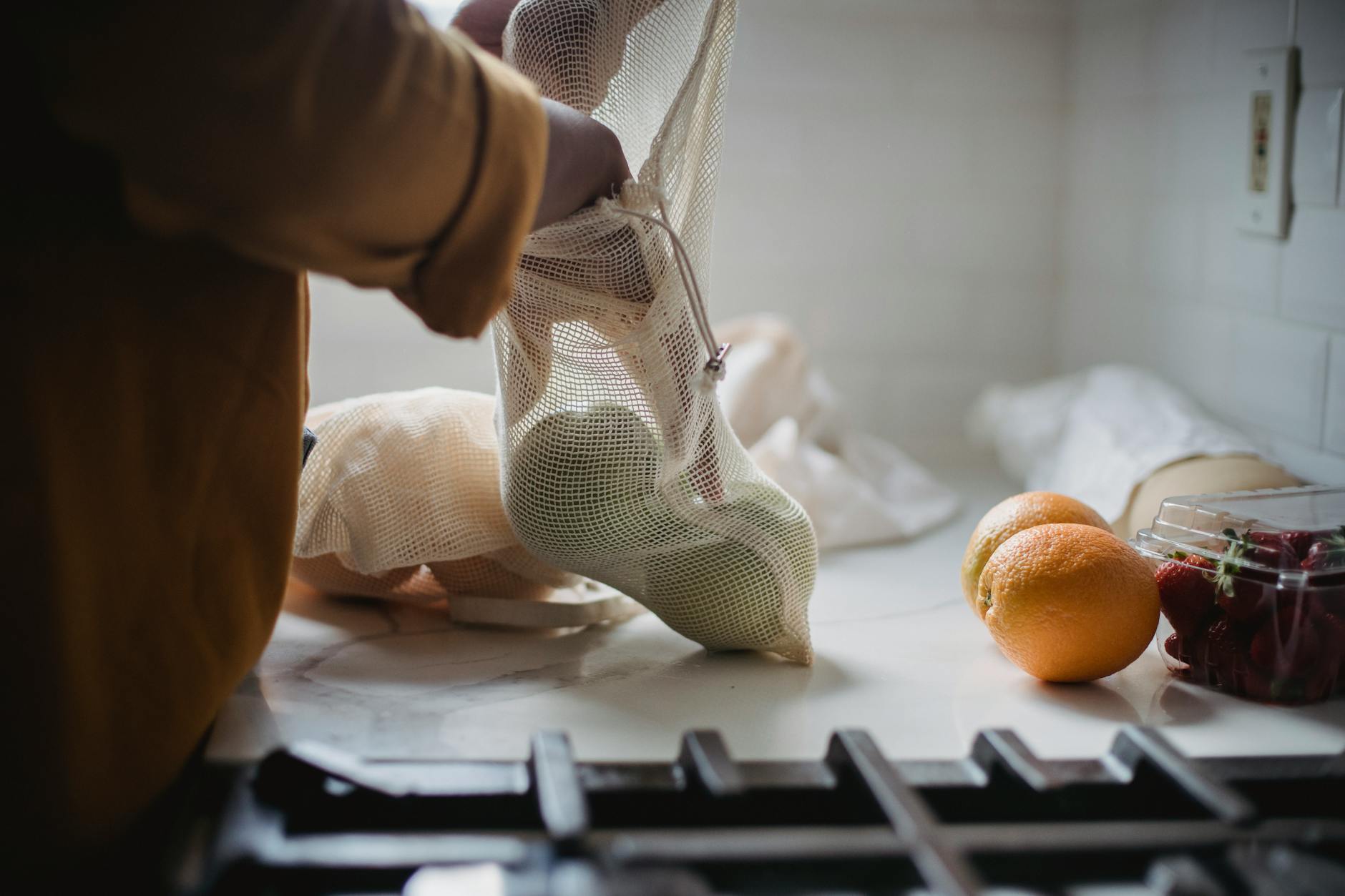
Store citrus fruits separate from other produce because they can absorb odors easily. Keep them in a mesh bag in the crisper or a dedicated bowl. Citrus lasts longer when it has good air circulation around the skin. Checking them regularly for soft spots prevents one bad fruit from spoiling the bunch. Proper separation keeps the flavors pure and the fruit fresh.
Apple Isolation Technique

Store apples in a separate drawer or bag because they release ethylene gas. This gas accelerates the ripening process of other vegetables and fruits nearby. Keeping them isolated protects your leafy greens and carrots from spoiling prematurely. You can keep apples fresh for weeks if they are stored correctly in the cold. Understanding ethylene gas is a major factor in reducing produce waste.
Paper Towel Moisture Absorbers

Place a dry paper towel inside bags of salad mix or spinach after opening them. The towel absorbs the moisture that accumulates and causes the leaves to rot. Replace the paper towel every day or two to keep the environment dry. This simple trick can double the life of bagged salads. It saves you from throwing away half a bag of slimy greens.
Celery Foil Wrap

Wrap whole heads of celery tightly in aluminum foil before storing them in the crisper. The foil allows the ripening gas to escape while retaining enough moisture to keep it crisp. Plastic bags trap the gas and cause the celery to go limp quickly. This method keeps celery crunchy for weeks rather than days. It is a cost-effective way to preserve a common vegetable staple.
Mushroom Paper Bag Storage

Transfer fresh mushrooms from plastic containers to brown paper bags. Paper bags absorb excess moisture and allow the mushrooms to breathe. Plastic containers trap moisture which causes mushrooms to turn slimy and brown. This switch keeps mushrooms firm and usable for a longer period. It is a simple adjustment that yields better culinary results.
Checking Seals Regularity
Inspect the rubber gaskets on your refrigerator doors regularly to ensure a tight seal. A loose seal allows cold air to escape and warm air to enter which spoils food faster. Clean the seals with warm soapy water to remove crumbs that might break the suction. If the seal is damaged you should replace it immediately to maintain temperature. An airtight fridge is the foundation of food preservation.
Temperature Monitoring Thermometer

Place a standalone thermometer inside the fridge to verify the internal temperature. The dial on the fridge is not always accurate and temperatures can drift over time. You want to maintain a temperature below forty degrees Fahrenheit for safety. catching a temperature rise early can save hundreds of dollars in spoiled food. It is a small investment for peace of mind and food safety.
Keeping The Top Clear

Avoid using the top of the refrigerator as a storage area for bread or wine. The heat generated by the fridge motor rises and can warm up the items sitting on top. This heat can cause bread to mold faster and wine to spoil. Keep this area clear to allow for proper ventilation of the appliance. It also prevents clutter from accumulating in the kitchen.
Scallion Root Regrowth

Save the white root ends of your green onions and place them in a glass of water. Place the glass on a windowsill and watch the onions regrow within days. You can harvest the green tops again and again without buying new bunches. This is a fun and sustainable way to stretch your grocery budget. It provides a constant supply of fresh garnish for your meals.
Scheduled Cleaning Days
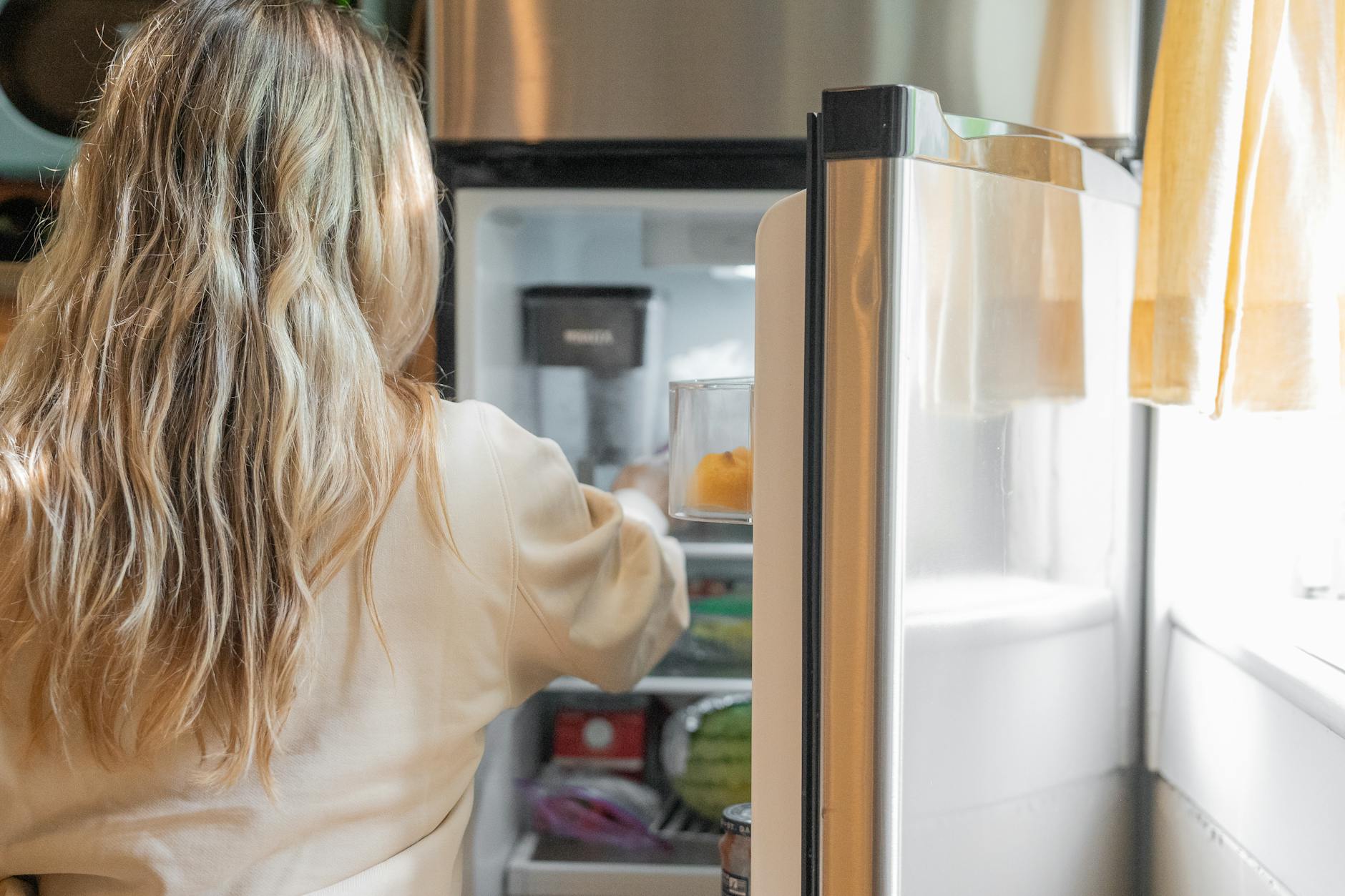
Mark a day on your calendar once a month for a deep clean of the refrigerator. Remove all items and wipe down the shelves and drawers with a mild cleaner. This prevents bacteria buildup and allows you to check expiration dates thoroughly. A clean fridge circulates air better and keeps food fresh longer. Regular maintenance prevents the overwhelming task of cleaning a neglected appliance.
Share your favorite fridge organization tip in the comments to help others save food and money.