Some fruits are perfectly safe when eaten the usual way, but become risky when the wrong part is consumed or when preparation is sloppy. The danger can come from naturally occurring toxins, highly concentrated seeds, or contamination trapped in rough skins. In most cases, safe eating is simply about removing the right parts, limiting quantity, and handling storage and ripeness properly. Knowing these few exceptions helps you enjoy fruit confidently without turning a healthy snack into a hazard.
Ackee
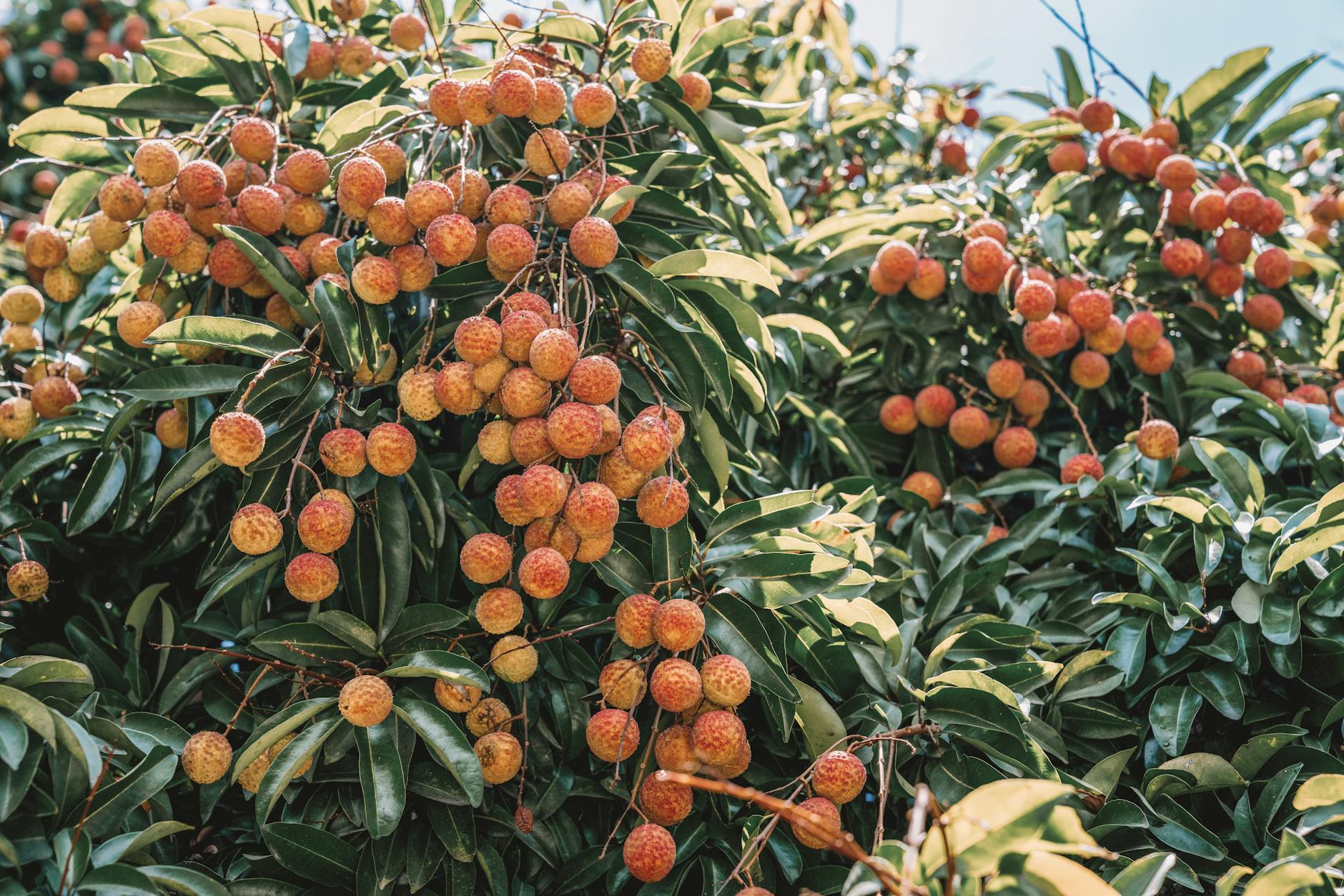
Ackee must be fully ripe and naturally opened before it is considered safe to eat. Unripe ackee contains compounds that can trigger severe vomiting and dangerous drops in blood sugar. Safe preparation means discarding the pods and seeds and eating only the properly cleaned arils. Canned ackee from reputable producers is typically processed to remove the risk, but fresh ackee requires strict attention to ripeness and handling.
Elderberries
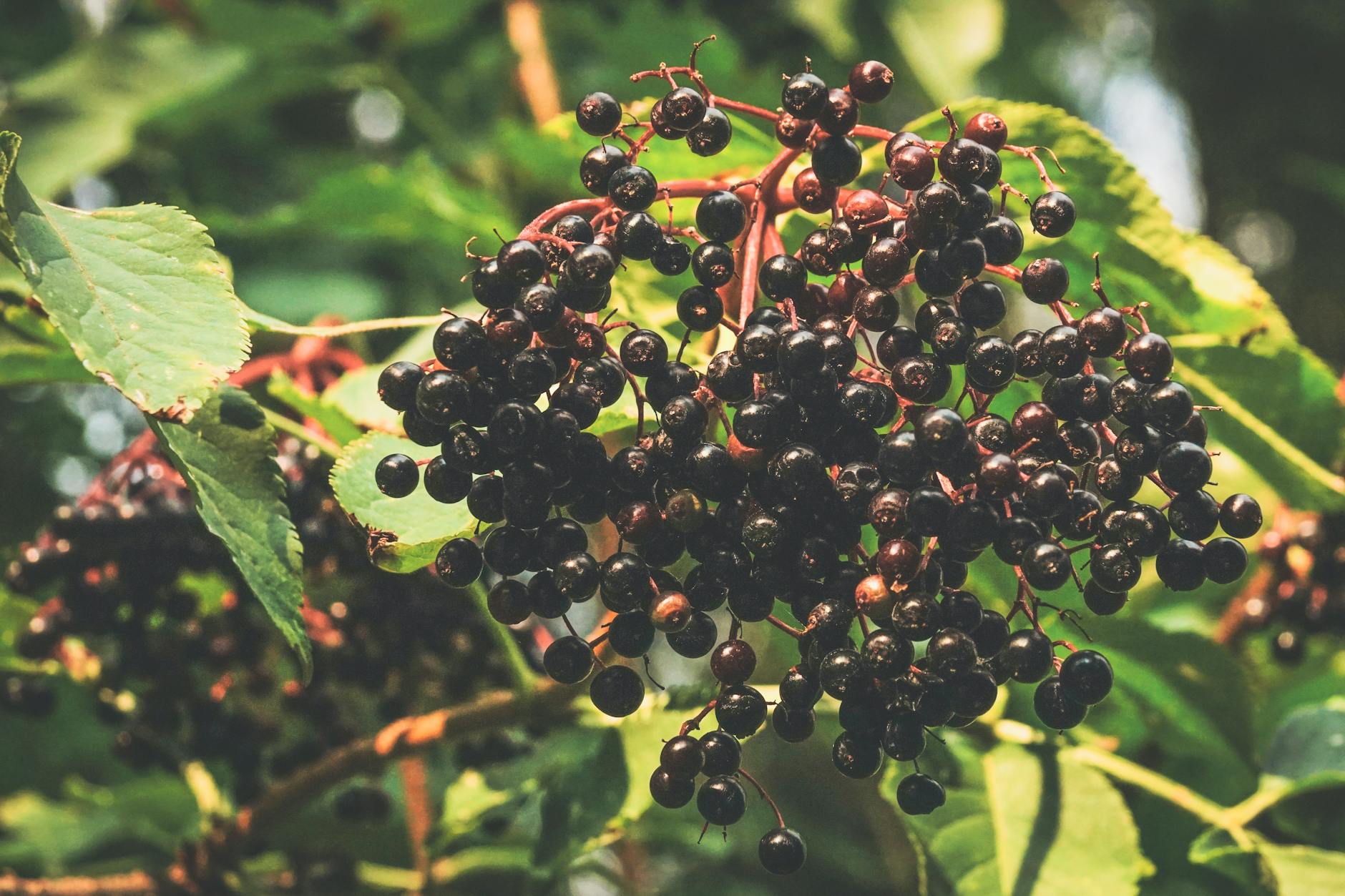
Raw elderberries and especially their leaves, stems, and unripe berries can cause nausea and stomach cramps. The common safety step is cooking, which reduces the problematic compounds that can irritate the digestive system. Preparation also means stripping berries from stems carefully because plant parts can contribute to symptoms. When made into syrups, jams, or cooked juices, elderberries are generally handled in the safer form people expect.
Cassava
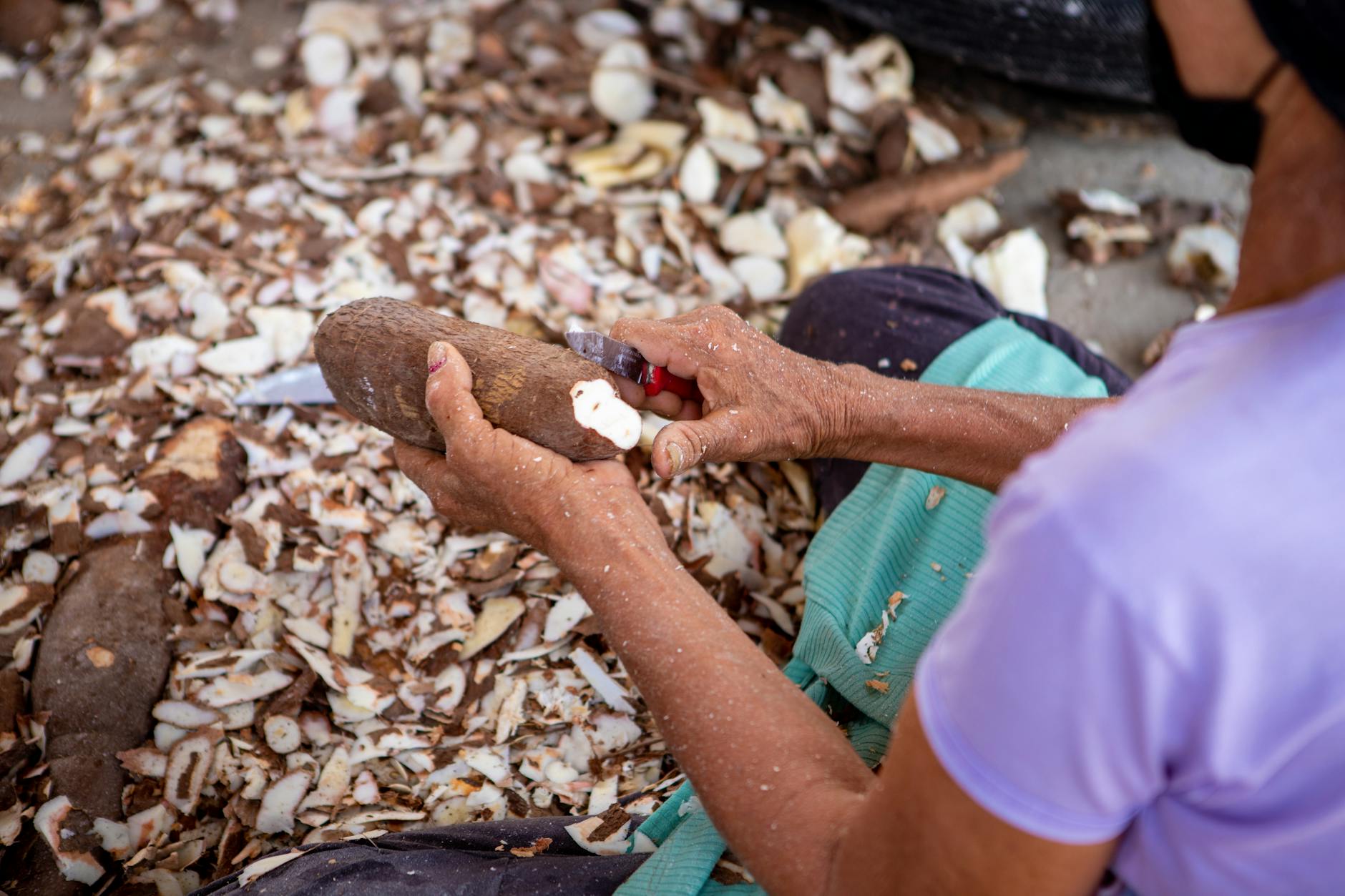
Cassava is often treated like a fruit in culinary contexts, but it is dangerous if not processed correctly due to naturally occurring cyanogenic compounds. Proper preparation includes peeling, grating or soaking, fermenting when appropriate, and thorough cooking. Shortcuts like undercooking or skipping soaking can leave harmful residues behind. Commercial cassava products are usually processed, but home preparation demands extra care.
Star Fruit
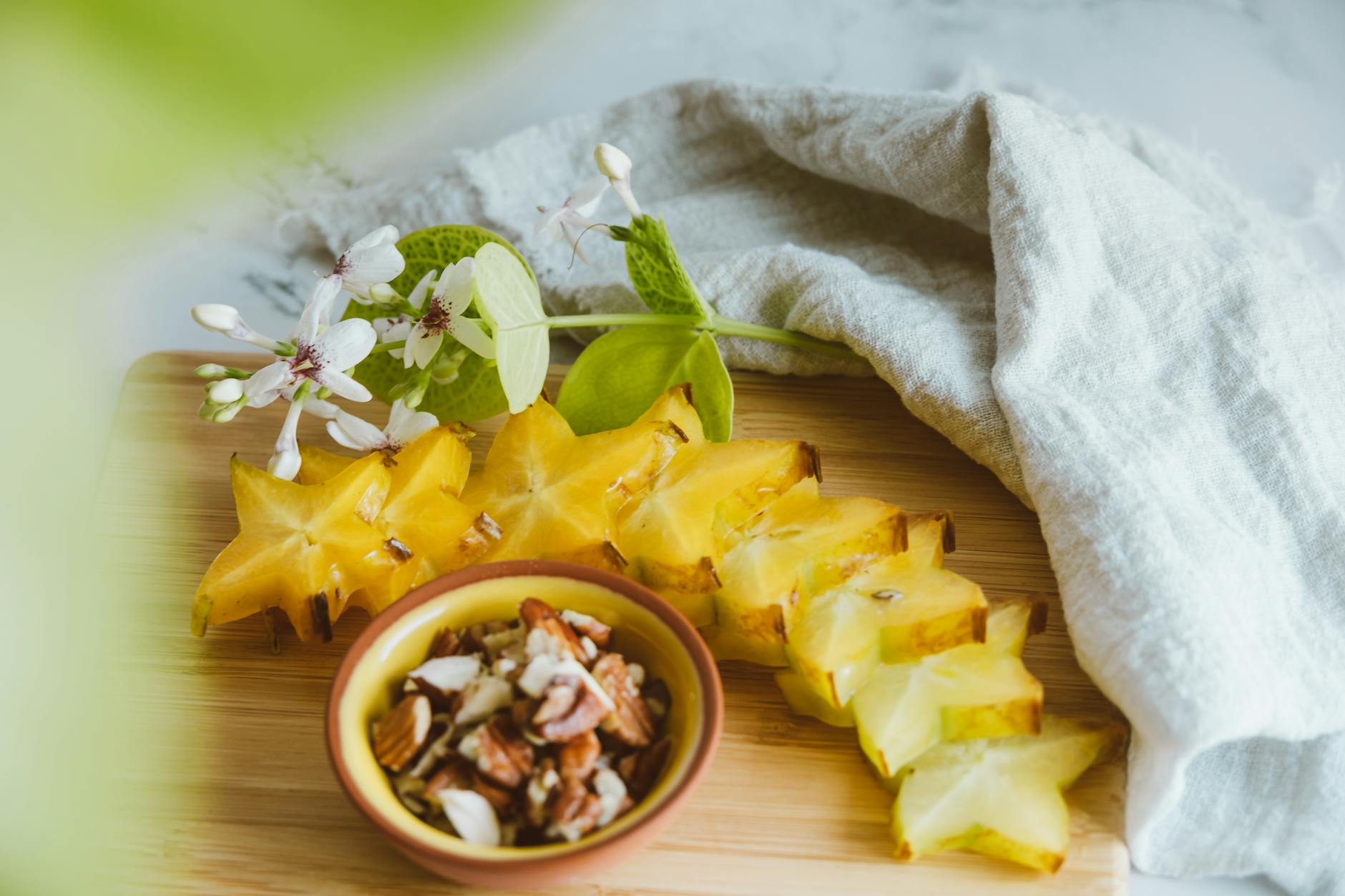
Star fruit can be risky for people with kidney disease because it contains substances that can build up when kidneys cannot filter them well. The fruit may seem harmless, but the problem is preparation and portion awareness rather than peeling or cooking. In vulnerable individuals, even small amounts can lead to serious neurological symptoms. The safest approach is avoiding it entirely if kidney function is impaired and being cautious with large servings if unsure.
Apricot Kernels
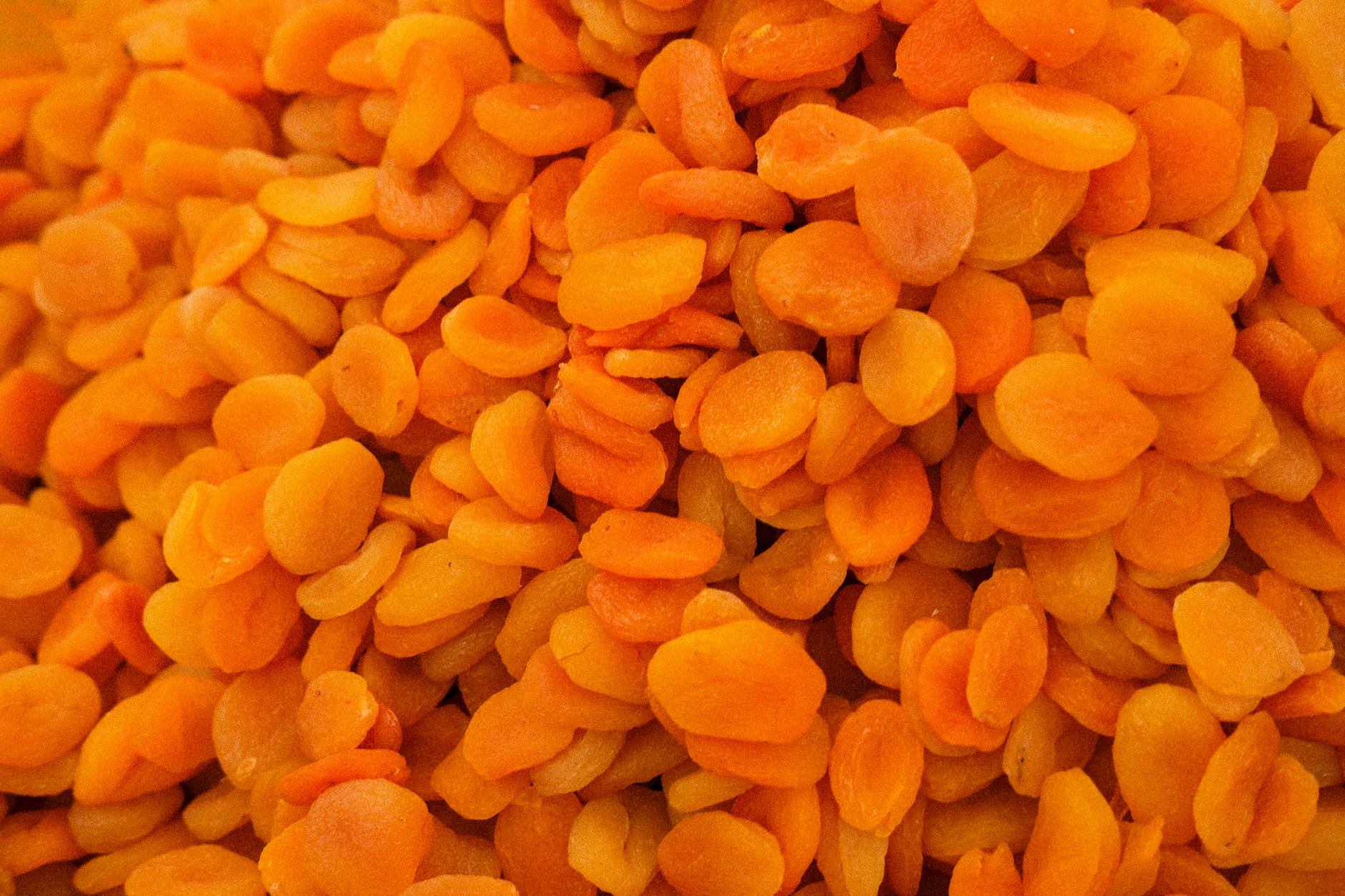
The flesh of apricots is safe, but the kernels inside the pits can be dangerous when eaten in quantity because they contain compounds that can release cyanide. The risk increases with raw kernels and concentrated forms marketed as natural remedies. Correct preparation means not consuming the kernels as a snack and keeping pits away from children. If kernels are used in traditional recipes, they are typically processed in ways that reduce exposure and are used in very small amounts.
Bitter Almonds
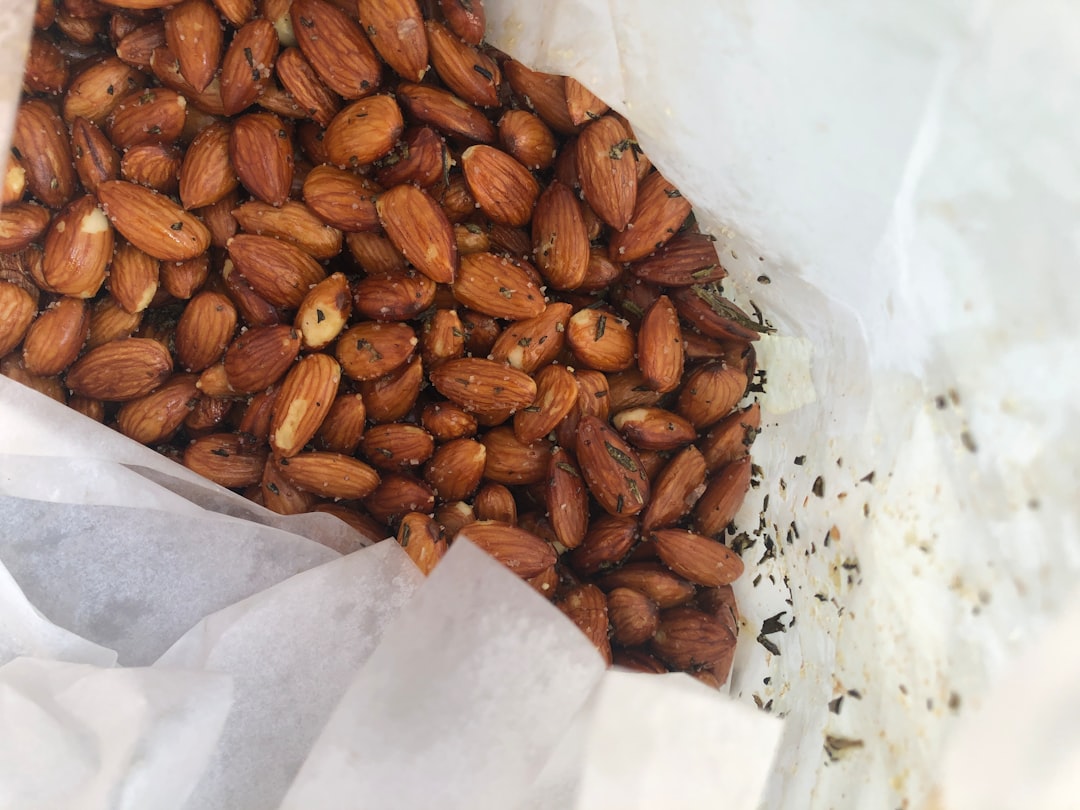
Bitter almonds are different from the sweet almonds commonly sold for snacking and baking. They naturally contain compounds that can release cyanide if eaten raw or in significant quantities. Safe use relies on regulated processing and controlled amounts, which is why bitter almond products are restricted or treated in many places. If a recipe calls for almond flavor, extracts are typically safer than using bitter almonds directly.
Green Potatoes
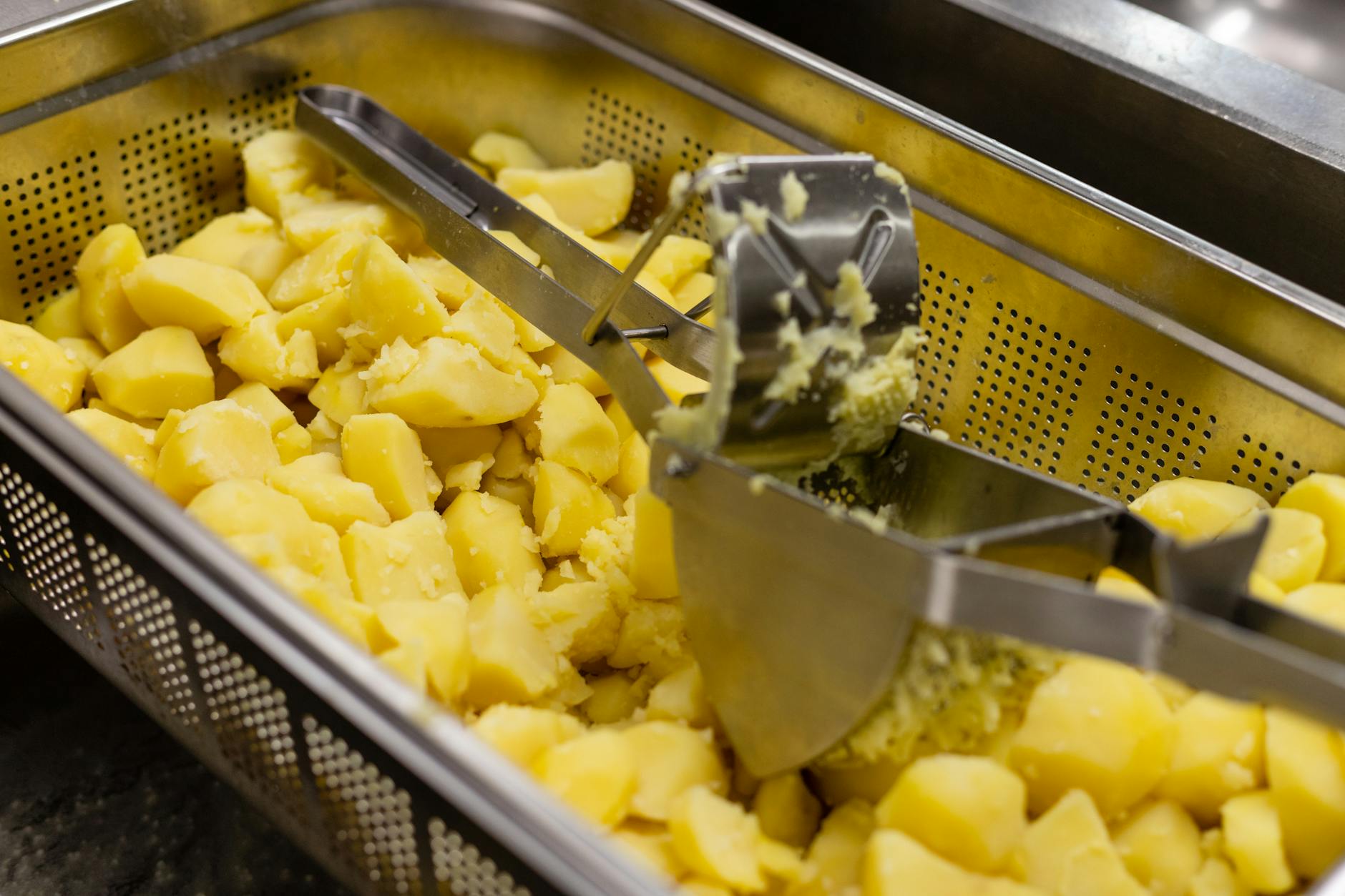
Potatoes are a tuber, but they are often handled like produce and become risky when parts turn green or sprout. The green color can signal higher levels of solanine, which can cause nausea, vomiting, and neurological symptoms. Correct preparation means cutting away green areas and sprouts generously, and discarding heavily green or bitter potatoes. Proper storage in a cool, dark place helps prevent the problem before it starts.
Pufferfish Fruit Lookalikes
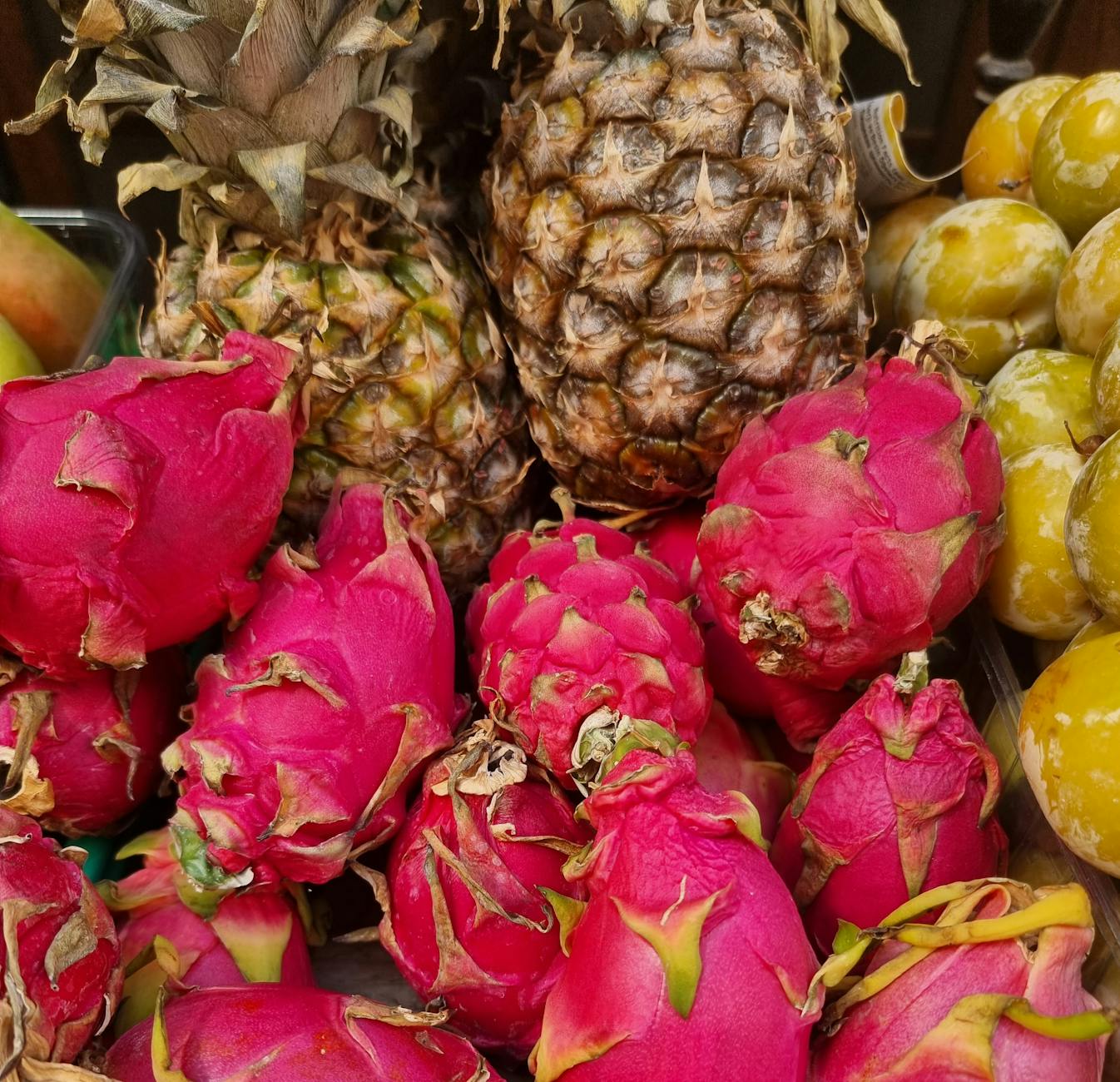
Some tropical regions have fruit and seed pods that resemble edible varieties but come from plants that are toxic without correct identification. The danger here is not culinary technique but misidentification during harvesting and prep. Safe preparation starts with knowing exactly what you have and avoiding foraged fruit unless you are trained to identify it. Buying from reputable sellers reduces the risk of confusing a dangerous lookalike for an edible snack.
Share in the comments which of these preparation rules surprised you most and what fruit safety tips you always follow at home.