Natural sugars like fructose and glucose are present in all fruits but concentrations vary significantly between species. While fiber and vitamins make fruit a healthy choice monitoring intake is beneficial for managing blood sugar levels or weight. Knowing which varieties contain the highest sugar content allows for more informed dietary decisions throughout the week. Moderation remains key when incorporating these sweet natural treats into a balanced lifestyle.
Lychees

Lychees contain approximately 29 grams of sugar per cup which makes them one of the sweetest options in the produce section. This tropical fruit offers a significant amount of vitamin C and essential minerals alongside its high caloric density. Consumers often enjoy the unique floral flavor in desserts or as a fresh snack during the summer months. Eating smaller portions helps maintain a balanced intake of natural sugars while still enjoying the exotic taste.
Passion Fruit

A single cup of passion fruit delivers about 26 grams of sugar coupled with a very high fiber content. The intense tartness often masks the high concentration of natural sweetness found within the pulp and seeds. This fruit provides an excellent source of vitamin A and potassium for those tracking their nutrient intake. People typically use the juice or pulp to enhance smoothies and yogurt bowls in small quantities.
Pomegranates

Pomegranates contain about 24 grams of sugar per cup of the edible seeds known as arils. These vibrant red seeds are packed with antioxidants and inflammation reducing compounds that support heart health. The high sugar level is balanced by a substantial amount of dietary fiber that aids in slower digestion. Including a sprinkle of these seeds on salads adds texture and flavor without overwhelming the meal with sugar.
Mangoes

One medium mango packs roughly 46 grams of sugar which is equivalent to several teaspoons of sweetness. This popular tropical fruit is also rich in vitamin A and fiber to support eye health and digestion. Many people find the rich texture and sweet profile perfect for blended drinks or fresh salsas. Limiting consumption to half a fruit per serving helps manage the overall daily sugar load effectively.
Cherries

A cup of sweet cherries contains about 18 to 20 grams of sugar depending on the specific variety. These small stone fruits are famous for their high levels of melatonin and inflammation reducing properties. The dark skins provide beneficial anthocyanins that contribute to muscle recovery after physical exercise. Enjoying a handful of cherries provides a satisfying sweet fix while keeping total carbohydrate intake in check.
Oranges

Navel oranges often contain about 17 grams of sugar in a single large piece of fruit. While they are a staple for vitamin C and immune support the juice contains concentrated sugars without the benefit of fiber. Eating the whole fruit instead of drinking the juice ensures a slower release of sugar into the bloodstream. This citrus fruit remains a popular snack choice for its convenience and refreshing flavor profile.
Bananas

One large banana typically holds about 15 to 17 grams of sugar which increases as the fruit ripens and turns yellow. The high starch content in green bananas slowly converts to sugar during the natural ripening process. This fruit provides essential potassium and vitamin B6 to support energy levels throughout the active day. Many athletes use them as a natural pre workout snack for a quick and portable energy boost.
Grapes

Grapes contain roughly 15 grams of sugar per cup and are very easy to overconsume due to their small size. The high water content and thin skin make them a hydrating snack for warm weather. Red and purple varieties are especially high in resveratrol which is a potent antioxidant for cardiovascular wellness. Keeping track of the number of grapes consumed prevents an accidental spike in daily sugar intake.
Figs

Fresh figs contain about 16 grams of sugar for every 100 gram serving of the soft fruit. They are particularly high in calcium and fiber which supports bone health and digestive regularity. The dense texture and sweet flavor make them a common addition to cheese boards and appetizers. Using them sparingly as a garnish allows for a gourmet experience without excessive sugar consumption.
Persimmons

Persimmons are exceptionally sweet fruits that contain about 21 grams of sugar per serving. These orange fruits are available in the autumn and provide a wealth of vitamin A and manganese. The Fuyu variety is firm and can be eaten like an apple while the Hachiya variety must be very soft before consumption. Including small slices in a seasonal salad provides a burst of sweetness and nutrition.
Pears

A medium sized pear contains approximately 17 grams of sugar and a significant amount of soluble fiber. This fiber helps to slow the absorption of sugar and keeps the body feeling full for longer periods. Pears are an excellent source of vitamin K and copper which are essential for blood clotting and energy production. Choosing slightly firmer pears can sometimes mean a lower sugar concentration compared to very soft ripe ones.
Tangerines

Tangerines offer about 10 grams of sugar per small fruit which adds up quickly if several are eaten at once. These small citrus fruits are valued for their high vitamin C content and easy to peel skins. They provide a quick burst of hydration and a tangy flavor that appeals to children and adults alike. Controlling the quantity consumed during a single sitting helps manage the total glycemic load of the snack.
Kiwis

One cup of sliced kiwi contains about 16 grams of sugar along with an impressive amount of vitamin C. This tropical fruit is known for its fuzzy skin and bright green flesh filled with tiny black seeds. The high enzyme content in kiwis can assist with protein digestion after a heavy meal. Moderating the portion size ensures that the natural sweetness does not exceed daily dietary goals.
Pineapples
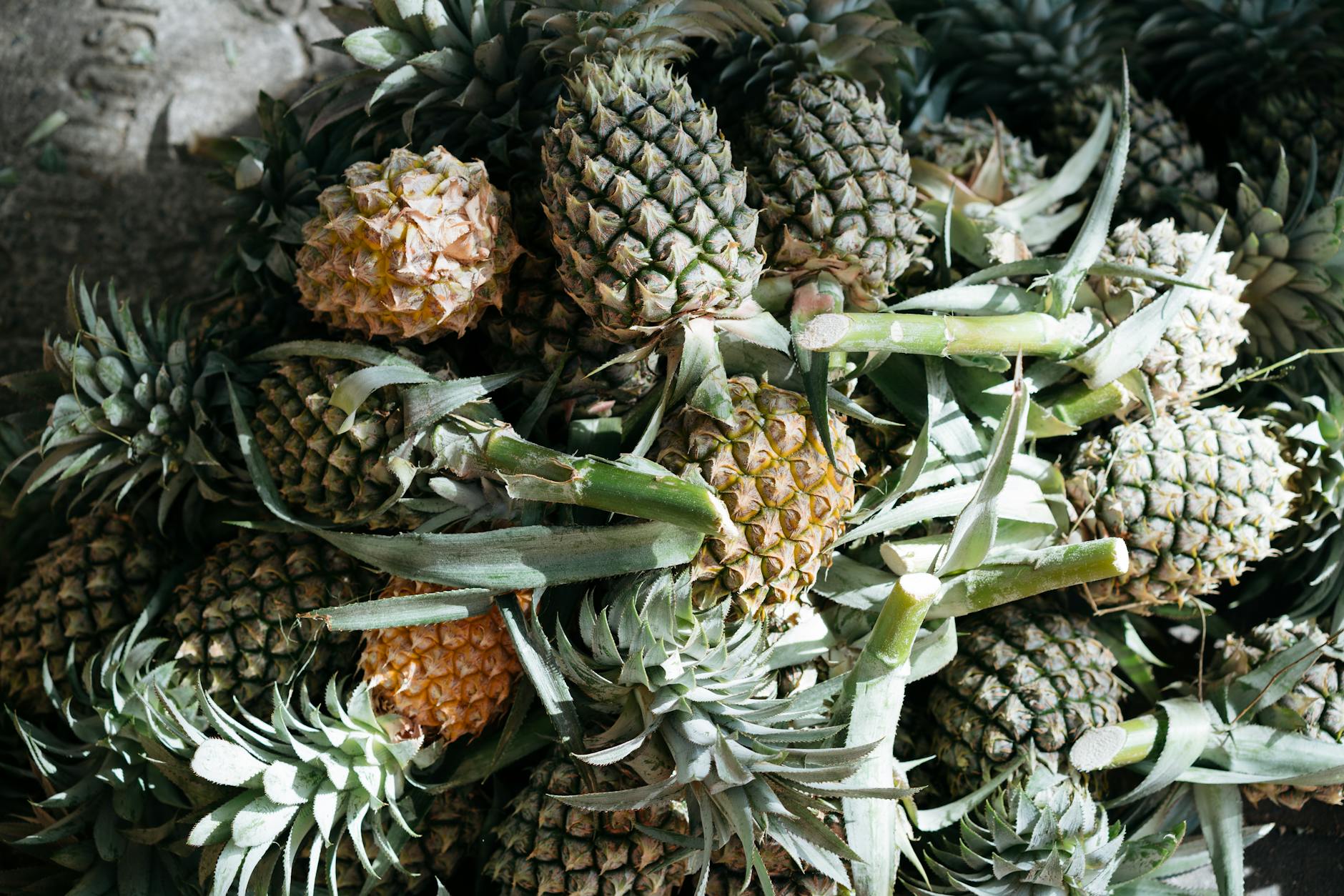
Fresh pineapple contains about 16 grams of sugar per cup and is famous for its bromelain content. This enzyme helps reduce inflammation and supports healthy digestion in many individuals. The tropical flavor is quite potent so a small amount goes a long way in flavoring water or snacks. Opting for fresh slices over canned versions in heavy syrup prevents the addition of processed sugars.
Plums

Plums contain about 16 grams of sugar per cup when sliced or around 7 grams for a single small fruit. These stone fruits are a good source of vitamins A and C as well as various health promoting antioxidants. The skins are often tart which provides a balanced flavor profile against the sweet flesh inside. Incorporating one or two plums into a snack rotation provides variety without a massive sugar hit.
Peaches

A large peach typically provides around 13 to 15 grams of sugar depending on the size and ripeness. This summer favorite is low in calories but high in vitamins and minerals like potassium. The fuzzy skin contains fiber that aids in digestion and helps regulate the release of natural sugars. Grilling peaches can intensify the sweetness without needing to add any extra caloric sweeteners.
Blueberries

Blueberries are often considered a superfood but they still contain about 15 grams of sugar per cup. They are exceptionally high in antioxidants like anthocyanins which protect the body from oxidative stress. The small size makes them a perfect topping for oatmeal or yogurt to add natural sweetness. Watching the serving size allows for the enjoyment of their health benefits without overdoing the sugar.
Apples

A medium apple contains about 19 grams of sugar which is largely found in the juicy flesh. Much of the fiber is located in the skin so eating the fruit unpeeled is highly recommended for health. Different varieties like Granny Smith tend to be lower in sugar than sweeter types like Fuji or Gala. This versatile fruit is a staple in many diets because it is portable and remains fresh for a long time.
Apricots

Fresh apricots contain approximately 9 grams of sugar per cup of sliced fruit which is relatively low compared to others. However the sugar becomes very concentrated when the fruit is dried which leads to much higher levels per serving. They are an excellent source of beta carotene and fiber for supporting skin and eye health. Choosing fresh apricots over the dried version is a better strategy for those monitoring sugar levels.
Nectarines

Nectarines contain about 11 grams of sugar per medium sized fruit and are closely related to peaches. They provide a smooth skin and a firm texture that many people prefer in their fruit salads. This fruit is rich in vitamin C and dietary fiber which supports a healthy immune system and gut. Eating them in their whole form provides the most nutritional benefit while keeping sugar intake moderate.
Please share which of these high sugar fruits you find hardest to resist in the comments.