Language evolves at a rapid pace and understanding modern vocabulary is essential for effective cross generational communication. Gen Z has introduced a wide array of terms that frequently appear in digital spaces and daily conversations. Learning these words helps bridge the gap between different age groups while providing insight into current cultural trends. This list covers forty common expressions used by younger generations to describe social situations and personal interactions.
Rizz
This term is a shortened version of the word charisma and refers to a person’s ability to attract a romantic partner. It describes someone who possesses charm or natural allure in social settings. People often use it as a verb to describe the act of winning someone over through conversation. It remains one of the most popular expressions used by teenagers and young adults today.
No Cap
This expression signifies that someone is telling the truth and not exaggerating a story. It serves as a synonym for for real or seriously in modern dialogue. The term originated in hip hop culture before becoming a staple of internet slang. Users often include it at the end of a sentence to emphasize their sincerity.
Bet

The word bet is commonly used as a way to say yes or to agree with a plan. It can also function as a response that confirms understanding of a specific situation. While it has roots in older slang its usage has seen a massive resurgence among the younger generation. It provides a quick and efficient way to acknowledge a message without lengthy explanations.
Mid

This adjective describes something that is mediocre or average in quality. It is frequently used to critique movies or music that do not live up to high expectations. People use it to signal that an experience was neither good nor bad but simply uninspiring. Using this word allows speakers to dismiss something as unimpressive with minimal effort.
Delulu

This playful slang term is a shortened form of the word delusional. It is often used to describe someone who holds overly optimistic or unrealistic beliefs about a situation. Many people apply it to their own romantic fantasies or career aspirations in a self deprecating way. It reflects a humorous approach to dealing with the pressures of reality.
Beige Flag

Unlike a red flag which signals danger a beige flag represents a neutral or odd trait. It refers to a partner’s quirky habit that is neither unacceptable nor particularly attractive. These traits are usually harmless but slightly strange such as a specific way of organizing a fridge. Sharing beige flags has become a popular trend on video sharing apps.
Situationship

This term describes a romantic arrangement that lacks a clear definition or formal commitment. It exists in the space between a casual friendship and a serious committed relationship. Many young people use this word to navigate the complexities of modern dating without immediate labels. It often implies a lack of clarity regarding the future of the partnership.
Main Character Energy

Someone who exhibits main character energy carries themselves with confidence as if they are the protagonist of a movie. It encourages individuals to prioritize their own needs and aesthetic preferences. This mindset focuses on romanticizing daily life and making ordinary moments feel significant. Many use the term to praise someone for their bold and unapologetic presence.
Roman Empire

This phrase refers to a specific topic or thought that an individual thinks about constantly. It stems from a viral trend where people revealed how often they contemplate ancient history. Now individuals use it to describe any niche obsession or recurring memory that occupies their mind. It serves as a humorous shorthand for deep and frequent reflection.
Snatched

When someone looks particularly fashionable or has a well defined physical appearance they are described as snatched. This term is often used to compliment a person’s outfit or their makeup. It implies that everything about their look is perfect and tightly put together. The expression has roots in drag culture and has successfully transitioned into mainstream youth vocabulary.
Ate

This simple verb is used to indicate that someone performed a task exceptionally well. Whether it refers to a dance routine or a witty comeback the term signifies total success. It functions as an enthusiastic exclamation of approval for a job well done. This slang is prevalent in fan communities and competitive social environments.
Left No Crumbs

This phrase is often paired with the word ate to mean that someone did a perfect job. It suggests that they performed so well that nothing was left behind to be improved upon. It is a common compliment for artists or individuals who exceed all expectations. This expression emphasizes thoroughness and excellence in any creative or social endeavor.
Bussin

Bussin is an adjective specifically used to describe food that tastes incredible. It suggests that the flavor is so good that it is overwhelming in a positive way. While it started in specific regional dialects it gained global popularity through food review videos. People use it to recommend restaurants or share their favorite meals.
Stan

A stan is an extremely devoted or obsessive fan of a particular celebrity or brand. In modern usage it is generally used in a positive or neutral way to show strong support. People might say they stan an artist to indicate they follow every update and release. It has become a fundamental part of internet fan culture and community building.
Sus

Derived from the word suspicious this term is used to describe something or someone that seems untrustworthy. If an explanation does not add up or someone acts strangely they are labeled as sus. It provides a quick way to express doubt or caution in any given scenario. The word is frequently used in memes and casual digital conversations.
Yeet

Yeet is an exclamation used when throwing an object with great force or speed. It can also be used as a general expression of excitement or to dismiss something abruptly. While its peak popularity has passed it remains a recognizable part of the modern lexicon. It conveys a sense of high energy and decisive action.
Glow Up

A glow up refers to a significant positive transformation in a person’s appearance or lifestyle. This change is often physical but can also involve mental and emotional growth. Many people document their glow up journeys over several years to show their progress. It is a celebratory term that focuses on self improvement and confidence building.
Tea

In Gen Z slang tea refers to gossip or juicy information about a situation. When someone asks for the tea they want to know the latest news or secrets. Spilling the tea means sharing this information with others in a social setting. It is a versatile term used in both casual friendships and celebrity news discussions.
Periodt

Adding periodt to the end of a sentence adds a final and emphatic point to a statement. It signals that the conversation is over and there is no room for further discussion. It is often used to assert an opinion or state a fact with absolute certainty. This term helps speakers project confidence and authority in their claims.
Valid

When an opinion or feeling is described as valid it means it is reasonable and understandable. It serves as a form of social validation for someone else’s experiences or choices. This word is often used to support friends during difficult times or to agree with a point of view. It reflects an emphasis on empathy and emotional intelligence within younger social circles.
W

The letter W stands for win and is used to describe a successful or positive event. It is frequently used in the comments sections of videos to react to a creator’s good news. This shorthand term allows for immediate feedback in fast paced digital environments. It has become one of the most efficient ways to communicate approval.
L
The letter L stands for loss and indicates a failure or a disappointing situation. It is the direct opposite of a W and is used to call out mistakes or unfortunate events. People often say take the L when someone needs to accept a defeat gracefully. This simple letter carries significant weight in online social commentary.
Understood the Assignment
This phrase is used to praise someone who has perfectly executed a specific task or met expectations. It is commonly applied to fashion choices or creative projects that fit a specific theme. When a person does exactly what was required of them they are said to have understood the assignment. It highlights attention to detail and a high level of competence.
Ghosting

Ghosting occurs when a person abruptly ends all communication with someone without any explanation. This typically happens in the context of dating or early stage friendships. The person who is ghosted is left with no closure or understanding of why the contact stopped. It is considered a controversial but common behavior in the era of digital dating apps.
Breadcrumbing

Breadcrumbing is a dating tactic where someone sends sporadic messages to keep another person interested. It involves giving just enough attention to maintain a connection without any intention of pursuing a real relationship. This behavior can be confusing and frustrating for the person receiving the occasional messages. Recognizing this behavior is key to managing expectations in modern romance.
Gaslighting

Gaslighting is frequently used in slang to describe someone manipulating others into questioning their own reality. In casual conversation it often refers to someone lying or denying facts to gain an advantage. Gen Z uses this word to identify and call out deceptive behavior in various relationships. It has raised awareness about emotional manipulation and the importance of mental health.
Gatekeep

To gatekeep is to limit access to information or resources to maintain a sense of exclusivity. This often happens with niche fashion brands or music that someone wants to keep secret. Younger generations often use it to call out those who are being territorial about their interests. The opposite of gatekeeping is sharing and inviting others to enjoy the same hobbies.
Girlboss

The term girlboss originally described a powerful and successful woman in the corporate world. Over time it has evolved to sometimes have a sarcastic connotation regarding hustle culture. Many use it to describe an ambitious woman who prioritizes her career and personal brand. It remains a recognizable label for female empowerment despite its changing meanings.
Era

An era refers to a specific period in a person’s life characterized by a particular interest or lifestyle. For example someone might be in their fitness era if they are focused on exercise. This term allows individuals to categorize their personal growth and changing priorities over time. It is often used to describe the current vibe of a person’s social media presence.
Serving

To serve means to deliver a high quality look or performance that impresses others. It is often used in the context of fashion where someone is said to be serving a look. The term implies that the person is providing something visually or artistically significant. This slang highlights the importance of visual presentation in modern culture.
Mother

In internet culture calling a female celebrity mother is a sign of deep respect and admiration. It suggests that the individual is a powerful figure or an icon within her field. This usage stems from ballroom culture and has been adopted by wide fanbases online. It is meant as a high compliment for women who lead and inspire their followers.
Slapped

When a song or a meal is described as having slapped it means it was exceptionally good or impactful. It suggests that the experience was so positive that it made a strong impression. While usually applied to music it has expanded to include anything that is surprisingly high quality. The word conveys a sense of sudden and intense satisfaction.
Pookie

Pookie is an affectionate nickname used for close friends or romantic partners. It is often used in a playful way to show fondness. The term has become popular in short form videos as a way to address a companion. It adds a layer of warmth and humor to social interactions.
IYKYK
This acronym stands for if you know you know and refers to inside jokes or niche information. It is used to signal that a specific piece of content will only be understood by a select group. This creates a sense of belonging and shared knowledge among those who are in on the secret. It is frequently used as a caption for photos that reference specific experiences.
Glazing
Glazing is a slang term used to describe someone who is overly complimentary of another person. It often implies that the praise is excessive or even insincere in order to gain favor. This word is frequently used in online debates or when discussing fan behavior. It serves as a way to criticize those who seem to be trying too hard to impress.
Soft Launch

A soft launch is the practice of subtly introducing a new romantic partner on social media without showing their face. This might involve posting a photo of two coffee cups or a stray hand. It allows individuals to hint at a relationship while maintaining a degree of privacy. This trend has become a standard part of modern dating etiquette.
Hard Launch

In contrast to a soft launch a hard launch is a direct and clear announcement of a new relationship. This usually involves a photo where both partners are clearly visible and often tagged. It signals that the relationship is serious and that the couple is ready to be public. Many people wait for a specific milestone before committing to a hard launch.
Sigma

The term sigma describes a person who is independent and successful outside of traditional social hierarchies. It is often used to describe a lone wolf character who follows their own rules. While it started in specific online subcultures it is now used both seriously and ironically. Many young people use the term to praise self reliance and quiet confidence.
Fanum Tax
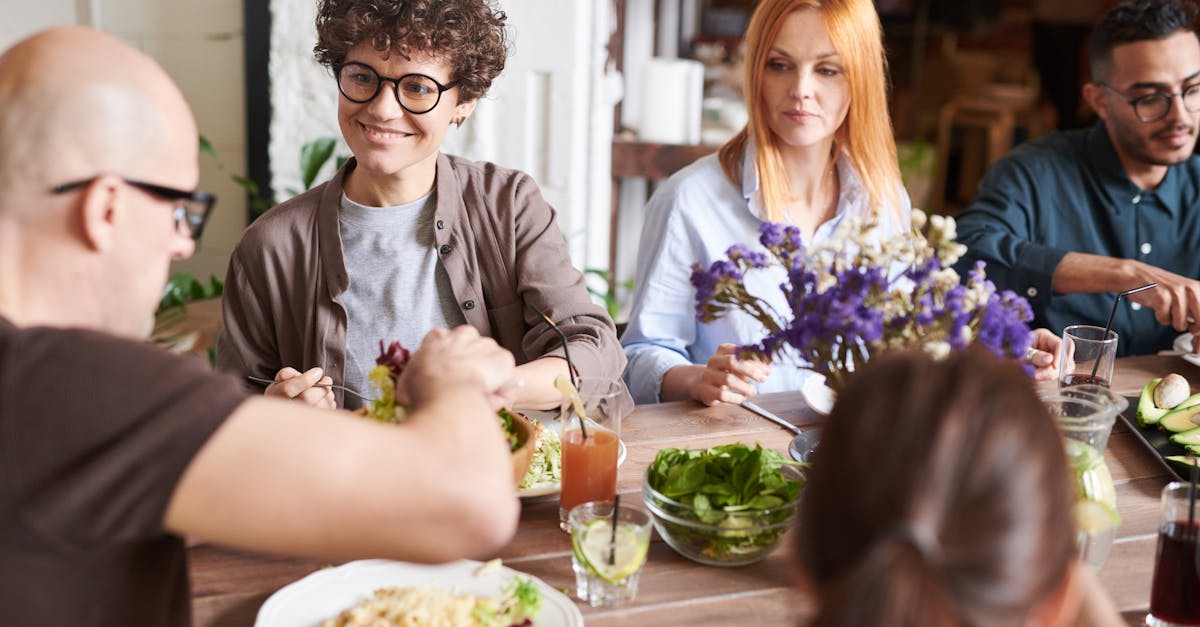
This term refers to the act of jokingly stealing a portion of someone else’s food. It originated from a popular internet personality who frequently takes bites of his friends’ meals on camera. The phrase is now used by younger audiences to describe any instance of sharing food. It reflects how quickly inside jokes from streaming platforms can enter the general vocabulary.
Skibidi

Skibidi is a word that has become a viral sensation through a series of animated internet videos. It does not have a single fixed meaning but is often used as a general nonsense word. Its popularity stems from a specific meme involving catchy music and abstract characters. For many it represents the chaotic and fast moving nature of modern internet trends.
Share your favorite modern slang terms or your experiences learning them in the comments.