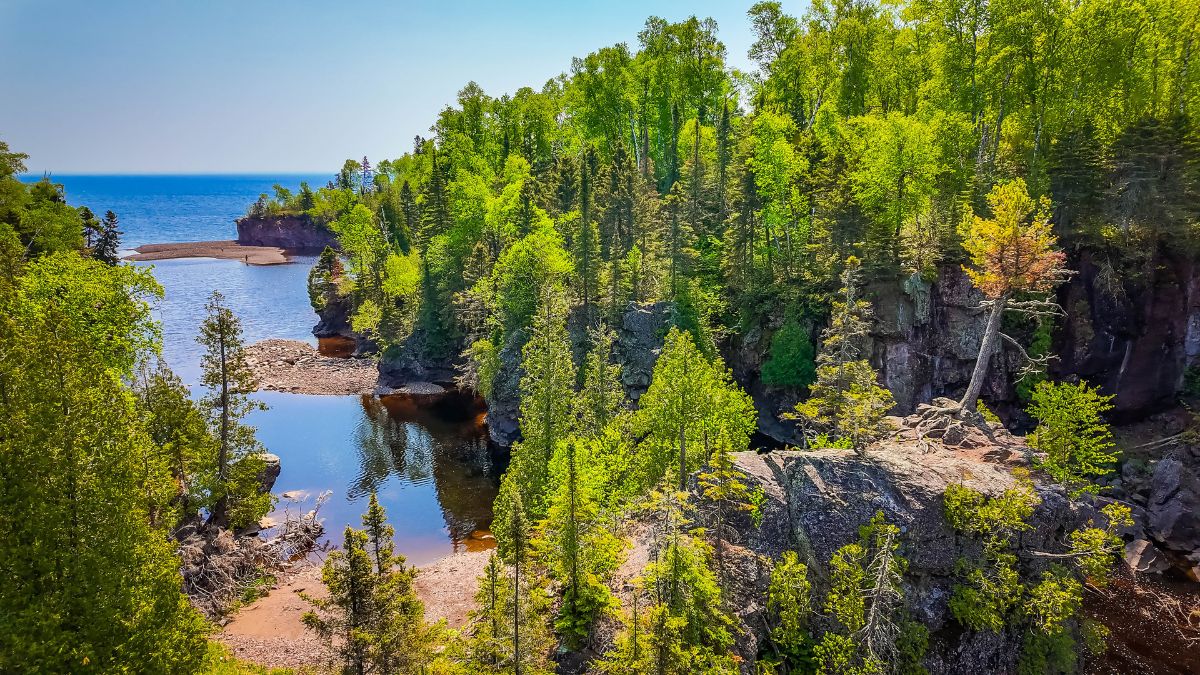
America’s national parks get most of the spotlight, but the country’s vast network of state parks quietly offers some of the most breathtaking and uncrowded natural experiences on the continent. From towering cliffs to hidden waterfalls and pristine coastlines, these gems deliver world-class scenery without the crowds, the reservation headaches, or the steep entrance fees. Many seasoned outdoor explorers argue that state parks actually offer a more intimate and accessible connection to the land. These fifteen standout destinations prove that the best American landscapes are not always found where the tour buses stop.
Palo Duro Canyon
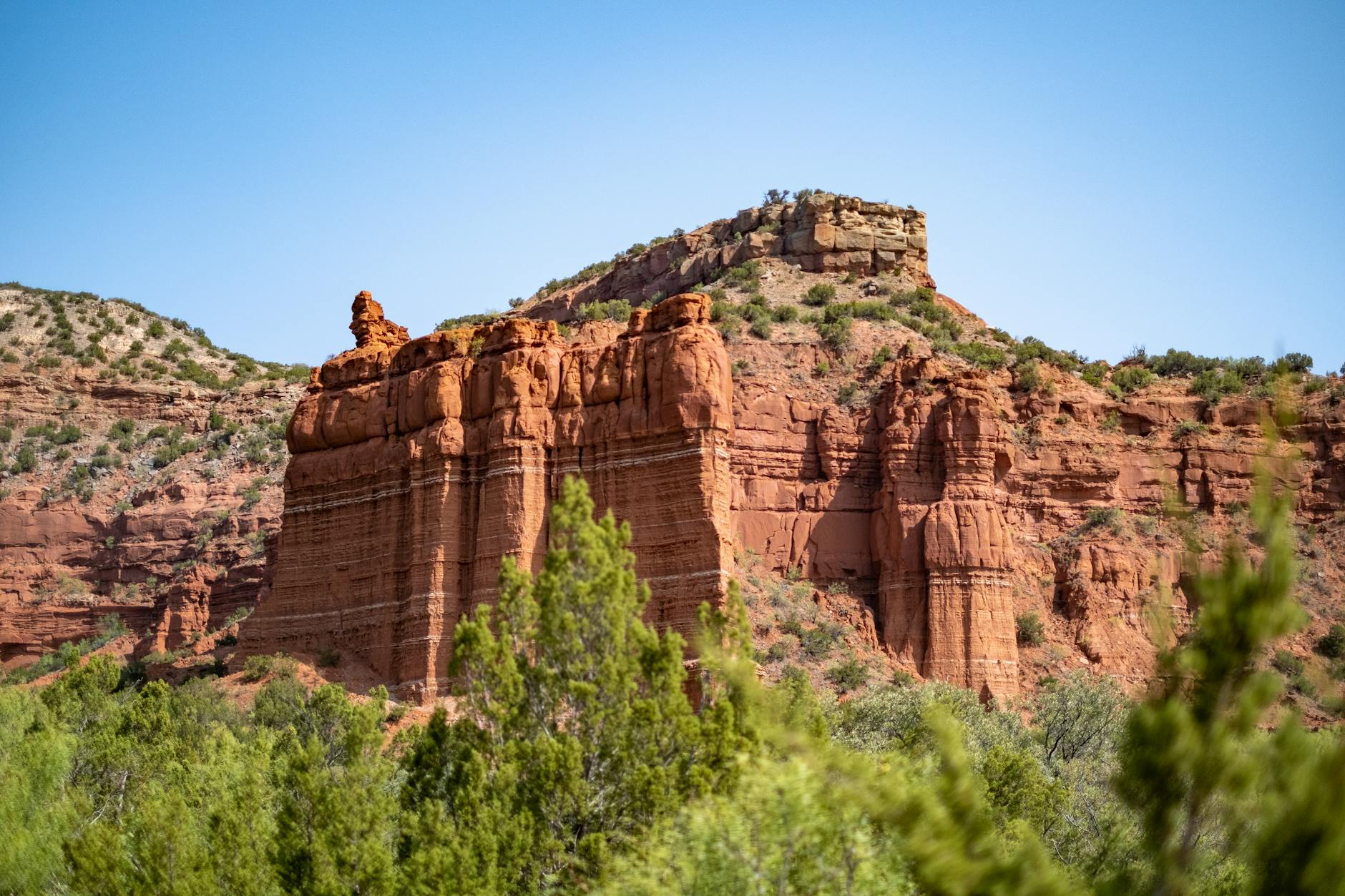
Often called the Grand Canyon of Texas, this dramatic red-rock canyon stretches nearly 120 miles through the Texas Panhandle and plunges nearly 800 feet deep. The park offers a stunning landscape of layered rust, orange, and purple rock formations carved by the Prairie Dog Town Fork of the Red River over millions of years. Hiking and mountain biking trails wind through the canyon floor past hoodoos and towering mesa walls. An outdoor musical drama performed each summer has made this park a beloved cultural and natural destination. Few travelers expect to find scenery this spectacular in the middle of the flat Texas plains.
Custer State Park
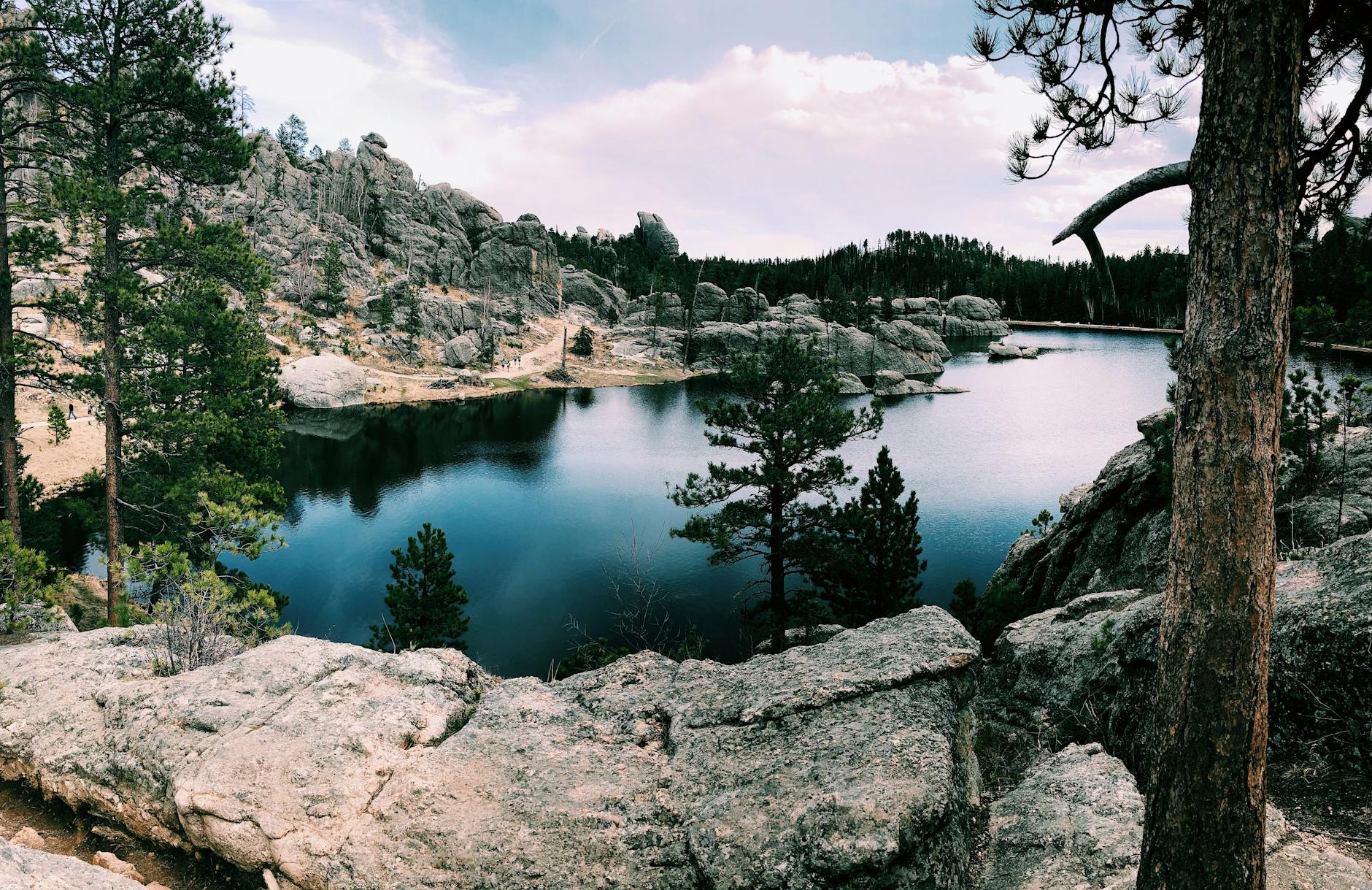
Tucked into the Black Hills of South Dakota, this nearly 71,000-acre park is home to one of the largest free-roaming bison herds in the world. The Wildlife Loop Road offers drivers a reliable chance to spot bison, pronghorn, burros, and wild turkeys in an open grassland setting. Granite spires rise dramatically from the landscape alongside pristine alpine lakes like Sylvan and Legion. The park also serves as a gateway to the Needles Highway, a breathtaking road carved through narrow rock formations. Its sheer ecological and geological variety makes it one of the most rewarding park experiences in the entire Midwest.
Franconia Notch
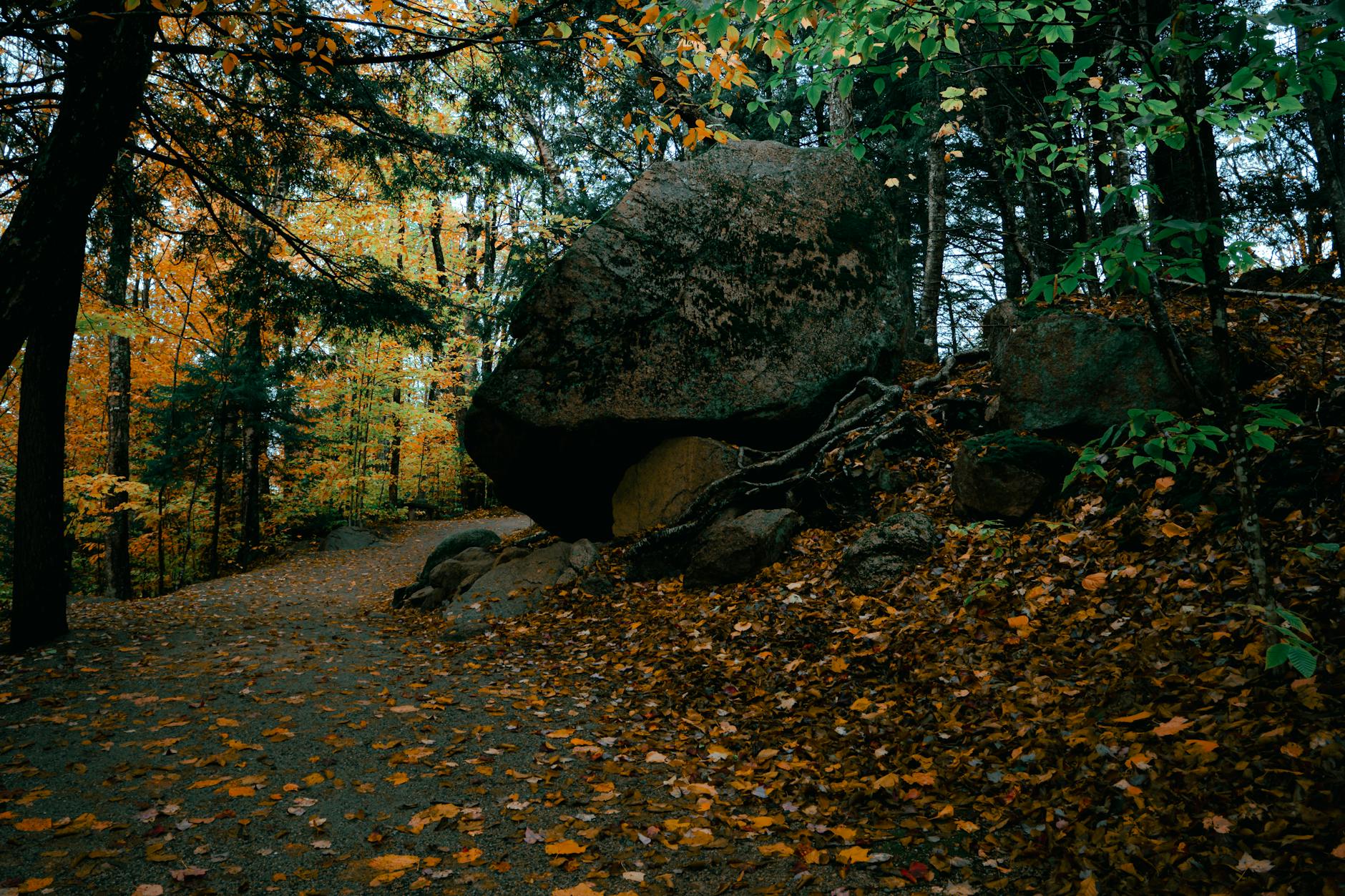
Nestled in the White Mountains of New Hampshire, this compact but stunning park packs an extraordinary range of natural features into a narrow mountain pass. The Flume Gorge offers visitors a walk through a natural chasm with walls rising up to 90 feet on either side. Aerial tramways carry guests to the 4,080-foot summit of Cannon Mountain for sweeping views across several states. Echo Lake sits peacefully at the base of the mountain and draws swimmers and kayakers throughout the warmer months. The park’s combination of geological wonders and recreational variety makes it one of the Northeast’s finest outdoor destinations.
Itasca State Park

Located in northern Minnesota, this forested park holds the remarkable distinction of containing the headwaters of the Mississippi River. Visitors can wade across the shallow, rocky stream where one of the world’s most powerful rivers begins its nearly 2,400-mile journey to the Gulf of Mexico. Old-growth forests of towering red and white pines create cathedral-like canopies along the park’s many hiking trails. The park’s many lakes attract loons, bald eagles, and abundant wildlife throughout all four seasons. Its peaceful, remote atmosphere feels worlds away from the chaos typically associated with heavily visited national parks.
Tettegouche State Park
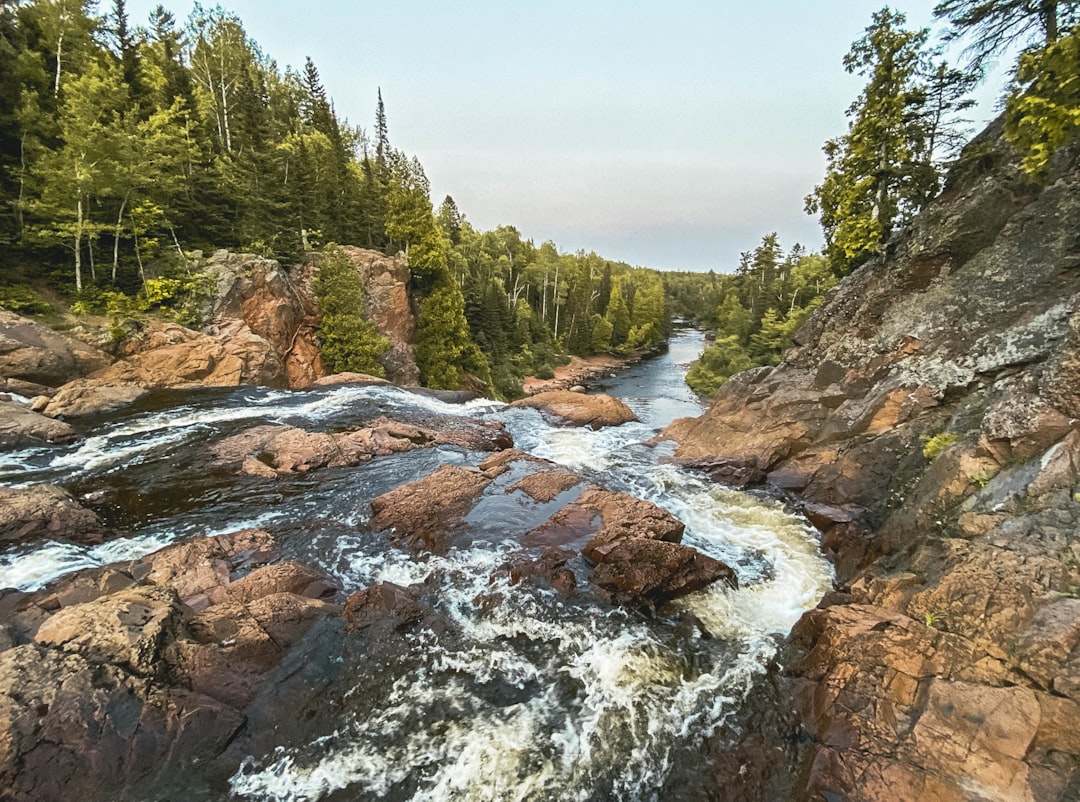
Perched along the rugged North Shore of Lake Superior in Minnesota, this park delivers scenery that rivals anything in the national park system. Dramatic sea caves, rocky headlands, and waterfalls tumbling directly into Lake Superior create an almost otherworldly coastal landscape. The Shovel Point trail offers one of the most dramatic overlooks in the Midwest, with vertiginous views of the lake far below. Inland, the Baptism River cuts through forest and rock to form a series of stunning cascades including the state’s highest waterfall above Lake Superior. Winter transforms the park into a frozen landscape of ice-draped cliffs and crystallized shoreline formations.
Backbone State Park
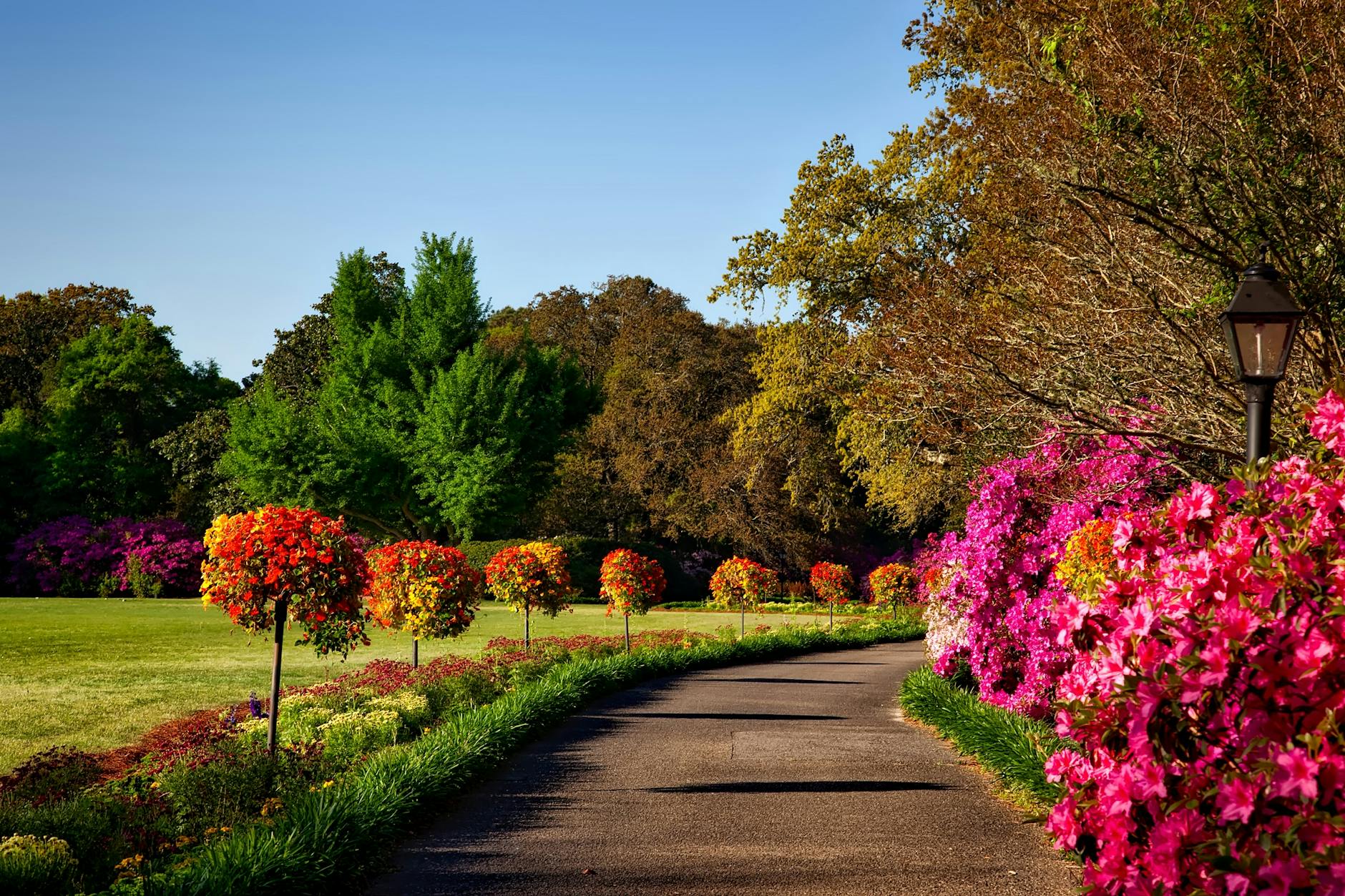
Iowa’s oldest state park surprises visitors with rugged terrain that feels completely out of place among the surrounding farmland. Dramatic limestone outcroppings, forested bluffs, and the winding Maquoketa River create a landscape of unexpected wildness in the heart of the Midwest. Rock climbers travel specifically to scale the park’s challenging natural formations, while trout fishers wade the cold, clear river. The park’s extensive trail network passes through dense hardwood forest filled with wildflowers in spring and blazing color in autumn. It remains a beloved destination for Iowans and a genuine discovery for out-of-state visitors who stumble upon it.
Hanging Rock State Park
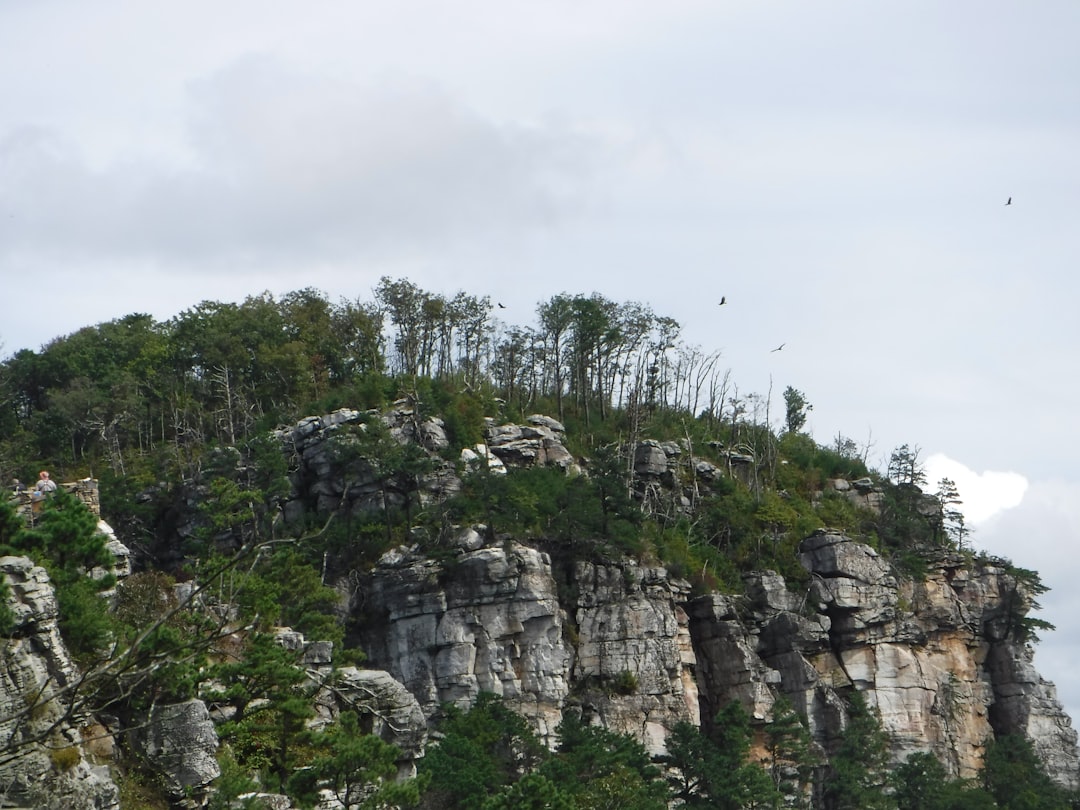
Rising from the Piedmont plateau of North Carolina, this park centers on the ancient monadnock known as Hanging Rock, which offers sweeping views of the surrounding countryside from its summit. Waterfalls, cascades, and swimming holes tucked into stream valleys make it a favorite destination for warm-weather visitors. The park’s geological history spans hundreds of millions of years and is visible in the exposed quartzite and volcanic rock formations throughout. Wildlife is abundant, with black bears, bobcats, and dozens of bird species regularly spotted along the trails. Its scenic richness and accessibility from Charlotte and the Triad cities make it one of the most visited and admired parks in the South.
Dead Horse Point State Park
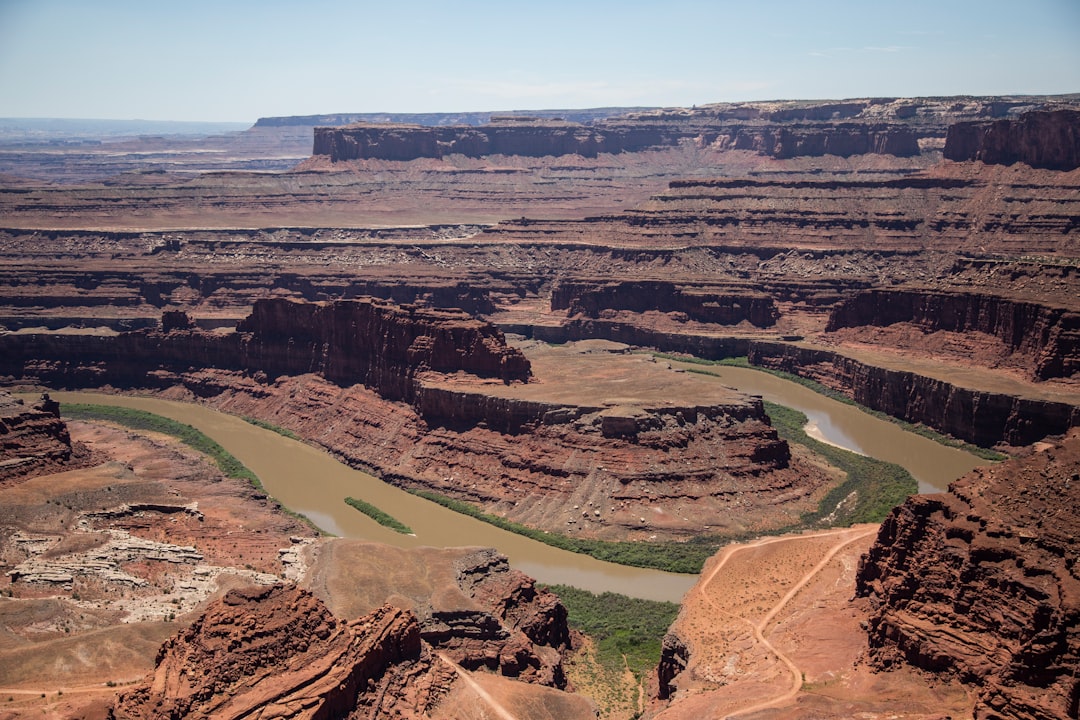
Perched atop a 2,000-foot mesa in Utah, this compact park delivers views that many photographers and travelers rank among the most spectacular on Earth. The Colorado River bends dramatically thousands of feet below in a formation that mirrors the more famous Horseshoe Bend nearby. Sunsets here transform the canyon walls into a glowing palette of amber, crimson, and violet that shifts by the minute. Unlike neighboring Canyonlands National Park, Dead Horse Point is rarely crowded and requires no advance reservations for most visits. Its accessibility and extraordinary vistas make it one of the most rewarding quick detours in all of the American Southwest.
Watkins Glen State Park
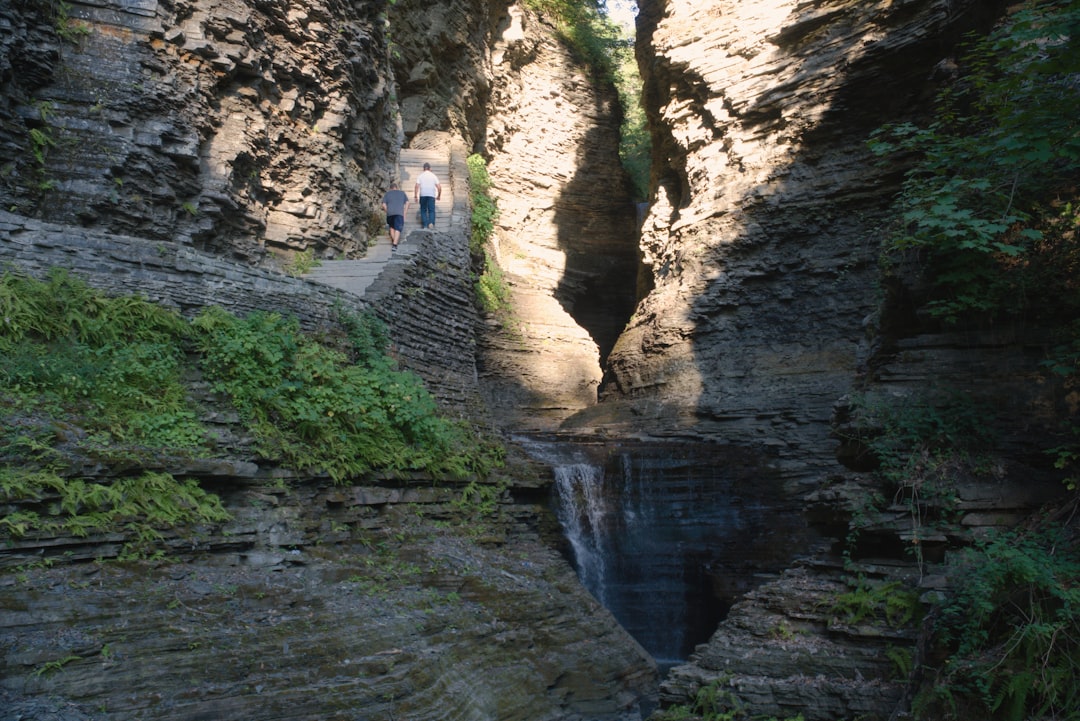
Carved into the Finger Lakes region of upstate New York, this park contains one of the most dramatic gorge landscapes in the eastern United States. A two-mile trail follows a narrow gorge past 19 waterfalls, many of them roaring beneath natural stone bridges and through sculpted rock tunnels. The layered shale and sandstone walls rise up to 200 feet on either side, creating an almost fairytale atmosphere along the trail. The park draws visitors year-round, with winter ice formations adding an entirely different dimension of beauty to the gorge. Its concentrated natural drama within such a short hiking distance makes it arguably the most visually rewarding walk in the entire Northeast.
Torrey Pines State Reserve
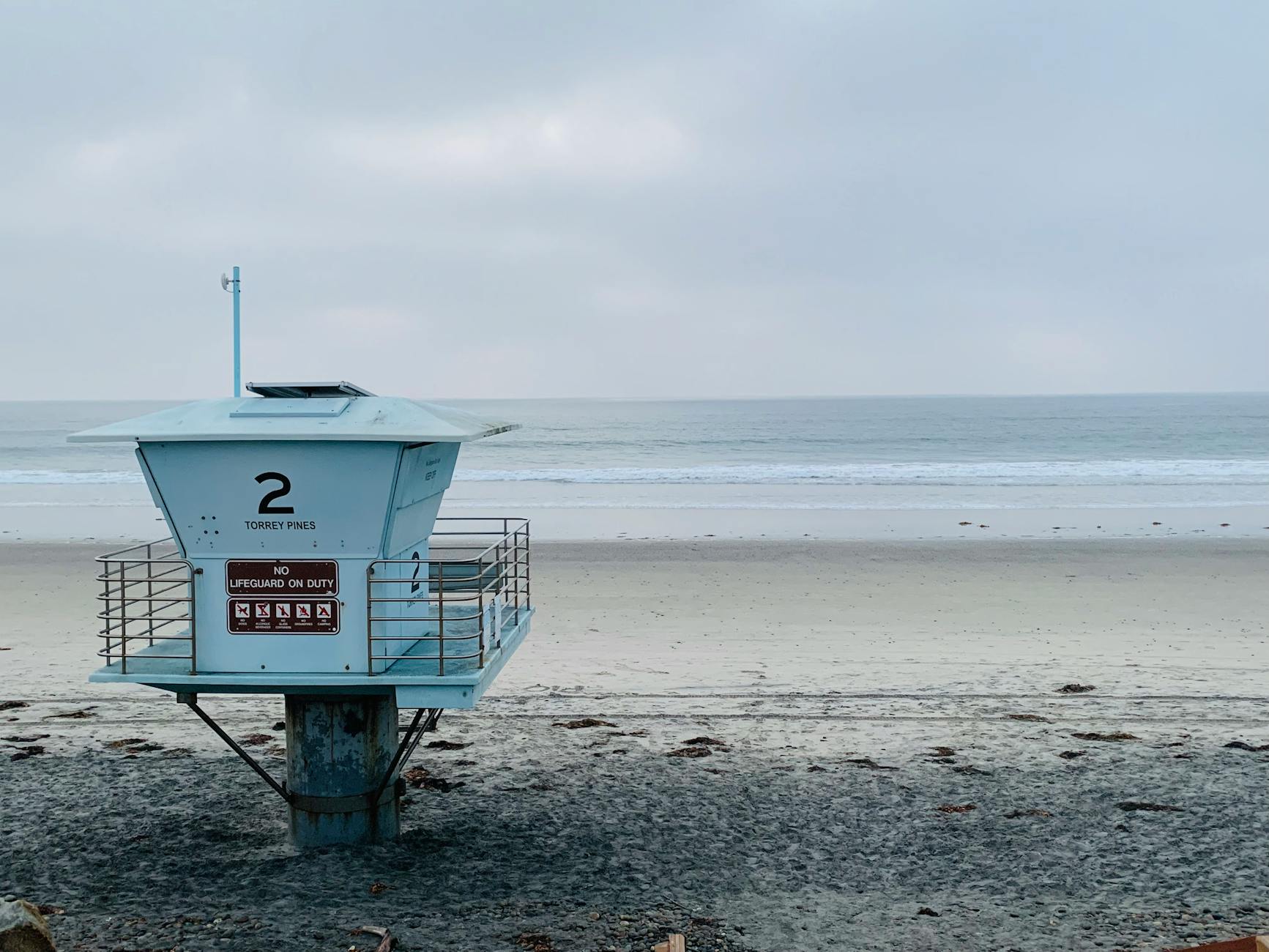
Clinging to sea cliffs above the Pacific Ocean just north of San Diego, this reserve protects one of the rarest pine trees in North America. The Torrey pine grows naturally in only two places on Earth, and the gnarled, wind-sculpted trees create an iconic silhouette against the blue California sky. Trails wind through chaparral and along clifftop ridges with unobstructed views of the Pacific stretching to the horizon. The reserve also encompasses a lagoon and beach below the cliffs, offering a complete coastal ecosystem in a single destination. Given its location within a major metropolitan area, the reserve feels like a miracle of preservation and natural beauty.
Starved Rock State Park
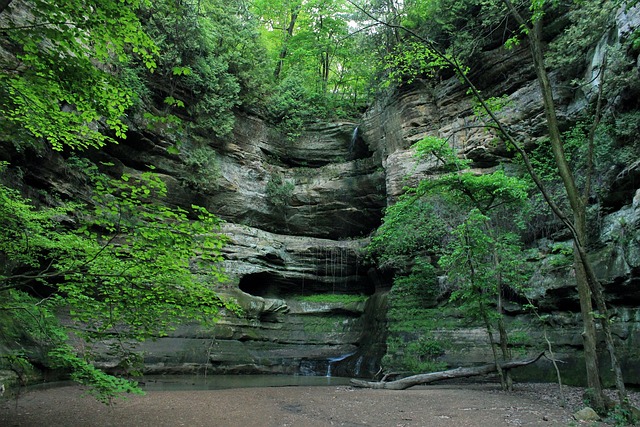
Situated along the Illinois River southwest of Chicago, this park packs 18 canyons and 13 miles of trails into a remarkably scenic stretch of river bluffs. Waterfalls cascade into sandstone canyons carved by meltwater from retreating glaciers thousands of years ago. Bald eagles congregate along the river in winter, making the park one of the premier eagle-watching destinations in the Midwest. The dramatic geological formations and diverse wildlife attract over two million visitors annually, yet the park manages to feel spacious and serene along its quieter trails. Its proximity to a major city combined with its genuine natural beauty makes it one of the most important state parks in America.
Garner State Park
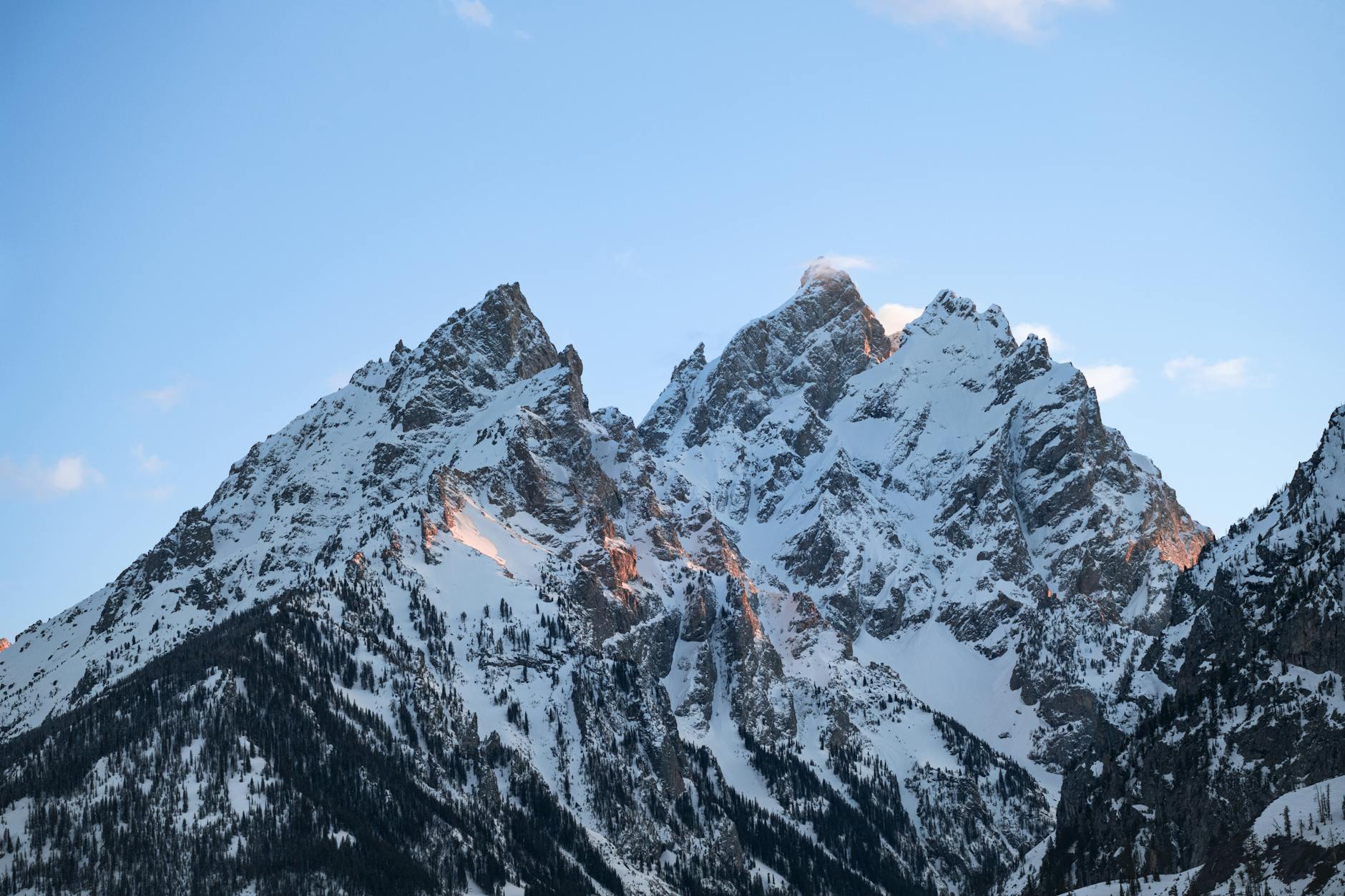
Nestled in the Hill Country of Texas along the Frio River, this beloved park has drawn generations of Texas families to its crystal-clear, cypress-shaded swimming holes. The emerald-green river flows through dramatic limestone bluffs covered in Spanish oak and cedar, creating one of the most picturesque swimming and tubing destinations in the Southwest. Hiking trails climb to panoramic hilltop overlooks that survey miles of rolling Hill Country terrain in every direction. The park’s outdoor dance pavilion has hosted summer dances for decades, becoming a cultural tradition deeply woven into Texas identity. Its combination of natural beauty and community tradition gives Garner State Park a character unlike almost any other in the country.
McConnells Mill State Park
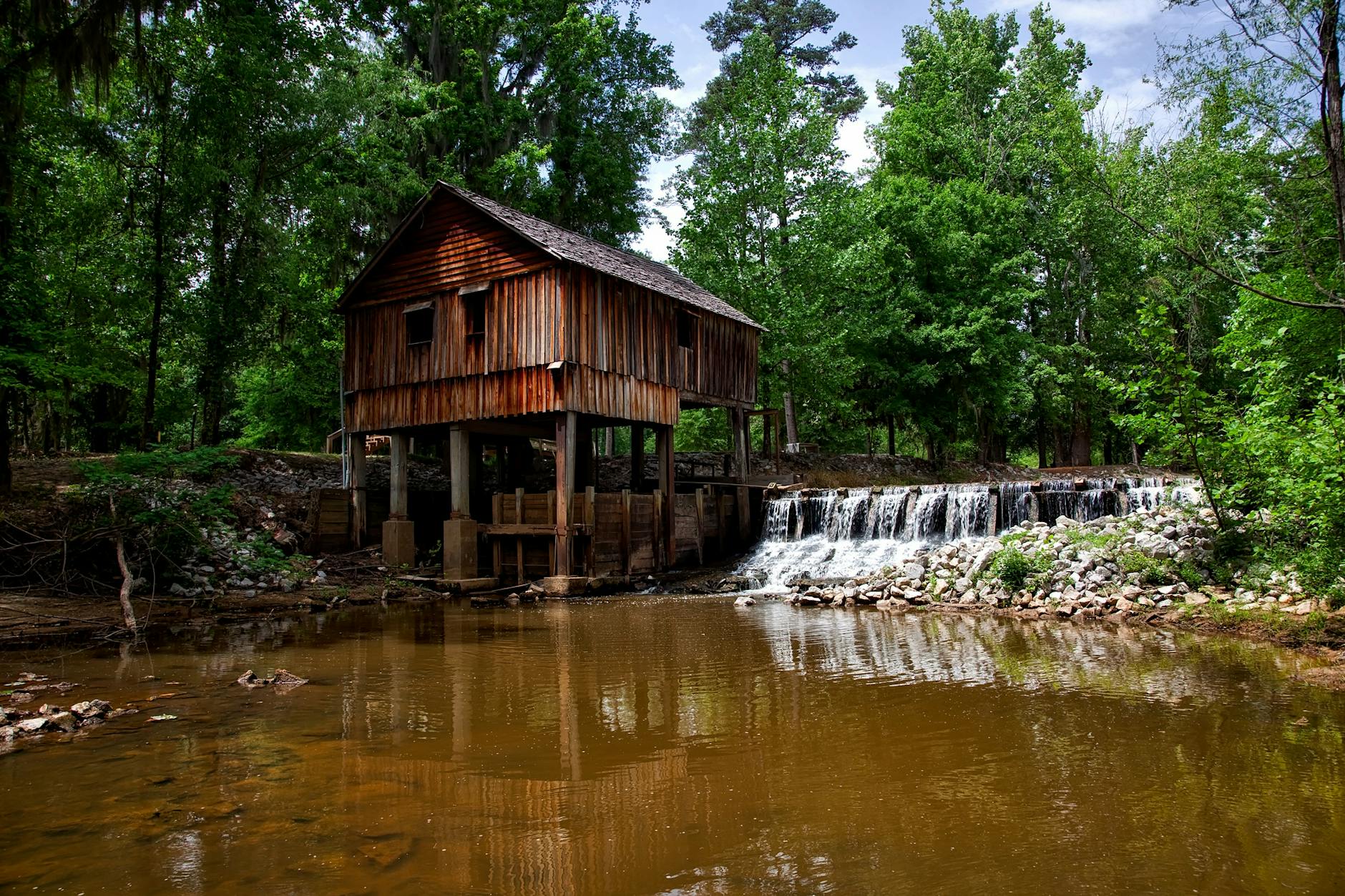
Hidden in western Pennsylvania, this park preserves a dramatic glacially carved gorge along Slippery Rock Creek and a restored 19th-century gristmill on the National Register of Historic Places. The gorge walls drop sharply from the surrounding plateau, creating a rugged landscape of boulders, rapids, and hemlocks that feels far more wild and remote than its location suggests. Rock climbers, kayakers, and hikers share the park’s challenging terrain throughout all seasons. The historic mill provides a compelling cultural layer to what is already an outstanding natural destination. It remains largely undiscovered by visitors from outside the region, making it one of Pennsylvania’s best-kept outdoor secrets.
Petit Jean State Park

Arkansas’s first state park sits atop a broad mesa overlooking the Arkansas River Valley and contains some of the most surprising scenery in the entire South. Cedar Falls plunges 95 feet into a dramatic sandstone box canyon that would not look out of place in the American West. Rock formations, bluff shelters with ancient Native American pictographs, and sweeping valley views are all accessible within a compact and well-maintained trail network. The park’s sandstone caves and canyons draw geology enthusiasts and photographers who rarely expect such dramatic terrain in Arkansas. Its historic lodge, built by the Civilian Conservation Corps in the 1930s, adds an architectural charm that makes it a complete destination in every sense.
Chugach State Park
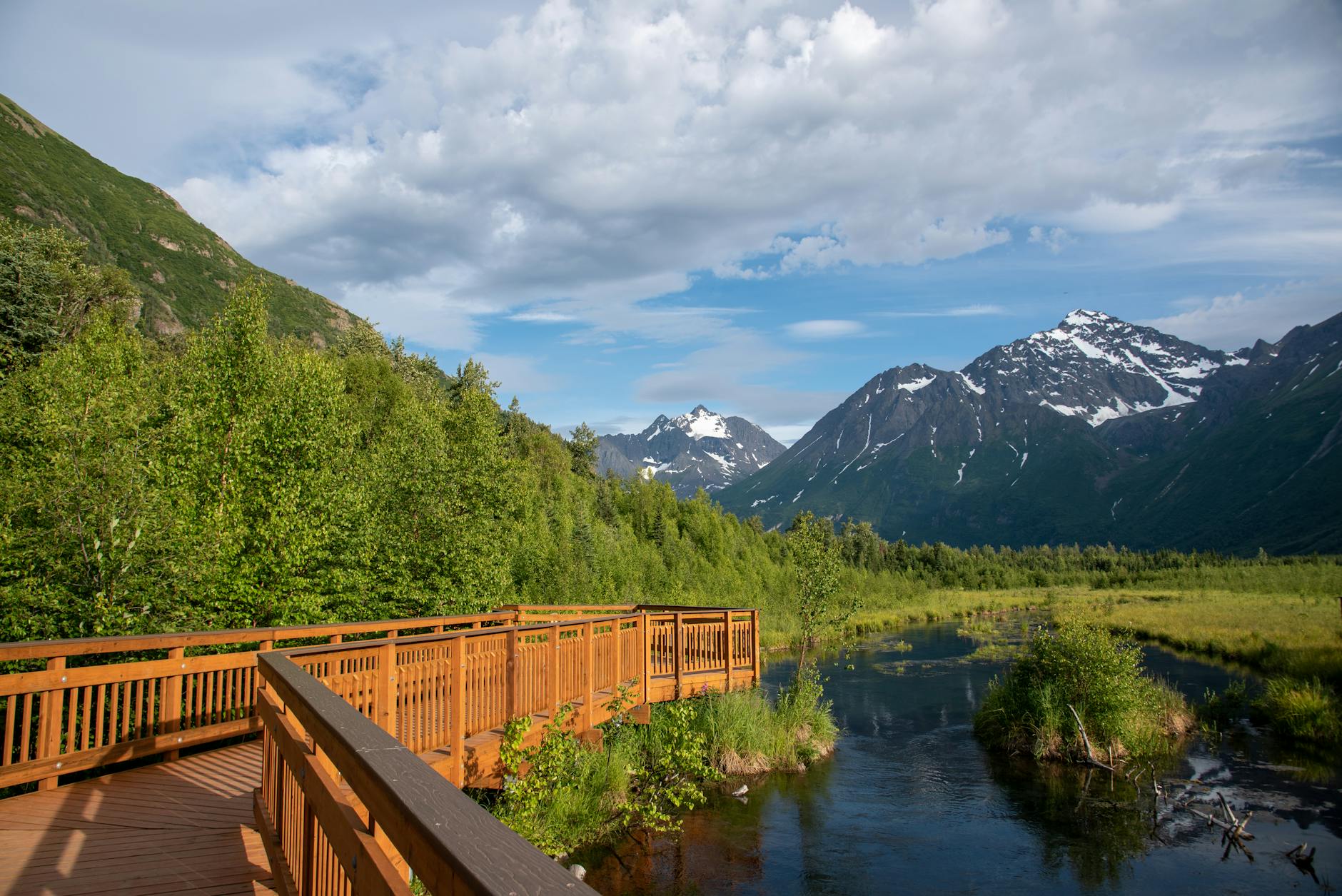
Sprawling across nearly half a million acres just outside Anchorage, this park is one of the largest state parks in the country and one of the most spectacularly wild. Glaciers, alpine meadows, rocky peaks, and braided river valleys create a landscape of almost incomprehensible scale and beauty. The park is home to brown and black bears, moose, Dall sheep, wolves, and wolverines in concentrations rarely encountered in the lower 48 states. Trails of all difficulty levels begin just minutes from downtown Anchorage, making this one of the most accessible wilderness experiences in North America. For anyone who travels to Alaska, skipping this park in favor of more distant national parks would be a genuine missed opportunity.
Which of these state parks is on your bucket list? Share your favorites in the comments.