Every trip to the grocery store comes with the quiet assumption that you are getting fair value for your money. The reality is that many common products carry markups so steep that the gap between cost and price would shock most shoppers. Some items are inflated simply because of packaging, branding, or the convenience factor that retailers know customers will pay for without question. Understanding which products consistently drain your wallet is the first step toward smarter, more intentional shopping. These twenty items are among the worst offenders on any grocery store shelf.
Pre-Cut Fruit
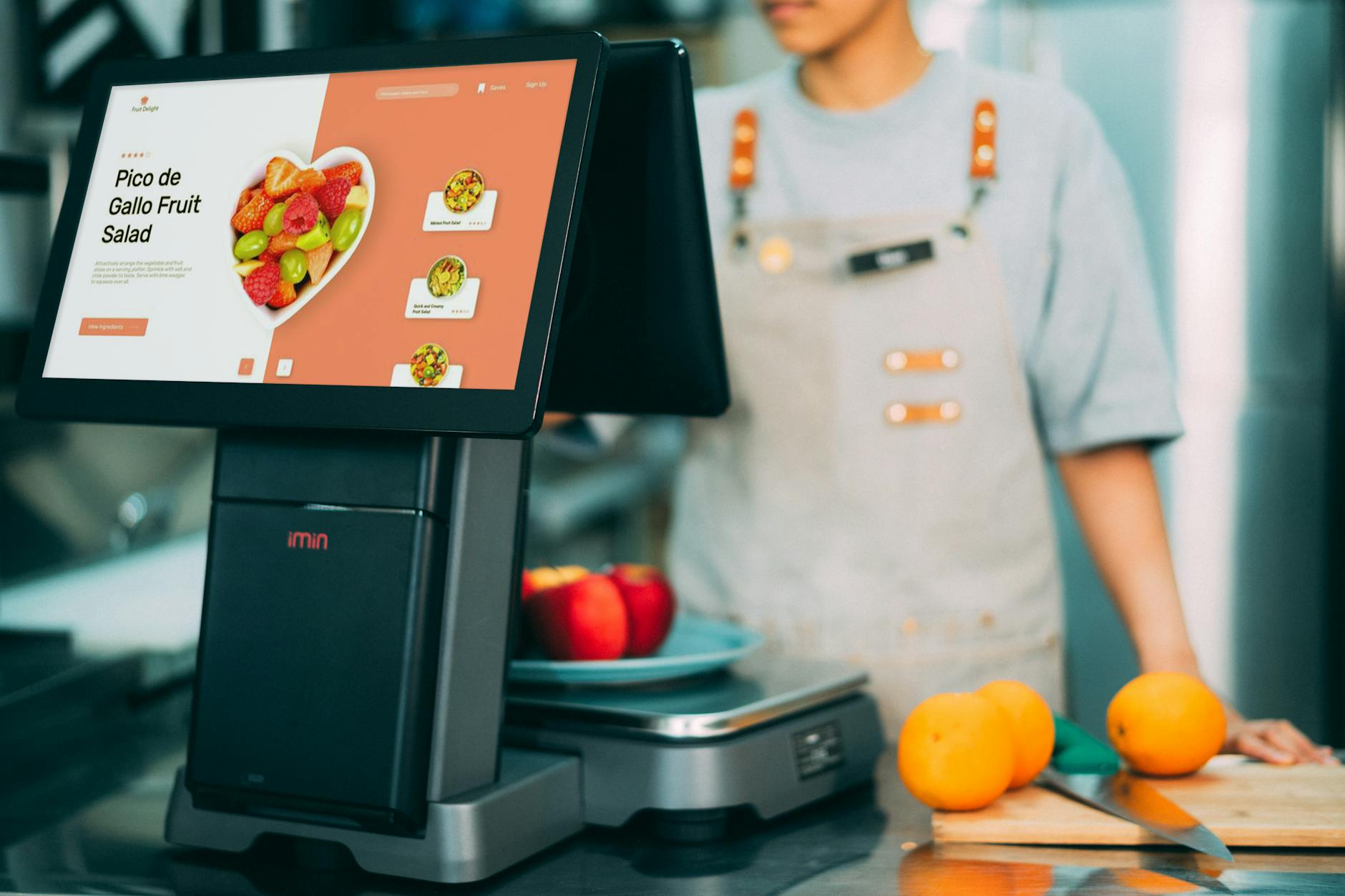
Whole fruit and pre-cut fruit are identical products separated only by a few minutes of labor and a plastic container. The markup on sliced melon, cubed pineapple, and sectioned grapefruit can reach several hundred percent compared to buying the same fruit whole. Retailers charge a significant premium for the convenience of having the work done in advance. Buying whole fruit and cutting it at home takes minimal effort and delivers substantial savings over time. The nutritional value is also better preserved when fruit is cut fresh rather than sitting exposed in packaging.
Single-Serve Oatmeal
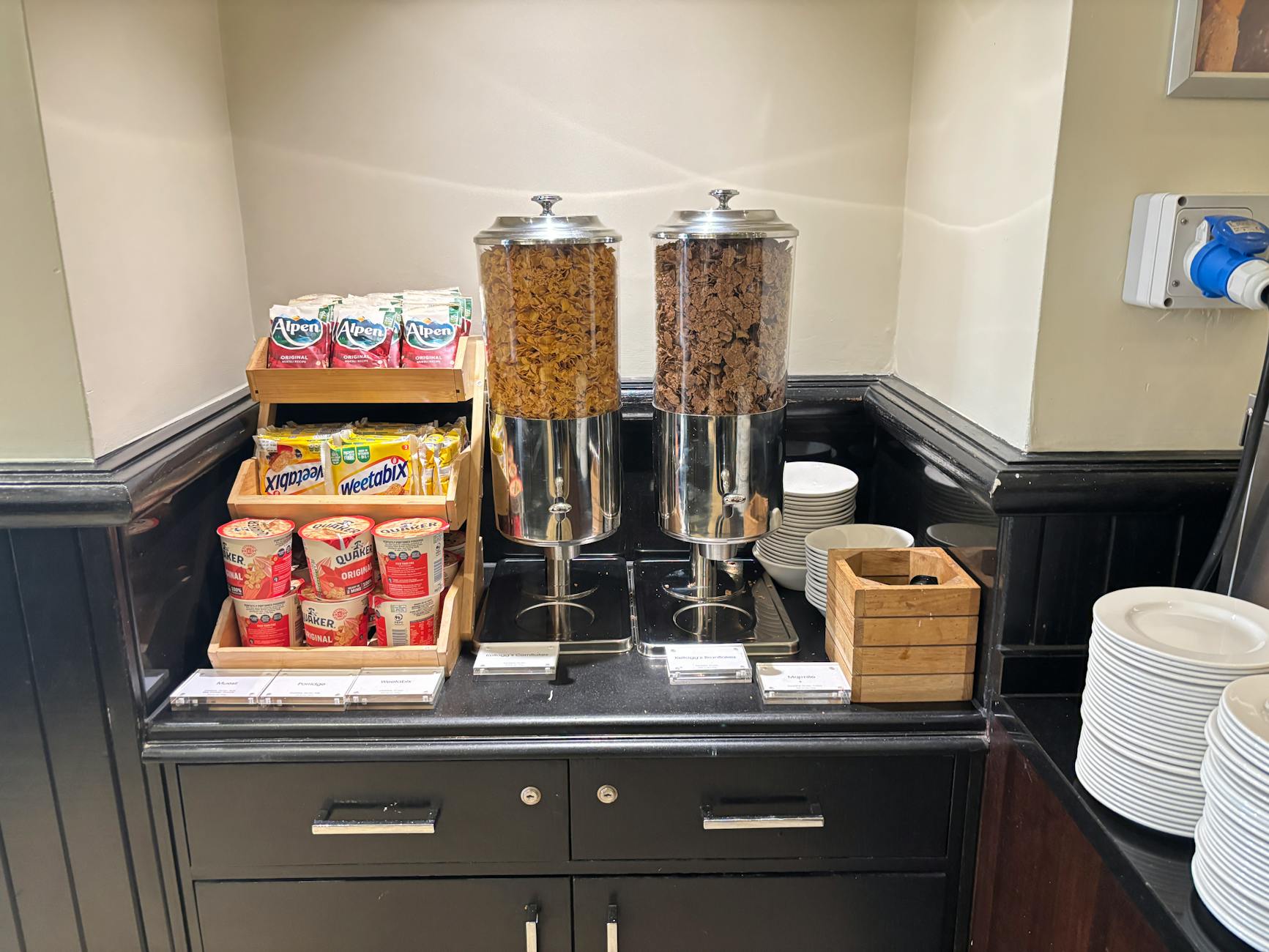
Instant oatmeal packets contain the same oats found in a large canister, simply portioned and flavored with sugar and powdered ingredients. The per-serving cost of individual packets can be five to ten times higher than buying a standard rolled oats container. The added flavorings are inexpensive to produce and do little to justify the dramatic price difference. A large bag of plain oats can be customized at home with fruit, honey, or cinnamon for a fraction of the cost. The convenience packaging is almost entirely responsible for the inflated price tag.
Bottled Water
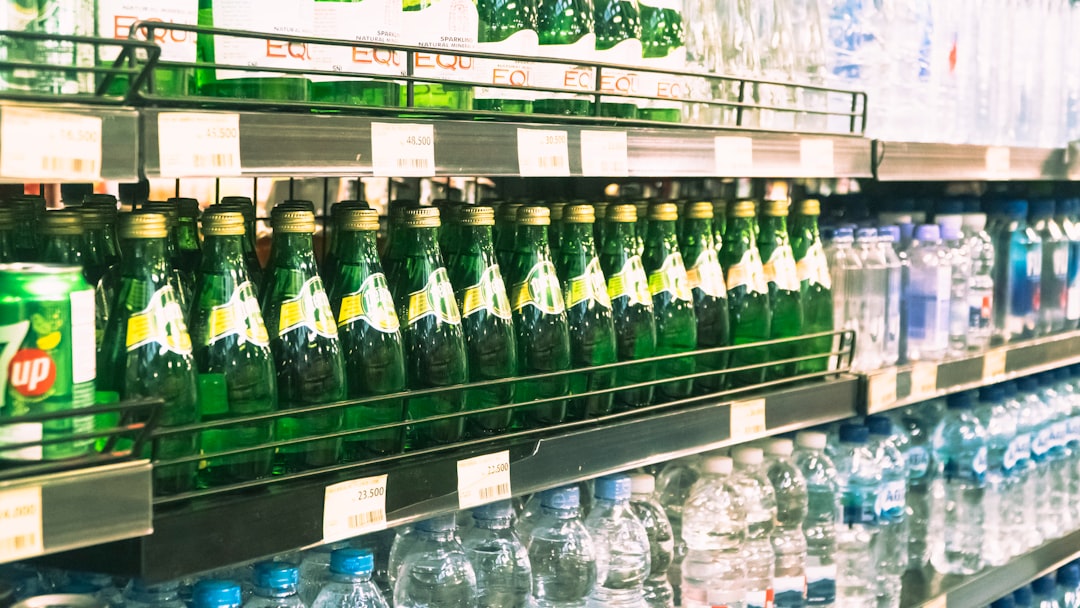
Municipal tap water in most developed regions is rigorously tested and safe to drink, yet bottled water commands a massive premium over what flows from the faucet. The cost per gallon of bottled water can exceed that of gasoline when calculated accurately. Much of what is sold as premium spring water is actually filtered municipal water repackaged under an appealing brand name. A reusable bottle paired with a basic home filter delivers the same quality at a dramatically reduced ongoing cost. The environmental cost of single-use plastic adds another layer of concern beyond the financial one.
Shredded Cheese
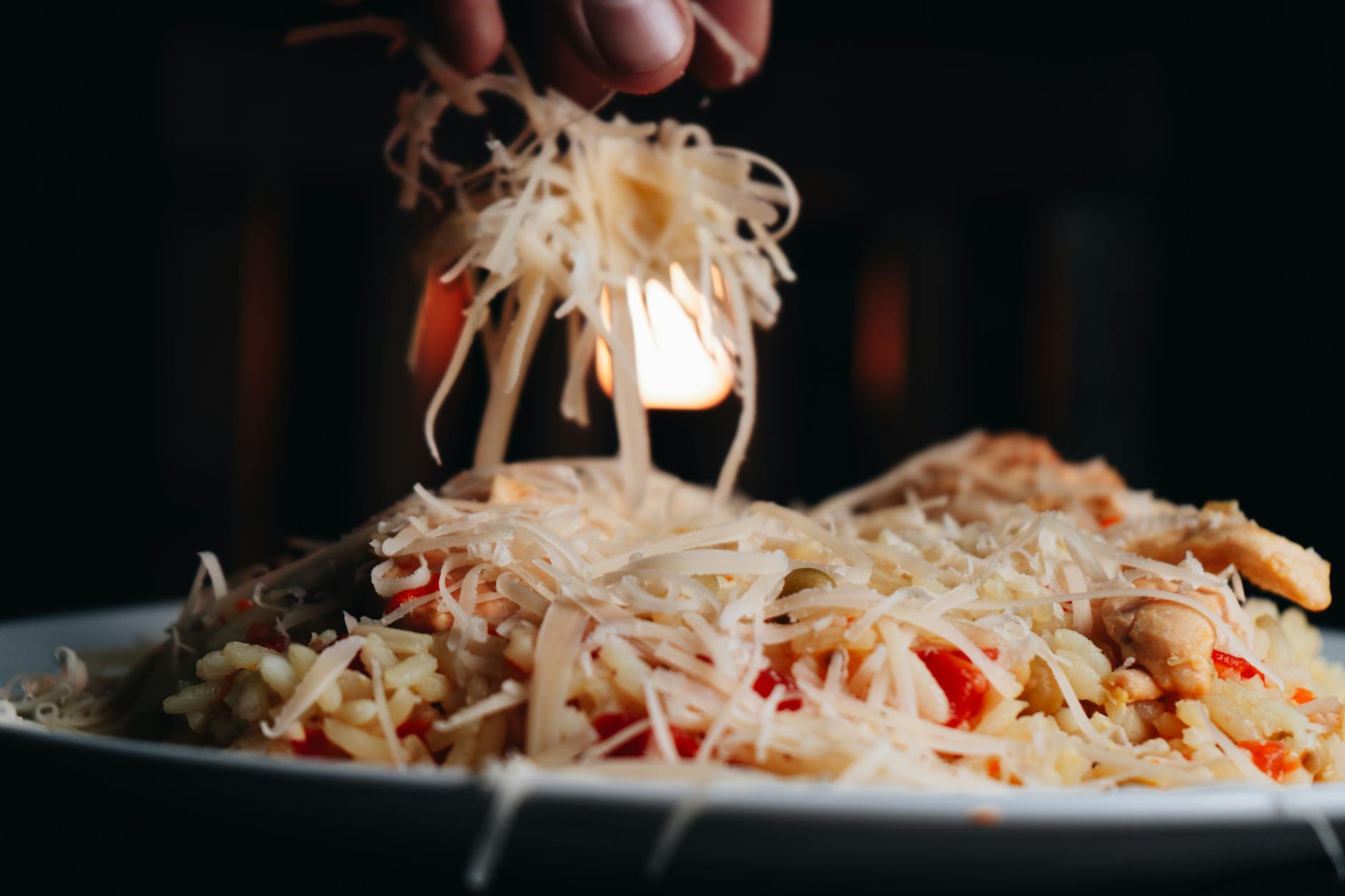
A block of cheddar and a bag of shredded cheddar come from the same source, but the shredded version consistently costs more per ounce. Manufacturers add cellulose powder and other anti-caking agents to pre-shredded cheese to prevent clumping, which subtly affects the way it melts and blends. Grating cheese at home takes under a minute and produces a cleaner, additive-free result. The block format also tends to stay fresher longer once opened, reducing waste. Shoppers consistently overpay for a task that requires almost no additional time or equipment.
Spice Blends
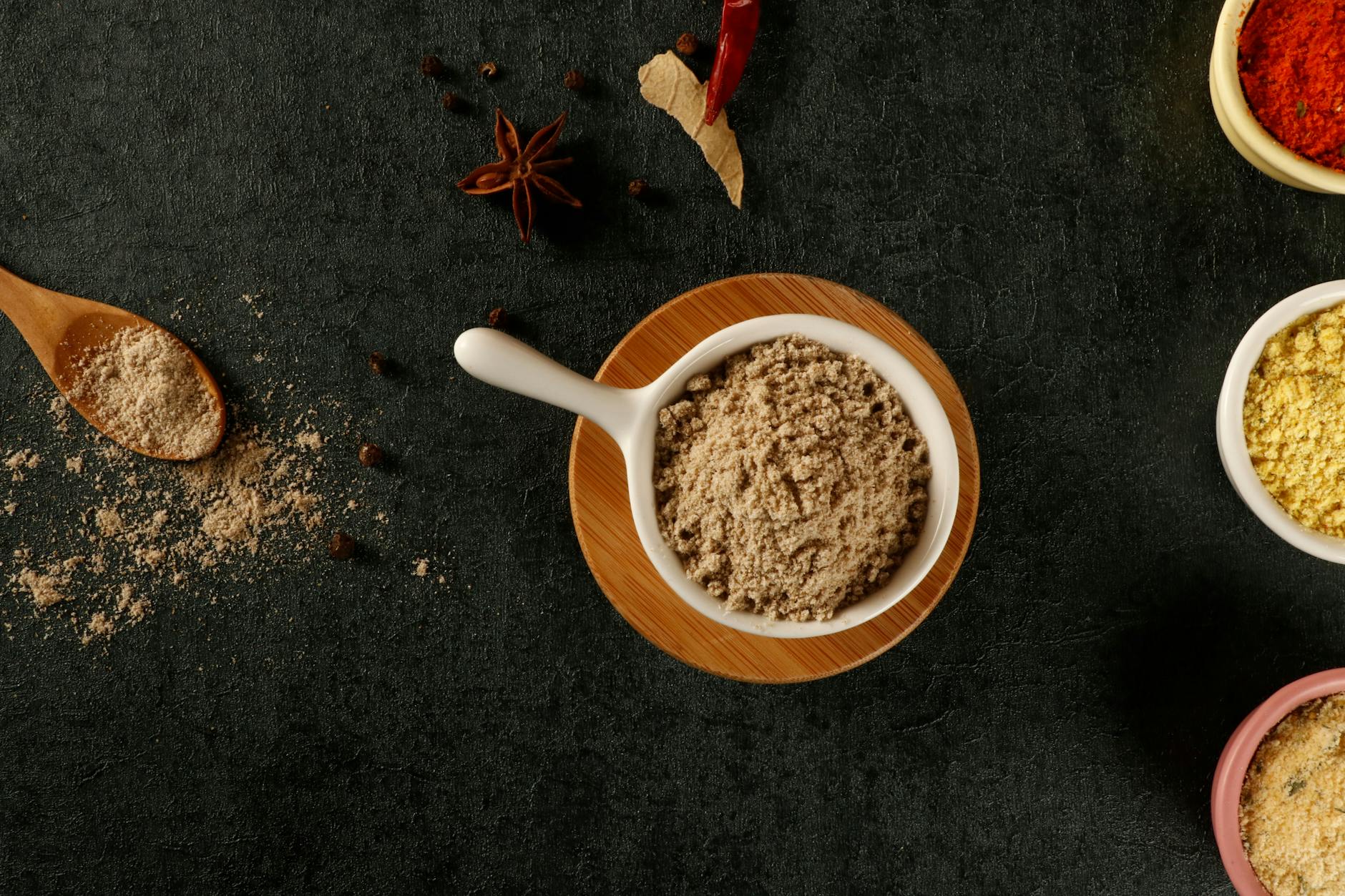
Proprietary spice blends found on grocery store shelves are typically made from individual spices that can be purchased separately for far less money. A jar of taco seasoning or Italian herb mix contains ingredients like cumin, oregano, garlic powder, and paprika that most home cooks already own. The blending process itself costs the manufacturer very little, yet the branded packaging commands a significant retail premium. Making blends at home allows for full control over salt content, heat level, and ingredient quality. A small investment in individual spices creates dozens of custom blends at a fraction of the store cost.
Flavored Nuts
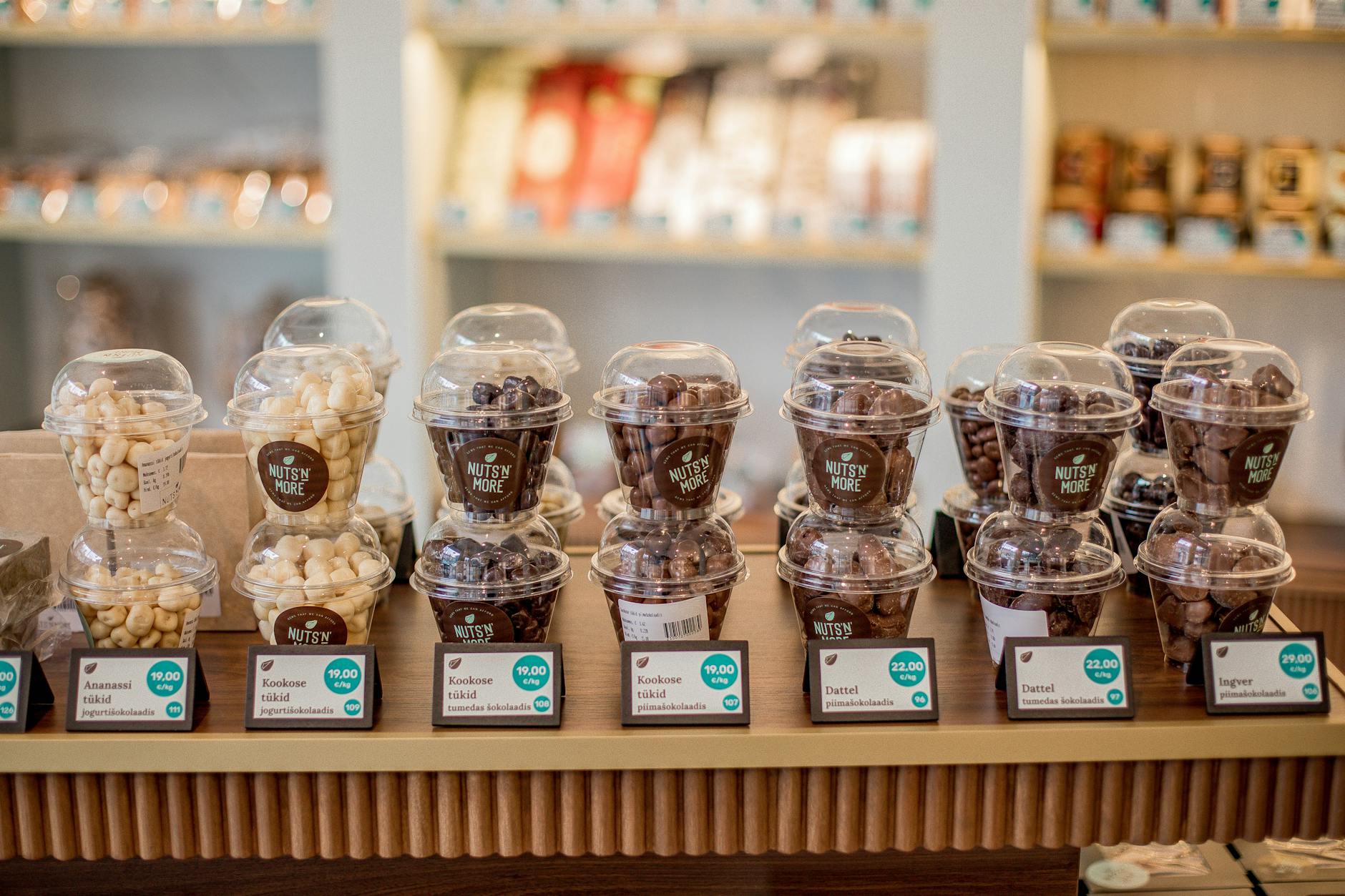
Plain roasted nuts are already a premium product, and adding a coating of honey, seasoning, or chocolate pushes the price considerably higher. The added ingredients in flavored nut varieties are typically inexpensive sugars, oils, and salt applied in small quantities. Retailers rely on the perception of added value to justify price points that are rarely proportional to the actual cost of production. Buying plain nuts and toasting them at home with your own seasonings achieves the same result for significantly less. The shelf life of homemade flavored nuts is also easier to monitor without relying on preservatives.
Greeting Cards

A paper card with a printed message and a decorative envelope regularly retails for five to ten dollars at major grocery chains. The production cost of a single greeting card is a small fraction of that retail price, with the rest absorbed by licensing fees, display space, and brand markup. Digital alternatives exist for free and can be personalized far more meaningfully than any mass-produced verse. Even handwritten notes on plain stationery carry more emotional weight and cost far less. Grocery store card aisles represent one of the highest-margin non-food product categories in the entire store.
Bagged Salad

Pre-washed and pre-mixed salad greens spoil faster than whole heads of lettuce and come at a substantial price premium per serving. The processing, washing, and packaging involved adds cost, but the markup extends well beyond what those steps actually require. A whole head of romaine or a bundle of spinach delivers more servings at a lower price and stays fresh longer when stored properly. Bagged mixes also frequently contain a disproportionate amount of filler greens that dilute the more desirable varieties. Building your own salad base from whole greens takes minutes and costs a fraction of the convenience alternative.
Juice Boxes
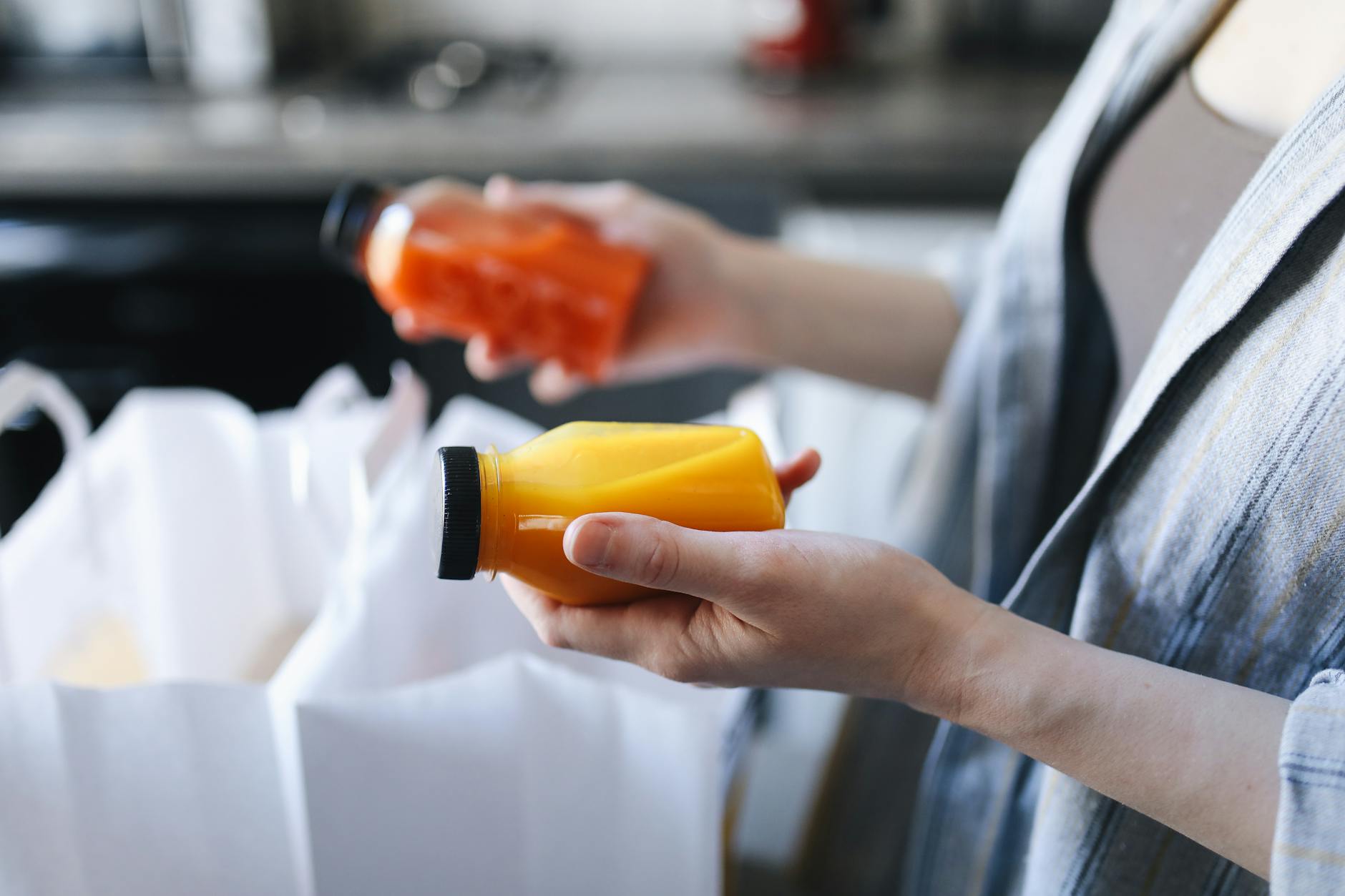
Single-serve juice boxes are priced at a level that far exceeds the cost of buying the same juice in a larger container. The packaging materials and individual portioning account for a large share of the retail price, not the juice itself. Most juice boxes contain a high amount of added sugar or are made from concentrate, reducing the nutritional case for choosing them at all. A larger bottle of the same juice divided into reusable containers at home achieves the same convenience at a much lower cost. The waste generated by individually packaged juice products is also considerable.
Store-Brand vs Name-Brand Vitamins

Name-brand vitamins sold in grocery stores carry markups that are rarely justified by any meaningful difference in formulation or efficacy. The same active ingredients found in premium-branded supplements are often present in identical concentrations in store-brand or generic versions. Marketing budgets, celebrity endorsements, and attractive packaging account for a substantial portion of the price gap. Regulatory standards ensure that both versions meet the same basic requirements for labeled ingredient content. Switching to a store-brand equivalent of your regular supplement can cut costs significantly without any change in what you are actually consuming.
Individual Yogurt Cups
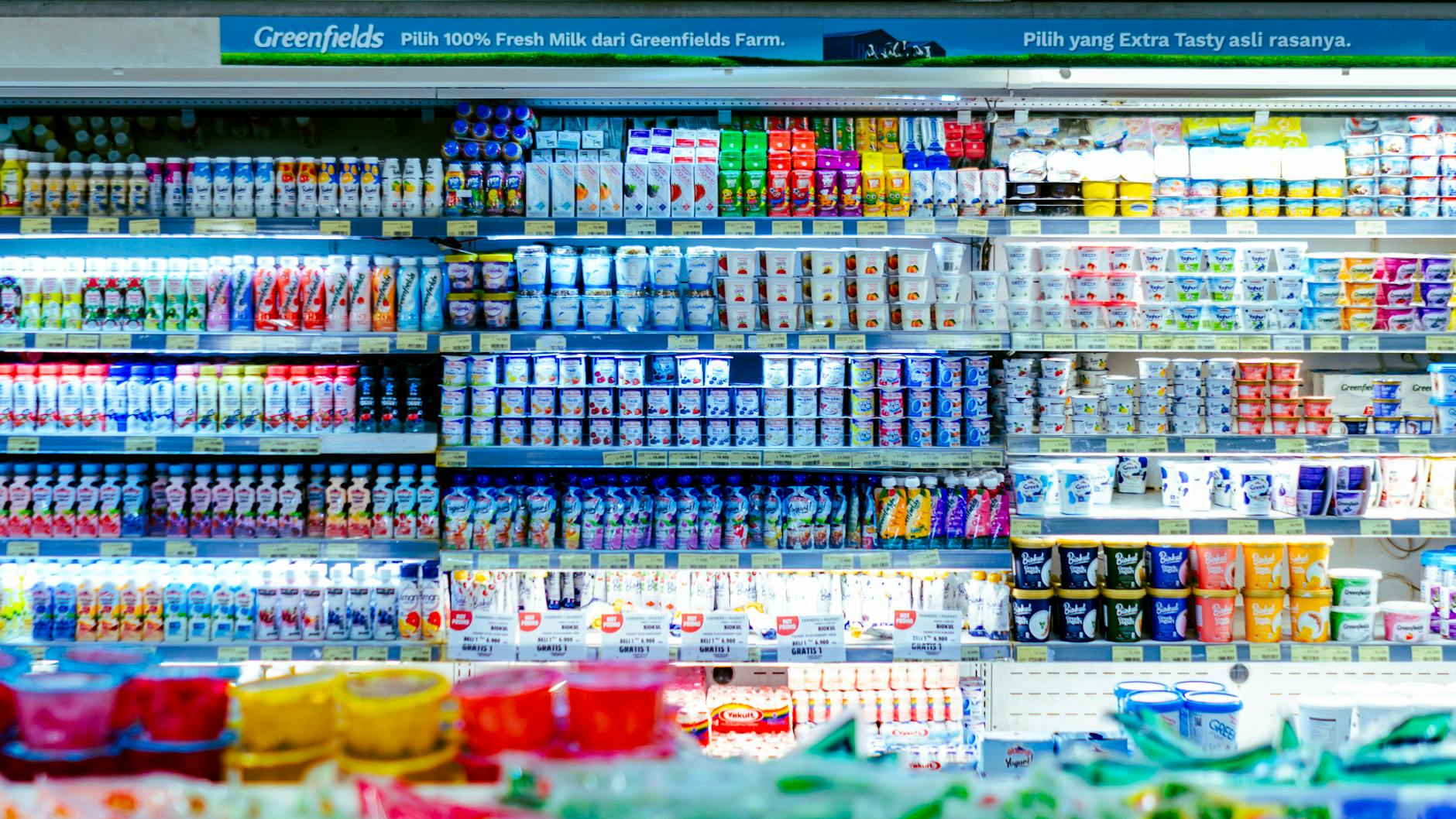
Small single-serve yogurt containers cost considerably more per ounce than buying a large tub of the same product. Dairy companies rely on portion control and flavored variety packs to justify pricing that does not reflect proportional ingredient cost. A large plain yogurt bought in bulk can be flavored at home with fresh fruit, honey, or granola at a much lower overall cost. The plastic waste generated by individual cups is also substantially higher than that of a single large container. Portion control can be achieved just as easily using a kitchen scale or a standard measuring cup.
Herbal Tea
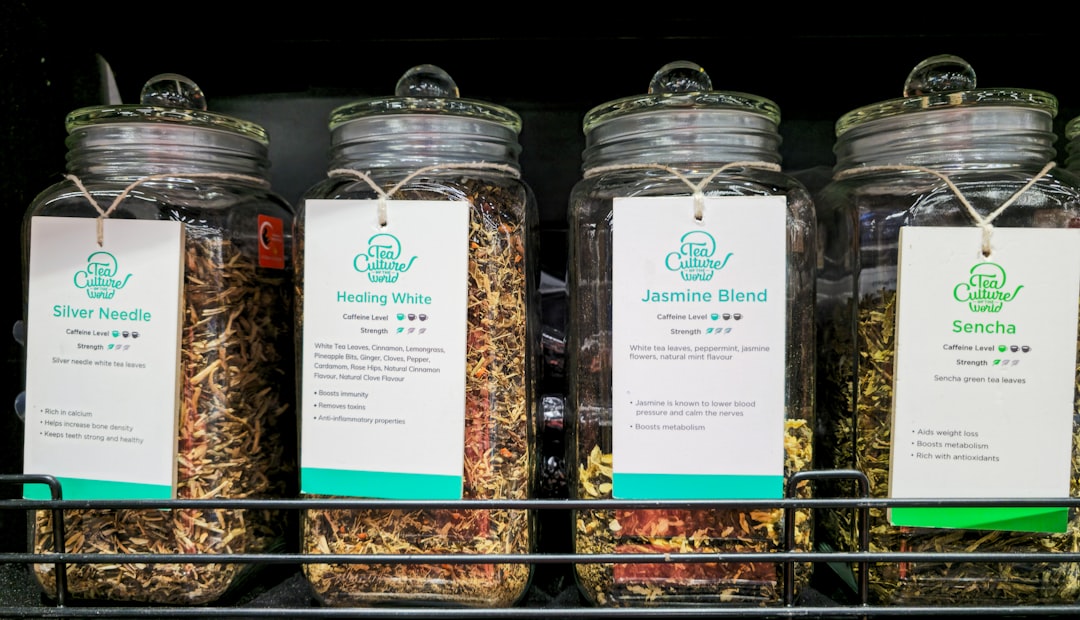
Individual herbal tea bags from branded grocery store lines are among the most aggressively marked-up products in the beverage aisle. The dried herbs used in most commercial tea blends are inexpensive agricultural products that cost very little per serving to produce. Loose-leaf tea purchased from specialty or bulk stores delivers a higher quality product at a lower cost per cup. The packaging, branding, and retail positioning of grocery store tea adds layers of cost that have nothing to do with the quality of what is in the bag. Investing in a simple infuser and buying herbs in bulk transforms both the experience and the value equation.
Energy Drinks
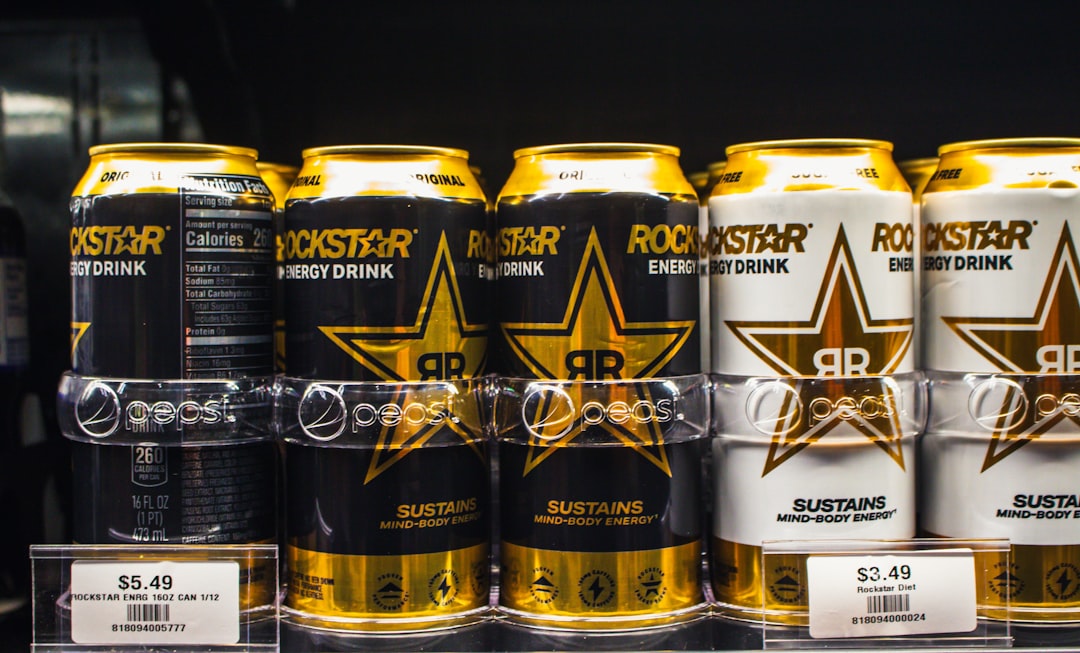
The ingredients in most commercially sold energy drinks are common compounds including caffeine, B vitamins, and sugar that are inexpensive to source and manufacture. The retail price of a single can is dramatically disproportionate to the actual cost of production. Marketing to specific lifestyle demographics allows these brands to maintain premium pricing that the underlying product does not inherently justify. A cup of black coffee or green tea delivers comparable caffeine at a tiny fraction of the cost. The sleek can design and brand identity account for far more of the price than the liquid inside.
Deli Meat

Pre-packaged deli meat sold in resealable pouches carries a substantial markup compared to buying sliced meat from the deli counter directly. The convenience packaging and extended shelf-life processing involved in pre-packed varieties add costs while often reducing ingredient quality. Sodium and preservative content in pre-packaged deli meats tends to be higher than freshly sliced counter options. Buying sliced meat by weight from the deli department typically yields better flavor, fresher product, and more value per serving. The perception of convenience in packaged formats rarely translates to meaningful time savings at home.
Frozen Smoothie Packs
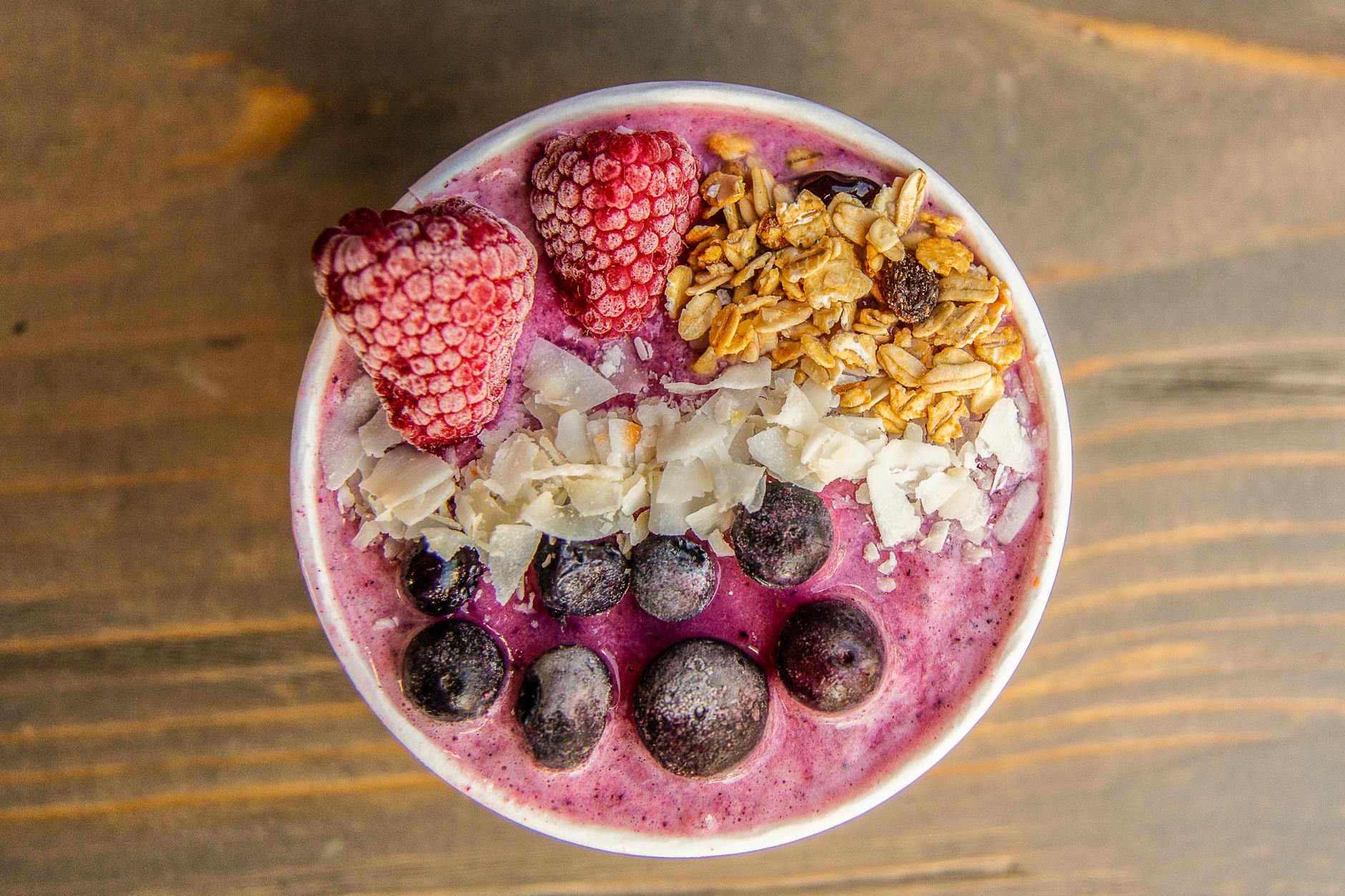
Branded frozen smoothie packs containing portioned fruit and vegetable blends retail at prices that make little nutritional or financial sense. The individual ingredients in those packs can be purchased fresh or frozen in bulk for a fraction of what the branded packaging commands. Much of the premium is tied to the marketing of convenience and the visual appeal of the curated combinations. Buying frozen fruit and spinach in large standard bags and portioning them at home achieves the same result for significantly less money. A basic blender and a few bulk freezer bags replicate the entire product category without the markup.
Sparkling Water
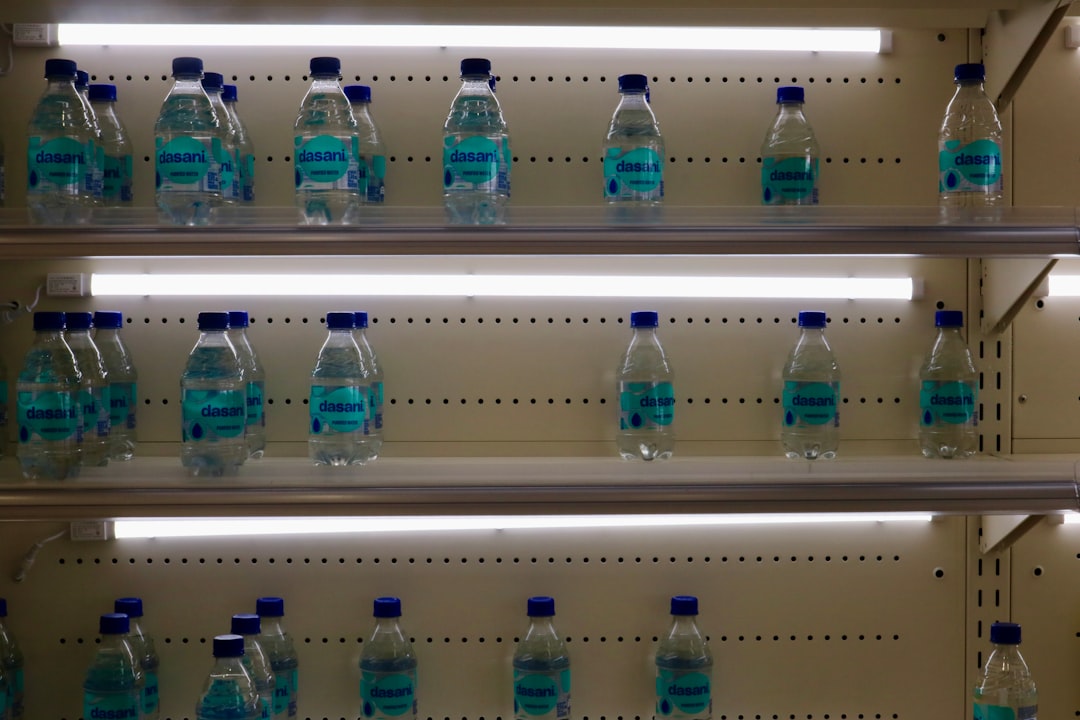
Flavored sparkling water in cans has become a grocery staple, but the cost per serving adds up quickly for regular consumers. A home carbonation device and flavor concentrates or fresh citrus can replicate the experience at a dramatically lower ongoing cost. The branded varieties frequently contain proprietary flavor combinations that are marketed as unique but are achievable with basic natural ingredients. Purchasing plain unflavored sparkling water in larger bottles rather than individual cans reduces the per-serving cost substantially. The single-serve can format is one of the primary drivers of the inflated price point.
Baby Food Pouches

Commercially produced baby food pouches carry some of the highest per-ounce markups of any product category in the grocery store. The pureed fruits and vegetables inside are straightforward to prepare at home using a basic blender or food processor. Batch cooking and portioning into reusable pouches or small containers replicates the convenience format at a dramatically reduced cost. The packaging itself accounts for a disproportionate share of the retail price compared to the food it contains. Pediatric nutrition guidelines do not indicate any advantage to commercially prepared pouches over fresh home-prepared alternatives.
Boxed Pasta Sauce
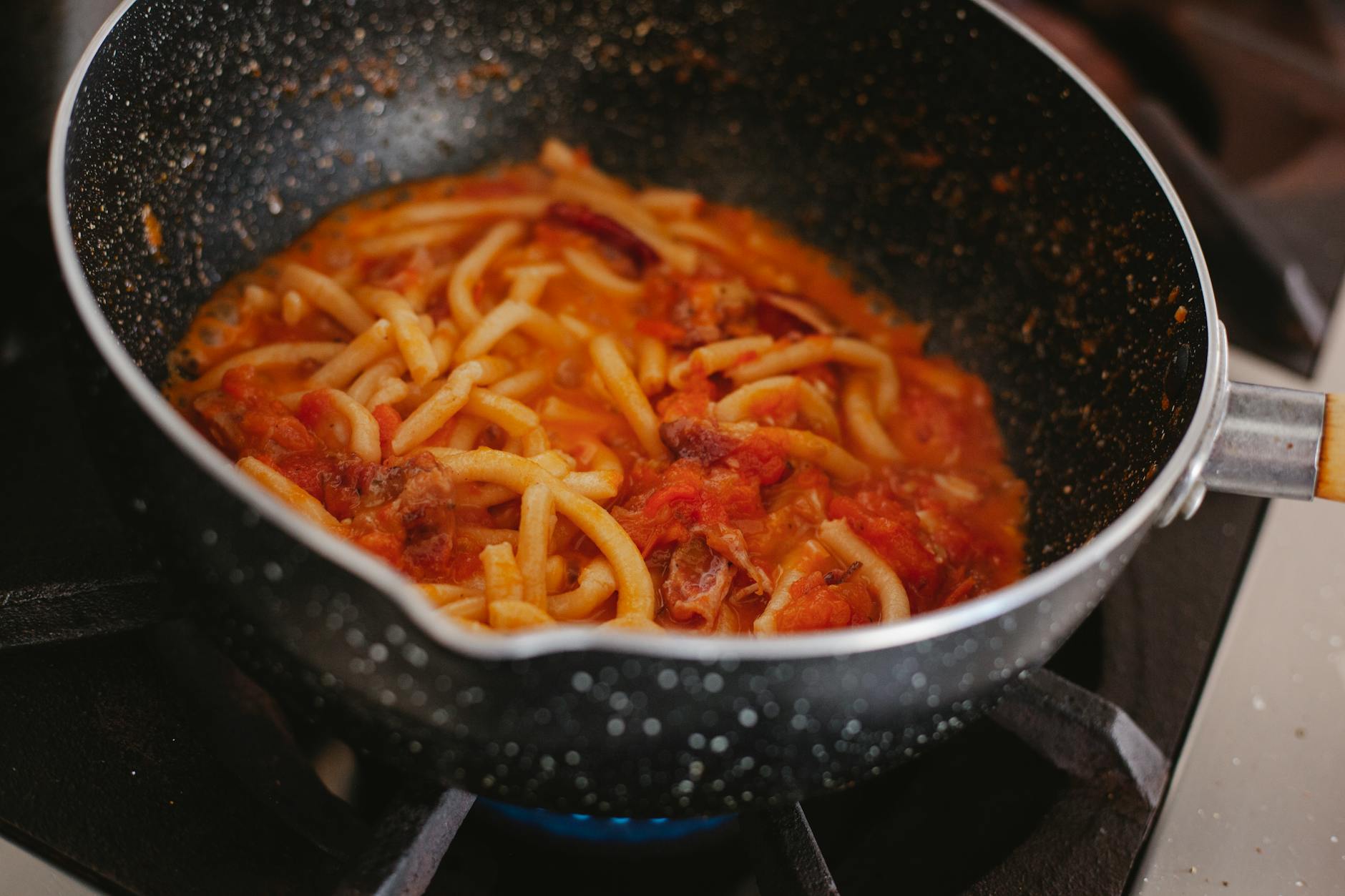
Jarred and boxed pasta sauces are built from canned tomatoes, olive oil, garlic, and herbs that individually cost very little and are widely available. The combined retail price of these ingredients in their processed, branded form far exceeds what it would cost to prepare the same sauce at home. Premium brand positioning and attractive packaging allow manufacturers to charge for what is essentially a basic pantry staple. A simple homemade tomato sauce takes under thirty minutes to prepare and can be made in large batches for freezing. The quality of a scratch sauce made with whole ingredients also tends to significantly exceed anything found in a jar.
Gift Wrap Supplies

Grocery store gift wrap sections charge premium prices for tissue paper, gift bags, and ribbon that serve a single-use decorative purpose. The same items are available at discount stores or dollar retailers for a fraction of the grocery store price. Retailers exploit the impulse nature of last-minute gift wrapping to charge prices that bear no relationship to the cost of the materials. Reusable fabric wrapping alternatives or repurposed paper achieve the same visual result without the recurring expense. Buying wrapping supplies in advance from a dedicated discount source rather than at a grocery store produces consistent savings throughout the year.
Branded Olive Oil
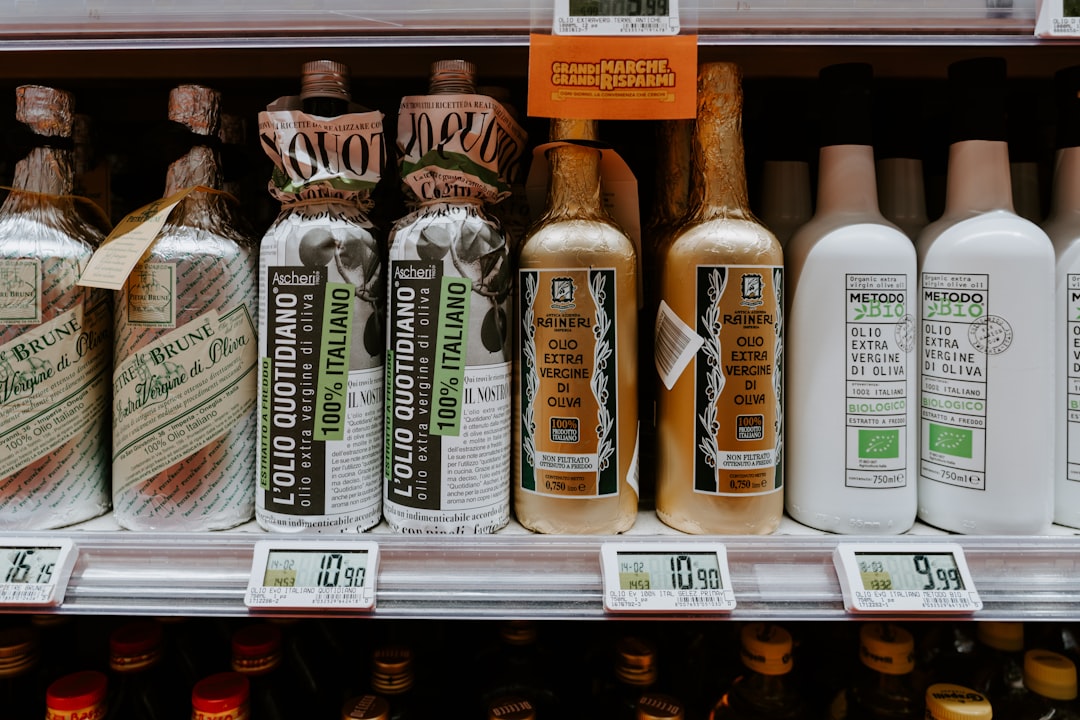
Premium branded olive oils sold at grocery stores frequently command prices that are not supported by meaningful differences in quality or origin compared to mid-range alternatives. Extra virgin olive oil labeling standards vary widely, and not all products meeting that designation are equivalent in flavor or purity. Buying olive oil from specialty importers, warehouse stores, or private label brands often delivers superior quality at a lower cost than grocery store name brands. The bottle design and marketing narrative around premium oils contribute significantly to retail pricing. Understanding basic oil labeling and sourcing allows consumers to make far more economical choices without sacrificing culinary quality.
Share your thoughts on the biggest grocery store rip-offs you have discovered in the comments.