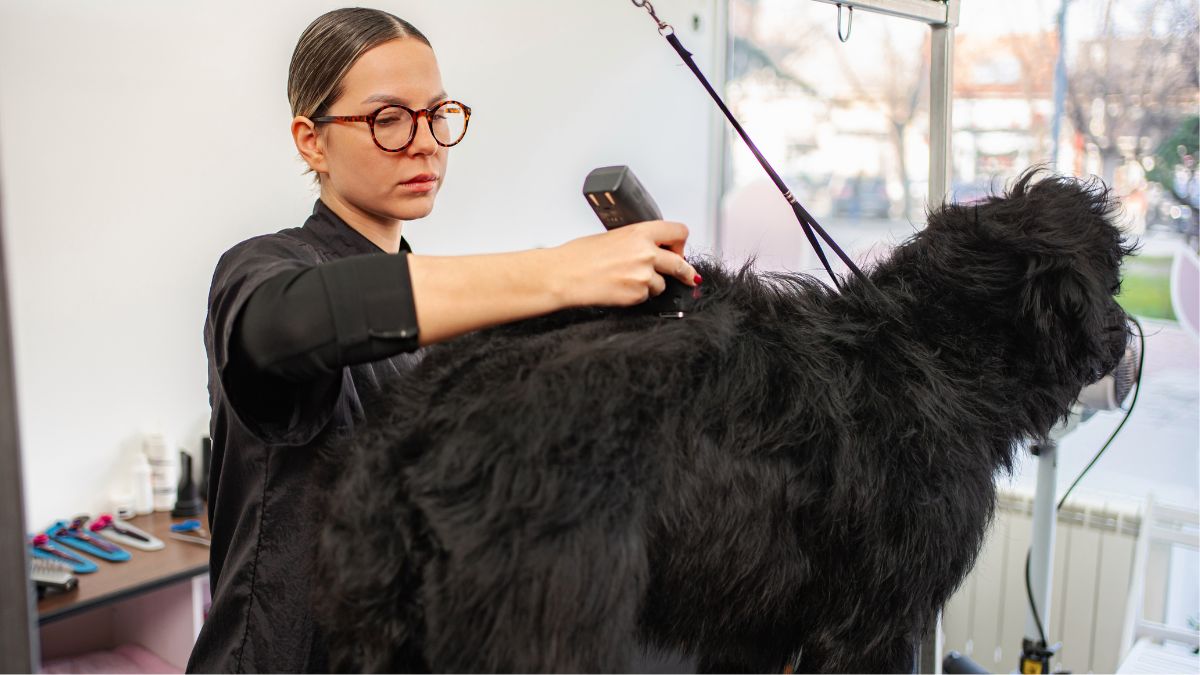
Every dog owner loves their furry companion, but behind the scenes at grooming salons, professionals see habits that range from puzzling to truly cringe-worthy. Groomers are trained to stay professional and kind, but after years of handling dogs in every condition imaginable, they develop a mental list of owner behaviors that make their job significantly harder. From hygiene oversights to well-meaning mistakes, these habits often result in stressed dogs, longer appointment times, and groomers quietly raising an eyebrow. Understanding what professionals actually notice can help owners become better advocates for their pets and more considerate clients.
Matted Fur
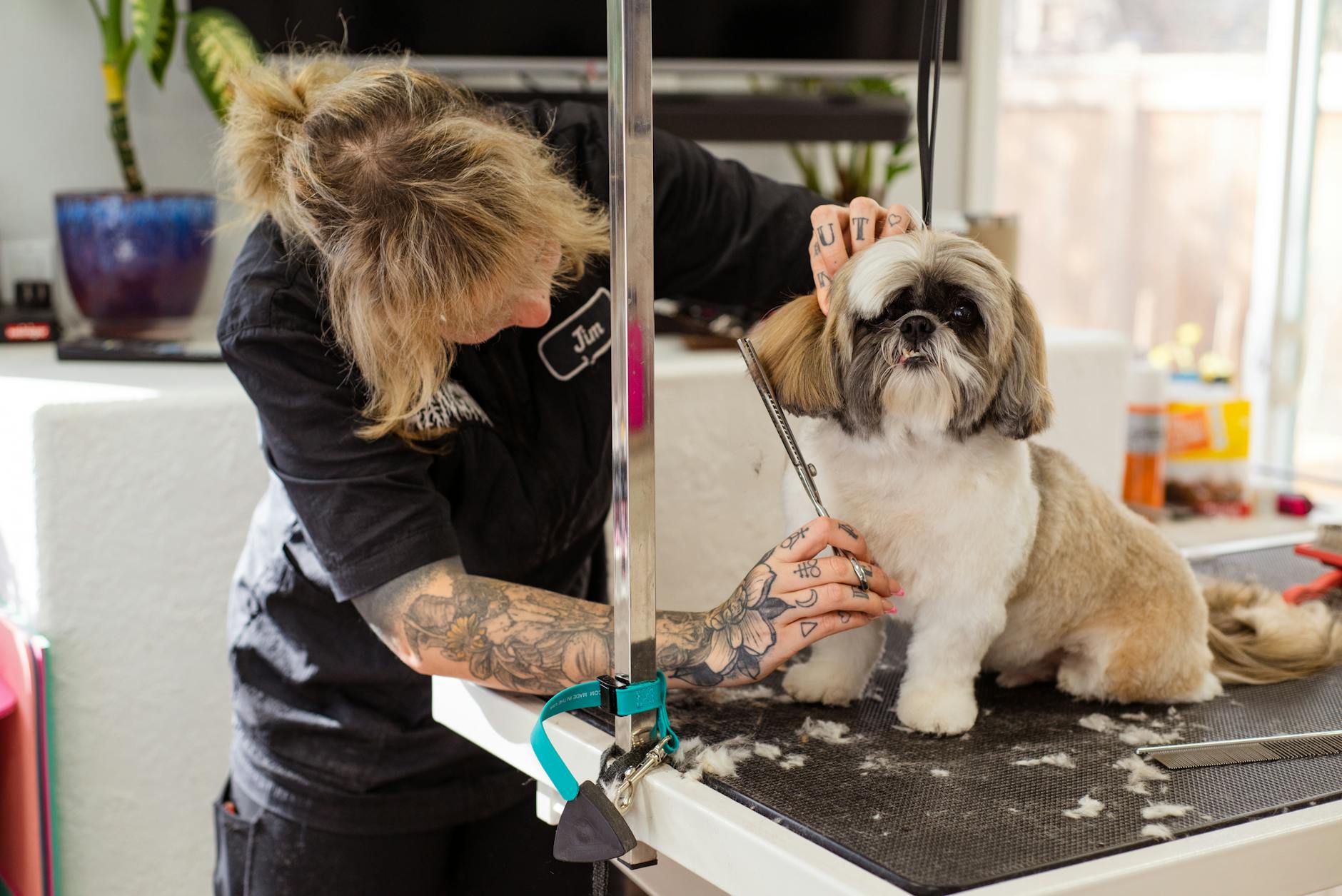
Bringing a dog in with severe matting is one of the most common and frustrating situations groomers encounter. When fur has been left to tangle for weeks or months, it becomes tightly knotted against the skin and causes real discomfort for the animal during the detangling process. Many owners are genuinely unaware of how quickly matting can develop, especially in longer-coated breeds that require daily brushing. Groomers often have no choice but to shave the dog down entirely, which can come as a shock to owners expecting a simple trim. Regular at-home brushing between appointments is the single most effective way to prevent this from happening.
Dirty Ears
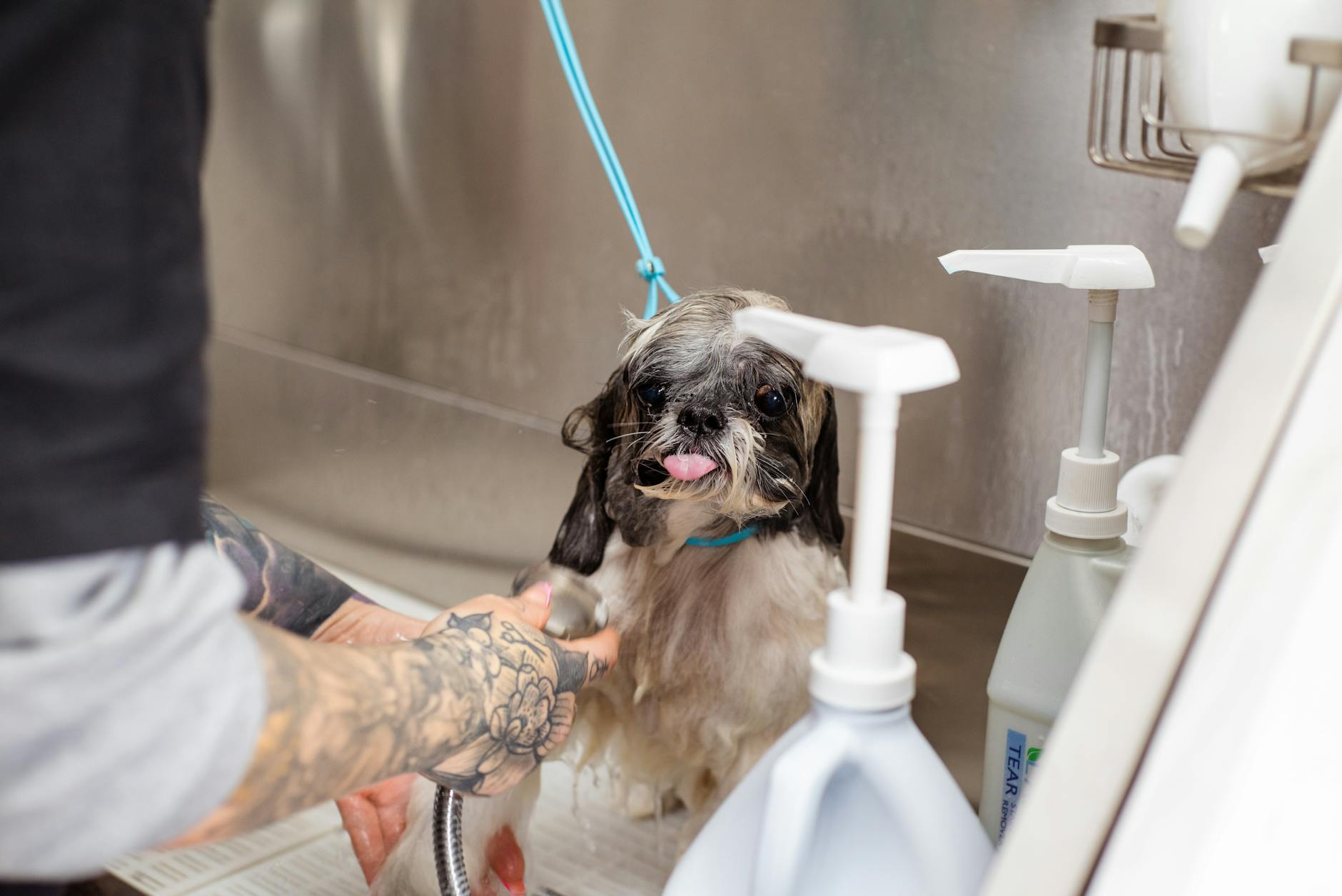
Arriving with a dog whose ears have clearly not been cleaned in months sends an immediate signal to groomers about the level of at-home care the pet receives. Dark buildup, odor, and visible debris inside the ear canal are signs of neglect that a groomer is not medically equipped to treat beyond a basic surface clean. Left unaddressed, dirty ears can develop into painful infections that require veterinary attention. Groomers note that owners are often completely unaware of what healthy ears should look like, making routine checks at home all the more important. A simple wipe-down with a pet-safe ear cleaner every few weeks can make a significant difference.
Overgrown Nails
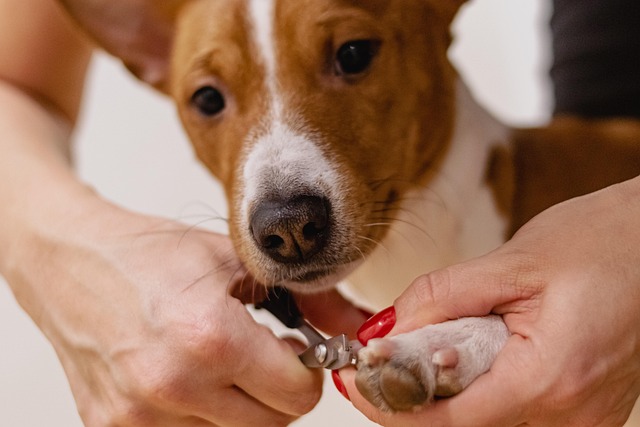
Nails that have curled, cracked, or grown so long they click loudly on the floor are a red flag that groomers encounter regularly. Extremely overgrown nails cause the quick, the blood vessel inside the nail, to extend further down, making safe trimming far more complicated and sometimes impossible in a single session. Dogs with chronically long nails often develop an altered gait that puts stress on their joints over time. Groomers must work carefully to avoid cutting into the quick, which can cause bleeding and significant pain for the animal. Scheduling regular nail trims every four to six weeks prevents the issue entirely and keeps dogs comfortable.
Skipping Baths
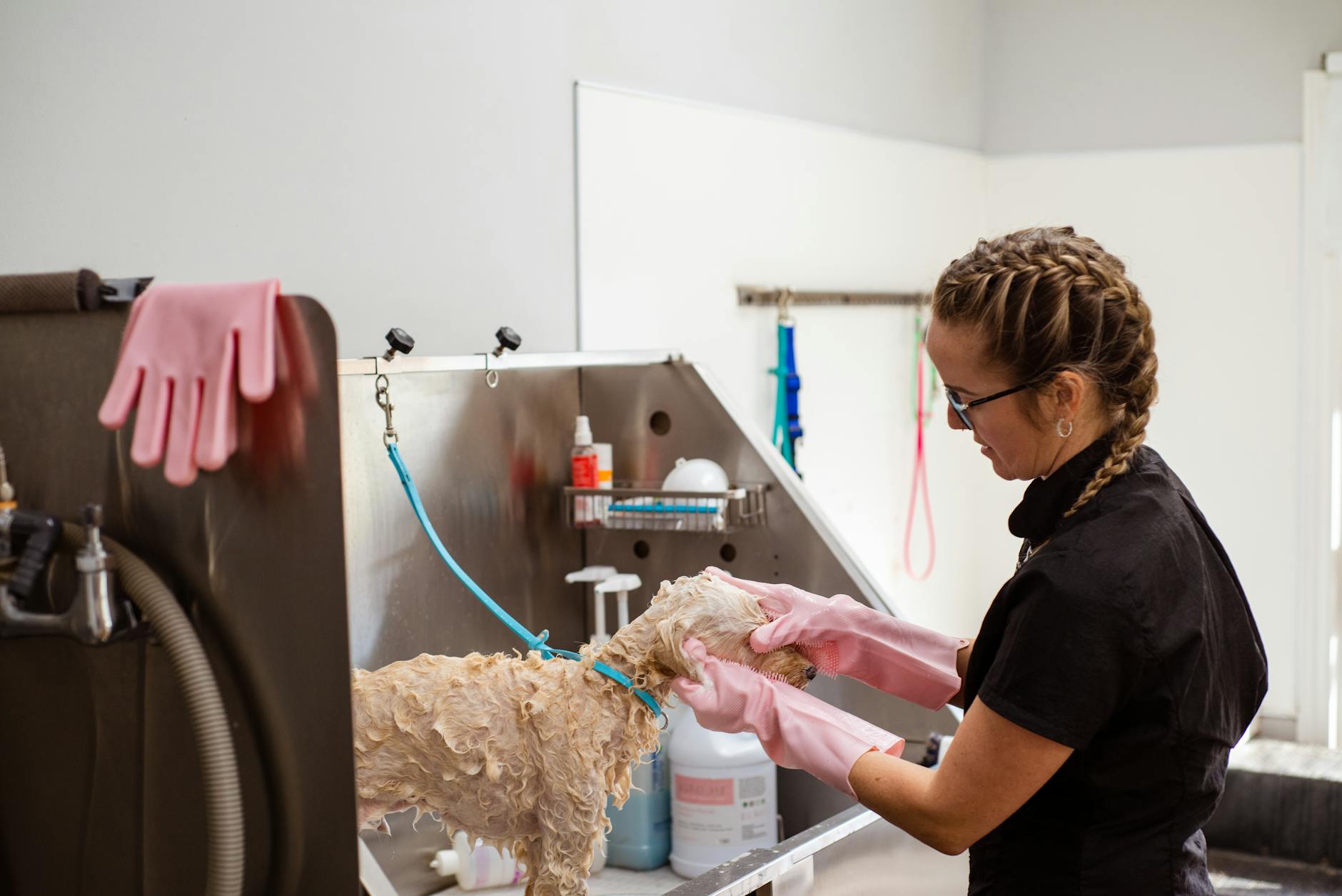
Some owners admit freely that their dog has not had a bath in many months, and groomers can always tell within moments of lifting the animal onto the table. Accumulated skin oils, outdoor dirt, and general body odor embed themselves into the coat and make the grooming process take considerably longer than a standard appointment allows. Washing a heavily soiled coat often requires multiple shampoo passes and extended drying time, which can stress the dog unnecessarily. The smell that groomers work through in these cases is something they remember long after the appointment ends. Bathing a dog at home every three to four weeks between grooming visits keeps the coat in much better condition.
Skipping Flea Treatment
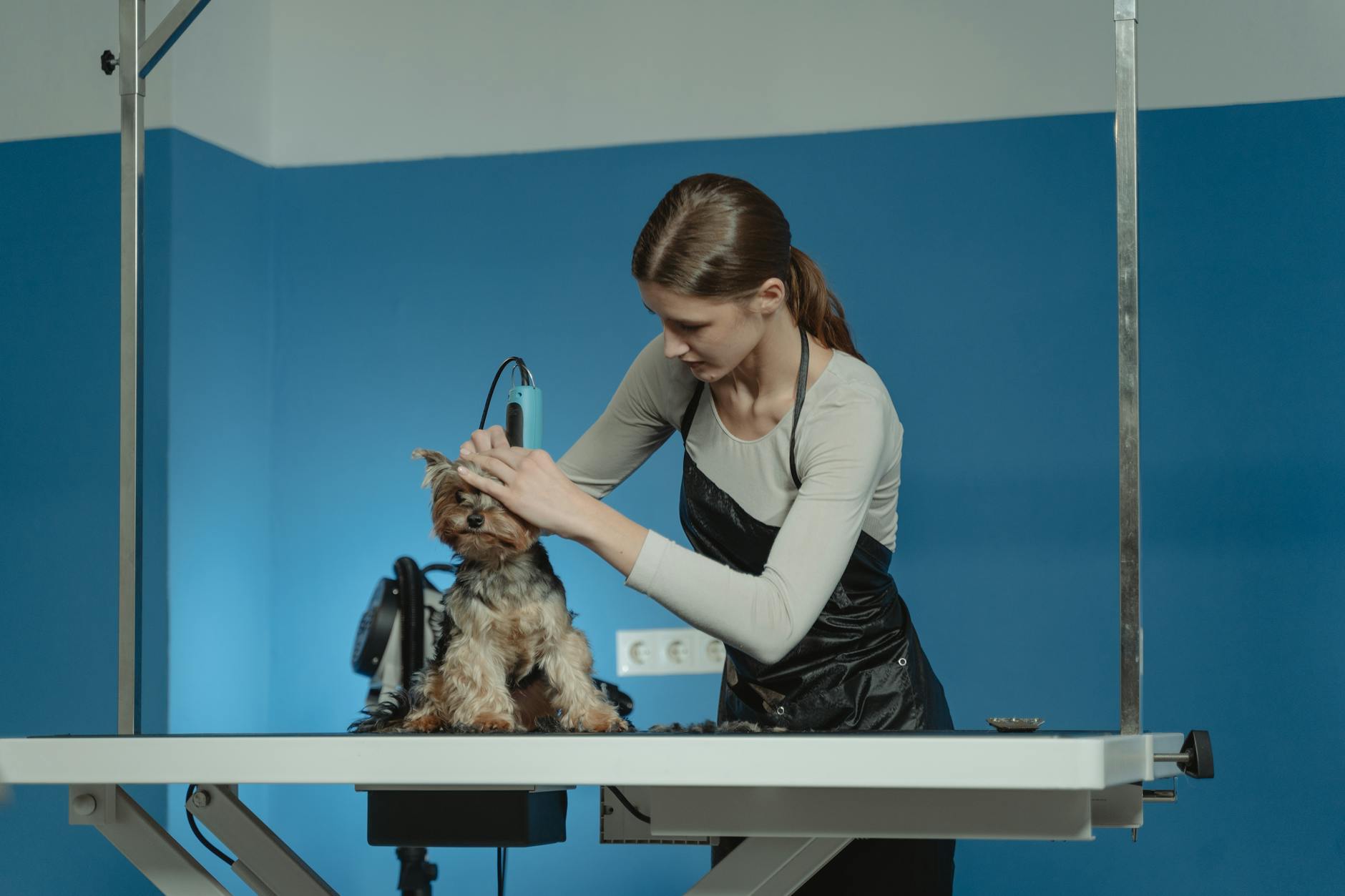
Bringing a dog with an active flea infestation to a grooming salon is considered a serious breach of courtesy in the grooming community. Live fleas can spread instantly to other animals in the facility, staff members, and soft furnishings, creating a pest control problem that affects every client that day. Groomers are typically required to stop the appointment immediately and send the dog home, which wastes a scheduled slot and inconveniences everyone involved. Many salons charge additional fees or refuse future bookings for owners who repeatedly arrive without treating known infestations. Keeping up with veterinarian-recommended flea prevention year-round is the responsible approach for any dog owner.
Wet Dogs at Drop-Off
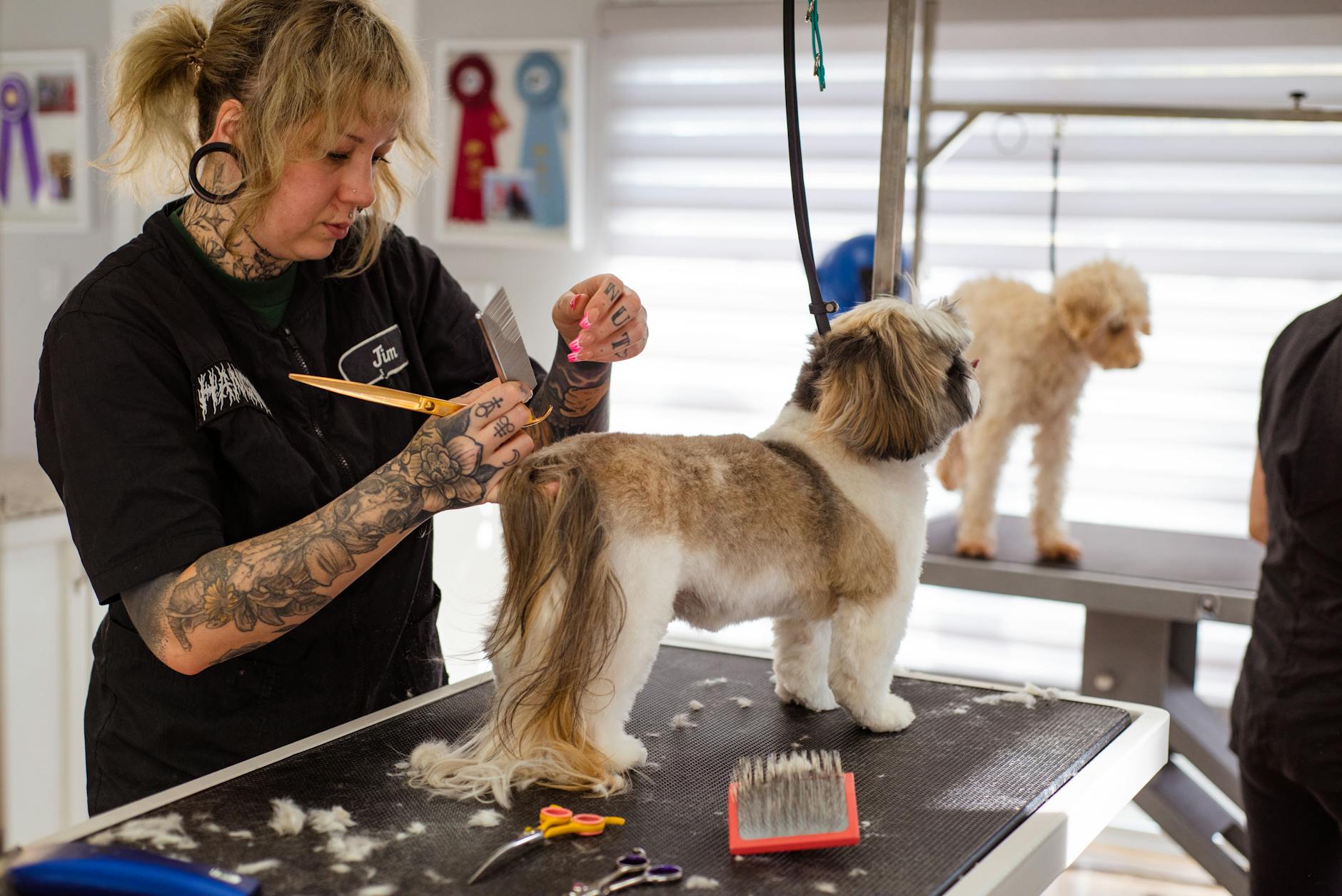
Dropping off a dog that is already wet from a walk in the rain or a puddle encounter seems harmless but creates real complications for groomers. Wet fur is significantly harder to brush through and can cause drag on clippers, leading to uneven cuts and longer appointment times. Moisture trapped close to the skin after grooming can also promote bacterial growth and skin irritation if the coat is not properly dried. Groomers are equipped to bathe and dry dogs as part of the process, but arriving wet disrupts the planned workflow from the very start. A quick towel-dry before drop-off on rainy days is a small gesture that groomers genuinely appreciate.
Feeding Before Appointments
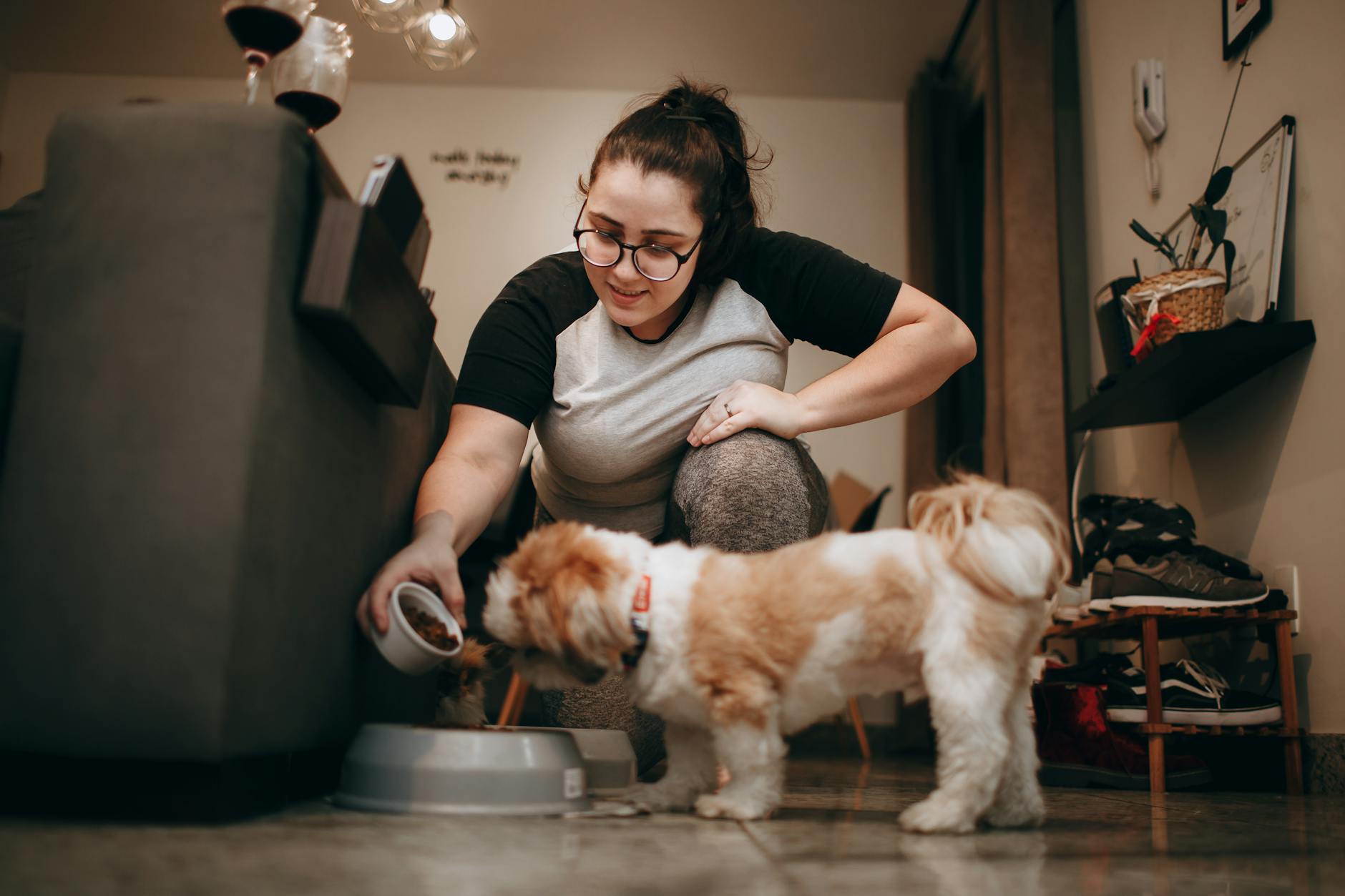
Owners who feed their dogs a large meal right before a grooming appointment often create a stressful situation for everyone involved. Dogs that arrive on a full stomach are more prone to nausea, especially when being lifted, repositioned, and handled continuously throughout the session. Some dogs vomit on the table or become visibly uncomfortable in positions required for thorough grooming of the belly and hindquarters. Groomers are not able to pause lengthy appointments to give a dog time to settle, which means the discomfort continues throughout the session. Feeding at least two hours before an appointment, or waiting until after, keeps the experience far more comfortable for the animal.
Untreated Skin Issues
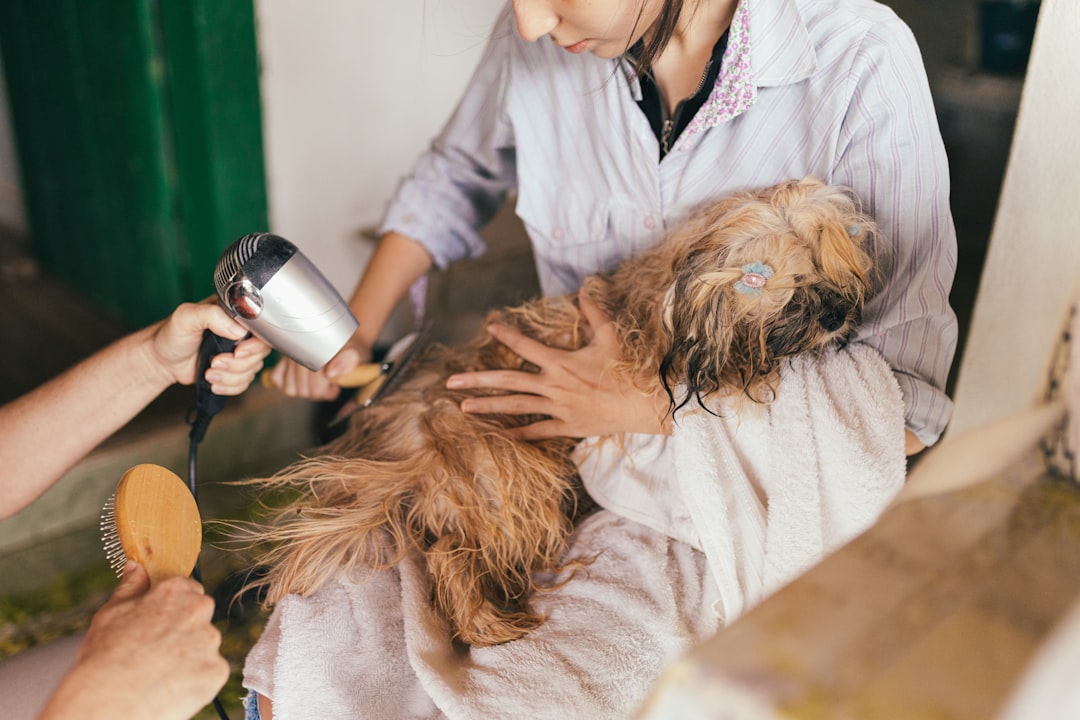
Showing up to an appointment without mentioning that a dog has an active skin condition puts both the animal and the groomer in a difficult position. Redness, hot spots, rashes, open sores, or scaly patches require a completely different handling approach and in many cases mean grooming should be postponed entirely until the issue is treated. Groomers are not veterinarians and cannot diagnose or treat medical conditions, yet they are often the ones to discover problems the owner has never noticed or chosen to ignore. Applying products to compromised skin can cause significant irritation and worsen an existing condition. Any skin concern should be addressed with a vet before the next grooming appointment is kept.
Inconsistent Appointments
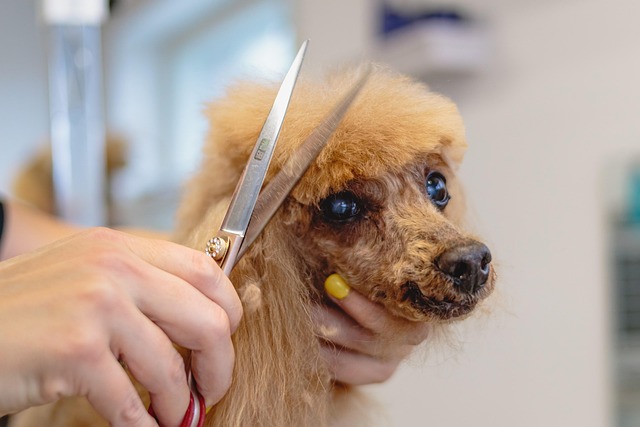
Owners who come in only once or twice a year and expect a full transformation from a dog in poor coat condition are a common source of quiet frustration in grooming salons. Long gaps between appointments allow matting, nail overgrowth, and ear buildup to compound into a collection of problems that cannot all be resolved in a single session. Attempting to do too much at once prolongs the appointment, stresses the dog, and increases the risk of minor injuries during difficult grooming work. Groomers always prefer a dog that visits regularly because the coat is easier to manage, the dog is calmer from familiarity, and the results are consistently better. Booking appointments every six to eight weeks depending on breed type is the standard most professionals recommend.
Dental Neglect
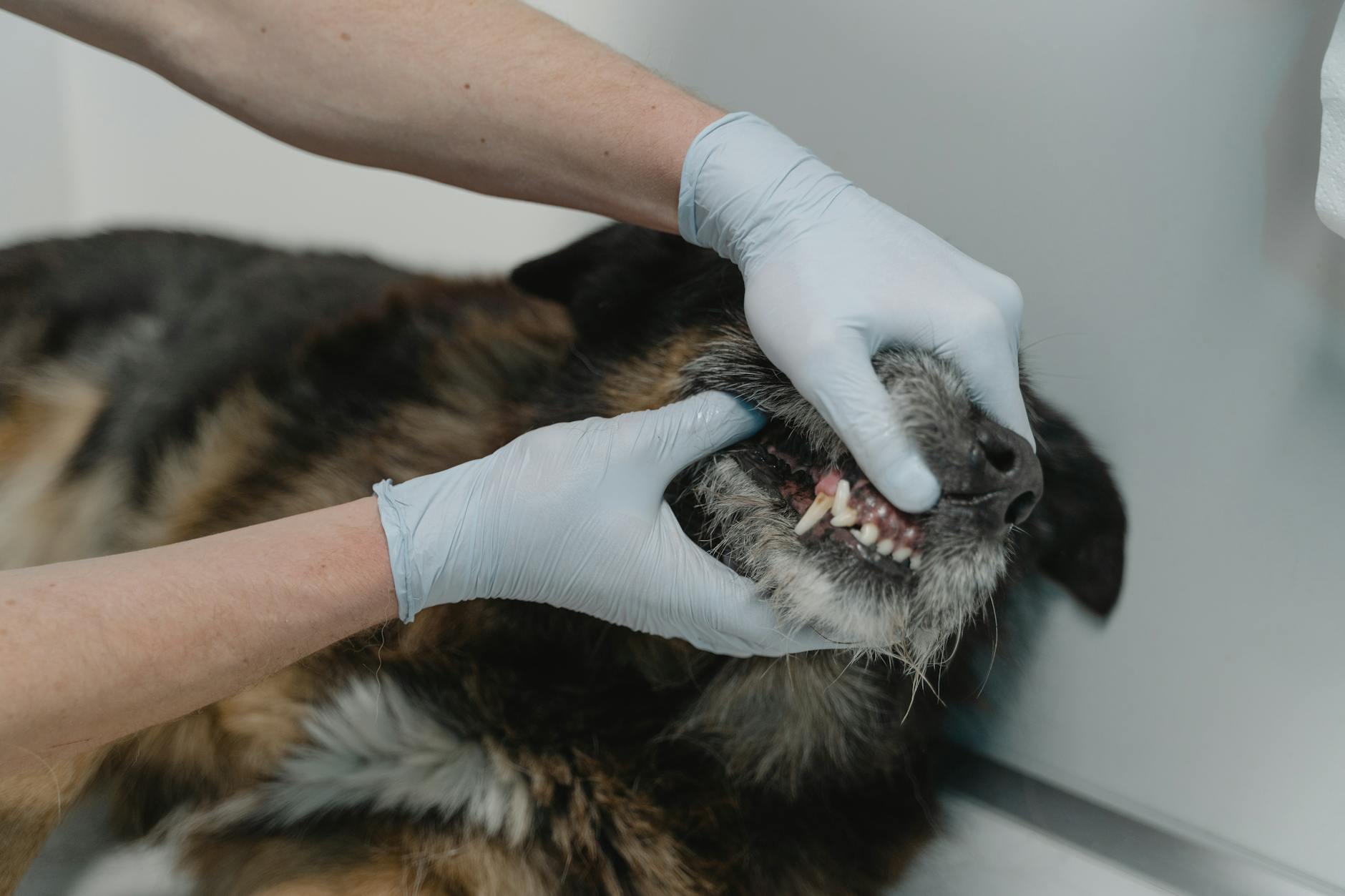
A dog arriving with visibly brown teeth, heavy tartar buildup, and serious breath is something groomers encounter far more often than owners might expect. While groomers can offer a cosmetic teeth brushing service, they are not able to address the underlying dental disease that develops from years of oral neglect. The odor alone makes working closely with the dog’s face and muzzle an unpleasant experience, and groomers must do so for extended periods during facial trimming. Dental disease is one of the most common health issues in dogs and is directly linked to heart, kidney, and liver problems over time. Daily brushing at home and regular veterinary dental cleanings are the most effective ways to keep a dog’s mouth healthy.
Aggressive Dogs With No Warning
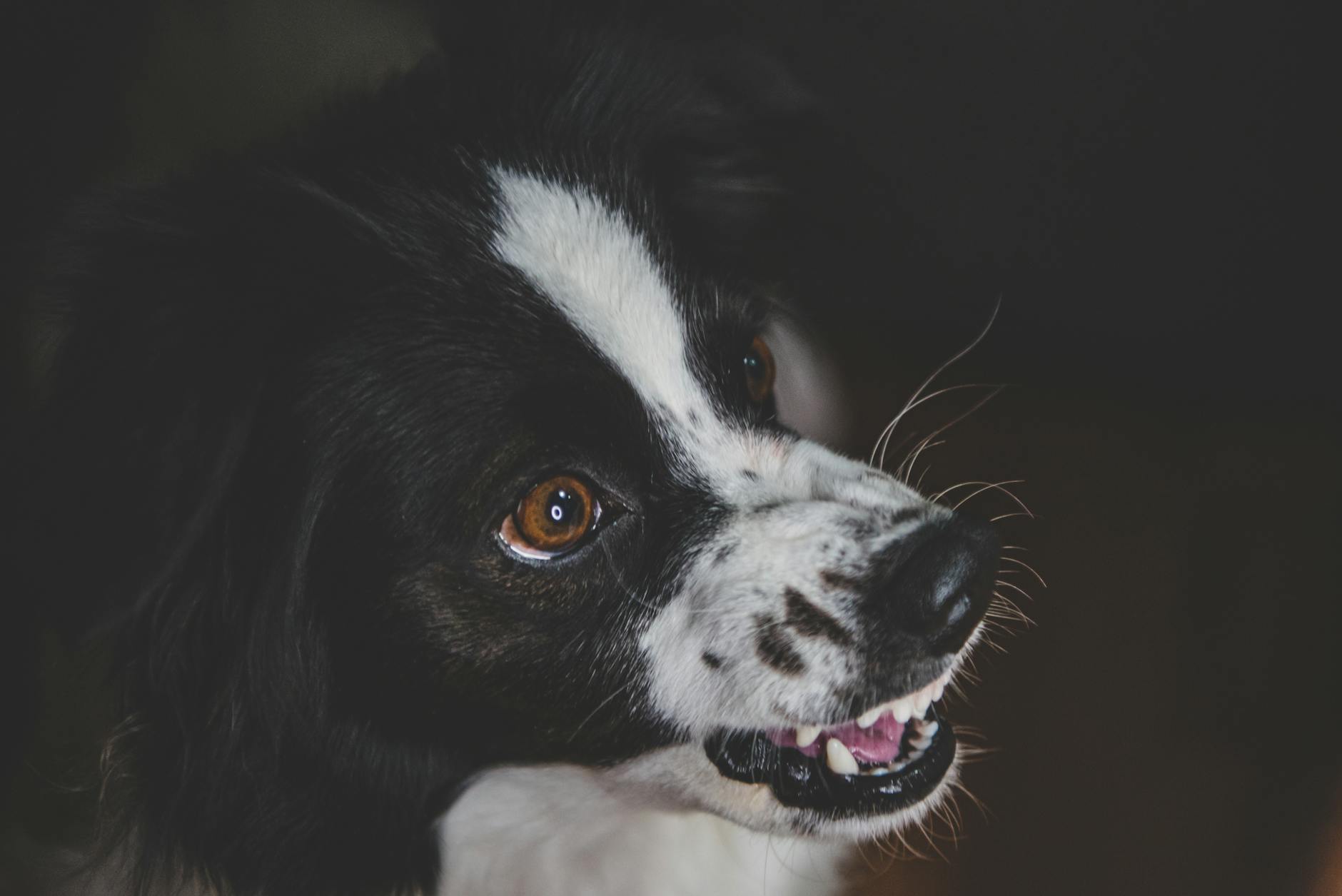
Bringing in a dog known to snap, bite, or become dangerously reactive without disclosing this information beforehand is one of the most serious complaints groomers raise. Groomers often work alone or with minimal staff assistance, and an unexpected bite can cause real physical injury and emotional distress. Owners sometimes downplay aggression with phrases suggesting their dog has never bitten, which provides no useful information about how the dog behaves under the specific stress of grooming. Professional groomers are trained to handle nervous or difficult dogs, but they need accurate information in advance to prepare the correct tools and safety measures. Honest disclosure at the time of booking allows groomers to allocate additional time and plan accordingly.
Perfume Application
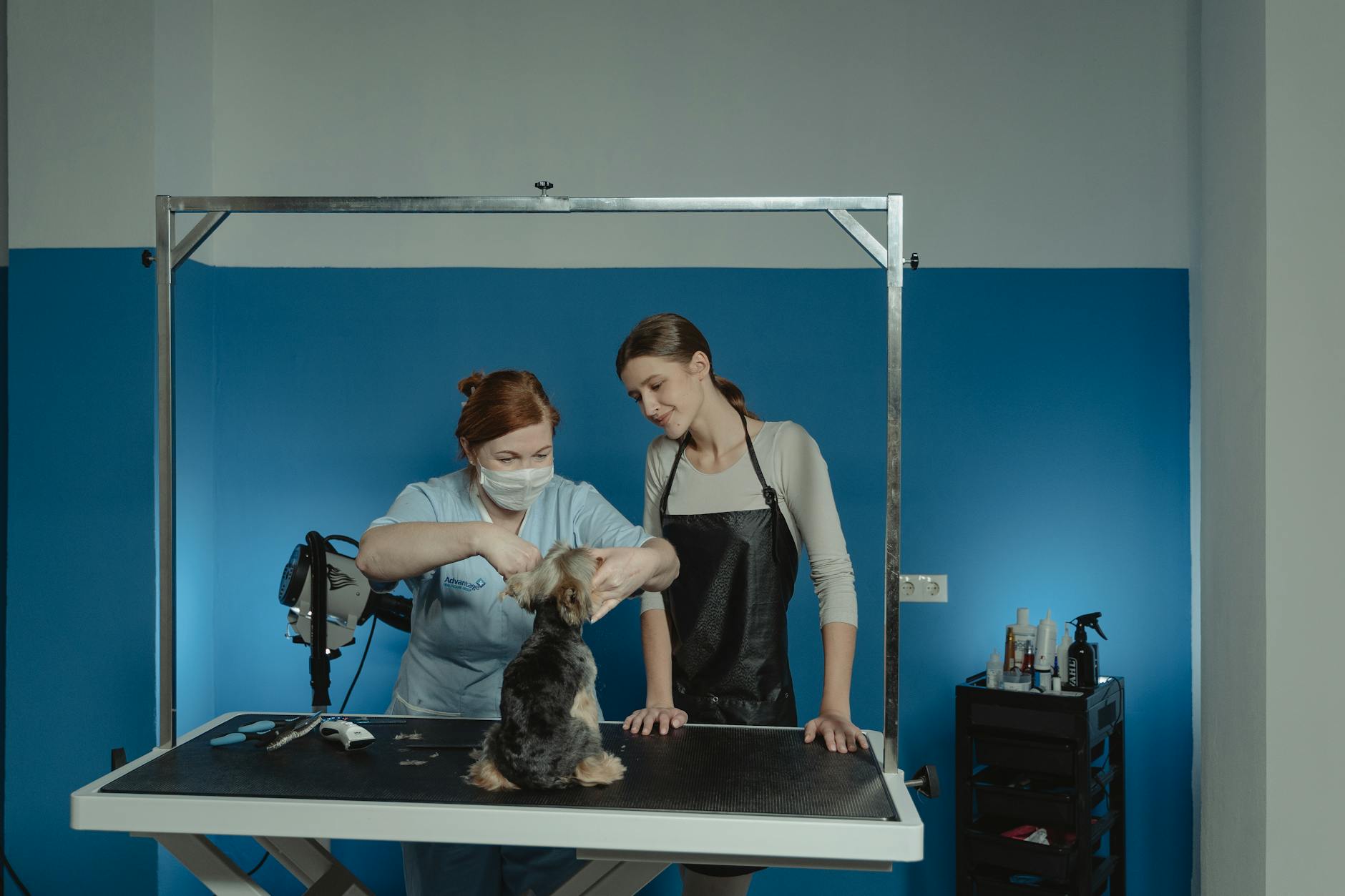
Spraying a dog heavily with human perfume or cologne before a grooming appointment is something groomers find baffling and counterproductive. Human fragrances are formulated for human skin pH and can irritate a dog’s far more sensitive skin, sometimes triggering redness, itching, or allergic reactions during the session. The strong scent also interferes with the groomer’s ability to detect underlying odors that might signal a skin or ear infection. Dogs have an acute sense of smell, and heavy artificial fragrance is known to cause stress and disorientation in animals. Pet-safe sprays and deodorants applied sparingly after grooming are the appropriate alternative if owners want their dog to smell pleasant.
Wet Food Face Residue
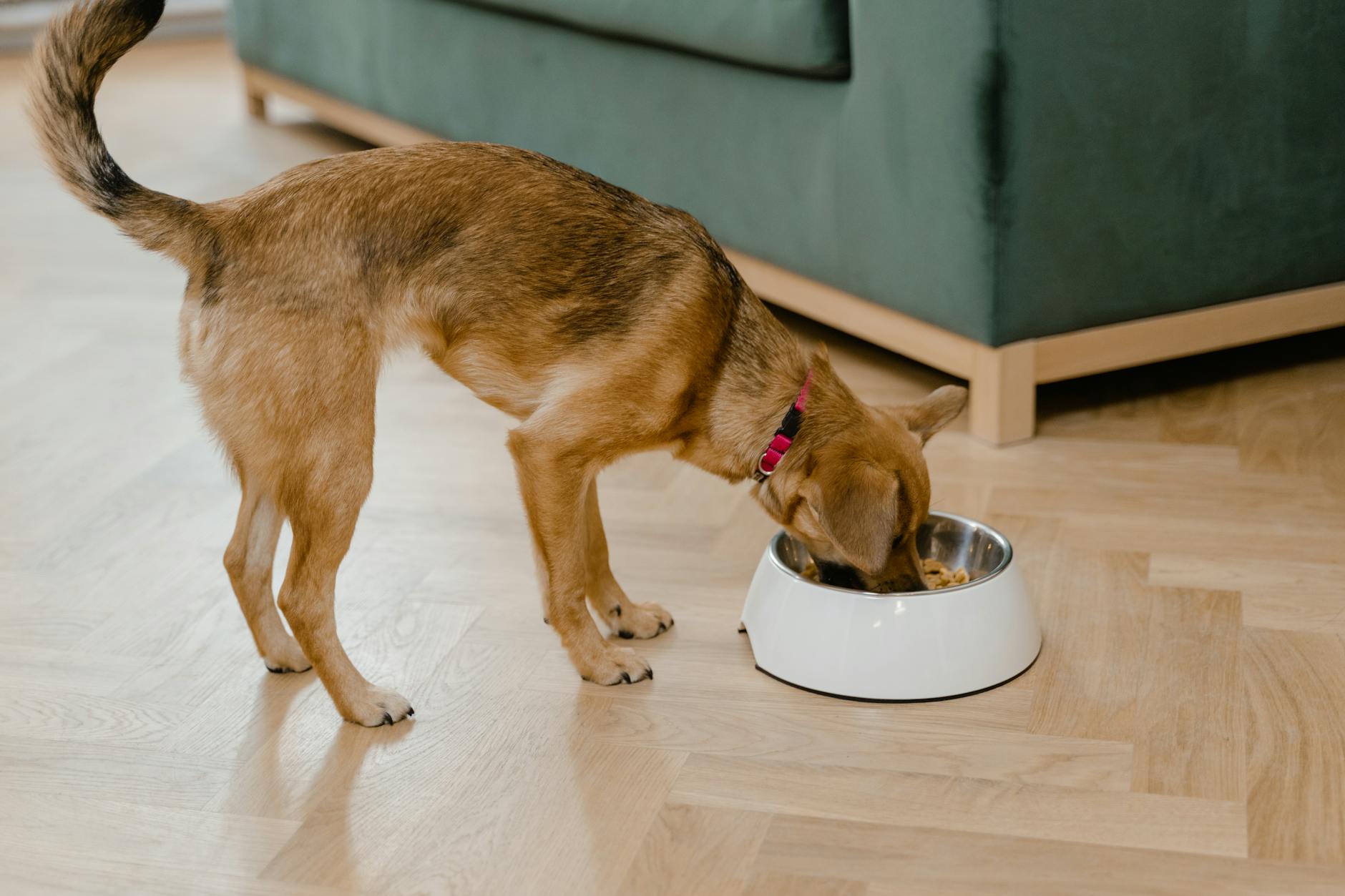
Dogs fed wet food often arrive at the grooming table with dried food caked around the muzzle and in the facial fur that their owners have never bothered to wipe away. This residue attracts bacteria, causes localized skin irritation, and in some cases leads to a condition known as muzzle fold dermatitis in flat-faced breeds. Groomers must spend additional time softening and removing the buildup before they can properly trim the facial area, which extends the appointment and delays the dog’s overall experience. The smell associated with old wet food residue embedded in fur is particularly unpleasant to work around at close range. A quick wipe of the muzzle with a damp cloth after each meal takes seconds and prevents buildup entirely.
Ignoring Anal Glands
Many owners have never heard of anal glands and are completely unaware that these small sacs require regular attention in certain dogs. When a dog scoots across the floor, licks persistently at the rear end, or has a distinctly fishy odor, these are signs that the glands may need expressing. Groomers offer anal gland expression as a routine service, but when the glands are severely impacted, the situation goes beyond what a groomer can safely handle and requires veterinary care. Dogs that have never had their glands addressed can arrive in genuine discomfort that makes rear-end grooming difficult and distressing for the animal. Learning to recognize the warning signs and addressing them promptly is an important part of responsible dog ownership.
Excessive Fidgeting Encouragement
Owners who stand nearby during drop-off and actively encourage their dog to squirm, jump, and be excitable before handing them over create a behavioral challenge that follows the dog into the grooming room. Dogs that have been worked into an excited or anxious frenzy by an overly emotional goodbye take considerably longer to settle on the grooming table, making the entire process less safe. Groomers often find that dogs are perfectly calm and cooperative once the owner has left, which reveals that the behavior is owner-driven rather than the dog’s natural temperament. A confident, calm handover with minimal fuss signals to the dog that the experience is routine and nothing to react to. Quick, matter-of-fact goodbyes consistently result in calmer dogs and smoother appointments.
Soaking Dogs Before Drop-Off
A small number of owners believe they are being helpful by giving their dog a full bath at home the night before a grooming appointment, often leaving the coat incompletely dried. Damp or partially dry fur that has been slept on overnight develops a flattened, compressed texture that is significantly harder to brush, style, and cut accurately. Groomers rely on working with the coat in its natural dry state to assess the correct length and identify areas that need specific attention. Home bathing with incorrect products can also strip the coat of natural oils or leave residue that interferes with professional shampoos and conditioners used in the salon. Arriving with a naturally dry, unbathed coat allows the groomer to work most effectively and produce the best possible result.
Wrong Breed Assumptions
Owners who arrive with strong expectations about a specific cut but have a dog whose coat type cannot physically support that style are a consistent source of grooming tension. Many people see a haircut on a different breed online and request it for their own dog without understanding that coat texture, density, and growth patterns vary enormously between breeds. A groomer is not able to create a silky flowing finish on a wire-coated terrier, or produce a precise poodle clip on a breed whose fur grows in a completely different pattern. Attempting to force the wrong cut can result in an uneven finish, coat damage, or a style that looks nothing like the reference image, leading to disappointed owners and frustrated groomers. Discussing what is genuinely achievable based on the individual dog’s coat before the appointment sets realistic expectations for both sides.
Skipping Post-Groom Maintenance
Owners who pick up a beautifully groomed dog and then return eight weeks later with the coat in the same poor condition as before reveal that no maintenance has taken place at home between visits. The investment of time and money that goes into a quality grooming appointment is largely undone within weeks if owners do not maintain the coat with regular brushing and spot cleaning. Groomers take genuine pride in the results they produce and find it discouraging to see that work arrive back undone through simple inattention. Dogs in poorly maintained coats also experience more discomfort during grooming because detangling and de-shedding work must begin from scratch each time. A basic brushing routine of even ten minutes a few times a week is all that most breeds require to stay in good condition between appointments.
Last-Minute Cancellations
Canceling a grooming appointment at the last minute or simply not showing up is one of the most financially damaging habits owners can have, and groomers track it more carefully than most clients realize. Grooming slots are tightly scheduled, and a no-show leaves the groomer with an hour or more of unpaid time that cannot be filled on short notice. Many salons now enforce cancellation policies and charge fees accordingly, but even when they do not, repeated last-minute cancellations often result in a client being quietly moved to the bottom of the booking priority list. Groomers rely on consistent bookings to manage their workload, pay assistants, and plan their day effectively. Giving at least twenty-four to forty-eight hours notice when canceling is a basic professional courtesy that every grooming client should extend.
Strong Cologne on Owners

It may seem unrelated, but owners who arrive wearing extremely strong cologne or perfume create a sensory problem that affects the dog directly. Dogs have a sense of smell estimated to be tens of thousands of times more powerful than a human’s, and an overwhelming scent on their trusted owner immediately before being handed to a stranger can trigger anxiety and stress responses. Groomers also spend extended time with their faces close to the dog and can find strong artificial fragrance genuinely headache-inducing over a long workday. The combination of unfamiliar environment, unfamiliar handler, and an overwhelming olfactory signal from the owner can make the settling period at the start of a session significantly longer. Arriving in lightly scented or fragrance-free clothing is a small but meaningful way to set a dog up for a calmer grooming experience.
Do you recognize any of these habits in your own routine? Share your thoughts and experiences in the comments.