Premature aging is a concern for many individuals striving to maintain a youthful complexion. Daily choices and environmental factors often accelerate the breakdown of collagen and elastin in the skin. Understanding the impact of these common behaviors is the first step toward preserving skin health. Small adjustments to your routine can significantly slow down the formation of fine lines and wrinkles. Awareness is essential for making better decisions that support long-term radiance and vitality.
Skipping Daily Sunscreen Application

Ultraviolet radiation is the primary cause of premature skin aging and damage. Many people believe sunscreen is necessary only on sunny days or during summer vacations. UV rays can penetrate clouds and glass to cause harm even when you are indoors or driving. Consistent application creates a barrier that protects collagen fibers from breaking down over time. Neglecting this step leaves the skin vulnerable to pigmentation changes and deep structural damage.
Consuming Excess Sugar

High sugar intake triggers a process called glycation in the body. This reaction occurs when sugar molecules bind to proteins like collagen and elastin. The resulting compounds cause these proteins to become stiff and malformed. Skin loses its elasticity and resilience as the supportive structure weakens. Reducing processed sugar consumption helps maintain the suppleness and firmness of facial tissues.
Chronic Sleep Deprivation

Sleep is the critical period when the body repairs cellular damage incurred during the day. A lack of rest prevents the skin from producing new collagen and creates a dull appearance. Cortisol levels rise when you are tired and lead to increased inflammation throughout the body. Dark circles and puffiness are immediate signs that the skin has not had enough time to regenerate. Prioritizing seven to nine hours of rest supports a brighter and more youthful complexion.
Smoking Cigarettes

Nicotine restricts blood flow to the outer layers of the skin. This reduction in circulation deprives skin cells of oxygen and vital nutrients needed for health. The chemicals in tobacco smoke also damage collagen and elastin fibers directly. Repetitive facial movements such as pursing lips to inhale cause dynamic wrinkles around the mouth. Quitting smoking allows circulation to improve and halts further accelerated aging.
Sleeping on Cotton Pillowcases

Cotton fabrics generate friction against delicate facial skin as you move during sleep. This friction can lead to sleep creases that eventually turn into permanent wrinkles. Cotton also absorbs moisture and natural oils from the skin surface. This dehydration can leave the face looking tired and emphasize fine lines in the morning. Switching to silk or satin bedding reduces friction and helps the skin retain its natural hydration.
Constant Stress Exposure

Chronic stress triggers a continuous release of cortisol into the bloodstream. High cortisol levels break down collagen and impair the skin’s ability to repair itself. Stress also often leads to frowning or furrowing the brow which etches lines into the forehead. Managing stress through relaxation techniques can help preserve the integrity of the skin barrier. Lowering stress hormones supports a calmer and clearer complexion over time.
Dehydration

Water is essential for maintaining the plumpness and elasticity of skin cells. When the body is dehydrated the skin appears dry and fine lines become more visible. Proper hydration flushes toxins from the system and supports efficient nutrient delivery. Drinking adequate water ensures that the skin remains resilient against external stressors. A well-hydrated barrier is better equipped to repair damage and maintain a smooth texture.
Excessive Alcohol Consumption

Alcohol acts as a diuretic and depletes the body of necessary fluids. This dehydration makes the skin look sallow and accentuates wrinkles and pores. Regular drinking also causes inflammation that can manifest as redness or broken capillaries. The liver works hard to process toxins and this stress often shows up on the face. limiting alcohol intake allows the skin to stay hydrated and reduces systemic inflammation.
Neglecting the Neck and Chest

Many skincare routines stop at the jawline and ignore the delicate skin below. The neck and décolletage have fewer oil glands and are thinner than facial skin. This makes these areas particularly susceptible to dryness and sun damage. Applying products down to the chest ensures uniform protection and nourishment. Treating these areas with the same care as the face prevents a mismatched appearance in aging.
Over-Exfoliating the Skin
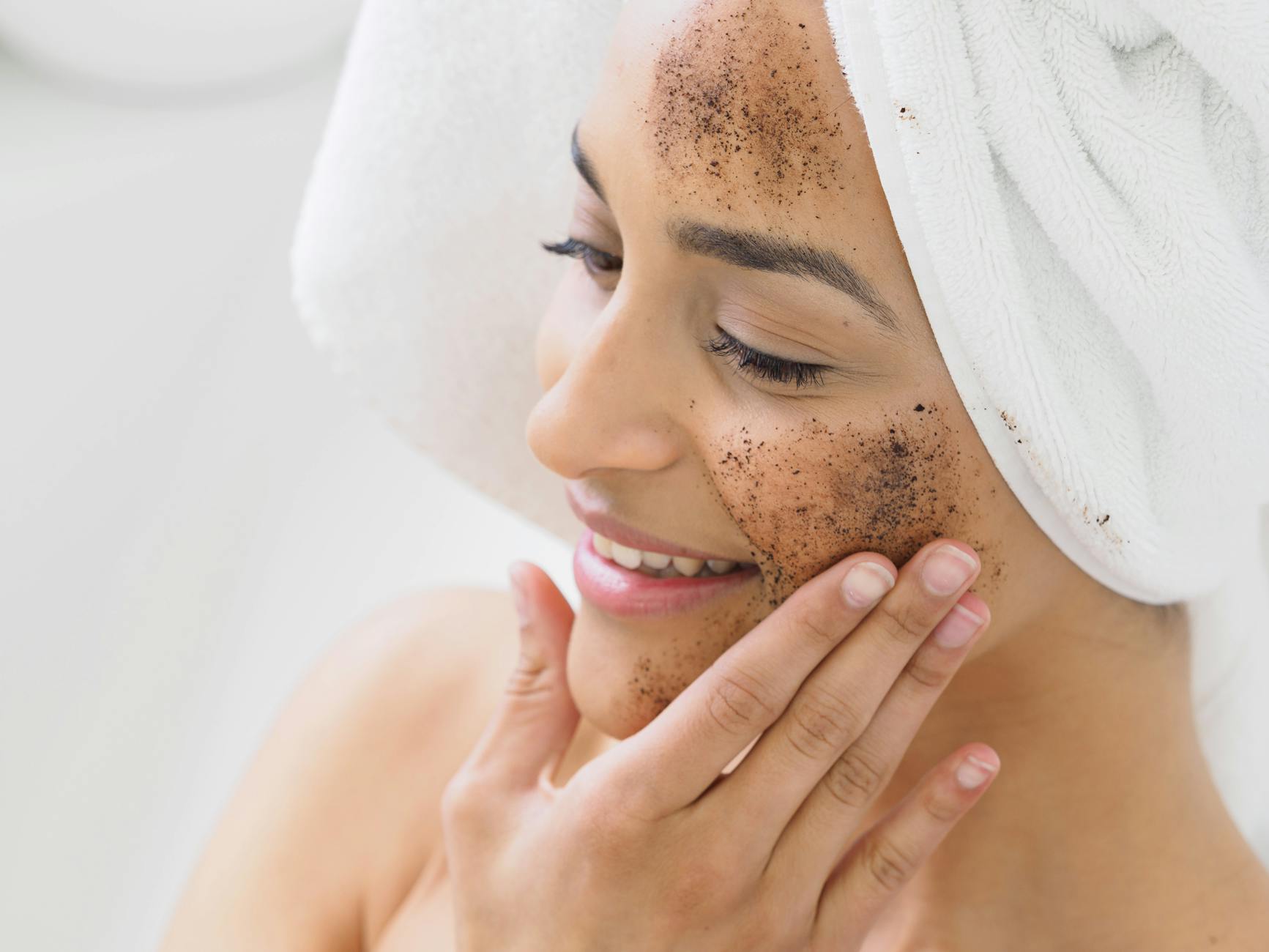
Exfoliation is beneficial but doing it too often strips the natural moisture barrier. Removing too many layers of skin cells leaves the surface raw and exposed to irritation. Chronic inflammation from harsh scrubbing accelerates the aging process and weakens defenses. A compromised barrier cannot effectively hold moisture or protect against environmental pollutants. Gentle and infrequent exfoliation preserves the health and thickness of the outer skin layer.
Using Harsh Cleansers
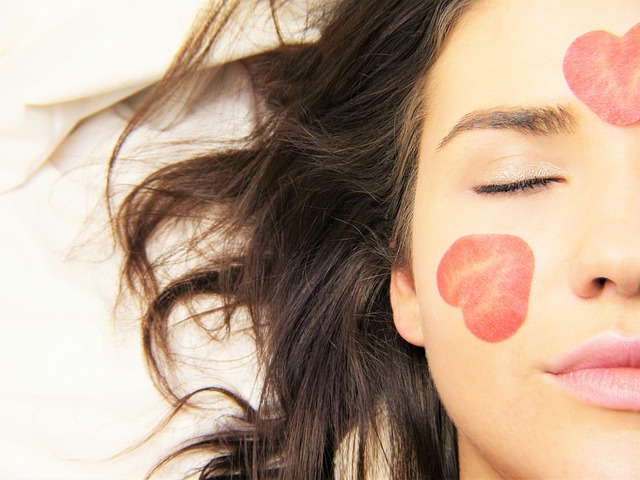
Cleansers with high pH levels or strong sulfates disrupt the acid mantle of the skin. This disruption leads to dryness and makes the skin more prone to bacterial issues. Stripped skin overcompensates by producing excess oil or becomes tight and flaky. Preserving the natural oils is crucial for keeping the skin soft and pliable. Switching to a gentle and pH-balanced cleanser helps maintain optimal hydration levels.
Sipping Through Straws

Repetitive muscle movements cause the skin to fold in the same places over and over. Pursing the lips to sip through a straw creates vertical lines around the mouth. These dynamic wrinkles can become permanent static wrinkles with years of habit. Drinking directly from a cup relaxes the muscles around the mouth and prevents unnecessary creasing. Avoiding straws is a simple lifestyle change that preserves the smoothness of the lip area.
Skipping Sunglasses

Squinting in bright light engages the muscles around the eyes and forehead. Repeated squinting deepens crow’s feet and horizontal forehead lines over time. Sunglasses protect the delicate skin around the eyes from direct UV damage. They also reduce the need to squint and keep facial muscles relaxed. Wearing protective eyewear is a dual defense against sun damage and mechanical wrinkling.
Heavy Blue Light Exposure

Screens from phones and computers emit high-energy visible light known as blue light. Emerging research suggests this light can penetrate deeper into the skin than UV rays. Prolonged exposure may contribute to the breakdown of collagen and cause hyperpigmentation. Using devices with night mode or wearing blue light blocking glasses can mitigate this risk. Reducing screen time helps protect the skin from potential oxidative stress.
Sedentary Lifestyle

Exercise increases blood flow and delivers oxygen and nutrients to working cells. A lack of physical activity results in slower circulation and less efficient toxin removal. Regular movement supports the production of natural oils that keep skin healthy. Sweating also helps clear out pores and gives the skin a post-workout glow. Incorporating daily activity keeps the skin nourished from the inside out.
Ignoring Pollution
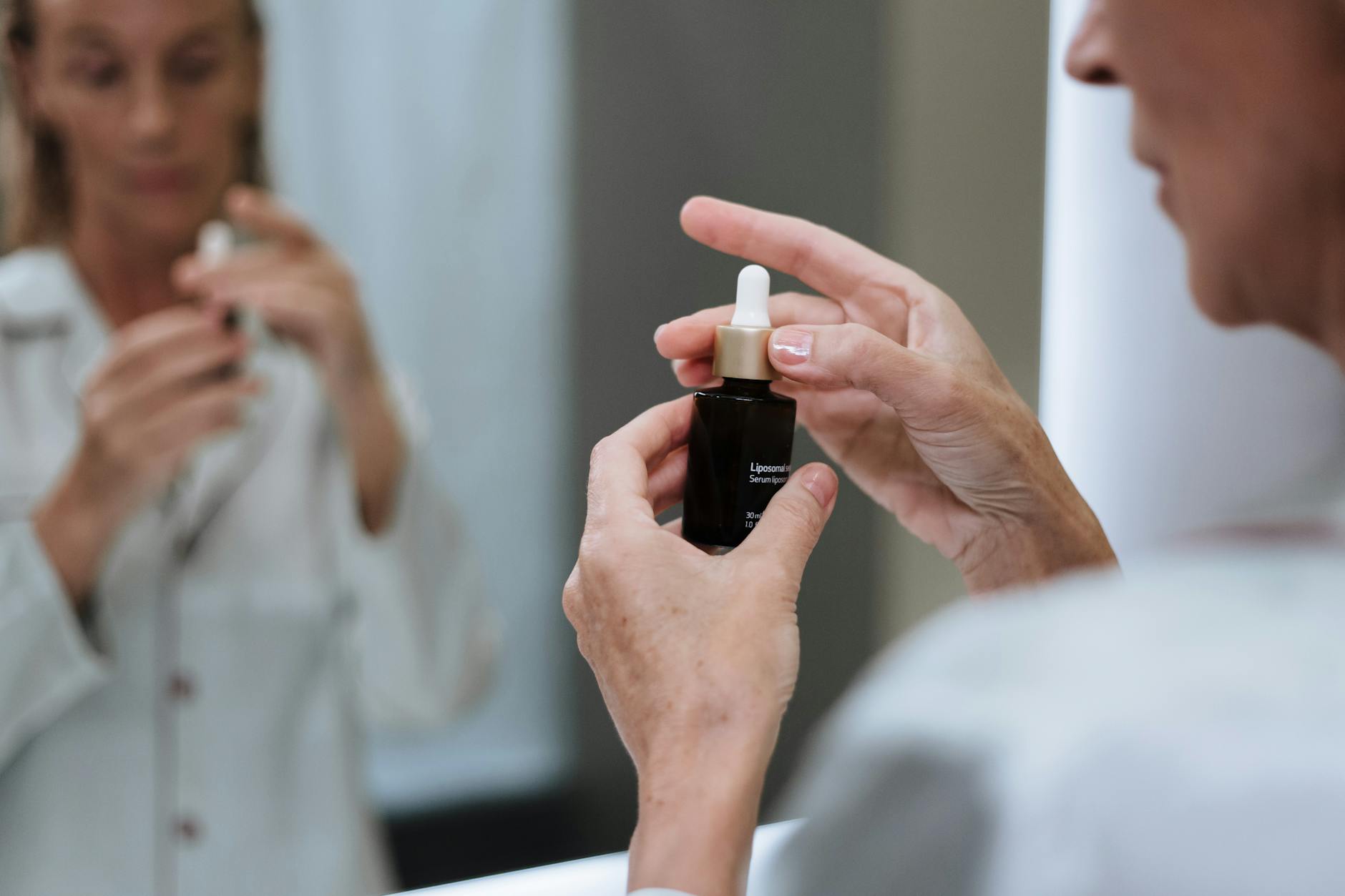
Airborne pollutants generate free radicals that attack skin cells. City dwellers are particularly at risk for accelerated aging due to smog and particulate matter. These particles can settle on the skin and clog pores while causing oxidative stress. Antioxidant serums provide a shield against these environmental aggressors. Thoroughly cleansing the face at night is vital to remove the day’s accumulation of toxins.
Crash Dieting

Rapid weight loss often results in a loss of volume in the face. This loss of fat support causes the skin to sag and look gaunt. Frequent fluctuations in weight stretch the skin and damage its elasticity. A balanced diet ensures a steady supply of vitamins and minerals for skin health. Maintaining a stable weight supports the structural integrity of facial features.
Washing With Hot Water
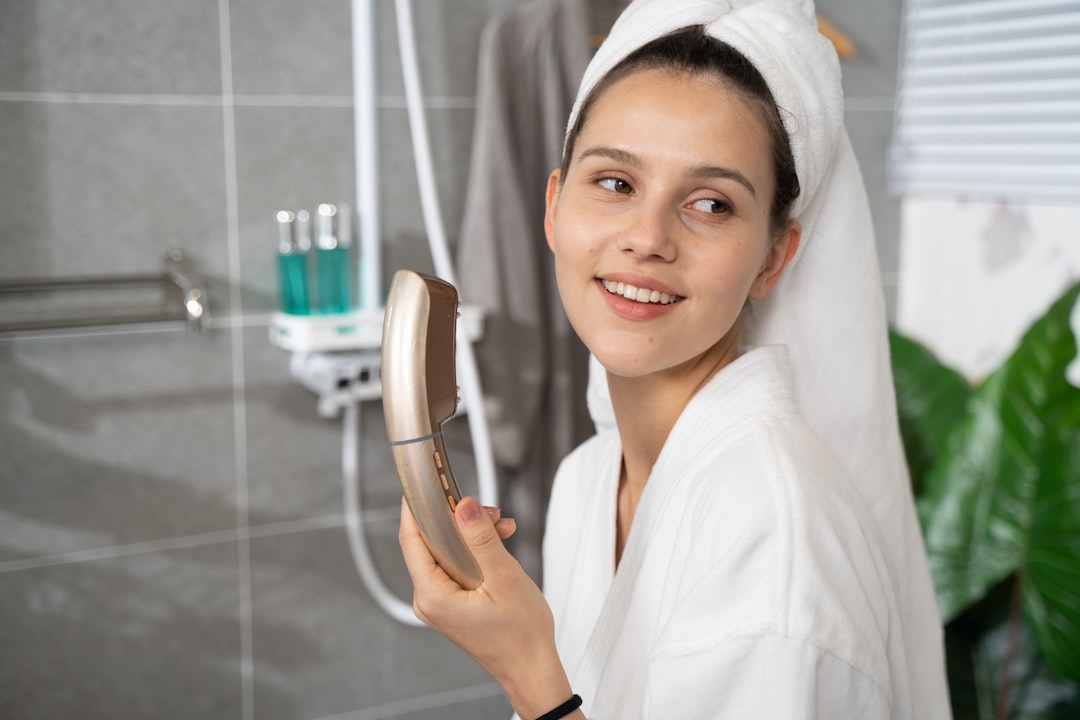
Hot water strips away the natural oils that keep the skin lubricated and protected. This leads to dryness and irritation that can make the skin look aged. Capillaries can also expand and break under the heat causing permanent redness. Lukewarm water is much gentler and effective for cleansing without damage. cooler water helps seal the pores and calms the complexion after washing.
Not Removing Makeup Before Bed

Sleeping in makeup traps dirt and environmental pollutants against the skin. This blockage prevents the skin from breathing and renewing itself overnight. clogged pores can lead to breakouts and dullness the following morning. The chemicals in makeup can also break down collagen if left on for prolonged periods. A nightly cleansing ritual is non-negotiable for maintaining a clear and youthful face.
Rubbing Your Eyes

The skin around the eyes is the thinnest on the entire body. Rubbing this area aggressively stretches the skin and breaks tiny blood vessels. This habit contributes to dark circles and the formation of loose skin. It is important to treat the eye area with extreme gentleness during cleansing. Using ring fingers to apply products ensures minimal pressure on this delicate tissue.
Lack of Healthy Fats

Dietary fats are the building blocks of healthy cell membranes. A diet low in omega-3 and omega-6 fatty acids leads to dry and inflamed skin. These fats help the skin retain moisture and stay plump. Avocados and nuts are excellent sources of nutrients that nourish the skin from within. Incorporating healthy oils into meals supports a strong and radiant skin barrier.
Excessive Sodium Intake

Salt causes the body to retain water and leads to bloating. This swelling often manifests as puffiness around the eyes and face. Over time the constant stretching and retracting of skin can weaken its elasticity. High sodium can also dehydrate the skin by drawing water out of cells. Reducing salt intake helps maintain a defined and rested facial appearance.
Improper Layering of Products
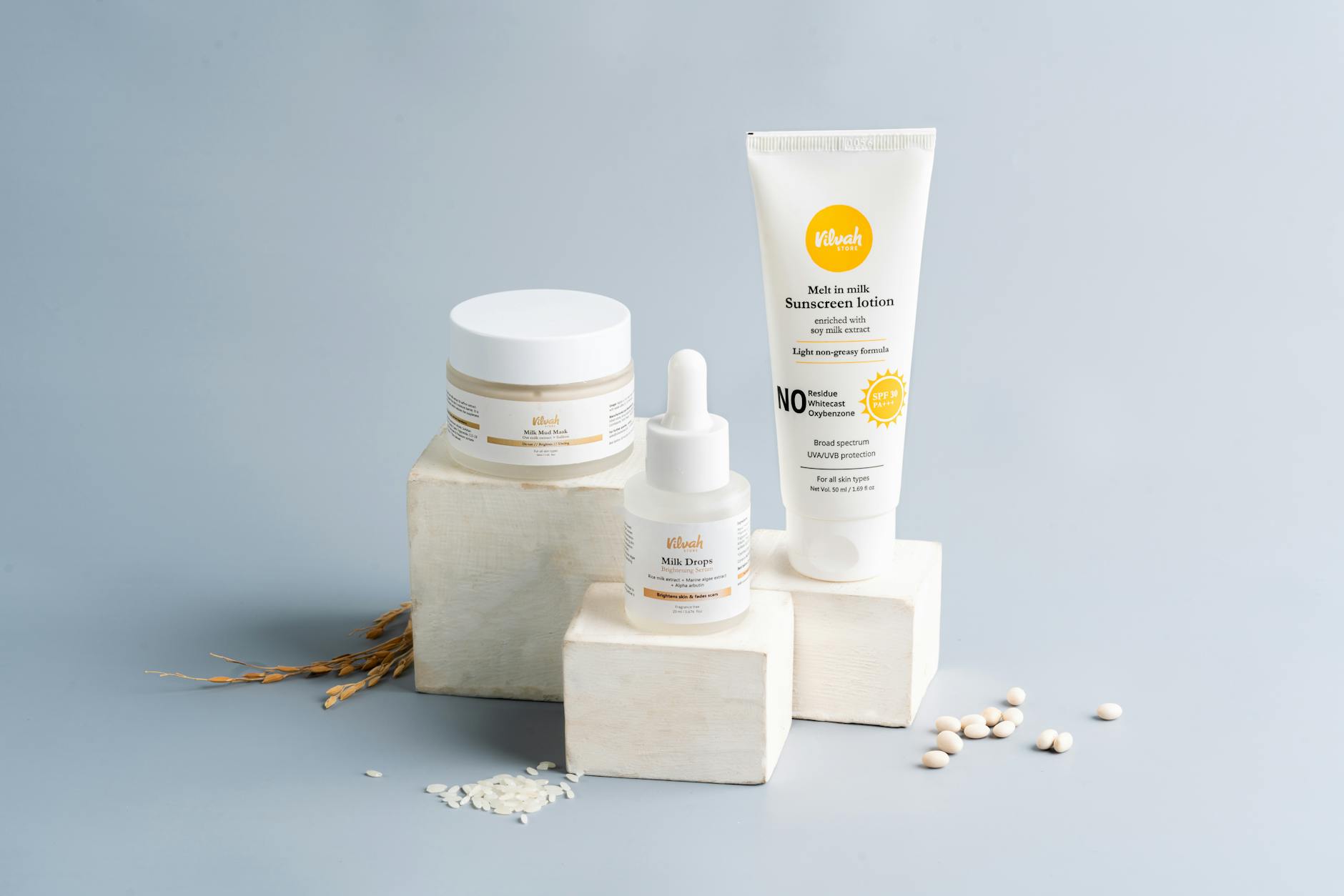
Applying skincare products in the wrong order renders them ineffective. Heavy creams block lighter serums from penetrating the skin surface. This means the skin does not receive the full benefit of active ingredients. Correct layering ensures that hydration and treatment products work synergistically. Understanding product texture and function maximizes the anti-aging potential of your routine.
Depending Only on Makeup for SPF
Many makeup products claim to offer sun protection but the coverage is rarely sufficient. You would need to apply a heavy layer of foundation to achieve the stated SPF level. Relying solely on makeup leaves gaps in protection where UV rays can cause damage. A dedicated sunscreen should always be applied under makeup for true safety. This ensures a consistent barrier against the sun regardless of makeup application.
High Caffeine Intake

Caffeine is a stimulant that can disrupt sleep patterns if consumed late in the day. Poor sleep quality directly impacts the skin’s ability to repair itself. Caffeine also acts as a mild diuretic which can contribute to dehydration. Moderating coffee and tea intake helps keep hydration levels balanced. drinking a glass of water with every caffeinated beverage counters the drying effects.
Sleeping on Your Face

Pressing your face into a pillow for hours creates static pressure on the skin. This pressure etches sleep lines that can become permanent wrinkles over the years. The weight of the head restricts circulation to the compressed side of the face. Training yourself to sleep on your back eliminates this mechanical stress. Back sleeping allows gravity to work in your favor rather than against you.
Using Dirty Makeup Brushes
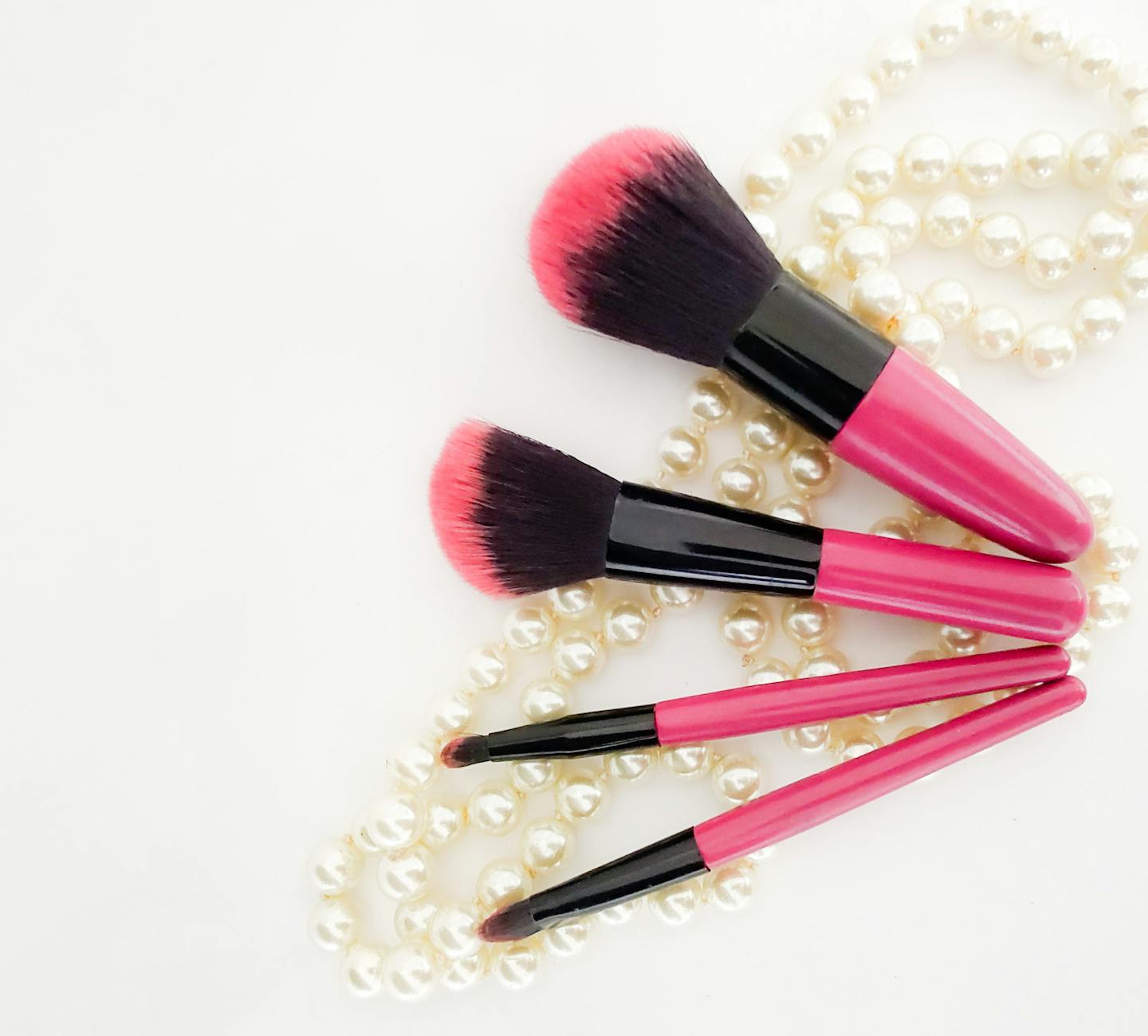
Makeup tools accumulate bacteria and dead skin cells with every use. Reusing dirty brushes spreads this grime back onto the clean face. This can lead to infections and inflammation that damage skin texture. Regular cleaning of brushes preserves the integrity of your skin and your makeup products. Clean tools ensure a smoother application and a healthier complexion.
Ignoring Eye Cream
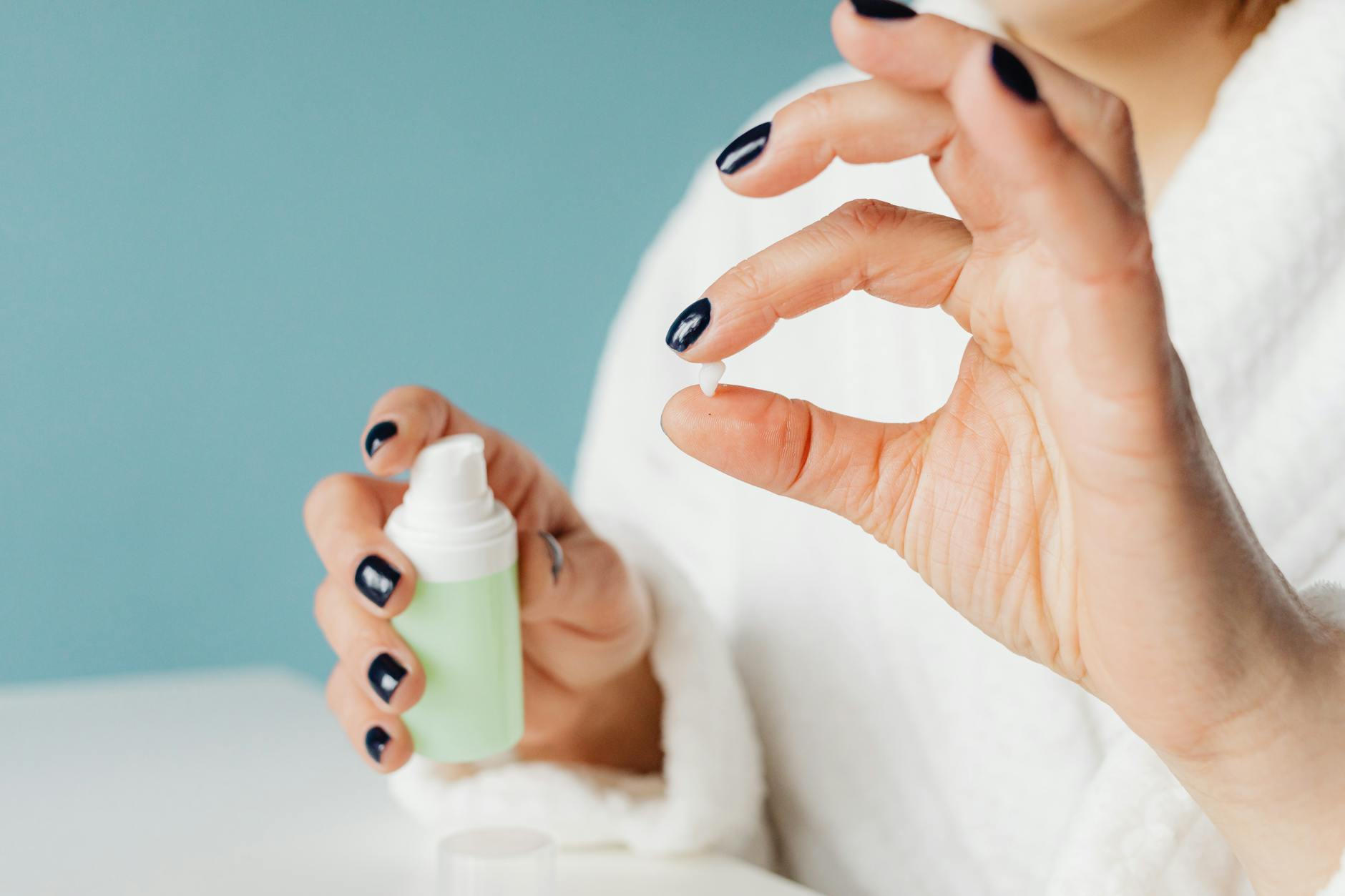
The eye area lacks the sebaceous glands that keep other parts of the face moist. Ordinary facial moisturizers are often too heavy or irritating for this sensitive zone. Dedicated eye creams are formulated to address specific concerns like puffiness and fine lines safely. neglecting this area allows the first signs of aging to appear prematurely. early intervention with specialized products keeps the eyes looking bright and youthful.
Excessive Heat Indoors

Artificial heating systems dry out the air in your living space. Dry air sucks moisture directly from the skin and leaves it parched. This environment accelerates the formation of dehydration lines and dullness. Using a humidifier adds moisture back into the air to protect the skin barrier. maintaining a moderate indoor temperature prevents the skin from drying out during winter.
Inconsistent Skincare Routine
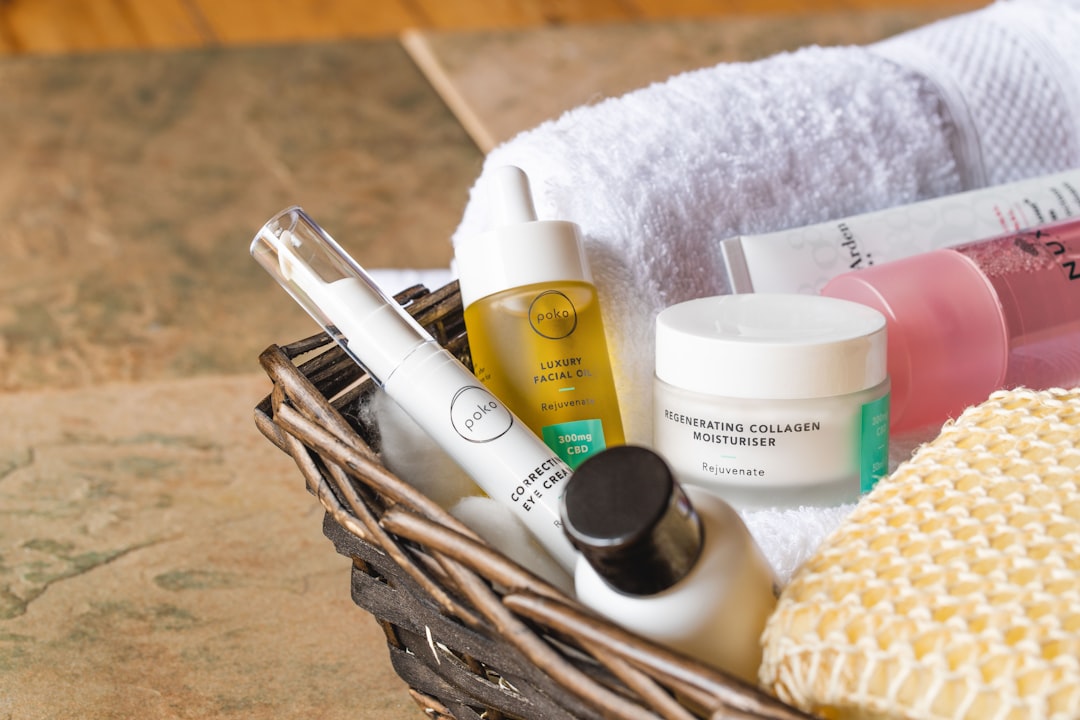
Sporadic use of anti-aging products yields minimal results. Skincare ingredients like retinol and vitamin C require consistent application to effect change. switching products too frequently prevents the skin from adjusting and benefiting. a simple routine followed daily is superior to a complex one followed occasionally. patience and consistency are the true secrets to long-term skin health.
We would love to hear which of these habits you are planning to change so please tell us in the comments.