
Your daily routine may be doing more damage to your skin than you realize. Many common behaviors accelerate the breakdown of collagen, deepen fine lines, and dull the complexion long before time naturally takes its toll. The good news is that awareness is the first step toward making smarter choices for your long-term skin health. Here are twenty habits that could be aging your skin faster than you think.
Skipping Sunscreen
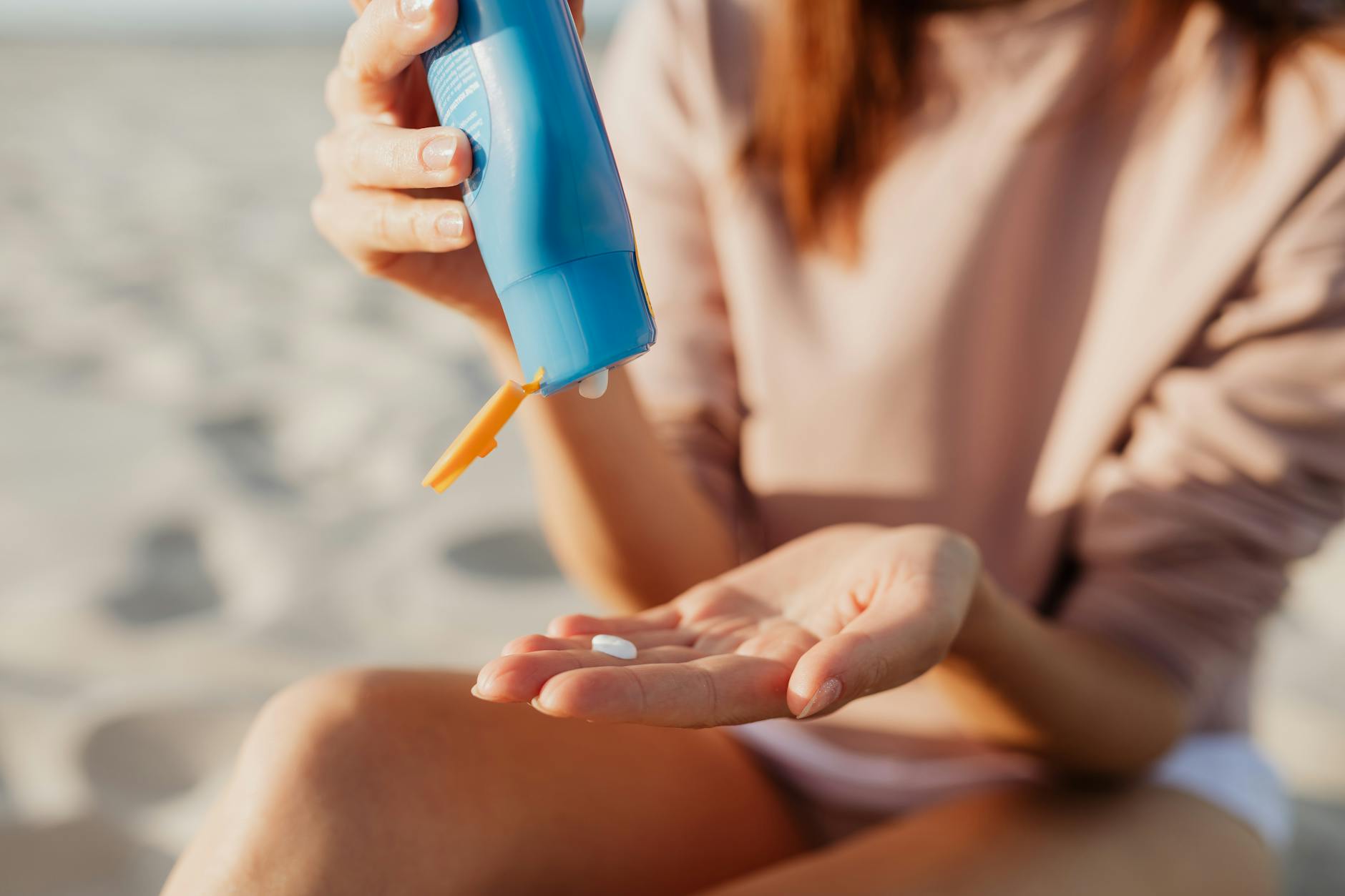
UV radiation is the single most significant external cause of premature skin aging, responsible for up to ninety percent of visible skin changes. Daily exposure to UVA rays breaks down collagen and elastin deep within the skin, leading to sagging, wrinkles, and uneven pigmentation. Many people only apply sunscreen at the beach or pool, leaving their skin unprotected during everyday activities like driving or walking. Consistent daily SPF use on all exposed skin is one of the most powerful anti-aging steps available to anyone.
Not Getting Enough Sleep

During deep sleep, the body enters a repair mode that produces growth hormone and rebuilds damaged skin cells. Chronic sleep deprivation elevates cortisol levels, which breaks down collagen and leads to a dull, uneven complexion over time. Dark circles, puffiness, and fine lines around the eyes are among the first visible signs of ongoing poor sleep habits. Adults who consistently sleep fewer than seven hours a night show measurably more signs of skin aging compared to those who prioritize rest.
Sleeping on a Cotton Pillowcase

Rough cotton fabric creates friction against the skin throughout the night, contributing to the formation of sleep lines that can eventually become permanent. The repeated compression and tugging motion against the face stretches delicate facial skin and accelerates the breakdown of underlying collagen. Cotton also absorbs moisture and skincare products, pulling hydration away from the skin surface. Switching to a silk or satin pillowcase reduces friction significantly and helps skin retain both moisture and applied treatments.
Eating Too Much Sugar

A diet high in refined sugar triggers a process called glycation, where sugar molecules attach to collagen and elastin fibers and cause them to stiffen and break down. This internal process leads to a loss of skin elasticity, increased wrinkles, and a dull, yellowish complexion tone. Glycation also produces compounds that make the skin more vulnerable to oxidative stress from environmental sources. Reducing refined sugar intake and replacing it with whole foods rich in antioxidants can noticeably improve skin clarity and resilience over time.
Chronic Dehydration

The skin is the last organ to receive water when the body is dehydrated, meaning it suffers the effects of poor hydration quickly and visibly. Even mild ongoing dehydration reduces skin plumpness and elasticity, making fine lines appear more pronounced throughout the day. Dehydrated skin is also more prone to flakiness, irritation, and a tight, uncomfortable feeling that damages the skin barrier. Drinking adequate water consistently throughout the day supports the cellular functions that keep skin looking smooth and youthful.
Smoking

Tobacco smoke introduces thousands of toxic chemicals directly into the body that rapidly deplete vitamin C levels, a critical nutrient for collagen production. The repeated facial muscle movements involved in smoking create deep lines around the mouth and eyes that become permanent over time. Nicotine narrows the blood vessels in the outer layers of skin, reducing oxygen and nutrient delivery and leaving the complexion looking gray and lifeless. Smokers consistently develop wrinkles earlier and more deeply than non-smokers regardless of other skincare habits.
Squinting at Screens

Staring at phones, tablets, and computer screens for extended periods causes repeated squinting and furrowing of the muscles around the eyes and forehead. Over time, these repetitive muscle contractions create dynamic wrinkles that deepen into permanent lines even when the face is at rest. Blue light emitted from digital screens has also been shown to penetrate deeper into the skin than UVA rays and may contribute to premature pigmentation and collagen degradation. Reducing screen time, adjusting display brightness, and using blue light filter glasses can all help minimize this ongoing damage.
Neglecting the Neck and Chest

Most people focus their skincare efforts entirely on the face and completely ignore the neck and décolletage, which are equally vulnerable to sun damage and aging. The skin in these areas is thinner and produces less oil than facial skin, making it prone to early wrinkling and crepiness. Sun exposure on the neck and chest without SPF or moisturizer leads to uneven pigmentation, loose skin, and horizontal banding that can add years to a person’s appearance. Extending your complete skincare routine down past the jawline each morning and evening creates a uniform, more youthful result.
Hot Showers

While a long hot shower feels relaxing, the high water temperature strips the skin’s natural oils and disrupts the protective lipid barrier that keeps moisture locked in. A compromised skin barrier leads to chronic dryness, sensitivity, and accelerated formation of fine lines due to persistent transepidermal water loss. The heat also causes blood vessels to dilate repeatedly, which over time can increase redness and the appearance of broken capillaries on the face and chest. Switching to lukewarm water and keeping shower time to under ten minutes preserves the skin barrier far more effectively.
Rubbing Your Eyes

The skin around the eyes is among the thinnest on the entire body and contains very little underlying fat or collagen to cushion it from mechanical stress. Habitual rubbing stretches the delicate tissue repeatedly, leading to permanent looseness, darkening, and accelerated formation of crow’s feet. The habit also breaks down the tiny blood vessels beneath the surface, contributing to persistent dark circles and puffiness. Treating the eye area with a gentle patting motion rather than rubbing preserves its structural integrity significantly longer.
Drinking Through a Straw

Sipping beverages through a straw creates the same repeated muscular contractions around the mouth as smoking, generating fine lines and wrinkles in the perioral area over time. The puckering motion works the orbicularis oris muscle intensely and repeatedly, which accelerates the etching of vertical lip lines even in younger adults. This is a habit many people overlook entirely because it seems so minor and convenient. Choosing to drink directly from a glass or cup whenever possible eliminates this unnecessary source of repeated facial movement.
Crash Dieting

Repeatedly losing and regaining significant amounts of weight stretches the skin and then leaves it without sufficient volume to snap back fully each time. This yo-yo effect gradually reduces skin elasticity and can lead to sagging around the face, jaw, and neck that makes a person appear older than their age. Severe calorie restriction also deprives the skin of the essential fats, proteins, and micronutrients it needs to maintain its structure and barrier function. Sustainable, gradual approaches to weight management are far kinder to the skin’s long-term appearance.
Alcohol Consumption

Alcohol is a diuretic that dehydrates the body rapidly and depletes the skin of key nutrients including vitamin A, a compound essential for cell turnover and collagen production. Regular drinking dilates blood vessels over time and can lead to persistent facial redness, visible capillaries, and a blotchy, uneven complexion. Alcohol also disrupts sleep quality even when consumed in moderate amounts, compounding the aging effects of sleep deprivation on the skin. The cumulative impact of frequent alcohol use on skin health becomes increasingly visible with age.
Inconsistent Skincare

Applying products sporadically rather than as part of a consistent daily routine prevents the skin from fully benefiting from active ingredients that require sustained use to deliver results. Retinoids, vitamin C serums, and peptide creams all work through gradual cellular processes that are disrupted when application is irregular. Inconsistency also means the skin’s hydration levels and barrier function fluctuate, leaving it more vulnerable to environmental stressors on unprotected days. Establishing a simple but reliable morning and evening routine is far more effective than using premium products occasionally.
High Stress Levels

Chronic psychological stress keeps cortisol elevated in the body for prolonged periods, and cortisol directly breaks down collagen while triggering inflammatory responses throughout the skin. Stress-related skin conditions including eczema flares, acne breakouts, and psoriasis worsen with elevated cortisol and cause additional damage to the skin barrier over time. The habitual facial tension that accompanies stress contributes to furrowed brows, clenched jaw muscles, and deepened expression lines that become permanent. Incorporating regular stress management practices such as exercise, meditation, or breathwork has measurable positive effects on both overall health and skin quality.
Skipping Moisturizer
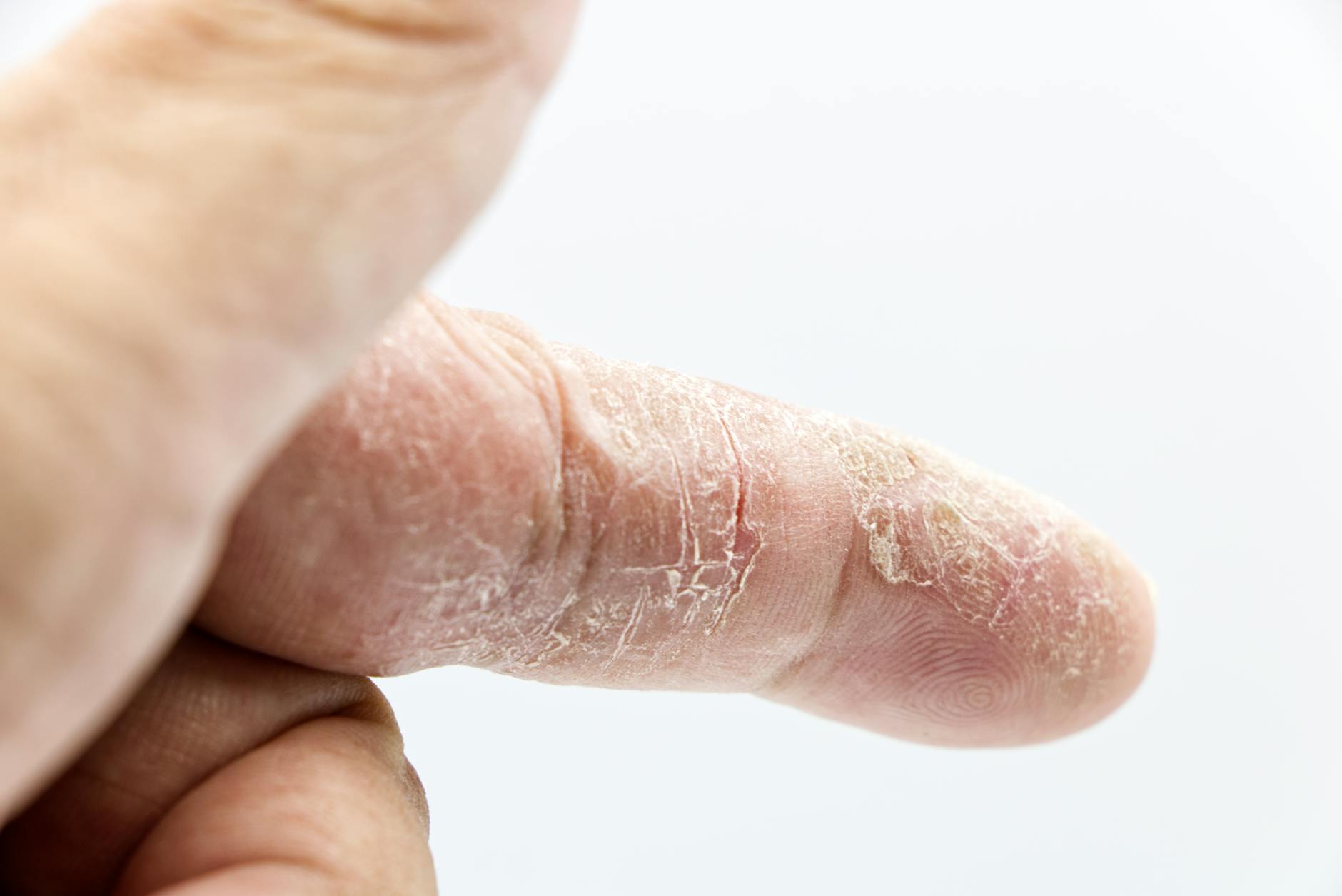
Forgoing daily moisturizer allows transepidermal water loss to go unchecked, leaving the skin chronically dry and unable to maintain its plumpness and suppleness. Dry skin makes existing fine lines appear significantly more pronounced and creates a texture that reflects light unevenly, contributing to a dull, aged look. Without a properly hydrated skin barrier, environmental aggressors like pollution and UV radiation penetrate more easily and cause greater cellular damage. Even oily skin types benefit from a lightweight, non-comedogenic moisturizer to maintain barrier health and a smoother complexion.
Touching Your Face

The hands carry bacteria, oils, and environmental pollutants that transfer directly to the skin with every touch and contribute to clogged pores, breakouts, and low-grade inflammation. Persistent inflammation at the cellular level is one of the key drivers of accelerated skin aging, degrading collagen and causing uneven pigmentation over time. Resting the chin or cheeks in the hands also applies repeated physical pressure and friction to those areas, mimicking the effects of poor sleep posture on skin texture. Building awareness of this unconscious habit and actively reducing it protects both the skin barrier and its underlying structure.
Pollution Exposure Without Protection

Airborne pollutants including particulate matter, nitrogen dioxide, and heavy metals generate free radicals on the skin surface that attack collagen and disrupt melanin production. People living or working in urban environments are exposed to significantly higher concentrations of these compounds, and the cumulative damage manifests as uneven skin tone, enlarged pores, and a loss of firmness. Cleansing the skin thoroughly each evening to remove pollution particles is one of the most important and underappreciated steps in any anti-aging routine. Applying antioxidant serums containing ingredients like niacinamide or vitamin C in the morning creates an additional protective layer against daily oxidative stress.
Extreme Facial Expressions

While natural emotional expression is healthy and normal, extremely repetitive or exaggerated facial movements accelerate the formation of dynamic wrinkles in specific areas of the face. Raising the eyebrows habitually, furrowing the brow during concentration, and pursing the lips forcefully all create repeated muscle contractions that score lines into the skin over time. In earlier decades the skin has enough elasticity to spring back from these movements, but collagen loss in the mid-twenties onward means the recovery becomes slower and less complete. Developing subtle awareness of unnecessary facial tension without suppressing genuine expression can make a meaningful difference in how quickly these lines deepen.
Not Eating Enough Healthy Fats

Essential fatty acids found in foods like avocados, fatty fish, walnuts, and olive oil are fundamental building blocks of healthy cell membranes and the skin’s lipid barrier. A diet chronically low in healthy fats leads to a compromised barrier, persistent dryness, heightened sensitivity, and an accelerated loss of the plumpness associated with youthful skin. Omega-3 fatty acids in particular have strong anti-inflammatory properties that help protect the skin against the cellular damage linked to premature aging. Incorporating a diverse range of healthy fat sources into daily meals supports skin health from the inside out in ways that topical products alone cannot replicate.
Which of these habits surprised you the most? Share your thoughts in the comments.