Back pain affects millions of people globally and often stems from seemingly harmless daily routines rather than acute injuries. Small repetitive actions accumulate over time to create tension and structural imbalances that eventually lead to chronic discomfort. Identifying these subtle triggers is the first step toward correcting posture and alleviating unnecessary strain on the spine. Awareness of these common habits allows individuals to make proactive changes that support long-term spinal health and overall mobility.
Prolonged Sitting

Sitting for extended periods significantly increases pressure on the spinal discs while weakening the gluteal muscles. Office workers often find themselves fixed in one position for hours which restricts blood flow to the lower back muscles. This lack of movement causes stiffness that becomes difficult to shake off even after the work day ends. Taking frequent breaks to stand or walk helps reset the spine and maintain necessary muscle engagement throughout the day.
Looking Down at Smartphones

Tilting the head forward to look at a mobile device places an immense amount of weight on the cervical spine. The human head is heavy and angling it downward multiplies the gravitational pull on the neck muscles and vertebrae. This habit frequently leads to strain in the upper back and neck area known as text neck. Raising the phone to eye level is a simple adjustment that neutralizes this excessive force.
Carrying Heavy Bags on One Shoulder

Toting a heavy purse or laptop bag on the same side every day forces the body to compensate by elevating one shoulder. This asymmetrical load pulls the spine out of alignment and causes muscular imbalances across the upper back. The muscles on the opposite side must work overtime to keep the torso upright which leads to spasms and fatigue. Switching shoulders or using a backpack distributes weight more evenly across the body.
Sleeping on an Old Mattress

A mattress that has lost its firmness fails to support the natural curvature of the spine during sleep. Without adequate support the body sinks into awkward positions that stress the ligaments and joints throughout the night. Waking up with stiffness or soreness is a primary indicator that the bed no longer provides necessary structural resistance. Replacing sleep surfaces every seven to ten years ensures the back remains neutral and rested.
Wearing High Heels Frequently

High heels alter the center of gravity and cause the pelvis to tilt forward in an anterior position. This shift forces the lower back to arch excessively to maintain balance while standing or walking. The resulting compression in the lumbar region often leads to chronic pain and tight hip flexors. Reserve high heels for special occasions or choose footwear with better arch support for daily wear.
Lifting Objects Incorrectly

Bending at the waist to pick up heavy items places the entire load on the lower back muscles rather than the legs. The spine is most vulnerable when it is twisted or bent forward under a significant weight. Using the strong muscles of the quadriceps and glutes by squatting down protects the vertebral discs from injury. keeping the object close to the body further reduces the leverage and strain on the spine.
Sleeping on Your Stomach

Lying flat on the stomach requires the neck to turn sharply to one side to breathe which strains the cervical vertebrae. This position also tends to flatten the natural curve of the lower back or cause it to hyperextend depending on the mattress softness. The spine remains in a twisted or compromised state for hours which prevents true relaxation of the paraspinal muscles. Sleeping on the side or back with a pillow for support is generally recommended for spinal alignment.
Smoking Nicotine Products

Nicotine restricts blood flow and reduces the delivery of oxygen and nutrients to spinal tissues. The intervertebral discs rely on this circulation to remain hydrated and spongy enough to absorb shock. Reduced blood supply accelerates degeneration of these discs and makes the back more susceptible to injury. Quitting smoking can improve blood flow and facilitate the body’s natural healing processes.
Ignoring Core Strength
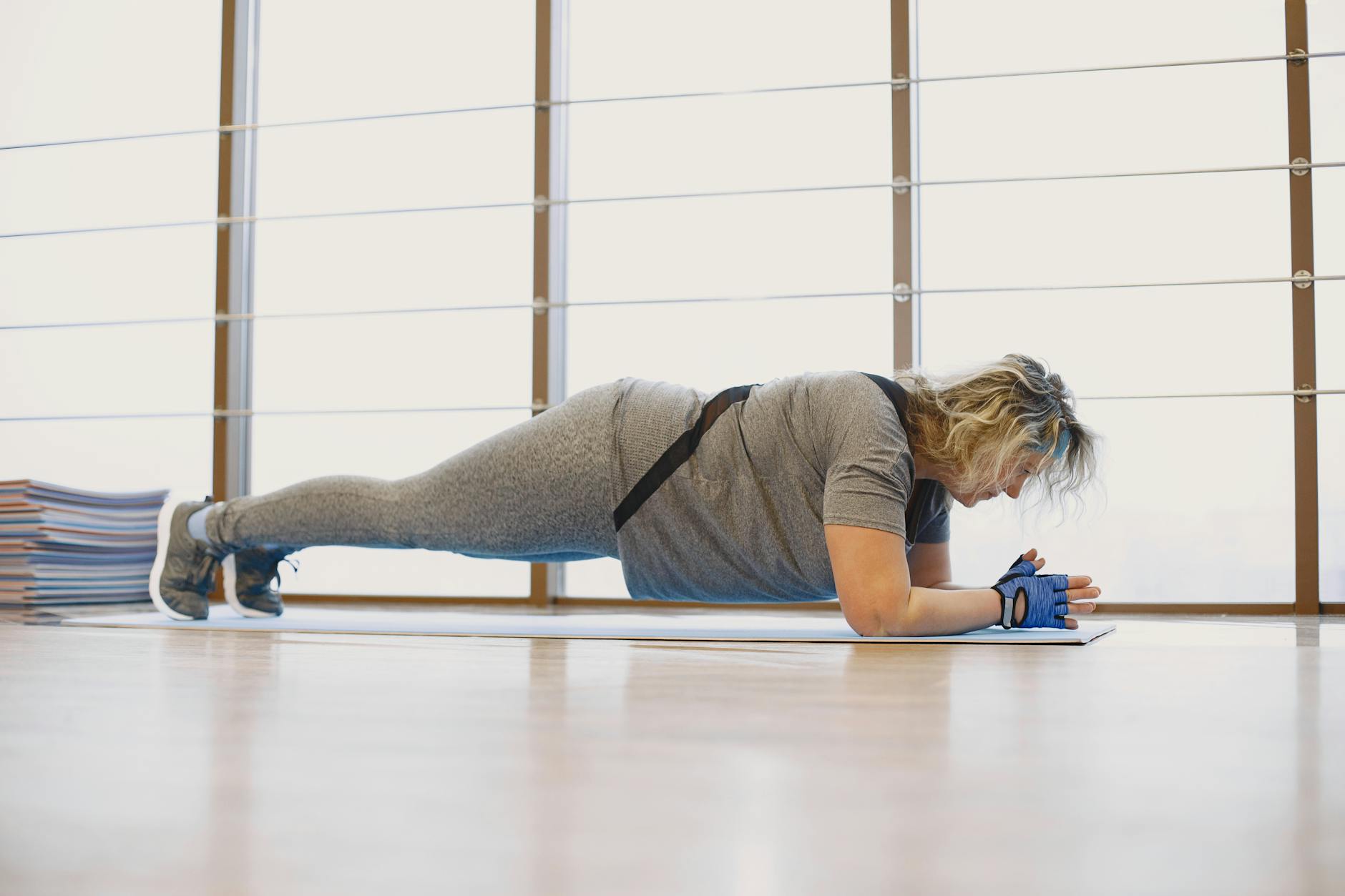
The abdominal and back muscles work together like a corset to support the spine and maintain posture. Weak core muscles force the passive structures of the spine to bear more weight than they are designed to handle. A lack of stability leads to slouching and increases the risk of strain during everyday movements. Regular exercises that target the deep abdominals help shield the back from excessive load.
Driving Without Lumbar Support

Car seats often lack the proper curvature to support the lower back during long commutes. Slumping behind the wheel flattens the lumbar curve and subjects the spine to road vibrations that exacerbate pain. Adjusting the seat to an upright position or using a small pillow can restore the natural arch of the lower back. Taking breaks to stretch during long road trips prevents stiffness from setting in.
Wearing Unsupportive Flat Shoes

Shoes with absolutely no arch support or shock absorption can be just as damaging as high heels. Flip-flops and ballet flats offer little protection against the impact of walking on hard surfaces. This lack of cushioning sends shockwaves up the legs that eventually settle in the lower back. Supportive insoles or shoes with a contoured footbed help absorb impact and align the kinetic chain.
Crossing Legs While Sitting

Sitting with legs crossed tilts the pelvis and rotates the spine into an unnatural position. This habit places uneven pressure on the hips and lower back while inhibiting proper circulation. The twisted posture can lead to pelvic misalignment over time if done frequently. keeping both feet flat on the floor with knees at a ninety degree angle promotes a neutral spine.
Keeping a Thick Wallet in a Back Pocket

Sitting on a thick wallet creates an imbalance in the pelvis that forces one hip higher than the other. This asymmetry twists the spine and compresses the sciatic nerve running through the gluteal region. The resulting pain can radiate from the lower back down the leg and cause significant discomfort. Removing the wallet before sitting prevents this preventable source of spinal misalignment.
Hunching Over a Laptop

Laptop screens are typically positioned below eye level which forces the user to round their shoulders and hunch forward. This posture stretches the muscles of the upper back and tightens the chest muscles. The increased curvature of the thoracic spine can become permanent if this position is maintained daily. Using a laptop stand and an external keyboard allows the screen to sit at a healthier height.
Skipping Warmups Before Exercise
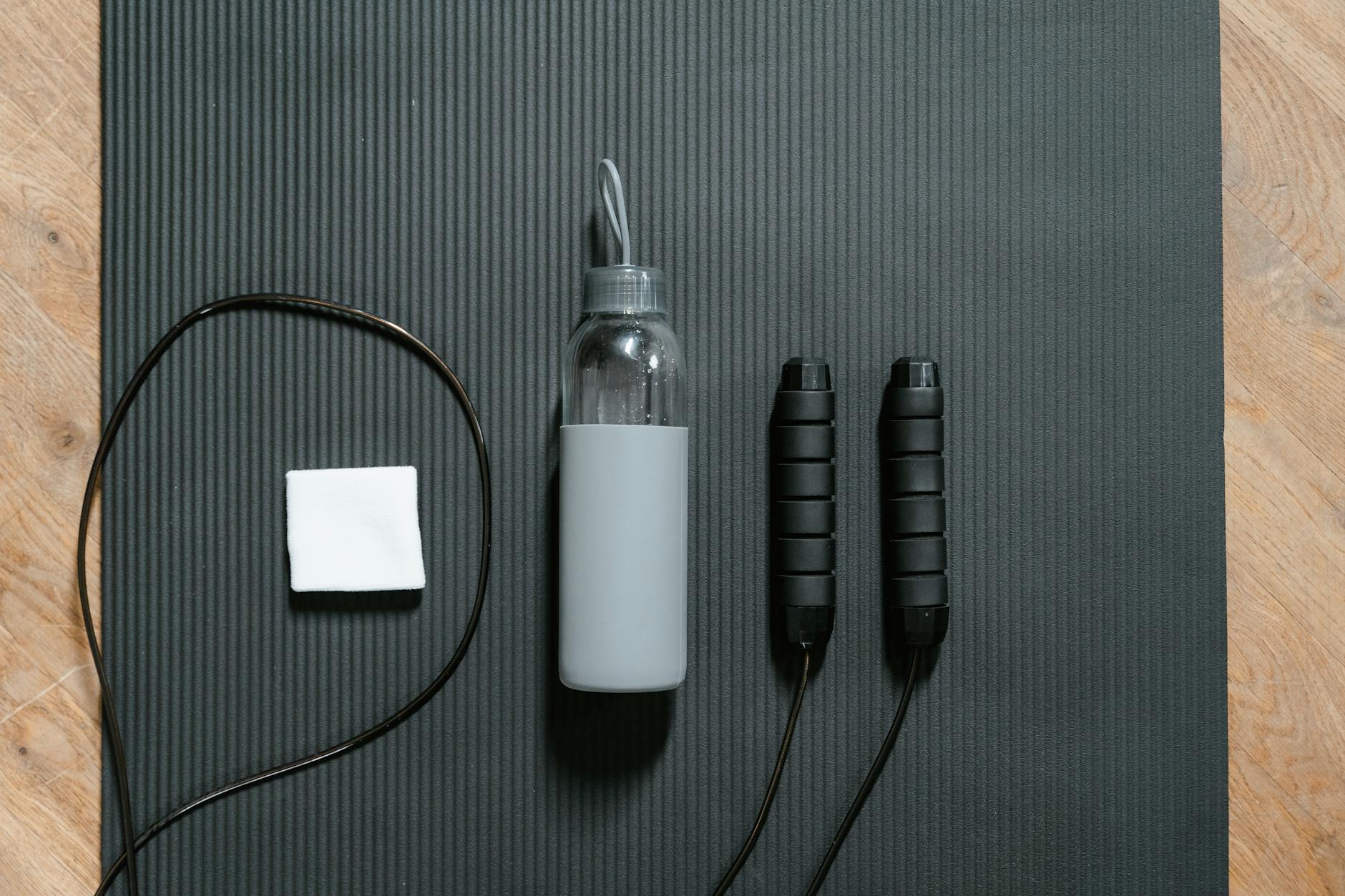
Jumping into intense physical activity without preparing the muscles increases the risk of acute strains. Cold muscles are less pliable and more prone to tearing when subjected to sudden force or heavy loads. A proper warm-up increases blood flow and temperature in the tissues to prepare them for movement. Gentle dynamic stretching prepares the back for the demands of a workout.
Dehydration

The discs between the vertebrae are largely made of water and require hydration to maintain their height and cushioning properties. Dehydration causes these discs to shrink slightly which reduces their ability to absorb shock effectively. A loss of disc height places more pressure on the sensitive nerves exiting the spinal column. Drinking adequate water throughout the day supports disc health and overall spinal function.
Excessive Stress

Psychological stress causes the body to unconsciously tighten muscles as part of the fight or flight response. This tension frequently accumulates in the neck and shoulders or the lower back region. Chronic stress keeps these muscles in a state of semi-contraction that leads to fatigue and pain. Stress management techniques like deep breathing can help release this physical manifestation of anxiety.
Overdoing It on Weekends

Sedentary individuals who engage in strenuous activity only on weekends put their backs at significant risk. The sudden spike in activity level shocks muscles that are accustomed to inactivity during the work week. This phenomenon is often called weekend warrior syndrome and frequently results in acute back spasms. consistent moderate exercise is safer and more effective than sporadic high-intensity bursts.
Incorrect Pillow Height

A pillow that is too high or too low forces the neck into an awkward angle that disrupts spinal alignment. The goal is to keep the head in a neutral position that aligns with the rest of the spine. Side sleepers generally need a thicker pillow than back sleepers to fill the gap between the ear and mattress. Evaluating neck comfort upon waking helps determine if the pillow height needs adjustment.
Nutritional Deficiencies

Bones and muscles require specific nutrients like calcium and vitamin D to maintain strength and density. A diet lacking in these essential components weakens the vertebrae and increases the risk of fractures or osteoporosis. Inflammation caused by a diet high in processed foods can also contribute to systemic pain. Eating a balanced diet rich in whole foods supports the structural integrity of the skeletal system.
Share your own experiences with these habits and which changes have helped you the most in the comments.