Seasonal allergies affect millions of people every year and turn beautiful spring days into sneezing fits. Many individuals unknowingly exacerbate their symptoms through daily routines that invite pollen and dust into their personal spaces. Small adjustments to your lifestyle can significantly reduce exposure to common irritants without requiring medication. Identifying these hidden triggers is the first step toward reclaiming your comfort during allergy season.
Wearing Shoes Inside

You track pollen and outdoor allergens into your home on the soles of your shoes every time you walk through the door. This microscopic dust settles deep into carpets and rugs where it can linger for months after the season ends. Leaving footwear at the entrance prevents these outdoor irritants from contaminating your main living areas. Indoor slippers act as a protective barrier to ensure your floors remain a safe zone from seasonal triggers. A strict shoe-free policy significantly reduces the overall pollen count in your sanctuary.
Sleeping with Windows Open
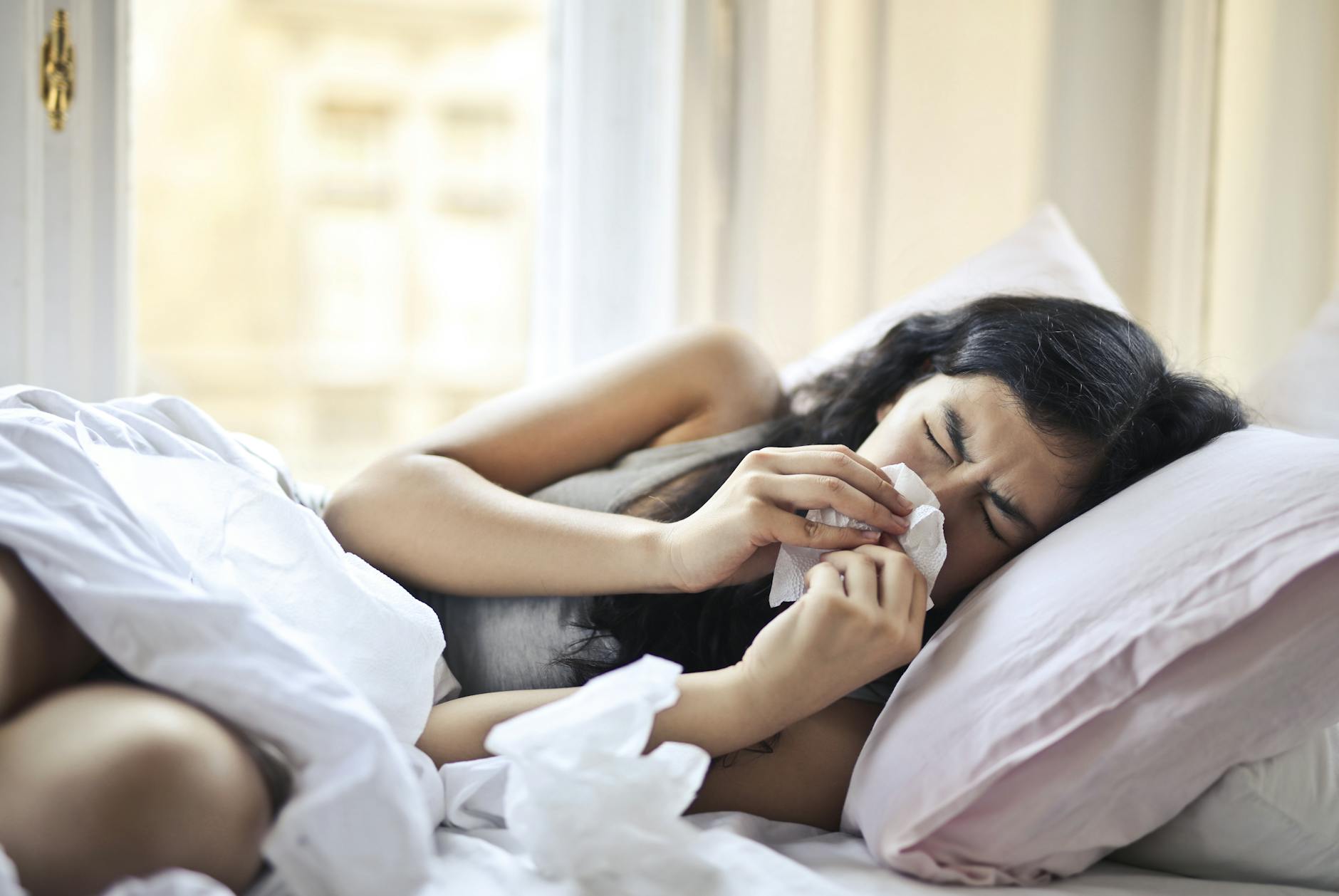
Cool night air often carries high concentrations of pollen that drift directly onto your bedding while you sleep. Pollen counts tend to rise in the early morning hours just as you are waking up for the day. Keeping windows closed creates a sealed environment that allows your respiratory system to recover overnight. Utilizing an air conditioner with a clean filter provides the necessary circulation without the influx of allergens. Your bedroom must remain a controlled zone to ensure restful sleep during high pollen seasons.
Hanging Laundry Outside
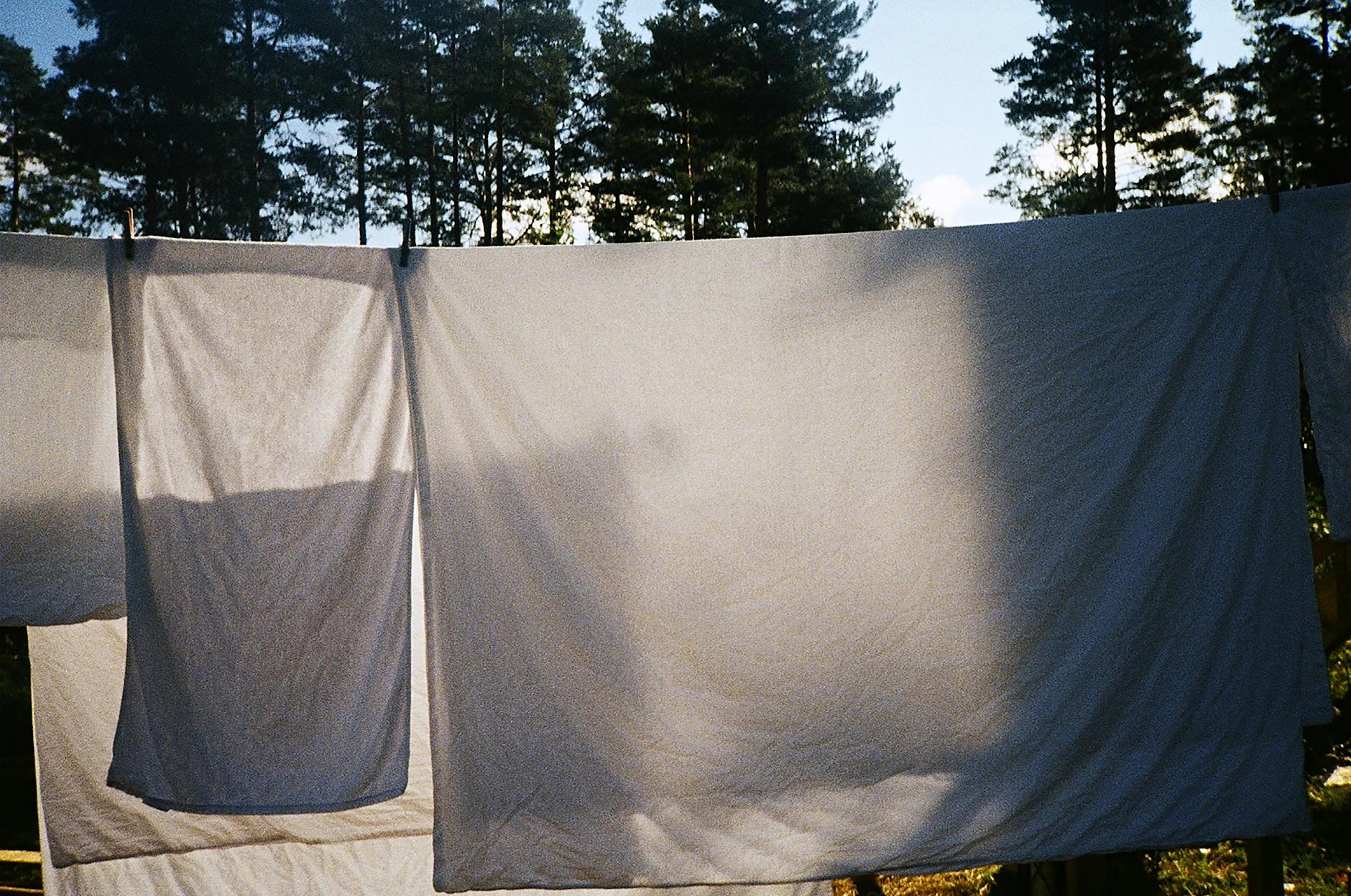
Drying clothes on an outdoor line turns your fabrics into giant pollen magnets that collect airborne particles. Sheets and towels act as large nets that trap allergens before you bring them inside and place them near your face. Using an indoor drying rack or a mechanical dryer keeps your laundry free from environmental contaminants. This simple switch prevents you from pressing pollen against your skin and inhaling it throughout the day. Fresh air smells wonderful but often comes at the cost of severe allergic reactions.
Skipping Evening Showers

Pollen accumulates on your hair and skin throughout the day even if you do not spend much time outdoors. Going to bed without washing these particles away transfers them directly onto your pillowcase and sheets. A quick rinse before sleep removes the invisible layer of allergens that you collected during your daily activities. This nightly ritual prevents you from breathing in concentrated pollen all night long. Washing away the day is essential for waking up without congestion or itchy eyes.
Ignoring Air Filters
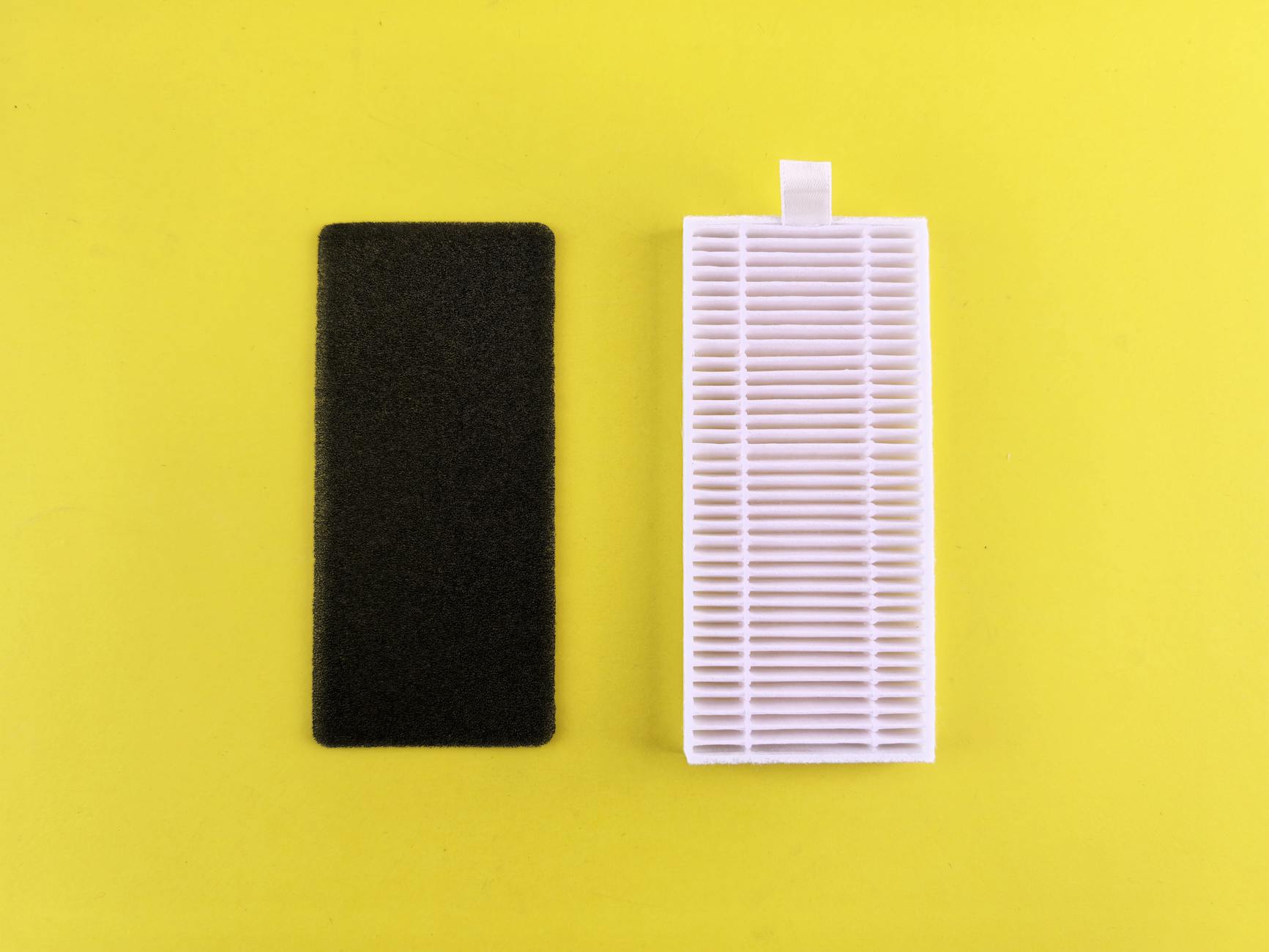
Heating and cooling systems circulate air throughout your home and trap dust and pollen in their filtration units. A clogged filter loses its efficiency and forces the system to blow captured allergens back into your rooms. changing these filters every three months or more frequently during allergy season maintains high indoor air quality. High-efficiency particulate air filters capture smaller particles that standard fiberglass models often miss. Regular maintenance ensures your HVAC system helps rather than hinders your respiratory health.
Using Feather Bedding
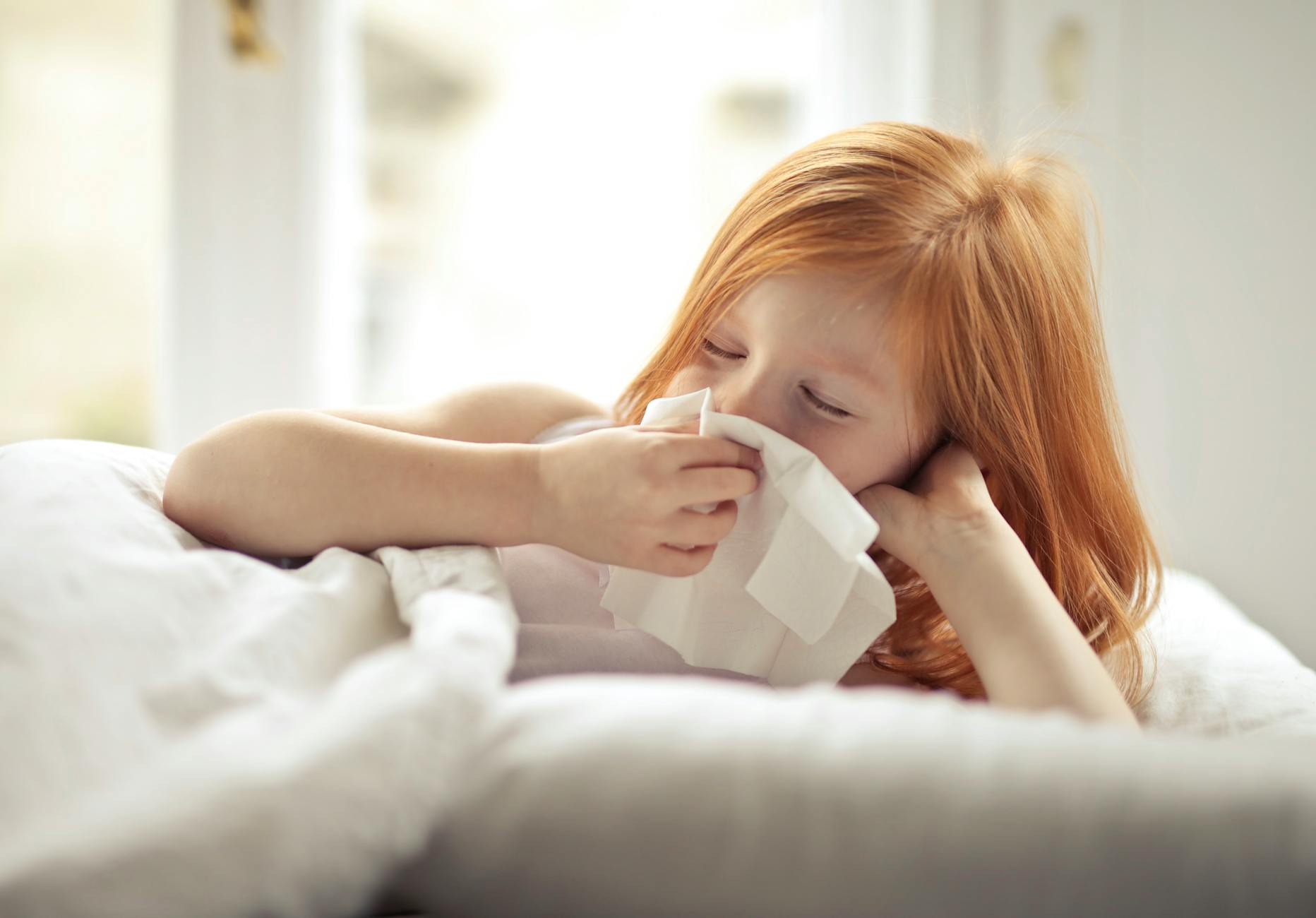
Down comforters and feather pillows can trap dust mites and allergens more easily than synthetic alternatives. The structure of the feathers creates pockets where microscopic irritants accumulate and multiply over time. Switching to hypoallergenic bedding materials reduces the potential for nighttime congestion and sneezing. Enasing your mattress and pillows in allergen-proof covers adds an extra layer of defense against dust mites. Your bed should be a clean haven rather than a source of respiratory distress.
Neglecting Pet Grooming
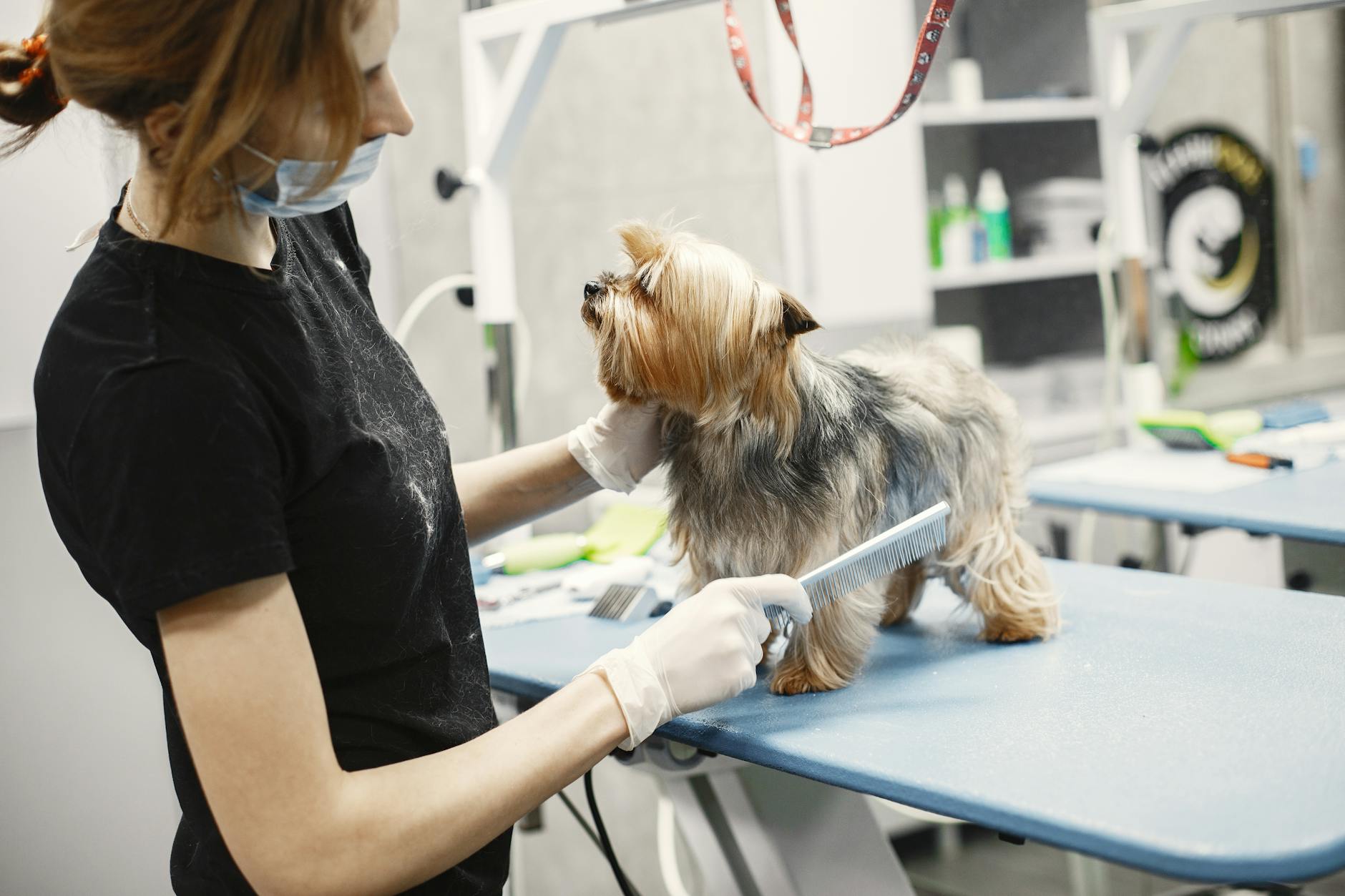
Dogs and cats act as living dust mops that collect pollen on their fur when they spend time outside. Pet dander itself acts as an allergen that compounds the effects of seasonal pollen for many sensitive individuals. Wiping your pets down with a damp cloth when they come inside reduces the amount of pollen they spread. Regular bathing and brushing help minimize the dander and outdoor particles circulating in your home. Keeping pets off furniture and out of the bedroom further limits your exposure to these triggers.
Exercising Outdoors in the Morning

Pollen counts usually peak between dawn and mid-morning when plants release their spores into the air. Running or cycling during these hours forces you to inhale large volumes of allergen-rich air deeply into your lungs. shifting your workout to the late afternoon or evening often results in lower exposure levels. Indoor gyms or home workouts provide a safer alternative on days when the pollen forecast is particularly high. Timing your physical activity strategically allows you to stay fit without suffering from severe symptoms.
Overwatering Indoor Plants
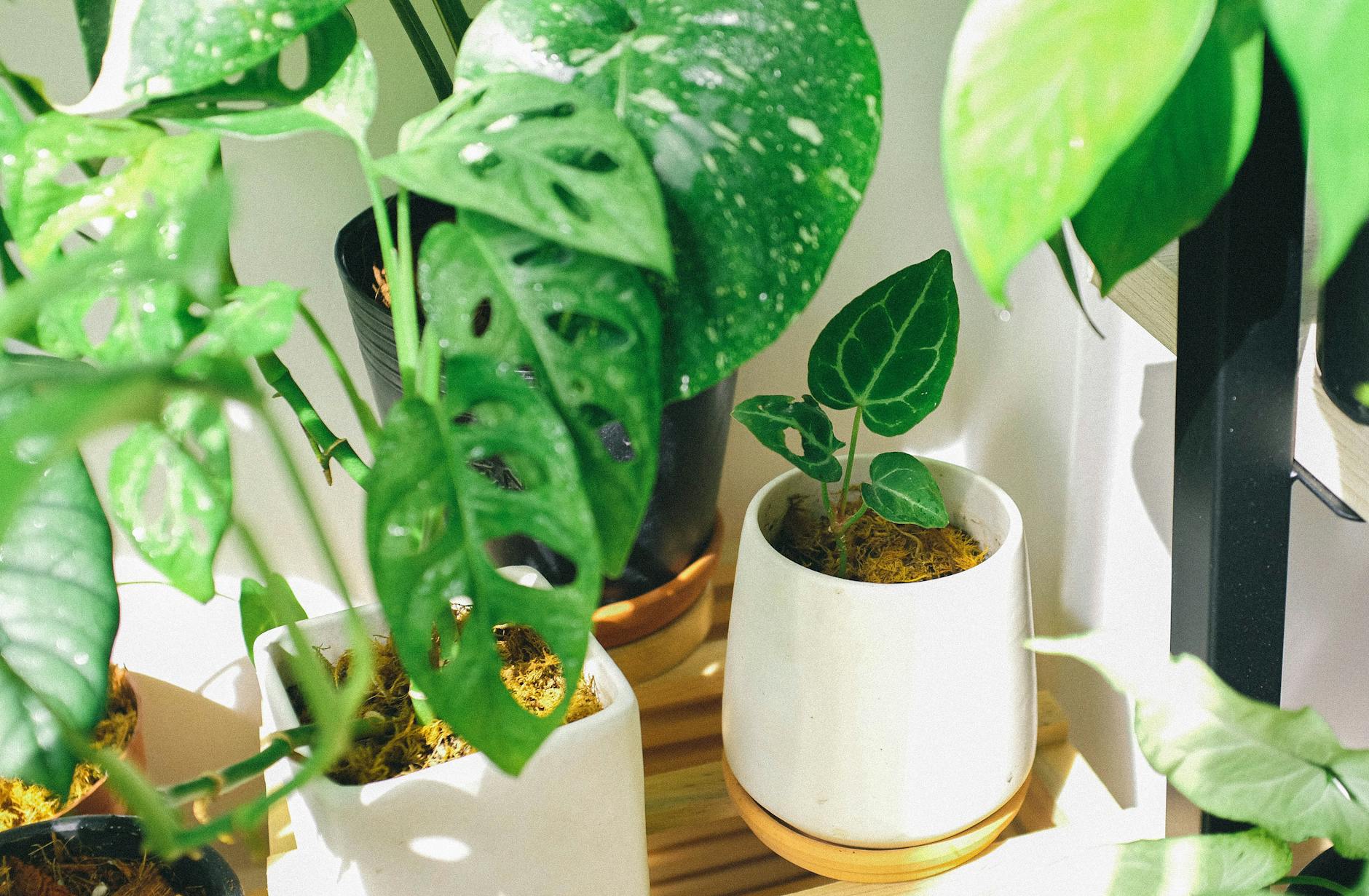
Excess moisture in houseplant soil creates the perfect breeding ground for mold spores that trigger allergic reactions. Overwatering promotes fungal growth that releases invisible spores into the air of your home. Allowing the soil to dry out slightly between waterings helps control this hidden source of indoor allergens. Removing dead leaves and keeping the area around the pot clean prevents mold from spreading. Proper plant care ensures your greenery purifies the air instead of polluting it.
Delaying Spring Cleaning
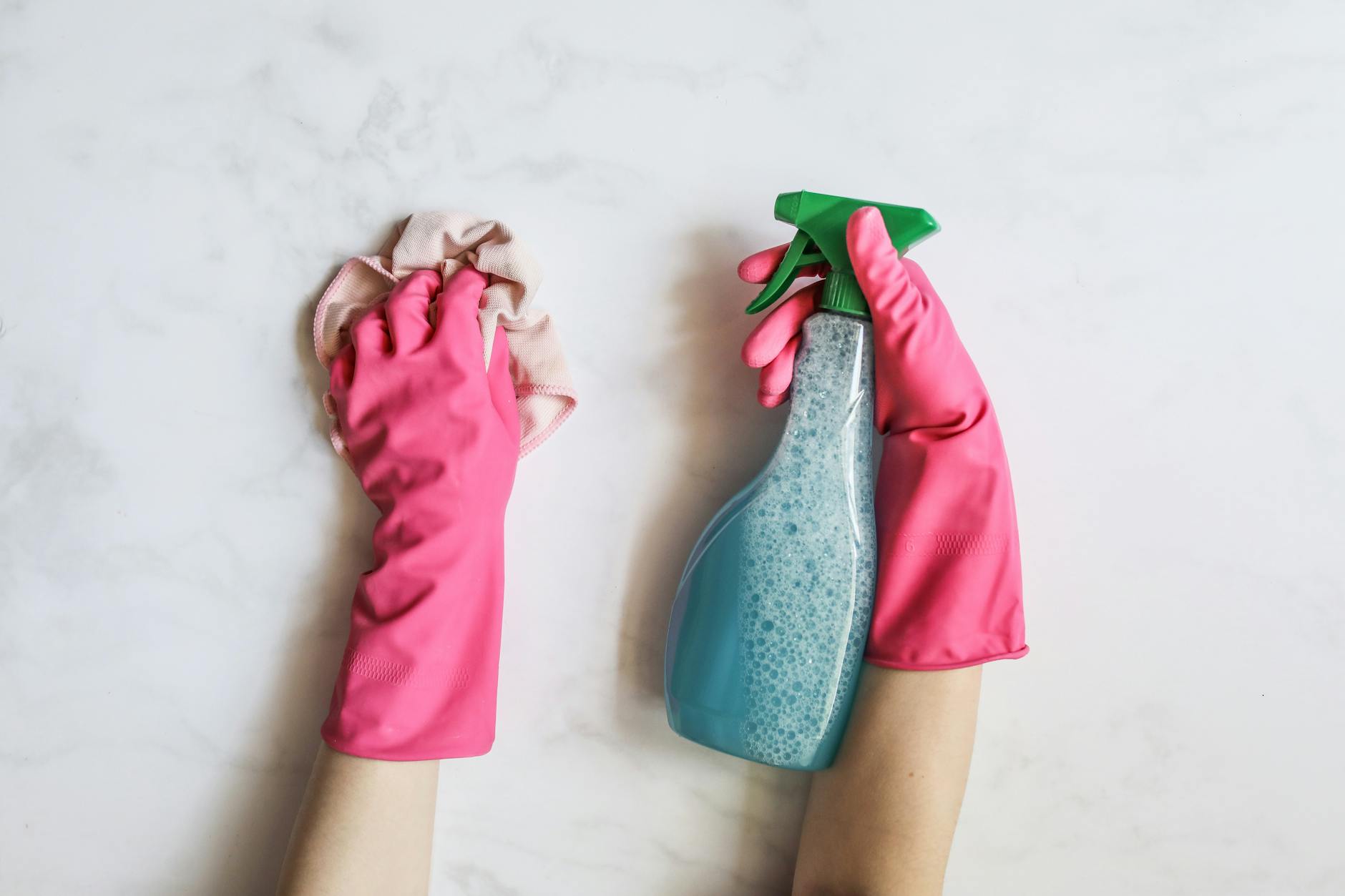
Dust and allergens accumulate in hidden corners and on upholstery throughout the winter months. Waiting too long to deep clean allows these particles to build up and become airborne as soon as you open windows. tackling heavy cleaning tasks before allergy season begins reduces the baseline load of irritants in your home. Using a damp cloth instead of a feather duster traps dust rather than spreading it into the air. A proactive approach to cleaning prepares your home for the inevitable influx of seasonal pollen.
Drinking Alcohol

Alcohol causes blood vessels in your nose to dilate and can worsen congestion and stuffiness. Wine and beer also contain histamines that mimic the chemicals your body releases during an allergic reaction. Consuming these beverages during allergy season may amplify your existing symptoms and make you feel worse. choosing non-alcoholic drinks helps keep your nasal passages clearer and reduces overall inflammation. Moderation is key to managing your body’s response to environmental triggers.
Using Scented Candles

Artificial fragrances and essential oils can irritate already sensitive nasal passages and lungs. The smoke and particulate matter from burning candles add to the indoor air pollution load. Opting for unscented beeswax or soy candles provides ambiance without the respiratory irritation. Electronic candles offer a completely emission-free alternative for creating a relaxing atmosphere. Minimizing strong scents helps reduce the total burden on your respiratory system.
Stressing Out
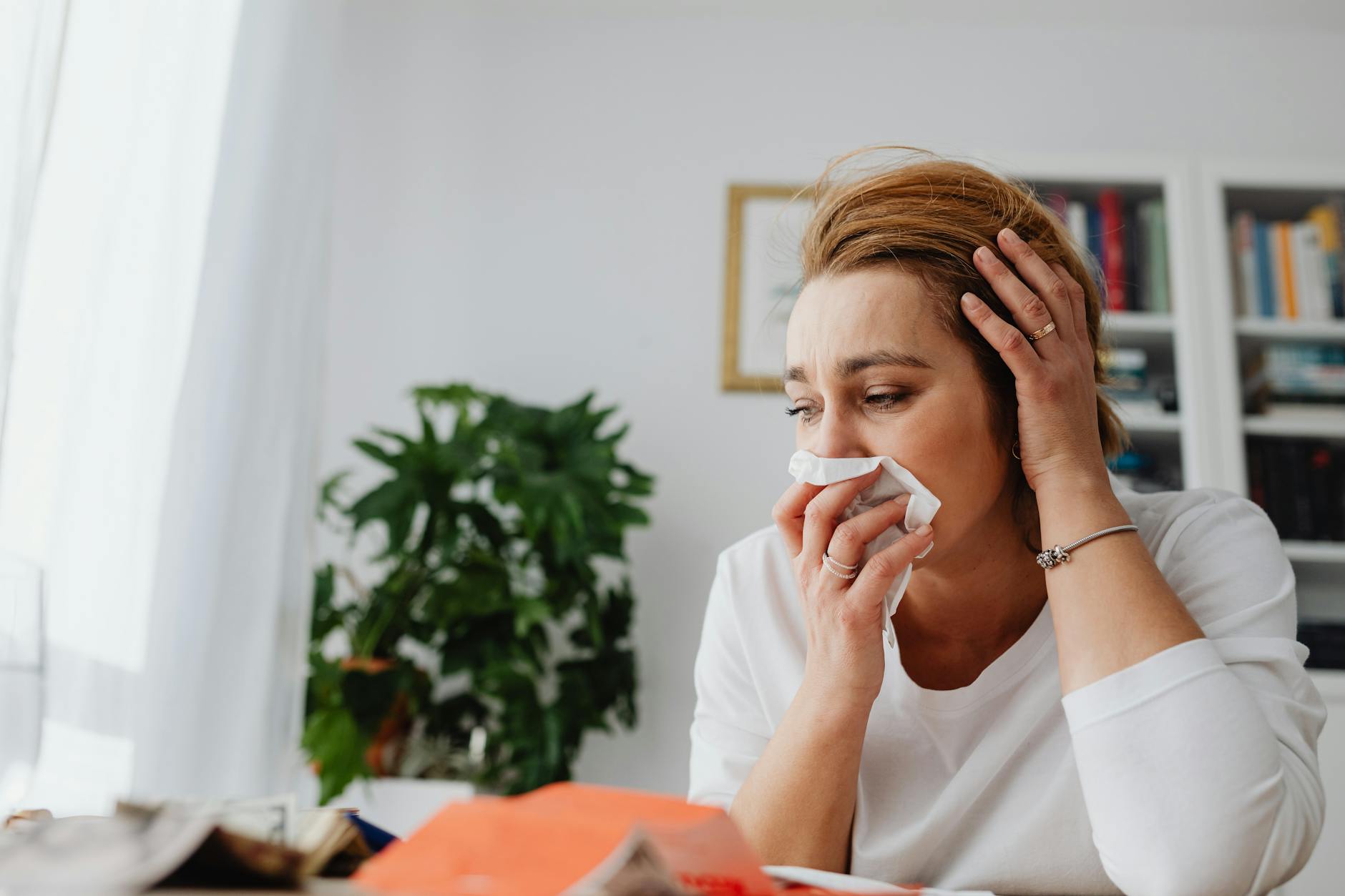
High stress levels raise cortisol in the body and can heighten the immune system’s response to allergens. Chronic stress makes allergic reactions more severe and prolongs the duration of symptoms. Incorporating relaxation techniques like meditation or yoga helps regulate the body’s inflammatory responses. Adequate rest allows the immune system to reset and function more effectively against external triggers. Managing mental health is a surprising but effective component of allergy management.
Eating Certain Fruits

Some raw fruits and vegetables contain proteins that resemble pollen and confuse the immune system. This phenomenon known as oral allergy syndrome causes an itchy mouth or throat after eating foods like apples or melons. Cooking these foods breaks down the proteins and usually prevents the allergic reaction from occurring. Peeling the skin off fruits can also reduce the concentration of these cross-reacting proteins. Identifying your specific food triggers prevents unnecessary discomfort during allergy season.
Driving with Windows Down

Cruising with the windows down exposes you to high-velocity streams of pollen and road dust. The ventilation system in your car can filter out a significant amount of outside particles when set to recirculate. keeping the windows up creates a controlled environment that shields you from the heavy pollen loads near roadways. checking your car’s cabin air filter regularly ensures it continues to trap pollutants effectively. Your commute should not be a major source of allergen exposure.
Wearing Contact Lenses
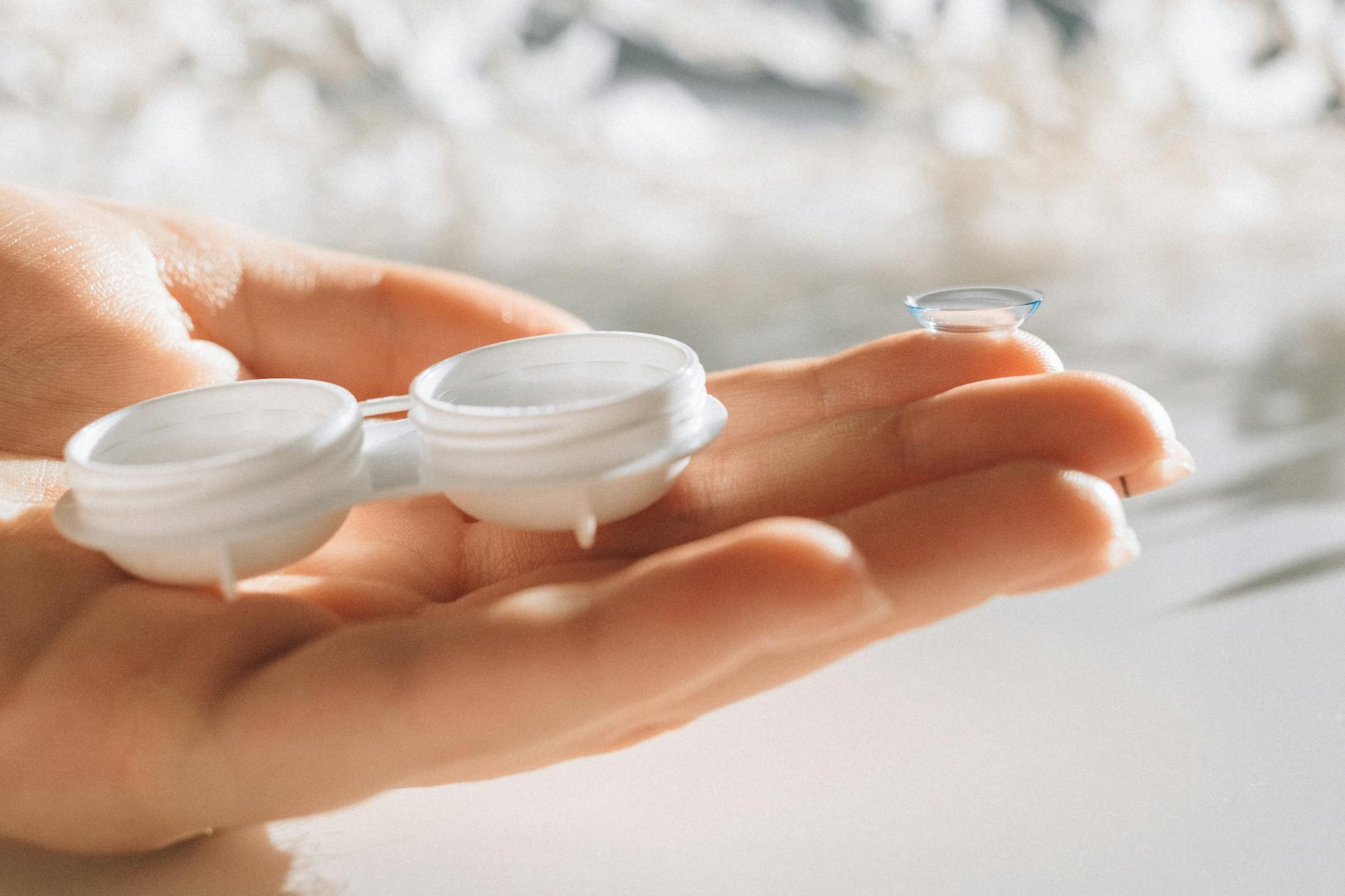
Pollen and dust can get trapped between the contact lens and the surface of your eye. This trapped debris causes irritation and redness that exacerbates itchy allergy eyes. Switching to glasses during high pollen days prevents particles from sticking to your eyes. Daily disposable lenses offer a fresh start each morning if you must wear contacts. Protecting your eyes physically reduces the need for drops and constant rubbing.
Rubbing Your Eyes

Touching your eyes transfers pollen and other irritants from your hands directly to sensitive mucous membranes. The physical act of rubbing releases more histamines and makes the itching and swelling significantly worse. Using a cold compress provides relief without adding more allergens to the area. Washing your hands frequently reduces the likelihood of accidental transfer when you touch your face. Breaking this habit is crucial for preventing eye infections and severe irritation.
Ignoring Humidity Levels
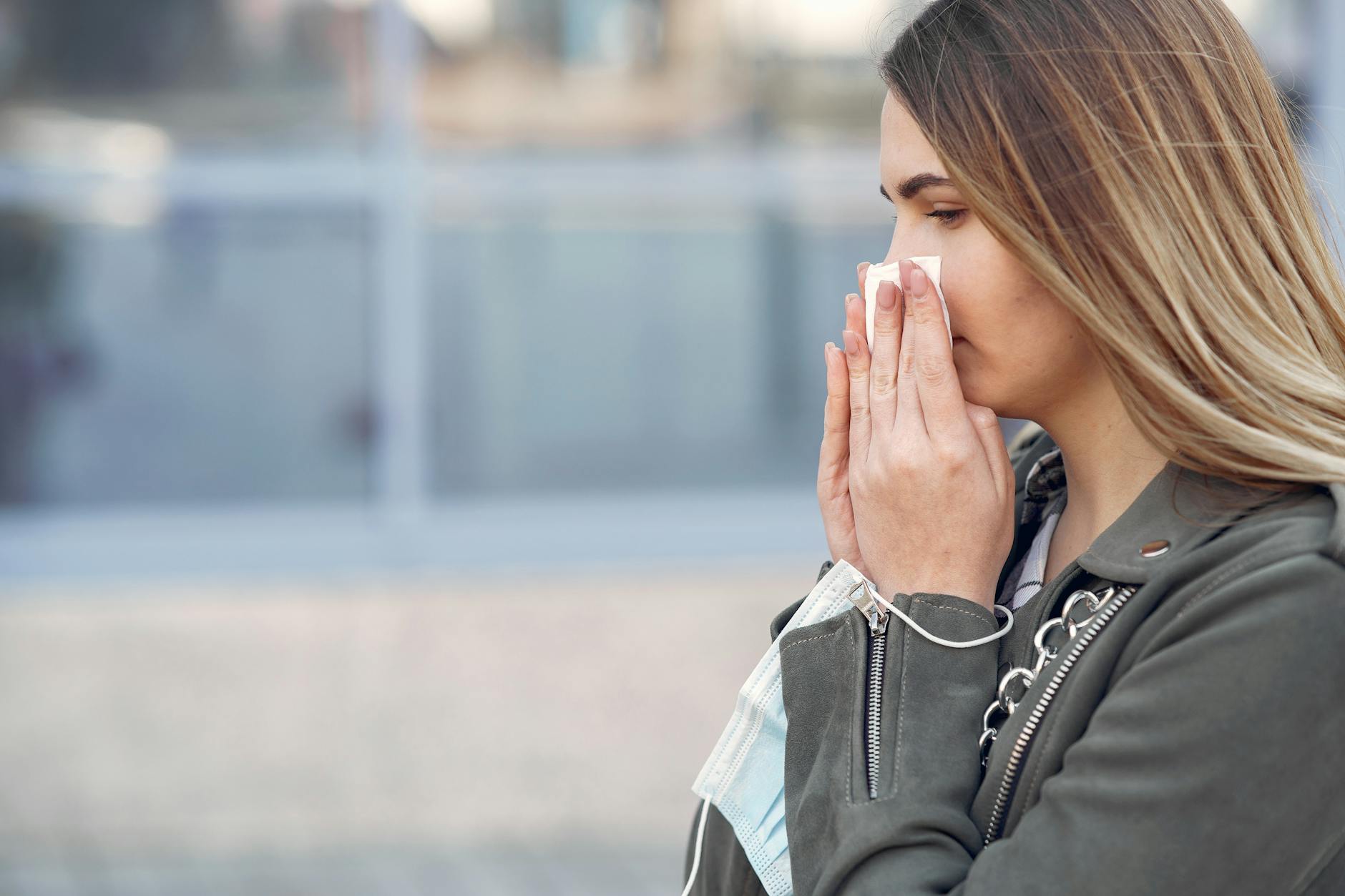
High humidity encourages dust mites and mold growth while low humidity dries out nasal passages. Maintaining indoor humidity between thirty and fifty percent creates an environment hostile to allergens but comfortable for humans. Using a hygrometer allows you to monitor moisture levels accurately in different areas of your home. Dehumidifiers in basements and bathrooms help control dampness that leads to mold spores. Balanced humidity is a subtle but powerful tool in allergy prevention.
Using the Wrong Vacuum
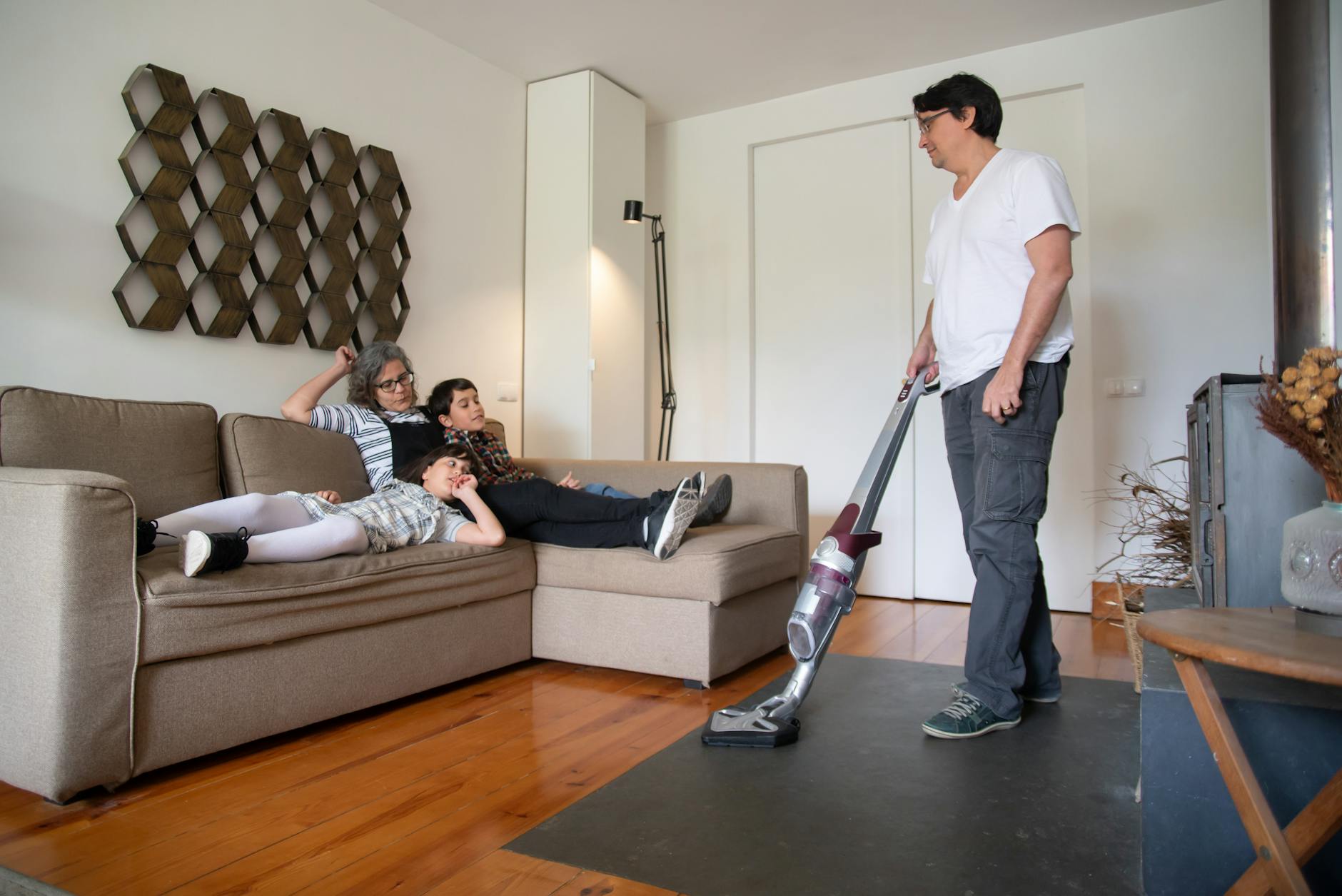
Standard vacuums often suck up dust and blow microscopic allergens right back out through the exhaust. Machines equipped with HEPA filtration trap the finest particles and prevent them from re-entering the air. Vacuuming frequently is only effective if the machine retains the dirt it collects. Emptying the canister outside prevents a cloud of dust from settling back into your clean room. Investing in quality cleaning tools makes a noticeable difference in indoor air quality.
Not Washing Bedding Often Enough

Sheets and pillowcases accumulate body oils and skin cells that feed dust mites. Washing bedding weekly in hot water kills mites and removes collected pollen effectively. Cold water washes often fail to eliminate the allergens that build up over seven days of use. using a hot dryer cycle further ensures that no mites survive the cleaning process. deeply cleaning your sleep surface is essential for waking up clear and refreshed.
Tell us which of these habits you plan to change this season in the comments.