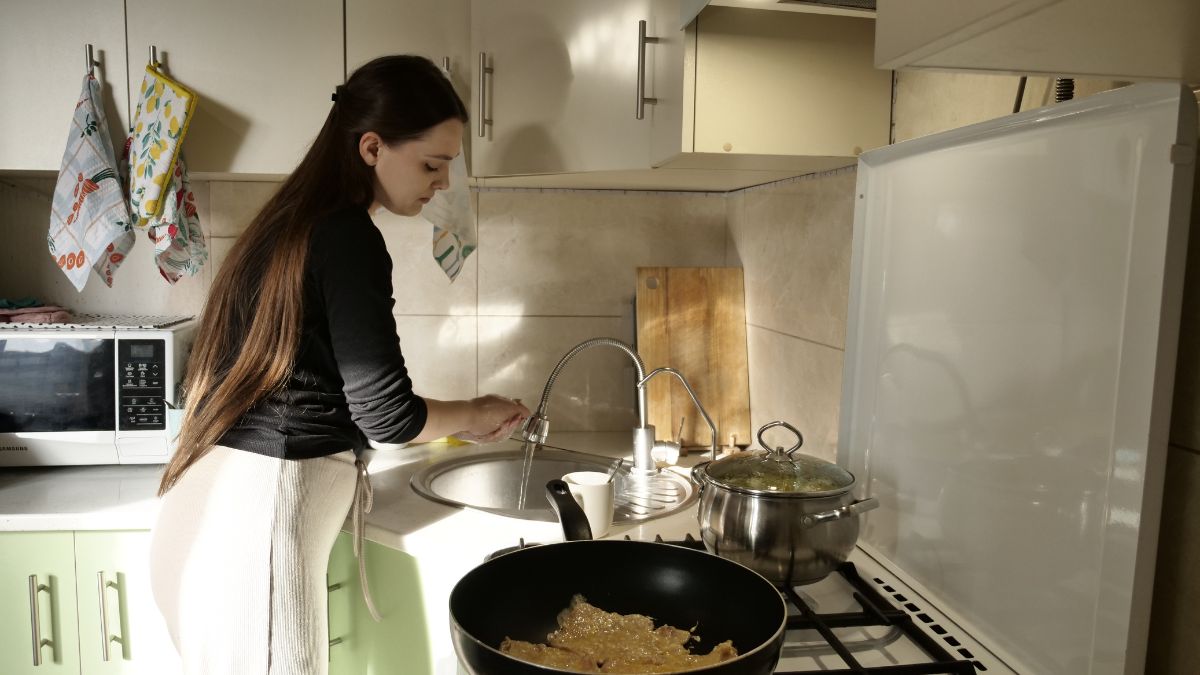
Quality cookware represents a serious investment, and most home cooks are unknowingly shortening its lifespan through everyday habits that seem completely harmless. From the way pans are cleaned to how they are stored, small missteps accumulate into irreversible damage over time. Understanding what actually harms your pots and pans can save hundreds of dollars and preserve performance for years to come. The following habits are among the most common culprits found in kitchens everywhere.
Metal Utensils
Stainless steel spatulas, tongs, and whisks feel sturdy and professional, but they wreak havoc on most cooking surfaces. Even a single vigorous stir with a metal spoon can leave microscopic scratches on nonstick and enameled surfaces. Over time these scratches compromise the coating, allowing food to stick and making the pan increasingly difficult to cook with. Silicone and wooden utensils perform just as effectively without introducing any surface damage whatsoever.
Dishwasher Use
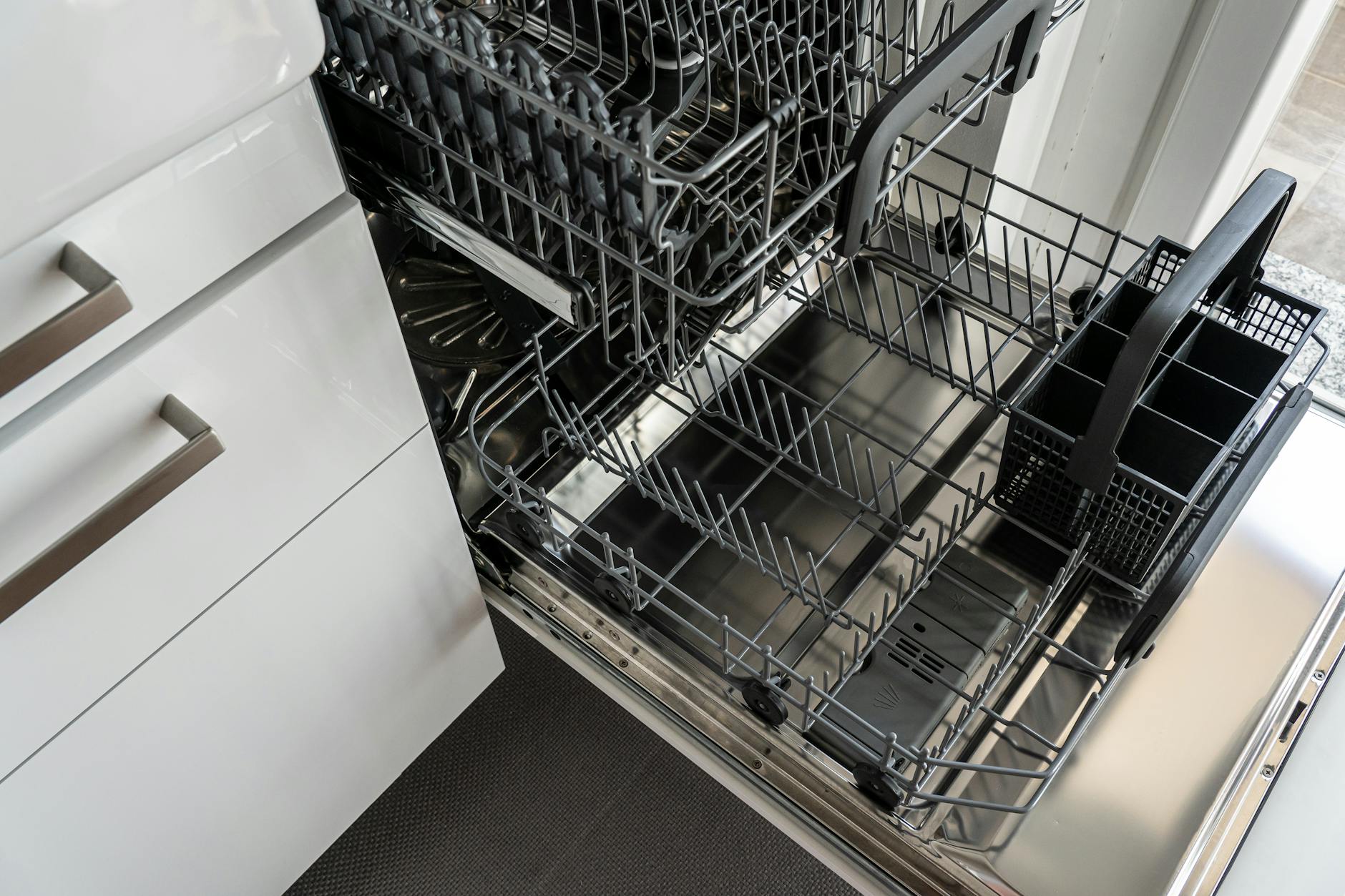
Many cookware brands explicitly warn against machine washing, yet the dishwasher remains the most convenient option for busy households. The combination of high-pressure water jets and harsh detergent strips protective seasoning from cast iron and carbon steel pans almost immediately. Repeated exposure also causes wooden handles to crack and metal surfaces to develop unsightly oxidation over time. Hand washing with warm soapy water and a soft cloth is always the safer and more preserving choice.
Thermal Shock
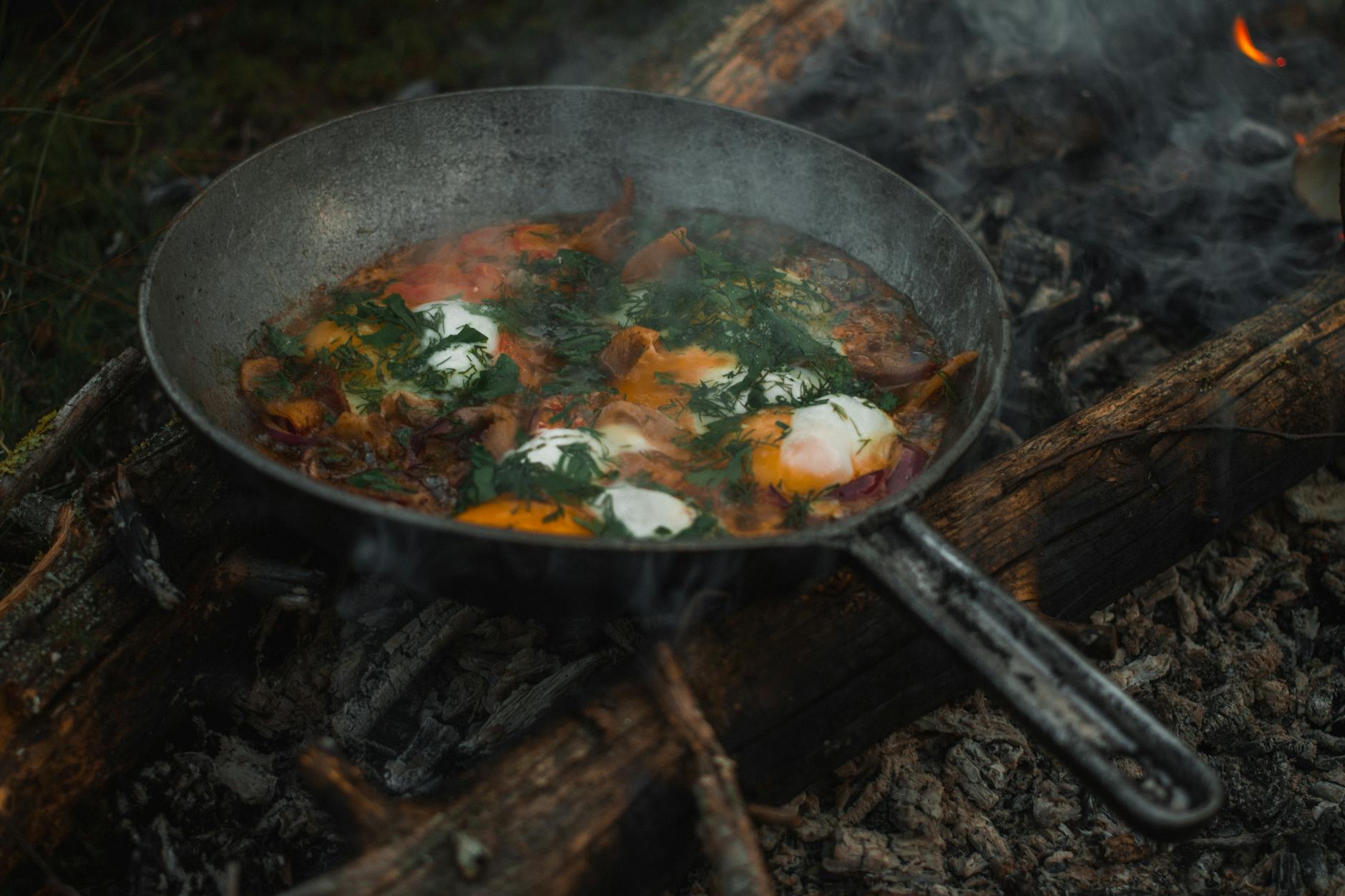
Moving a very hot pan directly under cold running water is one of the fastest ways to warp its base permanently. The sudden temperature contrast causes metal to contract unevenly and at different rates throughout the pan’s layers. Warped bases no longer make full contact with flat stovetop surfaces, leading to uneven heat distribution during future cooking. Allowing cookware to cool naturally to room temperature before washing is a simple habit that protects its structural integrity completely.
Abrasive Scrubbers
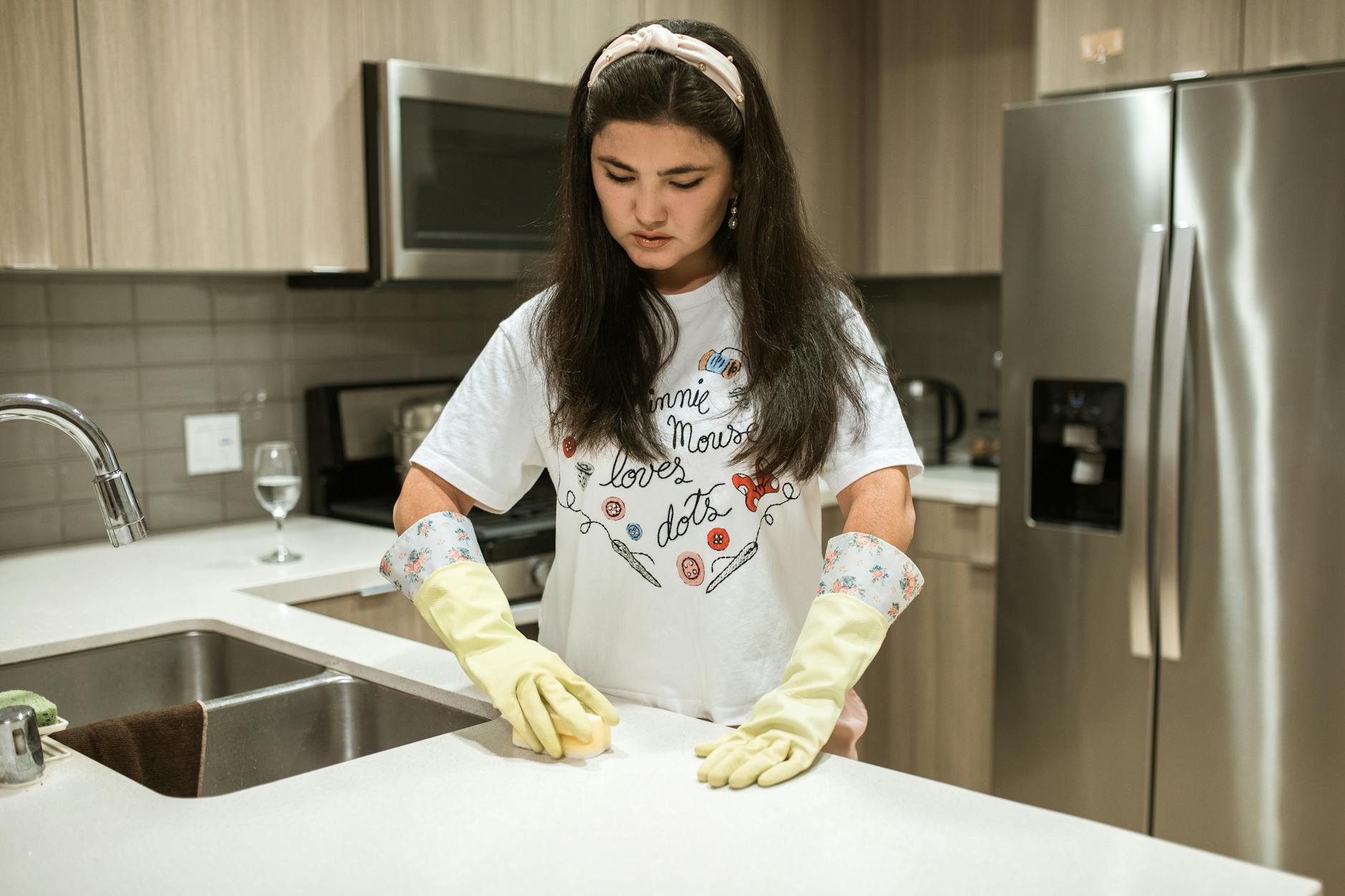
Steel wool pads and rough scouring sponges are marketed for tough cleaning jobs but cause serious harm to most premium cookware. They strip the seasoning from cast iron, scratch nonstick coatings beyond repair, and dull the polished finish of stainless steel over time. Even all-purpose scrubbers with a scratchy green side are too aggressive for surfaces that require gentle care. A soft sponge or cloth with a small amount of dish soap handles the vast majority of cooking residue without any damage.
Aerosol Cooking Spray
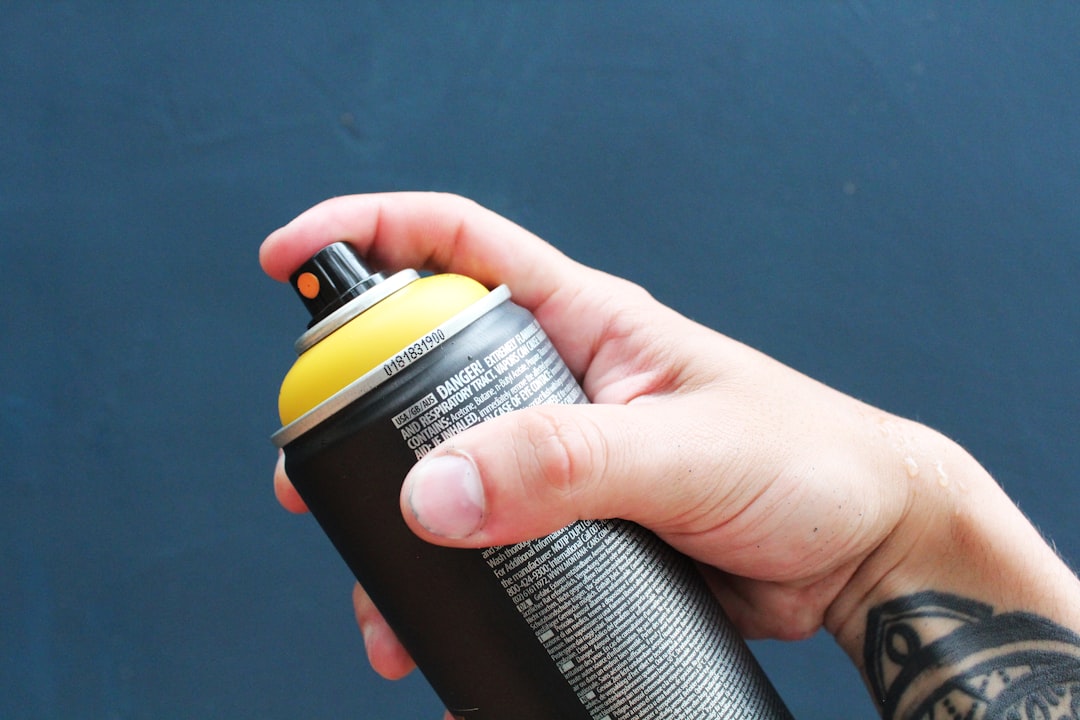
Spray oils like PAM seem like a convenient way to prevent sticking, but they leave behind a sticky polymer residue that bakes onto cookware surfaces with repeated use. This residue builds up into a brownish film that regular washing cannot fully remove and that degrades nonstick coatings over time. Premium nonstick pans are specifically designed to require minimal or no added fat, making spray oils entirely unnecessary. A small amount of butter or poured oil applied with a brush or paper towel is a far safer alternative.
Stacking Pans
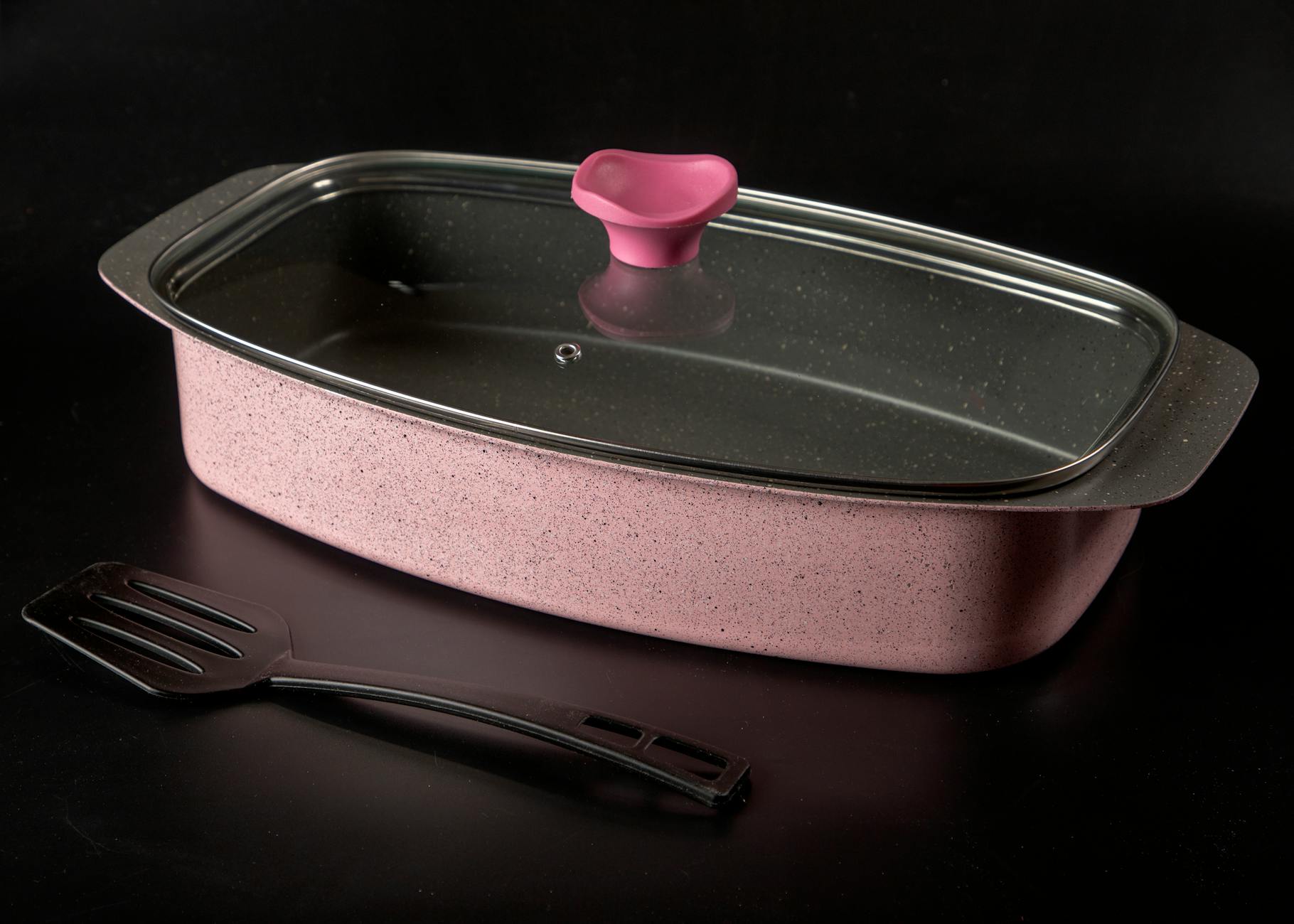
Nesting pans directly on top of one another inside a cabinet seems like the most logical storage solution, but it causes constant surface-to-surface abrasion. The weight of upper pans grinds against the cooking surfaces below every time the stack is disturbed or rearranged. Nonstick coatings are particularly vulnerable to this kind of repeated friction and begin to flake or wear unevenly. Placing a soft cloth, paper towel, or dedicated pan protector between each piece of cookware eliminates this issue entirely.
High Heat
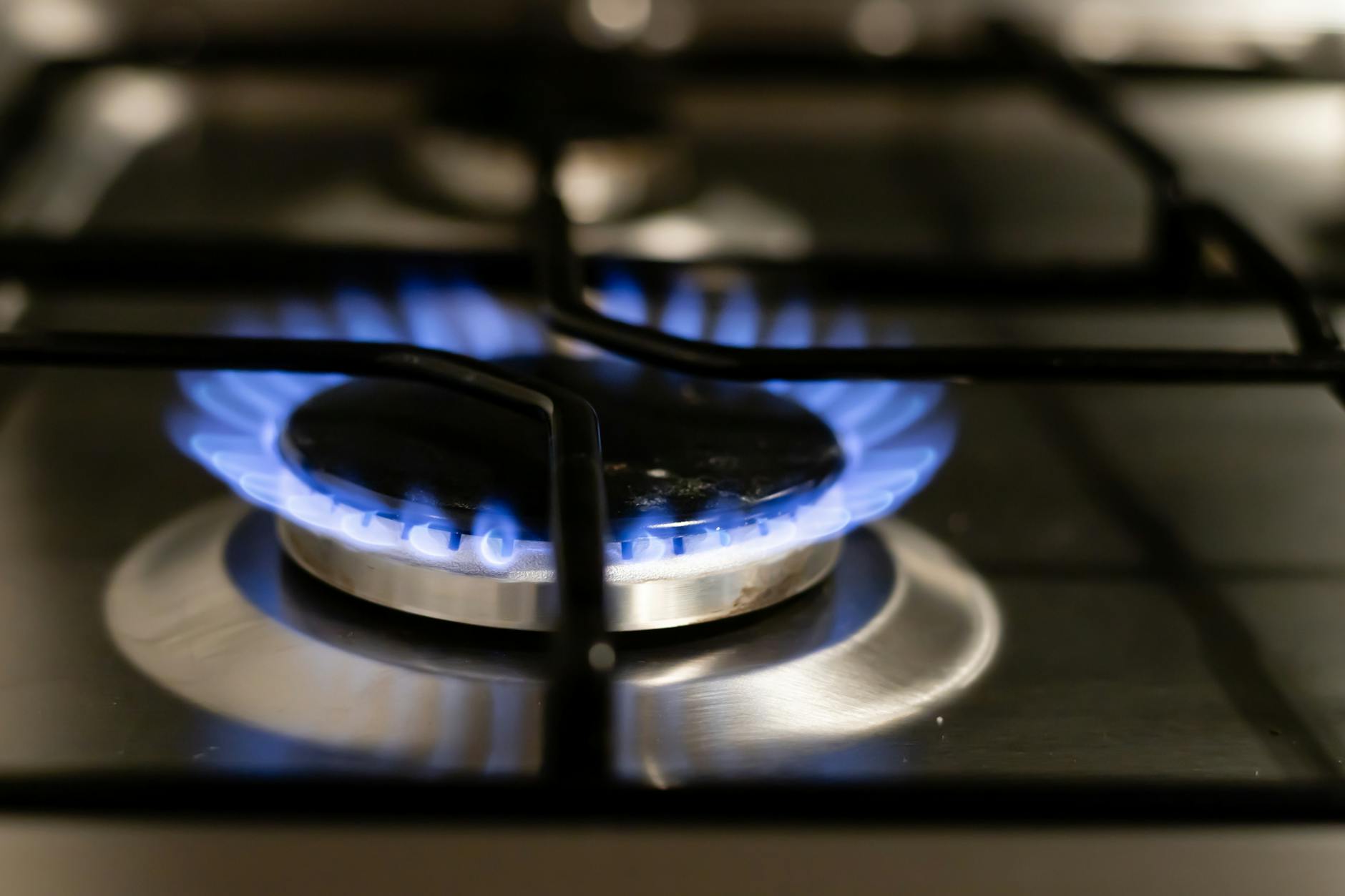
Many home cooks default to the highest burner setting in an effort to cook faster, but excessive heat is one of the most damaging forces a pan can experience. Nonstick coatings begin to break down and release compounds at temperatures above a certain threshold, significantly shortening their functional lifespan. Stainless steel and copper pans discolor and develop stubborn heat tints when routinely exposed to unnecessarily high temperatures. Most cooking tasks including searing, sautéing, and frying are best accomplished at medium to medium-high heat settings.
Empty Preheating
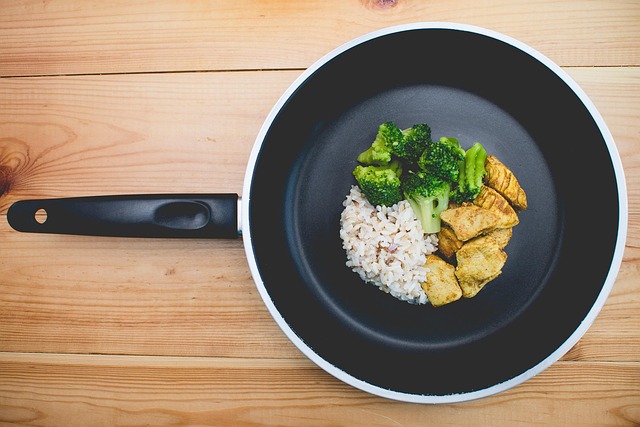
Placing an empty nonstick pan on a burner and allowing it to preheat without any oil or food inside is a habit that accelerates coating deterioration rapidly. Without the buffer of fat or liquid, surface temperatures spike far beyond what the pan is designed to handle safely. Cast iron and stainless steel tolerate dry preheating reasonably well, but nonstick varieties should never be left unattended on heat without content. Adding oil before the pan reaches temperature is a minor adjustment that makes a significant difference to longevity.
Wet Storage
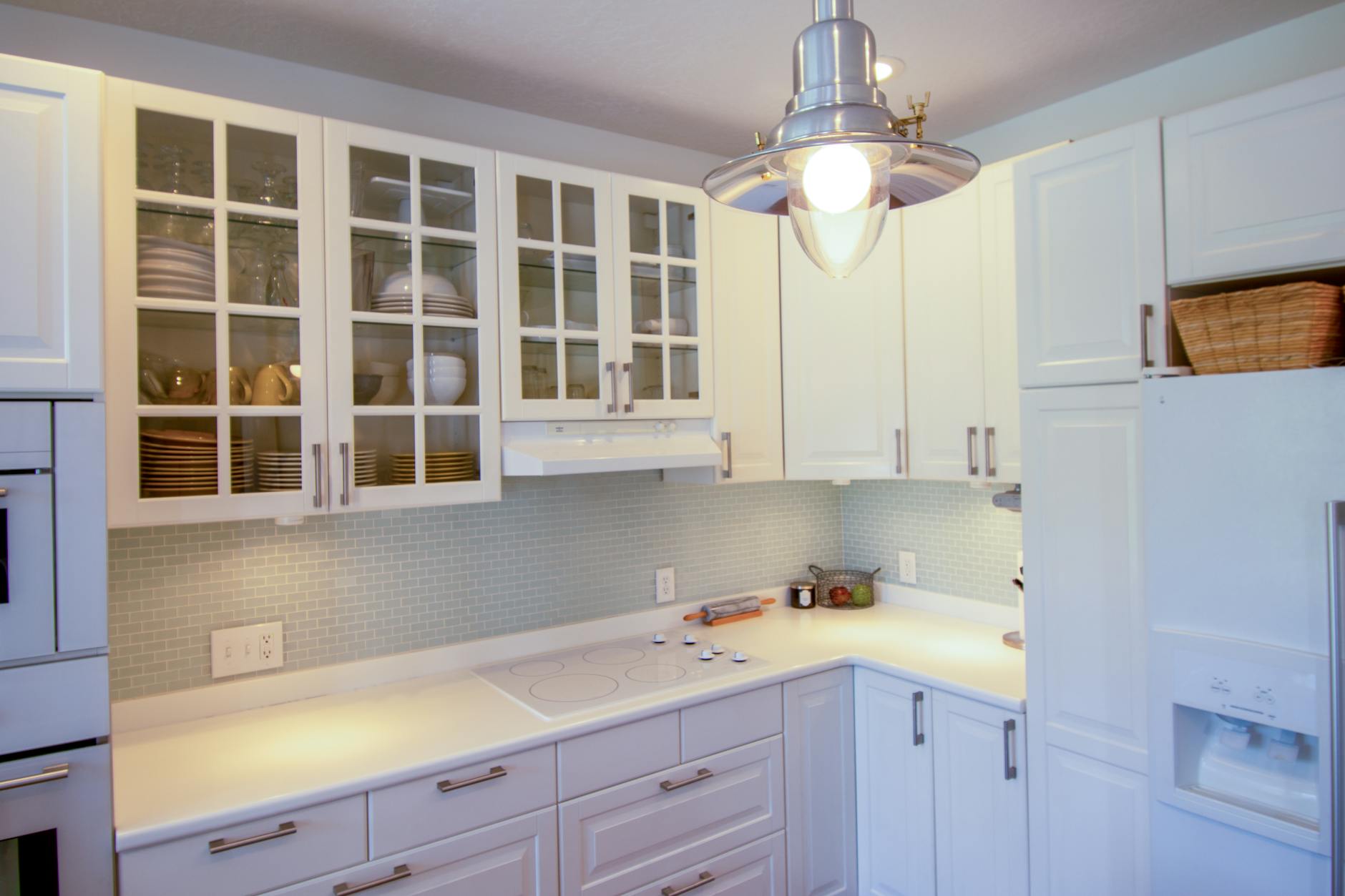
Putting cookware away while it still retains any moisture is a reliable path to rust, oxidation, and mold development on handles and rims. Cast iron is especially unforgiving in this regard and can begin to rust within hours of exposure to trapped moisture. Even stainless steel and aluminum pans benefit from being thoroughly dried before storage to prevent water spotting and mineral buildup. Towel drying immediately after washing and allowing a brief air-dry before stacking is a straightforward protective measure.
Soaking Cast Iron
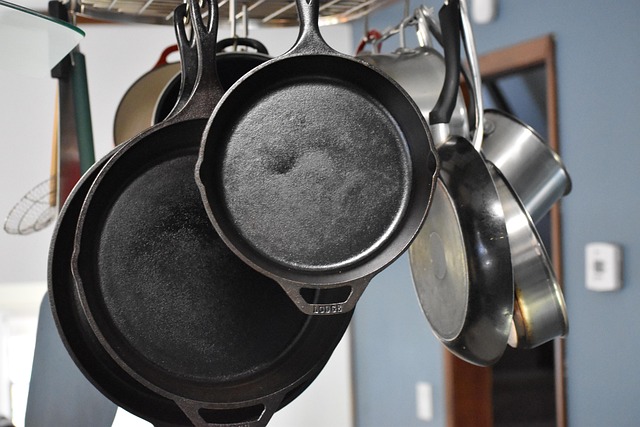
Leaving cast iron cookware submerged in water for any extended period of time destroys the seasoning and invites rust to develop across the surface. Unlike stainless steel or ceramic-coated pans, cast iron is a porous material that absorbs moisture rather than repelling it. Even soaking for thirty minutes can undo years of carefully built seasoning and require a full re-seasoning process to restore. Prompt hand washing followed by immediate drying and a light coat of oil keeps cast iron in excellent long-term condition.
Salt Too Early
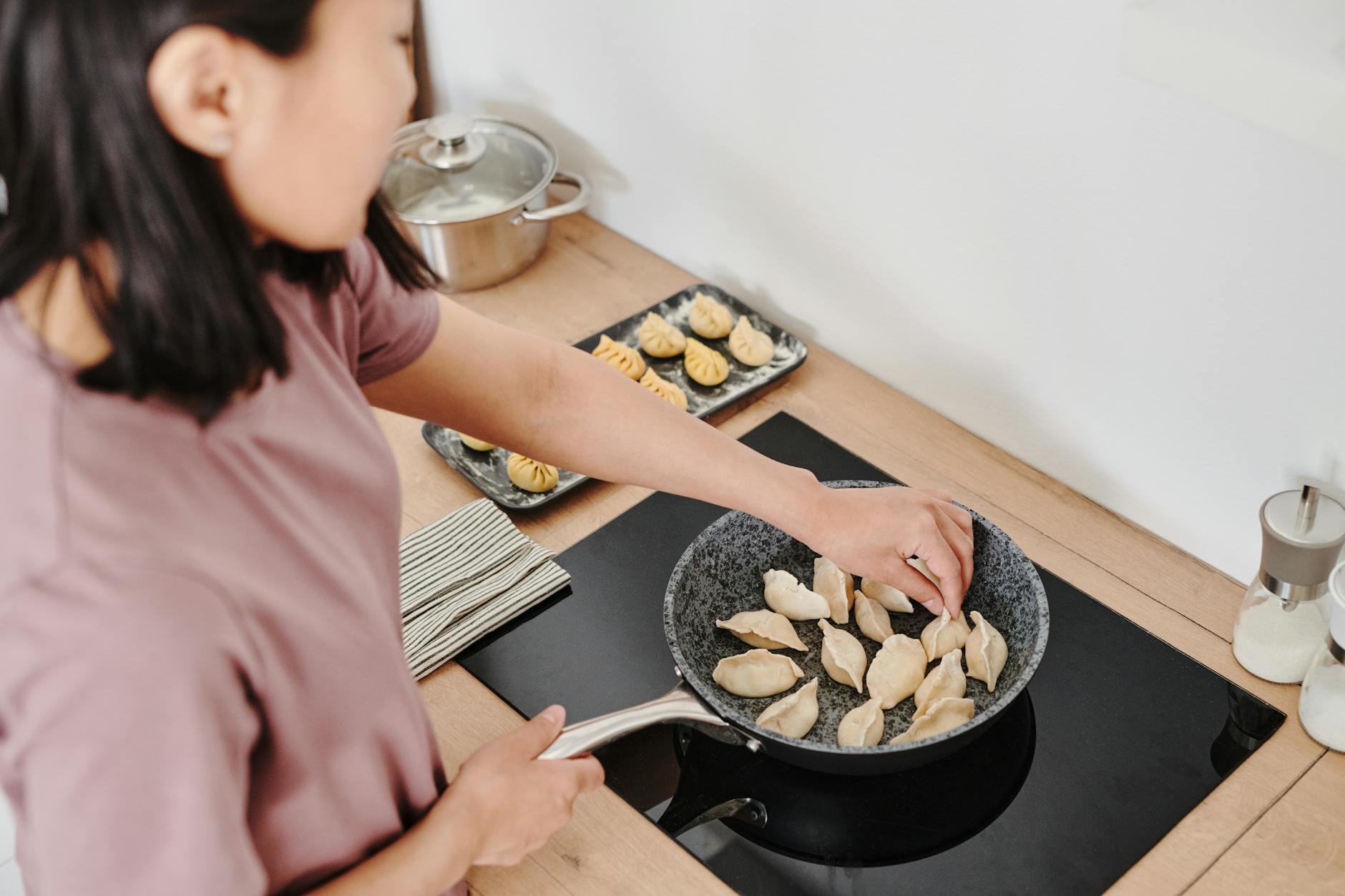
Adding salt to water or oil at the very beginning of heating, before liquids have fully come to temperature, is a common step that causes pitting on certain pan materials. Undissolved salt crystals settle on the base of stainless steel and copper cookware and create small etched marks that accumulate over time. These pits do not affect cooking performance immediately but weaken the surface and make cleaning progressively more difficult. Adding salt once water is already boiling or after food has been introduced to the pan largely eliminates this risk.
Wrong Stovetop
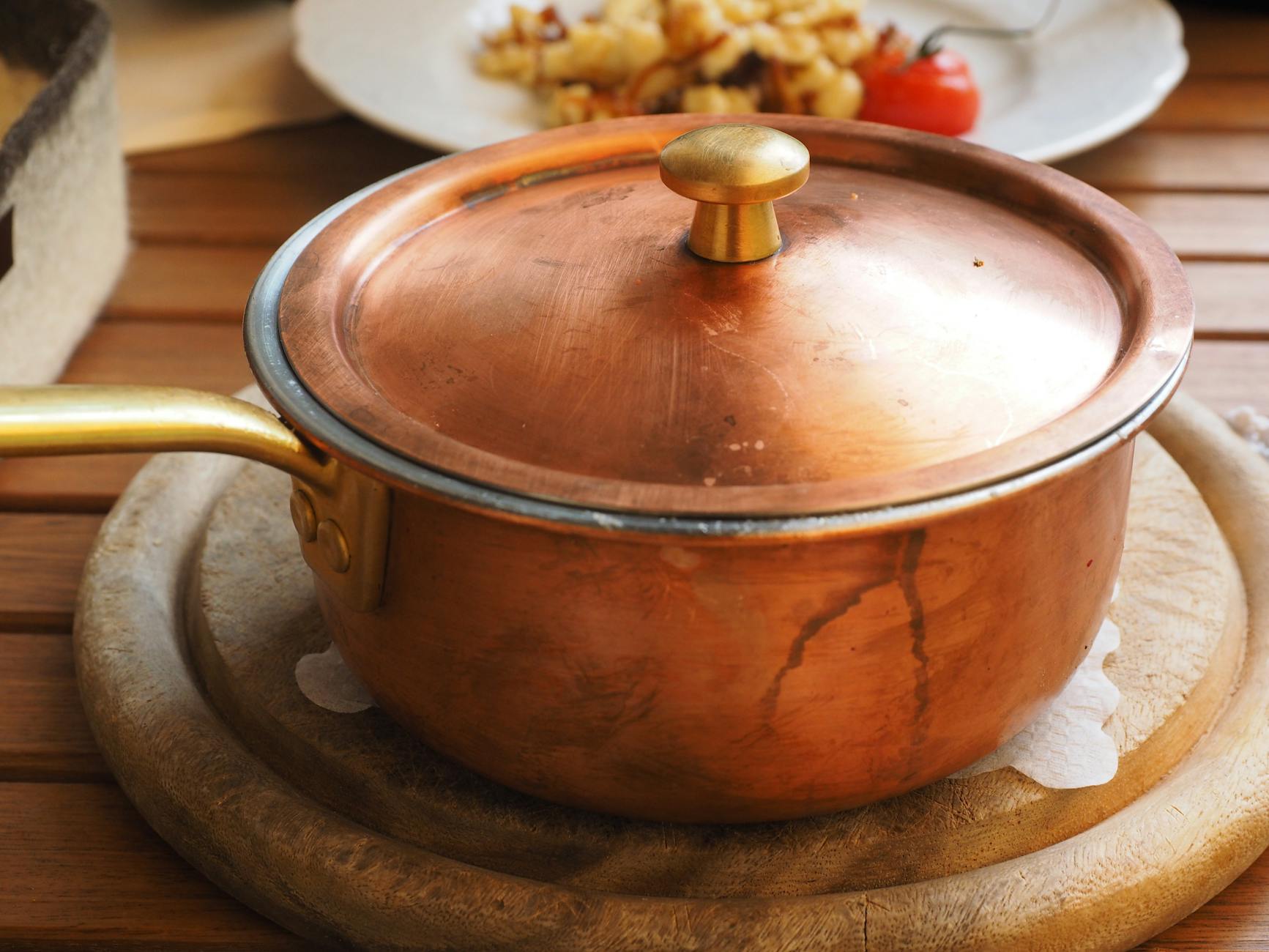
Using cookware on a heat source it was not designed for introduces serious compatibility problems that damage both the pan and the appliance. Induction cooktops require magnetic-base cookware, and forcing incompatible pieces onto them creates uneven heating, warping, and surface scratching. Thin aluminum pans placed on high-output gas burners experience temperature fluctuations they are not built to handle, leading to permanent deformation. Always checking manufacturer specifications before using cookware on a new or different stovetop type prevents avoidable and often irreversible damage.
Harsh Cleaning Products
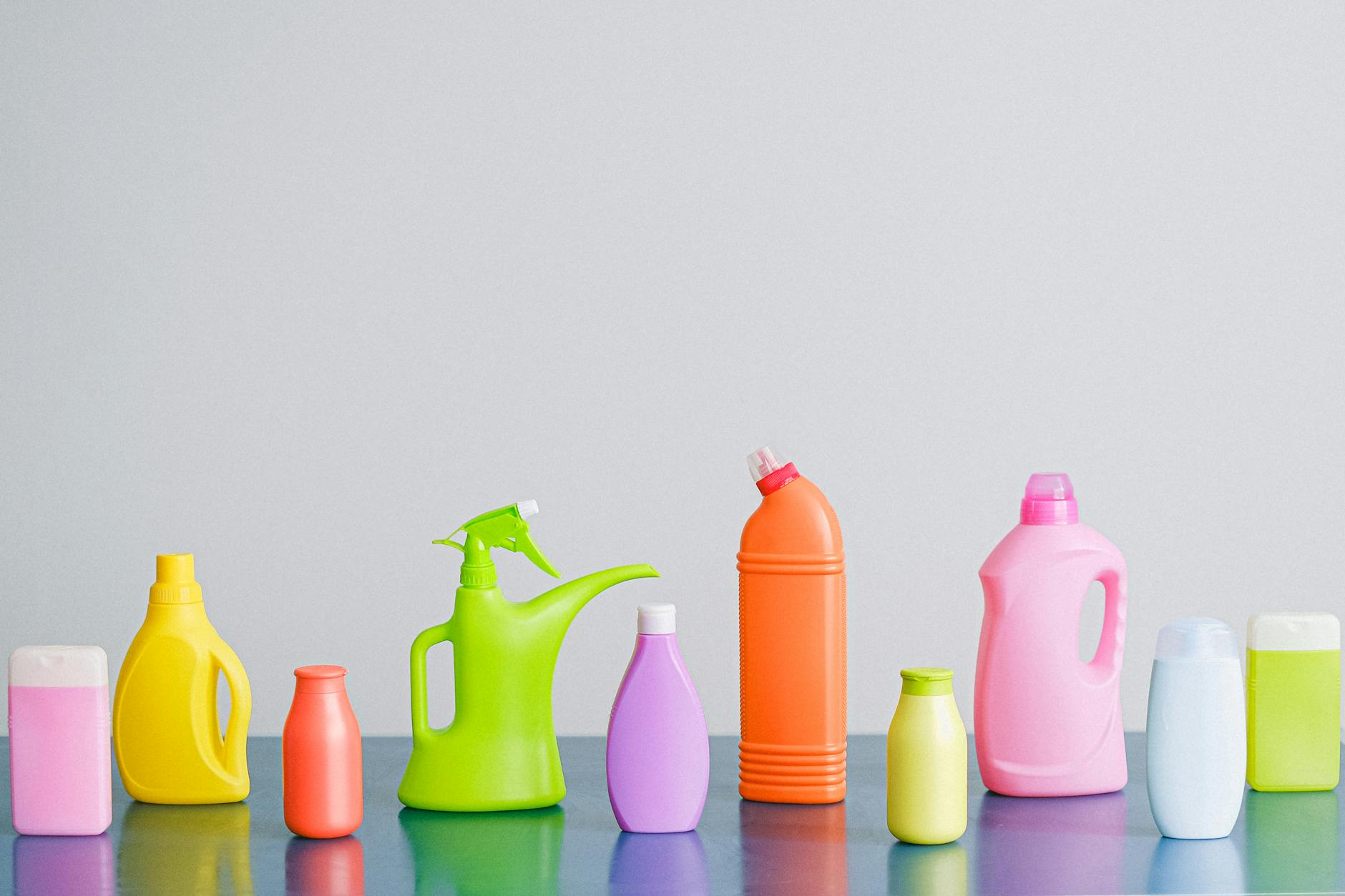
Bleach-based cleaners, oven sprays, and multipurpose chemical solutions are far too aggressive for the materials used in quality cookware. Enamel coatings crack and dull when exposed to strong acids or bases found in common household cleaning products. Stainless steel develops permanent discoloration and pitting after contact with chlorine-containing compounds. Bar Keepers Friend, white vinegar, and baking soda are widely recommended by cookware professionals as effective yet material-safe cleaning solutions for tackling stubborn stains.
Share your own cookware care tips or the habits that surprised you most in the comments.